
Best Eco-Friendly Pet Bedding Materials for 2026
PawVerde.com – Eco-friendly pet bedding involves selecting materials that prioritize biological safety for the animal and minimal environmental impact. This includes using natural fibers like organic cotton and hemp, renewable fillings like natural latex, and recycled components like REPREVE® fibers, while avoiding microplastic-shedding synthetics and respiratory irritants like cedar shavings.
In 2024, over 45% of new animal bedding product launches featured eco-friendly components. This shift indicates a growing market demand for products that balance pet comfort with ecological responsibility.
The Sustainability Lifecycle: Beyond ‘Natural’ Labels
True sustainability is measured by a material’s end-of-life path. A ‘Sustainability Lifecycle Matrix’ ranks materials by their disposal ease: Compostable materials (organic cotton, hemp) return to the earth; Recyclable materials (REPREVE® recycled polyester) require industrial processing; and Landfill materials (standard polyester, polyurethane foam) persist for centuries.
Compostable vs. Recyclable vs. Landfill
A common failure mode in eco-conscious shopping is assuming a “natural” label guarantees environmental safety. If a product combines organic cotton with a synthetic polyester blend, the entire item becomes nearly impossible to compost. According to Dazzling Doggie Duvet, the evaluation of a product must include manufacturing, durability, modular repairability, and its ultimate end-of-life path.
Use this hierarchy to categorize materials:
- Compostable: Materials like organic cotton or hemp that can break down biologically.
- Recyclable: Synthetic options like REPREVE® produced by Unifi, which repurpose approximately 40 billion plastic bottles, though they still require specific industrial streams for processing.
- Landfill: Standard polyester or polyurethane foam, which can remain in the environment for a minimum of 500 years.
The Microplastic Problem
Recycled polyester remains a source of environmental concern. As noted by East Perry, “Recycled plastic is still plastic.” This material sheds microplastics during every wash cycle, creating a trade-off between diverting waste from landfills and preventing plastic fiber pollution in the water system.
Greenwashing Detection: How to Spot Fake ‘Natural’ Claims
Verify claims by searching for specific third-party standards rather than relying on vague adjectives. Blue Toby suggests that looking for recognized certifications is the only way to bypass marketing that masks high-impact synthetics.
Certifications to Trust
Reliable manufacturers rely on specific certifications to prove their claims. For example, Blue Toby notes that looking for recognized standards is the only way to bypass vague marketing. When evaluating a bed, check for GOTS (Global Organic Textile Standard) for cotton products or specific certifications regarding the source of recycled plastics. If a brand cannot provide a specific certification name, the “natural” claim should be treated with skepticism.
The Recycled Plastic Paradox
While Unifi has successfully integrated 40 billion plastic bottles into its REPREVE® fiber production, industry analysts warn that recycled plastic is still plastic. East Perry points out that “Recycled plastic is still plastic.” These materials can trap heat and harbor bacteria more readily than breathable natural fibers. Furthermore, the mechanical recycling process often fails when fabrics are blended with elastane or nylon, rendering the “recyclable” claim moot in a real-world disposal scenario.
Material Compatibility Guide: Matching Fibers to Pet Needs
Selecting bedding requires matching material properties to pet biology. Use natural latex for senior dogs needing orthopedic support and hypoallergenic properties; use hemp or aspen for small mammals needing absorbency without respiratory irritation; and use organic cotton denim for heavy chewers requiring high durability.
| Material | Primary Benefit | Environmental End-of-Life | Best For |
|---|---|---|---|
| Natural Latex | Orthopedic support & breathability | Biodegradable (if pure) | Senior dogs |
| Organic Cotton | Hypoallergenic & soft | Compostable | All breeds / sensitive skin |
| REPREVE® (Recycled Poly) | Waste diversion | Recyclable (Industrial) | Budget-conscious eco-users |
| Aspen Shavings | Safe substrate | Compostable | Small mammals |
Material selection directly influences pet health and environmental impact. For example, choosing organic cotton denim provides non-toxic durability, whereas polyester can shed microplastics.
Orthopedic Support for Seniors
For aging animals, the internal filling is as critical as the outer fabric. Natural latex is a superior alternative to polyurethane foam because it is naturally hypoallergenic and resistant to dust mites and mold. All Walks produces beds using natural shredded latex, which helps maintain its shape for up to 10 years. This longevity is a key component of sustainability, as it reduces the frequency of replacement.
Respiratory Safety for Small Mammals
Small animals require specific substrates that do not compromise their sensitive respiratory systems. The RSPCA recommends skipping stringy or “fluffy” nesting products that separate into thin strands; those fibres can tangle limbs or cause blockages if swallowed. Additionally, avoid cedar or pine shavings, as their strong aromatic compounds can irritate the respiratory tract. Aspen shavings or hemp provide structure and absorbency without these chemical risks.
Durability for Heavy Chewers
Sustainability depends on product lifespan. While polyester fillings can fail within weeks under the weight of large dogs, organic cotton denim is a highly durable alternative. Dazzling Doggie Duvet notes that organic cotton denim is free from toxic processing chemicals and offers the natural strength required for heavy chewers.
Cross-Species Nuance: Substrates vs. Furniture
Material requirements differ significantly between species. While a dog uses a bed as furniture, a small mammal uses bedding as a substrate for nesting, burrowing, and waste management.
Small Animal Layering Techniques
To create a healthy habitat, practitioners suggest the “Hamster Bedding Layering” technique. This involves starting with a deep base of paper, hemp, or aspen, followed by softer nesting layers. This method allows for natural burrowing instincts while maintaining hygiene. However, users must be careful with paper bedding; if it is left wet, it can turn musty and become a breeding ground for bacteria.
Canine Bedding Longevity
Dog beds function as long-term furniture. Because a dog may spend up to 14 hours a day on their bed, the structural integrity of the material is paramount. Unlike small animal substrates that are replaced frequently, canine bedding should be designed for multi-year use. High-quality natural rubber or latex cores provide the necessary support that prevents the “bottoming out” effect common in cheaper foam models.
Maintenance and Longevity Protocol
Owners can prolong the life of eco-friendly materials by following specific care routines.
Shortcut: To extend the life of custom beds, use the “Dog Bed Maintenance” method: Regularly rotate the cushion and air out the bed components in the fresh air to prevent moisture buildup.
Extending the Lifespan
Longevity is the most effective way to reduce your environmental footprint. For products like the Rawganique Sesame pet bed, which features a specific 4-inch thickness, maintaining the loft of the material is essential. Rotating the cushion prevents permanent compression in high-pressure areas, such as where the animal’s hips rest.
Cleaning Without Chemicals
Standard chemical detergents can strip the natural properties of organic fibers. To maintain hygiene, covers should typically be washed every 1-2 weeks. When cleaning organic cotton or hemp, avoid using heavy fabric softeners, which can coat the fibers and reduce their natural absorbency. natural fibers like wool can actually absorb up to 30% of their weight in moisture without feeling damp, making them excellent for moisture management if cleaned correctly.
Total Cost of Ownership: The Premium vs. Replacement Math
The economic value of sustainable bedding is found in its lifespan. While upfront costs may be higher, a premium bed avoids the cycle of frequent replacements required by low-quality synthetics.
The Failure of Cheap Synthetics
The economic argument for sustainability is based on replacement frequency. A low-cost polyester bed may seem like a bargain, but if it requires replacement every 6 to 12 months due to structural failure or microplastic shedding, the annual cost exceeds that of a high-quality organic bed. A premium bed using natural latex or organic cotton denim is designed to last years, effectively spreading the initial investment over a much longer period.
Design Integration: Aesthetics Meet Ecology
eco-friendly pet products can integrate seamlessly with various home aesthetics. Manufacturers focus on natural textures that complement modern or traditional interior design styles.
Minimalist vs. Bohemian Styles
For homeowners preferring a minimalist aesthetic, products using organic cotton or natural latex offer clean lines and neutral tones. Conversely, those with a bohemian style can leverage the rich, tactile textures of hemp and raw organic cotton. Brands like J’adore Pet Beds specialize in custom designs that allow owners to select materials that match their specific home environment, ensuring that the pet’s comfort does not clash with the household’s visual identity.
FAQ
Is recycled polyester actually eco-friendly?
While Unifi uses 40 billion plastic bottles to create REPREVE® fibers, recycled polyester is a “lesser evil” rather than a perfect solution. It still sheds microplastics and can take 500 years to decompose, meaning it does not solve the long-term plastic persistence issue.
What is the safest bedding for hamsters?
The safest options are aspen or hemp, which provide absorbency without respiratory irritation. You must avoid cedar or pine shavings due to their aromatic oils. Additionally, follow RSPCA guidance to avoid “fluffy” fibers that can cause limb entanglement or ingestion risks.
How often should I wash eco-friendly dog beds?
To maintain hygiene, dog bed covers should typically be washed every 1-2 weeks. This frequency helps preserve the integrity of natural fibers like organic cotton while ensuring a clean sleeping surface.
Wild-Caught vs. Farmed Fish: Which is Best for Cat Nutrition?
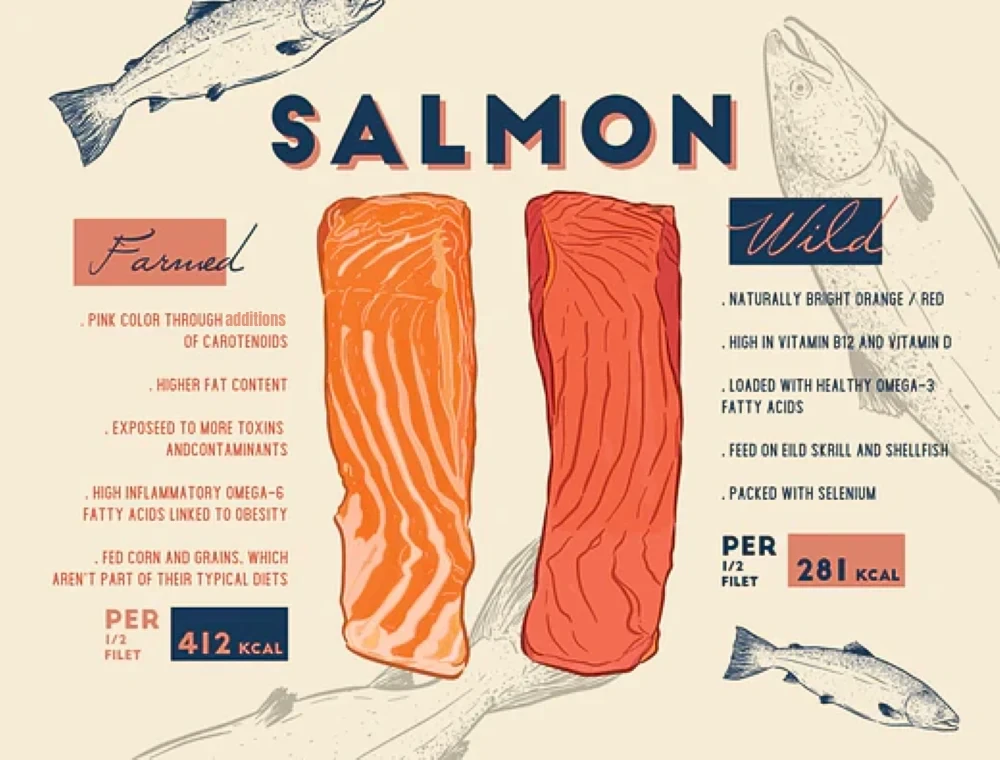
PawVerde.com – Choosing between wild-caught and farmed fish for your cat involves balancing nutrient density against contaminant risks. While wild salmon offers superior ALA and a leaner profile, farmed salmon provides higher caloric density and potentially lower mercury levels, making the “best” choice dependent on your cat’s specific health needs and age. Wild Atlantic salmon contains 251 mg of ALA per 3 oz, nearly double the 126 mg found in farmed Atlantic salmon, according to the USDA National Nutrient Database .
The Heavy Metal vs. Omega-3 Risk Matrix
Owners must weigh mercury against omega-3 concentrations when selecting fish. Wild salmon may contain higher mercury levels due to bioaccumulation, while farmed salmon provides higher levels of EPA and DHA, such as the 733 mg of EPA and 935 mg of DHA found in a 3 oz serving of farmed Atlantic salmon.
The biological makeup of these fish creates a distinct nutritional profile. Wild salmon is typically leaner and possesses a bolder flavor. However, this movement through various ocean layers can lead to higher mercury levels, a risk monitored by the Singapore Food Agency.
The Mercury Trade-off in Wild Species
Mercury accumulation is a primary concern for long-term feline health. While wild salmon provides a high-quality protein source, the bioaccumulation of heavy metals remains a documented risk in wild-caught specimens. Regulators like the Singapore Food Agency monitor these levels closely to ensure seafood safety.
Contaminant Profiles in Aquaculture
Farmed fish presents a different set of chemical considerations. While they may avoid the heavy metal accumulation seen in wild migratory species, they can carry higher levels of other potentially carcinogenic contaminants, such as dioxins and PCBs. This occurs because of the specific environments and feed used in aquaculture settings.
| Criterion | Wild-Caught Fish | Farmed Fish |
|---|---|---|
| Fat Content | Generally leaner | Higher fat content |
| Mercury Risk | Potentially higher (bioaccumulation) | Generally lower |
| Contaminant Risk | Lower PCBs/Dioxins | Potentially higher PCBs/Dioxins |
| Caloric Density | Lower (approx. 142 kcal per 3 oz) | Higher (approx. 208 kcal per 3 oz) |
This comparison highlights that there is no perfect option. Choosing wild-caught fish minimizes exposure to PCBs, but choosing farmed fish may reduce heavy metal intake. A counterintuitive reality is that a “cleaner” looking fish might actually carry more synthetic contaminants depending on its origin.
Decoding the Cat Food Label: Fish Meal vs. Whole Fish
The nutritional value of farmed versus wild-caught seafood is comparable in many processed pet foods. Research suggests the more important issue to consider when shopping for seafood is sourcing, rather than the binary distinction between wild or farmed.
To identify quality, owners can look for specific certification markers on pet food packaging. These indicators provide insight into the origin and production methods of the fish used in the recipe.
- ASC Certification: The Aquaculture Stewardship Council provides labels that indicate more responsible farming practices.
- MSC Certification: The Marine Stewardship Council certification identifies seafood that has been caught using sustainable wild-harvesting methods.
- Specific Species Names: Labels that list “Wild Atlantic Salmon” are more transparent than those simply stating “Fish Meal.”
- Whole Fish vs. Meal: Whole fish preserves more natural nutrient integrity than highly processed fish meal.
Identifying ASC and MSC Certifications
Certifications serve as a proxy for quality control. By using the Sustainable Seafood Selection technique, owners can look for ASC or MSC logos to ensure the seafood meets established standards for responsible sourcing.
The Impact of Processing on Nutrient Integrity
Processing can strip away the very benefits owners seek. High-heat rendering of fish into meal can degrade sensitive fatty acids. Even if the source is wild-caught, a highly processed “fish meal” may lack the bioactive compounds found in whole-fish preparations.
The Thiamine Trap: Why Raw Fish is a High-Stakes Risk
Feeding raw fish to a cat is a significant nutritional error. Raw fish contains an enzyme that destroys thiamine (Vitamin B1), a vital nutrient for feline neurological health. This can lead to a rapid and dangerous deficiency if raw fish becomes a staple of the diet.
The Vitamin B1 Deficiency Mechanism
Thiamine is essential for energy metabolism in cats. When the thiamine-destroying enzyme in raw fish is ingested, it breaks down the B1 available in the cat’s system. This failure mode can result in symptoms ranging from loss of appetite to seizures and death.
Bacterial Risks: Salmonella and Listeria
Beyond nutritional deficiencies, the American Kennel Club notes that raw fish bears the risk of carrying foodborne bacteria. Salmonella and Listeria can cause acute gastrointestinal distress in cats, making cooked fish a much safer alternative for home-prepared meals.
Nutritional ROI: Is the Wild-Caught Premium Worth It?
The “Nutritional ROI” depends on the cat’s life stage. For senior cats needing joint support, the higher EPA/DHA levels in certain fish are beneficial. However, for healthy adult cats, the 50% higher calorie count in farmed salmon (208 vs 142 kcal) may lead to weight gain if not strictly managed.
Calculating the value of premium fish requires looking at the specific fatty acid concentrations. According to the USDA National Nutrient Database, farmed Atlantic salmon provides 733 mg of EPA and 935 mg of DHA per 3 oz serving. In contrast, wild Atlantic salmon provides 273 mg of EPA and 952 mg of DHA per the same serving size.
Caloric Density and Weight Management
Weight management is a critical factor in feline longevity. Because farmed salmon contains 50% more calories than its wild counterpart (208 kcal vs 142 kcal), it is a much denser energy source. For cats prone to obesity, the leaner profile of wild salmon offers a safer way to provide fish without excessive caloric loading.
Comparing EPA and DHA Levels
While farmed salmon is higher in EPA, the difference in DHA is minimal. The Nutrition Source notes that “EPA and DHA can be made from another omega-3 fat called alpha-linoleic acid (ALA), so they are more accurately termed ‘conditionally essential’ fats.” This means the body can convert certain fats, but direct intake of EPA/DHA remains superior for inflammation management.
Species-Specific Selection Guide
Determine the best fish based on specific physiological objectives. Whether the goal is coat health or weight management, the different fat and protein profiles of wild and farmed salmon offer distinct advantages.
| Goal | Recommended Fish Type | Reasoning |
|---|---|---|
| Skin & Coat Health | Wild Salmon | High ALA and lean protein |
| Weight Management | Wild Salmon | Lower caloric density (142 kcal) |
| Budget Protein | Farmed Salmon | More affordable and consistent |
| High Omega-3 Boost | Farmed Salmon | Higher EPA/DHA concentrations |
Best for Skin and Coat
For cats struggling with dry skin or dull fur, the nutrient density of wild-caught fish is often preferred. The higher ALA content (251 mg in wild vs 126 mg in farmed) provides the building blocks for healthy skin barriers.
Best for Budget-Conscious Protein
Farmed salmon is more affordable and available year-round, whereas wild salmon is more expensive due to its seasonal availability and the challenges of catching it. For daily protein supplementation, farmed fish offers a stable and cost-effective option.
Safe Transitioning and Feeding Protocols
Fish is a great protein source for dogs and cats. As Dr. Debra Eldredge notes, “Fish is a great protein source for dogs and cats. It’s easy to digest and it’s rich in essential amino acids.”
Follow the Safe Pet Feeding protocol to minimize risks:
Shortcut: Cook fish thoroughly to eliminate bacteria and always check for small bones before feeding to your pet.
When introducing fish, start with very small amounts to prevent digestive upset. Ensure the fish is part of a balanced diet and not the sole source of nutrition, as fish alone lacks the complete mineral profile required for feline health.
FAQ
Can I feed my cat raw fish from the grocery store?
No, raw fish carries risks of Salmonella, Listeria, and an enzyme that destroys Thiamine (Vitamin B1), which is essential for feline health. Always cook fish thoroughly to ensure it is safe for consumption.
Is farmed salmon healthier for cats than wild salmon?
It depends. Farmed salmon is higher in calories and certain omega-3s like EPA but may contain more PCBs/dioxins. Wild salmon is leaner and often higher in ALA but may have more mercury.
How much fish should my cat eat?
While general human guidelines suggest 2 servings per week, for cats, fish should be part of a balanced diet as a protein source, ensuring it is cooked and bone-free to avoid choking or digestive issues.

Breeder vs. Shelter Adoption: How to Choose Your Pet
PawVerde.com – The choice between breeder and shelter is not a binary of ‘good vs. bad,’ but a balance of urgency and predictability. While adoption addresses the crisis of 6.5 million animals entering U.S. shelters annually, ethical breeding provides the long-term genetic stability and trait predictability required for specific lifestyle needs.
6.5 million companion animals enter U.S. animal shelters annually, contributing to a cycle where approximately 700,000 animals are euthanized each year due to overcrowding.
Beyond the Binary: A Decision Matrix for New Owners
To choose between a breeder and a shelter, evaluate your constraints. Prioritize adoption to help mitigate the 700,000 animals euthanized annually in overcrowded shelters. Alternatively, choose an ethical breeder if you require high predictability in size, coat, or temperament.
Deciding how to acquire a pet requires analyzing specific lifestyle variables rather than following emotional impulses alone. While 47% of people in a 2016 study by Bir, Widmar and Croney reported they adopted because “it was the right thing to do,” other owners prioritize different metrics.
The Budget-First Path
Barkio notes that adopting a dog from a shelter is a compassionate, cost-effective, and ethical way to bring a new pet into your life. Financial constraints often dictate the acquisition method, as shelter fees are significantly lower than the thousands of dollars typically required for a puppy from a commercial source.
The Predictability-First Path
For owners who cannot afford the “trial and error” of a mixed-breed’s temperament, Barkio reports that buying from a breeder offers predictability in traits and health. This is particularly relevant for those who require a specific size or energy level to match their living situation.
The Allergy and Lifestyle Constraint
Research from Bir, Widmar and Croney indicates that 33% of owners express a preference for a specific breed or type of dog. This preference often stems from physiological needs, such as hypoallergenic coats, or specific behavioral requirements that a shelter’s mixed-breed population may not meet.
| Criterion | Shelter/Rescue Adoption | Ethical Breeder |
|---|---|---|
| Cost | Typically much lower | Can cost thousands of dollars |
| Predictability | Low (often mixed breeds) | High (known genetics/traits) |
| Ethical Impact | Reduces euthanasia/demand | Supports genetic sustainability |
| Behavioral Certainty | Variable/Unknown history | High (based on parentage) |
Owners must decide between immediate social impact and long-term biological certainty. This choice is shaped by whether one prioritizes reducing the 6.5 million annual shelter intakes or securing specific genetic traits.
Vetting the Source: Red Flags vs. Green Flags
The most critical step is identifying the difference between a responsible provider and an exploitative one. Failing to vet a source can result in the accidental support of puppy mills that prioritize profit over animal welfare.
How to Spot a Puppy Mill
Luckydog Animal Rescue warns that puppy mills prioritize profit over animal welfare. These facilities often keep dogs in inhumane, overcrowded, and unsanitary conditions, frequently separating puppies from their mothers too early to maximize turnover. If a seller cannot show you where the animals live or refuses to let you meet the mother, it is a major failure mode.
The Ethical Breeder’s Checklist
Ethical breeding involves more than just producing puppies; it requires a commitment to the entire lifecycle of the animal. According to Paws and Reflect, ethical breeding involves thoughtful pairing and rehoming contracts. A legitimate breeder should provide:
- Comprehensive health and temperament evaluations.
- Detailed genetic history of the parents.
- A signed contract that includes a requirement to return the dog to them if the owner can no longer care for it.
Evaluating Shelter Intake and Rehoming Ratios
Humane Animal Partners suggests that adopting helps combat unethical breeding practices like backyard breeders. When evaluating a rescue, look for transparency regarding their ability to provide permanent homes and their management of intake numbers.
The Shelter Crisis and the Ethics of Euthanasia
The ethical weight of adoption is driven by the sheer scale of the animal homelessness crisis in the United States. Data from The Ohio State University shows that 3.3 million dogs enter U.S. shelters annually.
The consequence of this massive influx is a tragic reality of resource scarcity. Luckydog Animal Rescue reports that 700,000 animals are euthanized each year due to overcrowded shelters. This creates a moral imperative for many; as Bir, Widmar and Croney documented, nearly half of adopters (47%) chose their method specifically because they felt it was the right thing to do to prevent such outcomes.
The Genetic Dilemma: Breed Labels and Misidentification
The Ohio State University notes that shelter dogs are often mislabeled compared to the results of actual genetic analysis. Because many shelter dogs are multi-breed mixes, visual perception often fails to identify the true genetic makeup of the animal.
The Ohio State University has documented that shelter dogs are often mislabeled compared to the results of actual genetic analysis. This is a significant pitfall for owners who may be seeking a specific temperament or hypoallergenic trait only to find the dog’s biology is entirely different.
Warning: Relying on visual “breed” labels can lead to unexpected medical costs or behavioral challenges if the dog’s true genetic makeup is unknown.
This misidentification has broader social implications. The Ohio State University notes that breed labels can negatively impact adoption decisions because of certain stereotypes and existing legislation. Furthermore, Bir, Widmar and Croney found that one-third of owners believe dogs from shelters often have behavior problems—a perception that may be exacerbated by the lack of predictable genetic history in these animals.
The Middle Ground: Breed-Specific Rescues and Sustainability
Owners can navigate the choice between commercial breeders and municipal shelters by exploring specialized options. These alternatives attempt to balance the need for specific traits with the goal of adoption.
Bridging the Gap with Breed-Specific Rescues
Breed-specific rescues cater to the 33% of owners who express a preference for a specific breed or type of dog. This allows for the acquisition of dogs with known characteristics while still addressing the urgency of animal placement.
The Sustainability Argument: Why Breeding Still Matters
While adoption is a vital tool for crisis management, the long-term health of the canine species relies on controlled, ethical reproduction. As stated by the Paws and Reflect Blog,
“Ethical breeding is not a spigot which can simply be turned off today and turned back on when there are zero homeless animals.”
Adoption addresses the immediate urgency of the 700,000 animals at risk of euthanasia, but ethical breeding sets the standard for future sustainability by ensuring that new generations of dogs are born with health, temperament, and genetic stability as their primary objectives.
FAQ
Is it more ethical to adopt or buy from a breeder?
Adoption is widely considered more compassionate due to the high number of animals in shelters (6.5 million annually), but ethical breeding is necessary for long-term species health and predictability.
How can I tell if a breeder is ethical?
Look for health and temperament evaluations, rehoming contracts, and transparency regarding genetic history, rather than just “health checks.” Ethical breeders should also allow you to see the living conditions of the animals.
Are shelter dogs more prone to behavior problems?
While one-third of owners believe this, many issues stem from breed mislabeling and the lack of predictable genetic history in mixed-breed shelter dogs, rather than an inherent flaw in shelter animals.

Seasonal Superfoods for Natural Pet Nutrition Guide
PawVerde.com – To implement seasonal superfood nutrition, transition your pet’s diet by adding nutrient-dense, seasonal whole foods—like spring radishes or autumn sweet potatoes—as toppers or treats. Ensure all additions are ‘complete and balanced’ according to AAFCO standards to avoid nutritional gaps, and never exceed 10% of their daily caloric intake.
According to Hillary Wolfe, DVM, CVFT, “The word ‘natural’ alone doesn’t tell us whether a food is healthy. A natural diet can still be nutritionally incomplete or poorly formulated, while a food that doesn’t market itself as natural may provide excellent nutrition.”
The Seasonal Superfood Calendar: A 12-Month Nutritional Roadmap
Optimize pet health by following a seasonal cycle: Spring focuses on hydrating greens and sulforaphane-rich vegetables (broccoli/radishes); Summer emphasizes cooling berries and hydrating fruits (watermelon); Autumn prioritizes root vegetables and fiber (pumpkin/sweet potato); and Winter centers on warming fats and calorie-dense proteins to maintain metabolic health.
While many owners assume any fresh vegetable is beneficial, nutritional density changes with the harvest. For example, Romaine lettuce offers vitamins A, C, and K, providing a light, crunchy addition, whereas iceberg lettuce provides little nutritional value. Relying on the wrong seasonal produce can lead to caloric waste without the intended micronutrient boost.
Spring: Detox and Hydration
Spring nutrition focuses on revitalization. Volhard dog nutrition provides spring nutrition solutions like the Veggie Pak to capitalize on seasonal availability. This period is ideal for introducing sulforaphane, a natural compound known for its anti-inflammatory and anticancer properties found in cruciferous vegetables. While greens are beneficial, a common failure mode is over-reliance on a single vegetable, which can lead to mineral imbalances.
Summer: Cooling and Antioxidants
Heat stress requires moisture-rich ingredients. Summer is the time for hydrating treats, such as freezing bite-sized pieces of fruit to serve as refreshing snacks. Blueberries are particularly effective during these months, as they are packed with antioxidants that protect your pet’s cells from free radical damage. Ensure watermelon is served without seeds or rind to prevent digestive blockages.
Autumn: Fiber and Digestive Support
As temperatures drop, digestive regularity becomes a priority. Autumn-themed treats often utilize pumpkin, which is rich in soluble fiber and helps regulate bowel movements, making it beneficial for both constipation and diarrhea. According to Webbox, seasonal vegetables provide the necessary fiber to transition pets into a more sedentary winter lifestyle.
Winter: Warming and Metabolic Maintenance
Winter demands higher energy density. Preparing a Winter Veggie Soup by combining chopped winter vegetables with warm broth can help maintain core temperature. During this season, focus on calorie-dense proteins and healthy fats to support metabolic health when activity levels typically decrease.
| Superfood | Primary Benefit | Best Season | Preparation Tip |
|---|---|---|---|
| Pumpkin | Digestive regulation | Autumn | Use plain canned or fresh; avoid pie filling |
| Salmon | Omega-3/Joint health | Year-round | Serve cooked without seasoning or bones |
| Blueberries | Antioxidant protection | Summer | Freeze for a cooling snack |
| Carrots | Dental health | Spring/Autumn | Serve raw for crunch or steamed for seniors |
Rotating these ingredients helps provide diverse nutrients. For instance, using pumpkin for fiber or salmon for omega-3s ensures a varied profile across the seasons.
Mastering Bioavailability: How to Prepare Superfoods for Maximum Absorption
Nutrient absorption depends on bioavailability. This measure determines how much of a specific nutrient actually reaches the bloodstream to be utilized by the body.
The Role of Healthy Fats in Vitamin Absorption
Many essential vitamins are fat-soluble and require lipids for effective absorption. Pairing vegetables with salmon, a rich source of omega-3 fatty acids that reduce inflammation and support joint health, can significantly increase uptake. Additionally, chia seeds can help regulate blood sugar and promote a shiny coat.
Low and Slow: The Benefits of Air-Drying
To protect delicate micronutrients and enzymes, manufacturers often use air-drying. This natural low and slow process preserves the maximum amount of nutrients while eliminating dangerous bacteria.
- Steam lightly: For sensitive stomachs, lightly steaming vegetables preserves more water-soluble vitamins than boiling.
- Pair with lipids: Always serve fat-soluble vegetables with a source of healthy fat like salmon oil.
- Avoid high-heat frying: Excessive temperatures can oxidize healthy fats, turning a superfood into a pro-inflammatory ingredient.
The 10% Rule: Calculating Safe Topper Ratios
To prevent nutritional deficiencies, all supplemental foods must fit within a strict caloric limit. Owners should never displace the primary diet with superfood toppers.
Shortcut: To calculate your limit, find your pet’s daily caloric requirement and multiply by 0.10. This result is the maximum number of calories allowed from superfoods and treats each day.
A counterintuitive reality is that “more” is often “less” when it comes to superfoods. While a blueberry is healthy, feeding a dog an entire bowl of fruit can cause gastrointestinal distress and obesity. For dogs weighing under 20 pounds (about $27), even small deviations can cause significant weight gain. For these smaller dogs, manufacturers often provide Small Bites, which are specifically crafted to ensure proper chewing and digestion without overfeeding.
Step-by-Step: Crafting Seasonal Homemade Treats
To make seasonal treats, prepare Apple and Carrot Biscuits by mixing grated apple, carrot, whole wheat flour, and oats, then baking at 180℃. For Sweet Potato Chews, slice sweet potatoes into 1cm coins and bake at 180℃ for 2.5-3 hours, flipping halfway to ensure a chewy texture.
Autumn Biscuit Method
- Core and grate 1 apple and peel/grate 60g of carrot.
- Mix with 300g of whole wheat flour and 60g of oats.
- Beat 1 egg and mix with 90ml of oil and 50ml of water.
- Combine ingredients, roll the dough, and cut into shapes.
- Bake at 180℃ until firm.
Sweet Potato Chew Method
- Slice a fresh sweet potato into 1cm thick coins.
- Lay the slices in a single layer on parchment paper.
- Place in the oven at 180℃.
- Bake for a duration of 2.5-3 hours.
- Flip the slices halfway through the baking time to ensure even drying and a chewy texture.
A critical failure mode during baking is using a temperature that is too high; if the oven exceeds 180℃ rapidly, the exterior may burn while the interior remains moist, potentially promoting bacterial growth in the center of the treat.
Critical Safety: Avoiding Nutritional Pitfalls and Toxicity
Improper preparation can turn healthy ingredients into hazards. For example, salmon must never be served with added seasonings or bones, which can cause internal injury or toxicity.
Specific species require even higher levels of caution. In cats, spinach can cause urinary tract issues if the animal engages in “binge eating” or consumes excessive amounts. Furthermore, when using pumpkin for digestive support, ensure you are using plain canned pumpkin or fresh pumpkin; using pumpkin pie filling can introduce dangerous sugars and spices like nutmeg into the pet’s system.
FAQ
Can I use any ‘natural’ food for my pet?
No. As Dr. Hillary Wolfe notes, “The word ‘natural’ alone doesn’t tell us whether a food is healthy. A natural diet can still be nutritionally incomplete or poorly formulated, while a food that doesn’t market itself as natural may provide excellent nutrition.” Always ensure the food is ‘complete and balanced’ according to AAFCO standards to prevent deficiencies.
Is spinach safe for cats?
In moderation, yes, but avoid “binge eating” spinach. Excessive amounts can lead to urinary tract issues in felines. Always prioritize portion control when introducing leafy greens to cats.
How do I know if my dog needs small bites?
Small Bites are specifically crafted for dogs weighing under 20 pounds (about $27) to ensure proper chewing and digestion. If your dog is in this weight class, larger treats may pose a choking hazard or be difficult to process.
Conversions use a rate of 1 GBP = $1.35 as of August 15, 2026; rates may change.
Eco-Friendly Pet Supplement Benefits & Greenwashing Guide
PawVerde.com – Eco-friendly pet supplements leverage upcycled ingredients, sustainable sourcing, and biodegradable packaging to reduce the environmental footprint of pet care. By choosing products that utilize food industry byproducts or plant-based alternatives like algal oil, owners can support biodiversity and reduce waste without compromising their pet’s nutritional bioavailability.
The upcycled ingredients market is projected to reach a 32.1% global market share by 2032. This shift reflects a growing demand for pet nutrition that addresses both individual animal health and broader ecological preservation.
The Greenwashing Red Flag Checklist: Verifying Eco-Claims
To avoid greenwashing, look for specific certifications rather than vague terms like ‘natural.’ Verify if ‘upcycled’ refers to actual food industry byproducts, check for clear end-of-life packaging instructions (compostable vs. recyclable), and ensure ‘organic’ claims are backed by regulatory standards rather than just marketing buzzwords.
Decoding ‘Natural’ vs. ‘Organic’
Marketing terminology often obscures actual nutritional value. Dr. Ruth Roberts notes that organic status should be viewed as one quality factor, not the sole deciding criterion. A common failure mode occurs when brands use “natural” to describe products that lack rigorous third-party verification or contain synthetic fillers that undermine the eco-friendly intent.
The Packaging Reality Check
The United States pet food industry produces approximately 300 million pounds of plastic annually. This high volume of waste makes understanding packaging distinctions essential for reducing environmental impact:
- Compostable: Designed to break down in specific environments (often requiring industrial facilities).
- Biodegradable: A broad term that does not always guarantee rapid or safe decomposition.
- Recyclable: Requires specific local infrastructure to prevent the container from ending up in a landfill.
Relying on a label that says “eco-friendly” without providing a specific disposal path is a significant red flag. For example, a “recyclable” plastic bottle is ineffective if the local municipality does not accept that specific polymer grade.
The Sustainability vs. Efficacy Paradox
While plant-based or upcycled ingredients reduce carbon footprints, the primary goal remains delivering active nutrients that the animal can actually utilize. Ecological benefits must be balanced against the physiological requirements of the pet.
When Bioavailability Trumps Eco-Labels
Alchemypet emphasizes the importance of bioavailability in natural remedies, as a highly sustainable ingredient is useless if it passes through the digestive tract without being absorbed. If a supplement lacks the necessary delivery mechanism, it becomes nutritional waste, which is inherently unsustainable.
The Entourage Effect in Plant-Based Formulas
Many eco-conscious brands, such as inClover Natural Pet Supplements, focus on full-spectrum and whole food supplements. These formulations aim to utilize the “entourage effect,” where various compounds like terpenes and flavonoids work synergistically to enhance therapeutic benefits. This approach contrasts with synthetic alternatives that often provide isolated, single-molecule nutrients.
| Nutrient Type | Absorption Efficiency | Environmental Impact | Best Use Case |
|---|---|---|---|
| Natural/Whole Food Vitamins | High (Synergistic) | Lower (if upcycled) | Daily wellness support |
| Synthetic Vitamins | Variable (often lower) | Higher (industrial) | Targeted deficiency correction |
| Chelated Minerals | Very High | Moderate | Mineral absorption optimization |
| Inorganic Mineral Salts | Low | Moderate | Budget-conscious baseline |
As shown in the data, natural and chelated forms often provide superior biological value compared to cheaper synthetic options.
Upcycling: Turning Food Waste into Pet Nutrition
Upcycling involves transforming byproducts or surplus materials from the human food industry into high-value pet supplement actives. This process, utilized by brands like Eggnovo, ensures efficient resource use and significantly reduces the environmental impact of food waste while providing nutrient-dense ingredients like Ovopet®.
How Upcycled Ingredients are Purified
The process of upcycling is not merely about repurposing waste; it requires rigorous purification to ensure safety. Eggnovo, a manufacturer of sustainable pet nutrition using upcycled ingredients, utilizes advanced methods to transform food industry byproducts into high-quality actives. This ensures that ingredients like Ovopet® meet strict safety standards while preventing surplus materials from entering landfills.
The Economic Impact of Upcycling
Consumer sentiment is shifting toward these methods. In France, 68% of consumers recognize the environmental benefits of pet food made from surplus materials. Similarly, 58% of pet food buyers in Poland express interest in products made with ingredients that would otherwise go to waste. This indicates a massive global market opportunity for circular economy models in pet care.
Reducing the Carbon Pawprint: Sourcing and Density
Reducing the “carbon pawprint” involves evaluating supply chain logistics and ingredient concentration. Hill’s Pet notes that sourcing ingredients locally can reduce the emissions caused by transporting materials across large distances.
Local Sourcing vs. Transport Emissions
Long-distance logistics contribute heavily to the greenhouse gas emissions of pet products. Hill’s Pet notes that sourcing ingredients locally can reduce the emissions caused by transporting materials across large distances. By minimizing the mileage between the farm and the manufacturing facility, companies can significantly lower their total carbon output.
The Efficiency of High-Energy-Dense Diets
Density is a hidden factor in sustainability. Royal Canin points out that developing high-energy-dense diets can contribute to lower greenhouse gas emissions per calorie. When a supplement is highly concentrated, less total mass must be produced, packaged, and transported to achieve the same nutritional result, thereby optimizing resource use.
The Bioavailability Advantage of Whole Foods
Nutrient structure directly impacts health outcomes. For example, Dr. Ruth Roberts states that chelated minerals are often better absorbed than inorganic mineral salts because they are bonded to organic molecules.
Chelated Minerals vs. Inorganic Salts
The chemical structure of a mineral dictates how easily an animal’s body can process it. Dr. Ruth Roberts states that chelated minerals are often better absorbed than inorganic mineral salts. Chelated minerals are bonded to organic molecules, making them more compatible with biological pathways, whereas inorganic salts may remain unabsorbed and contribute to environmental waste through excretion.
The Role of Natural Co-factors
Natural vitamins do not exist in isolation. Raw & Fresh notes that the natural RRR form of Vitamin E is absorbed and utilized up to twice as efficiently as its synthetic counterpart. Furthermore, whole food B vitamins offer superior absorption because they are found as a complex with various natural co-factors. This integrated delivery is essential for high bioavailability.
- Natural RRR Form: Optimized for biological recognition.
- Synthetic Counterparts: Often lack the necessary co-factors for efficient uptake.
- Co-factor Synergy: Essential for the metabolic activation of vitamins.
Avoiding Common Supplementation Pitfalls
Improper usage can lead to health issues and increased waste. Even the most eco-friendly supplement can become a liability if used incorrectly.
The Danger of Over-Supplementation
More is not always better. Alchemypet warns that providing more than the required amount of natural ingredients can exacerbate existing health issues. This is particularly true with fat-soluble vitamins or concentrated minerals that can reach toxic levels if the dosage is not carefully managed.
Nutritional Imbalance in ‘Complete’ Diets
A critical error involves adding supplements to “complete” commercial diets. UK Pet Food advises that for a healthy cat or dog, it is not recommended to supplement a ‘complete’ diet, as this can lead to nutritional imbalances. When a pet receives excess nutrients, the body must work harder to process or excrete them, which is both biologically taxing and environmentally inefficient.
Practical Sustainability: The Refill Revolution
Addressing the sheer volume of waste in the industry is a primary goal for modern pet brands. The United States pet food industry produces approximately 300 million pounds of plastic annually, highlighting the urgent need for alternative delivery models.
Shortcut: To reduce plastic waste, search for “Eco-Refill” or “Refill Pouch” options on pet wellness websites rather than purchasing new primary containers every month.
Transitioning to a Refill Model
Refill models allow consumers to keep their high-quality original containers while only purchasing the replenishment product in lightweight, minimal packaging. For example, Woof Creek Pet Wellness offers various refill options. A Gut Health Support supplement refill pouch is available for a sale price of $37.00 (down from a regular price of $38.00). Similarly, their Flea + Tick Defense Eco-Refill Pouch can be found for $33.00 (regularly $34.00), providing a cost-effective and environmentally conscious way to maintain pet wellness.
Veterinary Verification: A Guide for Owners
The role of the veterinarian is expanding into the realm of environmental health. According to the Royal Canin Academy, veterinarians are in a unique position to influence their clients and the broader community in matters related to climate change and sustainability. Owners should ask their veterinary professionals about the environmental impact of specific ingredient sources, such as comparing the carbon footprint of algal oil versus traditional fish oil.
FAQ
Is it necessary to supplement a pet on a complete diet?
According to UK Pet Food, for a healthy cat or dog, it is not recommended to supplement a ‘complete’ diet as it may lead to nutritional imbalances. Over-supplementing can interfere with the carefully balanced nutrient ratios designed for your pet’s species.
What is the ‘entourage effect’ in pet supplements?
The entourage effect refers to the synergistic interaction of compounds like cannabinoids, terpenes, and flavonoids in full-spectrum supplements. This phenomenon enhances the therapeutic benefits of each individual component, providing a more holistic effect than isolated synthetic ingredients.
How can I tell if a pet supplement is truly eco-friendly?
Verify claims by looking for evidence of upcycled ingredients, such as Ovopet®, or local sourcing practices. You should also check for refillable packaging models, like those offered by Woof Creek Pet Wellness, to ensure the product aligns with sustainable waste reduction goals.
Best Zero Waste Cat Litter: Eco-Friendly Substrate Guide
PawVerde.com – The best zero-waste cat litter options prioritize biodegradable materials like pine, corn, or walnut shells that decompose in months rather than the 500+ years required by traditional clay. To achieve true zero-waste, pair these substrates with stainless steel litter boxes and compostable disposal methods to minimize plastic and carbon footprints.
Clay litter generates 3x more emissions than biodegradable alternatives according to a 2022 study. While traditional clay remains a market staple, its environmental footprint is massive due to mining requirements and the 500+ years it takes for these materials to decompose in a landfill.
The Zero-Waste Lifecycle Audit: Beyond Just Biodegradability
A true zero-waste litter strategy evaluates the entire lifecycle: from the packaging (paper vs. plastic) to the substrate (biodegradable vs. clay) and the final disposal (compost vs. landfill). To minimize waste, choose paper-packaged litters and use compostable bags for disposal to avoid the microplastics often found in ‘compostable’ additives.
Achieving sustainability requires looking past the “natural” label on the front of a bag. A common failure mode occurs when a consumer buys a biodegradable corn-based litter but stores it in a single-use plastic bin and disposes of it in a standard plastic trash bag. This creates a cycle where the substrate is eco-friendly, but the secondary waste remains permanent.
The Packaging Trap
Many brands market themselves as eco-friendly while still utilizing heavy-duty plastic multi-layer bags that are non-recyclable. To move toward a zero-waste goal, prioritize brands that utilize paper-based packaging or offer bulk refill options. If a brand uses plastic, consider a Zero-Waste Organization method, such as using cotton canvas bag holders to store compostable litter bags for easier handling.
The Disposal Reality Check
- Substrate Type: Ensure the material is truly plant-based (pine, corn, wheat, walnut, or tofu).
- Packaging: Opt for paper over plastic.
- Disposal Method: Match the material to a composting or deep-burial protocol.
- Hardware: Use non-plastic containers to prevent microplastic shedding.
Top-Rated Eco-Friendly Litter Options by Material Type
The best eco-friendly litters include pine pellets (2-3 month decomposition), corn-based (3-4 months), and walnut shells (6-12 months). Selection depends on your cat’s needs: corn offers superior clumping, while pine is ideal for seniors with arthritis due to its firm, easy-to-navigate texture.
| Material Type | Decomposition Time | Best For | Est. Monthly Cost |
|---|---|---|---|
| Pine Pellets | 2-3 months | Seniors / Arthritis | $18-$25 |
| Corn-Based | 3-4 months | Superior Clumping | $15-$22 |
| Wheat-Based | Variable | Multi-cat Households | $20-$30 |
| Walnut Shells | 6-12 months | pH Balancing | $25-$35 |
| Tofu | Variable | Lightweight Use | $22-$32 |
This data highlights the monthly price range for biodegradable substrates, such as corn litter at $15-$22 and walnut shells at $25-$35. Choosing a material requires balancing decomposition speed with your specific household budget.
Wood & Pine: The Durable Choice
Feline Pine is a prominent example of wood-based litter that utilizes natural wood fibers. These fibers are biodegradable and naturally fresh, which helps keep the smell of ammonia and cat urine at bay. A specific advantage of pine pellets is their texture; seniors often prefer pine pellets’ firm texture that’s easier on arthritic paws. For maintenance, a Sifting Method works best here, as pellets maintain their shape until they become fully saturated.
Grain-Based: Clumping & Odor Control
Corn-based litter stands out for its superior clumping ability and natural odor control. The starches in corn create tight clumps that make scooping easier. However, a notable pitfall is that some cats may attempt eating the litter due to its food-like origin. Wheat-based litter is another grain alternative, and it is particularly effective for multi-cat households where odor control is a top priority.
Walnut & Specialty: The pH Balancers
Walnut shell litter offers unique pH-balancing properties that help control odors naturally. While it has a longer decomposition window of 6-12 months, it is often at the higher end of the price spectrum. Other specialty options include tofu litter, which serves as an ultra-lightweight option for owners who struggle with heavy bags.
Paper: The Allergy-Friendly Alternative
Recycled paper litter is an ideal choice for households with allergy sufferers because it produces zero dust. While it is highly biodegradable, with a decomposition time of 1-2 months, it typically lacks the clumping strength of corn or walnut varieties. This can lead to a failure mode where the litter sticks to the bottom of the box if not scooped frequently.
The ‘Flushable’ Myth and Plumbing Safety
Many consumers assume that because a litter is plant-based, it is safe to flush down the toilet. This is a dangerous misconception. Even though recycled paper litter has a 1-2 month decomposition time, the fibers can swell and cause significant blockages in both septic systems and municipal sewage lines.
WARNING: Never flush any form of cat litter, regardless of its “biodegradable” or “flushable” label. The risk of plumbing failure and expensive repairs far outweighs the convenience of disposal. Always use a designated disposal method such as a compost bin or a trash receptacle.
Pathogen-Safe Composting: Avoiding the Food Garden Risk
The Sustainable Disposal technique involves composting plant-based substrates in yard compost piles. However, this must be done with extreme caution to prevent the spread of pathogens.
WARNING: Do not use cat waste in compost piles intended for edible food gardens. Pathogens like Toxoplasma gondii can persist in the soil and contaminate crops.
To manage waste safely, follow these guidelines:
- Deep Burial: Bury waste deep in non-edible garden areas to ensure complete breakdown.
- Municipal Green Bins: Use city-provided organic waste services if they accept pet waste.
- Separation: Keep cat-related compost strictly separate from vegetable and fruit compost.
The True Cost: Monthly Expense vs. Environmental Impact
Selecting an eco-friendly option often involves a shift in how you view your budget. While the upfront price per bag might seem higher than a standard clay option, the “true cost” is found in the monthly usage and the reduction in environmental damage.
| Litter Type | Estimated Monthly Cost (USD) |
|---|---|
| Pine Pellets | $18-$25 |
| Corn Litter | $15-$22 |
| Wheat-Based | $20-$30 |
| Walnut Shells | $25-$35 |
| Tofu Litter | $22-$32 |
As shown in the data, corn litter is often the most cost-effective biodegradable option at $15-$22 per month, whereas walnut shells represent a premium investment at $25-$35 per month. When calculating your budget, consider that some litters may require more frequent full-box changes than others.
Hardware Compatibility: Automatic Boxes and Stainless Steel
Transitioning to a stainless steel box can change your maintenance routine entirely. These containers resist bacteria and odors 10x better than plastic alternatives.
| Hardware Type | Key Advantage | Maintenance Note |
|---|---|---|
| Stainless Steel Box | Resists bacteria 10x better | Easy to sanitize |
| CATLINK (Automatic) | High-tech automation | Requires specific litter types |
| Furrbby (Eco-friendly) | Sustainable design | Compatible with natural litters |
Stainless steel boxes resist bacteria and odors 10x better than plastic. This durability means you won’t need to replace the box as often, reducing long-term plastic waste. Additionally, certain materials like pine pellets allow for a 3-second cleanout when used with a stainless steel sifter, making daily maintenance significantly faster.
For owners of high-tech automatic boxes like CATLINK, be aware that certain eco-litters can cause sensor errors or mechanical jams if they do not clump predictably. Always check the manufacturer’s compatibility list before switching to a new substrate.
FAQ
Can I compost my cat litter in my backyard?
Only if you follow strict protocols to avoid contaminating food gardens with pathogens like Toxoplasma gondii. It is safer to use municipal green bins or deep burial methods in areas where you do not grow food.
Is eco-friendly litter actually more expensive?
While the price per bag may be higher, calculating the “true cost” involves looking at monthly usage. For example, corn litter ($15-$22/mo) may be more cost-effective than walnut shells ($25-$35/mo).
Will my cat refuse to use biodegradable litter?
Yes, cats are creatures of habit. Use a “Gradual Transition” technique by mixing a small amount of new litter with the old to prevent behavioral issues and ensure they accept the new texture.
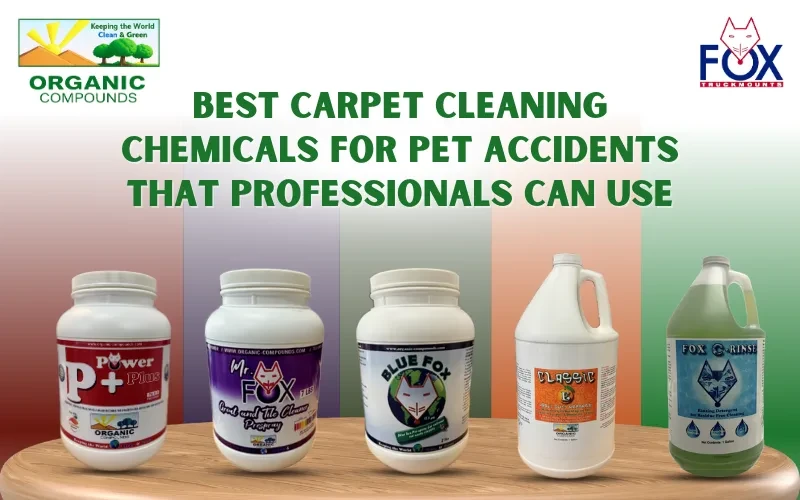
Eco-Friendly Carpet Cleaning for Pet Accidents: Expert Guide
PawVerde.com – To clean pet accidents eco-friendly, prioritize enzymatic cleaners that use biological compounds to break down organic waste at the molecular level. Unlike traditional cleaners that merely mask odors with fragrance, enzymes eliminate the source of the scent, preventing pets from re-marking the same area.
Enzymatic cleaners are capable of removing bodily stains and odors 100 percent by acting as catalysts to accelerate natural decomposition.
The First 5 Minutes: An Eco-Friendly Emergency Response
Immediately soak up urine with a thick layer of paper towels or newspaper, standing on them to extract maximum moisture. Rinse with cool water and blot—never scrub—with a clean, white cloth. This prevents the liquid from penetrating deep into the carpet fibers and subfloor.
Urine that is allowed to sit can migrate through the carpet pile and into the padding. To prevent a permanent odor, use physical pressure by standing on a stack of paper towels to force the liquid upward through capillary action.
The Blotting Rule: Why Scrubbing Fails
A frequent error in pet accident management is the impulse to scrub the area. Scrubbing is a failure mode that pushes organic matter deeper into the carpet weave and can fray the delicate fiber tips. Instead, use a blotting technique. Gently press a clean, white cloth into the spot to lift the moisture. Using a colored rag can cause colors to bleed into the carpet and cause further damage.
Using Black Lights for Hidden Stains
Dried accidents are often invisible to the naked eye but remain chemically active. To identify these hidden areas, use a black light in a darkened room. Once the soiled areas are located, outline them with chalk to ensure you apply your eco-friendly cleaner to the entire affected zone, not just the visible surface.
Shortcut: For immediate moisture extraction, use a thick stack of newspaper and apply body weight to the center of the spill.
- Step 1: Apply heavy pressure with paper towels.
- Step 2: Rinse with cool water (never hot).
- Step 3: Blot with a white cloth until no moisture remains.
Enzyme vs. Oxidizer: Choosing the Right Green Agent
Choose enzyme cleaners for deep, organic odor removal as they are biodegradable and non-toxic, though they require longer dwelling times. Opt for oxidizing cleaners (like 3% hydrogen peroxide) for faster-acting surface stain removal, provided they are safe for your specific carpet fiber type.
Selecting the correct chemistry depends on the age of the stain and the specific biological components involved. Dr. Simons notes that enzymes “act as catalysts to accelerate the natural decomposition process for organic stains caused by pet accidents,” which makes them the gold standard for urine and feces. However, these biological agents require time to work. They are not instant fixes; they need to remain damp on the surface to continue the breakdown process.
| Cleaner Type | Primary Mechanism | Speed | Safety/Eco-Profile |
|---|---|---|---|
| Enzyme Cleaner | Biological decomposition | Slow (requires dwelling) | High (Biodegradable) |
| Oxidizing Cleaner | Chemical oxidation (e.g., 3% H2O2) | Fast | Moderate (Fiber dependent) |
| Traditional Cleaner | Fragrance masking | Instant (Scent only) | Low (Chemical residue) |
While an oxidizer using 3% hydrogen peroxide can lift a surface stain quickly, it lacks the molecular-level breakdown capabilities of a true enzymatic solution.
The Biological Mechanism of Enzymes
Enzymatic cleaning works by utilizing bacteria and enzymes to break down organic waste into smaller components that can be easily digested or lifted. This process is superior to traditional methods because most traditional cleaners rely on covering smells with oils and fragrances, which only work temporarily and leave behind more unwanted residue.
When to Use Oxidizers
Oxidizers are best suited for non-porous surfaces or specific synthetic fibers where a quick reaction is needed. Because they work through chemical reaction rather than biological digestion, they do not provide the same “anti-marking” benefit that enzymes offer by leaving no trace of the original scent.
The Greenwashing Detection Checklist
To ensure a product is truly eco-friendly, consumers must look beyond marketing claims like “natural” or “earth-friendly.” True environmental safety is verified through rigorous data and third-party scoring.
Identifying genuine products requires a skeptical approach to labeling. Many manufacturers use greenwashing tactics to charge a premium for products that contain non-biodegradable surfactants or synthetic fragrances. To avoid this, utilize the following criteria:
- Check SkinSafe Scores: This organization uses medical data to evaluate overall product safety, potential for irritation, and allergenicity.
- Consult the EPA: Look for products that align with the Environmental Protection Agency’s Safe Chemical Ingredients List.
- Verify Allergen Counts: High-quality green products aim to minimize the presence of common irritants.
Reading SkinSafe Scores
SkinSafe provides a metric to help users understand the potential for skin irritation. According to SkinSafe, “the higher the score, the fewer allergens a product contains.” A score approaching 100 indicates a product with minimal risk of triggering sensitivities or allergic reactions.
EPA Safe Chemical Ingredients List
The environmental protection Agency maintains a Safe Chemical Ingredients List that serves as a baseline for non-toxic cleaning. If a product’s ingredient list contains heavy synthetics not found on approved lists, it is likely not a truly green solution for pet owners.
The pH-Scale Guide: Protecting Carpet Fibers
Chemical shifts can cause permanent structural changes in the carpet pile. A solution that is too acidic or too alkaline can lead to fiber swelling or brittleness.
The American Cleaning Institute provides guidance on how ingredients interact with different materials. Understanding the pH scale is essential to avoid mismatching a cleaner with your specific carpet fiber.
| Solution Type | pH Level | Common Ingredient | Fiber Risk |
|---|---|---|---|
| Acidic | 2.0 – 6.0 | Vinegar | Wool (Damage to protein) |
| Neutral | 6.0 – 8.0 | Enzymatic Cleaners | Low (Safe for most) |
| Alkaline | 8.0 – 14.0 | Baking Soda/Ammonia | Nylon (Color bleeding) |
The table above outlines the relationship between pH and fiber safety. For most pet accidents, a neutral pH enzymatic cleaner is the safest choice for a wide variety of carpet types.
Acidic vs. Alkaline Solutions
While many people reach for vinegar (acidic) or baking soda (alkaline) as DIY solutions, these can be problematic. High alkalinity can cause certain synthetic dyes to bleed, while high acidity can strip the natural oils from organic fibers.
Protecting Wool and Silk
natural fibers like wool and silk are particularly vulnerable. Because these are protein-based fibers, they are highly susceptible to damage from both strong acids and strong bases. For these high-end carpets, stick strictly to pH-neutral enzymatic cleaners to avoid permanent texture changes.
Critical Mistakes That Cause Permanent Damage
Avoiding specific errors is the most effective way to protect your carpet investment from becoming a permanent fixture of stains.
WARNING: Avoid using steam cleaners to clean urine odors from carpet or upholstery. The heat will permanently set the stain and the odor by bonding the protein into any man-made fibers.
When proteins from urine are exposed to high temperatures, they undergo a process called denaturation. This effectively “cooks” the stain into the fiber structure, making the odor nearly impossible to remove through standard cleaning.
The Heat Trap: Why Steam is the Enemy
Steam cleaners are often viewed as the ultimate cleaning tool, but for pet accidents, they are a primary cause of failure. As noted by Humane World, the heat bonds the protein into any man-made fibers, ensuring the scent remains even if the surface looks clean. This is a critical distinction between “cleaning” and “setting” a stain.
Color Bleeding and Residue Risks
Users often face two common risks during cleaning:
- Color Bleeding: Using a colored rag or an improperly balanced alkaline solution can cause dyes to migrate.
- Mold Growth: Over-wetting carpets or using excessive chemicals can damage fibers and cause mold growth due to inadequate drying.
Subfloor Rescue: When Surface Cleaning Isn’t Enough
If odors persist despite thorough surface cleaning, the issue has likely migrated to the carpet padding or the subfloor.
When urine penetrates the carpet, it enters the porous padding and can eventually reach the wooden or concrete subfloor. Once it reaches these levels, the organic matter begins to decompose in a dark, moist environment, creating a continuous source of odor. Professionals such as Zerorez or One Clean LLC often deal with cases where the subfloor has become saturated.
CAUTION: If you detect a lingering scent despite a clean surface, the padding is likely saturated. DIY rental machines often have weak suction that leaves moisture behind, which can exacerbate subfloor rot or mold.
Identifying Subfloor Saturation
You can identify subfloor saturation by checking for “soft spots” in the carpet or by using a moisture meter. If the carpet feels spongy or if the odor is stronger in certain sections of the room, the liquid has moved beyond the fibers.
Professional Extraction vs. DIY Rental Machines
While DIY rental machines are convenient, they frequently fail to provide the necessary extraction power. Professional services use high-powered extraction equipment designed to pull liquid from the deep padding and subfloor, whereas rental units often leave significant moisture behind, increasing the risk of mold.
Optimizing Dry Time Without High Heat
Managing the environment is vital to preventing secondary issues like mold and mildew. Since high heat must be avoided to prevent protein bonding, you must rely on airflow and moisture removal.
- Increase Airflow: Position floor fans to blow directly across the cleaned area.
- Dehumidification: Run a dehumidifier in the room to pull moisture out of the air and the carpet fibers.
- Ventilation: Open windows if the external humidity is lower than the internal humidity.
Proper drying prevents the “crunchy” texture that occurs when fibers are left to dry too slowly with chemical residues. Aim for the area to be completely dry within 6 to 12 hours to minimize any risk of microbial growth.
Long-Term Carpet Maintenance Schedule
A proactive routine is necessary to keep fibers clear of dust and allergens that can trap odors.
Follow this schedule to reduce the frequency of deep-cleaning emergencies:
- Once per week: Thorough vacuuming to remove surface-level dirt and prevent debris from being pushed deep into the fibers.
- Every 6 to 8 months: Professional cleaning for high-traffic areas or homes with multiple pets.
- Every 6 to 12 months: A full-home deep clean to address any accumulated organic matter in less visible areas.
Frequently Asked Questions
Why shouldn’t I use vinegar or ammonia for pet urine?
Strong chemical odors like ammonia or vinegar may actually encourage your pet to reinforce the urine scent mark in that area, leading to repeat accidents. It is better to use a neutral, enzymatic cleaner that eliminates the scent entirely.
Can I use a steam cleaner on pet stains?
No. The heat from a steam cleaner can permanently set the stain and odor by bonding the protein into man-made carpet fibers. Always use cool or lukewarm water for spot cleaning.
How do I know if a cleaner is truly eco-friendly?
Look for products with high SkinSafe scores (up to 100) and check the EPA’s Safe Chemical Ingredients List to ensure no hidden synthetics or harmful chemicals are present in the formula.
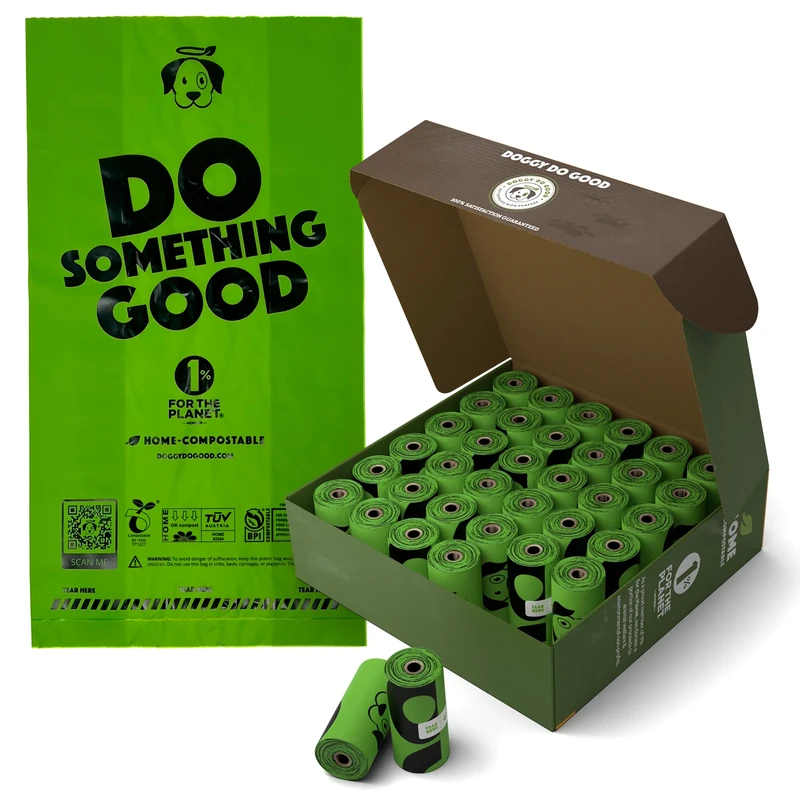
Compostable Pet Waste Bags: A Guide for New Pet Owners
PawVerde.com – compostable pet waste bags are designed to decompose into non-toxic components like water, CO2, and organic matter. Unlike standard plastics that persist for 200 years, certified compostable bags require specific microorganisms, heat, and humidity to break down effectively, ideally within 90 to 180 days in a controlled environment.
The New Adopter’s Survival Guide: Reliability vs. Sustainability
Standard plastic bags can take up to 200 years to degrade, whereas certified compostables are engineered to return nutrients to the soil. For new pet owners, this transition involves balancing environmental goals with the physical realities of managing a new animal’s waste.
Managing high-frequency waste during puppyhood
Puppyhood often necessitates a high volume of waste disposal due to frequent bathroom breaks. While compostable options are superior for the planet, they present specific operational challenges that new owners must anticipate:
- Material Sensitivity: Compostable bin liners may break during use or composting, which can lead to messy accidents if not handled with care.
- Disposal Misalignment: Compostable bags are not a substitute for proper waste management if they end up in landfills.
- Volume Requirements: The increased frequency of waste during training periods means rolls may deplete faster than expected.
The ‘Backup Plan’: Preventing mid-walk leaks
A common failure mode for new adopters is the sudden tear of a bag during a walk. To mitigate this, practitioners recommend carrying a secondary, non-compostable backup or a heavy-duty reusable container. This prevents the “mid-walk leak” scenario where a bag fails due to its organic composition or improper handling. Relying solely on a single thin compostable roll during the high-intensity training phase of a new pet can result in hygiene issues if a bag ruptures.
How to Prevent Premature Degradation: The Storage Stress Test
To prevent compostable bags from degrading prematurely, store them in a cool, dry place away from direct sunlight and high humidity. Avoid leaving rolls in hot car interiors or damp garages, as the microorganisms and moisture required for decomposition can trigger early breakdown, causing the bags to stick or tear before use.
Compostable products require microorganisms, humidity, and heat to yield a finished compost product. If these environmental triggers are present in your storage area, the chemical structure of the bag begins to weaken before it ever touches pet waste. For example, leaving a roll in a vehicle where temperatures exceed 30°C (86°F) can accelerate the breakdown of starch-based polymers. This leads to a specific failure mode where bags become brittle or fuse together into a single, unusable mass.
Compostable vs. Biodegradable: Decoding the Greenwashing
The key difference is that while all compostables are biodegradable, not all biodegradables are compostable. Compostable products are engineered to decompose completely into non-toxic biomass, whereas biodegradable plastics may leave behind harmful microplastic residues that contribute to long-term environmental pollution.
The term “biodegradable” is frequently used in marketing to imply environmental safety, but the Zero Waste International Alliance (ZWIA) and other industry analysts note that this term can be misleading. As the Biodegradable Products Institute (BPI) states:
“While everything that is compostable is technically biodegradable, the reverse isn’t true.”
This distinction is critical for new owners who want to ensure their waste management truly supports a circular economy.
The Microplastic Risk
Many “biodegradable” pet products pose a significant environmental risk because they typically break down into smaller plastic particles. These microplastics do not disappear; they simply become too small to see, continuing to contribute to long-term environmental pollution. In contrast, true compostables are designed to decompose completely into water, CO2, and biomass, leaving no synthetic residue behind.
Manufacturing Footprint Comparison
The production process differs significantly between these materials. Data shows that compostable products use less water, require less energy, and generate fewer greenhouse gas emissions during manufacturing compared to their traditional plastic or standard biodegradable counterparts.
| Feature | Biodegradable Bags | Compostable Bags |
|---|---|---|
| Decomposition Quality | Breaks into smaller plastic particles | Converts to water, CO2, and biomass |
| Residue Risk | High (Microplastics) | Minimal to None |
| Manufacturing Impact | Varies; often high energy/water | Lower water and energy usage |
| Certification Necessity | Often uncertified | Requires BPI or EN 13432 |
This data confirms that selecting certified compostable options provides a more definitive reduction in environmental impact than choosing items labeled only as “biodegradable.”
Navigating Certifications: BPI, OK Compost, and Beyond
New adopters must look for specific regulatory markers to avoid “greenwashing,” where products are designed to appear eco-friendly but are actually made of standard plastic. Without these markers, a bag may simply be a conventional plastic bag with a misleading label.
Reliable certification bodies provide necessary verification that a product will break down in its intended environment. Key standards include:
- BPI (Biodegradable Products Institute): A leading certification body in North America that ensures products meet strict composting standards.
- OK Compost Home: A certification scheme specifically for products that can be safely processed in home composting systems.
- ASTM D6400 and EN 13432: These are the technical industrial standards that define the requirements for compostability in various global markets.
The Pathogen Protocol: Can You Actually Compost Pet Waste?
While using compostable bags is a step toward sustainability, the actual disposal of the waste is a matter of public health. It is a common misconception that because the bag is compostable, the contents are safe for a garden.
Why home piles are risky
The US environmental protection Agency (EPA) provides composting guidance that highlights the risks of using pet waste in residential settings. Home compost piles often fail to reach the high, sustained temperatures required to neutralize harmful bacteria and parasites found in animal feces. If these pathogens survive the composting process, they can contaminate soil and food crops.
Safe disposal alternatives
Instead of home piles, new owners should utilize dedicated pet waste digesters or municipal industrial composting programs. A pet waste digester is a device installed in the yard that uses natural enzymes and microbes to break down waste safely. Alternatively, ensuring your compostable bags are sent to a facility that handles organic waste prevents the methane emissions that occur when compostables are trapped in oxygen-poor landfills.
The True Cost of Green: A Budgeting Guide for New Owners
Sustainability often requires a higher upfront investment. For a new pet owner managing a monthly budget, understanding the price delta is essential for long-term planning.
When comparing costs, it is helpful to look at bulk purchasing. For example, industry data shows that a case of 1,000 compostable cups can be 2–3 times more expensive than standard disposable cups. A similar price scaling often applies to pet waste bags. To manage this, consider the following:
- Bulk Buying: Purchasing large cases of certified compostable bags reduces the cost per unit compared to small, individual rolls.
- Subscription Models: Many eco-friendly brands offer subscription discounts that can offset the premium price of compostable materials.
- Hybrid Approach: Using high-quality, reusable waste containers for certain walks can reduce the total number of single-use bags required per month.
FAQ
Is it safe to put dog poop in my home compost bin?
No, pet waste should generally not be added to home compost systems because it can contain pathogens that are not neutralized in lower-temperature home piles. Always check with your local waste management guidelines before attempting to compost organic pet waste.
What happens if I throw compostable bags in the regular trash?
If they end up in a landfill instead of a composting facility, they may release methane, a harmful greenhouse gas, rather than breaking down safely. To maximize environmental benefits, ensure these bags reach a facility equipped to handle compostable organics.
How can I tell if a bag is truly compostable?
Look for official certifications like BPI or OK Compost, and check for compliance with standards such as ASTM D6400 or EN 13432. Avoid products that use vague terms like “eco-friendly” without providing specific certification details or standard numbers.

Safe DIY Natural Pet Deterrents for Gardens in 2026
PawVerde.com – To create effective natural pet deterrents, you must balance plant protection with pet safety. Use scent-based barriers like garlic/chili sprays for pests, physical barriers like coffee grounds for slugs, and companion plants like marigolds to create a living shield, ensuring all ingredients are non-toxic to your specific pet type.
The bite of just one infected mosquito is enough to spread disease, according to the Animal Humane Society.
The Safety Compatibility Matrix: Matching Deterrents to Your Pet
Before applying any DIY deterrent, cross-reference ingredients with your pet’s biology. While neem oil is safe for dogs, cats are highly sensitive to essential oils, which can cause liver damage. Always prioritize ‘non-contact’ methods like planting marigolds or using coffee grounds in areas where pets cannot lick or graze.
Safety requirements depend on the species. Neem oil is safe to use around pets, birds, fish, bees, and other insects, but other common garden scents can be hazardous. A single mistake in ingredient selection can lead to severe physiological distress.
| Deterrent Type | Primary Target | Pet Safety Level | Application Method |
|---|---|---|---|
| Garlic/Chili Spray | General Pests | Moderate (Avoid ingestion) | Foliar Spray |
| Neem Oil | Soft-bodied Insects | High (Safe for dogs/birds) | Foliar Spray |
| Coffee Grounds | Slugs & Snails | Moderate (Avoid large amounts) | Soil Surface |
| Citronella | Mosquitoes | Low (Toxic if applied to dogs) | Candles/Incense |
Refer to the table above for the safety profiles of these DIY solutions based on exposure methods.
Creating a garlic and chili pepper infusion provides a powerful scent-based deterrent that discourages pests without using synthetic toxins. This method relies on the irritating properties of capsaicin and sulfur to make the garden environment unappealing to unwanted visitors.
According to Homegrown Garden, “This spray doesn’t typically kill pests but makes your plants so unappealing that they are forced to look elsewhere for a meal.”
- Blend garlic and hot peppers with 2 cups water in a blender until smooth.
- Pour the mixture into a container and let it steep for 12+ hours.
- Strain the liquid through a cheesecloth to remove all solid particles.
- Add a small amount of dish soap to the strained liquid to act as a surfactant.
- Transfer the mixture to a spray bottle and apply to the garden.
Warning: Use protective gloves when handling hot peppers to avoid skin irritation and ensure you do not make contact with your eyes.
Timing is critical to prevent plant damage. To avoid leaf scorch caused by the sun’s rays reacting with the liquid, apply the spray during the early morning or late evening when temperatures are lower and the sun is not at its peak intensity.
For effective mosquito deterrence, use a combination of planting and scent. Marigolds act as living repellents, while a 5% fennel oil spray can reach 84% effectiveness within 90 minutes. Note that citronella candles only provide a partial reduction in bites (approx. 24-42%) and should not be used as a standalone solution.
Implement these specific strategies to build a multi-layered shield:
- Incorporate Marigolds (Tagetes species) as companion plants throughout your garden beds to act as a living pest repellent.
- Use a 5% fennel oil concentration spray for high-activity areas, noting its 84% effectiveness after 90 minutes of application.
- Avoid relying solely on citronella; research shows a 42.3% reduction in bites near 3% citronella candles and only a 24.2% reduction in bites near 5% citronella incense.
Using plants like Marigolds provides a continuous, low-maintenance barrier. While essential oils like fennel offer higher immediate efficacy, they require more frequent reapplication compared to the permanent presence of companion plants.
Warning: Never apply vinegar directly to your plants. While it works well as a deterrent on the border of your garden, it will burn your plants and cause them to die if applied to the foliage.
Monitor soil chemistry when using amendments. For instance, baking soda (sodium bicarbonate) acts as a fungicide by creating a highly alkaline environment to prevent fungal spores from germinating.
Warning: Be mindful of the cumulative effects of mineral-based deterrents. While baking soda alters pH to prevent fungal spores, its long-term impact on soil structure should be monitored to avoid permanent alkalinity.
Cats are highly sensitive to essential oils, which can cause liver damage or CNS depression. To avoid risk, use non-contact methods around feline pets.
For garlic and chili pepper infusions, reapplication is typically required every 7-10 days to maintain effectiveness. Because these are natural organic compounds, they do not persist in the environment as long as synthetic chemicals.
Sustainable Decor for Allergy-Friendly Pet Homes
PawVerde.com – Creating a sustainable, allergy-friendly pet home requires balancing eco-friendly materials with high-performance durability. The most effective strategy involves selecting low-VOC flooring like bamboo or cork, utilizing high-rub-count recycled polyester fabrics, and prioritizing low-pile natural fiber rugs to minimize allergen trapping and micro-dust shedding.
Bamboo is not only a sustainable choice but also hypoallergenic, making it a premier option for pet-centric flooring. This material offers a unique intersection of environmental responsibility and biological compatibility for households managing pet dander.
The Material Conflict Matrix: Sustainability vs. Allergy-Friendliness
The Material Conflict Matrix weighs three critical factors: Sustainability, Allergy-Friendliness, and Durability. While jute is highly sustainable, its loose weave can trap allergens; conversely, recycled polyester offers superior allergy management and durability but carries a higher microplastic shedding risk compared to organic fibers.
Choosing decor often presents a direct trade-off between ecological impact and respiratory health. For instance, natural fiber rugs are biodegradable and eco-friendly, which appeals to zero-waste enthusiasts. However, a common failure mode occurs when these organic materials are placed in high-traffic pet zones; the loose weave fabrics catch pet fur easily, turning a sustainable rug into a reservoir for dander.
The Jute Paradox: Eco-friendly but Allergen-heavy
Jute and sisal represent the pinnacle of biodegradable decor. While these materials support a circular economy, they often lack the density required to repel allergens. A counterintuitive reality for pet owners is that the most “natural” rug might actually increase the airborne allergen load if the weave is not sufficiently tight to prevent hair from embedding deep within the fibers.
Recycled Polyester: The Durability Winner
Recycled polyester currently offers the strongest balance of sustainability, durability, and pet compatibility for most households. Unlike loose organic weaves, synthetic recycled fibers can be engineered for extreme density. This density prevents pet hair from migrating into the core of the textile, making it significantly easier to manage during weekly cleaning cycles.
| Material Type | Sustainability Rating | Allergy Risk | Durability (Rub Count) |
|---|---|---|---|
| Recycled Polyester | High | Low | 30,000+ |
| Bamboo | Very High | Very Low | High |
| Jute | Very High | High | Moderate |
| Microfiber | Moderate | Low | High |
This comparison highlights that while jute leads in biodegradability, recycled polyester dominates in practical pet-home utility. Selecting the right material requires looking past the “eco-friendly” label to evaluate how the fiber structure interacts with pet dander.
High-Performance Upholstery: Beyond Aesthetics
Furniture longevity in a pet household is determined by the mechanical resistance of the fabric weave. When selecting a sofa, the aesthetic appeal must be secondary to the technical specifications of the textile to avoid premature degradation from claws and constant movement.
Decoding Rub Counts and Durability
The industry uses “rub counts” to measure how many times a fabric can withstand friction before showing signs of wear. For pet owners, the minimum recommended rub count is 45,000. Choosing furniture below this threshold often leads to pilling or thinning in areas where pets frequently lounge. For those seeking maximum resilience, the Chita Living Ivy 5-Seat Performance Fabric Modular Sectional Sofa offers an exceptional 100,000 rubs, ensuring the material survives heavy use without losing structural integrity.
The Microfiber Advantage for Hair Management
Microfiber is considered the classic choice for pet households because it is tightly woven, easy to care for, and durable. The tight weave serves a specific functional purpose: it prevents pet hair from becoming embedded in the fabric. Unlike looser weaves that act like a trap, microfiber allows hair to sit on the surface, where it can be easily removed with a vacuum or lint roller.
- Prioritize tight weaves to prevent hair trapping.
- Verify the rub count meets the 45,000 threshold.
- Check for stain-resistant or liquid-repellent ratings.
Flooring Solutions for Low-Emission Living
For allergy-friendly pet homes, low-VOC flooring like bamboo, cork, and linoleum is ideal because it minimizes harmful chemical emissions. Bamboo is particularly effective as it is both sustainable and hypoallergenic, providing a durable surface that is easier to sanitize than high-pile carpeting.
The chemical composition of flooring is just as vital as its physical texture. Traditional adhesives and sealants can emit significant VOCs (Volatile Organic Compounds), which can exacerbate respiratory issues in both humans and sensitive pets. Using low-VOC alternatives helps decrease the release of harmful chemicals into the atmosphere, contributing to a cleaner indoor environment.
The Importance of Low-VOC Adhesives
Sustainability in flooring is not just about the surface material; it is about the entire installation system. Even if you install bamboo, using high-VOC glues can negate the health benefits. Opting for low-emitting products ensures that the floor remains a neutral element in your home’s air quality profile.
Hypoallergenic Bamboo vs. Traditional Hardwoods
bamboo flooring is a sustainable and hypoallergenic option that stands out against traditional hardwoods. While hardwoods are durable, they often require heavy chemical finishes to maintain their luster. Bamboo provides a naturally resilient surface that is easier to sanitize, making it a superior choice for managing the biological load of a pet-centric home.
The Micro-Dust Factor: Managing Fiber Shedding
The physical structure of floor coverings dictates how much dander and dust remains suspended in the air. The height and density of the fibers determine whether allergens are sequestered or circulated throughout the living space.
A common misconception is that thick, plush carpets provide a “cleaner” feeling. In reality, high-pile rugs can trap pet hair and are harder to clean, often acting as a deep reservoir for dander that is released every time someone walks across them. Conversely, low-pile rugs are easier to maintain and more durable, providing a surface that can be thoroughly cleaned without leaving microscopic particles trapped in the base.
- Low-pile rugs: Easier to maintain and trap less hair.
- High-pile rugs: High risk of trapping dander and difficult to sanitize.
- Natural fiber carpets: Can trap allergens within the weave rather than releasing them.
The shedding risk is also present in synthetic blends. While recycled polyester is highly durable, it can contribute to indoor micro-dust through fine fiber shedding if the quality of the weave is substandard.
A Deep Clean Audit: Sanitizing Organic Materials
Maintaining sustainable decor requires a specialized cleaning approach to ensure that eco-friendly materials do not degrade under the pressure of pet-related messes. Organic materials like cork or bamboo require different handling than synthetic surfaces to prevent permanent damage.
A critical failure mode in natural fiber maintenance is the misuse of water. Excessive moisture can cause organic fibers to swell or develop mold, which introduces new allergens into the home. Instead of heavy saturation, practitioners recommend a controlled approach to cleaning.
Shortcut: To maintain natural fiber carpets, vacuum regularly without a beater bar, spot clean spills immediately by blotting (never rubbing), and avoid excess moisture.
The Blotting Rule: Avoiding Permanent Stains
When a spill occurs on a natural fiber rug, the instinct is often to scrub the area. This is a mistake. Rubbing a stain on natural fiber carpets can push the liquid deeper into the core of the fiber, making it nearly impossible to remove. The correct method is to blot the area with a clean, dry cloth to lift the liquid upward.
Eco-Friendly Deodorizing Routines
To maintain a fresh environment without introducing harsh synthetic fragrances, utilize products designed for ecological safety. The Good Natured Brand offers eco-friendly cleaning products that can be used to manage odors without compromising the integrity of your sustainable decor.
Air Quality and Acoustic Ecology
Decor choices influence more than just visual aesthetics; they actively manage the movement of particles and the behavior of sound. In a pet home, managing the “acoustic ecology” can reduce pet stress, while air filtration manages the invisible biological load.
Effective air purification is a necessary complement to sustainable decor. Different room sizes require different Clean Air Delivery Rates (CADR) to ensure that pet dander is captured before it settles into furniture or flooring.
| Air Purifier Model | CADR | Coverage Area (in 12 mins) |
|---|---|---|
| Air Oasis iAdaptAir 2.0 – Pro | 706 | 1059 sq ft |
| Air Oasis iAdaptAir 2.0 – Large | 530 | 795 sq ft |
| Air Oasis iAdaptAir 2.0 – Medium | 353 | 530 sq ft |
| Air Oasis iAdaptAir 2.0 – Small | 177 | 256 sq ft |
Matching CADR to Room Size
Selecting an air purifier requires matching the CADR to the specific square footage of the room. For example, the Air Oasis iAdaptAir 2.0 – Pro, with a 706 CADR, can cover 1059 square feet in just 12 minutes, making it suitable for large, open-concept living areas where pet dander can circulate freely.
Sound Dampening with Sustainable Decor
Beyond air quality, the materials used in a home affect sound levels. While hard surfaces like bamboo are excellent for hygiene, they can create echoes that stress sensitive pets. Incorporating low-pile natural fiber rugs can provide necessary sound dampening, creating a calmer acoustic environment without the allergen-trapping risks of high-pile alternatives.
Sustainable Pet Wellness Beyond Decor
True sustainability in a pet-centric home extends to the biological inputs provided to the animals themselves. Reducing the environmental footprint of pet ownership involves looking at the protein sources used in their daily nutrition.
- Cricket protein is a sustainable alternative for pet treats.
- Cricket protein is more digestible than chicken, reducing waste and improving pet health.
By choosing insect-based proteins, owners can utilize a resource that requires significantly less water and land than traditional livestock, aligning pet wellness with global sustainability goals.
FAQ
Is recycled polyester truly sustainable for pet owners?
While recycled polyester is sustainable and offers high durability (often exceeding 30,000 rubs), it can contribute to indoor micro-dust through fiber shedding, unlike some organic fibers. However, its ability to resist hair penetration makes it a practical choice for most households.
What is the best rug type for a pet with heavy shedding?
Low-pile rugs are superior to high-pile rugs because they are easier to maintain, trap less hair, and are more durable for active pets. High-pile options tend to act as reservoirs for dander and are significantly harder to clean thoroughly.
How can I tell if my furniture is pet-proof?
Check the rub count; a minimum of 45,000 rubs is recommended for pet households. Additionally, look for tight weaves like microfiber to prevent hair trapping and ensure the material can withstand the mechanical stress of claws and movement.