
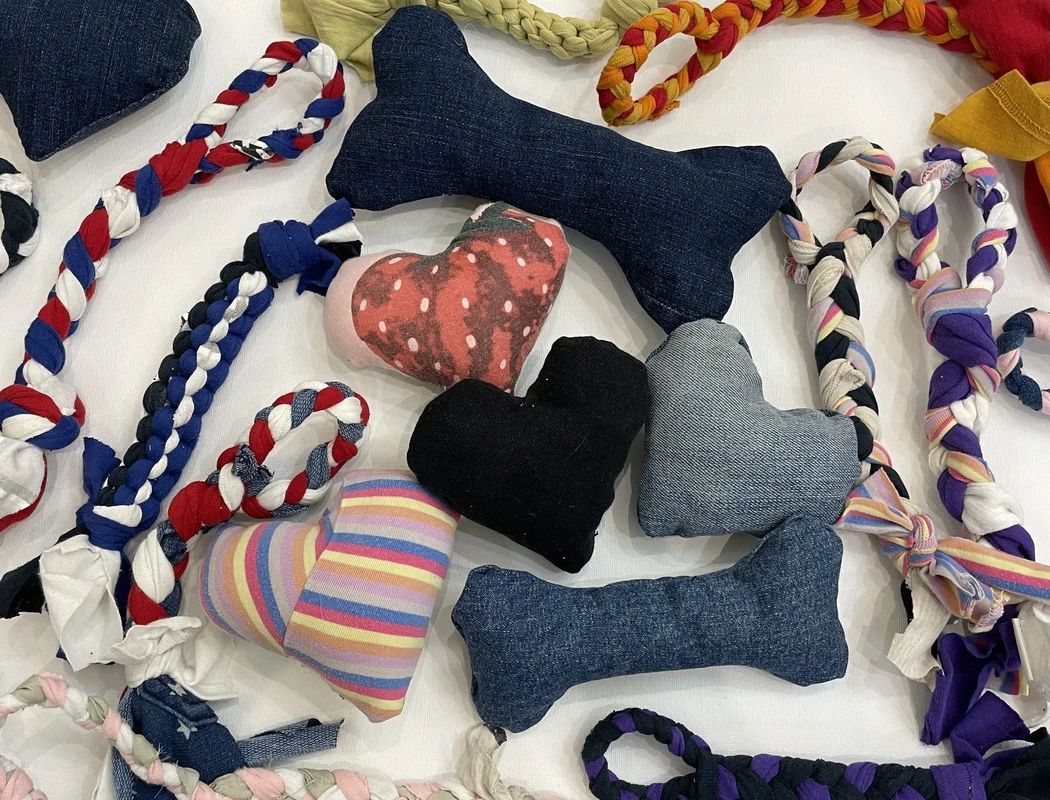
Recycled Materials for Pet Toys: A Guide to Eco-Friendly Safety
PawVerde.com – recycled pet toys utilize post-consumer waste—like ocean plastics, bicycle inner tubes, or recycled PET bottles—to create durable enrichment tools. While they significantly reduce carbon pawprints, choosing them requires verifying non-toxic certifications to avoid chemical leaching from phthalates or BPA, especially in heavy chewers.
Market shifts are accelerating as 67% of millennial and Gen Z pet owners in North America and Western Europe actively seek eco-certified or sustainably packaged products.
The Greenwashing Detection Guide: Verifying Recycled Claims
To avoid greenwashing, look for specific third-party certifications like the Global Recycled Standard (GRS) or OEKO-TEX. Avoid brands that claim to be ‘eco-friendly’ without specifying the exact percentage of recycled content or the source of the material (e.g., post-consumer vs. post-industrial waste).
Deceptive labeling occurs when “eco-friendly” products are blended with virgin polymers or toxic dyes. For example, a brand might claim a toy is “made with recycled materials” while providing no specific percentage of actual waste content.
Red Flags in Product Labeling
- Vague Terminology: Using terms like “earth-friendly” or “natural” without providing a breakdown of material composition.
- Lack of Percentage Data: Failing to state whether a product contains 10%, 50%, or 100% recycled content.
- Undefined Sources: Not distinguishing between post-consumer waste (items used by consumers and then recycled) and post-industrial waste (factory scraps).
Certifications to Trust
Reliable manufacturers provide documentation that transcends marketing slogans. When browsing an online shop, users should check the “Product Details” or “Sustainability” tab—often found via Product Page > Specifications > Certifications—to verify third-party validation. Ecoternatives, for example, offers 100% recycled dog plush toys, providing a clear benchmark for total material repurposing. A single 100% recycled plush toy is priced at 11.35 USD, demonstrating that high-recycled content can remain accessible.
Material Durability Matrix: Comparing Recycled Textures
Selecting the correct material requires balancing environmental impact against the specific chewing habits of a pet. A mismatch can lead to rapid degradation or, more dangerously, the ingestion of shredded fragments.
| Material Type | Chew Strength | Environmental Benefit | Cleaning Ease |
|---|---|---|---|
| Hemp | High | Very High (Renewable) | Moderate (Machine Wash) |
| Cotton | Moderate | High (Biodegradable) | Easy (Machine Wash) |
| Natural Rubber | Very High | High (Renewable) | Easy (Hand Wash) |
| TPR (Synthetic) | High | Moderate (Recyclable) | Easy (Wipe Clean) |
Material selection determines both the toy’s lifespan and its ecological footprint. While manufacturers like West Paw utilize Zogoflex® and recycled fiber stuffing to achieve 90-100% recycled content, natural fibers often provide a different structural advantage.
Natural Fibers vs. Synthetics
Hemp dog toys tend to last longer, resist fraying better, and create fewer long-term waste issues than cotton alternatives. While cotton is highly biodegradable, its tendency to fray under heavy tension can lead to faster disposal cycles. For owners prioritizing longevity, hemp offers a structural advantage that reduces the frequency of replacement.
Rubber Alternatives for Heavy Chewers
natural rubber is more eco-friendly than synthetic counterparts. Thermoplastic Rubber (TPR) is a synthetic alternative that offers a similar feel for moderate chewers but lacks the renewable origin of natural latex. For pets with extreme jaw pressure, natural rubber remains the preferred choice for durability.
Microplastic Safety and Chemical Risks
Recycled plastic toys can expose pets to microplastics and chemicals like phthalates or BPA. To minimize risk, prioritize silicone over plastic for durability and less leaching, or choose non-synthetic recycled materials like hemp and wool which are gentler on a pet’s mouth and stomach.
Recent independent research published in the Pets vs. Plastics report by EarthDay.org explores how plastic toys—even recycled ones—can expose pets to harmful chemicals like phthalates and BPA, as well as microplastics. This risk is heightened in toys that undergo significant mechanical wear during play.
To mitigate these risks, consider the biological impact of material choice. As EcoFurball notes:
Recycled doesn’t always mean synthetic. You can find recycled cotton, wool, or hemp toys, which tend to be gentler on your pet’s mouth and stomach.
This highlights a critical distinction: recycling a natural fiber is fundamentally different from recycling a polymer. Silicone serves as a safer alternative to many plastics because it is more durable and less prone to degradation and leaching.
Commercial Leaders in Circular Manufacturing
Industry leaders are currently scaling the use of second- and third-generation recycled polymers to create high-performance pet products.
The Rise of Post-Consumer Plastics
Companies are increasingly moving away from virgin plastics to meet sustainability goals. Petmate, for instance, has incorporated recycled ocean plastics and post-industrial waste into its manufacturing lines. Similarly, Betty & Butch utilizes recycled PET fabric and stuffing, repurposing 4 to 7 plastic bottles for their Sea Turtle Puppy Toy, while their dog beds can utilize up to 52 bottles.
Closed-Loop Manufacturing Examples
Moderna has demonstrated a significant commitment to this transition. Their data shows a steady increase in the use of recycled content: from 5.4% in 2020 to 10% in 2021, reaching 20% in 2022. Currently, Moderna’s annual raw material volume from recycled materials stands at 38%. West Paw also leads the sector by manufacturing Zogoflex® toys and utilizing recycled fiber stuffing, proving that 90-100% recycled content can be achieved without compromising the structural integrity required for performance-grade chew toys.
DIY Sustainability: Upcycling Household Waste
Customizing toys from existing household items provides a cost-effective way to prevent functional materials from entering landfills.
Fabric Upcycling
One of the simplest methods is the Braided T-Shirt Rope Toy. To make this, cut old t-shirts into 2-inch strips, tie a knot at one end, braid the strips tightly, and tie another knot at the opposite end to secure the structure.
Edible and Puzzle Alternatives
- Sweet Potato Chew Toy: Wash and peel a sweet potato, slice it into 0.5-inch sections, remove the centers with a cookie cutter, and bake at 250 degrees for 2.5 hours.
- PVC Pipe Treat Puzzle: Drill 8-10 holes in a PVC pipe, ensuring there are at least 5 holes per inch, to allow treats to roll out during play.
Safety is paramount during DIY projects. For instance, using plastic bottles carries the risk of the pet ingesting sharp fragments if the material cracks during use.
The Lifecycle Audit: From Ocean Plastic to Landfill
Sustainability requires evaluating the end-of-life potential for every product purchased.
When a toy from a brand like Petmate—which uses recycled ocean plastics—eventually reaches the end of its functional life, its ability to be repurposed depends on its material purity. If a toy is a “mono-material” (made of only one substance), it is much easier to reintegrate into the circular economy. However, most consumer toys are blends, which complicates the recycling process and often results in the product being sent to a landfill regardless of its origin.
FAQ
Are recycled plastic toys safe for heavy chewers?
Reputable brands can manufacture safe options using tested, non-toxic materials. However, owners must monitor for microplastic shedding and chemical leaching from phthalates or BPA as the toy wears down.
How many plastic bottles are saved by buying recycled toys?
The impact varies by product. For example, the Betty & Butch Sea Turtle Puppy Toy repurposes 4 to 7 plastic bottles, whereas their larger dog beds can utilize up to 52 bottles to create the necessary stuffing and fabric.
Can I recycle a pet toy once it is destroyed?
Recyclability depends on the material. Composite items, such as those combining recycled fabric with plastic stuffing, are often difficult to process, whereas mono-materials are better suited for recycling programs.
Sustainable Bamboo Pet Toys: How to Avoid Greenwashing
PawVerde.com – Sustainable bamboo pet toys offer a highly renewable, biodegradable alternative to plastic, providing natural antibacterial properties and dental health benefits. However, the best choice depends on whether you are buying solid bamboo or bamboo-fiber composites, as the latter may contain non-biodegradable binders that negate the eco-friendly benefits.
Bamboo can grow up to 91 centimeters in a single day, making it one of the fastest-growing renewable resources on Earth, according to agood company.
The Material Integrity Guide: Solid Bamboo vs. Bamboo Composites
To ensure true sustainability, distinguish between solid bamboo (fully biodegradable) and bamboo-fiber composites. While bamboo fiber is renewable, many composites use synthetic binders or resins that prevent the toy from being compostable. Always check labels for ‘100% natural’ or ‘BPA-free’ to avoid bamboo-reinforced plastics that contribute to landfill waste.
PetAssure notes that consumers should review product labels specifically for material types to avoid “greenwashing.” A common failure mode occurs when a product is marketed as “bamboo” but is actually a bamboo-plastic composite. These hybrid materials often use synthetic resins that make the item impossible to compost, effectively turning a sustainable choice into a long-term landfill resident.
Identifying ‘Fake’ Bamboo-Plastic Composites
EcoFurball reports that low-quality bamboo products, such as bowls, can sometimes contain harmful binders that compromise safety. When shopping, practitioners recommend looking for specific certifications. If a product label does not explicitly state “100% natural” or “BPA-free,” it may contain the very synthetic additives that negate the environmental benefits of the bamboo fiber itself.
The Role of PF Adhesive in Bamboo Fiber Manufacturing
The industrial production of bamboo composites involves complex chemical processes. According to manufacturing data, bamboo fiber mats are often steeped in a PF adhesive solution with a 10% solid content for 3 minutes. This is followed by drying to a 9% moisture level and hot pressing at 20 MPa of pressure at temperatures ranging from 150-200 °C. While this creates a durable product, the presence of these adhesives is what prevents the material from being truly biodegradable.
Splinter & Safety Risk Matrix for Different Chewers
Safety profiles vary significantly based on how the bamboo is processed. While agood company states that “Bamboo has no grain, which means it can be easily cut and shaped without the risk of splitting or cracking,” this advantage primarily applies to high-quality, solid bamboo. Low-quality bamboo can still crack, according to EcoFurball, potentially creating sharp edges.
| Chewer Type | Recommended Material | Risk Level | Safety Note |
|---|---|---|---|
| Light Chewer | Solid Bamboo | Low | Minimal risk of structural failure. |
| Aggressive Chewer | Hardened Bamboo/Nylon Hybrid | Medium | Watch for wear and tear that affects efficacy, as noted by Mars Build. |
| Teething Puppy | Soft Bamboo Fiber | Medium | Monitor for small pieces of resin-bound fiber. |
| Power Chewer | Traditional Rubber | Low | Bamboo may crack under extreme pressure if low-quality. |
Mars Build indicates that ongoing wear and tear can eventually affect the efficacy and safety of the material. Periodic replacement is necessary to prevent structural issues like splintering.
Why Bamboo Wins: Environmental and Health Benefits
Bamboo provides a biological advantage that traditional plastics cannot match. Ever Bamboo reports that bamboo actually absorbs twice as much carbon dioxide as trees, making it a superior carbon sink. This rapid growth cycle, often reaching full size in under 4 months, allows for frequent harvesting without destroying ecosystems.
The Carbon Sink Advantage
Magic Bambu notes that bamboo plants can thrive in a variety of climates without the need for pesticides or chemical fertilizers. This minimizes chemical dependency and helps preserve local soil and water health.
Natural Antibacterial and Hypoallergenic Properties
Beyond the planet, bamboo offers direct health benefits to pets. Mars Build states that “Bamboo is known for its antibacterial properties, which can reduce the risk of infections.” Furthermore, the material is naturally hypoallergenic, providing a safer alternative to synthetic materials for pets with sensitive skin. PetAssure adds that bamboo chew toys can specifically help clean and strengthen a pet’s teeth and gums through the natural texture of the plant.
Top Sustainable Manufacturers to Watch
Select brands that demonstrate commitment to eco-friendly standards, such as VEKEN, a prominent sustainable dog toy manufacturer.
- VEKEN: Recognized as a prominent sustainable dog toy manufacturer.
- BetterBone: Distinguishes itself by using food-grade ingredients and maintaining carbon-neutral production processes.
- Petique: A leader in the green revolution, focusing on highly sustainable pet product lifecycles.
While prices vary, even specialized sustainable items remain accessible. For example, KwikPets lists various pet products, such as the JW Pet Good Cuz Dog Toy Assorted Medium at $8.38, or the Petsport USA Giant Tuff Ball Dog Toy at $6.57, allowing consumers to balance budget with environmental goals.
The Deep-Clean Protocol: Maintaining Bamboo Integrity
Natural organic materials like bamboo react differently to moisture than plastic or silicone. To maintain structural integrity, users should follow specific hygiene steps.
Shortcut: Use hot, soapy water for cleaning and dry the item immediately to prevent moisture absorption.
To sanitize, use hot, soapy water after each use and ensure the item is thoroughly dried. You may periodically use a diluted vinegar solution for surface sanitization, but avoid harsh chemical cleaners that can penetrate the plant fibers.
Warning: Never soak bamboo items in water for extended periods. As documented by bamboowood.art, soaking can cause significant swelling and warping, which can permanently ruin the toy’s shape and safety.
Lifecycle Reality Check: Is it Truly Carbon Neutral?
The true environmental value of bamboo is found in its ability to mitigate emissions. Research published in ScienceDirect analyzed 60 bamboo products from cradle to grave, finding a carbon footprint range of -0.55 to 4.02 kg CO 2 e/kg. While the production process does require energy, the net benefit is substantial.
Data shows that between 2007 and 2022, bamboo products mitigated 280 Mt. CO 2 e emissions by serving as substitutes for carbon-intensive materials like plastic and steel. In fact, the ratio of climate benefits to operational emissions stands at 3.9 times. This suggests that while the manufacturing “hotspots” exist, the massive carbon sequestration capacity of the plant ensures a net-positive environmental impact.
FAQ
Are bamboo pet toys safe for teething puppies?
To minimize splintering risks, prioritize solid bamboo over composites to prevent puppies from ingesting small pieces of resin-bound fiber.
How can I tell if a bamboo toy is actually compostable?
To confirm compostability, check for the absence of metal squeakers, synthetic dyes, and non-organic glues. A truly compostable toy should be 100% natural bamboo without the chemical binders found in bamboo-fiber composites.
Can I put bamboo pet bowls in the dishwasher?
Avoid dishwasher cycles and soaking, as these can cause the bamboo to swell, warp, or crack. Instead, hand-wash items with hot, soapy water and dry them immediately.
Low Carbon Dog Diets: How to Switch to Sustainable Protein
PawVerde.com – Reducing a dog’s carbon footprint involves transitioning from high-impact proteins like beef to lower-emission alternatives like pea protein, insect-based ingredients, or plant-based formulas. While beef produces 35.0 kg CO2eq per 100g, pea protein produces just 0.4 kg, offering a massive reduction in environmental pressure.
A global shift to vegan dog food alone could eliminate more greenhouse gas emissions than the total annual emissions from the United Kingdom and New Zealand combined, according to industry reports.
A successful transition relies on a controlled ratio increase. Practitioners suggest the following schedule to mitigate the risk of digestive upset:- 75% current diet + 25% new low-carbon protein.
- 50% current diet + 50% new low-carbon protein.
- 25% current diet + 75% new low-carbon protein.
- 100% new low-carbon protein.
When implementing Alternative Protein Integration, owners should monitor stool consistency daily. If a dog shows signs of sensitivity, the transition should be paused at the current ratio before proceeding. Sustainable Ingredient Selection also involves looking for non-synthetic, GMO-free, and locally sourced components, a practice recommended by Nature’s Logic to reduce individual environmental footprints.
While daily meals receive the most attention, the carbon cost of high-protein treats is disproportionately high. A single 100g portion of beef protein generates 35.0 kg CO2eq, whereas 100g of pea protein generates only 0.4 kg CO2eq. This massive discrepancy means that replacing a beef-based jerky treat with a vegetable or pea-based alternative can slash the “pawprint” of a single snack session by nearly 90%.
Small, frequent rewards can accumulate a significant environmental debt. To perform a treat audit, check ingredient labels for beef, lamb, or venison and swap them for plant-based or insect-derived options.
Plant-based diets are significantly more efficient than meat-based diets. For every 1,000 kcal, plant-based diets require only 2.73 square meters of land, whereas beef-based diets require 102.15 square meters and lamb-based diets require 111.47 square meters.
Resource requirements vary widely by protein source. The following data illustrates the divergence in land use and emissions between common dietary archetypes.
| Diet Type | Land Use (m² / 1,000 kcal) | GHG Emissions (kg CO2eq / 1,000 kcal) |
|---|---|---|
| Plant-based | 2.73 | 2.82 |
| Poultry-based | Not specified | 4.68 |
| Beef-based | 102.15 | 31.47 |
| Lamb-based | 111.47 | 12.85 |
This comparison highlights why moving away from ruminant animals is the most effective lever for pet owners. The data shows that a beef-based diet requires over 37 times more land than a plant-based diet to provide the same caloric energy.
The physical form of pet food significantly influences its total carbon impact. Research indicates that dry pet foods generally have a lower environmental impact per 1,000 kcal compared to their wet counterparts. Specifically, wet food can reach emission rates of 33.56 kg CO2eq/1,000 kcal, while dry food sits much lower at 4.25 kg CO2eq/1,000 kcal.
Wet food emissions are significantly higher than dry food, which sits at 4.25 kg CO2eq/1,000 kcal. This gap exists because wet food reaches rates as high as 33.56 kg CO2eq/1,000 kcal.
Nutritional balance is the primary concern for long-term health. While shifting to lower-impact proteins is beneficial, biological requirements must be met.
WARNING: Transitioning to a vegan or highly alternative diet without professional guidance can lead to nutritional imbalances. Always consult a veterinarian before making radical dietary changes, especially for dogs with existing medical conditions.
For dogs managing chronic conditions like kidney disease, protein quality and phosphorus levels are critical. While meat-based diets are traditional, the focus should be on highly digestible proteins that minimize metabolic waste. In these cases, the goal is not just “low carbon” but “low metabolic stress.”
Insects can serve as a sustainable novel protein source. To ensure a low-carbon profile, these ingredients should be raised on waste-based or low-impact organic matter rather than conventional grain.Reducing waste is a core pillar of a circular economy in pet nutrition. The “Whole-Animal Feeding” method involves incorporating bones, connective tissue, and organs—often referred to as companion-grade ingredients—to maximize the utility of each animal. This approach mirrors natural prey models and reduces the waste associated with only using muscle meat.
Manufacturers can utilize animal by-products (ABP) to create more sustainable foods. Using by-products that lack other alternative uses helps maximize the utility of each animal.
FAQ
While plant-based diets can be nutritious, they must be specifically formulated to avoid nutritional imbalances. Some research has highlighted the importance of using veterinarian-formulated products like Petaluma to prevent health disorders.
Insects are a sustainable novel protein source. Their impact is optimized when they are raised on waste-based or low-impact organic matter rather than conventional grain.
Yes. Larger breeds require more calories to maintain weight, leading to higher total emissions. Owners of large dogs can mitigate this by focusing on high-calorie density, low-impact foods and strict portion control.
Benefits of Natural Pet Food Diets: Science & Nutrition
PawVerde.com – Natural pet food diets prioritize whole-food ingredients over fractionated, highly processed components to provide higher nutrient concentrations and phytonutrients. By aligning closer to evolutionary nutritional needs—such as higher protein for cats (52% ME) and dogs (30% ME)—these diets can improve skin health, digestive regularity, and microbiome diversity. The natural pet food category is currently the fastest-growing segment of the pet food industry, according to AVMA Journals.
Decoding ‘Natural’ Labels: Marketing Fluff vs. Nutritional Science
To identify true natural food, look for whole meat sources rather than ‘fractionated’ or highly processed ingredients. While the Association of American Feed Control Officials defines ‘natural’ in the US, consumers should prioritize diets where nutrients come from whole foods like bran, germ, and organ meats rather than synthetic additives or refined fillers.
The AAFCO Definition Reality Check
In the United States, the Association of American Feed Control Officials provides the regulatory framework for the “natural” label. However, a label alone does not guarantee a high density of bioactive compounds. Owners often mistake the term for a nutritional guarantee, even though a product may still rely on fractionated ingredients that lack the complexity of whole foods.
Whole Foods vs. Fractionated Ingredients
Nutritional density varies significantly based on how an ingredient is processed. As noted by P R Buff et al., “The inclusion of whole food ingredients in natural pet foods as opposed to fractionated ingredients may result in […] higher nutrient concentrations, including phytonutrients.” This distinction is critical when evaluating grain components. For example, bran and germ contribute vital nutrients, including fiber, vitamins, minerals, and phytonutrients, which are not found in high concentrations in the endosperm alone. When manufacturers strip these components away, they create a refined product that requires synthetic fortification to meet basic caloric needs.
The Natural Diet Transition Roadmap: Avoiding Digestive Distress
Shifting a pet from a highly processed kibble to a natural or raw diet requires a structured approach. To prevent gastrointestinal issues, owners should follow a Gradual Diet Transition over a 7–10 day period.
A reliable transition protocol involves the following steps:
- Days 1–3: Mix 25% new natural food with 75% of the current diet.
- Days 4–6: Increase the ratio to 50% new food and 50% old food.
- Days 7–10: Transition to 75% new natural food and 25% old food before moving to 100% new food.
Following this 7–10 day sequence helps the microbiome adapt to new fiber levels and nutrient profiles. Skipping these steps can cause immediate digestive distress.
Biological Alignment: Protein, Carbohydrates, and the Microbiome
Natural diets support health by mimicking evolutionary macronutrient profiles: cats typically require ~52% of metabolic energy from protein, while dogs require ~30%. Furthermore, raw and natural diets can increase populations of probiotic-friendly microbes, fostering a healthier gut microbiome and more regular bowel movements.
Species-Specific Macronutrient Needs
Modern pet diets often deviate significantly from the biological requirements of the animals they serve. Dr. Richard Patton, PhD animal nutritionist, notes that “Excess carbohydrates are one of the biggest problems in modern pet diets. A raw diet aligns far more closely with a dog’s natural nutritional needs.” While dogs have evolved a greater capacity for starch digestion compared to wolves, the high levels of refined carbohydrates found in many commercial diets can lead to metabolic imbalances. In contrast, cats are obligate carnivores with a much higher protein requirement, typically needing approximately 52% of their metabolic energy from protein sources.
The Probiotic Advantage of Raw Feeding
Beyond macronutrients, the biological impact of natural feeding extends to the gut. According to Tequesta Veterinary Clinic, raw diets can increase populations of probiotic-friendly microbes. This shift in the microbial landscape has tangible physical benefits; for instance, Stella & Chewy’s reports that a natural side effect of improved digestive help is healthier, more regular bowel movements. Additionally, the oils and fatty acids naturally present in these diets support improved skin health and a shiny coat.
Comparing Preservation Methods: Freeze-Dried vs. Dehydrated
The choice between freeze-drying and dehydration determines how much nutritional integrity remains in the food. Both methods aim to provide the benefits of raw ingredients with increased shelf stability.
| Method | Nutrient Retention | Enzyme Preservation | Rehydration Time | Shelf Life |
|---|---|---|---|---|
| Freeze-Dried | Very High | Intact | 1–2 minutes | 1–2 years |
| Dehydrated | Moderate | Partially lost | 5–10 minutes | 1 year average |
As detailed by smallbatch, freeze-drying delivers the same nourishment as raw feeding with added convenience by using low temperatures and vacuum pressure. In contrast, dehydration involves using warm air or heat to remove water, a process that can result in some nutrient loss from heat exposure and partial degradation of sensitive enzymes.
Critical Safety Risks and Nutritional Pitfalls
While natural diets offer benefits, they require careful management to avoid health complications. Nutritional literacy is essential to prevent long-term deficiencies.
The Danger of Unbalanced Homemade Rations
The Merck Veterinary Manual warns that “Most homemade diets do not undergo the scrutiny and rigorous testing applied to commercial complete and balanced diets.” This lack of oversight can lead to severe micronutrient deficiencies. For example, improper meat-only diets can cause a dangerous Calcium-to-phosphorus ratio imbalance. Furthermore, excessive feeding of certain organs can lead to Vitamin A toxicity, particularly in cats, while long-term raw fish feeding may result in Thiamine deficiency. These errors can cause irreversible physiological damage if not monitored by a professional.
Pathogen Management in Raw Diets
Safety is a primary concern when handling uncooked ingredients. Tequesta Veterinary Clinic notes that raw diets may carry pathogens if not handled with strict hygiene protocols. Owners must implement rigorous cleaning of surfaces, bowls, and utensils to prevent cross-contamination. Unlike highly processed kibbles that undergo thermal processing to kill bacteria, raw and natural diets require the owner to take full responsibility for food safety and pathogen management.
FAQ
How do I know if a ‘natural’ pet food is actually balanced?
Check for ‘complete and balanced’ statements on the label and ensure it meets AAFCO standards. Be wary of homemade diets that haven’t undergone rigorous testing compared to commercial options, as they may lack essential micronutrients.
Can natural diets help with pet allergies?
A homemade ration produced from a single protein and single carbohydrate source can be used for the initial diagnosis of food allergies or intolerances.
Is raw food safer than kibble?
Not necessarily; Tequesta Veterinary Clinic notes that raw diets may carry pathogens if not handled with strict hygiene protocols. Owners must manage risks like calcium-to-phosphorus imbalances to maintain safety.

How to Choose Eco-Conscious Vitamin Brands for Pets
PawVerde.com – Eco-conscious pet vitamin brands prioritize three pillars: sustainable sourcing (using upcycled food discards, insect proteins, or plant-based ingredients), low-impact packaging (recyclable or compostable materials), and verifiable certifications. To choose wisely, look beyond vague ‘natural’ labels and seek specific, third-party verified claims that address the product’s entire lifecycle.
The pet food industry produces a massive amount of plastic every year, creating a significant environmental footprint for pet owners to navigate.
Red Flags: Vague Terminology
A primary failure mode in pet supplement marketing is the use of “halo” words that lack legal or scientific definitions. If a brand uses terms like “eco-friendly” or “green” without accompanying data, it may be attempting to bypass rigorous scrutiny. NielsenIQ tracks 160 different environmental claims on pet food packaging, highlighting the sheer volume of assertions that require verification.
The Verification Checklist
Effective detection requires a systematic approach to evaluating claims. Consumers should prioritize the following steps:
- Identify specific, third-party certifications rather than self-made “eco-badges”.
- Research whether the brand utilizes a circular economy model, such as recovering surplus food.
- Verify if ingredients are certified organic, as these are frequently produced without dangerous pesticides.
- Check for specific sourcing details, such as the use of upcycled proteins or invasive species.
The Sustainability Matrix: Sourcing, Packaging, and Logistics
sustainable pet nutrition involves analyzing how ingredients are harvested and how they reach the consumer. A truly eco-conscious approach must address the entire supply chain to mitigate environmental impact.
Sourcing strategies have shifted toward circularity to reduce the pressure on traditional livestock industries. For example, the rendering process acts as a form of recycling, utilizing 56 billion pounds of raw materials in the U.S. and Canada every year that would otherwise be sent to landfills. This process converts materials that are often discarded into useful nutritional components.
Upcycled Proteins and Circular Economies
Several brands have built their entire identity around the concept of upcycling. Shameless Pets, which launched in 2017, focuses on creating treats from human food supply discards. Similarly, The Conscious Pet, based in Austin, Texas, utilizes a circular economy model to recover surplus unused food and kitchen scraps. These methods prevent high-quality nutrients from entering the waste stream.
Alternative Sourcing: Insects and Invasive Species
The use of non-traditional proteins offers a way to provide nutrition without competing for human food resources. Wilder Harrier, a Montreal-based company, has been upcycling bugs and invasive species into pet food since 2016, specifically utilizing cricket protein for their biscuits. This approach reduces the environmental load associated with conventional meat production.
The Packaging Reality Check
The environmental impact of a supplement is often dictated by its container. While brands like Benebone focus on crafting new chews from wreckage to keep wares out of landfills, vitamin providers must tackle the plastic crisis. A brand’s sustainability profile is incomplete if it uses upcycled ingredients but delivers them in non-recyclable, single-use plastic bottles.
| Brand/Format | Sustainability Edge | Primary Sourcing/Type | Key Benefit |
|---|---|---|---|
| Powder | High nutrient-to-weight ratio | Multi-serving containers | Lower shipping carbon footprint |
| Liquid | Fast absorption | Single-use packaging risk | Ideal for severe joint disease |
| Opal Pets | Vegan nutrition | Plant-based | Minimal animal resource use |
| Shameless Pets | Upcycled ingredients | Human food discards | Reduces food waste |
| Wilder Harrier | Alternative protein | Insects/Invasive species | Non-competitive with human food |
The data above highlights how specific sourcing methods and product formats influence a brand’s ecological footprint.
Eco-Friendly Formats: The Hidden Impact of Powder vs. Liquid
Powdered supplements offer a significant eco-friendly edge over liquid formats because they typically use multi-serving recyclable containers rather than single-use plastic packaging. Additionally, powders have a higher nutrient-to-weight ratio, reducing the carbon footprint associated with shipping water-heavy liquid products.
When comparing formats, the environmental cost of shipping water becomes a critical factor. Liquid supplements often require more robust, single-use plastic packaging to prevent leakage and maintain shelf stability. In contrast, powders allow for more concentrated delivery. As noted by Ashley Jordan Ferira, Ph.D., RDN, there is “much more green to scoop collagen yourself from a multi-serving container and put into your beverage or smoothie of choice.” This principle applies to pet nutrition as well, where multi-serving containers reduce the frequency of packaging replacement.
However, format choice is not purely an environmental decision; it is also a medical one. For dogs suffering from severe joint disease, liquid supplements may be preferable because they allow for the fastest absorption. Owners must weigh the ecological benefit of powders against the immediate physiological needs of their pets.
Top Eco-Conscious Brands and Supplement Providers
The pet nutrition market includes specialized vegan providers like Opal Pets and established manufacturers expanding their green portfolios.
Specialized providers like Opal Pets offer a dedicated vegan approach to pet nutrition in the U.S. Since the launch of their Perfect Powder in September 2022, they have focused on plant-based alternatives that reduce reliance on animal-derived ingredients. Plant-based supplements are typically more sustainable because they utilize fewer resources and carry a smaller environmental footprint than animal-based counterparts.
| Brand/Provider | Sustainability Focus | Key Product/Type | Market Position |
|---|---|---|---|
| Opal Pets | Vegan/Plant-based | Perfect Powder | Specialized Vegan |
| Daddy Paw | Efficient dosing | Max Strength Tablets | UK-based Specialist |
| Royal Canin | Diversified formats | Probiotic Powders | Mainstream Leader |
| Nutramax Laboratories | Enriched nutrients | Glucosamine/Chondroitin | Clinical Manufacturer |
| Ultimate Pet Nutrition | Expanded availability | Nutra Complete | Retail Partnered |
This overview details various providers and their specific approaches to meeting pet nutritional requirements.
Mainstream Leaders Moving Toward Sustainability
Large-scale manufacturers are also integrating more sustainable options into their catalogs. In May 2025, Royal Canin launched a new range of soft chew supplements and probiotic powders, signaling a move toward more diverse delivery methods. Similarly, Ultimate Pet Nutrition expanded the availability of its Nutra Complete and Nutra Thrive brands through partnerships with Pet Supplies Plus in June 2025.
Avoiding the Consistency Trap: Why Format Matters for Efficacy
Therapeutic success depends on a pet’s willingness to consume the supplement daily. If a pet refuses a specific format, the product provides no health benefit regardless of its environmental credentials.
Warning: If a dog refuses a specific format, such as a liquid they dislike, the supplement fails to provide therapeutic results because consistency is required.
As stated by Daddy Paw, “The best supplement is the one your dog takes every single day. Consistency beats format every time.” An owner might choose a highly sustainable powder to reduce plastic waste, but if the pet refuses to eat the powder mixed with food, the environmental investment is wasted. Conversely, a liquid supplement might offer faster absorption for joint issues, but if the pet finds the taste or texture unpalatable, the efficacy is lost. Prioritize a format that ensures daily compliance to maximize both health outcomes and the value of the product.
FAQ
Are plant-based pet supplements better for the environment?
Yes. Plant-based supplements are typically more sustainable because they use fewer resources and have a smaller environmental impact than animal-based alternatives.
What is the most eco-friendly way to buy pet vitamins?
Prioritize multi-serving powders in recyclable or compostable containers. This strategy avoids the high plastic waste and shipping weight associated with single-use liquid bottles.
How can I tell if a pet brand is actually sustainable?
Look for specific, verifiable claims and third-party certifications. Research whether companies utilize upcycled ingredients, insect proteins, or circular economy models to manage production waste.
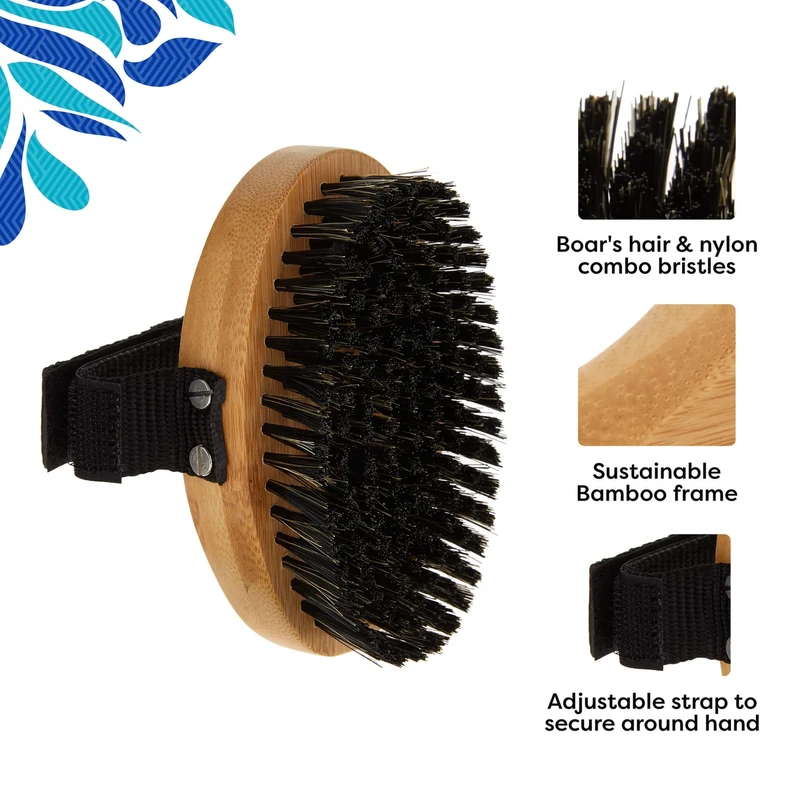
Sustainable Bamboo Pet Brushes: Why Bamboo Beats Plastic
PawVerde.com – Sustainable bamboo pet brushes offer a high-performance, low-impact alternative to plastic and rubber grooming tools. By utilizing rapidly renewable bamboo and natural bristles, these brushes minimize carbon footprints (as low as 0.4 kg CO₂e/unit) while preventing the microplastic shedding and static buildup common in synthetic grooming equipment.
Certified bamboo brushes can have a carbon footprint as low as 0.4–0.7 kg CO₂e/unit, which is significantly lower than the 1.2–2.1 kg CO₂e/unit found in recycled plastic alternatives. This distinction is critical for pet owners aiming to reduce their household’s total environmental impact through informed purchasing decisions.
The Material Science: Why Bamboo Outperforms Rubber and Plastic
Bamboo is functionally superior to rubber because it is calibrated to keratin’s surface energy, preventing the electrostatic buildup and microplastic shedding seen in synthetic tools. Unlike rubber mitts, which can act as temporary adhesives and generate static, bamboo brushes provide a clean lift for undercoats without damaging the skin barrier.
Biomechanical advantages over rubber
Material choice dictates biomechanical outcome—not just ethics. Dr. Lena Cho, a Textile Biophysicist & Pet Dermatology Consultant, explains:
“Material choice dictates biomechanical outcome—not just ethics. Bamboo isn’t ‘nicer’; it’s functionally calibrated to keratin’s surface energy and tensile behavior. Rubber, by contrast, behaves like a temporary adhesive: effective until it isn’t—and then it’s actively counterproductive.”
This means that while a rubber mitt might feel effective by grabbing hair, it often creates an electrostatic environment that makes grooming difficult. Bamboo provides a neutral surface that interacts more predictably with animal hair.
The microplastic problem in synthetic grooming
Synthetic grooming tools present a hidden environmental and health risk through polymer degradation. Rubber mitts, even “natural” latex variants, generate static when rubbed against dry fur and shed microscopic polymer particles during washing, according to Alibaba LifeTips. This shedding contributes to microplastic accumulation in domestic environments. In contrast, bamboo is a natural resource that grows rapidly without the need for pesticides, offering a way to avoid these microscopic pollutants entirely.
The Greenwashing Checklist: How to Spot Truly Sustainable Brushes
According to Alibaba LifeTips, switching to bamboo does not automatically reduce environmental impact. Sustainability depends on specific material choices throughout the product lifecycle.
Avoiding formaldehyde-based resins
Manufacturers may use toxic binders to increase durability. To ensure a tool is truly sustainable, consumers should verify that bamboo is not harvested from cleared rainforests or treated with formaldehyde-based resins.
The hybrid brush trap: Nylon and PP risks
Watch for these specific indicators of greenwashing in hybrid models:
- Bristle Composition: Many hybrid “Bamboo” brushes use nylon or PP (polypropylene) bristles, which carry a high microplastic shedding risk.
- Functional Lifespan: Hybrid models often have a shorter functional lifespan of only 3–8 months, compared to the 3–5 years expected from a pure bamboo brush.
- carbon footprint: While a certified bamboo brush sits at 0.4–0.7 kg CO₂e/unit, a hybrid bamboo brush can see a footprint as high as 1.8–2.9 kg CO₂e/unit.
Longevity and Maintenance: Preventing Bamboo Swelling and Warping
Bamboo is an organic, porous material. Unlike injection-molded plastic, it requires specific handling to prevent structural failure.
Warning: Avoid storing bamboo brushes in humid bathrooms. Bamboo is a natural material that can swell and warp if it becomes saturated with moisture or stored in high-humidity environments.
The humidity danger zone
Moisture absorption is a primary failure mode. If a brush is left in a damp environment, the wood fibers expand, which can lead to warping or even cracking. To maximize the 3–5 year expected lifespan of a high-quality bamboo brush, it must be kept in a dry, well-ventilated area.
Step-by-step cleaning protocol
Following these steps from the Bamboo Brush Maintenance techniques ensures the tool remains hygienic and structurally sound:
- Remove fur from the brush after each use.
- Wipe the handle and bristles with a damp cloth.
- Allow the tool to air dry completely in a low-humidity zone before storage.
For optimal grooming results, perform light head-to-tail strokes for 60 seconds. It is also recommended to brush 1–2 hours after your pet has rested to ensure the skin is relaxed and fur is at optimal moisture equilibrium.
The Coat-to-Brush Matrix: Matching Tools to Your Pet
Selecting the right bamboo brush depends on coat type: use sisal and steel pin combinations for thick undercoats to lift fur without static, and natural boar bristles for short-haired breeds to distribute skin oils and increase shine. Avoid rubber-based tools for long-haired breeds to prevent microplastic contamination.
| Coat Type | Recommended Bamboo Tool | Primary Benefit |
|---|---|---|
| Thick/Double Coat | Sisal & Steel Pin Brush | Effective undercoat removal without static |
| Short/Smooth Coat | Natural Boar Bristle Brush | Distributes oils and increases shine |
| Long/Fine Hair | Fine-tooth Bamboo Comb | Tangle prevention and debris removal |
Double coats and deshedding tools
For breeds with heavy undercoats, tools like those from Smile Boutiques that feature sisal and steel bristles are highly effective. These combinations provide the mechanical strength needed to lift loose fur cleanly. Unlike rubber mitts, these tools do not generate the electrostatic buildup that can cause hair to stick to the skin rather than being lifted away.
Short hair and oil distribution
Natural boar bristles promote skin health by distributing oils throughout the coat. This method creates a natural shine and avoids the static electricity generated by synthetic bristles.
End-of-Life: A Circularity Guide for Bamboo Tools
Because bamboo brushes are biodegradable, they offer a significant advantage over plastic tools that persist in landfills for centuries.
Separating metal from wood
Hybrid brushes often face issues with bristle detachment. To manage disposal, users should separate metal pins or steel bristles from the bamboo handle.
Composting vs. Recycling
Pure, untreated bamboo handles can be composted. However, if the brush contains non-removable plastic components, it must be treated as general waste.
Comparison of Eco-Friendly Grooming Lifespans
Pet owners can compare the following expected lifespans to evaluate long-term value:
| Grooming Tool | Expected Lifespan | Sustainability Profile |
|---|---|---|
| Bamboo Brush | 3–5 years | High (Biodegradable) |
| Grooming Gloves | 2–4 years | Variable (Depends on material) |
| Self-Cleaning Brush | 5–10 years | Moderate (Often contains plastic) |
| Deshedding Tool | 5–10 years | Moderate (High durability) |
| Stainless Steel Comb | Lifetime | Very High (Recyclable) |
| Nail Clippers | Lifetime | Very High (Recyclable) |
FAQ
How often should I use a bamboo pet brush?
For optimal results on dry coats, use the brush 2–3x weekly. Ensure you brush 1–2 hours after your pet has rested to allow skin relaxation and moisture equilibrium.
Can I store my bamboo brush in the bathroom?
Avoid humid bathrooms. Bamboo is a natural material that can swell and warp if it becomes saturated with moisture.
Are hybrid bamboo brushes actually eco-friendly?
Not necessarily. Many hybrid brushes use nylon or PP (polypropylene) bristles, which carry a high microplastic shedding risk and a shorter functional lifespan (3-8 months) compared to pure bamboo options.

Eco-Friendly Pet Services: How to Choose Sustainable Care
PawVerde.com – Eco-friendly pet services prioritize sustainability through biodegradable products, reduced carbon footprints via mobile grooming, and ethical sourcing of nutrition. Transitioning to green pet care involves auditing service providers for greenwashing, choosing long-lasting gear, and opting for services that minimize waste and chemical runoff to protect both your pet and the planet.
“Incorporating eco-friendly practices into pet care is not just a trend; it’s a responsibility we owe to our pets, our planet, and future generations,” notes Sameera Satija.
How to spot greenwashing in pet services
To detect greenwashing, check if a provider uses single-use plastic packaging while claiming to be ‘eco-friendly.’ Verify third-party certifications and look for transparency in ingredient sourcing. Avoid brands that rely on vague buzzwords without providing evidence of biodegradable components or ethical supply chains.
The ‘Single-Use Plastic’ Red Flag
Brand credibility is compromised when a company pushes an eco-friendly image while simultaneously stocking items wrapped in single-use plastic. This contradiction serves as a primary failure mode for businesses attempting to capitalize on the green movement without altering their supply chain. For instance, a service might claim to use organic shampoos but deliver them in non-recyclable bottles that contribute to landfill waste.
Decoding Marketing Buzzwords vs. Real Certifications
Consumers often fall victim to vague marketing language that lacks empirical backing. To avoid this, practitioners recommend looking for specific evidence rather than broad claims. A reliable audit of a pet service provider should include the following checks:
- Verify third-party certifications to ensure claims are independently validated.
- Investigate the transparency of ingredient sourcing for all consumable products.
- Check for the presence of 100% biodegradable components in physical goods, such as those produced by Honest Pet Products.
- Cross-reference marketing claims with actual packaging materials to identify discrepancies.
A product labeled “natural” is not always sustainable. It can still be packaged in ways that harm the environment or sourced through unethical labor. True sustainability requires a holistic approach that covers both the product chemistry and the lifecycle of its packaging.
The Cost-Benefit Matrix: Traditional vs. Sustainable Pet Care
Adopting sustainable pet care involves a shift from low upfront costs to long-term utility. While conventional products may seem cheaper initially, they frequently require more frequent replacements due to lower durability.
| Criterion | Conventional Services/Products | Sustainable Alternatives |
|---|---|---|
| Ingredients and Packaging | Heavily processed ingredients; non-recyclable packaging | Ethically sourced ingredients; recyclable materials |
| Gear Longevity | Lower durability; high replacement frequency | Long-lasting, washable gear; minimized replacement frequency |
| Grooming Approach | Standard chemical-based formulas | Natural, biodegradable formulas |
| Resource Usage | Standard water and energy consumption | Water-saving technologies and energy efficiency |
Sustainable choices impact a pet owner’s budget by trading immediate savings for long-term resource efficiency.
Long-term savings through durability
Choosing long-lasting, washable gear minimizes replacement frequency, which directly cuts down on both waste and long-term costs. For example, instead of purchasing multiple low-quality plastic toys, investing in durable, biodegradable options provides better value over the lifespan of the pet. This reduction in consumption prevents the “buy-and-toss” cycle common with conventional pet accessories.
Utility cost reductions in green facilities
For pet business owners, implementing water-saving technologies can lead to significant cost savings. As noted by industry research, reduced water consumption results in lower utility bills over time. These efficiencies allow green facilities to remain competitive while maintaining a smaller environmental footprint.
Green Grooming: Health benefits and carbon footprint reduction
eco-friendly grooming utilizes natural, biodegradable shampoos and water-saving techniques to reduce environmental impact. Mobile grooming services further lower emissions by eliminating the need for owners to drive to salons, while natural formulas prevent skin irritation caused by harsh conventional chemicals.
Why natural formulas matter for sensitive skin
Traditional grooming products can contain harsh chemicals that irritate skin or trigger allergies in sensitive animals. Natural formulas are gentler and safer for the pet’s biological barrier. This shift toward plant-based surfactants helps protect the water table by ensuring that runoff from baths does not introduce toxic synthetic substances into local ecosystems.
The emissions advantage of mobile services like Puppy Luv Pet Services
Mobile grooming provides a dual benefit: convenience for the owner and a reduction in transportation emissions. Because providers like Puppy Luv Pet Services come directly to the pet owner, the need for extra car trips to a centralized salon is eliminated. This localized service model is a key component of reducing the overall carbon footprint associated with pet maintenance.
Specific advantages of green grooming include:
- Use of natural, biodegradable shampoos to prevent chemical runoff.
- Implementation of water-saving techniques during the bathing process.
- Reduced transportation-related CO2 emissions via mobile service models.
- Prevention of skin irritation through the avoidance of harsh synthetic additives.
Sustainable Nutrition: Transitioning without digestive distress
Switching to sustainable pet food—such as options using locally sourced, organic, or insect-based proteins—can lower carbon emissions. However, the method of transition is just as critical as the ingredients themselves to ensure the pet’s health remains intact.
Warning: To avoid digestive system failure, do not switch dog food brands or formulas overnight.
The 10-day transition roadmap
To prevent digestive issues, owners should follow a technique known as the Gradual Dog Food Transition. This process typically spans a 7-10 day period to allow the pet’s gut microbiome to adjust to the new nutrient profile. A standard roadmap includes:
- Days 1-2: Mix 75% of the old food with 25% of the new food.
- Days 3-4: Mix 50% of the old food with 50% of the new food.
- Days 5-6: Mix 25% of the old food with 75% of the new food.
- Days 7-10: Feed 100% of the new food.
Avoiding nutritional imbalances
Owners must not assume that higher meat content or marketing buzzwords automatically equate to better nutrition. It is essential to ensure that any new food meets the nutritional standards set by AAFCO (Association of American Feed Control Officials). Relying solely on “green” labels without checking for AAFCO compliance can lead to long-term nutritional imbalances.
Operational Sustainability for Pet Businesses
Sustainability for pet professionals involves managing internal facility operations alongside product selection. Adopting green habits can improve a business’s reputation while simultaneously reducing overhead costs.
Digitizing records to eliminate paper waste
Modern pet businesses can significantly reduce their reliance on paper by adopting specialized software. Using dog boarding software allows for the digitization of client records, appointment scheduling, and financial transactions. Moving these processes to a digital format eliminates the need for physical filing systems and reduces the waste generated by printing daily schedules or invoices.
Waste management: From composting to recycling
Implementing Sustainable Waste Management is a cornerstone of an eco-conscious facility. Businesses can adopt several strategies to manage their environmental impact:
- Set up clearly labeled bins for different types of recycling.
- Compost biodegradable pet waste where local regulations and facilities allow.
- Donate excess or near-expiry supplies to local shelters rather than discarding them.
By integrating these practices, pet businesses can build a more resilient and reputable brand that appeals to the growing demographic of environmentally conscious pet owners.
FAQ
Is eco-friendly pet care more expensive?
While initial costs might be higher, sustainable gear lasts longer, which reduces replacement frequency. Additionally, water-saving technologies used in green grooming or boarding facilities can lead to lower utility costs over time, offsetting the initial investment.
How can I tell if a pet food brand is truly sustainable?
Look for brands that utilize ethically sourced, organic, or insect-based proteins and offer recyclable packaging. Most importantly, always verify that the product meets AAFCO nutritional standards to ensure it is a complete and balanced diet.
Does mobile grooming actually help the environment?
Yes, mobile grooming services reduce transportation emissions. By coming directly to the pet owner’s location, these services eliminate the need for the owner to make extra car trips to a traditional grooming salon, thereby lowering the total carbon footprint of the service.

Sustainable Pet Food for Travel: Weight & Eco-Friendly Tips
PawVerde.com – Sustainable pet food for travel focuses on minimizing environmental impact through ethically sourced ingredients—like insect proteins or vegetable-based options—and utilizing lightweight, shelf-stable formats like freeze-dried or air-dried foods. This approach reduces carbon footprints, optimizes packing weight, and ensures compliance with international customs regulations.
Pet meat consumption releases significant amounts of carbon dioxide annually.
The Sustainable Travel Food Math: Weight vs. Volume Optimization
To optimize travel weight, choose freeze-dried food for maximum weight reduction (2-5% moisture) or air-dried food (10-15% moisture) for a balance of weight and convenience. While freeze-dried is lighter, remember to factor in the additional weight of 2-4 parts warm water required for rehydration per part of food.
Weight management in a backpack requires accounting for hydration needs. If you carry 500g of freeze-dried food, you must also account for the 1000g to 2000g of water required for rehydration.
Calculating Rehydration Ratios
When using freeze-dried formats, the math changes based on the specific product’s moisture content. Most high-quality freeze-dried options sit at a 2-5% moisture level. To prepare a meal, practitioners follow a specific ratio: 1 part food to 2-4 parts warm water. This means your “dry weight” is deceptive; the actual weight of the meal at the moment of consumption is significantly higher.
Kibble vs. Dehydrated: The Backpack Efficiency Test
Choosing between kibble and dehydrated options requires weighing mass against volume. Consider these factors for your next trip:
- Freeze-Dried: Offers the lowest mass but requires a water source and a vessel for rehydration.
- Air-Dried: Provides a middle ground with 10-15% moisture, requiring no extra water but weighing more than freeze-dried.
- Standard Kibble: Highest volume and weight per calorie, often leading to more frequent trips to the supply store.
Customs & Compliance: Navigating International Borders Sustainably
Traveling with pet food across borders requires strict adherence to local veterinary laws to avoid the seizure of supplies. Many travelers mistakenly assume that “natural” or “organic” labels grant them passage, but customs officials prioritize biosecurity over ingredient ethics.
When entering the European Union, travelers face specific limitations. A common rule is that you are generally limited to a maximum of 2 kg of pet food. Furthermore, meat-based products often require specific veterinary sign-off to be permitted. Failure to present the correct documentation can result in the immediate disposal of your food, creating unnecessary waste.
The EU Meat Restriction Rule
The 2 kg limit is a critical threshold for those traveling into the EU. Beyond this weight, or when carrying certain meat types, the risk of inspection and seizure increases. It is often more sustainable to purchase food locally upon arrival rather than risking the environmental and financial cost of confiscated goods.
Using Insect-Based Proteins to Avoid Seizure
Insect-based proteins can lower carbon emissions and may offer a smoother path through certain customs checkpoints. According to Caring Hands Vet, these options lower carbon emissions and reduce dependence on intensive livestock farming.
Air-Dried vs. Freeze-Dried: Choosing the Right Format for Your Climate
Freeze-dried food is exceptionally lightweight and shelf-stable, rehydrating in minutes for easy feeding on hikes or while traveling, according to jackspremium.com. Air-dried food provides a convenient, ready-to-eat alternative with 10-15% moisture content.
Climate dictates the best choice for food stability. In high-altitude or cold environments, the sublimation process used in freeze-drying is highly effective. However, in humid or tropical climates, the packaging integrity becomes the most important factor in preventing spoilage.
| Feature | Freeze-Dried | Air-Dried |
|---|---|---|
| Moisture Content | 2-5% | 10-15% |
| Rehydration Needed | Yes (1:2-4 ratio) | No (Ready to eat) |
| Nutrient Retention | Very High (Sublimation) | High (Low heat) |
| Travel Convenience | Best for weight-critical hiking | Best for road trips/humidity |
| Digestive Stability | Variable | High (Steady digestion) |
The functional differences between these formats impact travel logistics. While freeze-dried food is lighter, air-dried food offers a level of convenience that can be vital during long car journeys or when water access is limited.
The Temperature & Stability Matrix
In extreme heat, air-dried food—which contains 10-15% moisture—may be more susceptible to spoilage if the seal is broken. Conversely, freeze-dried food is exceptionally lightweight and shelf-stable, but its lack of moisture means it must be rehydrated to be palatable. According to jackspremium.com, freeze-dried pet food is lightweight and shelf-stable, rehydrating in minutes for easy feeding at home, on hikes, or when traveling.
Nutrient Retention via Sublimation
The process of Freeze-Drying (Sublimation) involves freezing materials to form ice crystals and then applying low pressure in a vacuum chamber to let the ice sublimate into vapour. This method, as noted by Muenster Pet, preserves most of the original vitamins, minerals, and flavors far better than traditional processing. This makes it an ideal choice for maintaining a pet’s health during long-duration travel where fresh food is unavailable.
Reducing the Carbon Footprint of Your Pet’s Diet
Protein selection significantly impacts ecological footprints. For example, beef produces 13 times more greenhouse gases over its life cycle than vegetable proteins, according to Green America.
The Protein Impact: Beef vs. Lamb vs. Veg
Evaluate your pet’s diet based on these environmental benchmarks:
- Vegetable Proteins: Lowest carbon footprint.
- Insect Proteins: High sustainability.
- Poultry: Produces four to five times as many greenhouse gases as vegetable proteins.
- Beef and Lamb: Lamb has a 50% higher carbon footprint than vegetable proteins.
The Role of Insect-Based Alternatives
Insect-based proteins serve as a high-quality alternative. Caring Hands Vet notes that these options can lower carbon emissions and reduce dependence on intensive livestock farming.
Leave No Trace: Managing Food Waste and Packaging in the Wild
sustainable travel includes responsible waste management. Using a separate compost system for pet waste can reduce its volume by at least 50 percent, according to Green America.
Shortcut: For zero-waste packing, use reusable tubs or cloth packaging for treats and food, and always bring refillable water bottles and collapsible bowls.
Zero-Waste Packing Protocols
Minimize single-use plastics by adopting these methods:
- Transferring food into reusable tubs.
- Using cloth packaging for dry treats.
- Utilizing compostable poop bags for waste management.
Safe Composting for Pet Waste
In remote areas, the best practice is to pack out all waste. If you have access to a dedicated composting system, it can reduce waste volume by at least 50 percent.
The Stress-Diet Transition: Preventing Travel-Induced Digestive Issues
Sudden dietary shifts are a primary cause of gastrointestinal distress during travel. When a pet is already dealing with the stress of new environments, a sudden shift in food type or format can lead to issues.
To prevent diarrhea or gas, implement a structured transition. Use a gradual schedule to introduce new sustainable foods before your departure.
The 7-Day Transition Rule
A successful transition requires patience. Do not switch from kibble to freeze-dried food the morning of your trip. Instead, follow a gradual schedule:
- Days 1-2: a portion of old food mixed with a portion of new sustainable food.
- Days 3-4: an equal mix of old food and new sustainable food.
- Days 5-6: a portion of old food mixed with a larger portion of new sustainable food.
- Day 7: 100% new sustainable food.
Monitoring Stool Consistency on the Road
Monitor bowel movements closely once on the road. Muenster Pet notes that air-dried food can provide a relief for sensitive stomachs because digestion often feels slower and steadier.
FAQ
How much pet food can I bring into the EU?
When traveling into the EU, you are generally limited to a maximum of 2 kg of pet food, and you must ensure it complies with specific veterinary sign-off requirements for meat-based products to avoid seizure at the border.
Is freeze-dried food better for hiking?
Yes, freeze-dried food is exceptionally lightweight and shelf-stable, making it ideal for hiking. However, you must carry extra water to rehydrate it at a ratio of 1 part food to 2-4 parts water.
Can I switch my dog to a vegetarian diet for travel?
While dogs can eat vegetarian diets, it is critical to do so under veterinary supervision to prevent nutritional deficiencies, especially when the pet is already under the stress of travel.