

Buy Biodegradable Pet Waste Bags Online with Eco-Friendly Brands
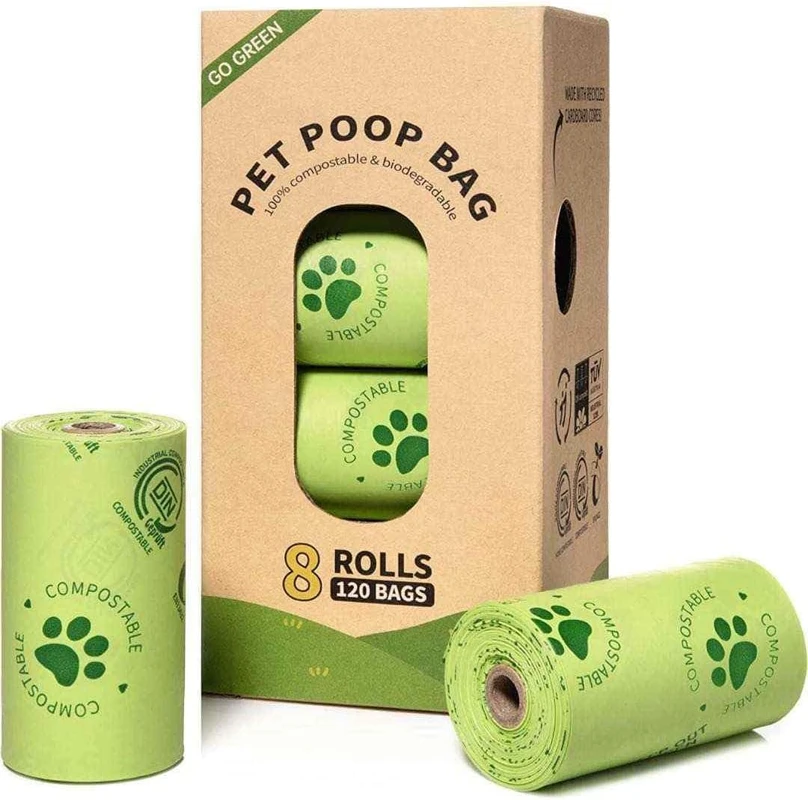
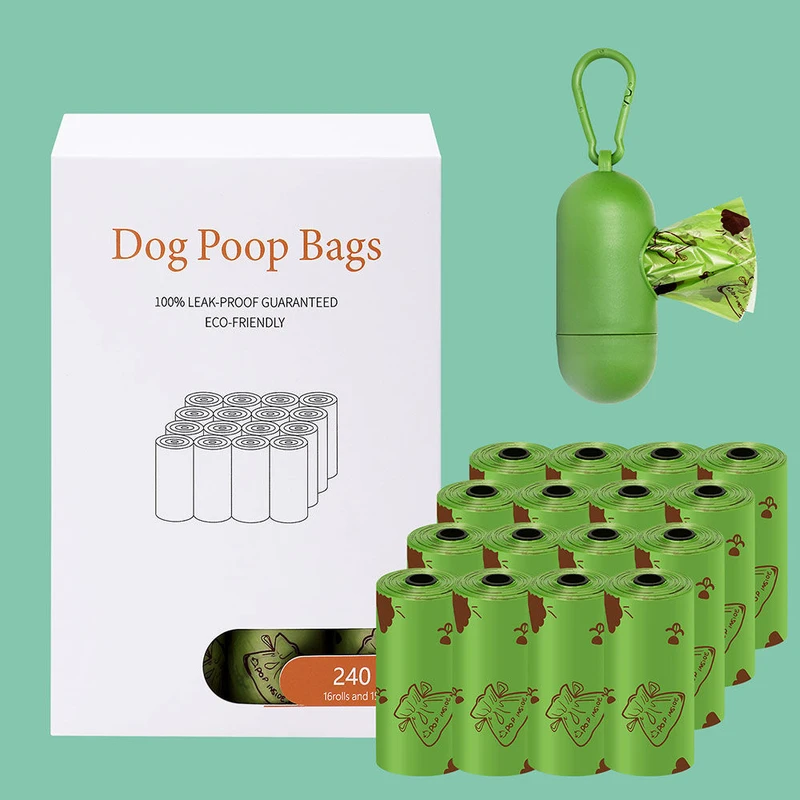
PawVerde.com – biodegradable pet waste bags have become essential tools for environmentally responsible dog owners seeking effective waste disposal solutions. These bags, primarily composed of plant-based materials such as cornstarch and certified biobased polymers, deliver durability and leak-proof performance while significantly reducing plastic pollution. Leading brands like PET N PET and Eco Poop Bags offer products designed to fully break down within 90 days under composting conditions. Available widely online, these biodegradable dog poop bags cater to growing consumer demand for sustainable pet care options in 2026.
The evolution of pet waste bags now emphasizes eco-friendly materials combined with practical features such as thickness exceeding traditional plastic bags by over 20%, and packaging innovations facilitating ease of use with dog poop bag dispensers. Environmental certifications like USDA biobased labeling and third-party compostability testing provide transparency and assurance regarding product claims. This article examines the top biodegradable pet waste bag brands and product features, material compositions, environmental impacts, practical buying considerations, and the future outlook for sustainable pet waste disposal.
Leading Brands and Product Options in Biodegradable Pet Waste Bags
PET N PET stands out with its extensive product offerings that balance high-count packaging and plant-based composition. Their dog waste bags often come in boxes containing 360 to 1080 bags, supporting long-term use for active dog owners. These bags feature increased thickness for puncture resistance, with many products blending cornstarch materials and biobased polymers to ensure compostability while maintaining durability. PET N PET’s packaging typically includes rolls with perforated edges and cardboard cores compatible with standard dog poop bag dispensers.
ZPAW focuses on corn starch-derived biodegradable bags, emphasizing coreless rolls that reduce packaging waste. These bags are marketed as fully compostable in both home and industrial settings, breaking down without leaving microplastic residues. Customers frequently note their ease of tearing at perforations and reliable leak-proof performance, reflecting rigorous product testing by the brand.
Eco Poop Bags offers a home compostable product line that meets ASTM D6400 standards, guaranteeing disintegration within 90 days in compost environments. Their bags are unscented, thick, and designed for both single and multi-dog households. Eco Poop Bags also supply dog waste dispensers designed to integrate seamlessly with their packaging, enhancing user convenience.
Earth Rated incorporates 65% post-consumer recycled plastic in their biodegradable dog poop bags, combining sustainability with robustness. These bags are notably thick and leak-proof, addressing common user concerns about bag integrity during use. Earth Rated’s packaging features eco-friendly materials, including cardboard cores and recyclable box designs, aligning with their environmental mission.
The Good Fill distinguishes itself by providing USDA certified biobased bags that meet strict environmental criteria. Their bags contain plant-based polymers sourced from renewable resources and are packaged using sustainable materials. The Good Fill emphasizes transparency in material sourcing and environmental impact, appealing to consumers prioritizing verified sustainability credentials.
Material Composition and Environmental Impact of Biodegradable Pet Waste Bags
Biodegradable pet waste bags predominantly utilize cornstarch and biobased polymers derived from renewable plant sources. Cornstarch offers a natural polymer base that decomposes efficiently in composting environments. Biobased polymers, often certified by USDA biobased standards, ensure that a significant percentage of the bag’s mass originates from renewable biomass rather than fossil fuels.
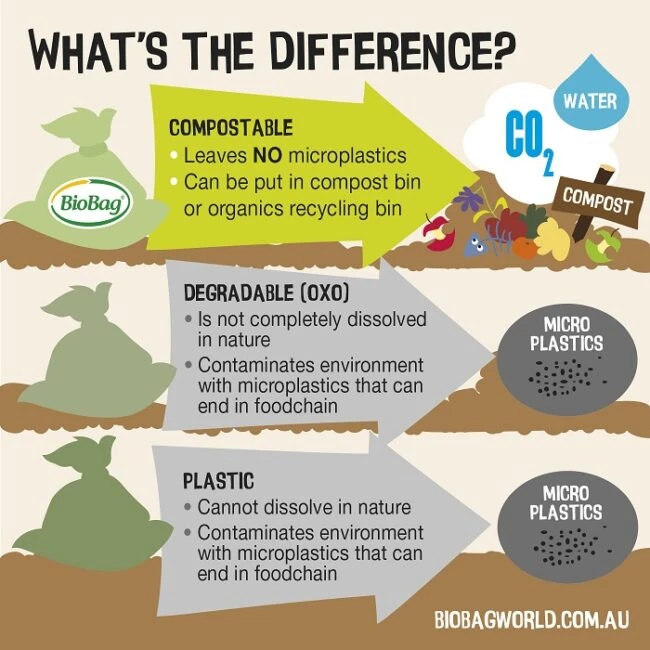
Oxo-biodegradable plastics, which contain additives that facilitate oxidation and fragmentation under specific conditions, remain controversial. While they degrade faster than conventional plastics, they may not fully mineralize into harmless compounds and can leave microplastic residues. This contrasts with compostable plastics certified to break down entirely into water, carbon dioxide, and biomass, meeting ASTM or EN compostability standards.
Post-consumer recycled plastic blends, as used by brands like Earth Rated, contribute to circular economy principles by repurposing existing plastic waste. These blends increase the eco-friendliness of pet waste bags by reducing virgin plastic consumption, although they may not be compostable. The environmental impact of these bags depends heavily on proper disposal methods and local waste processing infrastructure.
Composting conditions vary significantly. Industrial composting facilities maintain high temperatures (above 55°C) and controlled humidity, enabling rapid breakdown of certified compostable bags within 90 days. Home composting offers lower temperatures and longer timescales, with some bags specifically designed to degrade in this environment. Consumers must verify product certifications to ensure compatibility with their local composting options.
Practical Considerations for Buyers of Biodegradable Dog Poop Bags
Thickness and leak-proof performance are critical factors for consumer satisfaction. Independent product tests show that leading biodegradable bags often exceed the thickness of conventional plastic bags by 20-30%, ensuring resistance to punctures and leaks during typical dog waste collection. Many brands incorporate multi-layer film technology to balance strength and biodegradability.
Packaging formats vary between rolls and boxed counts. Rolls are favored for their dispenser compatibility; perforated edges allow easy bag separation, and cardboard cores fit most standard dog waste dispensers. Boxed sets containing hundreds of bags provide value and reduce packaging waste compared to individually wrapped bags. Consumers should assess their usage frequency to select appropriate pack sizes and formats.
Scented versus unscented options remain a personal preference. Most biodegradable pet waste bags are unscented to avoid potential chemical additives that could compromise biodegradability or trigger pet sensitivities. Some brands offer lightly scented variants with natural fragrances, but these are less common due to environmental considerations.
Pricing for biodegradable dog poop bags typically ranges from $0.02 to $0.05 per bag depending on brand, material composition, pack size, and certifications. Bulk purchases from brands like PET N PET and Earth Rated often deliver better value per unit. Buyers should weigh cost against durability, compostability certification, and environmental impact to make informed decisions.
Where to Buy Biodegradable Pet Waste Bags Online in 2026
Amazon remains the dominant online marketplace for biodegradable pet waste bags, offering a wide selection from all major brands. Consumers benefit from user reviews, detailed product descriptions, and competitive pricing. Amazon’s subscription services provide convenience for repeat buyers, ensuring steady supply with scheduled deliveries.
Brand websites such as PET N PET and Eco Poop Bags present direct-to-consumer options with exclusive product bundles and access to customer support. These sites often provide detailed information on material sourcing, certifications, and product testing, enhancing buyer confidence.
Price ranges on online platforms vary from approximately $15 for 300-bag packs to over $50 for large-count boxes exceeding 1000 bags. Shipping costs and delivery times fluctuate based on location and retailer policies. Some brands offer free shipping promotions or discounted rates for subscription orders, improving overall affordability.
Future Trends in Biodegradable Pet Waste Disposal
Material science innovations are driving the development of new biopolymers with enhanced compostability and mechanical strength. Research into algae-based polymers and advanced plant fiber composites aims to reduce reliance on cornstarch, which competes with food crops. These next-generation materials promise faster degradation rates and improved environmental footprints.
Consumer demand for sustainable pet products continues to grow, pressuring manufacturers to improve transparency and adopt circular economy principles. Increasing awareness of microplastic pollution and climate impacts influences purchasing decisions, encouraging brands to obtain recognized certifications and provide verifiable lifecycle assessments.
Regulatory environments may tighten, with potential bans on oxo-biodegradable plastics and mandates for compostable labeling. Governments and environmental agencies are expected to establish clearer standards for biodegradable pet waste bags, fostering innovation and consumer protection. Pet owners should anticipate evolving product landscapes shaped by legislation and sustainability trends.
FAQ
What materials are biodegradable pet waste bags made from?
Biodegradable pet waste bags are primarily made from plant-based materials such as cornstarch and biobased polymers. Some brands incorporate post-consumer recycled plastics, while others use fully compostable materials certified by standards like ASTM D6400 and USDA biobased certification.
How long do biodegradable dog poop bags take to break down?
Under proper composting conditions, biodegradable dog poop bags typically break down within 90 days. Industrial composting facilities achieve faster degradation due to high temperatures and humidity, whereas home composting may take longer depending on environmental factors.
Are oxo-biodegradable bags environmentally safe?
Oxo-biodegradable bags degrade faster than conventional plastics but can leave microplastic residues and do not fully mineralize. This raises environmental concerns compared to compostable bags, which break down completely into harmless compounds under certified composting conditions.
Can biodegradable pet waste bags be used with standard dog poop bag dispensers?
Yes, most biodegradable pet waste bags are designed to fit standard dog waste dispensers. Packaging formats, such as perforated rolls with cardboard cores, ensure compatibility with common dispenser models.
Where is the best place to buy biodegradable pet waste bags online?
Amazon offers a broad selection of biodegradable pet waste bags from leading brands with user reviews and competitive pricing. Brand websites like PET N PET and Eco Poop Bags also provide direct purchasing options, often with exclusive bundles and detailed product information.
—
As the pet care market evolves, biodegradable pet waste bags reflect a convergence of environmental consciousness and user-centric design. Pet owners in 2026 can access durable, leak-proof, and certified compostable products that fit seamlessly into sustainable lifestyles. Continued innovation and expanding regulatory frameworks are set to enhance product performance and environmental outcomes, making eco-friendly pet waste disposal not only feasible but increasingly mainstream.
Are Biodegradable Grooming Tools Worth It for Pets? Eco Benefits Explained
PawVerde.com – Biodegradable grooming tools for pets have gained momentum as eco-conscious pet owners seek sustainable alternatives to traditional plastic grooming products. Crafted primarily from bamboo, FSC-certified wood, and recycled materials, these tools offer a dual benefit: reducing environmental impact while supporting pet health through natural, chemical-free materials. Their accelerated biodegradability, combined with durability and gentleness on pet skin, positions them as a practical and environmentally responsible choice for modern pet care.
The rising demand for sustainable pet grooming products reflects growing awareness of the environmental toll of plastic waste and the benefits of natural ingredients on sensitive pet skin. Biodegradable grooming tools, including brushes, combs, nail clippers, and gloves, contribute significantly to reducing landfill accumulation while maintaining grooming effectiveness. This shift also aligns with broader zero waste pet care initiatives that promote composting pet waste and minimizing synthetic chemical exposure.
What Are Biodegradable Grooming Tools?
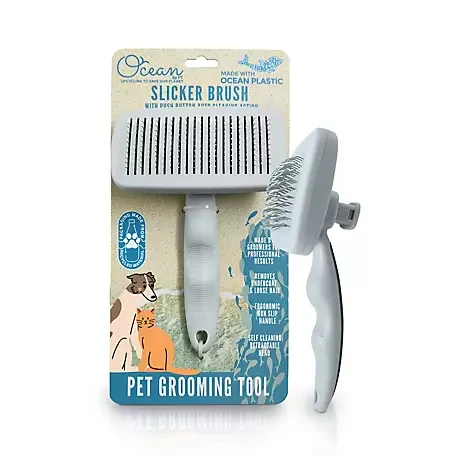
Biodegradable grooming tools are pet care implements designed to decompose naturally within a short timeframe after disposal, unlike conventional plastic tools that persist for decades in landfills. These tools commonly utilize sustainable materials such as bamboo, FSC-certified wood, and certain recycled bioplastics designed for accelerated biodegradation under industrial composting conditions. Bamboo, in particular, is favored for its rapid renewability and antimicrobial properties, making it ideal for brushes and combs.
Typical biodegradable grooming products encompass a range of items:
Such products avoid synthetic additives, harsh plastics, and chemical coatings that hinder decomposition and can irritate pet skin. Their design prioritizes both environmental sustainability and pet comfort.
Environmental Benefits of Biodegradable Pet Grooming Tools
The environmental advantages of biodegradable grooming tools stem primarily from waste reduction and sustainability in sourcing. Plastic pet grooming products contribute substantially to global plastic pollution, with discarded items often ending up in landfills or oceans, where they degrade into microplastics harmful to ecosystems.
Biodegradable alternatives made from bamboo and FSC-certified wood reduce plastic usage dramatically. Bamboo cultivation requires no pesticides or fertilizers, thrives on minimal water, and grows rapidly, making it a low-impact raw material. FSC certification ensures responsible forest management, preserving biodiversity and climate resilience.
These tools decompose significantly faster than plastics. Bamboo brushes, for example, can break down within months in composting environments, whereas plastic brushes may take centuries. Additionally, biodegradable grooming gloves and wipes reduce single-use plastic waste traditionally generated by pet grooming routines.
Ethical production practices also play a role; many sustainable pet grooming brands partner with environmental organizations and sustainable material suppliers to ensure transparency and minimize carbon footprint. This includes recyclable packaging that further lessens environmental impact.
Health and Practical Benefits for Pets
Natural materials used in biodegradable grooming tools offer tangible health benefits for pets. Pets’ skin has a delicate pH balance distinct from humans, typically ranging from 6.2 to 7.4. Synthetic grooming tools and products containing sulfates, parabens, and other chemicals can disrupt this balance, leading to irritation, dryness, or allergic reactions.
Bamboo and wood brushes with natural bristles are less abrasive and reduce static buildup, promoting healthier coats and skin. They also tend to be antimicrobial, which minimizes bacterial growth on grooming surfaces. Anecdotal evidence and user reviews from brands like Kinship indicate reduced incidences of skin irritation and improved coat texture when switching to natural grooming products.
Regarding durability, biodegradable tools often surpass cheap plastic alternatives. Bamboo brushes maintain structural integrity over repeated use, resisting warping and breakage. While they may cost more upfront, their longevity and reduced environmental disposal costs contribute to long-term value.
Accelerated biodegradable nitrile gloves combine hygiene with sustainability, offering protection during grooming without the environmental burden of traditional latex or vinyl gloves. Compostable grooming wipes infused with natural ingredients provide gentle cleaning without synthetic residue.
Additional Sustainable Grooming Practices
Adopting biodegradable grooming tools often complements broader sustainable grooming routines. Natural pet shampoos formulated with plant-based surfactants and free from synthetic fragrances or preservatives reduce chemical runoff into waterways. Vegan dog shampoos, increasingly popular among zero waste advocates, align with this ethos.
Composting pet waste using biodegradable bags addresses another significant source of pet-related plastic pollution. When combined with responsible disposal and home composting setups, these practices can transform pet waste from an environmental liability into a resource for soil enrichment.
Water and energy conservation during grooming also contribute to sustainability. Waterless grooming sprays and dry shampoos minimize water usage, while energy-efficient grooming appliances reduce carbon emissions. Together, these measures create a holistic approach to eco-friendly pet care.
Consumer Considerations: Are Biodegradable Tools Worth It?
Evaluating the worth of biodegradable grooming tools involves weighing cost, durability, availability, and environmental impact. Biodegradable brushes and gloves generally carry a higher price point than mass-produced plastic options, reflecting sustainable material sourcing and ethical manufacturing. However, their longer lifespan often offsets initial expenses.
Accessibility has improved as more pet grooming brands embrace sustainability, with offerings available through online retailers and specialty stores. Consumer demand has encouraged innovation, increasing product variety and competitive pricing.
pet health benefits, including reduced skin irritation and exposure to harmful chemicals, further justify the investment. Moreover, the environmental footprint reduction achieved—through plastic waste minimization and enhanced biodegradability—aligns with responsible pet ownership in an era of heightened ecological awareness.
Brands such as Good Natured Brand and EcoGloves demonstrate that accelerated biodegradable nitrile gloves provide performance parity with conventional gloves while offering significant environmental advantages. This balance of functionality and sustainability is critical to consumer acceptance.
Future Directions and Practical Next Steps
The sustainable pet grooming sector is poised for continued growth, driven by innovation in sustainable materials and increased consumer environmental consciousness. Emerging developments include waterless grooming technologies, fully compostable grooming kits, and expanded recycling programs for pet care accessories.
Pet owners seeking to transition toward eco-friendly grooming can begin by replacing plastic brushes with bamboo or FSC-certified wood alternatives, switching to natural shampoos, and adopting compostable grooming gloves and wipes. Participation in local pet waste composting initiatives complements these efforts.
Industry collaboration between pet health experts, sustainable material suppliers, and environmental organizations will likely accelerate product improvements and education, enhancing adoption rates. As supply chains evolve to reduce carbon emissions and waste, sustainable pet grooming can become standard practice rather than niche.
FAQ
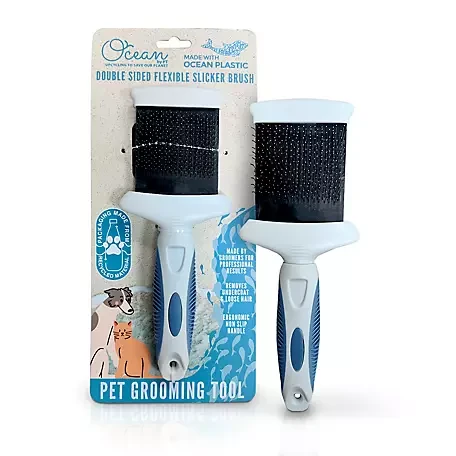
Are biodegradable pet grooming tools as durable as traditional plastic tools?
Biodegradable grooming tools, particularly those made from bamboo and FSC-certified wood, typically demonstrate superior durability compared to cheap plastic alternatives. Their natural fibers resist warping and breakage over repeated use, making them a cost-effective choice despite higher upfront prices. However, durability can vary by brand and product type.
Do natural grooming tools reduce the risk of skin irritation in pets?
Yes, natural grooming tools tend to be gentler on pet skin due to the absence of synthetic chemicals and harsh plastics. Materials like bamboo have antimicrobial properties and help maintain the skin’s natural pH balance, reducing irritation and allergic reactions. Pet health experts recommend natural grooming products for sensitive skin.
How quickly do biodegradable grooming tools decompose?
The decomposition rate depends on material and disposal environment. Bamboo brushes and wooden tools can break down within several months in industrial composting facilities, whereas plastic tools may take hundreds of years. Accelerated biodegradable nitrile gloves typically degrade faster than conventional gloves under proper composting conditions.
Can pet waste be composted safely using biodegradable bags?
Yes, biodegradable pet waste bags paired with appropriate composting methods enable safe decomposition of pet waste. It is essential to follow local regulations and use composting systems designed to handle pet waste to prevent pathogen spread. Composting reduces plastic pollution associated with traditional waste bags.
Are biodegradable grooming tools widely available and affordable?
Availability has increased with growing demand, and many sustainable pet grooming brands offer a range of biodegradable products online and in specialty stores. While prices are generally higher than plastic counterparts, competition and scale economies are driving costs down, making these tools more accessible to average consumers.
—
Transitioning to biodegradable grooming tools represents a practical step toward reducing plastic waste and promoting pet health without sacrificing grooming effectiveness. Continued innovation and consumer education will enhance sustainable pet care practices, ultimately benefiting pets, owners, and the environment alike.
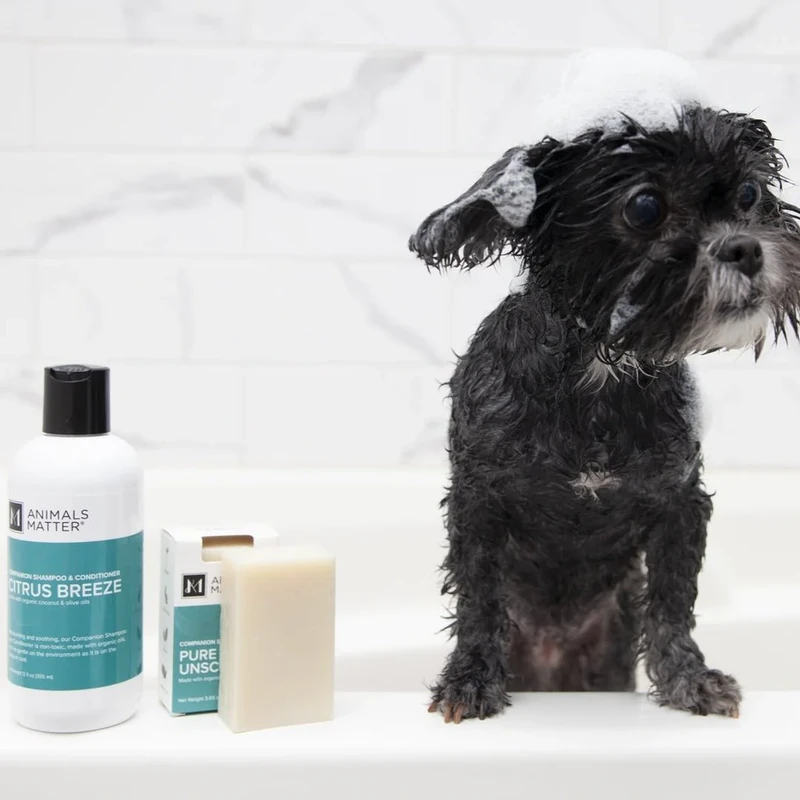
Eco-Friendly Dog Shampoo vs Regular: Key Skin & Eco Benefits
PawVerde.com – Eco-friendly dog shampoos have surged in popularity as pet owners seek safer, gentler options that prioritize both canine health and environmental sustainability. Unlike regular dog shampoos, which often contain synthetic chemicals such as sulfates and artificial fragrances, eco-friendly alternatives emphasize natural ingredients like aloe vera, shea butter, and essential oils. These formulations avoid harsh additives known to cause skin irritation, particularly in dogs with sensitive or allergy-prone skin. Moreover, the biodegradable packaging and plant-based ingredient profiles of eco-friendly shampoos reduce ecological impact, aligning with growing consumer demand for sustainable pet care products.
Understanding the unique characteristics of dog skin is vital to selecting the right shampoo. Canine skin differs significantly from human skin, with a neutral to alkaline pH, typically ranging from 6.5 to 7.5, whereas human skin is more acidic, around pH 5.5. This difference means that many regular shampoos formulated for humans or even some conventional pet shampoos can disrupt the natural pH balance of a dog’s skin, leading to dryness, irritation, and increased susceptibility to infections. Eco-friendly dog shampoos are often pH-balanced specifically for dogs, helping to maintain the skin’s protective barrier and reduce dermatological issues.
Ingredient Profiles: Eco-Friendly vs Regular Dog Shampoos
The distinction between eco-friendly and regular dog shampoos primarily lies in their ingredient composition. Eco-friendly shampoos typically leverage natural, plant-based components such as aloe vera, known for its soothing and anti-inflammatory properties, and shea butter, which provides deep moisturization without clogging pores. Essential oils like lavender or chamomile are added not only for a gentle fragrance but also for their antimicrobial and calming effects. These ingredients avoid synthetic chemicals, parabens, sulfates, and artificial fragrances commonly found in regular dog shampoos.
Regular dog shampoos often rely on sulfates like sodium lauryl sulfate (SLS) or sodium laureth sulfate (SLES) as primary cleansing agents. While effective at removing dirt and oils, sulfates are known irritants that can strip the skin of natural oils, exacerbating dryness and itching. Parabens and synthetic fragrances further increase the risk of allergic reactions in dogs, especially those with sensitive or compromised skin. Additionally, many conventional shampoos contain non-biodegradable ingredients that persist in the environment, contributing to ecological degradation.
Health Impacts on Dogs
Skin irritation, allergies, and sensitivity are common concerns linked to the use of regular dog shampoos. The presence of harsh chemicals like sulfates and parabens can compromise the skin’s natural barrier, leading to redness, flakiness, and increased vulnerability to infections. Dogs with pre-existing dermatological conditions such as atopic dermatitis or flea allergies are particularly at risk. In contrast, eco-friendly dog shampoos formulated with natural ingredients and free from synthetic additives significantly reduce the likelihood of irritation and allergic reactions.
Several veterinary dermatologists emphasize the importance of selecting shampoos that maintain optimal skin pH and avoid irritants. For example, formulations containing aloe vera and shea butter provide moisturizing benefits that help restore skin hydration and promote coat health. Essential oils, when used in appropriate concentrations, offer additional antimicrobial protection without the adverse effects associated with artificial chemicals. This makes eco-friendly shampoos a preferred option for dogs prone to allergies, sensitive skin, or frequent bathing requirements.
Environmental Considerations
The environmental impact of dog shampoos extends beyond ingredients to include packaging and biodegradability. Many regular dog shampoos use plastic bottles that are not recyclable or biodegradable, contributing to plastic pollution. Moreover, synthetic surfactants and preservatives in these shampoos often do not break down easily in wastewater systems, posing risks to aquatic ecosystems.
Eco-friendly dog shampoos address these concerns by incorporating biodegradable ingredients that degrade rapidly, minimizing ecological harm. Brands like Shampoochie® and Earthbath use USDA Organic-certified ingredients and package their products in biodegradable or recycled materials. This approach reduces the carbon footprint and supports environmental sustainability efforts. The use of plant-based surfactants, such as decyl glucoside derived from coconut oil, exemplifies the shift toward greener chemistries that balance effective cleansing with environmental stewardship.
Organic vs Natural: Understanding Certification and Ingredient Sourcing
The terms “organic” and “natural” are often used interchangeably but have distinct meanings in the context of dog shampoos. Natural shampoos contain ingredients derived from plants or minerals with minimal processing but may not meet specific regulatory standards. Organic shampoos, however, comply with stringent certification requirements such as USDA organic standards, which regulate ingredient sourcing, prohibit synthetic pesticides, and mandate sustainable farming practices.
Organic certification assures consumers that the product contains a high percentage of organically grown ingredients and excludes harmful chemicals. For pet owners seeking the highest assurance of purity and sustainability, organic dog shampoos are a superior choice. Natural shampoos may still offer benefits over conventional products but lack the regulatory oversight that ensures ingredient quality and environmental responsibility.
Cost and Value Analysis
Eco-friendly and organic dog shampoos generally command higher retail prices compared to regular shampoos due to the cost of sourcing natural and certified organic ingredients and sustainable packaging. For example, conventional dog shampoos may range from $5 to $12 per bottle, whereas natural shampoos typically fall between $15 and $25, with organic options reaching $25 to $40 or more.
Despite the higher upfront cost, eco-friendly shampoos can offer long-term value by reducing the incidence of skin problems, thereby lowering veterinary visits and associated expenses. Improved coat health and skin condition also diminish the need for supplemental treatments or medicated shampoos. Furthermore, the environmental benefits of biodegradable packaging and ingredients contribute to a broader societal value that many pet owners prioritize.
Use Case Scenarios: Selecting the Best Shampoo for Your Dog
For dogs with sensitive or allergy-prone skin, eco-friendly shampoos that are sulfate-free and contain moisturizing botanicals like aloe vera and shea butter are advisable. These formulations minimize irritation and support skin barrier repair. Dogs with flea or tick infestations, however, may require medicated shampoos that include synthetic acaricides or insecticides, which are not typically found in eco-friendly products. In such cases, veterinary guidance is essential to balance efficacy and safety.
General grooming for healthy dogs can benefit from eco-friendly shampoos that maintain skin pH balance and avoid harsh chemicals, supporting overall coat condition. Owners interested in reducing environmental impact and chemical exposure often prefer organic-certified shampoos to ensure ingredient integrity and sustainability.
Forward-Looking Perspectives on Dog Shampoo Choices
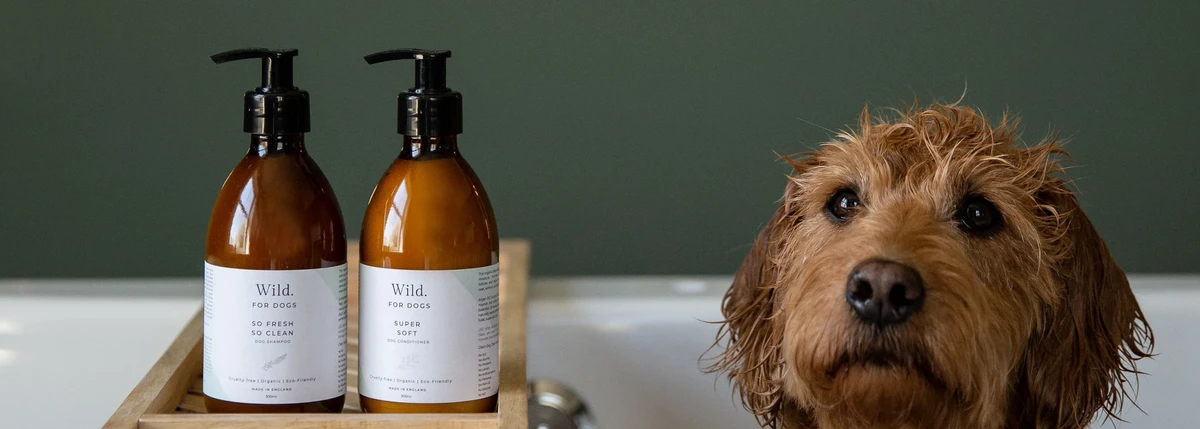
As consumer awareness of pet health and environmental sustainability grows, the market for eco-friendly and organic dog shampoos is expected to expand significantly. Innovations in biodegradable surfactants, plant-based preservatives, and sustainable packaging will likely improve product performance and reduce costs. Veterinary dermatology research continues to underscore the importance of tailoring shampoo choices to individual dog skin needs, promoting formulations that support skin microbiome balance and barrier function.
Pet owners should consider their dog’s skin sensitivity, allergy history, and environmental values when selecting shampoos. Collaboration with veterinary professionals can optimize grooming regimens, especially for dogs with dermatological conditions. The evolving landscape of natural and organic pet care products offers promising opportunities for healthier pets and a cleaner environment.
FAQ
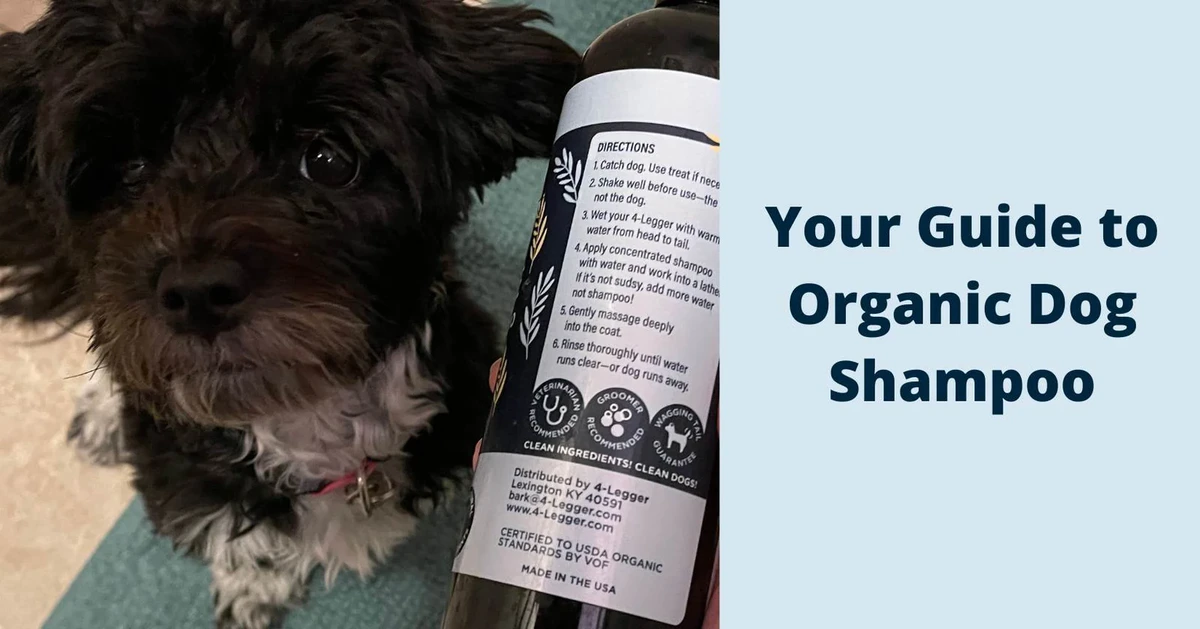
What makes eco-friendly dog shampoo better for sensitive skin?
Eco-friendly dog shampoos avoid harsh chemicals like sulfates and parabens, using natural moisturizers such as aloe vera and shea butter that soothe and protect sensitive skin, reducing irritation and allergic reactions.
Can regular dog shampoos harm my dog’s skin?
Regular shampoos often contain sulfates and artificial fragrances that can disrupt the skin’s pH balance, leading to dryness, irritation, and increased risk of infections, especially in dogs with sensitive or allergy-prone skin.
Are organic dog shampoos always safer than natural shampoos?
Organic shampoos meet stricter USDA certification standards, ensuring higher purity and sustainable ingredient sourcing, which generally makes them safer and more environmentally responsible than non-certified natural shampoos.
How does dog skin pH affect shampoo choice?
Dogs have a neutral to alkaline skin pH (6.5–7.5), so shampoos formulated to match this range help maintain the skin barrier and prevent irritation, whereas shampoos designed for human acidic pH can cause imbalance and skin issues.
Is biodegradable packaging important for dog shampoo?
Yes, biodegradable packaging reduces environmental impact by minimizing plastic waste and pollution, aligning with the eco-friendly ethos of natural shampoos and supporting sustainable pet care practices.
How DIY Eco-Friendly Pet Supplies Benefit Sustainability
PawVerde.com – DIY eco-friendly pet supplies are increasingly recognized for their multifaceted benefits that extend beyond simple cost savings. By repurposing household items or sourcing natural materials such as hemp, organic cotton, and recycled fabrics, pet owners can significantly reduce environmental waste linked to synthetic pet products. These sustainable alternatives not only lower the carbon footprint associated with manufacturing and disposal but also minimize pets’ exposure to harmful chemicals often found in commercial plastic toys and grooming products. The growing popularity of eco-conscious pet care reflects a broader shift toward zero-waste lifestyles, where biodegradable pet waste bags and compostable litter complement homemade accessories to create a holistic, sustainable pet ownership model.
Environmental benefits constitute a core advantage of adopting DIY eco-friendly pet supplies. Manufacturing conventional pet products typically involves extensive use of plastics and non-renewable resources, contributing to pollution and landfill accumulation. Utilizing recycled pet accessories or creating toys from repurposed textiles mitigates this impact by diverting materials from waste streams. For instance, crafting braided tug ropes from old T-shirts or converting shredded newspaper into cat litter exemplifies zero-waste principles in practice. These actions collectively reduce demand for virgin materials and decrease greenhouse gas emissions tied to production and transportation. Research indicates that pet-related plastic waste accounts for a significant portion of domestic refuse in many regions, underscoring the urgent need for sustainable alternatives. Moreover, biodegradable components in groomings supplies and waste bags ensure that discarded products decompose naturally, further alleviating environmental strain.
Pet health benefits also arise from the use of natural, non-toxic materials in DIY pet supplies. Veterinary experts increasingly warn against the long-term exposure of pets to synthetic chemicals, including phthalates and BPA, commonly present in commercial pet toys and grooming products. Natural fibers such as organic cotton and hemp not only eliminate these risks but offer enhanced durability and comfort during pet interaction. For example, eco-friendly grooming products made from plant-based ingredients reduce the likelihood of skin irritations and allergic reactions, a frequent concern with chemical-laden formulations. Additionally, homemade toys designed with pet safety in mind prevent ingestion of hazardous components and promote healthier chewing behaviors. Such measures align with holistic pet care strategies that prioritize both environmental sustainability and animal welfare, reinforcing the importance of material safety in product selection.
Economic advantages reinforce the appeal of DIY eco-friendly pet supplies by offering cost-effective alternatives to high-priced commercial items. Many sustainable pet products can be fashioned from readily available household materials, thus lowering upfront expenses. The longevity of durable, natural materials further reduces the frequency of replacements, generating long-term savings. Unlike mass-produced plastic toys prone to breakage, DIY accessories made from recycled fabrics withstand wear and tear more effectively. Moreover, personalization options allow pet owners to tailor products specifically to their pets’ preferences and needs, enhancing utility and satisfaction. These economic incentives are particularly relevant for budget-conscious households seeking to balance quality pet care with environmental responsibility. However, it is essential to weigh these benefits against potential accessibility challenges, as some sustainable materials require sourcing knowledge and initial investment.
Practical DIY projects exemplify the tangible application of sustainable pet ownership principles. Crafting braided tug ropes from old T-shirts involves cutting the fabric into strips, knotting securely, and braiding to create a durable toy that doubles as an interactive play tool. Homemade grooming products can be formulated using kitchen waste such as coconut oil and baking soda, producing gentle shampoos or conditioners free from synthetic additives. For cats, shredded newspaper or wood pellets serve as biodegradable litter alternatives, reducing plastic pellet waste substantially. Guidance on selecting safe materials includes avoiding toxic dyes, sharp edges, or small detachable parts that could harm pets. These projects also foster family engagement, encouraging children and adults alike to participate creatively in pet care, thereby promoting environmental awareness and shared responsibility.
Beyond DIY efforts, sustainable pet ownership encompasses broader practices that amplify environmental benefits. Donating gently used pet supplies to local shelters prevents unnecessary waste and supports animal welfare organizations. Opting for eco-friendly pet food brands that utilize sustainably sourced ingredients complements the overall green lifestyle. Employing biodegradable waste bags and reusable pet gear further reduces landfill contributions. Additionally, green travel practices, such as using solar-powered pet gadgets or eco-conscious pet carriers, minimize the carbon footprint associated with pet transportation. Collectively, these actions integrate into a comprehensive zero-waste pet care strategy that aligns with contemporary environmental ethics and consumer trends.
Challenges to widespread adoption of DIY eco-friendly pet supplies primarily involve accessibility and convenience. Some pet owners may face difficulties sourcing organic or recycled materials due to geographical or economic constraints. Balancing the time investment required for DIY projects with busy lifestyles can also deter participation. Additionally, ensuring that homemade products meet safety and health standards necessitates consultation with veterinary professionals, especially when altering pet diets or introducing new grooming substances. Awareness campaigns and educational resources from authoritative sources can mitigate these barriers by providing reliable guidance and fostering community support networks.
Looking forward, the role of DIY eco-friendly pet supplies in promoting sustainable living is poised to expand as environmental concerns intensify globally. Incremental lifestyle changes by individual pet owners contribute cumulatively to significant reductions in plastic waste and chemical exposure. Innovations in recycled materials and biodegradable technologies promise to enhance the durability and safety of eco-conscious pet products. Furthermore, collaborations between veterinary experts, environmental scientists, and ethical pet brands can accelerate the development of standardized sustainable pet care protocols. For pet owners, embracing these practices not only benefits their animals’ health but also aligns with broader societal goals of environmental stewardship and responsible consumption.
Introduction to DIY Eco-Friendly Pet Supplies
DIY eco-friendly pet supplies refer to pet accessories and grooming products created using sustainable, non-toxic, and often repurposed materials. These include items made from hemp, organic cotton, recycled fabrics, and biodegradable substances. The significance of these supplies lies in their ability to minimize environmental harm while enhancing pet well-being. Recently, sustainability has become a central theme in pet care, driven by rising awareness of the environmental footprint associated with conventional pet products. Pet owners increasingly seek alternatives that align with zero-waste principles and ethical consumption, stimulating growth in DIY projects and eco-conscious brands.
Environmental Benefits of DIY Eco-Friendly Pet Supplies
Repurposing household textiles and recycled materials into pet toys and accessories significantly reduces plastic and synthetic waste. For example, transforming old T-shirts into braided tug toys diverts fabric from landfills and reduces reliance on plastic-based commercial toys. The production of such DIY items generally entails a lower carbon footprint due to decreased manufacturing energy and transportation emissions compared to mass-produced products. Moreover, biodegradable pet waste bags and grooming products contribute to landfill diversion by decomposing naturally, unlike conventional plastic bags that persist for decades. Studies show that pet-related plastic consumption comprises a measurable share of urban waste streams, making sustainable alternatives a necessary intervention in waste management.
Health Advantages for Pets
Many commercially available pet products contain phthalates, BPA, and synthetic dyes linked to health risks such as endocrine disruption and allergic reactions. DIY pet supplies made from organic cotton or hemp fibers eliminate these concerns by using natural, untreated materials. Veterinary professionals recommend using non-toxic grooming products formulated with plant-based ingredients to prevent skin irritations and promote coat health. Durable natural toys also reduce the risk of ingestion of microplastics or chemical residues during chewing. These health advantages underscore the importance of material selection in pet product safety, positioning DIY eco-friendly supplies as a superior choice for responsible pet care.
Economic Benefits of DIY Approaches
Cost efficiency remains a compelling reason for adopting DIY eco-friendly pet supplies. Using recycled fabrics or household items minimizes expenses, especially when compared to premium commercial sustainable pet products which can be costly. The enhanced durability of natural materials extends product life, reducing replacement frequency and overall spending. Additionally, creating personalized toys or grooming items tailored to specific pet needs increases functional value, often unattainable with mass-market products. Despite potential upfront investments in sourcing organic materials, the long-term economic benefits and environmental savings present a strong case for DIY adoption among eco-conscious pet owners.
Practical DIY Projects for Sustainable Pet Supplies
Simple DIY projects effectively demonstrate sustainable pet care principles. Braided tug ropes made from old T-shirts require no specialized tools and provide engaging, durable toys suitable for dogs. Homemade grooming products utilizing kitchen staples such as coconut oil and baking soda offer chemical-free alternatives to commercial shampoos. For cats, shredded newspaper or wood pellets replace plastic-based litter, aligning with zero-waste goals. Ensuring the safety of these products involves selecting natural dyes, avoiding small detachable parts, and consulting with veterinarians when incorporating new grooming substances or dietary components. These activities also encourage family participation, fostering environmental awareness and creativity.
Supporting Sustainable Pet Ownership Beyond DIY
sustainable pet ownership extends beyond homemade products. Donating gently used pet supplies to shelters reduces waste and supports animals in need. Choosing pet food brands committed to sustainable ingredient sourcing promotes environmental responsibility throughout the supply chain. Using biodegradable waste bags and reusable gear decreases plastic pollution and landfill mass. Green travel practices, such as employing solar-powered pet products or eco-friendly carriers, further reduce environmental impact. These collective efforts integrate into comprehensive sustainable pet care, offering a model for eco-conscious consumers.
Challenges and Considerations
Despite clear benefits, challenges remain in adopting DIY eco-friendly pet supplies universally. Accessibility to organic and recycled materials varies by region and economic status, potentially limiting participation. Time constraints and convenience factors may discourage busy pet owners from engaging in DIY projects. Additionally, ensuring product safety, particularly regarding pet health and nutrition, requires consultation with veterinary professionals. Balancing sustainability with practicality necessitates informed decision-making and realistic expectations. Educational initiatives and community support can help mitigate these challenges by providing guidance and resources.
FAQ

What materials are safest for making DIY pet toys?
natural fibers such as hemp, organic cotton, and recycled fabrics are safest, as they are non-toxic and durable. Avoid synthetic dyes and small parts that could be ingested.
How do DIY eco-friendly pet supplies benefit the environment?
They reduce plastic and synthetic waste by repurposing materials, lower production-related carbon emissions, and often include biodegradable components that minimize landfill impact.
Can homemade grooming products be as effective as commercial ones?
Yes, when made with safe plant-based ingredients like coconut oil and baking soda, homemade grooming products can clean and condition pet coats without harmful chemicals.
Are DIY pet supplies cost-effective compared to store-bought eco-friendly products?
Generally, yes. DIY supplies use household or recycled materials, reducing costs, and their durability means fewer replacements, leading to long-term savings.
How can I ensure DIY pet products are safe for my pet?
Use non-toxic natural materials, avoid small detachable parts, and consult a veterinarian before introducing new grooming products or dietary changes.
—
The increasing integration of DIY eco-friendly pet supplies into mainstream pet care reflects a broader commitment to sustainability, animal health, and economic prudence. As materials science advances and consumer awareness grows, these practices will evolve, offering ever more effective and accessible solutions. Pet owners who adopt incremental changes contribute not only to their pets’ well-being but also to global efforts in reducing environmental waste and fostering responsible consumption. Continued collaboration among veterinarians, environmental experts, and ethical brands will be essential to mainstreaming sustainable pet care in the years ahead.
Best Eco-Friendly Dog Grooming Tools for 2026: Bamboo & More
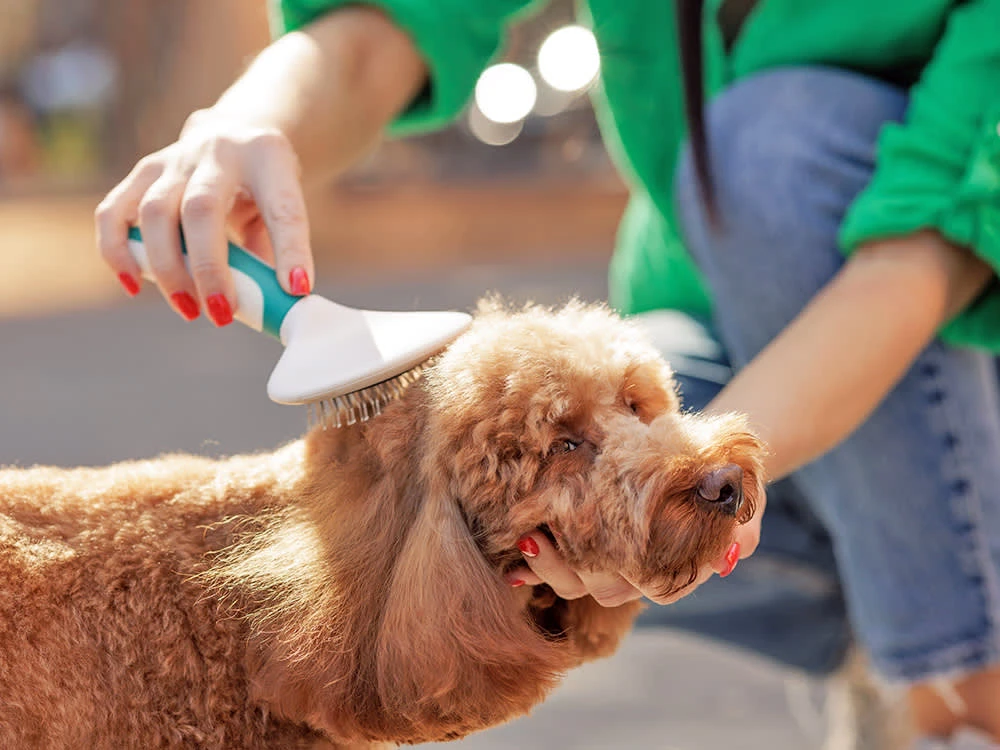
PawVerde.com – Eco-friendly dog grooming tools in 2026 have evolved to combine sustainability, pet wellness, and cutting-edge design, addressing increasing consumer demand for environmentally responsible pet care. Leading brands such as WildWash, FURminator, and U GROOM integrate natural ingredients and sustainable materials, including bamboo and recycled plastics, to create grooming products that maintain pet skin health while minimizing environmental impacts. Bamboo brushes, for instance, offer natural antibacterial properties alongside durability, and biodegradable shampoos formulated with Meadowfoam and Jojoba oils ensure gentle cleansing without harsh chemicals. These innovations reflect a broader shift towards eco-conscious grooming that emphasizes both efficacy and sustainability.
Sustainable materials have become the cornerstone of modern grooming tools, with bamboo emerging as a preferred option for brushes and combs due to its rapid renewability and antimicrobial qualities. Bamboo dog brushes outperform many synthetic alternatives by resisting bacterial growth, reducing odor, and providing a resilient structure that accommodates various coat types. Complementing bamboo, recycled plastics are utilized in brush handles and grooming accessories, significantly lowering the carbon footprint compared to virgin plastic products. Collections like the Artero Nature Collection showcase ergonomic, nature-inspired designs that enhance handling comfort while underscoring eco-friendly principles. Ergonomics in grooming tools not only improve user experience but also encourage more frequent and effective grooming sessions, promoting better pet skin health.
The grooming product landscape in 2026 increasingly favors biodegradable shampoos and conditioners that harness natural ingredients to maintain skin balance and hydration. Meadowfoam Oil, valued for its remarkable moisturizing and protective properties, features prominently in several formulations, enhancing skin barrier function and reducing irritation. Jojoba Oil, neem extracts, oatmeal, and coconut oil complement these formulations by delivering anti-inflammatory, soothing, and conditioning benefits. Brands such as WildWash and Ethique lead the market with chemical-free, biodegradable shampoo bars that minimize plastic waste and avoid synthetic surfactants known to disrupt the skin microbiome. U GROOM and Earthbath also contribute with formulations that emphasize natural ingredient integrity and environmental safety, aligning with consumer preferences for transparent, cruelty-free products.
Supporting sustainable grooming practices extend beyond shampoos and brushes to include accessories designed for environmental impact reduction and practicality. Eco-friendly towels, crafted from sustainably sourced fibers, often incorporate drying hand pockets and hoods to expedite water absorption and reduce drying time, limiting energy consumption from electrical dryers. Water conservation techniques during bath time, such as using low-flow nozzles and targeted rinsing methods, further decrease water usage and environmental strain. Essential grooming tools like Millers Forge Nail Clippers and Kenchii grooming scissors now incorporate recycled metals and ergonomic designs, reducing material waste and improving precision to prevent pet discomfort. New innovations like the OneIsAll Grooming Vacuum support eco-conscious grooming by efficiently capturing hair clippings and dander, reducing airborne allergens, and facilitating cleaner grooming environments.
Industry events such as Crufts 2026 have spotlighted advances in grooming education and technology, with Clipit training programs emphasizing sustainable tool use and pet wellness. These initiatives promote the adoption of quieter, PPE-grade grooming equipment that enhances professional comfort and animal safety, reflecting a wellness-led approach to grooming. The integration of skin-kind product development responds to increasing awareness of dermatological sensitivities in dogs, encouraging formulations and tools that minimize allergic reactions and support natural skin microbiomes. Additionally, the grooming industry is witnessing a surge in eco-conscious product innovation, including grooming devices that optimize efficiency and reduce water and energy consumption, aligning with global sustainability goals.
Practical considerations for eco-friendly dog grooming at home focus on selecting appropriate tools tailored to coat type and skin sensitivity while minimizing environmental impact. Bamboo brushes suit dogs with medium to long coats by facilitating detangling and reducing static without harsh plastic bristles. For sensitive skin, shampoos containing Meadowfoam and Jojoba oils offer moisturizing benefits and reduce irritation risk. Consumers are encouraged to avoid single-use plastics by choosing shampoo bars and refillable products, alongside maintaining grooming tools through regular cleaning and careful storage to extend their lifespan. Reducing chemical exposure through natural ingredient-based products supports pet health and aligns with eco-conscious values. These practices collectively contribute to lowering the environmental footprint associated with routine pet grooming.
| Tool/Brand | Material/Ingredient | Environmental Benefit | Pet Health Advantage |
|---|---|---|---|
| Bamboo Brushes (e.g., Green Brush) | Bamboo wood, natural bristles | Renewable, biodegradable, antibacterial | Gentle on skin, reduces static and irritation |
| WildWash Shampoo | Meadowfoam Oil, Jojoba Oil, biodegradable surfactants | Biodegradable, chemical-free, plastic reduction | Moisturizes skin, maintains microbiome balance |
| Ethique Shampoo Bars | Natural plant-based ingredients, solid form | Plastic-free packaging, biodegradable | Gentle cleansing, no harsh chemicals |
| Eco-Friendly Towels | Sustainably sourced fibers, organic cotton or bamboo | Renewable, reduces drying time and energy use | Soft texture, reduces skin irritation |
| Millers Forge Nail Clippers | Recycled metal | Recycled materials reduce mining impact | Ergonomic design prevents over-cutting |
| OneIsAll Grooming Vacuum | Recyclable plastics and metal components | Reduces airborne allergens, waste management | Maintains clean grooming environment |
The table above summarizes key eco-friendly grooming tools and products, highlighting their sustainable materials and benefits for pet health. These innovations reflect a holistic approach to grooming that addresses environmental impacts and animal welfare.
Sustainable Materials in Grooming Tools
The adoption of bamboo brushes and combs marks a significant shift in sustainable pet grooming tools. Bamboo grows rapidly without fertilizers or pesticides, making it a highly renewable resource. Its natural silica content reinforces the brush structure, providing durability comparable to synthetic alternatives. Moreover, bamboo possesses inherent antimicrobial properties that inhibit bacterial and fungal growth on brush surfaces, a common concern in grooming hygiene. This reduces the need for harsh chemical cleaning agents, aligning with eco-conscious maintenance practices.
Recycled plastics serve as a secondary material source, particularly for brush handles and clipper housings. Brands leveraging recycled plastics reduce reliance on virgin petroleum-based plastics, thus decreasing greenhouse gas emissions associated with manufacturing. The use of biodegradable materials for brush bristles, such as plant-derived fibers, further enhances environmental compatibility. Ergonomic designs inspired by natural forms, exemplified by the Artero Nature Collection, improve grip and user comfort while embodying a nature-centric aesthetic, reinforcing the sustainability message.
Natural and Biodegradable Grooming Products
Biodegradable shampoos and conditioners have transitioned from niche to mainstream, driven by consumer awareness of chemical pollutants in waterways. Meadowfoam Oil, a key ingredient in many formulations, contains long-chain fatty acids that form a protective barrier on the skin, preventing moisture loss and promoting healing. Scientific studies have demonstrated its efficacy in reducing transepidermal water loss, crucial for dogs with dry or sensitive skin. Jojoba Oil complements this by mimicking natural skin sebum, providing balanced hydration without clogging pores.
WildWash, Ethique, U GROOM, and Earthbath have established leadership in this sector by prioritizing plant-based, biodegradable ingredients and eliminating sulfates, parabens, and synthetic fragrances. Ethique’s solid shampoo bars eliminate plastic waste while offering concentrated formulations that last longer than liquid shampoos, reducing packaging and transportation emissions. U GROOM’s formulations incorporate neem and oatmeal, known for their anti-inflammatory and soothing properties, making them suitable for dogs with dermatological issues.
Grooming Accessories Supporting Eco-Friendly Practices
Sustainable grooming extends to towels and drying accessories designed to minimize water and energy consumption. Towels made from bamboo or organic cotton feature enhanced absorbency and durability, with innovations such as drying hand pockets allowing thorough drying of hard-to-reach areas. These designs reduce reliance on electric dryers, which consume significant energy and often contribute to noise pollution.
Water-efficient grooming practices include the use of low-flow showerheads and targeted rinsing techniques to conserve water without sacrificing cleanliness. Nail clippers and grooming scissors from brands like Millers Forge and Kenchii integrate recycled metals and ergonomic features to improve precision and reduce material waste. The OneIsAll Grooming Vacuum exemplifies technological innovation by capturing fur and dander during grooming, improving air quality and facilitating waste recycling, a crucial consideration for professional groomers and environmentally conscious pet owners alike.
Industry Trends and Innovations
Crufts 2026 showcased a surge in grooming education emphasizing sustainability and pet wellness. Clipit training programs now incorporate modules on eco-friendly tool maintenance, water conservation techniques, and skin-friendly product selection, equipping groomers with knowledge to reduce environmental impact while enhancing pet comfort. The emergence of quieter grooming tools constructed from PPE-grade materials reflects a commitment to occupational health and animal stress reduction.
Product development trends highlight a shift toward wellness-led grooming, focusing on formulations that support skin microbiome balance and reduce allergen exposure. Innovations in grooming technology, including energy-efficient dryers and smart grooming vacuums, demonstrate the industry’s response to environmental challenges and evolving consumer expectations.
Practical Tips for Eco-Friendly Dog Grooming at Home

Selecting grooming tools requires consideration of coat type, skin sensitivity, and environmental impact. Bamboo brushes are ideal for medium to long coats, offering detangling without static buildup. Dogs with sensitive skin benefit from shampoos containing Meadowfoam and Jojoba oils, which hydrate and protect without irritating. Avoiding single-use plastic packaging by choosing shampoo bars or refillable containers reduces landfill waste.
Maintaining grooming tools extends their lifespan and reduces consumption. Regular cleaning with gentle agents preserves brush bristle integrity, while proper storage prevents damage. Reducing chemical exposure through natural grooming products supports both pet health and environmental sustainability. Incorporating water-saving techniques during bathing can significantly lower household water use without compromising grooming quality.
FAQ

What materials make the best eco-friendly dog grooming brushes?
Bamboo stands out as the best material for eco-friendly dog grooming brushes due to its rapid renewability, natural antibacterial properties, and durability. Brushes made from recycled plastics and plant-based biodegradable fibers also contribute to sustainability while maintaining grooming effectiveness.
Are biodegradable shampoos safe for dogs with sensitive skin?
Yes, biodegradable shampoos formulated with natural ingredients like Meadowfoam Oil, Jojoba Oil, neem, and oatmeal are generally safe and beneficial for dogs with sensitive skin. These ingredients provide moisturizing, anti-inflammatory, and protective effects without harsh chemicals that can disrupt skin balance.
How can I reduce water usage during dog grooming?
Reducing water usage involves using low-flow showerheads, targeted rinsing techniques, and efficient bathing routines. Pre-brushing to remove loose hair minimizes the need for prolonged rinsing. Using concentrated shampoo bars also reduces water consumption during product application and rinsing.
What eco-friendly grooming tools are recommended for professional groomers?
Professional groomers benefit from ergonomic, durable tools such as the Artero Nature Collection brushes, PPE-grade quieter clippers, and grooming vacuums like OneIsAll that capture hair and dander efficiently. Nail clippers and scissors made from recycled metals also align with sustainability goals.
Why is Meadowfoam Oil commonly used in eco-friendly dog grooming products?
Meadowfoam Oil is prized for its high stability and moisturizing properties, forming a protective barrier on the skin that prevents moisture loss. Its long-chain fatty acids promote skin healing and maintain hydration, making it ideal for dogs prone to dryness or irritation.
The ongoing evolution of eco-friendly dog grooming tools in 2026 reflects a comprehensive approach integrating sustainable materials, natural ingredient formulations, ergonomic design, and industry education. As consumer awareness grows, these innovations will continue to shape pet grooming practices that prioritize both animal welfare and environmental responsibility, setting new standards for sustainable pet care.
Difference Between Biodegradable and Plastic Pet Toys Explained
PawVerde.com – biodegradable pet toys represent a growing segment in sustainable pet care, designed to mitigate the environmental burden caused by conventional plastic pet toys. Annually, millions of plastic pet toys accumulate in landfills worldwide, persisting for centuries due to their synthetic compositions such as nylon and polyester. This persistence contributes to escalating plastic pollution and microplastic contamination, raising concerns for ecosystems and pet health alike. In contrast, biodegradable pet toys primarily utilize natural fibers and sustainably sourced materials that degrade under appropriate conditions, offering a pathway to reduce landfill waste and associated ecological impacts.
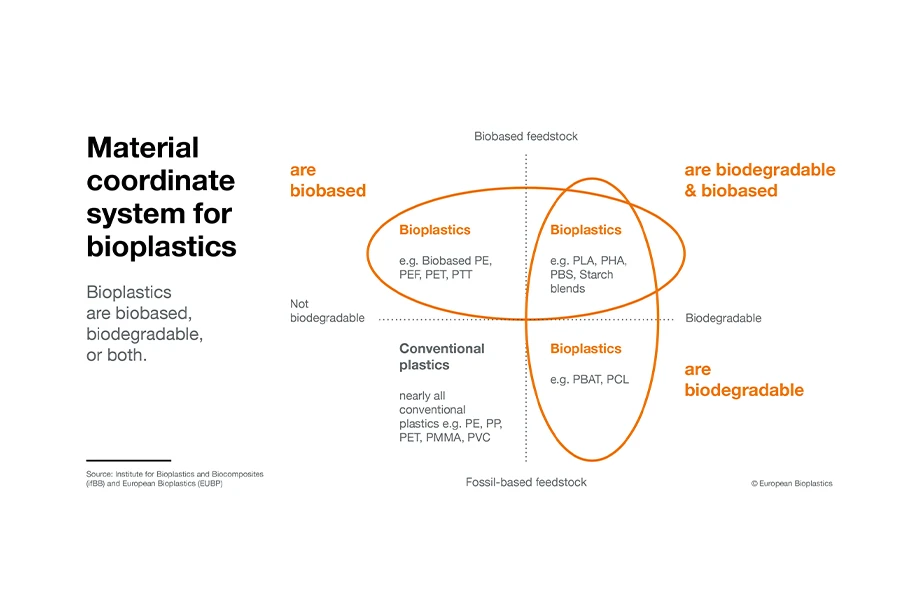
The distinction between biodegradable and plastic pet toys extends beyond mere material composition to encompass environmental persistence, health safety, and lifecycle management. Biodegradable pet toys incorporate fibers like hemp, organic cotton, and jute, along with sustainably harvested rubber and recycled fabrics, formulated to break down naturally through microbial activity. However, biodegradation rates depend heavily on environmental conditions, often requiring industrial composting facilities to complete decomposition effectively. Conversely, plastic pet toys made from synthetic polymers withstand natural degradation for decades or longer, fragmenting into microplastics that infiltrate soil and waterways. The term “biodegradable” is frequently misapplied to certain plastics that only partially degrade or require specific conditions rarely met in typical waste streams, complicating consumer understanding.
Natural materials used in biodegradable pet toys provide not only environmental advantages but also health benefits for pets. Hemp, organic cotton, and wool offer durable fibers that resist wear while remaining non-toxic and free from harmful additives common in synthetic plastics. Sustainably harvested rubber and hardwood components contribute elasticity and robustness without introducing chemical contaminants. Manufacturing processes increasingly emphasize non-toxic dyes and adhesives, aligning with certifications such as Global Organic Textile Standard (GOTS), Ecocert, and B Corp, which verify environmental and social responsibility. Pet owners benefit from reduced exposure to toxins such as phthalates and BPA, which are prevalent in many plastic pet toys and linked to adverse health effects.
The environmental advantages of biodegradable pet toys include significant reductions in plastic pollution and the prevention of microplastic generation. While biodegradable plastics can fragment into microplastics if disposed of improperly, natural fiber-based toys decompose more completely, returning organic matter to the soil without residual contamination. Compostable dog waste bags exemplify this benefit, decomposing swiftly under industrial composting conditions and avoiding the microplastic residues common with conventional plastic bags. Additionally, biodegradable toys often exhibit enhanced durability relative to cheaper plastic alternatives, extending product lifespan and decreasing replacement frequency, which cumulatively reduces overall environmental impact.
Despite these benefits, biodegradable pet toys face limitations that require consumer awareness. Effective biodegradation generally necessitates specific conditions—such as elevated temperatures, moisture, and microbial presence—found in industrial composting but lacking in typical landfill environments, where many biodegradable items may persist similarly to plastics. Moreover, certain biodegradable plastics labeled as such may only partially decompose or fragment into microplastics, undermining environmental goals. The presence of certifications like B Corp or GOTS serves as a critical guidepost for buyers, ensuring products meet rigorous sustainability and safety standards. Pet owners should evaluate disposal options and local composting infrastructure to maximize environmental benefits.
Plastic pet toys continue to dominate the market due to low production costs and material versatility, but their environmental and health risks are substantial. Synthetic plastics such as nylon and polyester resist degradation, accumulating in landfills and natural habitats for centuries. This persistence contributes to the global plastic pollution crisis, with microplastic particles infiltrating ecosystems and the food chain. Chemical additives in plastic toys can leach toxins, posing risks to pet health through ingestion or prolonged contact. The durability of plastic toys often leads to prolonged presence in waste streams, exacerbating environmental contamination and complicating waste management efforts.
Pet owners seeking sustainable alternatives can adopt several strategies to minimize environmental impact while ensuring pet safety. Prioritizing toys made from natural, certified materials such as hemp, organic cotton, and sustainably harvested rubber supports ecological balance and reduces chemical exposure risks. Additionally, engaging in DIY pet toy creation using household materials or repurposing old toys extends product lifespans and diverts waste from landfills. Proper disposal practices, including the use of compostable dog waste bags and participation in local composting programs, enhance the biodegradation of pet-related products. Awareness of product certifications and manufacturer transparency further empowers consumers to make informed purchasing decisions grounded in environmental responsibility.
Innovation in sustainable pet toy manufacturing continues to evolve, driven by advances in low-waste production methods and ethical sourcing. Industry initiatives increasingly incorporate recycled fabrics and sustainably harvested raw materials to reduce carbon pawprints. Emerging technologies focus on developing truly compostable and non-toxic materials that maintain durability without compromising biodegradability. Market trends reveal growing consumer demand for eco-certified pet products, prompting manufacturers to pursue certifications such as Ecocert and B Corp to validate sustainability claims. This trajectory suggests a future where sustainable pet accessories become mainstream, aligning pet care with broader environmental stewardship.
Defining Biodegradable Versus Plastic Pet Toys
Biodegradable pet toys are crafted from materials that can naturally decompose through microbial activity, returning to the environment as water, carbon dioxide, and biomass. These materials often include natural fibers like hemp, organic cotton, wool, and jute, as well as sustainably harvested rubber and hardwood components. The biodegradation process requires optimal conditions such as moisture, oxygen, and temperature, typically found in industrial composting facilities rather than conventional landfills. This distinction is critical because many products labeled “biodegradable” are composed of plastics that degrade slowly or fragment into microplastics, misleading consumers regarding their environmental impact.
plastic pet toys primarily consist of synthetic polymers such as nylon, polyester, and polypropylene. These materials are engineered for durability, resistance to wear, and cost-efficiency but exhibit extreme environmental persistence. Plastic polymers resist microbial degradation, often remaining intact in landfill environments for hundreds of years. Over time, exposure to sunlight and mechanical abrasion can fragment plastic toys into microplastics, which pose ecological hazards by entering marine and terrestrial food chains. The term “biodegradable” is sometimes applied to certain plastics designed to break down under specific lab conditions but failing to do so in real-world waste systems, complicating the environmental narrative.
Materials Used in Biodegradable Pet Toys
Natural fibers such as hemp and organic cotton are prominent in biodegradable pet toys due to their renewability, strength, and biodegradability. Hemp offers superior durability and resistance to mold and bacteria, making it ideal for chew toys and ropes. Organic cotton is favored for its softness and non-toxicity, suitable for plush toys and fabric components. Wool and jute provide additional biodegradable options with distinct textures and robustness. These fibers are often processed with non-toxic dyes and adhesives to maintain safety standards for pets.
Sustainably harvested rubber, derived from natural latex trees, adds elasticity and resilience while remaining biodegradable under appropriate conditions. Hardwood elements contribute structural integrity for toys requiring rigidity or chew resistance. Recycled fabrics, sourced from repurposed textiles, reduce waste by converting materials such as denim or canvas into pet toy components. These materials align with environmental certifications like GOTS, which requires organic fiber sourcing and sustainable manufacturing, and B Corp, which assesses social and environmental performance.
Environmental and Health Benefits of Biodegradable Pet Toys
Biodegradable pet toys reduce plastic pollution by decomposing into natural elements rather than persisting as waste. This reduces the volume of landfill waste and minimizes microplastic contamination, which has been linked with disruptions in soil microbiomes and aquatic ecosystems. For pets, toys made from natural materials eliminate exposure to phthalates, BPA, and other synthetic additives found in plastic toys, decreasing risks of allergic reactions, endocrine disruption, and ingestion of toxic substances.
Durability is another advantage; although some biodegradable materials may initially appear less resilient than plastics, many natural fibers and sustainably harvested rubbers provide long-lasting performance. This durability reduces the frequency of toy replacements, lowering resource consumption and waste generation. Additionally, biodegradable toys often exhibit superior breathability and reduced microbial growth, contributing to pet hygiene and health.
Limitations and Considerations of Biodegradable Pet Toys
The biodegradability of pet toys depends heavily on disposal conditions. Industrial composting facilities provide the heat, moisture, and microbial activity necessary for full decomposition within months, whereas landfill environments are often anaerobic and dry, slowing or preventing breakdown. Consequently, biodegradable materials discarded in landfills may persist similarly to conventional plastics, undermining environmental benefits.
Moreover, some biodegradable plastics require specific enzymatic actions or temperature thresholds absent in natural environments, leading to partial decomposition or fragmentation into microplastics. This highlights the importance of certifications like Ecocert and B Corp, which validate claims of sustainability and provide transparency regarding material sourcing and degradation profiles. Consumers must also consider the lifecycle carbon footprint and potential trade-offs such as water usage in natural fiber production.
Comparing Plastic Pet Toys: Impact and Risks
Plastic pet toys’ resilience translates into extensive environmental persistence, with decomposition timelines often exceeding centuries. These toys contribute significantly to landfill mass and global plastic pollution. The leaching of chemical additives such as phthalates and BPA presents documented health hazards for pets, including endocrine disruption, behavioral changes, and increased cancer risk. Fragmentation into microplastics exacerbates pollution by infiltrating water bodies and soils, threatening biodiversity.
Manufacturers often produce plastic toys at low cost, ensuring widespread availability but at the expense of environmental sustainability and pet health. The global scale of plastic pet toy production amplifies these risks, underscoring the urgency for sustainable alternatives and consumer awareness.
How Pet Owners Can Choose and Manage Sustainable Toys
Pet owners can prioritize toys made from certified natural materials such as hemp, organic cotton, and sustainably harvested rubber to ensure safety and environmental responsibility. Evaluating certifications like GOTS, Ecocert, and B Corp provides assurance of ethical sourcing and manufacturing. Incorporating DIY pet toys using repurposed household items or fabric scraps extends toy lifespans and reduces waste streams.
Proper disposal is essential; compostable dog waste bags complement biodegradable toys by decomposing rapidly under industrial composting, eliminating microplastic residues prevalent in conventional plastic bags. Participation in local composting programs or specialized pet product recycling initiatives further enhances sustainability efforts. Educating oneself about product materials and disposal practices empowers pet owners to reduce their carbon pawprint effectively.
Future Trends: Innovation in Sustainable Pet Toy Manufacturing
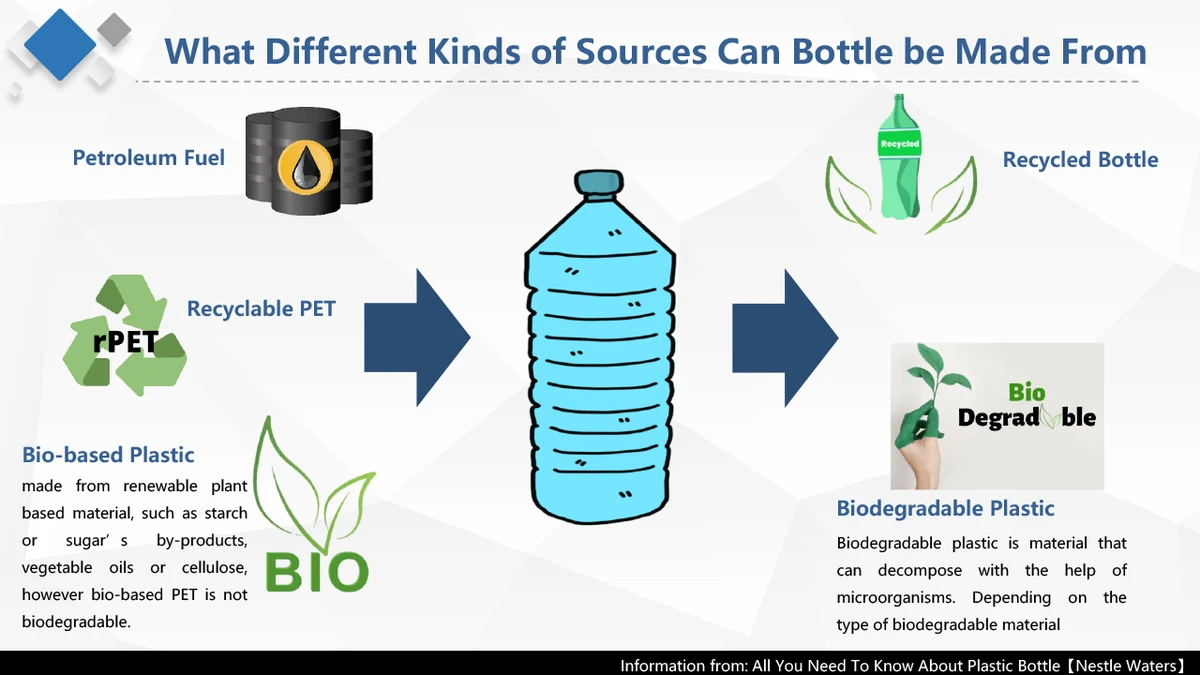
The pet product industry is witnessing increased innovation centered on sustainability. Advances in low-waste manufacturing methods reduce resource consumption and emissions. Emerging materials such as bio-based polymers derived from algae, mycelium, or agricultural byproducts offer promising biodegradable and compostable alternatives with improved durability.
Ethical manufacturing practices are gaining traction, with companies emphasizing fair labor, supply chain transparency, and reduced environmental footprints. Market data indicate rising consumer demand for eco-certified pet products, prompting wider availability of sustainably produced toys. Integration of circular economy principles—such as product take-back schemes and upcycling—may further transform pet toy life cycles in the coming years.
| Aspect | Biodegradable Pet Toys | Plastic Pet Toys |
|---|---|---|
| Material Composition | Natural fibers (hemp, organic cotton), sustainably harvested rubber, recycled fabrics | Synthetic polymers such as nylon, polyester, polypropylene |
| Decomposition Requirements | Industrial composting conditions (heat, moisture, microbes) | Minimal natural degradation; persists for centuries |
| Environmental Impact | Reduced landfill waste, minimal microplastic formation | Contributes to plastic pollution, microplastic contamination |
| Health & Safety | Non-toxic, free from harmful additives | May contain phthalates, BPA; potential chemical exposure |
| Durability | High, with longer-lasting natural fibers and rubber | High; designed for toughness but environmentally persistent |
| Certifications | GOTS, Ecocert, B Corp | Rarely certified for environmental safety |
Frequently Asked Questions
What materials are commonly used in biodegradable pet toys?
Biodegradable pet toys commonly feature natural fibers such as hemp, organic cotton, wool, and jute, alongside sustainably harvested rubber and recycled fabrics. These materials are chosen for their renewability, durability, and ability to decompose under industrial composting conditions.
How do biodegradable pet toys differ from compostable pet products?
While both terms imply environmental breakdown, compostable pet products specifically degrade into non-toxic components within a defined time frame and under industrial composting conditions. Biodegradable items may degrade more slowly or under less defined conditions, sometimes only partially breaking down.
Are biodegradable pet toys safer for pets than plastic toys?
Yes, biodegradable pet toys made from natural fibers and non-toxic materials generally pose fewer health risks compared to plastic toys, which may contain harmful chemicals such as phthalates and BPA that can affect pet health.
Can biodegradable pet toys break down in a regular landfill?
Typically, no. Landfill conditions are often anaerobic and dry, impeding microbial activity required for biodegradation. Most biodegradable pet toys require industrial composting environments to decompose fully.
How can pet owners dispose of biodegradable pet toys responsibly?
Pet owners should dispose of biodegradable pet toys through industrial composting facilities when available. If such facilities are inaccessible, recycling or repurposing options are preferable to landfill disposal. Additionally, pairing biodegradable toys with compostable pet waste bags enhances overall sustainability.
—
As awareness of environmental impacts deepens among pet owners and manufacturers, the shift toward biodegradable and eco-friendly pet toys is poised to accelerate. Continued innovation in materials science and sustainable manufacturing, coupled with consumer education and certification transparency, will be critical to advancing sustainable pet care practices. Pet owners can play an active role by selecting certified products, adopting responsible disposal methods, and supporting industry initiatives focused on reducing the carbon pawprint of pet accessories.
How to Dispose of Pet Waste Responsibly for Health & Environment
PawVerde.com – Pet owners face increasing responsibility to manage pet waste in ways that protect public health and the environment. Improper disposal of dog poop and cat litter contributes to plastic pollution, water contamination, and public nuisance complaints. This tutorial provides detailed, actionable steps for disposing of pet waste responsibly, integrating municipal ordinance compliance, eco-friendly product recommendations, and composting methods designed to mitigate environmental impact.
Following these guidelines will help pet owners minimize pollution risks, adhere to local laws, and support sustainable pet care practices.
1. Understanding Pet Waste Disposal Responsibilities
Pet waste contains pathogens and nutrients that can harm ecosystems and human health if not handled properly. Dog feces can introduce bacteria such as E. coli and parasites into soil and waterways, contributing to stormwater pollution. Cat litter, often made from clay or silica, adds to landfill volume and may contain chemicals harmful to the environment. Municipalities such as New York City and Sacramento County mandate pet owners to clean up after their animals with enforceable fines.
Responsible disposal requires immediate waste collection, secure containment, and safe final disposal. Pet owners should be aware of local laws that often require carrying waste bags when walking pets and prohibit leaving waste in public spaces or natural areas.
2. Complying with Legal and Community Requirements
Municipal ordinances typically mandate that pet owners clean up waste in public areas and dispose of it in designated receptacles or household trash. For example, NYC’s Department of Sanitation requires dog owners to carry waste bags and clean up immediately, with fines exceeding $250 for non-compliance. Sacramento County similarly enforces pet waste laws to protect water quality.
Community education programs often promote awareness through signage, workshops, and pet owner outreach. Reporting violations to local authorities helps maintain compliance and public health. Pet owners should familiarize themselves with specific local regulations, including restrictions on flushing pet waste or disposing of it in storm drains.
3. Step-by-Step Guide to Disposing of Dog Waste Safely
Proper dog waste disposal involves secure collection, containment, and disposal to prevent environmental contamination and pathogen spread.
Time estimate: This process takes approximately 1-2 minutes per incident but significantly reduces health risks and environmental harm.
4. Eco-Friendly Options for Cat Waste Disposal
Cat waste requires different management due to litter materials and the presence of cat urine, which can produce strong odors.
These measures reduce landfill volume and plastic pollution while maintaining hygienic conditions indoors.
5. Composting Pet Waste: Guidelines and Precautions
Composting dog waste is possible but requires careful management to neutralize pathogens and prevent environmental contamination.
composting pet waste can reduce landfill burden and create useful soil amendments but demands strict adherence to safety protocols.
6. Environmental Impact Considerations and Data
pet waste management significantly influences plastic pollution and water quality.
Municipal programs that encourage responsible disposal have demonstrated effectiveness in improving community health and reducing litter.
7. Engaging Communities and Utilizing Professional Services
Community involvement enhances compliance and environmental outcomes.
Combining individual responsibility with community support creates sustainable pet waste management systems.
Troubleshooting Common Issues
Solution: Use thicker, double-layer biodegradable bags and double-wrap to contain liquids and odors.
Solution: Ensure proper carbon-to-nitrogen ratio by adding sawdust or straw, maintain adequate aeration, and monitor moisture levels.
Solution: Adhere strictly to bagging and trash disposal methods and seek municipal pet waste bins when available.
Solution: Increase frequency of litter changes, clean boxes with natural deodorizers, and consider litter additives designed to neutralize ammonia.
Common Mistakes to Avoid in Pet Waste Management
Alternative Methods for Pet Waste Disposal
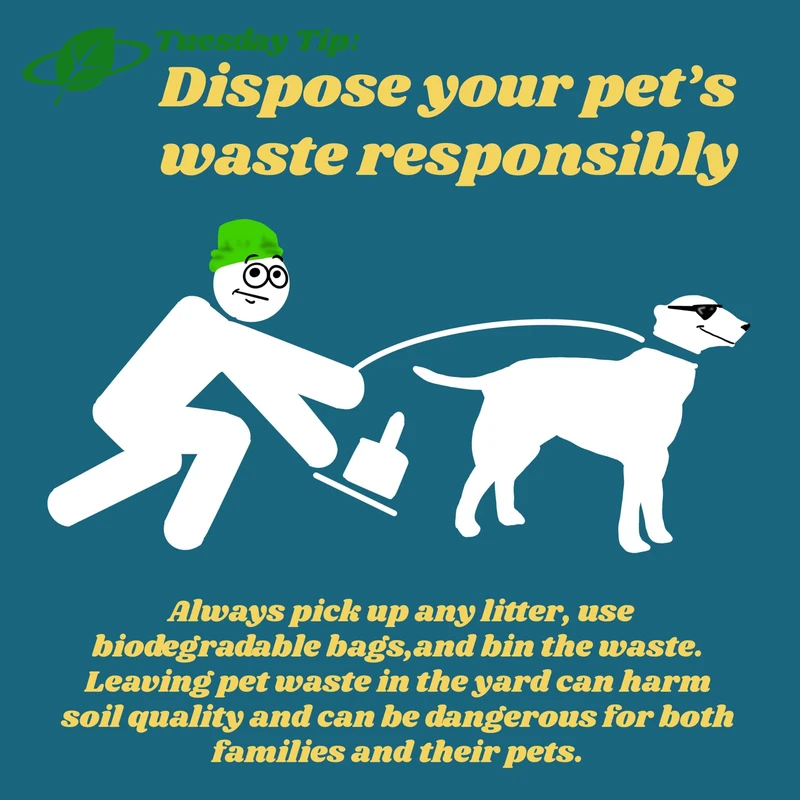
Each method has benefits and limitations depending on local infrastructure and pet owner preferences.
FAQ
What is the safest way to dispose of dog poop?
The safest method is to scoop pet waste promptly, double-bag it using biodegradable bags, and place it in household trash or designated municipal pet waste bins. Avoid flushing unless your septic system and local regulations allow.
Can I compost cat litter at home?
Composting cat litter is generally not recommended at home due to the risk of toxoplasmosis parasites and chemical additives. Use biodegradable litter and dispose of it in trash unless a specialized municipal composting program accepts it.
Are biodegradable pet waste bags truly environmentally friendly?
Biodegradable bags break down faster than conventional plastic bags but require proper composting or industrial facilities. Using these bags reduces plastic pollution but should be combined with responsible disposal practices.
How do local laws affect pet waste disposal?
Local ordinances often require pet owners to clean up waste in public spaces and dispose of it properly, with fines for non-compliance. Regulations may also restrict flushing or composting pet waste, so it is important to check municipal rules.
What products help reduce the environmental impact of cat litter?
Biodegradable litters made from wood pellets, corn, wheat, or paper, paired with compostable liners like Petmate and PetFusion products, reduce landfill waste. Natural cleaning agents further support sustainable maintenance.
—
Responsible pet waste management is evolving with new municipal policies, eco-friendly products, and community programs. Pet owners should stay informed of local regulations, adopt best practices like double-bagging and proper composting, and support sustainable pet care innovations. These combined efforts will reduce environmental contamination, enhance public health, and foster more responsible pet ownership in communities worldwide.

Green Grooming Tools Reduce Waste & Boost Pet Health
PawVerde.com – green grooming tools made from sustainable materials like bamboo and recycled plastics reduce environmental waste and exposure to harmful chemicals, promoting healthier skin and coats in pets while supporting eco-friendly pet care routines. These tools, combined with biodegradable shampoos and energy-efficient grooming equipment, form the backbone of an emerging eco-conscious grooming movement that benefits both pets and the planet.
Traditional pet grooming practices heavily rely on synthetic materials, harsh chemicals, and excessive water usage, contributing to pollution and environmental degradation. Transitioning to green grooming tools and sustainable products mitigates these impacts while enhancing pet health through natural, non-toxic ingredients and materials. Understanding the environmental and health benefits of green grooming tools, as well as practical ways to adopt sustainable grooming habits, is crucial for pet owners and professionals aiming to reduce their ecological footprint.
Environmental Impact of Traditional Pet Grooming
Conventional pet grooming often involves the use of plastic brushes, synthetic combs, and shampoos containing sulfates, parabens, and artificial dyes. These chemicals not only pose risks to pet skin and coat health but also contribute to waterway pollution when washed down drains. Single-use plastic packaging and disposable grooming wipes exacerbate landfill waste, with millions of plastic grooming accessories discarded annually worldwide. Additionally, water-intensive bathing practices increase resource consumption, placing further strain on local water supplies.
Studies show that traditional grooming salons consume up to 100 gallons of water per dog during a single grooming session, significantly impacting water resources in areas facing drought or water scarcity. The heavy energy consumption of conventional grooming tools, such as electric clippers and dryers, also adds to the carbon footprint. Collectively, these factors highlight the urgent need for eco-friendly alternatives that address both environmental and pet health concerns.
Sustainable Materials and Products in Green Grooming
Bamboo brushes and combs have emerged as popular alternatives to plastic grooming tools due to their biodegradability, renewability, and durability. Bamboo grows rapidly without pesticides, making it an environmentally responsible raw material. Brushes with bamboo handles and natural bristles reduce plastic waste, decomposing naturally after disposal. Brands such as Bass Brushes and PawBasic offer bamboo grooming tools designed to maintain effectiveness while minimizing ecological impact.
Biodegradable shampoos and conditioners formulated with natural, chemical-free ingredients avoid harmful sulfates, parabens, and artificial colorants. Earthbath and Burt’s Bees for Pets are leading suppliers of such products, using plant-based surfactants and soothing botanicals that promote skin health without contaminating waterways. These shampoos also support pets with sensitive skin, reducing allergic reactions and dryness often caused by synthetic chemicals.
recycled plastic grooming tools and compostable grooming cloths further extend green grooming options. Tools made from post-consumer recycled plastics reduce the demand for virgin plastic production. Compostable towels and wipes utilize plant-based fibers that break down naturally, lessening landfill contributions. Together, these products form a comprehensive sustainable grooming toolkit that aligns with circular economy principles.
Benefits to Pet Health and Well-being
Switching to natural grooming products significantly lowers pets’ exposure to harmful chemicals and synthetic fragrances, which can cause skin irritation, allergies, and long-term health issues. Natural bristles on bamboo brushes provide gentle massage effects, stimulating blood circulation and promoting healthier skin and coat condition. Veterinary experts emphasize that avoiding harsh chemical residues reduces the risk of dermatitis and other skin disorders.
Clinical research indicates pets groomed with biodegradable shampoos show improved skin barrier function and fewer incidences of dryness compared to those treated with conventional products. Furthermore, eco-friendly grooming practices enhance pet comfort; soft, sustainable materials minimize discomfort during brushing and reduce stress. Regular use of energy-efficient grooming tools with quieter motors also lessens anxiety in noise-sensitive animals, contributing to overall welfare.
Eco-Friendly Grooming Practices
Water conservation is a pillar of sustainable pet grooming. Innovative grooming salons such as Green Collar Grooming and Rainbow Dog Green Grooming have implemented water-efficient bathing stations that recycle and filter water, reducing consumption by up to 50%. At home, pet owners can adopt low-flow showerheads and limit bathing frequency to conserve water without compromising hygiene.
Energy-efficient grooming tools, including rechargeable clippers and dryers with low wattage motors, substantially reduce electricity use. Utilizing natural light and scheduling grooming sessions during off-peak energy hours further cuts carbon emissions. Responsible disposal practices, such as composting pet hair and mulching with fur, convert waste into valuable organic material that enriches soil, closing the loop in sustainable grooming.
Reusable grooming wipes and eco-friendly detergents for cleaning tools complement these efforts. These wipes are made from washable, biodegradable fibers, replacing disposable alternatives. Detergents free from phosphates and synthetic fragrances protect water quality and promote safer handling for groomers.
Green Grooming Salons and Services
Eco-conscious grooming salons are gaining prominence by integrating sustainable materials and operational practices. Green Collar Grooming uses biodegradable shampoos, bamboo brushes, and energy-saving equipment, while Rainbow Dog Green Grooming emphasizes plastic-free packaging and compostable waste management. Mobile services like Wuf Holistic Mobile Dog Grooming focus on water-efficient techniques and natural products, meeting growing demand for environmentally responsible pet care.
Clients benefit from healthier pets, as these salons prioritize non-toxic products and gentle handling. Additionally, pet owners aligned with environmental values find such services reinforce their commitment to sustainability. Identifying green grooming businesses involves checking for certifications, product sourcing transparency, and observable eco-friendly practices.
Economic and Marketing Advantages for Groomers
Pet grooming professionals adopting green tools and sustainable products access a rapidly expanding market segment of eco-conscious consumers. Brands like Kinship and Adogable Pet Services have reported increased client retention and referrals after incorporating natural grooming lines and promoting their environmental commitment.
Marketing strategies highlighting toxin-free grooming, waste reduction, and energy efficiency resonate with modern pet owners prioritizing health and sustainability. Groomers also gain reputational benefits by differentiating themselves through ethical practices, fostering trust and long-term customer loyalty. Cost savings from reduced water and energy use further improve operational efficiency.
Future Trends and Innovations in Eco-Friendly Pet Grooming
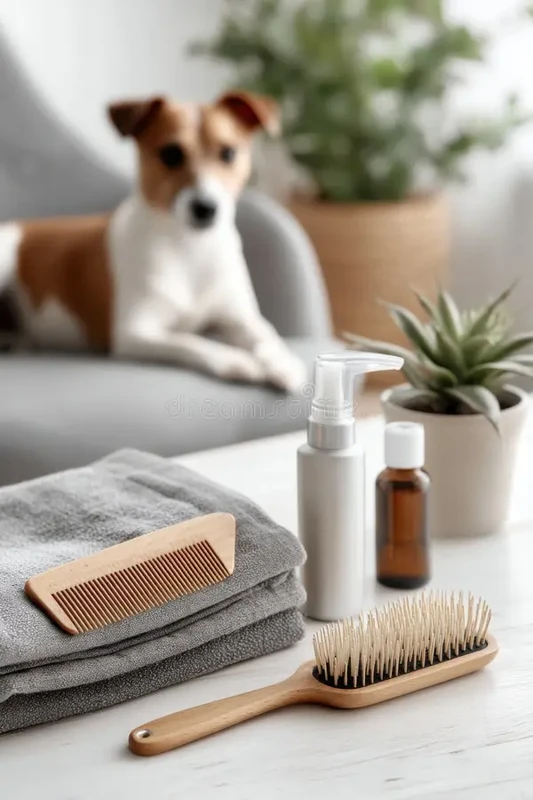
The market for sustainable pet grooming tools is expected to grow as technological advancements introduce solar-powered grooming devices and smart energy management systems. Digital booking platforms reduce paper waste and streamline appointment scheduling, supporting greener business operations.
Emerging products include biodegradable grooming tool components, non-plastic packaging innovations, and multi-functional grooming kits designed for minimal environmental impact. Research into plant-based alternatives for synthetic grooming tool parts continues, aiming for full circularity in product life cycles.
Increased collaboration between pet care brands and environmental organizations fosters innovation and consumer education, accelerating adoption of green grooming practices. This trajectory aligns with broader global sustainability goals and evolving consumer preferences toward responsible pet care.
Frequently Asked Questions about Green Grooming Tools
Why are bamboo brushes better than plastic ones for pet grooming?
Bamboo brushes are biodegradable, renewable, and free from the toxic additives often found in plastic tools. They reduce plastic waste, decompose naturally, and provide gentle grooming with natural bristles, benefiting both the environment and pet skin health.
What ingredients should I look for in eco-friendly pet shampoos?
Look for shampoos containing plant-based surfactants, essential oils, and botanical extracts free from sulfates, parabens, artificial dyes, and synthetic fragrances. These ingredients minimize skin irritation and avoid polluting waterways.
How can I reduce water usage during pet grooming at home?
Use low-flow showerheads or pet-specific bathing tools that regulate water flow, bathe pets less frequently but thoroughly, and recycle rinse water when possible. Scheduling grooming during cooler parts of the day can also reduce evaporation losses.
Are eco-friendly grooming salons more expensive than traditional ones?
While some eco-friendly salons may charge premium prices due to sustainable product costs, many offer competitive rates balanced by operational savings from water and energy efficiency. The investment often results in healthier pets and stronger client relationships.
Can composting pet hair really help the environment?
Yes, pet hair is rich in nitrogen and decomposes readily in compost, improving soil quality. Composting reduces landfill waste and supports organic gardening, making it a practical waste reduction strategy in sustainable grooming.
Green grooming tools and practices represent a pivotal shift toward sustainable pet care that safeguards animal health while mitigating environmental harm. Adopting bamboo brushes, biodegradable shampoos, and energy-efficient equipment, alongside responsible water and waste management, delivers tangible benefits for pets, groomers, and the planet. The continued expansion of green grooming salons and innovative product developments herald a promising future for eco-conscious pet grooming worldwide.