

How to Promote Green Pet Fostering: Sustainable Guide
PawVerde.com – To promote green pet fostering, you must combine high-impact digital storytelling with low-impact sustainable practices. This involves using the ’10-10-10′ hashtag strategy to increase visibility while implementing zero-cost eco-friendly habits, such as DIY toy creation and water-saving laundry routines, to ensure your fostering journey is as environmentally conscious as it is effective. Implementing sustainable pet care can actually boost interest by up to 30% in pet-related services.
The Low-Cost Green Fostering Toolkit
A low-cost green fostering toolkit focuses on repurposing existing household items to reduce waste and expense. Key components include creating DIY rope toys from old t-shirts, using stainless steel bowls to prevent bacterial buildup, and implementing water-saving laundry habits, such as running only full loads of pet bedding to save up to 3,400 gallons of water annually.
Sustainable pet care is achievable without increasing overall spending. According to eco-friendly pet care resources, zero-cost or low-cost changes—including home grooming, DIY treats, and repurposed fabric toys—collectively reduce both environmental impact and household expenses.
Zero-Cost Enrichment
Providing mental stimulation for a foster pet does not require a trip to a retail store. You can create engaging enrichment tools in as little as 15 minutes using items destined for the bin. For example, cutting old t-shirts or towels into long strips and braiding them creates durable rope toys that many dogs prefer over store-bought plastic alternatives.
Sustainable Sanitation
Hygiene is a critical component of fostering, yet it often generates significant waste. One of the most impactful changes involves how you manage laundry. By ensuring you only run washing machines with full loads of pet bedding and towels, you can save up to 3,400 gallons of water per year. Furthermore, switching from plastic to stainless steel bowls provides a more hygienic solution. While plastic can develop scratches and crevices where bacteria accumulate, stainless steel is non-porous and easy to sanitize.
Shortcut: To maximize hygiene, always inspect stainless steel bowls for any structural damage and wash them in high-temperature cycles to ensure all pathogens are neutralized.
Mastering the 10-10-10 Hashtag Strategy
Social media is the primary engine for pet adoption, yet many fosters struggle with visibility. On certain platforms, organic posts reaching an audience can be as low as 2%. To bypass this limitation, you must move beyond generic tags and implement a structured approach to discoverability.
The 10-10-10 hashtag distribution rule provides a balanced framework to capture different segments of search traffic. Instead of using 30 identical tags, divide your efforts into three distinct groups:
- 10 Long-tail hashtags: These are broader, high-volume terms like #kittensofinstagram.
- 10 Medium-reach hashtags: These target specific communities, such as #fosterkittens.
- 10 Specific hashtags: These describe the unique traits of the animal, such as #tortitude.
Avoid “tag stuffing” by posting dozens of irrelevant tags, which can trigger spam filters. Instead, prioritize engagement. As noted in social media guides, the more you engage with your followers, the more likely the platform will show your organic posts in their feeds.
Eco-Storytelling: Marketing the Sustainable Pet
Effective marketing connects a pet’s personality with a narrative of stewardship. By highlighting eco-friendly habits, you appeal to a growing demographic of consumers interested in sustainable lifestyles.
The ‘Foster Diary’ Method
One of the most effective ways to build an audience is through consistent, episodic content. Foster With Aly, a social media professional and kitten foster volunteer, uses a method that prioritizes daily connection. As she describes her process:
“My way is to keep my foster journey like a diary. I write out the highlights of my kitten’s day and upload them with videos daily.”
This “Foster Diary” method, utilized by social media professionals, builds an emotional connection. Sharing daily video highlights creates a consistent narrative that encourages followers to share your posts when the pet is ready for adoption.
Visual Contrast and Human Connection
The quality of your imagery dictates the first impression. Muddy Paws Rescue emphasizes that human interaction shots are highly engaging for pet marketing. Rather than just photographing a pet sitting alone in a kennel, include shots of hands petting the animal or a person interacting during play. This helps potential adopters visualize the pet in their own lives. Additionally, use visual contrast to make the pet “pop”—for instance, placing a dark-furred dog against a light-colored wall or using bright window light to highlight their eyes.
Implementing a Gradual Sustainability Framework
To avoid the pitfall of unsustainable short-term enthusiasm, adopt a phased approach. Adding only one new sustainable pet care practice each month prevents the burnout that occurs when too much change is attempted at once.
In month one, you might focus solely on switching to stainless steel feeding ware. In month two, you could transition to DIY toy creation. This gentle progression builds genuine, lasting habits rather than a sudden surge of effort that is impossible to maintain long-term.
Technical Execution: Boosting Your Reach
If organic reach is challenging, use platform-specific tools to bridge the gap. Targeted boosting can ensure high-priority pets or specific adoption events receive the necessary visibility.
For those using Facebook, follow this specific path to increase visibility for an adoption event:
- Navigate to your Facebook page.
- Click ‘Promote’.
- Select ‘Boost an event’.
Once you have initiated a boost, refine your visuals using this menu path: Go to Edit options > Choose image / Choose video > Upload new > Crop image. High-quality video clips from your “Foster Diary” combined with precise cropping can maximize your promotional results.
Comparing Sustainable Fostering Essentials
Use the following data to prioritize your transition to eco-friendly pet care items.
| Item Category | Traditional Option | Green Alternative | Primary Benefit |
|---|---|---|---|
| Feeding | Plastic bowls | Stainless steel bowls | Higher hygiene; non-porous |
| Enrichment | Store-bought toys | DIY rope toys | Zero waste; cost-effective |
| Laundry | Frequent small loads | Full loads only | Saves up to 3,400 gallons/year |
| Marketing | Generic posts | 10-10-10 Strategy | Higher organic reach |
Transitioning to stainless steel feeding ware and DIY enrichment offers significant advantages. These choices improve hygiene and reduce waste compared to traditional plastic and store-bought alternatives.
FAQ
How can I make green fostering affordable?
Focus on zero-cost changes like DIY rope toys from old textiles and ensuring laundry is only run with full loads to save water and money. Sustainable pet care is achievable without increasing overall spending by prioritizing repurposing over purchasing new products.
Why is my social media reach so low?
Organic reach can be as low as 2%. To combat this, use the 10-10-10 hashtag rule and actively engage with followers to signal the algorithm. High engagement tells the platform that your content is valuable, increasing the likelihood of organic distribution.
Is stainless steel really better for pets?
Yes, stainless steel is non-porous and does not harbor bacteria in scratches like plastic bowls do, making it more hygienic and durable. This reduces the risk of bacterial accumulation that occurs in the crevices of worn plastic containers.
Eco-Friendly Pet Waste Disposal: Avoiding the Microplastic Trap
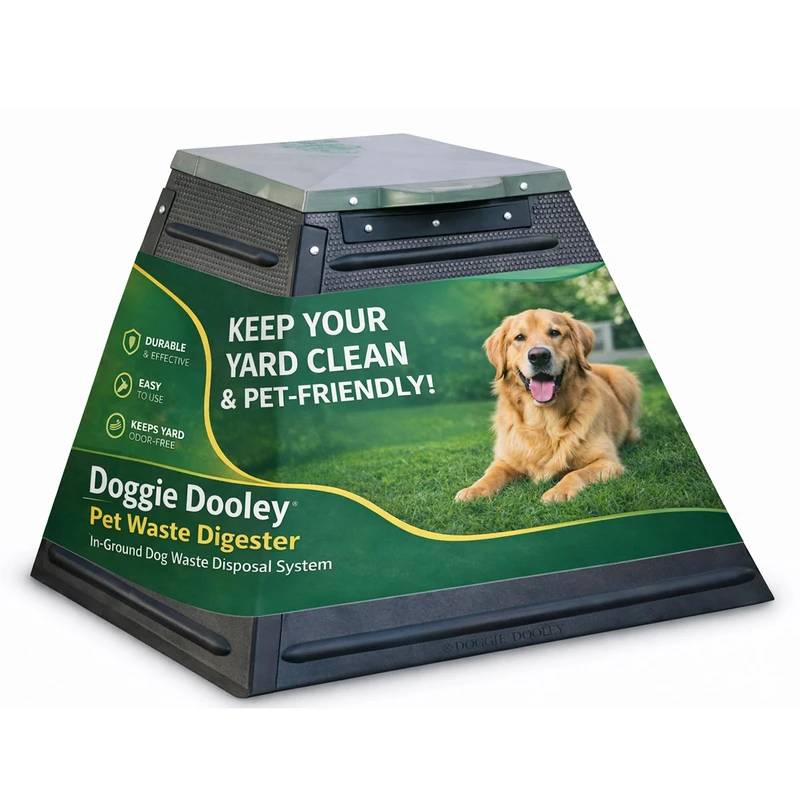
PawVerde.com – Eco-friendly pet waste disposal involves choosing methods that prevent nitrogen and phosphorus from polluting water sources and minimize plastic waste. Effective strategies include using certified compostable bags (not just biodegradable), utilizing municipal sewage via flushing, or employing specialized in-ground digester systems that use enzymes to neutralize waste.
With an estimated 900 million dogs worldwide, the sheer volume of pet waste is a significant, yet preventable, water pollutant, as noted by Hall.
The Microplastic Trap: Oxo-degradable vs. True Biopolymers
A common failure mode for eco-conscious owners is purchasing bags labeled “oxo-biodegradable” under the impression they are environmentally safe. Nina Woof reports that oxo-biodegradable bags actually contribute to environmental pollution because they release microplastics during their decomposition process. These tiny particles persist in the soil and water long after the bag appears to have vanished. In contrast, RemieDog notes that compostable bags are made from plant-based materials rather than petroleum, ensuring they do not leave behind these toxic residues.
Reading the Fine Print: Certifications to Trust
To select a sustainable product, distinguish between material behaviors. Focus on these specific classifications:
- Compostable: Certified to break down into natural, non-toxic materials within specific timeframes.
- Biodegradable: A vague term that may still involve long-term fragmentation into microplastics.
- Oxo-biodegradable: A petroleum-based product designed to fragment, often resulting in microplastic pollution.
Even if a bag ends up in a landfill, RemieDog points out that compostable options remain superior to traditional plastic because they utilize plant-based sources and avoid the microplastic issue. This is a counterintuitive reality for many who assume “landfill” and “compostable” are mutually exclusive terms in terms of material benefit.
Disposal Decision Matrix: Choosing a Method for Your Living Situation
Effective disposal depends on whether you have access to a municipal sewer or manage a private property. The following matrix outlines how different methods interact with local infrastructure.
| Method | Infrastructure Required | Primary Benefit | Potential Risk |
|---|---|---|---|
| Flushing | Municipal Sewer | High neutralization rate | Septic system damage |
| Bagging & Trashing | Municipal Trash | Simplicity | Methane production |
| In-ground Digester | Private Land | On-site neutralization | Installation cost |
| Composting | Managed Facility | Circular nutrient return | Pathogen risk |
The table above provides a high-level overview of how different disposal techniques align with various living environments. Selecting a method requires balancing convenience with the technical limitations of your waste management system.
Apartment Dwellers: Flushing and Municipal Sewers
For those living in high-density housing, flushing is often the most efficient route. According to PoopBags, flushing is an excellent disposal method because modern wastewater treatment plants are equipped to handle and neutralize pet feces. This prevents waste from sitting in landfills where it can contribute to greenhouse gas emissions.
Suburban Homeowners: Septic vs. Municipal Sewer Risks
Homeowners with private septic systems must exercise extreme caution. The Penn State Extension warns that improper disposal, such as flushing kitty litter, can cause significant septic system failure. While municipal sewers can handle pet waste, private septic tanks have limited capacity and specific biological requirements that can be disrupted by excessive waste volume.
Rural Property Owners: Managing Watershed Impact
In rural settings, the USDA Natural Resources Conservation Service (NRCS) highlights the utility of in-ground digester systems. These systems act like miniature septic tanks, utilizing enzymes and bacteria to convert dog waste into a harmless, ground-absorbed liquid. This method is particularly effective for protecting local watersheds from the nitrogen and phosphorus runoff that can deplete oxygen levels necessary for aquatic life.
The Environmental Cost of a Lifetime of Poop
The cumulative impact of pet ownership is often underestimated by the average consumer. Leashless Lab calculates that a single dog can consume 1,095 plastic bags per year. Over a lifetime, this adds up to approximately 7,000 bags per dog.
The environmental consequences of this waste extend beyond plastic consumption. When pet waste is sent to a landfill, it is buried in anaerobic conditions where it decomposes extremely slowly. The Enviro Pet Waste Network (EPWN) notes that this process creates methane, a harmful greenhouse gas. Furthermore, the USDA reports that dog waste contains nitrogen and phosphorus, which can deplete the oxygen that fish and other water-based life need to survive if these nutrients leach into water sources.
Technical Specs: What Makes a High-Quality Eco-Bag?
Quality eco-friendly pet waste bags should have a minimum thickness of 15-20 microns to prevent leaks and premature degradation. This thickness is critical for ensuring the bag remains intact during the collection and transport process.
When evaluating products, consumers should look for specific material compositions and breakdown timelines. RemieDog indicates that high-quality compostable bags typically follow a breakdown timeframe of 90–180 days in managed environments. To ensure durability, avoid bags that feel overly thin or brittle, as these are prone to failure during use. As PoopBags notes, prioritizing plant-based materials like cornstarch or sugarcane over petroleum-based plastics is essential for reducing the overall carbon footprint of your pet care routine.
Critical Pitfalls: When ‘Eco-Friendly’ Goes Wrong
Environmental harm occurs when users ignore the technical requirements of their waste stream, such as the risk of contaminating recycling systems. As noted by PMC, biodegradable plastics must never be discarded with recyclable plastics, as they can ruin entire batches of polymers.
The Pathogen Paradox in Home Composting
While the idea of a circular nutrient cycle is appealing, PetMD warns that at-home composting methods are generally not strong enough to kill all the pathogens found in dog poop. This creates a significant health risk if the resulting compost is used in gardens. For those seeking to compost, it is safer to use specialized pet waste composting systems designed to reach the necessary thermal thresholds.
Contaminating the Recycling Stream
Another significant pitfall involves the improper sorting of materials. Research cited by PMC emphasizes that biodegradable plastics cannot be discarded together with recyclable plastics. If these materials enter the standard recycling stream, they can contaminate entire batches of recyclable polymers, rendering them useless and increasing overall waste.
The Cat Waste Blind Spot
While much of the conversation focuses on dogs, the impact of feline waste is equally substantial. The Enviro Pet Waste Network (EPWN) estimates there are 700 million cats worldwide, representing a massive, often overlooked source of waste. Similar to dog waste, cat waste contributes to nutrient loading in water systems. Additionally, the Penn State Extension highlights that the disposal of kitty litter poses specific risks to septic systems, making it vital for cat owners to choose disposal methods that align with their local infrastructure.
FAQ
Is it safe to flush dog poop?
Flushing is an excellent method as modern wastewater plants can neutralize feces, but avoid flushing kitty litter which can damage septic systems (PoopBags; Penn State Extension).
Can I compost my dog’s waste in my backyard?
PetMD advises against this practice because standard backyard piles lack the strength to kill the dangerous pathogens present in dog waste.
What is the difference between biodegradable and compostable?
Compostable bags are certified to break down into natural materials, while biodegradable bags may simply fragment into microplastics (RemieDog; Nina Woof).
Sustainable Pet Care: How to Avoid Greenwashing Tactics
PawVerde.com – With 94 million U.S. families owning pets, a new wave of sustainable pet care is emerging to tackle the environmental impact of pet food and waste. From insect-based proteins to certified compostable waste management, owners are increasingly adopting eco-friendly routines to reduce their pets’ carbon footprints.
How to spot greenwashing in pet product marketing
To avoid greenwashing, pet owners should look beyond vague terms like ‘natural’ or ‘eco-friendly.’ Instead, verify products using specific certifications like ASTM D6400 for compostability, check for BPA-free labels on plastic items, and prioritize brands that provide transparent ingredient sourcing and sustainable packaging details.
A common failure mode in the pet industry occurs when manufacturers market cheap bags using vague environmental terminology without providing technical proof. It is noted that the distinction between “biodegradable” and “compostable” is a critical factor for planetary health. While many products claim to be eco-friendly, they may lack the necessary certifications to ensure they actually break down in controlled environments.
- Technical Certifications: Look for the ASTM D6400 standard to confirm true compostability.
- Chemical Safety: Prioritize BPA-free labels to prevent harmful chemical leaching into ecosystems.
- Material Integrity: Seek out durable, natural materials such as hemp for collars and leashes, which requires zero pesticides to grow.
- Packaging Transparency: Verify if the brand provides specific details regarding their sustainable packaging lifecycle.
Interestingly, while 80 percent of young adults in the U.S. express a willingness to pay more for environmentally conscious products, many still fall victim to misleading labels. Reports suggest that choosing hemp or stainless steel over plastic can significantly reduce long-term waste.
The hidden environmental cost of pet food and nutrition
Pet food manufacturing is a major environmental driver, accounting for approximately 60% of a pet’s annual greenhouse gas emissions. Reducing this impact involves choosing brands that utilize locally sourced, organic, or insect-based proteins to decrease reliance on intensive livestock farming.
The Royal Canin Academy notes that pet food manufacturing is responsible for nearly 60 percent of a pet’s annual emissions. This high percentage highlights how dietary choices directly influence a pet’s total carbon footprint.
To mitigate this, experts suggest looking for specific nutritional alternatives. Transitioning to insect-based proteins or locally sourced organic ingredients can lower carbon emissions by reducing the necessity of intensive livestock farming. Science-led nutrition also emphasizes the importance of aligning with sustainability goals.
It is suggested that owners can implement a sustainable routine by making gradual changes, such as one ingredient shift at a time. This approach allows owners to assess both nutritional quality and ecological impact while moving away from high-emission industrial farming models.
Managing pet waste to prevent methane emissions
When pet waste decomposes in landfills, it produces methane, a harmful greenhouse gas that contributes to climate change. Specialized disposal methods are essential to prevent this specific environmental pressure.
Effective waste management requires moving away from standard plastic bags. PET N PET offers alternatives, such as their plant-based poop bags which feature 92 percent biobased content. For those looking for comprehensive kits, the Pet N Pet Walk Kit is priced at $55.99, while their Lavender-Scented Colorful Poop Bags (720 count) are available for $8.99. For larger needs, the Plant-based Poop Bags (1080 count) retail for $39.99.
Warning: Improper waste management can lead to environmental health issues. Bombs Away underscores the importance of using specialized systems rather than letting waste impact local water quality through runoff, noting that your furry friend depends on you and so does the planet.
Lil’ Archie’s advises that owners should “Always opt for certified compostable over biodegradable bags.” This distinction ensures that the waste can be processed through aerobic digestion or enzyme-based treatments rather than simply breaking down into microplastics in a landfill. Bombs Away emphasizes that “Your furry friend depends on you—and so does the planet,” highlighting the responsibility of using specialized composting systems.
Sustainable grooming and household product alternatives
It is suggested that using reusable towels for grooming is a vital step to prevent microplastic release into the environment. Transitioning to durable, natural materials helps mitigate waste and reduce landfill volume.
In the grooming sector, practitioners recommend using reusable metal or bamboo tools and biodegradable, non-toxic shampoos. To conserve water, owners can install a pet shower sprayer with a shut-off nozzle or bathe pets in a lawn area that requires watering. It is highlighted that using reusable towels for grooming is a vital step to prevent microplastic release into the environment.
| Product Category | Conventional Option | Sustainable Alternative | Key Benefit |
|---|---|---|---|
| Waste Management | Plastic bags | Certified compostable bags | Reduces landfill methane |
| Feeding | Plastic bowls | Bamboo or stainless steel | Non-toxic and recyclable |
| Accessories | Synthetic nylon | Hemp or wool | Low water/pesticide use |
| Grooming | Single-use wipes | Reusable/Biobased wipes | Reduces plastic waste |
The table above details common transitions, such as replacing plastic with bamboo—a material that can be harvested within 4 years—to create a more circular product lifecycle.
Sustainable Pet Grooming: How to Choose Eco-Friendly Products
PawVerde.com – To groom your pet sustainably, transition from single-use plastics to durable tools like bamboo brushes and stainless steel clippers, swap liquid shampoos for plastic-free shampoo bars, and implement water-saving techniques such as shorter baths and targeted rinsing to reduce your pet’s environmental footprint.
A single grooming session can waste between 10 to 20 gallons of water if not managed efficiently.
How to Audit Your Current Grooming Kit for Greenwashing
To identify greenwashing, look past ‘natural’ labels and scrutinize ingredient lists for sulfates, parabens, and synthetic fragrances. Verify if packaging is truly compostable or just recyclable, and check if ‘eco-friendly’ tools contain hidden microplastics or non-removable metal components that prevent true biodegradability.
Most commercial shampoos and conditioners contain sulfates, parabens, and synthetic fragrances. These chemicals do not just irritate sensitive skin; they also wash down the drain and pollute waterways.
The Ingredient Red-Flag List
When reviewing a product label, a common failure mode is assuming a “botanical” or “natural” label guarantees safety or sustainability. Many products use these terms to mask a core of harsh synthetics. Practitioners recommend checking the fine print for the following:
- Sulfates (often used for lathering but harsh on skin)
- Parabens (preservatives that can disrupt hormones)
- Synthetic fragrances (major sources of waterway pollution)
The Compostability Audit: Bamboo vs. Hybrid Waste
A counterintuitive reality in sustainable shopping is that a bamboo handle does not always equal a zero-waste tool. While bamboo brushes are more sustainable than plastic versions, many “eco-friendly” brushes are actually hybrid waste. For example, a brush might feature a bamboo handle but utilize synthetic nylon bristles that cannot be separated for composting. This creates a product that is impossible to fully biodegrade, ultimately landing in a landfill despite its “green” appearance.
Step 1: Upgrade to Durable, Low-Impact Tools
Replacing items like plastic combs or low-grade brushes is essential because these tools often break during frequent use. Experts suggest that switching to high-quality hardware helps break the cycle of immediate disposal.
| Product Type | Conventional Option | Sustainable Alternative | Primary Eco-Benefit |
|---|---|---|---|
| Brushes | Plastic handles/bristles | Bamboo with natural bristles | Biodegradability & longevity |
| Clippers | Disposable/Cheap plastic | Stainless steel | Extreme durability |
| Shampoo | Liquid in plastic bottles | Solid shampoo bars | Zero plastic packaging |
| Wipes | Single-use wipes | Washable cotton/microfiber | Eliminates landfill waste |
By choosing these alternatives, you avoid the environmental cost of manufacturing and transporting new plastic items every few months.
Investing in Longevity: Stainless Steel vs. Plastic
Durable stainless steel clippers provide a sustainable alternative to cheap plastic tools. While the initial investment differs, these clippers keep nails short for years without the need for repeated replacements, preventing the waste common with low-cost items.
The Microplastic Deep Dive: Avoiding Synthetic Bristles
Bamboo handles paired with natural bristles last longer than plastic versions. Beyond durability, natural bristles provide a gentler experience for your dog’s skin. It is a mistake to prioritize the handle material alone; always inspect the bristles. Synthetic bristles shed microplastics into the water supply during every wash, whereas natural fibers integrate back into the environment more safely.
Step 2: Master Sustainable Bathing and Water Conservation
Conserve water by using a handheld shower head to target specific areas, turning off the tap between rinses, and keeping baths short. To further reduce impact, bathe your pet outdoors or use a bucket to catch excess water for your garden plants.
To mitigate the 10 to 20 gallons of water wasted during typical grooming sessions, prioritize efficient rinsing. Regular brushing also serves as a primary tool for conservation by keeping your dog cleaner and reducing the frequency of necessary baths.
Shortcut: To minimize waste, always keep a dedicated bucket nearby to catch runoff, which can be reused for garden irrigation.
The ‘Brush More, Bathe Less’ Strategy
Regular brushing removes dirt and loose hair to reduce the frequency of necessary baths. This simple change protects sensitive skin and significantly lowers water consumption.
Optimizing Water Use with Handheld Attachments
If bathing indoors, use a handheld shower head. This allows you to target specific areas—like paws or soiled fur—without running a high-volume stream over the entire body. Another failure mode is leaving the tap running while applying shampoo; always turn the water off during the lathering phase to prevent unnecessary waste.
Step 3: Select pH-Balanced, Plant-Based Cleansers
Using vegan dog shampoos can reduce demand on animal agriculture, which is a major global contributor to greenhouse gas emissions. These plant-based options provide a way to manage environmental impact through ingredient selection.
Warning: Always verify that any cleanser matches the typical canine skin pH of 6.2 to 7.4. Using products designed for humans can strip the skin’s protective barrier, leading to irritation and infection.
Why pH Matters: Protecting the Skin Barrier
Canine skin is biologically different from human skin. While humans lean toward a more acidic profile, dogs require a specific range of 6.2 to 7.4 pH. Using the wrong cleanser is a common mistake that leads to dermatological issues, often requiring more frequent (and water-intensive) medicated baths to correct.
The Benefits of Solid Shampoo Bars
Shampoo bars made specifically for pets are a premier alternative for reducing plastic. These bars last longer than liquid bottles and often come wrapped in recyclable paper rather than plastic, eliminating the waste that accumulates with traditional liquid shampoos.
Step 4: Implement Safe DIY Grooming Recipes
Creating your own grooming supplies can reduce reliance on commercial packaging. However, safety must remain the priority when mixing ingredients at home.
Deodorizing and Ear Care
You can utilize these specific DIY techniques for routine maintenance:
- DIY Natural Deodorizer: Rub a small amount of baking soda into the dog’s coat and brush it out to neutralize odors.
- DIY Ear Cleaning: Use a simple solution of white vinegar and water to gently clean ears.
Warning: When using DIY ear solutions, use a precise ratio of white vinegar and water to maintain a safe pH. Never use undiluted vinegar or essential oils that may be toxic to specific breeds.
Cleaning Accidents with Enzyme Solutions
Homemade enzyme cleaners are highly effective for managing pet accidents. These cleaners work by breaking down urine at a molecular level, which neutralizes both odors and stains. To make one, combine citrus peels, brown sugar, and water to create a potent, eco-friendly solution.
Sustainable Grooming on a Budget: A Tiered Approach
You can manage the shift to eco-friendly care through a tiered system of upgrades. This allows for a gradual transition rather than an immediate overhaul.
- Zero Cost: Implement the “Brush More, Bathe Less” strategy and reuse old towels or T-shirts as wipes.
- Low Cost: Create DIY enzyme cleaners or ear solutions using household staples like vinegar and citrus.
- Investment: Replace aging plastic tools with high-quality stainless steel clippers and bamboo brushes.
By upgrading these essentials, you save money over time and reduce the endless cycle of single-use products.
FAQ
Is it safe to use DIY vinegar solutions for my dog’s ears?
Use a precise ratio of white vinegar and water to maintain a safe pH. Avoid using undiluted vinegar or essential oils that may be toxic to specific breeds. Always consult a professional if your pet shows signs of ear irritation.
Can I compost my pet’s hair after grooming?
Yes, pet hair can be responsibly disposed of by composting it or using it as mulch in your garden. This turns a grooming byproduct into a nutrient-rich resource for your soil.
How do shampoo bars compare to liquid bottles?
Shampoo bars last longer and typically come in recyclable paper packaging, eliminating the plastic bottle waste associated with liquid versions. They are a highly efficient, concentrated alternative for zero-waste pet care.
How to Choose Eco-Friendly Pet Dental Care Effectively
PawVerde.com – To choose eco-friendly pet dental care, prioritize products with verified efficacy (look for the VOHC seal), sustainable ingredient sources like insect protein or fermented seaweed, and minimal plastic waste through biodegradable handles or zero-waste packaging. Always balance environmental impact with clinical effectiveness to ensure your pet’s oral health is not compromised.
The US pet food industry produces approximately 300 million pounds of plastic every year, much of which contributes to the waste generated by routine dental care products.
The Greenwashing Audit: How to Spot Truly Sustainable Dental Products
To avoid greenwashing, look beyond vague ‘natural’ labels. Verify products using the VOHC seal for clinical efficacy, check for certified organic ingredients like those in RADIUS toothpaste, and prioritize brands offering zero-waste or biodegradable components, such as bamboo floss or plant-derived bristle brushes, rather than just recyclable plastic.
VOHC Certification vs. Marketing Buzzwords
Marketing departments often use the word “natural” to imply environmental safety, but this term lacks strict regulatory oversight in the pet care sector. A common failure mode occurs when owners purchase a “natural” dental chew that lacks clinical proof of plaque reduction, leaving the pet vulnerable to periodontal disease. To ensure a product actually works, look for the Veterinary Oral Health Council (VOHC) seal. This certification signifies that the product has undergone rigorous testing to prove it effectively reduces plaque and tartar. Relying solely on buzzwords can result in a “green gap,” where a product appears environmentally friendly but fails to prevent the 80% of dogs that develop dental disease by age three.
Analyzing Packaging: Zero-Waste vs. Recyclable
Many brands claim sustainability by using “recyclable” plastic, yet most household recycling streams cannot process small, contaminated items like dental wipes or used toothbrushes. True sustainability requires moving toward zero-waste or biodegradable models. When auditing your pet’s dental kit, evaluate these specific criteria:
- Material Composition: Prioritize bamboo or plant-derived bristles over nylon.
- Packaging Type: Seek out compostable wraps or refillable containers rather than single-use plastic tubes.
- Certifications: Look for USDA Organic labels on toothpastes, such as those produced by RADIUS, to ensure ingredient integrity.
Sustainability vs. Efficacy: Selecting the Right Ingredients
Choosing ingredients involves a delicate balance between reducing the carbon footprint of pet food production and maintaining high digestibility. While traditional meat-based proteins require significant land and water resources, some eco-friendly alternatives may present different nutritional challenges if not formulated correctly.
The Rise of Insect Protein in Dental Chews
Insect protein has emerged as a primary solution for reducing the environmental impact of pet dental treats. Manufacturers like Jiminy’s utilize insect protein because it is an eco-friendly and digestible protein source that is gentle on both the gut and the planet. As Jiminy’s notes:
“Our dental chews aren’t just innovative because of what they do for your dog’s teeth; they’re groundbreaking because of what they don’t do to the planet.”
This approach mitigates the massive resource requirements of traditional livestock. However, users must remain vigilant against low-quality chews that use synthetic additives to artificially extend shelf life, which can compromise digestibility.
Functional Seaweed and Quinoa: Beyond Nutrition
Beyond protein, specific functional ingredients are being integrated into dental formulations to provide mechanical and biological benefits. Scoular supplies key ingredients like quinoa and fermented seaweed to the pet food industry to enhance oral health. Seaweed is particularly valuable because it is nutrient-rich and can aid skin, coat, gut, and dental health. The following table compares common eco-friendly dental tools and ingredients based on their impact and utility:
| Ingredient/Tool | Eco-Impact | Clinical Efficacy | Best For |
|---|---|---|---|
| Insect Protein Chews | Very Low | Moderate (Daily Support) | Sustainable daily treats |
| Fermented Seaweed | Low | High (Biological Support) | Gut and dental health |
| Bamboo Brushes | Low (Compostable) | High (Mechanical) | Routine brushing |
| Water Additives | Moderate (Plastic Bottle) | Moderate (Backup) | Resistant pets |
While these ingredients offer significant advantages, it is a misconception that eco-friendly ingredients are inherently “weaker” than synthetic ones; when formulated correctly, they provide robust dental support.
Step-by-Step: Implementing a Low-Waste Dental Routine
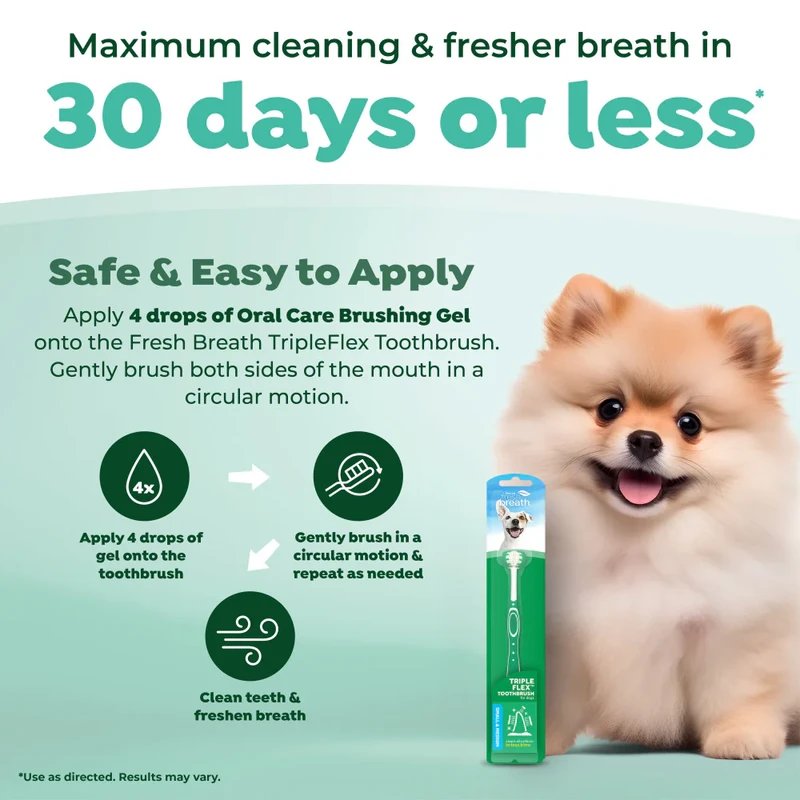
Start by training your pet through mouth handling for 15-30 seconds daily. Transition to brushing 3-4 times a week using pet-safe, organic toothpaste and a biodegradable brush. For resistant pets, integrate dental wipes or water additives as a sustainable backup to traditional brushing.
Phase 1: Mouth Handling Training
Successful dental care begins with desensitization rather than immediate brushing. According to Dr. Peter Dobias, owners should start by handling and opening the pet’s mouth daily to build comfort. Use the following training sequence:
- Initial Contact: Gently lift the lips without any tools.
- Tactile Stimulation: Use tasty food on your fingers to rub the teeth and gums.
- Duration: Aim to hold the mouth open for 15-30 seconds at a time.
- Positive Reinforcement: Reward the pet with a high-value treat for staying still.
Shortcut: If your pet is highly reactive, use a “lick mat” with organic peanut butter (ensuring it is aflatoxin-free) to distract them while you perform gentle gum inspections.
Phase 2: The Brushing Technique
Once the pet is comfortable, move to active brushing. For maximum efficacy, veterinary experts recommend brushing 3-4 times a week. Use a soft-bristled, biodegradable brush and pet-specific toothpaste. To clean effectively, brush in small, gentle circles along the gumline. While electric toothbrushes can provide superior cleaning efficacy compared to manual versions, owners should consider the lifecycle of the electronic device versus a compostable bamboo brush when choosing their method.
Phase 3: Low-Impact Alternatives for Difficult Pets
If a pet refuses a toothbrush, do not force the issue, as this can cause stress and dental trauma. Instead, utilize these sustainable alternatives:
- Dental Wipes: These are effective for pets who tolerate mouth contact but resist the physical presence of a brush. Gently lift the lips and wipe along the gumline once a day.
- Water Additives: If brushing remains impossible, adding odorless and tasteless solutions to drinking water can help reduce plaque and control bacteria.
Avoiding Critical Health and Environmental Pitfalls
The most significant risk in at-home dental care is the accidental use of products designed for humans. PetMD and Country Creek Animal Hospital both emphasize that human toothpaste should never be used on pets due to the risk of toxicity.
The Danger of Human Toothpaste
Human toothpastes often contain xylitol or high concentrations of fluoride, both of which can be life-threatening for dogs and cats. Always ensure your toothpaste is specifically formulated for pets, ideally using organic components like coconut oil, which Dr. Peter Dobias describes as a “clear, safe, and side-effect-free winner!”
Nutritional Risks: Aflatoxins and Synthetic Fillers
When selecting eco-friendly dental chews, avoid those that rely on peanut-based fillers to save costs. Peanuts are not a natural item in the canine diet and can frequently contain aflatoxins, which pose serious health risks. Additionally, beware of “natural” chews that use synthetic preservatives to maintain stability; these can decrease digestibility and increase the pet’s environmental footprint through increased waste.
The End-of-Life Guide: Disposing of Eco-Friendly Dental Tools
Sustainability does not end when the product is empty; it ends when the packaging and tools are correctly processed. As the pet oral care market continues to grow through the 2025-2035 forecast period, the volume of “eco-friendly” waste will also increase, making proper disposal essential.
Composting vs. Landfilling Biodegradables
A common mistake is assuming all “biodegradable” items can be tossed into a backyard compost bin. Most bamboo toothbrushes or plant-derived bristles require industrial composting facilities to break down effectively. If you place them in a standard landfill, they may remain intact for years, negating their environmental benefits. Terra & Co. notes:
“A product’s cost to the planet does not directly translate into its price for the consumer.”
This includes the “cost” of improper disposal.
Managing Plastic-Free Dental Wipes
When using dental wipes, check the material composition. If they are made of compostable fibers, they should be disposed of according to the manufacturer’s instructions—often in organic waste bins. If they are merely “plastic-free” but not compostable, they must be treated as standard waste to avoid contaminating recycling streams with organic residue.
FAQ
Can I use my own toothpaste on my pet to save money and waste?
No. Human toothpaste is unsafe for pets and can lead to serious health issues. Always use pet-specific, organic, or natural formulations to avoid toxic ingredients like xylitol.
Are dental chews as effective as brushing?
While dental chews provide daily support, they do not replace the thorough cleaning achieved by brushing 3-4 times a week or professional veterinary cleanings. They are a supplement, not a total replacement.
How do I know if a dental treat is actually eco-friendly?
Look for low-impact proteins like insect protein and avoid products with heavy plastic packaging or synthetic additives that compromise digestibility and environmental safety.

How to Choose Plastic-Free Pet Grooming Tools Effectively
PawVerde.com – To choose plastic-free pet grooming tools, prioritize materials like stainless steel for longevity and bamboo for biodegradability. Inspect tools for ‘hidden plastics’ such as synthetic bristles or plastic internal mechanisms, and opt for solid shampoo bars to eliminate liquid plastic packaging entirely.
Plastic packaging pollution is projected to more than double between 2025 and 2040, making sustainable pet care a critical necessity.
How to Spot ‘Greenwashing’ and Hidden Plastics
To avoid greenwashing, look beyond the handle. A tool may have a bamboo handle but still utilize plastic bristles, synthetic rubber grips, or internal plastic mechanisms. Always verify that the bristles are natural (like boar hair) or stainless steel, and ensure the tool is not a ‘hybrid’ that is impossible to recycle or compost.
Greenwashing often involves products labeled “eco-friendly” that actually incorporate plastics or toxic dyes. This deceptive practice targets consumers attempting to reduce their environmental footprint. A common failure mode is the “partially natural” tool, where a bamboo handle is glued to a plastic base or features a synthetic rubber grip that cannot be separated for recycling.
The Bristle Test: Natural vs. Synthetic
The most frequent source of hidden plastic is the bristle set. While a handle might appear sustainable, the contact point with your pet is often nylon or polyester. To verify a tool’s integrity, perform a tactile test: natural bristles or stainless steel pins feel significantly different from the uniform, slippery texture of synthetic plastic. If the product description does not explicitly name the bristle material, assume it contains plastic.
The Hybrid Tool Trap
A hybrid tool is a product that combines materials in a way that prevents proper end-of-life processing. For example, a brush combining a wooden handle with a plastic internal spring mechanism cannot be easily composted or recycled. Practitioners report that these “mixed-material” items are a primary driver of landfill waste in the pet industry. Always check if the components are mechanically fastened rather than chemically bonded with adhesives.
- Check for “recycled plastic” claims; these may still contain toxic dyes that prevent high-grade recycling.
- Inspect internal mechanisms for metal springs instead of plastic tensioners.
- Avoid synthetic rubber grips on “natural” handles.
Selecting the Right Sustainable Materials
Choosing materials with high durability and low environmental impact is essential for long-term pet care. Selecting between renewable resources and infinitely recyclable metals depends on specific household needs.
| Material | Sustainability Profile | Durability | End-of-Life |
|---|---|---|---|
| Plastic | High environmental impact; non-renewable | Low; breaks easily | Landfill/Microplastics |
| Bamboo | Renewable; rapidly growing resource | Moderate to High | Biodegradable/Compostable |
| Stainless Steel | Infinite recyclability; high longevity | Extremely High | Recyclable |
The table above compares common materials used in pet grooming. For example, the Bamboo Groom Small Slicker Brush is priced at $15.99, offering a biodegradable alternative to traditional plastic options.
Stainless Steel: The Infinite Recyclable Option
Stainless steel is the gold standard for sustainable grooming tools. According to tryfurgo.com, “Stainless steel components are generally more durable than plastic designs.” This material is highly resistant to rust and corrosion, which is essential for tools used in wet environments. Because it can be melted down and repurposed indefinitely without losing quality, it represents a circular economy model.
Bamboo: The Biodegradable Choice
Bamboo serves as an excellent renewable resource for brush handles and combs because it grows rapidly without the need for pesticides. The Pet Beastro notes that “Bamboo is 100% natural, biodegradable, and strong for a high quality durable long-lasting grooming tool.” This makes it an ideal choice for owners who want tools that can eventually return to the earth.
Step-by-Step: Transitioning Your Grooming Kit
Adopting eco-friendly habits can be managed through a gradual replacement strategy. This approach helps ensure that new tools meet the specific needs of your pet while managing costs.
- Identify your most frequently used tool, such as a daily brush or shampoo.
- Replace just one product at a time, such as a natural shampoo or an eco-friendly tool, to assess compatibility with your pet’s coat.
- Audit your current kit for “disposable” plastic items like single-use wipes.
- Swap single-use wipes for reusable microfiber or organic cotton cloths.
- Phase out plastic-heavy items as they reach the end of their functional life.
Prioritizing a single high-impact item, such as a shampoo bar, prevents the waste of discarding functional plastic tools prematurely. This method allows you to observe how different natural materials, like bamboo or metal, perform during actual grooming sessions.
The High-Impact Swap: Liquid Shampoo to Solid Bars
STUCK SOAP identifies replacing liquid shampoo in plastic bottles with solid shampoo bars as the easiest and highest-impact change for reducing waste. This transition significantly lowers your household’s plastic footprint.
Concentrated formulas eliminate the need for bulky plastic containers. STUCK SOAP reports that “One bar replaces multiple plastic bottles and lasts for months.”
Shortcut: To maximize the life of a solid shampoo bar, store it in a well-drained soap dish to prevent it from softening in standing water.
Maintenance and End-of-Life Disposal
Organic tools like bamboo require specific care to remain functional. Proper maintenance ensures these sustainable items do not degrade prematurely.
Preventing Mold in Wood and Bamboo
Because bamboo and wooden tools are organic, they are susceptible to moisture retention. To prevent mold or cracking, always dry your bamboo brushes thoroughly after use. Avoid leaving them in damp environments, such as the bottom of a bathtub, which can lead to structural degradation and bacterial growth.
Warning: If you notice dark spots or a musty smell on a bamboo handle, discontinue use immediately to prevent exposing your pet to mold spores.
The Lifecycle of a Tool: Compost vs. Recycle
Understanding how to dispose of tools is critical for true sustainability. A pure bamboo brush can be composted, but you must first ensure all metal pins or synthetic components have been removed. If a tool is a hybrid of wood and metal, it must be disassembled. Metal components should be taken to a dedicated recycling center, while the organic handle can then be composted.
Interestingly, grooming waste itself can be repurposed. Instead of tossing shed fur in the trash, add it to your compost bin. Dog hair is rich in nitrogen and breaks down naturally, contributing valuable nutrients to your garden soil.
Cost-Per-Use: Investing vs. Replacing
While items like the Bamboo Groom Large Combo Brush may have a different upfront cost than plastic, they provide long-term value. Investing in quality materials reduces the frequency of replacement purchases.
| Investment Type | Initial Cost | Lifespan | Total Cost of Ownership |
|---|---|---|---|
| Cheap Plastic Tools | Low | Short (breaks easily) | High (requires frequent replacement) |
| Bamboo/Steel Tools | Moderate/High | Long (years) | Low (single purchase) |
The data shows that cheap plastic grooming tools break easily and become ineffective quickly, contributing directly to landfill waste. For example, a Bamboo Groom Small Slicker Brush is priced at $15.99, whereas a high-quality stainless steel tool may cost more initially but will last through multiple years of use. When you factor in the cost of replacing a $5 plastic brush every six months, the premium for a durable $15.99 or $20.99 bamboo tool is recovered within the first two years.
FAQ
Can I compost my pet’s shed hair?
Yes, dog hair is rich in nitrogen and can be added to compost bins to provide nutrients to garden soil. This turns a common grooming byproduct into a valuable resource for your garden.
Are bamboo brushes better than plastic ones?
Bamboo is a renewable and biodegradable resource. Unlike plastic brushes that contribute to landfill waste, Bamboo Groom products are designed to be 100% natural and strong.
How do I avoid plastic in pet shampoos?
Switch from liquid shampoos in plastic bottles to solid shampoo bars. According to STUCK SOAP, this is the easiest way to eliminate plastic packaging and reduce waste.

Eco-Friendly Pet Waste Bags: How to Avoid Greenwashing
PawVerde.com – To lower your carbon footprint effectively, choose pet waste bags with high recycled or biobased content. While compostable bags are preferable to traditional plastics—which take decades to decompose—their environmental benefit depends entirely on proper disposal in a composting facility rather than a landfill.
Using bags with high recycled or biobased content is cited by the Plastics Industry Association as the simplest way for consumers to lower their carbon footprint.
How to Spot Greenwashing: A Certification Checklist
To avoid greenwashing, look for legitimate third-party certifications like TUV Austria or BPI rather than vague ‘biodegradable’ claims. Truly compostable bags should be made from plant-based materials like corn starch (PBAT) and specifically meet standards like EN13432 to ensure they break down in industrial composting environments.
The ‘Biodegradable’ Trap
The term “biodegradable” does not necessarily mean a product decomposes quickly or in an environmentally friendly way. According to research regarding composting reactors, some biodegradable plastics can even be derived from fossil sources. This lack of specificity often constitutes greenwashing.
A major failure mode occurs when consumers assume a “bio-based” label implies the product will vanish in a backyard pile. In reality, many of these materials are designed for high-heat environments. If these bags end up in a standard trash bin, they fail to provide any meaningful environmental relief.
Key Certifications to Trust
Reliable environmental claims are backed by rigorous testing from recognized bodies. When evaluating your next purchase, look for these specific indicators:
- TUV Austria Certification: This verifies specific compostability standards, such as those met by Wooflinen compostable bags, which are made from corn starch (PBAT) with zero plastics.
- BPI (Biodegradable Products Institute): A standard for industrial compostability in North America.
- EN13432: The European standard for packaging recoverable through composting and biodegradation.
Consumers should check the packaging for these exact terms. If a brand only uses the word “eco-friendly” without a specific certification or a breakdown of the percentage of plant-based material, it is a red flag. For instance, PET N PET Dog Poop Bags are transparent about their composition, noting a minimum of 38% plant-based content.
The Landfill Paradox: Why ‘Eco-Friendly’ Bags Fail in the Trash
A significant contradiction exists in waste management: compostable bags in a properly managed landfill may take nearly as long to degrade as polyethylene bags. Because landfills are designed to be anaerobic and contained to prevent gas escape, the biological processes required for decomposition are stifled. This means the environmental advantage of a compostable material is essentially neutralized if it is not diverted to a specialized facility.
Even when bags are compostable, most people still toss them in the trash. Paul Cannella, founder and president of The Original Poop Bags, notes that this behavior is a common occurrence. This creates a cycle where “green” products contribute to the same long-term waste issues as traditional plastics.
Warning: Placing compostable bags in a standard landfill does not guarantee they will break down quickly. In many cases, they will persist in the waste stream for years, similar to conventional plastic.
Material Science: Corn Starch vs. Post-Consumer Recycled Plastic
The chemical makeup of a bag determines its environmental impact. Consumers must distinguish between recycled plastic and plant-based polymers to understand how a product will behave at the end of its life.
The Case for 100% Recycled Content
For users who do not have access to industrial composting, recycled plastic is often the most practical choice. Only Natural Pet Unscented Dog Poop Bags contain 100% recycled postconsumer plastic. This approach supports the existing recycling infrastructure by repurposing plastic that has already been produced, rather than creating new polymers.
The Rise of PBAT and Corn Starch
On the other end of the spectrum are plant-based options. While these are designed to disappear, they are chemically complex. Expert commentator Emily Bryson notes that “a lot of these compostable plastics have a polymer that is fossil based or petrochemical based.” This means that even a bag labeled as compostable might still rely on traditional petroleum derivatives to achieve the necessary flexibility and strength.
| Bag Type | Primary Material | Best Disposal Method | Key Advantage |
|---|---|---|---|
| 100% Recycled Plastic | Post-consumer plastic | Standard trash/recycling stream | Supports existing plastic infrastructure |
| Plant-Based (38%) | Mixed plant/synthetic | Industrial composting | Reduces virgin plastic use |
| Zero-Plastic Corn Starch | PBAT / Corn Starch | Industrial composting | Total decomposition (zero plastic) |
The table above illustrates the trade-offs between material origin and disposal requirements. Choosing the right bag requires matching the material to your local waste capabilities.
Durability Stress Test: Will the Bag Hold Up?
An eco-friendly bag is useless if it breaks during a walk. Material composition significantly impacts how a bag handles the physical stress of collecting waste, especially in varying weather conditions or on rough terrain.
Testing reveals that thickness and polymer type are the primary drivers of reliability. For example, Wooflinen bags feature a thickness of 0.71 mil, which provides a specific level of structural integrity for their 9″ x 13″ dimensions. However, different materials fail in different ways:
- While sturdy, these ripped more easily and developed larger holes when scraped against hard surfaces like sidewalks.
- The Apartment Dweller’s Dilemma
For those living in high-density urban areas, municipal composting is often non-existent. Most municipal composting programs in the US do not accept pet waste because it can contain pathogens as well as the residues from antiparasitic medications. In this scenario, an apartment dweller is often limited to the standard trash bin. For these users, a bag with 100% recycled post-consumer plastic is often the most responsible choice, as it utilizes existing waste streams without the false promise of compostability.
Backyard Composting Realities
Suburban homeowners may consider home composting, but this requires caution. Because home environments lack the consistent, high-temperature heat of industrial reactors, “home compostable” bags may take several years to break down. A more effective local option is to build a poop digester.
Sustainable waste management requires both product choice and civic action. Rose Seemann, co-founder of the Enviro Pet Waste Network, suggests that advocacy is key. Forming a dedicated coalition of dog park friends to attend city council meetings and request composting solutions for pet waste can drive long-term systemic change.
FAQ
Most US municipal programs reject pet waste due to potential pathogens and residues from antiparasitic medications found in the waste. These contaminants can compromise the safety of the final compost used in agriculture or gardening.
Tags: biobased materials, BPI certification, compostable pet products, environmental impact, greenwashing, PBAT, pet waste bags, pet waste disposal, sustainable pet care, TUV Austria

Eco-Friendly Pet Shop Guide: Spotting Greenwashing Claims
PawVerde.com – An eco-friendly pet shop focuses on reducing the environmental impact of pet ownership through circular economy products, non-toxic materials, and sustainable supply chains. Key indicators include brands using recycled fibers, upcycled food waste for treats, and products certified by organizations like GOTS or PETA to ensure both planetary and pet health.
The environmental footprint of pet care is substantial, with the pet food industry in the United States alone producing an estimated 300 million pounds of plastic annually.
The Greenwashing Detection Guide: How to Spot Fake Eco-Claims
To detect greenwashing, look beyond vague buzzwords and demand data. Verify claims using third-party certifications like GOTS (Global Organic Textile Standard), GoodWeave, or PETA-approved vegan labels. A truly sustainable brand will provide specific details on material composition, such as “50% recycled materials,” rather than just using the term “green” or “natural”.
Red Flags in Marketing
Greenwashing often manifests through the liberal use of sustainability buzzwords in SEO, where brands target trending keywords to appear environmentally conscious without substantive changes to their operations. Printful notes that “green” terminology is just a bunch of vague statements unless you have the data to back them up. A common failure mode occurs when a company highlights a single “natural” ingredient while ignoring a supply chain built on heavy plastic use or high-emission transport.
To verify a brand’s authenticity, evaluate these specific metrics:
- Vague terminology: Terms like “eco-conscious” or “earth-friendly” used without specific metrics.
- Lack of transparency: Brands that do not disclose the exact percentage of recycled content.
- Missing certifications: Claims of being “cruelty-free” without recognizable third-party verification.
The Power of Third-Party Certifications
Reliable pet brands rely on rigorous external audits to validate their claims. For example, some brands utilize certified products to ensure ethical textile production. Similarly, certain brands maintain approved vegan and cruelty-free status, providing a verifiable standard for animal welfare. If a brand claims sustainability but cannot point to a specific certification or a breakdown of material composition, such as a 50% recycled materials composition, the claim should be treated with skepticism.
Material Science Cheat Sheet: Hemp, Bamboo, and Recycled Fibers
Selecting pet accessories requires comparing raw materials like organic cotton and recycled fibers to determine their environmental impact. Lil’ Archies, for example, utilizes these materials to create durable gear.
Why Bamboo Outperforms Traditional Timber
The Green Pet Shop identifies bamboo as a highly sustainable resource that helps combat deforestation. Because bamboo regenerates much more rapidly than traditional timber, it provides a renewable alternative for pet products without the long wait times associated with hardwood forests. This rapid growth cycle makes it a primary candidate for eco-conscious pet gear.
The Durability of Recycled Synthetics
Recycled fibers are no longer just a secondary option; they are becoming a standard for high-performance pet gear. Lil’ Archies, for instance, utilizes recycled fiber and organic cotton to create accessories that meet both aesthetic and environmental standards. The following table compares the lifecycle and impact of common materials found in eco-friendly pet shops.
| Material Type | Degradation Speed | Environmental Residue | Best Use Case |
|---|---|---|---|
| Compostable | 90% in 180 days | Nutrient-rich humus | Waste bags and treats |
| Biodegradable | 3 to 6 months | Potential marine harm | Single-use items |
| Petroleum-based | 200 to 500 years | Microplastics | Long-term heavy duty gear |
Material choice directly affects long-term waste. While petroleum-based plastics persist for 200 to 500 years, compostable products undergo 90% degradation in 180 days and return nutrients to the soil as humus.
The Circular Economy in Action: From Food Waste to Pet Beds
circular economy production involves closed-loop manufacturing where waste becomes a resource. Examples include ModernBeast repurposing wool discards into hats, and The Conscious Pet upcycling surplus food waste for treats, effectively diverting waste from landfills and reducing the need for virgin raw materials.
Upcycling Manufacturing Excess
ModernBeast demonstrates the circular model by ensuring that every part of their production process serves a purpose. Their felt cat toys are dye-cut from wool, and instead of discarding the leftovers, those discards are repurposed into the brand’s signature felt hats. This method significantly reduces landfill contributions; in fact, ModernBeast reports that 7 Up bottles are diverted from landfills for every pound of stuffing used in their products. Furthermore, the brand maintains a social commitment by donating 100% of its profits to animal welfare organizations.
The Impact of Local Sourcing on Carbon Pawprints
Reducing the distance a product travels is a key pillar of sustainability. The Conscious Pet utilizes surplus food from local restaurants to create pet treats, a process that minimizes the carbon emissions typically associated with long-distance food logistics. This localized approach prevents food waste from entering landfills where it would otherwise contribute to methane emissions.
- Resource Recovery: Converting manufacturing offcuts into new product lines.
- Waste Diversion: Using surplus food scraps as a primary ingredient.
- Energy Efficiency: Utilizing renewable energy for dehydration processes.
Compostable vs. Biodegradable: Navigating Waste Management
Distinguishing between compostable and biodegradable materials is vital for ecosystem protection. According to Ocean Watch, compostable products produce humus upon degradation, whereas biodegradable plastics can pose risks during their breakdown.
Warning: Never place compostable bags in a standard recycling bin, as they can contaminate the recycling stream for traditional plastics.
The Microplastic Problem
Biodegradable plastics present a specific risk to aquatic environments. Ocean Watch notes that while these plastics may break down, they can be harmful to marine animals during the degradation process. In contrast, Lil’ Archies highlights that compostable bags decompose faster and do not leave microplastics behind, preventing the long-term accumulation of synthetic particles in the food chain.
The Humus Advantage
The primary benefit of true compostable products is their ability to return nutrients to the earth. According to Ocean Watch, compostable products produce humus upon degradation, which is the most important part of all soils. This high level of microbial activity helps boost the health of the soil, turning waste into a biological asset rather than a pollutant.
Protecting Your Pet: Avoiding Toxic Chemical Loads
Biological safety is a core component of sustainability. Best Friends Animal Society warns that many conventional products contain toxic and potentially harmful chemicals, such as parabens, phthalates, and petroleum, which may cause diseases.
Warning: Many conventional grooming and household products contain parabens, phthalates, and petroleum, which are linked to various health issues.
Pet Magasin suggests that selecting supplies free from BPA and phthalates actively reduces a pet’s chemical load. Furthermore, Hill’s Pet emphasizes the importance of sustainable nutrition, as the ingredients used in pet food directly impact both the animal’s health and the broader environmental footprint of the pet care industry.
Budgeting for Sustainability: Price Per Use vs. Upfront Cost
While initial costs for sustainable gear may differ from mass-produced plastic, long-term value is found in durability. For instance, Blue Toby sustainable pet products, founded by animal behavior scientist Linda Brent, focuses on a 100-mile manufacturing radius to ensure quality control and localized production efficiency.
Some brands have implemented programs to make sustainability more accessible. Awoo Pets offers a rePAWpose program that provides a $5 per product exchange value, encouraging consumers to participate in a circular lifecycle rather than discarding old gear. Additionally, brands like Blue Toby Sustainable Pet Products focus on a 100-mile manufacturing radius. This localized production ensures higher quality control and reduces the environmental costs of shipping, which can be factored into the long-term value of the product.
FAQ
Can I compost dog waste at home?
Home composting systems may struggle with the pathogens found in pet waste. To manage waste safely, utilize certified compostable bags in industrial facilities.
How do I know if a pet brand is actually eco-friendly?
Look for specific data and third-party certifications like GOTS or PETA, rather than vague terms like “natural” or “green.” A credible brand will provide exact percentages of recycled or organic content in their product descriptions.
What is the benefit of upcycled pet treats?
Upcycled treats, like those from The Conscious Pet, use surplus food that would otherwise go to waste. This process reduces landfill contributions and helps lower methane emissions, making it a more sustainable choice for pet nutrition.

Eco-Friendly Pet Fostering: Essential Sustainable Guide
PawVerde.com – To foster pets eco-friendly, you must integrate sustainable waste management, non-toxic hygiene products, and recycled play items into your daily routine. This method applies to temporary caregivers looking to minimize the 300 million pounds of plastic waste generated by pet products in North America while providing high-quality care to shelter animals.
An estimated 500 million plastic poop bags are used around the world each year, contributing to a massive environmental footprint.
The Sustainable Foster Starter Kit: Essential vs. Bonus Items
A sustainable foster kit should prioritize essentials like certified compostable waste bags (e.g., Lil’ Archie’s), non-toxic shampoo bars, and bamboo wipes. Bonus items include DIY recycled toys and washable bedding to reduce the reliance on single-use plastics and petroleum-based products during a pet’s stay.
Prioritizing certified materials prevents “greenwashing,” a practice where brands use unregulated terms to meet consumer demand rather than achieving environmental outcomes. For example, purchasing uncertified “biodegradable” plastics may result in zero actual degradation in a standard landfill environment.
The ‘Must-Have’ Essentials
- Certified Compostable Waste Bags: Use brands like Lil’ Archie’s to ensure waste breaks down properly.
- Non-Toxic Hygiene: Replace liquid soaps with Suds & Eco Pet Shampoo Bar, which retails for approximately $10.49.
- Sustainable Wipes: Beco Pets Bamboo Dog Wipes, priced around $8.99, provide a plastic-free alternative for cleaning paws and fur.
- Bulk Supplies: To manage costs, utilize ZeroWasteStore.com or seek out bulk purchasing options to reduce per-unit plastic packaging.
Low-Cost Bonus Additions
Sustainability can be achieved by sourcing items from ZeroWasteStore.com or repurposing household goods. While eco-friendly products can have a higher carbon footprint during initial production because plants require significant energy and resources to grow, the end-of-life benefits for soil health often outweigh these metrics.
How to execute the ‘Eco-Friendly Transition’ for new fosters
Transitioning a foster pet from a shelter environment to a sustainable home requires a gradual approach to prevent physiological stress. When a pet arrives from a facility like the Devore Animal Shelter or Big Bear Animal Shelter, their digestive systems and skin sensitivities are often in flux. Sudden changes in diet or grooming chemicals can trigger adverse reactions.
The Best Friends Animal Society notes that conventional grooming products can be harmful, as many contain toxic chemicals like parabens, phthalates, and petroleum that may cause unwanted side effects. To mitigate this, follow these transition steps:
- Audit Current Supplies: Check the ingredient lists of any products provided by the rescue organization.
- Incremental Introduction: If the rescue provides conventional shampoo, mix it with a non-toxic alternative like a Suds & Eco Pet Shampoo Bar over 2-3 wash cycles.
- Monitor for Sensitivities: Watch for skin redness or digestive changes when introducing new food brands or treats.
- Replace Single-Use Items: Swap disposable wipes for bamboo-based alternatives like Beco Pets Bamboo Dog Wipes slowly to allow the pet to adjust to new textures.
Overhauling every aspect of a pet’s routine in a single day can lead to anxiety. Such sudden shifts may complicate a pet’s temperament for future adopters.
Mastering Sustainable Waste Management
To manage waste effectively, use certified compostable bags rather than ‘biodegradable’ ones. Adopting sustainable practices like using in-ground disposal systems or pooper scoopers contributes to both pet well-being and the environment.
Industry experts highlight that “biodegradable” is often an unregulated term used for marketing, whereas “compostable” implies a specific standard of breakdown.
Compostable vs. Biodegradable: Avoiding the Greenwashing Trap
| Feature | Biodegradable Bags | Compostable Bags |
|---|---|---|
| Environmental Certainty | Low; unregulated term | High; requires certification |
| Regulatory Standards | Minimal to none | Strict testing required |
| Degradation Reliability | Uncertain; may leave microplastics | High; breaks down into non-toxic elements |
| Soil Impact | Variable | Produces nutrient-rich humus |
Certified compostable options serve as the standard for sustainable fostering because they break down into safe, organic matter. This distinguishes them from biodegradable products that may disappear from sight without truly decomposing.
Proper Disposal Techniques
To maximize the benefits of compostable products, you must use the correct disposal method. For instance, certain compostable bags can achieve 90% degradation in composting conditions within just 180 days. However, simply throwing them in a standard trash bin may prevent this process from occurring.
Utilize tools recommended by Bombs Away! to manage waste efficiently. Using a pooper scooper alongside compostable bags ensures that you are not contributing to the 10.6 million tons of pet waste produced annually in the United States.
The Rescue Advocate Guide: Requesting Sustainable Supplies
Foster parents can act as advocates for systemic change within their organizations. If you are working with the San Bernardino County Animal Care Foster Program, or shelters like Big Bear Animal Shelter and Devore Animal Shelter, you can suggest shifts in their supply chains.
Shortcut: When contacting your foster coordinator, use a direct request format. Instead of asking “Can we use eco-friendly bags?”, try: “I have noticed our current waste bags are single-use plastic; would the program consider a pilot using certified compostable bags like Lil’ Archie’s to reduce our environmental footprint?”
Advocacy is most effective when you provide data. Mentioning that pet products contribute to 300 million pounds of plastic waste in North America can help rescue managers understand the scale of the problem. If the organization is hesitant due to cost, suggest a “bulk purchasing” trial to demonstrate that per-unit costs can be managed effectively.
Troubleshooting Waste and Safety Pitfalls
Sustainable fostering requires identifying specific risks to prevent health issues for the pet and environmental damage. Early identification of these hazards is key to a successful placement.
- Kitten Feeding: Never use a microwave to warm kitten formula, as this creates hot spots that can cause severe burns.
- Garden Safety: Do not use compost containing dog waste to fertilize fruits and vegetables due to potential pathogen risks.
- Socialization: Never introduce a foster pet to existing pets without careful consideration of potential aggression or emotional stress.
Adding pet waste to a standard home compost pile intended for food scraps can introduce pathogens. While compostable products produce humus to support soil health, you must distinguish between these materials and waste that is safe for garden use.
Before bringing a new foster animal home, confirm all arrangements with household members and landlords. Securing this permission is a critical step in preventing foster placement failures.
FAQ
Is PET plastic compostable?
No. Despite the similarity in name to “pet” animals, PET is a synthetic material and is not compostable. It remains a plastic that can take up to 200 years to degrade in the environment.
Can I use dog waste compost in my vegetable garden?
No. To avoid potential pathogen risks, do not use compost containing dog waste to fertilize fruits and vegetables. Use dedicated disposal systems instead.
What is the difference between compostable and biodegradable?
Compostable products must pass specific testing to break down into non-toxic elements, whereas “biodegradable” is an unregulated term often used in greenwashing. Everything that is compostable is also biodegradable, but not everything biodegradable is compostable.

Eco-Friendly Pet Products: How to Spot Greenwashing
PawVerde.com – Eco-friendly pet ownership involves transitioning to products made from sustainable materials like bamboo, organic cotton, and recycled plastics, while prioritizing non-toxic, biodegradable grooming and waste solutions. By choosing ethically sourced nutrition and durable gear, pet parents reduce their animals’ exposure to harmful chemicals and minimize their overall environmental footprint. Studies confirm pets face higher health risks from household chemicals and fragrances than humans, according to SeaYu founder Sydney Yu.
The Greenwashing Red Flag Checklist: How to Spot Fake Eco-Claims
To identify greenwashing in pet products, look for brands like Beco Pets that manufacture specific eco-friendly designs rather than relying on vague terms. Verify if “eco-friendly” packaging actually uses recyclable materials or if the brand provides transparency regarding their supply chain and meaningful environmental actions to avoid misleading marketing.
Claiming sustainability without meaningful action or transparency can backfire, leading to consumer skepticism and reputational damage. Industry analysts note that greenwashing can damage brand reputation significantly when companies use vague language to mask standard manufacturing processes. When shopping on retail platforms, avoid brands that rely solely on aesthetic “green” imagery without providing technical data on material sourcing or lifecycle impacts.
Vague Terminology vs. Certified Standards
Many products use the term “natural” to imply safety, but this lacks a legal or scientific threshold. Instead, look for specific markers of sustainability. For example, a product claiming to be “eco-friendly” is less reliable than one that specifies the use of recycled content or adheres to organic standards. If a brand cannot explain its supply chain, it is a red flag.
The Packaging Paradox
A common failure mode occurs when a brand markets a “sustainable” product inside non-recyclable, multi-layer plastic film. A product might be made of organic cotton, but if the packaging is a composite material that cannot be processed by municipal recycling facilities, the net environmental benefit is diminished. Always check if the packaging is explicitly labeled as recyclable or compostable.
- Check for specific material percentages (e.g., “80% recycled polyester”).
- Verify if “biodegradable” claims include a timeframe or specific environment (e.g., “home compostable”).
- Look for transparency in the brand’s “About Us” or “Sustainability” menu paths.
- Avoid “all-natural” labels that lack third-party certification.
A Lifecycle Guide to Sustainable Pet Gear
Managing the end-of-life for pet products requires knowing their material properties: bamboo dishes (like EcoWare) are biodegradable, hemp beds may be compostable, and recycled plastic toys should be diverted to specialized recycling streams. Always check if a product is truly compostable or merely biodegradable to ensure proper disposal.
Understanding the distinction between “biodegradable” and “compostable” is critical for preventing landfill buildup. According to Woofpanion, biodegradable poop bags may take between 3 and 6 months to decompose, but they must be managed correctly to ensure they don’t simply fragment into microplastics in the wild. This is a vital distinction when selecting waste solutions.
| Material/Product Type | Eco-Benefit | End-of-Life Method | Potential Pitfall |
|---|---|---|---|
| Bamboo (e.g., EcoWare) | Rapidly renewable resource | Biodegradable/Compostable | May require specific soil conditions |
| Recycled Plastic | Lower carbon/water usage | Specialized Recycling | Microplastic shedding risk |
| Hemp/Organic Cotton | Low pesticide/water use | Compostable | Durability issues with heavy chewers |
| Natural Rubber | Non-toxic/Biodegradable | Landfill or Compost | Higher initial cost |
The table above outlines how different materials behave once they are no longer useful. Choosing the right material depends on both the pet’s behavior and your local waste management capabilities.
Compostable vs. Biodegradable: The Critical Distinction
A common misconception is that these terms are interchangeable. Biodegradable products will eventually break down, but the process can take much longer than a human lifetime. Compostable products are specifically engineered to break down in a controlled composting environment without leaving harmful residues behind. This distinction is vital when selecting waste solutions like poop bags.
Disposing of Durable Gear
Durable items like beds from Naturepedic or gear from Wild One often have longer lifespans, which is inherently more sustainable. When these items finally reach the end of their life, they should not be tossed into general waste if they contain mixed materials. Check the manufacturer’s website for take-back programs or specific recycling instructions.
Budgeting for Sustainability: The Real Cost of Going Green
While eco-friendly gear can require a higher upfront investment, long-term costs are often lower due to increased durability. Choosing long-lasting gear minimizes replacement frequency and prevents the “buy-break-replace” cycle of cheap plastic goods.
| Product Item | Estimated Price (USD) | Sustainability Factor | Financial Context |
|---|---|---|---|
| Cycle Dog Toys | $8.00 | Handmade/Durable | Starting price point |
| EcoWare Bamboo Dish | $5.99 | Biodegradable | Low-cost entry point |
| Earth Rated Flyer Toy | $11.99 | Recycled materials | Standard replacement cost |
| Gunni’s Chewy Sticks | $12.99 | Natural ingredients | Consumable item |
| Lord Jameson Treats | $13.99 | Ethically sourced | Premium consumable |
| Cycle Dog XL Bed | $160.00 | High durability | Long-term investment |
The data shows a wide range of price points, from $8.00 for handmade toys to $160.00 for heavy-duty beds. While the $160.00 investment seems high, a bed that lasts five years is more cost-effective than buying a $30.00 synthetic bed every six months.
Sustainable Nutrition and Waste Management
Sustainable nutrition focuses on ethically sourced ingredients, recyclable materials, and balanced nutrition that supports animal welfare and the environment. Reducing the environmental impact of pet food involves looking beyond the label to the actual protein source and the packaging used to deliver it.
Low-Carbon Protein Sources
The environmental cost of traditional livestock farming is high. To mitigate this, pet owners can look for brands that utilize alternative proteins. Insect-based proteins can lower carbon emissions and reduce dependence on intensive livestock farming. Brands like The Honest Kitchen and Gunni’s emphasize ingredient integrity, which is a core component of sustainable feeding.
The Truth About Poop Bag Decomposition
Waste management is one of the most visible aspects of pet ownership. Traditional plastic dog waste bags take hundreds of years to decompose. While some biodegradable options exist, they can be misleading. According to Woofpanion, biodegradable poop bags may take between 3 and 6 months to decompose, but they must be managed correctly to ensure they don’t simply fragment into microplastics in the wild.
- Prioritize compostable bags over standard biodegradable ones for cleaner breakdown.
- Look for cat litters made from recycled wood, wheat, corn, or newspaper.
- Avoid litters containing clay or sodium bentonite, which can be harmful to pets.
- Consider the carbon footprint of shipping heavy food bags by choosing local or concentrated options.
FAQ
Are compostable poop bags better than biodegradable ones?
Yes. According to Woofpanion, biodegradable poop bags may take 3 to 6 months to decompose, but compostable alternatives are specifically engineered to break down in controlled environments without leaving harmful residues.
How can I tell if my pet’s food is truly sustainable?
Look for brands like The Honest Kitchen that focus on ingredient integrity, or brands like Gunni’s that utilize natural ingredients and ethical sourcing to support animal welfare.
Is recycled plastic safe for dogs that chew heavily?
While recycled plastic uses less carbon and water, heavy chewers may face microplastic risks; natural rubber or hemp may be safer alternatives for high-intensity play.