

How to Choose Eco-Conscious Vitamin Brands for Pets
PawVerde.com – Eco-conscious pet vitamin brands prioritize three pillars: sustainable sourcing (using upcycled food discards, insect proteins, or plant-based ingredients), low-impact packaging (recyclable or compostable materials), and verifiable certifications. To choose wisely, look beyond vague ‘natural’ labels and seek specific, third-party verified claims that address the product’s entire lifecycle.
The pet food industry produces a massive amount of plastic every year, creating a significant environmental footprint for pet owners to navigate.
Red Flags: Vague Terminology
A primary failure mode in pet supplement marketing is the use of “halo” words that lack legal or scientific definitions. If a brand uses terms like “eco-friendly” or “green” without accompanying data, it may be attempting to bypass rigorous scrutiny. NielsenIQ tracks 160 different environmental claims on pet food packaging, highlighting the sheer volume of assertions that require verification.
The Verification Checklist
Effective detection requires a systematic approach to evaluating claims. Consumers should prioritize the following steps:
- Identify specific, third-party certifications rather than self-made “eco-badges”.
- Research whether the brand utilizes a circular economy model, such as recovering surplus food.
- Verify if ingredients are certified organic, as these are frequently produced without dangerous pesticides.
- Check for specific sourcing details, such as the use of upcycled proteins or invasive species.
The Sustainability Matrix: Sourcing, Packaging, and Logistics
sustainable pet nutrition involves analyzing how ingredients are harvested and how they reach the consumer. A truly eco-conscious approach must address the entire supply chain to mitigate environmental impact.
Sourcing strategies have shifted toward circularity to reduce the pressure on traditional livestock industries. For example, the rendering process acts as a form of recycling, utilizing 56 billion pounds of raw materials in the U.S. and Canada every year that would otherwise be sent to landfills. This process converts materials that are often discarded into useful nutritional components.
Upcycled Proteins and Circular Economies
Several brands have built their entire identity around the concept of upcycling. Shameless Pets, which launched in 2017, focuses on creating treats from human food supply discards. Similarly, The Conscious Pet, based in Austin, Texas, utilizes a circular economy model to recover surplus unused food and kitchen scraps. These methods prevent high-quality nutrients from entering the waste stream.
Alternative Sourcing: Insects and Invasive Species
The use of non-traditional proteins offers a way to provide nutrition without competing for human food resources. Wilder Harrier, a Montreal-based company, has been upcycling bugs and invasive species into pet food since 2016, specifically utilizing cricket protein for their biscuits. This approach reduces the environmental load associated with conventional meat production.
The Packaging Reality Check
The environmental impact of a supplement is often dictated by its container. While brands like Benebone focus on crafting new chews from wreckage to keep wares out of landfills, vitamin providers must tackle the plastic crisis. A brand’s sustainability profile is incomplete if it uses upcycled ingredients but delivers them in non-recyclable, single-use plastic bottles.
| Brand/Format | Sustainability Edge | Primary Sourcing/Type | Key Benefit |
|---|---|---|---|
| Powder | High nutrient-to-weight ratio | Multi-serving containers | Lower shipping carbon footprint |
| Liquid | Fast absorption | Single-use packaging risk | Ideal for severe joint disease |
| Opal Pets | Vegan nutrition | Plant-based | Minimal animal resource use |
| Shameless Pets | Upcycled ingredients | Human food discards | Reduces food waste |
| Wilder Harrier | Alternative protein | Insects/Invasive species | Non-competitive with human food |
The data above highlights how specific sourcing methods and product formats influence a brand’s ecological footprint.
Eco-Friendly Formats: The Hidden Impact of Powder vs. Liquid
Powdered supplements offer a significant eco-friendly edge over liquid formats because they typically use multi-serving recyclable containers rather than single-use plastic packaging. Additionally, powders have a higher nutrient-to-weight ratio, reducing the carbon footprint associated with shipping water-heavy liquid products.
When comparing formats, the environmental cost of shipping water becomes a critical factor. Liquid supplements often require more robust, single-use plastic packaging to prevent leakage and maintain shelf stability. In contrast, powders allow for more concentrated delivery. As noted by Ashley Jordan Ferira, Ph.D., RDN, there is “much more green to scoop collagen yourself from a multi-serving container and put into your beverage or smoothie of choice.” This principle applies to pet nutrition as well, where multi-serving containers reduce the frequency of packaging replacement.
However, format choice is not purely an environmental decision; it is also a medical one. For dogs suffering from severe joint disease, liquid supplements may be preferable because they allow for the fastest absorption. Owners must weigh the ecological benefit of powders against the immediate physiological needs of their pets.
Top Eco-Conscious Brands and Supplement Providers
The pet nutrition market includes specialized vegan providers like Opal Pets and established manufacturers expanding their green portfolios.
Specialized providers like Opal Pets offer a dedicated vegan approach to pet nutrition in the U.S. Since the launch of their Perfect Powder in September 2022, they have focused on plant-based alternatives that reduce reliance on animal-derived ingredients. Plant-based supplements are typically more sustainable because they utilize fewer resources and carry a smaller environmental footprint than animal-based counterparts.
| Brand/Provider | Sustainability Focus | Key Product/Type | Market Position |
|---|---|---|---|
| Opal Pets | Vegan/Plant-based | Perfect Powder | Specialized Vegan |
| Daddy Paw | Efficient dosing | Max Strength Tablets | UK-based Specialist |
| Royal Canin | Diversified formats | Probiotic Powders | Mainstream Leader |
| Nutramax Laboratories | Enriched nutrients | Glucosamine/Chondroitin | Clinical Manufacturer |
| Ultimate Pet Nutrition | Expanded availability | Nutra Complete | Retail Partnered |
This overview details various providers and their specific approaches to meeting pet nutritional requirements.
Mainstream Leaders Moving Toward Sustainability
Large-scale manufacturers are also integrating more sustainable options into their catalogs. In May 2025, Royal Canin launched a new range of soft chew supplements and probiotic powders, signaling a move toward more diverse delivery methods. Similarly, Ultimate Pet Nutrition expanded the availability of its Nutra Complete and Nutra Thrive brands through partnerships with Pet Supplies Plus in June 2025.
Avoiding the Consistency Trap: Why Format Matters for Efficacy
Therapeutic success depends on a pet’s willingness to consume the supplement daily. If a pet refuses a specific format, the product provides no health benefit regardless of its environmental credentials.
Warning: If a dog refuses a specific format, such as a liquid they dislike, the supplement fails to provide therapeutic results because consistency is required.
As stated by Daddy Paw, “The best supplement is the one your dog takes every single day. Consistency beats format every time.” An owner might choose a highly sustainable powder to reduce plastic waste, but if the pet refuses to eat the powder mixed with food, the environmental investment is wasted. Conversely, a liquid supplement might offer faster absorption for joint issues, but if the pet finds the taste or texture unpalatable, the efficacy is lost. Prioritize a format that ensures daily compliance to maximize both health outcomes and the value of the product.
FAQ
Are plant-based pet supplements better for the environment?
Yes. Plant-based supplements are typically more sustainable because they use fewer resources and have a smaller environmental impact than animal-based alternatives.
What is the most eco-friendly way to buy pet vitamins?
Prioritize multi-serving powders in recyclable or compostable containers. This strategy avoids the high plastic waste and shipping weight associated with single-use liquid bottles.
How can I tell if a pet brand is actually sustainable?
Look for specific, verifiable claims and third-party certifications. Research whether companies utilize upcycled ingredients, insect proteins, or circular economy models to manage production waste.
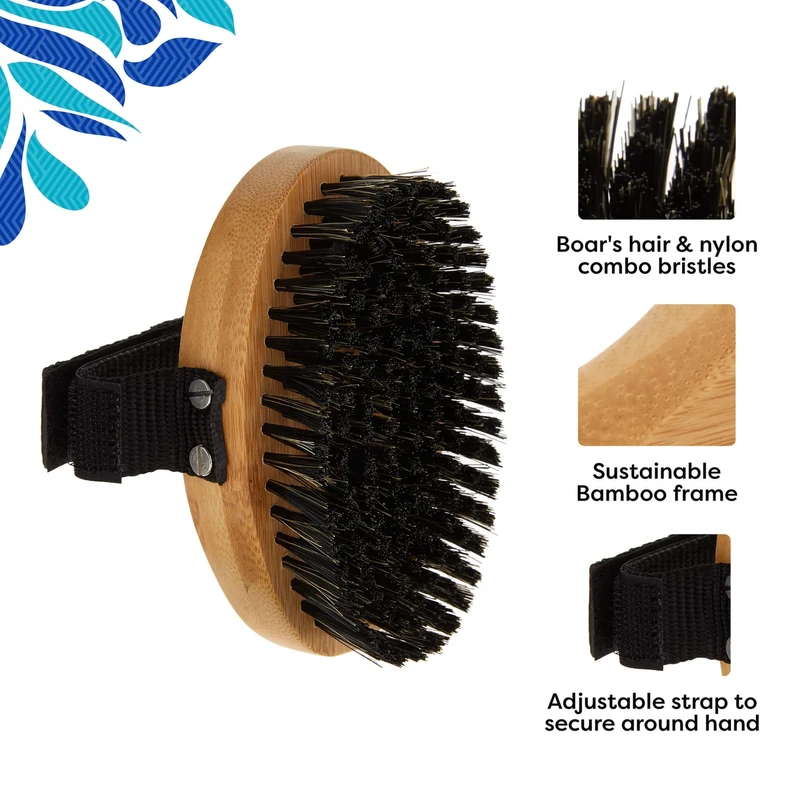
Sustainable Bamboo Pet Brushes: Why Bamboo Beats Plastic
PawVerde.com – Sustainable bamboo pet brushes offer a high-performance, low-impact alternative to plastic and rubber grooming tools. By utilizing rapidly renewable bamboo and natural bristles, these brushes minimize carbon footprints (as low as 0.4 kg CO₂e/unit) while preventing the microplastic shedding and static buildup common in synthetic grooming equipment.
Certified bamboo brushes can have a carbon footprint as low as 0.4–0.7 kg CO₂e/unit, which is significantly lower than the 1.2–2.1 kg CO₂e/unit found in recycled plastic alternatives. This distinction is critical for pet owners aiming to reduce their household’s total environmental impact through informed purchasing decisions.
The Material Science: Why Bamboo Outperforms Rubber and Plastic
Bamboo is functionally superior to rubber because it is calibrated to keratin’s surface energy, preventing the electrostatic buildup and microplastic shedding seen in synthetic tools. Unlike rubber mitts, which can act as temporary adhesives and generate static, bamboo brushes provide a clean lift for undercoats without damaging the skin barrier.
Biomechanical advantages over rubber
Material choice dictates biomechanical outcome—not just ethics. Dr. Lena Cho, a Textile Biophysicist & Pet Dermatology Consultant, explains:
“Material choice dictates biomechanical outcome—not just ethics. Bamboo isn’t ‘nicer’; it’s functionally calibrated to keratin’s surface energy and tensile behavior. Rubber, by contrast, behaves like a temporary adhesive: effective until it isn’t—and then it’s actively counterproductive.”
This means that while a rubber mitt might feel effective by grabbing hair, it often creates an electrostatic environment that makes grooming difficult. Bamboo provides a neutral surface that interacts more predictably with animal hair.
The microplastic problem in synthetic grooming
Synthetic grooming tools present a hidden environmental and health risk through polymer degradation. Rubber mitts, even “natural” latex variants, generate static when rubbed against dry fur and shed microscopic polymer particles during washing, according to Alibaba LifeTips. This shedding contributes to microplastic accumulation in domestic environments. In contrast, bamboo is a natural resource that grows rapidly without the need for pesticides, offering a way to avoid these microscopic pollutants entirely.
The Greenwashing Checklist: How to Spot Truly Sustainable Brushes
According to Alibaba LifeTips, switching to bamboo does not automatically reduce environmental impact. Sustainability depends on specific material choices throughout the product lifecycle.
Avoiding formaldehyde-based resins
Manufacturers may use toxic binders to increase durability. To ensure a tool is truly sustainable, consumers should verify that bamboo is not harvested from cleared rainforests or treated with formaldehyde-based resins.
The hybrid brush trap: Nylon and PP risks
Watch for these specific indicators of greenwashing in hybrid models:
- Bristle Composition: Many hybrid “Bamboo” brushes use nylon or PP (polypropylene) bristles, which carry a high microplastic shedding risk.
- Functional Lifespan: Hybrid models often have a shorter functional lifespan of only 3–8 months, compared to the 3–5 years expected from a pure bamboo brush.
- carbon footprint: While a certified bamboo brush sits at 0.4–0.7 kg CO₂e/unit, a hybrid bamboo brush can see a footprint as high as 1.8–2.9 kg CO₂e/unit.
Longevity and Maintenance: Preventing Bamboo Swelling and Warping
Bamboo is an organic, porous material. Unlike injection-molded plastic, it requires specific handling to prevent structural failure.
Warning: Avoid storing bamboo brushes in humid bathrooms. Bamboo is a natural material that can swell and warp if it becomes saturated with moisture or stored in high-humidity environments.
The humidity danger zone
Moisture absorption is a primary failure mode. If a brush is left in a damp environment, the wood fibers expand, which can lead to warping or even cracking. To maximize the 3–5 year expected lifespan of a high-quality bamboo brush, it must be kept in a dry, well-ventilated area.
Step-by-step cleaning protocol
Following these steps from the Bamboo Brush Maintenance techniques ensures the tool remains hygienic and structurally sound:
- Remove fur from the brush after each use.
- Wipe the handle and bristles with a damp cloth.
- Allow the tool to air dry completely in a low-humidity zone before storage.
For optimal grooming results, perform light head-to-tail strokes for 60 seconds. It is also recommended to brush 1–2 hours after your pet has rested to ensure the skin is relaxed and fur is at optimal moisture equilibrium.
The Coat-to-Brush Matrix: Matching Tools to Your Pet
Selecting the right bamboo brush depends on coat type: use sisal and steel pin combinations for thick undercoats to lift fur without static, and natural boar bristles for short-haired breeds to distribute skin oils and increase shine. Avoid rubber-based tools for long-haired breeds to prevent microplastic contamination.
| Coat Type | Recommended Bamboo Tool | Primary Benefit |
|---|---|---|
| Thick/Double Coat | Sisal & Steel Pin Brush | Effective undercoat removal without static |
| Short/Smooth Coat | Natural Boar Bristle Brush | Distributes oils and increases shine |
| Long/Fine Hair | Fine-tooth Bamboo Comb | Tangle prevention and debris removal |
Double coats and deshedding tools
For breeds with heavy undercoats, tools like those from Smile Boutiques that feature sisal and steel bristles are highly effective. These combinations provide the mechanical strength needed to lift loose fur cleanly. Unlike rubber mitts, these tools do not generate the electrostatic buildup that can cause hair to stick to the skin rather than being lifted away.
Short hair and oil distribution
Natural boar bristles promote skin health by distributing oils throughout the coat. This method creates a natural shine and avoids the static electricity generated by synthetic bristles.
End-of-Life: A Circularity Guide for Bamboo Tools
Because bamboo brushes are biodegradable, they offer a significant advantage over plastic tools that persist in landfills for centuries.
Separating metal from wood
Hybrid brushes often face issues with bristle detachment. To manage disposal, users should separate metal pins or steel bristles from the bamboo handle.
Composting vs. Recycling
Pure, untreated bamboo handles can be composted. However, if the brush contains non-removable plastic components, it must be treated as general waste.
Comparison of Eco-Friendly Grooming Lifespans
Pet owners can compare the following expected lifespans to evaluate long-term value:
| Grooming Tool | Expected Lifespan | Sustainability Profile |
|---|---|---|
| Bamboo Brush | 3–5 years | High (Biodegradable) |
| Grooming Gloves | 2–4 years | Variable (Depends on material) |
| Self-Cleaning Brush | 5–10 years | Moderate (Often contains plastic) |
| Deshedding Tool | 5–10 years | Moderate (High durability) |
| Stainless Steel Comb | Lifetime | Very High (Recyclable) |
| Nail Clippers | Lifetime | Very High (Recyclable) |
FAQ
How often should I use a bamboo pet brush?
For optimal results on dry coats, use the brush 2–3x weekly. Ensure you brush 1–2 hours after your pet has rested to allow skin relaxation and moisture equilibrium.
Can I store my bamboo brush in the bathroom?
Avoid humid bathrooms. Bamboo is a natural material that can swell and warp if it becomes saturated with moisture.
Are hybrid bamboo brushes actually eco-friendly?
Not necessarily. Many hybrid brushes use nylon or PP (polypropylene) bristles, which carry a high microplastic shedding risk and a shorter functional lifespan (3-8 months) compared to pure bamboo options.

Eco-Friendly Pet Services: How to Choose Sustainable Care
PawVerde.com – Eco-friendly pet services prioritize sustainability through biodegradable products, reduced carbon footprints via mobile grooming, and ethical sourcing of nutrition. Transitioning to green pet care involves auditing service providers for greenwashing, choosing long-lasting gear, and opting for services that minimize waste and chemical runoff to protect both your pet and the planet.
“Incorporating eco-friendly practices into pet care is not just a trend; it’s a responsibility we owe to our pets, our planet, and future generations,” notes Sameera Satija.
How to spot greenwashing in pet services
To detect greenwashing, check if a provider uses single-use plastic packaging while claiming to be ‘eco-friendly.’ Verify third-party certifications and look for transparency in ingredient sourcing. Avoid brands that rely on vague buzzwords without providing evidence of biodegradable components or ethical supply chains.
The ‘Single-Use Plastic’ Red Flag
Brand credibility is compromised when a company pushes an eco-friendly image while simultaneously stocking items wrapped in single-use plastic. This contradiction serves as a primary failure mode for businesses attempting to capitalize on the green movement without altering their supply chain. For instance, a service might claim to use organic shampoos but deliver them in non-recyclable bottles that contribute to landfill waste.
Decoding Marketing Buzzwords vs. Real Certifications
Consumers often fall victim to vague marketing language that lacks empirical backing. To avoid this, practitioners recommend looking for specific evidence rather than broad claims. A reliable audit of a pet service provider should include the following checks:
- Verify third-party certifications to ensure claims are independently validated.
- Investigate the transparency of ingredient sourcing for all consumable products.
- Check for the presence of 100% biodegradable components in physical goods, such as those produced by Honest Pet Products.
- Cross-reference marketing claims with actual packaging materials to identify discrepancies.
A product labeled “natural” is not always sustainable. It can still be packaged in ways that harm the environment or sourced through unethical labor. True sustainability requires a holistic approach that covers both the product chemistry and the lifecycle of its packaging.
The Cost-Benefit Matrix: Traditional vs. Sustainable Pet Care
Adopting sustainable pet care involves a shift from low upfront costs to long-term utility. While conventional products may seem cheaper initially, they frequently require more frequent replacements due to lower durability.
| Criterion | Conventional Services/Products | Sustainable Alternatives |
|---|---|---|
| Ingredients and Packaging | Heavily processed ingredients; non-recyclable packaging | Ethically sourced ingredients; recyclable materials |
| Gear Longevity | Lower durability; high replacement frequency | Long-lasting, washable gear; minimized replacement frequency |
| Grooming Approach | Standard chemical-based formulas | Natural, biodegradable formulas |
| Resource Usage | Standard water and energy consumption | Water-saving technologies and energy efficiency |
Sustainable choices impact a pet owner’s budget by trading immediate savings for long-term resource efficiency.
Long-term savings through durability
Choosing long-lasting, washable gear minimizes replacement frequency, which directly cuts down on both waste and long-term costs. For example, instead of purchasing multiple low-quality plastic toys, investing in durable, biodegradable options provides better value over the lifespan of the pet. This reduction in consumption prevents the “buy-and-toss” cycle common with conventional pet accessories.
Utility cost reductions in green facilities
For pet business owners, implementing water-saving technologies can lead to significant cost savings. As noted by industry research, reduced water consumption results in lower utility bills over time. These efficiencies allow green facilities to remain competitive while maintaining a smaller environmental footprint.
Green Grooming: Health benefits and carbon footprint reduction
eco-friendly grooming utilizes natural, biodegradable shampoos and water-saving techniques to reduce environmental impact. Mobile grooming services further lower emissions by eliminating the need for owners to drive to salons, while natural formulas prevent skin irritation caused by harsh conventional chemicals.
Why natural formulas matter for sensitive skin
Traditional grooming products can contain harsh chemicals that irritate skin or trigger allergies in sensitive animals. Natural formulas are gentler and safer for the pet’s biological barrier. This shift toward plant-based surfactants helps protect the water table by ensuring that runoff from baths does not introduce toxic synthetic substances into local ecosystems.
The emissions advantage of mobile services like Puppy Luv Pet Services
Mobile grooming provides a dual benefit: convenience for the owner and a reduction in transportation emissions. Because providers like Puppy Luv Pet Services come directly to the pet owner, the need for extra car trips to a centralized salon is eliminated. This localized service model is a key component of reducing the overall carbon footprint associated with pet maintenance.
Specific advantages of green grooming include:
- Use of natural, biodegradable shampoos to prevent chemical runoff.
- Implementation of water-saving techniques during the bathing process.
- Reduced transportation-related CO2 emissions via mobile service models.
- Prevention of skin irritation through the avoidance of harsh synthetic additives.
Sustainable Nutrition: Transitioning without digestive distress
Switching to sustainable pet food—such as options using locally sourced, organic, or insect-based proteins—can lower carbon emissions. However, the method of transition is just as critical as the ingredients themselves to ensure the pet’s health remains intact.
Warning: To avoid digestive system failure, do not switch dog food brands or formulas overnight.
The 10-day transition roadmap
To prevent digestive issues, owners should follow a technique known as the Gradual Dog Food Transition. This process typically spans a 7-10 day period to allow the pet’s gut microbiome to adjust to the new nutrient profile. A standard roadmap includes:
- Days 1-2: Mix 75% of the old food with 25% of the new food.
- Days 3-4: Mix 50% of the old food with 50% of the new food.
- Days 5-6: Mix 25% of the old food with 75% of the new food.
- Days 7-10: Feed 100% of the new food.
Avoiding nutritional imbalances
Owners must not assume that higher meat content or marketing buzzwords automatically equate to better nutrition. It is essential to ensure that any new food meets the nutritional standards set by AAFCO (Association of American Feed Control Officials). Relying solely on “green” labels without checking for AAFCO compliance can lead to long-term nutritional imbalances.
Operational Sustainability for Pet Businesses
Sustainability for pet professionals involves managing internal facility operations alongside product selection. Adopting green habits can improve a business’s reputation while simultaneously reducing overhead costs.
Digitizing records to eliminate paper waste
Modern pet businesses can significantly reduce their reliance on paper by adopting specialized software. Using dog boarding software allows for the digitization of client records, appointment scheduling, and financial transactions. Moving these processes to a digital format eliminates the need for physical filing systems and reduces the waste generated by printing daily schedules or invoices.
Waste management: From composting to recycling
Implementing Sustainable Waste Management is a cornerstone of an eco-conscious facility. Businesses can adopt several strategies to manage their environmental impact:
- Set up clearly labeled bins for different types of recycling.
- Compost biodegradable pet waste where local regulations and facilities allow.
- Donate excess or near-expiry supplies to local shelters rather than discarding them.
By integrating these practices, pet businesses can build a more resilient and reputable brand that appeals to the growing demographic of environmentally conscious pet owners.
FAQ
Is eco-friendly pet care more expensive?
While initial costs might be higher, sustainable gear lasts longer, which reduces replacement frequency. Additionally, water-saving technologies used in green grooming or boarding facilities can lead to lower utility costs over time, offsetting the initial investment.
How can I tell if a pet food brand is truly sustainable?
Look for brands that utilize ethically sourced, organic, or insect-based proteins and offer recyclable packaging. Most importantly, always verify that the product meets AAFCO nutritional standards to ensure it is a complete and balanced diet.
Does mobile grooming actually help the environment?
Yes, mobile grooming services reduce transportation emissions. By coming directly to the pet owner’s location, these services eliminate the need for the owner to make extra car trips to a traditional grooming salon, thereby lowering the total carbon footprint of the service.

Sustainable Pet Food for Travel: Weight & Eco-Friendly Tips
PawVerde.com – Sustainable pet food for travel focuses on minimizing environmental impact through ethically sourced ingredients—like insect proteins or vegetable-based options—and utilizing lightweight, shelf-stable formats like freeze-dried or air-dried foods. This approach reduces carbon footprints, optimizes packing weight, and ensures compliance with international customs regulations.
Pet meat consumption releases significant amounts of carbon dioxide annually.
The Sustainable Travel Food Math: Weight vs. Volume Optimization
To optimize travel weight, choose freeze-dried food for maximum weight reduction (2-5% moisture) or air-dried food (10-15% moisture) for a balance of weight and convenience. While freeze-dried is lighter, remember to factor in the additional weight of 2-4 parts warm water required for rehydration per part of food.
Weight management in a backpack requires accounting for hydration needs. If you carry 500g of freeze-dried food, you must also account for the 1000g to 2000g of water required for rehydration.
Calculating Rehydration Ratios
When using freeze-dried formats, the math changes based on the specific product’s moisture content. Most high-quality freeze-dried options sit at a 2-5% moisture level. To prepare a meal, practitioners follow a specific ratio: 1 part food to 2-4 parts warm water. This means your “dry weight” is deceptive; the actual weight of the meal at the moment of consumption is significantly higher.
Kibble vs. Dehydrated: The Backpack Efficiency Test
Choosing between kibble and dehydrated options requires weighing mass against volume. Consider these factors for your next trip:
- Freeze-Dried: Offers the lowest mass but requires a water source and a vessel for rehydration.
- Air-Dried: Provides a middle ground with 10-15% moisture, requiring no extra water but weighing more than freeze-dried.
- Standard Kibble: Highest volume and weight per calorie, often leading to more frequent trips to the supply store.
Customs & Compliance: Navigating International Borders Sustainably
Traveling with pet food across borders requires strict adherence to local veterinary laws to avoid the seizure of supplies. Many travelers mistakenly assume that “natural” or “organic” labels grant them passage, but customs officials prioritize biosecurity over ingredient ethics.
When entering the European Union, travelers face specific limitations. A common rule is that you are generally limited to a maximum of 2 kg of pet food. Furthermore, meat-based products often require specific veterinary sign-off to be permitted. Failure to present the correct documentation can result in the immediate disposal of your food, creating unnecessary waste.
The EU Meat Restriction Rule
The 2 kg limit is a critical threshold for those traveling into the EU. Beyond this weight, or when carrying certain meat types, the risk of inspection and seizure increases. It is often more sustainable to purchase food locally upon arrival rather than risking the environmental and financial cost of confiscated goods.
Using Insect-Based Proteins to Avoid Seizure
Insect-based proteins can lower carbon emissions and may offer a smoother path through certain customs checkpoints. According to Caring Hands Vet, these options lower carbon emissions and reduce dependence on intensive livestock farming.
Air-Dried vs. Freeze-Dried: Choosing the Right Format for Your Climate
Freeze-dried food is exceptionally lightweight and shelf-stable, rehydrating in minutes for easy feeding on hikes or while traveling, according to jackspremium.com. Air-dried food provides a convenient, ready-to-eat alternative with 10-15% moisture content.
Climate dictates the best choice for food stability. In high-altitude or cold environments, the sublimation process used in freeze-drying is highly effective. However, in humid or tropical climates, the packaging integrity becomes the most important factor in preventing spoilage.
| Feature | Freeze-Dried | Air-Dried |
|---|---|---|
| Moisture Content | 2-5% | 10-15% |
| Rehydration Needed | Yes (1:2-4 ratio) | No (Ready to eat) |
| Nutrient Retention | Very High (Sublimation) | High (Low heat) |
| Travel Convenience | Best for weight-critical hiking | Best for road trips/humidity |
| Digestive Stability | Variable | High (Steady digestion) |
The functional differences between these formats impact travel logistics. While freeze-dried food is lighter, air-dried food offers a level of convenience that can be vital during long car journeys or when water access is limited.
The Temperature & Stability Matrix
In extreme heat, air-dried food—which contains 10-15% moisture—may be more susceptible to spoilage if the seal is broken. Conversely, freeze-dried food is exceptionally lightweight and shelf-stable, but its lack of moisture means it must be rehydrated to be palatable. According to jackspremium.com, freeze-dried pet food is lightweight and shelf-stable, rehydrating in minutes for easy feeding at home, on hikes, or when traveling.
Nutrient Retention via Sublimation
The process of Freeze-Drying (Sublimation) involves freezing materials to form ice crystals and then applying low pressure in a vacuum chamber to let the ice sublimate into vapour. This method, as noted by Muenster Pet, preserves most of the original vitamins, minerals, and flavors far better than traditional processing. This makes it an ideal choice for maintaining a pet’s health during long-duration travel where fresh food is unavailable.
Reducing the Carbon Footprint of Your Pet’s Diet
Protein selection significantly impacts ecological footprints. For example, beef produces 13 times more greenhouse gases over its life cycle than vegetable proteins, according to Green America.
The Protein Impact: Beef vs. Lamb vs. Veg
Evaluate your pet’s diet based on these environmental benchmarks:
- Vegetable Proteins: Lowest carbon footprint.
- Insect Proteins: High sustainability.
- Poultry: Produces four to five times as many greenhouse gases as vegetable proteins.
- Beef and Lamb: Lamb has a 50% higher carbon footprint than vegetable proteins.
The Role of Insect-Based Alternatives
Insect-based proteins serve as a high-quality alternative. Caring Hands Vet notes that these options can lower carbon emissions and reduce dependence on intensive livestock farming.
Leave No Trace: Managing Food Waste and Packaging in the Wild
sustainable travel includes responsible waste management. Using a separate compost system for pet waste can reduce its volume by at least 50 percent, according to Green America.
Shortcut: For zero-waste packing, use reusable tubs or cloth packaging for treats and food, and always bring refillable water bottles and collapsible bowls.
Zero-Waste Packing Protocols
Minimize single-use plastics by adopting these methods:
- Transferring food into reusable tubs.
- Using cloth packaging for dry treats.
- Utilizing compostable poop bags for waste management.
Safe Composting for Pet Waste
In remote areas, the best practice is to pack out all waste. If you have access to a dedicated composting system, it can reduce waste volume by at least 50 percent.
The Stress-Diet Transition: Preventing Travel-Induced Digestive Issues
Sudden dietary shifts are a primary cause of gastrointestinal distress during travel. When a pet is already dealing with the stress of new environments, a sudden shift in food type or format can lead to issues.
To prevent diarrhea or gas, implement a structured transition. Use a gradual schedule to introduce new sustainable foods before your departure.
The 7-Day Transition Rule
A successful transition requires patience. Do not switch from kibble to freeze-dried food the morning of your trip. Instead, follow a gradual schedule:
- Days 1-2: a portion of old food mixed with a portion of new sustainable food.
- Days 3-4: an equal mix of old food and new sustainable food.
- Days 5-6: a portion of old food mixed with a larger portion of new sustainable food.
- Day 7: 100% new sustainable food.
Monitoring Stool Consistency on the Road
Monitor bowel movements closely once on the road. Muenster Pet notes that air-dried food can provide a relief for sensitive stomachs because digestion often feels slower and steadier.
FAQ
How much pet food can I bring into the EU?
When traveling into the EU, you are generally limited to a maximum of 2 kg of pet food, and you must ensure it complies with specific veterinary sign-off requirements for meat-based products to avoid seizure at the border.
Is freeze-dried food better for hiking?
Yes, freeze-dried food is exceptionally lightweight and shelf-stable, making it ideal for hiking. However, you must carry extra water to rehydrate it at a ratio of 1 part food to 2-4 parts water.
Can I switch my dog to a vegetarian diet for travel?
While dogs can eat vegetarian diets, it is critical to do so under veterinary supervision to prevent nutritional deficiencies, especially when the pet is already under the stress of travel.
Best Biodegradable Waste Bags for Hiking: 2026 Guide
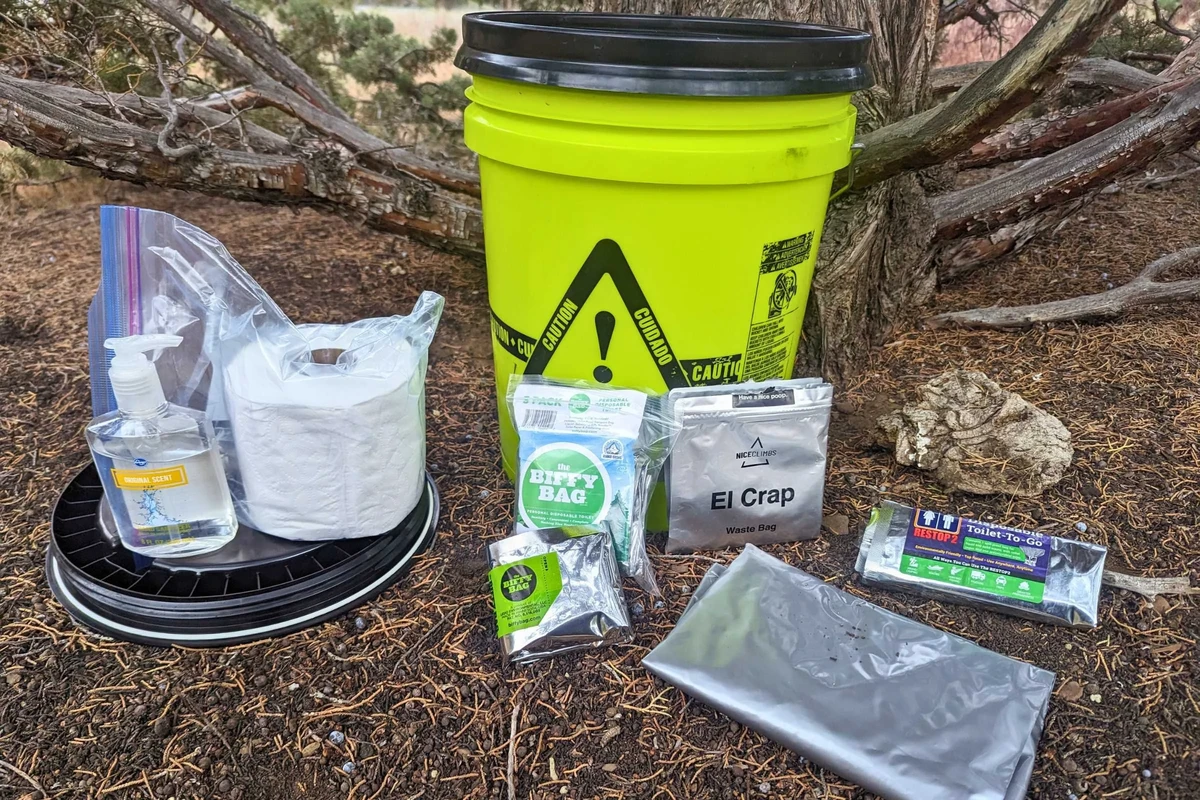
PawVerde.com – The best biodegradable waste bags for hiking are specialized compostable WAG bags (Waste Aggregation and Gelling) designed for human waste, such as Reliance Double Doodie or Nice Climbs El Crap. For dog owners, durable compostable options are preferred over paper to prevent leakage during long treks.
A Moosejaw survey of 25,000 outdoor enthusiasts revealed that 72% of hikers are caught unprepared for waste management. This lack of preparation often leads to environmental degradation in sensitive wilderness areas.
A common misconception among hikers is that burying a biodegradable bag or a wipe in the soil constitutes responsible waste management. This is a violation of Leave No Trace principles. Even if a bag is labeled as biodegradable, it is not designed to disappear quickly in a wilderness setting. Leaving these items in the ground can leave lasting traces of human presence and waste.To prevent odor and leakage, follow this two-stage containment hierarchy:
- Primary Containment: Use a specialized WAG bag or a compostable bag to encapsulate the waste.
- Secondary Containment: Place the primary bag inside a heavy-duty, non-permeable “stink bag” or a dedicated dry bag.
- Final Disposal: Transport all contained waste to a proper municipal disposal facility or a designated waste receptacle.
CRITICAL WARNING: Never place compostable bags in general waste bins or plastic recycling streams. In a landfill environment, they will not compost effectively, and in recycling streams, they contaminate the plastic recovery process.Environmental conditions dictate how bioplastic materials behave. A bag that performs well in a temperate forest may fail in an alpine or desert environment.
In high-altitude environments, extreme cold can cause many bioplastic-based bags to become brittle. This brittleness increases the risk of the bag splitting when being handled or packed tightly. When temperatures drop significantly, the material loses its flexibility, creating a failure mode where the bag cracks under minimal pressure.Conversely, intense desert heat accelerates the chemical breakdown of many compostable materials. This can lead to premature breakdown, where the bag loses its structural strength before it is even used. Furthermore, bioplastic bags can produce methane gases as they begin to decompose, which can cause the bag to bloat or leak odors if not managed correctly. There is also a significant risk to local fauna; animals may consume smaller pieces of plastic that have begun to disintegrate, which is highly problematic for wildlife health.For human waste, the best options are Reliance Double Doodie for reliability and Nice Climbs El Crap for high-capacity needs (up to 5 gallons). These are essential in regulated zones like Mt. Whitney where WAG bags are mandatory.
Conversely, intense desert heat accelerates the chemical breakdown of many compostable materials. This can lead to premature breakdown, where the bag loses its structural strength before it is even used. Furthermore, bioplastic bags can produce methane gases as they begin to decompose, which can cause the bag to bloat or leak odors if not managed correctly. There is also a significant risk to local fauna; animals may consume smaller pieces of plastic that have begun to disintegrate, which is highly problematic for wildlife health.For human waste, the best options are Reliance Double Doodie for reliability and Nice Climbs El Crap for high-capacity needs (up to 5 gallons). These are essential in regulated zones like Mt. Whitney where WAG bags are mandatory.
In the Mt. Whitney Zone, the use of WAG bags is a mandatory requirement for all visitors. Choosing your kit depends on your specific trip duration and gear requirements.
Nice Climbs offers the El Crap, which stands out due to its massive 5 gallons of capacity. This makes it an ideal choice for expeditions where waste accumulation is high or for groups needing a single, large-capacity solution. It is specifically engineered to handle significant volume without the risk of structural failure seen in smaller, thinner alternatives.Reliance is a staple in the backpacking community, primarily due to the reliability of the Double Doodie system. These kits are designed to provide a secure, odor-controlled solution that minimizes the risk of leaks during transport. For most hikers, the reliability of the seal is more critical than maximum volume.For those prioritizing pack weight, Green Elephant provides compostable toilet bags that are significantly lighter than high-capacity alternatives. A single Green Elephant bag weighs approximately 340 g, making it a viable option for lightweight backpackers who need to balance environmental responsibility with strict weight limits.Product Name Primary Use Key Spec/Capacity Best For Nice Climbs El Crap Human Waste 5 gallons High-capacity/Groups Reliance Double Doodie Human Waste Standard Kit Reliability/General Use Green Elephant Human Waste 340 g Lightweight Backpacking PoopShark Dog Waste Paper-based Short/Local Walks
For those prioritizing pack weight, Green Elephant provides compostable toilet bags that are significantly lighter than high-capacity alternatives. A single Green Elephant bag weighs approximately 340 g, making it a viable option for lightweight backpackers who need to balance environmental responsibility with strict weight limits.Product Name Primary Use Key Spec/Capacity Best For Nice Climbs El Crap Human Waste 5 gallons High-capacity/Groups Reliance Double Doodie Human Waste Standard Kit Reliability/General Use Green Elephant Human Waste 340 g Lightweight Backpacking PoopShark Dog Waste Paper-based Short/Local Walks
| Product Name | Primary Use | Key Spec/Capacity | Best For |
|---|---|---|---|
| Nice Climbs El Crap | Human Waste | 5 gallons | High-capacity/Groups |
| Reliance Double Doodie | Human Waste | Standard Kit | Reliability/General Use |
| Green Elephant | Human Waste | 340 g | Lightweight Backpacking |
| PoopShark | Dog Waste | Paper-based | Short/Local Walks |
Use the comparison above to match waste management products to your specific capacity needs.
Note that capacity should always be balanced against the total weight added to your pack for long-distance treks.
When hiking with pets, managing high nitrogen and phosphate levels is essential for ecosystem stability.
While products like PoopShark or Pooch Paper offer paper-based solutions, they are generally unsuitable for long-distance hiking. The paper used in these products is often thin and uncoated. Consequently, these bags are not designed to encapsulate a wet turd for more than 15 or 20 minutes before the material wets through and begins to leak. For any trek exceeding a short walk, paper alternatives represent a high risk of contamination.Proper disposal is not just about cleanliness; it is about ecosystem stability. As noted by Seemann, “The excess nitrogen and phosphates in domestic dog waste throw the local ecosystem out of whack.” These nutrients can cause algae blooms in nearby water sources and alter the soil chemistry of sensitive alpine meadows.
ECOLOGICAL WARNING: Dog waste should not be treated as fertilizer. If you are not packing it out, it must be buried at least six inches deep, away from water sources and trails, and ideally nested in “browns” like leaves to assist decomposition.To ensure environmental compliance, verify that your waste bags carry specific third-party certifications.
The Biodegradable Products Institute (BPI) provides certification that ensures products can be composted in commercially run composting facilities. This is a critical distinction for hikers. If a bag is only BPI certified, it may require the high heat of an industrial facility to break down. If you are looking for a bag that can break down in a backyard setting, you must specifically look for “Home Compostable” certifications, often verified by organizations like TUV.There is a significant risk of “greenwashing” in the waste bag market. Many products labeled as “degradable” are actually problematic. As Lyall Mabin observed, “These degrade into microplastics faster, so it’s really just greenwashing.” According to the Burnside Fact Sheet, “Degradable bags are made from plastic with other chemicals added (including heavy metals) that cause the plastic to break down and disintegrate over time when exposed to sunlight and heat.” This process does not eliminate the plastic; it simply turns it into microscopic particles that are easily consumed by animals and enter the food chain.A complete kit helps you maintain hygiene and environmental standards during any biological emergency.
To ensure environmental compliance, verify that your waste bags carry specific third-party certifications.
The Biodegradable Products Institute (BPI) provides certification that ensures products can be composted in commercially run composting facilities. This is a critical distinction for hikers. If a bag is only BPI certified, it may require the high heat of an industrial facility to break down. If you are looking for a bag that can break down in a backyard setting, you must specifically look for “Home Compostable” certifications, often verified by organizations like TUV.There is a significant risk of “greenwashing” in the waste bag market. Many products labeled as “degradable” are actually problematic. As Lyall Mabin observed, “These degrade into microplastics faster, so it’s really just greenwashing.” According to the Burnside Fact Sheet, “Degradable bags are made from plastic with other chemicals added (including heavy metals) that cause the plastic to break down and disintegrate over time when exposed to sunlight and heat.” This process does not eliminate the plastic; it simply turns it into microscopic particles that are easily consumed by animals and enter the food chain.A complete kit helps you maintain hygiene and environmental standards during any biological emergency.
A complete kit helps you maintain hygiene and environmental standards during any biological emergency.
Follow these steps to assemble your gear:
- Sanitization: Include a small bottle of hand sanitizer for post-use hygiene.
- Wiping: Pack toilet paper or biodegradable wipes (note that PACT Wipes, for example, are designed for 100% decomposition within 95 days).
- Containment: Include a dedicated WAG bag or a heavy-duty compostable bag.
- Cleanup: Pack a separate, small bag specifically for used toilet paper to ensure it is also packed out.
- Tools: Carry a lightweight trowel if you are in areas where burying is permitted.
Paper bags from manufacturers like PoopShark or Pooch Paper are often thin and uncoated. They are not designed to encapsulate a wet turd for more than 15 or 20 minutes before leaking.

Best Natural Pet Food Guide: Top Brands & Safe Transition
PawVerde.com – The best natural pet foods prioritize named animal proteins as the first ingredient and meet AAFCO nutritional standards without artificial preservatives. Top-tier options include fresh subscription services like Ollie and The Farmer’s Dog, high-meat raw formulas like Carna4, and nutrient-dense freeze-dried or gently cooked options that emphasize ingredient traceability. Carna4 formulas consist of 95% raw meat and organs.
The Natural Food Transition Protocol: Avoiding GI Upset
To safely transition your dog to natural food, use a 7-day gradual mixing method: Days 1-2 (75% old/25% new), Days 3-4 (50% old/50% new), Days 5-6 (25% old/75% new), and Day 7 (100% new). This prevents diarrhea and digestive distress caused by sudden changes in fiber or protein density.
Why sudden changes cause diarrhea
Switching abruptly from processed kibble to a nutrient-dense natural diet can overwhelm the gastrointestinal tract. This sudden shift in protein and fiber levels frequently results in acute diarrhea or vomiting.
The 7-Day Mixing Schedule
Follow this specific sequence to minimize the risk of GI upset:
- Days 1-2: Mix 75% of the current food with 25% of the new natural food.
- Days 3-4: Increase the ratio to 50% old food and 50% new food.
- Days 5-6: Move to 25% old food and 75% new food.
- Day 7: Transition to 100% the new natural food.
If any digestive distress occurs during this period, practitioners recommend reverting to the previous successful ratio and slowing the transition further.
Label Decoder: Spotting Marketing Hype vs. Nutrient Density
Ideally, the first ingredient should be a named animal protein, such as chicken, beef, lamb, or salmon. Consumers must distinguish between high-quality meat sources and vague descriptors that mask lower-quality fillers.
Named Proteins vs. Anonymous ‘Meals’
Nutritional completeness is the priority. While “chicken meal” is a concentrated protein, it lacks the transparency of specific, named sources like chicken, lamb, salmon, turkey, or beef. High-quality brands use these specific animal proteins to support lean muscle, tissue repair, and lasting energy.
The Superfood Fallacy: Function over Hype
AvoDerm notes that “natural does not automatically mean better in every case,” emphasizing the need to look past trendy additives. Blueberries are a nice bonus, not the reason to choose a food by themselves. If a formula is weak on protein quality or fat balance, a handful of trendy fruits will not compensate for the nutritional deficit. One smart rule: choose function over hype.
Top-Rated Natural Pet Food Brands for 2026
The following brands represent the leading edge of natural pet nutrition, categorized by their specific processing methods and nutritional advantages.
| Brand | Primary Format | Key Nutritional Highlight | Best For |
|---|---|---|---|
| Ollie | Fresh Subscription | Customized meal plans | Convenience & Freshness |
| Carna4 | Raw | 95% meat and organs | High-meat enthusiasts |
| The Honest Kitchen | Dehydrated | High digestibility | Budget-conscious natural feeding |
| a fresh subscription service | Fresh Subscription | 39% protein (Beef Recipe) | Weight & Muscle management |
| Stella & Chewy’s | Freeze-Dried | Raw nutrition in dry form | Transitioning from kibble |
Review these options to find a match for your pet’s needs, such as the 39% protein content found in specific beef recipes or the 95% meat and organ density of Carna4.
Best Fresh Subscriptions (Ollie, PetPlate)
Fresh food subscriptions offer the highest moisture content and minimal processing. The Farmer’s Dog Beef Recipe provides a significant nutritional profile with 39% protein, 29% fat, and 24% carbohydrates on a dry matter basis. These services are designed for owners who want the benefits of human-grade food without the labor of meal prep. PetPlate provides a similar convenience, though it requires strict adherence to storage protocols to maintain freshness.
Best Raw & Freeze-Dried (Carna4, Stella & Chewy’s)
For those seeking the most concentrated animal nutrition, Carna4 stands out with formulas consisting of 95% raw meat and organs. This provides an extremely high nutrient density. Stella & Chewy’s offers an alternative via freeze-drying, a process where ingredients are frozen and then dried using a vacuum to remove moisture while preserving raw nutrition. This method allows for raw-style feeding without the constant need for refrigeration.
Best Dehydrated/Kibble Alternatives (The Honest Kitchen)
The Honest Kitchen specializes in dehydrated formats that rehydrate with water before serving. This method is highly effective for maintaining nutrient integrity while offering better shelf stability than frozen options. Customers have reported an 80% improvement in digestion and a 77% improvement in wellbeing and energy levels when switching to these nutrient-dense alternatives.
Safety & Spoilage: Managing Preservative-Free Diets
Natural foods often lack synthetic preservatives, increasing the risk of spoilage. Proper handling is essential for safety.
Safety Note: To prevent cross-contamination, always wash hands and utensils thoroughly after contact with raw protein.
Storage requirements vary drastically by format. For example, PetPlate frozen meals can be stored for 5 days in the fridge or up to 1 year in the freezer. Managing these diets requires dedicated freezer space and careful handling to avoid the “thaw-refreeze” cycle, which can compromise the texture and safety of the food. Unlike traditional kibble, which can sit in a bowl for hours, natural fresh foods should be consumed shortly after serving to prevent spoilage.
The Real Cost of Natural Feeding
Natural diets involve different financial considerations. While upfront costs may be higher, subscription services like Ollie offer customized plans starting as low as $1.57 per meal.
Subscription services like Ollie offer customized meal plans with starting prices as low as $1.57 per meal. While this may seem higher than bulk kibble, The Honest Kitchen offers subscription savings of 25%, making dehydrated options more accessible. It is a counterintuitive but documented reality that raw food can be a cost-effective choice in the long run due to lower vet bills resulting from improved overall health and better disease prevention.
FAQ
Is ‘natural’ the same as ‘organic’?
No. Organic follows strict USDA standards for sourcing and growing. “Natural” means the food is made without artificial preservatives, colors, or flavors.
Are grain-free diets healthier for dogs?
Not inherently. While useful for specific sensitivities, whole grains like oats or brown rice can be excellent sources of nutrition and energy for most dogs.
How do I know if a natural food is nutritionally complete?
Look for the AAFCO statement on the packaging, which confirms the food meets established nutritional profiles for your pet’s specific life stage.

Best Ethical Hypoallergenic Pet Care Brands for 2026
PawVerde.com – The best ethical brands for hypoallergenic pet care prioritize ingredient transparency and rigorous ethical standards over unregulated marketing terms. Top-tier options include EcoSource, which holds a perfect 100 ethical score, and Pet Impact, a leader in GSG ethical rankings, alongside innovators like WildWash and HOWND that specialize in skin-safe, environmentally conscious grooming.
The global pet grooming market for shampoos and conditioners is valued at $5.59 billion USD. As this sector expands, consumers face a significant challenge in distinguishing between genuine dermatological safety and aggressive marketing tactics.
The Red Flag vs. Green Flag Ingredient Glossary
To identify truly hypoallergenic products, look for ‘Green Flags’ like pH-balanced formulas and full ingredient disclosure. Avoid ‘Red Flags’ such as artificial dyes, parabens, alcohol, and unregulated terms like ‘natural plant extracts’ or ‘itch-free,’ which lack federal standards and can mask skin irritants.
Decoding the INCI List
The International Nomenclature of Cosmetic Ingredients (INCI) serves as the standardized language for product safety. When performing Label Reading for Safety, practitioners suggest looking beyond the front label. A common failure mode occurs when a brand highlights “aloe vera” on the packaging while burying harsh sulfates in the fine print. Truly ethical brands provide full disclosure of every component used in their formulation.
Commonly Hidden Irritants
Marketing terminology often exploits a lack of oversight. According to The Good Shopping Guide, several terms are completely unregulated in the pet grooming industry. Identifying these requires a disciplined approach to ingredient auditing. A counterintuitive reality is that “natural” does not equate to “safe.” For example, animal- or insect-derived ingredients, including materials like hydrolyzed silk, can raise ethical concerns and may trigger sensitivities in some pets. Practitioners recommend checking for these specific markers:
- Red Flag: Artificial Dyes – These colorants can contribute to itchiness or allergic reactions in sensitive pets.
- Red Flag: Unregulated Claims – Terms like “itch-free,” “green,” or “natural plant extracts” lack federal standards.
- Red Flag: Harsh Chemicals – Avoid parabens, alcohol, sulfates, coal tar, mineral oil, and zinc pyrithione.
- Green Flag: pH-Balanced Formulas – Essential for maintaining the integrity of the skin barrier.
- Green Flag: Full Disclosure – Transparency regarding the exact source and type of every ingredient.
The Holistic Allergy Protocol: Syncing External and Internal Care
Skin health management must account for the fact that every dog possesses a unique skin microbiome. Because any product has the potential to cause a reaction regardless of how pure the ingredients are, owners should look beyond surface-level grooming. Relying solely on topical applications without addressing individual sensitivities often leads to ineffective care cycles.
The Rebound Itching Loop
When a pet experiences a flare-up, the instinct is often to apply more topical treatments. However, if the topical product itself contains a hidden irritant, it can exacerbate the condition. This creates a loop where the pet is constantly being washed with products that promise relief but actually contribute to skin sensitization. Skin sensitization testing is a critical scientific process used to identify the potential for a substance to cause allergic contact dermatitis, a detail often omitted by mainstream brands.
Managing the Skin Microbiome
Maintaining a healthy microbiome involves minimizing unnecessary chemical interference. While some animal- or insect-derived ingredients may seem harmless, they can disrupt the delicate balance of a sensitive pet’s skin. Effective care protocols prioritize stability over rapid, aggressive cleaning. Because no product can be guaranteed “itch-free,” the goal is to reduce the total chemical load on the skin through consistent, high-quality, and transparently formulated products.
Top Ethical Brands for Hypoallergenic Pet Care
The highest-rated ethical brands include EcoSource (scoring 100 on ethical metrics), Pet Impact (top-ranking GSG score), and ‘Ethical Innovators’ WildWash and HOWND. For brands with significant social impact, TropiClean provides high-quality grooming while contributing to 250,000+ annual meals through its purchases.
Selection is based on The Good Shopping Guide’s research methodology, which utilizes 13 specific criteria to evaluate brands. These criteria include environmental reporting, animal welfare commitments, organic certification, and the scrutiny of irresponsible marketing practices.
| Brand Name | Ethical Status | Hypoallergenic Focus | Social/Eco Impact |
|---|---|---|---|
| EcoSource | Ethical Innovator | High (Transparent) | High |
| Pet Impact | Top GSG Score | High | High |
| WildWash | Ethical Innovator | Specialized | High |
| HOWND | Ethical Innovator | Specialized | High |
| TropiClean | High Social Impact | High (Dye/Paraben Free) | 250,000+ Meals/3,900+ Medical Visits |
This comparison highlights industry leaders based on verified ethical standing and their specific focus on skin sensitivity.
The Ethical Innovators: WildWash & HOWND
WildWash and HOWND have earned “Ethical Innovator” status through rigorous adherence to transparency. These brands are specifically noted for their ability to provide effective grooming solutions without relying on the unregulated marketing language that characterizes much of the $5.59 billion market. They focus on specialized formulations that respect the physiological needs of sensitive animals.
The High-Score Leaders: EcoSource & Pet Impact
EcoSource stands at the top of the industry with a perfect score of 100 on ethical metrics. This score reflects a complete alignment with environmental and welfare standards. Pet Impact follows closely, maintaining a top-ranking GSG score. For pet owners, these brands represent the lowest risk regarding greenwashing, as their claims are backed by documented research and ethical auditing.
The Social Impact Giant: TropiClean
TropiClean has scaled its operations to include significant social responsibility. Beyond their product line, their consumer purchases contribute to 250,000+ annual meals and 3,900+ annual medical visits. From a manufacturing standpoint, 95% of TropiClean products are manufactured in the U.S. For owners of younger animals, it is a critical safety note that TropiClean shampoos are suitable for puppies starting at a minimum age of 12 weeks.
Product Failure Guide: What to Do During a Reaction
Even when using highly rated products, a reaction can occur because “Hypoallergenic does not mean allergy-proof,” as noted by Doglyness. Recognizing the difference between a minor irritation and a medical emergency is vital for responsible pet ownership.
WARNING: Some essential oils can be toxic to pets, particularly cats. Always verify the safety profile of botanical extracts before application.
Immediate Rinsing Protocols
If a pet shows signs of immediate skin redness or discomfort after a bath, use lukewarm water to thoroughly rinse the coat. Ensure no residue remains in skin folds. To prevent further irritation, avoid using human shampoos, as they lack the specific pH requirements necessary for canine or feline skin.
When to Seek Veterinary Triage
If the reaction involves any of the following, contact a veterinarian immediately:
- Visible swelling of the face, muzzle, or paws.
- Difficulty breathing or lethargy.
- Vomiting or extreme gastrointestinal distress following topical application.
- Widespread hives or intense, uncontrollable scratching.
Sustainability vs. Sensitivity: A Value Matrix
Pet owners often weigh the environmental benefits of eco-friendly packaging against the necessity of skin-safe ingredients. While natural formulas may avoid sulfates and parabens, the total impact involves both chemical safety and packaging lifecycles.
| Priority Factor | Sensitivity Focus | Sustainability Focus |
|---|---|---|
| Key Metric | Ingredient Purity | Packaging Lifecycle |
| Common Goal | Avoidance of Irritants | Reduction of Waste |
| Potential Conflict | Complex formulas may use more preservatives | Eco-packaging may lack airtight seals |
The matrix compares how different brand priorities impact both the pet’s skin and environmental sustainability.
Packaging Lifecycle Ethics
A brand may offer hypoallergenic formulas but use non-recyclable multi-layer plastics. Truly ethical brands look to close the loop by using post-consumer recycled (PCR) materials. However, owners should be aware that some eco-friendly packaging can be less durable, potentially leading to product spoilage if not stored correctly.
Cost-Per-Wash Analysis
Ethical, high-concentration shampoos often carry a higher upfront price tag. However, a cost-per-wash analysis frequently reveals that these products are more economical. Because they do not rely on cheap “fillers” like water or heavy detergents, a smaller amount of product is required per application to achieve a clean, safe result.
Choosing Between Hypoallergenic and Medicated Solutions
Selecting the correct product depends on the severity of the skin condition. For mild sensitivities, hypoallergenic formulas may be sufficient for daily maintenance. However, according to TropiClean, more acute skin conditions might benefit from medicated options. Always consult a professional to determine if a pet requires active treatment or gentle hypoallergenic care.
FAQ
Is ‘hypoallergenic’ a regulated term for pet products?
No. There are no federal standards to define the term hypoallergenic for pet products, meaning it can be used by any brand to mean whatever they want. This lack of regulation makes reading the full ingredient list critical for safety.
Can natural shampoos still cause skin reactions?
Yes. As noted by Doglyness, any product has the potential to cause a reaction because every dog has a unique skin microbiome. Even pure ingredients, such as certain essential oils or insect-derived proteins, can trigger sensitivities in specific animals.
How can I tell if a brand is greenwashing?
Watch for vague, unregulated marketing phrases like ‘green,’ ‘natural plant extracts,’ or ‘itch-free.’ Truly ethical brands provide full ingredient disclosure and can be verified through rigorous research bodies like The Good Shopping Guide.
Auditing Sustainable Pet Health and Nutrition Reports
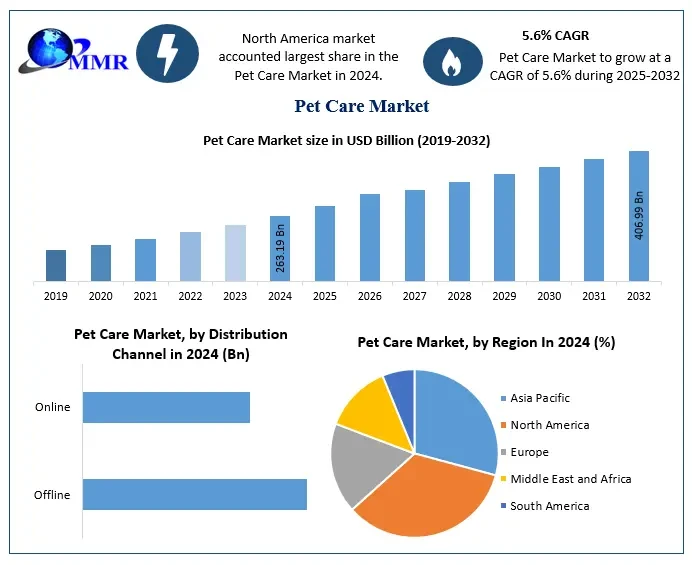
PawVerde.com – Sustainable pet nutrition is a full-lifecycle challenge that balances environmental impact with biological necessity. While pet food accounts for 25-30% of the environmental impact of meat consumption in the US, true sustainability requires optimizing nutrient density and digestibility to ensure that reducing carbon footprints does not compromise pet health or increase waste. The environmental impact of pet food production is equivalent to the annual driving emissions of 13.6 million cars.
The Sustainability Report Auditor’s Checklist: Beyond the ‘Eco-Friendly’ Label
To audit a pet food sustainability report, look for specific metrics on water usage, carbon sequestration, and ingredient traceability rather than vague terms like ‘natural.’ A credible report must detail life-cycle analysis (LCA) data, provide evidence of ingredient sourcing transparency, and demonstrate how they manage nutrient density to minimize fecal waste.
Relying on marketing adjectives often leads to a failure in assessing actual ecological footprints. Industry analysts note that a common failure mode occurs when brands claim “sustainability” based on a single ingredient while ignoring the carbon-intensive logistics of their entire supply chain. To avoid this, consumers should look for data-backed disclosures similar to those provided by leaders such as The Honest Kitchen or Only Natural Pet.
Identifying Greenwashing Red Flags
Many products use the “natural” label to imply environmental stewardship, but this term lacks a strict regulatory definition in many contexts. A significant red flag is the absence of specific numbers regarding resource consumption. If a report does not mention water usage or CO2e (carbon dioxide equivalent) per kilogram of food, the claims remain unsubstantiated. Practitioners suggest checking if a brand provides a clear menu path for transparency, such as navigating through a website’s “Sustainability” > “Sourcing” > “Impact Report” section to find raw data.
Key Metrics for Real Impact
To conduct a rigorous assessment, auditors should prioritize these specific indicators:
- Life-cycle analysis (LCA) data covering production to disposal.
- Specific metrics on water footprint per ton of protein.
- Traceability percentages for primary protein sources.
- Nutrient digestibility rates to ensure minimal waste.
A counterintuitive reality is that simply choosing “eco-friendly” packaging may not yield significant benefits if the food inside is highly processed. Excessive temperature, pressure, or processing time during manufacturing can decrease protein and amino acid digestibility, which actually increases the environmental load by requiring more food to meet nutritional needs.
Nutrient Density vs. Carbon Footprint: A Comparative Protein Matrix
Life-cycle analysis indicates that protein selection is the primary driver of a pet food’s ecological footprint. Plant-origin ingredients tend to have a lower carbon footprint compared with animal-origin ingredients.
| Protein Source | Carbon Footprint Rank | Nutritional Profile Note | Consumer Acceptance |
|---|---|---|---|
| Plant-origin | Lowest | Requires amino acid balancing | Moderate |
| Insect-based | Low | High digestibility/protein | Growing |
| Poultry/Fish | Moderate | High bioavailability | Very High |
| Large Ruminants | Highest | Complete amino acid profiles | High |
The data presented above highlights the necessary trade-offs between environmental footprint and traditional nutritional profiles.
The Rise of Insect-Based Nutrition
Insect and plant-based proteins offer dramatic reductions in land, water, and greenhouse gas footprints compared to conventional animal proteins. Research indicates that 44% of European pet owners would consider feeding their pets insect-based food by 2025. This shift is driven by the ability of insect proteins to provide high nutrient density without the massive land-use requirements of cattle ranching.
The Hybrid Formulation Bridge
A common misconception is that a pet must eat 100% plant-based or 100% meat-based food to be sustainable. In reality, hybrid formulations—combining animal-origin ingredients with insect or plant-based proteins—can optimize both the carbon footprint and the essential amino acid profile. This approach addresses the risk where excluding fiber solely to improve dry matter digestibility could negatively impact overall nutritional sustainability.
The Climate-Pet Health Feedback Loop
According to Royal Canin, environmental shifts directly influence biological risks. Changing precipitation patterns and warmer temperatures have expanded the habitats of disease vectors.
How Warming Habitats Expand Disease Vectors
Warmer temperatures and changing precipitation patterns have expanded the habitats of disease vectors. According to Royal Canin, this increases the potential for problems such as Lyme disease and heartworm. As these vectors move into new geographic regions, veterinarians must adapt to a landscape where climate-driven shifts dictate the prevalence of infectious diseases.
Preventative Care as an Eco-Friendly Habit
Proactive health management serves as a form of environmental conservation. By reducing the need for intensive treatments, emergency travel, and disposable medical supplies, preventative care mitigates the resource-intensive requirements of treating advanced chronic conditions.
Navigating the Regulatory Landscape: Labeling and Compliance
Regulatory bodies like the FDA and AAFCO set the baseline for safety, but sustainability labeling often falls into a complex intersection of international standards. Understanding these rules is essential to distinguish between verified organic products and mere marketing claims.
Warning: Manufacturers must adhere to evolving standards to avoid significant risks. Failure to comply with regulatory updates can lead to costly reprints, distribution delays, or product recalls.
The 95% Rule for EU Organic Certification
In the European Union, specific thresholds dictate the use of official symbols. As of May 1, 2024, new organic labeling rules require 95% organic ingredients to display the EU organic logo. This prevents companies from using the logo on products that contain only trace amounts of organic components, providing a clearer standard for consumers seeking high-integrity products.
Avoiding Compliance Pitfalls
In the United States, the FDA and AAFCO govern much of the labeling landscape. A common pitfall for brands is failing to align their “sustainable” claims with the actual nutrient profiles required by these agencies. If a brand claims a product is “complete and balanced” while using unconventional proteins, they must provide rigorous evidence that the formulation meets the specific nutritional profiles mandated by AAFCO.
The Economic Reality: Value vs. Values in Pet Nutrition
Market adoption faces a tension between consumer values and household budgets. While interest in sustainability is rising, price sensitivity remains a primary driver for many purchasers.
Mintel maintains that the key to growth for sustainable pet food sales is convincing pet owners that sustainable pet food can deliver superior nutrition at an affordable price. Currently, 27% of pet food purchasers say they would like to see more sustainably sourced pet foods, yet price sensitivity remains a primary driver of purchasing decisions.
The Affordability Barrier
Sourcing and life-cycle management often result in a price premium for sustainable products. This creates a conflict for consumers attempting to balance their environmental footprint with monthly expenses.
Market Projections for 2034
Despite current economic hurdles, the trajectory for alternative pet nutrition is upward. The global vegan pet food market, valued at $27 billion in 2024, is projected to reach $57 billion by 2034. This represents a compound growth rate of 7.8%, signaling that as production scales and efficiencies improve, the cost of sustainable nutrition is expected to become more competitive with traditional meat-based diets.
FAQ
Pet food accounts for 25-30% of the environmental impact of meat consumption in the US. This impact is massive, with annual emissions comparable to the driving emissions of 13.6 million cars.

How to Make Eco-Friendly Pet Cleaning Products Safely
PawVerde.com – To make eco-friendly pet cleaning products, combine household staples like distilled white vinegar, baking soda, and hydrogen peroxide into targeted recipes. Focus on small-batch production to ensure freshness, use distilled water to prevent mineral buildup, and prioritize mechanical cleaning over essential oils to avoid toxicity in sensitive cats and dogs.
Even “all-natural” products carry risks; for instance, tea tree oil toxicosis accounted for 443 cases in dogs and cats between 2002 and 2012, according to the Merck Veterinary Manual.
The Surface Compatibility Matrix: Where Not to Use DIY Cleaners
Never use vinegar or lemon-based cleaners on marble, granite, limestone, or natural stone, as the acetic acid can permanently etch and damage the surface. Additionally, avoid using hydrogen peroxide on dark carpets without a spot test to prevent bleaching, and never mix hydrogen peroxide with vinegar, which creates dangerous peracetic acid.
Acidic vs. Alkaline surfaces
The 5% acetic acid concentration found in standard distilled white vinegar makes it a powerful cleanser, as noted by the AKC, but this acidity is a double-edged sword. While it excels at cutting through mineral deposits on glass or stainless steel, it will chemically react with calcium carbonate in natural stones. Using an acidic solution on a granite countertop can result in permanent dull spots that require professional resurfacing.
| Cleaning Target | Primary DIY Ingredient | Action/Method | Safety Note |
|---|---|---|---|
| All-Purpose Surfaces | Vinegar & Water | Spray and wipe | Avoid marble/granite |
| Carpet Odors | Baking Soda | Sprinkle and vacuum | Wait 10–20 minutes |
| Bathroom Grime | Hydrogen Peroxide | Apply 3% solution | Test dark carpets |
| Toilet/Drains | Baking Soda & Vinegar | “Volcano” reaction | Use boiling water rinse |
Use the table above to match your 5% acetic acid or 3% hydrogen peroxide solutions to the correct household surfaces to prevent permanent damage.
The Peracetic Acid Danger
A critical safety failure occurs when users attempt to “boost” vinegar by adding hydrogen peroxide directly to the bottle. This combination produces peracetic acid. Exposure to this compound can potentially harm the eyes, skin, nose, throat, and lungs, according to preventivevet.com.
Mastering the Botanical Infusion: Scenting Without Essential Oils
Relying on essential oils for scent introduces significant veterinary risks, particularly for feline households. Because cats are deficient in the enzyme glucuronyl transferase, they cannot process certain compounds like phenols, making them highly susceptible to toxicity. Practitioners at the Pet Poison Helpline note that this metabolic deficiency makes cats far more sensitive to essential oils than dogs.
The Zero-Scent Protocol for Cats
To protect birds and cats, prioritize mechanical cleaning over aromatic additives. Instead of using oils, use absorbent baking soda to physically lift odors from fibers. This approach avoids the metabolic risks associated with essential oil exposure in sensitive species.
How to Cold-Infuse Citrus Peels
Create a natural scent by steeping fruit peels to avoid the volatile compounds found in concentrated oils. This method uses the natural essence of citrus without the risk of toxicity:
- Collect fresh orange or lemon peels.
- Place the peels in a glass jar and cover completely with distilled white vinegar.
- Seal the jar and allow it to sit for a minimum of 24 hours.
- Strain the liquid through a fine mesh sieve or cheesecloth before adding it to your spray bottle.
This infusion method provides a citrus aroma while adhering to safety standards for sensitive respiratory systems. It is a safer alternative to using a diffuser for essential oils.
Essential Supplies and Ingredient Selection
To align with environmentally friendly practices advocated by the David Suzuki Foundation, prioritize biodegradable, non-toxic staples. The specific ingredients you select determine the safety and longevity of your solutions.
When selecting liquids, the choice between tap water and distilled water is vital. While using hard tap water is possible, the AKC suggests that distilled or filtered water is superior because it prevents mineral deposits from forming on surfaces after cleaning. Hard water minerals can leave a cloudy film on glass or shiny countertops, undermining the purpose of the clean.
Gather these specific items for your cleaning pantry:
- Distilled white vinegar (standard 5% acetic acid).
- Baking soda (sodium bicarbonate) for abrasion and odor absorption.
- 3% hydrogen peroxide solution for disinfecting.
- Distilled water to prevent mineral buildup.
- Liquid laundry soap (such as Dr. Bronner’s Sal Suds) for heavy-duty degreasing.
Note that while washing soda is a common ingredient in some recipes, it must be handled with caution; it can irritate skin and lungs if inhaled without proper protection.
Step-by-Step: Creating Your Cleaning Arsenal
Follow these three core methods: 1. For all-purpose cleaning, mix equal parts water and vinegar. 2. For carpet odors, sprinkle baking soda and let sit for 10-20 minutes before vacuuming. 3. For tough bathroom grime, apply vinegar for 5 minutes, then follow with 3% hydrogen peroxide for 10 minutes.
The All-Purpose Spray
Use this mixture for sinks, countertops, and cabinets. To create it, combine equal parts distilled water and distilled white vinegar in a spray bottle. Shake well before each use. If you require a slightly more degreasing version, you can add a small amount of liquid soap, but ensure it is thoroughly rinsed to avoid slippery residue.
Carpet Odor Neutralization
Address lingering scents from pet accidents by using baking soda. To ensure effective absorption, follow these steps:
- Ensure the area is dry.
- Sprinkle a generous layer of baking soda over the affected area.
- Allow the powder to sit for 10 to 20 minutes to ensure it absorbs the odors.
- Vacuum the area thoroughly.
For deeper stains, you may use a combination of vinegar and baking soda, but be prepared for a bubbling reaction as the acid and base interact.
The Bathroom Deep-Clean Method
To tackle grime in bathrooms without harsh commercial chemicals, use a two-stage application. This method uses the acidity of vinegar to break down scale, followed by the oxidative power of peroxide.
- Spray the surface (such as a sink or tub) with vinegar and let it sit for 5 minutes.
- Wipe away the initial residue.
- Respray the area with a 3% hydrogen peroxide solution.
- Let the peroxide sit for 10 minutes to disinfect.
- Wipe clean with a damp cloth.
Shortcut: For a quick carpet stain spot-treatment, add 1 tablespoon of hydrogen peroxide to your all-purpose vinegar spray, apply to the stain, and blot with a clean T-shirt or paper towel.
Preventing Spoilage: The DIY Preservation Guide
Because homemade cleaners lack the synthetic preservatives found in commercial products, they are more susceptible to bacterial growth and ingredient degradation. Water-based solutions, in particular, can become breeding grounds for microbes if left at room temperature for extended periods.
A significant factor in ingredient failure is light exposure. According to the AKC, hydrogen peroxide loses its effectiveness when exposed to light, as it breaks down into water and oxygen. To prevent this, always store peroxide-based cleaners in opaque, dark-colored bottles.
Emergency Protocol: What to do if Ingestion Occurs
Even with non-toxic ingredients, high-concentration exposure or accidental ingestion requires immediate attention. If you suspect a pet has consumed a cleaner, act quickly to mitigate potential harm.
Shortcut: If a pet ingests a cleaner, immediately contact the Pet Poison Helpline or your local emergency veterinarian. Do not induce vomiting unless specifically instructed to do so by a medical professional.
Keep a list of your homemade ingredients and their concentrations (e.g., 5% vinegar, 3% peroxide) ready to provide to veterinary staff. Medical authorities like the Merck Veterinary Manual emphasize that rapid identification of the substance is the most critical factor in successful treatment.
FAQ
Why are cats more sensitive to my cleaning products?
Cats are deficient in the enzyme glucuronyl transferase, which is necessary to process certain compounds like phenols found in many essential oils, making them highly susceptible to toxicity. This metabolic limitation means even small amounts of certain scents can lead to serious health issues.
Can I use tap water in my homemade cleaners?
While possible, using distilled or filtered water is superior because it prevents mineral deposits from forming on surfaces after cleaning. Hard tap water contains minerals that can leave a cloudy residue or buildup on glass and stainless steel surfaces.
How long do homemade cleaners last?
Because they lack commercial preservatives, water-based DIY cleaners should be made in small batches and stored in cool, dark places to prevent bacterial growth. Using opaque containers is especially important for solutions containing hydrogen peroxide to maintain potency.
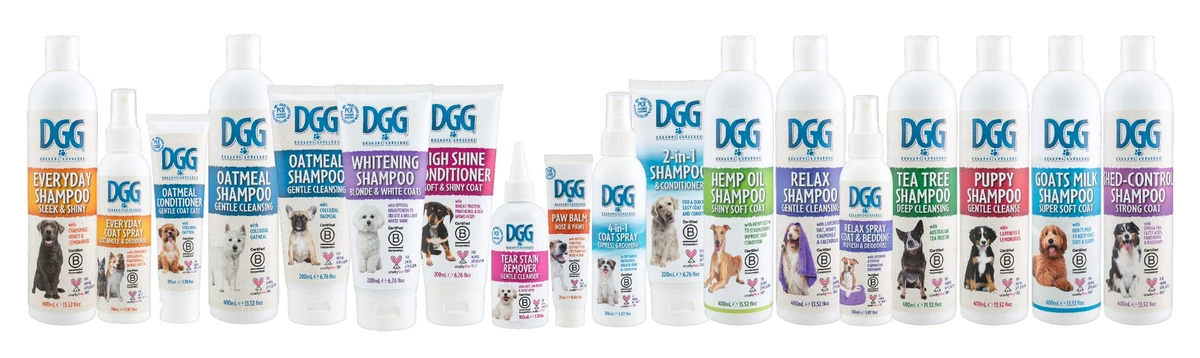
Eco-Friendly Pet Grooming in Australia: A Green Guide
PawVerde.com – eco-friendly pet grooming in Australia focuses on reducing plastic waste through solid shampoo bars, utilizing sustainable materials like bamboo and hemp, and selecting concentrated formulas that lower shipping emissions. For the 29 million pets in Australia, switching to natural extracts and biodegradable ingredients helps protect both their sensitive skin and local ecosystems.
With 29 million pets in Australia, the market is seeing a rise in specialized brands that offer concentrated botanical formulas to meet growing demand.
The Greenwashing Audit: Spotting Fake ‘Natural’ Claims in Australia
To avoid greenwashing, Australian pet owners must look beyond unregulated terms like ‘natural’ or ‘premium.’ Verify products by checking the ingredient weight order, ensuring animal proteins aren’t outweighed by fillers, and seeking brands that provide specific transparency regarding their botanical extracts and manufacturing processes.
The ‘Natural’ Trap
Marketing in the pet industry often relies on terminology that lacks strict legal oversight. According to Nulo, the pet food industry has very loose standards for its marketing terms. A product can be labeled “natural” even if it contains highly processed ingredients. Similarly, the term “premium” has no legal definition, meaning a brand can use the label to justify a higher price point without meeting specific nutritional or ecological benchmarks.
How to Read an Ingredient Label
To identify genuine eco-friendly products, owners should follow specific technical steps during packaging audits:
- Ingredient Order Verification: Check ingredients listed by weight before processing. This ensures that primary components, such as animal proteins, are not outweighed by grains, plants, or synthetic fillers.
- Concentration Check: Look for specific botanical names rather than generic “plant extracts.”
- Packaging Audit: Identify if “biodegradable” claims refer to the formula or the actual vessel.
Environmental impact is often obscured by packaging; for example, a product may claim to be “natural” while still being housed in non-recyclable multi-layer plastics.
Local vs. Imported: The Carbon Footprint Trade-off
The total environmental footprint depends on logistics. While an imported organic shampoo might use high-quality botanicals, the carbon emissions from transoceanic shipping can offset the benefits of its biodegradable formula.
| Brand | Origin/Focus | Primary Eco-Feature |
|---|---|---|
| Anipal | Australian | Recycled plastic bottle collars/leads |
| Mog & Bone | Australian | Hemp-based harnesses and collars |
| Pawfect Pals | Australian | Cruelty-free vegan leather |
| Essencera | Specialized | Concentrated botanical formulas |
Choosing local manufacturers like Anipal or Mog & Bone reduces the logistics-related carbon footprint. While shipping costs for some Australian retailers may include a flat rate of $14.95 or require a $180 order threshold for free shipping at Farmer Pete’s, the reduction in transit emissions is a significant factor in a holistic sustainability strategy.
Top Sustainable Grooming Solutions for Australian Pets
Effective eco-grooming involves three main pillars: solid shampoo bars (like Ethique) to eliminate plastic, bamboo-based tools (like M Pet wipes) for rapid regrowth, and hemp or recycled plastic accessories (like Anipal or Mog & Bone). These alternatives significantly reduce the environmental load of pet maintenance.
Zero-Waste Washing: The Rise of the Bar
Liquid shampoos are often composed largely of water, which adds weight and increases shipping emissions. In contrast, shampoo bars offer a more compact, concentrated alternative. Brands like Ethique provide solid shampoo and conditioner bars that eliminate the need for plastic bottles entirely. For those seeking soap-based options, Troopets manufactures 100% essential oil and natural extract soap bars, providing a direct alternative to synthetic liquid detergents.
Sustainable Hardware: Bamboo, Hemp, and Recycled Plastic
Beyond washing, the physical tools used in grooming can be transitioned to sustainable materials. Bamboo is a standout candidate for hardware because it grows 30 times faster than trees. Furthermore, bamboo produces 30 times the amount of oxygen and absorbs 35 times the amount of carbon dioxide compared to traditional timber. This makes products like M Pet Cleansing Bamboo Wipes a highly renewable choice.
| Product Type | Eco-Benefit | Primary Material/Feature | Best For |
|---|---|---|---|
| Solid Bars | Zero plastic waste | Concentrated soap/shampoo | Frequent bathers |
| Bamboo Tools | Rapidly renewable | Bamboo fibers | Sensitive skin/Wipes |
| Hemp Gear | Low water usage | Hemp fabric | Durability/Leads |
| Recycled Gear | Waste diversion | Recycled plastic bottles | Active pets |
For coat maintenance, a Biosilk brush offers a long-lasting alternative to disposable plastic brushes.
The Transition Protocol: Moving from Chemicals to Botanicals
Biological systems require time to adjust to new ingredients. When moving to botanical formulas, pet owners should monitor for changes in skin texture or moisture levels.
Managing the Two-Week Adaptation Period: Scalp dryness may occur initially as your skin adapts from conventional products, typically resolving within two weeks. This is a biological response to the removal of harsh synthetic surfactants that previously coated the skin.
Step-by-Step Integration:
Shortcut: Start small with one or two products like biodegradable poop bags or natural soap bars, then gradually expand.
To minimize the risk of skin irritation, do not replace every product in a single day. Introduce one botanical element, such as a Troopets bar, and monitor the pet’s skin condition for seven days before introducing the next eco-friendly item.
Cost-Efficiency: Bars and Concentrates vs. Liquid Shampoos
Concentrated options can be more economical over time. For example, Earthbath concentrated formulas can lead to a 90% reduction in greenhouse gas emissions and water usage compared to standard diluted liquids.
| Metric | Liquid Shampoo | Concentrated/Bar |
|---|---|---|
| Packaging Waste | High (Single-use plastic) | Low (Compostable/Zero) |
| Water Content | High (Mostly water) | Minimal to None |
| Emissions | Higher (Heavy shipping) | Lower (Lightweight) |
| Efficiency | Standard | 90% reduction in emissions/water (Earthbath) |
Earthbath concentrated formulas, for instance, can lead to a 90% reduction in greenhouse gas emissions and water usage compared to standard diluted liquids. Additionally, Earthbath has reduced plastic use by 79% by transitioning to soft-pouch packaging for wipes. While the upfront cost of a bar or concentrate might seem higher, the longevity of the product provides better long-term value.
Critical Safety: Avoiding Common Eco-Grooming Pitfalls
Safety is paramount. Certain botanical-based washes are never safe for cats due to their unique sensitivity to specific essential oils.
Warning: Shield Wash is unsafe for cats due to their unique sensitivity to certain botanical oils. Always verify that any botanical-based wash is explicitly labeled as feline-safe.
Species-Specific Toxicity
Many botanical extracts that are safe for dogs can be toxic to cats. Because cats possess different metabolic pathways for processing certain essential oils, a “natural” product can become a chemical hazard. Always cross-reference ingredients with species-specific safety data before application.
Durability Realities
Another pitfall involves the physical reliability of biodegradable items. For example, compostable poop bags, which are made from plant-based materials such as cornstarch to break down into soil, are often not as durable as traditional plastic-based bags. Users should exercise caution when using these in high-moisture environments or for larger waste volumes to avoid breakage.
FAQ
Is organic shampoo safe for all pets?
Not necessarily. Botanical oils used in dog-specific washes can be toxic to cats. Always verify that ingredients are explicitly labeled as feline-safe to accommodate their specific metabolic needs.
Are compostable poop bags actually better?
They are a zero-waste option because they are made from plant-based materials like cornstarch that break down into soil. However, they may lack the durability of plastic in high-moisture environments.
Why does my pet’s skin feel dry after switching to natural shampoo?
This is often a temporary adaptation phase. Skin typically takes about two weeks to adjust from conventional chemical surfactants to natural botanical formulas as the natural lipid barrier stabilizes.