
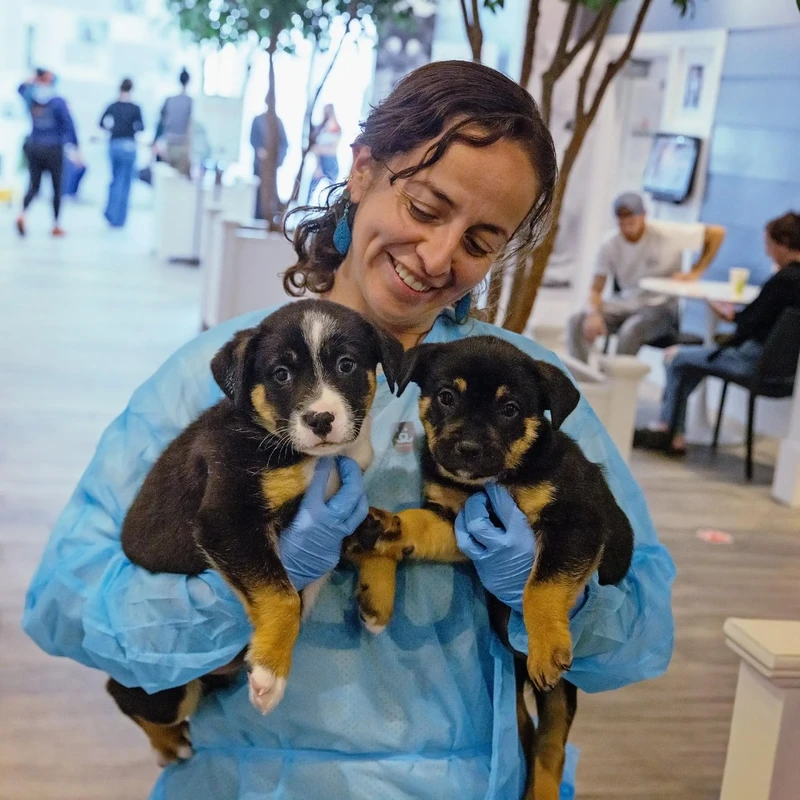
How to Vet Pet Adoption and Animal Rescue Groups
PawVerde.com – The animal rescue landscape is shifting as organizations face increased regulatory scrutiny and complex behavioral challenges. From the ASPCA’s recent rescue of nearly 200 animals from a Texas dogfighting operation to new Massachusetts licensing mandates, the industry is moving toward higher standards of transparency and specialized rehabilitation.
Vetting your rescue: A due diligence framework for adopters
To vet a rescue group, verify their 501(c) non-profit status, check for state-specific licensing (such as MDAR in Massachusetts), and demand full transparency regarding medical history and behavioral records. Avoid organizations that use guilt to pressure owners into unsuited matches or fail to disclose known issues.
The Transparency Checklist
Prospective owners should utilize platforms like Adopt a Pet to research various organizations, but digital presence alone does not guarantee operational legitimacy. Rigorous due diligence requires verifying that a group adheres to regional regulatory standards, such as those enforced by MDAR in Massachusetts. A legitimate organization should provide clear documentation regarding an animal’s health. For instance, if an animal requires prescription medication, the transfer process must be handled correctly, either through a Veterinary-Client-Patient Relationship (VCPR) established by the adopter or via a formal foster-to-adopt agreement where the organization retains technical ownership until the medication course is complete.
Verify these specific requirements:
- Verified 501(c) non-profit status for tax and transparency purposes.
- Compliance with state licensing requirements, including the submission of a $100 license application fee where applicable.
- Comprehensive medical records that detail past treatments and current medication needs.
- Detailed behavioral assessments that move beyond vague descriptions.
Red Flags in the Adoption Process
Adoption pitfalls often manifest when organizations prioritize placement speed over compatibility. Some groups may use emotional manipulation or guilt to pressure inexperienced owners into accepting animals that do not suit their lifestyle. Another critical red flag is the lack of disclosure regarding known behavioral or medical issues. If a rescue cannot provide a clear history of the animal, they may be attempting to bypass the complexities of specialized rehabilitation.
Navigating the ‘failure to thrive’ period: The 3-3-3 rule
The 3-3-3 rule is a behavioral timeline for new dog owners: the first 3 days focus on decompression, the first 3 weeks involve learning routines, and the first 3 months are for building lasting trust and confidence. Understanding this prevents common mistakes like expecting immediate obedience.
According to Olde Towne Animal Hospital, “The 3-3-3 rule helps new dog owners understand what to expect during the first few days, weeks, and months after adoption.” This framework breaks down the adjustment into three distinct phases:
- The first 3 days: The focus is on decompression. The dog may be overwhelmed, refuse to eat, or hide.
- The first 3 weeks: The animal begins learning the household routines and starts to settle into a predictable schedule.
- The first 3 months: This is the period for building lasting trust and confidence as the dog’s true personality emerges.
New owners often struggle with the adjustment period. Common mistakes include expecting immediate obedience or introducing a dog to high-stimulation environments, such as busy dog parks, too early in the process.
Legal realities and ownership contracts
Adoption is not merely a physical transfer of an animal but a legal transition governed by specific contracts. Many organizations, such as the Next Chapter Animal Rescue League, require adopters to sign formal agreements that dictate the terms of care and ownership. One must understand that these documents are legally binding.
“If you choose to surrender your animal, you’ll be asked to complete a surrender contract. Your signature on this contract represents a permanent decision on your part.”
As stated by the Next Chapter Animal Rescue League, signing a surrender or adoption contract constitutes a permanent legal decision. In some jurisdictions, regulatory bodies like MDAR require that organizations maintain detailed records for 24 months following an adoption, transfer, or euthanasia event. Failure to adhere to these record-keeping mandates can result in licensing complications for the rescue group.
Understanding shelter classifications and intake models
Structural mandates vary by organization. The way an entity accepts animals is dictated by specific operational frameworks and legal requirements.
| Intake Model | Requirement to Accept Animals | Primary Driver |
|---|---|---|
| Open Intake (Open Admission) | Must accept most or all animals from a specific service area. | Government contracts or municipal mandates. |
| Limited Intake (Limited Admission) | Can choose which animals to accept based on capacity or expertise. | Organizational capacity and specialized mission. |
Data from Shelter Animals Count indicates that there are approximately 9,514 animal rescues operating in the United States. While open intake models provide a critical safety net for the community, some analysts suggest that rigid “no-kill” policies may not always optimize animal welfare if a facility lacks the physical space to manage the influx of animals effectively.
The operational cost of rescue and licensing
Rescue operations must manage several specific financial and regulatory burdens to remain compliant. These include the $100 MDAR license application fee and the administrative necessity of maintaining all records for 24 months following an adoption or euthanasia event.
At organizations like the Animal Humane Society, the adoption process is structured to manage these resources efficiently. For example, they may allow adoption processing up to 30 minutes before closing, and they provide a 60-day window for receiving a full adoption fee credit if a pet must be returned.
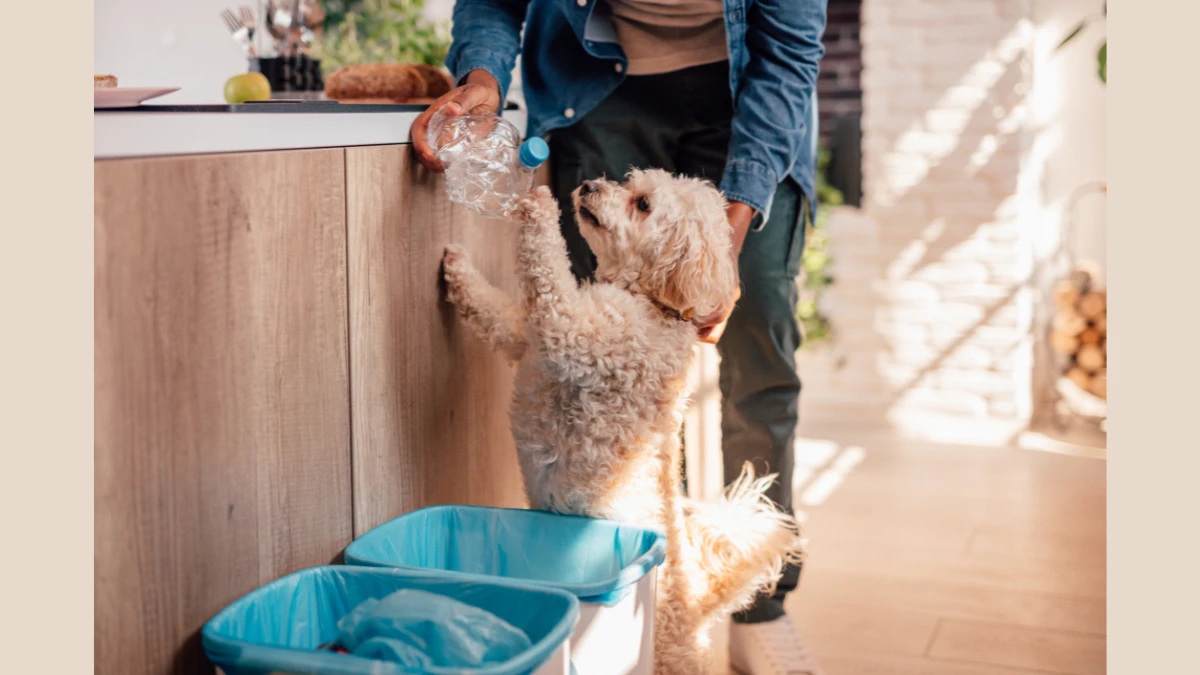
Sustainable Pet Care: How to Avoid Greenwashing Tactics
PawVerde.com – With 94 million U.S. families owning pets, a new wave of sustainable pet care is emerging to tackle the environmental impact of pet food and waste. From insect-based proteins to certified compostable waste management, owners are increasingly adopting eco-friendly routines to reduce their pets’ carbon footprints.
How to spot greenwashing in pet product marketing
To avoid greenwashing, pet owners should look beyond vague terms like ‘natural’ or ‘eco-friendly.’ Instead, verify products using specific certifications like ASTM D6400 for compostability, check for BPA-free labels on plastic items, and prioritize brands that provide transparent ingredient sourcing and sustainable packaging details.
A common failure mode in the pet industry occurs when manufacturers market cheap bags using vague environmental terminology without providing technical proof. It is noted that the distinction between “biodegradable” and “compostable” is a critical factor for planetary health. While many products claim to be eco-friendly, they may lack the necessary certifications to ensure they actually break down in controlled environments.
- Technical Certifications: Look for the ASTM D6400 standard to confirm true compostability.
- Chemical Safety: Prioritize BPA-free labels to prevent harmful chemical leaching into ecosystems.
- Material Integrity: Seek out durable, natural materials such as hemp for collars and leashes, which requires zero pesticides to grow.
- Packaging Transparency: Verify if the brand provides specific details regarding their sustainable packaging lifecycle.
Interestingly, while 80 percent of young adults in the U.S. express a willingness to pay more for environmentally conscious products, many still fall victim to misleading labels. Reports suggest that choosing hemp or stainless steel over plastic can significantly reduce long-term waste.
The hidden environmental cost of pet food and nutrition
Pet food manufacturing is a major environmental driver, accounting for approximately 60% of a pet’s annual greenhouse gas emissions. Reducing this impact involves choosing brands that utilize locally sourced, organic, or insect-based proteins to decrease reliance on intensive livestock farming.
The Royal Canin Academy notes that pet food manufacturing is responsible for nearly 60 percent of a pet’s annual emissions. This high percentage highlights how dietary choices directly influence a pet’s total carbon footprint.
To mitigate this, experts suggest looking for specific nutritional alternatives. Transitioning to insect-based proteins or locally sourced organic ingredients can lower carbon emissions by reducing the necessity of intensive livestock farming. Science-led nutrition also emphasizes the importance of aligning with sustainability goals.
It is suggested that owners can implement a sustainable routine by making gradual changes, such as one ingredient shift at a time. This approach allows owners to assess both nutritional quality and ecological impact while moving away from high-emission industrial farming models.
Managing pet waste to prevent methane emissions
When pet waste decomposes in landfills, it produces methane, a harmful greenhouse gas that contributes to climate change. Specialized disposal methods are essential to prevent this specific environmental pressure.
Effective waste management requires moving away from standard plastic bags. PET N PET offers alternatives, such as their plant-based poop bags which feature 92 percent biobased content. For those looking for comprehensive kits, the Pet N Pet Walk Kit is priced at $55.99, while their Lavender-Scented Colorful Poop Bags (720 count) are available for $8.99. For larger needs, the Plant-based Poop Bags (1080 count) retail for $39.99.
Warning: Improper waste management can lead to environmental health issues. Bombs Away underscores the importance of using specialized systems rather than letting waste impact local water quality through runoff, noting that your furry friend depends on you and so does the planet.
Lil’ Archie’s advises that owners should “Always opt for certified compostable over biodegradable bags.” This distinction ensures that the waste can be processed through aerobic digestion or enzyme-based treatments rather than simply breaking down into microplastics in a landfill. Bombs Away emphasizes that “Your furry friend depends on you—and so does the planet,” highlighting the responsibility of using specialized composting systems.
Sustainable grooming and household product alternatives
It is suggested that using reusable towels for grooming is a vital step to prevent microplastic release into the environment. Transitioning to durable, natural materials helps mitigate waste and reduce landfill volume.
In the grooming sector, practitioners recommend using reusable metal or bamboo tools and biodegradable, non-toxic shampoos. To conserve water, owners can install a pet shower sprayer with a shut-off nozzle or bathe pets in a lawn area that requires watering. It is highlighted that using reusable towels for grooming is a vital step to prevent microplastic release into the environment.
| Product Category | Conventional Option | Sustainable Alternative | Key Benefit |
|---|---|---|---|
| Waste Management | Plastic bags | Certified compostable bags | Reduces landfill methane |
| Feeding | Plastic bowls | Bamboo or stainless steel | Non-toxic and recyclable |
| Accessories | Synthetic nylon | Hemp or wool | Low water/pesticide use |
| Grooming | Single-use wipes | Reusable/Biobased wipes | Reduces plastic waste |
The table above details common transitions, such as replacing plastic with bamboo—a material that can be harvested within 4 years—to create a more circular product lifecycle.
Eco-Friendly Pet Treat Recipes: Upcycle Scraps for Nutrition
PawVerde.com – To make eco-friendly pet treats, focus on three pillars: using upcycled ingredients (like nut milk pulp or veggie scraps), selecting low-impact proteins (such as insect protein), and utilizing energy-efficient dehydration methods. This approach reduces your pet’s carbon footprint while ensuring a preservative-free, nutritious snack. Buying local ingredients can reduce your pet’s carbon footprint by up to 10%.
The Zero-Waste Kitchen: Upcycling Scraps into Nutritious Treats
Upcycling for pet treats involves using food by-products that would otherwise be wasted, such as nut milk pulp for granola, broccoli stems, or bruised fruits. To qualify as an ‘Upcycled Certified Product,’ ingredients must meet a minimum of 10% upcycled content, helping to create a circular food economy in your home.
The Food Revolution Network highlights that upcycled foods turn potential waste into high-value nutrition. Instead of discarding the fibrous remains of homemade almond or soy milk, these scraps serve as a functional base for pet snacks. This method prevents organic matter from entering landfills, where it would contribute to methane emissions.
Turning Nut Milk Pulp into Granola
Nut Milk Pulp Granola is a no-waste recipe designed to utilize leftover pulp from nut milk production. This ingredient provides significant fiber. A common mistake occurs when the pulp is too wet, leading to a mushy texture rather than a crunchy snack. Ensure the pulp is squeezed dry before mixing with binders like mashed banana or coconut oil.
Using Bruised Fruits and Veggie Ends
Households often discard bruised fruits, but these segments remain nutrient-dense. For example, apples can help clean residue off dogs’ teeth and freshen their breath. Incorporating veggie ends like broccoli stems can also increase the fiber content of homemade biscuits.
- Nut Milk Pulp: High in fiber and perfect for granola-style treats.
- Bruised Bananas: Acts as a natural sweetener and binder.
- Vegetable Stems: Provides structural bulk for crunchy biscuits.
- Fruit Scraps: Adds vitamins and natural moisture.
Sustainability Scorecard: Choosing Low-Impact Proteins
Selecting alternative protein sources is a key way to manage environmental impact. While traditional meat-heavy diets require vast amounts of land and water, options like insect protein offer a lighter ecological footprint.
Grub Club has demonstrated that insect protein is a sustainable and nutritious alternative to traditional meat. Insects require a fraction of the resources needed for bovine or avian protein production. This shift in ingredient sourcing addresses the growing demand for high-quality pet nutrition without the heavy ecological toll of industrial livestock farming.
| Protein/Ingredient Type | Environmental Impact | Nutritional Benefit |
|---|---|---|
| Traditional Meat (Beef/Lamb) | High (Land/Water Intensive) | High Protein/Fat |
| Insect Protein | Low (Highly Sustainable) | High Protein/Nutrient Dense |
| Plant-Based (Pumpkin/Oats) | Very Low | High Fiber/Beta-Carotene |
Grub Club uses insect protein to create treats that serve as a sustainable alternative to traditional meat-based options.
The Case for Insect Protein
Insect protein is becoming a mainstream solution for eco-conscious owners. Unlike traditional livestock, insect farming can often be done vertically, saving space. This makes it a highly efficient protein source for manufacturing treats that aim for a low carbon footprint.
Comparing Meat-Heavy vs. Plant-Based Impact
Resource requirements vary significantly between protein types. While meat-heavy recipes are calorie-dense, they contribute more to land degradation compared to plant-based or insect-based alternatives. Using insect protein can provide high-quality nutrition while addressing the ecological toll associated with industrial livestock farming.
Step-by-Step: Three Eco-Friendly Recipes
Follow these three methods for eco-friendly treats: 1. Frozen Apple Treats (blend apples, yogurt, and water, then freeze in silicone trays); 2. Peanut Butter Pumpkin Treats (mash banana, combine with pumpkin, roll to 1/4 inch, and bake at 350°F); 3. Grain-Free Treats (mix tapioca and coconut flour, press to 1/4 inch, and bake at 400°F).
Recipe 1: Frozen Apple & Yogurt Bites
Based on techniques from Irresistible Pets, these bites are ideal for summer cooling. Apples clean residue off dogs’ teeth and freshen breath, providing a dual benefit of snack and dental aid.
- Slice fresh apples, ensuring all cores and seeds are removed.
- Place apple slices in a blender with plain yogurt and a splash of water.
- Blend until the mixture reaches a liquid consistency.
- Pour the liquid into a silicone ice tray.
- Freeze until solid.
Recipe 2: Peanut Butter Pumpkin Biscuits
This recipe, sourced from Desserts With Benefits, utilizes canned pumpkin to assist with canine digestion. Pumpkin is high in fiber and beta-carotene, making it a functional ingredient.
- Preheat your oven to 350°F.
- In a large mixing bowl, mash one ripe banana until smooth.
- Combine the mashed banana with canned pumpkin and peanut butter.
- Roll the dough on a lightly floured surface to a thickness of 1/4 inch.
- Cut into shapes and bake for 15-20 minutes.
Recipe 3: Grain-Free Coconut & Tapioca Crunch
For pets with sensitivities, the Primally Inspired method offers a grain-free alternative. This recipe yields approximately 50 two-inch treats.
- Boil chicken broth and a small amount of oil/fat.
- In a separate bowl, mix dry ingredients: tapioca flour, coconut flour, salt, yeast, and flax.
- Slowly combine the wet broth mixture with the dry ingredients.
- Press the dough into a flat layer, exactly 1/4 inch thick.
- Bake at 400°F for 15 minutes until firm.
Mastering Texture: The Eco-Flour Substitution Matrix
When moving away from wheat, the chemistry of your dough changes. Using alternative flours requires an understanding of how they interact with moisture to avoid a failed batch.
Coconut flour is known for its high absorbency. If a recipe calls for coconut flour and you do not adjust the liquid, the dough will become crumbly and impossible to shape. This is a frequent failure mode for home bakers attempting eco-friendly substitutions.
| Flour Type | Absorbency Level | Substitution Action |
|---|---|---|
| Wheat Flour | Standard | Baseline |
| Coconut Flour | Very High | Add extra liquid (water/egg) |
| Tapioca Flour | Low | Use for binding/crunch |
Use the flour types and substitution actions listed above to balance your dry-to-wet ratio for a workable dough.
Fixing Dry Dough with Extra Liquid
If your dough feels like sand, it lacks sufficient hydration. Adding small increments of water, unsweetened nut milk, or even pureed pumpkin can resolve the issue. Do not add too much at once; add one tablespoon at a time until the dough holds its shape when pressed.
Swapping Wheat for Upcycled Oats
Upcycled oats can replace wheat flour to reduce environmental impact. While oats provide a similar texture, they may require a slightly different binding agent, such as an extra egg or a bit more moisture, to prevent the treats from falling apart during baking.
Preserving Without Chemicals: Natural Shelf-Life Methods
Because homemade treats lack the industrial preservatives found in brands like Milk-Bone, they require careful storage to prevent spoilage. Managing moisture is the key to longevity.
Microwave dehydration is an effective method for extending shelf life. This process uses less energy and water than traditional freeze drying, making it a more sustainable choice for the home kitchen. By removing moisture, you inhibit the growth of bacteria and mold.
Shortcut: For quick drying of thin slices, use the lowest setting on your oven or a dedicated food dehydrator to maintain nutrient integrity.
Warning: Do not freeze homemade treats that are made from canned food, as this can alter the texture and nutritional stability of the ingredients.
According to Hill’s Pet, homemade treats typically have a 5-7 days shelf life when stored in the refrigerator. For longer storage, consider air-tight glass containers or vacuum sealing to protect against humidity.
Safety First: Avoiding Toxic Ingredients and Overfeeding
Always prioritize safety by checking ingredients against lists from the ASPCA or Pet MD.
CRITICAL SAFETY WARNING: Never substitute cinnamon with nutmeg. Nutmeg is toxic to dogs in large quantities and can cause serious health issues. Always verify ingredients against safety lists from organizations like the ASPCA or Pet MD.
Hill’s Pet notes that homemade treats should not exceed 10% of your pet’s total daily intake. Exceeding this limit can lead to obesity and nutritional imbalances because heat alters the nutritional characteristics of the food. Monitoring portions ensures that treats remain a healthy supplement rather than a dietary disruption.
FAQ
How long do homemade dog treats last?
Homemade treats typically have a shelf life of 5-7 days when stored in the refrigerator. For longer storage, ensure they are fully dehydrated and kept in airtight containers to prevent moisture absorption.
Can I use nutmeg in dog treat recipes?
No, nutmeg is toxic to dogs in large quantities and should never be used as a substitute for cinnamon. Always check ingredient safety through reliable sources like the ASPCA before baking.
How much of these treats can my dog eat daily?
Homemade treats should not exceed 10% of your pet’s total daily caloric intake. This limit helps maintain proper nutritional balance and prevents excessive calorie consumption from supplemental snacks.
How to Make DIY Eco-Friendly Cat Litter: A Simple Guide
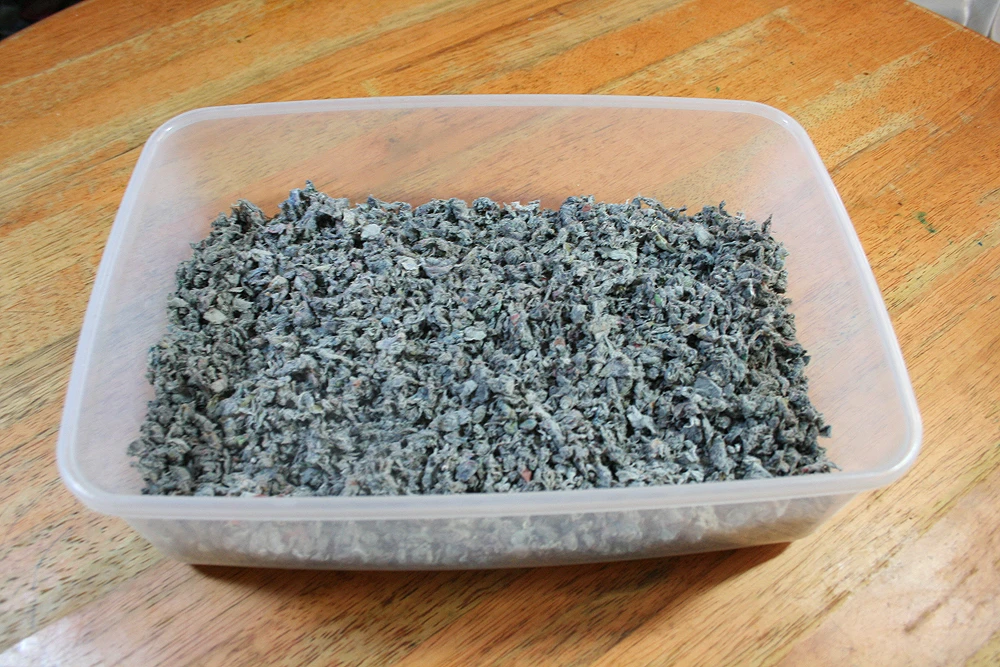
PawVerde.com – To make DIY eco-friendly cat litter, combine absorbent organic materials like kiln-dried pine pellets, shredded paper, or ground wheat with natural odor neutralizers like baking soda. For best results, use a sifting method to manage moisture and ensure a gradual transition for your cat to prevent box aversion.
Since the 1940s, clay-based litter has dominated the market, but switching to compostable or biodegradable natural litters can significantly lower your pet’s environmental footprint.
The DIY Litter Formula Matrix: Choosing Your Base
Select your DIY base based on your priority: Use kiln-dried pine pellets for the ‘Budget King’ option, ground wheat or corn for ‘Odor Destruction’ (with careful moisture monitoring), and shredded paper or soft fibers for ‘Sensitive Paws’ to minimize dust and irritation.
Choosing a base involves comparing absorption to maintenance. While many commercial litters are almost entirely sodium bentonite clay, DIY options use different materials to manage waste.
Corn-based litter clumps well, making it a strong contender for those used to traditional clumping varieties. However, grain-based mixes require environmental monitoring because wheat products can mold in humid conditions.
| Base Material | Primary Benefit | Clumping Ability | Risk Factor |
|---|---|---|---|
| Pine Pellets | High affordability | Low (Non-clumping) | Requires sifting |
| Wheat/Corn | Strong clumping | High | Mold/Pests |
| Shredded Paper | Low dust/Gentle | Very Low | Poor odor control |
| Sand/Wood Shavings | Natural availability | Minimal | High mess potential |
Select a material that matches your maintenance capacity, as no single DIY option covers all needs.
Step-by-Step: Batch Production of Natural Litter
To maintain a consistent batch, follow these steps for preparing a month’s supply of litter.
- Preparing your raw materials: Gather your chosen base, such as 40lbs of pine pellets or finely ground wheat. If using wood, ensure it is kiln-dried to avoid releasing harmful oils.
- Mixing in natural odor neutralizers: Once your base is measured, add a natural neutralizing agent. A highly effective method involves sprinkling baking soda into the litter box after scooping to neutralize any odor. You may also incorporate natural additives like diatomaceous earth or dried herbs such as lemongrass, lavender, or mint to enhance the scent profile.
- Storage for freshness and pest prevention: Store your bulk DIY mixture in an airtight container. This is critical for grain-based litters to prevent moisture absorption from the air and to keep pests away.
To avoid uneven treatment, sprinkle baking soda into the box after scooping, a method that works great for natural odor neutralization.
Engineering the Clump: Why DIY Often Fails
One of the most significant hurdles in DIY litter production is the lack of engineered clumping. Commercial clumping litters are designed to swell up to 12 times their original size when exposed to water, creating a solid mass that is easy to remove. DIY litters made from shredded newspaper, wood shavings, or sand rarely match commercial eco-litters for odor control because they lack this rapid-expansion mechanism.
Without rapid encapsulation, moisture can seep through the bottom of the litter layer. This can lead to hygiene issues as the liquid sits in the box.
Safety Audit: Materials to Avoid
Prioritize kiln-dried products to ensure safety. Raw softwoods can release natural oils that are harmful to cats if inhaled or ingested.
Grain-based litters introduce specific biological risks. Wheat products can mold in humid conditions, and corn litter can attract pests if not stored in airtight environments.
To prevent box aversion, experts recommend a gradual transition that can take up to 12 weeks.
Shortcut: To manage pine pellets effectively, use a sifting litter box so damp shavings fall into a bottom tray, leaving fresh pellets on top.
If you introduce a completely new texture or scent overnight, your cat may reject the box entirely. Start by mixing 25% of the new DIY litter with 75% of the old litter, gradually increasing the ratio over several weeks. Additionally, avoid using an excessive amount of litter; doing so often results in cats scratching and kicking litter outside the box, creating a mess that is difficult to contain.
While DIY approaches aim to save money, costs vary based on maintenance needs and equipment.
| Metric | DIY Pine Pellets | Commercial Eco-Brand |
|---|---|---|
| Upfront Cost (approx.) | $8 per 40lbs | Variable (Higher) |
| Duration (2 cats) | 5-8 weeks | Varies by brand |
| Maintenance Effort | High (Sifting required) | Low (Standard scoop) |
The $8 price point for 40lbs of pine pellets makes it a highly competitive option for budget-conscious households, provided you have the tools to manage the non-clumping nature of the material.
Use a gradual transition over 12 weeks, slowly mixing the new DIY material with their old, familiar litter to prevent box aversion. This allows the cat to adjust to the new scent and texture without feeling the need to seek alternative bathroom locations.
Tags: biodegradable pet supplies, composting cat litter, DIY cat litter, eco-friendly pet care, natural odor neutralizers, pet waste management, pine pellet litter, sustainable cat litter recipes

Eco-Friendly Dog Grooming: How to Avoid Greenwashing
PawVerde.com – Eco-friendly dog grooming focuses on using biodegradable, non-toxic products and sustainable tools to minimize environmental impact. This involves swapping plastic-heavy liquid shampoos for concentrated bars, choosing bamboo or stainless steel tools over synthetic ones, and selecting ingredients free from sulfates and parabens to protect both your pet’s skin and local waterways.
The pet industry often uses “natural” and “eco-friendly” as marketing terms that lack legal definitions, a practice known as greenwashing, according to houndtherapy.com.
How to Spot Greenwashing: A Pet Owner’s Detection Checklist
To detect greenwashing, ignore vague labels like “pure” or “green” and instead scrutinize the ingredient list for specific red flags. Look for the absence of sulfates, parabens, and methylisothiazolinone, and verify if the brand provides third-party certifications or specific details about their biodegradable surfactants and sourcing practices.
Red Flag Ingredients to Avoid
Many commercial shampoos and conditioners contain sulfates, parabens, and synthetic fragrances. These chemicals do more than just irritate sensitive skin; they wash down the drain and pollute local waterways. One specific chemical to watch for is methylisothiazolinone, which research shows can cause skin irritation in pets even when appearing in products marketed as “gentle” formulas.
To avoid being misled by packaging, check the fine print for these specific irritants:
- Sulfates (often used as harsh foaming agents)
- Parabens (synthetic preservatives)
- Methylisothiazolinone (a known skin irritant)
- Synthetic fragrances (often masking undisclosed chemicals)
Verifying Brand Claims
According to houndtherapy.com, the pet industry loves slapping “natural” and “eco-friendly” on products, but these terms don’t actually mean anything legally. Instead of trusting a marketing claim, verify if a brand provides specific details about their biodegradable surfactants. For example, professional resources like Waggz suggest that looking for highly concentrated formulas can be a better indicator of quality and sustainability than vague adjectives.
The Grooming Lifecycle: Shampoo Bars vs. Liquid Formulas
Shampoo bars reduce environmental impact by eliminating plastic bottle waste. Concentrated options, such as Ethique’s Bow Wow Bar ($13), provide a zero-waste alternative compared to standard liquid shampoos.
Plastic Waste Reduction
Liquid shampoos are largely composed of water, which necessitates heavy plastic packaging to prevent leaks. Concentrated formulas, such as the Filthy Beast Shampoo Concentrate which features a 50:1 dilution ratio, drastically reduce the amount of plastic waste generated per wash. By using concentrates or bars, pet owners can restock less frequently and avoid the cycle of single-use plastic bottles.
Carbon Footprint and Shipping Efficiency
Shipping weight affects carbon emissions. Because shampoo bars are lightweight and compact, they require less fuel for transport than heavy liquid bottles.
| Product Type | Eco-Benefit | Example Brand | Estimated Price |
|---|---|---|---|
| Shampoo Bars | Zero plastic waste; low shipping weight | Ethique | $13 |
| Liquid Shampoo | High water content; requires plastic | Essential Dog | $20 |
| Waterless Spray | Conserves water; no rinsing needed | Attitude | $15 |
| Supplements | Supports skin health from within | Finn | $26 – $32 |
While bars like the Ethique Bow Wow Bar ($13) offer the highest waste reduction, liquid concentrates remain a viable option for those who prefer traditional application methods but want to minimize their plastic footprint.
Microplastic-Free Grooming: Selecting Sustainable Tools
Sustainable grooming involves choosing materials like bamboo, stainless steel, natural rubber, or hemp to avoid synthetic plastics that shed microplastics.
To build a microplastic-free kit, prioritize these materials:
- Bamboo: A fast-growing, sustainable, and sturdy material for brush handles.
- Stainless Steel: Preferred for clippers and nail tools due to its durability and long-term use.
- Natural Rubber: A sustainable alternative for certain grooming accessories.
- Hemp: A highly sustainable crop for accessories that requires minimal water and no pesticides.
For long-term utility, prioritize stainless steel tools. These are designed for durability rather than the frequent replacement required by low-quality synthetic brushes.
Top Eco-Friendly Product Recommendations by Category
Select products based on whether you need a full bath or a quick cleanup.
Best Zero-Waste Cleansers
For traditional baths, use biodegradable formulas from brands like Fido’s ($8) or Vermont Soap Organics ($14.98).
| Product Name | Manufacturer | Estimated Price |
|---|---|---|
| Bow Wow Bar | Ethique | $13 |
| Organics Shampoo | Vermont Soap Organics | $14.98 |
| Natural Shampoo | Essential Dog Shampoo | $20 |
| Organic Pet Products | Applehead City Pet | $24 |
| Biodegradable Products | Fido’s | $8 |
Waterless Solutions for Quick Cleanups
Waterless options are ideal for maintaining hygiene without the heavy water usage of a full bath. For dogs over the age of 6 weeks, Chagrin Valley Dry Shampoo ($19) provides an effective way to clean the coat without rinsing. Similarly, the Attitude Waterless Anti-Itching Detangling Spray ($15) is a useful tool for managing skin irritation and tangles on the go.
Holistic Skin and Coat Support
Finn offers skin and coat supplements priced between $26 and $32 to support dermatological health from the inside out.
Common Pitfalls in Sustainable Pet Care
Avoid using human shampoo on dogs. Because dog skin has a different pH level than human skin, inappropriate products can lead to dryness, itching, and irritation.
Ensure you dry your dog thoroughly after a bath. Failing to do so can create a breeding ground for fungus and bacteria within the fur.
Practical Tips for a Low-Impact Bathing Routine
Implement these routine changes to save water and reduce waste:
- Brush regularly: Consistent brushing reduces the amount of dirt trapped in the fur, which reduces the need for frequent bathing and conserves water.
- Trim nails every 2 to 4 weeks: Regular maintenance prevents broken nails and discomfort. Use high-quality stainless steel clippers to ensure longevity.
- Optimize rinsing: Use high-quality, easy-to-rinse shampoos to speed up the bathing process and minimize water waste.
- Manage homemade mixtures: If you choose to make your own natural mixtures, remember they typically only last 1-2 weeks in the refrigerator.
Focus on regular brushing and targeted cleaning to protect both your pet’s skin and the planet.
FAQ
Can I use my own shampoo on my dog?
No, dog skin has a different pH level than human skin. Using human shampoo can lead to dryness, itching, and irritation because it is not formulated for a canine’s specific skin chemistry.
How often should I trim my dog’s nails?
For optimal health and to avoid discomfort or broken nails, nails should be trimmed every 2 to 4 weeks. Untrimmed nails can lead to mobility issues and pain.
How long does it take to see results from natural shampoo?
Many owners notice improvements in skin and coat condition after just 2-3 baths when switching to high-quality natural alternatives that avoid harsh sulfates and parabens.
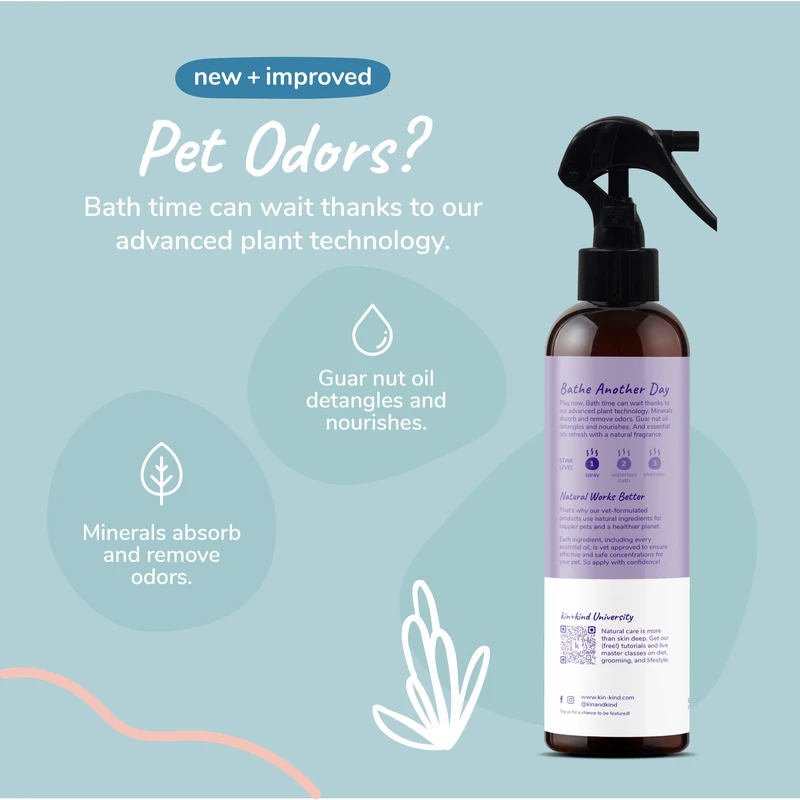
How to Switch to Eco Friendly Pet Cleaning Products
PawVerde.com – To clean your home safely for pets, transition to non-toxic products by prioritizing high-contact areas like bedding and feeding zones. Use a progressive replacement strategy, moving from harsh chemical sprays to plant-based cleaners like Mrs. Meyer’s or DIY solutions involving baking soda and vinegar, while strictly avoiding toxic essential oils like tea tree or citrus.
Transitioning to a non-toxic cleaning regime involves a shift toward safer, biobased alternatives, moving the household away from petroleum-based surfactants.
The 30-Day Progressive Replacement Roadmap
Start your eco-friendly transition by focusing on high-contact areas first. In week one, replace cleaners in pet bedding and feeding areas. By week two, address floor and upholstery cleaners. This gradual approach prevents household budget shock and allows you to monitor your pet’s reaction to new scents and ingredients.
Phase 1: High-Contact Zones
The first 7 days focus exclusively on where pets physically interact with surfaces most frequently. Replace laundry detergents used for pet bedding with options like Seventh Generation, which provides 66 loads per container. Prioritize the feeding zone by swapping traditional multi-surface sprays for products that do not leave behind toxic residues. If a pet licks a surface cleaned with a standard chemical spray, they ingest those chemicals; a progressive swap minimizes this immediate risk.
Phase 2: Surface & Floor Expansion
During the second week, expand the scope to include floors and upholstery. This is where many homeowners face a common failure mode: attempting to replace every single bottle in the pantry at once, leading to wasted money on products that may not suit specific surfaces. Instead, introduce specialized cleaners like Bona for hardwood or Dr Bronner’s Sal Suds for upholstery. By spreading the transition over 30 days, you can verify that your new routine effectively manages dander and hair without causing unexpected reactions in sensitive animals.
Master Tutorial: The DIY Carpet & Upholstery Detox
To clean carpet stains naturally, mix 1 cup warm water, 1/4 cup white vinegar, 1/2 teaspoon dish soap, and 1 tablespoon baking soda. Apply to the stain, let it sit for 5-10 minutes, blot (do not rub), and wait 30 minutes before vacuuming to ensure all residue is removed.
Step-by-Step Spot Treatment
To neutralize odors and lift organic matter, use a specific mixture of 1 cup warm water, 1/4 cup white vinegar, 1/2 teaspoon dish soap, and 1 tablespoon baking soda. Precision is key.
- Prepare the mixture by combining 1 cup warm water, 1/4 cup white vinegar, 1/2 teaspoon dish soap, and 1 tablespoon baking soda in a small bowl.
- Sprinkle a small amount of dry baking soda directly onto the affected area.
- Gently pour or spray the liquid mixture over the baking soda.
- Allow the solution to react and sit for 5-10 minutes.
- Blot the area with a clean, dry cloth.
- Wait a full 30 minutes for the moisture to evaporate before vacuuming the residue.
The ‘No-Rub’ Rule for Stain Removal
A frequent mistake in DIY cleaning is the urge to scrub a stain vigorously. Rubbing pushes the particles deeper into the carpet fibers or upholstery padding, making the mess permanent. Instead, use a vertical blotting motion. This technique lifts the substance upward and away from the base of the fabric. If the stain persists, repeat the application but never increase the pressure of your scrubbing.
The Pet-Safe Scent Matrix: Avoiding Olfactory Stress
Many pet owners mistakenly believe that “natural” scents are inherently safe for their animals. However, Casabella Cleaning notes that plant-based refers only to the surfactant source—meaning the cleaning agent comes from a plant rather than petroleum—and does not guarantee non-toxicity.
High-Risk Oils to Ban
Avoid products containing specific botanical extracts that pose health risks. Casabella Cleaning identifies these as high-risk for pets:
- Tea tree oil
- Pine oil
- Citrus oils
These substances are toxic to dogs at low concentrations, particularly when they walk on treated surfaces and subsequently lick their paws. The cumulative effect of low-level exposure over time is a significant risk factor for toxicity.
Why Cats Require Stricter Scent Protocols
Cats exhibit a higher sensitivity to essential oils than dogs. According to Casabella Cleaning, this is because cats groom themselves constantly and metabolize chemical compounds differently. A scent that seems mild to a human or a canine can be overwhelming or even dangerous for a feline.
Surface Compatibility Checklist: When to Avoid DIY
DIY solutions may not be suitable for every material. Using an improper pH-level cleaner can cause permanent damage to high-end finishes.
The Vinegar Danger Zone
The following table outlines which surfaces are incompatible with common DIY vinegar-based mixtures:
| Surface Type | Risk Factor | Result of Vinegar Use | Recommended Alternative |
|---|---|---|---|
| Natural Stone | Acidic Etching | Loss of shine/pitting | pH-neutral stone cleaner |
| Sealed Hardwood | Finish Breakdown | Dullness/stripping | Bona Hardwood Cleaner |
| Marble/Granite | Chemical Reaction | Permanent staining | Specialized stone soap |
Always test a small, inconspicuous area before applying any homemade solution to a large surface. If the surface appears dull or changes texture immediately, cease use and rinse with plain water.
Safe Alternatives for Hardwood and Stone
For hardwood, prioritize products like Bona, which is 95% USDA biobased. For general cleaning that requires safety for both pets and delicate finishes, look toward brands like Mrs. Meyer’s, which offers an All-Purpose Cleaner that is 98% naturally derived. These commercial options are formulated to maintain the integrity of the surface finish while remaining gentle on pet paws.
Commercial vs. Homemade: The Cost-Benefit Breakdown
D.O.L.L.S. Cleaning notes that a homemade mix gives you full control over what touches your floors and your family. This can be a deciding factor for allergy sufferers.
| Cleaning Method | Best Use Case | Primary Benefit | Potential Risk |
|---|---|---|---|
| DIY Vinegar/Soda | Carpet Spot Treatment | Extremely low cost | Surface damage/Residue |
| Mrs. Meyer’s | Daily Surface Wiping | 98% naturally derived | Scent sensitivity |
| Seventh Generation | Pet Laundry | High efficiency (66 loads) | Higher upfront cost |
| Kids ‘N’ Pets | Heavy Stain Removal | Targeted enzyme action | Requires 10-minute dwell time |
The comparison shows that while DIY is cheaper, commercial brands like Seventh Generation provide predictable results for high-volume tasks like laundry. For instance, a single container of Seventh Generation detergent handles 66 loads, making it a reliable staple for pet-heavy households.
When to Buy Eco-Certified Brands
Use certified brands for high-volume tasks or specialized surfaces. For example, Bona is a safer investment for extensive hardwood than a DIY mixture. For laundry, Seventh Generation provides a predictable 66 loads per container.
When to Go DIY for Control
D.O.L.L.S. Cleaning suggests that homemade mixes are ideal for those needing full control over ingredients. This is a useful option for managing specific household allergies.
Troubleshooting: Why Your Eco-Cleaner Isn’t Working
If stains persist or odors remain, check these common application errors:
- Improper Blotting: If you rub the stain instead of blotting it, you are spreading the contaminant further into the fabric.
- Over-application: Applying too much of a DIY vinegar and baking soda mix can leave a sticky residue that actually attracts more dirt over time.
- Insufficient Dwell Time: Many effective cleaners, including Kids ‘N’ Pets, require a specific amount of time—often up to 10 minutes—to break down organic proteins.
- Incomplete Drying: If you vacuum before the area is completely dry (waiting less than the recommended 30 minutes), you may trap moisture in the carpet, which can lead to secondary odors.
FAQ
Are plant-based cleaners always safe for pets?
No. Plant-based refers to the surfactant source (plant vs. petroleum) and does not guarantee non-toxicity. Some plant-derived essential oils like tea tree or citrus can be toxic to dogs and cats.
How often should I deep clean my pet-friendly carpets?
For light maintenance, aim for every 2-4 weeks. For a thorough deep cleaning to remove dander and embedded odors, schedule a session every 2-3 months.
Can I use vinegar on my hardwood floors?
Casabella Cleaning warns that vinegar can break down the finish on sealed hardwood floors over time, so it is not recommended for long-term use.
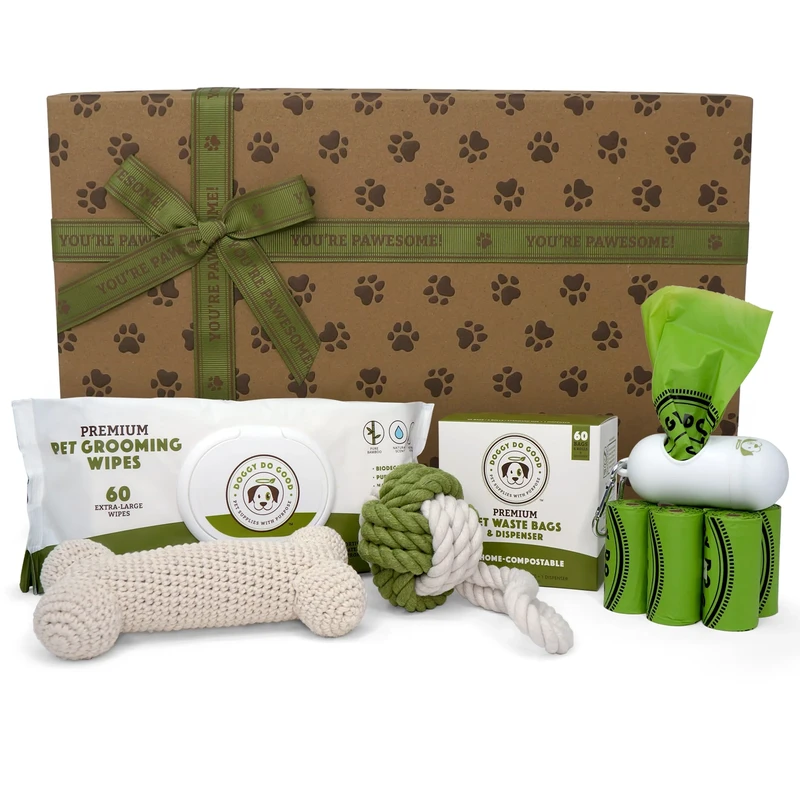
Eco-Friendly Pet Shop Guide: How to Spot Greenwashing
PawVerde.com – An eco-friendly pet shop focuses on providing sustainable, non-toxic, and ethically sourced supplies—ranging from biodegradable waste bags and bamboo accessories to insect-based proteins—to reduce a pet’s environmental footprint while ensuring animal safety through certified, green-labeled products.
The idea that going green isn’t just for people is a sentiment shared by the Best Friends Animal Society.
How to Spot Greenwashing in Pet Products
To detect greenwashing, look for specific certifications rather than vague terms like ‘eco-friendly’ or ‘natural.’ Avoid brands that fail to clarify if ‘compostable’ items require industrial facilities. Genuine sustainability is backed by proof, such as recycled material percentages or third-party environmental audits, rather than just marketing claims.
The ‘Vague Term’ Red Flags
Misleading claims undermine trust in genuine environmental initiatives and deter progress, as noted by Danguole Oželienė of Vilnius University. Many retailers use the term “eco-friendly” as a broad label without providing any underlying data or third-party verification to support the assertion. This lack of transparency makes it difficult for consumers to distinguish between a brand that has invested in sustainable supply chains and one that is simply using marketing buzzwords.
When evaluating a product, check for these specific indicators of potential greenwashing:
- The use of “natural” or “green” without defining specific ingredient standards.
- Claims of being “eco-friendly” that lack a percentage of recycled or organic content.
- Vague environmental promises that do not mention specific manufacturing or sourcing improvements.
The Compostability Trap
A common failure mode in sustainable pet shopping is the assumption that all “compostable” products can be disposed of in a backyard bin. The term “compostable” often lacks clarity regarding industrial requirements. Many items labeled as compostable actually require the high-heat, controlled environments of industrial composting facilities to break down effectively. If a biodegradable waste bag is tossed into a standard landfill, it may fail to decompose as intended, contributing to the very environmental issues it claims to solve.
The Lifecycle Audit: Beyond the Purchase
Sustainability extends far beyond the moment a transaction is completed at a retail checkout. A true lifecycle audit considers the entire existence of a product, from the extraction of raw materials to its eventual disposal or reuse.
Circular Economy Models
Modern sustainable brands are increasingly adopting circular economy models to prevent products from entering landfills. Instead of a linear “take-make-waste” approach, these companies design systems where materials are continuously cycled back into production. Awoo Pets utilizes this strategy through its rePAWpose program, which allows for the circulation of goods. This program provides an exchange value of $5 for pre-loved Awoo items, encouraging owners to pass on functional gear rather than discarding it.
End-of-Life Disposal Strategies
Understanding how a product leaves your home is critical for reducing a pet’s environmental impact. Retailers are now focusing on packaging and material recovery to close the loop. For example, Nina Woof utilizes 100% recyclable packaging for its products. This ensures that once the consumer has used the accessory, the outer casing can be processed through standard recycling streams rather than becoming permanent waste.
| Brand Name | Core Eco-Focus | Key Sustainability Stat |
|---|---|---|
| Nina Woof | Vegan & Recycled Materials | 50% minimum recycled materials |
| Awoo Pets | Circular Economy | $5 exchange via rePAWpose |
| The Green Pet Shop | Sustainable Gear | Founded in 2010 |
| Wild One | Social Impact | Supports animal rescues |
The table above highlights how different brands prioritize various aspects of the sustainability spectrum, from material composition to circularity programs.
Top Eco-Friendly Pet Brands and Retailers
Leading sustainable pet retailers include The Green Pet Shop (founded 2010), Organic Pet Boutique (since 2009), and Nina Woof, which uses at least 50% recycled materials. Other notable brands include Awoo Pets, known for its rePAWpose program, and Wild One, which supports animal rescues.
Choosing a retailer often depends on whether you are seeking specialized organic goods or general sustainable gear. Organic Pet Boutique has been providing curated organic and eco-friendly products since 2009, catering to owners who prioritize ingredient purity. For those looking for specialized gear, The Green Pet Shop, established in 2010, offers a variety of items including the Cool Pet Pad, which carries a 4.85/5.0 review rating and provides cooling effects for up to 3 hours after a 15-minute recharge.
For budget-conscious shoppers, some sustainable options offer competitive pricing. FunnyFuzzy manufactures toys starting at $8 and human-grade dog beds for up to $484. Similarly, Cycle Dog offers toys starting at $8, with a free shipping threshold of $50. Specialized retailers like Sustainable Pet Supply Co also provide incentives, such as a 10% discount on first orders, to make the transition to green products more accessible.
Sustainable Nutrition: The Rise of Alternative Proteins
Dietary choices significantly influence the environmental footprint of pet ownership. Many owners are looking for ways to mitigate the impact of traditional livestock farming.
Insect-based vs. Traditional Protein
Insect-based foods are emerging as nutritious options with minimal environmental impact. Unlike traditional meat production, which involves high methane emissions and massive resource consumption, insect protein can be produced in a highly controlled, efficient manner. This shift represents a significant opportunity to reduce the carbon footprint of pet diets without sacrificing nutritional density.
The Carbon Footprint of Pet Diets
While many owners focus on organic ingredients, the method of protein sourcing is often more impactful for the planet. Moving toward alternative proteins or highly efficient ingredient streams can mitigate the environmental strain caused by mass-scale livestock farming. However, practitioners suggest that any significant change to a pet’s diet should be managed carefully to maintain nutritional balance.
Avoiding Toxic Chemicals in Pet Care
Sustainability is not solely about carbon footprints; it is also about the chemical safety of the products entering your home and touching your pet’s skin.
WARNING: Many conventional grooming products contain toxic and potentially harmful chemicals, such as parabens, phthalates, and petroleum. These substances can have unwanted side effects and may contribute to various health issues in pets.
Beyond grooming, even common household items like cat litter require scrutiny. Eco-friendly cat litters should not contain clay or sodium bentonite. According to the Best Friends Animal Society, these traditional ingredients can be harmful and potentially sicken or poison pets. Instead, look for litter alternatives that avoid these heavy minerals to ensure a safer environment for your cat.
FAQ
Is bamboo safe for pet consumption?
Bamboo is recognized as a highly sustainable resource that helps combat climate change by reducing deforestation. When used in pet gear, such as bowls or accessories, it serves as a durable and eco-friendly alternative to plastic, provided the manufacturer ensures the product is free from toxic additives.
What are the risks of conventional cat litter?
Conventional cat litters often contain clay or sodium bentonite. These ingredients are considered harmful because they can potentially sicken or poison pets. Opting for eco-friendly alternatives avoids these specific mineral risks while reducing the environmental impact of mining.
How can I reduce my pet’s carbon paw print?
You can reduce your pet’s environmental impact by adopting from shelters, which reduces demand for resource-heavy mass breeding. Additionally, using biodegradable waste bags, choosing insect-based proteins, and selecting products made from recycled materials are effective ways to lower your pet’s footprint.
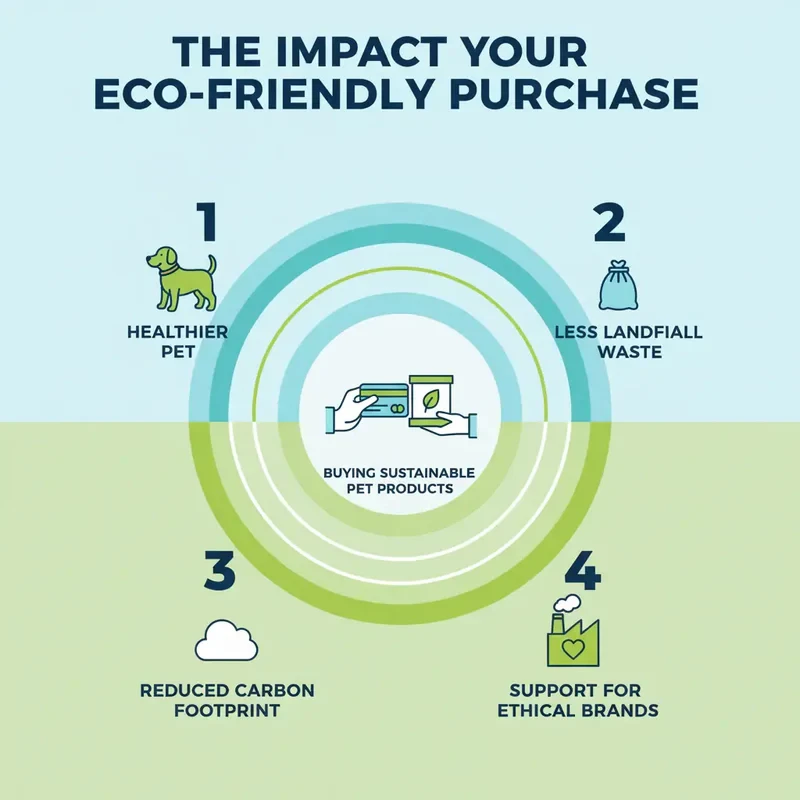
How to Minimize Your Pet’s Carbon Footprint: 4 Key Steps
PawVerde.com – Minimizing your pet’s carbon footprint requires a multi-pronged approach: transitioning to lower-impact proteins (like fish or insect-based diets), choosing durable gear over disposable items, and managing waste through compostable materials. Addressing these key areas can significantly reduce the 64 million tons of CO2 emissions generated annually by pet meat consumption in the US.
If America’s 163 million dogs and cats were a separate country, they would rank fifth in global meat consumption, according to Gregory Okin. This massive scale of consumption drives a significant portion of the environmental impact associated with pet ownership.
The Pet Sustainability Audit: Assessing Your ‘Pawprint’
To audit your pet’s carbon footprint, evaluate four key pillars: Diet (protein source and portion control), Waste (litter type and bag biodegradability), Gear (durability vs. disposability), and Medical/Maintenance (grooming water use and dental care). Scoring these areas helps identify whether your impact stems from high-emission meats or high-waste lifestyle habits.
A thorough audit prevents the failure mode of “performative sustainability,” where an owner buys expensive organic toys while maintaining a diet heavy in high-emission red meats. For a large dog, the emissions can reach as high as 2,500 kg of CO2e, whereas an average-sized dog generates approximately 770 kg of CO2e. Understanding these baseline numbers is the first step toward meaningful reduction.
The Four Pillars of Pet Impact
- Diet: Analyzing the protein source (beef vs. fish vs. insect) and checking for overfeeding, which increases both cost and emissions.
- Waste: Evaluating the carbon intensity of litter types and the biodegradability of waste bags.
- Gear: Assessing the lifecycle of products, specifically whether a “biodegradable” item lasts long enough to outperform a durable one.
- Maintenance: Measuring resource use during grooming and the frequency of veterinary interventions.
Dietary Shifts: From Red Meat to Sustainable Proteins
The most effective way to reduce pet emissions is switching from red meat to fish or insect-based proteins. Producing 1kg of red meat generates 50-750kg of CO2, whereas catching 1kg of fish produces only 1-5kg. Additionally, plant-based diets can reduce pet allergies while lowering the environmental load.
Research from the Institute for Marine and Antarctic Studies at the University of Tasmania highlights the stark contrast between terrestrial livestock and marine protein sources. While beef and lamb are highly carbon-intensive, shifting toward marine-based proteins or alternative sources like those developed by Wild Earth can drastically lower a pet’s individual footprint.
| Protein Source | CO2e per kg (approx) | Sustainability Rank |
|---|---|---|
| Red Meat (Beef/Lamb) | 50 – 750 kg | Low |
| Fish | 1 – 5 kg | High |
| Insects | Minimal | Very High |
The protein data shows that while producing a kilogram of red meat can release up to 750 kg of CO2, catching a kilogram of fish emits as little as 1 kg. This disparity makes protein selection a primary lever for reducing emissions.
The Protein Hierarchy
Owners should prioritize proteins with the lowest lifecycle emissions. Insect-based pet food is a rapidly growing sector because the overall carbon footprint is much smaller than that of traditional livestock. Furthermore, utilizing by-products from the human food chain can prevent the disposal of healthy ingredients, making the entire food system more efficient.
The Overfeeding Trap
A common misconception is that more food equals a healthier pet. In reality, many pets are overfed, which is not only unhealthy for the animal but also increases food waste, costs, and total emissions. Precise portion control is a direct way to minimize the environmental load without changing the specific brand of food used.
Decoding the Greenwashing Trap in Pet Supplies
Marketing often highlights “organic cotton” because studies show it is less water- and energy-intensive than conventional cotton. However, a single product choice does not guarantee total sustainability.
Warning: Avoid the trap of prioritizing “biodegradable” labels on high-use items. A durable product, such as a high-quality rubber toy, used for several years may be significantly more sustainable than multiple biodegradable replacements that break down too quickly and require frequent repurchasing.
The European Commission has worked on initiatives like “Building the Single Market for Green Products” to address these complexities, but consumers must remain vigilant. The goal should be longevity; a product that stays out of a landfill for five years is often better than a “green” product that ends up there in five months.
Waste Management: The Hidden Cost of Litter and Poop Bags
Cat owners face a significant choice in waste materials. Silica-gel-based litter has an exceptionally high carbon footprint because manufacturing just one ton of silica gel requires approximately 5 tons of coal.
Warning: Silica-gel litter can exert ten times the carbon dioxide pressure of other litter types. Switching to more natural alternatives is a high-impact change for cat owners.
Reducing environmental impact also involves managing dog waste. Moving toward compostable options helps mitigate the long-term presence of single-use plastics in the environment.
Home and Grooming: Protecting Resources and Longevity
Pet maintenance directly affects household resource use. For example, failing to manage dog nails can lead to the need for refinishing hardwood floors every 3 to 5 years, a process that can cost upwards of $4,500.
To minimize the impact of grooming, consider these methods:
- Water Conservation during Grooming: Install a pet shower sprayer with a shut-off nozzle to prevent continuous water flow.
- Alternative Bathing: Use animal-safe dry shampoos to reduce water usage between full baths.
- Outdoor Bathing: If appropriate, bathe pets in lawn areas that already require watering to combine resource uses.
The Medical and Socialization Paradox
Effective pet care requires balancing environmental concerns with essential health needs. Veterinary professionals emphasize that certain preventative measures are non-negotiable for long-term animal wellness.
Warning: Do not skip essential veterinary care in the name of sustainability. For example, dental health is critical; Dr. Osborne notes that “chewing bones does not keep your pet’s teeth clean. There are different products that they cleverly market as chews, but they don’t work.” Neglecting professional dental cleanings, which may be needed 1 to 2 times per year, can lead to more intensive medical issues later.
Socialization is another area where timing is critical for the pet’s well-being. Experts suggest that the window for effective socialization is between 3 and 12 weeks of age. While the medical and social needs of a pet are paramount, being an informed owner means understanding how to manage these needs with the least possible environmental friction.
FAQ
Is plant-based pet food safe?
Plant-based foods, such as those using yeast and chickpeas, can be highly successful in reducing pet allergies and lowering environmental impact, though owners should consult a vet for nutritional balance.
Why is silica-gel litter bad for the environment?
Silica-gel-based litter has a high carbon footprint because manufacturing just one ton of silica gel requires approximately five tons of coal.
Should I buy biodegradable toys?
Durability is a key factor in sustainability. A high-quality rubber toy used for several years often prevents more waste than frequent replacements of biodegradable items that break down too quickly.
Eco-Friendly Pet Cleaning: Mechanical vs. Enzymatic Tools
PawVerde.com – In 2024, the ASPCA reported that 6.5% of pet poison calls were directly linked to exposure to household cleaning products. As pet owners shift toward eco-friendly alternatives, understanding the distinction between mechanical tools and non-toxic chemical solutions is critical to preventing accidental ingestion, inhalation, or skin contact.
The Mechanical vs. Chemical Decision Matrix for Pet Messes
To manage pet messes effectively, use mechanical tools (like rubber brushes or wool dryer balls) for hair and dander removal, and enzymatic natural solutions (like Puracy or Bean & Lily) for organic stains and odors. Mechanical tools physically lift debris, while enzymatic cleaners chemically break down proteins in urine.
When to use physical tools
Mechanical intervention is the primary defense against physical debris. For instance, using 100% wool dryer balls in the laundry can knock pet hair loose through a constant bouncing action. This method is highly efficient, capable of reducing drying time by up to 25% while remaining reusable for over 1,000 loads. A common failure mode in laundry management is relying solely on liquid detergents; without the physical agitation of dryer balls, hair often remains trapped in fabric fibers.
When to use enzymatic solutions
Organic messes require a different biological approach. According to EcoPro Carpet & Upholstery Cleaning, Inc., it is necessary to use enzymatic cleaners to target and hydrolyze specific stain molecules like proteins or fats. This is particularly vital for urine, as these cleaners contain enzymes that neutralize odors at the molecular level rather than masking them. Using a standard soap instead of an enzyme-based solution can actually result in a failure to remove the source of the scent, leading to repeat accidents.
| Cleaning Method | Best For | Eco-Friendly Tool/Solution Example | Key Advantage |
|---|---|---|---|
| Mechanical | Hair, dander, and lint | Smart Sheep Wool Dryer Balls | Reduces drying time and physical debris |
| Enzymatic | Urine and organic stains | Puracy Carpet and Upholstery Shampoo | Breaks down proteins at a molecular level |
| Natural Surfactant | General floor cleaning | Bean & Lily Pet-Safe Floor Cleaner | Non-toxic residue for paw safety |
| Physical Agitation | Surface hair removal | O-Cedar Fur & Dust Mop | High-speed hair collection |
Effective maintenance requires matching the tool to the mess type. As shown in the table, Smart Sheep Wool Dryer Balls handle physical debris, while Puracy Carpet and Upholstery Shampoo ($15.99) targets biological proteins.
High-Shedding Protocol: Integrating Tools for Maximum Allergen Removal
Mt. Airy notes that “the most effective pet hair management combines regular grooming of your pets with consistent home cleaning using appropriate tools.” This multi-stage approach helps manage high-shedding breeds more effectively.
To maximize the removal of allergens and fur, practitioners follow a specific hierarchy of tools:
- High-Suction Vacuuming: Utilizing pet-focused vacuum cleaners, such as those manufactured by Dyson, to extract embedded hair from carpets.
- Surface Sweeping: Employing specialized tools like the O-Cedar Fur & Dust Mop, which offers a 3x multiplier for pet hair removal capability compared to standard mops.
- Laundry Integration: Adding wool dryer balls to every load of pet bedding to ensure loose hair is separated from the fabric.
Vacuuming alone may not suffice for heavy shedders. To prevent hair from remaining trapped in textiles, one should use the O-Cedar Fur & Dust Mop or 100% wool dryer balls to provide necessary mechanical agitation.
The Residue Factor: Protecting Paw Health and Respiratory Systems
Traditional cleaning products often leave behind chemical traces that pose significant biological risks. Green Llama reports that pets are particularly vulnerable because they spend so much time on the floor and are highly sensitive to strong synthetic fragrances. Because pets have faster respiratory rates and thinner skin than humans, they are more susceptible to chemical residues left behind by traditional cleaners.
The presence of Volatile Organic Compounds (VOCs) in many household cleaners is a primary concern for indoor air quality. According to hyveclean.com, these compounds can lead to headaches, dizziness, and respiratory issues in sensitive individuals, including pets. When cleaning floors, it is essential to ensure that products like Bean & Lily Pet-Safe Floor Cleaner ($6.99) or Dr. Bronner’s Sal Suds ($14.99) are used to avoid the buildup of toxic films that pets may ingest through grooming.
Surface-Specific Safety: Avoiding Accidental Damage
Using the wrong cleaning agent can result in permanent structural or aesthetic damage to the home. For example, Green Llama warns that using vinegar on natural stone or electronic screens can cause significant damage. Furthermore, Marathon Carpet Cleaning highlights a critical behavioral risk: using ammonia-based cleaners can encourage cats to mark areas with urine again, as ammonia is a component of cat urine.
| Surface Type | Risk Factor | Avoid This Product | Recommended Approach |
|---|---|---|---|
| Natural Stone | Acid erosion | Vinegar-based solutions | pH-neutral cleaners |
| Upholstery/Carpet | Stain setting | Incorrect chemical agents | Enzymatic cleaners (e.g., Puracy) |
| Cat Litter Areas | Behavioral marking | Ammonia-based cleaners | Enzymatic protein breakdown |
| Electronics | Corrosion/Streaking | Vinegar or harsh sprays | Dry microfiber or specialized wipes |
Avoid common mistakes that lead to permanent damage. Marathon Carpet Cleaning warns that using incorrect cleaning products can actually set the stain rather than remove it.

How to Choose Plastic-Free Pet Grooming Tools Effectively
PawVerde.com – To choose plastic-free pet grooming tools, prioritize materials like stainless steel for longevity and bamboo for biodegradability. Inspect tools for ‘hidden plastics’ such as synthetic bristles or plastic internal mechanisms, and opt for solid shampoo bars to eliminate liquid plastic packaging entirely.
Plastic packaging pollution is projected to more than double between 2025 and 2040, making sustainable pet care a critical necessity.
How to Spot ‘Greenwashing’ and Hidden Plastics
To avoid greenwashing, look beyond the handle. A tool may have a bamboo handle but still utilize plastic bristles, synthetic rubber grips, or internal plastic mechanisms. Always verify that the bristles are natural (like boar hair) or stainless steel, and ensure the tool is not a ‘hybrid’ that is impossible to recycle or compost.
Greenwashing often involves products labeled “eco-friendly” that actually incorporate plastics or toxic dyes. This deceptive practice targets consumers attempting to reduce their environmental footprint. A common failure mode is the “partially natural” tool, where a bamboo handle is glued to a plastic base or features a synthetic rubber grip that cannot be separated for recycling.
The Bristle Test: Natural vs. Synthetic
The most frequent source of hidden plastic is the bristle set. While a handle might appear sustainable, the contact point with your pet is often nylon or polyester. To verify a tool’s integrity, perform a tactile test: natural bristles or stainless steel pins feel significantly different from the uniform, slippery texture of synthetic plastic. If the product description does not explicitly name the bristle material, assume it contains plastic.
The Hybrid Tool Trap
A hybrid tool is a product that combines materials in a way that prevents proper end-of-life processing. For example, a brush combining a wooden handle with a plastic internal spring mechanism cannot be easily composted or recycled. Practitioners report that these “mixed-material” items are a primary driver of landfill waste in the pet industry. Always check if the components are mechanically fastened rather than chemically bonded with adhesives.
- Check for “recycled plastic” claims; these may still contain toxic dyes that prevent high-grade recycling.
- Inspect internal mechanisms for metal springs instead of plastic tensioners.
- Avoid synthetic rubber grips on “natural” handles.
Selecting the Right Sustainable Materials
Choosing materials with high durability and low environmental impact is essential for long-term pet care. Selecting between renewable resources and infinitely recyclable metals depends on specific household needs.
| Material | Sustainability Profile | Durability | End-of-Life |
|---|---|---|---|
| Plastic | High environmental impact; non-renewable | Low; breaks easily | Landfill/Microplastics |
| Bamboo | Renewable; rapidly growing resource | Moderate to High | Biodegradable/Compostable |
| Stainless Steel | Infinite recyclability; high longevity | Extremely High | Recyclable |
The table above compares common materials used in pet grooming. For example, the Bamboo Groom Small Slicker Brush is priced at $15.99, offering a biodegradable alternative to traditional plastic options.
Stainless Steel: The Infinite Recyclable Option
Stainless steel is the gold standard for sustainable grooming tools. According to tryfurgo.com, “Stainless steel components are generally more durable than plastic designs.” This material is highly resistant to rust and corrosion, which is essential for tools used in wet environments. Because it can be melted down and repurposed indefinitely without losing quality, it represents a circular economy model.
Bamboo: The Biodegradable Choice
Bamboo serves as an excellent renewable resource for brush handles and combs because it grows rapidly without the need for pesticides. The Pet Beastro notes that “Bamboo is 100% natural, biodegradable, and strong for a high quality durable long-lasting grooming tool.” This makes it an ideal choice for owners who want tools that can eventually return to the earth.
Step-by-Step: Transitioning Your Grooming Kit
Adopting eco-friendly habits can be managed through a gradual replacement strategy. This approach helps ensure that new tools meet the specific needs of your pet while managing costs.
- Identify your most frequently used tool, such as a daily brush or shampoo.
- Replace just one product at a time, such as a natural shampoo or an eco-friendly tool, to assess compatibility with your pet’s coat.
- Audit your current kit for “disposable” plastic items like single-use wipes.
- Swap single-use wipes for reusable microfiber or organic cotton cloths.
- Phase out plastic-heavy items as they reach the end of their functional life.
Prioritizing a single high-impact item, such as a shampoo bar, prevents the waste of discarding functional plastic tools prematurely. This method allows you to observe how different natural materials, like bamboo or metal, perform during actual grooming sessions.
The High-Impact Swap: Liquid Shampoo to Solid Bars
STUCK SOAP identifies replacing liquid shampoo in plastic bottles with solid shampoo bars as the easiest and highest-impact change for reducing waste. This transition significantly lowers your household’s plastic footprint.
Concentrated formulas eliminate the need for bulky plastic containers. STUCK SOAP reports that “One bar replaces multiple plastic bottles and lasts for months.”
Shortcut: To maximize the life of a solid shampoo bar, store it in a well-drained soap dish to prevent it from softening in standing water.
Maintenance and End-of-Life Disposal
Organic tools like bamboo require specific care to remain functional. Proper maintenance ensures these sustainable items do not degrade prematurely.
Preventing Mold in Wood and Bamboo
Because bamboo and wooden tools are organic, they are susceptible to moisture retention. To prevent mold or cracking, always dry your bamboo brushes thoroughly after use. Avoid leaving them in damp environments, such as the bottom of a bathtub, which can lead to structural degradation and bacterial growth.
Warning: If you notice dark spots or a musty smell on a bamboo handle, discontinue use immediately to prevent exposing your pet to mold spores.
The Lifecycle of a Tool: Compost vs. Recycle
Understanding how to dispose of tools is critical for true sustainability. A pure bamboo brush can be composted, but you must first ensure all metal pins or synthetic components have been removed. If a tool is a hybrid of wood and metal, it must be disassembled. Metal components should be taken to a dedicated recycling center, while the organic handle can then be composted.
Interestingly, grooming waste itself can be repurposed. Instead of tossing shed fur in the trash, add it to your compost bin. Dog hair is rich in nitrogen and breaks down naturally, contributing valuable nutrients to your garden soil.
Cost-Per-Use: Investing vs. Replacing
While items like the Bamboo Groom Large Combo Brush may have a different upfront cost than plastic, they provide long-term value. Investing in quality materials reduces the frequency of replacement purchases.
| Investment Type | Initial Cost | Lifespan | Total Cost of Ownership |
|---|---|---|---|
| Cheap Plastic Tools | Low | Short (breaks easily) | High (requires frequent replacement) |
| Bamboo/Steel Tools | Moderate/High | Long (years) | Low (single purchase) |
The data shows that cheap plastic grooming tools break easily and become ineffective quickly, contributing directly to landfill waste. For example, a Bamboo Groom Small Slicker Brush is priced at $15.99, whereas a high-quality stainless steel tool may cost more initially but will last through multiple years of use. When you factor in the cost of replacing a $5 plastic brush every six months, the premium for a durable $15.99 or $20.99 bamboo tool is recovered within the first two years.
FAQ
Can I compost my pet’s shed hair?
Yes, dog hair is rich in nitrogen and can be added to compost bins to provide nutrients to garden soil. This turns a common grooming byproduct into a valuable resource for your garden.
Are bamboo brushes better than plastic ones?
Bamboo is a renewable and biodegradable resource. Unlike plastic brushes that contribute to landfill waste, Bamboo Groom products are designed to be 100% natural and strong.
How do I avoid plastic in pet shampoos?
Switch from liquid shampoos in plastic bottles to solid shampoo bars. According to STUCK SOAP, this is the easiest way to eliminate plastic packaging and reduce waste.