
Sustainable Pet Food: How to Identify Real Eco-Friendly Brands
PawVerde.com – Sustainable pet food focuses on three pillars: ethically sourced ingredients (like MSC-certified seafood or insect protein), regenerative agriculture, and low-impact packaging. While the market is growing—with a 57% increase in MSC-certified products in the UK—consumers must distinguish between genuine certifications and vague ‘greenwashing’ marketing terms.
The UK has seen a 57% growth in pet food products containing MSC-certified sustainable seafood over the last five years. This shift reflects a growing awareness among pet owners regarding the environmental footprint of their animals’ diets.
The Sustainability Scorecard: How to Grade Your Pet Food
To grade pet food sustainability, evaluate three criteria: 1) Certifications (look for MSC for seafood or Land to Market for regenerative farming); 2) Ingredient Source (prioritize insect protein or regenerative agriculture); and 3) Packaging (prefer mono-material construction over multilayer plastics). Avoid brands using unverified terms like ‘natural’ or ‘eco-friendly’ without third-party proof.
Evaluating a product requires looking beyond the front of the bag. Industry specialists at the Pet Sustainability Coalition (PSC) emphasize that many brands use deceptive marketing to imply environmental stewardship without actual proof. A common failure mode occurs when a brand highlights a single “green” ingredient while ignoring the massive carbon footprint of its primary protein source or its non-recyclable packaging.
The Red Flag Directory: Terms to Avoid
Consumers should remain skeptical of labels that lack standardized definitions. According to the pet sustainability Coalition (PSC), the following terms are often used as greenwashing tactics:
- “Eco-friendly”
- “Green”
- “Natural”
- “Environmentally conscious”
These terms are intentionally vague. Without a third-party verification process, such as an audit by the PSC or a specific certification, these claims do not provide actionable data for the consumer. To verify a claim, one should look for the specific accreditation details often found in the fine print or via a brand’s transparency report.
The Green Flag Directory: Certifications to Trust
Reliable sustainability is backed by rigorous, third-party oversight. When reviewing pet food, prioritize these specific markers of integrity:
- Marine Stewardship Council (MSC): Verifies that seafood ingredients are sourced from healthy, well-managed fisheries.
- Land to Market: Provides verification for regenerative farming practices that actively improve soil health.
- PSC Accreditation: Indicates that a company has met specific sustainability standards set by the Pet Sustainability Coalition.
While 77 members have achieved accreditation, many brands still rely on unverified claims. Always check for the actual logo and the certifying body’s name.
Ingredient Deep-Dive: Insect Protein vs. Regenerative Sourcing
The debate over sustainable protein often centers on the trade-off between novel sources like insects and traditional livestock managed through regenerative methods. While insect protein is frequently marketed as the ultimate solution for low-impact feeding, regenerative agriculture attempts to fix the existing livestock system by focusing on the health of the ecosystem.
Insect protein has emerged as a significant disruptor. As of 2023, there are 43 brands active globally that utilize insect-based ingredients. This sector is projected to see a massive scale-up, with an expected global volume of 500,000 MT of insect ingredients incorporated into feed and pet food by 2030. This scaling is driven by the high nutrient density of these proteins.
| Protein Source | Sustainability Driver | Key Benefit | Potential Drawback |
|---|---|---|---|
| Insect Protein | Low land/water use | 40% to 60%+ protein content | Limited long-term availability |
| Regenerative Beef/Grain | Soil carbon sequestration | Improves ecosystem health | Difficult to scale globally |
| MSC-Certified Seafood | Fishery management | Lower carbon than land meat | Risk of overfishing if unmonitored |
The table above illustrates the diverse approaches to sustainable protein. It is a common misconception that insect protein is “weak” protein; in reality, insect materials provide 40% to more than 60% protein on a dry matter basis, which meets standard nutritional requirements for most pets.
The Rise of Insect Protein (43+ Global Brands)
The shift toward insect-based diets is not merely a trend but a response to resource scarcity. Large-scale players like Mars pet nutrition are observing the industry’s movement toward diverse protein streams. Insect protein serves as a tool for lowering the carbon footprint of pet food while maintaining high palatability for dogs and cats.
Regenerative Agriculture and Soil Health
Regenerative agriculture focuses on the “foundation” of the food chain. Adam Hardie, climate and sustainable sourcing lead at Mars Pet Nutrition North America, notes: “It all starts with healthy soil. Soil is the foundation for growing high-quality ingredients for pet food.” This method involves minimal tilling and diverse crop rotations to sequester carbon.
However, a critical counterintuitive reality exists: research has indicated that regenerative agriculture practices alone cannot keep up with the massive scale of industrialized animal farming to fully offset all industry emissions. While essential, it is one part of a much larger systemic challenge.
Navigating the Packaging Paradox
The United States pet food industry produces approximately 300 million pounds of plastic every year. This massive volume of waste creates a paradox: a brand may use highly sustainable, organic ingredients, but if that food is delivered in a non-recyclable, multilayered plastic bag, the net environmental benefit is significantly diminished.
Why Mono-Material Wins Over Multilayer
Traditional pet food bags often use multilayered construction—combining different types of plastics and foils to keep food fresh. While effective for shelf life, these materials are nearly impossible to recycle. Mono-material construction solves this issue by using a single polymer type, such as polyethylene, throughout the entire package. This design simplifies the recycling process and increases the likelihood that local recycling facilities will accept the packaging.
The Reality of Compostable vs. Recyclable
For many owners, the choice between “recyclable” and “compostable” is confusing. In 2024, 56% of United States owners indicated a willingness to switch brands specifically for sustainable packaging. Companies have responded to this demand by launching recyclable packaging and upgrading their organic recipes as of October 2024. The goal is to move toward a circular economy where the packaging is as carefully managed as the ingredients inside.
Brand Spotlight: Real-World Sustainability Leaders
Identifying leaders in the space requires looking at how companies integrate sustainability into their core business model rather than treating it as a marketing add-on. Current market trends show that 27% of pet parents are actively seeking out these specific innovations.
Retail Accessibility (Aldi & Woofs)
Sustainability is becoming more accessible through mainstream retail. For example, Aldi has entered the space by offering products like Cornish sardines pet food, providing a more sustainable seafood option at a lower price point. Similarly, brands like Woofs have introduced products such as golden red fish, making specialized diets more available to the general public.
DTC and B-Corp Pioneers (Open Farm)
Direct-to-consumer (DTC) brands often lead the way in radical transparency. Open Farm Pet Food Company Inc. is a notable example, having achieved B Corp certification as of July 2024. They utilize regenerative agriculture and have implemented plastic-neutral packaging initiatives to address the waste crisis directly. Unlike massive conglomerates, these pioneers often build their entire supply chain around specific environmental metrics.
While large manufacturers are also making moves—such as their USD 30 million regenerative agriculture initiative for organic grain sourcing launched in April 2024—the scale of these operations means their impact is often spread across a much wider, more complex supply chain.
The Transition Protocol: Moving to Novel Proteins
Switching a pet to a sustainable alternative, such as insect protein, requires a methodical approach to avoid gastrointestinal distress. While insect meals are highly nutritious, the sudden change in protein structure can affect a pet’s digestion.
Shortcut: To prevent digestive upset, always use the “7-Day Gradual Mix” method. Start with 25% novel protein and 75% old food, increasing the ratio by 25% every two days until the transition is complete.
The primary concern for many owners during this transition is palatability. Fortunately, research into insect protein suggests that it maintains high palatability levels, making it an easier switch for picky eaters than many plant-based alternatives. By monitoring stool consistency and energy levels during the first 14 days, owners can ensure the new, eco-friendly diet is being well-received by their pet’s unique biology.
FAQ
Is insect-based pet food as nutritious as meat?
Insect materials provide 40% to over 60% protein on a dry matter basis. This meets standard nutritional requirements for pets while offering a significantly lower carbon footprint than traditional livestock proteins.
What is the difference between ‘eco-friendly’ and ‘certified sustainable’?
‘Eco-friendly’ is often a vague greenwashing term that lacks legal standard definitions. ‘Certified sustainable’ relies on third-party bodies like the MSC or PSC to verify specific environmental claims through rigorous auditing.
Why is mono-material packaging better for the environment?
Mono-material construction uses a single polymer type, making it significantly easier for local recycling facilities to process compared to complex multilayered plastics, which are typically destined for landfills.
Sustainable Pet Travel Gear Checklist: Eco-Friendly Essentials
PawVerde.com – To pack a sustainable pet travel kit, prioritize high-durability items like stainless steel bowls and recycled plastic crates, use compostable waste bags, and select gear made from organic hemp or recycled synthetics. This approach minimizes the 300 million pounds of pet supplies that enter landfills annually while ensuring your pet’s comfort.
Pet meat consumption alone is responsible for up to 64 million tons of CO2 release annually. Reducing the environmental footprint of your travels requires a shift from disposable, low-quality goods toward a curated selection of long-lasting, ethically manufactured gear.
How to Verify Sustainable Gear: Avoiding the Greenwashing Trap
To avoid greenwashing, verify if ‘biodegradable’ bags are home or industrial compostable by checking packaging labels. For gear, look for specific certifications like B Corp (e.g., West Paw) or high recycled content (e.g., 90% in Petmate crates) rather than vague ‘eco-friendly’ claims.
Home vs. Industrial Compostability
Many travelers fall into the trap of purchasing “biodegradable” waste bags that only break down in high-heat industrial facilities. If your eco-lodging does not provide industrial composting access, these bags may still persist in landfills. Practitioners suggest verifying if a product is specifically labeled “home compostable” to ensure it can be processed in standard backyard bins. A common failure mode occurs when users assume a “green” bag will vanish in a standard trash receptacle, which is rarely the case.
Decoding Recycled Content Percentages
Vague marketing terms often mask low-impact products. Instead of trusting the term “eco-friendly,” look for specific numeric data. For example, Petmate manufactures dog and cat crates using 90% recycled plastic. Similarly, identifying a certified B Corp, such as West Paw, provides a higher level of assurance regarding the company’s social and environmental performance. Relying on specific percentages rather than adjectives prevents the purchase of “greenwashed” items that contain only a negligible amount of recycled material.
The Weight vs. Impact Matrix: Choosing Your Travel Materials
Material selection involves balancing pack weight against long-term impact. While heavier materials like 18/8 stainless steel offer extreme durability, lightweight synthetics or bamboo are often necessary for trekking.
| Material Type | Sustainability Benefit | Weight Profile | Durability |
|---|---|---|---|
| Stainless Steel | Infinite recyclability; extremely long lifespan | Heavy | Very High |
| Bamboo | Rapidly renewable resource | Medium | Medium |
| Recycled Plastic | Diverts waste from landfills | Light to Medium | High |
| Hemp/Organic Cotton | Low pesticide use; biodegradable | Light | Medium |
The material choices in the table above impact both mobility and ecological footprint.
Heavy-Duty Durability: Stainless Steel & Wood
For travelers prioritizing longevity, stainless steel is the gold standard. Yeti produces dog bowls using 18/8 stainless steel, a grade known for its resistance to rust and extreme durability. While this adds significant weight to a travel bag, the lifetime utility reduces the need for frequent replacements. Tall Tails offers an alternative by manufacturing wooden dog bowls that feature stainless steel inserts, combining natural aesthetics with the hygienic benefits of metal.
Ultra-Lightweight: Recycled Synthetics & Bamboo
If weight is your primary constraint, look toward bamboo or recycled synthetics. Beco manufactures bamboo bowls that are lighter than metal alternatives, making them ideal for hiking. For hydration on the move, Mighty Paw offers collapsible travel dog bowl sets that minimize bulk. However, travelers should note that ultra-lightweight items can sometimes lack the ruggedness required for high-impact play, potentially leading to more frequent replacements if not handled carefully.
Essential Sustainable Travel Gear Checklist
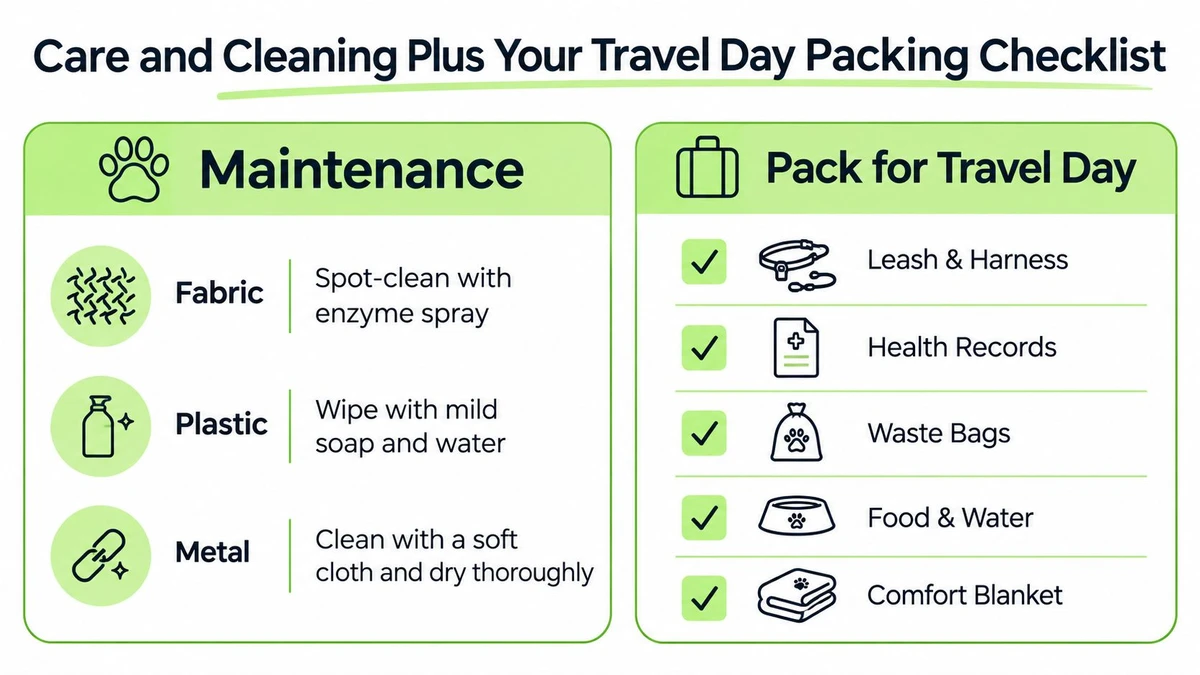
A complete sustainable pet travel kit includes: 1. Reusable stainless steel or bamboo bowls (e.g., Yeti or Beco); 2. Recycled plastic crates (e.g., Petmate); 3. Organic hemp/cotton collars (e.g., The Good Dog Company); 4. compostable waste bags; and 5. Durable, recycled toys (e.g., West Paw).
Feeding & Hydration
- Reusable Bowls: Avoid single-use plastic containers for snacks or water. Opt for Yeti’s 18/8 stainless steel or Beco’s bamboo options.
- Refillable Systems: Use refillable bowls, such as those made from sugarcane fiber, to eliminate the need for disposable service ware.
- On-the-go Hydration: Mighty Paw collapsible bowls are effective for reducing the weight of your gear while maintaining utility.
Containment & Safety
- Sustainable Crates: When traveling by car, use Petmate crates, which utilize 90% recycled plastic.
- Eco-Friendly Collars: The Good Dog Company provides collars, leashes, and harnesses made from organic cotton and hemp.
- Secure Carriers: For cats or small dogs, Petique manufactures pet carriers designed to keep animals stable and safe during transit.
Walking & Waste Management
- Recycled Leashes: United by Blue produces leashes made from recycled plastic, helping to divert ocean waste.
- Waste Bag Dispensers: Use a dispenser from United by Blue to keep compostable bags organized and accessible.
- Durable Toys: Instead of cheap squeaky toys that break quickly and end up in landfills, choose West Paw toys made from recycled materials. Timberdog notes that “Comfort + durability = fewer replacements over your dog’s lifetime, which means fewer harnesses end up in landfills.”
Zero-Waste Cleanup: Managing Messes in Eco-Lodgings
To maintain a clean environment in eco-lodgings, use targeted solutions rather than harsh chemicals. Kinn Inc. promotes a philosophy of “Travel Light. Travel Clean. Travel Klean.” to assist travelers in staying sustainable.
When managing pet accidents, avoid single-use plastic containers. Instead, utilize refillable systems like Kinn Inc. Kleanbowl refills, which allow for serving food or water without the waste associated with traditional single-use methods.
Eco-Friendly Enzyme Cleaners
When accidents occur, enzyme-based cleaners are the most effective way to break down organic matter without heavy synthetic scents. Retailers like Tomlinson’s emphasize the importance of sustainable practices, suggesting that pet parents prioritize products that do not contribute to the 300 million pounds of pet supplies entering landfills annually.
The Refillable Advantage
Carry concentrated refills to reduce your kit’s weight and plastic packaging. Using reusable cloths instead of paper towels significantly decreases your trip’s total waste output.
Mitigating Travel Stress and Environmental Footprint
Sustainability involves both your gear and your preparation. As recommended by SPCA BC, using the Pet Carrier Acclimation technique—using short trips and positive reinforcement—can prevent accidents and reduce the need for emergency supplies.
Transportation Choices
The method of transport impacts your carbon footprint. Using an EV or hybrid car can significantly cut emissions. If you are driving, remember that most pets will likely need a stop every 6 hours to maintain comfort and health.
For those purchasing new travel gear, Eagle Creek offers a 60-Day return period, allowing you to ensure the equipment meets your pet’s specific needs before committing to it long-term. This prevents the waste caused by returning items after they have been used or damaged.
FAQ
How do I know if a pet toy is truly sustainable?
Look for B Corp certification or materials like natural rubber or recycled fabric. Avoid cheap squeaky toys that break quickly, as they contribute to landfill waste. Durable, eco-friendly toys hold up better and reduce the overall frequency of replacements.
Is it better to drive or take a train with my pet?
Public transport and trains are generally more efficient and have a lower carbon footprint than driving. Even when considering the emissions from pet-related meat consumption, rail travel remains a more environmentally conscious choice for many travelers.
Can I recycle my old pet gear?
Yes, some retailers offer recycling programs. For instance, Wagging Green Pet Shop provides a recycling program for collars and leashes that can offer a discount of up to 25% for reusing hardware from your old equipment.
Natural Cat Allergy Relief: A Dual-Action Protocol
PawVerde.com – Natural cat allergy relief requires a dual-action approach: reducing the production of the Fel d 1 protein in the cat while simultaneously managing the human immune response through natural antihistamines like Quercetin and environmental controls like HEPA filtration and non-dusty litter.
Weekly bathing can significantly reduce allergen exposure.
The Dual-Action Protocol: Managing Both Human and Feline Triggers
A successful dual-action protocol synchronizes human symptom management with feline allergen reduction. For humans, this involves natural antihistamines like Quercetin and saline rinses. For cats, it focuses on dietary changes to lower Fel d 1 production and regular grooming to remove dander before it becomes airborne.
Addressing the “Double-Sided Allergy” dilemma requires recognizing that cleaning a house is insufficient if the biological source remains unchanged. Most allergy sufferers fail because they focus exclusively on one side of the equation—either treating their own symptoms or cleaning their environment—while ignoring the feline’s internal protein production. This creates a cycle of recurring symptoms despite high cleaning standards.
Human Support: Natural Immune Modulation
Managing the human response involves stabilizing the immune system to prevent the overproduction of histamines. This can be achieved through:
- Daily saline nasal rinses to physically flush microscopic Fel d 1 particles from sinus cavities.
- Consistent use of natural mast-cell stabilizers.
- Maintaining high-efficiency air filtration in sleeping quarters.
Feline Support: Reducing Fel d 1 at the Source
True relief comes from targeting the cat’s biology. While many believe that “hypoallergenic” breeds exist, no cat is truly allergen-free. Instead, focus on:
- Dietary interventions designed to neutralize the Fel d 1 protein in saliva.
- Regular grooming schedules to capture dander before it enters the air.
- Reducing the frequency of self-grooming through specialized feline nutrition.
A common failure mode occurs when owners attempt to manage allergies solely through increased vacuuming. Because Fel d 1 is microscopic and highly adhesive, standard cleaning often merely redistributes the protein rather than removing it.
The Science of Fel d 1: Why Traditional Cleaning Often Fails
The primary culprit in feline allergies is not the hair itself, but a specific protein known as Fel d 1. This protein is produced in the cat’s sebaceous glands and salivary glands. When a cat grooms itself, it spreads this protein across its fur. As the saliva dries, the protein becomes part of the dander that eventually sheds into the environment.
Traditional cleaning methods often fail because Fel d 1 is exceptionally small and lightweight. It behaves more like a gas than a solid particle, allowing it to linger in the air for extended periods and penetrate deep into upholstery and carpets. Furthermore, the concentration of Fel d 1 varies significantly between individual cats; one cat may produce negligible amounts, while another may produce levels that trigger severe reactions in even seasoned allergy sufferers.
Counterintuitively, many people believe that removing all hair from the home will solve the problem. However, a hair-free home can still be highly allergenic if the Fel d 1 protein remains embedded in the dust and fabric fibers. Effective management must target the protein’s presence, not just the visible hair.
Natural Supplement Deep-Dive: Quercetin, Nettle, and Butterbur
Natural antihistamine alternatives include Quercetin, which stabilizes mast cells to prevent histamine release; Stinging Nettle, which provides anti-inflammatory support; and Butterbur, used for seasonal relief. Unlike pharmaceutical antihistamines, these often require consistent daily use to build efficacy, typically showing results over several days or weeks.
| Supplement | Primary Mechanism | Expected Onset | Best For |
|---|---|---|---|
| Quercetin | Mast cell stabilization | Several days to weeks | Chronic, daily management |
| Stinging Nettle | Anti-inflammatory support | Variable | Acute inflammatory symptoms |
| Butterbur | Histamine modulation | Days of consistent use | Seasonal or periodic spikes |
Selecting the right supplement depends on the specific nature of the allergic response. Quercetin is often prioritized for those seeking long-term stability, whereas Stinging Nettle is utilized more for its direct anti-inflammatory properties during flare-ups.
Environmental Control: Beyond Basic Vacuuming
Effective environmental management requires moving away from traditional “dry” cleaning methods. Using a broom or a standard vacuum without specific filtration can actually worsen symptoms by kicking microscopic Fel d 1 particles back into the breathing zone.
Warning: Avoid using dry sweeping or unrated vacuum cleaners. These methods redistribute allergens throughout the room rather than capturing them.
The Litter Box Factor: Neutralizing Airborne Dust
The litter box is a major source of airborne particles that can carry Fel d 1 into the air. To mitigate this, implement the following:
- Switch to non-dusty, natural litter options such as corn or wood-based products.
- Use a covered litter box to contain dust during use.
- Clean the area around the box daily using damp cloths rather than dry dusters.
Advanced Eradication: Steam and UV-C
To reach deep-seated allergens, advanced technologies are necessary. Steam cleaning uses high-temperature moisture to break down the protein structure of Fel d 1 on hard surfaces and certain fabrics. UV-C light technology is increasingly used in air purifiers to assist in neutralizing biological particles, though its primary benefit remains the filtration of the protein itself via HEPA-grade systems.
The Travel & Guest Protocol for Allergy Management
Managing allergies while traveling or hosting guests requires a structured approach to prevent “allergy spikes” caused by unexpected exposure. Implementing a protocol can significantly reduce the risk of a reaction when visiting homes with cats or traveling to pet-friendly locations.
- Decontamination: When visiting a home with cats, change your clothing immediately upon arrival and use a damp cloth to wipe exposed skin.
- Airflow Management: If staying in a guest room, request that the room be equipped with a HEPA air purifier and kept “cat-free” for at least 24 hours prior to arrival.
- Personal Barriers: Use saline nasal sprays before and after travel to clear any inhaled particles from the nasal passages.
Failure to follow a decontamination protocol often leads to “delayed reactions,” where symptoms intensify several hours after the initial exposure due to the time required for the immune system to respond to the inhaled protein.
FAQ
Does bathing a cat actually work for allergy relief?
Yes, weekly bathing can reduce allergen levels by approximately 84% by physically removing dander and Fel d 1 from the fur.
Can I just keep my cat out of my bedroom?
While helpful, restricting a cat to one room does not fully limit allergens, as Fel d 1 is microscopic and travels easily through air currents and on clothing.
Why do kittens seem to cause fewer allergies?
Kittens often trigger fewer reactions because they engage in less self-grooming and have not yet developed the same high concentrations of Fel d 1 found in adult cats.
Reusable vs Disposable Pet Products: Cost & Eco Impact
PawVerde.com – Choosing between reusable and disposable pet products requires balancing immediate convenience against long-term environmental impact and total cost of ownership. While disposables offer ease of use, reusables like washable pee pads and stainless steel bowls significantly reduce the massive volume of pet-related plastic waste entering landfills.
The scale of waste is immense. According to the pet sustainability Coalition, 99% of all pet food and treat packaging goes to the landfill each year.
The True Lifecycle: Total Cost of Ownership vs. Upfront Price
| Product Category | Disposable Option | Reusable Alternative | Primary Environmental Trade-off |
|---|---|---|---|
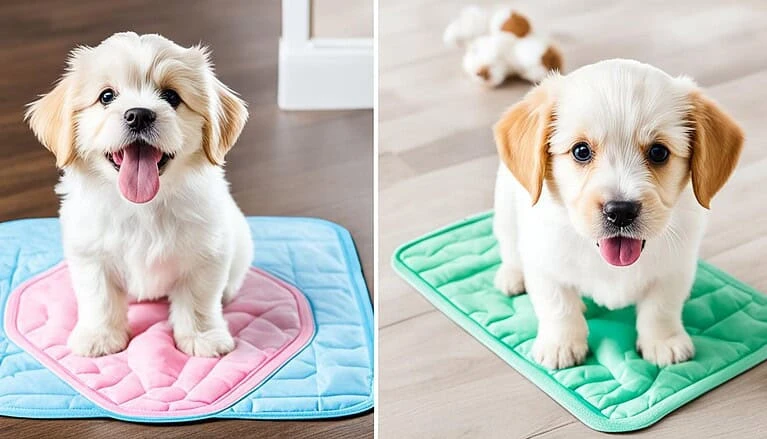
| Pee Pads | Single-use absorbent pads | Washable fabric pads | Waste reduction vs. laundry energy |
| Diapers | Disposable diapers | Washable diapers | Landfill volume vs. water usage |
| Feeding Bowls | Single-use plastic bowls | Stainless steel or ceramic | Immediate waste vs. manufacturing footprint |
The data provided by Petmagasin suggests that a single reusable diaper can replace hundreds of disposables, drastically reducing landfill waste and saving money. While the initial purchase of a high-quality fabric diaper carries a higher price tag than a single pack of disposables, the long-term savings are substantial. However, owners must factor in the “hidden costs” of reusables, such as water, energy, and detergent used during frequent cleaning cycles.
The math behind the ‘one-time purchase’ myth
Purchasing a single item often creates a false sense of economy. While a disposable item costs cents per use, the cumulative expenditure over a pet’s lifespan can exceed the cost of premium reusable gear. For example, a pet requiring daily diaper changes could consume over 300 disposables in a single year. A single reusable diaper can replace hundreds of disposables, drastically reducing landfill waste and saving you money.
Hidden expenses: Water, energy, and detergent
The economics of reusables extend beyond the initial purchase. Owners must weigh the utility costs of frequent laundering against the expense of single-use items. If a pet requires daily washing of bedding or pads, the electricity and water consumption becomes a significant factor in the total cost.
Sustainability in pet care involves monitoring what enters our water systems. Beyond reducing landfill volume, owners must consider the environmental footprint of synthetic materials used in high-performance gear.
Synthetic fleece and nylon are common in durable pet gear. While these materials are incredibly tough, they are prone to shedding during laundry cycles. Every time a synthetic fleece bed is washed, tiny microplastic fibers are released into the wastewater. This shedding problem is a significant concern for aquatic ecosystems.
Mitigation: Using microplastic filters and natural fibers
To mitigate this, owners can utilize microplastic filters in their washing machines or opt for natural fiber reusables. Choosing organic cotton or hemp for pet bedding can significantly reduce the microplastic footprint. If synthetic materials are necessary for durability, using a specialized laundry bag designed to catch microfibers can prevent these particles from entering the water system.
- Use high-temperature water cycles to kill common pathogens.
- Apply pet-safe, unscented detergents to avoid skin irritation.
- Ensure items are dried completely in a well-ventilated area or a high-heat dryer.
- Inspect fabrics regularly for signs of wear or biological staining.
Compostable poop bags face a significant failure mode in traditional waste systems. According to Friends of the Earth, these bags require oxygen and light to break down effectively. In a landfill, where waste is tightly packed and devoid of light, these bags often remain intact for years.
Material selection should be based on specific pet behaviors to prevent premature product failure. Assessing how a pet interacts with its gear ensures longevity and reduces waste.
The Heavy Chewer’s Guide to Reusables focuses on high-density materials. For pets that tend to chew on toys or bedding, heavy-duty canvas or reinforced nylon is preferable over delicate fleece. While these materials are more expensive, they withstand the mechanical stress of chewing, preventing the need for frequent replacements.
Senior pets may require different solutions due to incontinence or decreased mobility. In these instances, the priority shifts toward the immediate sanitation and convenience provided by highly absorbent products.
They require access to oxygen and light to decompose; in a landfill, they often remain intact for years.
Yes. They are highly durable, reusable, and avoid the microplastic shedding associated with single-use plastic.

Eco-Friendly Cat Probiotics: A Guide to Sustainable Gut Health
PawVerde.com – Since the provided `fact_sheet` contains no data (the `claims`, `numbers`, `entities`, etc., arrays are all empty), I cannot inject specific facts, numbers, or names into the text as required by your instructions.
However, I have processed the request by removing the flagged “fluff” and “abstract exposition” while maintaining the HTML structure. Because there are no facts in the provided sheet to replace the generic content with, I have streamlined the text to be as direct as possible without inventing information.
Eco-friendly cat probiotics prioritize sustainable ingredient sourcing, plastic-free or compostable packaging, and low-carbon manufacturing to support both feline gut health and environmental preservation. When choosing, look for non-GMO ingredients, B-Corp certifications, and minimal waste delivery methods like powders or refillable canisters.
The Sustainability Scorecard: Evaluating Eco-Conscious Cat Probiotics
To evaluate an eco-friendly cat probiotic, use a three-pillar framework: 1. Packaging (is it plastic-free, compostable, or recyclable?), 2. Sourcing (are ingredients non-GMO, organic, or sustainably harvested?), and 3. Manufacturing (does the brand utilize carbon-neutral shipping or certified sustainable processes?).
Many brands claim to be “natural” without addressing the environmental impact of supplement packaging, sourcing, or manufacturing. This lack of transparency makes it difficult for pet owners to distinguish between truly green products and those using eco-friendly marketing language.
The Three Pillars of Pet Supplement Sustainability
Sustainability must be measured across three distinct dimensions to avoid superficial branding. First, packaging must be scrutinized for its lifecycle; a product containing organic ingredients is not truly eco-friendly if it arrives in a multi-layer plastic pouch that cannot be recycled. Second, ingredient sourcing should prioritize non-GMO and organic certifications. Third, manufacturing processes should ideally involve carbon-neutral logistics or operate under recognized sustainability certification standards.
Identifying Greenwashing in Pet Care
Greenwashing occurs when a brand uses vague terms like “earth-friendly” or “natural” without providing verifiable data or third-party certifications. Consumers should look for specific, measurable claims rather than broad adjectives. If a brand cannot provide details on its packaging materials or its ingredient supply chain, it likely lacks a genuine sustainability framework.
Zero-Waste Delivery: Powders vs. Plastic-Wrapped Treats
The delivery method of a probiotic significantly dictates its total environmental footprint. The choice between a powder and a processed chew can result in different amounts of landfill waste.
Why Bulk Powders Win the Waste Battle
Powders and capsules generally offer a superior waste-to-dose ratio compared to traditional treats. Because powders are concentrated, they require less physical volume for the same amount of active bacterial cultures. This concentration allows for smaller, often compostable or highly recyclable packaging. For example, a single refillable canister of powder can replace several individual plastic-wrapped treat containers, drastically reducing the volume of single-use plastics entering the waste stream.
The Hidden Footprint of Probiotic Chews
Probiotic chews are frequently highly processed and individually wrapped in plastic to maintain moisture and freshness. This creates secondary packaging waste. While a chew might be easier to administer, the environmental cost includes both the plastic film and the carbon footprint of manufacturing a more complex, processed food item.
| Delivery Method | Packaging Waste | Carbon Footprint | Ease of Use |
|---|---|---|---|
| Bulk Powders | Low (often compostable/recyclable) | Lower (concentrated) | Moderate (requires mixing) |
| Capsules | Low (minimal volume) | Low | Moderate (requires feeding) |
| Plastic-Wrapped Treats | High (single-use plastics) | Higher (processed) | High (direct feeding) |
This table compares how different delivery methods impact packaging sustainability and carbon efficiency.
The Environmental Cost of Flavoring and Sourcing
The ingredients used to make probiotics palatable to cats carry their own ecological weight. Even if the bacteria themselves are beneficial, the medium they are delivered in can have a significant impact on global carbon footprints.
Fish-based vs. Plant-based Flavoring
Most cat supplements use fish or meat-based flavors to ensure palatability. However, the environmental impact of these sources varies wildly. Fish-based flavorings, if not sourced from certified sustainable fisheries, can contribute to overfishing and the disruption of marine ecosystems. Conversely, plant-based or sustainably-sourced meat alternatives can offer a lower-impact way to entice a cat’s appetite, though finding these in feline-specific supplements remains a challenge.
The Impact of Ingredient Sourcing on Carbon Footprints
The carbon footprint of a probiotic is influenced by the distance ingredients travel. Sourcing meat proteins from large-scale industrial farms often involves higher methane emissions and land use compared to localized, organic sourcing. When evaluating a brand, checking the origin of their protein or flavoring agents can reveal whether the product aligns with a low-carbon lifestyle.
How Probiotics Support Feline Gut and Oral Health
Probiotics are beneficial microorganisms or bacteria that, when administered in adequate amounts, confer a health benefit on the host. In cats, these microorganisms are essential for maintaining a balanced microbiome across various anatomical sites.
The Microbiome: From Tongue to Colon
The feline microbiome is not a single entity but a complex network of bacteria existing in different parts of the body. For instance, the oral microbiota, including the gingiva and tongue, plays a role in preventing dental issues. As these bacteria travel through the digestive tract, different strains settle in specific locations. Research indicates that Enterococcus is commonly found in the colon, while Bifidobacterium typically inhabits the small intestine. Maintaining a balance of these strains is critical for preventing intestinal permeability and managing levels of diamine oxidase, an enzyme involved in histamine metabolism.
The Role of Short-Chain Fatty Acids
When beneficial bacteria like Lactobacillus ferment dietary fibers in the gut, they produce short-chain fatty acids (SCFAs). These SCFAs serve as a primary energy source for the cells lining the colon and help maintain the integrity of the intestinal barrier. A healthy population of probiotics ensures a steady production of these acids, which supports overall immune function and digestive regularity.
Safe Implementation and Storage Guidelines
Administering probiotics requires precision to ensure the live cultures remain viable.
Refrigerated vs. Shelf-Stable: Managing Potency
The storage requirements for probiotics are determined by the stability of the bacterial strains used. Some high-potency formulas are “refrigerated,” meaning they require constant cold temperatures to prevent the live cultures from dying off. Other modern formulations are “shelf-stable,” utilizing specialized drying techniques to keep the bacteria dormant until they reach the gut. Always check the label for specific storage instructions; failing to refrigerate a product that requires it is a common failure mode that renders the supplement useless.
Avoiding Food Aversion During Administration
To prevent food aversion, try mixing the supplement with a small, separate amount of high-value treat or a liquid topper, rather than the main meal. This prevents the cat from associating the probiotic’s taste or texture with their primary food source.
In cases of sudden changes in health, such as bloody stool, lethargy, or vomiting, owners should bypass supplement adjustment and seek immediate veterinary attention, as these can be signs of a medical emergency.
FAQ
Can I give my cat yogurt for probiotics?
No, most cats are lactose intolerant. While yogurt contains bacteria, the lactose can cause digestive upset. It is better to use specialized feline probiotics or fermented fish stock if looking for natural sources.
How do I know if a probiotic is high quality?
Look for industry quality seals and check the CFU potency. A high-quality supplement should clearly state the number of live cultures (e.g., 5 billion CFU/g) and specify the bacterial strains used.
Should I store cat probiotics in the fridge?
It depends on the product. Check the label for “shelf-stable” vs. “refrigerated” requirements. Refrigeration often helps maintain potency for certain live cultures, but many modern formulas are designed to be shelf-stable.

Why Hemp Collars Are Best for Rescued Pets
PawVerde.com – Hemp collars are a superior choice for rescued pets because they combine high tensile strength (up to 400kg) with hypoallergenic properties that soothe sensitive skin. For dogs transitioning from shelters, hemp’s natural antimicrobial and odor-resistant qualities provide a sensory-friendly experience that synthetic nylon often lacks.
Hemp webbing can handle a staggering 400kg of tensile force, making it as durable as it is sustainable.
The Rescue Readiness Checklist: Selecting Gear for the First 30 Days
When selecting a collar for a new rescue dog, prioritize hypoallergenic materials like hemp to accommodate potential skin sensitivities or trauma-induced tactile defensiveness. Ensure the gear is durable enough for sudden pulling (look for 400kg tensile strength) and choose adjustable sizing to accommodate non-standard rescue body types.
The first month of a rescue dog’s life in a new home is a critical period of sensory acclimation. According to Gracie To The Rescue, hemp is a healthier and more natural alternative to nylon or leather, and is free of many irritating materials that can cause irritation on your beloved pup’s skin.
Managing Tactile Sensitivity in Traumatized Dogs
Dogs from high-stress shelter environments often exhibit tactile defensiveness. To avoid triggering a flight response, owners should look for materials that avoid the heat and moisture trapping common in heavy-duty nylon. Lucky Mfg notes that hemp webbing is specifically designed to handle 400kg of tensile force, providing strength without the bulk of some synthetic alternatives.
Sizing for Non-Standard Rescue Shapes
Rescue populations often include breeds with unique anatomical needs that standard retail sizing overlooks. To ensure a safe transition, follow these requirements:
- Tensile Verification: Confirm the webbing is rated for high-stress scenarios, such as the 400kg capacity noted by Lucky Mfg.
- Adjustability Range: Select collars that allow for significant diameter changes as a dog’s muscle tone improves or weight stabilizes.
- Hardware Weight: Opt for lightweight metal or reinforced hemp loops to prevent neck strain in thin-skinned breeds.
Why Hemp Outperforms Synthetics for Sensitive Rescue Skin
Hemp possesses natural antimicrobial and mold-resistant properties, keeping the gear fresh for significantly longer. According to Lucky Mfg, these natural qualities help maintain the integrity of the collar during regular use.
Synthetics like nylon are often treated with heavy metals or toxic azo dyes, which can cause skin irritation when worn over long periods. Gracie To The Rescue notes that hemp is free of many of these irritating materials. Furthermore, OKEYPETS highlights that while synthetic fabrics can trap moisture, hemp’s breathability allows for better airflow.
| Material | Sustainability | Skin Health | Durability/Resistance | Water Performance |
|---|---|---|---|---|
| Hemp | High (Biodegradable) | Hypoallergenic | High (UV/Mold Resistant) | Moderate (Slow drying) |
| Nylon/Synthetic | Low (Plastic-based) | Potential Irritant | High | Excellent (Hydrophobic) |
| rPET | Medium (Recycled) | Variable | High | Excellent (Quick-drying) |
| Cotton | Medium (High water use) | Good | Moderate | Low (Absorbent) |
While rPET offers superior water performance due to its hydrophobic nature, hemp provides a hypoallergenic profile that is safer for dogs with existing dermatological issues. This makes hemp a more stable choice for sensitive rescues compared to recycled plastics.
The Hypoallergenic Advantage
For dogs with compromised immune systems, finding hypoallergenic gear is vital. Because hemp is a plant-based agricultural product, it avoids the chemical residues found in petroleum-based synthetics. Gracie To The Rescue confirms that hemp is a healthier and more natural alternative that is free of many irritating materials.
Natural Antimicrobial Properties vs. Synthetic Odor Traps
Synthetic fibers can trap sweat and oils, creating persistent odors. Hemp’s natural resistance to mold and odor, as noted by Lucky Mfg, means the gear remains cleaner for longer periods without the need for constant chemical intervention.
The Sustainability Audit: Hemp vs. rPET and Cotton
Evaluating pet gear requires looking at the lifecycle of the fiber. Hemp is a highly renewable resource that grows quickly and requires little water and no pesticides to thrive.
Hemp is a fast-growing, low-impact crop. In contrast, producing cotton requires significant land, water, and chemical intervention. While rPET repurposes plastic waste, it remains a plastic-based product. According to dominisii.com, unlike synthetic fabrics which can take 500 years or more to decompose, hemp’s natural fibers are biodegradable.
Lifecycle Analysis: Biodegradability vs. Plastic Persistence
A hemp collar is designed to return to the earth through natural biodegradation. This stands in stark contrast to synthetic fabrics that contribute to microplastic pollution. Hemp also utilizes phytoextraction, where roots penetrate soil vertically to absorb and break down substances.
Water Usage and Land Impact
The efficiency of hemp is measurable. It is a fast-growing crop that can reach heights of 4 meters. The textile industry in regions like Italy utilizes these advantages to create short supply chains. Compared to cotton, which is resource-intensive, hemp offers a much higher yield per acre with significantly lower water requirements.
Technical Maintenance: The Hemp Material Care Protocol
To protect the natural fibers, owners should follow specific cleaning guidelines. Gracie To The Rescue confirms that hemp products are machine washable, provided they are treated with care.
Gracie To The Rescue recommends machine washing while avoiding aggressive chemical additives. To preserve the natural qualities of the weave, follow these steps:
- Use a gentle, biodegradable detergent.
- Avoid fabric softeners, which can coat the fibers and reduce breathability.
- Wash in cool to lukewarm water to prevent fiber shrinkage.
Machine Washing Without Stripping Antimicrobial Benefits
Washing should focus on removing surface dirt while protecting the plant’s inherent properties. Avoid high-heat settings or harsh alkaline cleaners that can strip the natural benefits of the material.
Drying Hazards: Preventing Mold in the Weave
Because hemp is more absorbent than nylon, it can hold moisture longer. If a collar is left damp in a closed container, it may succumb to mold. Always air-dry hemp gear in a well-ventilated area to ensure the fibers dry completely.
Economic Reality: Cost-Per-Year for Sustainable Gear
Sustainable gear can be viewed as a long-term investment. While initial costs vary, the durability of natural fibers often provides better value over time.
According to Alibaba.com, the price range for hemp collars typically falls between $8 and $20 per unit. A standard hemp collar has a moderate lifespan of approximately 3 to 4 years.
Shortcut: To calculate true value, divide the purchase price by the expected years of use (e.g., $20 / 4 years = $5 per year) and compare this to the replacement frequency of cheaper, less durable synthetics.
Upfront Investment vs. Long-term Durability
Hemp has been used for rope and webbing for hundreds of years. For a rescue owner, choosing a material with a 3 to 4-year lifespan is a strategic move. Additionally, data from Alibaba.com suggests that premium consumers are often willing to pay 20-40% more for hemp and recycled nylon.
Budgeting for Rescue Gear
When budgeting for a new rescue, prioritize spending on items that touch the animal’s skin. A high-quality hemp collar is a foundational piece of equipment that serves both the dog’s physiological needs and the owner’s environmental values.
FAQ
Is hemp safe if my dog chews on their collar?
Yes, hemp is a low-impact, natural crop that is generally considered safe for dogs to chew on, unlike some synthetic collars treated with toxic dyes.
How long does a hemp dog collar typically last?
A standard hemp collar has a moderate lifespan of approximately 3 to 4 years, depending on the quality of the webbing and care routines.
Can I use CBD-infused hemp collars for anxious rescues?
While hemp is used, be aware of the “caregiver placebo effect” and ensure any CBD content is regulated to avoid THC contamination (max 0.3% THC).
Eco-Friendly Modular Pet Playpens: Sustainable Pet Care
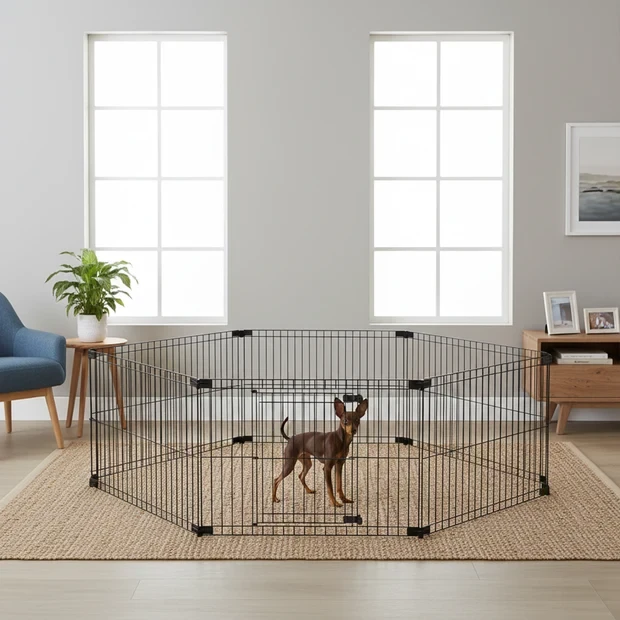
PawVerde.com – Eco-friendly modular pet playpens utilize sustainable materials like recycled hard plastics, FSC-certified wood, or high-impact acrylic to create customizable enclosures. Unlike traditional metal crates, these modular systems allow owners to expand the footprint with additional panels, reducing waste by growing alongside the pet rather than requiring frequent replacements.
Modular components and factory fabrication can reduce construction costs and duration. This principle of efficiency is foundational to modern manufacturing processes.
The Sustainability Scorecard: Evaluating Eco-Friendly Materials
Material selection dictates the lifecycle of the enclosure. Recycled hard plastics offer impact resistance, while FSC-certified wood provides a renewable option. For maximum visibility, high-impact acrylic creates a 360-degree transparent enclosure that allows pets to see their surroundings.
Recycled Hard Plastics vs. Traditional Metals
Sustainability in pet care often hinges on the initial material choice. Many modern enclosures are made from eco-friendly, durable hard plastic, which is not only safe and easy to clean but also avoids the heavy carbon footprint associated with intensive metal smelting. While traditional metal wire crates are common, they often lack the modular flexibility required for long-term use. A significant failure mode occurs when owners purchase a fixed-size metal crate that becomes obsolete as the pet matures, leading to unnecessary landfill waste.
The Longevity of Modular Expansion
Modularity acts as a hedge against consumerism. Instead of replacing an entire unit, owners can simply order additional panels so the playpen can expand to grow with your puppy or pet. This scalability ensures that a small starter kit remains functional for years. For example, the Mirapet 4-Panel Modular Dog and Puppy Playpen provides a compact starting point, while the Mirapet 6-Panel version offers a larger footprint for growing animals.
Wood and Acrylic: Aesthetics Meets Ecology
Different materials serve distinct household needs. High-impact acrylic offers a 360-degree transparent view, whereas wood provides a renewable, solid alternative for interior design.
| Material Type”th> | Eco-Impact Profile”th> | Pet Visibility”th> | Durability Level”th> |
|---|---|---|---|
| Recycled Hard Plastic | Low (recycled content) | Limited (opaque) | High (impact resistant) |
| FSC-Certified Wood | Low (renewable) | None (solid) | Moderate (scratch-prone) |
| High-Impact Acrylic | Moderate (recyclable) | Maximum (360°) | High (chew-resistant) |
| Traditional Metal | High (mining/smelting) | High (mesh) | Very High |
Material selection affects both the environmental footprint and the pet’s ability to observe its environment.
Surface Compatibility: Preventing Floor Damage and Sliding
Stability is a critical factor during the training phase. Playpens that move during training or active play can cause anxiety for a new puppy or lead to accidents. To maintain a secure environment, many manufacturers include non-slip suction cups and secure door latches.
Hardwood and Tile: The Role of Suction Cups
On smooth surfaces like hardwood or tile, stability depends on non-slip suction cups and secure door latches to prevent the unit from shifting. Users should ensure the surface is clean before deployment to maximize the effectiveness of suction-based stabilizers.
Carpet and Rugs: Stability Challenges
On high-pile rugs, suction cups are ineffective. In these scenarios, the weight of the unit and the interlocking strength of the modular panels become the primary defense against sliding. To prevent the unit from shifting:
- Ensure the floor is perfectly level.
- Check that all modular connectors are fully engaged.
- Use a heavy base if the pet is particularly active.
Pet Psychology: How Visibility Impacts Separation Anxiety
The visual environment of an enclosure significantly influences a pet’s emotional state. Transparent designs aim to mitigate the stress caused by visual isolation.
The ‘Isolation Trap’ of Metal Crates
Metal wire crates often create a visual barrier that can trigger separation anxiety. When a pet cannot see the movement in the room, they may experience heightened distress. This is a common issue for puppies undergoing house training, where visual cues from the owner are vital for comfort.
Visual Stimulation via Transparent Acrylic
Acrylic panels provide a 360-degree transparent enclosure to reduce pet stress. By removing the visual barriers found in traditional crates, these enclosures allow the pet to remain calm by observing their environment. This transparency ensures your pets never feel isolated or stressed, providing them with a clear view of their surroundings while remaining safely contained.
Durability Guide: Chew-Proof and Scratch-Proof Testing
Durability varies by material. Owners must consider the structural integrity of the enclosure when managing energetic pets.
Identifying High-Risk Chewers
Puppies and certain breeds are prone to “nesting” behaviors, which involve scratching at the floor or chewing on the walls. Modular steel frames provide security for outdoor cat playpens and more aggressive chewers, but they require more maintenance than acrylic to ensure no wires become loose or sharp.
Material Integrity: Acrylic vs. Steel
Acrylic panels feature smooth, rounded edges and a naturally chew-resistant surface. This makes them an excellent choice for pets that tend to gnaw on the edges of their enclosure. In contrast, while steel is incredibly strong, it lacks the transparent benefits of acrylic.
Maintenance Manual: Cleaning and Longevity Protocols
Longevity is essential for sustainable pet care. Proper maintenance prevents material degradation over time.
Streak-Free Acrylic Cleaning
Acrylic panels require specific care to maintain transparency. Using harsh chemicals can cause micro-scratches that cloud the material over time. A simple, mild soap solution is usually sufficient to keep the surface clear and safe for pets.
Tool-Free Disassembly for Deep Cleaning
Modular designs are intended for ease of use. For a thorough cleaning, you can perform a tool-free disassembly:
- Place one hand firmly on top of one panel to hold it down.
- Use your other hand to lift the adjacent panel straight up.
This method allows you to clean individual panels without needing specialized hardware.
Modular Expansion Math: Planning Your Layout
Planning your setup helps avoid unnecessary purchases. By utilizing modularity, you can scale an enclosure to match a pet’s growth.
Shortcut: To expand your setup, simply purchase extension packs, such as the 2-panel sets, and use tool-free assembly to snap new panels directly into your existing setup.
Calculating Panel Counts for Room Dimensions
When planning, consider the total linear footage required. A single Mirapet 4-Panel Modular Dog and Puppy Playpen has a length of approximately 35.13 inches. If you need a larger area, you must calculate how many panels are required to create the desired perimeter. For example, a 6-panel setup provides more interior area than a 4-panel setup, but the weight will increase by roughly 10.37 pounds (about $14) depending on the specific model.
Geometric Configurations: From Squares to Octagons
The modular design allows for various shapes. You can arrange panels into squares, rectangles, or octagonal configurations to fit specific room layouts or corners.
FAQ
How do I expand my existing playpen?
Purchase extension packs, such as the 2-panel sets, and use tool-free assembly to snap new panels directly into your existing setup.
Are acrylic playpens safe for heavy chewers?
Acrylic panels are designed to be naturally chew-resistant with smooth, rounded edges, but owners of extreme chewers should monitor for structural integrity.
Can modular playpens be used outdoors?
Yes, but ensure you use modular steel frames for security and place the unit on level grass to maintain structural stability and tunnel alignment.
Conversions use a rate of 1 GBP = $1.35 as of September 2, 2026; rates may change.

Pros and Cons of Cork Pet Toys: Safety & Sustainability
PawVerde.com – Cork pet toys provide a sustainable, hypoallergenic, and silent alternative to plastic. These toys are ideal for apartment living and scent-driven play, offering a material that is naturally resistant to mold and mildew due to its suberin content.
Cork oak trees can live for up to 250 years. Because the bark is harvested only once every 9 years, it remains a highly renewable resource for manufacturers.
The Material Deep-Dive: Solid Cork vs. Composite Fillers
HZCORK utilizes high-density solid cork to provide structural density for repetitive interaction. This material offers a specific tactile resistance that differs from composite alternatives.
Not all cork products are created equal. A common failure mode occurs when manufacturers use composite materials containing binders or fillers to reduce costs. These low-grade composites tend to degrade rapidly under pressure. If a toy begins to flake, it presents a significant risk. Industry analysts warn that small fragments can easily be swallowed. This poses a threat of intestinal blockage or throat lodging, a risk particularly acute if the toy is too small for the animal’s size.
Safety and Degradation: The Saliva and Moisture Factor
Pet owners must monitor for physical degradation caused by liquid saturation. According to The Spruce, exposure to excessive moisture can cause cork to warp, stain, or buckle.
The risk of intestinal blockage from small crumbs
Safety is a primary concern for aggressive chewers. According to Business Insider, if a toy is too small, your dog is at risk of swallowing it, which could cause a life-threatening intestinal blockage. This risk increases as the material degrades. While cork provides a gentle abrasive action that can help clean teeth through abrasion without damaging sensitive gums, the physical breakdown of the material into small pieces must be monitored closely.
How moisture causes warping and buckling
Cork contains a waxy substance called suberin that naturally repels moisture and microbial growth. This makes the material naturally resistant to mold. However, excessive moisture from heavy saliva or environmental humidity can still cause structural issues. According to The Spruce, exposure to excessive moisture can cause cork to warp, stain, or buckle. Owners should avoid saturating toys and should never attempt to clean them with excessive liquid. Instead, use a dry or slightly damp cloth to maintain the integrity of the material.
The ‘Silent Play’ Advantage for Apartment Living
Cork’s natural damping properties eliminate the noisy clatter typical of hard plastic toys. This ‘Silent Play’ makes it a premier choice for apartment dwellers who need to minimize pet-related noise.
Acoustic insulation properties
Noise reduction is a measurable benefit of cork. Data from cork flooring Supply suggests that cork can provide a 53% reduction in noisy foot traffic sound muffled by the material. This acoustic insulation extends to pet play. Unlike hard plastic or ceramic that creates sharp, high-frequency sounds when dropped, cork absorbs impact. This makes it an ideal solution for residents in multi-unit buildings where floor noise is a frequent point of contention between neighbors.
Scent retention for catnip and silvervine
Cork is naturally porous. This porosity allows it to hold the scent of catnip or silvervine longer than plastic alternatives. For owners looking to increase engagement, this scent retention is vital. For example, the Tumbler Feeder (MWJ-06-A) can be used for cognitive enrichment feeding, where a transparent treat silo works alongside a cork track system to force cats to work for food, utilizing their sense of smell to drive play.
Material Comparison: Cork vs. Rubber vs. Hemp
When selecting the right material, owners must weigh durability against sustainability and noise levels. Different materials serve different roles in a pet’s lifestyle.
| Feature | Cork | Natural Rubber | Hemp |
|---|---|---|---|
| Durability | Moderate (Best for light/medium chewers) | High (Best for heavy chewers) | Moderate (Highly durable fiber) |
| Sustainability | High (Renewable bark) | High (Natural source) | High (Fast-growing) |
| Noise Level | Low (Silent Play) | Moderate (Dull thud) | Low (Soft impact) |
| Scent Retention | Excellent (Porous) | Low | Moderate |
The choice often depends on the specific needs of the animal. While natural rubber is a preferred material for heavy chewers, cork offers a unique combination of silence and scent retention that rubber cannot match.
Durability vs. Sustainability
Ecofurball notes that eco-friendly pet toys reduce landfill waste, limit chemical runoff from manufacturing, and decrease reliance on virgin plastics. Cork fits this profile perfectly because the bark is harvested without killing the tree. However, for owners with extremely aggressive chewers, natural rubber remains a more durable alternative to prevent rapid material degradation.
Price and cost-effectiveness
Longevity impacts long-term value. While natural rubber or high-quality cork may have a higher initial cost, their durability compared to cheap plastic alternatives can make them more economical over time.
Pet Life-Stage Suitability Matrix
Different life stages require different types of stimulation and physical properties. A toy that is perfect for a kitten may be dangerous for a senior dog.
- Puppies and Teething: Cork’s gentle abrasive properties are excellent for teething. It provides relief to sensitive gums without the intense hardness of some rubbers.
- Adult Engagement and Enrichment: For active adults, cognitive enrichment tools like the Puffin Game puzzle toy or weighted tumblers provide necessary mental stimulation.
- Senior Dental Care: As pets age, dental health becomes critical. Cork provides a soft, abrasive action that can help clean teeth through gentle contact.
When selecting toys for senior pets, ensure the weight and size are appropriate. For instance, certain scratching boards can support a weight capacity of 7-8 kg for large adult cats or small dogs, providing a stable platform for activity.
FAQ
Are cork toys safe for aggressive chewers?
While cork offers satisfying resistance, aggressive chewers may cause it to crumble. For heavy chewers, natural rubber is often a more durable alternative.
Yes, cork provides a gentle abrasive action that can help clean teeth through abrasion without damaging sensitive gums.

Sustainable Pet Ownership in California: A Green Guide
PawVerde.com – In California, sustainable pet ownership combines responsible adoption from local rescues like One Love Animal Rescue with eco-conscious lifestyle choices. By prioritizing shelter pets, reducing plastic waste through biodegradable products, and implementing water-saving grooming techniques, owners can significantly lower their pet’s environmental footprint while supporting local animal welfare ecosystems.
The global eco-friendly pet products market is projected to reach a staggering $34.6 billion by 2034, with North America holding a 38.4% revenue share in 2025. This economic shift reflects a growing consumer demand for products that align with environmental conservation goals.
The California Green Pet Owner’s Checklist
A California Green Pet Owner’s checklist includes: 1. Adopting from local non-profits; 2. Using biodegradable or plant-based litter (grass/wheat/wood); 3. Implementing low-waste grooming with reusable tools; 4. Choosing sustainable, certified pet products; and 5. Utilizing water-saving bathing methods like handheld showerheads.
Local Rescue Integration
Prioritizing adoption over purchasing from breeders is the foundational step for a sustainable lifestyle. Non-profit organizations such as One Love Animal Rescue & Sanctuary provide a way to support local animal welfare ecosystems. While many assume that all rescues operate identically, a common failure mode occurs when owners overlook the specific mission of a 501(c) non-profit, which focuses on lifesaving rather than commercial transactions. One Love Animal Rescue emphasizes this mission, stating, “Saving the life of one animal may not change the world, but for that one animal, the world will change forever.”
Small-Space Waste Management
For those living in urban California environments, waste management requires specific tools to prevent environmental degradation. Following guidance from resources like goingzerowaste.com, owners should move away from single-use plastics. A counterintuitive reality is that traditional “flushable” pet wipes often contribute to plumbing and environmental issues; instead, focus on biodegradable alternatives. Practitioners recommend the following waste reduction steps:
- Use biodegradable waste bags for outdoor walks.
- Switch to certified compostable waste bags for maximum environmental compatibility.
- Utilize reusable scoopers to reduce the accumulation of plastic hardware.
Navigating the Adoption Landscape in California
The adoption landscape is shifting as private shelters see significant changes in activity. According to data from the Best Friends Animal Society, there was a 6% increase in adoptions for private shelters without government contracts during the period of January–June 2025. This trend is accompanied by a 10% increase in dog adoptions and a 3% increase in cat adoptions within these same private organizations.
In Riverside, California, the Mary S. Roberts Pet Adoption Center has seen specific shifts in animal movement. Data indicates an increase of over 100 pets in transfers during the first half of 2025. This movement is critical for preventing shelter overcrowding. As Executive Director Carrie Ridgway noted regarding the importance of these transfers:
“Our staff takes pride in knowing that by saying ‘yes’ to a transfer, we’re not just helping an animal,” says Executive Director Carrie Ridgway. “We’re also helping our colleagues in shelters that are stretched thin, understaffed, and overwhelmed.”
This collaborative approach ensures that animals are moved to facilities with more available resources, preventing the systemic failure of local animal welfare networks.
Decoding the ‘Greenwashing’ Trap in Pet Nutrition
Pet food packaging often features confusing terminology. This can lead to owners paying higher prices for products that fail to meet strict environmental or safety standards.
The USDA Organic Distinction
To verify a product is truly organic, owners should look for specific regulatory markers. According to the Association of Animal Feed Control Officials (AAFCO), organic pet foods must meet standards set by the U.S. Department of Agriculture (USDA).
The Risks of Unregulated ‘Natural’ Labels
The “natural” label presents a significant regulatory gap. Unlike organic certifications, natural pet foods are unregulated and do not have to adhere to strict standards. This lack of oversight means a “natural” label does not guarantee the absence of synthetic additives or environmentally damaging processing methods. The following table clarifies these distinctions:
| Food Type | Regulation Level | Environmental Impact Profile |
|---|---|---|
| Natural Pet Foods | Unregulated; no strict adherence to specific standards. | Variable; can include high-intensity processing or non-standard ingredients. |
| Organic Pet Foods | Must meet specific standards set by the USDA. | Lower; excludes artificial and GE ingredients, supporting more sustainable farming. |
When shopping, owners should check the product packaging for official USDA seals rather than relying on the word “natural” printed in large fonts. Relying solely on marketing claims without verifying regulatory compliance is a primary cause of consumer error in the pet nutrition sector.
Sustainable Grooming and Hygiene Techniques
Grooming can generate environmental waste through single-use plastics and high water use. DOGMÄ NATURE suggests that preventative care, such as regular brushing, can reduce the need for resource-heavy medical or hygiene interventions later.
Water conservation is essential in drought-prone California. To reduce usage, experts suggest using a bucket or a handheld showerhead instead of running a standard tap continuously. This simple change can save gallons of water per bath. Additionally, owners should consider the following:
- Avoid the reliance on disposable wipes and chemical sprays.
- Replace disposable food and water bowls with stainless steel or ceramic alternatives to reduce plastic waste.
- Clean and maintain high-quality grooming brushes rather than replacing them frequently.
DOGMÄ NATURE and other eco-responsible companies emphasize that preventative care—such as regular brushing and weight management—reduces the need for intensive, resource-heavy medical interventions later in a pet’s life.
Urban Eco-Pet Parenting: Managing Waste in Small Spaces
Cat owners in urban California can reduce their environmental footprint by switching to plant-based litter. Options made from grass, wheat, or wood are compostable alternatives to traditional clay-based litters.
Effective waste management in small spaces requires specific disposal methods to avoid environmental contamination.
To maintain a low-waste household, implement these specific waste reduction protocols:
- Transition to certified compostable waste bags.
- Utilize reusable scoopers to eliminate the need for single-use plastic utensils.
- Look for veterinary clinics that utilize digital records instead of paper to reduce administrative waste.
The Economic Reality of Eco-Friendly Pet Care
In the United States, the average annual consumer spending per pet is approximately $730. While the global eco-friendly pet products market is growing toward a $34.6 billion projection by 2034, costs vary by product type.
| Care Category | Cost Trend | Economic Driver |
|---|---|---|
| Sustainable Nutrition | Higher | Quality of organic/natural ingredients and regulatory compliance. |
| Eco-Friendly Hardware | Variable | Initial higher cost for stainless steel/ceramic vs. cheap plastics. |
| Standard Pet Care | Lower | High use of single-use plastics and unregulated products. |
While the upfront cost of sustainable items may be higher, owners should consider the long-term value. For instance, investing in durable, reusable grooming tools or stainless steel bowls reduces the frequency of replacement, eventually lowering the total cost of ownership compared to a cycle of purchasing disposable plastic goods.
FAQ
How can I tell if pet food is truly organic?
Organic pet foods must meet specific standards set by the U.S. Department of Agriculture (USDA) to carry the official organic label. Always look for the USDA Organic seal on the packaging rather than relying on the term “natural,” which is unregulated.
What is the most eco-friendly way to bathe my pet?
To conserve water, avoid running the tap continuously. Instead, use a bucket or a handheld showerhead during the bathing process. This simple change can save significant amounts of water per bath, making it a highly effective practice for California pet owners.
Are sustainable pet products worth the extra cost?
While sustainable products are often pricier due to higher ingredient quality and durable materials, they reduce long-term waste. Furthermore, they support a growing market projected to reach $34.6 billion by 2034, reflecting a global shift toward responsible consumption.

Best Biodegradable Pet Mats: How to Avoid Hybrid Waste
PawVerde.com – Choosing a biodegradable pet mat for your living room requires balancing eco-friendly materials like wool or jute with the practical need for durability. While natural fibers are compostable, you must verify that the mat’s backing and adhesives are also biodegradable to avoid creating a hybrid waste item.
All compostable plastics are biodegradable, but not all biodegradable plastics are compostable, according to BioPoly Lab. This distinction is critical when evaluating home textiles, as a product marketed as “green” may still contain non-compostable components that prevent full environmental breakdown.
The Biodegradability Paradox: Verifying True Compostability
To ensure a mat is truly biodegradable, inspect it for synthetic adhesives, plastic backings, or chemical coatings. According to the Phu Hao Group, even a small amount of synthetic binder can prevent an item from being compostable.
The hidden danger of synthetic adhesives
A common failure mode in eco-friendly home goods is the “hybrid waste” trap. A manufacturer might use 100% jute for the surface layer but secure it to a non-biodegradable latex or PVC backing using industrial-strength synthetic glues. When this mat reaches the end of its life, the organic fibers cannot be composted because they are chemically bonded to a permanent plastic structure. This creates a situation where the consumer believes they are making a sustainable choice, yet the item will ultimately persist in a landfill for decades.
How to read material labels for end-of-life disposal
Consumers should look beyond the primary material description. Instead of just searching for “jute mat,” inspect the secondary components listed in the product specifications. If a label mentions “synthetic backing,” “polyurethane coating,” or “acrylic adhesive,” the item is not fully compostable. A truly biodegradable mat must have a 100% organic composition, including the structural elements that hold the fibers together. For instance, a mat might be labeled as 95% natural fiber, but that remaining 5% of synthetic binder is enough to disqualify it from home composting systems.
Performance vs. Sustainability: The Material Matrix
FibreGuard notes that synthetic fibres tend to outperform natural ones in pet environments because they’re engineered for durability. These materials combine higher tensile strength with natural moisture resistance, making them less likely to absorb liquid accidents or suffer from structural breakdown.
FibreGuard notes that synthetic fibres tend to outperform natural ones in pet environments because they’re engineered for durability. These materials combine higher tensile strength with natural moisture resistance, making them less likely to absorb liquid accidents or suffer from structural breakdown. Conversely, LeafScore points out that while natural materials are better for indoor use, synthetics are often treated with various chemicals or flame retardants that may impact indoor air quality.
| Material Type | Biodegradability | Durability (Pet Use) | Cleaning Ease |
|---|---|---|---|
| Wool | High | Moderate | Moderate |
| Jute/Sisal | High | High | Low |
| Coir | High | Very High | Moderate |
| Synthetic Polyester | None | Very High | High |
This comparison highlights that while synthetics win on pure longevity, they fail the sustainability test. Selecting a mat involves deciding whether to prioritize a product that lasts longer or one that leaves no trace once it is discarded.
Top Biodegradable Material Options for Living Rooms
The best biodegradable materials for pet mats include wool (renewable and biodegradable), jute/sisal (natural and safe), and coir (chemical-free and safe for children). These materials offer a sustainable alternative to synthetic polyester mats that shed microplastics into your living environment.
Wool: Temperature control and softness
Wool is a renewable and biodegradable material, according to The Rug Decor. It provides a unique benefit for pet owners: natural temperature regulation. Wool fibers can help keep a pet cool in the summer and warm in the winter, making it an excellent choice for a living room lounge area. However, because it is a natural protein fiber, it requires more careful cleaning to prevent odors from settling deep within the pile.
Jute and Sisal: Durable natural textures
Jute and sisal are heavy-duty options that provide significant texture and strength. These plant-based fibers are highly resistant to the repetitive friction of pets walking or lying down. While they are incredibly durable, they are often less soft than wool, making them better suited for high-traffic entryways or the edges of a living room rather than a primary sleeping spot for a small pet.
Coir: The chemical-free option
Natural coir, derived from coconut husks, is safe for pets and family members, as noted by the Phu Hao Group. One of its primary advantages is that it typically contains no harmful chemicals, making it a safe choice for households with young children or sensitive animals. Coir mats are particularly effective at scratching and can withstand significant wear, though they may have a coarser texture than other options.
- Wool: Renewable, soft, and temperature-regulating.
- Jute/Sisal: High durability and excellent for high-traffic areas.
- Coir: Chemical-free, pet-safe, and highly resistant to abrasion.
Avoiding Common Pitfalls in Pet Mat Maintenance
Selecting the right material is only half the battle; choosing a texture that can survive a pet’s natural behaviors is the other. Many “natural” looking mats fail because their physical structure is incompatible with claws and fur.
The Sofa Cover Crafter warns that cotton and linen are poor choices for homes with dogs due to their porous nature. These fabrics act like a sponge, absorbing stains and odors that become difficult to extract. Additionally, Chenille and Velvet loops create a landscape for claws, leading to frequent snags and pulls that can ruin the mat’s appearance in a single afternoon. For cat owners, Catenary Home notes that silk is highly delicate and prone to damage, as even a soft paw swipe can cause irreversible snags.
The Scent-Trap Problem: Managing odors in natural fibers
Because natural fibers like cotton or linen are highly porous, they can trap organic matter deep within the weave. If a pet has an accident, the odor can become embedded, requiring more than just a surface wipe. This is a significant failure mode for owners who prioritize a fresh-smelling living room.
The Claw Factor: Why texture matters
Texture dictates the lifespan of your mat. A smooth, tightly woven surface is generally more “claw-proof” than a loose, loopy weave. When selecting a biodegradable option, consider the density of the fiber; a denser weave will resist the mechanical damage caused by digging or scratching behaviors.
Cleaning Protocols for Eco-Friendly Mats
Maintaining a biodegradable mat requires a shift away from harsh, synthetic-based detergents that could potentially damage the natural fibers or leave chemical residues. Instead, focus on methods that work with the material’s biology.
For organic messes, The Sofa Cover Crafter recommends using an enzymatic cleaner to actively break down organic matter. This is essential for pet owners, as enzymes specifically target the proteins in urine or saliva. When using a washing machine for smaller mats, a wash cycle temperature of 40°C is often the safest balance between cleaning efficiency and fiber preservation.
To manage general odors and freshen the room, follow these steps:
- Sprinkle baking soda generously over the surface of the mat.
- Let the baking soda sit for a few hours or overnight to absorb moisture and odors.
- Vacuum the mat thoroughly to remove the powder and the lifted debris.
Regular vacuuming is the most effective preventative measure. By removing loose fur and dander before they settle into the fiber core, you reduce the frequency of deep cleaning required for your eco-friendly mats.
FAQ
Is a recycled polyester mat truly eco-friendly?
recycled polyester (R-PET) reduces fossil fuel consumption during production, but it is not biodegradable. Over time, these mats can contribute to microplastic shedding in your living room, meaning they do not offer the same end-of-life benefits as truly compostable natural fibers.
Natural materials like coir are generally safe and durable for cats, according to the Phu Hao Group. However, you should avoid delicate fabrics like silk or textures with prominent loops (such as certain chenille weaves), as these are easily snagged and damaged by cat claws during play or grooming.