
Community DIY Pet Projects Boost Shelter Support and Enrichment
PawVerde.com – DIY Pet Projects Empower Owners and Support Shelters Through Enrichment and Community Engagement
Community-driven DIY pet projects have surged in popularity as pet owners seek cost-effective methods to enrich their pets’ lives while supporting local shelters. These initiatives encompass crafting enrichment toys like snuffle mats and no-sew catnip toys, producing practical accessories such as fleece blankets and dog bandanas, and creating specialized items including feral cat shelters and paracord leashes. This multifaceted approach addresses pet behavioral needs, enhances mental stimulation, and fosters stronger community collaboration through volunteer and donation programs.
Research from leading veterinary behaviorists confirms that DIY enrichment activities reduce anxiety and destructive behaviors in pets by engaging their natural instincts and cognitive functions. Snuffle mats made from recycled fabric, for example, slow down feeding while stimulating scent-tracking abilities, benefiting dogs’ mental health. Meanwhile, no-sew fleece blankets provide comfort and warmth to shelter animals lacking stable homes. Community crafting events not only generate essential resources for shelters but also increase volunteer involvement and public awareness, creating sustainable frameworks for ongoing pet welfare support.
Varieties of DIY Projects Benefiting Pets and Shelters
DIY pet projects range from simple, low-cost toys to more complex enrichment devices and practical comfort items. Catnip-filled no-sew toys, requiring only fabric scraps and stuffing, stimulate feline play and reduce stress-related behaviors common in shelter cats. Dog bandanas, customizable with safe dyes and patterns, serve both aesthetic and functional roles, including promoting adoption awareness.
Enrichment products such as puzzle feeders challenge pets’ mental faculties by encouraging problem-solving during feeding times, which reduces boredom and associated anxiety. Snuffle mats, typically composed of fabric strips tied onto a rubber mat, engage dogs’ scent-driven foraging instincts and slow rapid eating, mitigating digestive issues. Practical items like no-sew fleece blankets and kennel mats provide tactile comfort, particularly for shelter animals needing warmth and security.
More specialized projects address specific shelter needs, such as feral cat shelters constructed from durable, weather-resistant materials to offer outdoor cats protection. Handwoven paracord leashes provide a budget-friendly alternative to commercially sold options, designed for durability and safety. These projects collectively support animal welfare by enhancing the physical and psychological well-being of pets both in homes and shelters.
Mental and Behavioral Benefits of DIY Pet Enrichment
Engagement in DIY enrichment projects directly correlates with measurable improvements in pet behavior and mental health. According to studies published by veterinary behavior experts, dogs and cats exposed to interactive toys and scent-based games exhibit reduced signs of stress, including decreased pacing, excessive vocalization, and destructive chewing. Enrichment games such as “Find It,” where treats are hidden within puzzle feeders or snuffle mats, simulate natural foraging behaviors, providing cognitive stimulation that alleviates boredom.
These activities also reinforce pet-owner bonds by integrating play into daily routines, fostering trust and communication. Structured enrichment programs contribute to consistent mental exercise, which is critical in preventing behavioral problems rooted in under-stimulation. For shelter animals, enrichment toys alleviate the stress of confinement and unpredictability, increasing their adoptability by promoting calm and friendly behavior.
Community Involvement Through Crafting and Shelter Support
Community volunteerism amplifies the impact of DIY pet projects by pooling skills, resources, and social networks. Organizing crafting parties where volunteers assemble no-sew toys or fleece blankets creates social engagement while fulfilling shelter demands. These events often involve assembly kits distributed to participants, ensuring standardized safety and quality across handmade items.
Donation frameworks emphasize collaboration with local shelters and humane societies to identify urgent material needs and appropriate item specifications. Reputable organizations recommend confirming shelter acceptance policies before crafting to avoid surplus or unusable donations. Additionally, creative community projects such as designing adoption-promotion dog bandanas or writing letters to shelter animals foster emotional connections between volunteers and animals, enhancing advocacy efforts.
Sustainability and Safety in DIY Pet Care Projects
sustainable pet care practices are integral to contemporary DIY projects, aligning with broader environmental goals. Utilizing recycled fabrics for snuffle mats and repurposed materials for no-sew toys reduces waste and supports eco-friendly pet ownership. However, safety considerations remain paramount; materials must be non-toxic, durable, and free from small detachable parts that pose ingestion hazards.
Preservation limits for homemade grooming products and toys must be respected to prevent microbial contamination. Experts recommend washing fabric items regularly and avoiding synthetic stuffing that can harbor allergens or chemicals. Durability testing prior to donation ensures that toys withstand typical pet wear and tear, minimizing risks of injury or choking. These precautions maintain trustworthiness and effectiveness in community-crafted pet items.
Practical Resources and Getting Started
Pet owners and volunteers can initiate DIY pet projects by connecting with local animal shelters and humane societies to assess needs and guidelines. Organizations such as the ASPCA and Humane Society provide tutorials and material lists for safe and effective pet enrichment crafts. Social media platforms and community forums offer avenues for sharing project ideas, coordinating group efforts, and publicizing donation drives.
Recommended materials for beginners include fleece fabric, cotton scraps, non-toxic stuffing, and sturdy rubber mats for snuffle mats. Step-by-step instructions accessible online detail techniques for assembling no-sew toys and puzzle feeders with minimal tools. Engaging in local crafting events or shelter volunteer programs offers hands-on experience and facilitates meaningful community impact through collaborative pet care.
| DIY Project | Materials Needed | Behavioral Benefit | Shelter Application |
|---|---|---|---|
| Catnip No-Sew Toys | Fabric scraps, catnip, stuffing | Reduces feline anxiety and promotes play | Enriches shelter cats’ environment |
| Snuffle Mats | Recycled fabric strips, rubber mat | Stimulates scent tracking; slows feeding | Improves dog mental health in shelters |
| Puzzle Feeders | Plastic containers, treats | Enhances problem-solving skills | Reduces boredom-induced behaviors |
| No-Sew Fleece Blankets | Fleece fabric | Provides comfort and warmth | Improves shelter animal well-being |
| Paracord Leashes | Paracord, clips | Durable, safe walking tools | Supports shelter adoption events |
FAQ
What are simple DIY enrichment toys I can make for my pet?
No-sew catnip toys made from fabric scraps and stuffing are easy to create and stimulate feline play. For dogs, snuffle mats made by tying fabric strips onto a rubber mat promote scent-driven foraging and slow feeding, offering mental stimulation.
How can community projects help local animal shelters?
Community crafting parties and donation drives enable volunteers to produce essential enrichment toys and comfort items for shelters. These initiatives increase volunteer engagement, provide shelters with needed resources, and raise public awareness about pet welfare.
Are DIY pet projects safe for shelter animals?
Safety depends on using non-toxic, durable materials and avoiding small parts that pets could ingest. It is crucial to confirm shelter guidelines for donations and regularly wash fabric items to maintain hygiene and prevent health risks.
What behavioral benefits do enrichment toys provide pets?
Enrichment toys reduce anxiety, prevent destructive behaviors, and encourage natural instincts like foraging and problem-solving. They also strengthen the bond between pets and owners through interactive play.
Where can I find materials and instructions for DIY pet projects?
Reputable animal welfare organizations and humane societies offer free tutorials and material recommendations online. Local shelters often provide guidance on suitable donation items and may host crafting events for volunteer participation.
Community-driven DIY pet projects merge creativity, sustainability, and animal welfare to enrich pets’ lives and empower owners. By integrating behavioral science with accessible crafting techniques and shelter collaboration, these initiatives represent a progressive model for holistic pet care and community service. Expanding such programs can further enhance mental health outcomes for pets and strengthen the social fabric that supports animal welfare organizations nationwide.
How to Ensure Balanced Nutrition in Natural Pet Diets Expert Guide
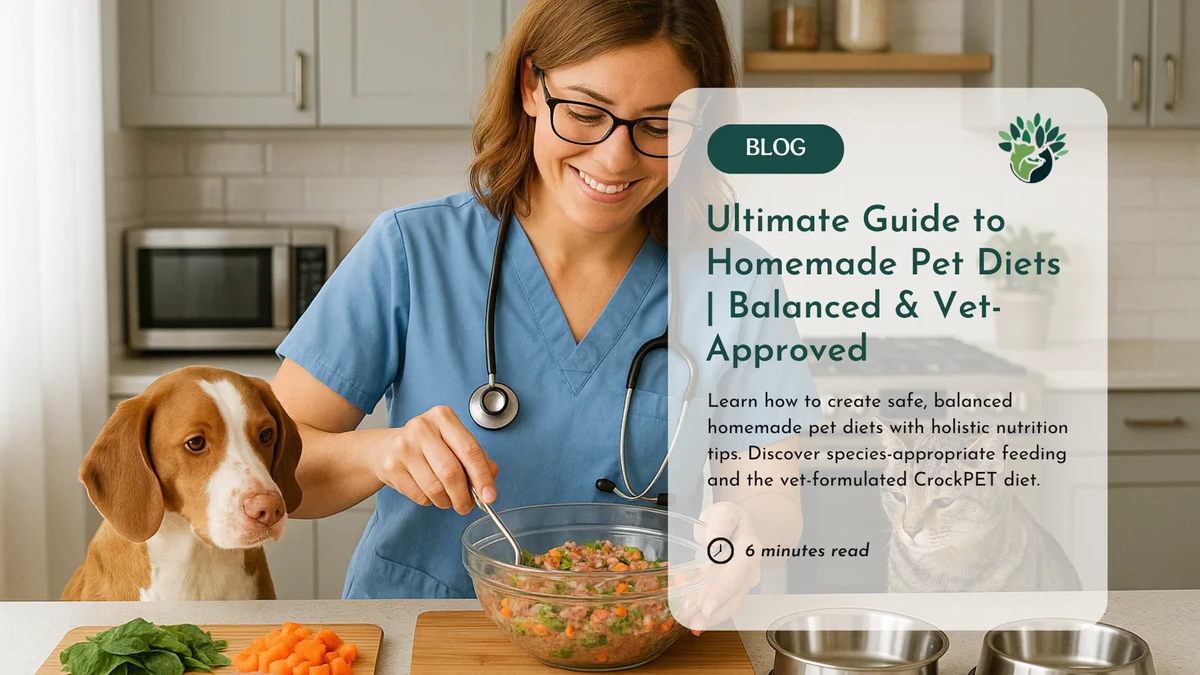
PawVerde.com – Veterinary nutritionists emphasize that balanced nutrition in natural pet diets demands meticulous formulation tailored to each animal’s specific energy and nutrient requirements. Recent surveys reveal that nearly 90% of homemade diets in the U.S. fail to meet nutritional adequacy, underscoring the critical role of expert guidance. Achieving nutritional completeness involves integrating diverse protein sources such as chicken, turkey, cod, and veal with appropriate carbohydrates like rice, pumpkin, and barley, complemented by healthy fats including salmon and sunflower seed oils. Essential vitamin-mineral supplements designed by veterinary experts, such as BalanceIT, help prevent trace nutrient deficiencies that commonly arise in homemade feeding. Fresh whole foods contribute valuable fiber, enzymes, and antioxidants, enhancing digestion and immune resilience. Veterinary nutritionists utilize advanced formulation software like PetDiet Pro to customize diets based on individual pet profiles, ensuring alignment with AAFCO guidelines and life stage nutrient needs.
Understanding Essential Nutritional Requirements for Dogs and Cats
Pets require six fundamental nutrient groups for optimal health: proteins, fats, carbohydrates, vitamins, minerals, and water. Protein supplies amino acids crucial for tissue repair and immune function, with quality sources including chicken, turkey, pork, cod, and veal, each varying in digestibility and amino acid profiles. Fats, sourced from salmon oil or sunflower seed oil, provide concentrated energy and essential fatty acids like omega-3 and omega-6, instrumental in skin health and cognitive function. Carbohydrates such as rice, potatoes, barley, and pumpkin serve as energy sources and aid gastrointestinal motility. Vitamins and minerals regulate metabolic pathways and prevent deficiency syndromes; for example, calcium and phosphorus balance bone formation, while antioxidants from fresh vegetables support immune defense.
Nutrient requirements fluctuate significantly by species, life stage, activity level, and health status. Puppies and kittens have elevated demands for protein and energy to support growth, whereas senior animals may require modified nutrient profiles to manage chronic conditions. Energy needs depend on factors such as breed size and activity; active working dogs require substantially more calories than sedentary indoor pets. Veterinary nutritionists calculate these parameters to tailor diets that maintain ideal body condition and support physiological functions.
Common Ingredients and Their Nutritional Contributions
Homemade pet diets incorporate a variety of whole foods, each contributing specific nutrients essential for balance:
Selecting ingredients based on their nutrient profiles and digestibility ensures a foundation for balanced homemade formulations.
The Role of Veterinary Nutritionists and Formulation Software
Veterinary nutritionists play a pivotal role in formulating homemade diets that meet or exceed standards set by organizations such as the Association of American Feed Control Officials (AAFCO). Board-certified specialists assess pets’ medical histories, breed-specific needs, and owner preferences to design personalized diets. They employ advanced diet formulation software like PetDiet Pro, which calculates nutrient profiles by integrating ingredient nutrient databases and pet-specific parameters. This technology helps avoid common pitfalls such as imbalanced calcium-to-phosphorus ratios or insufficient levels of trace minerals.
These professionals also monitor pets longitudinally, adjusting diets in response to health changes or life stage transitions, ensuring ongoing nutritional adequacy. Collaboration between pet owners, veterinarians, and nutritionists enhances safety and efficacy in homemade feeding regimens.
Vitamin and Mineral Supplementation: Preventing Nutrient Deficiencies
Homemade diets often lack sufficient trace nutrients unless carefully supplemented. Deficiencies in minerals such as zinc, copper, or iodine can precipitate dermatological, neurological, or metabolic disorders. Vitamins A, D, E, and B-complex are critical in numerous biochemical pathways, and their absence can impair vision, bone health, and energy metabolism.
Veterinary nutritionists commonly recommend commercial supplements like BalanceIT, which are formulated to supply precise amounts of essential vitamins and minerals tailored to homemade diet compositions. Proper measurement and administration protocols are crucial to avoid toxicity or under-supplementation. For example, overdosing vitamin D can cause hypercalcemia, while insufficient calcium leads to skeletal abnormalities.
The use of scientifically grounded supplements alongside whole foods mitigates risks inherent in unbalanced homemade feeding.
Practical Guidelines for Pet Owners Formulating Homemade Diets
Pet owners are advised to avoid unsupervised ingredient substitutions, as altering protein or carbohydrate sources can disrupt the nutrient balance carefully established in veterinary-formulated recipes. Gradual diet transitions over a 7- to 14-day period reduce gastrointestinal disturbances and facilitate palatability acceptance.
Regular veterinary check-ups are essential to monitor body condition scores, blood nutrient levels, and overall health status. Diagnostic tests such as serum biochemistry and complete blood counts can detect subclinical deficiencies early, allowing timely dietary adjustments.
Owners should maintain detailed feeding logs and communicate changes in appetite, stool quality, or behavior to their veterinary team. This collaborative approach ensures pets receive optimal nutrition while minimizing risks.
Benefits of Incorporating Fresh Whole Foods into Pet Diets
Fresh whole foods contribute live enzymes that support digestive processes, antioxidants that neutralize free radicals, and dietary fiber that promotes healthy gut microbiota composition. These components collectively enhance nutrient absorption, immune competence, and gastrointestinal motility.
Examples of beneficial fresh ingredients include:
Veterinary nutritionists recommend integrating these foods within balanced formulations to leverage their health-promoting properties without risking nutrient imbalances.
Risks and Challenges Associated with Homemade Diets
Studies indicate a high prevalence of nutritional inadequacies in homemade diets, with common deficiencies in calcium, phosphorus, taurine, and vitamin D. Such imbalances can lead to metabolic bone disease, cardiomyopathies, or immune dysfunction. Excesses, particularly of fat or certain vitamins, pose risks of pancreatitis or hypervitaminosis.
Unsupervised homemade feeding may also lack pathogen control measures inherent in commercial manufacturing, increasing risks of bacterial contamination. Moreover, inadequate knowledge of pet-specific nutrient bioavailability and interactions can result in suboptimal health outcomes.
Evidence-based recipes developed by veterinary nutritionists, combined with professional oversight, are essential to mitigate these concerns.
Advancing Homemade Pet Diets: Practical Next Steps

To optimize homemade feeding practices, pet owners should prioritize veterinary collaboration and utilize formulation tools validated by scientific research. Routine assessments of nutrient status and body condition facilitate early identification of dietary gaps.
Emerging technologies integrating AI-driven nutrient analysis and personalized health data offer promising avenues for refining diet precision. Continued research on nutrient bioavailability and the long-term impacts of homemade diets will further inform best practices.
Pet owners committed to natural feeding can enhance pet wellbeing by adhering to evidence-based formulations, supplementing appropriately, and maintaining vigilant veterinary supervision.
Frequently Asked Questions
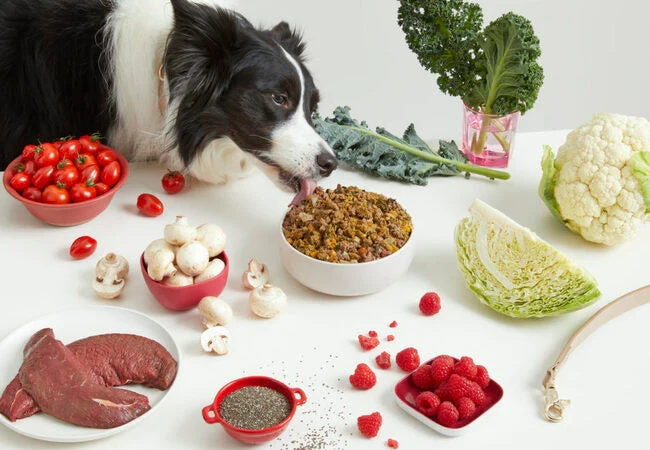
How can I ensure my homemade pet diet is nutritionally balanced?
Consulting a board-certified veterinary nutritionist is critical. They can formulate diets using software like PetDiet Pro, ensuring inclusion of essential proteins, fats, carbohydrates, vitamins, and minerals tailored to your pet’s life stage and health status.
Are vitamin-mineral supplements necessary for homemade diets?
Yes. Homemade diets often lack trace nutrients vital for health. Supplements like BalanceIT provide these in precise amounts to prevent deficiencies or toxicities, maintaining nutrient adequacy.
What are the risks of feeding homemade diets without professional guidance?
Common risks include nutritional deficiencies (e.g., calcium, taurine), nutrient excesses, gastrointestinal upset, and increased exposure to pathogens. These can lead to serious health problems such as metabolic bone disease or heart conditions.
Can fresh whole foods improve my pet’s health?
Fresh whole foods add fiber, antioxidants, and enzymes that support digestion and immune function. When integrated into balanced diets, they can enhance overall nutrient bioavailability and promote wellness.
How should I transition my pet from commercial to homemade food?
Transition gradually over one to two weeks, mixing increasing amounts of homemade food with commercial diets to minimize digestive disturbances and encourage acceptance.
—
This comprehensive overview integrates scientific insights, veterinary expertise, and practical guidance to support pet owners in safely adopting homemade natural diets. Collaborating with veterinary nutritionists and using validated tools ensures pets receive balanced nutrition vital for longevity and vitality.
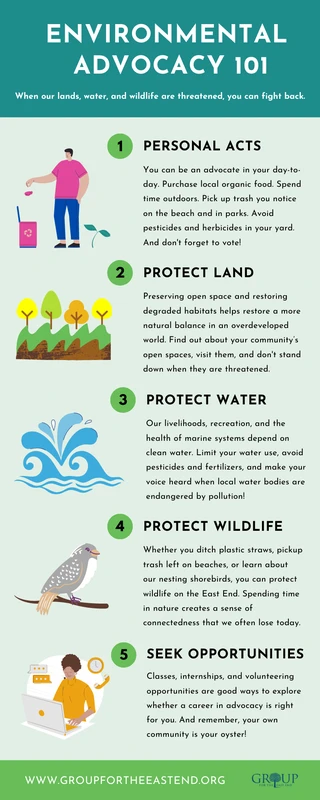
Pet Advocacy vs Environmental Groups: Balancing Animal Welfare & Conservation
PawVerde.com – Pet advocacy groups and environmental organizations share a fundamental commitment to reducing human-caused harm to wildlife, yet their missions and methods diverge markedly. Pet advocacy centers on the welfare of individual animals, emphasizing protection from suffering and cruelty, often advocating for non-lethal interventions. In contrast, environmental organizations prioritize the conservation of biodiversity and ecosystem integrity, frequently supporting measures like invasive species eradication to maintain ecological balance. These differing priorities have led to conflicts, particularly surrounding invasive species management, but recent developments reveal growing collaboration aimed at integrating animal welfare with ecological conservation.
Pet advocacy groups emerged from concerns about the treatment of companion and captive animals, expanding their remit to include wild animals affected by human activities. Their core mission focuses on preventing suffering and promoting the rights of individual animals, regardless of species. This focus leads to opposition against practices such as culling invasive species, which they argue causes unnecessary harm. Environmental organizations, including conservation biologists and wildlife protection agencies, operate with a systemic perspective. They seek to preserve species diversity, ecosystem functions, and natural habitats, often endorsing rigorous management of species deemed invasive or harmful to native wildlife. Both groups agree on minimizing human impacts but differ sharply in their ethical frameworks and operational tactics.
The divergence between these entities becomes apparent in managing invasive species—a pressing issue in global conservation. Environmental scientists highlight invasive species as one of the leading threats to native biodiversity, often requiring lethal control methods to restore ecological balance. For instance, island ecosystems devastated by invasive rodents have seen recovery following eradication campaigns supported by conservation groups. Conversely, pet advocacy and animal welfare organizations frequently oppose these measures, citing the suffering inflicted on individual invasive animals. They promote non-lethal alternatives such as fertility control, translocation, or habitat modification. This conflict exemplifies the broader tension between animal welfare ethics, which prioritize individual lives, and conservation biology’s emphasis on population and ecosystem health.
Conflicts also arise in the context of hunting and wildlife management. Many environmental organizations recognize regulated hunting as a tool for population control and habitat management, especially where human-wildlife conflict escalates. Hunting communities often collaborate with conservationists to maintain sustainable populations and fund conservation through licensing fees. However, animal rights activists challenge hunting on ethical grounds, arguing it causes unnecessary suffering and undermines intrinsic animal value. These disputes reflect underlying philosophical differences but have also led to nuanced dialogues. Some conservation projects now seek to incorporate welfare standards within hunting regulations, aiming to reduce animal suffering while achieving ecological goals.
Several case studies illustrate both conflict and cooperation between pet advocacy and environmental groups. In New Zealand, eradication of invasive possums and rats on offshore islands sparked protests from animal welfare advocates, but collaborative frameworks emerged to improve transparency and explore humane methods. Similarly, in the United States, partnerships between conservation biologists and animal welfare organizations have developed protocols for trapping and relocating beavers rather than lethal removal, balancing ecosystem restoration with animal welfare concerns. These examples demonstrate the potential for pragmatic solutions when groups engage constructively, sharing expertise and prioritizing both ethical and ecological outcomes.
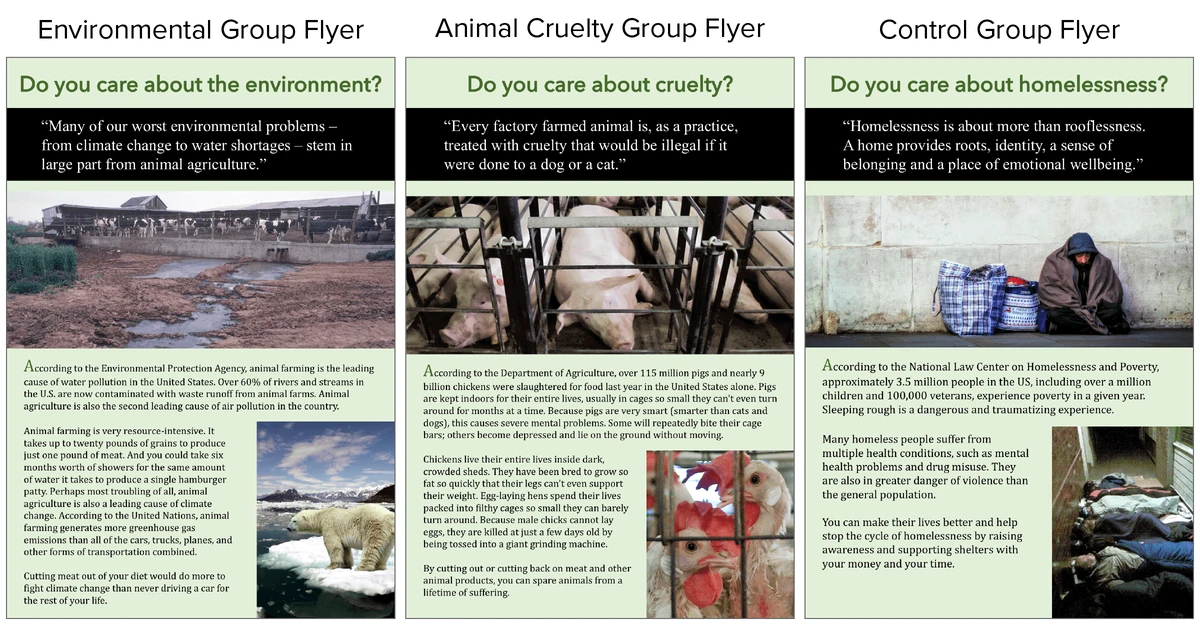
Human activities, particularly animal agriculture, represent a shared concern that bridges some divides between advocacy and conservation entities. Intensive farming practices contribute to habitat loss, pollution, and greenhouse gas emissions, all of which imperil wildlife and ecosystems. Both environmental organizations and animal welfare advocates call for reforms to reduce the ecological footprint of agriculture. While conservationists emphasize landscape preservation and biodiversity corridors, welfare groups focus on the humane treatment of farmed animals and reducing animal suffering. This convergence opens avenues for cross-sector collaboration promoting sustainable agriculture that benefits both ecosystems and animal welfare.
Animal testing remains a contentious issue that simultaneously unites and divides these groups. Pet advocacy and animal rights organizations vigorously oppose animal experimentation on ethical grounds, campaigning for alternatives and stricter regulations. Environmental groups may support limited testing when it advances conservation science or protects endangered species, reflecting a utilitarian approach that weighs individual suffering against species survival. This debate underscores the complex ethical terrain where welfare and conservation goals intersect and sometimes conflict, highlighting the need for transparent, science-based policies that address both concerns.
Emerging trends suggest a growing integration of welfare ethics into conservation science, fostering interdisciplinary approaches that acknowledge the validity of both perspectives. Concepts like compassionate conservation advocate for protecting individual animals within broader ecological frameworks, challenging traditional conservation paradigms that prioritize species and habitats over individuals. Policymakers and practitioners increasingly recognize that balancing these objectives requires stakeholder engagement, transparent decision-making, and adaptive management strategies that accommodate ethical diversity and ecological realities. These developments point toward a future where pet advocacy groups and environmental organizations work collaboratively to design humane and effective conservation interventions.
The policy implications of integrating welfare and conservation are significant. Governments and regulatory bodies face pressure to reconcile competing interests through legislation that supports both biodiversity protection and animal welfare standards. Funding agencies and conservation programs are adopting criteria that assess ethical impacts alongside ecological effectiveness. Invasive species management plans now often include welfare assessments as part of their protocols. This shift demands ongoing dialogue among scientists, advocates, land managers, and affected communities to create inclusive frameworks that reflect evolving societal values about animals and nature.
Introduction to Pet Advocacy and Environmental Organizations
pet advocacy groups primarily focus on the welfare of individual animals, including pets, wildlife, and captive animals. Their efforts center on preventing cruelty, reducing suffering, and promoting humane treatment across various contexts. These organizations often engage in rescue operations, legal advocacy, public education, and policy lobbying to enforce animal protection laws. In contrast, environmental organizations encompass a broader scope, aiming to conserve biodiversity, maintain ecosystem functions, and mitigate environmental degradation caused by human activities. Their strategies include habitat preservation, species recovery programs, pollution control, and sustainable resource management. Despite differing emphases, both groups share the objective of minimizing harm to animals and natural systems.
Divergent Priorities and Approaches
Pet advocacy groups prioritize individual animal welfare, advocating for rights and protections that consider animals as sentient beings deserving ethical treatment. This focus often leads to opposition against lethal methods used in wildlife management, particularly in controlling invasive species. Instead, they promote alternatives such as sterilization, relocation, or exclusion techniques to minimize suffering. Environmental organizations, conversely, prioritize ecological integrity, supporting interventions that may involve lethal control to preserve native species and habitats. For example, in Australia, conservationists have implemented large-scale culling of invasive feral cats to protect endangered marsupials, a practice opposed by animal welfare advocates. These differing approaches reflect foundational ethical distinctions: welfare ethics emphasize the individual, while conservation ethics emphasize species and ecosystems.
Case Studies Highlighting Conflicts and Cooperation
The management of invasive species presents one of the most visible arenas of conflict and collaboration between pet advocacy and environmental groups. In New Zealand, efforts to eradicate invasive possums and rodents have been crucial to restoring native bird populations, yet these campaigns have drawn criticism for animal cruelty. Negotiations led to the adoption of more humane trapping devices and increased monitoring to reduce unnecessary suffering. Similarly, programs in the United States aimed at controlling beaver populations through relocation rather than lethal means illustrate the potential for consensus-driven solutions. Hunting practices also reveal complex dynamics; wildlife agencies incorporate animal welfare considerations into hunting regulations to mitigate suffering while maintaining population control, reflecting a middle ground between conservation and welfare priorities.
Impact of Human Activities on Wildlife: A Shared Concern
Animal agriculture significantly impacts wildlife through habitat destruction, water pollution, and greenhouse gas emissions, contributing to biodiversity loss and climate change. Both pet advocacy and environmental organizations recognize these threats, advocating for reform. Environmental groups promote agroecological practices and habitat connectivity to protect species, while animal welfare groups emphasize humane farming practices and reduced reliance on intensive animal agriculture. The intersection of these concerns fosters potential collaboration in campaigns promoting plant-based diets, sustainable agriculture, and ethical consumerism. Additionally, animal testing controversies highlight divergent views, with welfare advocates demanding cessation of animal experiments and some conservationists supporting their controlled use to advance species protection research.
Future Directions: Bridging Gaps Between Advocacy and Conservation
The future of wildlife and ecosystem protection increasingly depends on integrating animal welfare ethics with conservation science. Emerging frameworks like compassionate conservation seek to harmonize these objectives by emphasizing non-lethal management, consideration of individual animal interests, and ecosystem health. Policymakers are beginning to incorporate welfare assessments into conservation planning, reflecting growing societal concern for ethical treatment across all species. Stakeholder engagement involving pet advocacy groups, environmental organizations, hunting communities, and agricultural sectors is vital for developing balanced policies. Adaptive management strategies that monitor ecological and welfare outcomes provide a pathway to pragmatic, ethically informed conservation practices.
| Aspect | Pet Advocacy Groups | Environmental Organizations |
|---|---|---|
| Primary Focus | Individual animal welfare and rights | Biodiversity and ecosystem conservation |
| Ethical Framework | Animal welfare ethics prioritizing sentient individuals | Conservation ethics prioritizing species and habitats |
| Typical Methods | Non-lethal interventions, rescue, advocacy | Lethal control, habitat restoration, species management |
| View on Invasive Species | Oppose lethal eradication; promote humane alternatives | Support eradication to protect native biodiversity |
| Stance on Hunting | Generally oppose due to animal suffering concerns | Support regulated hunting for population and habitat management |
| Shared Concerns | Reducing human-caused harm, promoting ethical treatment | Minimizing human impacts, restoring natural balance |
FAQ
How do pet advocacy groups and environmental organizations differ in their goals?
Pet advocacy groups focus on promoting the welfare and rights of individual animals, aiming to reduce suffering and prevent cruelty. Environmental organizations prioritize conserving biodiversity and ecosystem health, often supporting population-level interventions that may involve lethal control of invasive species.
Why do pet advocacy groups oppose invasive species eradication?
Pet advocacy groups oppose invasive species eradication primarily because it involves killing individual animals, which they view as causing unnecessary suffering. They advocate for humane, non-lethal alternatives such as sterilization or relocation to manage invasive populations.
Can pet advocacy groups and environmental organizations collaborate effectively?
Yes, collaboration is increasingly possible through frameworks that integrate animal welfare ethics with conservation goals. Examples include using humane trapping methods, relocation programs, and joint policy development to balance ethical concerns with ecological effectiveness.
What role do hunting communities play in conservation efforts?
Hunting communities often collaborate with environmental organizations by participating in regulated hunting programs that manage wildlife populations and generate funding for conservation. However, their role is contested by animal rights advocates concerned about animal suffering.
How do human activities like animal agriculture impact wildlife conservation and welfare?
Animal agriculture contributes to habitat loss, pollution, and greenhouse gas emissions, negatively affecting wildlife and ecosystems. Both pet advocacy and environmental groups advocate for reforms promoting sustainable farming practices and reducing animal suffering to mitigate these impacts.
The evolving relationship between pet advocacy groups and environmental organizations highlights the complexity of balancing individual animal welfare with broader ecological conservation. Continued dialogue, research, and policy innovation are essential to reconcile ethical and scientific perspectives, ensuring effective and humane strategies for protecting wildlife and ecosystems in the face of increasing human pressures.
Pet-Friendly Eco-Lodging Boosts Host Revenue by 24% in 2026
PawVerde.com – Pet-friendly eco-lodging has emerged as a lucrative segment within the vacation rental market in 2026, driving notable financial gains for hosts and platforms. Recent data from Guesty reveals that pet-friendly vacation rentals command an average daily rate (ADR) approximately 9% higher than non-pet-friendly units, translating into a revenue per available night (RevPAN) uplift of 24%. This premium reflects both increased demand from pet owners and the willingness to pay for accommodations that align with sustainability values. Additionally, hosts report up to 20% higher overall earnings when integrating eco-friendly practices with pet accommodation policies, further underscoring the commercial viability of this niche.
The financial appeal of pet-friendly eco-lodging extends beyond higher pricing. Pet fees, typically ranging from $20 to $50 per stay depending on property size and location, contribute directly to offsetting incremental cleaning and maintenance expenses associated with pet stays. These fees, combined with higher occupancy rates—often 15% above average for pet-friendly listings—enable hosts to enhance profitability while maintaining quality standards. Longer average guest stays, supported by data indicating a 12% increase in booking duration for pet-friendly properties, also reduce turnover costs and improve revenue stability.
Financial Benefits of Pet-Friendly Eco-Lodging
Pet-friendly vacation rentals generate measurable financial advantages through multiple channels. According to data aggregated by Guesty and Vacasa, the average ADR for pet-accepting properties is $145 compared to $133 for similar non-pet-friendly units in comparable markets. This price premium is bolstered by an occupancy rate of 72% versus 62%, yielding a RevPAN disparity that significantly favors pet-inclusive listings.
The incorporation of pet fees serves as a direct revenue stream to mitigate the additional costs incurred from enhanced cleaning protocols, pet-proofing measures, and potential wear on furnishings. A recent survey of vacation rental hosts found 68% apply pet fees, averaging $35 per stay, which collectively accounts for a 5% to 7% increase in net rental income. This fee structure is critical for sustaining eco-friendly maintenance regimes, such as non-toxic cleaning agents and biodegradable waste disposal, that align with sustainable lodging certifications.
Longer stays from pet-owning guests are financially advantageous, with bookings extending by an average of 1.5 nights compared to non-pet guests. This extension reduces turnover frequency, which correlates with lower operational costs. Repeat bookings and positive reviews linked to pet-friendliness further enhance lifetime value per customer, contributing to a documented 10% uplift in guest retention rates over two years.
| Financial Metric | Pet-Friendly Rentals | Non-Pet-Friendly Rentals | Data Source/Period |
|---|---|---|---|
| Average Daily Rate (ADR) | $145 | $133 | Guesty, Recent Data 2026 |
| Occupancy Rate | 72% | 62% | Vacasa, Recent Data 2026 |
| Revenue per Available Night (RevPAN) | $104.40 | $82.46 | Calculated from ADR × Occupancy |
| Average Pet Fee per Stay | $35 | N/A | Host Survey 2026 |
| Average Length of Stay (Nights) | 6.5 | 5.0 | Platform Data 2026 |
| Guest Retention Rate (2 Years) | 35% | 25% | Host Analytics Report 2026 |
Practical Advantages and Challenges for Hosts and Travelers
Pet owners increasingly prioritize accommodations that welcome animals without compromising environmental values, creating a competitive advantage for eco-lodges adopting pet-friendly policies. Vacation rental platforms such as Airbnb, Vrbo, and Booking.com have integrated filters to highlight pet-friendly options, reflecting consumer demand. Enhanced amenities—dog beds, pet bowls, fenced yards—and explicit, transparent pet policies improve guest satisfaction and reduce disputes.
However, hosts face practical challenges managing pet-friendly listings across regions with variable regulatory frameworks and traveler expectations. In urban areas, restrictive pet policies enforced by housing associations such as Manor Estates and regulatory bodies like the U.S. Department of Housing and Urban Development (HUD) complicate offering pet accommodations. Furthermore, enforcing pet behavior standards and managing cleaning logistics require robust operational protocols.
Pet travel remains constrained by regional restrictions, impacting availability. For example, certain eco-tourism destinations maintain strict no-pet policies to protect vulnerable ecosystems, limiting options for travelers. TrustedHousesitters and Dogs Trust report ongoing difficulties in securing pet care services in these regions, affecting guest decision-making. Clear communication of pet policies and local compliance is critical to minimize cancellations and reputational risks.
Environmental and Sustainability Considerations in Pet-Friendly Lodging
Eco-lodging emphasizes minimizing environmental impact through sustainable design, operations, and guest engagement. Certifications such as USDA Organic and Marine Stewardship Council (MSC) validate environmental responsibility, offering hosts marketing leverage and consumer trust. However, greenwashing risks remain prevalent, as seen in controversies involving resorts like the Hilton Maldives, where sustainability claims failed independent verification.
Biophilic design principles—incorporating natural materials, maximizing daylight, and fostering connections to local ecosystems—are increasingly integrated into pet-friendly properties. These contribute to guest wellbeing and align with eco-tourism best practices. Sustainable amenities such as biodegradable pet waste bags, energy-efficient heating, and water-saving fixtures reduce ecological footprints.
Hosts adopting verified certifications report increased occupancy by eco-conscious travelers, with studies indicating a 15% preference for certified eco-lodgings over uncertified alternatives. Integration of pet-friendliness within this framework requires balancing animal welfare with environmental protection, ensuring pet activities do not compromise habitat integrity.
Regulatory and Social Dimensions Affecting Pet-Friendly Eco-Lodging
Legal frameworks underpinning pet accommodation in vacation rentals are complex, particularly regarding assistance animals. The Fair Housing Act and ADA guidelines guarantee housing rights for assistance animals, including emotional support pets, imposing compliance obligations on hosts. Misclassification risks and enforcement challenges necessitate clear policies and staff training.
Housing associations such as Manor Estates have piloted pet-friendly initiatives aligned with sustainability goals, providing models for scalable programs. Collaborations with charities like Dogs Trust promote responsible pet ownership and support services, enhancing social responsibility profiles for lodging operators.
Hosts must balance regulatory compliance with guest expectations, managing liability and property condition risks. Transparent pet policies, including breed restrictions, vaccination requirements, and damage deposits, mitigate conflicts. Platforms increasingly incorporate standardized policy templates to harmonize host and guest responsibilities.
Challenges and Disadvantages in Financial and Operational Terms

Despite financial benefits, pet-friendly eco-lodging entails increased cleaning and maintenance costs. A study of 500 vacation rentals found pet stays increase cleaning times by 25% and maintenance expenses by an average of $150 per pet stay due to damage and wear. These costs can erode profit margins if not offset by fees or higher rates.
Regional variability in pet acceptance affects market penetration. For instance, properties in protected eco-tourism zones or densely regulated urban environments experience lower pet-friendly occupancy rates, reducing potential revenue. Travel restrictions, quarantine requirements, and transport limitations further constrain guest mobility.
Pet policy enforcement challenges include guest non-compliance, noise complaints, and property damage, resulting in potential reputational harm and legal disputes. Hosts must invest in monitoring systems and guest education, increasing operational complexity and administrative overhead.
Emerging Trends and Future Outlook

The sustainable pet product market, valued at over $12 billion globally in 2025, is driving innovation in lodging amenities, with biodegradable pet accessories and eco-friendly toys becoming standard in upscale eco-lodges. Pet owners increasingly demand alignment of their travel choices with ethical consumption patterns.
Vacation rental platforms are developing AI-based tools to verify sustainability claims and optimize pet policy enforcement, reducing greenwashing and enhancing guest experience. The integration of biophilic design with pet accommodation is projected to grow by 18% annually, reflecting consumer preferences toward holistic wellbeing.
Regulatory frameworks are evolving, with pilot programs expanding to incentivize pet-friendly and sustainable housing developments. Industry collaboration between pet brands like Only Natural Pet and eco-tourism stakeholders promises to create standardized certifications that integrate pet welfare and environmental stewardship.
Hosts and investors considering pet-friendly eco-lodging should monitor these trends to capitalize on growing demand while managing risks related to policy compliance and operational costs. Strategic investment in verified sustainability certifications and transparent pet policies will be critical to maintaining competitive advantage and maximizing long-term rental income.
—
Pet-friendly eco-lodging in 2026 demonstrates compelling financial returns, with data-driven evidence of increased ADR, occupancy, and guest retention. The integration of sustainable practices and pet accommodation policies offers a multifaceted opportunity for vacation rental hosts to enhance profitability while meeting evolving consumer expectations. Challenges remain in managing cleaning costs, regulatory compliance, and greenwashing risks; however, emerging technological and industry collaborations provide pathways to mitigate these concerns. Continued innovation and adherence to verified eco-certifications will shape the future landscape of pet-friendly vacation rentals, driving sustainable growth and equity appreciation in this specialized market.

Local Pet Conservation Initiatives Drive Species Recovery in 2026
PawVerde.com – Local pet and wildlife conservation initiatives in 2026 demonstrate a dynamic convergence of community engagement, grant-supported programs, and species-specific recovery efforts addressing escalating threats from habitat loss, poaching, and climate change. Leading organizations such as Cheyenne Mountain Zoo, Best Friends Animal Sanctuary, and the Association of Zoos and Aquariums (AZA) are at the forefront of integrating science-driven conservation with hands-on volunteerism, delivering measurable impacts on endangered species and animal welfare.
Cheyenne Mountain Zoo’s member-funded conservation projects epitomize effective grassroots support, channeling over $900,000 since 2015 into global field conservation—including a flagship Southeast Asian gibbon rehabilitation initiative that has yielded significant population stabilization. Concurrently, Best Friends Animal Sanctuary operates the largest no-kill sanctuary in the U.S., housing more than 1,600 animals and spearheading national efforts to transform shelter adoption and care standards. Meanwhile, AZA-coordinated recovery programs, such as the black-footed ferret reintroduction, exemplify successful species revival through extensive captive breeding and habitat restoration.
Member-Funded Conservation Projects: The Cheyenne Mountain Zoo Model
Cheyenne Mountain Zoo maintains a unique member-driven funding mechanism that empowers its community to vote on conservation projects annually, directing approximately $75,000 each cycle to initiatives worldwide. This participatory approach has cumulatively allocated nearly $900,000 over a decade, funding programs that emphasize primate rehabilitation, habitat protection, and anti-poaching enforcement.
A notable beneficiary is the Southeast Asian gibbon rehabilitation project, which combines in-situ habitat restoration with ex-situ care for injured or orphaned primates. Between 2015 and 2025, this project facilitated the release of over 120 gibbons into protected forest corridors, with ongoing telemetry tracking indicating a 75% survival rate—a significant success amid regional deforestation pressures.
The zoo also supports local conservation education, leveraging its position to foster volunteer involvement and scientific internships. This model underscores how member engagement translates into tangible conservation milestones, aligning funding priorities with species-specific needs and regional ecological challenges.
Sanctuary-Based Conservation: Best Friends Animal Sanctuary’s No-Kill Movement
Best Friends Animal Sanctuary stands as the largest U.S. no-kill sanctuary, with capacity for over 1,600 animals including dogs, cats, rabbits, and farm animals. The sanctuary is a pivotal player in the no-kill movement, advocating for shelter reform that prioritizes adoption, foster care, and comprehensive medical treatment over euthanasia.
Its operations extend beyond the sanctuary grounds through partnerships with municipal shelter systems, providing training, resources, and transfer programs that have contributed to a nationwide increase in no-kill shelter adoption rates—now exceeding 85% in participating regions. Best Friends’ emphasis on community outreach has also amplified volunteer mobilization, with over 5,000 annual volunteers engaged in animal care, behavioral rehabilitation, and advocacy.
The sanctuary’s integration of veterinary research with welfare practices has advanced understanding of senior pet health, supported by funding from organizations like the Grey Muzzle Organization and the Laura J. Niles Foundation. These grants enable specialized care protocols for aging animals, enhancing quality of life and adoptability.
Species-Specific Recovery Programs Led by AZA and Partners
The Association of Zoos and Aquariums coordinates several high-profile species recovery programs emphasizing captive breeding, reintroduction, and long-term population monitoring. The black-footed ferret recovery program serves as a flagship example: once near extinction, this mustelid species has seen population rebounds through coordinated captive breeding and release into prairie dog colonies across the western U.S.
AZA collaborates with the U.S. Fish and Wildlife Service and Elephant Taxon Advisory Group to address elephant conservation challenges, including habitat fragmentation and human-wildlife conflict. Current strategies incorporate advanced telemetry, community anti-poaching patrols, and ecological corridor establishment.
Joint advisory groups regularly review program data, refining conservation tactics based on demographic modeling and genetic diversity assessments to mitigate inbreeding risks. This adaptive management approach is critical for species facing complex, multifactorial threats.
Volunteer and Community Engagement Opportunities Across Global Conservation Programs
Volunteerism remains central to conservation success, with numerous programs offering hands-on experience in wildlife rehabilitation, habitat restoration, and educational outreach. African wild dog telemetry projects enable volunteers to assist in tracking packs, gathering behavioral data critical to anti-poaching efforts.
Bonobo sanctuaries in the Congo Basin engage volunteers in sanctuary maintenance, primate enrichment, and community education aimed at reducing hunting pressures. Similarly, lowland gorilla conservation programs in Central Africa integrate local community members as wildlife guardians and environmental educators.
Marine conservation initiatives in Greece, focusing on Mediterranean sea turtle hatcheries, provide volunteer opportunities to monitor nesting sites and raise hatchlings for safe release. These programs foster cross-cultural conservation awareness while generating valuable field data.
Grant and Funding Support for Local Animal Welfare and Conservation
Conservation initiatives increasingly rely on targeted grants to sustain operations and expand impact. The Laura J. Niles Foundation focuses on humane education and senior pet welfare, providing funds for veterinary care and community outreach.
The Grey Muzzle Organization targets the needs of aging companion animals, funding research and sanctuary support programs that improve geriatric animal health outcomes. Petco Love and Petfinder Foundation dispense millions annually in grants emphasizing animal rescue, shelter modernization, and adoption promotion.
These grants typically prioritize projects with measurable outcomes, geographic diversity, and community involvement. For example, Petco Love’s recent $1.2 million grant cycle funded programs spanning urban animal rescue to rural wildlife rehabilitation, illustrating the broad scope of contemporary conservation funding.
Innovative Local Initiatives and Emerging Conservation Challenges
The Felidae Conservation Fund advances urban wild cat protection by deploying camera traps and genetic sampling to map populations of bobcats and mountain lions in fragmented habitats. This data informs municipal planning to mitigate vehicle collisions and human-wildlife conflicts.
A newly established Sea Otter Fund supports coastal ecosystem resilience by financing restoration of kelp forests and monitoring otter populations, which are keystone species in nearshore environments. These efforts address the cascading effects of climate-induced ocean changes.
Simultaneously, organizations like the Rhino Recovery Fund and Saiga Conservation Alliance are intensifying anti-poaching interventions for critically endangered species. Habitat loss continues as a pervasive challenge, necessitating integrated approaches combining law enforcement, community stewardship, and international cooperation.
The Future of Local Pet and Wildlife Conservation

Sustained progress in local conservation hinges on the synergy between integrated funding mechanisms, robust volunteer networks, and cutting-edge scientific research. Emerging technologies such as AI-assisted wildlife monitoring and genomic tools promise to enhance species recovery precision.
Expanding community engagement through education and participatory funding models will be essential to maintain momentum and adapt to evolving ecological threats. Continued cross-sector collaboration among zoos, sanctuaries, government agencies, and nonprofits will define the next decade’s conservation landscape.
—
FAQ
What are some leading local wildlife conservation programs active in 2026?
Leading programs include Cheyenne Mountain Zoo’s member-funded Southeast Asian gibbon rehabilitation, Best Friends Animal Sanctuary’s no-kill shelter model, and AZA’s black-footed ferret recovery program. These initiatives combine species-specific conservation with community engagement and volunteer involvement.
How does volunteerism contribute to wildlife conservation efforts?
Volunteers participate in activities such as wildlife tracking, habitat restoration, animal care, and public education. Hands-on volunteer roles provide critical data collection and operational support, increasing conservation capacity while fostering local stewardship.
Which organizations provide grant funding for local animal welfare and conservation?
Key funders include the Laura J. Niles Foundation, Grey Muzzle Organization, Petco Love, and Petfinder Foundation. They support projects ranging from senior pet care to shelter modernization and species recovery, prioritizing measurable impact and community involvement.
What challenges do conservation programs face in protecting endangered species?
Programs contend with habitat loss, poaching, human-wildlife conflict, and climate change. Addressing these requires multifaceted strategies including anti-poaching enforcement, habitat corridor creation, community education, and international cooperation.
How do no-kill sanctuaries impact animal welfare?
No-kill sanctuaries like Best Friends provide lifelong care for animals, reduce euthanasia rates, and promote adoption and foster networks. They serve as models for humane shelter practices and increase public awareness of animal welfare issues.
—
The evolving landscape of local pet and wildlife conservation in 2026 underscores the critical importance of transparent funding, scientific rigor, and community-driven action. Stakeholders must continue to innovate and collaborate to safeguard biodiversity and advance animal welfare in an era of unprecedented ecological change.
How to Identify Genuine Eco-Labels on Pet Food Certifications
PawVerde.com – Genuine eco-labels on pet food signal adherence to verified sustainable and ethical production standards, aiding consumers in making environmentally responsible choices. Certifications such as Regenerative Organic Certified (ROC), Roundtable on Sustainable Palm Oil (RSPO), and Marine Stewardship Council (MSC) establish rigorous criteria including organic farming practices, deforestation-free palm oil sourcing, and sustainable seafood harvesting. Regulatory oversight by bodies like the USDA, FDA, and AAFCO further supports transparency by requiring clear ingredient disclosures and defining terms like “natural.” Understanding these certifications, the regulatory landscape, and label interpretation is essential for consumers seeking authentic eco-labeled pet food products.
Recognizing Key Eco-Labels and Certifications on Pet Food
Regenerative Organic Certified (ROC) stands out as a comprehensive certification intertwining USDA Organic standards with additional requirements for soil health, animal welfare, and social fairness. ROC-certified products must originate from farms practicing regenerative agriculture that enhances biodiversity and promotes carbon sequestration. This certification guarantees not only organic ingredients but also ethical labor practices and humane animal treatment, setting a high bar in sustainable pet food production.
The Roundtable on Sustainable Palm Oil (RSPO) addresses one of the most contentious environmental issues in pet food ingredient sourcing: palm oil. RSPO certification ensures that palm oil used in pet foods does not contribute to deforestation or habitat destruction. This is critical since palm oil derivatives are common in pet treats and kibble, and RSPO’s chain of custody certification confirms traceability from plantation to product, aligning with deforestation-free commitments.
Seafood sustainability certifications including Marine Stewardship Council (MSC) and Ocean Wise Seafood Program play a pivotal role in verifying responsible wild-caught seafood sourcing in pet food. The MSC blue label is internationally recognized for guaranteeing seafood traceability backed by DNA testing, ensuring that fish are harvested sustainably with minimal ecosystem impact. Ocean Wise adds a consumer-focused endorsement that aligns with MSC standards, simplifying sustainable seafood choices for pet owners.
Certified Humane Raised and Handled provides third-party assurance focused on animal welfare throughout the supply chain. This certification evaluates the treatment of animals used in pet food ingredients, assessing living conditions, handling, and slaughter practices against stringent welfare standards. Its presence on pet food packaging indicates ethical sourcing, complementing organic and sustainability certifications.
European organic labels such as BioForum Biogarantie, Ecogarantie, Biokreis, and BioGro New Zealand represent region-specific organic certification frameworks with strict prohibitions on synthetic pesticides, preservatives, and genetically modified organisms (GMOs). These labels reflect compliance with the European Union’s comprehensive organic pet food legislation, which enforces rigorous quality control, ingredient traceability, and production transparency.
Regulatory Frameworks Shaping Pet Food Labeling and Claims
In the United States, the USDA’s National Organic Program (NOP) regulates organic claims on pet food ingredients but does not fully extend to pet food products themselves. This limitation creates a regulatory gap that third-party certifications like ROC fill by imposing broader standards. The Food and Drug Administration (FDA) oversees the use of terms such as “natural” in pet food labeling, defining natural as products free from artificial colors, flavors, or synthetic substances, but this term is not synonymous with organic and often leads to consumer confusion.
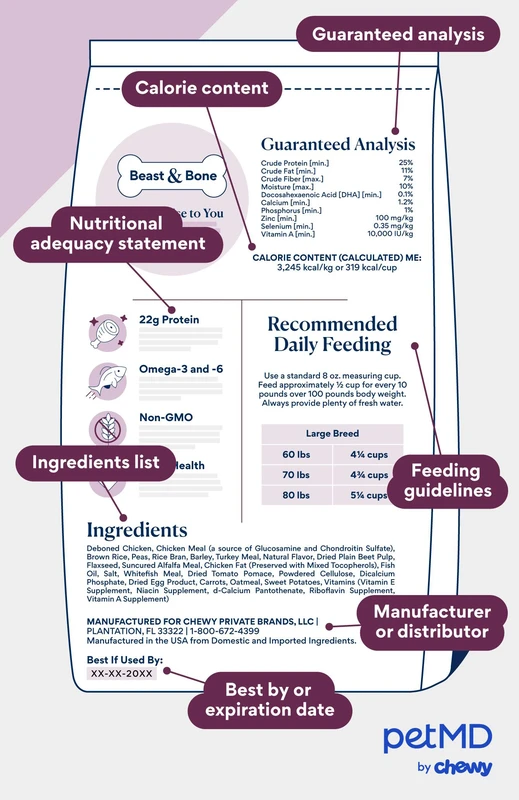
The Association of American Feed Control Officials (AAFCO) enforces ingredient listing requirements on pet food packaging, mandating that ingredients appear in descending order by weight. This allows consumers to assess the prominence of certified organic or sustainable ingredients in the formulation. AAFCO also establishes nutritional adequacy standards, ensuring that eco-friendly products meet pets’ dietary needs without compromising health.
European Union regulations impose uniform criteria on pet food labeling, requiring clear disclosure of organic certifications and ingredient origins. EU legislation mandates strict control over synthetic additives, preservatives, and pesticide residues in organic pet food, enhancing consumer confidence in eco-label claims. These rules also stipulate traceability and verification protocols, minimizing fraudulent labeling practices.
Decoding Pet Food Labels and Ingredient Lists for Authenticity
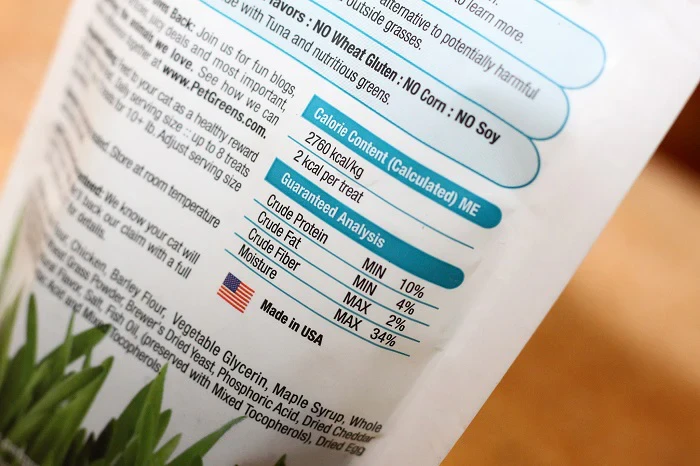
Pet food ingredient lists provide critical insights into product composition and sustainability claims. Ingredients are listed by weight, so a product claiming organic status should feature certified organic components prominently near the top of the list. Consumers must scrutinize labels for ambiguous terms like “natural flavors” or “organic blend,” which may mask low percentages of certified organic ingredients.
The distinction between “natural” and “organic” is frequently blurred on pet food packaging. “Natural” products under FDA definitions exclude artificial additives but do not guarantee organic farming methods or sustainability. Conversely, “organic” demands adherence to certified farming practices and supply chain transparency verified by recognized bodies such as USDA Organic or ROC.
Misleading claims like “made with organic ingredients” without specifying percentages or certification details are common. Consumers should seek explicit certification logos and cross-reference these with certification body websites when possible. Ingredient origin claims, such as “sustainably sourced fish,” require verification through certifications like MSC to ensure credible sustainability.
Consumer Strategies to Identify Genuine Eco-Labels on Pet Food
Verifying certification logos on packaging is the first step toward confirming authenticity. Recognized certifications including ROC, RSPO, MSC, and Certified Humane have distinct logos that consumers can cross-check with official certification databases. Absence of these logos or vague claims should prompt skepticism.
Consumers benefit from cross-referencing ingredient lists to estimate the proportion of organic or certified sustainable ingredients. For instance, a pet food labeled as “organic” should list USDA Organic or ROC-certified ingredients prominently. Products listing palm oil should ideally carry RSPO certification to ensure deforestation-free sourcing.
Expiration dates and batch traceability information are additional markers of transparency. Certified products often include lot numbers and production details that facilitate recalls and quality control verification. Traceability data supports accountability throughout the supply chain, reinforcing consumer trust.
Recognizing reputable certification bodies requires awareness of their standards and credibility. Organizations with rigorous third-party audits and transparent certification criteria, such as ROC and MSC, provide more reliable assurances than self-declared or unverified eco-labels.
Challenges and Common Misconceptions in Pet Food Eco-Labeling
A significant challenge in pet food labeling is the absence of uniform organic regulations specific to pet food products, unlike human food. This regulatory gap allows brands to use organic terminology loosely, resulting in consumer confusion and potential greenwashing.
Misuse of the term “organic” is prevalent, with some products marketing themselves as “organic-inspired” or “organic blend” without meeting certification thresholds. This practice dilutes the value of true organic certification and complicates consumer decision-making.
The conflation of “natural” and “organic” further confuses buyers. While natural pet food excludes synthetic additives, it does not necessarily meet the environmental and farming standards embedded in organic certifications. Educating consumers on these distinctions is vital for informed choices.
Another issue is the variability in international standards for sustainability and organic certifications. For example, European organic labels impose stricter pesticide restrictions than some U.S. certifications, and palm oil standards vary between RSPO and non-certified sources. Consumers purchasing imported pet food must understand these differences to evaluate eco-label legitimacy accurately.
Future Directions and Practical Guidance for Sustainable Pet Food Choices
As consumer demand for transparency and sustainability in pet food grows, industry stakeholders are advancing toward harmonizing eco-label standards and closing regulatory gaps. Enhanced collaboration between certification bodies, regulatory agencies, and pet food manufacturers is critical for establishing uniform criteria that protect consumers and promote genuine sustainability.
Consumers can proactively engage by prioritizing products bearing multiple credible certifications, such as ROC combined with RSPO or MSC. This multi-label approach underscores comprehensive sustainability across ingredients, animal welfare, and ingredient sourcing.
Technology-enabled traceability solutions, including blockchain and DNA testing for seafood verification, are increasingly integrated into certification protocols. These innovations empower consumers to verify product authenticity independently and elevate accountability in the supply chain.
Ultimately, selecting eco-labeled pet food requires a nuanced understanding of certifications, regulatory frameworks, and ingredient transparency. Consumers equipped with this knowledge can confidently support sustainable practices that benefit their pets, the environment, and global food systems.
FAQ
What does the Regenerative Organic Certified (ROC) label guarantee on pet food?
The ROC label certifies that pet food ingredients meet USDA organic standards plus additional criteria for regenerative soil management, animal welfare, and fair labor practices. It ensures the product supports environmental health and ethical sourcing beyond basic organic certification.
How can I verify if palm oil in pet food is sustainably sourced?
Look for the Roundtable on Sustainable Palm Oil (RSPO) certification logo. RSPO certifies palm oil production that avoids deforestation and enforces traceability from plantation to final product, ensuring sustainability claims are credible.
Is “natural” pet food the same as “organic”?
No. “Natural” pet food, as regulated by the FDA, excludes artificial additives but does not require organic farming methods or certification. “Organic” pet food must meet specific standards verified by organizations like USDA Organic or ROC.
Why is the Marine Stewardship Council (MSC) label important for pet food seafood ingredients?
MSC certification guarantees that seafood ingredients come from sustainable wild fisheries with verified traceability, minimizing environmental impact. This label ensures responsible harvesting practices in pet food seafood sourcing.
Are all eco-labels on pet food equally reliable?
No. The reliability of eco-labels depends on the rigor of their certification processes, third-party audits, and transparency. Recognized certifications like ROC, RSPO, MSC, and Certified Humane have established credibility, while unverified or self-declared labels may lack enforcement and transparency.

Best Eco-Friendly Pet Travel Gear 2026: Safe, Sustainable Picks
PawVerde.com – Eco-friendly pet travel gear in 2026 represents a crucial evolution in combining sustainability, regulatory compliance, and pet comfort. The surge in eco-conscious consumerism has driven innovation in airline-approved pet carriers, biodegradable waste solutions, and travel accessories crafted from renewable or recycled materials. Leading brands are integrating crash-tested safety features with sustainable production practices, while lifecycle analyses confirm substantial environmental benefits over conventional alternatives. This article examines the top eco-friendly pet travel products of 2026, their materials and certifications, and the broader impact on sustainable pet ownership and travel safety.
Eco-conscious pet owners now demand more than just functional travel gear; they seek products that align with environmental values without compromising safety or convenience. Recent market trends show a growing preference for carriers made from recycled polyester, natural fibers like sisal, and innovative materials such as DuPont paper. Furthermore, several brands have established partnerships with animal rescue organizations, reinforcing ethical consumerism. This intersection of sustainability and practical design is reshaping the pet travel landscape.
Leading Eco-Friendly Pet Carriers for Air and Road Travel
The FunnyFuzzy Eco-friendly Multi-functional Pet Travel Bag has emerged as a flagship product that blends environmental responsibility with travel compliance. Constructed primarily from durable DuPont paper, this carrier offers waterproofing and an expandable design suited for various pet sizes. Its lightweight structure meets the stringent size regulations imposed by most airlines, ensuring seamless cabin access. The material’s recyclability significantly reduces lifecycle emissions compared to traditional nylon or plastic carriers.
EliteField’s Soft-Sided Airline-Approved Carrier is lauded for its user-centric features and certified safety standards. Its reinforced mesh panels provide optimal ventilation while self-locking zippers enhance security during transit. A built-in leash tether offers additional safety, and the carrier’s dimensions conform to airline under-seat requirements. Forbes editors have documented over four years of consistent use, noting that the EliteField carrier’s durability and ease of cleaning maintain high performance even in rigorous travel conditions.
Petmate’s Sky Kennel continues to be a staple for pet owners requiring a hard-sided carrier that complies with most airline policies. The carrier integrates multiple ventilation points, secure locking mechanisms, and robust construction to withstand the rigors of air travel. Its widespread acceptance by airlines worldwide underscores its reliability, though it is less eco-friendly than soft-sided alternatives due to heavier plastic components.
Innovations in crash-tested safety and sustainable materials are evident in products like the Sleepypod Air Carrier and the Dagne Dover Kyoto Pet Carrier. The Sleepypod Air is renowned for its aerodynamic design and has undergone rigorous crash testing to meet automotive safety standards. Its use of recycled polyester reduces environmental impact, while its compact form factor enhances pet comfort. Similarly, the Dagne Dover Kyoto leverages recycled nylon and eco-conscious packaging, positioning itself as a premium choice for environmentally minded travelers.
Supporting Travel Accessories Enhancing Sustainability and Comfort
Complementing carriers, accessories such as the Solvit Waterproof Sta-Put Hammock Seat Cover provide essential protection during car travel. Made from durable, waterproof materials, this hammock-style cover prevents damage to vehicle interiors while offering pets a comfortable, stable surface. Its easy installation and compatibility with most vehicle models have made it a preferred choice among eco-conscious pet owners.
The Kurgo Skybox Booster Seat addresses the niche of small dog safety during car rides. Designed with crash-tested materials and a secure harness system, it elevates pets for improved visibility and comfort. Its construction uses sustainable polyester blends and minimal plastic components, reflecting an increasing trend toward eco-friendly car travel gear.
Waste management in pet travel has also seen eco-friendly advancements. Brands like Pooch Paper provide biodegradable dog poop bags that decompose rapidly, promoting zero-waste travel practices. Wild One extends this ethos by offering sustainable poop bags and carriers made from recycled materials, partnering with animal rescue organizations such as Badass Brook to support ethical consumerism. These initiatives demonstrate how product design can integrate environmental stewardship with practical pet care needs.
Environmental Impact and Sustainable Manufacturing Practices
Lifecycle analyses comparing conventional pet travel products with their sustainable counterparts reveal significant reductions in carbon footprint, water usage, and landfill waste. For instance, carriers made from recycled polyester or natural fibers like sisal exhibit up to 40% lower greenhouse gas emissions over their lifecycle compared to conventional nylon or plastic alternatives. These studies underscore the positive environmental impact of choosing sustainably manufactured pet gear.
Locally sourced and American-made pet products further reduce transportation emissions and support domestic economies. Brands emphasizing local manufacturing can control material sourcing and production processes more effectively, ensuring compliance with environmental standards and promoting transparency. The use of natural fibers in pet toys and beds not only enhances biodegradability but also supports renewable agriculture.
Sustainable manufacturing practices extend to corporate commitments such as Ruffwear’s tree-planting initiatives and use of recycled materials in dog jackets and travel accessories. These programs contribute to carbon offsetting and foster brand accountability, catering to increasingly eco-conscious consumers who prioritize brands demonstrating measurable environmental responsibility.
Ethical Consumerism and Brand Responsibility
The pet travel gear market in 2026 demonstrates a pronounced shift toward ethical consumerism. Wild One’s collaboration with animal rescue organizations exemplifies how brands can leverage consumer purchases to generate positive social impact. By donating proceeds and raising awareness, these partnerships align product sales with broader advocacy goals.
Corporate sustainability commitments have expanded beyond material innovation to include transparent reporting and community engagement. Ruffwear’s investment in sustainable production and environmental philanthropy enhances brand trust among discerning buyers. Such efforts signal a maturation of the pet travel industry, where environmental and social governance factors are integrated into product development and marketing strategies.
Practical Tips for Choosing Eco-Friendly Pet Travel Gear
Selecting eco-friendly pet travel gear requires careful consideration of airline compliance, durability, and sustainability. Prospective buyers should verify that carriers meet the size and safety standards specified by airlines to avoid travel disruptions. Multi-functional designs that accommodate pet comfort—such as ventilated panels, waterproof linings, and secure harness attachments—offer greater usability over time.
Durability remains paramount; sustainable materials must withstand frequent use without premature degradation. Owners should prioritize products with certifications confirming crash-test compliance and environmental claims substantiated by lifecycle data. Additionally, biodegradable waste disposal solutions like Pooch Paper’s bags enable responsible pet waste management during travel.
FAQ

What makes a pet carrier airline-approved and eco-friendly?
An airline-approved pet carrier adheres to specific size, ventilation, and safety requirements set by airlines, typically fitting under the seat and allowing adequate airflow. Eco-friendly carriers use sustainable or recycled materials such as DuPont paper or recycled polyester, minimizing environmental impact through reduced emissions during production and end-of-life recyclability.
Are biodegradable dog poop bags effective during travel?
Yes, biodegradable dog poop bags like those from Pooch Paper decompose more rapidly than conventional plastic bags, reducing landfill waste. They are designed to maintain durability during use while breaking down efficiently in composting environments, aligning with zero-waste travel principles.
How do crash-tested pet carriers improve travel safety?
Crash-tested carriers undergo rigorous impact testing to ensure structural integrity during collisions or sudden stops. This testing verifies that materials and design features, such as reinforced frames and secure harness attachments, protect pets from injury, particularly during car travel.
Why is local manufacturing important for sustainable pet travel gear?
Local manufacturing reduces transportation emissions associated with shipping products internationally. It also allows brands greater oversight of environmental and labor standards, ensuring sustainable sourcing of materials and ethical production practices.
Which materials are considered sustainable for pet travel accessories?
Materials such as recycled polyester, DuPont paper, natural fibers like sisal, and biodegradable plastics are considered sustainable due to their renewability, recyclability, or lower lifecycle environmental impact compared to conventional plastics and synthetics.
—
The evolution of eco-friendly pet travel gear in 2026 reflects a holistic approach to pet safety, owner convenience, and environmental stewardship. Brands like FunnyFuzzy and EliteField lead with innovative materials and certified safety features that satisfy airline requirements while reducing ecological footprints. Supporting products, from waterproof seat covers to biodegradable waste bags, complement these carriers to create a comprehensive, sustainable travel system for pets.
Looking ahead, continued advancements in material science and manufacturing transparency promise further improvements in pet travel gear sustainability. Consumers can expect expanding options that emphasize multifunctionality, durability, and ethical manufacturing. As global awareness of environmental impact intensifies, pet travel gear manufacturers will increasingly integrate lifecycle data and social responsibility into design and production, enhancing both product performance and ecological outcomes.

Differences Between Organic and Conventional Pet Food Explained
PawVerde.com – Organic pet food has surged in popularity as pet parents increasingly seek alternatives to conventional options amid rising concerns about ingredient quality and pet health. Unlike conventional pet food, organic varieties adhere to stringent USDA National Organic Program (NOP) standards that prohibit synthetic pesticides, growth hormones, antibiotics, and genetically modified organisms (GMOs). These regulatory distinctions impact ingredient sourcing, nutritional profiles, cost structures, and labeling practices. However, the question remains whether organic pet food provides measurable health benefits over conventional formulations, especially given the premium price. This article explores the key differences between organic and conventional pet food through regulatory frameworks, ingredient analysis, nutritional comparisons, economic factors, and veterinary insights to guide informed purchasing decisions.
Defining Organic and Conventional Pet Food Under Regulatory Standards
organic pet food must comply with the USDA National Organic Program (NOP), which mandates that ingredients come from certified organic farms free from prohibited synthetic pesticides and fertilizers for at least three years. Livestock used in organic pet food production must be raised without antibiotics, growth hormones, or genetically engineered feed. Consequently, organic pet food products featuring the USDA Organic seal contain at least 95% certified organic ingredients, while labels stating “made with organic” ingredients require a minimum of 70% organic content.
In contrast, conventional pet food falls under the regulatory oversight of the Association of American Feed Control Officials (AAFCO) and the Food and Drug Administration (FDA), which govern nutritional adequacy and labeling but do not restrict the use of synthetic pesticides, hormones, or GMOs. Conventional pet foods often include artificial preservatives, fillers, and additives that are not permitted in organic formulations. Furthermore, the term “natural” on pet food labels lacks a standardized regulatory definition, leading to consumer confusion, as natural pet foods may still contain synthetic substances or non-organic ingredients.
Ingredient and Production Differences Between Organic and Conventional Pet Foods
Organic pet food ingredients exclude synthetic pesticides, herbicides, antibiotics, growth hormones, and genetically modified organisms. Animal proteins in organic pet foods originate from livestock raised on certified organic feed without exposure to prohibited substances. Crops used in organic pet food are cultivated with organic farming practices emphasizing soil health and biodiversity. Brands like Tender & True exemplify organic pet foods focusing on transparency and traceable ingredient sourcing.
Conversely, conventional pet food production often involves ingredients grown with synthetic pesticides and genetically modified crops. Conventional animal proteins may derive from livestock treated with antibiotics or growth hormones to promote rapid growth. To maintain cost-effectiveness, conventional formulations sometimes incorporate artificial fillers such as corn gluten meal, wheat middlings, or meat by-products. These ingredients can vary widely in quality, potentially affecting digestibility and nutrient availability.
The sourcing of ingredients also influences overall product transparency. Organic pet food producers are typically required to document supply chains meticulously to maintain USDA certification, offering pet parents greater insight into ingredient origins. Conventional pet foods may have less stringent supply chain oversight, complicating traceability and quality assurance.
Nutritional Comparison: What Studies Reveal About Organic vs Conventional Pet Food
Multiple peer-reviewed studies, including meta-analyses published in journals like the British Journal of Nutrition, have examined nutrient variations between organic and conventional pet foods. Research indicates that organic pet foods tend to contain higher concentrations of omega-3 fatty acids, vitamin E, and carotenoids, nutrients associated with anti-inflammatory and antioxidant benefits. These elevated levels reflect the organic feed and farming practices that enrich nutrient profiles naturally.
However, organic pet foods may contain lower iodine levels compared to conventional options, likely due to the absence of synthetic iodine supplementation common in some conventional formulations. Overall, the differences in macronutrient and micronutrient levels are relatively modest and do not consistently translate into significant health outcomes.
Veterinarian experts, including Dr. Karen Becker, emphasize that nutritional completeness and ingredient digestibility are paramount regardless of organic certification. Ingredient quality, balanced formulation adhering to AAFCO nutrient profiles, and pet-specific dietary needs often outweigh the organic versus conventional distinction in terms of health impact.
Cost and Market Availability of Organic Pet Food
Organic pet food commands a premium price due to labor-intensive production methods, certification costs, and more expensive organic ingredients. Industry analyses reveal organic pet food pricing can be 30-50% higher per pound than comparable conventional products. This price differential reflects the rigorous USDA certification process, which involves frequent inspections, detailed record-keeping, and adherence to organic farming and processing standards.
Market availability for organic pet food has expanded but remains limited compared to conventional options. Mainstream brands offering USDA-certified organic pet food include Tender & True, Castor & Pollux Organix, and Open Farm, while many smaller artisanal brands focus exclusively on organic lines. Conventional pet foods dominate retail shelves with broad distribution and diverse price points, making them more accessible for budget-conscious pet owners.
Economic factors such as household income and perceived value influence purchase decisions. Pet parents weighing cost against perceived health benefits must consider whether the premium price aligns with their pet’s specific health requirements and dietary sensitivities.
Health Implications and Suitability of Organic Versus Conventional Pet Food
Organic pet food may particularly benefit pets with allergies, food sensitivities, or skin conditions due to the absence of synthetic additives, artificial preservatives, and common allergens found in conventional foods. For example, pets with adverse reactions to conventional fillers or genetically modified ingredients may experience improved tolerance with organic diets. Veterinary nutritionists often recommend organic options for pets with compromised immune systems or chronic inflammatory conditions.
On the other hand, conventional pet food remains appropriate for many healthy pets, providing balanced nutrition at an affordable price. Some conventional brands formulate hypoallergenic or limited-ingredient diets designed to address specific health needs, which can be equally effective when properly formulated and quality-controlled.
Veterinarians stress individualized pet assessments to determine the optimal diet. Ingredient transparency, digestibility, and nutrient balance should guide food selection rather than organic status alone. Regular health monitoring and consultation with a veterinary nutritionist can optimize dietary strategies.
Understanding Labeling and Certification for Pet Food
The USDA Organic seal on pet food signifies at least 95% organic ingredients, verified through a rigorous certification process involving farm inspections and supply chain audits. Products labeled “100% organic” are composed entirely of organic ingredients, while “made with organic” claims require a minimum of 70% organic content but do not permit the USDA Organic seal.
Labeling regulations for pet food remain less standardized compared to human food, with regulatory gaps concerning terms like “natural,” “holistic,” or “premium.” The FDA and AAFCO are working toward enhanced guidelines to improve label clarity and protect consumers from misleading claims.
Pet parents can improve ingredient transparency by scrutinizing ingredient lists for recognizable whole foods, absence of synthetic additives, and clear sourcing information. Understanding terms such as “by-products” or “meal” is critical, as these may indicate lower-quality ingredients. Transparency initiatives by some organic pet food brands provide additional assurance through third-party audits and detailed supplier disclosures.
Practical Insights for Choosing Between Organic and Conventional Pet Food

Selecting the appropriate pet food requires balancing factors such as ingredient quality, pet health status, budget, and availability. For pets with documented allergies or sensitivities, organic pet food’s exclusion of synthetic pesticides, hormones, and GMOs may reduce adverse reactions. Owners of pets with skin or digestive issues may observe clinical improvements when switching to organic diets free from artificial fillers.
Conversely, budget constraints or lack of access to organic products may necessitate high-quality conventional pet food choices. Veterinary guidance can help identify conventional options formulated without common allergens or unnecessary additives.
Transparency remains key: reviewing ingredient lists, understanding certification seals, and verifying nutrition adequacy according to AAFCO profiles ensure pets receive balanced diets. Supplementing with omega-3 fatty acids or specific vitamins may be appropriate based on individual pet needs, regardless of organic status.
FAQ

What does the USDA Organic seal on pet food guarantee?
The USDA Organic seal guarantees that the pet food contains at least 95% organic ingredients, produced according to the National Organic Program’s standards, which prohibit synthetic pesticides, antibiotics, growth hormones, and GMOs.
Are organic pet foods always nutritionally superior to conventional options?
No conclusive evidence shows that organic pet foods are universally nutritionally superior. While some nutrients like omega-3 fatty acids may be higher, overall nutrient balance and ingredient quality are more important factors for pet health.
Can pets with allergies benefit from organic pet food?
Yes, pets with allergies or sensitivities may benefit from organic pet food as it excludes synthetic additives, common allergens, and artificial fillers often found in conventional pet foods, potentially reducing adverse reactions.
Why is organic pet food more expensive than conventional pet food?
Organic pet food costs more due to the labor-intensive organic certification process, higher-priced organic ingredients, strict farming practices, and supply chain transparency requirements.
Is “natural” pet food the same as organic?
No, “natural” pet food lacks a standardized regulatory definition and may contain non-organic or synthetic ingredients, while organic pet food must meet strict USDA certification standards.
—
Organic pet food represents a production approach emphasizing ingredient purity, traceability, and avoidance of synthetic substances. However, conventional pet food can provide balanced nutrition and meet diverse pet needs effectively. Pet parents should weigh health requirements, ingredient transparency, and budget when selecting pet food, consulting veterinary professionals to tailor diets. Advances in labeling regulation and nutritional research will continue to clarify distinctions, empowering consumers to make evidence-based decisions in pet nutrition.
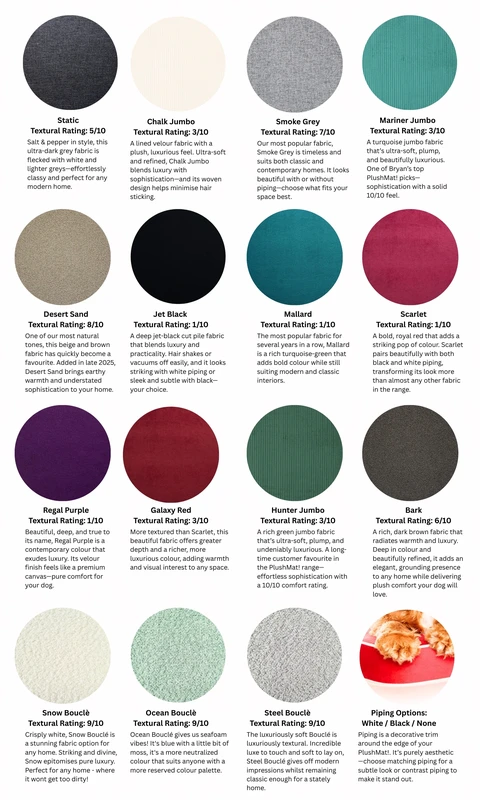
Best Colors & Materials for Pet Spaces: Expert Recommendations
PawVerde.com – Pet spaces demand a precise balance of aesthetics, durability, and safety to meet both pet comfort and owner convenience. Selecting optimal colors and materials for feeding stations, beds, furniture, and enclosures requires integrating pet behavior insights, material science, and interior design principles. Durable, easy-to-clean materials such as microfiber, faux leather, and HDPE sheets with antimicrobial properties are increasingly favored for their longevity and hygiene. Simultaneously, color strategies that stimulate pets visually or camouflage hair and stains enhance both pet experience and household maintenance.
Bold, contrasting colors like blue and yellow are recommended for dog feeding areas to stimulate attention and appetite, while blue and green hues are more effective for cats, according to design experts. Soothing neutrals, mid-tone grays, taupes, and earth tones dominate pet resting zones to create calming environments and mask pet hair accumulation. Patterned fabrics and textured surfaces further assist in reducing visible stains and shedding, offering a practical aesthetic solution. These color choices align with research on pet vision and human maintenance preferences.
Upholstery fabrics specifically engineered for pet households combine durability with ease of cleaning. Microfiber and Crypton fabrics stand out for their stain resistance, abrasion durability, and moisture repellency, making them ideal for high-traffic pet furniture. Sunbrella performance fabrics extend these benefits outdoors, offering UV resistance and odor repellency crucial for patios and enclosures. Faux leather and genuine leather provide smooth, non-porous surfaces that resist fur adherence and simplify cleaning, though leather requires proper conditioning to prevent wear. HDPE sheets, such as those produced by TimberLine, MediGrade, and Marine Board, are favored for pet enclosures and veterinary furniture due to their antimicrobial properties, UV resistance, and moisture impermeability.
Material safety is paramount in pet spaces. Non-toxic paints from ECOS Paints and RMP Finishes ensure no harmful volatile organic compounds (VOCs) compromise pet health. ECOS Paints’ zero-VOC formulations meet stringent environmental and health standards, reducing risks associated with traditional paints. Antimicrobial HDPE grades provide an additional layer of hygiene, preventing bacterial growth in damp environments common in pet areas. Selecting finishes and fabrics certified free from toxic chemicals or allergens safeguards sensitive pets and promotes indoor air quality.
Maintaining pet-friendly spaces requires practical strategies beyond initial material choice. Slipcovers made from washable fabrics allow easy removal and cleaning, extending furniture lifespan. Routine cleaning with pet-safe fabric protectors preserves stain resistance and fabric integrity. Furniture incorporating scratch-resistant materials such as tightly woven synthetic fibers withstands wear from claws and teeth. Accessories designed with durability, such as elevated feeding stations and washable pet beds, complement these efforts by minimizing mess and wear.
Innovations in pet space design emphasize multifunctionality and material advancements. Furniture integrating pet comfort features—such as built-in feeding stations or cozy resting nooks—streamline household organization. Emerging performance fabrics combine antimicrobial action, stain resistance, and UV protection with sustainable manufacturing processes. Pattern and texture variations not only enhance visual appeal but also increase fabric longevity by masking wear and tear, aligning with evolving pet owner preferences for stylish yet practical interiors.
| Material | Key Features | Best Applications | Cleaning & Maintenance | Pet Safety |
|---|---|---|---|---|
| Microfiber | Stain-resistant, durable, moisture-repellent | Upholstery, slipcovers | Spot clean, washable slipcovers recommended | Non-toxic, hypoallergenic options available |
| Crypton Fabric | Antimicrobial, stain-resistant, durable | Pet beds, furniture upholstery | Wipe clean, machine washable options | Certified safe, antimicrobial properties |
| Sunbrella | UV-resistant, moisture repellent, odor resistant | Outdoor pet furniture, enclosures | Hose off, mild detergent wash | Non-toxic, designed for outdoor use |
| Leather / Faux Leather | Easy to clean, fur resistant, durable | Indoor furniture, pet beds | Wipe with damp cloth, condition leather | Non-toxic finishes, avoid harmful dyes |
| HDPE Sheets | Antimicrobial, UV resistant, moisture proof | Pet enclosures, veterinary surfaces | Washable with mild detergent | Non-toxic, antimicrobial grades available |
The table above compares common materials used in pet spaces, highlighting their features, maintenance needs, and safety profiles to guide informed selections.
Color Recommendations for Pet Areas
Scientific insights into pet vision reveal that dogs perceive blue and yellow hues more vividly, suggesting feeding stations painted in bold blue and yellow combinations can increase engagement and appetite. Cats, with their sensitivity to blue and green wavelengths, respond positively to feeding areas using these color contrasts. Beyond stimulation, these bright colors help delineate pet zones within human living spaces, reducing confusion and mess.
For resting areas, designers recommend muted palettes—mid-tone grays, taupes, and earth tones—to foster relaxation and reduce visible pet hair. These shades harmonize with common pet fur colors, camouflaging shedding and stains. Incorporating patterns such as subtle geometrics or textures further obscures wear signs and enhances furniture longevity. Utilizing these color strategies supports both pet wellbeing and aesthetic coherence within the home.
Material Choices for Pet Furniture and Enclosures
Microfiber’s tightly woven synthetic fibers deliver exceptional resistance to claws and spills, making it a mainstay in pet-friendly upholstery. Its low absorbency and stain resistance simplify cleaning, reducing the need for harsh chemicals. Crypton fabric advances this functionality with proprietary treatments that inhibit bacteria and mold growth, offering antimicrobial protection vital in damp or humid environments.
Sunbrella fabrics extend pet-friendly performance outdoors, with resistance to UV fading, mildew, and moisture. Their odor-repellent properties maintain freshness in outdoor pet lounges or enclosures. Leather and faux leather provide sleek surfaces that do not trap pet dander or hair, facilitating quick cleaning. However, genuine leather requires conditioning to avoid cracking from pet activity.
HDPE sheets offer unmatched resilience for enclosures and surfaces exposed to moisture, claws, and chemical cleaners. Their antimicrobial grades actively reduce microbial contamination, making them standard in veterinary clinics and advanced pet housing. UV resistance ensures material stability in sun-exposed areas. Brands like TimberLine and MediGrade provide specialized HDPE products tailored to pet care environments.
Ensuring Safety: Non-Toxic and Antimicrobial Material Options
The health implications of material choices in pet spaces cannot be overstated. ECOS Paints and RMP Finishes lead in producing zero-VOC, non-toxic paints that meet global safety standards. Such formulations eliminate risks of respiratory irritation or long-term toxicity for pets and humans alike. Selecting paints certified by independent agencies adds confidence in safety claims.
Antimicrobial HDPE grades inhibit bacteria and fungi, crucial for spaces prone to moisture and organic waste. These materials reduce odor buildup and infection risk, enhancing sanitary conditions. Fabrics treated with antimicrobial agents, such as Crypton, complement these surfaces by maintaining hygiene on upholstery and bedding. Avoiding materials with heavy metals, formaldehyde, or hazardous dyes is essential to prevent chronic health issues in pets.
Practical Tips for Maintaining Pet-Friendly Spaces
Incorporating washable slipcovers on sofas and pet beds allows easy removal of hair and stains, extending furniture life. Fabric protectors designed for pet use enhance resistance to spills and soiling without compromising breathability. Regular vacuuming and spot cleaning preserve fabric appearance and hygiene.
Selecting furniture with scratch-resistant synthetic fibers or reinforced edges mitigates damage from claws and teeth. Elevated feeding stations with removable trays reduce floor mess and simplify cleaning. Investing in pet beds with removable, machine-washable covers helps maintain freshness and reduces allergen buildup. These practical steps synergize with material choices to create sustainable pet-friendly environments.
Emerging Trends and Innovations in Pet Space Design

The pet industry increasingly favors multifunctional furniture combining pet comfort with owner utility, such as sofas with integrated pet beds or feeding drawers. Performance fabrics now incorporate sustainable fibers and advanced coatings that balance durability with environmental responsibility. Patterned textiles designed specifically to mask pet hair and stains gain popularity among style-conscious owners.
Advancements in antimicrobial treatments and UV resistance continue to evolve, enhancing material longevity and hygiene. Designers and manufacturers collaborate to create pet spaces that accommodate behavioral needs and aesthetic preferences, reflecting a growing market for pet-centric home design. These innovations signal a future where pet spaces are seamlessly integrated into human living environments with no compromise on style or function.
FAQ

What colors are best for pet feeding stations?
Bold, contrasting colors like blue and yellow for dogs, and blue and green for cats, are recommended to stimulate pets visually during mealtime. These colors enhance engagement and help delineate feeding areas.
Which upholstery fabrics are most durable and easy to clean for pet furniture?
Microfiber and Crypton fabrics are widely regarded for stain resistance, durability, and ease of cleaning. Sunbrella fabrics offer additional UV resistance for outdoor use, while leather and faux leather provide smooth surfaces that repel fur.
Are there pet-safe paint options for indoor pet areas?
Yes, brands like ECOS Paints and RMP Finishes produce zero-VOC, non-toxic paints suitable for pet areas. These paints eliminate harmful chemicals, ensuring pet safety and indoor air quality.
What materials are recommended for pet enclosures?
Antimicrobial HDPE sheets, such as those from TimberLine and MediGrade, are ideal due to their moisture resistance, UV stability, and hygienic properties. They withstand wear and are easy to clean.
How can I maintain upholstery in a home with pets?
Use washable slipcovers, apply pet-safe fabric protectors, and establish regular cleaning routines including vacuuming and spot cleaning. Selecting fabrics with inherent stain and scratch resistance also prolongs furniture life.
Pet spaces that integrate strategic color selection with durable, pet-safe materials offer optimal environments for pets and owners. Embracing innovations in antimicrobial finishes, performance fabrics, and multifunctional furniture will shape the future of pet-friendly interior design, enhancing hygiene, aesthetics, and longevity in homes worldwide.
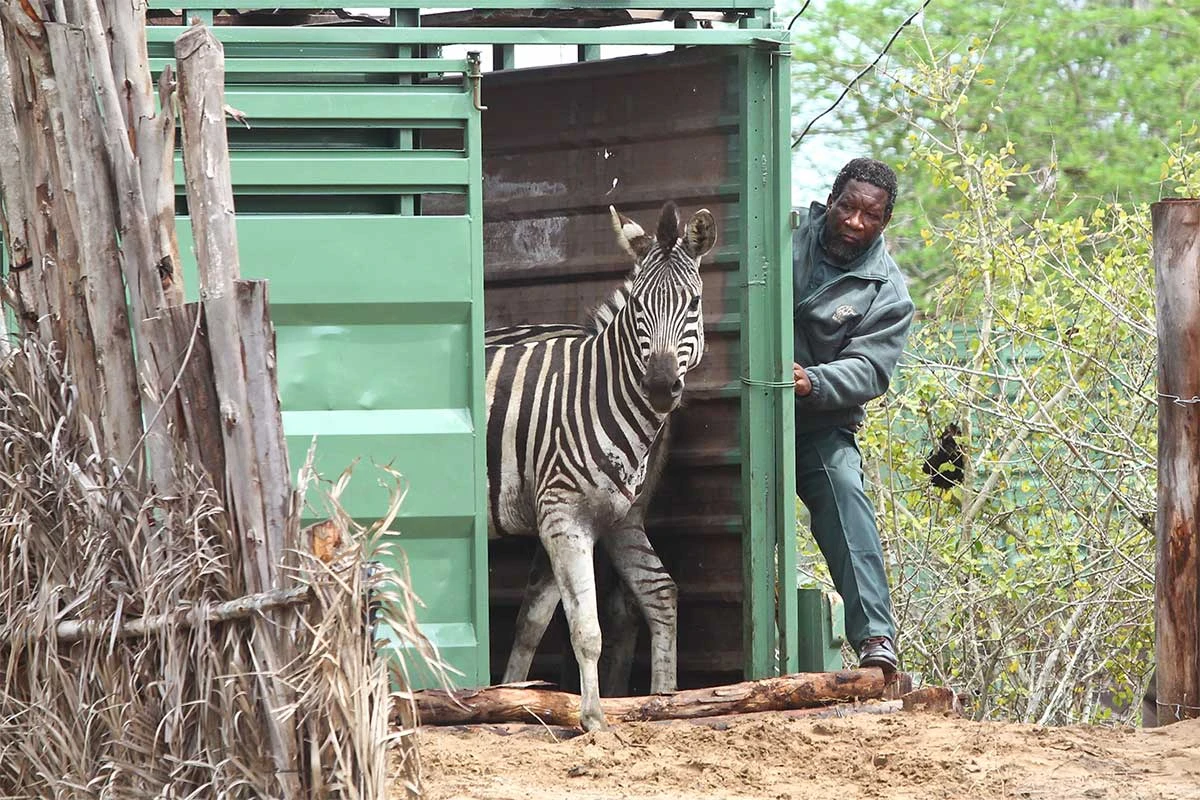
How Pets Boost Community Conservation Awareness and Action
PawVerde.com – Pets, particularly dogs and cats, have evolved far beyond their traditional roles as companions, emerging as influential agents in raising community awareness and engagement in wildlife conservation. Their involvement spans from symbolic representation in environmental education to active participation in scientific research and disaster recovery. This multifaceted role contributes significantly to fostering ecological harmony while underscoring the importance of responsible pet ownership to minimize environmental impacts.
Dogs have been instrumental in enhancing biodiversity research accuracy by assisting in ecological data collection. Their keen senses enable them to detect elusive wildlife signs, track endangered species, and monitor habitats with a precision that complements technological tools. Beyond research, trained dogs play vital roles in disaster recovery operations, aiding wildlife rescue efforts and ecological restoration in affected areas. These practical contributions not only facilitate scientific understanding but also bridge human communities with conservation objectives.
Community-based conservation initiatives increasingly integrate pets to promote coexistence between humans and wildlife. Botswana’s use of livestock protection dogs exemplifies this approach, where specially trained dogs reduce conflicts between ranchers and predators such as cheetahs, preserving biodiversity while safeguarding local livelihoods. Educational programs leverage pets as relatable symbols to foster empathy and curiosity about nature among diverse audiences, enhancing public support for conservation programs in national parks and protected areas.
Despite these benefits, the environmental footprint of pet ownership requires careful management. Resource consumption associated with feeding and caring for pets contributes to greenhouse gas emissions and ecological strain. Additionally, free-ranging pets, particularly cats and dogs, have historically caused declines in vulnerable wildlife populations on islands and sensitive ecosystems. Implementing responsible pet parenting practices—such as controlled diets, containment measures, and population control through sterilization—can significantly reduce negative environmental impacts.
The challenge of balancing animal welfare with conservation goals is increasingly recognized. Integrating welfare considerations ensures that pets and wildlife coexist without compromising the health and safety of either group. Conservation welfare frameworks promote humane treatment while supporting species and habitat protection, fostering sustainable coexistence in shared environments.
Exotic pet ownership introduces further complexity. While some exotic pet owners exhibit heightened conservation awareness and stewardship, improper management risks introducing invasive species and disrupting ecological patterns. Advocacy efforts emphasize responsible exotic pet ownership as a pathway to deepen connections with nature and bolster community-based conservation attitudes.
Pets as Catalysts for Community Conservation Awareness
Pets serve as tangible links between people and the natural world, fostering empathy and motivating conservation-minded behaviors. Dogs, in particular, evoke strong emotional responses that translate into increased public engagement with biodiversity protection. Programs at institutions like the Oregon Zoo and the International Fund for Animal Welfare (IFAW) have demonstrated that involving pets in environmental education enhances community understanding of ecological interdependencies.
Environmental education initiatives often use pets as relatable symbols to illustrate complex conservation concepts. For example, school programs featuring dogs and cats can personalize messages about habitat loss, species extinction, and the importance of biodiversity. This symbolic role leverages pets’ familiarity to lower barriers to conservation messaging, encouraging audiences to adopt pro-environmental behaviors.
Scientific and Practical Contributions of Pets to Conservation
Dogs have proven invaluable tools in scientific research, particularly in field studies requiring non-invasive data collection. Their olfactory abilities allow detection of rare or cryptic species, such as howler monkeys in Central American rainforests, improving population estimates and habitat assessments. These dogs often work alongside researchers to locate scat samples for genetic analysis, track animal movements, and identify invasive species, contributing critical data for conservation planning.
In disaster recovery, dogs trained in search and rescue operations assist in locating injured or displaced wildlife following natural calamities such as wildfires and floods. Their deployment supports rapid ecological restoration by enabling timely interventions that mitigate population losses and habitat degradation. These practical roles highlight pets as active participants in conservation beyond traditional boundaries.
Community-Based Conservation Success Stories
Botswana’s livestock protection dog programs illustrate successful integration of pets into community conservation strategies. Ranchers employ Anatolian Shepherds and Kangal dogs to guard livestock against predators like cheetahs, reducing retaliatory killings and fostering coexistence. This approach not only protects livestock but also maintains predator populations, balancing economic and ecological interests.
Community education efforts involving pets have also yielded positive outcomes. Local conservation groups integrate dogs into outreach activities to engage residents in wildlife monitoring and habitat restoration projects. These initiatives build conservation capacity within communities, empowering residents to become stewards of their local environment.
Environmental Impact of Pets and Mitigation Strategies
pet ownership exerts measurable ecological effects primarily through resource consumption and wildlife disturbance. The pet care industry’s demand for food, toys, and veterinary services contributes substantially to carbon emissions and resource depletion. For instance, pet food production alone accounts for an estimated 1.1 gigatons of CO2 equivalent annually worldwide, underscoring the need for sustainable practices.
Free-ranging pets pose significant risks to native biodiversity, especially in island ecosystems where ground-nesting birds and small mammals are vulnerable to predation. Studies document that feral cats have contributed to the extinction of multiple species, necessitating management strategies such as confinement, leash laws, and sterilization programs to mitigate these impacts.
responsible pet ownership incorporates dietary adjustments favoring sustainable ingredients, environmental enrichment that reduces roaming behavior, and population control measures. These practices collectively reduce pets’ carbon pawprint and help align pet care with broader conservation objectives.
Challenges of Pets on Wildlife and Ecosystems
Historical evidence links the introduction of domestic pets to declines in native wildlife, with island ecosystems particularly affected. For example, feral cats and dogs introduced to islands have been responsible for the extinction of numerous bird and reptile species globally. Managing free-ranging pets requires coordinated policies that balance animal welfare with biodiversity protection, including public education, enforcement of pet containment, and habitat restoration.
Addressing these challenges demands collaboration among conservationists, pet owners, and policymakers to implement evidence-based strategies. Effective management minimizes ecological harm while preserving the benefits pets bring to communities.
Integrating Animal Welfare into Conservation Efforts
Animal welfare is increasingly recognized as integral to successful conservation. Ensuring humane treatment of pets and wildlife fosters coexistence and reduces conflicts. Conservation welfare frameworks advocate for practices that consider physical and psychological well-being, supporting sustainable interactions between humans, pets, and ecosystems.
For instance, community programs training dogs for livestock protection emphasize welfare standards alongside conservation goals, enhancing program acceptance and effectiveness. Such integration strengthens social support for conservation initiatives and improves outcomes across species.
Exotic Pets and Conservation Awareness
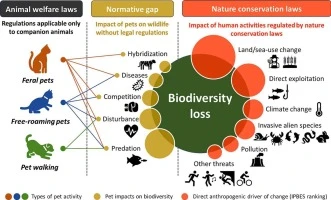
Ownership of exotic pets offers both opportunities and risks for conservation awareness. Some exotic pet owners develop strong stewardship values, using their interest to promote habitat protection and species conservation. However, the exotic pet trade can also threaten biodiversity through illegal wildlife trafficking and invasive species introductions.
Education campaigns targeting exotic pet owners advocate responsible stewardship, emphasizing the ecological consequences of ownership choices. By fostering deeper connections to nature beyond traditional pets, these efforts contribute to community-based conservation attitudes and behaviors.
Frequently Asked Questions
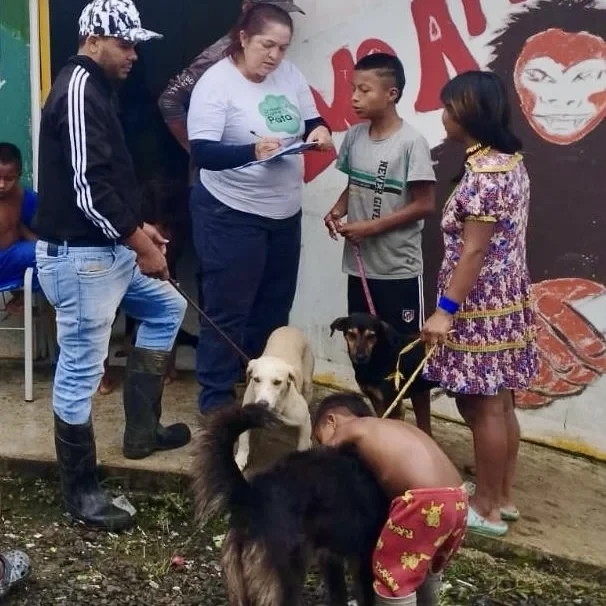
How do pets contribute to wildlife conservation efforts?
Pets, especially dogs, contribute by assisting in ecological research, such as tracking endangered species and collecting biodiversity data. They also participate in disaster recovery by helping locate injured wildlife and aiding habitat restoration. Furthermore, pets symbolize care in environmental education, fostering public engagement in conservation.
What are the environmental impacts of pet ownership?
Pet ownership impacts the environment through resource consumption for food and care, producing greenhouse gas emissions. Free-ranging pets can disturb wildlife and cause declines in vulnerable species. Responsible ownership practices like controlled diets, confinement, and population control help mitigate these effects.
How do livestock protection dogs support conservation?
Livestock protection dogs reduce predator-livestock conflicts by guarding animals, which decreases retaliatory killings of predators like cheetahs. This promotes coexistence between humans and wildlife, preserving biodiversity and supporting community livelihoods, as seen in Botswana ranching communities.
Why is animal welfare important in conservation?
Animal welfare ensures humane treatment of both pets and wildlife, promoting coexistence and reducing conflict. Integrating welfare into conservation strategies improves social acceptance of programs, enhances animal health, and supports sustainable interactions between humans, pets, and ecosystems.
What challenges do exotic pets pose to conservation?
Exotic pets can threaten biodiversity through illegal trade and invasive species introductions. They require specialized care and can disrupt local ecosystems if released. Promoting responsible exotic pet ownership and stewardship helps mitigate these risks and supports conservation awareness.
Pets play an increasingly pivotal role in bridging communities with wildlife conservation, leveraging their unique capacities to support scientific research, disaster response, and environmental education. However, balancing their benefits with ecological responsibilities requires ongoing commitment to responsible ownership and integrated conservation-welfare approaches. Future efforts should enhance community engagement, expand evidence-based pet management, and foster stewardship that aligns pet care with global biodiversity goals.