

Spaying vs Neutering Costs in 2026: Cat & Dog Price Guide
PawVerde.com – Spaying and neutering costs in 2026 exhibit significant variation based on pet type, size, geographic location, and veterinary service provider. According to recent data from veterinary hospitals such as Banfield Pet Hospital and national organizations including the ASPCA and Humane Society, spaying a cat averages approximately $100, while neutering typically costs around $80. For dogs, neutering fees range from $300 to $700, heavily influenced by weight categories, with spaying surgeries generally commanding higher prices due to increased procedural complexity. Financial assistance programs through humane societies and pet insurance plans remain pivotal in alleviating out-of-pocket expenses for pet owners.
The economic landscape of spay/neuter procedures reflects evolving pricing dynamics shaped by veterinary clinical costs, pet population control efforts, and consumer demand for affordable pet healthcare. This analysis presents a comprehensive financial breakdown and market implications for pet owners and veterinary service providers in 2026.
Cost Breakdown by Pet Type and Weight Categories
Spaying and neutering costs diverge distinctly between cats and dogs, with further stratification among dog breeds by size and weight. Recent pricing data collected from veterinary clinics, low-cost spay/neuter clinics, and humane societies illustrate the following average cost ranges:
| Procedure | Animal Type | Weight Category | Typical Cost Range (USD) |
|---|---|---|---|
| Spay | Cat | All sizes | $90 – $120 |
| Neuter | Cat | All sizes | $70 – $90 |
| Neuter | Dog | Small (up to 20 lbs) | $120 – $150 |
| Neuter | Dog | Medium (21-50 lbs) | $200 – $300 |
| Neuter | Dog | Large (51-90 lbs) | $300 – $500 |
| Neuter | Dog | XL (91-120 lbs) | $450 – $600 |
| Neuter | Dog | Giant (120+ lbs) | $600 – $700+ |
| Spay | Dog | Small (up to 20 lbs) | $200 – $275 |
| Spay | Dog | Medium (21-50 lbs) | $300 – $450 |
| Spay | Dog | Large (51-90 lbs) | $400 – $600 |
| Spay | Dog | XL (91-120 lbs) | $500 – $700 |
| Spay | Dog | Giant (120+ lbs) | $650 – $800+ |
These ranges reflect data aggregated from private veterinary clinics, Banfield Pet Hospital pricing metrics, and humane society low-cost clinics. Notably, spaying surgeries consistently cost more than neutering due to the invasiveness of the ovariohysterectomy procedure compared to testicular removal in neutering. The incremental cost increase correlates with pet size, especially for dogs, as anesthesia time, surgical complexity, and recovery monitoring intensify.
Factors Driving Cost Variations in Spay and Neuter Procedures
Multiple variables influence the final cost paid by pet owners for spaying and neutering services. Geographic location remains a primary determinant; urban centers with higher veterinary operational costs report prices on the upper end of national averages, whereas rural or subsidized clinics offer more affordable rates. For example, metropolitan areas in the Northeast and West Coast typically see dog spay costs exceeding $600 for large breeds, while Midwestern low-cost clinics may offer similar procedures for under $400.
Clinic type also impacts pricing structures. Private veterinary practices incorporate comprehensive pre-surgical exams, anesthesia monitoring, and post-operative pain medication, which can add $50 to $100 to the base procedure fee. In contrast, specialized low-cost spay/neuter clinics sponsored by humane societies or animal control agencies focus on volume and cost efficiency, often excluding extended care options.
Additional medical considerations further affect pricing. Pregnant pets undergoing spaying require more extensive surgical intervention, increasing operating room time and anesthesia risks, which can raise costs by 20% to 30%. Obesity in pets complicates the procedure, necessitating stronger anesthesia dosages and longer recovery, reflected in higher fees. Cryptorchidism (undescended testicles) in male dogs can increase neutering costs by $100 to $200 due to the need for exploratory surgery.
Veterinary exam fees and mandatory pain medication are often bundled into total procedure costs but can be itemized separately in some clinics. Comprehensive pricing transparency from providers like Banfield Pet Hospital includes these factors explicitly, aiding pet owners in financial planning.
Financial Assistance and Insurance Options to Mitigate Spay/Neuter Costs
Given the substantial expense involved, many pet owners seek financial relief through assistance programs and pet insurance. Humane societies nationwide, including the ASPCA and local animal control agencies, administer discount vouchers and subsidized surgical services targeting low-income households. These programs can reduce costs by 30% to 50%, with eligibility criteria varying by region.
Pet insurance plans increasingly incorporate coverage for routine spay and neuter surgeries within wellness packages. Providers such as CareCredit offer financing options that allow owners to spread payments over time, mitigating upfront financial burden. Wellness plans typically cover pre-surgical exams, anesthesia, and post-operative care, with annual premiums ranging from $200 to $400 depending on coverage scope and pet age.
PAW (Pet Assistance and Wellness) financial aid initiatives collaborate with veterinary clinics to offer sliding-scale fees based on income verification. These programs often cap spay/neuter costs at $50 to $150 for cats and $100 to $400 for dogs, significantly below market averages.
Despite these options, coverage gaps remain. Many insurance policies exclude pets with pre-existing conditions or age over 7 years from spay/neuter coverage, and not all clinics accept financial aid vouchers. Pet owners are advised to research local programs and consult veterinary providers ahead of scheduling.
Health and Behavioral Benefits Justifying Spay and Neuter Investments
Beyond financial metrics, spaying and neutering confer significant health and behavioral benefits that reduce long-term veterinary expenses. Surgical sterilization prevents unwanted litters contributing to pet overpopulation, aligning with public health and animal welfare priorities advocated by the American Animal Hospital Association and the Humane Society.
Medically, spaying eliminates the risk of pyometra, a life-threatening uterine infection, and reduces mammary tumor incidence in female pets when performed before the first heat cycle. Neutering male dogs and cats lowers the risk of testicular cancer and decreases prostate disease likelihood. These preventive health effects translate into reduced future treatment costs, justifying initial surgical outlays.
Behavioral improvements post-surgery include diminished urine marking, roaming tendencies, and aggression, which can mitigate property damage and injury risks. These changes improve pet-owner relationships and potentially lower costs associated with behavioral interventions or injury treatments.
Considerations for Pet Owners Prior to Scheduling Surgery
veterinary consultation is essential to evaluate individual pet health status, surgical timing, and recovery preparation. Most veterinarians recommend spaying or neutering between 6 and 9 months of age to maximize health benefits and minimize surgical risks. Weight management prior to surgery is advised to reduce anesthesia complications, particularly in overweight pets.
Recovery periods typically range from 7 to 14 days, during which pain medication and activity restriction are necessary. Veterinary clinics include post-operative care instructions and sometimes follow-up visits in their service packages, which can influence total cost.
Owners should consider the pros and cons of timing surgeries relative to pet growth and lifestyle factors. For example, early spaying in large breed dogs may affect bone development, requiring veterinary guidance.
Market Analysis and Financial Implications for Veterinary Providers

The spay/neuter service segment in 2026 reflects a competitive market with increasing demand for affordable options and bundled wellness services. Veterinary practices that integrate spay/neuter with preventive care packages and pet insurance collaborations report higher client retention and revenue stability.
Price sensitivity among pet owners has driven growth in low-cost clinics and nonprofit partnerships, pressuring private practices to adjust fee structures. Data from Banfield Pet Hospital indicates that clinics offering tiered pricing based on pet size and inclusive care packages achieve average procedure revenues 15% higher than a la carte pricing models.
Investment in community outreach by humane societies and local animal control agencies has expanded access to spay/neuter services, indirectly reducing shelter intake rates and long-term animal control expenditures.
Projected Trends and Recommendations for Pet Owners

Financial projections suggest incremental cost increases of 3% to 5% annually in spay/neuter surgery fees due to inflation in veterinary supplies, labor, and anesthesia agents. Pet owners are encouraged to engage with insurance wellness plans early and explore available financial aid programs to optimize budgeting.
Veterinary providers are anticipated to enhance transparency around bundled fees and expand telehealth consultations for pre-surgical assessments, further streamlining the service experience.
Pet owners considering spay/neuter surgery should prioritize selecting accredited veterinary clinics with transparent pricing and comprehensive post-operative care offerings. Coordination with local humane societies for discount eligibility and early enrollment in pet insurance wellness plans provide practical pathways to manage costs effectively.
This financial analysis underscores the multifaceted economic considerations surrounding pet sterilization in 2026, balancing surgical costs, health benefits, and available financial support mechanisms to inform prudent decision-making by pet owners and veterinary stakeholders.
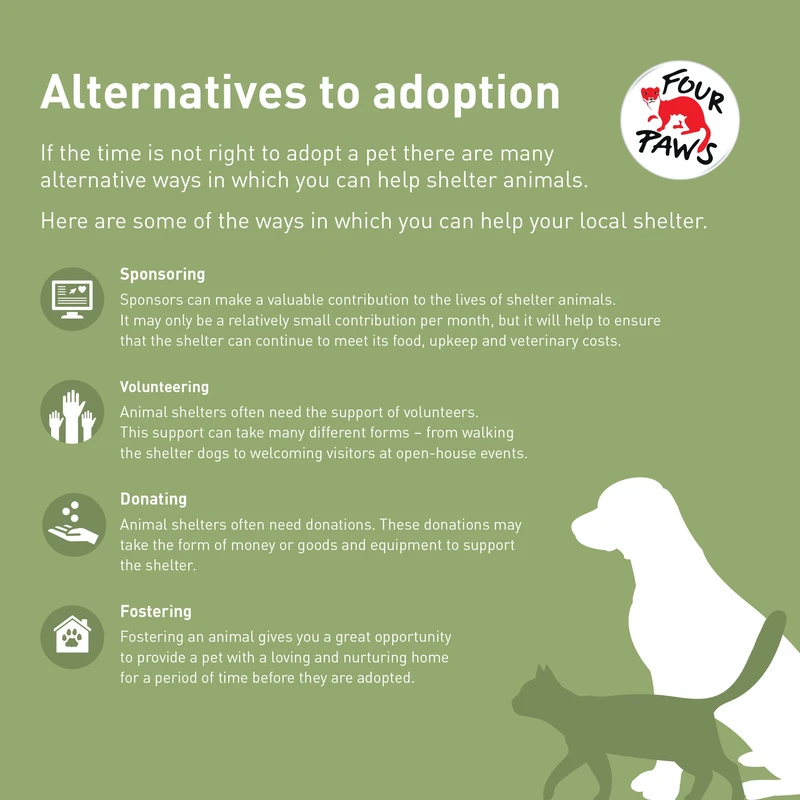
Difference Between Fostering and Adopting Pets Explained
PawVerde.com – Providing temporary care to pets waiting for permanent homes, fostering plays a vital role in animal welfare by helping animals adjust to family environments and relieving shelter overcrowding. In contrast, adopting a pet entails a lifelong commitment where the adopter assumes full legal ownership and responsibility for the animal’s well-being. foster-to-adopt programs have emerged as a transitional solution, allowing prospective owners to trial a pet before finalizing permanent adoption, enhancing compatibility and reducing return rates. This article examines the distinctions between fostering and adopting pets, clarifies the responsibilities involved, and explores the impact of these roles on animal shelters and rescue organizations.
Core Differences Between Fostering and Adopting Pets
Fostering involves providing temporary shelter and care for animals, often ranging from a few days to over a year, depending on the pet’s readiness for adoption. animal shelters and rescues rely on foster caregivers to provide safe environments, socialization, and medical monitoring during this interim period. Legally, foster caregivers do not hold ownership; the shelter or rescue organization maintains custody and oversees the pet’s health and placement decisions. This temporary status allows shelters to alleviate overcrowding and better allocate resources for incoming animals.
Adoption, by contrast, transfers full legal ownership and lifelong responsibility to the adopter. This permanent commitment includes providing food, shelter, veterinary care, training, and emotional support for the duration of the pet’s life. Adopters undergo application and screening processes conducted by animal welfare organizations to ensure suitability and preparedness for this long-term responsibility. adoption fees often cover medical care such as vaccinations, spaying/neutering, and microchipping.
Fostering can be seen as a flexible, short-term role, whereas adoption requires a stable, enduring arrangement. The legal and emotional distinctions are significant: fosters serve as temporary caregivers facilitating transition, while adopters become the pet’s definitive guardians.
The Role and Responsibilities of a Foster Caregiver
Foster caregivers provide more than just shelter; they create nurturing environments tailored to each animal’s needs. Responsibilities include daily feeding, cleaning, socialization, and transportation to veterinary appointments. Fosters often manage medical regimens such as administering medications or overseeing recovery from surgery, working closely with shelter veterinarians or rescue medical teams.
Behavioral management is a critical aspect, with fosters helping pets overcome anxiety, fear, or socialization deficits resulting from shelter confinement or previous trauma. animal welfare organizations like BC SPCA and Kitten Around Cat Rescue provide training and resources to foster families, enabling them to identify and address behavioral issues early.
Fostering types vary: standard fostering involves caring for healthy animals awaiting adoption; hospice fostering provides end-of-life care to terminally ill pets in a compassionate home setting; emergency boarding supports animals displaced by natural disasters or urgent shelter overflow. Each requires specific skills and emotional preparedness, highlighting fostering’s diverse demands.
Communication with shelters is essential for reporting progress, updating medical status, and coordinating adoption events. Foster caregivers also contribute to intake assessments by offering firsthand observations that inform placement decisions.
Adoption as a Lifelong Commitment and Process
Adoption represents a permanent legal and emotional bond between the pet and the owner. The process typically involves submitting an application, undergoing interviews or home inspections, and paying adoption fees that fund shelter operations and veterinary care. Organizations like LA Animal Services emphasize matching pets with suitable homes to reduce return rates and enhance animal welfare.
Adopting an adult pet requires understanding potential behavioral needs and training challenges. Many animals from shelters may have experienced trauma, requiring patience and professional support. Adopters often engage in obedience training, socialization programs, or veterinary behaviorist consultations to establish lasting bonds.
Legal responsibilities extend beyond daily care to include licensing, microchipping, and compliance with local animal control regulations. The permanence of adoption necessitates thorough consideration of lifestyle compatibility, financial capability, and long-term plans.
Foster-to-Adopt Programs: Bridging Temporary and Permanent Care
Foster-to-adopt programs have gained popularity as transitional models combining fostering’s flexibility with adoption’s permanency. These initiatives allow potential adopters to foster a pet for a trial period, typically ranging from weeks to several months, before deciding on permanent adoption. This approach alleviates uncertainties for first-time pet owners and families with existing pets by assessing compatibility in a controlled environment.
Shelters implementing foster-to-adopt programs, such as Best Friends Animal Society, report increased adoption success rates and reduced return incidences. Medical care and supplies during the trial period are usually provided by the shelter, minimizing financial burdens on fosters. Foster-to-adopt arrangements require clear communication regarding responsibilities and contingencies should adoption not proceed.
This model supports animal welfare by providing personalized transition periods, enhancing socialization and easing the pet’s integration into permanent homes.
Benefits of Fostering for Animals and Shelters
Fostering significantly benefits shelter animals by providing individualized care tailored to each pet’s physical and emotional needs. Time spent in foster homes improves socialization, reduces stress-induced behaviors, and prepares animals for adoption environments. Studies from animal welfare organizations indicate that fostered pets have higher adoption rates and better post-adoption adjustment compared to those remaining solely in shelters.
Shelters benefit operationally by reducing overcrowding, enabling them to accept more animals and allocate resources more effectively. Lower shelter populations decrease the risk of euthanasia associated with capacity constraints.
community engagement through fostering fosters empathy and awareness about animal welfare. Foster families often become advocates, assisting in fundraising, education, and volunteer recruitment. Emotional rewards include the fulfillment of directly impacting an animal’s life and contributing to broader rescue efforts.
Considerations for Potential Fosters and Adopters
Prospective fosters and adopters must evaluate their capacity for pet care, including time, finances, and lifestyle compatibility. Fostering demands flexibility and willingness to manage temporary caregiving, while adoption requires preparedness for a lifelong commitment with associated responsibilities.
Introducing foster pets into homes with existing animals requires careful planning to ensure safety and harmony. Shelters often provide guidelines and support for gradual introductions and behavioral management.
Rescue organizations and shelters offer resources such as training workshops, veterinary assistance, and 24/7 support to foster families and adopters. Understanding these supports can alleviate concerns and enhance caregiving success.
Potential foster applicants must complete screening processes to verify suitability, including home visits and reference checks, ensuring the pet’s safety and welfare.
Practical Insights and Case Studies from Foster Families
Experienced foster families emphasize the emotional complexity of temporary caregiving, balancing attachment with the knowledge that pets will eventually move to permanent homes. Hospice fostering, in particular, demands resilience and compassion, providing comfort to terminally ill animals in their final days.
Case studies from Kitten Around Cat Rescue illustrate successful foster-to-adopt transitions where foster caregivers become permanent adopters after trial periods. These stories highlight the mutual benefits: pets find stable homes, and fosters deepen their commitment through firsthand experience.
Such insights underscore the importance of clear expectations and open communication between fosters and shelters to navigate challenges effectively.
Support and Resources Provided by Animal Shelters and Rescues
Leading animal welfare organizations provide comprehensive support to foster and adoptive families, including medical supplies, food, training materials, and behavioral consultation. For example, BC SPCA offers subsidized veterinary care and emergency support to foster caregivers.
Training programs address pet behavior, health care, and emergency procedures, enhancing foster families’ ability to manage diverse animal needs. Some rescues maintain online communities and communication platforms for peer support and knowledge sharing.
Emergency foster programs activate during crises, providing rapid deployment of trained caregivers to accommodate displaced animals. These organized efforts require collaboration between shelters, volunteers, and veterinary professionals.
Future Trends in Pet Fostering and Adoption
Emerging trends in animal welfare emphasize technology integration, such as adoption apps and virtual meet-and-greets, facilitating faster placement and broader outreach. Data analytics help shelters optimize foster-to-adopt matches and monitor animal welfare indicators.
Increased recognition of hospice fostering addresses gaps in end-of-life care, focusing on dignity and quality of life for senior and terminal pets. Expansion of foster networks and community partnerships aims to reduce shelter reliance and enhance individualized care.
Sustainable adoption practices increasingly focus on education and support to ensure long-term success, minimizing returns and promoting responsible pet ownership.
—
Frequently Asked Questions

What is the main difference between fostering and adopting a pet?
Fostering provides temporary care and shelter to animals awaiting permanent homes, without transferring legal ownership, while adopting is a lifelong commitment where the adopter assumes full responsibility and legal rights over the pet.
How long does fostering typically last?
Fostering durations vary widely, from a few days in emergency situations to several months or over a year, depending on the animal’s health, behavior, and shelter placement timelines.
Can I adopt a pet I am fostering?
Many shelters offer foster-to-adopt programs that allow caregivers to trial living with a pet before deciding on permanent adoption. This helps ensure compatibility and reduces return rates.
What support do shelters provide to foster families?
Shelters often supply food, medical care, training resources, and ongoing support to foster caregivers. Some organizations also offer financial assistance for veterinary expenses.
Are there special considerations when adopting senior or hospice pets?
Adopting senior or hospice pets requires awareness of their medical needs, potential behavioral changes, and commitment to providing comfort and specialized care, often supported by foster programs focused on end-of-life care.
—
Adopting or fostering pets represents complementary pathways within animal welfare, each with unique responsibilities and benefits. Potential caregivers should assess their readiness, seek support from credible rescue organizations, and consider foster-to-adopt options to make informed decisions that promote animal well-being and shelter sustainability. As fostering networks and adoption programs evolve, they continue to enhance outcomes for pets and communities alike.

How to Travel Sustainably with Pets: Step-by-Step Guide
PawVerde.com – Traveling with pets sustainably requires deliberate choices to reduce environmental impact while maintaining pet comfort and safety. This tutorial guides eco-conscious pet owners through selecting sustainable gear, grooming on the go, waste reduction, green accommodations, low-carbon transportation, and natural health management. Applying these practical steps ensures your pet travels with minimal ecological footprint.
Selecting Sustainable Travel Gear for Your Pet
Choosing the right travel gear forms the foundation of eco-friendly pet travel. Begin by prioritizing durability and non-toxic materials to reduce waste and exposure to harmful chemicals.
Natural rubber and hemp toys offer longevity and biodegradability, reducing plastic waste common in synthetic products. Brands using these materials often avoid harmful dyes and additives, promoting safer play during travel.
Select pet carriers composed of recycled plastics or fabrics certified for environmental standards. These carriers reduce resource consumption and often feature breathable, lightweight designs that improve pet comfort without sacrificing sustainability.
Bring collapsible bowls made from silicone or stainless steel for water and food. For waste disposal, biodegradable poop bags made from plant-based polymers break down faster than conventional plastic, minimizing landfill contribution.
Choose items like durable leashes and harnesses made from recycled nylon or organic cotton that withstand repeated use. Multi-functional gear reduces the need to carry excess items, cutting down travel weight and waste.
Eco-Friendly Pet Grooming While Traveling
Maintaining pet hygiene sustainably on the road prevents environmental contamination and promotes pet health without harsh chemicals.
Before departure, bathe your pet with biodegradable, plant-based shampoos free from sulfates and parabens. These products rinse cleanly, reducing the risk of waterway pollution during subsequent outdoor activities.
Carry biodegradable grooming wipes infused with natural oils to clean dirt and allergens without water. Use brushes made from sustainably sourced wood or recycled plastics to remove loose fur and maintain coat health.
After travel, groom your pet thoroughly to remove any stuck debris and reduce allergen buildup, which can affect pet and owner health. Use natural conditioners and detanglers that avoid synthetic fragrances and chemicals.
Packing Smart: Reducing Waste and Stress
Efficient packing reduces environmental impact and eases travel logistics for you and your pet.
Replace disposable plastic bags and wraps with reusable fabric pouches or beeswax wraps for organizing pet essentials. These materials are washable and compostable, decreasing single-use waste.
Hydration supplies should minimize disposable plastic use. Collapsible silicone bowls and stainless steel water bottles are lightweight, durable, and easy to clean, making them ideal for travel.
Pack all-purpose eco-friendly pet-safe cleaners made from natural ingredients such as vinegar and essential oils. These reduce chemical exposure and allow quick cleanup without harming the environment.
Choosing Green and Pet-Friendly Accommodations
Selecting lodging that aligns with sustainable values enhances a responsible travel experience for you and your pet.
Look for accommodations with recognized environmental certifications such as LEED, Green Key, or EarthCheck that also welcome pets. These hotels demonstrate commitment to energy efficiency, waste reduction, and eco-friendly operations.
Crystalbrook Albion in Sydney exemplifies a pet-friendly hotel with sustainability initiatives including carbon footprint offsets, water-saving technologies, and waste diversion programs. Copenhagen offers several eco-conscious hotels combining pet amenities with green practices.
Green accommodations often provide amenities like pet waste stations with biodegradable bags, natural landscaping free of pesticides, and access to walking trails, improving both pet wellbeing and owner satisfaction.
Sustainable Transportation Options
Transportation choices heavily influence overall travel emissions. Incorporate low-carbon options wherever possible.
Walking and cycling emit zero carbon and offer exercise benefits for pets. Train travel reduces carbon emissions by approximately 66-75% compared to cars or planes, making it a superior sustainable choice when accessible.
| Transport Mode | Average CO₂ Emissions (kg per passenger km) | Pet Accessibility |
|---|---|---|
| Walking | 0 | High |
| Cycling | 0 | Moderate (depends on pet size) |
| Train | 0.014 | High (often pet-friendly carriages) |
| Car | 0.192 | High |
| Airplane | 0.254 | Limited (restricted pet policies) |
Map out travel itineraries that prioritize public transit and pedestrian pathways. Avoid peak traffic times to reduce emissions and stress for your pet. Reserve pet-friendly train compartments or buses in advance to ensure compliance.
Natural Health and Allergy Management on the Go
Managing pet health sustainably during travel reduces reliance on synthetic medications and minimizes environmental contamination.
Employ natural anti-inflammatory supplements such as omega-3 fatty acids, quercetin, or local honey to alleviate allergies. Consult veterinary guidance to integrate these safely.
Ensure balanced diets with organic or sustainably sourced pet food. Use herbal flea and tick repellents instead of chemical pesticides. Regular hydration and exercise during travel support overall wellbeing.
Supporting Eco-Friendly Pet Ownership Beyond Travel
Sustainability extends beyond travel to daily pet care practices and community engagement.
Adopting pets reduces demand for breeding operations, lowering environmental costs associated with pet production. Many shelters promote eco-friendly pet care education.
Incorporate biodegradable waste bags, natural grooming products, and durable toys made from recycled or natural materials into daily routines. These choices cumulatively reduce ecological footprints.
Participate in local pet waste clean-up initiatives and advocate for green pet policies. Sharing sustainable travel experiences can inspire others to adopt eco-conscious habits.
Common Mistakes and Troubleshooting in Eco-Friendly Pet Travel
Avoid bringing excess disposable items that increase waste. Focus on multi-use, durable products to streamline packing.
Research pet policies for public transit and accommodations beforehand to prevent last-minute issues or forced car travel.
Choose certified natural grooming supplies to avoid polluting waterways during outdoor cleaning.
Balance eco-friendliness with your pet’s safety and comfort; for example, ensure carriers meet size and ventilation standards.
Alternative Methods for Sustainable Pet Travel
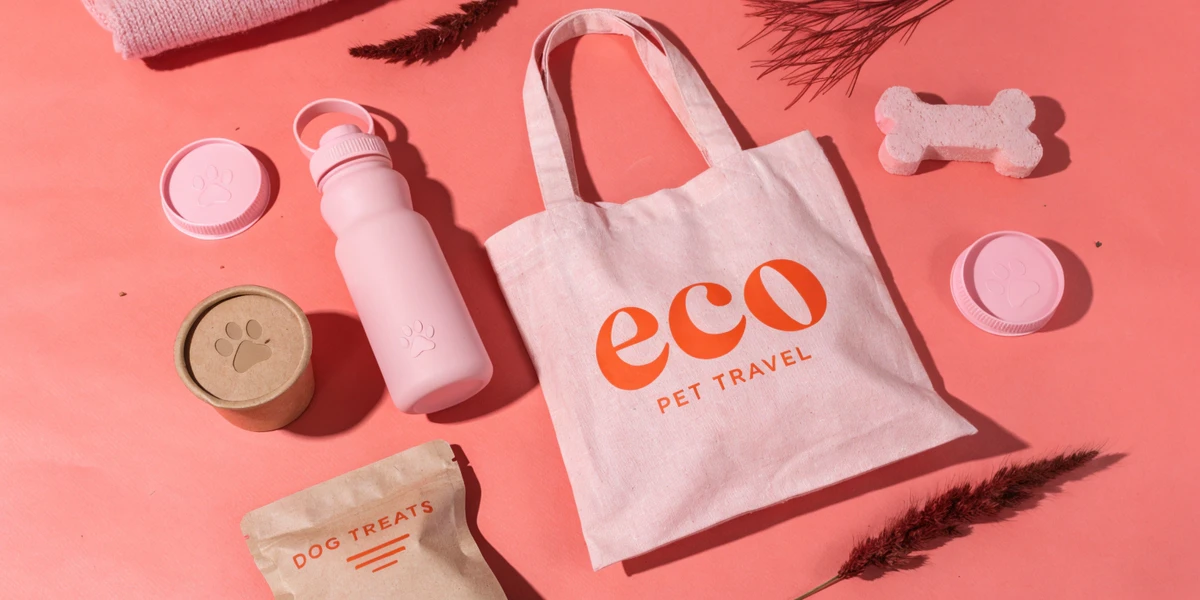
If traditional eco-friendly gear or accommodations are unavailable, consider:
FAQ

What are the best sustainable materials for pet travel gear?
Natural rubber, hemp, recycled nylon, and organic cotton are top sustainable choices due to their durability, biodegradability, and low environmental impact.
How can I minimize pet travel emissions if I must use a car?
Optimize your route to reduce driving distance, carpool when possible, use fuel-efficient vehicles, and combine errands to limit trips.
Are biodegradable poop bags truly better for the environment?
Yes, biodegradable bags made from plant-based materials break down faster in composting or landfill conditions, reducing plastic pollution compared to conventional bags.
Can pets stay in any eco-certified hotel?
Only those hotels that explicitly allow pets and hold eco-certifications can be considered green pet accommodations. Verify pet policies before booking.
How do I manage pet allergies naturally during travel?
Use veterinarian-approved natural supplements like omega-3 fatty acids and herbal remedies, maintain a clean environment, and avoid known allergens.
Traveling sustainably with your pet demands thoughtful preparation and adopting eco-conscious products, grooming, accommodations, and transportation. As environmental awareness grows, these practices will help reduce your pet’s carbon footprint while ensuring enjoyable and safe travel experiences.

Best Eco-Friendly Dog Grooming Tools for 2026: Bamboo & More
PawVerde.com – Eco-friendly dog grooming tools in 2026 have evolved to combine sustainability, pet wellness, and cutting-edge design, addressing increasing consumer demand for environmentally responsible pet care. Leading brands such as WildWash, FURminator, and U GROOM integrate natural ingredients and sustainable materials, including bamboo and recycled plastics, to create grooming products that maintain pet skin health while minimizing environmental impacts. Bamboo brushes, for instance, offer natural antibacterial properties alongside durability, and biodegradable shampoos formulated with Meadowfoam and Jojoba oils ensure gentle cleansing without harsh chemicals. These innovations reflect a broader shift towards eco-conscious grooming that emphasizes both efficacy and sustainability.
Sustainable materials have become the cornerstone of modern grooming tools, with bamboo emerging as a preferred option for brushes and combs due to its rapid renewability and antimicrobial qualities. Bamboo dog brushes outperform many synthetic alternatives by resisting bacterial growth, reducing odor, and providing a resilient structure that accommodates various coat types. Complementing bamboo, recycled plastics are utilized in brush handles and grooming accessories, significantly lowering the carbon footprint compared to virgin plastic products. Collections like the Artero Nature Collection showcase ergonomic, nature-inspired designs that enhance handling comfort while underscoring eco-friendly principles. Ergonomics in grooming tools not only improve user experience but also encourage more frequent and effective grooming sessions, promoting better pet skin health.
The grooming product landscape in 2026 increasingly favors biodegradable shampoos and conditioners that harness natural ingredients to maintain skin balance and hydration. Meadowfoam Oil, valued for its remarkable moisturizing and protective properties, features prominently in several formulations, enhancing skin barrier function and reducing irritation. Jojoba Oil, neem extracts, oatmeal, and coconut oil complement these formulations by delivering anti-inflammatory, soothing, and conditioning benefits. Brands such as WildWash and Ethique lead the market with chemical-free, biodegradable shampoo bars that minimize plastic waste and avoid synthetic surfactants known to disrupt the skin microbiome. U GROOM and Earthbath also contribute with formulations that emphasize natural ingredient integrity and environmental safety, aligning with consumer preferences for transparent, cruelty-free products.
Supporting sustainable grooming practices extend beyond shampoos and brushes to include accessories designed for environmental impact reduction and practicality. Eco-friendly towels, crafted from sustainably sourced fibers, often incorporate drying hand pockets and hoods to expedite water absorption and reduce drying time, limiting energy consumption from electrical dryers. Water conservation techniques during bath time, such as using low-flow nozzles and targeted rinsing methods, further decrease water usage and environmental strain. Essential grooming tools like Millers Forge Nail Clippers and Kenchii grooming scissors now incorporate recycled metals and ergonomic designs, reducing material waste and improving precision to prevent pet discomfort. New innovations like the OneIsAll Grooming Vacuum support eco-conscious grooming by efficiently capturing hair clippings and dander, reducing airborne allergens, and facilitating cleaner grooming environments.
Industry events such as Crufts 2026 have spotlighted advances in grooming education and technology, with Clipit training programs emphasizing sustainable tool use and pet wellness. These initiatives promote the adoption of quieter, PPE-grade grooming equipment that enhances professional comfort and animal safety, reflecting a wellness-led approach to grooming. The integration of skin-kind product development responds to increasing awareness of dermatological sensitivities in dogs, encouraging formulations and tools that minimize allergic reactions and support natural skin microbiomes. Additionally, the grooming industry is witnessing a surge in eco-conscious product innovation, including grooming devices that optimize efficiency and reduce water and energy consumption, aligning with global sustainability goals.
Practical considerations for eco-friendly dog grooming at home focus on selecting appropriate tools tailored to coat type and skin sensitivity while minimizing environmental impact. Bamboo brushes suit dogs with medium to long coats by facilitating detangling and reducing static without harsh plastic bristles. For sensitive skin, shampoos containing Meadowfoam and Jojoba oils offer moisturizing benefits and reduce irritation risk. Consumers are encouraged to avoid single-use plastics by choosing shampoo bars and refillable products, alongside maintaining grooming tools through regular cleaning and careful storage to extend their lifespan. Reducing chemical exposure through natural ingredient-based products supports pet health and aligns with eco-conscious values. These practices collectively contribute to lowering the environmental footprint associated with routine pet grooming.
| Tool/Brand | Material/Ingredient | Environmental Benefit | Pet Health Advantage |
|---|---|---|---|
| Bamboo Brushes (e.g., Green Brush) | Bamboo wood, natural bristles | Renewable, biodegradable, antibacterial | Gentle on skin, reduces static and irritation |
| WildWash Shampoo | Meadowfoam Oil, Jojoba Oil, biodegradable surfactants | Biodegradable, chemical-free, plastic reduction | Moisturizes skin, maintains microbiome balance |
| Ethique Shampoo Bars | Natural plant-based ingredients, solid form | Plastic-free packaging, biodegradable | Gentle cleansing, no harsh chemicals |
| Eco-Friendly Towels | Sustainably sourced fibers, organic cotton or bamboo | Renewable, reduces drying time and energy use | Soft texture, reduces skin irritation |
| Millers Forge Nail Clippers | Recycled metal | Recycled materials reduce mining impact | Ergonomic design prevents over-cutting |
| OneIsAll Grooming Vacuum | Recyclable plastics and metal components | Reduces airborne allergens, waste management | Maintains clean grooming environment |
The table above summarizes key eco-friendly grooming tools and products, highlighting their sustainable materials and benefits for pet health. These innovations reflect a holistic approach to grooming that addresses environmental impacts and animal welfare.
Sustainable Materials in Grooming Tools
The adoption of bamboo brushes and combs marks a significant shift in sustainable pet grooming tools. Bamboo grows rapidly without fertilizers or pesticides, making it a highly renewable resource. Its natural silica content reinforces the brush structure, providing durability comparable to synthetic alternatives. Moreover, bamboo possesses inherent antimicrobial properties that inhibit bacterial and fungal growth on brush surfaces, a common concern in grooming hygiene. This reduces the need for harsh chemical cleaning agents, aligning with eco-conscious maintenance practices.
Recycled plastics serve as a secondary material source, particularly for brush handles and clipper housings. Brands leveraging recycled plastics reduce reliance on virgin petroleum-based plastics, thus decreasing greenhouse gas emissions associated with manufacturing. The use of biodegradable materials for brush bristles, such as plant-derived fibers, further enhances environmental compatibility. Ergonomic designs inspired by natural forms, exemplified by the Artero Nature Collection, improve grip and user comfort while embodying a nature-centric aesthetic, reinforcing the sustainability message.
Natural and Biodegradable Grooming Products
Biodegradable shampoos and conditioners have transitioned from niche to mainstream, driven by consumer awareness of chemical pollutants in waterways. Meadowfoam Oil, a key ingredient in many formulations, contains long-chain fatty acids that form a protective barrier on the skin, preventing moisture loss and promoting healing. Scientific studies have demonstrated its efficacy in reducing transepidermal water loss, crucial for dogs with dry or sensitive skin. Jojoba Oil complements this by mimicking natural skin sebum, providing balanced hydration without clogging pores.
WildWash, Ethique, U GROOM, and Earthbath have established leadership in this sector by prioritizing plant-based, biodegradable ingredients and eliminating sulfates, parabens, and synthetic fragrances. Ethique’s solid shampoo bars eliminate plastic waste while offering concentrated formulations that last longer than liquid shampoos, reducing packaging and transportation emissions. U GROOM’s formulations incorporate neem and oatmeal, known for their anti-inflammatory and soothing properties, making them suitable for dogs with dermatological issues.
Grooming Accessories Supporting Eco-Friendly Practices
Sustainable grooming extends to towels and drying accessories designed to minimize water and energy consumption. Towels made from bamboo or organic cotton feature enhanced absorbency and durability, with innovations such as drying hand pockets allowing thorough drying of hard-to-reach areas. These designs reduce reliance on electric dryers, which consume significant energy and often contribute to noise pollution.
Water-efficient grooming practices include the use of low-flow showerheads and targeted rinsing techniques to conserve water without sacrificing cleanliness. Nail clippers and grooming scissors from brands like Millers Forge and Kenchii integrate recycled metals and ergonomic features to improve precision and reduce material waste. The OneIsAll Grooming Vacuum exemplifies technological innovation by capturing fur and dander during grooming, improving air quality and facilitating waste recycling, a crucial consideration for professional groomers and environmentally conscious pet owners alike.
Industry Trends and Innovations
Crufts 2026 showcased a surge in grooming education emphasizing sustainability and pet wellness. Clipit training programs now incorporate modules on eco-friendly tool maintenance, water conservation techniques, and skin-friendly product selection, equipping groomers with knowledge to reduce environmental impact while enhancing pet comfort. The emergence of quieter grooming tools constructed from PPE-grade materials reflects a commitment to occupational health and animal stress reduction.
Product development trends highlight a shift toward wellness-led grooming, focusing on formulations that support skin microbiome balance and reduce allergen exposure. Innovations in grooming technology, including energy-efficient dryers and smart grooming vacuums, demonstrate the industry’s response to environmental challenges and evolving consumer expectations.
Practical Tips for Eco-Friendly Dog Grooming at Home

Selecting grooming tools requires consideration of coat type, skin sensitivity, and environmental impact. Bamboo brushes are ideal for medium to long coats, offering detangling without static buildup. Dogs with sensitive skin benefit from shampoos containing Meadowfoam and Jojoba oils, which hydrate and protect without irritating. Avoiding single-use plastic packaging by choosing shampoo bars or refillable containers reduces landfill waste.
Maintaining grooming tools extends their lifespan and reduces consumption. Regular cleaning with gentle agents preserves brush bristle integrity, while proper storage prevents damage. Reducing chemical exposure through natural grooming products supports both pet health and environmental sustainability. Incorporating water-saving techniques during bathing can significantly lower household water use without compromising grooming quality.
FAQ

What materials make the best eco-friendly dog grooming brushes?
Bamboo stands out as the best material for eco-friendly dog grooming brushes due to its rapid renewability, natural antibacterial properties, and durability. Brushes made from recycled plastics and plant-based biodegradable fibers also contribute to sustainability while maintaining grooming effectiveness.
Are biodegradable shampoos safe for dogs with sensitive skin?
Yes, biodegradable shampoos formulated with natural ingredients like Meadowfoam Oil, Jojoba Oil, neem, and oatmeal are generally safe and beneficial for dogs with sensitive skin. These ingredients provide moisturizing, anti-inflammatory, and protective effects without harsh chemicals that can disrupt skin balance.
How can I reduce water usage during dog grooming?
Reducing water usage involves using low-flow showerheads, targeted rinsing techniques, and efficient bathing routines. Pre-brushing to remove loose hair minimizes the need for prolonged rinsing. Using concentrated shampoo bars also reduces water consumption during product application and rinsing.
What eco-friendly grooming tools are recommended for professional groomers?
Professional groomers benefit from ergonomic, durable tools such as the Artero Nature Collection brushes, PPE-grade quieter clippers, and grooming vacuums like OneIsAll that capture hair and dander efficiently. Nail clippers and scissors made from recycled metals also align with sustainability goals.
Why is Meadowfoam Oil commonly used in eco-friendly dog grooming products?
Meadowfoam Oil is prized for its high stability and moisturizing properties, forming a protective barrier on the skin that prevents moisture loss. Its long-chain fatty acids promote skin healing and maintain hydration, making it ideal for dogs prone to dryness or irritation.
The ongoing evolution of eco-friendly dog grooming tools in 2026 reflects a comprehensive approach integrating sustainable materials, natural ingredient formulations, ergonomic design, and industry education. As consumer awareness grows, these innovations will continue to shape pet grooming practices that prioritize both animal welfare and environmental responsibility, setting new standards for sustainable pet care.
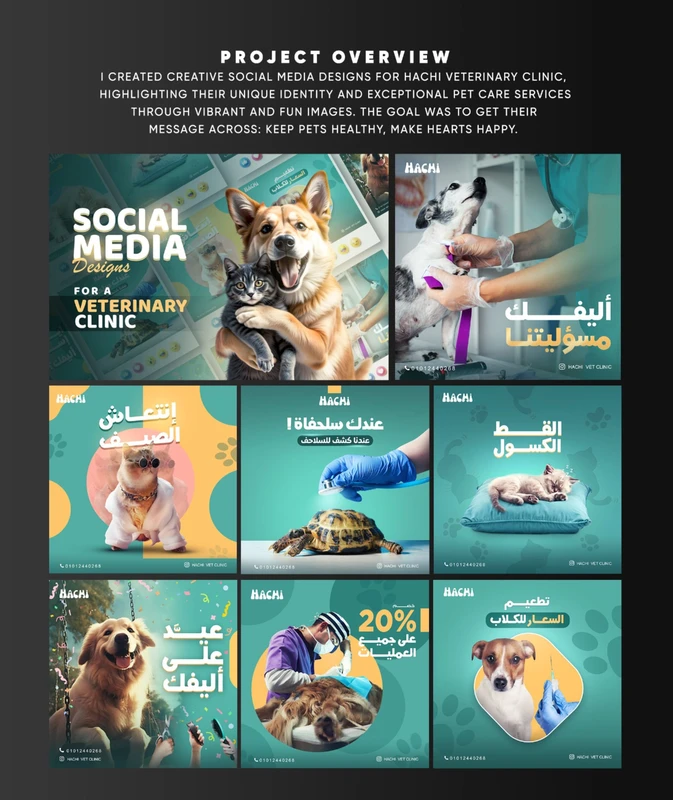
How to Utilize Social Media for Pet Conservation Advocacy Success
PawVerde.com – Social media has revolutionized the landscape of pet conservation advocacy by enabling organizations and advocates to connect directly with diverse audiences, promote animal welfare campaigns, and drive measurable outcomes such as increased adoptions and heightened awareness. Platforms like Facebook, Instagram, Twitter, and TikTok offer unique tools that, when leveraged strategically, amplify advocacy efforts significantly. Over 70% of animal shelters report that active social media use leads to higher adoption rates, especially for hard-to-place animals, underscoring the critical role digital engagement plays in modern animal welfare.
Effective pet conservation advocacy on social media hinges on platform-specific content adaptation, targeted hashtag utilization, audience segmentation, and creative outreach formats. Paid advertising campaigns further boost visibility for shelters and wildlife organizations, while monitoring opposition narratives ensures messaging remains credible and responsive. This comprehensive analysis explores the tactical strategies, platform nuances, and ethical considerations that maximize social media’s impact for pet conservation advocates.
Diverse Advocacy Strategies in Social Media Pet Conservation
The spectrum of advocacy approaches on social media ranges from sensationalism to community-centered engagement, each yielding distinct outcomes. Joe Exotic’s controversial methods, heavily publicized through viral content and media, illustrate how sensational storytelling can generate massive attention but often at the cost of credibility and ethical scrutiny. In contrast, Carol Baskin’s approach within the Big Cat Rescue community emphasizes authentic storytelling, educational content, and consistent follower interaction, fostering trust and sustained engagement.
Authenticity and transparency remain cornerstones for successful campaigns. Behind-the-scenes content—such as rescue operations, shelter day-to-day activities, and volunteer stories—invites audiences into the advocacy journey, enhancing emotional connection. For example, Best Friends Animal Society’s digital campaigns frequently showcase individual animal stories, leading to increased follower empathy and a measurable rise in adoption inquiries. These examples demonstrate that while provocative content can spark initial interest, long-term advocacy success depends on genuine connection and informative messaging.
Platform-Specific Best Practices for Pet Conservation Advocacy
Each social media platform caters to different audience demographics and content formats, necessitating tailored strategies for maximum impact.
Facebook remains a primary channel for event promotion and community building. Shelters and organizations benefit from Facebook’s event creation tools to publicize adoption drives, fundraisers, and educational webinars. Paid ad campaigns on Facebook allow precise targeting based on location, interests, and behavior, optimizing shelter visibility. For instance, ASPCA’s localized Facebook ads have driven up to a 30% increase in attendance at adoption events. Robust community groups on Facebook foster peer-to-peer sharing and support, amplifying advocacy messages organically.
Instagram’s visual-first nature suits storytelling through photos, reels, and stories. Hashtag strategies like #FindYourFido and #wildlifeconservation extend reach beyond immediate followers, with campaigns reporting over 50% engagement growth when utilizing trending hashtags alongside branded tags. Instagram Reels and Stories allow short, emotive videos that highlight animal rescues or conservation efforts in digestible formats. Wildlife Conservation Society (WCS) leverages Instagram for striking wildlife photography campaigns, educating followers while encouraging donations and activism.
Twitter (now X) excels in real-time updates and rapid dissemination of advocacy news. Hashtag campaigns such as #StandforWildlife generate momentum by rallying advocates and influencers around specific causes. Interactions with key figures, including digital ambassadors and animal welfare experts, enhance credibility and increase retweets, broadening message exposure. Twitter’s concise format encourages quick sharing of policy updates and urgent appeals, essential in crisis communication.
TikTok has emerged as a vital platform for reaching younger demographics, with 58% of U.S. teens engaging daily. Its algorithm favors creative, short-form videos that can rapidly go viral. Animal shelters and conservation groups use TikTok challenges, educational clips, and heartwarming adoption stories to capture attention. For example, Maddie’s Fund reported a 40% rise in younger adopter inquiries after launching TikTok campaigns featuring shelter pets in humorous and emotional contexts, demonstrating the platform’s potential for shaping youth-driven advocacy.
Hashtag Utilization and Audience Engagement Strategies
Hashtags remain a fundamental tool in expanding advocacy reach and fostering community involvement. Effective hashtags such as #wildlifeconservation, #FindYourFido, and #StandforWildlife serve as rallying points for online campaigns, enabling content discovery and user participation beyond established followers. Campaign data reveals that posts including relevant hashtags receive up to 70% higher engagement rates than those without.
Encouraging user-generated content through hashtag challenges and digital ambassadorship creates a network effect, where supporters share their own stories, photos, and videos under campaign tags. For example, during Adopt a Shelter Dog Month, many shelters encourage followers to post adoption stories with #FindYourFido, increasing visibility and social proof. Interactive features like polls, comment prompts, and share calls-to-action further boost engagement metrics, essential for algorithmic favorability across platforms.
Audience segmentation enhances hashtag effectiveness by targeting messages to relevant groups. Tailoring hashtags and content themes based on demographics, interests, and geographic location improves resonance. Tools like Hootsuite and OneUp assist advocates in scheduling posts with optimized hashtags and tracking performance, enabling data-driven refinements.
Paid Social Media Advertising: Targeting and Measuring Impact
Paid social media advertising remains a powerful lever for expanding pet conservation advocacy beyond organic followers. Strategic targeting allows campaigns to focus on specific adoption criteria, such as pet size, age, or breed preferences, and audience demographics including location, age, and pet ownership history. For instance, humane societies using Facebook’s Lookalike Audiences feature target users resembling past adopters, resulting in higher conversion rates.
Budget allocation depends on campaign goals, with smaller shelters allocating modest daily amounts ($10-$50) for localized ads, while larger organizations invest in multi-platform campaigns reaching millions. Measurement relies on key performance indicators (KPIs) such as click-through rates, event RSVPs, adoption form completions, and donation amounts. Real-time analytics enable advocates to optimize ad creatives, audience segments, and spending for better ROI.
Case studies from ASPCA’s paid campaigns indicate a 25% increase in online adoption applications during promoted periods. Integrating pixel tracking and conversion data refines audience profiles over time, making subsequent ads more cost-effective and impactful.
Creative Content Formats to Amplify Advocacy Messages
Diverse content formats engage different audience preferences and enhance message retention. Beyond traditional photos and videos, creative formats such as memes, digital art, webcomics, and interactive media provide fresh avenues for storytelling and education.
Memes and humorous content humanize advocacy, making topics accessible and shareable, especially among younger users. Digital art and webcomics can distill complex conservation issues into compelling narratives, increasing emotional resonance. Interactive media, including quizzes and virtual tours, invite active participation, deepening user investment.
Video storytelling remains paramount, with emotionally charged narratives driving empathy and action. Documentaries and mini-series featuring advocates like Doc from wildlife campaigns illustrate real-life impacts, inspiring donations and volunteerism. Incorporating user testimonials and success stories broadens relatability and encourages community building.
Ethical and Professional Conduct in Social Media Advocacy
Maintaining ethical standards and professionalism in online advocacy safeguards trust and credibility. Advocates must prioritize fact-based messaging, avoiding sensationalism, misinformation, or hostile rhetoric that can alienate supporters and attract criticism. Balanced perspectives that acknowledge challenges and complexities enhance transparency.
Aligning personal branding with advocacy goals ensures consistent messaging and reduces reputational risks. Humane societies and organizations often develop social media guidelines outlining acceptable conduct, response protocols, and content approval processes. Respecting privacy and consent, especially when sharing rescue stories or images, upholds ethical standards.
Ethical conduct also includes monitoring and addressing misinformation without engaging in inflammatory disputes. This approach preserves an advocate’s authoritative voice and fosters constructive dialogue.
Monitoring and Responding to Opposition Narratives
Social listening tools are indispensable for tracking adversarial messages and misinformation that may undermine pet conservation efforts. Platforms like Brandwatch and Sprout Social enable advocates to monitor relevant keywords, hashtags, and sentiment trends, providing early warning of negative narratives.
Proactive response strategies involve coordinated messaging, fact-checking, and engagement with neutral or supportive audiences to counteract false claims. For example, during contentious debates around captive wildlife, coordinated responses from organizations like WCS have clarified misconceptions and reinforced scientific consensus.
Timely, informed communication minimizes reputational damage and maintains public confidence. Establishing a crisis communication plan tailored to social media channels further equips advocates to handle opposition narratives effectively.
Measuring Success and Sharing Advocacy Wins

Quantitative and qualitative metrics assess the impact of social media advocacy on pet conservation. Adoption rate increases linked to targeted campaigns provide clear evidence of success. For instance, shelters leveraging the #FindYourFido campaign reported a 15-20% rise in adoption inquiries within campaign periods.
Beyond adoption numbers, measuring public awareness through social media reach, engagement, and sentiment analysis gauges broader influence. Influencing policy through digital advocacy, such as mobilizing followers for petitions or legislative support, represents another critical success indicator.
Celebrating milestones publicly, including adoption anniversaries and fundraising goals, motivates supporters and sustains momentum. Transparency in reporting outcomes reinforces trust and encourages ongoing participation.
| Platform | Key Features for Advocacy | Audience Demographics | Content Formats | Example Campaign Impact |
|---|---|---|---|---|
| Event creation, targeted ads, community groups | Adults 25-54, broad geographic reach | Photos, videos, live streams, event pages | 30% increase in adoption event attendance (ASPCA) | |
| Visual storytelling, hashtags, reels, stories | Adults 18-34, visual-centric users | Images, reels, stories, user-generated content | 50% engagement growth with #FindYourFido | |
| Twitter/X | Real-time updates, hashtag campaigns, influencer interactions | Adults 18-49, news-focused audience | Short text, images, hashtags, threads | Increased policy support via #StandforWildlife |
| TikTok | Short-form videos, creative challenges, viral potential | Teens and young adults, 58% U.S. teen daily use | Short videos, challenges, educational clips | 40% rise in younger adopter inquiries (Maddie’s Fund) |
FAQ
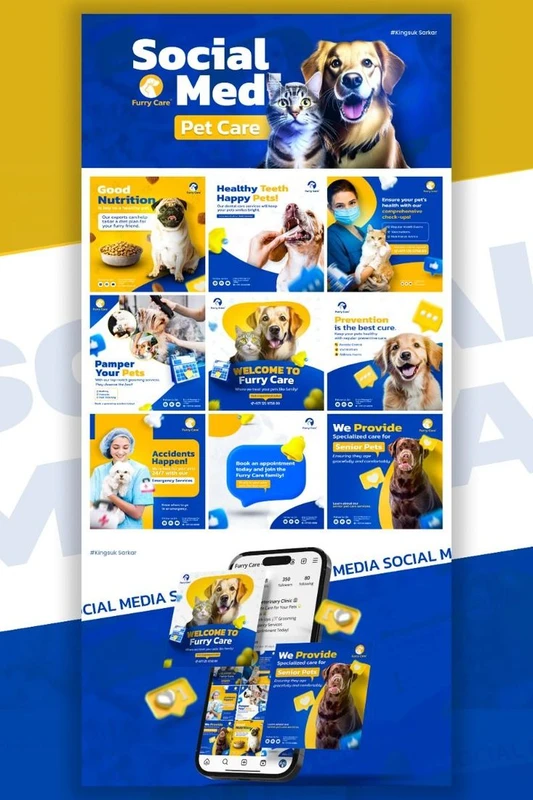
How can animal shelters best use social media to increase pet adoptions?
Animal shelters can increase adoptions by creating platform-specific content such as Facebook event pages for adoption drives, Instagram stories featuring individual animals, TikTok videos showcasing pet personalities, and targeted paid ads aimed at local communities. Utilizing relevant hashtags like #FindYourFido and encouraging user engagement through polls and shares enhance visibility and foster community support.
What role do hashtags play in wildlife and pet conservation campaigns?
Hashtags organize content, increase discoverability, and create communities around causes. Campaigns using hashtags such as #wildlifeconservation and #StandforWildlife extend message reach beyond immediate followers, encourage user-generated content, and help track campaign impact through social listening tools.
Why is it important to tailor social media content to each platform?
Each social media platform has distinct audience demographics and content formats. Tailoring content maximizes engagement by aligning with user preferences and platform algorithms. For example, TikTok favors short, creative videos for youth, while Facebook supports detailed event promotion and community discussions.
What ethical considerations should pet conservation advocates keep in mind on social media?
Advocates should ensure messaging is fact-based, respectful, and transparent. Avoiding misinformation and hostile rhetoric preserves credibility. Respect for privacy, proper consent for sharing images or stories, and aligning personal and organizational branding with advocacy goals underpin ethical conduct.
How can paid social media advertising improve pet conservation efforts?
Paid ads allow precise targeting based on demographics and behaviors, increasing visibility for adoption events and fundraising campaigns. By tracking analytics such as click-through and conversion rates, advocates can optimize budgets and messaging to maximize impact, leading to higher adoption rates and broader awareness.
Social media empowers pet conservation advocacy by enabling advocates to tailor messages across platforms, use strategic hashtags, engage audiences with creative content, run targeted paid ads, and monitor opposition narratives—all of which increase animal adoptions, raise awareness, and foster community support for wildlife and pet welfare. Moving forward, advocates should continue refining data-driven strategies, embracing emerging content formats, and upholding ethical standards to sustain and grow their digital influence in animal welfare.

Best Sustainable Pet Toys for Aggressive Chewers That Last
PawVerde.com – Sustainable pet toys for aggressive chewers must meet the dual demands of exceptional durability and environmental responsibility. Among numerous options, products like BetterBone stand out by combining natural, non-toxic ingredients with resilience against bite forces exceeding 3,500 PSI. These toys offer pet owners a solution that withstands heavy chewing without sacrificing eco-friendliness. Alongside BetterBone, brands such as Goughnuts, Ruff Dawg, West Paw, Bullymake, and Boba & Vespa provide a range of durable chew toys crafted from materials like natural rubber, organic cotton, hemp, and hypoallergenic synthetics, each tailored to meet the rigorous needs of strong-jawed dogs while minimizing environmental impact.
Aggressive chewers pose a significant challenge for pet owners seeking sustainable toys that do not degrade quickly or present safety risks. The best products balance chew resistance with safety certifications, ensuring they are free from toxins such as BPA, phthalates, and latex. Additionally, these toys often incorporate recyclable or biodegradable materials, aligning with growing consumer demand for eco-friendly pet products. Veterinary advisories from sources like Cityline Vet emphasize the importance of selecting chew toys that support dental health and mental stimulation without introducing harmful substances.
Durability and Safety: Core Characteristics of Sustainable Toys for Aggressive Chewers
Durability remains paramount when selecting chew toys for dogs with strong bite forces. Effective toys must resist punctures, tearing, and degradation from continuous chewing and exposure to environmental factors like moisture and temperature changes. BetterBone, for example, demonstrates resilience to bite pressures over 3,500 PSI, maintaining structural integrity under extreme conditions including harsh weather. Similarly, Goughnuts’ MAXX Pro 50 Ring and Ruff Dawg’s Rough Ball utilize heavy-duty rubber compounds engineered for toughness, often backed by lifetime guarantees that reflect confidence in their longevity.
Safety considerations extend beyond durability to include material composition and hypoallergenic properties. The best sustainable chew toys avoid toxic additives, employing materials certified free of BPA, latex, and phthalates. West Paw’s Zogoflex line exemplifies this approach, utilizing recyclable, non-toxic plastics that meet stringent safety standards. Organic fibers—such as cotton, hemp, and wool—serve as hypoallergenic alternatives, reducing the risk of allergic reactions while providing natural chew resistance. Bullymake’s subscriber-tested nylon and rubber toys offer additional vet-approved options designed to withstand extreme chewing without splintering or shedding harmful particles.
Environmental benefits of sustainable pet toys derive from their material sourcing and end-of-life disposal. Biodegradable components like organic cotton and hemp ropes decompose naturally, lessening landfill impact. Recyclable plastics such as West Paw’s Zogoflex contribute to circular economies by enabling reuse and reducing resource extraction. Brands committed to sustainability often obtain eco-certifications, ensuring compliance with environmental standards and providing transparency for conscientious consumers.
Leading Sustainable Materials in Durable Chew Toys
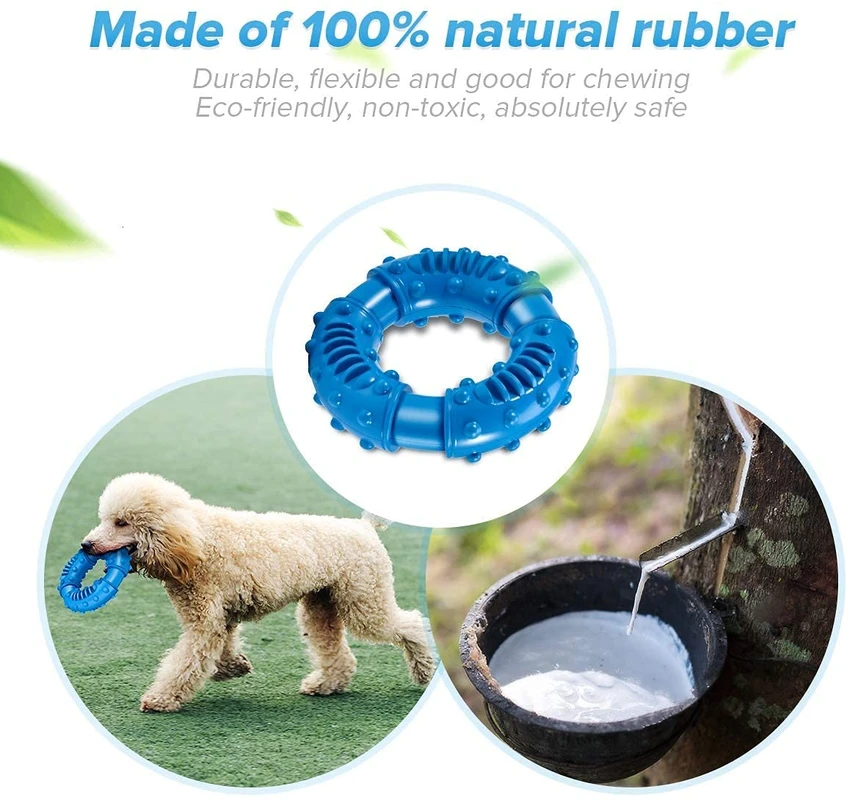
Natural rubber remains a cornerstone material for chew toys designed to resist aggressive chewing while aligning with sustainability goals. Extracted from rubber trees, this renewable resource offers elasticity, durability, and biodegradability. Goughnuts and Ruff Dawg harness natural and synthetic rubber blends to optimize toughness, often incorporating safety features like chew indicators that signal when replacement is necessary.
Synthetic alternatives like West Paw’s proprietary Zogoflex material deliver durability comparable to rubber but with enhanced recyclability and chemical safety. This material is free from harmful additives such as BPA, latex, and phthalates, addressing common health concerns. West Paw also emphasizes its closed-loop recycling program, encouraging pet owners to return used toys for remanufacturing.
Organic cotton and hemp fibers provide hypoallergenic, biodegradable options for rope and tug toys. Brands like Boba & Vespa utilize organic cotton ropes available in multiple sizes to accommodate different dog breeds and chewing intensities. Hemp, known for its tensile strength and resistance to mold and UV degradation, is increasingly popular in sustainable pet products due to its minimal environmental footprint and natural durability.
Wool, another renewable fiber, is used primarily in tug toys where softness complements durability. Its natural lanolin content offers antimicrobial properties, and wool’s biodegradability aligns with eco-conscious consumer preferences. While not suitable for heavy chewers prone to ingestion risks, wool toys provide safe, natural options for moderate chewers seeking interactive play.
Nylon chew toys present a durability versus sustainability trade-off. While nylon offers exceptional chew resistance and longevity—validated by Bullymake’s subscriber testing—it is a synthetic polymer with limited biodegradability. Some manufacturers address this by sourcing nylon variants with reduced environmental impact or incorporating recycling initiatives. However, pet owners prioritizing fully natural materials may prefer alternatives like BetterBone or organic fiber toys.
Top Brands and Products Tailored for Aggressive Chewers
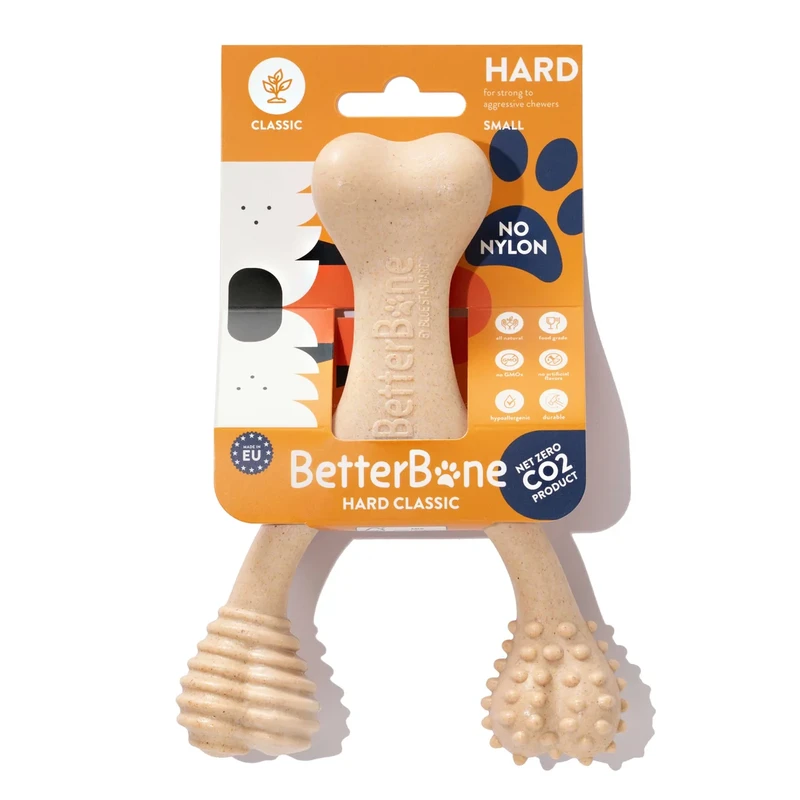
BetterBone’s chew toys stand out for their minimalist ingredient list—typically two natural components—and robust performance under extreme bite forces exceeding 3,500 PSI. Their weather-resistant formulation ensures longevity outdoors, and user testimonials frequently highlight their durability and hypoallergenic properties. BetterBone’s focus on non-toxic, eco-certified ingredients positions them as a leader in sustainable pet toys designed for aggressive chewers.
Goughnuts’ MAXX Pro 50 Ring combines heavy-duty rubber with patented safety features, including a chew indicator that reveals when the toy requires replacement, reducing ingestion risks. The company’s lifetime guarantee underscores product confidence, appealing to owners of dogs with destructive chewing habits. Ruff Dawg’s Rough Ball and Dawg-Cube extend the heavy-duty rubber category, offering vibrant color options and shapes that promote engagement while enduring intense chewing.
West Paw’s Zogoflex line prioritizes recyclability and chemical safety. Vet endorsements from Cityline Vet and others validate the material’s hypoallergenic nature and dental benefits. West Paw’s recycling program encourages sustainability beyond the product’s lifespan, creating a closed-loop system rarely seen in pet toy manufacturing.
Bullymake provides nylon and rubber toys rigorously tested by a community of subscribers with aggressive chewers. This user-driven feedback informs product development, ensuring toys meet high durability standards. Despite nylon’s synthetic nature, Bullymake emphasizes safety and longevity, offering specialized options for extreme chewers.
Boba & Vespa specializes in organic cotton rope toys available in multiple sizes to accommodate various breeds. Their products emphasize natural materials and eco-friendly dyes, catering to owners seeking sustainable alternatives for moderate to heavy chewers. These toys complement the broader ecosystem of sustainable pet products with a focus on natural fibers.
Supporting Canine Health and Wellbeing Through Chew Toys
Chew toys contribute significantly to dental health by mechanically reducing plaque and tartar buildup during chewing. Durable materials that resist quick fragmentation prevent ingestion of hazardous pieces, promoting safer oral hygiene routines. Vet-recommended toys like those from West Paw and Goughnuts support this function by combining chew resistance with texture optimized for cleaning teeth.
Beyond physical health, chew toys facilitate stress relief and mental stimulation. Aggressive chewers often exhibit anxiety or boredom, which durable interactive toys can mitigate. Puzzle-based chew toys and treat-dispensing variants designed for tough chewers engage cognitive functions while satisfying chewing instincts, reducing destructive behaviors.
Interactive options, including tug toys crafted from organic cotton or hemp, encourage social bonding and exercise. These toys balance sustainability with functionality, providing mental and physical enrichment essential for canine wellbeing.
Guidelines for Selecting Sustainable Toys for Aggressive Chewers
Selecting the appropriate sustainable chew toy requires matching product attributes to a dog’s chewing behavior and intensity. For heavy chewers, toys made from natural rubber or synthetic materials like Zogoflex and nylon offer necessary resilience. Moderate chewers may benefit from organic cotton or hemp ropes and wool-based tug toys.
Size and shape considerations impact safety; toys must be large enough to prevent choking hazards but manageable for the dog’s mouth. Shapes that discourage swallowing or breakage reduce ingestion risks. Monitoring wear is critical; toys exhibiting cracks, tears, or exposed inner materials should be replaced promptly to avoid health complications.
Owners should prioritize toys with certifications verifying non-toxicity and hypoallergenic properties. Brands offering replacement or recycling programs further support sustainability goals by reducing waste. Engaging veterinary advice and user reviews enhances informed decision-making tailored to individual dogs.
Frequently Asked Questions
What materials are best for durable, eco-friendly dog chew toys?
Durable, eco-friendly dog chew toys commonly use natural rubber, organic cotton, hemp, and recyclable synthetic materials like West Paw’s Zogoflex. These materials balance chew resistance with environmental sustainability and safety.
Are nylon chew toys safe and sustainable for aggressive chewers?
Nylon chew toys are highly durable and generally safe when designed for extreme chewing, as demonstrated by Bullymake’s tested products. However, nylon is a synthetic polymer with limited biodegradability, making it less sustainable than natural fiber alternatives.
How do sustainable chew toys support my dog’s dental health?
Sustainable chew toys mechanically reduce plaque and tartar buildup through chewing action. Textured surfaces on durable toys promote cleaning, while non-toxic materials prevent ingestion of harmful substances, supporting overall oral hygiene.
Can aggressive chewers safely use rope toys made from organic cotton or hemp?
Rope toys made from organic cotton or hemp are hypoallergenic and biodegradable, suitable for moderate chewers. Aggressive chewers should be supervised to prevent ingestion of fibers, and worn toys should be replaced promptly to maintain safety.
What should I look for when choosing sustainable toys for my dog?
Key factors include material durability, non-toxicity, hypoallergenic certification, size appropriate for your dog’s breed, and the brand’s environmental commitments such as recycling programs or organic sourcing.
Sustainable pet toys designed for aggressive chewers continue to evolve, integrating advanced materials science with environmental stewardship. Future innovations will likely expand use of biodegradable polymers and closed-loop manufacturing, further reducing ecological footprints while meeting the demanding needs of strong-jawed dogs. Pet owners prioritizing both durability and sustainability can expect increasingly diverse, safe, and effective options to support their pets’ wellbeing without compromising planetary health.
Why Choose Biodegradable Packaging for Pet Food: Key Benefits
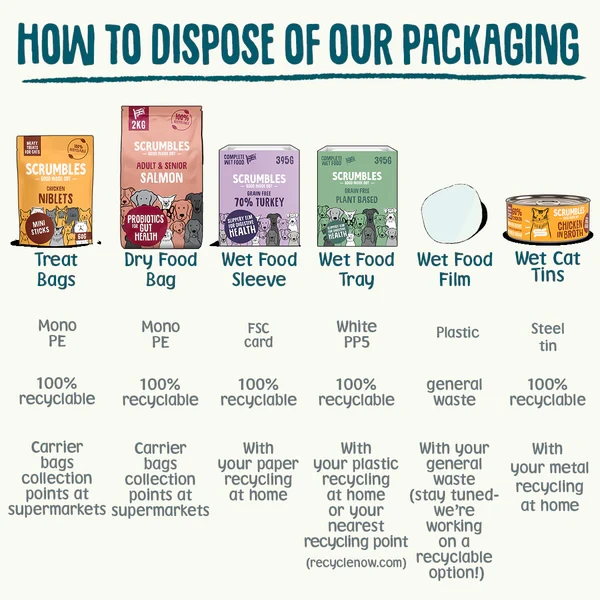
PawVerde.com – The pet food industry is undergoing a significant shift as biodegradable packaging emerges as a key solution to the environmental challenges posed by conventional plastic packaging. Pet food brands and pet parents increasingly prioritize sustainability while demanding packaging that preserves product freshness and safety. Biodegradable packaging offers a viable alternative by enabling natural decomposition through microbial activity, reducing plastic pollution and landfill waste. This technology leverages renewable materials such as bioplastics derived from sugarcane and corn starch, aligning product stewardship with circular economy principles. Leading manufacturers including Only Natural Pet, Emmerson Packaging, Mondi Group, Pacific Bag, and Plastek Group are pioneering innovations that enhance biodegradability without compromising the functional requirements of pet food packaging.
Biodegradable packaging for pet food not only addresses environmental concerns but also improves shelf life and food preservation through advanced barrier properties. However, effective deployment requires understanding disposal conditions, potential microplastic risks, and supply chain transparency. This article provides an in-depth analysis of biodegradable packaging’s environmental and functional benefits, current industry innovations, practical considerations for brands and consumers, and evolving market trends driving sustainable packaging adoption.
The Growing Environmental Challenge of Traditional Pet Food Packaging
The global increase in pet ownership has amplified demand for pet food, resulting in escalating volumes of plastic packaging waste. Conventional pet food packaging often relies on multi-layered plastic films and non-recyclable materials that persist in landfills for centuries and contribute to pollution in terrestrial and marine ecosystems. The environmental footprint of single-use plastics is compounded by limited recycling infrastructure and consumer disposal confusion. According to industry reports, packaging accounts for nearly 40% of a pet food product’s environmental impact, emphasizing the urgent need for sustainable alternatives.
Pet parents are also more environmentally conscious, influencing pet food brands to adopt eco-friendly packaging solutions. This shift coincides with regulatory pressures targeting plastic waste reduction and the emergence of circular economy frameworks encouraging renewable and biodegradable materials. As a result, biodegradable packaging is gaining traction as a strategic approach to mitigate plastic pollution while maintaining product integrity.
Defining Biodegradable Packaging and Its Mechanism
Biodegradable packaging refers to materials that decompose through the action of naturally occurring microorganisms such as bacteria, fungi, and algae. This process converts packaging into water, carbon dioxide, and biomass under suitable environmental conditions, typically involving adequate moisture, temperature, and oxygen levels. Unlike conventional plastics that fragment into persistent microplastics, biodegradable materials are designed to break down more completely, thus minimizing long-term environmental harm.
Common biodegradable materials in pet food packaging include bioplastics derived from renewable biomass sources such as sugarcane bagasse and corn starch. These biopolymers are engineered to possess mechanical and barrier properties comparable to traditional plastics. For example, polylactic acid (PLA) and polyhydroxyalkanoates (PHA) are widely used bioplastics that offer biodegradability alongside functional durability.
A critical distinction exists between biodegradable and compostable packaging. Compostable packaging requires industrial composting facilities with controlled conditions (e.g., temperature above 58°C) to achieve complete decomposition within specific timeframes, often 90 to 180 days. Biodegradable packaging may degrade under a broader range of natural conditions but can have variable breakdown rates. Understanding these differences is essential for proper disposal and environmental benefit realization.
Environmental Benefits Specific to Pet Food Packaging
Biodegradable packaging significantly reduces the environmental footprint of pet food by decreasing plastic pollution and diverting waste from landfills. Studies indicate that biodegradable films can reduce landfill persistence by up to 70% compared to conventional polyethylene films. Incorporating renewable feedstocks such as sugarcane and corn starch further lowers dependence on fossil fuels, reducing greenhouse gas emissions associated with packaging production.
These materials support circular economy principles by enabling resource recovery and reintegration into natural cycles. When properly disposed of via soil biodegradation or industrial composting, biodegradable packaging contributes organic matter back to ecosystems, improving soil health. This regenerative cycle contrasts sharply with the linear ‘take-make-dispose’ model of traditional plastics.
However, environmental benefits depend on disposal infrastructure and consumer behavior. Inadequate conditions can result in incomplete degradation, potentially releasing microplastics or chemical additives into the environment. Responsible design and supply chain transparency help mitigate these risks by ensuring that biodegradable packaging is matched with compatible end-of-life solutions.
Functional Advantages: Extending Shelf Life and Maintaining Food Quality
Biodegradable packaging must meet stringent functional requirements to protect pet food from moisture, oxygen, ultraviolet light, and microbial contamination. Advances in biodegradable films have yielded materials with high barrier properties that rival or exceed those of synthetic plastics. For example, multi-layer biodegradable films incorporating nanomaterials have demonstrated oxygen transmission rates below 1 cc/m²/day, which is critical for preserving pet food freshness and preventing spoilage.
These barrier properties reduce the need for synthetic preservatives, aligning with consumer preferences for clean-label pet foods. Flexible biodegradable packaging designs also enhance convenience by offering resealable closures and lightweight form factors that reduce shipping emissions.
Notable innovations include Only Natural Pet’s use of a proprietary biodegradable film that extends shelf life by maintaining low moisture ingress and Emmerson Packaging’s PetPack BDG technology, which combines biodegradable layers with enhanced mechanical strength. Mondi Group’s Sustainex materials incorporate renewable fibers and bio-based coatings, optimizing both durability and environmental performance.
Industry Innovations and Contributions from Key Manufacturers
Industry leaders are investing heavily in R&D to advance biodegradable packaging technologies for pet food. Only Natural Pet has integrated biodegradable films into its packaging portfolio, sourcing materials from sugarcane bioplastics that degrade effectively in soil environments. Emmerson Packaging’s PetPack BDG utilizes patented biodegradable polymers tailored for the pet food sector, balancing sustainability with consumer usability.
Mondi Group’s Sustainex line exemplifies the integration of renewable fibers and biodegradable coatings to create recyclable and compostable packaging solutions. These materials are designed to meet global regulatory standards while providing transparency through QR codes linking consumers to supply chain information.
Academic research complements industry efforts. Purdue University’s packaging innovation center has developed nanomaterial-enhanced biodegradable films that improve oxygen and moisture barriers without compromising compostability. These advances enable longer shelf life and reduced food waste.
Printing and labeling innovations also contribute to sustainability. Eco-friendly inks derived from vegetable oils and water-based formulations minimize volatile organic compound emissions and simplify recycling processes. These technologies reduce the overall environmental impact of pet food packaging throughout its lifecycle.
Practical Considerations for Consumers and Pet Food Brands
Successful adoption of biodegradable packaging requires clear guidance on disposal methods. biodegradable pet food packaging typically decomposes under soil conditions but may not degrade effectively in standard municipal recycling streams or home composting environments. Industrial composting facilities offer optimal conditions for compostable packaging, but access is limited in many regions.
Consumers must be educated to avoid disposing of biodegradable packaging in conventional recycling bins to prevent contamination. Brands can support this by providing clear labeling and disposal instructions, increasing supply chain transparency regarding packaging materials and end-of-life pathways.
Potential environmental risks include the release of microplastics from additives or partial degradation under unfavorable conditions. To mitigate this, manufacturers are developing biodegradable films formulated without harmful plasticizers or fillers and emphasizing certifications from recognized bodies such as TÜV Austria and Biodegradable Products Institute (BPI).
From a supply chain perspective, sustainable packaging integration involves balancing cost, material availability, and logistical considerations. While biodegradable packaging can have higher upfront costs compared to conventional plastics, long-term savings arise from reduced environmental compliance risks and enhanced brand reputation.
Market Trends: Rising Consumer Demand and Brand Strategies
Consumer demand for eco-friendly pet food packaging is accelerating. Market studies reveal that over 60% of pet parents consider sustainable packaging an important purchasing factor. Millennials and Gen Z consumers, in particular, prioritize products with transparent environmental credentials.
In response, pet food brands are adopting biodegradable packaging as a competitive differentiator. Only Natural Pet’s full line shift to biodegradable packaging has enhanced its market positioning among eco-conscious consumers. Emmerson Packaging reports increased inquiries from pet food companies seeking PetPack BDG solutions, reflecting wider industry momentum.
Cost considerations remain a barrier for some brands, but economies of scale and technological advancements are reducing price gaps. Lifecycle assessments demonstrate that biodegradable packaging can reduce total environmental costs by up to 30% over product lifecycles compared to fossil-based plastics.
Future Directions: Advancing Sustainable Pet Food Packaging
The trajectory of biodegradable packaging in the pet food industry points toward greater integration with circular economy models and digital transparency tools. Innovations such as biodegradable films that activate decomposition primarily under landfill conditions aim to minimize premature degradation during product use.
Emerging nanomaterials and bio-based coatings promise further improvements in barrier performance and biodegradability. Meanwhile, collaboration between packaging manufacturers, pet food brands, and waste management authorities is critical to enhancing infrastructure for industrial composting and soil biodegradation.
Consumer education campaigns and standardized labeling will empower pet parents to participate effectively in sustainable disposal practices. Ultimately, biodegradable packaging represents a responsible solution that aligns environmental stewardship with pet food quality and safety.
FAQ
What is the difference between biodegradable and compostable pet food packaging?
Biodegradable packaging breaks down naturally through microbial activity over time under various environmental conditions, but the rate and completeness of degradation can vary. Compostable packaging must meet specific standards requiring decomposition within a defined timeframe, usually in industrial composting facilities with controlled heat and moisture, ensuring more predictable breakdown.
How does biodegradable packaging help extend the shelf life of pet food?
Modern biodegradable films incorporate nanomaterials and multi-layer structures that provide strong barriers against oxygen, moisture, and light, protecting pet food from spoilage and oxidation. This reduces the need for synthetic preservatives and maintains product freshness over extended periods.
Are there risks of microplastic contamination from biodegradable pet food packaging?
If biodegradable packaging is improperly disposed of or contains non-biodegradable additives, partial degradation may release microplastics. To mitigate this, manufacturers use additive-free formulations and certify products through recognized standards, while educating consumers on correct disposal methods to ensure complete biodegradation.
Can biodegradable pet food packaging be recycled?
Most biodegradable packaging is not compatible with conventional plastic recycling streams and should not be placed in recycling bins to avoid contamination. Instead, it is designed for soil biodegradation or industrial composting. Some newer materials are being developed for recyclability, but these are not yet widespread.
What are the main materials used in biodegradable pet food packaging?
Common materials include bioplastics such as polylactic acid (PLA) and polyhydroxyalkanoates (PHA), which are derived from renewable resources like sugarcane and corn starch. These biopolymers offer biodegradability alongside functional properties required for pet food packaging.
—
Biodegradable packaging for pet food represents a crucial advancement in reducing plastic pollution while ensuring product quality. By leveraging renewable materials and innovative barrier technologies, pet food brands can meet growing consumer demand for sustainability without sacrificing freshness or safety. Ongoing innovation, combined with enhanced disposal infrastructure and consumer education, will determine the long-term success of biodegradable packaging as a responsible solution in the evolving pet food market.
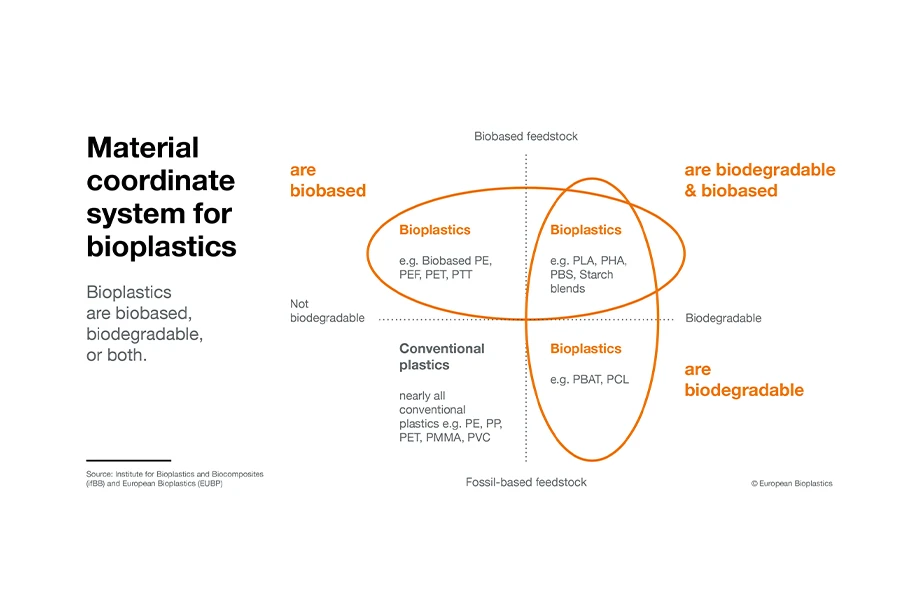
Difference Between Biodegradable and Plastic Pet Toys Explained
PawVerde.com – biodegradable pet toys represent a growing segment in sustainable pet care, designed to mitigate the environmental burden caused by conventional plastic pet toys. Annually, millions of plastic pet toys accumulate in landfills worldwide, persisting for centuries due to their synthetic compositions such as nylon and polyester. This persistence contributes to escalating plastic pollution and microplastic contamination, raising concerns for ecosystems and pet health alike. In contrast, biodegradable pet toys primarily utilize natural fibers and sustainably sourced materials that degrade under appropriate conditions, offering a pathway to reduce landfill waste and associated ecological impacts.
The distinction between biodegradable and plastic pet toys extends beyond mere material composition to encompass environmental persistence, health safety, and lifecycle management. Biodegradable pet toys incorporate fibers like hemp, organic cotton, and jute, along with sustainably harvested rubber and recycled fabrics, formulated to break down naturally through microbial activity. However, biodegradation rates depend heavily on environmental conditions, often requiring industrial composting facilities to complete decomposition effectively. Conversely, plastic pet toys made from synthetic polymers withstand natural degradation for decades or longer, fragmenting into microplastics that infiltrate soil and waterways. The term “biodegradable” is frequently misapplied to certain plastics that only partially degrade or require specific conditions rarely met in typical waste streams, complicating consumer understanding.
Natural materials used in biodegradable pet toys provide not only environmental advantages but also health benefits for pets. Hemp, organic cotton, and wool offer durable fibers that resist wear while remaining non-toxic and free from harmful additives common in synthetic plastics. Sustainably harvested rubber and hardwood components contribute elasticity and robustness without introducing chemical contaminants. Manufacturing processes increasingly emphasize non-toxic dyes and adhesives, aligning with certifications such as Global Organic Textile Standard (GOTS), Ecocert, and B Corp, which verify environmental and social responsibility. Pet owners benefit from reduced exposure to toxins such as phthalates and BPA, which are prevalent in many plastic pet toys and linked to adverse health effects.
The environmental advantages of biodegradable pet toys include significant reductions in plastic pollution and the prevention of microplastic generation. While biodegradable plastics can fragment into microplastics if disposed of improperly, natural fiber-based toys decompose more completely, returning organic matter to the soil without residual contamination. Compostable dog waste bags exemplify this benefit, decomposing swiftly under industrial composting conditions and avoiding the microplastic residues common with conventional plastic bags. Additionally, biodegradable toys often exhibit enhanced durability relative to cheaper plastic alternatives, extending product lifespan and decreasing replacement frequency, which cumulatively reduces overall environmental impact.
Despite these benefits, biodegradable pet toys face limitations that require consumer awareness. Effective biodegradation generally necessitates specific conditions—such as elevated temperatures, moisture, and microbial presence—found in industrial composting but lacking in typical landfill environments, where many biodegradable items may persist similarly to plastics. Moreover, certain biodegradable plastics labeled as such may only partially decompose or fragment into microplastics, undermining environmental goals. The presence of certifications like B Corp or GOTS serves as a critical guidepost for buyers, ensuring products meet rigorous sustainability and safety standards. Pet owners should evaluate disposal options and local composting infrastructure to maximize environmental benefits.
Plastic pet toys continue to dominate the market due to low production costs and material versatility, but their environmental and health risks are substantial. Synthetic plastics such as nylon and polyester resist degradation, accumulating in landfills and natural habitats for centuries. This persistence contributes to the global plastic pollution crisis, with microplastic particles infiltrating ecosystems and the food chain. Chemical additives in plastic toys can leach toxins, posing risks to pet health through ingestion or prolonged contact. The durability of plastic toys often leads to prolonged presence in waste streams, exacerbating environmental contamination and complicating waste management efforts.
Pet owners seeking sustainable alternatives can adopt several strategies to minimize environmental impact while ensuring pet safety. Prioritizing toys made from natural, certified materials such as hemp, organic cotton, and sustainably harvested rubber supports ecological balance and reduces chemical exposure risks. Additionally, engaging in DIY pet toy creation using household materials or repurposing old toys extends product lifespans and diverts waste from landfills. Proper disposal practices, including the use of compostable dog waste bags and participation in local composting programs, enhance the biodegradation of pet-related products. Awareness of product certifications and manufacturer transparency further empowers consumers to make informed purchasing decisions grounded in environmental responsibility.
Innovation in sustainable pet toy manufacturing continues to evolve, driven by advances in low-waste production methods and ethical sourcing. Industry initiatives increasingly incorporate recycled fabrics and sustainably harvested raw materials to reduce carbon pawprints. Emerging technologies focus on developing truly compostable and non-toxic materials that maintain durability without compromising biodegradability. Market trends reveal growing consumer demand for eco-certified pet products, prompting manufacturers to pursue certifications such as Ecocert and B Corp to validate sustainability claims. This trajectory suggests a future where sustainable pet accessories become mainstream, aligning pet care with broader environmental stewardship.
Defining Biodegradable Versus Plastic Pet Toys
Biodegradable pet toys are crafted from materials that can naturally decompose through microbial activity, returning to the environment as water, carbon dioxide, and biomass. These materials often include natural fibers like hemp, organic cotton, wool, and jute, as well as sustainably harvested rubber and hardwood components. The biodegradation process requires optimal conditions such as moisture, oxygen, and temperature, typically found in industrial composting facilities rather than conventional landfills. This distinction is critical because many products labeled “biodegradable” are composed of plastics that degrade slowly or fragment into microplastics, misleading consumers regarding their environmental impact.
plastic pet toys primarily consist of synthetic polymers such as nylon, polyester, and polypropylene. These materials are engineered for durability, resistance to wear, and cost-efficiency but exhibit extreme environmental persistence. Plastic polymers resist microbial degradation, often remaining intact in landfill environments for hundreds of years. Over time, exposure to sunlight and mechanical abrasion can fragment plastic toys into microplastics, which pose ecological hazards by entering marine and terrestrial food chains. The term “biodegradable” is sometimes applied to certain plastics designed to break down under specific lab conditions but failing to do so in real-world waste systems, complicating the environmental narrative.
Materials Used in Biodegradable Pet Toys
Natural fibers such as hemp and organic cotton are prominent in biodegradable pet toys due to their renewability, strength, and biodegradability. Hemp offers superior durability and resistance to mold and bacteria, making it ideal for chew toys and ropes. Organic cotton is favored for its softness and non-toxicity, suitable for plush toys and fabric components. Wool and jute provide additional biodegradable options with distinct textures and robustness. These fibers are often processed with non-toxic dyes and adhesives to maintain safety standards for pets.
Sustainably harvested rubber, derived from natural latex trees, adds elasticity and resilience while remaining biodegradable under appropriate conditions. Hardwood elements contribute structural integrity for toys requiring rigidity or chew resistance. Recycled fabrics, sourced from repurposed textiles, reduce waste by converting materials such as denim or canvas into pet toy components. These materials align with environmental certifications like GOTS, which requires organic fiber sourcing and sustainable manufacturing, and B Corp, which assesses social and environmental performance.
Environmental and Health Benefits of Biodegradable Pet Toys
Biodegradable pet toys reduce plastic pollution by decomposing into natural elements rather than persisting as waste. This reduces the volume of landfill waste and minimizes microplastic contamination, which has been linked with disruptions in soil microbiomes and aquatic ecosystems. For pets, toys made from natural materials eliminate exposure to phthalates, BPA, and other synthetic additives found in plastic toys, decreasing risks of allergic reactions, endocrine disruption, and ingestion of toxic substances.
Durability is another advantage; although some biodegradable materials may initially appear less resilient than plastics, many natural fibers and sustainably harvested rubbers provide long-lasting performance. This durability reduces the frequency of toy replacements, lowering resource consumption and waste generation. Additionally, biodegradable toys often exhibit superior breathability and reduced microbial growth, contributing to pet hygiene and health.
Limitations and Considerations of Biodegradable Pet Toys
The biodegradability of pet toys depends heavily on disposal conditions. Industrial composting facilities provide the heat, moisture, and microbial activity necessary for full decomposition within months, whereas landfill environments are often anaerobic and dry, slowing or preventing breakdown. Consequently, biodegradable materials discarded in landfills may persist similarly to conventional plastics, undermining environmental benefits.
Moreover, some biodegradable plastics require specific enzymatic actions or temperature thresholds absent in natural environments, leading to partial decomposition or fragmentation into microplastics. This highlights the importance of certifications like Ecocert and B Corp, which validate claims of sustainability and provide transparency regarding material sourcing and degradation profiles. Consumers must also consider the lifecycle carbon footprint and potential trade-offs such as water usage in natural fiber production.
Comparing Plastic Pet Toys: Impact and Risks
Plastic pet toys’ resilience translates into extensive environmental persistence, with decomposition timelines often exceeding centuries. These toys contribute significantly to landfill mass and global plastic pollution. The leaching of chemical additives such as phthalates and BPA presents documented health hazards for pets, including endocrine disruption, behavioral changes, and increased cancer risk. Fragmentation into microplastics exacerbates pollution by infiltrating water bodies and soils, threatening biodiversity.
Manufacturers often produce plastic toys at low cost, ensuring widespread availability but at the expense of environmental sustainability and pet health. The global scale of plastic pet toy production amplifies these risks, underscoring the urgency for sustainable alternatives and consumer awareness.
How Pet Owners Can Choose and Manage Sustainable Toys
Pet owners can prioritize toys made from certified natural materials such as hemp, organic cotton, and sustainably harvested rubber to ensure safety and environmental responsibility. Evaluating certifications like GOTS, Ecocert, and B Corp provides assurance of ethical sourcing and manufacturing. Incorporating DIY pet toys using repurposed household items or fabric scraps extends toy lifespans and reduces waste streams.
Proper disposal is essential; compostable dog waste bags complement biodegradable toys by decomposing rapidly under industrial composting, eliminating microplastic residues prevalent in conventional plastic bags. Participation in local composting programs or specialized pet product recycling initiatives further enhances sustainability efforts. Educating oneself about product materials and disposal practices empowers pet owners to reduce their carbon pawprint effectively.
Future Trends: Innovation in Sustainable Pet Toy Manufacturing
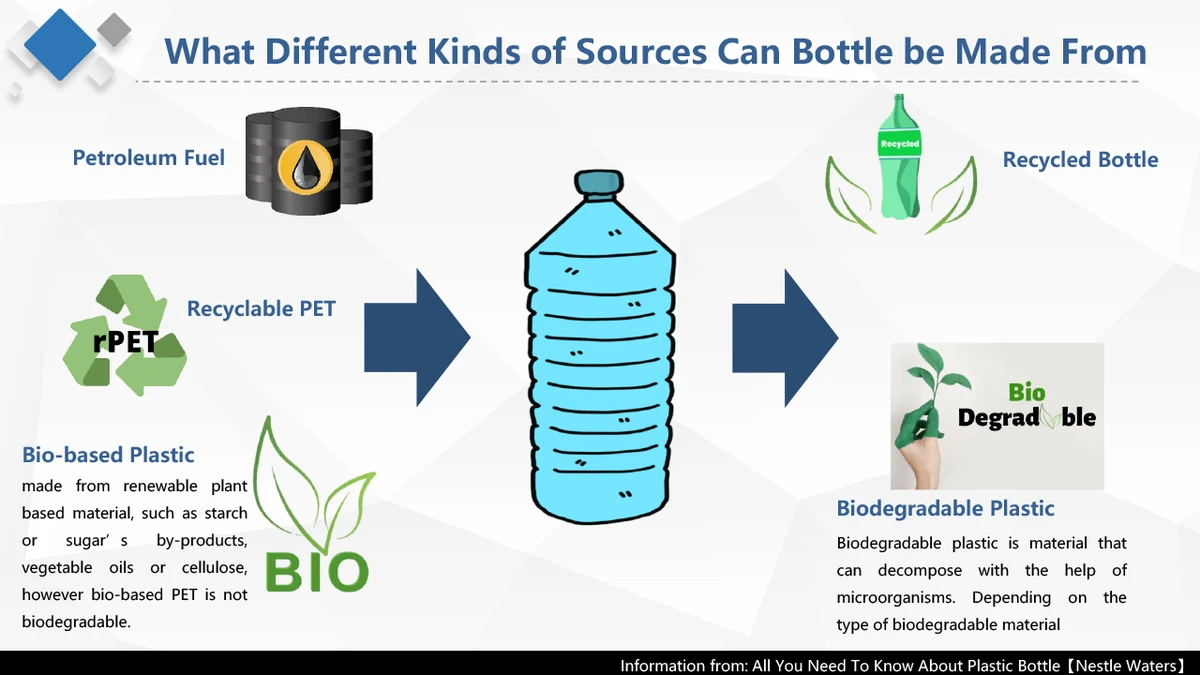
The pet product industry is witnessing increased innovation centered on sustainability. Advances in low-waste manufacturing methods reduce resource consumption and emissions. Emerging materials such as bio-based polymers derived from algae, mycelium, or agricultural byproducts offer promising biodegradable and compostable alternatives with improved durability.
Ethical manufacturing practices are gaining traction, with companies emphasizing fair labor, supply chain transparency, and reduced environmental footprints. Market data indicate rising consumer demand for eco-certified pet products, prompting wider availability of sustainably produced toys. Integration of circular economy principles—such as product take-back schemes and upcycling—may further transform pet toy life cycles in the coming years.
| Aspect | Biodegradable Pet Toys | Plastic Pet Toys |
|---|---|---|
| Material Composition | Natural fibers (hemp, organic cotton), sustainably harvested rubber, recycled fabrics | Synthetic polymers such as nylon, polyester, polypropylene |
| Decomposition Requirements | Industrial composting conditions (heat, moisture, microbes) | Minimal natural degradation; persists for centuries |
| Environmental Impact | Reduced landfill waste, minimal microplastic formation | Contributes to plastic pollution, microplastic contamination |
| Health & Safety | Non-toxic, free from harmful additives | May contain phthalates, BPA; potential chemical exposure |
| Durability | High, with longer-lasting natural fibers and rubber | High; designed for toughness but environmentally persistent |
| Certifications | GOTS, Ecocert, B Corp | Rarely certified for environmental safety |
Frequently Asked Questions
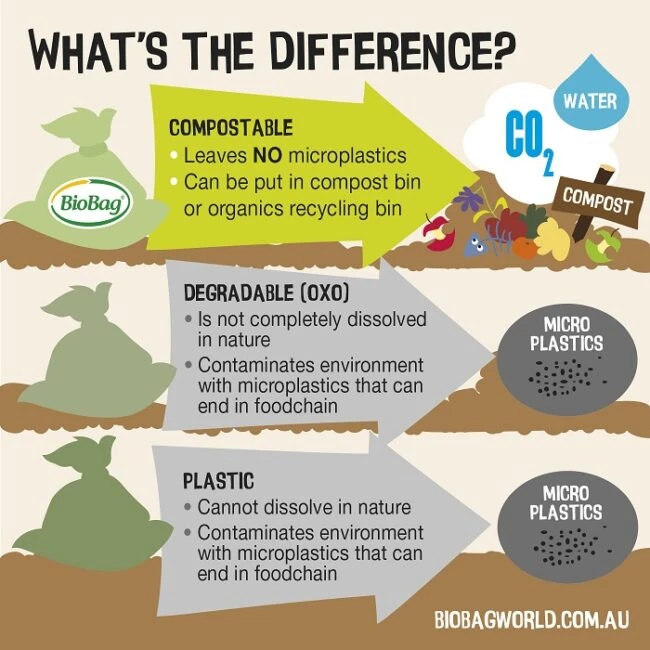
What materials are commonly used in biodegradable pet toys?
Biodegradable pet toys commonly feature natural fibers such as hemp, organic cotton, wool, and jute, alongside sustainably harvested rubber and recycled fabrics. These materials are chosen for their renewability, durability, and ability to decompose under industrial composting conditions.
How do biodegradable pet toys differ from compostable pet products?
While both terms imply environmental breakdown, compostable pet products specifically degrade into non-toxic components within a defined time frame and under industrial composting conditions. Biodegradable items may degrade more slowly or under less defined conditions, sometimes only partially breaking down.
Are biodegradable pet toys safer for pets than plastic toys?
Yes, biodegradable pet toys made from natural fibers and non-toxic materials generally pose fewer health risks compared to plastic toys, which may contain harmful chemicals such as phthalates and BPA that can affect pet health.
Can biodegradable pet toys break down in a regular landfill?
Typically, no. Landfill conditions are often anaerobic and dry, impeding microbial activity required for biodegradation. Most biodegradable pet toys require industrial composting environments to decompose fully.
How can pet owners dispose of biodegradable pet toys responsibly?
Pet owners should dispose of biodegradable pet toys through industrial composting facilities when available. If such facilities are inaccessible, recycling or repurposing options are preferable to landfill disposal. Additionally, pairing biodegradable toys with compostable pet waste bags enhances overall sustainability.
—
As awareness of environmental impacts deepens among pet owners and manufacturers, the shift toward biodegradable and eco-friendly pet toys is poised to accelerate. Continued innovation in materials science and sustainable manufacturing, coupled with consumer education and certification transparency, will be critical to advancing sustainable pet care practices. Pet owners can play an active role by selecting certified products, adopting responsible disposal methods, and supporting industry initiatives focused on reducing the carbon pawprint of pet accessories.
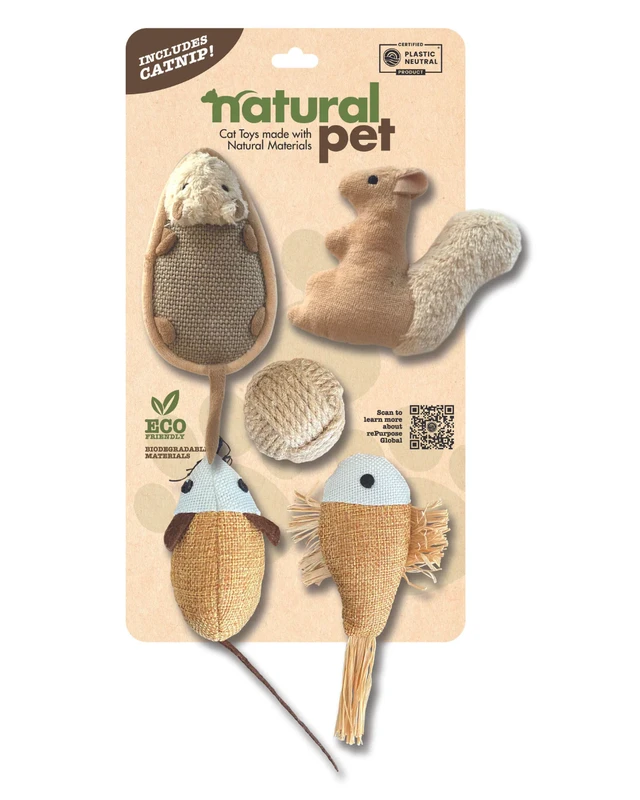
Certified Safety Standards for Eco-Friendly Pet Toys Explained
PawVerde.com – The demand for eco-friendly pet toys has surged as consumers increasingly prioritize the health of their pets alongside environmental responsibility. However, not all products branded as “eco-friendly” offer verified safety or sustainability, making certifications critical for distinguishing truly safe and sustainable pet toys. Trusted third-party certifications such as OEKO-TEX, GOTS, and B Corp validate the use of non-toxic, ethically sourced materials, while compliance with ASTM F963 and CE marking ensures mechanical and chemical safety. Consumers seeking safe eco-friendly pet toys must prioritize certifications backed by rigorous testing to mitigate risks from harmful chemicals like phthalates and BPA, often found in uncertified recycled plastics or synthetic materials.
Certified eco-friendly pet toys combine sustainability with pet safety by adhering to standards that assess material toxicity, mechanical durability, and environmental impact. This article details the essential safety and sustainability certifications, common material safety profiles, manufacturing standards, health risks of uncertified products, and practical guidance for consumers. It further contextualizes market trends and innovations shaping the future of eco-conscious pet toys.
Key Safety Certifications Ensuring Eco-Friendly Pet Toy Safety
Eco-friendly pet toys are commonly certified by organizations specializing in textile safety, chemical hazard assessment, and corporate social responsibility. OEKO-TEX and GOTS certifications focus on textile safety and organic material verification, ensuring fibers like organic cotton and hemp used in pet toys are free from harmful chemicals and pesticides. OEKO-TEX Standard 100, for instance, tests for over 300 harmful substances, including phthalates and heavy metals, which pose risks to pet health. GOTS certification adds a layer of organic and ecological integrity by regulating the entire textile supply chain, from fiber harvesting to environmentally responsible dyeing processes.
Corporate social responsibility is reflected in B Corp certification, which assesses companies on social and environmental performance, accountability, and transparency. B Corp pet toy brands commit to sustainable manufacturing practices and fair labor standards, enhancing consumer trust. Certifications like ISO 14001 and ISO 20400 represent environmental management systems and sustainable procurement, respectively, signaling comprehensive governance in eco-friendly pet toy production.
Toy safety standards are equally vital. ASTM F963, a US standard, specifies requirements for mechanical hazards, toxicity, flammability, and chemical migration limits in toys, protecting pets from choking hazards and exposure to toxic substances. Similarly, CE marking and EN71 testing in Europe assess mechanical safety and chemical compliance, ensuring pet toys meet stringent regulatory criteria.
Material Safety Profiles: Natural Fibers, Recycled Plastics, and Durability
Natural materials such as natural rubber, organic cotton, and hemp fiber have gained prominence in eco-friendly pet toy manufacturing due to their biodegradability and lower toxicity profiles. Natural rubber provides elasticity and resilience without the synthetic additives found in many plastics. Organic cotton and hemp fibers are grown without harmful pesticides and are certified under GOTS or OEKO-TEX, reducing chemical exposure risks.
Recycled plastics offer environmental benefits by reducing landfill waste and lowering carbon emissions by up to 50%, according to recent lifecycle assessments. However, recycled plastics may contain residual phthalates, BPA, or other endocrine disruptors if not properly certified. Independent testing laboratories such as Eurofins and Pacific Certifications verify compliance with chemical safety standards to mitigate these risks.
Durability is a critical safety and sustainability factor. Longer-lasting toys reduce waste and minimize the risk of small parts breaking off and causing choking. Brands like West Paw utilize proprietary materials such as Zogoflex, which combines toughness with recyclability. Durability testing, aligned with ASTM and ISO standards, evaluates toys under simulated wear conditions to ensure longevity and safety.
Regulatory Compliance and Quality Control in Eco-Friendly Pet Toy Manufacturing
Third-party testing and certification are cornerstones of regulatory compliance that influence market access and consumer trust. Quality control processes include chemical analysis for toxic substances, mechanical testing for strength and safety, and manufacturing audits verifying ethical sourcing and environmental management.
Compliance documentation facilitates global market entry and buyer confidence, especially on platforms like Alibaba.com, where buyer matching increasingly prioritizes certified products. Independent bodies such as ISB USA and Pacific Certifications provide verification services that authenticate product claims, reducing greenwashing risks.
Leading eco-conscious brands such as West Paw, Earth Rated, and Bully Max exemplify transparent certification adherence. West Paw’s Zogoflex toys carry ASTM and ISO certifications, Earth Rated focuses on biodegradable waste bags and durable toys certified for chemical safety, while Bully Max integrates OEKO-TEX certified materials into its product line. These brands disclose certification details and testing reports, enhancing consumer assurance.
Health Risks Associated with Uncertified Eco-Friendly Pet Toys
Research including EarthDay.org’s Pets vs. Plastics report highlights prevalent chemical contaminants in uncertified pet toys, including phthalates, BPA, lead, and other toxic additives. These substances pose risks such as endocrine disruption, allergic reactions, and long-term organ damage in pets. Phthalates and BPA, common in some recycled plastics, have been linked to reproductive and developmental toxicity in animals.
Uncertified toys may also fail mechanical safety tests, increasing choking and ingestion hazards. Flammability concerns arise when materials do not adhere to ASTM F963 or EN71 standards, posing fire risks in home environments.
The lack of transparency and independent testing in uncertified products complicates risk assessment for consumers, underscoring the importance of verifying certification claims before purchase.
Consumer Guidance for Selecting Safe Eco-Friendly Pet Toys
Consumers should verify certifications by checking labels for OEKO-TEX, GOTS, B Corp, ASTM F963, CE, and ISO marks. Certification databases or official websites provide authentication tools to confirm legitimacy.
Inspecting product durability involves assessing stitching quality, material thickness, and resistance to tearing or deformation. High durability indicates less frequent replacement, supporting environmental sustainability and reducing safety hazards from broken parts.
Recognizing credible brands requires researching company transparency regarding sourcing, manufacturing, and testing. Avoidance of vague marketing terms such as “natural” or “organic” without certification is crucial, as these claims lack regulatory enforcement and can mislead consumers.
Market Trends and Innovations Shaping the Future of Eco-Friendly Pet Toys
The global market for biodegradable and sustainable pet toys is projected to grow significantly, driven by consumer demand and regulatory pressures. Innovations include the development of plant-based bioplastics, advanced natural rubber composites, and hemp-based fibers engineered for enhanced durability and safety.
Emerging certifications targeting circular economy principles and microplastic reduction are gaining traction, aiming to address environmental impact beyond immediate safety concerns. Increasing adoption of ISO 14001 and ISO 20400 highlights a shift toward comprehensive environmental governance and sustainable procurement in pet product manufacturing.
Brands investing in transparency and third-party validation are positioned to lead market growth, responding to heightened consumer awareness and regulatory scrutiny.
Frequently Asked Questions
What certifications should I look for to ensure a pet toy is safe and eco-friendly?
Look for OEKO-TEX and GOTS for textile safety and organic material verification, B Corp for corporate responsibility, ASTM F963 and CE marking for mechanical and chemical safety, and ISO 14001 or ISO 20400 for environmental management and sustainable procurement.
Are recycled plastic pet toys safe for my pet?
Recycled plastic toys can be safe if certified by independent laboratories such as Eurofins or Pacific Certifications, ensuring they are free from harmful chemicals like phthalates and BPA. Uncertified recycled plastics may pose health risks.
How does durability affect the safety of eco-friendly pet toys?
Durable toys reduce the risk of choking hazards from broken parts and minimize environmental impact by decreasing waste. Certifications often include durability testing to ensure toys withstand typical wear and tear.
Can I trust “natural” or “organic” labels on pet toys without certification?
Labels without third-party certification like OEKO-TEX or GOTS do not guarantee safety or sustainability. Such terms are often marketing claims without regulatory oversight, so verification through certifications is essential.
What health risks do uncertified pet toys pose to pets?
Uncertified toys may contain toxic chemicals such as phthalates, BPA, and heavy metals, which can cause endocrine disruption, allergic reactions, or organ damage. Poor mechanical safety can also lead to choking or ingestion hazards.
—
Increasingly stringent safety and sustainability standards, coupled with growing consumer demand for transparency, are driving the evolution of eco-friendly pet toys. Future developments will likely emphasize circular economy principles, enhanced durability, and comprehensive environmental governance. Consumers equipped with knowledge of credible certifications and material safety profiles can make informed decisions that protect pet health and support sustainable manufacturing practices.
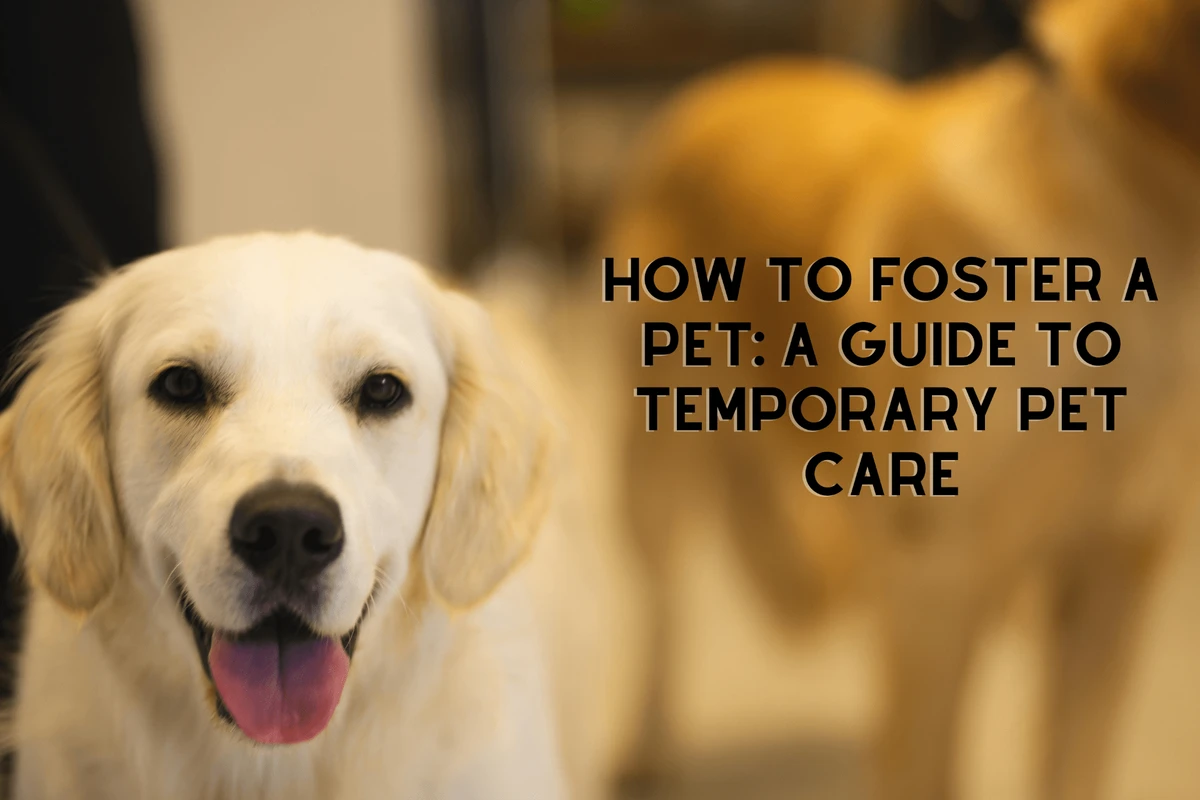
How to Foster a Pet Successfully: Step-by-Step Guide
PawVerde.com – Successfully fostering a pet requires creating a safe and calm environment that allows the animal to decompress and adjust to their new surroundings. This process involves carefully setting up a dedicated space, managing initial introductions with existing pets, and establishing consistent routines to build trust and promote positive behavior. Foster caregivers must combine practical preparation with behavior support strategies while maintaining clear communication with household members and shelter coordinators. This tutorial provides a comprehensive, step-by-step guide on fostering pets, with actionable instructions drawn from experienced shelter staff and veterinary professionals to ensure positive outcomes for both foster animals and caregivers.
1. Preparing Your Home for a Foster Pet
Before your foster pet arrives, prepare a quiet, secure space where they can decompress. This area should be away from high-traffic zones and other pets initially. A spare bedroom, laundry room, or a similarly enclosed space works best.
Choose a room with a door or gate to restrict the foster animal’s access. The space should be quiet, free from hazards, and comfortable. Ensure temperature control to avoid extremes of heat or cold.
Provide a crate sized appropriately for the animal to retreat to. Line it with clean bedding. Include a sturdy food and water bowl, ideally non-slip and easy to clean. Place toys for enrichment, but avoid overstimulation.
Stock up on pet supplies such as pet-safe cleaning products, leash and collar, grooming tools, and behavior training aids (e.g., clickers or treat pouches). Consult your foster program manual for any specialized items.
Thoroughly clean the foster space before arrival using pet-safe disinfectants recommended by shelter or veterinary professionals. This reduces the risk of disease transmission and creates a fresh environment.
Remove any small objects that could be swallowed or pose choking hazards. Secure electrical cords and block off any escape routes like open windows or gaps under doors.
Allow at least a few hours to a day for the space preparation phase, ensuring everything is ready before the foster animal arrives.
2. Managing Initial Arrival and Decompression
The first 3-4 days in fostering are critical for the pet’s adjustment. This decompression period allows them to acclimate without pressure from new stimuli or social demands.
On arrival, keep the foster animal confined to the designated safe space. Minimize direct handling and interactions except for essential feeding and cleaning.
Maintain low noise levels and dim lighting to reduce stress. Some shelters and foster experts recommend playing soft classical or calming music to soothe the animal.
Monitor signs of stress such as trembling, panting, hiding, or excessive vocalization. Record observations to share with foster coordinators and veterinary professionals.
Feed at consistent times, clean litter or potty areas regularly, and avoid sudden changes in environment or activities.
Include familiar scents if available (e.g., a blanket from the shelter) or safe chew toys to promote relaxation.
This decompression step reduces anxiety and helps foster pets transition smoothly into your home.
3. Introducing Foster Pets to Existing Household Animals
Introducing foster animals to resident pets requires a gradual, controlled approach to prevent conflict and stress. Each animal’s temperament and history will influence timing and methods.
Hold off on any face-to-face meetings for at least 3-4 days during decompression. This gives the foster pet time to settle and lowers the risk of territorial aggression.
Begin with introductions through baby gates or cracked doors to allow scent and sight exposure without direct contact.
Arrange initial meetings on neutral ground if possible or in a controlled room with both animals on leashes. Keep sessions short (5-10 minutes) and positive.
Use treats and verbal praise to reinforce relaxed and friendly interactions. Avoid forcing contact or punishing signs of fear or aggression.
Watch for stress signals such as growling, stiff posture, pinned ears, or raised hackles. If observed, separate animals immediately and try again later.
Keep feeding bowls, beds, and toys separate to prevent competition and resource guarding during the adjustment phase.
Over 1-2 weeks, extend supervised interactions based on positive behavior, eventually allowing off-leash supervised time as appropriate.
Patience and careful observation during introductions reduce risks and support positive multi-pet household dynamics.
4. Establishing a Healthy Daily Routine
Consistent routines provide predictability that fosters a sense of security in foster pets, accelerating adjustment and trust-building.
Match the foster pet’s previous diet initially to avoid digestive upset. Feed at the same times daily, typically twice a day for dogs and cats. Use measured portions to prevent overeating.
Set regular potty breaks for dogs, starting with frequent intervals (every 2-3 hours) during the first days. Incorporate daily walks or playtime to expend energy and promote well-being.
Schedule calm social interactions with household members, gradually increasing duration and complexity as comfort improves.
Clean bedding, litter boxes, and food/water dishes daily to maintain hygiene and prevent illness.
Maintain a daily log of feeding times, behavior observations, physical health, and any incidents. Share this information with foster coordinators for ongoing support.
Provide puzzle toys, safe chew items, and training exercises to stimulate mental and physical health.
This predictable structure supports the foster pet’s physical and emotional health throughout the stay.
5. Behavior Support and Training
Effective behavior support is vital for helping foster pets overcome anxiety, fear, or past trauma and prepare for permanent adoption.
Reward desired behaviors such as sitting calmly, using the potty, or gentle play with treats, praise, and affection. This encourages repetition of good behaviors.
Instead of punishment, use distraction or redirection techniques. For example, if the foster dog jumps up, redirect to a sit command and reward compliance.
All household members should use the same commands and behavior expectations to avoid confusing the foster pet.
Identify stressors such as loud noises or certain handling and work to desensitize gently over time under guidance from shelter staff or trainers.
Employ crates, leashes, and calming wraps as aids, but avoid harsh tools or methods that may increase fear or aggression.
Socialize the foster pet with new people and environments gradually. Teach basic commands to enhance adoptability.
Working closely with rescue organizations and veterinary behaviorists ensures that training aligns with best practices for animal welfare.
6. Family Involvement and Communication
Engaging all household members, especially children, promotes a supportive environment that benefits foster pets and caregivers.
Provide age-appropriate information about the foster pet’s needs, behavior signals, and safety rules. Encourage questions and empathy development.
Clarify tasks such as feeding, cleaning, and playtime duties to spread caregiving evenly.
Children should always be supervised when interacting with foster animals to prevent accidental injury or stress.
Hold regular family discussions to share observations and adjust care routines as needed.
Discuss the temporary nature of fostering and the importance of preparing for eventual adoption or transfer.
Family involvement strengthens the foster pet’s socialization and creates a positive caregiving atmosphere.
7. Support from Foster Programs and Organizations
Successful fostering depends on active collaboration with shelter or rescue coordinators who provide guidance, resources, and oversight.
Adhere strictly to the foster manual regarding care standards, reporting, and communication.
Utilize online or in-person training sessions offered by the organization covering behavior management, health care, and emergency procedures.
Submit detailed updates on the foster pet’s health, behavior, and any incidents as required. Prompt communication helps coordinators provide timely support.
Coordinate with veterinary professionals for routine check-ups, vaccination, and health concerns.
Connect with other foster volunteers for advice, encouragement, and shared experiences.
This network of support enhances foster success and animal welfare.
Troubleshooting Common Fostering Challenges
Despite careful preparation, foster caregivers may face difficulties. Addressing these proactively improves outcomes.
Extend decompression time, increase calming aids, and consult with shelter behaviorists.
Revert to separation and slower introduction steps, use professional guidance for behavior modification.
Verify food preferences, try hand feeding, and rule out medical issues with a veterinarian.
Provide additional enrichment and exercise; redirect attention positively.
Increase potty breaks, reinforce training patiently, and rule out health problems.
Consistent monitoring and communication with professionals help resolve most fostering issues effectively.
Common Mistakes to Avoid
Avoiding these errors ensures a smoother fostering experience.
Alternative Methods and Tips
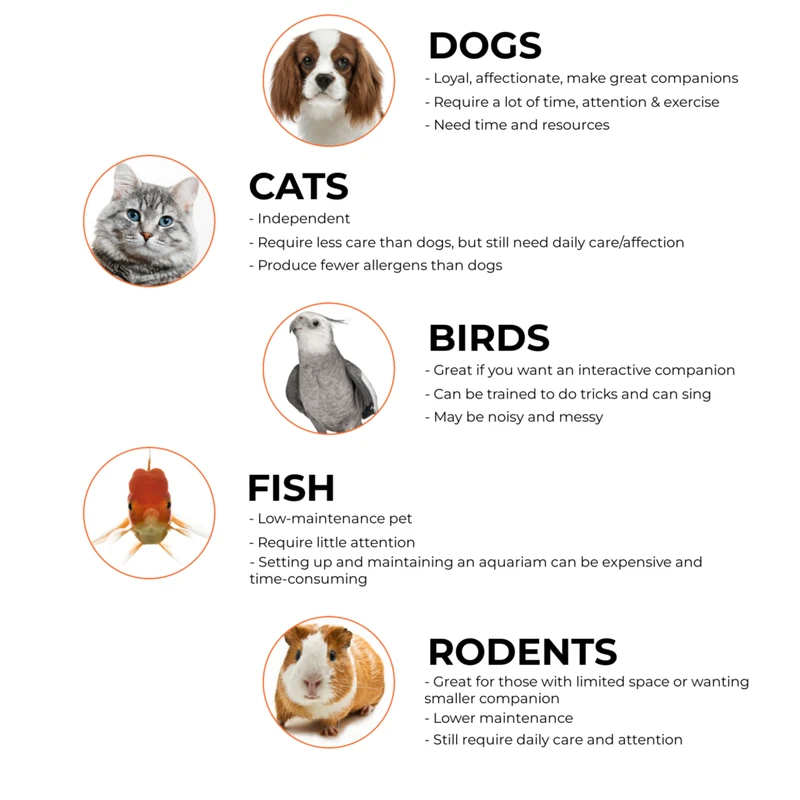
These alternatives tailor fostering to unique home and pet situations.
FAQ

How long should a foster pet stay separated from resident animals?
Typically, a foster pet should remain separated for at least 3-4 days during the decompression phase before any introductions. This reduces stress and helps prevent conflicts.
What are the essential supplies needed for fostering a dog?
Key supplies include a crate, bedding, food and water bowls, leash and collar, appropriate food, toys, grooming supplies, and cleaning products. Check with your foster program for specific requirements.
How can I help a foster pet overcome fear or anxiety?
Maintain a calm, predictable environment, use positive reinforcement training, provide safe spaces, and consider calming aids like music or pheromone diffusers. Consulting shelter behaviorists is recommended for severe anxiety.
What should I do if my foster pet shows aggression towards my other pets?
Immediately separate the animals and slow down the introduction process. Use controlled, gradual meetings and seek guidance from foster coordinators or animal behavior professionals.
Can children be involved in pet fostering?
Yes, children can participate with proper education and supervision. It’s important to teach them how to interact safely and respectfully with foster animals.
—
Fostering a pet requires dedication, patience, and collaboration with animal welfare professionals, but it offers invaluable support to shelter animals awaiting permanent homes. By following evidence-based steps—from home preparation to behavior training and family involvement—foster caregivers can create nurturing environments that promote healing and successful adoption outcomes. Staying engaged with foster programs and continuously adapting care according to the pet’s needs ensures every foster experience contributes positively to animal welfare and community support.