
How Local and National Pet Advocacy Differ to Protect Animals
PawVerde.com – Local pet advocacy and national pet advocacy operate in distinct yet complementary spheres within the broader animal welfare ecosystem, each fulfilling critical roles that collectively enhance protections and care for animals. Local organizations primarily engage in hands-on rescue, sheltering, and rehabilitation efforts within their communities, directly addressing pet overpopulation, animal cruelty, and urgent welfare needs. Meanwhile, national organizations such as the ASPCA, Humane Society of the United States (HSUS), and Best Friends Animal Society focus on legislative advocacy, large-scale public education, disaster relief, and systemic reforms that influence animal welfare policies across the country. Understanding these differences illuminates how donations, volunteer efforts, and advocacy strategies can be effectively balanced to maximize impact for animals at both community and national levels.
Local pet advocacy groups concentrate on immediate animal care, often operating shelters, fostering networks, and organizing community-based initiatives such as spay/neuter programs and adoption events. These grassroots organizations address pet overpopulation by facilitating direct interventions that save lives and improve animal health within specific geographic areas. Typical activities include running pet wellness clinics, organizing adoption fairs, and providing rehabilitation services for abused or abandoned animals. For instance, community rescue groups and local shelters often rely heavily on volunteers who provide hands-on support, including animal transport, feeding, and behavioral training. Donations to these groups generally translate into tangible resources such as food, medical supplies, and shelter maintenance, directly benefiting local pets.
In contrast, national pet advocacy organizations operate with a broader scope, targeting systemic animal welfare challenges through policy change, public awareness campaigns, and disaster relief efforts. The ASPCA, HSUS, and Best Friends Animal Society rarely operate shelters themselves but instead focus on lobbying for stronger animal cruelty laws, supporting legal efforts through groups like the Animal Legal Defense Fund, and spearheading nationwide educational programs. National entities coordinate large-scale disaster response initiatives, such as Wings of Rescue and Rescue Express, which transport animals from high-risk areas to safety, illustrating their role in managing animal welfare crises beyond local capacities. Legislative advocacy at the national level has yielded significant reforms, including enhanced penalties for animal cruelty and improved standards for animal care in various sectors.
The operational and strategic differences between local and national advocacy manifest in several key areas. Local groups emphasize direct intervention, prioritizing animal rescue, fostering, and rehabilitation, whereas national organizations focus on influencing policy and raising public consciousness. Donation allocation reflects this divergence: local donations fund tangible care services, while national contributions often support lobbying, research, and large-scale campaign infrastructure. Volunteer roles vary accordingly; local volunteers tend to engage in hands-on activities such as shelter work and community outreach, while national advocacy opportunities include advocacy training, phone banking, and organizing awareness events. Geographic scope also differentiates these entities, with local groups confined to specific communities and national organizations exerting influence across multiple states or the entire country.
Supporting both local and national pet advocacy efforts is crucial for holistic animal welfare advancement. Local organizations provide immediate relief and care for animals in distress, addressing urgent needs and fostering community engagement. National groups drive long-term systemic change by shaping legislation and public attitudes that improve animal protections at scale. Balanced financial support enables local shelters to maintain operations and deliver direct care, while empowering national advocacy to pursue policy reforms that prevent cruelty and neglect. Similarly, volunteer involvement benefits from diversification: contributing hands-on assistance locally complements participation in broader campaigns or legislative lobbying facilitated by national entities.
Practical engagement with pet advocacy begins with identifying ways to support both levels effectively. Donating to local shelters and rescue groups ensures direct aid to animals in the community, funding medical treatment, shelter upkeep, and spay/neuter initiatives. Volunteering locally may involve animal care, adoption event coordination, or fostering pets in need, providing immediate and visible impact. National advocacy participation includes joining educational campaigns, supporting legislative lobbying efforts coordinated by organizations like the HSUS and Animal Legal Defense Fund, and contributing to disaster relief logistics managed by Wings of Rescue or Rescue Express. Advocates can also influence local animal welfare legislation by attending city council meetings, providing testimony, or organizing grassroots lobbying efforts to strengthen protections within their communities.
Defining Local Pet Advocacy
local pet advocacy centers on direct animal care and community-based interventions. These organizations typically operate animal shelters, facilitate fostering networks, and conduct rescue operations that address immediate welfare needs. For example, local groups organize adoption fairs to find homes for homeless pets and run spay/neuter programs aimed at controlling pet overpopulation, which remains a significant challenge in many communities. According to data from regional animal shelter associations, spay/neuter initiatives have reduced unwanted litters by up to 40% in areas with sustained program funding.
Beyond rescue and sheltering, local organizations often provide pet wellness clinics offering vaccinations and basic veterinary care to underserved populations, which helps prevent disease outbreaks and supports community pet health. Volunteers play a pivotal role in these activities, offering hands-on assistance such as animal transport, feeding, behavioral enrichment, and administrative support. These grassroots efforts foster strong community engagement and responsiveness, enabling rapid interventions for cases of neglect or cruelty reported within neighborhoods. Local advocacy groups also frequently collaborate with municipal animal control agencies to improve enforcement of animal welfare laws at the ground level.
Defining National Pet Advocacy
National pet advocacy organizations operate at a broader scale, focusing on policy reform, public education, and systemic change. The ASPCA, HSUS, and Best Friends Animal Society are among the most influential entities driving legislative advocacy and nationwide awareness campaigns. These organizations engage in lobbying efforts aimed at advancing animal cruelty laws, enhancing standards for commercial breeding, and promoting animal-friendly policies in agriculture and research.
National groups also lead disaster relief initiatives, coordinating large-scale animal evacuations and sheltering during emergencies. Wings of Rescue and Rescue Express exemplify such operations, transporting hundreds of animals from disaster zones to safety annually. These efforts require complex logistics and partnerships with local shelters to ensure animals receive care upon relocation.
Public education campaigns by national organizations educate millions on responsible pet ownership, animal rights, and cruelty prevention. Legislative advocacy successes include the passage of the Preventing Animal Cruelty and Torture (PACT) Act and reforms targeting puppy mills and exotic animal trade, reflecting the impact of sustained lobbying and legal strategies. National advocacy also supports legal frameworks through organizations like the Animal Legal Defense Fund, which pursues critical litigation to uphold animal protections.
Key Differences in Operations and Impact
The fundamental distinction between local and national pet advocacy lies in their operational focus and scope. Local groups deliver direct animal care, addressing immediate needs for rescue, sheltering, and rehabilitation. This hands-on approach yields measurable outcomes such as the number of animals rescued, adopted, or medically treated annually. For example, a mid-sized local shelter may rescue 1,000 animals per year and reduce euthanasia rates through adoption programs and foster networks.
National organizations prioritize systemic advocacy, influencing legislation, public policy, and societal attitudes. Their impact is often assessed through legislative victories, changes in public opinion, and the scale of educational outreach. The HSUS’s advocacy for banning puppy mills has contributed to new laws in multiple states, demonstrating policy-level influence beyond local capacities.
Donation transparency also varies: local groups often provide detailed reports on how funds support shelter operations and animal care, fostering donor trust through visible outcomes. National entities allocate funds to lobbying, research, and broad campaigns, sometimes drawing criticism over administrative costs but justified by their extensive reach and impact.
Volunteer opportunities reflect organizational priorities. Local volunteers engage directly with animals and community events, while national advocacy volunteers may focus on mobilizing support for legislation, organizing campaigns, or providing specialized expertise. Geographic reach is another factor; local groups serve defined communities, whereas national organizations operate across states, influencing federal policy and coordinating multi-state efforts.
The Importance of Supporting Both Levels
Animal welfare improvement requires a dual approach that values both local and national advocacy. Local organizations deliver crucial services that alleviate immediate animal suffering, foster community involvement, and implement programs tailored to specific regional needs. Their work lays the foundation for healthier pet populations and more compassionate communities.
Conversely, national advocacy drives long-term protections by shaping laws and standards that prevent cruelty and neglect on a wider scale. Without robust legislation and public awareness, local efforts would face greater challenges addressing systemic issues like puppy mills, animal fighting, and inadequate enforcement.
Balanced support maximizes impact: donations to local groups translate into direct care, while contributions to national organizations fund policy change and disaster response infrastructure. Volunteers who split their time between local shelter work and national advocacy campaigns enhance both immediate and strategic animal welfare outcomes.
Practical Ways to Get Involved
Supporting local shelters and rescue groups can begin with donations earmarked for medical care, food, or facility upgrades. Volunteering opportunities include animal handling, administrative tasks, fostering pets, or organizing adoption events. Many local groups offer flexible roles to accommodate varying time commitments and skills.
Engagement with national advocacy includes participating in awareness campaigns, signing petitions, and contributing to legislative lobbying efforts organized by entities like the HSUS or Animal Legal Defense Fund. Advocates can attend virtual or in-person advocacy days, contact legislators, and educate peers about animal welfare laws.
Disaster relief efforts coordinated by Wings of Rescue or Rescue Express welcome volunteers for logistical support, fundraising, and fostering transported animals. Advocates interested in influencing local legislation can collaborate with community leaders, attend council meetings, and mobilize grassroots support to strengthen animal protection ordinances.
Enhancing Animal Welfare Through Coordinated Advocacy Efforts
The synergy between local and national pet advocacy fosters a comprehensive approach to animal welfare that addresses both immediate needs and systemic challenges. Local groups provide critical care and community-based solutions, while national organizations drive policy and public awareness that underpin sustainable improvements. Informed donors and volunteers who understand these complementary roles can strategically allocate their resources and efforts, enhancing overall effectiveness. Moving forward, increased collaboration between local and national entities offers promising avenues to expand rescue capacity, legislative successes, and public engagement, ultimately advancing animal welfare on multiple fronts.
| Aspect | Local Pet Advocacy | National Pet Advocacy |
|---|---|---|
| Primary Focus | Direct animal care, rescue, sheltering, fostering | Policy advocacy, legislation, public education, disaster relief |
| Examples of Organizations | Community shelters, Rescue Express, local rescue groups | ASPCA, HSUS, Best Friends Animal Society, Animal Legal Defense Fund |
| Donation Impact | Funds immediate care, medical treatment, facility upkeep | Supports lobbying, education, large-scale campaigns |
| Volunteer Roles | Animal handling, foster care, event coordination | Advocacy campaigns, legislative lobbying, fundraising |
| Geographic Scope | Community or regional level | Statewide to national level |
| Legislative Influence | Local animal welfare ordinances, enforcement support | Federal and state animal protection laws, policy reform |
FAQ
What distinguishes local pet advocacy from national pet advocacy?
Local pet advocacy focuses on direct care such as rescue, sheltering, and rehabilitation within communities, while national advocacy targets legislative reforms, public education, and systemic animal welfare improvements at a broader scale.
How do donations differ in impact between local and national animal welfare organizations?
Donations to local groups typically fund direct animal care including medical treatment and shelter maintenance, whereas donations to national organizations support lobbying, public awareness campaigns, disaster relief, and large-scale policy advocacy.
Can volunteers participate in both local and national pet advocacy efforts?
Yes, volunteers can engage in hands-on activities like animal care and fostering locally, and also contribute to national campaigns through advocacy, fundraising, and educational outreach.
What are examples of successful legislative outcomes driven by national pet advocacy?
National advocacy has contributed to laws such as the Preventing Animal Cruelty and Torture (PACT) Act, enhanced regulations on puppy mills, and improved standards for animal research and agriculture practices.
How can individuals influence animal welfare legislation at the local level?
Individuals can participate by attending local government meetings, providing public testimony, organizing grassroots lobbying campaigns, and collaborating with local advocacy groups to strengthen animal protection ordinances.
This detailed analysis clarifies how local and national pet advocacy efforts function distinctly yet interdependently, guiding supporters toward informed, effective contributions that advance animal welfare comprehensively.

How to Create a Pet Waste Compost Bin Safely and Effectively
PawVerde.com – Creating a dedicated pet waste compost bin allows homeowners to safely recycle dog and cat waste into valuable compost for non-edible plants, reducing environmental pollution and landfill burden. Properly composted pet waste eliminates pathogens, minimizes odors, and produces nutrient-rich soil amendment when managed with appropriate materials, temperature control, and maintenance practices. This tutorial provides detailed, step-by-step instructions to build, operate, and maintain a pet waste compost bin following safety protocols and scientific composting principles.
Selecting an appropriate location and container is critical to preventing runoff contamination and ensuring effective composting. Mixing pet waste with high-carbon materials at correct ratios, monitoring moisture, and maintaining high temperatures achieve pathogen elimination. The process includes compost curing to stabilize material before safe use on ornamental gardens and lawns. This guide also covers troubleshooting common issues and best practices for safe pet waste composting at home.
Step 1: Choosing and Preparing the Compost Bin Location
Effective pet waste composting begins with selecting a site that supports aerobic decomposition while protecting groundwater and edible plants from contamination. Choose a well-drained, level location that is isolated from vegetable gardens, orchards, and water sources such as wells, streams, or ponds. A minimum distance of 10 feet from edible plants and at least 50 feet from water bodies reduces contamination risk.
Avoid placing the bin in high-traffic areas, near children’s play zones, or locations prone to flooding. Good drainage prevents leachate accumulation, which can cause odor and pathogen spread. Prepare the site with a gravel or coarse sand base to enhance drainage under the bin. This foundation also stabilizes the compost container and facilitates airflow from below.
If local regulations exist regarding pet waste disposal or composting, ensure your site selection complies with those rules. For example, some municipalities require pet waste compost bins to be sealed or located within fenced areas.
Step 2: Selecting or Constructing the Compost Bin
Choose a compost bin that provides adequate containment, drainage, aeration, and access for turning and monitoring. Common home-use options include:
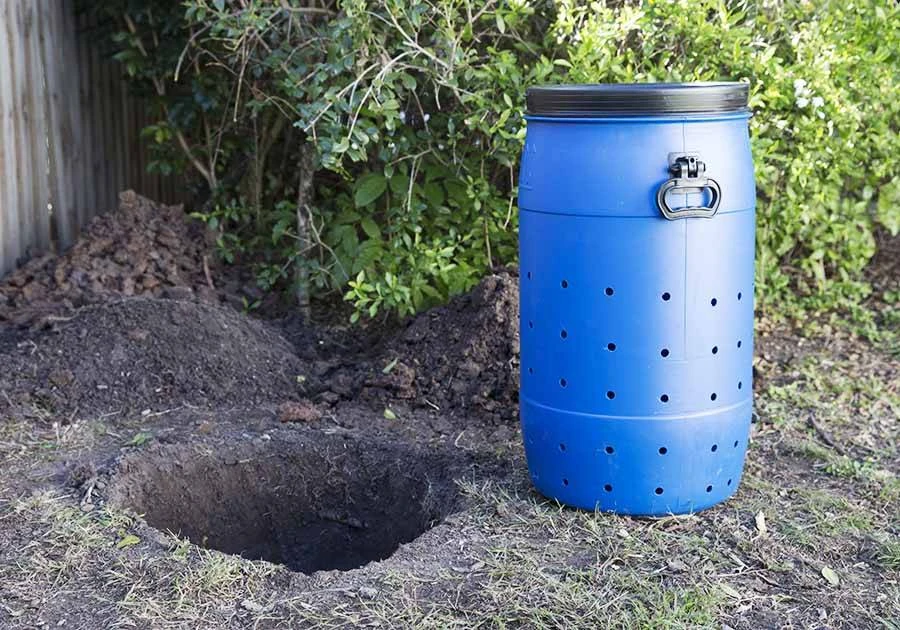
Enhance airflow by installing perforated PVC pipes vertically through the bin or drilling multiple holes spaced evenly. Good aerobic conditions accelerate decomposition and reduce odors. A gravel layer (2-3 inches) at the bottom of the bin supports drainage and prevents waterlogging.
Ensure the bin has a tight-fitting lid to keep out scavengers and rainwater, which can dilute the compost and cause anaerobic conditions. Position the bin on a stable base to allow easy access for turning and monitoring temperature.
Step 3: Preparing Compost Materials and Mixing Ratios
Pet waste alone is high in nitrogen and moisture but lacks sufficient carbon, which is essential for balanced composting. Add carbon-rich materials to absorb excess moisture and provide energy for microbial activity.
Use only biodegradable kitty litter made from pine, paper, or other compostable materials. Avoid clay-based or silica litters, as they do not break down and can harm compost quality.
Recommended carbon sources include:
The ideal carbon-to-nitrogen ratio (C:N) in the compost pile should be approximately 20-30:1. Since pet waste is nitrogen-rich, mix it with carbon materials in roughly a 1:2 ratio by volume (1 part pet waste to 2 parts carbon source). This balance supports microbial growth and prevents ammonia odors.
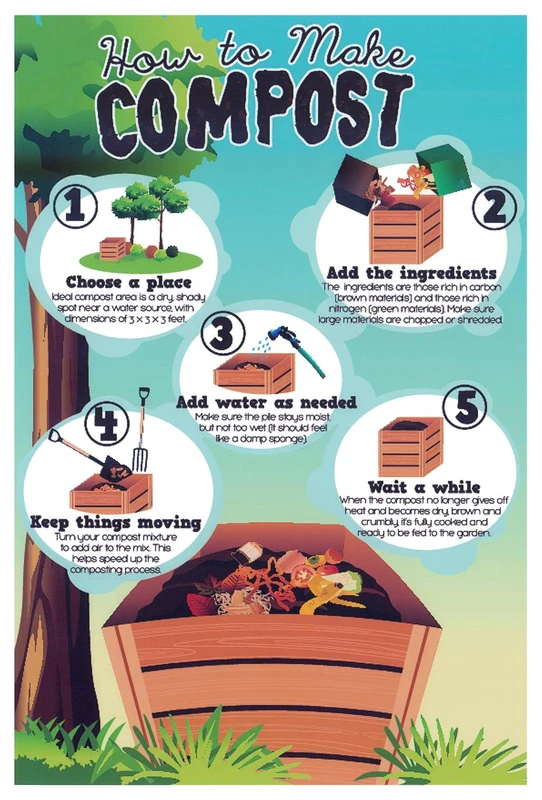
Maintain moisture at the consistency of a wrung-out sponge—damp but not soggy. Excess moisture leads to anaerobic decomposition and odor generation, while too little moisture stalls microbial activity. Test moisture by squeezing a handful of material: a few drops of water may appear, but it should not drip freely.
Step 4: Managing the Composting Process and Maintenance
Proper composting requires maintaining aerobic conditions, temperature control, and regular turning.
Maintaining these conditions can take several weeks. Use a compost thermometer with a probe length of 12 inches or more to measure temperature at the core, not just surface heat.
Step 5: Compost Curing and Safe Usage
After the active composting phase, allow the material to cure for several months to 1-2 years. During curing, microbial activity slows, and the compost stabilizes, with organic matter fully decomposed and pH levels normalizing.
Curing time varies depending on climate, bin size, and maintenance. Finished compost should be dark, crumbly, and earthy-smelling with no recognizable pet waste particles.
Use finished compost exclusively on:
Avoid applying pet waste compost to vegetable gardens or edible plants due to residual pathogen risks. Do not use near water sources to prevent contamination.
Troubleshooting and Best Practices for Pet Waste Composting
Alternative Methods and Enhancements
Practical Example: Building a DIY Pet Waste Compost Bin
| Compost Component | Recommended Material | Role in Compost |
|---|---|---|
| Pet Waste | Dog and cat feces, urine | High nitrogen source, moisture contributor |
| Carbon Source | Sawdust, shredded newspaper, straw, biodegradable kitty litter (pine or paper-based) | Balances nitrogen, absorbs moisture, provides energy for microbes |
| Microbial Starter | Garden compost, septic starter | Introduces beneficial microbes to accelerate decomposition |
| Compost Bin | Plastic barrel with drainage, metal bin, Doggie Dooley | Contains waste, enables aeration and temperature control |
| Drainage Layer | Gravel, coarse sand | Prevents waterlogging, supports aerobic conditions |
Frequently Asked Questions
Can composted pet waste be used on vegetable gardens?
No. Compost derived from pet waste may still contain pathogens even after composting and curing, posing health risks. Use finished compost only on ornamental plants or lawns away from edible crops.
How long does pet waste composting take to complete?
Active composting with regular turning and temperature monitoring typically takes 6-12 weeks. Curing to stabilize compost may require an additional 6 months to 2 years depending on conditions.
Is biodegradable kitty litter necessary for pet waste composting?
Yes. Only use biodegradable kitty litter made from pine, paper, or similar compostable materials. Clay or silica-based litters do not break down and contaminate the compost.
What temperature must pet waste compost reach to kill pathogens?
The compost pile should reach and maintain at least 140°F (60°C) for several days to effectively eliminate harmful pathogens such as E. coli, roundworms, and parasites.
How often should I turn my pet waste compost pile?
Turn the compost weekly to maintain aerobic conditions, distribute moisture, and ensure even temperature throughout the pile for optimal decomposition.
—
Proper pet waste composting reduces environmental contamination and transforms waste into useful soil amendment when conducted with attention to safety, materials, and process management. Homeowners can build simple yet effective bins, maintain temperature and moisture, and cure compost for safe use on ornamental plants. Future innovations may include more efficient microbial starters and composting systems tailored for pet waste, further minimizing the ecological footprint of pet ownership.
How Pets Boost Local Conservation & Wildlife Education
PawVerde.com – Pets, particularly dogs, have become integral participants in local conservation events, offering unique opportunities to enhance wildlife education and foster community engagement. Initiatives such as the B.A.R.K. Ranger Hike demonstrate how dog-friendly conservation activities can effectively connect families and volunteers with native ecosystems, promoting awareness of pollinators, habitat restoration, and invasive species management. Conservation organizations increasingly incorporate pets into their outreach programs to leverage the social and educational benefits pets bring, while adhering to ecological safety standards that protect local wildlife and habitats.
Evidence shows that approximately 75% of flowering plants depend on pollinators like bees, butterflies, bats, and birds, underscoring the importance of conservation efforts targeting these species. Through pet-inclusive events, communities gain hands-on experience with native plant gardening, invasive species control, and habitat restoration, all while ensuring pets remain safe and non-disruptive. Organizations such as the Toronto Zoo Conservation Action Team and Sioux Falls Zoo’s AZA SAFE program have developed structured volunteer opportunities and educational activities that welcome pets, especially dogs, to participate in meaningful conservation work.
Pet-Friendly Conservation Activities Enhancing Wildlife Education
Dog-friendly hikes and nature walks represent some of the most effective formats for integrating pets into conservation efforts. The B.A.R.K. Ranger Hike, for instance, is a nationally recognized event that combines outdoor exercise with educational components about local wildlife and habitat health. During these hikes, participants learn about native species, pollination processes, and invasive plant impacts, all while their dogs engage in socialization and physical activity. These events not only increase family participation but also foster a sense of stewardship toward local ecosystems.
Interactive wildlife education sessions incorporating pets provide another layer of engagement. Conservation organizations employ tactile and visual learning tools such as animal pelts, skull replicas, and native plant samples to educate families about local fauna and flora. When pets accompany participants, facilitators emphasize responsible behavior and ecological respect, ensuring that dogs do not disturb sensitive habitats or wildlife. These programs often include demonstrations on how pets can positively interact with environments, such as assisting in controlled seed dispersal or supporting pollinator gardens.
Hands-on activities designed for families with pets focus on local flora and fauna restoration. For example, community planting days invite pet owners to help establish native plant gardens that support pollinators while learning about seasonal maintenance practices. These events highlight the critical role of native plants in sustaining ecosystems and educate participants on identifying and removing invasive species that threaten biodiversity. By involving pets, organizers encourage continuous family engagement and promote outdoor stewardship habits.
Supporting Pollinators and Native Plant Conservation Through Pet Participation
Pollinators are essential to ecosystem health, with 75% of flowering plants relying on them for reproduction. Conservation efforts increasingly target pollinator support through native plant restoration and gardening initiatives. Pet owners contribute by participating in pollinator-friendly garden projects that emphasize planting native species such as milkweed, coneflowers, and goldenrod, which provide nectar and habitat for bees, butterflies, and birds.
During these projects, specific protocols ensure pet safety and ecological integrity. Seasonal considerations—such as avoiding pesticide use during peak pollinator activity and keeping pets on-leash to prevent trampling—are emphasized. Many conservation organizations provide educational materials on how to create safe, sustainable garden spaces that accommodate pets while maximizing benefits for pollinators and local wildlife.
These garden projects often serve dual purposes: enhancing pollination corridors and offering educational opportunities for families and volunteers. Pet owners learn how native plant choices impact local food webs and how to monitor garden health effectively. This hands-on involvement fosters long-term commitment to pollinator conservation and strengthens community ties to local ecosystems.
Volunteer Opportunities Integrating Pets in Conservation Efforts
Community-based habitat restoration projects have adapted to include pets, particularly dogs, recognizing their role in promoting volunteer participation and environmental awareness. Programs coordinated by entities such as the Toronto Zoo Conservation Action Team (CAT) invite families to engage in invasive species removal, native plantings, and habitat monitoring alongside their pets. These activities emphasize ecological restoration goals while providing animal enrichment and social interaction for dogs.
Animal welfare volunteering also intersects with conservation through pet-inclusive awareness campaigns. The Sioux Falls Zoo’s AZA SAFE initiative, for example, links animal welfare with species conservation by involving volunteers in educational outreach events that welcome pets. These programs provide training on ethical animal handling, the importance of biodiversity, and how pets can act as ambassadors for wildlife conservation within their communities.
Such volunteer opportunities leverage the unique dynamic pets bring to conservation efforts, increasing participation rates and broadening the demographic reach. They also emphasize responsible pet ownership and highlight the ecological impacts pets can have, both positive and negative, reinforcing the need for informed involvement.
Safety and Ecological Considerations for Pets in Conservation Activities
Incorporating pets into conservation events requires stringent guidelines to prevent wildlife disturbance and ensure pet health. Conservation groups advocate for keeping dogs on-leash in sensitive areas to minimize habitat disruption and reduce risks of encounters with protected species or nesting sites. Additionally, event organizers often require vaccinations, parasite prevention, and behavior assessments to maintain safety standards.
Managing pet behavior is critical during outdoor activities. Trainers and volunteers provide guidance on controlling barking, chasing wildlife, and appropriate socialization with other animals. These measures reduce stress on native species and prevent ecological damage. Pet hydration, shade access, and temperature monitoring are also integral to health protocols during conservation events.
Ecological best practices include scheduling activities outside of critical breeding or migration periods to avoid interference with wildlife. Organizers conduct environmental impact assessments before permitting pets in restoration zones. Through such measures, conservation programs balance pet inclusion with ecosystem sustainability, ensuring long-term benefits for both wildlife and community participants.
Case Studies and Success Stories in Pet-Inclusive Conservation
The B.A.R.K. Ranger Hike serves as a flagship example of successful pet-inclusive conservation programming. Since its inception, the event has attracted thousands of participants and their dogs, fostering local wildlife knowledge and community cohesion. Post-event surveys indicate increased volunteerism and native plant gardening activities among attendees, demonstrating measurable conservation engagement outcomes.
Toronto Zoo’s Conservation Action Team has reported a 40% rise in family volunteer participation after integrating pet-friendly events into their calendar. These programs combine educational workshops with habitat restoration tasks, showing that pet involvement enhances learning retention and enthusiasm for conservation.
The Sioux Falls Zoo’s AZA SAFE program integrates pet-friendly animal welfare volunteer opportunities with broader ecosystem restoration efforts. This dual approach has increased public awareness of endangered species and bolstered local habitat health through community-driven invasive species control and native species recovery.
How to Get Involved Locally with Pets in Conservation
Finding pet-friendly conservation events requires researching local parks, zoos, and environmental organizations. Many community centers and wildlife agencies now advertise pet-inclusive hikes, garden projects, and volunteer days on their websites and social media channels. Joining mailing lists or local conservation groups can provide timely updates.
Organizing pet-inclusive conservation activities involves coordinating with local wildlife authorities to ensure compliance with ecological regulations and safety standards. Event planners should develop clear guidelines on pet behavior, leash requirements, and health protocols. Partnering with veterinarians, animal trainers, and conservation educators enhances program credibility and participant confidence.
Resources such as the Association of Zoos and Aquariums (AZA) and regional conservation coalitions offer toolkits and support for communities interested in launching pet-friendly conservation initiatives. These include templates for educational materials, volunteer management strategies, and ecological assessment frameworks to ensure sustainable and impactful engagement.
FAQ
How can pets safely participate in local conservation events?
Pets, especially dogs, can participate safely by remaining on-leash, following behavior guidelines, and attending events scheduled to avoid sensitive wildlife periods. Owners should ensure pets are vaccinated, hydrated, and monitored closely to prevent disturbance to native species and habitats.
What types of conservation activities are suitable for pets and their owners?
Suitable activities include dog-friendly hikes, native plant gardening, pollinator support projects, invasive species removal, and educational workshops that allow pets to accompany families. These activities emphasize ecological respect and responsible pet ownership.
How do pet-inclusive conservation events benefit wildlife education?
Including pets increases family participation and engagement, making wildlife education more accessible and relatable. The presence of pets encourages social interaction and hands-on learning, which enhances awareness of native species, habitat needs, and conservation challenges.
Are there risks associated with bringing pets to wildlife habitats during conservation events?
Risks include potential disturbance to nesting sites, stress on wildlife, and the spread of invasive species or diseases. Proper management through leashing, behavioral controls, and scheduling outside critical wildlife periods mitigates these risks effectively.
Where can I find local conservation volunteer programs that allow pets?
Local zoos, wildlife centers, and environmental organizations often host pet-friendly volunteer programs. Checking websites, community bulletin boards, and social media pages of groups like Toronto Zoo Conservation Action Team or Sioux Falls Zoo can provide current opportunities.
Involving pets in local conservation events offers a multidimensional approach to environmental stewardship that benefits wildlife, ecosystems, and communities alike. As these initiatives expand, ongoing collaboration between conservation experts, pet owners, and educators will be essential to uphold ecological integrity while fostering inclusive, impactful engagement. Future developments may include enhanced digital platforms for pet-inclusive volunteer coordination and expanded research on pet-wildlife interactions to optimize conservation outcomes.
How Pet Ownership Boosts Community Health and Social Bonds
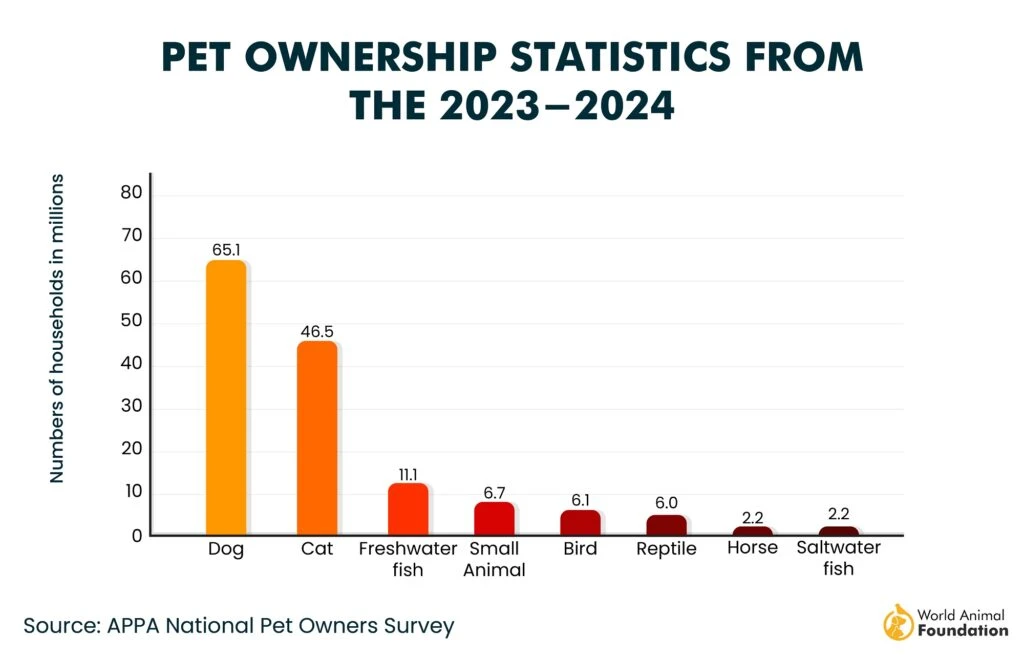
PawVerde.com – Pet ownership exerts a multifaceted influence on local communities by enhancing social interaction, increasing physical activity, and supporting mental health. Evidence from public health organizations such as the American Heart Association and research institutions like Johns Hopkins Bloomberg School of Public Health demonstrates that dog ownership, in particular, correlates strongly with improved cardiovascular outcomes and elevated physical activity levels. Simultaneously, pets contribute to emotional well-being by reducing stress and fostering social bonds, although some studies indicate complex associations with depression, especially among socioeconomically disadvantaged groups. Understanding these dynamics requires examining the interplay between pet ownership, socioeconomic factors, and community engagement to inform public health policies that optimize the “pet effect” for societal benefit.
Physical Health Benefits of Pet Ownership
Dog ownership consistently emerges as a significant driver of increased physical activity within communities. Data from the Behavioral Risk Factor Surveillance System (BRFSS) reveal that dog owners walk an average of 22 minutes more per day than non-owners, contributing to recommended physical activity levels essential for cardiovascular health. The American Heart Association endorses pet ownership as a potential intervention to reduce the risk of coronary heart disease, citing studies where pet owners exhibited lower blood pressure and improved lipid profiles compared to non-owners. This relationship extends beyond individual health, as increased outdoor activity associated with dog walking fosters more active community spaces such as parks and walking trails, thereby enhancing public health infrastructure.
Furthermore, the human-animal bond encourages routine engagement in physical exercise, which has cascading effects on community well-being. Urban residents with access to dog parks report higher rates of daily exercise and social interaction than those in neighborhoods lacking such amenities. Rural pet owners, while generally more dispersed, also benefit from increased outdoor activities linked to pet care, although infrastructural differences influence the extent of community engagement. These disparities underscore the need for tailored urban planning that integrates pet-friendly spaces to maximize health benefits across diverse settings.
Mental Health and Emotional Well-being
Pets contribute substantially to mental health by providing companionship, reducing loneliness, and acting as emotional buffers against stress. Research by the Human Animal Bond Research Institute (HABRI) highlights that pet ownership can decrease cortisol levels and increase oxytocin secretion, physiological markers associated with stress reduction and mood enhancement. Social support derived from pet ownership complements human relationships, offering consistent emotional availability that can alleviate symptoms of anxiety and depression.
Nevertheless, the mental health impact of pet ownership is not universally positive. Epidemiological studies have identified a nuanced relationship between pet ownership and depression, particularly among unemployed individuals or those facing significant socioeconomic challenges. The Minority Pet Owner Health Project, currently underway, aims to elucidate how intersecting factors such as race, income, and community resources influence this dynamic. Early findings suggest that while pets provide emotional support, the financial and caregiving responsibilities inherent in pet ownership can contribute to stress and depressive symptoms in vulnerable populations.
This complexity necessitates a balanced perspective that recognizes pets as both facilitators of emotional well-being and potential sources of strain, depending on individual circumstances. Mental health interventions incorporating pets should therefore consider socioeconomic context and provide resources to support responsible pet care.
Social Cohesion and Community Engagement
Pets function as social catalysts, fostering connections that strengthen neighborhood ties and enhance community cohesion. Observational studies in urban environments document how dog walking and visits to dog parks facilitate casual interactions among residents, cultivating a sense of belonging and mutual support. These interactions extend to organized community activities such as pet adoption events and local pet-owner groups, which serve as platforms for social networking and collective action.
The rise of social media pet groups amplifies this effect by creating virtual communities that translate into real-world engagement. Platforms dedicated to local pet owners enable information exchange, event coordination, and peer support, bridging geographic and demographic divides. These digital networks have proven particularly valuable during periods of social isolation, such as pandemic lockdowns, by maintaining community contact and emotional connection.
Neighborhoods with active pet-related social networks report higher levels of perceived social support and lower indicators of social isolation. This indicates that pets contribute not only to individual well-being but also to the social fabric that underpins community resilience.
Socioeconomic and Demographic Influences on Pet Ownership
Pet ownership patterns vary significantly across socioeconomic strata, urban versus rural settings, and demographic groups, influencing the distribution of pet-related benefits and challenges. Higher-income households are more likely to own pets, particularly dogs, due to greater financial capacity to absorb costs related to pet care, such as veterinary services, food, and training. Conversely, economic constraints limit pet ownership in lower-income urban communities, where housing restrictions and affordability issues prevail.
Minority pet owners represent a growing focus of research to understand how social determinants of health intersect with pet ownership. Studies from the Minority Pet Owner Health Project reveal that pets play a critical role in providing emotional support amid social adversities, yet disparities in access to pet-friendly amenities and veterinary care create barriers to maximizing health benefits. Additionally, cultural attitudes towards pets influence ownership rates and the nature of human-animal bonds within different communities.
Rural residents often experience distinct pet ownership dynamics, with pets serving functional roles in addition to companionship. However, limited access to veterinary care and pet services affects animal welfare and owner health outcomes in these areas. These socioeconomic and demographic factors highlight the complexity of integrating pet ownership into public health strategies equitably.
Responsibilities and Challenges of Pet Ownership
Responsible pet care is essential to sustaining the positive effects of pet ownership on community well-being. This includes adequate nutrition, regular veterinary check-ups, proper training, and compliance with local regulations such as licensing and leash laws. Neglecting these responsibilities can lead to public health concerns, including the spread of zoonotic diseases, animal neglect, and increased nuisance complaints that undermine neighborhood harmony.
Pet ownership also imposes time, financial, and emotional burdens that may exacerbate stress in certain populations. For instance, low-income pet owners often face difficult choices balancing pet care costs against other household needs. Behavioral issues in pets, if unaddressed, can strain owner-pet relationships and social interactions. Community-based programs offering low-cost veterinary services, training workshops, and pet care education have demonstrated effectiveness in mitigating these challenges.
Moreover, environmental considerations such as waste management and wildlife impact require ongoing attention to preserve community health and ecological balance. Integrating pet welfare into urban planning and public health initiatives ensures that the benefits of pet ownership are realized without adverse consequences.
Public Health and Policy Implications of the “Pet Effect”
The “pet effect”—the positive impact of pets on human health—has garnered increasing recognition as a public health asset. Several jurisdictions advocate for incorporating pet ownership data into health surveillance systems, such as the Behavioral Risk Factor Surveillance System, to better understand population health dynamics. Public health organizations recommend promoting human-animal interaction as part of holistic health strategies that address physical, mental, and social determinants of health.
Policy initiatives include designing pet-friendly public spaces, supporting pet-assisted therapy programs, and funding research on the health impacts of pet ownership across diverse populations. There is also a push for inclusive policies that address barriers faced by minority pet owners and economically disadvantaged groups, ensuring equitable access to pet-related health benefits.
The integration of pets into community health frameworks exemplifies a multidisciplinary approach involving public health, veterinary medicine, urban planning, and social services. This collaborative model aims to optimize the “pet effect” while managing risks and responsibilities.
Future Directions for Pet Ownership and Community Well-being

Emerging research underscores the need for nuanced approaches to leveraging pet ownership as a tool for enhancing community health. Longitudinal studies are underway to track the long-term mental and physical health outcomes of pet ownership in varied socioeconomic and demographic contexts. Technological advancements, such as digital health monitoring for pets and virtual pet communities, offer novel avenues to support responsible pet care and social cohesion.
Urban planners and policymakers are increasingly recognizing pet ownership as integral to designing healthy, inclusive communities. Initiatives that expand access to pet-friendly housing, improve veterinary infrastructure, and facilitate community engagement around pets are critical for maximizing public health dividends.
Effective harnessing of the “pet effect” demands sustained investment in research, education, and community-based resources that address disparities and foster positive human-animal interactions. As evidence accumulates, integrating pet ownership into comprehensive public health strategies holds promise for advancing physical, mental, and social well-being at the community level.
Frequently Asked Questions
How does pet ownership improve physical health in communities?
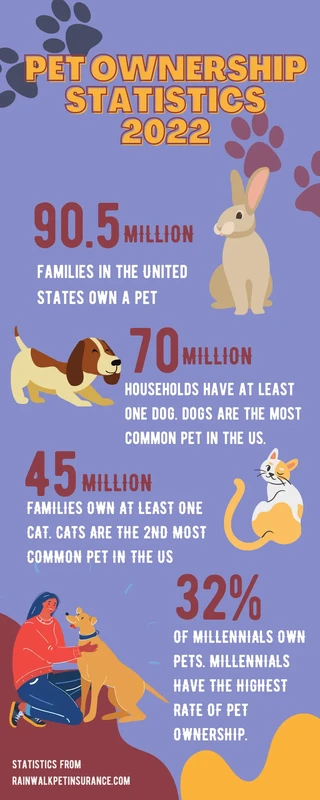
Pet ownership, especially dog ownership, promotes increased physical activity through regular walking and play, which enhances cardiovascular health and reduces risk factors such as hypertension and obesity. Public health data confirm higher activity levels among pet owners, contributing to healthier community environments.
What are the mental health benefits and risks associated with owning a pet?
Pets provide companionship that reduces loneliness, lowers stress hormones, and improves mood, supporting emotional well-being. However, some demographic groups, particularly those facing economic hardship, may experience stress related to pet care responsibilities, which can contribute to depression, highlighting a complex relationship.
In what ways do pets foster social cohesion in neighborhoods?
Pets act as social facilitators by encouraging interactions during walks, visits to dog parks, and participation in pet-focused community events. Social media pet groups also create platforms for local engagement, enhancing social support networks and neighborhood connectedness.
How do socioeconomic factors influence pet ownership and its community impact?
Income, housing, and cultural attitudes affect pet ownership rates and the ability to provide adequate care. Minority and low-income pet owners often face barriers that limit the full benefits of pet ownership, necessitating targeted support and inclusive policies to promote equity.
What public policies support the positive effects of pet ownership?
Policies that integrate pet ownership into public health frameworks include developing pet-friendly public spaces, funding research on health impacts, supporting veterinary access programs, and incorporating pet data into health surveillance. These initiatives aim to maximize health benefits while managing responsibilities and risks.
US Foster Care Funding Trends Boost Local Support Resources
PawVerde.com – Foster care programs in the United States represent a significant component of child welfare services, involving complex financial structures that impact state budgets, nonprofit funding, and family support systems. Recent data from state agencies such as the Michigan Department of Health and Human Services (MDHHS) and nonprofit organizations like Bethany and Foster Adopt Minnesota reveal evolving financial trends in fostering, adoption, and post-adoption support. This analysis examines the economic footprint of foster care programs, the fiscal implications of licensing and training foster parents, and the allocation of resources toward volunteer and specialized foster care initiatives. It also evaluates financial assistance programs, advocacy-driven funding, and the operational costs borne by foster care agencies nationwide.
The latest data indicate that foster care expenditures are increasing steadily, driven by rising numbers of children entering the system and enhanced support services. According to MDHHS reports, Michigan’s foster care budget expanded by approximately 7.5% in the past fiscal year, reaching $400 million allocated for recruitment, licensing, and family support programs. Nationwide, state child placement agencies collectively spent over $10 billion in foster care maintenance and administrative costs in the most recent reporting period. These expenditures cover direct financial assistance to foster families, training costs, case management, and post-adoption services offered by organizations such as AdoptUSKids and the National Foster Parent Association.
State and local foster care agencies emphasize licensing and training as critical investment areas. Licensing costs typically range from $1,500 to $3,000 per prospective foster family, incorporating background checks, home studies, and initial training. Foster Adopt Minnesota reports that its licensing and training programs have facilitated over 1,200 new foster parent certifications this year, supported by grants and state funding totaling $4.2 million. Similarly, the Michigan Foster Care Navigator Program, funded through state and federal channels, has allocated $5 million toward streamlined licensing processes and ongoing caregiver education. These investments correlate with improved foster parent retention and child welfare outcomes, evidencing a direct financial return on investment.
Volunteer foster programs contribute both economic and social value, often operated by nonprofits such as the ASPCA in New York City and Safe Families for Children nationally. Volunteer fostering programs reduce state expenditures by providing short-term care solutions without long-term financial commitments. The ASPCA’s foster program reported placing over 3,000 animals in volunteer homes last year, translating to an estimated $2.1 million in savings on sheltering costs. In human foster care, volunteer roles typically involve respite care or emergency placements, supported by initiatives like Treehouse for Kids and CO4Kids, which utilize funding from community grants and private donations. These programs often operate with budgets under $1 million annually but significantly alleviate pressure on state systems.
Financial assistance and support services for foster families constitute a substantial portion of foster care budgets. Post Adoption Resource Centers (PARCs) and the HELP Program in Minnesota provide counseling, financial aid, and respite care to families, funded through a combination of state allocations and nonprofit partnerships. The National Foster Parent Association estimates that foster families receive an average monthly stipend of $800 to $1,200 depending on the child’s needs, with specialized care for children with disabilities or behavioral challenges costing upwards of $1,800 monthly. These figures underscore the fiscal complexities of foster care and the necessity for robust funding streams.
The financial landscape of foster care is further complicated by efforts to address inclusion and equity. Programs targeting BIPOC, LGBTQIA2S+, and immigrant children often require tailored funding models to ensure culturally sensitive care. Foster Adopt Minnesota and The Foster Alliance have reported increased funding requests specifically earmarked for training foster parents in cultural competence and supporting diverse family structures. According to recent budget data, approximately 12% of foster care funding in Minnesota is dedicated to equity-focused initiatives, a trend mirrored in other states with sizable minority populations. These targeted investments are critical for improving placement stability and long-term outcomes.
Operational costs for foster care agencies include administrative overhead, recruitment campaigns, and community engagement efforts. Bethany’s annual report details expenditures of $2.5 million on recruitment and outreach alone, involving digital campaigns, informational meetings, and community events designed to attract new foster parents and volunteers. Digital platforms have become integral, with online intake forms and virtual training modules reducing costs and expanding reach. The Michigan Department of Health and Human Services recently invested $750,000 in upgrading its digital foster care navigator tools, streamlining inquiries and improving applicant tracking.
The following table compares key financial metrics across select foster care organizations and government programs, highlighting budget allocations, licensing costs, and support service expenditures:
| Organization/Program | Annual Budget (Latest Data) | Licensing & Training Costs | Support Services Funding | Volunteer Program Budget |
|---|---|---|---|---|
| Michigan Department of Health and Human Services (MDHHS) | $400 million | $2,500 avg. per family | $120 million (incl. PARC & Navigator) | $3 million |
| Foster Adopt Minnesota | $15 million | $2,800 avg. per family | $5 million (post-adoption & training) | $1 million |
| Bethany | $30 million | $3,000 avg. per family | $8 million (counseling & financial aid) | $2.5 million (recruitment & volunteer) |
| ASPCA Foster Program (NYC) | $8 million | N/A (animal foster care) | $1 million (community support) | $2.1 million (sheltering cost savings) |
| National Foster Parent Association | $12 million | $1,500-$2,500 per family | $3 million (training & advocacy) | $800,000 |
Financial data also highlight the risk factors inherent in foster care funding. Fluctuations in state budgets driven by economic cycles, federal policy changes, and shifting demographics can jeopardize service continuity. For example, cuts in federal Title IV-E funding, which covers a significant share of foster care costs, would necessitate state budget reallocations or reduced service availability. Agencies mitigate these risks by diversifying funding sources, including grants, private donations, and partnerships with advocacy groups like The Foster Alliance and Child Welfare Information Gateway. Developing sustainable financial models remains a strategic priority.
In addition to cost management, foster care programs face financial challenges related to the recruitment and retention of foster parents. High turnover rates compel agencies to invest heavily in recruitment campaigns and ongoing training. Analysis of retention data from Foster Care Navigator Programs in Michigan shows that families who receive continuous financial support and access to respite care services remain active 35% longer than those without such support. This retention translates to reduced rehiring and training costs, saving agencies an estimated $1,000 to $2,000 per family annually.
Market implications extend to the adoption process from foster care, which involves additional financial considerations. Adoption finalization fees, legal costs, and post-adoption support services require budgetary planning. Foster Adopt Minnesota reports that adoption subsidies average $500 monthly per child, reflecting medical, educational, and therapeutic needs. These subsidies are critical to ensuring permanency and stability but increase fiscal responsibility for agencies and state programs. Nonprofits such as Treehouse for Kids facilitate fundraising and donor engagement to supplement governmental funding.
The integration of technology in foster care financial management streamlines processes and reduces administrative costs. Digital intake platforms, data analytics for placement optimization, and virtual training modules contribute to operational efficiencies. Michigan’s recent $750,000 investment in a Foster Care Navigator App has decreased application processing times by 40%, allowing quicker placements and reduced caseworker workload. Such innovations are increasingly vital as foster care agencies manage growing caseloads amid constrained budgets.
Looking ahead, financial strategies in foster care will focus on expanding support for special populations, enhancing volunteer foster programs, and improving data-driven decision making. The incorporation of equity-focused funding, increased volunteer engagement, and stronger post-adoption financial support will require coordinated budget planning. Agencies must balance immediate care costs with long-term investments in family stability and child well-being, ensuring fiscal sustainability and effective resource utilization.
The future of foster care financing depends on adaptive funding models that integrate government support, nonprofit contributions, and community involvement. Emphasizing transparency, accountability, and targeted investments will strengthen financial resilience. Prospective foster parents and volunteers benefit from clear information about licensing costs, support programs, and financial assistance, empowering informed participation in the foster care ecosystem.
In conclusion, foster care represents a complex financial system with multifaceted funding streams involving state budgets, nonprofit allocations, and volunteer contributions. The economic impact of licensing, training, support services, and adoption subsidies shapes service delivery and child welfare outcomes. Continuous financial analysis, innovative funding approaches, and inclusive program design are essential for sustaining foster care systems that meet the diverse needs of children and families across the United States.
How to Collaborate with Animal Shelters for Advocacy Success
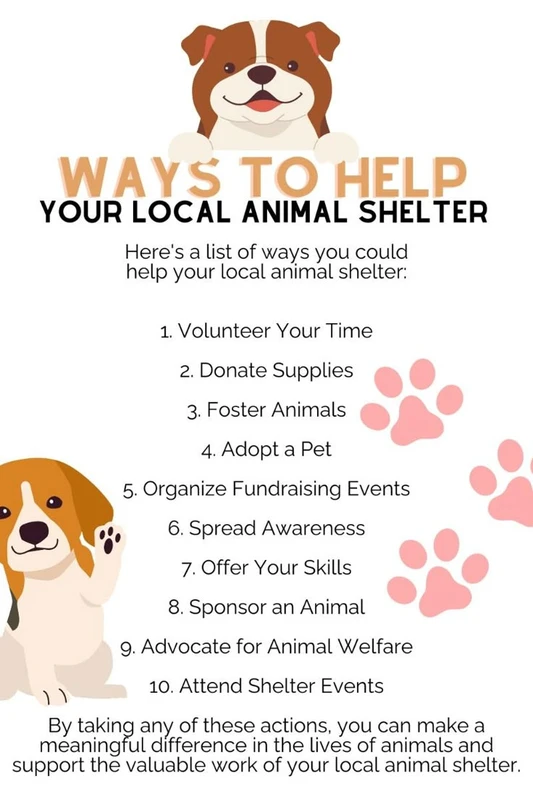
PawVerde.com – Collaboration between animal shelters and a wide range of stakeholders enhances animal welfare advocacy by combining resources, expertise, and community reach. Animal shelters serve as critical frontline entities providing shelter, medical care, and rehoming services for vulnerable animals. Effective partnerships with local businesses, corporate sponsors, media outlets, community advocates, and other welfare organizations amplify shelter impact, drive adoption rates, and advance no-kill policies. This article explores practical, actionable strategies for individuals and organizations seeking to collaborate with animal shelters, backed by expert insights and data from leading entities such as the ASPCA, Best Friends Animal Society, and Humane World for Animals.
Animal shelters benefit significantly from multi-sector collaboration that leverages complementary strengths. For instance, cross-promotion with local businesses and engagement with micro-influencers can exponentially increase public awareness and turnout at adoption drives. Corporate sponsorships not only provide essential funding but also enable employee volunteer programs that support shelter operations. Additionally, resource sharing among shelters and sanctuaries fosters no-kill advocacy by optimizing care capacity and transportation logistics. Coordinated grassroots efforts with advocacy coalitions help influence pet-friendly legislation and improve shelter medicine practices. Together, these partnerships create a robust ecosystem advancing animal welfare objectives.
Partnering with Local Businesses and Community Organizations
Local businesses provide crucial platforms for animal shelters to extend visibility and community engagement. Cross-promotion strategies such as hosting adoption events in office buildings or retail spaces have proven effective in attracting new adopters. For example, puppy yoga classes co-hosted by animal shelters and neighborhood yoga studios have emerged as innovative outreach events that combine wellness trends with animal advocacy, boosting both participant engagement and adoption inquiries. Donation displays featured in local shops also facilitate community contributions, increasing material and financial support.
Neighborhood groups and micro-influencers amplify shelter messaging through trusted networks and social media channels. Engaging lifestyle creators and pet care experts within the community fosters organic storytelling that resonates authentically with local audiences. This grassroots approach complements traditional marketing by generating word-of-mouth advocacy and enhancing shelter credibility. Local radio and TV stations often partner with shelters to promote upcoming adoption drives, increasing event attendance and media coverage.
Corporate Sponsorship and Volunteer Programs
Corporations play a vital role in animal welfare advocacy by aligning their corporate social responsibility (CSR) initiatives with shelter missions. Sponsorships from businesses provide stable funding for shelter infrastructure, medical supplies, and program development. Many corporations also establish employee volunteer programs, where staff participate in shelter activities such as dog walking, animal socialization, and event coordination. These programs strengthen community ties and foster a culture of philanthropy within the corporate sector.
Marketing campaigns that highlight corporate partnerships with shelters offer branding opportunities that enhance company reputation and customer loyalty. For instance, co-branded social media campaigns showcasing adoption success stories or shelter improvements funded by corporate grants create positive visibility for both entities. Data from the Best Friends Animal Society indicates that shelters with strong corporate partnerships experience a measurable increase in adoption rates and volunteer retention.
Collaborations Among Shelters, Sanctuaries, and Rescue Groups
Inter-shelter collaboration optimizes resources and expertise to advance no-kill advocacy. Many shelters partner with sanctuaries and rescue groups to transfer animals requiring specialized care or longer rehabilitation, thereby maximizing shelter capacity for urgent intakes. Coordinated animal transport networks facilitate these transfers, reducing euthanasia rates and improving placement success.
Open communication and trust-building are essential to overcoming challenges posed by differing shelter histories and operational models. Joint training programs and shelter medicine collaborations improve care standards across organizations. For example, ASPCA Shelter Medicine Services provides technical assistance and veterinary expertise to participating shelters, enhancing animal health outcomes and reducing disease transmission.
Sharing resources such as food supplies, medical equipment, and volunteer pools further strengthens the collective ability to support animals in need. This cooperative model aligns with grassroots advocacy efforts that emphasize humane treatment and sustainable sheltering practices.
Innovative Outreach and Marketing Strategies
Shelters increasingly leverage digital platforms and storytelling techniques to broaden their outreach. Social media campaigns featuring compelling narratives and high-quality visuals engage potential adopters and donors. Interactive content such as virtual tours, live Q&A sessions with shelter staff, and behind-the-scenes videos foster transparency and community connection.
Hosting community events beyond traditional adoption drives—such as pet care workshops, charity runs, and themed fundraisers—diversifies shelter engagement and attracts varied demographics. Tailoring campaigns to local cultural preferences and leveraging micro-influencers enhances relevance and participation.
Data analytics tools help shelters identify peak engagement periods and optimize content delivery. For example, targeted ads during weekends or holidays coincide with higher adoption inquiries. Integration of user-generated content further boosts campaign authenticity and reach.
Grassroots Advocacy and Policy Collaboration
Effective animal welfare advocacy extends beyond shelter walls through grassroots organizing and legislative engagement. Animal shelters often collaborate with advocacy coalitions to promote pet-friendly laws, anti-cruelty ordinances, and funding for shelter medicine programs. Coordinated campaigns utilize advocacy toolkits developed by organizations such as the Best Friends Action Team and Humane World for Animals to mobilize community members.
Community advocates organize letter-writing campaigns, public forums, and social media awareness drives to influence policymakers. Shelter participation in these efforts lends credibility and facilitates access to expert testimony and data. Recent successes in several states demonstrate the impact of unified shelter-advocate partnerships in passing no-kill legislation and improving animal control policies.
Shelter Medicine Collaboration and Expert Support
Advancements in shelter medicine contribute significantly to animal welfare by reducing disease, improving recovery, and enhancing overall care quality. Collaboration with expert programs such as ASPCA Shelter Medicine Services provides shelters with access to veterinary consultations, staff training, and evidence-based protocols.
These partnerships enable shelters to implement preventive health measures, including vaccination schedules, parasite control, and behavioral assessments. Enhanced medical care improves adoption readiness and reduces length of stay, a key metric in no-kill shelter success.
Moreover, shelter medicine collaborations support research initiatives that inform best practices and policy recommendations. This scientific approach underpins advocacy efforts by providing data-driven evidence of effective sheltering methods.
Future Directions in Shelter Collaboration for Advocacy
Sustaining impactful partnerships requires ongoing innovation, transparency, and adaptability. Expanding collaboration to include emerging stakeholders such as social service providers and lifestyle creators can broaden the advocacy base. Investment in technology platforms for resource sharing and coordinated event management will enhance operational efficiency.
Continued emphasis on no-kill initiatives and legislative advocacy remains critical. Shelters and partners must balance immediate animal care needs with long-term systemic change through policy reform and public education. Data integration and impact measurement tools will support accountability and guide strategic planning.
Collective responsibility among animal welfare organizations, corporate partners, community advocates, and media will drive the next phase of shelter advocacy. By sharing expertise, resources, and platforms, these stakeholders can create resilient networks that improve animal outcomes and foster compassionate communities.
Frequently Asked Questions
How can local businesses effectively support animal shelters?
Local businesses can support shelters by hosting adoption events, displaying donation drives, sponsoring community outreach activities, and collaborating on unique events such as puppy yoga classes. They can also promote shelter missions via social media and provide in-kind support like space or services.
What role do corporate sponsors play in animal shelter advocacy?
Corporate sponsors provide financial support, volunteer staff, and marketing resources. They align CSR initiatives with shelter goals, sponsor events, and help amplify outreach campaigns, which enhances shelter capacity and public visibility.
Why is collaboration among shelters and sanctuaries important?
Collaboration enables sharing of resources, expertise, and animal transfers, supporting no-kill policies and improving care. It helps shelters manage capacity, provide specialized treatment, and coordinate rescue efforts more effectively.
How do grassroots advocacy efforts complement shelter work?
Grassroots advocacy mobilizes community support for humane legislation, raises awareness, and pressures policymakers. When combined with shelter expertise and data, these efforts drive systemic changes that benefit animal welfare.
What benefits do shelter medicine collaborations offer?
Shelter medicine partnerships improve animal health through expert veterinary care and training. They reduce disease and stress in shelter animals, enhance adoption readiness, and support research that informs best practices and policy advocacy.
—
By integrating local business partnerships, corporate sponsorships, inter-organizational collaboration, innovative marketing, grassroots advocacy, and expert shelter medicine support, animal shelters can significantly enhance their advocacy impact. These comprehensive strategies foster community engagement, increase adoption rates, and advance no-kill objectives, ultimately transforming animal welfare landscapes.

Key Difference Between Pet-Friendly and Eco-Friendly Travel Explained
PawVerde.com – Pet-friendly travel and eco-friendly travel represent two distinct yet increasingly overlapping dimensions of modern tourism, each addressing critical aspects of responsible travel in today’s world. Pet-friendly travel centers on accommodating the needs and comfort of pets and their owners during trips, emphasizing accessible lodging, transportation, and adherence to pet regulations. In contrast, eco-friendly travel prioritizes minimizing environmental impact through sustainable lodging, transportation choices, waste management, and support for local communities. The convergence of both approaches enables travelers to enjoy pet companionship while actively reducing their ecological footprint, a synergy reflected in emerging travel trends and offerings.
The pet travel market has experienced rapid growth, with pet-friendly bookings soaring over 100% in key regions such as North America and parts of Europe, according to Allianz Partners USA data. Simultaneously, sustainability-focused travel platforms like Ecobnb and Green America report rising consumer demand for green lodging options equipped to welcome pets. Integrating sustainable pet gear made from recycled fabrics, bamboo, and organic fibers contributes to lowering the carbon footprint associated with pet travel. This article explores the defining attributes, overlaps, and practical strategies for combining pet-friendly and eco-friendly travel, supported by industry data and real-world examples from leading destinations.
Core Characteristics of Pet-Friendly Travel
pet-friendly travel primarily revolves around ensuring that traveling with animals is feasible, comfortable, and compliant with relevant regulations. This includes a broad spectrum of accommodations, from major hotel chains to vacation rentals, specifically offering pet amenities such as designated pet areas, pet beds, and on-site pet services. Platforms like BringFido and PetsWelcome specialize in listing such properties and provide comprehensive guides on pet travel regulations across countries including the United States, Canada, and European nations such as France, Germany, Italy, and Croatia.
Transportation options also play a significant role in pet-friendly travel. Airlines, trains, and ferries have increasingly adopted pet policies allowing small pets in cabins or larger animals in cargo, though regulations vary significantly by country and carrier. For example, the European Union mandates specific identification and vaccination requirements for animals crossing borders, while the United States enforces federal and state-level rules on pet transport safety. Pet-friendly destinations often support these policies with local amenities like dog parks, pet-friendly trails, and veterinary services, enhancing the overall travel experience for pet owners.
Core Characteristics of Eco-Friendly Travel
eco-friendly travel encompasses a holistic approach to reducing the environmental impact of tourism. Sustainable lodging is a cornerstone, with many hotels and accommodations adopting energy-efficient systems, water conservation measures, and waste reduction programs. Certifications such as LEED (Leadership in Energy and Environmental Design) and Green Key provide travelers with indicators of eco-conscious properties. Public transportation usage, carpooling, and cycling are promoted alternatives to private car travel to minimize carbon emissions.
Sustainable pet gear is an emerging niche within eco-friendly travel, featuring products crafted from recycled fabrics, bamboo, organic cotton, and other renewable materials. These items include collars, leashes, bowls, and toys designed to reduce plastic waste and resource consumption. Adoption of pets rather than purchasing from breeders is also recognized for its environmental benefits, reducing the resource-intensive breeding industry. Waste management is critical, with proper disposal of pet waste preventing soil and water contamination, a key concern in natural and urban environments alike.
Overlap and Synergies Between Pet-Friendly and Eco-Friendly Travel
The intersection of pet-friendly and eco-friendly travel manifests most prominently in green pet-friendly hotels and sustainable travel initiatives that accommodate animals without compromising environmental standards. Many eco-lodges now welcome pets while implementing green technologies such as solar power and composting systems. Travelers who bring pets often engage in outdoor, low-impact activities such as hiking, nature walking, and beach visits, which align with sustainable tourism principles.
Supporting local businesses is another area of synergy. Pet owners frequently patronize neighborhood pet shops and eco-conscious vendors offering sustainable pet products, thereby contributing to the local economy and reducing the carbon footprint associated with large-scale commercial supply chains. Mindful tourism, encompassing respect for wildlife, adherence to trail etiquette, and minimizing noise pollution, is crucial when traveling with pets in natural areas to prevent disturbance to ecosystems.
Practical Tips for Combining Pet-Friendly and Eco-Friendly Travel
Effective integration of pet-friendly and eco-friendly travel requires intentional choices before and during trips. Packing reusable and sustainable pet items is a practical step—collapsible bamboo bowls, biodegradable waste bags, and recycled-fabric leashes reduce single-use plastics and environmental waste. Selecting eco-lodging that explicitly welcomes pets narrows options to accommodations that support sustainability while meeting pet care needs.
Transportation mode selection significantly influences carbon footprint. Utilizing public transport systems that allow pets or organizing carpooling minimizes emissions compared to solo vehicle trips. Many cities, including Asheville and Denver, have expanded pet-friendly public transit options aligned with sustainability goals. Responsible pet waste management is essential: always carry waste bags and dispose of waste in designated bins to avoid environmental contamination.
Case Studies and Emerging Trends
Croatia’s Pet-Friendly Tourism Forum exemplifies the integration of sustainable tourism with pet accommodations. This initiative promotes policies encouraging hotels and outdoor venues to adopt eco-friendly practices while enhancing pet accessibility. The forum’s data indicate a rising trend in pet-friendly bookings accompanied by sustainability certifications, reflecting traveler preferences for combined experiences.
In the United States, cities like Asheville and Denver have cultivated reputations as pet-friendly and eco-conscious destinations. Asheville’s extensive network of dog-friendly trails and green hotels has attracted eco-minded pet owners, while Denver’s municipal efforts to expand public transit pet access and support sustainable lodging underscore the dual focus. Market projections estimate the pet travel sector will grow by 8-10% annually over the next five years, with sustainability increasingly integrated into service offerings.
Environmental Impact Considerations Specific to Traveling with Pets
Traveling with pets introduces distinct environmental challenges, including the carbon footprint of pet food, which is often resource-intensive due to meat production. sustainable pet food brands utilizing organic or plant-based ingredients are gaining traction among eco-conscious travelers. Additionally, pets can inadvertently disturb wildlife, especially in sensitive natural habitats, complicating the “leave no trace” principle fundamental to responsible outdoor recreation.
Strategies to minimize such impacts include keeping pets on leashes in wildlife areas, using designated trails, and avoiding feeding wild animals. Education on local regulations and best practices is crucial for travelers to mitigate risks to biodiversity. Furthermore, carbon footprint calculators specific to pet travel are emerging tools assisting travelers in quantifying and offsetting their environmental impact.
FAQ
What is the primary difference between pet-friendly and eco-friendly travel?
Pet-friendly travel focuses on accommodating pets through specialized lodging, transportation, and services, whereas eco-friendly travel emphasizes minimizing environmental impact through sustainable lodging, transport, waste management, and support for local communities.
Can I find accommodations that are both pet-friendly and environmentally sustainable?
Yes, many eco-lodges and green hotels now welcome pets, offering amenities that cater to animals while implementing sustainable practices such as energy efficiency, water conservation, and waste reduction.
How can I reduce my carbon footprint when traveling with my pet?
Using public transportation or carpooling, packing reusable and sustainable pet gear, selecting eco-friendly lodging, and responsibly disposing of pet waste are effective ways to lower the environmental impact of traveling with pets.
Are there travel platforms specializing in pet-friendly and sustainable travel?
Platforms like BringFido and PetsWelcome focus on pet-friendly accommodations, while sustainability-focused platforms such as Ecobnb highlight eco-friendly lodging, some of which also accommodate pets.
What are some challenges of traveling sustainably with pets in natural areas?
Key challenges include preventing wildlife disturbance, managing pet waste to avoid environmental contamination, and minimizing carbon footprint from pet-related activities, all of which require responsible behavior and adherence to local regulations.
As sustainable tourism continues to evolve, the fusion of pet-friendly and eco-conscious travel practices will likely become standard, driven by increasing pet ownership and growing environmental awareness. Travelers can actively contribute by choosing accommodations and products that support sustainability, engaging in low-impact activities, and advocating for policies that enhance both animal welfare and environmental stewardship. This integrated approach not only enriches the travel experience but also fosters a more responsible and sustainable future for tourism worldwide.
Capsules vs Powders for Pet Supplements: Key Differences Explained
PawVerde.com – Capsules and powder supplements represent two primary formats for delivering nutritional support to pets, each offering distinct advantages and challenges influencing pet health outcomes, administration ease, and nutrient bioavailability. Understanding their comparative benefits is essential for pet owners aiming to optimize supplement use for dogs, cats, and small animals. Capsules provide pre-measured convenience and extended shelf life, shielding sensitive ingredients from environmental degradation, while powders afford dosage flexibility and quicker absorption. The choice between these forms hinges on factors including species-specific needs, palatability, administration practicality, and the bioavailability of active compounds such as curcumin and beta-D-glucans.
Capsules encapsulate powdered or liquid extracts within gelatin or plant-based shells, delivering precise doses that enhance owner compliance and facilitate portability. Their protective casing guards against moisture and oxygen exposure, significantly extending shelf life—often by several months compared to powders stored in open containers. However, capsules require gastrointestinal disintegration before nutrient release, potentially delaying absorption. Studies highlight that bioavailability of compounds like Vitamin C can be reduced in capsule form due to this disintegration lag, although the impact varies based on capsule composition and coating technologies. Additionally, some capsules incorporate fillers or binders, which may dilute active ingredient concentration and affect efficacy, necessitating scrutiny of ingredient lists for transparency.
Powder supplements, in contrast, bypass the disintegration phase, allowing nutrients to become rapidly bioavailable upon ingestion. This is particularly advantageous for active compounds with poor bioavailability, such as curcumin derived from turmeric. Research demonstrates that powdered curcumin, especially when combined with absorption enhancers like piperine, can significantly improve plasma concentration compared to encapsulated forms. Powders also offer cost-effectiveness and dosage customization, critical for multi-pet households or varying body weights, where precise dosing adjustments are needed. However, powders pose challenges in handling, as they require mixing with food or liquids, and their exposure to air and humidity can degrade sensitive ingredients like beta-D-glucans from mushroom extracts, reducing potency if not stored properly.
Liquid supplements, though not the primary focus here, warrant mention due to their superior absorption rates. Formulations such as Kangaroo Dogs Organic Liquid Joint Supplement leverage liquid delivery to enhance bioavailability of joint-supporting ingredients including glucosamine and chondroitin. Liquids are especially useful for acute health conditions requiring rapid nutrient uptake but may present palatability and stability issues over time.
Capsules for Pet Supplements: Convenience Meets Stability
Capsules dominate as a preferred format for daily supplementation due to their user-friendly dosing and protective qualities. They enable pre-measured administration, reducing the risk of dosing errors prevalent with powders, which require manual measurement. This precision is crucial for potent ingredients like beta-D-glucans and curcumin, where dosing consistency impacts therapeutic outcomes. Capsules’ portability facilitates supplementation during travel or outdoor activities, enhancing regimen adherence.
Shelf life is a notable advantage; capsules shield sensitive nutrients from moisture and oxygen, which are primary catalysts for degradation. For example, Real Mushrooms emphasizes the importance of moisture-controlled capsules to preserve beta-D-glucan content, a marker for mushroom extract quality. Proper encapsulation can maintain ingredient integrity for 12 to 24 months, far exceeding typical powder shelf life.
Limitations arise chiefly in absorption kinetics. Capsule shells must dissolve in the gastrointestinal tract before releasing contents, which can delay the onset of nutrient availability. This is significant for compounds like Vitamin C, where studies show a 20-30% slower absorption rate compared to powders. Furthermore, some manufacturers utilize fillers to bulk capsules, which may diminish active ingredient concentration and raise concerns about additive safety. Transparency in labeling and third-party testing are critical to ensure formulation quality.
Capsules suit routine supplementation protocols demanding consistent dosing and enhanced ingredient stability. They also benefit pet owners who prioritize convenience and precise administration, particularly for dogs engaged in regular joint health maintenance or cats requiring immunomodulatory support.
Powder Supplements for Pets: Customization and Rapid Absorption
Powders allow tailored dosing, a critical feature for pets with varying weights or multi-species households. This flexibility is essential for administering joint health supplements such as glucosamine and chondroitin or immunomodulators like mushroom extracts containing beta-D-glucans. Powdered formulas bypass the capsule shell disintegration step, enabling faster nutrient release and absorption, which can enhance therapeutic efficacy for compounds with inherently low bioavailability.
Cost efficiency is another major benefit; powders generally incur lower manufacturing costs, translating to consumer savings, particularly for large breeds requiring higher doses. Additionally, powders can be mixed with food or water, aiding administration for pets averse to swallowing capsules. This mixing capability also allows combining multiple supplements in a single serving, supporting comprehensive health strategies encompassing probiotics, collagen, and vitamin C.
However, powders require careful handling to maintain ingredient stability. Exposure to air and moisture accelerates oxidation and degradation, notably affecting sensitive compounds such as curcumin and mushroom extracts. Proper storage in airtight, opaque containers with desiccants is essential to preserve potency. Palatability can be a barrier; some powders have strong flavors or odors that pets may reject. Brands like Animistic pet nutrition address this by incorporating natural flavor enhancers to improve acceptance among cats and small animals.
Powders are particularly advantageous for joint health support, probiotic delivery, and scenarios demanding dosage flexibility. They are well-suited for large dogs needing higher supplement volumes and for multi-pet households where individualized dosing is required.
Comparing Absorption and Bioavailability of Capsules and Powders
Nutrient bioavailability—the extent and rate at which active compounds enter systemic circulation—is pivotal for supplement efficacy. Capsules, while protective, impose a delay due to shell disintegration. Research on vitamin C absorption demonstrates that powder forms achieve peak plasma levels roughly 20-30 minutes earlier than capsules. This kinetic difference can be critical in managing acute conditions or optimizing nutrient timing.
Curcumin illustrates bioavailability challenges; its poor solubility and rapid metabolism necessitate delivery forms maximizing absorption. Powdered curcumin combined with bioenhancers like piperine has shown up to 20-fold increased bioavailability compared to capsules containing raw turmeric powder. Liquid formulations exceed both in absorption speed but may compromise shelf life.
Beta-D-glucans in mushroom extracts also benefit from powder forms when stored correctly, preserving their immunomodulatory properties. Capsules can protect these polysaccharides from degradation but may slow their release. Third-party testing measuring beta-glucan content is a reliable quality indicator, ensuring the supplement delivers functional doses regardless of form.
Administration and Compliance Across Pet Species
Species-specific factors influence supplement form suitability. Dogs generally tolerate capsules and powders mixed with food, though larger dogs may more easily accept capsules due to size and swallowing ability. Cats, often more finicky, may require powders blended into wet food or liquids to ensure intake. Small animals like rabbits or ferrets typically benefit from powders, as capsule administration can be challenging or stressful.
Palatability directly affects compliance. Powder supplements risk rejection due to texture or taste but can be masked with palatable bases. Liquids offer an alternative with superior absorption but may also face acceptance hurdles. Capsules provide odor and taste masking, promoting better compliance in sensitive pets.
Ease of use factors heavily into owner adherence. Capsules reduce preparation time and dosing errors, supporting consistent long-term use. Powders require measuring and mixing, potentially complicating routines but offering flexibility in dose adjustment.
Quality and Ingredient Transparency in Pet Supplements
Ingredient quality underpins supplement safety and effectiveness. Third-party testing certifies purity, potency, and absence of contaminants. For example, Real Mushrooms and Animistic Pet Nutrition emphasize rigorous beta-glucan quantification and heavy metal screening, ensuring product reliability.
Capsule fillers and binders should be scrutinized; inert substances may dilute active ingredients or cause sensitivities. Transparent labeling disclosing all components, including excipients, supports informed choices.
Storage recommendations differ: capsules benefit from sealed packaging minimizing moisture exposure, while powders require airtight containers with desiccants to maintain shelf life. Both forms demand protection from heat and light to preserve ingredient integrity, particularly for thermolabile substances like vitamin C and curcumin.
Case Study: Joint Supplements Featuring Turmeric and Glucosamine
Joint health supplements exemplify the complexities of supplement form selection. Turmeric-derived curcumin is prized for its anti-inflammatory properties but suffers from poor oral bioavailability. Capsules may delay curcumin release, limiting absorption, whereas powders mixed with bioenhancers improve plasma levels. Liquid joint supplements, such as Kangaroo Dogs Organic Liquid Joint Supplement, offer superior absorption, rapidly delivering glucosamine and chondroitin critical for cartilage repair.
Owner compliance is paramount for chronic joint conditions requiring sustained supplementation. Capsules facilitate consistent dosing and are convenient for daily routines, but powders may be preferred where dose adjustments are needed based on weight or response. Liquid forms, while effective, may require refrigeration and careful palatability management.
This case underscores that supplement form choice must balance bioavailability demands with practical administration considerations and pet preferences.
Future Directions: Personalizing Pet Supplementation Strategies
Advancements in supplement technology point toward hybrid formulations combining capsules with rapid-release powders or liquids to optimize bioavailability and administration ease. Enhanced capsule coatings designed for accelerated disintegration and targeted delivery may bridge current absorption gaps.
Emerging research on nutrient interactions and microbiome modulation will refine dosing strategies, tailoring supplements to species, age, and health status. Integration of AI-driven personalized nutrition platforms could guide owners in selecting optimal supplement forms and dosages.
Ultimately, aligning supplement format with pet health goals, lifestyle, and owner capabilities remains essential for maximizing therapeutic outcomes in veterinary nutrition.
Frequently Asked Questions
What are the main benefits of capsules versus powder supplements for pets?
Capsules offer convenience with pre-measured doses, improved portability, and longer shelf life due to protection against moisture and air. Powders provide customizable dosing, faster nutrient absorption, and cost efficiency but require mixing and careful storage.
How does absorption differ between capsule and powder supplements?
Powders generally enable faster absorption by bypassing capsule shell disintegration, leading to quicker nutrient availability. Capsules delay release but protect ingredients better, potentially extending shelf life. Specific compounds like curcumin benefit significantly from powder forms combined with absorption enhancers.
Which supplement form is better for picky cats or small animals?
Powders mixed into wet food or liquids are often preferred for cats and small animals due to ease of ingestion and palatability adjustments. Capsules may be difficult to administer to these species.
Why is third-party testing important in pet supplements?
Third-party testing verifies ingredient potency, purity, and safety, ensuring products contain claimed active compounds like beta-D-glucans without contaminants. This transparency builds trust and supports informed purchasing decisions.
Can I switch between capsule and powder forms for my pet?
Switching is possible but should consider the pet’s acceptance, dosage adjustments, and bioavailability differences. Consulting with a veterinarian ensures the change aligns with health goals and maintains therapeutic consistency.
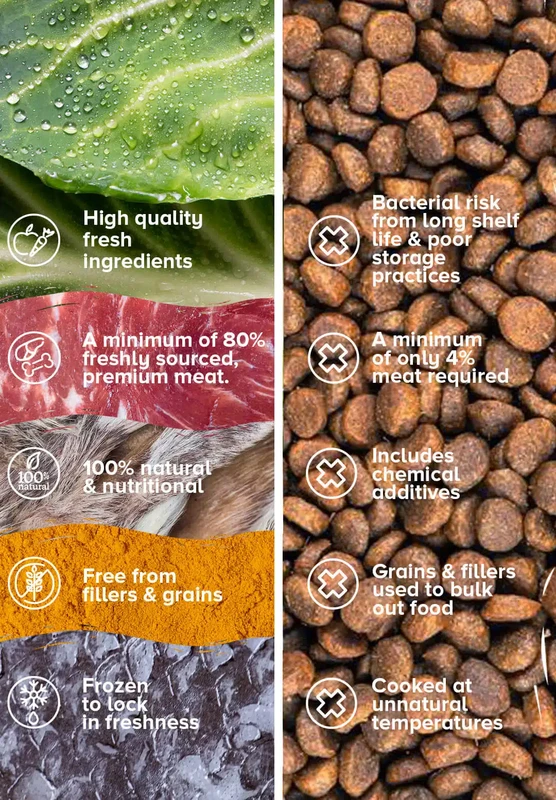
Limited Ingredient vs Hypoallergenic Dog Food: Key Differences Explained
PawVerde.com – limited ingredient dog food and hypoallergenic dog food represent two specialized dietary approaches designed to address canine food allergies and sensitivities, yet they differ fundamentally in composition, purpose, and clinical application. limited ingredient diets simplify the ingredient list, often featuring a single novel protein and carbohydrate source, to reduce allergenic exposure and assist in pinpointing specific food triggers during diagnostic food trials. Hypoallergenic diets, by contrast, are formulated to exclude common allergens such as beef, chicken, wheat, dairy, and eggs and may incorporate hydrolyzed proteins that reduce immune recognition, thereby minimizing allergic reactions. Both diet types serve critical roles in the management and diagnosis of food allergies in dogs, with veterinary prescription versions ensuring stringent quality controls and cross-contamination prevention.
Definition and Purpose of Limited Ingredient and Hypoallergenic Dog Foods
Limited ingredient dog food is characterized by a minimal number of components, typically one protein source considered novel to the dog and one carbohydrate, aiming to limit exposure to potential allergens. This dietary simplification aids veterinarians in isolating specific food sensitivities during elimination trials, a process essential for accurately diagnosing food allergies. For example, a diet containing venison and sweet potato may be utilized to reduce the likelihood of triggering immune responses linked to more common proteins like chicken or beef.
hypoallergenic dog food, meanwhile, is formulated to avoid recognized common allergens identified through veterinary dermatology research. These diets may contain multiple ingredients but deliberately exclude proteins and additives known to provoke allergic reactions, such as lamb, wheat, dairy, and eggs. Notably, hypoallergenic formulations often include hydrolyzed protein diets, where the protein molecules are enzymatically broken down into smaller peptides, thus decreasing their allergenicity by preventing the immune system from recognizing them as threats. Such diets are frequently prescribed by veterinarians to manage dogs with confirmed food allergies, offering a therapeutic option beyond the diagnostic scope of limited ingredient diets.
Key Differences in Composition and Clinical Application
The primary distinction between limited ingredient and hypoallergenic dog foods lies in ingredient complexity and their respective roles in allergy diagnosis and management. Limited ingredient diets prioritize minimalism in their ingredient list, which facilitates the identification of specific allergens through controlled food trials. These trials typically span 8 to 12 weeks, during which the dog consumes only the limited ingredient diet to observe symptom resolution or persistence. Once symptoms improve, veterinarians may reintroduce individual ingredients to identify the allergenic culprit.
Hypoallergenic diets, in contrast, are used primarily for long-term management of diagnosed food allergies. Their formulation targets the exclusion of all common allergens, thereby reducing the risk of immune reactions. Hydrolyzed protein diets fall within this category and are often subjected to rigorous clinical trials and manufacturing standards to ensure purity and prevent cross-contamination. The inclusion of hydrolyzed proteins represents a significant advancement in allergy management, as these diets can be effective even in dogs with multiple or severe allergies.
Production standards also differ notably. Limited ingredient diets may be available over-the-counter or as prescription options, but hypoallergenic diets, particularly those containing hydrolyzed proteins, are typically prescription-only to guarantee strict manufacturing controls. Cross-contamination prevention is critical in hypoallergenic diets; even trace amounts of allergens can trigger adverse reactions, necessitating dedicated production lines and comprehensive quality assurance protocols.
Veterinary Prescription Diets and Their Role in Allergy Management
Veterinary prescription diets represent a cornerstone in the clinical approach to managing canine food allergies. Both limited ingredient and hypoallergenic diets are available in prescription forms, offering controlled formulations backed by clinical research and quality assurance. Veterinary dermatologists often recommend these diets as part of a systematic diagnostic and therapeutic protocol.
Clinical trials conducted by pet food manufacturers and veterinary experts, such as Dr. Leigh Burkett, validate the efficacy of these diets. Prescription hypoallergenic diets undergo stringent testing to confirm that hydrolyzed proteins meet molecular weight standards necessary to reduce allergenicity. Similarly, limited ingredient diets prescribed by veterinarians ensure ingredient traceability and exclude additives like artificial preservatives that could confound allergy assessments.
Moreover, prescription diets support food trial protocols, which remain the gold standard for diagnosing food allergies. During these trials, dogs must exclusively consume the prescribed diet to eliminate confounding factors. Veterinary supervision ensures adherence, monitors symptom progression, and guides subsequent reintroduction phases, critical for accurate diagnosis and effective management.
Protein Sources and Allergen Risks in Dog Foods
Protein sources play a pivotal role in both limited ingredient and hypoallergenic dog foods, with their allergenic potential influencing diet formulation. Common allergens in canine diets include beef, chicken, lamb, wheat, dairy, and eggs, which collectively account for the majority of food allergy cases in dogs. These proteins are often implicated due to their prevalence in commercial dog foods and the immune system’s sensitization over time.
Novel protein sources such as venison, rabbit, duck, and certain fish species like salmon are increasingly employed in limited ingredient diets due to their lower incidence of sensitization. These proteins provide alternative options for elimination diets, reducing the likelihood of allergic reactions during diagnostic trials. However, it is important to recognize that no protein is completely hypoallergenic; instances of allergies to novel proteins, though rare, have been documented.
Hydrolyzed protein diets represent a distinct category wherein protein molecules are enzymatically cleaved into small peptides or amino acids. This molecular breakdown prevents the immune system from mounting an IgE-mediated response, significantly lowering allergenic potential. Veterinary nutritionists emphasize the importance of molecular weight thresholds—typically below 10,000 Daltons—to ensure clinical efficacy in hypoallergenic diets.
Symptoms of Food Allergies and Intolerances in Dogs
Food allergies affect approximately 15-20% of dogs exhibiting allergic symptoms, manifesting primarily as dermatologic and gastrointestinal signs. Pruritus, especially localized to the paws, ears, face, and ventrum, is a hallmark symptom driven by immune hypersensitivity reactions. Secondary skin inflammation, recurrent infections, and otitis externa are common sequelae.
Gastrointestinal manifestations include chronic diarrhea, vomiting, and flatulence, often complicating differential diagnosis with other causes such as parasites or inflammatory bowel disease. Veterinary dermatologists stress the importance of distinguishing food allergies from food intolerances, the latter involving non-immune-mediated adverse reactions that may present with similar symptoms but require different management approaches.
Dietary trials remain the definitive diagnostic tool, with symptom resolution during elimination feeding and recurrence upon reintroduction confirming food allergy diagnosis. Accurate differentiation supports targeted dietary interventions, avoiding unnecessary restrictions and improving canine welfare.
Practical Considerations for Dog Owners
Deciding between limited ingredient and hypoallergenic diets requires careful veterinary consultation, ideally involving a board-certified veterinary dermatologist or nutritionist. Limited ingredient diets are appropriate when allergy diagnosis is pending, serving as an elimination diet to isolate triggering ingredients. Their simplicity facilitates owner compliance and reduces the risk of confounding allergen exposure.
Hypoallergenic diets, particularly those containing hydrolyzed proteins, are recommended for dogs with confirmed food allergies requiring long-term management. Owners should be informed about the necessity of strict adherence to these diets, as even minor dietary deviations or cross-contamination can provoke severe allergic reactions.
Pet food manufacturers have responded to growing demand by enhancing production standards, implementing dedicated manufacturing lines, and rigorous testing to minimize allergen presence. However, cost and availability may vary between prescription and commercial diet options, factors owners must consider alongside veterinary recommendations.
Future Directions and Industry Trends
Emerging research in canine nutrition and immunology continues to refine understanding of food allergies and dietary management. Advances in proteomics and molecular diagnostics hold promise for more precise identification of allergenic epitopes, potentially enabling tailored diets beyond the current limited ingredient and hypoallergenic frameworks.
Additionally, pet food manufacturers are exploring novel protein blends, sustainable ingredients, and improved hydrolysis techniques to enhance diet palatability and efficacy. The role of the gut microbiome in modulating immune responses to food allergens is an expanding area of investigation, suggesting that future diets may integrate prebiotics and probiotics in allergy management protocols.
Veterinary professionals advocate for ongoing education and collaboration between clinicians, nutritionists, and pet owners to optimize outcomes. As the prevalence of food allergies in dogs remains significant, leveraging multidisciplinary expertise will be critical to advancing therapeutic strategies and improving quality of life for affected animals.
Frequently Asked Questions

What is the main difference between limited ingredient and hypoallergenic dog food?
Limited ingredient dog food contains a minimal number of ingredients, usually one novel protein and one carbohydrate, aimed at simplifying the diet to help identify specific food allergens. Hypoallergenic dog food excludes common allergens and often includes hydrolyzed proteins to reduce allergic reactions, focusing on managing diagnosed allergies rather than diagnosis.
Can limited ingredient diets cure food allergies in dogs?
Limited ingredient diets do not cure allergies but serve as diagnostic tools to identify offending ingredients. Once an allergen is identified, hypoallergenic or elimination diets can manage the condition. Long-term dietary management under veterinary guidance is necessary to control symptoms.
Are hydrolyzed protein diets safe for all allergic dogs?
Hydrolyzed protein diets are designed to minimize immune recognition and are effective for many dogs with food allergies. However, some dogs may react to specific hydrolysates or other diet components, so veterinary supervision and monitoring are essential.
How long should a food trial with a limited ingredient diet last?
Food trials typically last 8 to 12 weeks, allowing sufficient time to observe symptom resolution. Premature diet changes or exposure to other foods during this period can invalidate the trial results.
Is cross-contamination a concern with hypoallergenic dog foods?
Yes, cross-contamination can introduce trace allergens, potentially triggering reactions in sensitive dogs. Prescription hypoallergenic diets are manufactured under strict controls to minimize this risk, but owners must ensure no other food sources are accessible.
—
The distinctions between limited ingredient and hypoallergenic dog foods underscore the importance of precise dietary interventions in canine allergy management. While limited ingredient diets provide a pragmatic approach to diagnosing food hypersensitivities, hypoallergenic diets, including hydrolyzed protein formulations, offer therapeutic options to maintain long-term health in allergic dogs. Collaboration between pet owners and veterinary professionals remains critical to optimizing dietary strategies, ensuring safety, and enhancing the quality of life for dogs affected by food allergies.
Best Hypoallergenic Dog Food for Allergies: Top 2026 Choices
PawVerde.com – Hypoallergenic dog foods in 2026 emphasize limited or novel protein sources such as venison, duck, and hydrolyzed proteins to minimize allergic reactions in dogs. These formulations consistently exclude prevalent allergens like chicken, beef, dairy, wheat, soy, corn, and eggs. Veterinary supervision remains critical, especially through elimination diet trials lasting 8 to 12 weeks, to accurately identify offending allergens and customize feeding regimens that address individual canine sensitivities.
Hypoallergenic diets are increasingly formulated with enriched omega fatty acids and soluble fibers to support skin integrity and digestive health, addressing both the symptoms and underlying causes of food allergies. Leading brands such as JustFoodForDogs and Spot & Tango offer fresh, whole-food limited ingredient meals, while ACANA Singles and Bramble provide dry and plant-based novel protein options, respectively. Prescription formulas from Hill’s, Artemis Osopure, and Dr. Harvey’s continue to be mainstays for controlled clinical management, ensuring strict manufacturing standards to prevent cross-contamination.
Understanding Hypoallergenic Dog Food Formulations
Hypoallergenic dog foods fall broadly into three categories: limited ingredient diets (LID), novel protein diets, and hydrolyzed protein diets. Limited ingredient diets reduce the number of protein and carbohydrate sources to minimize allergen exposure. Novel protein diets introduce uncommon proteins such as venison, duck, salmon, or rabbit, which dogs are less likely to have developed sensitivities against. Hydrolyzed protein diets break down proteins into smaller peptides, reducing the immune system’s ability to recognize and react to them.
Common allergenic ingredients avoided in hypoallergenic formulations include chicken, beef, dairy products, wheat, soy, corn, and eggs, all of which are implicated in a majority of canine food allergies. These allergens trigger immunoglobulin E (IgE)-mediated hypersensitivity or delayed-type hypersensitivity reactions leading to skin inflammation, digestive upset, and chronic itching.
Manufacturing standards vary substantially between prescription and commercial diets. Prescription hypoallergenic diets such as Hill’s Prescription Diet Derm Complete or Dr. Harvey’s Allergy Specialty undergo stringent controls to prevent cross-contamination with allergenic ingredients, verified by organizations like the Association of American Feed Control Officials (AAFCO). Conversely, over-the-counter commercial diets may label themselves “hypoallergenic” without rigorous testing, necessitating cautious evaluation by veterinary nutritionists and pet owners.
Leading Hypoallergenic Dog Food Brands and Products in 2026
JustFoodForDogs and Spot & Tango have distinguished themselves by offering fresh, whole-food meals with limited, novel ingredients tailored for dogs with allergies. These brands prioritize human-grade ingredient sourcing and transparency in manufacturing, addressing concerns about fillers and artificial additives. Their recipes commonly feature proteins like turkey, duck, or venison combined with wholesome vegetables and grains that have low allergenic potential.
Bramble Hypoallergenic Fresh Dog Food innovates with a plant-based novel protein approach, incorporating ingredients like pea protein and pumpkin to reduce common protein allergens while supporting digestive health through soluble fibers. This aligns with growing interest in environmentally sustainable pet nutrition without compromising allergy management.
For dry food options, ACANA Singles Limited Ingredient Duck & Pear is a popular choice, providing a single animal protein source with limited carbohydrates to support elimination diets. The focus on novel duck protein and grain-free carbohydrates makes it suitable for dogs with multiple sensitivities.
Veterinary prescription diets remain indispensable for complex allergy cases requiring clinical supervision. Hill’s Prescription Diet Derm Complete combines hydrolyzed proteins with omega fatty acids and antioxidants to reduce skin inflammation and improve coat quality. Artemis Osopure and Dr. Harvey’s Allergy Specialty similarly utilize hydrolyzed or novel proteins with added nutrients targeting allergic dermatitis and digestive balance.
Commercial diets like The Farmer’s Dog and Maxbone offer expert-reviewed options with limited ingredients, balancing convenience and allergy management. These brands often incorporate omega-3 and omega-6 fatty acids from fish oils, vital for mitigating skin inflammation and enhancing barrier function.
Diagnostic and Feeding Strategies in Allergy Management
veterinary consultation is paramount for diagnosing and managing food allergies in dogs. Elimination diet trials, typically lasting 8 to 12 weeks, systematically exclude suspected allergens while monitoring for clinical improvement in itching, skin lesions, and gastrointestinal symptoms. This process requires strict adherence to avoid accidental exposure to hidden allergens, including treats and flavored medications.
Symptom tracking during the elimination trial is critical. Owners are advised to record changes in pruritus severity, skin redness, hair loss, stool quality, and overall behavior. After symptom remission, controlled reintroduction of individual ingredients confirms offending allergens.
Transitioning to hypoallergenic diets must be gradual over 7 to 10 days to minimize digestive upset. Starting with small portions mixed with the previous diet and progressively increasing the new food reduces gastrointestinal distress. Portion control based on ideal body weight and activity level ensures nutritional adequacy without exacerbating allergies.
Nutritional Components Supporting Allergy Relief
Beyond allergen exclusion, hypoallergenic diets incorporate nutrients that support skin and digestive health. Omega fatty acids, particularly omega-3s from fish oil and omega-6s from plant oils, have documented anti-inflammatory effects that reduce skin redness and itching. These fatty acids modulate eicosanoid pathways involved in allergic reactions and strengthen the epidermal barrier.
Soluble fibers such as pumpkin and beet pulp promote gut microbiome balance and improve stool consistency. Research indicates that healthy gut flora can influence immune responses, potentially reducing hypersensitivity reactions.
Avoidance of fillers, artificial preservatives, colors, and flavor enhancers is critical, as these additives may provoke adverse reactions or exacerbate inflammation in sensitive dogs. Hypoallergenic diets typically use natural preservatives like tocopherols and exclude common irritants.
Considerations and Limitations in Hypoallergenic Dog Food Selection
The term “hypoallergenic” lacks standardized regulation in the pet food industry, leading to potential misuse on commercial products. A diet labeled hypoallergenic does not guarantee allergen exclusion or clinical efficacy. Cross-contamination during manufacturing remains a risk in non-prescription foods, underscoring the importance of brands with stringent quality control measures.
Personalized dietary planning guided by veterinary nutritionists is essential, as allergic profiles vary widely among dogs. Some require novel protein diets, while others respond only to hydrolyzed formulations. Environmental and flea allergy management must also be integrated, as these commonly coexist with food allergies and impact clinical outcomes.
Clinical experience underscores that elimination diets are the gold standard for diagnosis and management, not commercial claims or ingredient lists alone. Owners must maintain vigilance over long-term symptom monitoring and communicate regularly with veterinary professionals to adjust feeding strategies as needed.
Future Directions and Practical Steps for Pet Owners

Advancements in hypoallergenic dog food formulations in 2026 focus on precision nutrition—customizing diets based on molecular allergen profiles and immunological testing. Integration of novel proteins with sustainable sourcing and enhanced nutrient profiles is reshaping the market landscape.
Pet owners should prioritize veterinary consultation before initiating any hypoallergenic diet and commit to comprehensive elimination trials. Transitioning diets should be carefully managed, emphasizing gradual changes and symptom documentation.
Ongoing research into gut microbiome modulation, omega fatty acid optimization, and allergen detection technologies promises to improve diagnostic accuracy and therapeutic efficacy. Combining dietary management with environmental and flea control provides a holistic approach to alleviating allergic dermatitis and improving canine quality of life.
| Brand/Product | Protein Source | Diet Type | Form | Key Features |
|---|---|---|---|---|
| JustFoodForDogs | Turkey, Duck, Venison | Limited Ingredient | Fresh | Human-grade, whole foods, grain-inclusive/exclusive options |
| Spot & Tango | Turkey, Lamb, Venison | Limited Ingredient | Fresh | Customizable meals, no artificial additives |
| Bramble Hypoallergenic | Plant-based Novel Proteins | Novel Protein | Fresh | Pea protein, pumpkin, fiber-rich, vegan-friendly |
| ACANA Singles Duck & Pear | Duck | Limited Ingredient | Dry | Grain-free, single animal protein |
| Hill’s Prescription Diet Derm Complete | Hydrolyzed Proteins | Hydrolyzed Protein | Dry/Canned | Veterinary prescription, omega fatty acids, antioxidant blend |
| Artemis Osopure | Hydrolyzed Proteins | Hydrolyzed Protein | Dry | Prescription, skin and coat support |
| Dr. Harvey’s Allergy Specialty | Novel Proteins (Rabbit, Venison) | Novel Protein | Dry | Prescription, natural ingredients, limited additives |
| The Farmer’s Dog | Turkey, Beef (limited) | Limited Ingredient | Fresh | Veterinary formulated, omega fatty acids |
| Maxbone | Salmon, Duck | Limited Ingredient | Fresh/Dry | Expert-reviewed, natural preservatives |
FAQ

What is the difference between novel protein and hydrolyzed protein diets for dogs?
Novel protein diets use uncommon protein sources that dogs have not been previously exposed to, reducing the chance of an allergic reaction. Hydrolyzed protein diets break down proteins into smaller components that the immune system is less likely to recognize, making them suitable for dogs with severe allergies or multiple sensitivities.
How long should an elimination diet trial last to diagnose food allergies in dogs?
Elimination diet trials typically last between 8 to 12 weeks under veterinary supervision. This duration allows sufficient time for allergen clearance and symptom improvement. Strict adherence to the diet without exposure to other foods or treats is essential for accurate diagnosis.
Can I feed my dog over-the-counter hypoallergenic dog food without veterinary advice?
While some over-the-counter hypoallergenic diets may help, veterinary consultation is strongly recommended to ensure the diet is appropriate and effective. Many commercial diets labeled “hypoallergenic” lack strict manufacturing controls and may not be suitable for all allergy types.
Are omega fatty acids important in managing dog food allergies?
Yes. Omega-3 and omega-6 fatty acids have anti-inflammatory properties that help reduce skin inflammation and itching associated with food allergies. Including these nutrients supports skin barrier function and overall coat health.
What precautions should I take when transitioning my dog to a hypoallergenic diet?
Transition the diet gradually over 7 to 10 days by mixing increasing amounts of the new food with the current diet. Monitor for any digestive upset or allergic reactions. Ensure no other foods, treats, or flavored medications are given during the transition to maintain diet integrity.
—
Advances in hypoallergenic dog food formulations and veterinary diagnostics in 2026 offer promising avenues for managing canine allergies more effectively. Continued collaboration between pet owners, veterinary nutritionists, and reputable pet food brands is essential to optimize outcomes and enhance the quality of life for dogs with allergies.