
How to Source Sustainable Grooming Supplies with Ethical Standards
PawVerde.com – Sourcing sustainable grooming supplies involves selecting products from brands committed to ethical ingredient sourcing, transparent supply chains, and eco-conscious materials. Certifications such as FSC (Forest Stewardship Council), GOTS (Global Organic Textile Standard), and USDA Organic serve as reliable indicators of responsible practices. Incorporating blockchain technology further enhances supply chain transparency, enabling consumers and businesses to verify product origins and manufacturing processes. Durable grooming tools made from bamboo and stainless steel reduce plastic waste by extending product lifespan, while biodegradable shampoos and conditioners formulated with natural botanicals minimize environmental impact through concentrated, plastic-free packaging.
Ethical Ingredient Sourcing and Certification Standards
Effective sourcing begins with understanding the ethical frameworks that govern ingredient procurement. Fair trade practices ensure that suppliers receive equitable compensation and operate under humane labor conditions, preventing exploitation in raw material harvesting. Certifications like FSC guarantee that wood and paper products, including grooming tools and packaging, originate from responsibly managed forests. GOTS certification applies primarily to textiles derived from organic fibers, ensuring no harmful chemicals are used during production. USDA Organic certification verifies that agricultural ingredients, such as natural botanicals and organic hemp, meet stringent cultivation standards free from synthetic pesticides or fertilizers.
ingredient transparency is critical for ethical sourcing; detailed labeling informs consumers about the origin and processing of each component. Brands that disclose their supply chain partners and ingredient sources enable buyers to make informed decisions aligned with their sustainability values. For example, grooming products featuring essential oils or plant extracts sourced through fair trade channels demonstrate a commitment to environmental stewardship and social responsibility.
Blockchain Technology Advancing Supply Chain Transparency
Blockchain technology is revolutionizing supply chain transparency by providing immutable records of product journeys from raw material to retail shelf. In the grooming industry, this innovation allows brands to trace the provenance of ingredients, verify certification claims, and monitor fair trade compliance in real time. Consumers gain access to detailed information about sourcing practices, production methods, and environmental impact through QR codes or digital platforms linked to blockchain ledgers.
This level of transparency fosters accountability among suppliers and manufacturers, reducing risks of greenwashing and unethical practices. Leading pet grooming brands such as The Bearded Coast and King Kanine have integrated blockchain systems to authenticate organic hemp sourcing and certify cruelty-free production processes. By doing so, these companies build consumer trust and differentiate themselves in a competitive market increasingly demanding sustainability.
Durable and Eco-Friendly Grooming Tools
Investing in grooming tools made from sustainable materials like bamboo and stainless steel significantly reduces environmental footprint. Bamboo, a rapidly renewable resource, offers strength and biodegradability, making it ideal for brushes, combs, and handles. Stainless steel components add durability and resistance to corrosion, extending product lifespan and minimizing the need for frequent replacements.
Many grooming tools traditionally rely on plastic, contributing to mounting plastic waste. Brands such as Moorland Paws and Collar Club have pioneered biodegradable alternatives that decompose naturally without releasing toxins. These tools also support circular economy principles by facilitating repair, reuse, and recycling. Durable grooming equipment not only benefits the environment but also offers cost efficiency over time due to reduced replacement frequency.
Biodegradable Grooming Products with Natural Botanicals
Biodegradable shampoos and conditioners formulated with natural botanicals represent a significant advancement in sustainable pet care. Organic hemp, chamomile, calendula, and tea tree oils are common ingredients known for their skin-soothing and antimicrobial properties. These formulations avoid synthetic fragrances, sulfates, and parabens, reducing the risk of allergic reactions and environmental contamination.
Concentrated formulas further enhance sustainability by minimizing packaging volume and waste. Smaller, refillable containers or solid shampoo bars packaged in recyclable materials like glass or cardboard reduce single-use plastic reliance. Brands like Nonipup and Waggz offer biodegradable grooming products that balance efficacy with eco-friendliness, catering to environmentally conscious pet owners seeking cruelty-free alternatives.
Profiles of Leading Sustainable Grooming Brands
Several pet grooming brands have emerged as leaders in sustainability through innovative product lines and transparent business practices. The Bearded Coast specializes in organic hemp-based grooming oils and balms, emphasizing FSC-certified packaging and fair trade ingredients. King Kanine focuses on all-natural shampoos and conditioners verified by USDA Organic certification, integrated with blockchain technology to track supply chains.
Moorland Paws offers biodegradable brushes and combs crafted from bamboo and stainless steel, coupled with cruelty-free grooming products free from harmful chemicals. Collar Club provides subscription boxes that combine sustainable grooming essentials with eco-packaging, supporting plastic waste reduction initiatives. Nonipup’s product range highlights natural botanicals and concentrated formulas, while Waggz leads in sustainable logistics by implementing carbon-neutral distribution and recyclable packaging.
| Brand | Key Sustainable Features | Certifications | Product Types |
|---|---|---|---|
| The Bearded Coast | Organic hemp, FSC packaging, fair trade sourcing | FSC, Fair Trade | Oils, balms |
| King Kanine | USDA Organic shampoos, blockchain transparency | USDA Organic | Shampoos, conditioners |
| Moorland Paws | Bamboo/stainless steel tools, cruelty-free | Crucial certifications pending | Brushes, combs, grooming products |
| Collar Club | Eco-packaging, subscription model, plastic waste reduction | Various eco-certifications | Subscription boxes, grooming essentials |
| Nonipup | Natural botanicals, concentrated formulas, biodegradable | GOTS, Cruelty-Free | Shampoos, conditioners |
| Waggz | Carbon-neutral logistics, recyclable packaging | Environmental certifications | Grooming supplies |
Sustainable Packaging and Disposal Practices
eco-friendly grooming brands prioritize packaging that reduces environmental harm through recyclable, biodegradable, or compostable materials. Glass containers, paper-based boxes, and plant-based plastics are common alternatives to conventional plastic. Such packaging supports circularity by facilitating recycling and reducing landfill accumulation.
Proper disposal and repurposing of grooming tools are also essential. Bamboo brushes can be composted at end-of-life, while stainless steel components are recyclable. Brands often provide take-back programs or incentives to encourage consumers to return used products for recycling or refurbishment. These initiatives collectively minimize waste and contribute to sustainable consumption cycles.
Innovations in Supply Chain and Logistics Sustainability
Sustainable grooming brands are adopting carbon-neutral shipping and optimizing logistics to reduce their environmental footprint. Strategies include consolidating shipments, using electric or low-emission vehicles, and selecting distribution centers near consumer bases to shorten delivery distances. These measures lower greenhouse gas emissions and align with global climate goals.
Supply chain innovations also involve supplier audits and continuous improvement programs to ensure adherence to ethical sourcing and environmental standards. Data analytics and AI tools enable real-time monitoring of supply chain risks, enabling proactive responses to disruptions or compliance issues. Although these practices may increase operational costs, many brands view them as investments in long-term sustainability and consumer trust.
Best Practices for Sourcing Sustainable Grooming Supplies
Consumers and businesses seeking sustainable grooming products should evaluate several criteria:
Future developments in the grooming industry are likely to include enhanced digital transparency, expanded use of circular economy principles, and broader adoption of renewable materials. As consumer demand for sustainable pet care grows, brands integrating these practices will set new standards for environmental stewardship and product excellence.
FAQ

What certifications should I look for when sourcing sustainable grooming supplies?
Look for FSC certification for responsibly sourced wood and paper products, GOTS for organic textiles, and USDA Organic for agricultural ingredients. These certifications ensure ethical sourcing and reduced environmental impact.
How does blockchain technology improve supply chain transparency in grooming products?
Blockchain creates an immutable digital ledger of product origins and manufacturing steps, allowing consumers and businesses to verify ingredient provenance, fair trade compliance, and ethical production practices in real time.
Why are bamboo and stainless steel preferred materials for sustainable grooming tools?
Bamboo is rapidly renewable and biodegradable, while stainless steel offers durability and corrosion resistance. Together, they reduce plastic waste by extending product lifespan and enabling recycling or composting.
What are the environmental benefits of biodegradable grooming shampoos?
Biodegradable shampoos formulated with natural botanicals break down naturally without polluting waterways. Concentrated formulas reduce packaging waste and avoid harmful synthetic chemicals, supporting pet wellness and ecosystem health.
How can I ensure the grooming brand I choose practices sustainable logistics?
Research whether the brand uses carbon-neutral shipping, optimizes delivery routes, and partners with eco-conscious distributors. Brands often disclose logistics practices in sustainability reports or on their websites.
—
Sustainable grooming supplies are transforming pet care by integrating ethical sourcing, cutting-edge technology, and eco-friendly materials. By selecting certified products, embracing transparency tools like blockchain, and supporting brands committed to reducing environmental impact, consumers and businesses can contribute meaningfully to a greener grooming industry. Continued innovation in materials, supply chains, and packaging will further advance sustainability goals, ensuring pet wellness aligns with planetary health.
How to Monitor Pet Allergies Over Time for Lasting Relief
PawVerde.com – Pet allergies present a significant challenge for pet owners and veterinarians alike, requiring diligent monitoring and multifaceted management strategies to ensure animal comfort and minimize allergic reactions. Effective long-term control hinges on a combination of veterinary diagnostics, environmental interventions, symptom tracking, and immunological treatments. Immunotherapy, supported by clinical research, demonstrates a success rate of 60% to 80% in reducing allergic symptoms, underscoring the importance of integrating professional care with consistent home management routines.
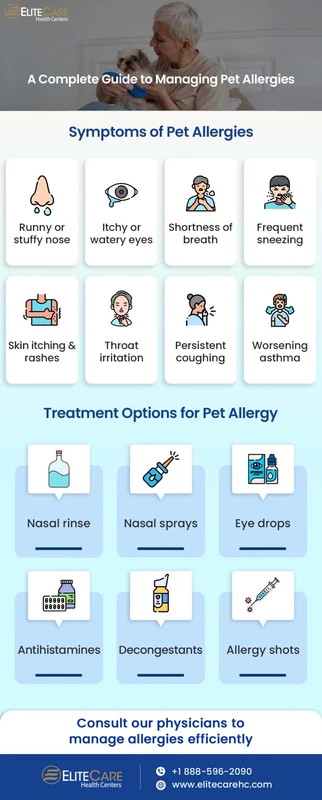
Recognizing allergic reactions early in pets is crucial, as symptoms can range broadly from mild to severe. Common indicators include persistent scratching, redness and inflammation of the skin, recurrent ear infections, and respiratory signs such as sneezing or coughing. These manifestations are often triggered by exposure to allergens including pollen, pet dander, fleas, and mold spores. Seasonal fluctuations in symptom intensity necessitate vigilant observation and prompt veterinary consultation to adjust treatment plans accordingly.
Veterinary diagnostic protocols for pet allergies primarily involve skin testing and blood assays to detect specific IgE antibodies against suspected allergens. Skin testing remains a frontline diagnostic tool, providing direct allergen exposure results, while blood tests offer a less invasive alternative that quantifies circulating allergen-specific IgE levels. Both methods enable tailored immunotherapy regimens targeting the precise allergens responsible, optimizing treatment efficacy and reducing unnecessary medication use.
Environmental control represents a foundational pillar in managing pet allergies. Implementing rigorous cleaning protocols such as daily vacuuming with HEPA-filtered vacuums and frequent laundering of pet bedding reduces allergen reservoirs within the home. Flea prevention is paramount, utilizing approved topical or oral products on a regular schedule to interrupt flea life cycles and mitigate flea bite hypersensitivity. Additionally, deploying air purifiers equipped with HEPA filters can significantly lower airborne allergen concentrations, improving respiratory health for both pets and owners.
Home care practices complement environmental controls and veterinary interventions. Regular bathing with mild, hypoallergenic shampoos removes surface allergens like pollen and dander, while paw wiping after outdoor exposure prevents allergen transfer into the household environment. Dietary management, including feeding limited-ingredient pet food formulated to avoid common allergenic components, can alleviate food-related allergy triggers. Supplementation with omega-3 fatty acids supports skin barrier integrity and modulates inflammatory responses, further enhancing symptom control.
Routine veterinary checkups play a critical role in long-term allergy management. These visits facilitate monitoring of skin and coat condition, early detection of flare-ups, and timely adjustments to treatment protocols based on seasonal allergen variations or evolving symptomatology. Skin health assessments may involve visual examination, cytology, and skin scrapings to exclude secondary infections that can exacerbate allergic dermatitis. Collaboration between pet owners and veterinarians ensures dynamic, responsive care tailored to the pet’s changing needs.
Immunotherapy remains the only disease-modifying treatment for pet allergies, aiming to desensitize the immune system through controlled allergen exposure. Typically administered via subcutaneous injections or sublingual drops, immunotherapy protocols span several months to years, requiring consistent adherence. Clinical trials show that 60% to 80% of treated pets experience substantial symptom reduction, decreased reliance on symptomatic medications, and improved quality of life. Commitment to the full course is essential to achieve and maintain therapeutic benefits.
Regional and seasonal allergy variations significantly impact symptom patterns, necessitating adaptive management strategies. Urban environments, characterized by higher pollution levels and concentrated allergen sources, often exacerbate respiratory symptoms in sensitive pets. Climatic factors such as humidity and temperature influence mold growth and pollen production, altering allergen exposure intensity. Pet owners must collaborate with veterinarians to modify care routines, including environmental controls and medication regimens, according to local allergen calendars and weather conditions.
Symptomatic relief medications provide critical support during acute allergy episodes or when immunotherapy is pending full effect. Antihistamines such as cetirizine and loratadine are commonly prescribed to mitigate itching and inflammation, although their efficacy varies among individual pets. Nasal corticosteroids may be indicated for respiratory symptoms, reducing mucosal swelling and congestion. Prescription allergy medications including corticosteroids and cyclosporine are reserved for moderate to severe cases, balancing symptom control with potential side effects through veterinary oversight.
Recognizing Signs and Symptoms Indicative of Allergic Reactions in Pets
Identifying allergic reactions promptly allows for early intervention, minimizing prolonged discomfort. Pets with allergies frequently exhibit signs such as pruritus, erythema, and recurrent otitis externa. Scratching and biting at affected areas lead to secondary infections and skin thickening if untreated. Respiratory symptoms include sneezing, nasal discharge, and wheezing, often mimicking infectious diseases but unresponsive to antibiotics. Behavioral changes like restlessness and decreased activity may also be observed, reflecting systemic discomfort.
Diagnostic Tools: Allergy Testing and Blood Tests to Identify Specific Allergens
Allergy testing involves intradermal skin tests where small quantities of allergens are introduced to the skin surface to observe localized reactions. This method provides results within 15 to 30 minutes, offering rapid identification of offending allergens. Serum tests measure allergen-specific IgE antibodies, facilitating diagnosis when skin testing is contraindicated due to skin conditions or medication interference. These diagnostics inform personalized immunotherapy formulations and environmental management plans, optimizing outcomes.
Preventive Measures in the Pet’s Environment
Maintaining a low-allergen environment significantly reduces symptom frequency and severity. Regular vacuuming with HEPA filters traps microscopic allergens, while washing pet bedding weekly removes dander accumulation. Flea control schedules typically involve monthly administration of topical agents such as fipronil or oral isoxazolines, disrupting flea reproduction cycles. Air purifiers with activated carbon filters complement HEPA systems by adsorbing volatile organic compounds contributing to airway irritation. Additionally, minimizing outdoor exposure during peak pollen times mitigates allergen contact.
Home Care Practices for Symptom Management
Gentle bathing with non-irritant shampoos twice to thrice weekly removes surface allergens without stripping natural oils critical for skin barrier function. Paw wiping after walks with damp cloths or pet-safe wipes reduces allergen transfer indoors. Nutritional adjustments involving limited-ingredient diets exclude common allergenic proteins like beef, chicken, or dairy, decreasing immune sensitization. Omega-3 fatty acid supplementation derived from fish oil or flaxseed supports anti-inflammatory pathways and enhances coat quality, reducing pruritus intensity.
Veterinary Involvement and Routine Checkups
Scheduled veterinary evaluations every three to six months enable monitoring of allergy progression and treatment efficacy. Dermatologic examinations assess lesion development, while cytology detects bacterial or yeast overgrowth complicating allergic dermatitis. Respiratory assessments including auscultation and imaging exclude differential diagnoses. Treatment adjustments may involve modifying immunotherapy doses or introducing adjunct medications based on clinical response and seasonal exposure trends.
Immunotherapy: Long-Term Desensitization Treatment
Allergen-specific immunotherapy (ASIT) administers incremental allergen doses to recalibrate immune tolerance. Initiation phases involve weekly injections or daily sublingual drops, transitioning to maintenance doses monthly. The immunologic mechanism involves shifting from IgE-mediated hypersensitivity toward regulatory T-cell induction, reducing inflammatory mediator release. Success rates of 60% to 80% reported in peer-reviewed studies validate ASIT as the cornerstone of long-term allergy control, markedly decreasing reliance on corticosteroids and antihistamines.
Managing Regional and Seasonal Allergy Variations
Environmental allergens vary significantly by geography and season. In temperate zones, spring and fall pollen peaks coincide with exacerbated symptoms, while humid regions observe year-round mold spore presence. Urban pollution exacerbates airway inflammation, compounding allergic responses. Tailoring management includes monitoring local pollen counts, adjusting medication timing, and reinforcing environmental controls during high-risk periods. Awareness of these factors allows proactive symptom mitigation and reduces emergency interventions.
Medication Options for Symptom Relief
Antihistamines such as cetirizine and loratadine offer mild to moderate itch relief; however, efficacy depends on individual pet response and allergen type. Nasal corticosteroids reduce mucosal congestion in allergic rhinitis but require veterinary prescription and monitoring for side effects. Immunomodulatory drugs like cyclosporine suppress exaggerated immune responses in severe cases, while short-term corticosteroid courses rapidly manage flares but carry risks of adverse effects. Medication regimens must be individualized and periodically reviewed to balance symptom control with safety.
FAQ
How often should I have my pet tested for allergies?
Allergy testing is generally recommended when pets first exhibit symptoms or if symptoms worsen despite treatment. Retesting may be necessary every few years or when new symptoms emerge, particularly if environmental factors change.
Can immunotherapy cure my pet’s allergies?
Immunotherapy does not cure allergies but significantly reduces symptom severity and medication dependency in 60% to 80% of cases. It requires long-term commitment and veterinary supervision to achieve optimal results.
What environmental changes can I make to help my allergic pet?
Key changes include regular cleaning with HEPA vacuums, frequent washing of pet bedding, strict flea prevention, use of air purifiers, and minimizing outdoor exposure during high pollen seasons to reduce allergen contact.
Are antihistamines safe for pets to use regularly?
Certain antihistamines like cetirizine and loratadine are safe under veterinary guidance. However, their effectiveness varies, and prolonged use should be supervised to monitor for side effects or diminishing benefits.
How does diet influence pet allergies?
Dietary allergens can exacerbate symptoms; feeding limited-ingredient or hypoallergenic foods helps identify and eliminate triggers. Omega-3 supplements support skin health and reduce inflammation, complementing overall allergy management.
Pet allergy management in 2026 demands an integrated approach combining precise diagnostics, environmental control, home care, veterinary partnership, and advanced immunotherapy. By adapting strategies to individual pet needs and regional allergen profiles, owners and veterinarians can collaboratively reduce allergic burden, enhance well-being, and improve long-term quality of life for affected pets.
Pet Ownership Costs Breakdown: What Owners Should Expect
PawVerde.com – Responsible pet ownership demands a substantial and ongoing financial commitment, extending well beyond the initial adoption fees. Recent data from the American Veterinary Medical Association (AVMA) and leading pet insurance providers indicate that annual expenses for cats typically range from $300 to $1,000, while dog owners face higher costs averaging between $1,000 and $2,500. These costs encompass routine veterinary care, quality nutrition, and essential supplies, with emergency veterinary visits potentially adding thousands of dollars. Lifetime ownership expenses escalate accordingly, reaching $9,000 to $18,000 for cats and $12,000 to $25,000 or more for dogs, influenced significantly by breed size and health predispositions.
Routine veterinary care represents one of the most consistent expenditures, with annual check-ups, vaccinations, dental cleanings, and parasite prevention accounting for $200 to $600 per pet. The AVMA recommends at least one to two veterinary visits annually to maintain optimal health and early detection of breed-specific conditions, which can mitigate costly emergency interventions. Quality pet food costs vary widely, with cats typically incurring $200 to $500 annually, whereas dogs, depending on size, require $300 to $1,000 or more. Additional expenses include grooming, toys, bedding, cat litter, and other supplies that contribute an estimated $150 to $400 annually.
Emergency veterinary care imposes significant variability on pet ownership costs. Common emergencies include foreign object ingestion, trauma from accidents, and acute illnesses requiring surgery or intensive treatment. Financial data show average emergency vet bills reaching approximately $1,850 for cats and ranging between $2,000 and $5,000 for dogs. These unplanned expenses underscore the financial risk inherent in pet ownership and highlight the importance of maintaining emergency savings or investing in comprehensive pet insurance plans. Pet insurance premiums average $250 to $600 annually, depending on coverage levels and pet demographics, offering a risk mitigation strategy that spreads financial burdens over time.
The long-term financial outlook for pet owners must consider the pet’s lifespan and breed-specific health issues. Cats live on average 12 to 15 years, accumulating lifetime costs between $9,000 and $18,000. Dog lifespans vary more widely, from 8 to 13 years depending on breed, with lifetime costs often reaching $12,000 to $25,000 or higher for larger breeds with greater health care needs. Conditions such as hip dysplasia in large dogs and chronic kidney disease in certain cat breeds necessitate targeted preventive care, which, while increasing routine costs, reduces the likelihood of expensive emergency treatments.
Pet insurance plays a critical role in managing the financial risks of emergency care and chronic conditions. Coverage options typically include wellness plans covering routine exams and vaccinations, alongside accident and illness policies. Recent market trends show an increase in adoption of comprehensive plans, with premiums adjusted based on pet age, breed, and health status. Analytical models indicate that insured pets receive more timely veterinary care, reducing mortality rates and long-term health costs. However, pet owners must carefully evaluate policy terms, including deductibles, reimbursement rates, and exclusions, to maximize value.
Additional ownership costs extend beyond medical care and nutrition. Training fees average $150 to $500 annually, essential for behavioral health and socialization, particularly in dogs. Grooming expenses vary widely, with routine maintenance costing between $30 and $90 per session. Pet sitting and boarding services contribute $25 to $50 per day during owner absences. Household damages, such as furniture replacement or dog-proofing modifications, add unpredictable costs that can reach several hundred dollars annually. End-of-life care, encompassing euthanasia and cremation, incurs costs typically ranging from $200 to $800, an often overlooked but financially significant consideration.
| Expense Category | Cats (Annual Cost Range) | Dogs (Annual Cost Range) |
|---|---|---|
| Routine Veterinary Care | $200 – $500 | $300 – $600 |
| Quality Food & Nutrition | $200 – $500 | $300 – $1,000 |
| Supplies (Toys, Bedding, Grooming) | $150 – $300 | $200 – $400 |
| Pet Insurance Premiums | $200 – $400 | $250 – $600 |
| Emergency Veterinary Visits | $500 – $1,850 | $1,000 – $5,000 |
| Training & Behavioral Costs | Minimal / Rare | $150 – $500 |
| Grooming Services | $100 – $300 | $360 – $1,080 (monthly to quarterly) |
| Pet Sitting / Boarding | $25 – $50 per day | $25 – $50 per day |
| End-of-Life Care | $200 – $600 | $200 – $800 |
Preventive healthcare investments have demonstrated a tangible reduction in overall pet ownership costs. Regular dental cleanings, parasite prevention, and breed-specific screenings decrease the incidence of chronic illnesses requiring hospitalization. Data from veterinary clinics show that pets receiving consistent preventive care incur 30% fewer emergency visits, translating to savings of up to $1,000 annually per pet. This preventive approach aligns with recommendations from the AVMA and other veterinary bodies to optimize pet longevity and reduce financial strain for owners.
Market analysis reveals a steady increase in pet ownership costs influenced by inflation in veterinary services and premium pet foods. Veterinary care inflation has averaged 4.5% annually over the past five years, outpacing general consumer inflation rates. The premium pet food segment, driven by consumer demand for organic and specialized diets, has seen price increases of 6% annually. These trends suggest that pet owners should anticipate gradual cost rises and incorporate inflation adjustments into long-term budgeting models.
Breed-specific health conditions markedly influence expenditure patterns. Large dog breeds such as German Shepherds and Golden Retrievers face higher incidences of hip dysplasia and certain cancers, incurring treatment costs exceeding $3,000 per incident. Cats predisposed to hypertrophic cardiomyopathy or chronic kidney disease require ongoing monitoring and medication, with annual costs possibly exceeding $1,200. These data underscore the importance of breed-informed financial planning and preventive care strategies.
Pet insurance providers have responded to these dynamics by expanding coverage options and introducing tiered plans tailored to breed risk profiles and pet age. Recent data show that 40% of dog owners and 25% of cat owners have enrolled in some form of pet insurance, a figure projected to rise as awareness of emergency costs grows. The insurance market growth correlates with increased veterinary expenditures and consumer preference for risk mitigation, reflecting a maturing pet care ecosystem.
The financial implications of responsible pet ownership extend to indirect costs such as time investment and lifestyle adjustments. Owners often face opportunity costs related to caregiving time and potential income loss during pet emergencies. Additionally, pet-related travel restrictions and housing considerations can impose further financial burdens. Integrating these factors into comprehensive budgeting frameworks enhances financial preparedness and owner satisfaction.
Looking ahead, prospective pet owners should adopt a data-driven approach to financial planning that incorporates routine, emergency, and long-term costs. Utilizing tools such as pet expense calculators, consulting veterinary professionals on breed-specific risks, and critically evaluating pet insurance policies can optimize budget allocation. As inflationary pressures persist, a strategic emphasis on preventive care and insurance coverage will be essential to managing pet health expenditures effectively.
In summary, responsible pet ownership encompasses a broad spectrum of predictable and unpredictable costs that require meticulous financial planning. With annual expenses ranging from $300 to $2,500 and emergency bills potentially adding thousands, pet insurance emerges as a pivotal financial tool. Incorporating breed-specific health considerations, preventive care investments, and lifestyle-related costs ensures a holistic understanding of the economic impact of pet ownership. Owners equipped with detailed cost insights are better positioned to provide quality care while maintaining fiscal stability in a dynamic pet care market.
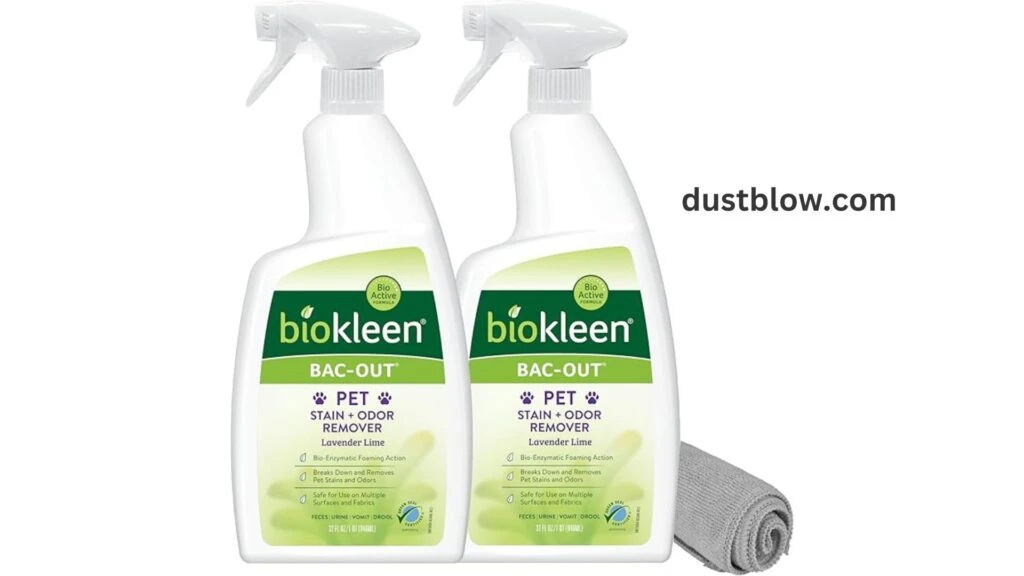
Best Eco-Friendly Pet Stain Removers Break Down Odors Safely
PawVerde.com – eco-friendly pet stain removers have become essential for pet owners seeking effective cleaning solutions that prioritize safety, environmental responsibility, and durability. Enzyme-based, biodegradable products such as Biokleen Bac-Out Enzyme Stain & Odor Remover, Puracy Pet Stain and Odor Eliminator, and Truly Free Home Enzyme Stain Remover lead the market by combining natural ingredients with advanced cleaning technology. These formulations harness live enzyme cultures to break down organic matter, eliminating both visible stains and underlying odors without introducing toxic chemicals harmful to pets or humans.
Pet stains vary in composition and complexity, typically involving urine, feces, vomit, or dirt, each presenting distinct challenges for removal. While conventional cleaners may mask odors with strong fragrances or rely on harsh chemicals like ammonia and bleach, eco-friendly enzyme cleaners target the root cause by digesting the organic compounds. This dual-action approach improves long-term odor control and reduces the risk of repeat soiling, a common issue in households with pets.
Understanding Pet Stains and Odors
Pet stains primarily consist of organic waste materials. Urine contains urea, uric acid crystals, and proteins that penetrate porous surfaces, complicating removal efforts. Feces and vomit introduce complex biological matter including enzymes, fats, and bacteria that contribute to persistent odors and surface discoloration. Dirt and mud, common with outdoor pets, often carry soil-based stains that require different enzymatic and surfactant actions.
A critical distinction exists between stain removal and odor elimination. Stain removal addresses the visible discoloration, but odors often persist due to microscopic residues left behind. Enzyme-based cleaners specifically break down these residues at a molecular level, preventing bacteria growth that causes lingering smells. This mechanism outperforms traditional chemical cleaners that only neutralize odors temporarily or cover them with synthetic scents.
How Eco-Friendly Cleaning Products Work
Enzyme cleaners utilize specialized proteins that catalyze the breakdown of organic molecules into simpler, odorless compounds. Key enzymes include proteases (targeting proteins), amylases (carbohydrates), and lipases (fats). These enzymes actively digest pet waste components, transforming stains and odors into harmless substances that rinse away with water.
Plant-based surfactants complement enzymes by emulsifying oils and loosening dirt without harsh detergents. Ingredients derived from coconut or corn-based compounds reduce environmental impact and improve biodegradability. Essential oils such as tea tree or eucalyptus may be added in trace amounts for natural antimicrobial properties and mild fragrance, while avoiding synthetic perfumes that can irritate pets.
Formulations strictly exclude harmful chemicals like ammonia, bleach, formaldehyde, and phthalates, which pose health risks to animals and humans. Biodegradable compounds ensure that after use, the cleaners break down rapidly, minimizing ecological footprint. Products carrying certification such as the Carpet and Rug Institute (CRI) Seal of Approval confirm their efficacy and safety on carpet fibers and upholstery, critical for pet environments.
Top Recommended Eco-Friendly Pet Stain Removers
Among commercial enzyme cleaners, Biokleen Bac-Out Enzyme Stain & Odor Remover stands out for its use of live enzyme cultures derived from pineapple and grapefruit extracts. This product avoids artificial fragrances and dyes, ensuring suitability for sensitive pets. Puracy Pet Stain and Odor Eliminator combines plant-based surfactants with natural enzymes, offering a hypoallergenic formula endorsed by veterinarians.
Truly Free Home enzyme stain remover emphasizes chemical-free ingredients, using a simple blend of protease enzymes and biodegradable detergents. Its multi-surface compatibility supports cleaning carpets, upholstery, pet bedding, and even car interiors. Other notable brands include Begley’s Household Stain & Odor Remover, Better Life’s Natural Stain & Odor Eliminator, Earth Friendly Product’s Everyday Stain & Odor Eliminator, Sheiner’s Carpet Stain Cleaner & Odor Remover, and Rocco & Roxie Professional Strength Bio-Enzymatic Formula. These products consistently avoid toxic additives, maintain environmental standards, and provide robust stain elimination.
Certification by organizations like the Carpet and Rug Institute adds credibility, with CRI’s Seal indicating rigorous testing for stain removal performance without damaging carpet fibers. This certification is particularly relevant for pet owners aiming to maintain carpet longevity while ensuring thorough odor control.
Homemade Natural Cleaning Recipes for Pet Stains
DIY cleaning solutions offer accessible alternatives using readily available natural ingredients. One effective paste combines vinegar, salt, and borax. Vinegar’s acetic acid acts as a mild disinfectant and odor neutralizer while salt provides abrasive action to lift stains. Borax enhances cleaning power through its alkalinity and antifungal properties. This combination is suitable for heavy-duty stains but requires caution due to borax’s potential toxicity if ingested by pets.
For gentler cleaning, a mixture of Castile soap and warm water creates a mild surfactant solution. Castile soap, derived from vegetable oils, safely emulsifies oils and dirt without harsh chemicals. This solution is ideal for delicate surfaces like upholstery and pet bedding.
When using homemade remedies, it is essential to test on inconspicuous areas to avoid discoloration or damage. Additionally, thorough rinsing is necessary to prevent residue buildup that could attract pets to re-soil treated spots.
Application Tips and Surface Compatibility
Effective use of eco-friendly pet stain removers depends on applying appropriate techniques tailored to surface types. Carpets and rugs benefit from blotting excess moisture immediately, followed by spraying enzyme cleaner generously to saturate affected fibers. Allowing 10–15 minutes of dwell time maximizes enzymatic activity before blotting or light scrubbing. For upholstery and pet beds, spot cleaning with a soft cloth reduces fabric stress.
Car interiors, which often have mixed materials like fabric and leather, require careful selection of stain removers. Products like Truly Free Home Enzyme Stain Remover are formulated for multi-surface use, but always confirm manufacturer guidelines for automotive fabrics.
Testing on a small hidden area first mitigates risks of color fading or fabric damage. Repeated treatments may be necessary for older or set-in stains, but overuse should be avoided to preserve material integrity.
Safety and Environmental Considerations
Non-toxic ingredients in eco-friendly pet stain removers minimize health risks for animals and family members. Avoiding ammonia, chlorine, formaldehyde, and synthetic fragrances reduces respiratory and dermal irritation risks. Biodegradability ensures that residues do not accumulate in wastewater, lowering environmental pollution.
Manufacturers increasingly adopt sustainable sourcing and packaging practices, reflecting growing industry emphasis on eco-responsibility. Consumers are encouraged to verify product certifications and ingredient transparency when selecting cleaning solutions.
While enzyme cleaners are generally safe, some pets may exhibit sensitivities to essential oils or other botanical extracts. Monitoring pet reactions after initial application is advisable, especially for households with multiple animals or individuals prone to allergies.
Forward-Looking Analysis and Practical Next Steps

The trend toward enzyme-based, plant-derived pet stain removers aligns with broader shifts in household cleaning toward sustainability and health consciousness. Emerging innovations in enzyme technology promise enhanced specificity and faster action against diverse organic stains. Integration of biodegradable nanoemulsions and green surfactants could further improve efficacy while maintaining environmental benefits.
Pet owners should adopt a multi-pronged approach combining certified enzyme cleaners, occasional homemade treatments, and proactive stain management techniques such as prompt blotting and regular cleaning schedules. Prioritizing products with verified safety seals and environmental credentials will support healthier home environments and contribute to wider ecological sustainability.
As consumer demand for green cleaning grows, manufacturers are likely to expand offerings with improved formulations and transparent labeling. Staying informed through expert reviews and certification updates will help users make educated choices that balance effectiveness, safety, and environmental stewardship.
Frequently Asked Questions
What makes enzyme-based pet stain removers more effective than traditional cleaners?
Enzyme-based removers contain live enzymes that break down organic compounds in pet stains and odors at a molecular level. This process removes the stain source entirely rather than masking it, leading to more thorough and lasting odor control compared to chemical cleaners that often only neutralize or disguise smells.
Are eco-friendly pet stain removers safe for all pets?
Most eco-friendly enzyme cleaners formulated without toxic chemicals, synthetic fragrances, or harsh solvents are safe for pets. However, some products may include natural essential oils that could cause sensitivities in certain animals. It is advisable to check ingredient lists and observe pets after initial use.
Can homemade natural cleaning solutions effectively replace commercial enzyme stain removers?
Homemade recipes using vinegar, borax, salt, and Castile soap can effectively tackle fresh or light stains but may lack the comprehensive enzymatic action required for deep odor and stain removal. For persistent or set-in pet stains, commercial enzyme-based products generally provide superior results.
How do I know if a pet stain remover is environmentally responsible?
Look for certifications such as the Carpet and Rug Institute (CRI) Seal of Approval, biodegradable labeling, and clear ingredient disclosures indicating plant-based surfactants and absence of harmful chemicals. Products that avoid ammonia, bleach, phthalates, and synthetic fragrances typically have lower environmental impact.
Can eco-friendly pet stain removers be used on all household surfaces?
Many enzyme-based removers are formulated for multi-surface use including carpets, upholstery, pet bedding, and car interiors. However, it is crucial to test products on small, inconspicuous areas before full application to prevent material damage or discoloration.
| Product | Key Ingredients | Certification | Pet Safety | Surface Compatibility |
|---|---|---|---|---|
| Biokleen Bac-Out Enzyme Stain & Odor Remover | Live enzyme cultures (pineapple, grapefruit), plant-based surfactants | CRI Seal of Approval | Non-toxic, fragrance-free | Carpets, upholstery, pet bedding |
| Puracy Pet Stain and Odor Eliminator | Plant-based enzymes, natural surfactants, mild essential oils | Veterinarian endorsed | Hypoallergenic, non-toxic | Carpets, upholstery, multi-surface |
| Truly Free Home Enzyme Stain Remover | Protease enzymes, biodegradable detergents | Third-party tested | Free of synthetic chemicals | Multi-surface including cars |
| Rocco & Roxie Professional Strength Bio-Enzymatic | Multiple enzyme blend, natural surfactants | CRI Seal | Non-toxic | Carpets, upholstery |
| Begley’s Household Stain & Odor Remover | Plant-based enzymes, biodegradable formula | Eco-certified | Pet-safe | Carpets, upholstery |
This comparative table outlines leading eco-friendly enzyme-based pet stain removers, highlighting their natural ingredients, certifications, pet safety profiles, and surface compatibility to assist informed purchasing decisions.
The growing adoption of enzyme cleaners and plant-based formulations represents a significant advancement in pet stain management, balancing cleaning power with health and environmental priorities. Continued innovation and consumer education will drive more widespread use of these sustainable products in pet households worldwide.
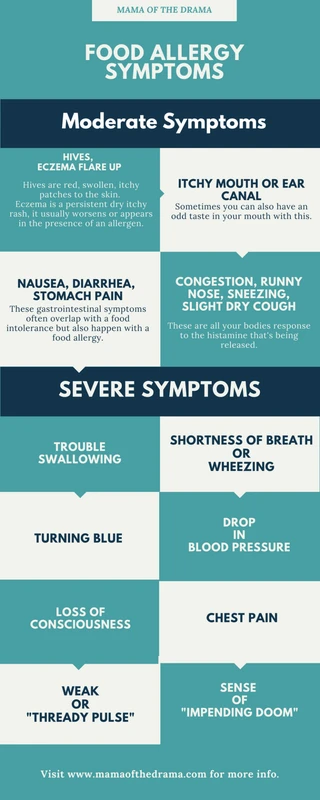
Signs of Food vs Environmental Allergies Explained Clearly
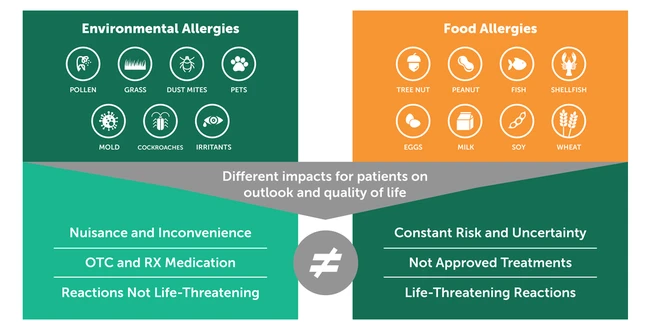
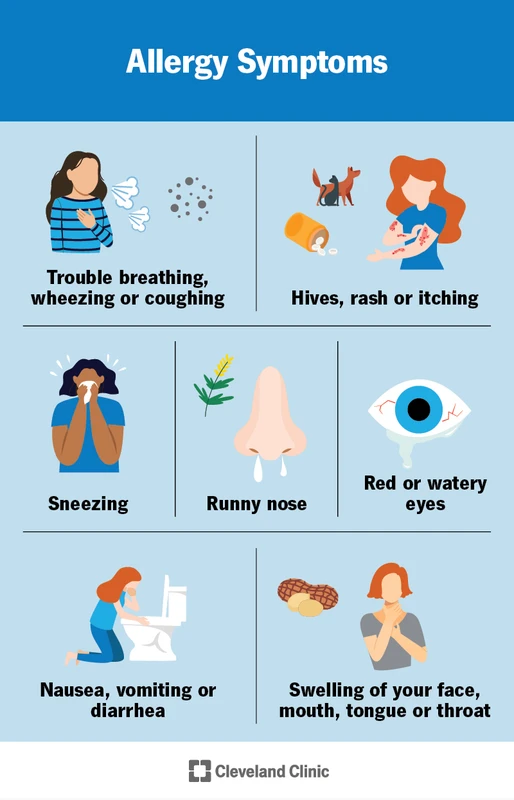
PawVerde.com – Food allergies and environmental allergies represent two distinct immune system responses with overlapping yet differentiable symptoms critical for accurate diagnosis and management. Food allergies typically manifest through gastrointestinal disturbances such as vomiting, diarrhea, and abdominal cramps and can develop at any age. In contrast, environmental allergies predominantly present with skin and respiratory symptoms including itching, sneezing, redness, and ear infections, commonly emerging after the first year of life and often exhibiting seasonal patterns. Recognizing these differences is essential for healthcare professionals and pet owners alike to implement targeted interventions and avoid potentially severe outcomes like anaphylaxis.
Symptom Differentiation Between Food and Environmental Allergies
Food allergies primarily induce gastrointestinal symptoms resulting from an immune reaction to specific dietary proteins. Common manifestations include nausea, vomiting, diarrhea, abdominal pain, and sometimes systemic reactions like hives or swelling. These symptoms arise as the immune system erroneously identifies food proteins as harmful, triggering the release of histamines and other inflammatory mediators that affect the gastrointestinal tract. In children, these signs often present within minutes to hours after ingestion of the allergenic food, such as peanuts, milk, eggs, or shellfish.
Environmental allergies, in contrast, trigger immune responses to airborne or contact allergens like pollen, dust mites, pet dander, or flea saliva. These responses predominantly affect the skin and respiratory system, leading to symptoms such as persistent itching, redness, eczema-like skin lesions, sneezing, nasal congestion, coughing, and recurrent ear infections. In pets, flea allergy dermatitis (FAD) is a prevalent environmental allergy caused by hypersensitivity to flea saliva, resulting in intense itching, hair loss, and secondary skin infections.
Despite these distinctions, symptom overlap can complicate diagnosis. For instance, skin reactions such as hives or eczema might occur in both allergy types, and respiratory symptoms can occasionally accompany severe food allergies. Moreover, gastrointestinal symptoms sometimes appear with environmental allergies due to systemic immune activation, although less commonly. These overlaps necessitate careful clinical evaluation to differentiate underlying causes accurately.
Age of Onset and Seasonal Patterns in Allergic Reactions
Food allergies often emerge early in life, with many cases identified during infancy or toddler years as solid foods are introduced. However, new food allergies can develop at any age, influenced by genetic predispositions such as mutations in the filaggrin gene, which affects skin barrier function, and alterations in the gut microbiome that modulate immune tolerance. Notably, food allergy symptoms tend to persist consistently with exposure rather than fluctuate seasonally.
Environmental allergies, conversely, typically develop after infancy, often manifesting after the first year. These allergies frequently coincide with seasonal variations, aligning with the presence of specific airborne allergens like tree or grass pollen in spring and summer or mold spores in autumn. Environmental allergies may also worsen indoors due to dust mites or pet dander exposure year-round but tend to intensify seasonally. This cyclical pattern aids clinicians in distinguishing environmental allergies from food-related causes.
Clinical Examples in Pets and Children: Manifestations and Challenges
Flea allergy dermatitis (FAD) exemplifies a common environmental allergy in dogs and cats, triggered by an immune response to flea saliva proteins. Clinical signs include intense pruritus, erythema, papules, crusting, and alopecia, especially around the tail base, neck, and abdomen. Secondary bacterial or yeast infections frequently complicate the clinical picture. Prevention hinges on rigorous flea control measures including topical or systemic insecticides, environmental treatments, and regular veterinary monitoring.
In humans, oral allergy syndrome (OAS) illustrates cross-reactivity between pollen allergens and certain raw fruits or vegetables, eliciting localized itching and swelling of the lips, mouth, and throat. This syndrome typically affects individuals with established environmental allergies, highlighting the complex interplay between food and environmental allergens. Children with multiple allergy presentations often exhibit a combination of skin, respiratory, and gastrointestinal symptoms, complicating differential diagnosis. For example, eczema may be linked to food allergies or environmental triggers, necessitating comprehensive allergy testing.
Severity Spectrum and Emergency Management of Allergic Reactions
Food allergies carry a significant risk of anaphylaxis, a rapid-onset, potentially life-threatening systemic reaction characterized by airway obstruction, hypotension, and cardiovascular collapse. Prompt administration of epinephrine via auto-injectors (EpiPen) is the standard emergency response to anaphylactic episodes. The risk is especially pronounced in children with peanut or tree nut allergies, but any food allergen can trigger severe reactions. Effective management requires patient and caregiver education on allergen avoidance, symptom recognition, and emergency preparedness.
Environmental allergies rarely precipitate anaphylaxis but can contribute to chronic morbidity through persistent respiratory symptoms like allergic rhinitis or asthma exacerbations. Continuous exposure to allergens may lead to recurrent ear infections and skin complications in pets and children, impacting quality of life. Long-term management focuses on symptom control through pharmacotherapy and environmental modification rather than emergency intervention.
Diagnostic Strategies for Accurate Allergy Identification
Definitive diagnosis of food versus environmental allergies involves a combination of clinical history, physical examination, and specialized testing. Veterinarians and allergists employ skin prick tests, intradermal testing, and serum-specific IgE assays to identify sensitization to particular allergens. In pets, diagnosis of food allergies often requires elimination diets lasting several weeks to months, followed by controlled reintroduction of suspected foods to observe symptom recurrence.
Differentiating food allergy from food intolerance is critical; the latter lacks an immune basis and does not provoke IgE-mediated reactions. Food intolerance symptoms, such as lactose intolerance, primarily manifest as digestive discomfort without systemic immune involvement. Proper identification prevents unnecessary dietary restrictions and guides appropriate treatment.
Management and Preventive Approaches for Food and Environmental Allergies
Managing food allergies centers on strict avoidance of identified allergens, supported by education on label reading and cross-contamination risks. Nutritional counseling ensures balanced diets despite restrictions. In some cases, oral immunotherapy is emerging as a treatment modality to induce desensitization under medical supervision.
Environmental allergy management emphasizes reducing allergen exposure through measures like regular cleaning to minimize dust mites, use of air purifiers, and maintaining pet hygiene. Flea control remains paramount in preventing FAD in pets. Pharmacologic treatments including antihistamines, corticosteroids, and immunotherapy offer symptomatic relief and long-term immune modulation.
Future Directions in Allergy Research and Clinical Practice
Advances in understanding the gut microbiome’s role in immune regulation suggest potential for innovative therapies targeting microbial balance to prevent or mitigate allergies. Genetic insights, particularly regarding the filaggrin gene and other immune-related loci, may enable personalized risk stratification and early interventions. Additionally, improved diagnostic tools integrating molecular allergen components offer enhanced specificity in identifying allergy triggers and cross-reactivities, facilitating tailored management plans.
Enhanced awareness of environmental changes, such as climate-induced shifts in pollen seasons, will require adaptive strategies for allergy prevention and treatment. For pets, novel veterinary therapies and flea control technologies promise improved outcomes for environmental allergy sufferers.
—
FAQ
How can I tell if my child has a food allergy or an environmental allergy?
Food allergies often cause immediate gastrointestinal symptoms like vomiting and diarrhea after eating specific foods, whereas environmental allergies typically cause skin itching, sneezing, and nasal congestion that may worsen seasonally. A healthcare professional can perform allergy testing to confirm the diagnosis.
What are common signs of flea allergy dermatitis in pets?
Pets with flea allergy dermatitis exhibit intense itching, hair loss, redness, and skin infections, especially around the tail and neck. Flea control is essential to prevent these symptoms, and veterinary consultation is needed for diagnosis and treatment.
Can food allergies cause severe reactions like anaphylaxis?
Yes, food allergies can trigger anaphylaxis, a life-threatening emergency requiring immediate epinephrine administration and medical attention. Patients with known food allergies should carry an epinephrine auto-injector and have an emergency action plan.
Are environmental allergies seasonal?
Many environmental allergies are seasonal, correlating with pollen release in spring and summer or mold spores in autumn. However, allergies to indoor allergens like dust mites and pet dander can cause year-round symptoms.
What is the difference between food allergy and food intolerance?
Food allergy involves an immune system reaction to specific food proteins, often causing immediate symptoms and potential anaphylaxis. Food intolerance is a non-immune response causing digestive discomfort without systemic reactions and does not require emergency treatment.
—
Differentiating food allergies from environmental allergies depends on a thorough understanding of symptom patterns, age of onset, and triggers. Continued research and clinical advances will enhance diagnostic precision and therapeutic options, improving outcomes for affected children and pets. For individuals suspecting allergies, timely consultation with medical or veterinary specialists remains essential to establish accurate diagnoses and implement effective management strategies.
Key Differences Between DIY and Store-Bought Pet Products Explained
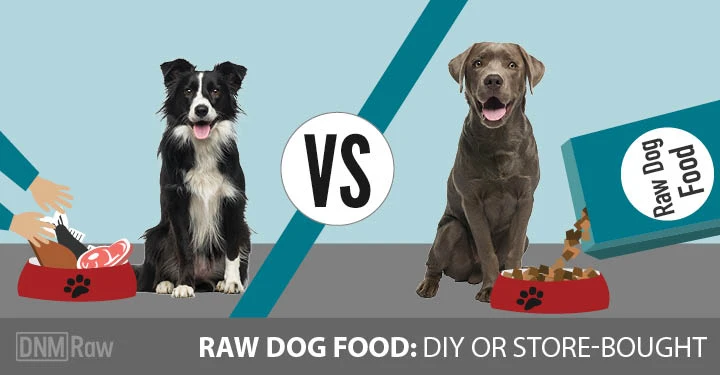
PawVerde.com – DIY pet products have surged in popularity as pet owners seek ingredient transparency and customization, challenging the dominance of commercial pet foods long regulated by bodies like the American Association of Feed Control Officials (AAFCO). While homemade options offer control over freshness and ingredient selection, they require precise nutrient balancing and vigilant food safety practices to avoid deficiencies and foodborne illnesses. Conversely, store-bought pet products provide convenience, consistent nutritional profiles verified by regulatory standards, and extensive safety testing, though they may sometimes contain fillers or preservatives, especially in budget brands. Navigating these choices demands an understanding of the nutritional, safety, cost, and sustainability trade-offs involved, as well as expert veterinary guidance.
Ingredient Control and Customization
DIY pet products allow pet owners to select every ingredient, a level of control absent in most commercial pet foods. This customization can cater to pets with allergies, sensitivities, or specific dietary preferences such as grain-free or limited-ingredient diets. Owners can prioritize fresh, human-grade ingredients and avoid artificial additives commonly found in some commercial brands. Arlington veterinarians often note that this control appeals to pet owners concerned about ingredient sourcing and quality transparency, aspects that commercial labels sometimes obscure due to proprietary formulas or vague ingredient descriptors.
However, the customization advantage comes with challenges. Homemade recipes may omit essential nutrients or include imbalanced macronutrients without expert formulation, risking pet health. Commercial pet food brands, particularly those certified by AAFCO as “complete and balanced,” must comply with strict ingredient thresholds and nutrient profiles, ensuring pets receive appropriate vitamins, minerals, and proteins. While commercial products limit ingredient variation, this standardization is crucial for consistent pet nutrition.
Additionally, commercial pet foods are subject to ingredient testing and recall monitoring via sources like the U.S.D.A. recall database, enhancing consumer confidence. DIY producers rely heavily on the quality and safety of purchased ingredients, often lacking third-party testing accessible to commercial manufacturers.
Nutritional Balance and Safety
Nutritional adequacy is a critical consideration distinguishing homemade from store-bought pet foods. Nutritionists emphasize that balanced diets require precise ratios of protein, fats, carbohydrates, vitamins, and minerals tailored to species, breed, age, and health status. Homemade diets not guided by veterinary or nutritionist consultation risk deficiencies, such as calcium imbalance or insufficient taurine in cats, leading to serious health consequences.
AAFCO sets the nutritional standards for commercial pet foods, mandating formulations meet minimum nutrient profiles verified through feeding trials or laboratory analysis. This regulatory oversight ensures commercial products labeled “complete and balanced” provide reliable nutrition. Pet food regulatory bodies also enforce safety protocols to minimize contamination and adulteration risks.
Homemade pet food preparation introduces food safety hazards uncommon in commercial production. Improper cooking, cross-contamination, or inadequate storage can increase foodborne illness risks from pathogens such as Salmonella or Listeria. Veterinarians in Arlington and beyond report sporadic cases linked to homemade diets, underscoring the need for safe handling, refrigeration, and timely consumption.
Moreover, homemade pet foods generally have shorter shelf lives due to the absence of preservatives, requiring frequent preparation and proper storage solutions to maintain freshness and reduce spoilage.
Convenience and Cost Comparison
The convenience of store-bought pet products represents one of their strongest advantages. Ready-to-serve kibble or canned food require minimal preparation time, fitting easily into busy lifestyles. Packaging often supports easy portion control and long-term storage, with vacuum-sealed or resealable bags improving shelf life.
In contrast, homemade pet food demands time-intensive preparation, including ingredient sourcing, cooking, portioning, and clean-up. Pet owners must dedicate significant effort to meet their pets’ daily dietary needs consistently, a commitment not feasible for all.
Cost considerations vary widely between DIY and commercial pet food. Homemade diets may be more expensive or economical depending on ingredient choices. For example, using organic meats or specialty supplements can significantly increase costs, while sourcing in-season produce and bulk staples may reduce expenses. A 2024 cost analysis by pet nutrition experts found DIY diets ranged from 10% cheaper to 35% more expensive than mid-tier commercial brands, highlighting variability.
Commercial pet food pricing tends to be stable and predictable, with premium brands commanding higher prices due to superior ingredients or certifications such as B-Corp sustainability standards. Budget options offer affordability but may compromise ingredient quality or nutritional density.
Palatability and Acceptance
Palatability plays a pivotal role in diet success, as pets may reject unfamiliar or unappealing foods. Homemade pet foods often score higher in owner-reported palatability, attributed to fresh ingredients and the absence of synthetic flavors. Pets accustomed to homemade meals may show reluctance to switch to commercial alternatives.
Commercial pet foods, however, are formulated with flavor enhancers and tested for broad acceptance across diverse pet populations. Manufacturers invest in palatability trials to balance taste, texture, and aroma, ensuring consistency and acceptance. This is particularly critical for therapeutic diets or pets with picky eating habits.
Veterinarians caution that sudden diet changes, whether from homemade to commercial or vice versa, can cause digestive upset, necessitating gradual transitions and monitoring.
Environmental and Sustainability Considerations
Sustainability concerns influence pet owners’ decisions between DIY and commercial pet products. Commercial pet foods, especially those from B-Corp certified sustainable brands, often implement eco-friendly sourcing, packaging reduction, and waste management practices. However, individual packaging units contribute to plastic waste, especially in single-serve portions.
DIY pet treats and meals can reduce packaging waste when stored in reusable containers or bulk ingredient purchases. Many pet owners incorporate natural or recycled materials in toys and accessories, aligning with broader sustainability goals. Nonetheless, homemade diets may incur higher water and energy use depending on ingredient sourcing and cooking methods.
Sustainability also intersects with ingredient choice; sourcing local, seasonal ingredients for homemade diets reduces carbon footprints compared to mass-produced commercial foods dependent on global supply chains.
Risks and Considerations
Foodborne illness remains a significant risk with homemade pet food. Pathogens such as Salmonella pose threats not only to pets but also to humans handling contaminated products. Safe food handling guidelines recommended by veterinarians include thorough cooking of proteins, sanitization of preparation surfaces, and prompt refrigeration.
Commercial pet foods undergo rigorous testing and quality control to minimize contamination. However, recalls due to ingredient contamination or labeling errors continue to affect the industry, as documented in the U.S.D.A. recall database. Pet owners should stay informed about recalls affecting brands they use.
Ingredient sourcing is another consideration; some commercial brands source ingredients globally, raising questions about traceability and ethical standards. Homemade food offers transparency but places sourcing responsibility entirely on the owner.
Expert Recommendations
Leading Arlington veterinarians and pet nutritionists recommend consulting professionals before transitioning to homemade diets. A veterinary nutritionist can formulate recipes that meet AAFCO standards and individual pet health needs, reducing risks of nutrient imbalances.
Regular health monitoring, including blood work and weight checks, helps detect nutritional deficiencies or excesses early. Gradual diet transitions mitigate gastrointestinal disturbances.
For owners prioritizing convenience and consistency, high-quality commercial pet food remains advisable. Those committed to DIY feeding should invest in education on safe preparation and balanced nutrition.
Forward-Looking Analysis and Practical Next Steps
The evolving pet product landscape suggests growing hybrid approaches, such as commercial base diets supplemented with homemade treats or fresh ingredients, combining safety and customization. Advances in pet nutrition science and regulatory oversight will further improve transparency and safety in both domains.
Pet owners can leverage technology, including smartphone apps and online veterinary consultations, to optimize homemade diet planning and monitor pet health. The rise of sustainable pet product innovations promises to address environmental concerns without compromising nutrition or safety.
Ultimately, informed decision-making grounded in veterinary expertise, reliable data, and lifestyle compatibility will empower pet owners to provide optimal care through either DIY or commercial pet products.
Frequently Asked Questions

Are homemade pet foods nutritionally complete compared to commercial brands?
Homemade pet foods can be nutritionally complete if carefully formulated by veterinary nutritionists following AAFCO guidelines. Without expert input, deficiencies or imbalances are common, risking pet health.
What are the main safety risks associated with DIY pet food?
The primary safety risks include foodborne pathogens like Salmonella and Listeria due to improper cooking or storage. Cross-contamination during preparation also poses hazards, requiring stringent hygiene practices.
How do the costs of DIY pet food compare to commercial options?
Costs vary widely; DIY can be more economical if ingredients are sourced cost-effectively but may exceed commercial prices when using premium or organic components. Commercial pet food prices are generally stable and predictable.
Can store-bought pet foods trigger allergies or sensitivities?
Some commercial pet foods contain fillers, artificial preservatives, or common allergens. Limited-ingredient or hypoallergenic commercial diets exist to address sensitivities, while DIY diets offer full control over allergens.
What sustainability benefits do homemade pet products offer?
Homemade pet food reduces packaging waste when using reusable containers and can incorporate locally sourced ingredients to lower carbon footprints. sustainable pet toys often use natural or recycled materials, complementing eco-friendly feeding practices.
Types of Dietary Supplements for Small Animals Explained
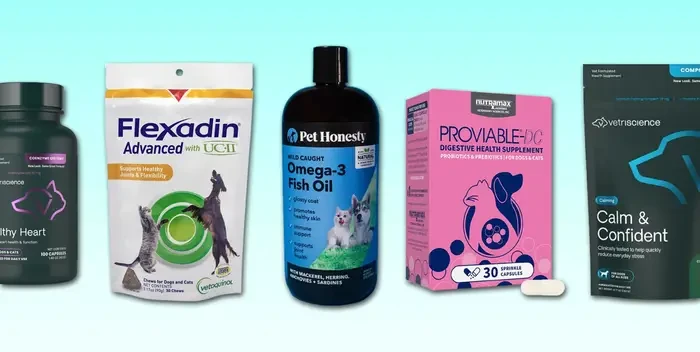
PawVerde.com – Dietary supplements for small animals encompass a varied range of products designed to address species-specific nutritional gaps, support physiological functions, and manage health conditions. Commonly used supplements include glucosamine and chondroitin for joint health, omega-3 and omega-6 fatty acids for skin and coat condition, and vitamins such as B12 and E to bolster overall wellness. However, supplementation must be carefully tailored and supervised by veterinary professionals to avoid risks associated with improper dosing, nutrient imbalances, or interactions with existing treatments.
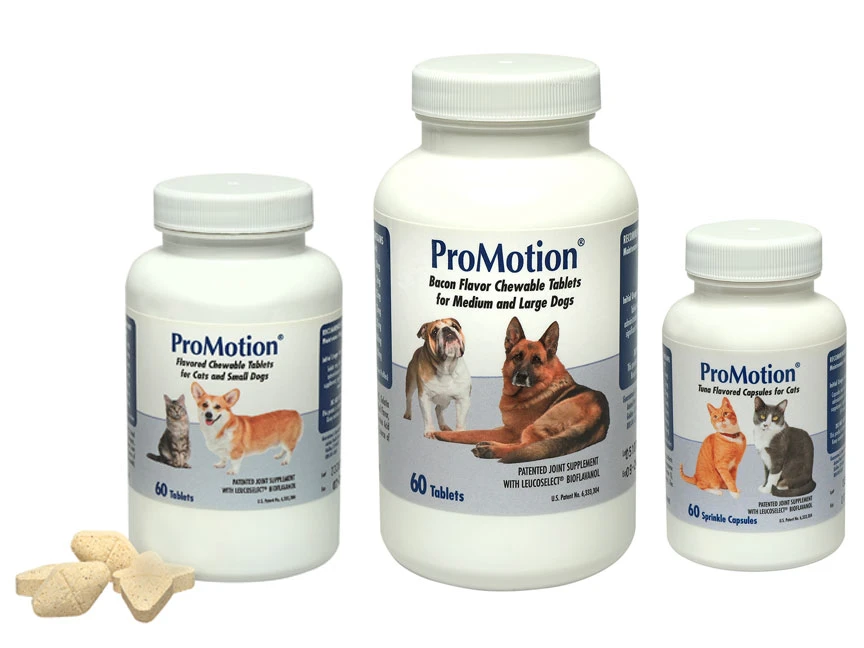
Joint health supplements such as glucosamine, chondroitin sulfate, methylsulfonylmethane (MSM), and Boswellia serrata extracts are frequently administered in cases of osteoarthritis or declining joint mobility in small animals. Glucosamine, a natural amino sugar, supports cartilage repair and maintenance, while chondroitin sulfate contributes to cartilage elasticity and inhibits enzymatic degradation. MSM acts as an anti-inflammatory agent, and Boswellia contains active compounds with analgesic and anti-inflammatory properties. Clinical evidence on their efficacy varies; some studies demonstrate symptomatic relief and improved mobility in dogs and cats, whereas others highlight the need for further robust trials. Typically, these supplements are integrated into comprehensive management plans alongside weight control and physical therapy.
Fatty acid supplementation plays a crucial role in maintaining skin integrity, coat glossiness, and modulating inflammatory responses. Omega-3 fatty acids, particularly eicosapentaenoic acid (EPA) and docosahexaenoic acid (DHA), are primarily sourced from fish oil, while alpha-linolenic acid (ALA) is derived from flaxseed oil. Omega-6 fatty acids, including linoleic acid and arachidonic acid, are abundant in plant oils and animal fats. Cats, in particular, require dietary arachidonic acid due to limited endogenous synthesis. Deficiencies in these fatty acids can manifest as dry, flaky skin, alopecia, or exacerbated inflammatory conditions such as atopic dermatitis. Supplementation with balanced omega-3 and omega-6 ratios improves skin barrier function and may reduce reliance on corticosteroids in chronic inflammatory diseases.
Vitamin and mineral supplements are essential for diverse physiological processes including growth, immune competence, reproduction, and neurological function. Vitamins B12 and E are commonly supplemented to support hematopoiesis and antioxidative defense, respectively. Vitamin D3 regulates calcium-phosphorus metabolism, critical for bone health, while zinc contributes to enzymatic reactions and skin regeneration. Products like NEKTON-MSA cater specifically to reptiles and birds, providing a calibrated blend of vitamins and minerals tailored to their metabolic needs. Over-supplementation of fat-soluble vitamins poses toxicity risks; hence, precise dosing guided by veterinary assessment is imperative.
Amino acids and their derivatives such as taurine and S-adenosyl-methionine (SAMe) address metabolic and neurological health in small animals. Taurine is an essential amino acid for cats, vital for cardiac function, retinal health, and reproduction. Deficiency can lead to dilated cardiomyopathy and retinal degeneration. SAMe is used for its hepatoprotective and neuroprotective properties, benefiting animals with liver disease or cognitive decline. The administration of these compounds should be based on clinical indications and monitored for efficacy and safety.
Probiotics and fiber supplements enhance digestive health, particularly in small mammals with sensitive gastrointestinal systems. Probiotics containing Lactobacillus and Bifidobacterium species help maintain microbial balance, reduce diarrhea incidence, and improve nutrient absorption. High-fiber diets, common in rabbits and rodents, support gut motility and prevent dysbiosis. Herbal ingredients with prebiotic effects may complement these interventions. However, the efficacy of many probiotic products varies due to strain-specific activity and viability, necessitating products with validated formulations.
Species-specific nutritional requirements dictate supplementation strategies. Dogs and cats generally receive balanced commercial diets fulfilling most nutrient needs; supplementation is reserved for targeted conditions such as joint disease or skin disorders. Ferrets often benefit from fatty acid supplementation to counter dry coat and skin problems linked to their high metabolic rates. Rabbits and rodents usually do not require additional supplements if provided with quality hay, fresh greens, and controlled pellets, but vitamin C supplementation is essential in guinea pigs due to their inability to synthesize it endogenously. Exotic pets like reptiles and birds often rely heavily on vitamin-mineral supplements to compensate for dietary limitations and environmental factors affecting nutrient availability.
Regulatory frameworks distinguish dietary supplements from veterinary drugs, prohibiting claims of disease treatment or prevention without rigorous approval. Over-supplementation can induce toxicity; for example, excess selenium causes selenosis, manifesting as alopecia, hoof deformities, and neurological signs. The lack of standardization in supplement manufacturing poses risks of contamination, inaccurate labeling, and variable potency. Veterinary professionals emphasize the use of products with certifications from independent bodies such as ConsumerLab.com or adherence to AAFCO guidelines to ensure quality and safety.
Supplementation is typically considered when clinical signs indicate nutritional insufficiency or specific health challenges arise. Indicators such as a dull coat, joint stiffness, weight loss, lethargy, or digestive disturbances warrant veterinary evaluation and potential supplementation. Life stages including growth, pregnancy, and lactation increase nutrient demands, often necessitating adjusted supplementation. Diagnostic assessments, including blood work and dietary analysis, inform personalized supplementation plans and ongoing monitoring to optimize outcomes.
ConsumerLab.com testing reveals considerable variability in pet supplement quality, with some products failing to meet declared ingredient levels or containing contaminants. Selecting supplements from reputable manufacturers with transparent sourcing, batch testing, and veterinary endorsements is essential. Veterinary supervision ensures that supplementation complements rather than replaces balanced nutrition and medical treatment, minimizing adverse effects and maximizing therapeutic benefits.
| Supplement Type | Common Ingredients | Primary Benefits | Species Considerations |
|---|---|---|---|
| Joint Health | Glucosamine, Chondroitin Sulfate, MSM, Boswellia | Supports cartilage health, reduces inflammation, improves mobility | Dogs, cats; dose adjustment based on size and condition |
| Fatty Acids | Omega-3 (EPA, DHA), Omega-6 (Linoleic Acid, Arachidonic Acid) | Enhances skin and coat condition, modulates inflammation | Cats require arachidonic acid; ferrets benefit from supplementation |
| Vitamins & Minerals | Vitamin B12, E, D3, Zinc | Supports immune function, bone health, antioxidation | Reptiles, birds require specialized blends like NEKTON-MSA |
| Amino Acids & Derivatives | Taurine, SAMe | Supports cardiac, neurological, and metabolic health | Critical for cats (taurine); used in liver support |
| Probiotics & Fiber | Lactobacillus, Bifidobacterium, dietary fiber, herbal prebiotics | Improves gut microbiota, digestive health | Small mammals; rabbits and rodents require high fiber diets |
Common dietary supplements for small animals include glucosamine and chondroitin for joint support, omega-3 and omega-6 fatty acids for skin and coat health, and vitamins such as B12 and E for overall wellness. Supplementation should be guided by a veterinarian to ensure safety and meet species-specific nutritional needs.
FAQ
What are the most important dietary supplements for joint health in small animals?
Glucosamine and chondroitin sulfate are the primary supplements for joint health, often combined with methylsulfonylmethane (MSM) and Boswellia extracts to reduce inflammation and support cartilage repair. These are most commonly used in dogs and cats with osteoarthritis or joint stiffness.
Do all small animals require fatty acid supplements?
Not all small animals require fatty acid supplements if their diet is balanced. Cats and ferrets may benefit from omega-3 and omega-6 supplementation to maintain skin and coat health, while herbivorous species like rabbits and rodents generally obtain sufficient fatty acids from their natural diets.
Can vitamin supplements replace a balanced diet for small pets?
Vitamin supplements are intended to complement, not replace, a balanced diet. Over-supplementation can cause toxicity, so vitamins should only be administered based on veterinary advice and specific nutritional needs.
Are probiotics effective for digestive health in small animals?
Probiotics containing specific bacterial strains can enhance gut health and reduce digestive disturbances in small animals. Effectiveness depends on the probiotic strain, dosage, and the animal’s health status, making veterinary guidance important when selecting products.
When should pet owners consult a veterinarian about supplements?
Veterinary consultation is essential before starting any supplement to assess the animal’s health, diagnose potential deficiencies, avoid harmful interactions, and ensure appropriate dosing. This is particularly important for animals with chronic diseases, young, pregnant, or geriatric pets.
Looking ahead, advances in veterinary nutrition and nutrigenomics are likely to refine supplement formulations tailored to individual genetic profiles and health conditions in small animals. Enhanced quality control, regulatory oversight, and evidence-based guidelines will improve supplement safety and efficacy, empowering veterinarians and pet owners to optimize nutritional support for diverse species.
Common Side Effects of Pet Dietary Supplements Explained
PawVerde.com – pet dietary supplements have surged in popularity as pet owners seek to enhance their animals’ health and longevity. However, these supplements carry risks often overlooked by consumers, including ingredient toxicity, species-specific adverse reactions, and supplement interactions. Common side effects range from mild gastrointestinal upset to severe organ damage, neurological impairment, and even death. Toxic compounds such as iron, vitamin D, and xylitol present narrow safety margins, while stimulants like caffeine can provoke cardiovascular and nervous system disturbances. This article examines the risks and side effects associated with pet dietary supplements, highlighting clinical signs, species-specific vulnerabilities, regulatory oversight, and best practices for safe supplementation under veterinary guidance.
Common Toxic Ingredients in Pet Supplements
Iron, a vital mineral in many pet supplements, exhibits a narrow therapeutic window. Overdose can lead to iron toxicity characterized by oxidative stress, gastrointestinal ulceration, and multi-organ failure. Clinical veterinary reports note that iron doses exceeding 20 mg/kg in dogs and cats often cause vomiting, diarrhea, lethargy, and in severe cases, hepatic necrosis. Vitamin D, frequently added for bone health, similarly poses toxicity risks when overdosed. Excessive vitamin D intake results in hypercalcemia, manifesting as vomiting, anorexia, kidney damage, and soft tissue mineralization. Cases documented in veterinary toxicology journals demonstrate that vitamin D toxicity can be fatal without timely intervention.
Xylitol, a sugar alcohol increasingly incorporated as a sweetener in pet supplements and treats, is highly toxic to dogs. Unlike humans, dogs metabolize xylitol rapidly, causing a potent insulin release that leads to hypoglycemia within 30 minutes of ingestion. Clinical signs include weakness, collapse, seizures, and acute liver failure. The ASPCA Animal Poison Control Center reports xylitol poisoning as one of the leading causes of emergency visits related to supplement ingestion in dogs.
Stimulants such as caffeine, ephedra, and yohimbine, sometimes present in herbal or weight management supplements, induce nervous system hyperactivity, tachycardia, hypertension, and hyperthermia. Veterinary case studies reveal that ingestion of caffeine-containing supplements triggers tremors, seizures, and cardiac arrhythmias, requiring intensive care.
Herbal supplements containing plants like garlic, echinacea, licorice root, and pyrrolizidine alkaloid–bearing herbs have species-specific toxicity profiles. For example, garlic ingestion in dogs and cats can cause hemolytic anemia, while pyrrolizidine alkaloids found in some herbal extracts lead to progressive liver failure. Veterinary toxicologists caution that unregulated herbal products pose unpredictable risks due to variable concentrations of toxic phytochemicals.
Adverse Clinical Signs and Side Effects
Gastrointestinal disturbances are the most frequently reported adverse effects from pet supplement use. Vomiting, diarrhea, and anorexia often indicate early toxicity from minerals like iron or vitamin D overdose. Veterinary clinics observe that mild gastrointestinal upset may progress to dehydration and electrolyte imbalances if untreated.
Neurological manifestations such as tremors, seizures, weakness, and paralysis arise from toxic effects on the central nervous system. Excessive vitamin A intake, for example, induces neurological symptoms including ataxia, lethargy, and incoordination due to intracranial pressure elevation. Epileptiform seizures triggered by xylitol-induced hypoglycemia or caffeine toxicity represent veterinary emergencies requiring prompt management.
Cardiovascular symptoms including tachycardia, hypertension, and hyperthermia reflect stimulant toxicity. These signs may precede life-threatening arrhythmias or myocardial damage. Veterinary monitoring with electrocardiograms and blood pressure measurements is critical in suspected stimulant ingestion.
Allergic reactions to supplement ingredients, including proteins, preservatives, and herbal extracts, present as pruritus, hives, facial swelling, and lethargy. Immune-mediated hypersensitivity can exacerbate underlying conditions such as atopic dermatitis or asthma, complicating clinical management. Veterinarians report that allergic reactions frequently go unrecognized as supplement-related, underscoring the need for thorough history taking.
Species-Specific Considerations
Dogs, cats, and horses exhibit distinct susceptibility patterns to supplement toxicity due to differences in metabolism, digestive physiology, and enzymatic pathways. For instance, cats are particularly sensitive to vitamin A toxicity because they lack efficient mechanisms to regulate retinol absorption and storage. Clinical cases of hypervitaminosis A in cats often involve neurological decline and skeletal abnormalities.
Equine species are prone to adverse effects from supplements containing excessive calcium or certain herbs like arnica, which can cause colic or laminitis. Additionally, horses metabolize some B vitamins differently, altering their tolerance to supplementation.
Supplements safe for humans may contain ingredients toxic to pets. Xylitol, regarded as safe for human consumption, is lethal to dogs. Similarly, herbs like echinacea and licorice root, commonly used in human herbal remedies, can induce hepatotoxicity or hemolytic anemia in pets. Veterinarians emphasize that pet owners must avoid administering human supplements without professional advice due to these species-specific risks.
Safe Use and Veterinary Guidance
Veterinary professionals play a critical role in advising pet owners on the safe use of dietary supplements. Clinical nutritionists and toxicologists recommend consultation before initiating any supplement regimen to ensure proper dosing, identify contraindications, and select reputable brands with quality assurance.
Veterinarians assess the pet’s health status, existing medications, and species-specific sensitivities to tailor supplement recommendations. They also monitor for adverse effects through follow-up examinations and laboratory testing when necessary.
Unsupervised administration of human supplements to pets is discouraged due to the high incidence of toxicity reports linked to such practices. Veterinary guidance reduces risks by avoiding inappropriate ingredients and dosages while optimizing therapeutic benefits.
Regulatory and Reporting Aspects
The FDA’s Center for Veterinary Medicine (FDA-CVM) oversees the regulation of pet dietary supplements but operates with limited authority compared to human pharmaceuticals. Unlike drugs, supplements do not require premarket approval, resulting in variable product quality and safety profiles.
The FDA-CVM encourages reporting of adverse events associated with supplements to improve pharmacovigilance and inform regulatory decisions. Pet poison control centers, including the ASPCA Animal Poison Control Center, also collect data on supplement-related toxicities, contributing to surveillance and public awareness.
Despite regulatory gaps, ongoing efforts aim to enhance supplement safety through stricter labeling requirements, ingredient disclosure, and postmarket monitoring. Veterinarians and pet owners are urged to report adverse reactions promptly to facilitate early detection of emerging risks.
Managing Supplement Toxicity and Poisoning
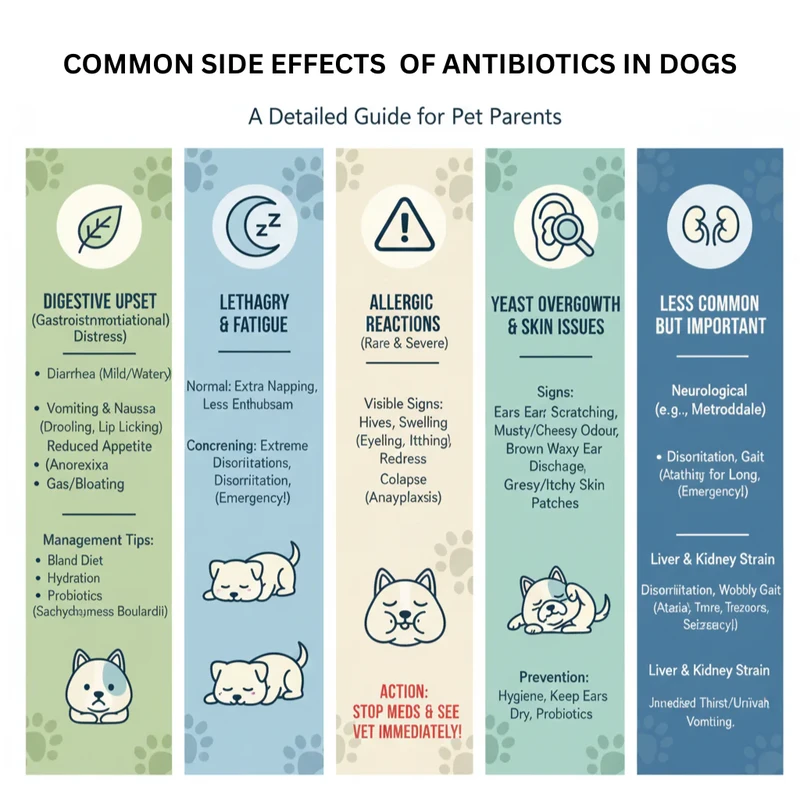
Immediate response following suspected supplement overdose involves withholding further exposure and contacting a veterinarian or poison control center. Early veterinary intervention may include decontamination with activated charcoal, induced vomiting (if safe), and intravenous fluid therapy to support organ function.
Supportive care addresses specific clinical signs such as hypoglycemia from xylitol poisoning or hypercalcemia due to vitamin D overdose. In cases of seizures or cardiac arrhythmias, anticonvulsants and cardiac monitoring are essential.
Preventative strategies emphasize secure storage of supplements away from pets, careful label reading to avoid toxic ingredients, and adherence to veterinary dosing recommendations. Education campaigns by veterinary organizations aim to raise awareness of supplement risks and promote safer practices.
—
FAQ

What are the most common side effects of pet dietary supplements?
Common side effects include vomiting, diarrhea, lethargy, tremors, seizures, and allergic reactions such as itching and swelling. These symptoms often result from toxic ingredients like iron, vitamin D, xylitol, and stimulants affecting various organ systems.
Which ingredients in pet supplements are most toxic to dogs and cats?
Iron and vitamin D have narrow safety margins causing organ damage, while xylitol is highly toxic to dogs, inducing hypoglycemia and liver failure. Caffeine and certain herbs can also provoke nervous system and cardiovascular symptoms.
Can human supplements be harmful to pets?
Yes. Many human supplements contain ingredients toxic to pets, such as xylitol, caffeine, and herbal compounds. Pets metabolize substances differently, so human products should never be given without veterinary approval.
How can pet owners ensure the safe use of supplements?
Owners should consult veterinarians before administering supplements, select products specifically formulated for pets, follow recommended dosages, monitor for adverse signs, and store supplements securely to prevent accidental ingestion.
What should be done if a pet shows signs of supplement poisoning?
Immediate veterinary consultation is crucial. Owners should provide information about the supplement ingested and symptoms observed. Veterinary care may involve decontamination, supportive therapy, and symptomatic treatment to prevent complications.
—
Pet dietary supplements present both opportunities and risks for animal health. Understanding the toxic potential of common ingredients, recognizing adverse clinical signs, and adhering to veterinary guidance are essential for safe supplementation. With growing regulatory scrutiny and enhanced pharmacovigilance, the pet supplement industry is poised for improved safety standards. Meanwhile, veterinarians remain the cornerstone of safeguarding pet health amid the expanding supplement market.

West Paw, Cycle Dog Lead 2026 Eco-Friendly Pet Toy Brands
PawVerde.com – West Paw, Cycle Dog, Beco Pets, and other leading pet toy brands have solidified their positions in 2026 as pioneers of eco-friendly pet products, capitalizing on durable, non-toxic, and sustainable materials to meet rising consumer demand for environmentally responsible pet care. These companies integrate proprietary recycled plastics, natural rubber, organic cotton, and hemp into their product lines, while innovating circular economy models such as West Paw’s “Join the Loop” mail-back recycling program, which enables infinite reuse of their signature Zogoflex material. This year marks a significant shift in pet toy manufacturing, where sustainability and safety converge with durability to reduce waste and environmental impact throughout the pet product lifecycle.
West Paw’s Zogoflex remains a benchmark in sustainable pet toy materials due to its non-toxic composition, high durability, and infinite recyclability. The company’s “Join the Loop” initiative allows pet owners to return used toys for recycling into new products, demonstrating a closed-loop system rare in the pet industry. Independent testing confirms Zogoflex toys withstand aggressive chewing, extending product lifespan and reducing frequent replacements. Similarly, Cycle Dog and Beco Pets emphasize the use of natural and biodegradable materials, including organic cotton, hemp fibers, and recycled ocean-bound plastics. Hevea’s 100% biodegradable natural rubber toys and feeding accessories further illustrate the growing trend toward fully compostable pet items, aligning with zero-waste principles. The Kind Pet’s Boba & Vespa line complements this ecosystem with 100% organic cotton and hemp rope toys, manufactured in the USA without plastics, targeting environmentally conscious consumers seeking plastic-free options.
The materials and technologies employed by these brands reflect a sophisticated approach to sustainability in pet products. Proprietary recycled plastics like Zogoflex and Seaflex combine durability with environmental responsibility by diverting plastic waste from landfills and oceans into high-performance pet toys. Natural fibers such as organic cotton, hemp, wool, and bamboo are favored for their renewability, biodegradability, and lower carbon footprints compared to synthetic alternatives. Biodegradable components are increasingly standard, especially in toys and accessories designed to safely break down post-use without releasing toxins. Production processes adhere strictly to non-toxic standards to protect pet health, with many brands pursuing certifications like B-Corp status, which validate their social and environmental commitments.
Recycling and circular economy initiatives have gained traction as integral elements of sustainable pet product strategies. West Paw’s “Join the Loop” program exemplifies brand-led circularity by incentivizing consumers to return used toys for remanufacturing. TerraCycle partnerships and other third-party recycling streams supplement these efforts, offering pathways for recycling pet products that traditionally end up in waste streams. Mail-back programs by brands such as Pet Passion and Planet Paws reduce landfill contributions and encourage responsible disposal. These initiatives reduce the carbon footprint of pet toys by extending material lifecycle and minimizing virgin resource extraction, crucial in an industry historically reliant on single-use plastics and unsustainable materials.
Durability is a critical factor in reducing the environmental impact of pet toys. Long-lasting toys require fewer replacements, thus conserving resources and reducing waste. Pet Passion’s durability testing demonstrates the superior lifespan of toys made from high-quality natural fibers and responsibly sourced wood, which resist wear and tear from rigorous play. Although eco-friendly toys often carry a higher upfront cost—such as West Paw’s premium-priced Zogoflex products—consumers benefit from longer usability and reduced environmental harm. Additionally, durable natural fiber toys like those from The Kind Pet resist fraying and breakdown, ensuring safer, extended enjoyment for pets and less frequent disposal. This balance of cost versus lifespan is influencing eco-conscious buyers in 2026, who increasingly prioritize total lifecycle impact over initial price.
The pet toy market in 2026 is marked by a growing presence of certified B-Corp and environmentally responsible brands. These certifications signal adherence to rigorous standards in environmental performance, social responsibility, and transparency, helping consumers identify trustworthy sustainable products. Rising consumer awareness of pet product carbon footprints and ecological consequences drives demand for eco-friendly alternatives, as pet owners seek to align their purchasing choices with broader sustainability goals. Integration of eco-friendly pet toys into sustainable pet ownership routines is becoming mainstream, supported by educational campaigns and retailer emphasis on zero-waste packaging and recycled content. This momentum suggests a continuing shift toward responsible pet product consumption.
| Brand | Key Sustainable Materials | Sustainability Initiatives | Certifications | Notable Features |
|---|---|---|---|---|
| West Paw | Zogoflex (recycled plastic) | “Join the Loop” recycling program | B-Corp certified | Durable, non-toxic, infinitely recyclable |
| Cycle Dog | Recycled ocean-bound plastics, hemp, organic cotton | Natural and biodegradable focus | Industry recognized | Eco-friendly, biodegradable toys |
| Beco Pets | Natural rubber, recycled plastics | Compostable poop bags, natural materials | Certified eco-conscious | Durable, natural rubber toys |
| Hevea | 100% biodegradable natural rubber | Plastic-free feeding accessories | Eco certified | Compostable, safe for pets |
| The Kind Pet (Boba & Vespa) | Organic cotton, hemp rope | Plastic-free, zero waste production | Made in USA | Durable, natural fiber toys |
| Pet Passion | Natural fibers, responsibly sourced wood | Durability testing, recycling partnerships | Eco friendly recognized | Long lifespan, non-toxic |
Looking forward, innovation in sustainable pet toys is expected to accelerate, with brands exploring new biodegradable polymers, advanced fiber blends, and expanded recycling infrastructures. The alignment between product safety, environmental responsibility, and consumer values forms the foundation of a rapidly evolving industry where zero waste and circular economy principles become standard. Pet owners benefit from transparent sourcing, robust durability, and convenient recycling options, empowering them to reduce their pets’ environmental footprints effectively. The trajectory of 2026 highlights that eco-friendly pet toys are no longer niche products but essential components of responsible pet care.
Frequently Asked Questions

Which materials are considered best for eco-friendly pet toys in 2026?
The top eco-friendly materials include proprietary recycled plastics like West Paw’s Zogoflex, natural rubber, organic cotton, hemp fibers, bamboo, wool, and recycled ocean-bound plastics. These materials offer durability, non-toxicity, and biodegradability, ensuring pet safety while reducing environmental impact.
How do recycling programs for pet toys work?
Recycling programs such as West Paw’s “Join the Loop” allow consumers to mail back used pet toys, which are then recycled into new products. Other initiatives include TerraCycle partnerships and brand-specific mail-back schemes that divert pet toys from landfills and promote circular material use.
Are eco-friendly pet toys more expensive than conventional ones?
eco-friendly pet toys often have a higher upfront cost due to sustainable material sourcing and manufacturing standards. However, their superior durability and longer lifespan typically offset the initial expense by reducing replacement frequency and waste.
What certifications should consumers look for when buying sustainable pet toys?
Consumers should look for certifications such as B-Corp, which validate a brand’s commitment to environmental and social responsibility. Other eco certifications may include organic fiber verification and compliance with non-toxic pet safety standards.
Do biodegradable pet toys compromise on durability?
biodegradable pet toys from reputable brands are designed to balance environmental benefits with durability. While some biodegradable materials may degrade faster under extreme conditions, many products combine natural fibers and reinforced structures to ensure safe, long-lasting use.
The expanding availability of recyclable, biodegradable, and non-toxic pet toys in 2026 reflects a maturing market aligned with circular economy goals. Practical recycling programs and certifications empower consumers to make informed, responsible choices, while innovations in sustainable materials continue to enhance pet safety and product longevity. As the industry advances, pet owners can expect broader access to eco-conscious options that support both animal welfare and planetary health.
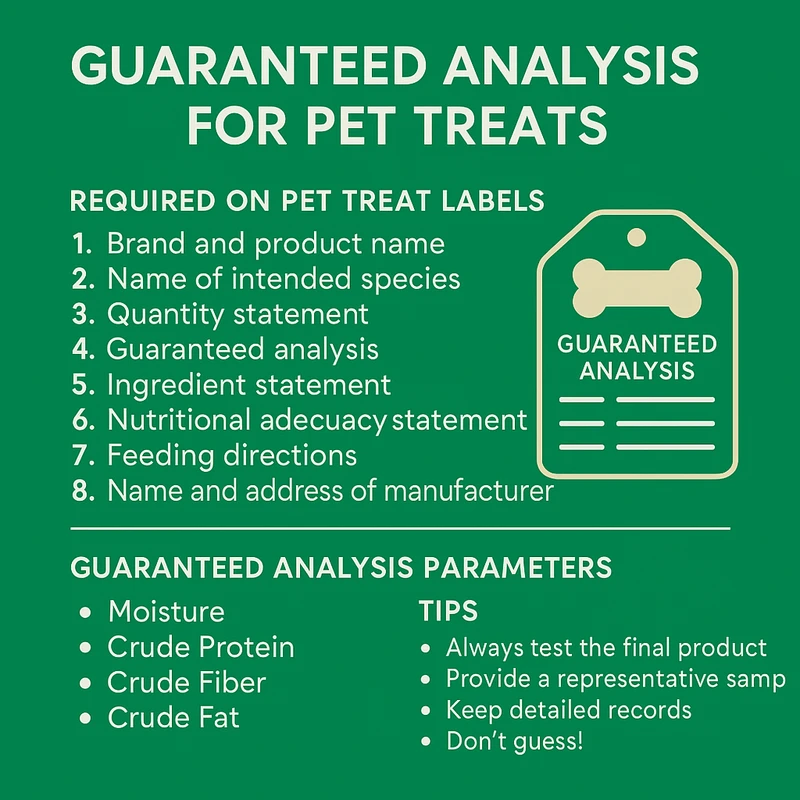
Nutritional Analysis Reveals Eco-Friendly Pet Foods’ Benefits
PawVerde.com – Eco-friendly pet foods have emerged as a critical innovation addressing the growing environmental footprint of traditional pet food production while maintaining nutritional adequacy for companion animals. These diets leverage plant-based proteins, alternative sources like insect and cultivated meat, and upcycled ingredients to reduce greenhouse gas emissions, land use, and water consumption significantly compared to conventional animal-based pet foods. Advances in freeze-dried raw formulations and regenerative agriculture sourcing further enhance nutrient retention and sustainability. As pet ownership and consumption rise globally, the pet food industry’s contribution to up to 2.9% of global agricultural emissions underscores the urgency of sustainable alternatives.
Plant-based pet foods provide a foundational shift by using legumes, pulses, and grains as primary protein sources, often supplemented with synthetic or natural amino acids to ensure complete amino acid profiles essential for dogs and cats. Digestibility metrics, validated by veterinary nutritionists and regulatory bodies like FEDIAF, indicate that well-formulated plant-based diets can meet or exceed nutrient bioavailability standards traditionally achieved by meat-based diets. Alternative proteins, notably insect protein derived from species such as black soldier fly larvae, offer high protein content with efficient feed conversion ratios and lower environmental impacts. Cultivated meat technologies, exemplified by companies like BioCraft, present promising avenues for producing animal proteins without the environmental burdens of livestock farming, although commercial scale remains in development.
Upcycled ingredients incorporate byproducts from the human food supply chain, redirecting waste streams into pet food formulations. This practice embodies circular economy principles, reducing resource inputs and landfill contributions while contributing essential nutrients like fiber, vitamins, and proteins. Freeze-dried raw pet foods preserve nutrient density and flavor through dehydration at low temperatures, eliminating the need for preservatives and enhancing palatability. These products often show higher retention of labile micronutrients such as vitamins A and E compared to conventional extrusion-processed foods.
Nutritional Composition of Eco-Friendly Pet Foods
Plant-based proteins in eco-friendly pet foods primarily include pea protein, lentils, chickpeas, and quinoa. These sources contain essential amino acids but typically require supplementation with methionine, taurine, and vitamin B12 to align with the nutritional needs of obligate carnivores like cats. Research led by veterinary nutritionist Dr. Laura Gil Martens emphasizes the importance of amino acid supplementation and digestibility testing to prevent deficiencies. The Vegan Society’s certification program for pet foods entails rigorous nutritional validation to ensure diets meet established nutrient profiles.
Insect protein offers a nutrient-dense alternative, with black soldier fly larvae providing approximately 40-60% crude protein and a favorable amino acid profile. Brazilian researchers have demonstrated that insect proteins exhibit superior digestibility compared to some plant proteins and can be incorporated at varying inclusion rates without adverse effects on pet health. The environmental benefits include a carbon footprint less than 5% of beef production and minimal water use.
Cultivated meat, an emerging area in pet food innovation, involves growing animal cells in bioreactors under controlled conditions. BioCraft and similar startups focus on producing cultivated proteins that replicate the nutritional and sensory attributes of conventional meat without the associated emissions and land requirements. While these products are still in pilot stages, they promise to bridge consumer demand for animal-based nutrition with sustainability.
Upcycled ingredients often originate from brewery spent grains, fruit pomace, and vegetable pulp. Scoular, a major ingredient supplier, has integrated upcycled products into pet food supply chains, enhancing fiber content and antioxidant availability. This approach not only reduces waste but also stabilizes ingredient costs amid volatile commodity markets.
Freeze-dried raw diets maintain nutrient integrity through low-temperature dehydration, preserving enzymes, fatty acids, and vitamins that degrade during high-heat extrusion. Studies show these diets meet or exceed nutrient digestibility benchmarks established by FEDIAF, with added benefits of natural flavor retention leading to higher palatability scores in pets.
Environmental Impact Assessment
Comparative lifecycle analyses reveal that plant-based pet foods reduce greenhouse gas emissions by over 90% relative to beef-based formulations. Land use for plant proteins is substantially lower, requiring approximately 0.1 square meters per kilogram of protein produced versus over 20 square meters for beef. Water consumption follows a similar trend, with plant proteins consuming less than 20% of the water required for traditional meat sources.
Regenerative agriculture practices, increasingly adopted by brands like Open Farm, contribute to soil carbon sequestration and biodiversity enhancement while supplying sustainably grown plant ingredients. Organic farming reduces synthetic fertilizer dependency, further decreasing nitrous oxide emissions. These agricultural inputs can lower the overall environmental footprint of pet foods by improving soil health and reducing erosion.
Packaging innovations, including biodegradable materials and minimalistic designs, complement sustainable ingredient sourcing. Green Paws Malta has pioneered compostable packaging alongside ingredient transparency, aligning with consumer demand for full lifecycle sustainability. Manufacturing efficiencies, such as energy recovery systems and water recycling, also play roles in reducing the carbon footprint of pet food production facilities.
Dry kibble formats generally exhibit lower environmental impacts than wet or canned diets due to reduced water content and energy requirements in transportation and storage. However, freeze-dried raw diets, despite higher processing energy, offset impacts through concentrated nutrient delivery and shelf stability without refrigeration.
Leading Brands and Innovations in Eco-Friendly Pet Food
Herbie Wilde utilizes plant-based proteins and incorporates upcycled ingredients sourced through partnerships with food manufacturers, emphasizing transparency and third-party certification. Their formulations undergo rigorous nutrient digestibility trials overseen by veterinary nutritionists to ensure health standards.
Green Paws Malta integrates insect protein in premium dog foods and collaborates with entomologists to optimize cultivation methods, ensuring consistent nutrient profiles and minimal allergenicity. Their products carry The Vegan Society’s seal and comply with FEDIAF nutritional guidelines.
Petaluma combines regenerative agriculture sourcing with freeze-dried raw formulations, providing nutrient-rich diets with verified carbon footprint reductions. They employ blockchain technology for ingredient traceability, enhancing consumer trust and supply chain accountability.
Open Farm leads in sustainability certifications, including animal welfare and environmental impact assessments. Their use of organic and regenerative ingredients alongside transparent labeling supports consumer education on eco-friendly pet nutrition.
Veterinary nutritionists play critical roles in these brands, ensuring formulations meet species-specific requirements, managing allergen risks, and validating claims with peer-reviewed data. The Vegan Society and FEDIAF provide frameworks for certification, standardization, and regulatory compliance.
Challenges and Considerations
Nutritional completeness remains a central challenge for plant-based and alternative protein pet foods, particularly for obligate carnivores like cats requiring taurine, arachidonic acid, and preformed vitamin A. Bioavailability of synthetic supplements versus natural sources necessitates ongoing research and clinical monitoring.
Consumer acceptance varies, with some pet owners expressing skepticism toward non-meat diets or alternative proteins. Allergen management is critical, as novel proteins like insect or upcycled ingredients may introduce new allergens requiring labeling and testing protocols.
Regulatory frameworks differ internationally, complicating consistent labeling and marketing of eco-friendly pet foods. The European Pet Food Industry Federation (FEDIAF) continues to develop guidelines addressing sustainability claims, nutritional adequacy, and safety standards to protect consumers and animals.
Future Directions in Sustainable Pet Nutrition
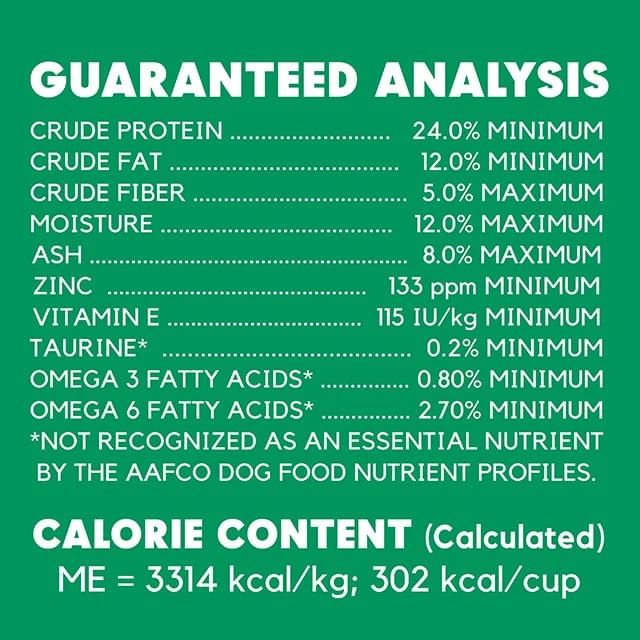
Ingredient technology innovations include precision fermentation to produce single-cell proteins and enhanced amino acid fortification, potentially improving nutrient profiles while reducing environmental impacts further. Enhanced sustainability metrics incorporating full lifecycle assessments and soil carbon accounting will refine environmental impact evaluations.
Circular economy principles are poised for broader adoption, with increased use of food industry byproducts and waste streams integrated into pet food supply chains. This transition requires collaboration among ingredient suppliers, manufacturers, and regulatory bodies to ensure safety and efficacy.
Consumer education initiatives led by veterinary professionals, sustainability advocates, and industry leaders will be essential for guiding eco-conscious pet owners toward evidence-based decisions. Transparency via blockchain and certification programs will bolster trust and adoption.
The dynamic evolution of eco-friendly pet foods reflects a convergence of nutritional science, environmental stewardship, and consumer demand. As innovation accelerates, these sustainable diets are positioned to reshape the pet food landscape, balancing companion animal health with planetary well-being.
FAQ
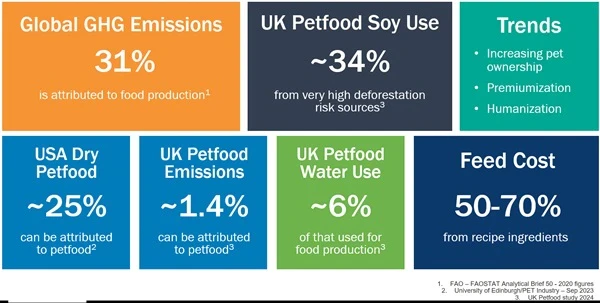
Are plant-based pet foods nutritionally adequate for cats and dogs?
Well-formulated plant-based pet foods supplemented with essential amino acids, taurine, and vitamins can meet the nutritional requirements of dogs and cats. Veterinary nutritionists emphasize the importance of digestibility testing and bioavailability to ensure complete nutrition, particularly for obligate carnivores like cats.
How does insect protein compare environmentally to traditional animal proteins?
Insect protein offers significantly lower greenhouse gas emissions, land use, and water consumption compared to traditional livestock. Black soldier fly larvae, for example, have a carbon footprint less than 5% of beef and can be produced on organic waste substrates, enhancing sustainability.
What role do upcycled ingredients play in eco-friendly pet foods?
Upcycled ingredients utilize byproducts from human food production, reducing waste and resource inputs. They contribute essential nutrients such as fiber and antioxidants while supporting circular economy principles, decreasing landfill reliance and stabilizing ingredient supply chains.
Are freeze-dried raw pet foods more nutritious than traditional kibble?
Freeze-dried raw diets preserve heat-sensitive nutrients and natural flavors better than extrusion-processed kibble, resulting in higher retention of vitamins and enzymes. However, they require careful formulation to ensure microbiological safety and complete nutrient profiles.
What certifications validate the sustainability claims of eco-friendly pet foods?
Certifications from organizations like The Vegan Society, FEDIAF compliance, animal welfare seals, and third-party environmental impact assessments provide validation for sustainability claims. These certifications require rigorous nutrient and ingredient sourcing verification.
—
The continued advancement of eco-friendly pet foods depends on integrating cutting-edge nutritional science with robust sustainability metrics and transparent consumer communication. Stakeholders across the supply chain must prioritize innovation in ingredient sourcing, production efficiency, and regulatory alignment to meet the dual goals of optimal pet health and environmental stewardship.