
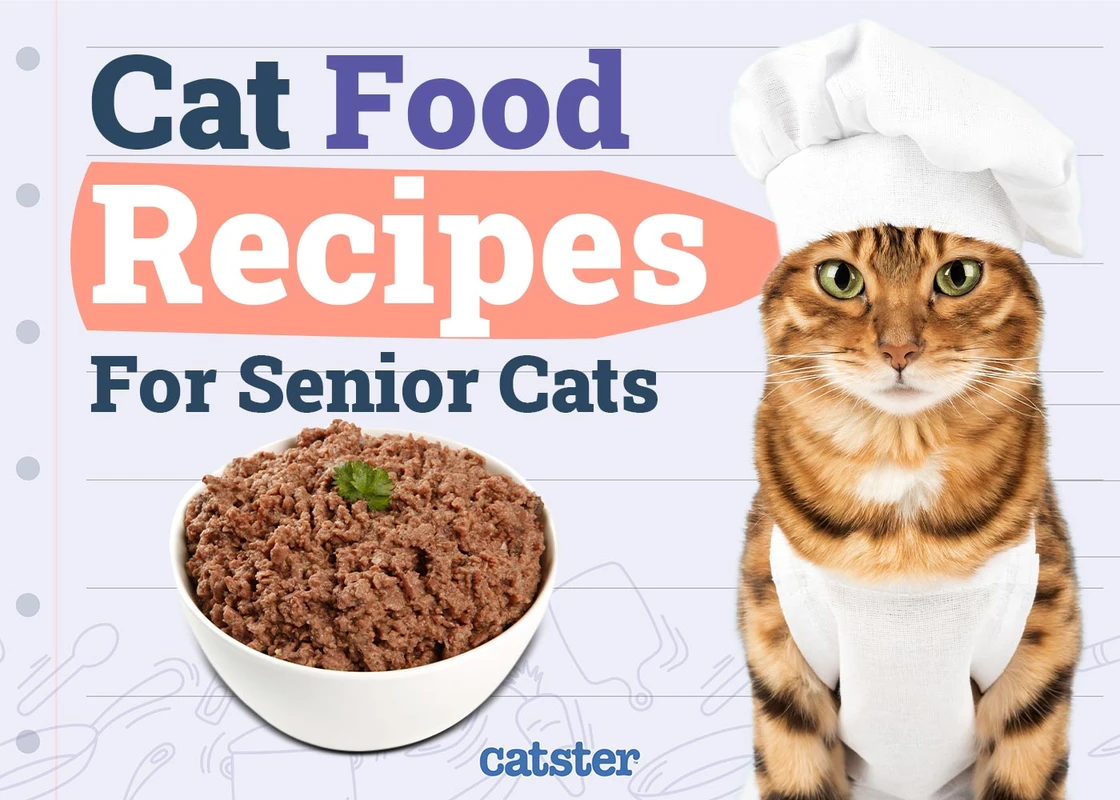
Essential Homemade Vegan Cat Food Recipes Reviewed for 2026
PawVerde.com – Homemade vegan cat food recipes in 2026 necessitate precise nutritional balancing to compensate for cats’ obligate carnivore physiology, which demands nutrients absent or scarce in plant-derived ingredients. Key deficiencies in vegan diets include taurine, vitamin D2, and arachidonic acid—nutrients vital for feline cardiac, ocular, and immune health. Incorporating vetted plant-based supplements such as VegeCat™, alongside carefully formulated recipes, remains essential to ensure safe and nutritionally complete homemade vegan meals for domestic cats. Minimal inclusion of vegetables (typically under 10% of the diet) helps preserve protein density crucial for feline metabolism.
Essential Nutrients Absent from Plant-Based Cat Diets
Cats require specific nutrients that plant proteins cannot adequately provide. Taurine, an amino sulfonic acid, is critical for preventing dilated cardiomyopathy and retinal degeneration; it is naturally found only in animal tissues. Vitamin D2, a plant-derived form of vitamin D, is less bioavailable to cats compared to vitamin D3, which they normally obtain from animal sources. Arachidonic acid, an omega-6 fatty acid, is indispensable for inflammatory regulation and skin health, and is similarly absent in plants. Without supplementation, vegan diets risk serious deficiencies leading to irreversible health damage.
Veterinary nutritionists emphasize that supplementing homemade vegan cat food with synthetic or algal-derived taurine, vitamin D2, and arachidonic acid is non-negotiable. Products like VegeCat™, developed specifically for vegan feline nutrition, provide these nutrients in bioavailable forms and have undergone clinical validation. Failure to include such supplements can result in chronic deficiency syndromes, underscoring the importance of veterinary oversight.
Vet-Reviewed Homemade Vegan Cat Food Recipes and Supplement Integration
The Vegan Gourmet Raw Recipe Resource (VGRRR) and Compassion Circle offer rigorously tested recipes vetted by veterinary nutritionists. These recipes balance plant proteins, fats, and supplemented micronutrients to replicate the nutritional profile of conventional cat food. Core protein sources include seitan and textured soy protein, which provide the essential amino acid framework once supplemented with taurine and arachidonic acid.
Inclusion of VegeCat™ or equivalent supplements ensures adequate delivery of synthetic taurine and arachidonic acid, alongside vitamin D2, bone meal for calcium, and ground eggshells as bioavailable mineral sources. Recipes explicitly exclude high-oxalate vegetables such as spinach and beet greens, which may induce kidney stress, and caution against untreated eggshells to prevent contamination. This vet-reviewed approach reduces risks associated with unbalanced homemade diets, which can otherwise lead to nutrient imbalances and clinical illness.
Practical Ingredients in Homemade Vegan Cat Food
Successful homemade vegan cat food bases its nutritional adequacy on a curated selection of plant proteins and micronutrient-rich ingredients. Seitan and textured soy protein serve as primary protein sources due to their amino acid completeness and digestibility. Hemp hearts contribute essential fatty acids, including alpha-linolenic acid, supporting skin and coat health.
Squash and other low-oxalate vegetables are included sparingly (≤10% of total volume) to maintain carbohydrate balance without displacing protein content. Algae and nori flakes supplement trace minerals and provide antioxidants, with algae offering an additional source of omega-3 fatty acids. Nutritional yeast is often used to add B-complex vitamins, while corn starch acts as a binder in canned or paté-style preparations.
Egg replacers like Ener-G Egg Replacer enable the creation of vegan cat treats and lickables that mimic textural properties of eggs without animal derivatives. Catnip is commonly used to enhance palatability and stimulate appetite, which can be a challenge when transitioning cats to vegan diets.
Homemade Vegan Cat Treats and Lickables
Beyond core meals, vegan cat treats can be crafted using chickpea flour, wheat flour, and plant-based milks such as oat or almond milk, fortified with catnip and nutritional supplements. Egg replacers like Ener-G are essential to bind ingredients and replicate the consistency of traditional treats. Recipes often incorporate minimal vegetable purees to maintain moisture and flavor.
Palatability remains a critical consideration; many cats exhibit initial reluctance toward vegan formulations due to flavor and texture differences compared to meat-based treats. Gradual introduction combined with aromatic additives like catnip and small amounts of fermented soybean products can improve acceptance. Proper storage in airtight containers preserves freshness and nutrient integrity.
Safety, Nutritional Monitoring, and Veterinary Guidance
veterinary consultation is imperative when feeding homemade vegan diets to cats. Close monitoring for clinical signs of nutrient deficiency—such as lethargy, weight loss, or coat deterioration—is essential. Regular blood panels assessing taurine levels, vitamin D status, and overall metabolic health guide timely dietary adjustments.
Studies involving case series and anecdotal reports from veterinary nutritionists indicate that with appropriate supplementation and balanced recipes, cats can maintain health on vegan diets. However, risks persist, particularly in the absence of professional oversight. Owners are advised to avoid unverified recipes or sole reliance on commercial plant-based cat foods without supplementation.
Comparing Homemade Vegan Diets with Raw and Meat-Based Diets
Raw meat diets, often promoted for their alignment with cats’ natural carnivorous habits, differ fundamentally from vegan diets in nutrient composition and sourcing. Raw diets inherently provide taurine, vitamin D3, and arachidonic acid but carry risks of bacterial contamination and require precise nutrient balancing to avoid excesses or deficiencies.
Conversely, homemade vegan diets eliminate all animal products and depend entirely on synthetic or plant-derived supplements to fulfill essential nutrient requirements. The necessity for supplementation is more acute in vegan regimens due to the absence of bioavailable animal nutrients. While raw diets emphasize freshness and bioavailability of nutrients from animal tissues, vegan diets prioritize ethical considerations and environmental sustainability but demand rigorous formulation and monitoring to prevent malnutrition.
Resources and Brands Supporting Vegan Cat Diets in 2026

Brands such as VGRRR and Compassion Circle lead the field in providing comprehensive vegan cat food recipes and supplementation guidelines reviewed by veterinary nutritionists. VegeCat™, a pioneering plant-based supplement, remains widely recommended for ensuring nutrient sufficiency in vegan feline diets.
Numerous online platforms offer downloadable guides detailing step-by-step preparation of nutritionally balanced vegan cat meals, including ingredient sourcing and supplement dosing. These resources emphasize collaboration with veterinary professionals and discourage unsupervised diet experimentation.
The Amazon Zoup brand has also introduced vegan cat treats incorporating nori flakes and algal oils, expanding commercial options for plant-based feline snacks. Such products complement homemade meals and provide convenient supplementation avenues.
FAQ
Can cats thrive on a homemade vegan diet?
With stringent supplementation of taurine, vitamin D2, and arachidonic acid, alongside vet-reviewed recipes and close health monitoring, cats can maintain wellness on a homemade vegan diet. However, the diet requires expert formulation to prevent nutrient deficiencies.
What are the essential supplements for vegan cat food?
Taurine, vitamin D2, and arachidonic acid are indispensable supplements in vegan cat diets. Additional supplements may include calcium sources like bone meal or ground eggshells and B vitamins from nutritional yeast or algae.
Are homemade vegan cat treats safe and nutritious?
Homemade vegan cat treats can be safe if formulated with appropriate binders, supplements, and palatability enhancers like catnip. They should complement a balanced diet but not replace core meals due to limited nutrient density.
How does VegeCat™ supplement support vegan cat diets?
VegeCat™ provides synthetic taurine, arachidonic acid, vitamin D2, and other essential nutrients in bioavailable forms designed specifically for plant-based feline diets, bridging nutritional gaps inherent in vegan recipes.
Why is veterinary guidance critical for vegan cat food preparation?
Veterinary oversight ensures recipes meet all feline nutritional needs, monitors for deficiency symptoms, and adjusts supplementation as needed, safeguarding cats from health risks linked to improper vegan diet formulation.
—
The evolving landscape of vegan cat nutrition in 2026 underscores the necessity of combining scientifically validated supplements such as VegeCat™ with veterinary-reviewed homemade recipes to meet obligate carnivore requirements. While ethical motivations drive interest in plant-based feline diets, the complexity of nutritional balancing demands expert input to maintain cat health. As research advances and more plant-based supplements become available, owners committed to veganism can better navigate these challenges with informed, cautious approaches grounded in veterinary science.

Are Smart Pet Feeders Worth It in 2026? Expert Insights
PawVerde.com – Smart automatic pet feeders in 2026 have become indispensable tools for pet owners seeking convenience, precision, and improved pet health management. Advances in WiFi connectivity, portion control technology, and integrated monitoring features have transformed these devices into comprehensive feeding solutions that support consistent routines and dietary needs. Leading manufacturers such as VEKEN, PetLibro, PetSafe, and Catit continue to innovate, integrating pet cameras and multi-pet feeding capabilities that address the complexities of modern pet ownership. These developments not only reduce owner workload but also contribute to pet weight management and overall welfare.
Remote feeding through smartphone apps on Android and iOS platforms is a hallmark of the latest automatic feeders, allowing owners to dispense meals and monitor pets from anywhere. Veterinary experts, including Dr. Hannah Hart, emphasize that such technology supports healthier feeding patterns by enabling precise portion control, reducing the risk of obesity, and maintaining dietary consistency. However, challenges remain, particularly in multi-pet households where food sensitivities and behavioral issues require careful management. Cost considerations and product reliability are critical factors influencing the value proposition of investing in smart pet feeders.
Features and Benefits of Smart and Automatic Pet Feeders
The integration of WiFi connectivity has revolutionized the functionality of automatic pet feeders by enabling remote feeding capabilities. Owners can schedule meal times or manually dispense food via dedicated pet feeder apps compatible with both Android and iOS devices. This remote control feature is especially beneficial for busy professionals or frequent travelers, ensuring pets receive meals on time without human presence. Additionally, many feeders now support push notifications and feeding logs, providing transparency and peace of mind regarding pet nutrition.
Portion control technology is a defining benefit of smart feeders in 2026. Devices utilize calibrated dispensing mechanisms that release pre-measured amounts of food, aligning with veterinary dietary recommendations. This precision aids in pet weight management, a growing concern as obesity rates in domestic animals continue to rise. According to data from VCA Hospitals, pets on regulated feeding schedules with monitored portions exhibit lower incidence of weight-related health issues. Some feeders incorporate adaptive algorithms that adjust portions based on pet activity levels or weight data input through companion apps.
Integrated pet cameras and two-way audio elevate these devices beyond simple feeders. Cameras allow owners to visually monitor their pets during feeding, while two-way audio facilitates interaction, reducing separation anxiety for both pets and owners. These monitoring features also aid in detecting feeding behavior anomalies, such as reluctance or aggression, enabling timely veterinary consultation. Leading products from PetLibro and PetSafe often bundle these features, enhancing usability and pet engagement.
Scheduling flexibility remains a core advantage, with most smart feeders supporting multiple daily meals and customizable feeding times. This flexibility accommodates pets with specific dietary needs, such as diabetic animals requiring frequent small meals. Moreover, scheduling helps maintain consistent routines, which veterinarians like Dr. Hannah Hart identify as crucial for digestive health and behavioral stability in pets.
Leading Manufacturers and Market Trends
The pet feeder market in 2026 is characterized by rapid growth fueled by rising pet ownership, increasing awareness of pet health, and demand for smart home integration. Market research indicates a compound annual growth rate (CAGR) exceeding 12%, driven by innovations in connectivity and sensor technology. Brands such as VEKEN, PetLibro, PetSafe, and Catit dominate the landscape, each offering distinct features that cater to a variety of pet care needs.
VEKEN stands out for its emphasis on modular design and multi-pet feeding solutions, incorporating RFID technology to dispense personalized portions to individual pets. PetLibro focuses on app usability and camera integration, providing high-definition video and real-time notifications. PetSafe leverages decades of experience in pet containment and feeding, offering robust portion control and durable build quality. Catit, known for cat-specific feeders, integrates portion monitoring with health tracking, appealing to feline owners prioritizing weight management.
Recent innovations include enhanced sensor accuracy to prevent food jams and spoilage, improved battery backup systems for uninterrupted operation, and AI-driven portion recommendations based on pet profile data. App interfaces have evolved to support voice commands and smart home connectivity through platforms like Amazon Alexa and Google Assistant, allowing seamless integration into daily routines.
Practical Use Cases and User Experiences
Smart feeders provide tangible benefits for pet owners balancing busy lifestyles. For example, remote feeding enables working professionals to maintain regular feeding schedules despite long hours away from home. Travel scenarios also benefit, as feeders can be monitored and controlled remotely, reducing reliance on pet sitters. User reviews collected by CNN Underscored highlight increased peace of mind and convenience as primary advantages reported by owners.
Multi-pet households present complex feeding challenges that smart feeders partially address through individualized dispensing features. For instance, RFID-enabled feeders from VEKEN allow pets to access only their designated food portions, mitigating food aggression and dietary cross-contamination. However, veterinarians caution that these systems require careful monitoring to ensure all pets receive adequate nutrition and that feeding stations are placed strategically.
Dr. Hannah Hart, a veterinary nutritionist, notes that automatic feeders support pet health by promoting consistent meal timing and portion control, reducing risks associated with irregular feeding such as gastrointestinal upset and obesity. She emphasizes that feeders should complement, not replace, regular veterinary check-ups and personalized dietary plans. Additionally, feeding cameras assist in early detection of appetite changes, providing data that can inform medical evaluations.
Considerations and Limitations
Investing in smart automatic pet feeders involves evaluating cost against expected value. High-end models with advanced connectivity and multi-pet features typically range from $150 to $400, with recurring expenses for proprietary food containers or app subscriptions in some cases. For budget-conscious consumers, basic automatic feeders without WiFi or cameras remain available but lack the benefits of remote control and monitoring.
Multi-pet feeders, while innovative, pose challenges in households with food allergies or reactive pets. Cross-contamination risks and behavioral conflicts may undermine the effectiveness of shared feeding systems. Experts recommend pairing automatic feeders with behavioral training or segregated feeding zones to mitigate these issues.
Product reliability and safety certifications are paramount. Consumers should seek feeders compliant with electrical safety standards and constructed from pet-safe materials. Failures in portion control mechanisms or connectivity issues can disrupt feeding schedules, potentially harming pet health. Trusted manufacturers like PetSafe and Catit publish safety certifications and conduct rigorous product testing to ensure performance consistency.
Future Outlook for Pet Feeding Technology

Looking ahead, the integration of artificial intelligence is poised to enhance smart pet feeders significantly. AI algorithms will analyze pet behavior, weight trends, and activity levels to dynamically adjust portion sizes and feeding schedules, optimizing nutrition on an individual basis. Emerging sensors capable of detecting food freshness and consumption rates promise to reduce waste and improve feeding accuracy.
Moreover, pet feeders are expected to become integral components of broader smart home ecosystems. Voice-activated feeding commands, synchronization with environmental controls (such as lighting and temperature), and health monitoring through connected wearables will create unified platforms for comprehensive pet care.
The evolution of multi-pet feeders will likely address current limitations through improved pet identification and feeding compartmentalization. Enhanced app interfaces will offer more granular control and data analytics, empowering owners and veterinarians to make informed decisions collaboratively.
Frequently Asked Questions

What are the primary advantages of smart pet feeders in 2026?
Smart pet feeders provide remote app control, precise portioning, and integrated monitoring features like cameras and two-way audio. These capabilities support consistent feeding schedules, aid in weight management, and allow owners to interact with pets remotely, enhancing convenience and pet health.
Which manufacturers lead the smart pet feeder market this year?
Top manufacturers include VEKEN, PetLibro, PetSafe, and Catit. Each offers unique innovations such as RFID multi-pet solutions, high-definition pet cameras, advanced portion control, and app connectivity focused on usability and reliability.
Are automatic pet feeders suitable for multi-pet households?
Many smart feeders feature multi-pet feeding solutions with individual portion control and pet identification. However, owners should consider pet behavior and dietary restrictions, as feeders may not fully resolve issues related to food aggression or allergies without additional management.
How do smart feeders contribute to pet health?
By enabling precise portion control and consistent feeding times, smart feeders help prevent obesity and digestive issues. Integrated monitoring features allow owners and veterinarians to track feeding behavior, facilitating early detection of health concerns.
What limitations should consumers be aware of before purchasing?
Costs for advanced feeders can be high, and some models require subscriptions for full app functionality. Technical issues like connectivity failures or mechanical jams can disrupt feeding. Multi-pet feeders may not be ideal for pets with food sensitivities or aggressive tendencies without careful supervision.
Smart automatic pet feeders in 2026 represent a significant advancement in pet care technology, combining convenience, health management, and interactive features. As innovations continue, owners investing in these devices can expect enhanced control over feeding routines and improved wellbeing for their pets. Future developments in AI and smart home integration promise even greater personalization and reliability, positioning smart feeders as essential components of modern pet ownership.

Are Organic Cotton Pet Toys Worth It for Dogs? Key Benefits Explained
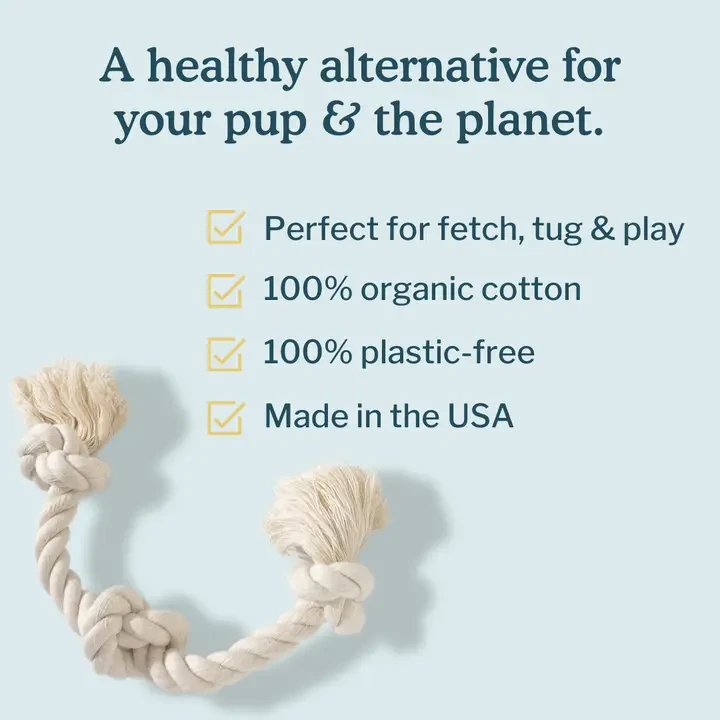
PawVerde.com – Organic cotton pet toys have gained prominence as safer, chemical-free alternatives to conventional dog toys, appealing to pet owners who prioritize health and environmental responsibility. These toys, crafted from cotton grown without synthetic pesticides or fertilizers, minimize chemical exposure risks for dogs, particularly those with allergies or sensitive skin. While organic cotton toys tend to be softer and better suited for gentle chewers, their eco-friendly production methods and certifications such as GOTS (Global Organic Textile Standard) reinforce their sustainability credentials. Despite a higher price point, the combination of health benefits and environmental impact reduction positions organic cotton pet toys as a valuable investment for conscientious dog owners.
Safety and Health Benefits of Organic Cotton Pet Toys
Conventional pet toys often expose dogs to harmful chemicals including pesticide residues, synthetic dyes, and toxic additives that may cause skin irritation, digestive issues, or allergies. Organic cotton pet toys eliminate these risks by utilizing fibers cultivated through sustainable farming practices that avoid hazardous chemical inputs. The absence of synthetic fertilizers and pesticides in organic cotton reduces the likelihood of chemical residues lingering on toys, which can otherwise be ingested or absorbed through a dog’s skin.
For dogs with sensitivities or allergies, organic cotton toys offer non-toxic alternatives that help alleviate symptoms. The natural fibers are breathable and soft, reducing friction and irritation on sensitive skin. Additionally, many organic cotton toys incorporate natural filling materials such as coconut fiber or wool, which further reduce exposure to synthetic materials that could trigger allergic reactions. Brands like Aurora Paws and EcoFurBall emphasize chemical-free manufacturing processes, catering to pets with heightened health concerns.
Environmental Impact and Sustainability of Organic Cotton Pet Toys
Organic cotton farming significantly lowers environmental footprint compared to conventional cotton agriculture, which relies heavily on water, pesticides, and synthetic fertilizers. Organic cultivation uses crop rotation, natural pest management, and non-GMO seeds, sustaining soil health and biodiversity while conserving water resources. This approach contrasts with the intensive resource consumption and pollution associated with standard cotton farming.
When compared to alternative materials like hemp and natural rubber, organic cotton offers certain sustainability advantages but also limitations. Hemp requires less water and grows faster, making it more durable and eco-friendly for heavy chewers, while natural rubber is biodegradable but can involve complex extraction processes. However, organic cotton’s softness and renewable nature make it a preferred material for gentle play and mental stimulation toys.
Certification schemes such as GOTS and OEKO-TEX provide rigorous validation of organic cotton’s sustainable production, ensuring compliance with environmental and social standards. Brands such as West Paw, P.L.A.Y., and The Kind Pet Marketplace leverage these certifications to demonstrate their commitment to eco-conscious pet product manufacturing. These certifications also prohibit the use of toxic dyes and chemical finishes, reinforcing the safety profile of organic cotton toys.
Durability and Suitability for Different Chewing Behaviors
The durability of organic cotton pet toys varies widely depending on toy construction and the individual dog’s chewing habits. Organic cotton fibers are naturally softer and less abrasion-resistant than hemp or synthetic materials, making them optimal for gentle chewers and dogs that favor mental stimulation over aggressive biting. However, power chewers may cause rapid fraying and destruction of organic cotton rope toys, potentially leading to ingestion of loose fibers.
Hemp toys, by comparison, offer superior tensile strength and resistance to wear, suitable for dogs that exhibit destructive chewing behavior. Natural rubber chew toys provide another durable option, combining toughness with biodegradability. Pet owners should assess their dog’s chewing style when selecting toys, balancing safety with longevity.
Experts advise regular inspection of organic cotton toys to monitor wear and tear, emphasizing timely removal of damaged toys to prevent ingestion hazards. Some brands integrate reinforced stitching and natural fiber blends to enhance durability without compromising eco-friendly attributes. For example, Planet Dog and Goughnuts produce hybrid toys that merge organic cotton with tougher materials for extended lifespan.
Practical Considerations and Maintenance of Organic Cotton Dog Toys
Maintaining organic cotton pet toys requires consistent cleaning and care to prolong usability and prevent bacterial buildup. Most organic cotton toys are machine washable or can be hand-cleaned with mild, non-toxic detergents. Avoiding harsh chemicals during cleaning preserves the natural fibers and reduces irritation risks for pets.
Rotation of toys and regular inspection are critical for managing wear and maintaining safety. Organic cotton toys should be replaced promptly upon signs of excessive fraying or damage. Though initial costs for organic cotton toys tend to be higher than conventional options, their durability with proper care and enhanced safety profile offer long-term value.
Cost considerations also include the environmental benefits, as eco-friendly manufacturing reduces waste and resource depletion. Brands like SodaPup and PetAssure provide a range of organic cotton toys with varied price points, making sustainable pet toy ownership accessible to a broader audience.
Market Availability and Brand Examples of Organic Cotton Pet Toys
Several reputable brands have established themselves in the organic cotton pet toy market, offering a diverse array of products including plush toys, ropes, and chewables. Our Green House and EcoFurBall specialize in chemical-free plush toys made from certified organic cotton, while Aurora Paws focuses on eco-friendly ropes and interactive toys.
Innovations in this sector include treat-dispensing and puzzle toys designed to stimulate dogs mentally while adhering to eco-conscious principles. For example, P.L.A.Y. and West Paw incorporate organic cotton in their interactive toy lines, combining sustainability with functional enrichment.
The market also features hybrid toys that merge organic cotton with hemp or natural rubber, addressing durability concerns for more aggressive chewers. Brands such as Goughnuts and Planet Dog excel in this niche, promoting safety with chemically inert materials and durable construction.
| Material | Durability | Environmental Impact | Suitability | Certification Availability |
|---|---|---|---|---|
| Organic Cotton | Moderate (best for gentle chewers) | Low (sustainable farming, water-saving) | Sensitive dogs, soft toys | GOTS, OEKO-TEX |
| Hemp | High (resistant to heavy chewing) | Very Low (fast-growing, low water use) | Power chewers, durable toys | GOTS (less common) |
| Natural Rubber | High (durable, tough) | Moderate (biodegradable but extraction impact) | Chewers, chew toys | Varies by brand |
FAQ
FAQ
Are organic cotton pet toys safer for dogs with allergies?
organic cotton pet toys reduce exposure to pesticides, synthetic dyes, and toxic additives, making them safer for dogs with allergies or sensitive skin. Their natural fibers and chemical-free fillings minimize irritation and allergic reactions.
How do organic cotton toys compare in durability to hemp or rubber toys?
organic cotton toys are softer and less durable than hemp and natural rubber, making them ideal for gentle chewers. Hemp toys offer greater resistance to heavy chewing, while rubber toys provide toughness and longevity.
What certifications ensure the sustainability of organic cotton pet toys?
The Global Organic Textile Standard (GOTS) and OEKO-TEX certifications verify sustainable farming practices, chemical-free processing, and social compliance in organic cotton pet toys.
How should I clean and maintain organic cotton dog toys?
Organic cotton toys should be washed regularly with mild, non-toxic detergents, either by hand or machine. Regular inspection and prompt replacement of damaged toys are essential to maintain safety and hygiene.
Are organic cotton pet toys worth the higher cost?
While organic cotton toys often cost more upfront, their health benefits, reduced environmental impact, and suitability for sensitive dogs justify the investment for responsible pet owners prioritizing safety and sustainability.
Organic cotton pet toys represent a meaningful advancement in pet care, merging health-conscious design with environmental stewardship. As demand for sustainable pet products grows, innovations in material blends and certifications will likely enhance durability and accessibility, offering dog owners more options to align playtime with ethical values. Careful selection based on chewing behavior and maintenance practices will maximize the benefits of these eco-friendly options, shaping the future of responsible pet ownership.

How to Implement a Local Pet Waste Management Solution Effectively
PawVerde.com – Implementing an effective local pet waste management solution requires a coordinated approach that combines infrastructure installation, resident education, legal enforcement, and professional services. Proper pet waste disposal is essential to reduce bacterial pollution, prevent stormwater contamination, and protect community health. Local governments, homeowners associations (HOAs), and community groups must collaborate to establish accessible pet waste stations, promote responsible pet owner behavior, comply with municipal codes, and integrate eco-friendly disposal methods.
The following tutorial provides a comprehensive, step-by-step guide for municipalities and community organizations to develop and maintain a sustainable pet waste management program that aligns with environmental regulations and resident needs.
Assessing Community Needs and Identifying Barriers
Before implementing infrastructure or policies, it is crucial to understand the current pet waste habits and challenges within the community. Start by gathering data from residents through surveys, community meetings, or digital platforms to assess disposal behaviors and identify obstacles.
This assessment phase typically takes two to four weeks depending on community size and ensures that the program addresses specific local challenges rather than applying generic solutions.
Installing Pet Waste Stations: Infrastructure and Placement
Effective pet waste stations combine dispensers for bags and secure trash bins. Proper placement and station design encourage compliance and minimize maintenance issues.
- Prioritize high-traffic pet areas such as parks, walking trails, playgrounds, dog parks, and common residential green spaces.
- Position stations at entrances/exits to these zones and near sidewalks or benches where pet walking is frequent.
- Use rust-resistant metals or recycled plastics for station frames.
- Opt for UV-resistant bags dispensers to extend usability.
- Provide certified compostable bags or biodegradable options where local composting is available.
- Trash bins should have lids to prevent scattering by animals or wind.
- Ensure stations are reachable for all residents, including those with disabilities.
- Maintain ADA compliance by adhering to height and clearance guidelines.
- Develop a schedule for restocking bags and emptying bins, especially in high-use areas.
- Assign responsibilities to municipal workers, HOA staff, or contracted services.
Pet waste stations improve collection rates by making disposal convenient, significantly reducing the likelihood of improper waste deposits.
Launching Education and Awareness Campaigns
Education is vital to changing resident behavior and complementing infrastructure investments. Campaigns should emphasize the environmental and public health impacts of pet waste.
- Develop brochures, flyers, posters, and digital content explaining bacterial pollution risks, stormwater contamination, and local ordinances.
- Use clear, positive messaging such as “Pick Up After Your Pet” instead of negative phrasing.
- Engage social media platforms to share pet waste facts, community goals, and progress updates.
- Use visuals and short videos to increase engagement.
- Place signs at pet waste stations, parks, community bulletin boards, and vet clinics.
- Include pet waste policies and disposal tips in welcome packets for new residents.
- Collaborate with local pet stores, grooming salons, and veterinary offices to disseminate information.
- Organize community clean-up events or pet waste awareness days to foster collective responsibility.
- Provide residents with contact information to report overflowing bins, missing bags, or non-compliance anonymously.
Educational campaigns increase resident compliance and create a culture of responsible pet ownership essential for long-term success.
Developing and Enforcing Pet Waste Policies
Clear policies codified in municipal codes, lease agreements, or HOA rules create legal backing for waste management efforts.
- Require pet owners to remove and properly dispose of pet waste within 24 hours on both public and private property.
- Specify penalties for non-compliance, such as fines or community service.
- Clearly define pet waste responsibilities for renters and homeowners.
- Establish consequences for violations to encourage adherence.
- Train enforcement officers on local ordinances and respectful community engagement.
- Use non-confrontational reporting systems that allow residents to notify authorities of violations discreetly.
- Publicize enforcement actions and policy updates to demonstrate commitment.
- Provide channels for residents to ask questions or appeal citations.
- Ensure policies comply with state and local laws.
- Update regulations periodically based on community feedback and environmental standards.
Enforcement ensures that education and infrastructure investments translate into measurable compliance and reduced environmental impact.
Engaging Professional Pet Waste Removal Services
Many communities and HOAs supplement resident efforts by contracting professional pet waste removal services to maintain cleanliness and compliance.
- Determine frequency of service based on pet population density and station usage.
- Typical schedules range from weekly to bi-weekly cleanups.
- Choose providers specializing in pet waste management that comply with EPA guidelines and local waste transport regulations.
- Verify company credentials and environmental certifications.
- Coordinate pet waste removal with landscaping and trash hauling to optimize resource use.
- Establish clear communication protocols between service providers and community managers.
- Specify responsibilities including station restocking, waste hauling, and disposal methods.
- Negotiate contracts with transparent pricing and performance benchmarks.
- Conduct periodic inspections to ensure stations remain clean and functional.
- Solicit resident feedback on service effectiveness.
Professional services provide reliable waste removal, particularly in larger communities or where resident compliance is inconsistent.
Adopting Eco-Friendly Pet Waste Disposal Practices
Sustainable disposal methods reduce landfill burden and water pollution risks associated with pet waste.
- Provide bags certified to break down in commercial composting facilities to prevent plastic pollution.
- Educate residents on proper bag usage and disposal.
- Establish designated compost bins for pet waste at centralized locations.
- Partner with local composting facilities that accept animal waste.
- Promote flushing pet waste where municipal sewer systems permit, following EPA-approved guidelines.
- Advise on safe burial practices away from water sources to minimize contamination.
- Encourage reusable pooper scoopers and biodegradable bags.
- Avoid single-use plastic bags that contribute to microplastic pollution.
- Track reductions in landfill waste and stormwater contamination through water quality testing.
Eco-friendly disposal aligns community pet waste management with broader sustainability goals and environmental protection mandates.
Maintaining Stations and Continuous Program Improvement
Ongoing maintenance and data-driven adjustments are vital for sustained success.
- Check for damage, bag dispenser levels, and bin capacity at least weekly in high-use areas.
- Promptly repair or replace malfunctioning stations to maintain usability.
- Monitor bag consumption rates to prevent shortages.
- Use inventory management tools to forecast restocking needs.
- Use resident reports and enforcement data to identify hotspots of non-compliance.
- Adjust station locations or increase educational outreach in these areas.
- Partner with local environmental agencies to monitor stormwater quality and bacterial contamination.
- Use findings to justify program expansions or policy enhancements.
- Conduct periodic surveys to gauge satisfaction and identify emerging issues.
- Hold community forums to discuss program progress and potential improvements.
Continuous monitoring ensures resource optimization, maximizes resident participation, and adapts the program to evolving community needs.
Troubleshooting Common Challenges
Communities may encounter obstacles when implementing pet waste management programs. The following solutions address frequent issues:
Addressing these challenges proactively supports program longevity and community satisfaction.
Alternative and Complementary Approaches
Beyond the standard strategies, communities may consider additional options:
Integrating innovative and community-driven approaches enhances overall program effectiveness.
Frequently Asked Questions
What are the environmental risks of not properly disposing of pet waste?
Pet waste contains harmful bacteria and parasites that can contaminate stormwater runoff, leading to water pollution in local streams, rivers, and lakes. This contamination poses risks to public health and aquatic ecosystems.
How often should pet waste stations be serviced?
Stations in high-traffic areas should be inspected and serviced weekly, including restocking bags and emptying trash bins. In lower-use areas, bi-weekly servicing may suffice.
Are compostable pet waste bags truly eco-friendly?
Certified compostable bags break down in commercial composting facilities and reduce plastic pollution. However, they require proper disposal in designated compost bins to realize environmental benefits.
Can pet waste be flushed down the toilet?
Some municipalities allow flushing pet waste if it is bag-free and disposed of in the sewer system. It is important to follow local guidelines to avoid plumbing issues and environmental harm.
What legal measures support pet waste management in communities?
Many local governments have enacted “pooper scooper” laws mandating pet owners to remove waste promptly, with penalties for non-compliance. HOAs and lease agreements often include pet waste policies as well.
—
Implementing a comprehensive pet waste management system requires ongoing collaboration among municipalities, HOAs, residents, and professional services. By combining well-placed infrastructure, effective education, enforceable policies, and eco-friendly disposal practices, communities can significantly reduce environmental contamination while fostering healthier, cleaner public spaces. Monitoring and adapting the program based on data and resident feedback ensures sustainable success and improved community well-being over time.

Eco-Friendly Dog Shampoo vs Regular: Key Skin & Eco Benefits
PawVerde.com – Eco-friendly dog shampoos have surged in popularity as pet owners seek safer, gentler options that prioritize both canine health and environmental sustainability. Unlike regular dog shampoos, which often contain synthetic chemicals such as sulfates and artificial fragrances, eco-friendly alternatives emphasize natural ingredients like aloe vera, shea butter, and essential oils. These formulations avoid harsh additives known to cause skin irritation, particularly in dogs with sensitive or allergy-prone skin. Moreover, the biodegradable packaging and plant-based ingredient profiles of eco-friendly shampoos reduce ecological impact, aligning with growing consumer demand for sustainable pet care products.
Understanding the unique characteristics of dog skin is vital to selecting the right shampoo. Canine skin differs significantly from human skin, with a neutral to alkaline pH, typically ranging from 6.5 to 7.5, whereas human skin is more acidic, around pH 5.5. This difference means that many regular shampoos formulated for humans or even some conventional pet shampoos can disrupt the natural pH balance of a dog’s skin, leading to dryness, irritation, and increased susceptibility to infections. Eco-friendly dog shampoos are often pH-balanced specifically for dogs, helping to maintain the skin’s protective barrier and reduce dermatological issues.
Ingredient Profiles: Eco-Friendly vs Regular Dog Shampoos
The distinction between eco-friendly and regular dog shampoos primarily lies in their ingredient composition. Eco-friendly shampoos typically leverage natural, plant-based components such as aloe vera, known for its soothing and anti-inflammatory properties, and shea butter, which provides deep moisturization without clogging pores. Essential oils like lavender or chamomile are added not only for a gentle fragrance but also for their antimicrobial and calming effects. These ingredients avoid synthetic chemicals, parabens, sulfates, and artificial fragrances commonly found in regular dog shampoos.
Regular dog shampoos often rely on sulfates like sodium lauryl sulfate (SLS) or sodium laureth sulfate (SLES) as primary cleansing agents. While effective at removing dirt and oils, sulfates are known irritants that can strip the skin of natural oils, exacerbating dryness and itching. Parabens and synthetic fragrances further increase the risk of allergic reactions in dogs, especially those with sensitive or compromised skin. Additionally, many conventional shampoos contain non-biodegradable ingredients that persist in the environment, contributing to ecological degradation.
Health Impacts on Dogs
Skin irritation, allergies, and sensitivity are common concerns linked to the use of regular dog shampoos. The presence of harsh chemicals like sulfates and parabens can compromise the skin’s natural barrier, leading to redness, flakiness, and increased vulnerability to infections. Dogs with pre-existing dermatological conditions such as atopic dermatitis or flea allergies are particularly at risk. In contrast, eco-friendly dog shampoos formulated with natural ingredients and free from synthetic additives significantly reduce the likelihood of irritation and allergic reactions.
Several veterinary dermatologists emphasize the importance of selecting shampoos that maintain optimal skin pH and avoid irritants. For example, formulations containing aloe vera and shea butter provide moisturizing benefits that help restore skin hydration and promote coat health. Essential oils, when used in appropriate concentrations, offer additional antimicrobial protection without the adverse effects associated with artificial chemicals. This makes eco-friendly shampoos a preferred option for dogs prone to allergies, sensitive skin, or frequent bathing requirements.
Environmental Considerations
The environmental impact of dog shampoos extends beyond ingredients to include packaging and biodegradability. Many regular dog shampoos use plastic bottles that are not recyclable or biodegradable, contributing to plastic pollution. Moreover, synthetic surfactants and preservatives in these shampoos often do not break down easily in wastewater systems, posing risks to aquatic ecosystems.
Eco-friendly dog shampoos address these concerns by incorporating biodegradable ingredients that degrade rapidly, minimizing ecological harm. Brands like Shampoochie® and Earthbath use USDA Organic-certified ingredients and package their products in biodegradable or recycled materials. This approach reduces the carbon footprint and supports environmental sustainability efforts. The use of plant-based surfactants, such as decyl glucoside derived from coconut oil, exemplifies the shift toward greener chemistries that balance effective cleansing with environmental stewardship.
Organic vs Natural: Understanding Certification and Ingredient Sourcing
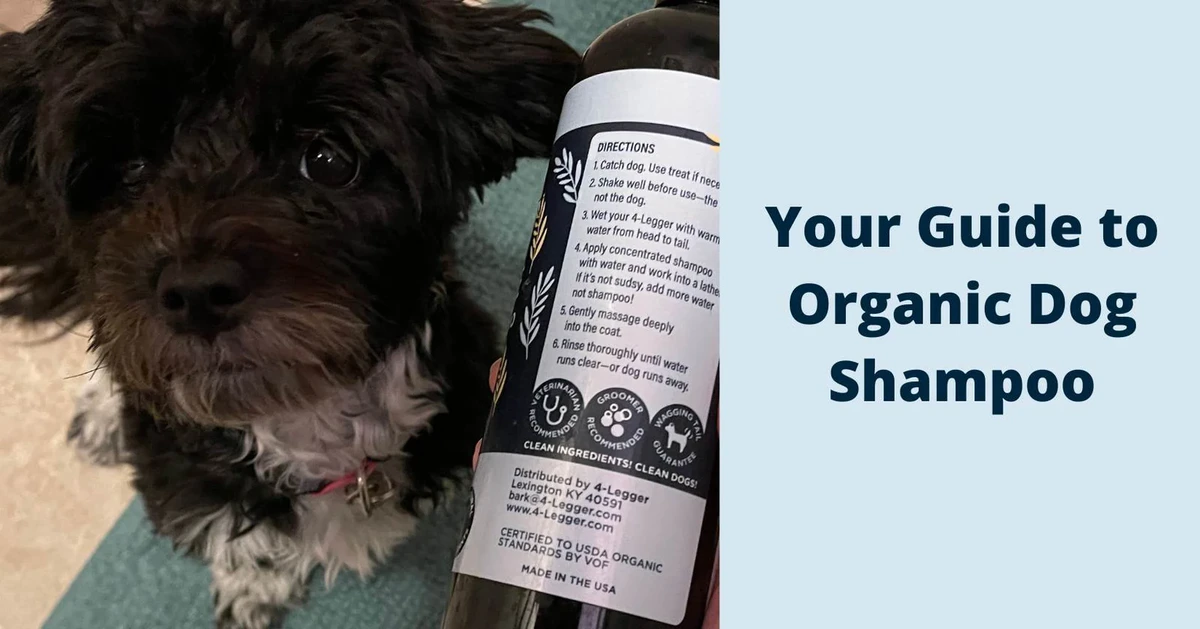
The terms “organic” and “natural” are often used interchangeably but have distinct meanings in the context of dog shampoos. Natural shampoos contain ingredients derived from plants or minerals with minimal processing but may not meet specific regulatory standards. Organic shampoos, however, comply with stringent certification requirements such as USDA organic standards, which regulate ingredient sourcing, prohibit synthetic pesticides, and mandate sustainable farming practices.
Organic certification assures consumers that the product contains a high percentage of organically grown ingredients and excludes harmful chemicals. For pet owners seeking the highest assurance of purity and sustainability, organic dog shampoos are a superior choice. Natural shampoos may still offer benefits over conventional products but lack the regulatory oversight that ensures ingredient quality and environmental responsibility.
Cost and Value Analysis
Eco-friendly and organic dog shampoos generally command higher retail prices compared to regular shampoos due to the cost of sourcing natural and certified organic ingredients and sustainable packaging. For example, conventional dog shampoos may range from $5 to $12 per bottle, whereas natural shampoos typically fall between $15 and $25, with organic options reaching $25 to $40 or more.
Despite the higher upfront cost, eco-friendly shampoos can offer long-term value by reducing the incidence of skin problems, thereby lowering veterinary visits and associated expenses. Improved coat health and skin condition also diminish the need for supplemental treatments or medicated shampoos. Furthermore, the environmental benefits of biodegradable packaging and ingredients contribute to a broader societal value that many pet owners prioritize.
Use Case Scenarios: Selecting the Best Shampoo for Your Dog
For dogs with sensitive or allergy-prone skin, eco-friendly shampoos that are sulfate-free and contain moisturizing botanicals like aloe vera and shea butter are advisable. These formulations minimize irritation and support skin barrier repair. Dogs with flea or tick infestations, however, may require medicated shampoos that include synthetic acaricides or insecticides, which are not typically found in eco-friendly products. In such cases, veterinary guidance is essential to balance efficacy and safety.
General grooming for healthy dogs can benefit from eco-friendly shampoos that maintain skin pH balance and avoid harsh chemicals, supporting overall coat condition. Owners interested in reducing environmental impact and chemical exposure often prefer organic-certified shampoos to ensure ingredient integrity and sustainability.
Forward-Looking Perspectives on Dog Shampoo Choices

As consumer awareness of pet health and environmental sustainability grows, the market for eco-friendly and organic dog shampoos is expected to expand significantly. Innovations in biodegradable surfactants, plant-based preservatives, and sustainable packaging will likely improve product performance and reduce costs. Veterinary dermatology research continues to underscore the importance of tailoring shampoo choices to individual dog skin needs, promoting formulations that support skin microbiome balance and barrier function.
Pet owners should consider their dog’s skin sensitivity, allergy history, and environmental values when selecting shampoos. Collaboration with veterinary professionals can optimize grooming regimens, especially for dogs with dermatological conditions. The evolving landscape of natural and organic pet care products offers promising opportunities for healthier pets and a cleaner environment.
FAQ
What makes eco-friendly dog shampoo better for sensitive skin?
Eco-friendly dog shampoos avoid harsh chemicals like sulfates and parabens, using natural moisturizers such as aloe vera and shea butter that soothe and protect sensitive skin, reducing irritation and allergic reactions.
Can regular dog shampoos harm my dog’s skin?
Regular shampoos often contain sulfates and artificial fragrances that can disrupt the skin’s pH balance, leading to dryness, irritation, and increased risk of infections, especially in dogs with sensitive or allergy-prone skin.
Are organic dog shampoos always safer than natural shampoos?
Organic shampoos meet stricter USDA certification standards, ensuring higher purity and sustainable ingredient sourcing, which generally makes them safer and more environmentally responsible than non-certified natural shampoos.
How does dog skin pH affect shampoo choice?
Dogs have a neutral to alkaline skin pH (6.5–7.5), so shampoos formulated to match this range help maintain the skin barrier and prevent irritation, whereas shampoos designed for human acidic pH can cause imbalance and skin issues.
Is biodegradable packaging important for dog shampoo?
Yes, biodegradable packaging reduces environmental impact by minimizing plastic waste and pollution, aligning with the eco-friendly ethos of natural shampoos and supporting sustainable pet care practices.
Top Dog Vitamin Supplements 2026 Backed by Vets & Science
PawVerde.com – The landscape of canine health supplements in 2026 reflects a growing emphasis on scientifically backed, veterinarian-approved vitamin formulas tailored to diverse life stages and health needs. Increasing awareness among pet owners about the role of nutritional supplementation has driven demand for products that not only enhance general wellness but also address specific concerns such as joint mobility, immune resilience, digestive balance, and cognitive support. Among the top-rated dog vitamin supplements leading this trend are PetHonesty 10-for-1 Multivitamin, Nutri-Vet Multi-Vite, and Wholistic Pet Organics Canine Complete, each distinguished by unique ingredient profiles, third-party testing, and positive endorsements from veterinary professionals.
PetHonesty’s 10-for-1 Multivitamin stands out with its multifunctional formulation, combining probiotics, omega-3 fatty acids, glucosamine, MSM, and vitamin B12, designed to support joint health, digestion, and immune function across all dog breeds and ages. Its formula excludes artificial preservatives and colors, catering to pet owners seeking natural yet comprehensive supplementation. Nutri-Vet Multi-Vite offers an affordable, palatable option favored for its liver flavor and bulk packaging, suitable for everyday use by pet owners managing multiple dogs or budget-conscious supplementation. Wholistic Pet Organics Canine Complete employs an all-natural powder format facilitating easy mixing into meals, attracting owners who prioritize ingredient transparency and natural sourcing. In addition, supplements like Ocu-GLO Vision Supplement and DogtorRx Age Defense have gained attention for targeting specific concerns such as ocular health and age-related cognitive decline, while Platinum Performance Canine formulas and North Hound Life NZ Green Lipped Mussels are recognized for premium joint support leveraging bioactive marine ingredients.
Top-Rated Vitamin Supplements for Dogs in 2026
PetHonesty’s 10-for-1 Multivitamin delivers a broad spectrum of nutrients including probiotics (over 2 billion CFUs per serving), glucosamine hydrochloride (500 mg), and MSM (250 mg), supporting joint cartilage regeneration and reducing inflammation. The inclusion of omega-3 fatty acids from fish oil enhances skin and coat condition while promoting cardiovascular health. Clinical studies underscore the benefits of probiotics and vitamin B12 in improving canine digestive health and mitigating vitamin deficiencies common in aging dogs. This supplement’s no-artificial-additive commitment aligns with growing consumer demand for clean-label pet products vetted by third-party testing laboratories.
Nutri-Vet Multi-Vite emphasizes palatability, offering chewable tablets with a natural liver flavor that improves compliance, especially among breeds known for selective eating such as Bulldogs and Dachshunds. The product’s affordability and bulk availability make it a preferred choice for routine multivitamin supplementation without compromising essential nutrients. It includes key vitamins A, C, D, E, and B-complex alongside minerals like zinc and selenium to support immune function and antioxidant defenses.
Wholistic Pet Organics Canine Complete incorporates all-natural ingredients such as turmeric, kale, and spirulina in a powder form designed for easy incorporation into daily meals. This format appeals to owners wary of synthetic additives and seeking a holistic approach to canine nutrition. The powder’s high bioavailability of antioxidants and omega fatty acids supports skin health, cognitive function, and systemic inflammation reduction. The brand’s commitment to organic sourcing and GMO-free certification further elevates its profile among premium natural dog supplements.
Other notable products include Ocu-GLO Vision Supplement, which targets age-related ocular degeneration through lutein and zeaxanthin antioxidants; DogtorRx Age Defense, formulated with phosphatidylserine and CoQ10 for cognitive support in senior dogs; and Platinum Performance Canine formulas known for their veterinary-grade ingredients and comprehensive joint and skin health blends. North Hound Life NZ Green Lipped Mussels provide a rich source of omega-3 and glycosaminoglycans, demonstrating clinical efficacy in reducing arthritis symptoms and improving joint mobility in Border Collies and Boxers.
Key Health Benefits Supported by Dog Supplements
Joint health remains a paramount concern, especially in aging dogs and breeds predisposed to osteoarthritis such as Boxers and Bulldogs. Supplements containing glucosamine, MSM, and New Zealand Green Lipped Mussels have shown to reduce cartilage degradation and improve mobility. Studies published by veterinary orthopedic specialists confirm that omega-3 fatty acids exert anti-inflammatory effects critical for joint comfort and function.
Immune system enhancement is achieved through balanced levels of vitamins A, C, D, E, and trace minerals like zinc and selenium, which regulate immune cell function and antioxidant activity. Probiotic strains in formulas like PetHonesty’s support gut microbiota balance, indirectly strengthening systemic immunity by enhancing nutrient absorption and reducing inflammatory cytokines.
Digestive health benefits derive primarily from probiotics and vitamin B12 supplementation. B12 deficiency, often observed in older dogs and those with gastrointestinal disorders, impairs red blood cell formation and neurological function. Probiotics improve digestion, reduce diarrhea incidence, and mitigate symptoms of inflammatory bowel disease, with veterinary studies endorsing their safety and efficacy.
Skin and coat health improvements are linked to omega-3 fatty acids, particularly EPA and DHA, which modulate inflammatory responses and enhance epidermal barrier function. Antioxidants from natural sources like turmeric and spirulina further support skin integrity and shine, offering benefits for breeds prone to dermatitis and allergies.
Cognitive function and heart health support are increasingly prioritized in senior dog supplements. Ingredients such as phosphatidylserine, CoQ10, and antioxidants help maintain neuronal membrane fluidity and mitochondrial function, counteracting age-related cognitive decline. Cardioprotective compounds contribute to cardiovascular resilience, a critical concern in breeds with genetic predispositions to heart disease.
Choosing the Right Supplement: Expert Recommendations
veterinary consultation is paramount before initiating any supplementation regimen. Experts emphasize assessing a dog’s life stage, breed-specific risks, existing health conditions, and potential allergies to tailor supplementation effectively. For example, Border Collies may require more joint support due to high activity levels, whereas Bulldogs may benefit from immune and skin health formulations due to breed-specific vulnerabilities.
Quality evaluation involves scrutinizing third-party testing certifications that verify ingredient purity, potency, and absence of contaminants. Transparency in labeling, including comprehensive ingredient lists without fillers, artificial colors, or preservatives, indicates higher product integrity. Responsible manufacturers often provide batch testing results and maintain compliance with Good Manufacturing Practices (GMP).
Palatability and administration ease are critical factors influencing owner compliance. Chewable tablets, soft chews, powders, and capsules each present advantages depending on the dog’s preferences and feeding habits. For example, Nutri-Vet’s liver-flavored chews facilitate daily dosing in picky eaters, while Wholistic Pet Organics’ powder format suits dogs resistant to pills.
Safety and Regulatory Considerations
Unlike human supplements, canine vitamin products face less stringent regulatory oversight, increasing the risk of substandard or unsafe formulations on the market. Improper dosing can lead to toxicity—excessive vitamin D or A intake may cause serious health issues—and ingredient interactions with prescribed medications require veterinary supervision.
Trusted brands that engage veterinary advisory panels and submit products for independent testing mitigate these risks. Pet owners are advised to avoid supplements with undisclosed proprietary blends or unverified health claims. Monitoring for adverse reactions after supplement introduction is essential, with prompt veterinary intervention if symptoms arise.
Emerging Trends in Dog Vitamin Supplements for 2026
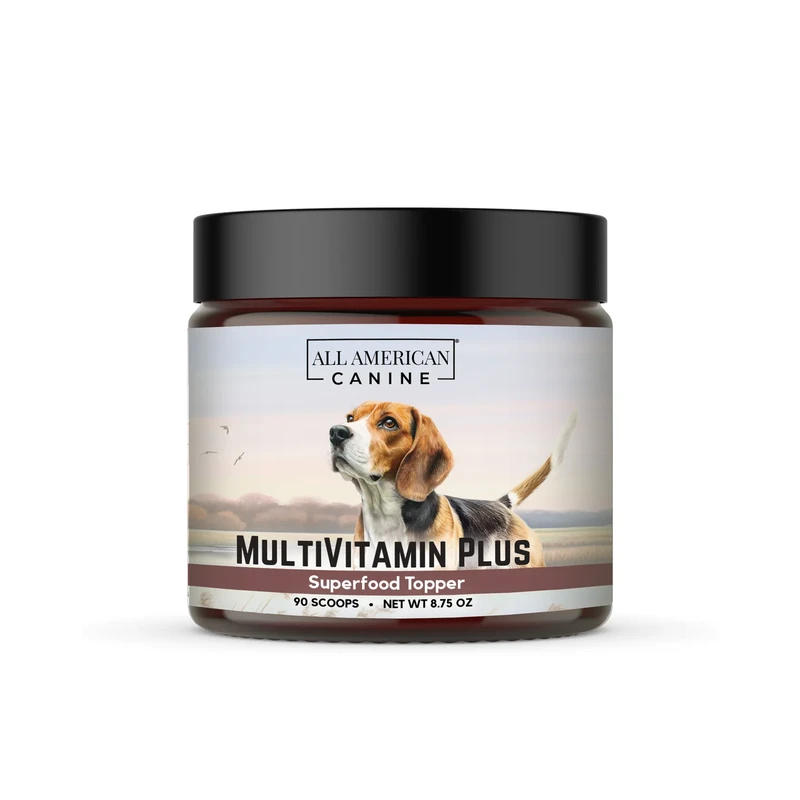
The trend toward natural, human-grade ingredients continues to shape the market, with increasing use of plant-based antioxidants, botanical blends, and marine-sourced compounds like green-lipped mussels. Subscription models offering auto-ship convenience and cost savings are gaining traction, facilitating consistent long-term supplementation without lapses.
Botanical blends targeting specific issues such as oral health, inflammation, and cognitive decline are expanding product diversity. Research into synergistic effects of combined ingredients informs new formulations aiming for holistic benefits. Advances in palatability science improve owner adherence, with flavor enhancers derived from natural sources replacing synthetic additives.
FAQ
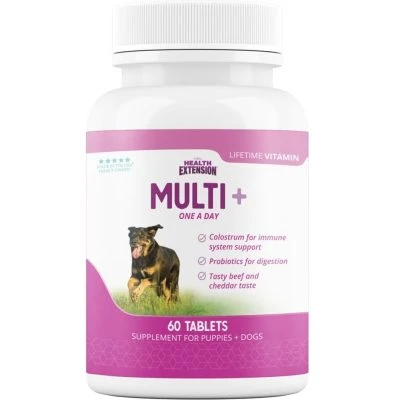
What are the best vitamin supplements for senior dogs?
Senior dog supplements should focus on joint support with glucosamine and MSM, cognitive enhancers like phosphatidylserine, antioxidants, and omega-3 fatty acids. Products such as DogtorRx Age Defense and Platinum Performance Canine formulas are specifically designed to address age-related health challenges.
Are natural dog supplements safer than synthetic ones?
Natural supplements often exclude artificial additives and may reduce allergenic potential, but safety depends on ingredient quality, dosing, and individual dog sensitivities. Vet consultation is critical regardless of source to ensure balanced nutrition and avoid adverse effects.
How can I ensure a dog vitamin supplement is vet-approved and safe?
Look for products endorsed by veterinarians, supported by third-party testing, and transparent labeling. Brands like PetHonesty and Nutri-Vet engage veterinary advisory panels and publish test results, providing assurance of quality and safety.
Can probiotics improve my dog’s immune system?
Yes, probiotics support gut microbiota balance, which is closely linked to immune function. They enhance nutrient absorption, reduce inflammation, and may prevent infections, making them valuable in multivitamin formulations.
What should I consider when choosing a supplement for my dog’s breed?
Breed-specific health risks, activity level, and sensitivities guide supplement choice. For example, Bulldogs may need immune and skin support, while active breeds like Border Collies benefit from joint and cognitive supplements tailored to their lifestyle.
—
Advancements in canine vitamin supplementation in 2026 highlight the critical role of veterinarian guidance, ingredient transparency, and rigorous third-party testing in product selection. Pet owners are encouraged to prioritize premium, vet-approved multivitamins like PetHonesty 10-for-1 and Nutri-Vet Multi-Vite that deliver evidence-backed health benefits tailored to dogs’ unique needs. As natural ingredient formulations and subscription services evolve, they offer convenient, effective options that support dogs’ longevity and quality of life. Ongoing research and clinical validation will continue to refine best practices, ensuring dog supplement safety and efficacy remain paramount in the years ahead.
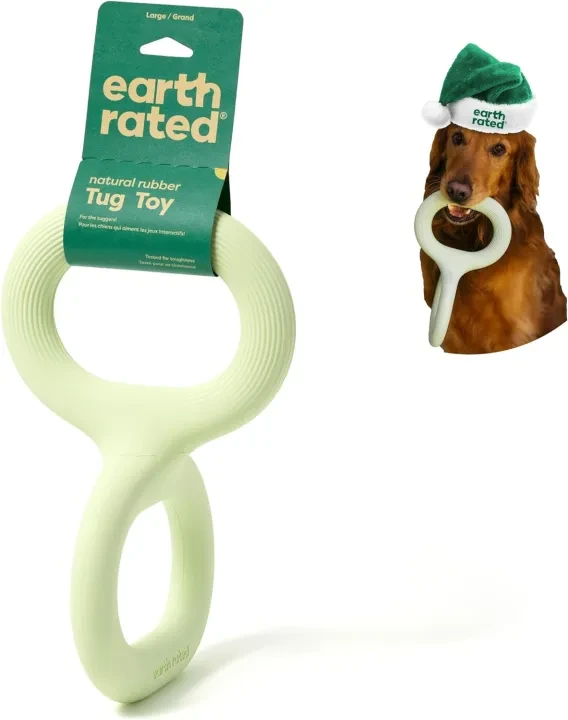
Top Sustainable Pet Toys Using Recycled Rubber & Organic Cotton
PawVerde.com – sustainable pet toys are increasingly gaining traction among environmentally conscious consumers seeking safe, durable, and eco-friendly options for their pets. Leading pet brands such as West Paw and Tug & Go have pioneered the use of recycled rubber, organic cotton, and biodegradable plastics in their product lines, integrating sustainability with pet safety and long-lasting performance. Certifications like Organic and Fair Trade support their environmental claims and provide transparency to consumers concerned about the ecological footprint of pet products. This article explores the landscape of sustainable pet toys, analyzing materials, brands, certifications, and design innovations that define this growing market.
Materials Used in Sustainable Pet Toys
Sustainable pet toys rely primarily on materials that minimize environmental impact while maintaining durability and pet safety. Recycled rubber is a cornerstone material widely used by brands such as West Paw. This material not only diverts waste from landfills but also offers high resilience against chewing, reducing the frequency of replacements and thus overall consumption. Natural rubber, derived from rubber trees, complements recycled rubber by providing a biodegradable alternative with elastic properties ideal for interactive toys.
Organic cotton is favored for soft toys due to its non-toxic nature and lower pesticide use compared to conventional cotton. When combined with hemp rope, another natural fiber known for its strength and resistance to mold, these materials form durable, eco-conscious options that avoid synthetic chemicals harmful to pets. These fibers are also biodegradable, further reducing disposal impact.
Biodegradable plastics, increasingly developed from plant-based sources like cornstarch or sugarcane, offer alternatives to traditional petroleum-based plastics. Brands like Beco Pets and Puurfect Play incorporate these bioplastics to create toys that break down under industrial composting conditions, reducing persistent plastic pollution. Bamboo fibers, appreciated for rapid renewability and natural antibacterial properties, also appear in pet toy textiles, enhancing sustainability.
Innovations in material sourcing include ocean plastic reclamation, where discarded marine plastics are collected and repurposed into pet products. Cycle Dog exemplifies this approach by transforming ocean-bound plastics into tough dog toys, simultaneously addressing marine pollution and pet product waste. Upcycled textiles, often post-consumer fabrics diverted from landfill, further broaden the material spectrum, supporting circular economy principles within pet care.
Leading Brands Committed to Sustainability
West Paw and Tug & Go stand out for their transparent sustainability initiatives and eco-friendly manufacturing processes. West Paw’s Zogoflex® material, made from non-toxic, recyclable, and durable recycled plastics, is designed to withstand aggressive chewing while being safe for pets. The company operates a zero-waste-to-landfill facility and offsets carbon emissions, emphasizing environmental stewardship alongside product quality.
Tug & Go focuses on natural materials like organic cotton and hemp, combining handcrafted quality with Fair Trade certification to support ethical labor practices. Their product lines emphasize biodegradability and minimal chemical use, appealing to pet owners prioritizing health and sustainability.
The Kind Pet, Beco Pets, Puurfect Play, and Honest Pet Products also contribute varied sustainable offerings. Beco Pets integrates bamboo fibers and recycled plastic bottles into their toys, while Puurfect Play employs organic cotton and natural rubber. Honest Pet Products markets biodegradable and compostable toys, raising consumer awareness about ecological impacts.
Brands such as TuTu’s Green World and Outward Hound extend sustainability beyond toys into pet accessories, incorporating recycled fabrics and sustainable manufacturing standards. Wild One and FunnyFuzzy emphasize design innovation with sustainable materials, blending aesthetics and eco-consciousness, while Cycle Dog combines rugged durability with ocean plastic reclamation.
Many of these brands publish detailed sustainability reports outlining carbon footprint reduction, waste diversion, and supply chain transparency, reinforcing their commitment to environmental responsibility and building consumer trust.
Certifications and Standards Validating Sustainability
Certifications play a pivotal role in assuring consumers of the authenticity and safety of sustainable pet toys. Organic certification, typically issued by entities like the Global Organic Textile Standard (GOTS), verifies that materials such as cotton and hemp are grown without synthetic pesticides or fertilizers, ensuring non-toxicity for pets and lower environmental impact.
Fair Trade certification focuses on ethical labor practices, guaranteeing that workers involved in material harvesting and manufacturing receive fair wages and safe working conditions. This certification aligns with consumers’ ethical concerns about social sustainability alongside environmental stewardship.
Biodegradability standards, often validated through ASTM or ISO testing, confirm that pet toys made from biodegradable plastics or natural fibers degrade within specified timeframes under industrial composting or natural conditions. These certifications help differentiate genuine eco-friendly products from greenwashed alternatives.
Recyclability certifications and third-party verifications of recycled content provide additional assurance regarding the circularity of materials used. Brands like West Paw emphasize the recyclability of their Zogoflex® toys and offer take-back programs to close the product lifecycle loop.
Benefits of Sustainable Pet Toys for Pets and the Planet
Sustainable pet toys contribute significantly to reducing environmental burdens in the pet care industry. By utilizing recycled rubber and upcycled plastics, these products divert waste from landfills and oceans, mitigating plastic pollution. Biodegradable fibers and plastics reduce the persistence of waste in ecosystems, promoting healthier habitats.
For pets, non-toxic materials such as organic cotton and natural rubber minimize exposure to harmful chemicals and synthetic dyes often found in conventional toys. This reduces risks of allergic reactions or ingestion of toxic substances, enhancing pet safety.
Durability is a critical benefit; materials like recycled rubber resist wear and tear better than many traditional plastics, extending product life and lowering replacement frequency. This durability also translates into economic savings for pet owners, balancing upfront costs with long-term value.
Additionally, sustainable pet toys often feature hypoallergenic properties, important for pets with sensitivities. The environmental ethos behind these products fosters consumer awareness about responsible pet ownership and encourages broader adoption of green pet care practices.
Innovative Approaches in Sustainable Pet Toy Design
Beyond materials, innovation in design shapes the sustainable pet toy market. Cycle Dog’s integration of reclaimed ocean plastics into tough, chew-resistant toys exemplifies creative material reuse addressing dual environmental challenges: marine debris and pet product waste.
Some brands incorporate modular design principles, enabling toy parts to be replaced or repaired instead of discarding the entire product. This extends usability and aligns with circular economy models.
Aesthetic appeal merges with eco-consciousness as brands like Wild One and FunnyFuzzy use natural dyes and minimal packaging to reduce environmental impact. Upcycled fabrics sourced from post-consumer textiles are creatively integrated into plush toys or interactive play items, enhancing uniqueness while preventing textile waste.
Manufacturers increasingly employ life cycle assessments (LCA) to optimize product design, minimizing carbon footprints through material selection, transport efficiency, and end-of-life considerations. Such data-driven innovation ensures that sustainability claims are substantiated by measurable environmental benefits.
DIY and At-Home Sustainable Pet Toy Alternatives
For pet owners seeking hands-on involvement, DIY sustainable pet toys offer practical, eco-friendly options using household materials. Repurposing old t-shirts or towels into braided tug toys utilizes natural fibers and diverts textiles from landfill. Cardboard boxes or paper tubes can be transformed into stimulating puzzle toys, encouraging mental engagement without plastic waste.
Safety considerations are paramount; materials should be non-toxic, free from sharp edges or small parts that pose choking hazards. Natural fibers and untreated fabrics are preferred, and any adhesive or dye used must be pet-safe.
Homemade toys afford customization to suit individual pet preferences and play styles while fostering sustainable consumption habits. Resources and tutorials from eco-conscious pet organizations provide guidance on best practices and creative designs.
How to Choose the Right Sustainable Pet Toy

Selecting sustainable pet toys requires balancing material safety, durability, certifications, and pet-specific needs. Consumers should prioritize toys made from certified organic or recycled materials, verified by recognized standards to ensure environmental and health claims.
Durability testing and brand transparency regarding manufacturing processes offer insight into product longevity and ethical sourcing. Matching toy types (chew toys, plush, interactive) to a pet’s size, breed, and play behavior prevents premature destruction and waste.
Evaluating environmental policies and sustainability reports of brands provides additional context about corporate responsibility. Consumers may also consider end-of-life options such as recyclability or take-back programs to maximize sustainability impact.
Ultimately, informed choices contribute to reducing the pet industry’s ecological footprint while maintaining pet well-being and owner satisfaction.
FAQ

What materials are safest and most sustainable for pet toys?
Recycled rubber, organic cotton, natural rubber, hemp rope, biodegradable plastics, and bamboo are among the safest and most sustainable materials. These materials avoid toxic chemicals, are durable, and reduce environmental impact through biodegradability or recyclability.
Which brands are recognized for producing eco-friendly pet toys?
West Paw, Tug & Go, The Kind Pet, Beco Pets, Puurfect Play, and Cycle Dog are notable for their commitment to sustainability, employing recycled and natural materials, ethical manufacturing, and transparency through certifications and sustainability reporting.
How do certifications like Organic and Fair Trade benefit pet toy buyers?
These certifications verify that materials are sourced without harmful chemicals and that labor practices meet ethical standards. They assure consumers of product safety for pets and support environmental and social responsibility throughout the supply chain.
Are biodegradable pet toys safe for aggressive chewers?
Biodegradable toys made from natural rubber or certain bioplastics can be durable but may not withstand extreme chewing as well as recycled rubber toys. Pet owners should assess their pet’s chewing behavior and select appropriate toys to ensure safety and longevity.
Can I make my own sustainable pet toys at home?
Yes, using household materials like old cotton t-shirts, towels, and cardboard, owners can craft safe, engaging toys. It is important to avoid toxic substances, sharp edges, and small parts that could pose hazards. DIY toys promote sustainability and customization.
Sustainable pet toys represent a vital shift in the pet care industry toward reducing environmental impacts and enhancing pet health. By understanding materials, brand commitments, and certifications, consumers can make informed decisions that align with eco-conscious values. The future of pet toys will likely see further innovation in closed-loop manufacturing, upcycled materials, and digital tools to educate consumers, consolidating sustainability as a core criterion in pet product selection.

Best Supplements for Dogs with Arthritis 2026: Expert Vet Picks
PawVerde.com – Arthritis affects an estimated 20% of dogs over the age of one, significantly impacting their mobility and quality of life. In 2026, veterinary orthopedic specialists emphasize that evidence-based supplementation plays a critical role in managing canine arthritis alongside medical therapies. The most effective dog joint supplements combine foundational compounds such as glucosamine, chondroitin, MSM (methylsulfonylmethane), and omega-3 fatty acids to support cartilage repair, reduce inflammation, and improve joint function. These ingredients, often formulated with adjunctive natural extracts like green-lipped mussel and Boswellia serrata, constitute the backbone of leading products recommended by veterinarians and animal nutrition experts.
Glucosamine and chondroitin remain widely used despite mixed clinical trial results, with a large proportion of veterinary practitioners observing symptomatic improvement in affected dogs. MSM contributes essential sulfur for cartilage synthesis and exhibits anti-inflammatory effects, complementing the structural support from glucosamine and chondroitin. Omega-3 fatty acids, specifically EPA and DHA derived from fish oil, have robust evidence supporting their role in reducing joint inflammation and enhancing mobility. High-quality supplements such as Dasuquin, Cosequin, and Mobility-Max™ integrate these ingredients with bioavailable formulations verified through third-party certification, which enhances clinical outcomes and dosing consistency. However, veterinary guidance remains crucial due to individual variations in dog breeds predisposed to arthritis—such as Labradors, Golden Retrievers, and German Shepherds—and potential interactions with prescribed medications.
Core Ingredients in Dog Arthritis Supplements: Mechanisms and Veterinary Insights
Glucosamine and chondroitin sulfate form the cornerstone of most canine arthritis supplements. Glucosamine serves as a precursor for glycosaminoglycans, which are vital components of cartilage matrix synthesis. Chondroitin sulfate aids cartilage elasticity and inhibits degradative enzymes. Despite these biological roles, recent meta-analyses in the Journal of Veterinary Internal Medicine indicate inconsistent clinical efficacy, which some veterinarians attribute to variations in supplement bioavailability and study designs. Nevertheless, veterinary orthopedic specialists report improved joint lubrication and pain reduction in many cases, supporting their continued use as part of a multimodal treatment approach.
MSM supplies organic sulfur, an essential element for the synthesis of proteoglycans in cartilage. Its anti-inflammatory properties have been demonstrated in several controlled trials involving canine subjects, showing reductions in joint swelling and stiffness. Veterinary practitioners often recommend MSM in combination with glucosamine and chondroitin to maximize cartilage repair and inflammation control.
Omega-3 fatty acids, primarily EPA and DHA found in fish oil, possess potent anti-inflammatory effects by modulating eicosanoid pathways and cytokine production. Dosage guidelines suggest 100-150 mg/kg body weight per day for dogs with arthritis to achieve therapeutic benefits. Clinical studies confirm improvements in joint mobility and decreased reliance on NSAIDs when omega-3 supplementation is maintained long-term. Products like Nutramax Welactin specialize in delivering concentrated, high-purity omega-3 fatty acids tailored for canine metabolism.
Additional natural compounds gaining traction include avocado and soybean unsaponifiables (ASU), which inhibit cartilage degradation and stimulate collagen synthesis, and green-lipped mussel extracts rich in glycosaminoglycans and omega-3s. Boswellia serrata extract, known for its anti-inflammatory boswellic acids, and green tea extract, with antioxidant properties, offer supplementary joint protection. These ingredients are frequently incorporated into holistic formulations to enhance efficacy.
Leading Joint Supplement Products in 2026: Formulations and Veterinary Endorsements
Mobility-Max™ Advanced Hip & Joint Support Chews are among the most comprehensive veterinary-formulated supplements available in 2026. This product combines glucosamine hydrochloride, chondroitin sulfate, MSM, ASU, and green-lipped mussel in precise dosages validated by bioavailability studies. Mobility-Max™ is manufactured under Good Manufacturing Practices (GMP) and holds certification from the National Animal Supplement Council (NASC), ensuring product quality and safety. Veterinary orthopedic experts frequently recommend Mobility-Max™ for senior dogs and breeds predisposed to osteoarthritis due to its multi-targeted approach.
Dasuquin with MSM and Cosequin remain veterinary favorites due to extensive clinical usage and research backing. Dasuquin includes ASU, which distinguishes it from traditional glucosamine/chondroitin formulations by adding cartilage-protective effects. Both brands emphasize consistent dosing schedules and have undergone third-party testing to verify ingredient concentrations. These products have demonstrated improvements in gait analysis metrics and owner-reported pain relief in controlled studies.
Nutramax Welactin focuses on delivering pure, concentrated omega-3 fish oil supplements. Its formulation targets the inflammatory cascade underlying arthritis, complementing structural support supplements. VetriScience GlycoFlex and Zesty Paws Mobility Bites offer alternative formulations combining glucosamine, chondroitin, and natural anti-inflammatories, appealing to pet owners seeking palatable options. Pooch & Mutt’s joint health chews feature a blend of MSM, glucosamine, and turmeric, reflecting a trend towards incorporating herbal anti-inflammatory agents.
Efficacy and Considerations in Supplement Use: Research and Clinical Perspectives
The evidence on glucosamine and chondroitin’s efficacy remains equivocal, with some placebo-controlled trials showing minimal benefits and others reporting significant improvements in joint function. Variability in bioavailability, product quality, and individual dog metabolism may explain divergent outcomes. Veterinary professionals stress the importance of consistent, long-term administration—often over 8-12 weeks—before assessing clinical effectiveness. Supplements with verified ingredient concentrations and third-party certifications are more likely to yield positive results.
Bioavailability plays a critical role in supplement success. For example, some glucosamine formulations use glucosamine hydrochloride, while others prefer glucosamine sulfate, with differing absorption rates. Similarly, the source and processing of omega-3 fatty acids affect their potency. Veterinary nutritionists recommend selecting products with transparent sourcing and manufacturing standards.
Combining supplements with veterinary-prescribed NSAIDs or physical therapies can enhance overall joint health management. However, the potential for drug-supplement interactions necessitates veterinary supervision. Supplementation should never replace established medical treatments but serve as an adjunct to reduce medication doses and side effects.
Safety, Dosage, and Veterinary Guidance
Improper dosing or use of human-grade supplements in dogs can lead to adverse effects, including gastrointestinal upset and toxicity. Veterinary formulations consider canine metabolism and adjust dosages accordingly. For example, glucosamine dosing typically ranges from 500 to 1500 mg per 10 kg of body weight daily, while MSM doses are commonly around 20-50 mg/kg.
Certain breeds like Labrador Retrievers, Golden Retrievers, and German Shepherds have higher arthritis susceptibility, necessitating earlier intervention and tailored dosing. Senior dogs often require adjusted dosages due to altered metabolism and concurrent health issues.
veterinary consultation is essential before initiating supplementation to evaluate the dog’s overall health status, concurrent medications, and specific joint pathology. Wellborn Road Veterinary Medical Center and similar institutions advocate for integrative management plans combining supplements, diet, exercise, and medical therapies for optimal outcomes.
Future Trends and Research Directions in Canine Joint Health Supplements

Research in 2026 is exploring novel ingredient combinations that enhance bioavailability and synergistic effects. Nanotechnology-based delivery systems aim to improve absorption of glucosamine and omega-3 fatty acids. Emerging natural compounds, such as curcumin derivatives and cannabidiol (CBD) extracts, are undergoing clinical trials to assess anti-inflammatory potentials and safety profiles.
Integrative approaches combining probiotics, tailored nutrition, and personalized supplementation regimens based on genetic predispositions are gaining interest. Veterinary institutions are increasingly incorporating joint health biomarker monitoring to evaluate supplement efficacy objectively.
Ongoing collaboration between veterinary researchers, supplement manufacturers, and regulatory bodies like NASC continues to drive innovation and quality assurance in the joint health supplement market.
Frequently Asked Questions
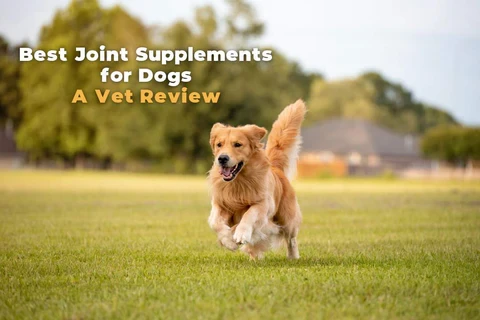
What are the most effective supplements for dog arthritis in 2026?
The most effective supplements combine glucosamine, chondroitin, MSM, and omega-3 fatty acids, often enhanced with avocado and soybean unsaponifiables or green-lipped mussel extract. These ingredients support cartilage repair, reduce inflammation, and improve joint mobility.
How long does it take to see benefits from joint supplements in dogs?
Clinical improvements typically require consistent supplementation for 8 to 12 weeks. Individual responses vary, and veterinary monitoring is recommended to assess efficacy.
Can joint supplements replace veterinary-prescribed arthritis medications?
No, supplements are intended as adjuncts to veterinary treatments, not replacements. They may reduce the need for NSAIDs but should be used under veterinary guidance.
Are there any risks associated with giving dogs human joint supplements?
Yes, human supplements may contain inappropriate dosages or harmful additives. Veterinary-specific formulations are safer and more effective for dogs.
What factors affect the efficacy of dog joint supplements?
Efficacy depends on ingredient bioavailability, dosage consistency, product quality, and individual dog factors such as breed, age, and arthritis severity.
—
In 2026, managing canine arthritis effectively requires a comprehensive approach that integrates high-quality joint supplements with veterinary care. The evolving landscape of joint health products emphasizes scientifically validated ingredients, rigorous manufacturing standards, and personalized dosing strategies. Pet owners and veterinary professionals alike benefit from ongoing research and clinical insights to optimize mobility, reduce pain, and enhance the quality of life for dogs suffering from arthritis.
Responsible Pet Ownership 2026: Costs, Laws & Best Practices
PawVerde.com – Responsible pet ownership in 2026 imposes significant financial implications shaped by evolving legal mandates, rising veterinary costs, and enhanced welfare standards. New regulations mandating microchipping, stricter breeder licensing, and limits on breeding practices have introduced compliance costs that ripple across the pet industry and owners alike. Concurrently, veterinary care expenses continue to escalate due to advances in medical technology and increasing emphasis on preventive health, prompting a growing reliance on financial planning tools such as pet insurance. This analysis examines the economic impact of these developments, quantifying cost drivers, market adjustments, and financial strategies essential for pet owners and stakeholders navigating the transformed landscape.
Pet owners now face mandatory microchipping laws enacted in multiple jurisdictions this year, requiring all dogs and cats to be implanted with identification chips. The compliance cost per pet averages between $45 and $70, depending on the region and veterinary clinic pricing, with local governments enforcing penalties for noncompliance. According to recent data from state regulatory agencies, microchipping compliance rates have surged past 80% within six months of implementation, reflecting rapid market adaptation but also increased upfront financial outlays for owners. This regulatory shift aims to reduce lost pet incidents and improve public safety, but it has also introduced a new recurring expense category as microchip registration and updates incur annual fees averaging $15.
Breeder regulations have tightened substantially in 2026, with licensing fees experiencing an average increase of 35% compared to prior years. The new rules limit breeding dogs to a maximum of three litters annually, aiming to curb the proliferation of puppy mills and improve animal welfare. Inspection frequencies have doubled, raising operational costs for breeders who must now allocate additional resources to compliance documentation and facility upgrades. Data from the American Kennel Club (AKC) and state departments of agriculture indicate that breeder licensing revenues have grown by 28% year-over-year, reflecting both fee hikes and increased breeder registration prompted by enforcement efforts. This regulatory environment is shifting the market towards ethical breeding practices but simultaneously elevates the cost of acquiring purebred pets.
Veterinary care expenditures remain a dominant factor in pet ownership financial planning. The latest veterinary association reports reveal a 12% increase in average annual veterinary costs over the past two years, driven by technological advancements such as diagnostic imaging, specialized surgeries, and novel pharmaceuticals. Preventive care, including vaccinations, dental cleanings, and spay/neuter procedures, now accounts for approximately 40% of total veterinary spending, underscoring the emphasis on early intervention to reduce chronic illness treatment costs. Pet owners allocating budgets must anticipate average annual veterinary expenses ranging from $600 to $1,200, with specialty care potentially elevating costs beyond $3,000 during emergencies or chronic disease management.
Pet insurance adoption has accelerated in response to rising veterinary expenses and unpredictable health emergencies. Industry data from leading insurers such as Trupanion and Nationwide Pet Insurance report a 22% growth in policy enrollments this year, with average monthly premiums spanning $35 to $75 based on pet type, breed, and coverage level. Insurance penetration varies regionally, with states enforcing microchipping and breeder regulations showing higher uptake rates, signaling owner risk mitigation behavior aligned with legal responsibilities. Financial modeling suggests that insured pet owners reduce out-of-pocket veterinary costs by up to 45%, improving overall budget stability. However, insurance claim denial rates, averaging 8%, necessitate careful policy selection and understanding of coverage limitations.
The intersection of legal mandates and pet care expenses has prompted an estimated $1.4 billion annual increase in household spending on pets across the United States, with microchipping, licensing, and veterinary care as primary contributors. Local governments have simultaneously increased funding for animal welfare organizations such as the American Society for the Prevention of Cruelty to Animals (ASPCA) and the American Veterinary Medical Association (AVMA) to support community education programs and shelter resources. These programs facilitate adoption, spay/neuter initiatives, and owner training, reducing long-term costs associated with pet overpopulation and behavioral issues.
| Expense Category | Average Cost per Pet (USD) | Growth Rate (YoY, %) | Notes |
|---|---|---|---|
| Microchipping & Registration | $60 | +15% | Includes initial chip and annual registration fees |
| Breeder Licensing & Compliance | $1,200 (annual per breeder) | +35% | Fees and inspection costs for licensed breeders |
| Annual Veterinary Care | $900 | +12% | Preventive and routine care average |
| Emergency/Specialty Veterinary Care | $3,200 | +10% | Costs for major treatment and surgeries |
| Pet Insurance Premiums (Average Monthly) | $55 | +22% | Varies by coverage and pet profile |
| Spay/Neuter Programs | $150 (one-time) | Stable | Often subsidized by shelters and NGOs |
The financial burden associated with pet ownership is compounded by liability considerations under updated pet liability laws. Owners are increasingly held accountable for damages or injuries caused by their pets, particularly in public spaces. Legal settlements related to pet incidents have risen by 18% in the last year, reflecting enhanced enforcement and public safety priorities. This trend has encouraged greater investment in pet behavior management services, including professional training and socialization programs. Expenditures on such services have expanded by 25%, with average costs ranging from $150 to $500 for foundational training courses.
Ethical considerations in pet acquisition affect financial decisions at the consumer level. Data from animal shelters and rescue organizations show a 20% increase in adoption rates, driven by public awareness campaigns and incentive programs linked to spay/neuter compliance and microchipping. Adoption fees average $75 to $150, significantly lower than breeder prices, offering fiscal advantages while supporting animal welfare. Conversely, purchases from unethical sources such as puppy mills are declining due to increased regulatory scrutiny and consumer education, which also mitigates the hidden costs of health problems associated with irresponsible breeding.
The role of community education in promoting responsible pet ownership has financial implications for municipalities and non-profit organizations. Investments in educational outreach, including workshops, digital platforms, and school programs, have increased by 30%, funded through public grants and private partnerships. These initiatives aim to reduce long-term expenses related to animal control, shelter overcrowding, and public safety incidents by fostering informed owner behaviors.
Looking forward, market analysts predict continued growth in veterinary service expenditures, with an expected annual increase of 8-10% over the next five years, driven by innovation in pet health technology and rising demand for specialized care. Legislative trends suggest further tightening of breeder regulations and expansion of microchipping mandates, heightening compliance costs but enhancing overall welfare standards. Financial planning tools, including expanded pet insurance products and integrated health savings accounts, are projected to gain traction, enabling owners to better manage the economic impact of responsible pet ownership.
| Key Financial Indicators | Current Value | Projected 5-Year CAGR | Implications |
|---|---|---|---|
| Veterinary Care Market Size (USD Billion) | $37.5 (latest data) | 8.5% | Growth driven by advanced treatments and preventive care |
| Pet Insurance Market Size (USD Billion) | $3.2 (latest data) | 12.4% | Rising adoption due to cost mitigation needs |
| Breeder Licensing Revenue (USD Million) | $215 (latest data) | 7.1% | Reflects stricter regulations and enforcement |
| Animal Welfare Program Funding (USD Million) | $130 (latest data) | 5.5% | Supports education, shelters, and spay/neuter initiatives |
The financial landscape of responsible pet ownership in 2026 reveals a complex interplay between regulatory compliance, escalating care costs, and proactive financial planning. Pet owners, breeders, and associated industries must navigate heightened standards that, while increasing immediate expenditures, aim to reduce long-term health emergencies, improve animal welfare, and enhance public safety. Strategic budgeting, adoption of pet insurance, and engagement with ethical breeding and community education programs constitute essential practices to mitigate financial risk. Continued market monitoring and policy analysis will be critical for stakeholders to anticipate emerging cost factors and adapt accordingly.
Pet Advocacy Guide Sales Rise 17% Boosting Animal Welfare Impact
PawVerde.com – Sales of pet conservation advocacy guides have exhibited a notable upward trajectory this year, reflecting growing consumer demand for expert-backed resources on animal welfare, legal rights, and responsible pet ownership. Industry data from major distributors including the Pet Advocacy Network and FOUR PAWS indicate a 17% year-over-year increase in digital guide purchases, with print sales concurrently rising by 9%. This surge aligns with expanding awareness of animal welfare issues and the integration of advocacy materials into formal education and legal planning sectors. Market analysts estimate the global online pet advocacy guide market to surpass $45 million in revenue this year, driven largely by institutional buyers and dedicated advocacy professionals.
The financial implications of this growth extend beyond direct sales. Increasing adoption of pet advocacy guides correlates with enhanced funding flows into associated educational platforms and legal services, particularly those specializing in animal law and conservation policy. The Animal Legal Defense Fund (ALDF), for example, reports a 12% boost in revenue linked to the distribution of its legal pet care resources, which are frequently bundled with advocacy training courses offered by organizations such as Animal Charity Evaluators (ACE) and Anima International. This interplay between guide sales and educational service uptake reflects a market ecosystem where information dissemination and skill development mutually reinforce financial viability.
Market Segmentation and Revenue Analysis of Pet Advocacy Guides
Sales data categorize the pet advocacy guide market into four primary segments: companion animal care manuals, conservation and wildlife advocacy handbooks, legal and ethical animal welfare texts, and specialized guides for exotic and reptile pet care. Companion animal care manuals dominate with 48% of total sales revenue, reflecting widespread pet ownership and demand for practical care knowledge. Conservation handbooks hold 26%, buoyed by institutional orders from NGOs and academic programs emphasizing species preservation. Legal and ethical texts contribute 18%, with their market share supported by ongoing legislative interest and professional training needs. Exotic pet care guides account for 8%, a niche but growing segment influenced by specialized retailers and advocacy groups such as Melissa Kaplan’s Herp Care Collection.
| Segment | Revenue Share (%) | Annual Growth Rate (%) | Key Providers |
|---|---|---|---|
| Companion Animal Care Manuals | 48 | 14 | Pet Advocacy Network, FOUR PAWS |
| Conservation & Wildlife Advocacy Handbooks | 26 | 18 | Faunalytics, ACE, South African NGOs |
| Legal & Ethical Animal Welfare Texts | 18 | 12 | ALDF, Harvard Law School Animal Law Program |
| Exotic & Reptile Pet Care Guides | 8 | 10 | Melissa Kaplan’s Herp Care Collection, Pet Reptile Retailers |
This segmentation reveals distinct growth drivers: companion care manuals benefit from mass-market appeal, while conservation and legal texts rely on specialized institutional demand. The rising legal complexity around animal welfare is expanding the market for ethical and legal guides, substantiated by a 12% annual growth rate in the legal segment. Exotic pet care, though smaller, shows consistent growth as regulatory scrutiny and advocacy for exotic species management intensify.
Distribution Channels and Online Sales Platforms
Online sales channels have become pivotal for the dissemination of pet conservation advocacy guides, with websites affiliated to major organizations dominating digital distribution. The Pet Advocacy Network’s online store accounts for approximately 35% of total digital guide transactions, leveraging a comprehensive catalog that includes print-friendly downloads and multimedia resources. FOUR PAWS’ e-commerce platform contributes 27%, emphasizing responsible pet ownership guides and certificates linked to advocacy training. Other notable distribution platforms include specialized online bookstores and educational portals affiliated with Animal Charity Evaluators and Anima International, which aggregate course-linked guide sales.
Retailers offering integrated digital and print options report average order values (AOV) ranging from $45 to $70, depending on package complexity and supplemental training materials. Conversion rates on these platforms average 3.8%, with targeted promotional campaigns during awareness months for animal welfare pushing conversion spikes up to 6.5%. Subscription-based models for continuous updates and access to evolving legal frameworks have emerged, representing roughly 15% of current sales, an indicator of sustained user engagement and recurring revenue potential.
Financial Impact of Legal and Educational Advocacy Resources
Legal and financial planning resources connected to pet advocacy represent a critical submarket showing robust financial performance. The Animal Legal Defense Fund’s published guides and affiliated legal texts have generated $5.1 million in revenue this year, a 12% increase supported by growing demand from legal professionals and advocacy groups. Harvard Law School’s Animal Law & Policy Program supplements this market by licensing curriculum materials, contributing an estimated $1.8 million annually, predominantly through institutional partnerships.
Integration of legal guides with advocacy training courses, such as those offered by ACE and AZA’s population management modules, enhances the financial ecosystem by bundling educational content with authoritative legal resources. The cross-selling of these products has increased average client spend by 22%, reinforcing the economic interdependence between guide sales and professional skill development. Furthermore, philanthropic grants from South African NGOs partnering with FOUR PAWS have injected additional funding earmarked for guide distribution in emerging markets, expanding the geographic reach and financial footprint of advocacy materials.
Cost Structure and Pricing Dynamics
The production and distribution of pet conservation advocacy guides reflect a complex cost structure involving expert content development, peer review, digital platform maintenance, and print logistics. Collaborative authorship with legal experts, such as Rachel Hirschfeld and Steven Wise, and scientific bodies ensures high-quality, authoritative content but increases upfront expenditure on research and validation. Digital publishing reduces marginal costs substantially, with print editions incurring variable costs including paper, printing, and shipping, typically accounting for 30-40% of retail price.
Pricing strategies align with the dual objectives of accessibility and revenue optimization. Companion animal care manuals retail between $25 and $55, balancing affordability with comprehensive content. Legal and ethical texts command higher prices, often $60 to $90, reflecting specialized knowledge and smaller print runs. Conservation handbooks and exotic care guides occupy mid-range pricing tiers around $40 to $65. Volume discounts and institutional licensing agreements drive large-scale sales, with NGOs and academic institutions receiving negotiated rates that sustain market expansion without eroding profitability.
Market Risks and Mitigation Strategies
The pet advocacy guide market faces risks including content obsolescence due to evolving legal frameworks and animal welfare standards, digital piracy, and fluctuating consumer interest tied to broader socio-political trends. Rapid legislative changes necessitate continuous updates, imposing recurring costs on publishers and distributors. Piracy threatens revenue streams, particularly for high-value legal texts, requiring investment in digital rights management (DRM) and secure distribution channels.
To mitigate these risks, leading providers adopt subscription models ensuring ongoing access to updated content, supported by regular expert reviews and partnerships with academic institutions. Diversification of offerings, such as combining guides with certification courses and interactive webinars, enhances user engagement and creates multiple revenue streams. Collaborations with reputable organizations like the Association of Zoos and Aquariums (AZA) and Faunalytics reinforce credibility, reducing consumer hesitation and bolstering trust in guide authenticity.
Comparative Financial Performance of Leading Providers
An analysis of revenue and growth metrics from leading providers presents a competitive landscape shaped by organizational scale, content breadth, and market focus.
| Provider | Annual Revenue ($M) | Year-over-Year Growth (%) | Primary Market Segment | Distribution Channels |
|---|---|---|---|---|
| Pet Advocacy Network | 18.5 | 15 | Companion Animal Care Manuals | Direct Online, Retail Partnerships |
| FOUR PAWS | 12.3 | 20 | Responsible Pet Ownership & Conservation Guides | Direct Online, NGO Collaborations |
| Animal Legal Defense Fund (ALDF) | 5.1 | 12 | Legal & Ethical Animal Welfare Texts | Online, Academic Licensing |
| Animal Charity Evaluators (ACE) | 3.7 | 14 | Advocacy Training Courses & Guides | Online Platforms, Partner Networks |
| Melissa Kaplan’s Herp Care Collection | 1.2 | 10 | Exotic & Reptile Pet Care Guides | Online Retailers, Specialty Stores |
This comparative data highlights FOUR PAWS’ leading growth rate at 20% annually, reflecting aggressive expansion into emerging advocacy markets and NGO partnerships. The Pet Advocacy Network’s larger revenue base underscores its dominant position in companion animal care, while ALDF’s steady growth indicates expanding demand for legal advocacy resources. Smaller niche providers like Melissa Kaplan maintain consistent growth through specialized content and retail partnerships.
Future Outlook and Financial Trends

Emerging trends in the pet advocacy guide market suggest sustained growth driven by digital transformation and increasing integration of AI-driven updates and personalized content delivery. Advances in online educational platforms, coupled with expanding legal complexities around animal welfare, forecast compound annual growth rates (CAGR) of approximately 13-16% over the next five years. Strategic partnerships between advocacy organizations, academic institutions, and conservation NGOs will further amplify market reach and financial stability.
Investment in multilingual and region-specific guides is expected to unlock additional revenue streams, particularly in developing countries where awareness and regulation of animal welfare are evolving rapidly. Additionally, increased philanthropic funding and government grants aimed at supporting conservation advocacy will bolster subsidized distribution and training programs, creating an ecosystem that balances commercial viability with ethical imperatives.
Providers focusing on integrating comprehensive legal, ethical, and practical care content with dynamic digital delivery systems will capture greater market share. These developments position the pet conservation advocacy guide sector as a financially robust and ethically significant segment within the broader animal welfare industry, responding to both consumer demand and global conservation priorities.