

Best Non-Toxic Flooring for Pet Homes Balances Safety & Sustainability
PawVerde.com – Non-toxic flooring options for pet-friendly homes must balance durability, indoor air quality, and pet safety, while also addressing environmental sustainability. Key materials such as bamboo, cork, luxury vinyl plank (LVP), wool carpet, and tile flooring offer a combination of low VOC emissions, scratch and stain resistance, and comfort, aligning with eco-conscious home building standards. Proper installation techniques, including acclimation of bamboo and use of low-VOC adhesives, further enhance the longevity and safety of these floorings in homes with pets.
Bamboo flooring stands out due to its rapid renewability and environmental benefits. It typically matures within 5–7 years, significantly faster than traditional hardwood. Bamboo’s dense fiber structure provides natural stain and odor resistance, which is critical in pet homes where accidents or spills are common. Textured finishes on bamboo reduce slipping risks for pets, while proper acclimation before installation ensures dimensional stability. Using an appropriate underlayment enhances moisture control and sound insulation, improving overall pet comfort and floor durability.
Cork flooring offers a hypoallergenic surface that naturally resists mold and mildew, important factors in maintaining healthy indoor air quality where pets live. Harvested sustainably by removing bark without harming cork oak trees, cork is a renewable resource with a closed-cell structure that prevents allergen buildup. Its soft, cushioned surface reduces joint stress for pets, and cork’s inherent resilience helps absorb impacts from claws. Regular maintenance with gentle cleaning agents preserves its protective finish and mold-resistant properties.
Wool carpet remains a natural flooring choice that combines biodegradability with pet-friendly benefits such as flame retardancy and dust mite resistance. Wool fibers trap fewer allergens compared to synthetic carpets, though it requires more attention to stain removal and cleaning to prevent odor buildup in pet areas. Wool carpets are ideal in spaces where warmth and softness are priorities, but homeowners must weigh the higher maintenance demands and potential for damage from pet claws.
Luxury vinyl plank flooring has gained popularity for pet homes due to its waterproof qualities and high scratch resistance. Many LVP products now feature low- or zero-VOC formulations, contributing to improved indoor air quality. Its versatility in design allows for realistic wood or stone appearances without the vulnerabilities of natural materials. The ease of cleaning and resistance to stains make LVP practical in households with active pets. Hybrid flooring options, such as those combining vinyl cores with laminate surfaces (e.g., Home Depot’s LifeProof and Opti-Wood brands), offer additional durability and chemical sensitivity considerations, requiring evaluation of off-gassing potential.
Laminate and engineered hardwood floors provide a balance of aesthetic appeal and wear resistance, though scratch resistance varies by product quality and finish. Engineered hardwood, constructed with a real wood veneer over plywood layers, offers better moisture resistance than solid hardwood. However, both materials require sealing and finishing with low-VOC products to minimize chemical emissions. For pet owners concerned about allergens and off-gassing, selecting FSC-certified or VOC-free options is advisable.
Tile and porcelain flooring deliver exceptional durability and water resistance, making them well-suited for pet homes prone to moisture and spills. Their hard surfaces resist scratches and stains, but the lack of cushioning can reduce comfort for pets, which can be mitigated by strategically placing pet-safe rugs. Tile’s non-porous nature helps maintain allergen-free environments, and installation with non-toxic grout and sealants is essential to uphold indoor air quality standards.
Indoor air quality is a critical factor when selecting pet-safe flooring materials. Volatile organic compound (VOC) emissions from adhesives, finishes, and paints used in flooring installation can impact both human and pet health. Sustainable flooring materials with verified low or zero VOC profiles, combined with the use of non-toxic adhesives and paints, enhance air quality and reduce chemical exposure. Additionally, the choice of flooring can influence allergen resistance, with natural fibers and closed-cell surfaces limiting dust mite and mold proliferation.
Effective installation practices are fundamental to maximizing the performance and safety of non-toxic flooring materials in pet homes. Subfloor preparation must include moisture barriers to prevent damage and microbial growth, especially under bamboo and engineered hardwood floors. Acclimation periods for wood-based products help adjust materials to indoor humidity and temperature, reducing warping risks. Cleaning protocols that utilize natural agents such as diluted vinegar or lemon juice support stain and odor management without introducing harmful chemicals. Incorporating pet-safe area rugs can protect flooring surfaces while providing traction and comfort for pets.
| Flooring Type | Pet Safety Features | Sustainability | Durability & Maintenance | VOC Emissions |
|---|---|---|---|---|
| Bamboo Flooring | Textured finish for slip resistance; stain & odor resistant | Rapidly renewable; harvested every 5-7 years | Requires acclimation; underlayment recommended; moderate maintenance | Low VOC with proper finishes and adhesives |
| Cork Flooring | Soft, cushioned; mold & allergen resistant | Sustainably harvested bark; highly renewable | Easy cleaning; resistant to moisture and mold | Low VOC natural material |
| Wool Carpet | Dust mite resistant; natural flame retardant | Biodegradable; natural fiber | Higher maintenance; stain and odor control needed | Generally low VOC but depends on backing and treatments |
| Luxury Vinyl Plank (LVP) | Waterproof; scratch resistant; easy cleaning | Varies; some eco-friendly options available | Simple maintenance; durable against pet wear | Low or zero VOC formulations available |
| Laminate & Engineered Hardwood | Scratch resistance varies; sealing important | Engineered hardwood more sustainable than solid | Moderate maintenance; proper finishes needed | VOC content variable; select low-VOC certified products |
| Tile & Porcelain | Scratch and water resistant; non-porous | Long-lasting; low environmental impact if sourced responsibly | Easy cleaning; use pet-safe rugs for comfort | Low VOC if grout and sealants are non-toxic |
Pet owners seeking non-toxic flooring must evaluate the trade-offs between softness, durability, and maintenance complexity. Bamboo and cork provide sustainable, pet-safe alternatives with natural resistance to stains and allergens, while luxury vinyl plank and tile offer superior durability and ease of cleaning. Wool carpet remains an option where comfort is prioritized, albeit with higher upkeep demands. Across all options, installation with low-VOC adhesives and finishes, appropriate subfloor preparation, and maintenance using gentle, natural cleaning agents are essential practices to maintain indoor air quality and prolong flooring lifespan.
FAQ

What flooring is best for homes with pets and allergies?
Floors made from cork and bamboo are ideal for pet owners with allergies due to their hypoallergenic, mold-resistant properties and low VOC emissions. Tile flooring is also effective as it is non-porous and easy to clean, limiting allergen accumulation.
How do I ensure my flooring is non-toxic and safe for pets?
Select flooring materials certified for low or zero VOC emissions, use non-toxic adhesives and finishes during installation, and maintain floors with natural cleaning products. Verify certifications such as GREENGUARD or FloorScore for indoor air quality assurance.
Is luxury vinyl plank a good choice for pet owners?
Yes, luxury vinyl plank offers waterproof, scratch-resistant surfaces that are easy to maintain, with many low-VOC options available. Its design versatility and durability make it practical for homes with active pets.
Can bamboo flooring withstand pet scratches and accidents?
bamboo flooring is relatively durable and resistant to stains and odors, but its scratch resistance depends on the finish applied. Textured finishes help prevent slipping, and proper underlayment can improve resilience. Prompt cleaning of accidents is necessary to prevent damage.
What maintenance is required for wool carpets in pet homes?
Wool carpets need regular vacuuming and prompt stain treatment to manage odors and prevent damage. Using natural fiber-safe cleaning agents and professional deep cleaning periodically can maintain their hypoallergenic and flame-retardant properties.
As indoor air quality standards tighten and pet ownership continues to rise, the demand for non-toxic, sustainable flooring options will grow. Future developments may focus on enhanced hybrid materials combining natural fibers with durable, low-emission synthetics, further optimizing pet safety and environmental impact. Homeowners are encouraged to consult green building experts and flooring specialists to tailor selections to their specific pet and environmental needs, ensuring a healthy and resilient living space for both humans and animals.

How Fostering Pets Boosts Adoption Success and Welfare in 2026
PawVerde.com – Fostering pets in 2026 has emerged as a pivotal strategy in improving animal welfare, increasing adoption rates, and alleviating shelter overcrowding across the United States. Data from the PEDIGREE Foundation and Maddie’s Fund indicate that over 550 organizations participating in the nationwide Foster 50 campaign have collectively facilitated temporary homes for tens of thousands of animals. These foster-to-adopt programs have proven especially effective, with shelter reports showing that approximately 35% of foster caregivers transition to permanent adopters, significantly enhancing long-term placement success and reducing shelter strain.
Foster-to-adopt initiatives offer a unique pathway for pets and caregivers, allowing animals to acclimate in home environments while potential adopters assess compatibility before committing to adoption. This model has been widely adopted by key animal welfare organizations such as Best Friends Animal Society and Rocket Dog Rescue. Shelter coordinators report that pets in foster care exhibit measurable behavioral improvements, including reduced anxiety and increased socialization, which directly correlate with higher adoption rates. For example, the Animal Welfare League of Alexandria documented a 28% increase in adoption success among fostered dogs compared to those adopted directly from the shelter.
Several foster pet success stories underline the transformative impact of these programs. One notable case involved “Milo,” a medically fragile dog placed in a specialized behavioral foster home through Petco Love’s grant-funded initiative. Over three months, Milo received targeted medical treatment and behavior rehabilitation, enabling his foster family to adopt him permanently. Similar stories from shelters nationwide highlight how fostering provides critical time for pets with medical or behavioral challenges to recover, increasing their chances of finding forever homes. These success narratives also emphasize the emotional bonds formed between foster caregivers and pets, often culminating in “foster fails,” where foster families choose adoption due to strong attachment.
National fostering campaigns continue to expand in scope and influence. The Foster 50 campaign, coordinated by the PEDIGREE Foundation and Petco Love, actively promotes fostering through community outreach, training programs, and financial support for shelters. Over 550 organizations have joined this coalition to boost foster recruitment and retention, addressing a persistent shortage of foster caregivers. Additionally, Maddie’s Fund’s recent grant programs provide shelters with funding to enhance foster support infrastructure, including veterinary care subsidies, behavioral training resources, and caregiver stipends. These investments aim to sustain the growth of foster networks and reduce barriers such as caregiver burnout and financial constraints.
Behavioral and medical rehabilitation success within foster programs has become a critical focus area for shelters and rescue organizations. Fostering environments allow for individualized care plans that shelter settings cannot always accommodate. For instance, Rocket Dog Rescue reported that foster homes helped reduce reactivity and fear-based behaviors in over 60% of their fostered dogs within the first two months. Medical fostering, supported by grants from Petco Love and Best Friends Animal Society, provides essential treatment for chronic conditions, injuries, or post-surgical recovery. This approach not only improves animal welfare outcomes but also reduces shelter euthanasia rates linked to medical complexities.
Foster caregivers play a central role in the success of these programs, often acting as advocates and trainers for foster pets. Interviews with foster families reveal a pattern of deep emotional engagement and satisfaction derived from witnessing pets’ progress. Coordinators at the Animal Welfare League of Alexandria emphasize that ongoing support, including 24/7 access to veterinary consultations and behavior experts, is vital in maintaining caregiver commitment. This networked model of support helps mitigate common fostering challenges such as managing medical emergencies or behavioral setbacks, contributing to higher retention rates within foster programs.
Shelters and rescue organizations have adapted their strategies to maximize fostering benefits while addressing operational challenges. Many have integrated foster recruitment into broader adoption campaigns and community events, leveraging social media and local partnerships to raise awareness. The Animal Welfare League of Alexandria launched a Foster Ambassador program this year, empowering experienced caregivers to mentor newcomers, which has increased foster volunteer retention by 15%. Additionally, shelters are utilizing data-driven approaches to match pets with suitable foster homes based on behavioral profiles and medical needs, optimizing placement success and minimizing returns.
The community-wide impact of fostering is increasingly evident in adoption statistics and shelter capacity metrics. Nationally, shelters involved in the Foster 50 campaign report a combined 22% reduction in shelter populations attributed directly to foster placements. This alleviation of overcrowding allows facilities to improve overall care quality and reduce stress-related health issues among shelter animals. Furthermore, fostering expands access to adoption by enabling off-site events and home-based introductions, broadening the reach to potential adopters hesitant to visit shelters. Funding dedicated to fostering, including grants from the PEDIGREE Foundation and Maddie’s Fund, has been instrumental in sustaining these gains by underwriting medical and training expenses.
Looking ahead, fostering trends in 2026 indicate sustained growth driven by innovative programs and increased community engagement. Agencies like Best Friends Animal Society plan to scale their foster-to-adopt initiatives nationwide, incorporating advanced behavioral assessment tools and telehealth veterinary services to support remote fostering. The Foster 50 coalition aims to recruit an additional 100 organizations this year, focusing on underserved regions with limited shelter resources. Experts predict that the integration of technology, such as AI-driven foster matching platforms, will further streamline caregiver recruitment and pet placement, enhancing efficiency and outcomes.
In sum, fostering pets in 2026 has not only generated numerous success stories but also reshaped shelter operations and adoption frameworks across the U.S. By providing temporary homes that address medical and behavioral needs, fostering improves animal welfare while enabling caregivers to form lasting bonds, often resulting in adoption. National campaigns and grant programs continue to underpin this ecosystem, ensuring that fostering remains a cornerstone of modern animal welfare efforts with measurable benefits for pets, caregivers, and communities alike.
Key Differences Between Vegan and Vegetarian Pet Foods Explained
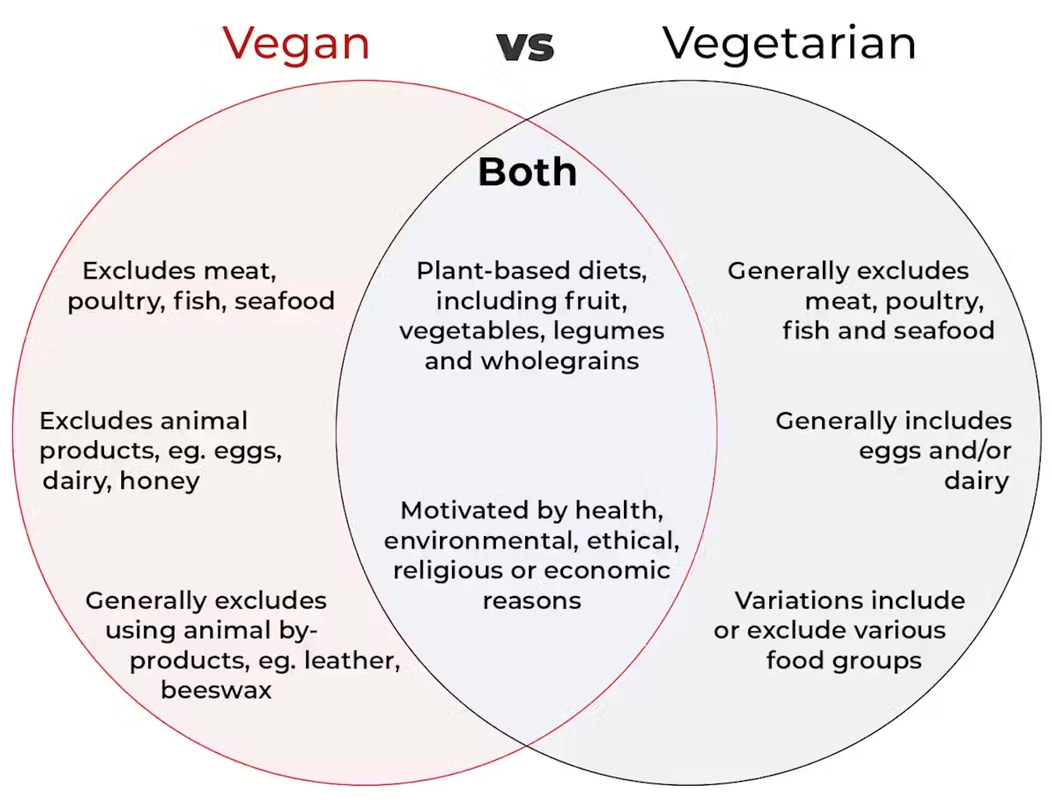
PawVerde.com – Vegan and vegetarian pet foods offer alternative dietary options for dogs and cats, distinguished primarily by their inclusion or exclusion of animal-derived ingredients. Vegan pet food eliminates all animal products, relying solely on plant-based components, whereas vegetarian pet food excludes meat but may incorporate eggs or dairy. This distinction is critical given the differing nutritional needs of dogs and cats, particularly concerning essential nutrients such as arachidonic acid, vitamin B12, taurine, and preformed vitamin A, which are naturally abundant in animal tissues. Understanding these differences is vital for pet owners seeking to adopt plant-based diets for their companions without compromising health.
Dogs, classified as facultative omnivores, possess metabolic pathways enabling them to digest and assimilate nutrients from both animal and plant sources. This adaptability allows dogs to survive and even thrive on carefully formulated vegan or vegetarian diets, provided these diets meet established nutritional standards such as those outlined by the Association of American Feed Control Officials (AAFCO). In contrast, cats are obligate carnivores with strict dietary requirements for nutrients typically absent or insufficient in plant-based foods. For example, cats require preformed vitamin A because they lack the enzymatic capacity to convert beta-carotene from plants into active vitamin A. Additionally, arachidonic acid, a polyunsaturated fatty acid critical for feline health, cannot be synthesized by cats and must be obtained from animal fats. Taurine, an amino sulfonic acid essential for cardiac and retinal function, is also predominantly found in animal tissues. Deficiencies in these nutrients can lead to severe health issues such as retinal degeneration, cardiomyopathy, and impaired immune function.
Recent veterinary research has illuminated the health outcomes associated with vegan and vegetarian diets in dogs, revealing nuanced effects on metabolism and disease risk. Studies conducted by Professor Andrew Knight and colleagues at Winchester University analyzed blood metabolites and clinical health markers in dogs maintained on vegan diets compared to those on conventional meat-based diets. Their findings indicated that dogs on vegan diets exhibited lower serum triglyceride and cholesterol levels, potentially reducing the risk of cardiovascular disease. Additionally, alterations in the gut microbiome were observed, with potential benefits for digestive health and immune modulation. Despite these findings, veterinary nutritionists emphasize the necessity of rigorous diet formulation and supplementation to ensure complete amino acid profiles and micronutrient adequacy. The AAFCO provides nutrient profiles that guide commercial pet food formulations, and brands such as Halo, V-dog, and Natural Balance have developed certified vegan and vegetarian products adhering to these standards. However, these products often require synthetic supplementation of vitamin B12 and taurine to prevent deficiencies.
Formulating nutritionally complete vegan or vegetarian pet foods presents significant challenges due to the limited bioavailability of certain nutrients in plant sources. For instance, vitamin B12 is naturally synthesized by microorganisms and is predominantly obtained from animal tissues in conventional diets. Synthetic supplementation is therefore necessary in plant-based formulations to meet minimum dietary requirements. Similarly, arachidonic acid is absent in plants and must be supplemented, often through algal or fungal sources, although the bioequivalence and long-term safety of these alternatives remain under investigation. The stability and bioavailability of synthetic taurine and vitamin A analogs also require careful consideration during manufacturing and storage. Veterinary consultation is crucial for pet owners who intend to transition their animals to vegan or vegetarian diets, as individualized assessment and monitoring can mitigate risks of nutrient deficiencies and related health disorders.
Safety considerations further differentiate plant-based and meat-based pet foods. Meat-based products have a documented history of contamination outbreaks involving pathogens such as Salmonella and Listeria monocytogenes, resulting in widespread recalls and posing zoonotic risks to both pets and owners. Recall data analyzed over the past decade indicate that meat-containing pet foods account for a disproportionately higher number of safety alerts compared to plant-based alternatives. Conversely, vegan formulations inherently eliminate risks associated with animal-borne pathogens, contributing to improved food safety profiles. Environmental and ethical concerns also motivate the growing demand for plant-based pet diets. The pet food industry significantly contributes to greenhouse gas emissions, land use, and water consumption, with animal agriculture representing a substantial proportion. Transitioning to plant-based ingredients can reduce environmental footprints, aligning pet ownership with broader sustainability goals.
Veterinary perspectives on vegan and vegetarian pet diets remain cautious yet open to evolving evidence. The American Veterinary Medical Association (AVMA) acknowledges the potential for nutritionally adequate vegetarian diets in dogs but advises against such diets for cats unless under strict veterinary supervision. Ongoing research efforts, including longitudinal clinical studies and nutrient bioavailability assessments, aim to clarify the long-term health impacts and optimal formulation strategies for plant-based pet foods. Veterinary nutritionists advocate for routine blood work and clinical evaluations to monitor pets on alternative diets, ensuring early detection of nutritional imbalances. Practical advice for pet owners includes gradual dietary transitions, adherence to commercially available nutritionally complete products, and avoidance of homemade recipes lacking professional formulation.
Market trends underscore the rapid expansion of plant-based pet food products worldwide. According to industry reports, the global plant-based pet food market has experienced double-digit growth rates annually, driven by increased consumer awareness of animal welfare and environmental sustainability. Brands such as Halo, V-dog, and Natural Balance have expanded their product lines to include vegan and vegetarian options certified by AAFCO nutrient profiles. However, challenges persist in terms of ingredient sourcing, palatability, and price competitiveness. Plant-based pet foods often command premium pricing due to the cost of specialized ingredients and synthetic supplements. Accessibility remains a concern in certain regions, highlighting the need for broader distribution networks and consumer education.
| Aspect | Vegan Pet Food | Vegetarian Pet Food | Meat-based Pet Food |
|---|---|---|---|
| Animal-derived ingredients | None | Eggs, dairy permitted; no meat | Includes meat, organs, animal fats |
| Essential nutrient sources | Fully synthetic supplements required for B12, taurine, ARA, vitamin A | Partial natural sources from eggs/dairy; supplementation still often necessary | Natural animal sources; less reliance on synthetic supplements |
| Suitability for dogs | Possible with balanced formulation and supplementation | Generally suitable with supplementation | Standard diet |
| Suitability for cats | Generally not recommended; high risk of deficiencies | Not recommended without veterinary oversight | Preferred diet; meets obligate carnivore needs |
| Recall/contamination risk | Lower risk; no animal pathogens | Lower risk; limited animal products | Higher risk; documented pathogen outbreaks |
| Environmental impact | Lowest footprint | Low footprint | Higher footprint |
| Market availability | Growing but limited | More options available | Widely available |
This table summarizes key distinctions among vegan, vegetarian, and meat-based pet foods, highlighting differences in ingredient composition, nutrient sourcing, suitability for different species, safety profiles, environmental impacts, and market presence.
Veterinary practitioners and researchers continue to call for rigorous, peer-reviewed clinical trials to better understand the long-term effects of plant-based diets on pet health, especially in cats. Until conclusive evidence emerges, professional guidelines recommend prioritizing nutritional completeness verified by AAFCO or equivalent standards and individualized veterinary monitoring. Pet owners considering transitions to vegan or vegetarian diets should seek expertise from board-certified veterinary nutritionists to tailor diets to their pets’ specific needs and health statuses.
The plant-based pet food sector’s trajectory suggests increasing innovation in ingredient technology and supplement bioavailability, potentially overcoming current formulation challenges. Emerging research into microbial synthesis of essential nutrients and algal sources of arachidonic acid may offer safer and more natural supplementation options in future products. Meanwhile, environmental imperatives and consumer demand continue to drive investment in this niche, with the potential to reshape conventional pet nutrition paradigms.
Frequently Asked Questions
What is the difference between vegan and vegetarian pet food?
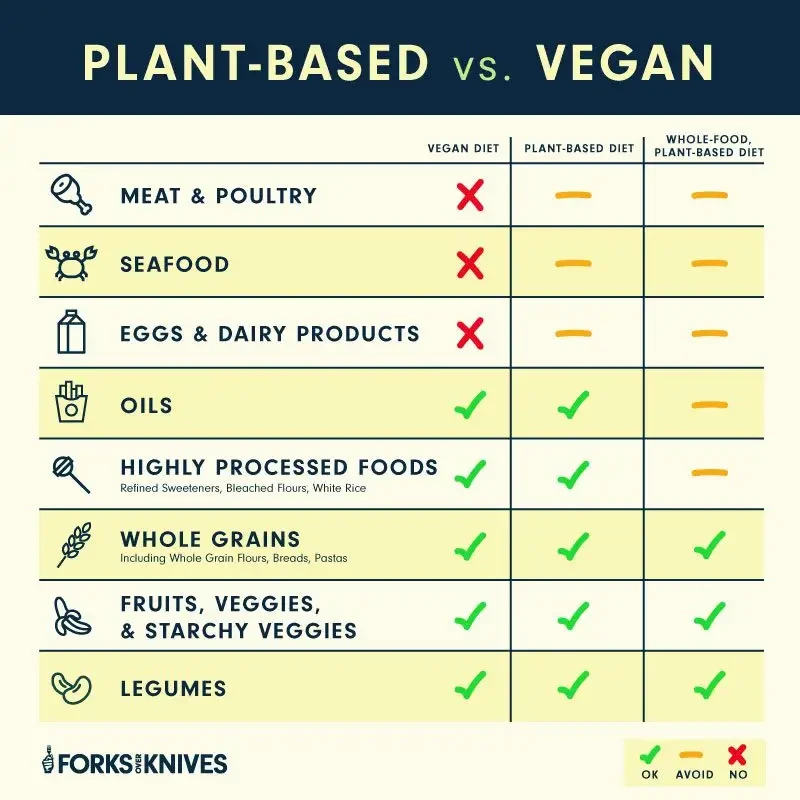
vegan pet food contains no animal-derived ingredients, relying entirely on plant-based components and synthetic supplements. vegetarian pet food excludes meat but may include animal byproducts such as eggs and dairy. This distinction impacts nutrient availability and diet formulation.
Can dogs thrive on a vegan or vegetarian diet?
Dogs, being omnivores, can adapt to well-balanced vegan or vegetarian diets if these meet all nutritional requirements, often through supplementation of essential nutrients like vitamin B12 and taurine. veterinary guidance is essential to ensure diet adequacy.
Why are vegan or vegetarian diets not recommended for cats?
Cats are obligate carnivores requiring nutrients such as arachidonic acid, preformed vitamin A, and taurine, which are naturally present only in animal tissues. Plant-based diets typically lack sufficient quantities of these nutrients, posing significant health risks.
Are plant-based pet foods safer than meat-based foods?
Plant-based pet foods generally have lower risks of contamination from pathogens like Salmonella, which are commonly associated with meat-based foods. This contributes to fewer recalls and enhanced food safety profiles for vegan and vegetarian products.
What are the environmental benefits of plant-based pet diets?
Plant-based pet foods typically have a smaller environmental footprint, requiring less land, water, and producing fewer greenhouse gas emissions compared to meat-based diets. This aligns with sustainability goals and ethical considerations in pet ownership.
The evolving landscape of vegan and vegetarian pet foods reflects a complex interplay of nutritional science, veterinary expertise, consumer values, and market dynamics. While dogs may benefit from carefully formulated plant-based diets, cats’ unique physiological needs currently limit such options. Continued research, veterinary oversight, and technological innovation will be pivotal in shaping the role of plant-based nutrition in companion animal health going forward.
Top Vet-Recommended Pet Joint Supplements Improving Mobility
PawVerde.com – Pet joint health remains a critical concern for aging and large-breed dogs and cats in 2026, with osteoarthritis and hip dysplasia among the most prevalent conditions impairing mobility. Veterinary experts increasingly emphasize the role of targeted nutritional supplements alongside conventional treatments to manage inflammation, support cartilage repair, and maintain joint function. Consistent use of clinically validated joint supplements has become a cornerstone in comprehensive pet care, offering measurable improvements in mobility and quality of life.
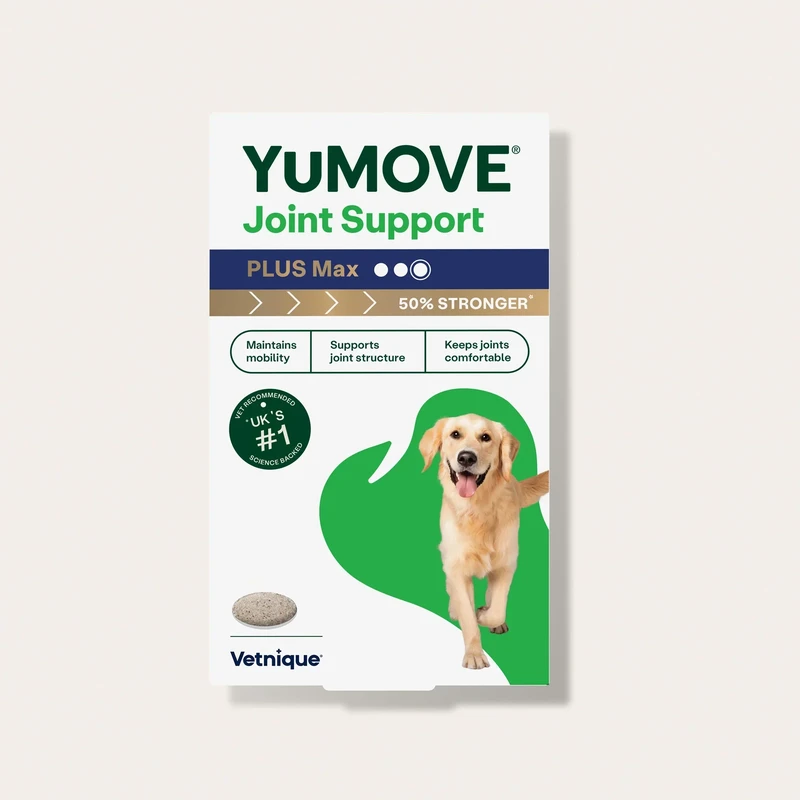
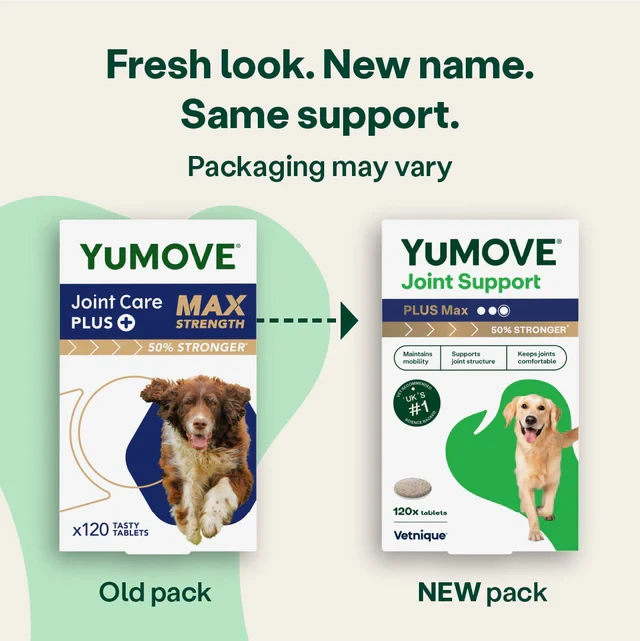
Leading veterinary recommendations for joint supplements in 2026 highlight products such as Pet Honesty Omega-3 Fish Oil, Vetoquinol Flexadin chews, YuMOVE Joint Care, Dasuquin, Cosequin, and Nutramax Welactin. These formulations are frequently endorsed by veterinary panels including PetMD and clinical researchers from institutions like the Royal Veterinary College, based on their ingredient profiles and demonstrated efficacy. Emerging supplements incorporating novel natural compounds, such as ElleVet CBD Mobility Oil and Ruff Greens VitaSmart, are gaining traction for their complementary anti-inflammatory and analgesic properties, expanding options for pet owners seeking holistic joint support.
Top Vet-Recommended Joint Supplements for Dogs and Cats
Pet Honesty Omega-3 Fish Oil remains a top recommendation due to its high EPA/DHA content, critical omega-3 fatty acids that modulate inflammatory pathways linked to joint discomfort. Vetoquinol Flexadin chews combine glucosamine, chondroitin, and green-lipped mussel extract, offering a synergistic approach to cartilage protection and joint lubrication. YuMOVE Joint Care distinguishes itself with personalized formulations that include avocado/soybean unsaponifiables (ASU), proven to enhance cartilage regeneration.
Dasuquin and Cosequin, both Nutramax brands, continue to dominate the market with robust clinical data supporting their glucosamine, chondroitin, and MSM blends that reduce joint pain and improve mobility. Nutramax Welactin complements these by providing concentrated omega-3 fatty acids in easy-to-administer softgel form. Products like VetriScience GlycoFlex and Zesty Paws Mobility Bites emphasize palatability and ease of administration, increasing compliance in finicky pets.
Newer entrants such as ElleVet Mobility Oil leverage CBD’s emerging evidence for joint pain relief, while Ruff Greens VitaSmart focuses on plant-based formulations combining turmeric and green-lipped mussel for natural anti-inflammatory effects. Fera Pets Hip & Joint Support and Pooch & Mutt Joint Tablets offer affordable alternatives with balanced ingredient profiles, including MSM and hyaluronic acid. Pawable Collar-gen and Winston & Porter supplements target convenience through novel delivery formats like collars and powders.
Key Ingredients and Their Roles in Joint Health
Glucosamine is fundamental for cartilage maintenance, acting as a substrate for glycosaminoglycan synthesis, which preserves the extracellular matrix and joint fluid viscosity. Clinical studies confirm glucosamine’s ability to slow cartilage degradation in osteoarthritic pets. chondroitin sulfate complements this by inhibiting cartilage-degrading enzymes and enhancing the cartilage’s resistance to compression forces, crucial for weight-bearing joints.
MSM (Methylsulfonylmethane) provides sulfur, a building block for connective tissue repair, while exerting anti-inflammatory effects that reduce swelling and pain. Green-lipped mussel extract, unique to marine sources, contains omega-3 fatty acids and glycosaminoglycans that modulate immune response and promote cartilage regeneration. Omega-3 fatty acids EPA and DHA inhibit pro-inflammatory cytokines, diminishing joint inflammation and improving comfort.
Hyaluronic acid, present in synovial fluid, supports joint lubrication and shock absorption, with supplementation shown to restore fluid viscosity in arthritic joints. ASU (Avocado/Soybean Unsaponifiables) stimulates collagen synthesis and reduces inflammatory mediators, enhancing cartilage repair. Turmeric’s active curcumin compound possesses potent antioxidant and anti-inflammatory properties, offering adjunctive benefits.
CBD (Cannabidiol) is increasingly recognized for its analgesic and anti-inflammatory potential, acting through the endocannabinoid system to alleviate joint pain and improve mobility. While clinical data in pets is still emerging, early studies and veterinary reports indicate promising results when used as part of a multimodal joint health strategy.
Supplement Formats and Palatability Considerations
Joint supplements are available in diverse formats including soft chews, tablets, oils, powders, and treats, each with implications for absorption, ease of administration, and pet acceptance. Soft chews like Vetoquinol Flexadin and Zesty Paws Mobility Bites are favored for their palatability, particularly in dogs reluctant to take tablets. Oils such as Pet Honesty Omega-3 Fish Oil and ElleVet Mobility Oil provide concentrated doses with high bioavailability but may require careful dosing and refrigeration.
Tablets, commonly used for glucosamine and chondroitin blends, offer precise dosing but can pose challenges for cats and finicky dogs. Powders and collars, exemplified by Pawable Collar-gen, present novel delivery methods that enhance compliance, especially for pets resistant to oral supplements. Palatability is critical; products with strong odors or flavors may encounter higher refusal rates, necessitating trial or veterinary guidance.
Clinical Evidence and User Experiences
Veterinary panel reviews consistently endorse products containing glucosamine, chondroitin, MSM, green-lipped mussel, and omega-3 fatty acids, citing randomized controlled trials that demonstrate reductions in lameness scores and improvements in joint function over 6–8 weeks. Independent studies from the Royal Veterinary College confirm that consistent supplement administration facilitates cartilage repair and decreases synovial inflammation.
User case studies report enhanced mobility and reduced stiffness within 3 to 6 weeks, with some pets showing significant improvement by week 8. Rehabilitation specialists note that supplements are most effective when combined with weight management and physical therapy. However, limitations include variability in individual responses and occasional adverse effects such as gastrointestinal upset or aversion to strong-smelling fish oils.
Veterinarians caution that supplements are adjuncts, not replacements, for medical interventions in advanced osteoarthritis or hip dysplasia. Balanced perspectives acknowledge that while many pets benefit, some may require dosage adjustments or alternative formulations based on tolerance and clinical progression.
Usage Guidelines and Expected Results Timeline
Optimal joint health results rely on daily, consistent dosing as per veterinary recommendations, typically spanning 6 to 8 weeks to observe measurable benefits. Initial improvements in joint comfort and activity levels often appear within the first 2 to 4 weeks, with progressive cartilage repair and sustained anti-inflammatory effects manifesting thereafter.
Dosage depends on pet size, severity of joint disease, and specific product formulations, underscoring the importance of veterinary supervision. Observing signs such as increased willingness to exercise, reduced stiffness after rest, and improved gait can indicate positive responses. Lack of improvement or adverse reactions should prompt veterinary reassessment.
Veterinarians emphasize the need to integrate supplements into a broader management plan, including exercise modification, weight control, and pain management, to maximize joint health outcomes.
Choosing the Right Supplement for Your Pet
Selecting an appropriate joint supplement requires considering factors such as pet species, age, breed predispositions, the severity of joint disease, and any ingredient sensitivities or allergies. Large-breed dogs with hip dysplasia may benefit from formulations emphasizing cartilage repair ingredients like ASU and green-lipped mussel, while older cats often require palatable, easy-to-administer options like oils or soft chews.
Veterinary consultation is essential to tailor supplement choice and dosage, assess potential drug interactions, and monitor clinical response. Pet owners should prioritize products with transparent ingredient sourcing, clinical validation, and positive veterinary endorsements. Cost, ease of administration, and pet preference are practical considerations influencing compliance and long-term success.
—
Frequently Asked Questions
What are the most effective ingredients in pet joint supplements?
The most effective ingredients include glucosamine, chondroitin, MSM, green-lipped mussel, and omega-3 fatty acids (EPA/DHA). These compounds work synergistically to reduce inflammation, protect cartilage, and improve joint lubrication, supported by clinical research and veterinary endorsements.
How long does it take to see results from joint supplements in pets?
Visible improvements in mobility and joint comfort typically emerge within 3 to 6 weeks of daily supplementation, with more substantial benefits developing over 6 to 8 weeks. Consistency and proper dosing are crucial to achieving these outcomes.
Are joint supplements safe for all dog and cat breeds?
Most joint supplements are safe when used as directed, but breed-specific factors, age, existing health conditions, and sensitivities should be evaluated by a veterinarian to ensure safety and efficacy.
Can CBD be combined with traditional joint supplements for pets?
CBD is increasingly used alongside traditional supplements for its anti-inflammatory and analgesic properties. While early evidence is promising, pet owners should consult veterinarians to determine appropriate use and dosing.
What supplement format is best for picky pets?
Soft chews and flavored treats generally have higher acceptance in picky dogs, while oils can be mixed with food for cats. Tablets may be challenging for some pets, making palatability and administration ease key factors in supplement selection.
—
As the pet healthcare landscape evolves in 2026, integrating vet-recommended joint supplements with proven active ingredients offers a dynamic approach to managing joint health challenges. Continued advancements in formulation, personalized care, and clinical validation will further empower veterinarians and pet owners to optimize mobility and quality of life for dogs and cats affected by joint conditions.
Pros and Cons of Grain-Free Dog Food for Allergies Explained
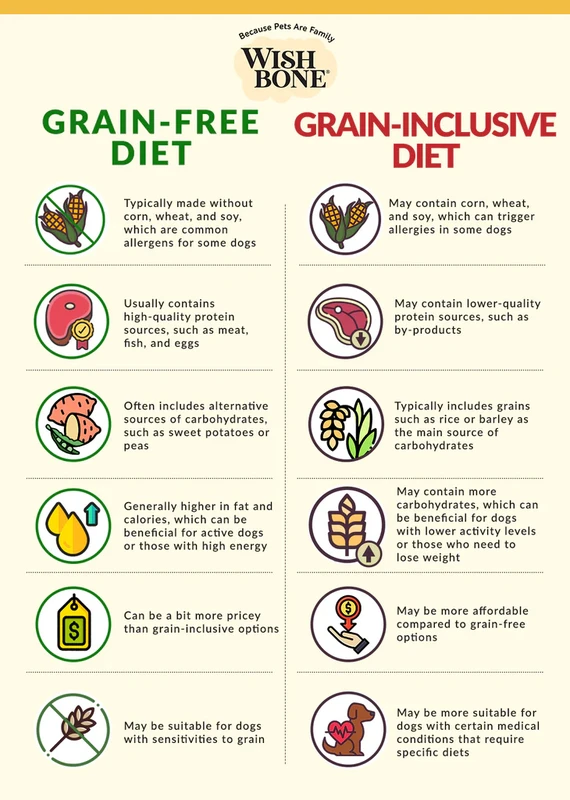
PawVerde.com – Grain-free dog food has surged in popularity as a dietary option touted for alleviating allergies and improving canine health. Designed by excluding cereal grains such as wheat, corn, rice, barley, oats, and soy, these diets substitute alternative carbohydrate sources like peas, lentils, potatoes, and sweet potatoes. While grain-free formulations can benefit the small subset of dogs with confirmed grain allergies, less than 1% of the canine population, veterinary nutritionists caution that most food allergies in dogs stem from proteins rather than grains. The growing debate around grain-free diets also involves concerns about canine dilated cardiomyopathy (DCM), a serious heart condition possibly linked to certain grain-free ingredients, underscoring the importance of veterinary oversight in diet selection.
Dogs with food allergies often display symptoms such as itching, chronic ear infections, gastrointestinal upset, and poor coat condition. Veterinary diagnosis typically involves elimination trials, where suspected allergens are removed to identify triggers. Grain allergies are comparatively rare in dogs; protein allergens from beef, chicken, dairy, or novel proteins tend to be the primary culprits. Grain-free dog food can reduce exposure to cereal grains and potential mycotoxins, which are fungal contaminants affecting grain quality. Alternative carbohydrates like legumes and tubers not only enhance palatability but may also improve digestion for certain dogs. However, these ingredients introduce their own nutritional complexities, including higher legume content that has drawn scrutiny amid FDA investigations into DCM.
The FDA’s ongoing inquiry into a potential association between grain-free dog foods and increased canine DCM cases highlights a critical risk factor. Many implicated diets are rich in legumes and pulses such as peas and lentils, which may affect taurine metabolism or nutrient absorption, although conclusive causality has not been established. Grain-free diets are not inherently low in carbohydrates; substitutes like potatoes contain substantial starch, which can lead to weight gain if portion sizes are not properly managed. Additionally, some grain-free formulations emphasize higher protein and fat content, which may impose metabolic burdens in dogs with specific health conditions. Unsupervised transitions to grain-free diets risk nutritional imbalances if formulations lack veterinary input or comprehensive nutrient testing.
Veterinary nutritionists advocate for precise allergy diagnosis before dietary changes, recommending elimination diets designed with limited ingredients and novel proteins to isolate allergens effectively. Hypoallergenic prescription diets remain the gold standard for managing canine food allergies, ensuring balanced nutrition while minimizing allergenic components. Grain-free diets may be medically justified for dogs with confirmed grain hypersensitivity but are often adopted without such evidence, driven by consumer perception rather than clinical necessity. Regular monitoring and bloodwork, including taurine levels in at-risk breeds, are advised when feeding grain-free foods, particularly those with high legume content.
Limited ingredient and hypoallergenic diets typically exclude multiple common allergens and rely on novel proteins like venison, duck, or turkey, which have lower cross-reactivity. These therapeutic diets are formulated under veterinary guidance to maintain essential nutrient balance and mitigate allergy symptoms. In contrast, grain-free dog foods vary widely in ingredient quality and nutritional adequacy, as some commercial products target the mainstream market without rigorous vet oversight. Pet food manufacturers such as Purina and Blue Buffalo offer grain-free lines that are formulated with veterinary nutrition input, aiming to balance palatability and nutrient profiles while addressing allergy concerns.
The role of alternative carbohydrates in grain-free foods is multifaceted. Legumes provide fiber and protein but contain anti-nutritional factors that may interfere with mineral absorption. Tubers like sweet potatoes offer digestible carbohydrates and antioxidants but contribute to a higher glycemic load. Balancing these ingredients requires precise formulation to avoid unintended consequences such as obesity or micronutrient deficiencies. Veterinary nutritionists emphasize that grain exclusion alone does not guarantee hypoallergenicity or improved health outcomes; comprehensive diet evaluation and individualized plans remain essential.
| Aspect | Grain-Free Dog Food | Limited Ingredient/Hypoallergenic Diets |
|---|---|---|
| Primary Purpose | Exclude cereal grains; alternative carbs used | Reduce number of ingredients to isolate allergens |
| Common Ingredients | Legumes (peas, lentils), tubers (potatoes, sweet potatoes) | Novel proteins (venison, duck, turkey), minimal carbs |
| Allergy Focus | Targets grain allergies (rare) | Targets protein and multiple allergens (common) |
| Veterinary Oversight | Varies; often consumer-driven | Typically prescribed and monitored |
| Risks | Potential DCM link, nutrient imbalance | Lower risk; balanced nutrition |
Veterinary experts, including Dr. Alex Miller and Dr. Lisa Venator, emphasize that while grain-free diets can offer symptomatic relief for dogs with identified grain allergies, the majority of food sensitivities relate to proteins. Clinical experience supports the use of controlled elimination diets followed by gradual reintroduction to pinpoint offending allergens. Reports of improved skin and coat health, reduced itching, and better stool consistency in dogs switched to grain-free diets are common but not universal. These benefits often stem from removing allergenic proteins or additives rather than the absence of grains per se.
The economic aspect of grain-free dog food also merits attention. These diets often carry a premium price compared to traditional grain-inclusive formulas, which can limit accessibility for some owners. Moreover, the variability in ingredient sourcing and formulation standards among brands necessitates scrutiny to ensure nutrient adequacy and safety. Veterinary nutritionists advise owners to consult professionals prior to switching diets, particularly for dogs with pre-existing health conditions or breeds predisposed to DCM.
Looking ahead, ongoing research aims to clarify the pathophysiological mechanisms linking grain-free diets and DCM. Advances in veterinary diagnostics and nutrigenomics may enable personalized dietary recommendations tailored to genetic and metabolic profiles. Integration of comprehensive allergy testing with diet formulation offers the potential for more precise management of canine food sensitivities, balancing efficacy with safety.
What Constitutes Grain-Free Dog Food?
grain-free dog food is defined by the deliberate exclusion of cereal grains such as wheat, corn, rice, barley, oats, and soy. These diets instead incorporate alternative carbohydrate sources, including legumes like peas and lentils, as well as tubers such as potatoes and sweet potatoes. The distinction between grain-free and gluten-free dog foods is critical; gluten-free diets specifically avoid gluten-containing grains like wheat and barley, whereas grain-free diets exclude all cereal grains regardless of gluten content. Grain-free formulations aim to reduce potential grain allergens and may appeal to owners seeking novel dietary options for their pets.
The composition of grain-free dog food varies widely but commonly features higher protein and fat concentrations to compensate for the reduced carbohydrate content from grains. Manufacturers often utilize proteins from beef, chicken, lamb, or novel sources such as venison and duck to diversify amino acid profiles. Some formulas also incorporate dairy derivatives, although these may pose allergenic risks for lactose-intolerant dogs. The inclusion of legumes and tubers not only replaces carbohydrate calories but also contributes dietary fiber and micronutrients, influencing digestibility and palatability.
Food Allergies in Dogs: Grain Versus Protein Sensitivities
Food allergies affect an estimated 1-2% of dogs, with protein allergens representing the majority of cases. Common protein allergens include beef, chicken, dairy, and eggs. In contrast, true grain allergies—sensitivity to wheat, corn, rice, or other cereal grains—are rare, accounting for less than 1% of canine food allergies. Clinical signs of food allergies in dogs encompass pruritus (itchiness), recurrent ear infections, gastrointestinal disturbances such as vomiting and diarrhea, and dermatological issues including redness and hair loss.
Veterinary diagnosis relies on elimination diets combined with careful monitoring of clinical response. Skin testing and serum allergy tests have limited reliability for food allergens, reinforcing the prominence of dietary trials. Grain allergies, when present, can be conclusively identified through exclusion of grains and subsequent symptom improvement. Due to the predominance of protein allergies, diets focusing solely on grain exclusion may fail to resolve allergic manifestations if proteins remain unchanged.
Advantages of Grain-Free Diets in Allergic Dogs
For dogs with confirmed grain allergies, grain-free dog foods provide a direct dietary intervention by eliminating cereal grains that trigger immune responses. Beyond allergen avoidance, grain-free diets reduce exposure to mycotoxins—fungal contaminants commonly found in stored grains—that can adversely affect canine health. Alternative carbohydrate sources such as peas and potatoes enhance palatability and may improve gastrointestinal tolerance in sensitive dogs.
Clinical observations report notable benefits in dogs transitioned to grain-free diets, including reduction in skin inflammation, improved coat shine, increased energy levels, and normalization of stool consistency. These outcomes suggest that grain exclusion, coupled with high-quality protein sources and digestible carbohydrates, can mitigate some allergic and digestive symptoms. However, these benefits hinge on appropriate diet formulation and veterinary supervision to ensure nutrient completeness.
Risks and Controversies Surrounding Grain-Free Diets
The most significant concern associated with grain-free diets is the potential link to canine dilated cardiomyopathy (DCM), a disease characterized by heart muscle weakening and reduced cardiac output. Since the FDA initiated investigations, cases of DCM have been reported in dogs consuming grain-free diets high in legumes and pulses. While a definitive causal relationship remains unproven, hypotheses include interference with taurine bioavailability and imbalanced nutrient profiles.
Grain-free diets are often misconstrued as low-carbohydrate; however, alternative ingredients like potatoes contribute comparable or higher carbohydrate content. Excess carbohydrate intake can predispose dogs to obesity and metabolic disorders if caloric intake exceeds energy expenditure. Additionally, elevated protein and fat levels in some grain-free foods may overwhelm metabolic pathways, especially in dogs with pre-existing organ dysfunction.
Nutritional imbalances may arise if grain-free formulations lack veterinary oversight or fail to meet Association of American Feed Control Officials (AAFCO) standards. The higher cost and variable availability of grain-free diets also present practical challenges for owners. Cost-sensitive consumers may opt for cheaper grain-inclusive diets while seeking veterinary guidance to manage allergies effectively.
Veterinary Guidance and Alternative Dietary Strategies
Veterinary nutritionists emphasize the importance of thorough allergy assessment prior to diet selection. Elimination diets with limited ingredients and novel protein sources remain the cornerstone of food allergy management. Prescription hypoallergenic diets formulated with hydrolyzed proteins or uncommon proteins such as venison, duck, or turkey minimize cross-reactivity and provide balanced nutrition.
Grain-free diets may be appropriate for dogs with confirmed grain hypersensitivity but should not be adopted indiscriminately. Veterinary professionals recommend monitoring taurine levels and cardiac health in breeds predisposed to DCM when feeding grain-free formulas. Collaboration between pet owners, veterinarians, and pet food manufacturers ensures diets meet individual health requirements.
The distinction between therapeutic and commercial grain-free diets is critical. Therapeutic diets undergo rigorous testing and formulation standards, whereas many commercial grain-free products target consumer trends without sufficient nutritional validation. Owners are advised to consult veterinary nutritionists for tailored diet plans, particularly for dogs exhibiting chronic allergic or cardiac symptoms.
Future Directions in Canine Allergy and Nutrition Research
Emerging research focuses on unraveling the complex interactions between diet composition, genetics, and canine health outcomes. Advances in nutrigenomics may enable precision nutrition, optimizing diets based on individual metabolic profiles and allergy predispositions. Longitudinal studies investigating the impact of legumes and alternative carbohydrates on taurine metabolism and cardiac function are underway.
Development of standardized protocols for food allergy diagnosis and diet trials will enhance clinical accuracy. Integration of novel diagnostic tools such as metabolomics and microbiome analysis offers potential for improved allergy management. The pet food industry’s responsiveness to scientific findings will shape future formulations, balancing consumer demand with evidence-based health considerations.
—
Frequently Asked Questions
Is grain-free dog food better for dogs with allergies?
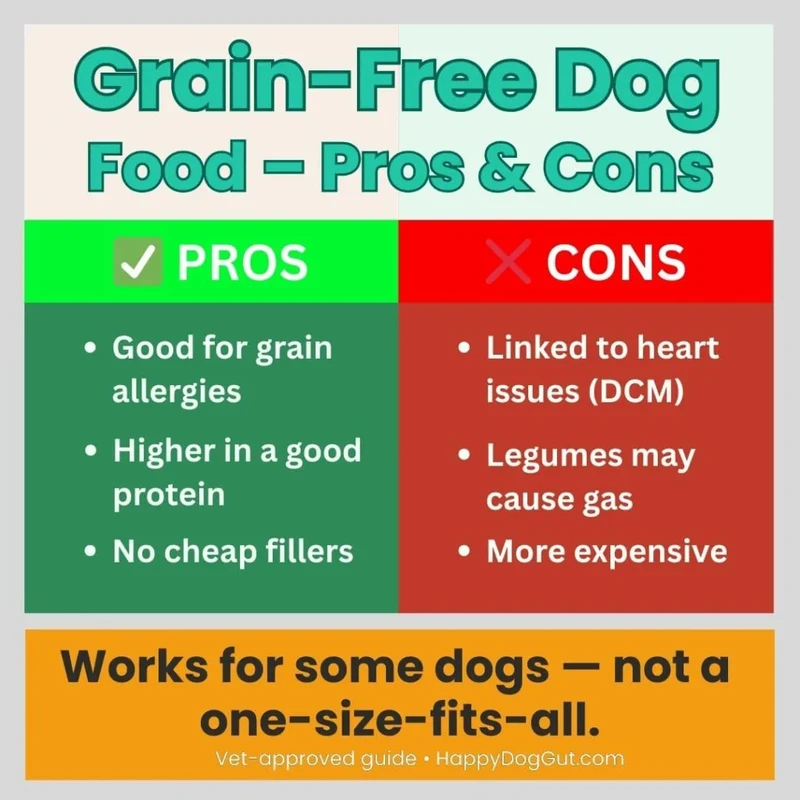
Grain-free dog food benefits dogs with confirmed grain allergies by eliminating cereal grains, but since grain allergies are rare, most allergic dogs require diets that address protein sensitivities. Limited ingredient or hypoallergenic diets with novel proteins are often more effective for managing food allergies.
Can grain-free diets cause heart problems in dogs?
Some grain-free diets high in legumes have been linked to cases of canine dilated cardiomyopathy (DCM), but a direct causal relationship remains unconfirmed. Veterinary monitoring is recommended, especially for breeds prone to DCM, when feeding grain-free diets.
What are common signs of food allergies in dogs?
Common signs include itching, chronic ear infections, gastrointestinal upset, hair loss, and skin redness. Diagnosis requires veterinary-guided elimination diets since symptoms overlap with other conditions.
Are grain-free diets always low in carbohydrates?
No. Grain-free diets often contain alternative carbohydrates like potatoes and peas, which can contribute significant starch and calories. These diets are not inherently low-carb and should be managed accordingly.
How do limited ingredient diets differ from grain-free diets?
limited ingredient diets reduce the number of protein and carbohydrate sources to isolate allergens and are typically prescribed for allergy management. Grain-free diets exclude cereal grains but may contain multiple protein sources and are not necessarily designed for allergy diagnosis.
—
Grain-free dog food offers targeted benefits for a minority of dogs with specific grain allergies but carries risks that necessitate veterinary guidance. The evolving understanding of food allergies and diet-related cardiac health underscores the need for individualized nutrition plans. Pet owners and veterinary professionals must collaborate to balance dietary benefits with potential risks, ensuring safe and effective management of canine allergies.
How DIY Eco-Friendly Pet Supplies Benefit Sustainability
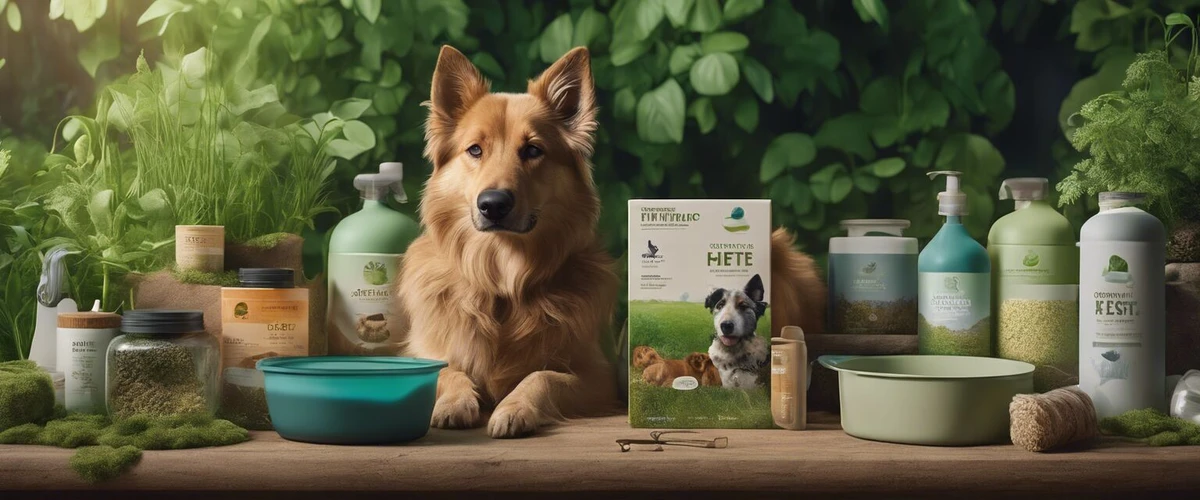
PawVerde.com – DIY eco-friendly pet supplies are increasingly recognized for their multifaceted benefits that extend beyond simple cost savings. By repurposing household items or sourcing natural materials such as hemp, organic cotton, and recycled fabrics, pet owners can significantly reduce environmental waste linked to synthetic pet products. These sustainable alternatives not only lower the carbon footprint associated with manufacturing and disposal but also minimize pets’ exposure to harmful chemicals often found in commercial plastic toys and grooming products. The growing popularity of eco-conscious pet care reflects a broader shift toward zero-waste lifestyles, where biodegradable pet waste bags and compostable litter complement homemade accessories to create a holistic, sustainable pet ownership model.
Environmental benefits constitute a core advantage of adopting DIY eco-friendly pet supplies. Manufacturing conventional pet products typically involves extensive use of plastics and non-renewable resources, contributing to pollution and landfill accumulation. Utilizing recycled pet accessories or creating toys from repurposed textiles mitigates this impact by diverting materials from waste streams. For instance, crafting braided tug ropes from old T-shirts or converting shredded newspaper into cat litter exemplifies zero-waste principles in practice. These actions collectively reduce demand for virgin materials and decrease greenhouse gas emissions tied to production and transportation. Research indicates that pet-related plastic waste accounts for a significant portion of domestic refuse in many regions, underscoring the urgent need for sustainable alternatives. Moreover, biodegradable components in groomings supplies and waste bags ensure that discarded products decompose naturally, further alleviating environmental strain.
Pet health benefits also arise from the use of natural, non-toxic materials in DIY pet supplies. Veterinary experts increasingly warn against the long-term exposure of pets to synthetic chemicals, including phthalates and BPA, commonly present in commercial pet toys and grooming products. Natural fibers such as organic cotton and hemp not only eliminate these risks but offer enhanced durability and comfort during pet interaction. For example, eco-friendly grooming products made from plant-based ingredients reduce the likelihood of skin irritations and allergic reactions, a frequent concern with chemical-laden formulations. Additionally, homemade toys designed with pet safety in mind prevent ingestion of hazardous components and promote healthier chewing behaviors. Such measures align with holistic pet care strategies that prioritize both environmental sustainability and animal welfare, reinforcing the importance of material safety in product selection.
Economic advantages reinforce the appeal of DIY eco-friendly pet supplies by offering cost-effective alternatives to high-priced commercial items. Many sustainable pet products can be fashioned from readily available household materials, thus lowering upfront expenses. The longevity of durable, natural materials further reduces the frequency of replacements, generating long-term savings. Unlike mass-produced plastic toys prone to breakage, DIY accessories made from recycled fabrics withstand wear and tear more effectively. Moreover, personalization options allow pet owners to tailor products specifically to their pets’ preferences and needs, enhancing utility and satisfaction. These economic incentives are particularly relevant for budget-conscious households seeking to balance quality pet care with environmental responsibility. However, it is essential to weigh these benefits against potential accessibility challenges, as some sustainable materials require sourcing knowledge and initial investment.
Practical DIY projects exemplify the tangible application of sustainable pet ownership principles. Crafting braided tug ropes from old T-shirts involves cutting the fabric into strips, knotting securely, and braiding to create a durable toy that doubles as an interactive play tool. Homemade grooming products can be formulated using kitchen waste such as coconut oil and baking soda, producing gentle shampoos or conditioners free from synthetic additives. For cats, shredded newspaper or wood pellets serve as biodegradable litter alternatives, reducing plastic pellet waste substantially. Guidance on selecting safe materials includes avoiding toxic dyes, sharp edges, or small detachable parts that could harm pets. These projects also foster family engagement, encouraging children and adults alike to participate creatively in pet care, thereby promoting environmental awareness and shared responsibility.
Beyond DIY efforts, sustainable pet ownership encompasses broader practices that amplify environmental benefits. Donating gently used pet supplies to local shelters prevents unnecessary waste and supports animal welfare organizations. Opting for eco-friendly pet food brands that utilize sustainably sourced ingredients complements the overall green lifestyle. Employing biodegradable waste bags and reusable pet gear further reduces landfill contributions. Additionally, green travel practices, such as using solar-powered pet gadgets or eco-conscious pet carriers, minimize the carbon footprint associated with pet transportation. Collectively, these actions integrate into a comprehensive zero-waste pet care strategy that aligns with contemporary environmental ethics and consumer trends.
Challenges to widespread adoption of DIY eco-friendly pet supplies primarily involve accessibility and convenience. Some pet owners may face difficulties sourcing organic or recycled materials due to geographical or economic constraints. Balancing the time investment required for DIY projects with busy lifestyles can also deter participation. Additionally, ensuring that homemade products meet safety and health standards necessitates consultation with veterinary professionals, especially when altering pet diets or introducing new grooming substances. Awareness campaigns and educational resources from authoritative sources can mitigate these barriers by providing reliable guidance and fostering community support networks.
Looking forward, the role of DIY eco-friendly pet supplies in promoting sustainable living is poised to expand as environmental concerns intensify globally. Incremental lifestyle changes by individual pet owners contribute cumulatively to significant reductions in plastic waste and chemical exposure. Innovations in recycled materials and biodegradable technologies promise to enhance the durability and safety of eco-conscious pet products. Furthermore, collaborations between veterinary experts, environmental scientists, and ethical pet brands can accelerate the development of standardized sustainable pet care protocols. For pet owners, embracing these practices not only benefits their animals’ health but also aligns with broader societal goals of environmental stewardship and responsible consumption.
Introduction to DIY Eco-Friendly Pet Supplies
DIY eco-friendly pet supplies refer to pet accessories and grooming products created using sustainable, non-toxic, and often repurposed materials. These include items made from hemp, organic cotton, recycled fabrics, and biodegradable substances. The significance of these supplies lies in their ability to minimize environmental harm while enhancing pet well-being. Recently, sustainability has become a central theme in pet care, driven by rising awareness of the environmental footprint associated with conventional pet products. Pet owners increasingly seek alternatives that align with zero-waste principles and ethical consumption, stimulating growth in DIY projects and eco-conscious brands.
Environmental Benefits of DIY Eco-Friendly Pet Supplies
Repurposing household textiles and recycled materials into pet toys and accessories significantly reduces plastic and synthetic waste. For example, transforming old T-shirts into braided tug toys diverts fabric from landfills and reduces reliance on plastic-based commercial toys. The production of such DIY items generally entails a lower carbon footprint due to decreased manufacturing energy and transportation emissions compared to mass-produced products. Moreover, biodegradable pet waste bags and grooming products contribute to landfill diversion by decomposing naturally, unlike conventional plastic bags that persist for decades. Studies show that pet-related plastic consumption comprises a measurable share of urban waste streams, making sustainable alternatives a necessary intervention in waste management.
Health Advantages for Pets
Many commercially available pet products contain phthalates, BPA, and synthetic dyes linked to health risks such as endocrine disruption and allergic reactions. DIY pet supplies made from organic cotton or hemp fibers eliminate these concerns by using natural, untreated materials. Veterinary professionals recommend using non-toxic grooming products formulated with plant-based ingredients to prevent skin irritations and promote coat health. Durable natural toys also reduce the risk of ingestion of microplastics or chemical residues during chewing. These health advantages underscore the importance of material selection in pet product safety, positioning DIY eco-friendly supplies as a superior choice for responsible pet care.
Economic Benefits of DIY Approaches
Cost efficiency remains a compelling reason for adopting DIY eco-friendly pet supplies. Using recycled fabrics or household items minimizes expenses, especially when compared to premium commercial sustainable pet products which can be costly. The enhanced durability of natural materials extends product life, reducing replacement frequency and overall spending. Additionally, creating personalized toys or grooming items tailored to specific pet needs increases functional value, often unattainable with mass-market products. Despite potential upfront investments in sourcing organic materials, the long-term economic benefits and environmental savings present a strong case for DIY adoption among eco-conscious pet owners.
Practical DIY Projects for Sustainable Pet Supplies
Simple DIY projects effectively demonstrate sustainable pet care principles. Braided tug ropes made from old T-shirts require no specialized tools and provide engaging, durable toys suitable for dogs. Homemade grooming products utilizing kitchen staples such as coconut oil and baking soda offer chemical-free alternatives to commercial shampoos. For cats, shredded newspaper or wood pellets replace plastic-based litter, aligning with zero-waste goals. Ensuring the safety of these products involves selecting natural dyes, avoiding small detachable parts, and consulting with veterinarians when incorporating new grooming substances or dietary components. These activities also encourage family participation, fostering environmental awareness and creativity.
Supporting Sustainable Pet Ownership Beyond DIY
sustainable pet ownership extends beyond homemade products. Donating gently used pet supplies to shelters reduces waste and supports animals in need. Choosing pet food brands committed to sustainable ingredient sourcing promotes environmental responsibility throughout the supply chain. Using biodegradable waste bags and reusable gear decreases plastic pollution and landfill mass. Green travel practices, such as employing solar-powered pet products or eco-friendly carriers, further reduce environmental impact. These collective efforts integrate into comprehensive sustainable pet care, offering a model for eco-conscious consumers.
Challenges and Considerations

Despite clear benefits, challenges remain in adopting DIY eco-friendly pet supplies universally. Accessibility to organic and recycled materials varies by region and economic status, potentially limiting participation. Time constraints and convenience factors may discourage busy pet owners from engaging in DIY projects. Additionally, ensuring product safety, particularly regarding pet health and nutrition, requires consultation with veterinary professionals. Balancing sustainability with practicality necessitates informed decision-making and realistic expectations. Educational initiatives and community support can help mitigate these challenges by providing guidance and resources.
FAQ

What materials are safest for making DIY pet toys?
natural fibers such as hemp, organic cotton, and recycled fabrics are safest, as they are non-toxic and durable. Avoid synthetic dyes and small parts that could be ingested.
How do DIY eco-friendly pet supplies benefit the environment?
They reduce plastic and synthetic waste by repurposing materials, lower production-related carbon emissions, and often include biodegradable components that minimize landfill impact.
Can homemade grooming products be as effective as commercial ones?
Yes, when made with safe plant-based ingredients like coconut oil and baking soda, homemade grooming products can clean and condition pet coats without harmful chemicals.
Are DIY pet supplies cost-effective compared to store-bought eco-friendly products?
Generally, yes. DIY supplies use household or recycled materials, reducing costs, and their durability means fewer replacements, leading to long-term savings.
How can I ensure DIY pet products are safe for my pet?
Use non-toxic natural materials, avoid small detachable parts, and consult a veterinarian before introducing new grooming products or dietary changes.
—
The increasing integration of DIY eco-friendly pet supplies into mainstream pet care reflects a broader commitment to sustainability, animal health, and economic prudence. As materials science advances and consumer awareness grows, these practices will evolve, offering ever more effective and accessible solutions. Pet owners who adopt incremental changes contribute not only to their pets’ well-being but also to global efforts in reducing environmental waste and fostering responsible consumption. Continued collaboration among veterinarians, environmental experts, and ethical brands will be essential to mainstreaming sustainable pet care in the years ahead.

Top Eco-Friendly Pet Food Brands Delivering Sustainable Nutrition
PawVerde.com – The pet food industry in 2026 exhibits a marked shift towards sustainability, driven by increasing consumer demand for eco-friendly and health-conscious nutrition options for pets. Leading brands like Tender & True, The Honest Kitchen, Wild Earth, and freeze-dried specialists Primal Pet Foods and Stella & Chewy’s have pioneered the integration of USDA-certified organic, non-GMO ingredients and humanely raised meats into their formulations. These companies combine rigorous ingredient sourcing with sustainable manufacturing practices, setting new benchmarks for environmentally responsible pet nutrition.
Tender & True remains at the forefront as the first USDA-certified organic pet food producer in the United States, emphasizing non-GMO ingredients sourced from humanely raised livestock and organic fruits and vegetables. Their product lines consistently meet strict USDA organic standards, verified through third-party audits, ensuring ingredient transparency and traceability. This commitment extends to their packaging, which utilizes fully recyclable materials aligned with circular economy principles.
The Honest Kitchen focuses on grain-free, protein-rich recipes designed for dogs with food sensitivities, sourcing sustainably farmed produce and ethically raised animal proteins. Their dehydrated food formulas reduce water consumption during production while maintaining nutrient density. Independent evaluations by pet nutrition experts and real-world testing by The Good Trade’s editorial pets confirm the digestibility and palatability of these offerings, reinforcing their reputation among veterinarians specializing in allergy management.
Wild Earth distinguishes itself by providing innovative vegan dog food options that align with environmental sustainability goals. Their formulations rely on fermentation-derived proteins and organic plant-based ingredients, certified non-GMO and free from artificial additives. Clinical trials have demonstrated that Wild Earth’s vegan diets support healthy canine microbiomes and meet AAFCO nutritional adequacy standards. This brand’s approach addresses both ecological impact—significantly reducing greenhouse gas emissions compared to traditional meat-based diets—and the growing market segment seeking plant-based pet nutrition.
Among freeze-dried raw food brands, Primal Pet Foods, Stella & Chewy’s, and Vital Essentials have advanced the use of organic, humanely sourced meats combined with organic fruits and vegetables. These manufacturers apply freeze-drying techniques that preserve nutrient integrity and reduce spoilage, thus minimizing food waste. Primal Pet Foods, for instance, sources certified organic ingredients and holds USDA organic certification for select lines, emphasizing animal welfare and traceability in their supply chains. Stella & Chewy’s incorporates sustainably fished seafood and human-grade meats, adhering to strict sourcing standards verified by third-party auditors. These products appeal to pet owners seeking raw nutrition with environmental and ethical assurances.
The industry’s momentum towards sustainability is further propelled by collaborative initiatives. The Pet Sustainability Coalition (PSC), designated as the official sustainability partner of Petfood Forum 2026, plays a pivotal role in convening stakeholders to develop best practices and foster innovation. PSC’s data-driven programs promote the adoption of circular economy models, resource-efficient manufacturing, and supply chain transparency. Mars Petcare, a major global player, has announced enhanced commitments to sustainable fish sourcing, targeting 100% certified sustainable fisheries for its aquatic pet food ingredients within the next three years. Additionally, Mars is investing in the development of therapeutic diets that incorporate sustainably sourced ingredients with measurable health benefits, positioning sustainability as integral to pet health innovation.
Circular economy principles are increasingly embedded in pet food production and packaging. Shameless Pets utilizes food waste streams from human food production to create nutritionally balanced dog treats, effectively diverting organic waste from landfills. Blue Toby Sustainable Pet Products has introduced packaging solutions made from 100% recycled materials, designed to be both biodegradable and compostable. These efforts contribute to reducing the environmental footprint of pet food products and align with broader industry targets for waste reduction and resource efficiency.
Consumers benefit from these sustainable pet food options not only through improved ingredient quality but also via enhanced health outcomes. Studies published in veterinary nutrition journals highlight that diets featuring organic, non-GMO ingredients and humanely raised meats can reduce exposure to pesticides and antibiotics, contributing to better digestive health and immune function in dogs. However, price points for these eco-friendly brands remain higher than conventional pet foods, reflecting the costs of organic certification, sustainable sourcing, and ethical manufacturing. Accessibility is gradually improving as retail distribution expands beyond specialty outlets into mainstream pet stores and e-commerce platforms, supported by transparent labeling and verified certifications that build consumer trust.
Certifications such as USDA Organic, Non-GMO Project Verified, and third-party animal welfare audits serve as critical differentiators in this competitive market. Brands adhering to these standards provide verifiable assurances about ingredient provenance and production ethics, addressing growing consumer concern about ingredient transparency and social responsibility. Pet nutritionists and veterinarians increasingly recommend these certified products, particularly for pets with sensitivities or owners prioritizing environmental impact.
Looking ahead, the pet food sector anticipates significant advancements in sustainable formulations and packaging innovations. Emerging research into alternative protein sources, including cultured meat and insect-based ingredients, promises to diversify sustainable options while maintaining nutritional adequacy. Packaging developments focus on reducing plastic use and enhancing biodegradability, supported by legislative incentives and consumer preference shifts. Industry collaborations among manufacturers, certification bodies, and sustainability coalitions are expected to intensify, fostering shared standards and accelerating the adoption of circular economy practices.
The market influence of environmentally conscious pet owners continues to grow, driving product development that balances pet health with ecological stewardship. This evolving dynamic positions sustainability not as a niche segment but as a core principle shaping pet food innovation and consumer choice in 2026 and beyond.

How to Create a Pet-Friendly Sustainable Home with Safe Materials
PawVerde.com – Creating a pet-friendly sustainable home requires selecting durable, non-toxic materials that protect pets while minimizing environmental impact. This tutorial guides you through practical steps to integrate eco-conscious flooring, furniture, textiles, and accessories, alongside pet safety measures and DIY solutions. By following these instructions, you will design a comfortable, healthy living space that balances aesthetics with sustainability and pet welfare.
Choosing Safe and Sustainable Flooring for Pet Homes
Traditional carpets often trap pet hair, odors, and stains, making them impractical for pet owners aiming for sustainability and hygiene. Instead, consider hard flooring options that are renewable, non-toxic, and pet-friendly.
Selecting Sustainable Upholstery and Furniture
Upholstered furniture in pet homes must withstand claws and stains while aligning with eco-conscious values. Materials and brands matter significantly.
Incorporating Eco-Conscious Textiles and Bedding for Pets
Selecting the right textiles balances pet comfort with sustainability and health considerations.
Adding Pet-Safe Indoor Plants and Greenery
Indoor plants enhance air quality and aesthetics but must be safe for pets to prevent toxicity.
DIY Sustainable Pet Furniture Using Reclaimed Materials
Creating pet furniture from reclaimed materials reduces waste and allows customization for pet needs.
Implementing Pet Safety Measures in Eco-Conscious Spaces
pet safety is paramount in sustainable homes, requiring simple yet effective precautions.
Choosing Sustainable Pet Products to Complement Home Décor
Eco-friendly pet accessories contribute to a holistic sustainable home environment.
Starting Small: Easy Sustainable Changes for Pet Owners
Implementing sustainability need not be overwhelming; begin with manageable adjustments.
Troubleshooting Common Issues in Sustainable Pet Homes
Addressing typical challenges ensures long-term success.
Solution: Use high-quality bamboo or cork with protective sealants; trim pet nails regularly.
Solution: Opt for hypoallergenic synthetic recycled polyester or microfiber textiles.
Solution: Position plants out of reach or use hanging planters; offer pet-safe grasses as alternatives.
Solution: Wash throws and bedding frequently with eco-friendly detergents; ventilate rooms well.
Common Mistakes to Avoid When Designing Pet-Friendly Sustainable Homes
Awareness of pitfalls enhances project outcomes.
Alternative Methods for Sustainable Pet Home Design
Explore different approaches to achieve eco-conscious pet-friendly spaces.
FAQ
What flooring is best for homes with pets and sustainability goals?
Bamboo and cork flooring are top choices due to their renewability, durability, and resistance to pet damage. Recycled rubber tiles also provide cushioning and easy maintenance.
Which plants are safe to keep around cats and dogs?
Spider plants and Boston ferns are non-toxic to pets and improve indoor air quality, making them ideal for pet-friendly homes.
How can I ensure upholstery is both sustainable and pet-friendly?
Opt for fabrics like recycled polyester, hemp, or microfiber that resist stains and claws. Choose products certified by the Sustainable Furnishings Council and use organic cotton washable throws for added protection.
What certifications should I look for in sustainable pet products?
Look for GOTS certification for textiles, CertiPUR for foam products, and SFC endorsement for furniture, ensuring chemical safety and environmental responsibility.
Can I build my own sustainable pet furniture?
Yes, using reclaimed wood and organic fabrics, you can create pet houses, scratching posts, and feeding stations that are eco-friendly and customized to your pet’s needs.
—
Adopting these strategies enables you to craft a sustainable, pet-friendly home that protects your animals while reducing ecological impact. Incorporate certified materials, secure pet areas, and eco-conscious products progressively to balance comfort, safety, and environmental stewardship.
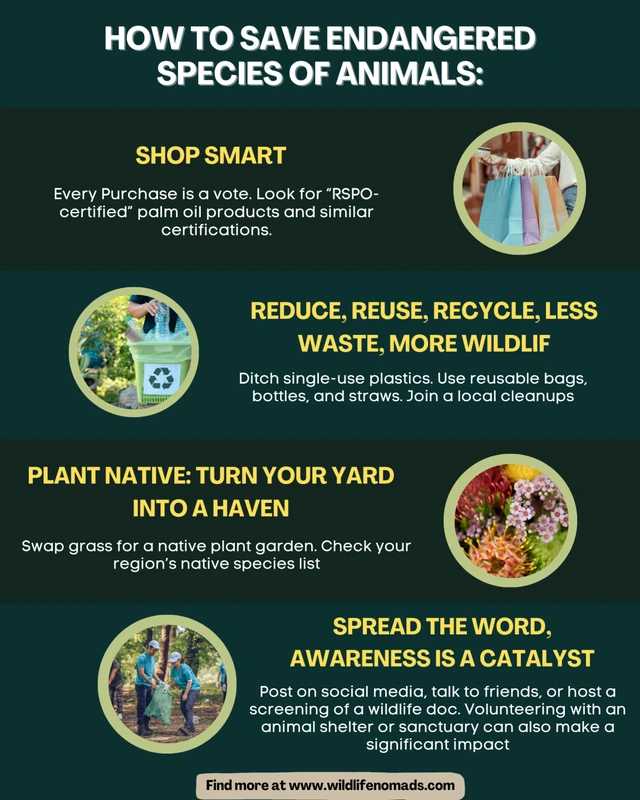
How Pets Boost Local Conservation Through Detection & Habitat Care
PawVerde.com – Pets play an increasingly significant role in local conservation efforts, serving as vital partners in wildlife monitoring, invasive species detection, and habitat restoration. Responsible pet ownership is crucial in these endeavors, as pet behaviors can either support or hinder native ecosystems. Integrating pets into conservation projects not only benefits wildlife but also strengthens community stewardship and ecological awareness.
Conservation detection dogs are among the most impactful examples of pets actively contributing to environmental protection. Specialized training enables these dogs to identify the presence of invasive species or rare wildlife through scent detection, significantly enhancing monitoring efficiency. The New York-New Jersey Trail Conference Conservation Dogs Program exemplifies this approach, deploying trained dogs to locate elusive amphibians and reptiles, thereby providing critical data for habitat restoration initiatives. This program has successfully aided in the management of invasive species such as the emerald ash borer and helped prioritize areas for native plant reforestation, directly influencing conservation outcomes across urban and suburban landscapes.
Beyond detection, pet owners can transform their residential spaces into wildlife-friendly habitats that support biodiversity. By cultivating native plants that provide food and shelter, homeowners create essential resources for local pollinators, birds, and small mammals. Native species such as milkweed for monarch butterflies or native flowering shrubs for bees contribute to urban wildlife conservation by sustaining food webs disrupted by development. Pet owners can enhance these habitats by managing outdoor pet activity responsibly—supervising dogs during garden visits and establishing safe zones that prevent predation on vulnerable wildlife. The adoption of wildlife-friendly gardening practices, including minimizing the use of pesticides and providing natural water sources, further supports ecosystem health while accommodating pets.
Community engagement programs increasingly integrate pets as catalysts for conservation awareness and action. Volunteer opportunities, such as wildlife surveyor initiatives, allow pet owners to participate directly in monitoring efforts, often alongside conservation professionals. Local shelters and fostering programs play a complementary role by addressing pet welfare and reducing abandonment rates, thereby minimizing stray animal impacts on wildlife. Trap-Neuter-Return (TNR) programs specifically target feral cat populations, which pose significant threats to native species through predation. Humane TNR efforts, supported by organizations like the Florida Fish and Wildlife Conservation Commission, have demonstrated success in stabilizing feral cat colonies and reducing their ecological footprint, balancing animal welfare with ecosystem protection.
Ensuring pet safety while advancing conservation goals requires adherence to guidelines that mitigate risks to both pets and wildlife. For instance, in regions with large mammal activity such as bear habitats, pet owners must employ leashes and avoid outdoor unsupervised access to prevent dangerous encounters. Training pets to minimize stress and disruptive behaviors in natural settings enhances coexistence and reduces environmental disturbance. Legal frameworks, including state statutes and local ordinances, govern responsible pet management in conservation zones, with enforcement mechanisms supporting compliance. These regulations often emphasize leash laws, wildlife harassment prohibitions, and habitat preservation mandates, underscoring the shared responsibility between pet owners and conservation authorities.
Conservation partnerships that involve pets extend to collaborative initiatives led by zoos and nonprofit organizations. The Jacksonville Zoo, for example, supports field research by deploying conservation dogs to detect invasive plants threatening native habitats. Such partnerships facilitate ecotourism projects that engage local communities, generating economic incentives aligned with biodiversity conservation. These integrated approaches have produced measurable improvements in ecosystem resilience, including increased populations of native pollinators and reduced spread of invasive species. The long-term benefits of these programs highlight the potential for pets to serve as agents of positive environmental change when coordinated with scientific expertise and community participation.
| Program | Pet Role | Target Species / Issue | Outcome |
|---|---|---|---|
| New York-New Jersey Trail Conference Conservation Dogs | Detection dogs trained for scent tracking | Amphibians, reptiles, invasive insects | Improved habitat mapping and invasive species control |
| Trap-Neuter-Return (TNR) Programs | Community-managed feral cat populations | Feral cats impacting native birds and small mammals | Reduced feral cat numbers; stabilized colonies |
| Jacksonville Zoo Conservation Dogs | Detection dogs for invasive plant species | Non-native invasive flora | Targeted removal aiding native plant recovery |
| Community Wildlife-Friendly Gardening | Pet owners managing gardens and pet activity | Pollinators, birds, small mammals | Enhanced urban wildlife habitat and biodiversity |
Integrating pets into conservation efforts requires a multifaceted approach that balances ecological needs with animal welfare. Conservation detection dogs exemplify the specialized expertise pets can provide in fieldwork, while community-driven wildlife-friendly gardening and TNR programs highlight grassroots engagement. Pet owners serve as stewards of their local environments by adopting responsible behaviors that reduce ecological disturbance and support native species. Legal and educational frameworks play critical roles in guiding these activities, ensuring that conservation goals align with pet safety and public interest.
Ongoing research underscores the importance of maintaining native vegetation in urban landscapes to support wildlife populations affected by habitat fragmentation. Conservation organizations recommend prioritizing plant species that sustain key pollinators and provide cover for small mammals vulnerable to predation by free-roaming pets. Moreover, pet involvement in monitoring invasive species has contributed to early detection and rapid response efforts, mitigating long-term ecological damage. These synergies between pet ownership and conservation illustrate evolving models of community-based environmental stewardship.
Looking ahead, expanding partnerships between conservation groups, local communities, and pet owners offers promising avenues for enhancing biodiversity and ecosystem services. Innovations in training detection dogs, advancements in humane feral animal management, and the proliferation of wildlife-friendly gardening education are expected to deepen pet contributions to conservation. Encouraging pet owners to participate in citizen science and volunteer programs will further embed pets as active agents of ecological health. Ultimately, fostering a culture of coexistence and stewardship through pets supports resilient ecosystems and enriched human-nature connections.
FAQ
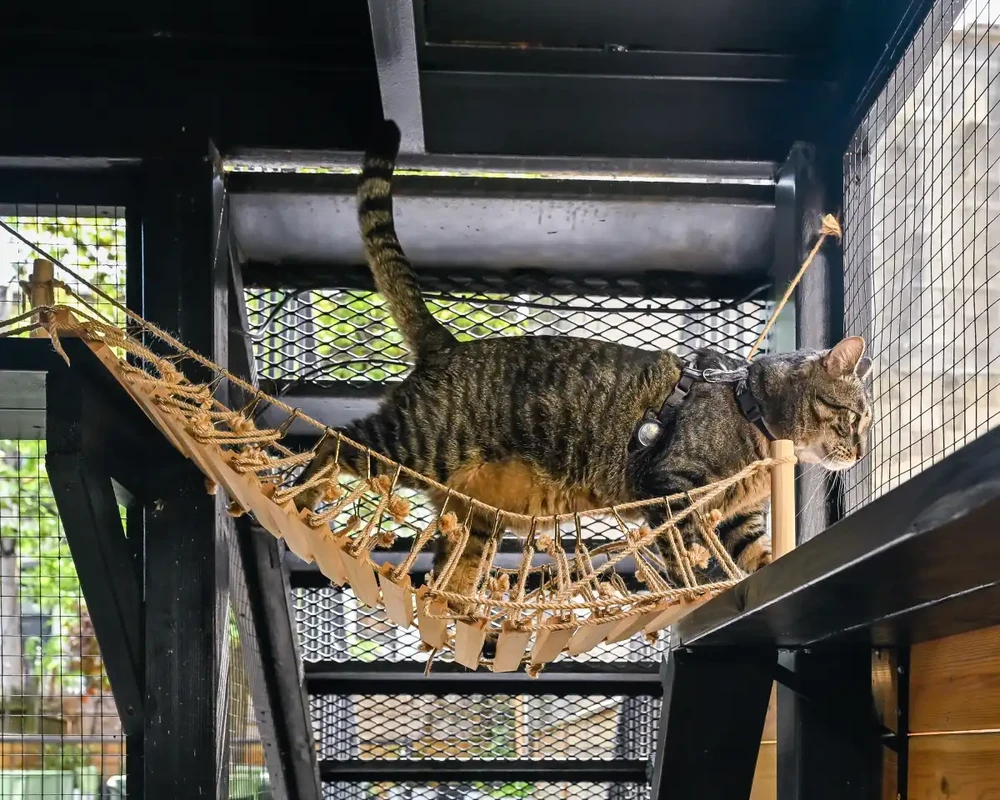
How do conservation dogs assist in invasive species detection?
Conservation dogs undergo specialized training to identify the scents of invasive plants, insects, or wildlife, enabling rapid and efficient location of these species in habitats. Their scent detection capabilities allow conservationists to monitor ecosystems more effectively, leading to targeted removal efforts that protect native biodiversity.
What are the best practices for pet owners to create wildlife-friendly gardens?
Pet owners should select native plants that provide food and shelter for local wildlife, avoid pesticides, and create water sources such as birdbaths. Managing pets by supervising outdoor time and establishing pet-free zones within the garden helps protect vulnerable species from predation or disturbance.
How do Trap-Neuter-Return programs benefit local ecosystems?
TNR programs humanely control feral cat populations by trapping, sterilizing, and returning cats to their colonies. This reduces reproduction rates and limits predation on native birds and small mammals, balancing animal welfare concerns with ecosystem protection.
What legal considerations should pet owners be aware of when engaging in conservation activities?
Pet owners must comply with local leash laws, wildlife protection regulations, and habitat conservation statutes. These laws prevent disturbances to wildlife, reduce risks to pets, and support broader conservation objectives. Awareness and adherence to these frameworks are essential for responsible pet involvement.
Can pets contribute to conservation education and community engagement?
Yes, pets serve as effective ambassadors in community programs that raise awareness about wildlife protection. Volunteer opportunities involving pets, including surveyor roles and educational outreach, foster stewardship and connect communities to local conservation efforts.
Probiotics vs Prebiotics in Pet Supplements: Key Gut Health Roles
PawVerde.com – Probiotics and prebiotics have become foundational components in the evolving landscape of pet digestive health supplements, each playing a distinct yet complementary role in supporting the gut microbiome of dogs and cats. As pet owners increasingly seek to optimize their animals’ digestive and immune health, understanding the specific functions, benefits, and limitations of these supplements is critical. Probiotics introduce live beneficial bacteria to restore microbial balance, particularly effective after illness or antibiotic treatment, whereas prebiotics provide indigestible fibers that nourish native beneficial bacteria, promoting sustainable gut flora health. This article examines these entities in depth, highlighting their individual and combined impacts on pet gut health, the emerging importance of postbiotics, and the necessity of veterinary guidance in personalized supplementation strategies.
Understanding the Complexity of the Pet Gut Microbiome
The gastrointestinal tracts of dogs and cats harbor trillions of microorganisms encompassing thousands of bacterial species that collectively form the gut microbiome. This complex ecosystem plays a pivotal role in digestion, nutrient absorption, immune regulation, and protection against pathogens. Scientific studies estimate that the diversity of microbial species in a healthy pet gut exceeds 1,000 distinct types, far surpassing the limited strains typically found in commercial supplements. A balanced gut microbiome supports efficient carbohydrate fermentation, producing beneficial short-chain fatty acids (SCFAs) such as butyrate and propionate, which contribute to intestinal lining integrity and modulate systemic immune responses.
Disruption of this microbiome, whether through illness, antibiotic therapy, or dietary changes, can lead to gastrointestinal symptoms including diarrhea, bloating, and immune dysregulation. Consequently, maintaining microbial balance through targeted supplementation has become an area of interest in veterinary nutrition. However, the inherent complexity and variability of the pet microbiome necessitate precise understanding of supplement roles to avoid adverse effects and maximize benefits.
Probiotics: Live Beneficial Bacteria and Their Role in Pet Health
Probiotics are defined as live microorganisms that, when administered in adequate amounts, confer a health benefit to the host. In pets, the primary probiotic genera include Lactobacillus and Bifidobacterium species, selected for their resilience in the gastrointestinal environment and ability to colonize or transiently persist in the gut. Probiotic supplementation aims to replenish beneficial bacteria populations depleted by infections, antibiotic use, or stress-related dysbiosis.
Clinical evidence supports probiotics’ efficacy in reducing the duration and severity of diarrhea in dogs and cats, particularly following antibiotic treatment or acute gastroenteritis. For example, studies show that Lactobacillus acidophilus supplementation can shorten diarrhea episodes by 1–2 days and improve stool consistency. Probiotics also contribute to immune modulation by enhancing mucosal barrier function and stimulating anti-inflammatory cytokine production.
Despite these benefits, probiotic formulations face limitations. Commercial supplements typically contain between 40 to 50 bacterial strains, a fraction of the natural microbiome’s diversity. Moreover, strain viability and stability can be compromised by manufacturing processes, storage conditions, and gastric acidity. Not all probiotic strains equally colonize or benefit every pet, resulting in variable clinical outcomes. Furthermore, live probiotics may pose risks in immunocompromised animals or those with severe illness, warranting cautious use under veterinary supervision.
Prebiotics: Feeding the Beneficial Bacteria for Long-Term Gut Health
Unlike probiotics, prebiotics are non-digestible dietary fibers that selectively stimulate the growth and activity of beneficial gut bacteria. Common prebiotics used in pet supplements include inulin, fructooligosaccharides (FOS), and xylooligosaccharides (XOS). These fibers resist digestion in the upper gastrointestinal tract and undergo fermentation by colonic bacteria, producing SCFAs that nourish intestinal cells and regulate immune function.
Prebiotic supplementation can improve stool quality, enhance mineral absorption, and reduce inflammation in the gut. For example, inulin supplementation in dogs has been linked to increased populations of Bifidobacterium and Lactobacillus species, which correlate with improved digestive health markers. Additionally, prebiotics assist in maintaining gut flora diversity, supporting resilience against pathogenic colonization.
However, prebiotics are not without challenges. Overdosing can lead to excessive fermentation, resulting in gas, bloating, or diarrhea, particularly in pets with sensitive gastrointestinal systems. Determining optimal dosing requires careful consideration of the pet’s size, diet, and health status. Furthermore, the fiber source and degree of polymerization influence fermentability and tolerance. For instance, longer-chain inulin is fermented more slowly than shorter-chain FOS, affecting the onset and intensity of gastrointestinal symptoms.
Postbiotics: The Emerging Frontier in Pet Digestive Health
Postbiotics refer to the bioactive metabolites produced by probiotic bacteria during fermentation, including SCFAs, enzymes, peptides, and cell wall components. Unlike probiotics, postbiotics are non-living and offer stability advantages, eliminating concerns around bacterial viability and storage.
Recent research highlights postbiotics’ potential to modulate immune responses, enhance gut barrier integrity, and inhibit pathogenic bacteria. In pets, early studies indicate that supplementation with postbiotic-rich formulations can alleviate inflammation and support recovery from gastrointestinal disorders. For example, SCFAs such as butyrate have shown promise in reducing colonic inflammation and promoting epithelial cell repair in canine models.
The adoption of postbiotics in pet supplements remains nascent but growing, with veterinary professionals recognizing their role as adjuncts or alternatives to live probiotics, particularly in situations where live bacteria pose risks or stability challenges.
Synbiotics: Synergistic Combinations for Enhanced Gut Support
Synbiotics combine probiotics and prebiotics within a single formulation to synergistically support the gut microbiome. This approach leverages prebiotics to provide a substrate that enhances the survival and activity of administered probiotic strains, potentially improving colonization and clinical efficacy.
Formulating synbiotics requires precise matching of probiotic strains with compatible prebiotic fibers. For instance, pairing Bifidobacterium species with FOS has demonstrated enhanced growth and SCFA production in vitro. Clinical trials in dogs have observed improved stool quality and reduced gastrointestinal inflammation with synbiotic use compared to probiotics or prebiotics alone.
Phased supplementation strategies may also be employed, initiating probiotics to restore microbiota balance followed by prebiotics to sustain beneficial populations. However, synbiotic formulations must be carefully dosed to minimize gastrointestinal side effects, especially in pets with sensitive digestion.
Veterinary Guidance and Practical Considerations in Pet Supplementation
The sensitivity of pets to prebiotic fibers varies widely, necessitating tailored dosing to avoid adverse gastrointestinal symptoms. Veterinary professionals recommend starting with low doses and gradually increasing to allow microbial adaptation. Assessing pet-specific factors such as breed, age, diet, and underlying health conditions is critical for optimizing supplement choice.
Probiotics require special storage conditions to maintain viability, often needing refrigeration and protection from moisture and heat. In contrast, prebiotics and postbiotics offer greater stability and longer shelf life, making them preferable in some scenarios.
Professional veterinary input ensures that supplementation complements the pet’s overall health management plan, avoiding unnecessary or excessive use. Veterinary-recommended products often undergo rigorous quality control and contain strains or fibers validated in clinical research, enhancing safety and effectiveness.
Selecting Between Probiotics and Prebiotics for Pet Supplements
Probiotics and prebiotics serve distinct yet synergistic roles in maintaining pet gut microbiome balance and digestive health. Probiotics provide live bacteria that can rapidly restore microbial populations depleted by illness or antibiotic treatment, offering acute benefits in digestive upset scenarios. Prebiotics, by contrast, focus on nourishing and sustaining the pet’s endogenous beneficial bacteria, supporting long-term gut ecosystem stability and immune regulation.
Emerging postbiotics add a new dimension by delivering bioactive microbial metabolites without the viability concerns of live organisms. Synbiotic formulations harness the advantages of both probiotics and prebiotics, enhancing efficacy through targeted combinations.
Choosing the appropriate supplement depends on the pet’s health status, gastrointestinal sensitivity, and specific therapeutic goals. Personalized strategies guided by veterinary expertise remain essential to optimize outcomes while minimizing risks.
FAQ: Probiotics and Prebiotics in Pet Supplements
What is the main difference between probiotics and prebiotics for pets?
Probiotics are live beneficial bacteria introduced to replenish the gut microbiome, particularly useful after digestive disturbances. Prebiotics are non-digestible fibers that feed and promote the growth of these beneficial bacteria, supporting sustained gut health.
Can prebiotics cause digestive issues in pets?
Yes. Overconsumption of prebiotic fibers like inulin and FOS can lead to gas, bloating, or diarrhea, especially in pets with sensitive gastrointestinal tracts. Proper dosing and gradual introduction reduce these risks.
Are all probiotic supplements equally effective for dogs and cats?
No. Effectiveness depends on probiotic strain diversity, viability, and the pet’s individual gut microbiome. Some strains have documented benefits in pets, while others may have limited colonization or efficacy.
What role do veterinary professionals play in pet probiotic and prebiotic use?
Veterinarians assess pet health, recommend appropriate supplements, adjust dosing, and monitor responses, ensuring safe and effective use tailored to individual needs.
How do synbiotics improve pet gut health compared to using probiotics or prebiotics alone?
Synbiotics combine probiotics and prebiotics to synergistically enhance beneficial bacterial growth and activity, potentially improving colonization and digestive health outcomes more effectively than either component alone.
As research progresses, the integration of probiotics, prebiotics, postbiotics, and synbiotics in pet health regimens will become increasingly refined. Future developments may include precision formulations tailored to the unique microbiome profiles of individual pets, enhancing therapeutic efficacy and promoting lifelong digestive and immune wellbeing. Veterinary professionals will continue to play a critical role in guiding evidence-based use of these supplements, ensuring the optimal balance between innovation and safety.