

Top Eco-Conscious Pet Travel Destinations with Sustainable Amenities
PawVerde.com – Eco-conscious pet travel is expanding rapidly in 2026, driven by a surge in demand for sustainable, pet-friendly destinations and accommodations. Recent market analyses indicate that travelers with pets are increasingly prioritizing green travel options, with spending on eco-conscious pet vacations surpassing EUR 1,000 per trip on average. Leading cities like Ljubljana, Slovenia, and Austin, Texas, have emerged as frontrunners, offering extensive dog parks, leash-free beaches, and urban green spaces integrated with sustainable hospitality infrastructure tailored for pets.
Ljubljana’s commitment to environmental sustainability is evident in its extensive network of pet-friendly parks and public spaces, many certified under Green Pearls’ eco-label. The Slovenian capital enforces strict pet policies in urban areas, including leash regulations balanced with designated off-leash zones that protect local biodiversity. Its pedestrian-friendly city center and widespread organic pet amenities, such as eco-certified pet treats and waste disposal stations, create a model for sustainable urban pet travel in Europe.
Austin, Texas, similarly leads in North America for eco-conscious pet tourism. The city’s abundance of natural water features supports dog-friendly paddleboarding alongside its 30-plus leash-free parks. Austin’s local government collaborates with organizations like Natural Farm Pet Team to promote organic pet food options and sustainable pet care services. The integration of green infrastructure with pet-specific amenities makes Austin a preferred destination for travelers seeking both outdoor adventure and environmental responsibility.
Other significant U.S. urban centers contributing to the eco-pet travel trend include Chicago and San Diego. Chicago boasts a growing number of dog-friendly urban trails and environmentally certified lodging options, while San Diego is renowned for its year-round dog beaches such as Ocean Beach and Fiesta Island, which operate with strict environmental protections to safeguard marine and shoreline ecosystems. Central Oregon rounds out U.S. regional highlights with its wilderness camping and hiking opportunities that emphasize low-impact outdoor recreation for pet owners.
Sustainable pet-friendly resorts also shape the 2026 market by merging luxury hospitality with environmental stewardship. Stanford Inn by the Sea in Mendocino, California, exemplifies this trend, providing organic dog treats, sustainable bedding, and renewable energy-powered facilities. The resort holds certifications recognizing its commitment to eco-lodging and pet wellness, such as Green Pearls membership and local environmental awards. It offers guests curated nature experiences designed to minimize ecological footprints while enhancing pet comfort.
In the hospitality sector, 1 Hotels locations in Brooklyn Heights and San Francisco have eliminated pet fees, reflecting an industry shift toward inclusive, eco-friendly pet accommodations. These hotels emphasize sustainable materials, energy efficiency, and waste reduction, setting new standards for urban pet lodging. Similarly, Topnotch Resort in Vermont, Salish Lodge & Spa in Washington, and Inn by the Sea in Maine maintain robust eco-certifications while providing pet amenities like organic food menus, leash-free play areas, and wellness programs that align with sustainable tourism principles.
Outdoor activities remain a cornerstone of eco-conscious pet travel, with destinations prioritizing nature-based recreation that respects local ecosystems. The Blue Ridge Mountains in North Carolina offer extensive dog-friendly hiking trails featuring native flora conservation zones. Bear Head Lake State Park provides pet owners with opportunities for low-impact camping and canoeing, supported by park policies that enforce responsible pet waste management and leash compliance. South Lake Tahoe’s sustainable tourism initiatives include pet-friendly waterfront trails and seasonal restrictions to protect wildlife habitats.
Dog beaches continue to attract eco-conscious travelers, with San Diego’s beaches enforcing strict environmental rules to mitigate pollution and habitat disruption. Fiesta Island, in particular, is managed through community partnerships that maintain water quality and preserve natural vegetation. These efforts demonstrate how sustainable management practices ensure continued access to leash-free zones without compromising local ecosystems.
Navigating pet travel regulations remains critical for eco-conscious travelers. Airlines have updated policies in 2026 to reflect enhanced safety and environmental standards, including requirements for sustainable pet carriers and health certifications confirming vaccination and parasite control. Resources such as Airline-Pet-Policies.com and Sniffspot provide up-to-date guidance on pet travel rules, helping travelers plan seamless, stress-free journeys. Experts from Natural Farm Pet Team emphasize pre-trip checklists that incorporate eco-friendly pet products, hydration strategies, and acclimatization techniques to ensure pet welfare during transit.
The rapid growth of the pet-friendly vacation rental market underscores the commercial potential of sustainable pet tourism. Platforms like Global Vacation Rentals report a 20% annual increase in bookings for eco-certified pet accommodations, driven by travelers’ willingness to invest in properties that prioritize green practices and pet comfort. Professional property management companies are adopting sustainability protocols, including organic landscaping, waste composting, and renewable energy use, to meet rising demand. Hospitality investors recognize these trends as opportunities to innovate in the intersection of environmental responsibility and luxury pet services.
Looking ahead, emerging destinations in Europe and North America are expected to join the ranks of top eco-conscious pet travel spots by integrating regional biodiversity preservation with pet-friendly infrastructure. Innovations such as solar-powered pet amenities, biodegradable waste bags, and mobile pet wellness services are gaining traction. The balance between ecological impact and pet comfort remains a strategic priority, with industry stakeholders collaborating to develop certifications and best practices that promote sustainable growth in pet tourism.
The evolution of eco-conscious pet travel in 2026 reflects a nuanced understanding of environmental stewardship combined with the increasing importance of pets in travelers’ lives. Cities like Ljubljana and Austin, alongside resorts such as Stanford Inn by the Sea, demonstrate that sustainable pet hospitality is achievable without compromising on comfort or adventure. As pet owners continue to seek green travel experiences, the integration of eco-friendly policies, certified accommodations, and nature-based activities will shape the future of pet tourism worldwide.
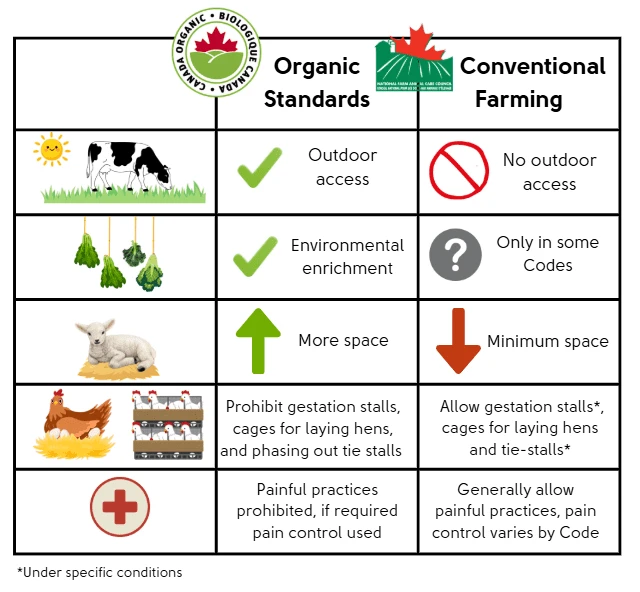
Organic Pet Food vs Conventional: Key Growth Trends & Benefits
PawVerde.com – organic pet food, defined by USDA-certified ingredients free from synthetic pesticides, antibiotics, and growth hormones, is rapidly gaining market share relative to conventional pet food. Rising consumer awareness of pet health, sustainability concerns, and demand for premium nutrition are driving this shift. The organic pet food segment in North America, Europe, and Asia-Pacific is expanding faster than conventional categories, which still dominate overall volume but face growing competition in premium tiers. Organic formulations emphasize clean sourcing of animal proteins such as certified organic chicken, beef, and fish, avoiding synthetic additives and preservatives commonly found in conventional pet foods. This results in improved nutrient bioavailability and digestibility, along with potential benefits for pet immune function and gut health. Despite higher price points and supply chain challenges, organic pet food growth is supported by ecommerce expansion and evolving consumer preferences toward natural, transparent ingredient sourcing.
Market Context and Growth Trends in Organic vs Conventional Pet Food
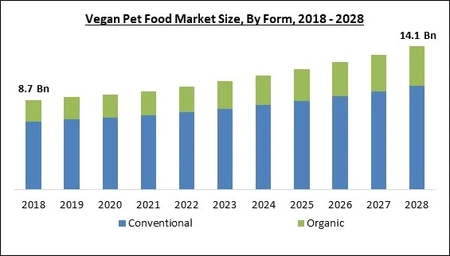
The global pet food market has witnessed a significant transition, with organic pet food registering an accelerated growth rate compared to conventional products. According to recent industry reports from DataInsightsMarket and FutureMarketInsights, the organic pet food segment is growing annually at over 10%, outpacing the conventional sector’s growth rate of approximately 4-6%. This trend is attributed to increasing pet ownership worldwide, especially among younger demographics that prioritize health-conscious and sustainable choices for their animals.
North America continues to lead in organic pet food adoption, fueled by stringent USDA Organic certification standards and a well-established premium pet food market. The Asia-Pacific region is emerging rapidly, driven by rising disposable incomes and expanding online retail platforms offering organic options. Europe maintains steady growth supported by regulatory frameworks and consumer demand for transparency. Despite conventional pet food maintaining the largest market share globally, the premium and super-premium segments are increasingly dominated by organic and natural pet food products, reflecting a shift in consumer priorities toward ingredient quality and health benefits.
Nutritional and Health Comparisons Between Organic and Conventional Pet Food
Organic pet food distinguishes itself from conventional options primarily through the quality and sourcing of its ingredients. Certified organic animal proteins such as chicken, beef, and fish originate from livestock raised without synthetic pesticides, antibiotics, or growth hormones. This contrasts with conventional pet food, which often contains non-organic meat, animal by-products, fillers, and synthetic additives including preservatives and artificial colors.
The superior bioavailability of nutrients in organic pet foods supports enhanced digestibility and nutrient absorption. Veterinary nutritionists observe that pets consuming organic diets may experience improved gut microbiome balance and stronger immune responses. This is partly due to the absence of synthetic additives which, in conventional foods, can disrupt gut flora and contribute to allergic reactions or sensitivities, especially in pets with compromised health or dietary allergies.
Conventional pet foods frequently incorporate growth hormones and antibiotics to promote rapid livestock growth, raising concerns about antibiotic resistance and long-term health effects in companion animals. Additionally, synthetic preservatives used in many conventional formulas, such as BHA and BHT, have been linked to potential carcinogenic risks. Organic pet food avoids these substances by relying on natural preservation methods, thereby reducing exposure to potentially harmful chemicals.
Market Segmentation and Regional Dynamics
The premium pet food segment, encompassing organic and super-premium natural products, is where most market growth is concentrated. Pet owners with higher disposable income are willing to pay a premium for products perceived as healthier and more ethically sourced. This segment accounted for nearly 40% of total pet food revenue in North America last year, according to GMInsights.
Regionally, North America exhibits the highest penetration of organic pet food, supported by extensive USDA Organic certification infrastructure and consumer education campaigns. The Asia-Pacific market is experiencing accelerated growth with a compound annual growth rate (CAGR) exceeding 12%, propelled by urbanization, rising pet ownership, and expanded digital marketplaces facilitating access to organic products. Europe’s market growth is steady, driven by regulatory harmonization through the European Pet Food Federation and consumer demand for labeling transparency.
Emerging markets within Asia-Pacific, including China and India, show significant potential. Here, rising middle-class populations and increasing awareness of pet health issues are prompting manufacturers to introduce organic pet food lines. These markets also grapple with supply chain challenges related to sourcing certified organic ingredients locally, often relying on imports from North America and Europe.
Certification and Regulatory Standards Guiding Organic Pet Food
USDA organic certification is the most recognized standard for organic pet food in North America, requiring that all agricultural ingredients be grown without synthetic pesticides, antibiotics, growth hormones, or genetically modified organisms. Livestock used for protein must be raised under organic conditions with access to pasture and organic feed. This certification ensures strict auditing and traceability throughout the supply chain.
The Association of American Feed Control Officials (AAFCO) sets regulatory standards for pet food labeling and nutritional adequacy but does not certify organic status. Instead, AAFCO standards complement USDA regulations by ensuring pet food formulations meet minimum nutritional requirements tailored to species and life stages.
ingredient transparency is increasingly central to consumer trust. Leading organic pet food manufacturers provide detailed labeling of ingredient sourcing and processing methods, responding to demands for greater information on pet dietary contents. This contrasts with many conventional products, where vague terms such as “meat meal” or “animal by-products” are common.
Consumer Behavior and Purchasing Channels
Pet owners’ growing preference for organic pet food is closely linked to heightened awareness of pet nutrition and health risks associated with synthetic additives in conventional diets. Surveys indicate that over 60% of health-conscious pet owners actively seek organic or natural pet food options, particularly for pets with allergies or sensitive skin.
The rise of online pet food retail has significantly expanded access to organic products. Ecommerce platforms now contribute upwards of 30% of organic pet food sales, offering convenience, subscription services, and detailed product information that aid purchasing decisions. This channel growth has been critical in reaching consumers in less urbanized regions or markets where physical retail options for organic pet food remain limited.
Price sensitivity remains a barrier for some consumers. Organic pet food often commands a 20-40% premium over conventional brands, influenced by higher ingredient costs and certification expenses. However, the expanding middle class in Asia-Pacific and North America’s affluent pet ownership base support sustained demand despite elevated price points.
Challenges and Limitations of Organic Pet Food
While organic pet food offers clear nutritional and ethical advantages, it faces challenges that may limit widespread adoption. The higher production costs associated with certified organic animal proteins and ingredient sourcing result in premium pricing that can restrict affordability for many consumers.
Supply chain complexities also arise due to the limited availability of USDA-certified organic livestock and feedstock. This scarcity can lead to inconsistent supply and fluctuations in product availability, particularly in emerging markets. Manufacturers must often balance organic sourcing with cost and volume demands, occasionally blending certified organic with natural ingredients to maintain price competitiveness.
Nutrient balance is another consideration. Some organic pet foods may lack certain synthetic vitamins or minerals added to conventional formulas for precise nutritional control. This necessitates rigorous formulation and testing to ensure organic products meet AAFCO nutritional profiles and support long-term pet health, especially for animals with specific dietary requirements.
Future Outlook and Industry Implications
Innovation in organic pet food is accelerating, with research focusing on novel protein sources such as insect meal and plant-based alternatives to complement traditional organic animal proteins. Advances in formulation technology aim to enhance nutrient bioavailability and palatability while maintaining organic integrity.
The coexistence of conventional and organic sourcing strategies is expected, with manufacturers leveraging both to address diverse consumer segments. Hybrid products incorporating organic ingredients alongside conventional components may emerge to balance cost and quality.
Market forecasts predict that organic pet food will achieve double-digit growth throughout the decade, driven by sustained consumer demand, regulatory strengthening, and ecommerce expansion. Industry players are investing in supply chain transparency, sustainability initiatives, and veterinary partnerships to fortify the sector’s credibility and appeal.
As pet owners continue prioritizing health and sustainability, organic pet food is poised to redefine premium nutrition standards, compelling conventional manufacturers to elevate ingredient sourcing and product innovation.
FAQ
What are the main health benefits of organic pet food compared to conventional options?
Organic pet food offers improved digestibility and nutrient bioavailability due to high-quality, certified organic ingredients free from synthetic additives, antibiotics, and growth hormones. This can enhance pet immune function, support gut microbiome balance, and reduce allergic reactions associated with conventional pet food preservatives and fillers.
How does USDA organic certification impact pet food quality?
USDA organic certification requires that all agricultural ingredients be produced without synthetic pesticides, antibiotics, or growth hormones and that livestock are raised under organic conditions. This certification ensures ingredient transparency, supply chain traceability, and adherence to strict environmental and animal welfare standards, contributing to higher product quality.
Why is organic pet food more expensive than conventional pet food?
The higher cost of organic pet food stems from expensive certified organic animal proteins, more rigorous ingredient sourcing, certification compliance costs, and smaller supply volumes. These factors increase production expenses, which are reflected in premium retail pricing compared to conventional pet food.
What regional markets show the strongest growth for organic pet food?
North America leads in market penetration due to established certification frameworks and consumer awareness. The Asia-Pacific region is experiencing the fastest growth, supported by rising pet ownership, urbanization, and expanding online retail channels. Europe shows steady growth driven by regulatory harmonization and consumer demand for transparency.
How is online retail influencing organic pet food sales?
Online retail channels have significantly increased the accessibility of organic pet food, particularly in regions with limited physical retail options. Ecommerce platforms offer convenience, subscription services, and detailed product information, fueling consumer adoption and enabling manufacturers to reach wider audiences efficiently.
Organic pet food’s expanding role in the global pet nutrition landscape reflects evolving consumer values emphasizing health, sustainability, and transparency. As the market matures, continued innovation and regulatory advancements will shape product offerings, pricing strategies, and supply chain resilience, driving the sector’s trajectory through 2026 and beyond.
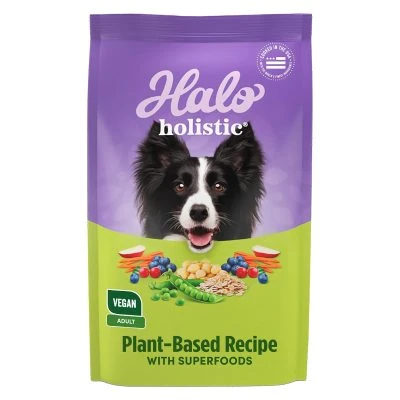
Vegan Dog Food vs Meat: Nutrition & Sustainability in 2026
PawVerde.com – Vegan dog food in 2026 can deliver nutrition comparable to traditional natural meat-based diets when formulated according to AAFCO standards and supplemented with essential amino acids and vitamins. Leading brands such as V-Dog, Wild Earth, and Petaluma now offer options that meet or exceed these nutritional benchmarks, often overseen by board-certified veterinary nutritionists. These diets present significant sustainability advantages, reducing the ecological paw print by more than 90% relative to beef-based protein sources. However, pet owners must carefully evaluate ingredients, particularly for iodine, B vitamins, and taurine supplementation, to ensure a balanced diet tailored to their dog’s specific health needs.
Nutritional adequacy remains a primary consideration as vegan formulations rely heavily on plant proteins—peas, lentils, chickpeas, and soy—augmented with synthetic vitamins and functional additives such as turmeric and probiotics to support canine health. Clinical studies published in Heliyon and PLoS One confirm that while most vegan dog foods meet overall protein and vitamin D requirements, some gaps in micronutrients persist without targeted supplementation. This underscores the critical role of veterinary nutritionists in designing and vetting these diets to promote optimal digestion, immune function, and coat condition. Owners of allergy-prone or sensitive-skinned dogs report improved symptoms on vegan diets enriched with prebiotics and probiotics that enhance gut-brain axis health.
Introduction to the 2026 Landscape of Dog Food
Demand for vegan dog food has surged in recent years, propelled by growing awareness of environmental sustainability and ethical considerations in pet nutrition. Several market leaders—V-Dog, Wild Earth, Petaluma, PawCo, and Bramble—have pioneered plant-based formulations designed to rival natural meat in both nutrition and palatability. Advances in protein technology, including fermentation-derived fungi proteins and cultivated meat alternatives, have expanded ingredient options, enabling more nutrient-dense and digestible recipes.
Natural meat-based dog foods continue to dominate the market but face increasing scrutiny for their environmental footprint and sourcing ethics. Brands like Natural Balance maintain strong market presence by emphasizing high-quality animal proteins and transparent sourcing. This landscape reflects a broader shift towards sustainable pet food solutions that balance canine nutritional needs with ecological responsibility.
Nutritional Comparison: Vegan Dog Food vs Natural Meat-Based Options
The Association of American Feed Control Officials (AAFCO) remains the gold standard for canine nutritional adequacy, requiring balanced macronutrients and micronutrients for a “complete and balanced” diet label. Vegan dog foods in 2026 routinely meet these requirements by combining diverse plant protein sources to achieve balanced amino acid profiles, notably supplementing limiting amino acids such as taurine and L-carnitine.
Plant proteins such as peas, lentils, chickpeas, and soy provide the bulk of protein in vegan formulas but naturally lack certain essential amino acids present in animal proteins. To address this, manufacturers incorporate synthetic amino acids and vitamin premixes, including B vitamins (B12, riboflavin) and iodine, which tend to be lower in plant-based diets. Vitamin D requirements are typically satisfied through supplementation, with all tested brands meeting or exceeding minimum thresholds.
Veterinary nutritionists like Dr. Mahsa Vazin emphasize the importance of careful formulation and label scrutiny, especially for dogs with specific health conditions or life stages. Gradual diet transitions and periodic health assessments ensure that the nutritional needs of individual dogs are met without compromising well-being.
Health Outcomes and Scientific Evidence
Recent peer-reviewed studies reinforce that vegan diets, when properly formulated, support overall canine health comparable to meat-based diets. Research published in journals such as PLoS One highlights that dogs on vegan diets maintain stable weight, normal blood profiles, and healthy coat conditions over long-term feeding trials.
allergy management is a notable area of benefit, with vegan dog foods reducing exposure to common animal protein allergens. Owners report improvements in skin sensitivity and reduced incidence of gastrointestinal upset. The inclusion of prebiotics and probiotics in many vegan formulations supports gut-brain axis health, enhancing digestion and immune function.
Veterinary nutritionists confirm that the addition of functional ingredients like turmeric and ashwagandha provides antioxidant and anti-inflammatory benefits, contributing to improved joint health and stress resilience. Owner feedback consistently indicates favorable stool quality and vitality in dogs transitioned to high-quality vegan diets under veterinary supervision.
Sustainability and Environmental Impact
Environmental analyses reveal stark contrasts between plant-based and meat-based dog foods. Lifecycle assessments show that plant-based diets reduce land use, water consumption, and greenhouse gas emissions by over 90% compared to diets relying on beef or other red meats. This reduction translates into a significantly smaller ecological paw print for vegan dog food.
Innovations in sustainable protein sources have accelerated, with companies incorporating fungi-derived proteins, cultivated meat, and insect proteins to diversify supply chains and lower environmental impact. Leading brands implement eco-friendly packaging and production methods, including recyclable materials and renewable energy use, further enhancing sustainability credentials.
These advancements align with consumer demand for responsible pet food choices, positioning vegan dog food as a viable option for environmentally conscious pet owners.
Popular Vegan Dog Food Brands and Product Types in 2026
The vegan dog food market in 2026 features diverse brands and product formats tailored to various canine preferences and needs. V-Dog and Wild Earth lead with dry kibble options formulated to meet complete nutrition standards, while Petaluma and Bramble offer both kibble and canned varieties enriched with functional additives.
PawCo and Gather provide niche products such as dehydrated mixers and fresh vegan meals, appealing to owners seeking minimally processed options. Price points vary widely, with dry kibble ranging from moderate to premium tiers depending on ingredient quality and brand positioning. Cost analyses indicate that vegan diets can be economically competitive with natural meat-based options when factoring in portion size and dog activity level.
These brands prioritize ingredient transparency, with detailed labeling and third-party nutritional validation, reflecting a commitment to consumer trust and diet efficacy.
Consumer Guidance and Choosing the Right Diet
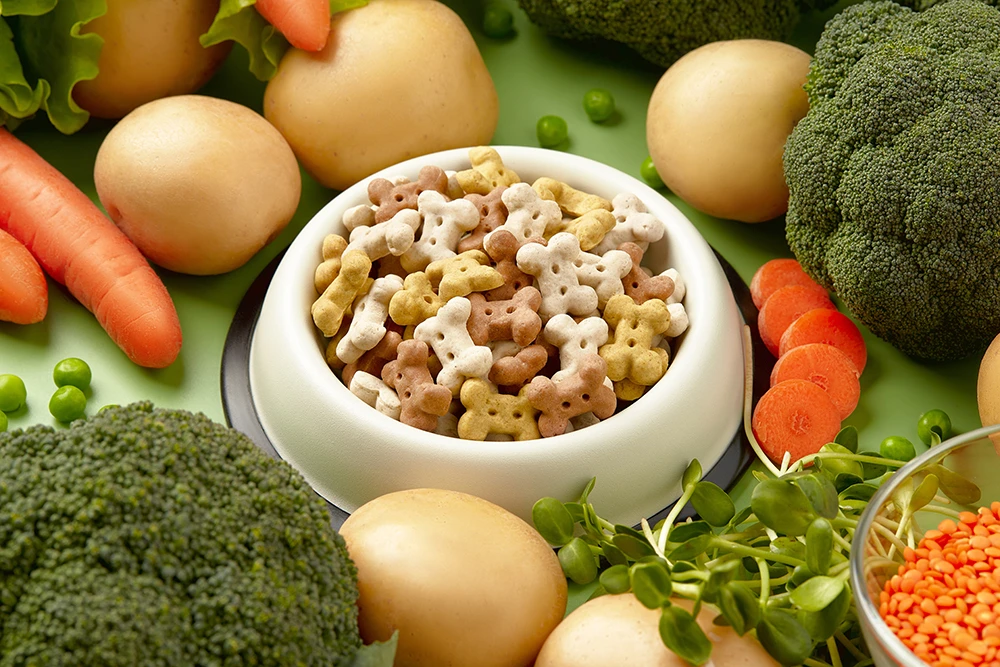
Transitioning a dog to a vegan diet requires a deliberate approach to avoid nutritional imbalances and digestive upset. Veterinary consultation is essential to tailor the diet to the dog’s age, breed, health status, and activity. Gradual introduction over several weeks allows the canine digestive system to adapt and helps monitor tolerance.
Owners should verify that selected products carry AAFCO “complete and balanced” certification and review ingredient lists for critical nutrients such as taurine, L-carnitine, iodine, and B vitamins. Regular veterinary check-ups, including blood work and physical assessments, ensure ongoing nutritional adequacy and health.
Transparency from manufacturers regarding sourcing, formulation processes, and third-party testing is a key factor in selecting trustworthy vegan dog food brands.
FAQ
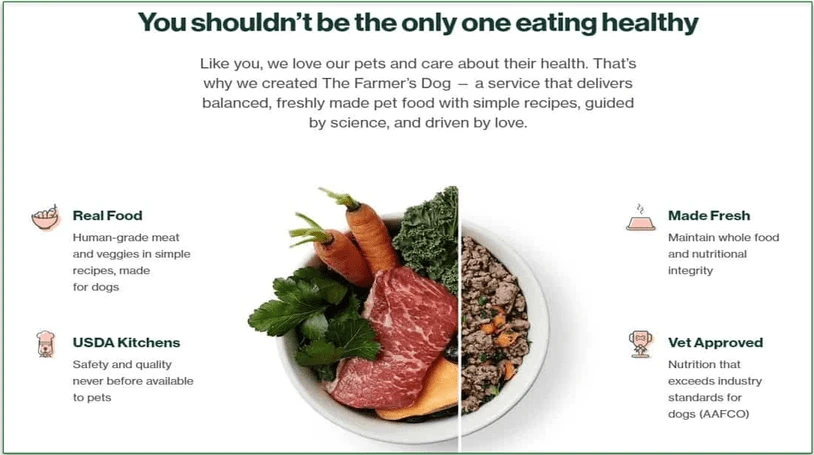
Is vegan dog food nutritionally complete compared to meat-based options?
When formulated according to AAFCO standards and supplemented with essential amino acids and vitamins, vegan dog food can provide complete and balanced nutrition comparable to meat-based diets. Veterinary oversight ensures specific nutrient requirements are met.
Can vegan diets help dogs with allergies or sensitive skin?
Yes, vegan dog foods often reduce exposure to common animal protein allergens and include functional ingredients like prebiotics and probiotics that support skin and gut health, benefiting dogs with allergies or sensitivities.
How does the environmental impact of vegan dog food compare to meat-based food?
Plant-based dog food typically reduces land use, water consumption, and greenhouse gas emissions by over 90% relative to beef-based diets, representing a substantially smaller ecological footprint.
Are there any micronutrients to watch for in vegan dog food?
Iodine, B vitamins (especially B12), taurine, and L-carnitine may be lower in vegan diets and require supplementation. Checking product labels and consulting veterinary nutritionists is recommended to ensure balance.
What are the best brands offering nutritionally balanced vegan dog food in 2026?
Leading brands include V-Dog, Wild Earth, Petaluma, PawCo, Bramble, and Gather, all of which offer products meeting AAFCO standards and often incorporate functional health additives for optimized canine nutrition.
Vegan dog food has matured into a viable, nutritionally sound alternative to natural meat-based diets in 2026, combining scientific formulation, expert oversight, and sustainability. As the market evolves, ongoing research and innovation will continue refining these diets to meet diverse canine needs and contribute to ecological stewardship. Pet owners are encouraged to engage veterinary professionals when considering diet transitions and to prioritize products with transparent, evidence-backed nutrition profiles.

Fostering Pets vs Adopting Pets: Key Differences in 2026
PawVerde.com – Pet fostering and adoption have become critical components in addressing the persistent challenges of animal shelter overcrowding and welfare in 2026. As shelters nationwide continue to face capacity strains due to rising intake rates, fostering serves as a vital temporary solution that alleviates pressure while enhancing the well-being of shelter pets. Adoption, by contrast, offers a permanent home and lifelong commitment, directly saving animals from potential euthanasia and contributing to the ethical rejection of puppy mills and irresponsible breeders. Both pathways provide distinct benefits and challenges for individuals and communities engaged in animal welfare.
Fostering involves providing temporary care for pets—ranging from kittens and puppies to special needs or senior animals—until they can be placed in permanent homes. This model supports shelter staff by reducing overcrowding, lowering stress-induced behaviors in animals, and enabling more personalized health and behavioral interventions. Adoption entails a permanent transfer of ownership, obligating adopters to provide ongoing medical care, food, shelter, and emotional support. Understanding these fundamental differences is crucial for prospective caregivers to make informed decisions aligned with their lifestyle and capacity.
Defining Pet Fostering vs Pet Adoption
pet fostering offers temporary care without the expectation of permanent ownership. Foster families take in shelter animals for periods ranging from a few weeks to several months, providing a home environment that can be more conducive to recovery and socialization than shelter settings. This temporary nature allows fosters to support multiple animals over time and adapt their involvement based on personal circumstances. Typical fostering scenarios include neonatal kittens requiring round-the-clock care, dogs recovering from surgery, or animals with behavioral challenges needing individualized attention.
Adoption, conversely, is a permanent arrangement where the adopter assumes full responsibility for the pet’s lifetime care. This includes medical treatments such as vaccinations, spay/neuter surgery, microchipping, and ongoing wellness checks, often covered initially by adoption fees. Adoption also demands stable housing, financial resources, and emotional readiness to support the pet’s needs over years or decades. Unlike fostering, adoption creates a lifelong bond and legal ownership, positioning adopters as advocates against unethical breeding practices and puppy mills.
Benefits of Fostering Pets
Fostering directly mitigates shelter overcrowding, a persistent issue exacerbated by seasonal intake surges and community-wide crises. The Michelson Found Animals Foundation reports that fostering programs can reduce shelter populations by up to 30%, enabling facilities to allocate more resources to animals in urgent need. Importantly, fostering reduces the stress and anxiety commonly observed in shelter animals, as studies like the Lady Freethinker 2025 report indicate significantly lower cortisol levels in fostered pets compared to those housed in shelter environments.
Specialized care is a hallmark of fostering, particularly for vulnerable populations such as neonatal kittens, pregnant animals, or pets with medical or behavioral needs. Foster families provide individualized attention that shelter staff often cannot offer due to resource constraints. This targeted care improves survival rates and prepares animals for successful adoption by addressing health and socialization barriers early.
From a human perspective, fostering offers emotional rewards and community engagement opportunities without the permanence of adoption. Foster families often report a sense of fulfillment from contributing to animal welfare and local community service, aligning with programs run by organizations like Lucky Dog Animal Rescue and Best Friends Animal Society. The flexibility inherent in fostering accommodates caregivers who may not be ready for permanent pet ownership but still wish to make a meaningful impact.
Challenges and Considerations in Fostering
Despite its benefits, fostering presents emotional challenges, particularly the difficulty of forming attachments only to relinquish the pet once adoption occurs. A 2026 survey by LA Animal Services found that 68% of potential fosters expressed concerns about emotional separation, which can serve as a barrier to participation. Time, space, and resource limitations also constrain fostering capacity; caring for animals with special needs or high energy levels requires significant commitment and may not suit all households.
Health management during the foster period involves close coordination with shelter veterinarians to monitor vaccinations, parasite control, and behavioral interventions. Foster families must be prepared to handle unpredictable medical or behavioral issues, which can demand patience and specialized knowledge. Training and support from rescue organizations mitigate these challenges but require clear communication and ongoing education.
Advantages of Adopting Pets
Adoption offers permanent companionship, fostering deep emotional bonds that contribute to both human and animal well-being. The Hill’s pet nutrition Report 2024 highlights that pet adopters experience reduced stress, lower blood pressure, and increased physical activity, benefits that are amplified by the lasting nature of the relationship. Adoption also ensures a direct lifesaving impact; every adopted animal frees up shelter space for others and reduces euthanasia rates.
Adoption fees typically cover essential medical services, including spay/neuter surgery, vaccinations, and microchipping, facilitating responsible pet ownership. These fees also support shelter operations and community outreach programs combating puppy mills and unethical breeding—a critical concern given the ongoing prevalence of such practices. By choosing adoption, individuals actively reject commercial breeders, aligning with ethical standards promoted by entities like the Best Friends Animal Society.
Foster-to-Adopt Programs: Bridging the Gap
Foster-to-adopt initiatives represent an innovative compromise, allowing potential adopters to trial pet ownership within a foster framework before making permanent commitments. These programs reduce adoption returns by ensuring compatibility and readiness, benefiting both animals and adopters. For example, LA Animal Services reports a 20% decrease in adoption returns since implementing foster-to-adopt options, highlighting their effectiveness.
Such programs enable pets to transition gradually from shelter to home environments, easing behavioral adjustments and health monitoring. They also provide adopters with hands-on experience managing pet care responsibilities, facilitating informed decisions and stronger bonds.
Health and Emotional Impact on Humans and Pets
Scientific studies confirm significant health and emotional benefits arising from pet fostering and adoption. Fostered animals exhibit reduced stress markers compared to shelter counterparts, improving immune function and overall recovery. For foster families, caregiving promotes empathy, responsibility, and community engagement, with positive effects documented among children who participate in fostering activities.
Adopters benefit from increased physical activity and emotional support, with long-term pet ownership linked to lower incidences of depression and cardiovascular disease. The reciprocal nature of these relationships enhances quality of life and fosters societal awareness of animal welfare issues.
How to Get Involved: Steps to Foster or Adopt
Individuals interested in fostering or adopting should begin by researching local shelters and animal welfare organizations such as LA Animal Services, Lucky Dog Animal Rescue, and the Michelson Found Animals Foundation. These entities offer detailed guidance on eligibility, application processes, and training resources.
Assessing personal readiness involves evaluating time availability, living arrangements, financial capability, and emotional commitment. Prospective fosters should consider the specific needs of kittens versus adult cats or dogs, as care requirements vary significantly. Many organizations provide starter kits and ongoing support to ease the transition for new foster families.
Communities increasingly promote fostering through public awareness campaigns and partnerships with veterinary clinics and pet supply retailers, making it easier to access necessary resources. Adoption events and foster recruitment drives remain vital entry points for engagement.
| Aspect | Pet Fostering | Pet Adoption |
|---|---|---|
| Commitment Duration | Temporary (weeks to months) | Permanent (lifetime) |
| Emotional Attachment | High but temporary; potential separation anxiety | High and lifelong bonding |
| Impact on Shelter | Reduces overcrowding and stress | Frees shelter space permanently |
| Medical Care | Provided/supervised by shelter | Responsibility of adopter; initial fees cover basics |
| Flexibility | High; fosters can support multiple pets over time | Low; lifelong responsibility |
| Cost | Usually free; may require supplies | Adoption fees apply |
| Role in Combating Puppy Mills | Indirect support by increasing shelter capacity | Direct ethical choice against breeders |
Frequently Asked Questions

What are the main differences between fostering and adopting a pet?
Fostering provides temporary care without permanent ownership, allowing shelters to reduce overcrowding and improve animal well-being, while adoption involves a lifelong commitment, making the adopter responsible for the pet’s ongoing care and welfare.
Can fostering lead to adoption?
Yes, many organizations offer foster-to-adopt programs where fosters can trial the pet before committing to permanent adoption, helping ensure a good match and reducing adoption returns.
How does fostering help reduce shelter overcrowding?
By temporarily housing pets in foster homes, shelters lower their population density, decreasing stress for animals and enabling better resource allocation for those remaining in the facility.
Are there costs involved in fostering or adopting?
Fostering is generally free, with shelters covering medical expenses and sometimes providing supplies. Adoption typically requires fees that cover vaccinations, spay/neuter surgeries, and microchipping.
What emotional benefits do fostering and adoption provide?
Both fostering and adoption offer emotional rewards, including reduced stress, increased empathy, and stronger community connections. Adopters gain lifelong companionship, while fosters experience gratification from helping animals temporarily.
Pet fostering and adoption remain indispensable in 2026’s animal welfare ecosystem. Each pathway addresses shelter overcrowding and ethical pet ownership from complementary angles, enabling communities to support shelter pets effectively. Prospective caregivers should evaluate their capacity for commitment, emotional readiness, and lifestyle compatibility to select the option that best aligns with their goals. Continued innovation in foster-to-adopt programs and community engagement promises to enhance outcomes for animals and humans alike, advancing humane solutions amid ongoing shelter challenges.

Upcycling Old Materials for Pet Toys Drives Sustainable Innovation
PawVerde.com – Upcycling old materials into pet toys has emerged as a pivotal innovation in the pet care industry, combining sustainability with economic sensibility. In 2026, the shift toward eco-friendly pet products is driven by advancements in recycled and upcycled materials, rigorous safety certifications, and circular manufacturing processes that minimize environmental impact. Leading brands such as West Paw and Cycle Dog have pioneered the use of recycled post-consumer plastics and natural fibers, creating durable, non-toxic toys designed for infinite recyclability. This trend aligns with growing consumer demand for sustainable pet ownership, offering cost-effective alternatives to conventional pet toys while reducing landfill waste and plastic pollution.
The integration of DIY upcycling projects and community-driven programs has further expanded consumer engagement, enabling pet owners to contribute directly to environmental conservation. These developments underscore a transformative movement in pet products, where innovation, safety, and circular economy principles converge to redefine sustainable pet care.
Leading Brands and Material Innovations in Upcycled Pet Toys
West Paw’s Zogoflex® line exemplifies innovation in upcycled pet toys, utilizing recycled thermoplastic elastomers (TPE) sourced primarily from post-consumer plastics. This material not only offers remarkable durability but also supports an infinite recycling loop, allowing worn toys to be returned and remanufactured into new products. West Paw’s certification as a B-Corp affirms its commitment to environmental responsibility and social governance, ensuring that its manufacturing processes meet stringent sustainability standards. The brand’s FDA-compliance for non-toxic materials further guarantees pet safety, a critical factor amid concerns about recycled material quality.
Cycle Dog has distinguished itself by transforming discarded bicycle inner tubes and recycled plastic bottles into resilient chew toys and tug ropes. This approach leverages industrial rubber and plastic waste, diverting these materials from landfills. Cycle Dog’s products marry durability with eco-conscious design, addressing both pet entertainment and environmental stewardship. Their collaboration with TerraCycle programs enhances circularity by facilitating mail-back recycling options for worn-out toys.
Beco Pets and Multipet focus on natural and post-consumer materials such as bamboo fiber, natural rubber, and recycled plastics. Beco Pets’ use of biodegradable and sustainable raw materials complements Multipet’s incorporation of recycled plastics in their toy lines. These brands balance material innovation with cost-effectiveness, offering consumers affordable yet environmentally responsible pet toys. Their initiatives also include partnerships with certification agencies to validate the eco-friendliness and safety of their products.
Safety Standards and Certifications for Recycled and Upcycled Pet Toys
Safety remains paramount in the adoption of recycled materials for pet toys. FDA compliance ensures that materials used are free from harmful chemicals and toxins, a necessity given pets’ frequent chewing and mouthing behaviors. Brands like West Paw and Cycle Dog undergo rigorous testing for material safety, durability, and pet suitability, often exceeding regulatory minimums. Durability ratings, such as those developed in collaboration with veterinary experts, help consumers select toys appropriate for their pets’ size and chewing intensity.
Despite these safeguards, risks associated with poorly processed recycled materials persist, including potential chemical leaching and ingestion hazards due to brittle or degraded plastics. To mitigate such risks, manufacturers employ advanced purification and remanufacturing techniques, ensuring recycled plastics meet stringent quality controls. Certifications like the B-Corp and third-party environmental audits provide transparency and reinforce consumer trust by validating the ethical sourcing and production processes.
DIY Upcycling: Cost-Effective and Customizable Pet Toys
DIY upcycling offers pet owners a practical avenue to create sustainable toys, reducing reliance on commercial products while customizing designs to their pets’ preferences. Popular projects include transforming old t-shirts into braided tug toys, repurposing denim scraps into chewable balls, and weaving fabric strips into durable ropes. These methods not only extend the lifecycle of textiles but also minimize landfill contributions.
Community programs such as Pawty Animals’ RePawpose initiative actively encourage consumer participation in upcycling efforts. By sharing DIY instructions and promoting the #RePawpose hashtag on social platforms like TikTok’s ProblemSolved channel, Pawty Animals fosters an engaged eco-conscious community. This grassroots movement supports environmental education and spreads awareness about the tangible benefits of upcycling in pet care.
Circular Manufacturing and Recycling Programs in the Pet Toy Industry
Circular manufacturing has become a cornerstone of sustainable pet product innovation. ecoBirdy’s proprietary recycling process exemplifies this approach by reclaiming plastic from broken toys and transforming it into high-quality raw materials known as ecothylene®. This closed-loop system reduces virgin plastic demand and curtails plastic pollution.
Mail-back programs, often facilitated by brands and partners like TerraCycle, provide consumers with accessible options to recycle worn-out pet toys responsibly. These initiatives collect used toys, which are then processed into recyclable pellets or repurposed into new products. Such programs enhance product lifecycle management and support industry-wide sustainability goals.
Environmental Impact and Consumer Advantages of Upcycled Pet Toys
Upcycled pet toys contribute significantly to plastic waste reduction by diverting post-consumer materials from landfills and oceans. Estimates indicate that pet toy manufacturing accounts for a measurable share of plastic consumption in the pet care sector, with upcycled alternatives potentially reducing this footprint by up to 50% when widely adopted. The use of biodegradable materials further mitigates long-term environmental impacts, as these components break down more readily in natural settings.
Consumers benefit from upcycled toys beyond environmental impact, enjoying cost savings due to the lower raw material costs associated with recycled inputs and DIY projects. Additionally, many upcycled toys exhibit enhanced durability, translating to longer product lifespans and reduced replacement frequency. This durability is corroborated by consumer reviews and durability testing data published by brands like West Paw and Cycle Dog.
Future Directions of Upcycled Pet Toys and Responsible Pet Ownership
The trajectory of upcycled pet toys points toward greater integration of circular economy principles, increased transparency through certifications, and enhanced consumer participation in sustainability programs. Emerging material innovations, such as bio-based polymers and nanocellulose composites, promise to further elevate the ecological profile and performance of pet toys.
Pet owners are encouraged to adopt multi-faceted approaches combining brand-supported recycling initiatives, DIY upcycling, and informed purchasing decisions based on safety certifications and durability ratings. This holistic engagement fosters responsible pet ownership aligned with global environmental goals.
FAQ

What materials are commonly used in upcycled pet toys?
Upcycled pet toys typically incorporate recycled post-consumer plastics such as thermoplastic elastomers (TPE), natural rubber, bamboo fibers, and repurposed textiles like denim and cotton. These materials are selected for durability, safety, and environmental impact, often undergoing FDA-compliant processing.
Are upcycled pet toys safe for aggressive chewers?
Brands like West Paw and Cycle Dog rigorously test their upcycled toys for durability and safety, offering products with specific ratings for aggressive chewers. However, pet owners should always inspect toys regularly and select products suited to their pet’s chewing behavior to prevent ingestion of small parts.
How do circular manufacturing programs work for pet toys?
Circular manufacturing involves reclaiming used or broken toys and recycling them into raw materials for new products. Programs like ecoBirdy’s ecothylene® process and TerraCycle mail-back services facilitate this by collecting worn toys, processing them to remove contaminants, and remanufacturing them into high-quality pet toys, reducing reliance on virgin plastics.
Can I make effective upcycled pet toys at home?
Yes. DIY upcycling projects using materials like old t-shirts, denim scraps, and fabric ropes can produce durable and safe pet toys. Following community-shared instructions, such as those from Pawty Animals’ RePawpose program, ensures toys are made with pet safety and durability in mind.
What certifications should I look for when choosing upcycled pet toys?
Look for FDA compliance, B-Corp certification, and third-party environmental audits that verify material safety, non-toxicity, and sustainable manufacturing practices. These certifications indicate a brand’s commitment to quality, pet safety, and environmental responsibility.
—
As pet product innovation advances, the fusion of recycled materials, safety certifications, and circular manufacturing will increasingly define the upcycled pet toy market. Continued development of eco-conscious consumer programs and DIY initiatives will further embed sustainability into everyday pet care, offering a pragmatic pathway to reduce environmental impact while enhancing pet wellness and owner satisfaction.

Pet-Friendly Furniture Options: Pros and Cons Explained
PawVerde.com – Pet owners face a unique challenge when selecting furniture that balances durability, comfort, and aesthetics while withstanding the wear and tear caused by pets. Industry data shows that approximately 60% of pet owners experience furniture damage within the first year of pet ownership, underscoring the importance of choosing pet-friendly furniture materials. Durable upholstery fabrics such as microfiber, leather, and high-performance textiles have emerged as preferred choices due to their resistance to stains, scratches, and pet hair accumulation. Understanding the pros and cons of each material, along with design and maintenance considerations, is crucial for making informed furniture investments that endure typical pet behaviors like scratching, shedding, and chewing.
Materials Suitable for Pet-Friendly Furniture
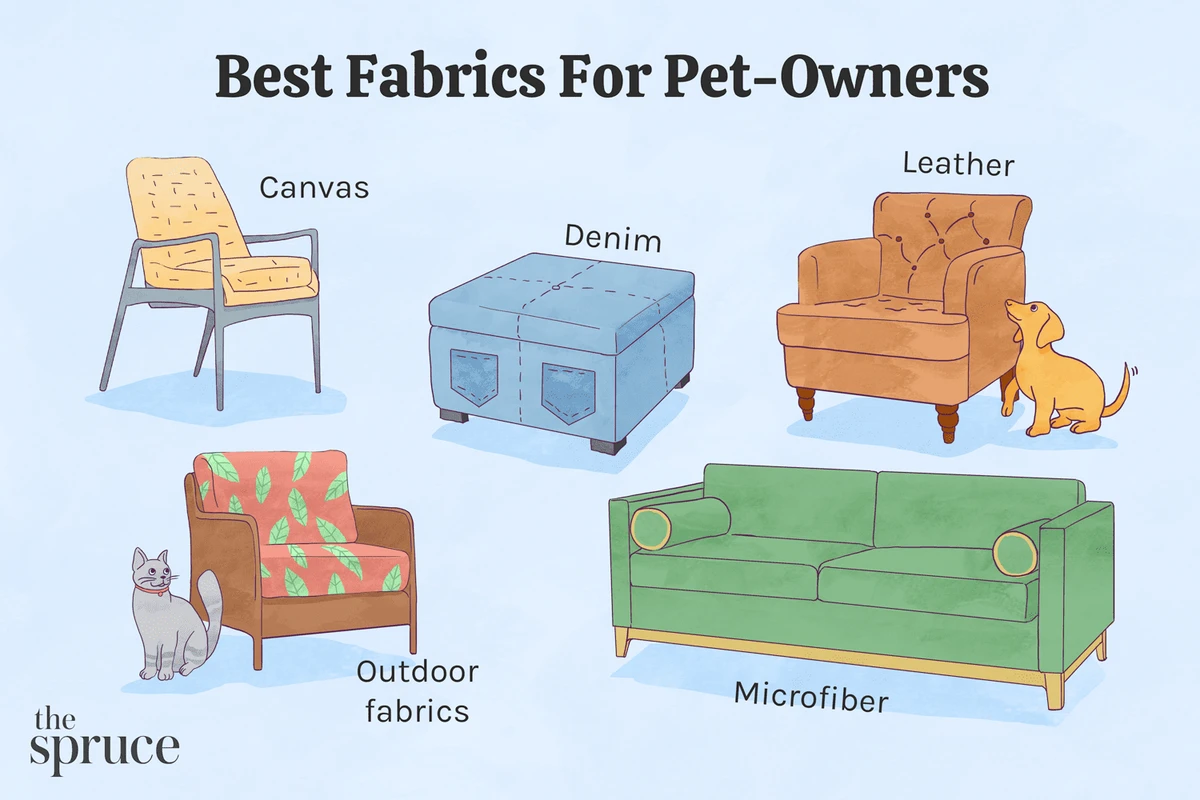
Microfiber remains a leading fabric choice for pet-friendly furniture, prized for its tightly woven structure that offers significant resistance to scratches and pet claws. Its softness enhances comfort for both pets and owners, while its stain resistance supports easy cleaning of pet accidents. However, microfiber can attract static electricity, sometimes leading to increased pet hair adherence, and it may suffer watermarks from spills if not promptly treated. Despite these drawbacks, microfiber furniture is reported to last up to five times longer than standard upholstery when exposed to pets, making it a durable option.
Leather upholstery offers notable advantages in homes with pets. Its smooth surface does not trap pet hair, simplifying routine cleaning, and it allows for easy wiping to remove stains and odors. Leather’s inherent durability supports long-term use, particularly high-quality full-grain varieties. However, leather is susceptible to visible claw marks and punctures from pet scratching, which can result in costly repairs or premature replacement. The higher initial investment cost of leather furniture can be offset by its longevity when maintained properly, but pet owners should weigh this against the likelihood of scratch damage.
Faux leather and high-performance polyester fabrics provide a cost-effective alternative to genuine leather, combining reasonable durability with easier maintenance. These synthetic materials often feature enhanced stain resistance and water repellency, which mitigate the impact of pet accidents. However, they generally lack the natural breathability of leather and may degrade faster under intense scratching. Brands like La-Z-Boy and Bassett have incorporated such fabrics into their pet-friendly lines, emphasizing durability and ease of care.
Canvas and Crypton fabrics represent heavy-duty upholstery options designed specifically with stain and odor resistance in mind. Crypton textiles, treated with proprietary barrier technology, prevent liquids and pet odors from penetrating the fabric, making them highly suitable for pets prone to accidents. Canvas, while less soft than microfiber or velvet, offers affordability and robust wear resistance. Both fabrics tend to resist pet hair accumulation better than plush textiles but may sacrifice some comfort.
Velvet, though luxurious in appearance and texture, poses challenges for pet owners due to its tendency to attract and retain pet hair and its relatively lower resistance to scratching. While velvet upholstery can be treated with protective coatings, its softness makes it prone to damage from claws and rough pet play, limiting its suitability in pet-heavy environments.
Cushion and Upholstery Features Enhancing Pet Friendliness
The choice of cushion filling material significantly affects furniture’s resilience to pet use. High-density foam cushions maintain shape and provide firm support, which helps prevent sagging caused by pets jumping or lounging extensively. In contrast, down-blend cushions offer superior softness but tend to flatten more quickly under pet weight, reducing overall durability.
Removable and machine-washable cushion covers have become increasingly popular among pet owners, facilitating regular cleaning to remove pet hair, odors, and stains. Performance fabrics with removable covers, often treated with stain-resistant coatings, simplify maintenance and extend furniture lifespan. La-Z-Boy and Bassett have incorporated these practical features in their pet-friendly collections, supporting hygiene without compromising design.
Furniture Design Considerations for Pet Owners
Structural integrity is critical in pet-friendly furniture design. Sturdy hardwood frames can withstand the impact of jumping pets and frequent use, reducing wobble and frame damage. Modular sofas offer flexibility by allowing individual sections to be replaced or cleaned separately, extending the usability of the entire piece.
Elevated furniture with raised legs facilitates cleaning underneath, preventing accumulation of fur, dust, and debris. Additionally, designs featuring minimal gaps and crevices reduce areas where pet hair and dirt can collect, simplifying routine maintenance and enhancing furniture longevity.
Impact of Pet Behavior on Furniture Durability
Scratching is a primary cause of damage to upholstery, particularly leather and velvet, where fabric weave and material toughness dictate resistance levels. Microfiber’s tight weave resists punctures more effectively than looser weaves, while Crypton-treated fabrics add a protective barrier that limits damage from claws.
Shedding influences fabric choice through pet hair management. Smooth surfaces like leather repel hair, whereas plush fabrics such as velvet and canvas can trap fur, requiring more frequent vacuuming. Some performance polyester fabrics are engineered to resist fur adhesion, enhancing ease of cleaning.
Licking and chewing pose additional challenges, especially for dogs prone to destructive behavior. Materials that resist moisture absorption, such as Crypton and faux leather, prevent odors and stains associated with saliva. However, no fabric is entirely impervious to chewing damage, so furniture placement and pet training remain essential complementary strategies.
Maintenance and Cleaning Practices for Pet-Friendly Furniture
Stain-resistant treatments and protective coatings significantly enhance upholstery durability against pet-related accidents. Crypton fabrics, for example, incorporate moisture barriers and antimicrobial properties that inhibit odor development and microbial growth, supporting healthier indoor environments.
Routine cleaning varies by material: leather requires gentle wiping with appropriate conditioners to maintain suppleness, microfiber benefits from vacuuming and spot cleaning, and canvas or performance fabrics tolerate machine washing of removable covers. Matching upholstery color and pattern to the pet’s coat can camouflage minor stains and fur accumulation, reducing the visual impact of wear.
Limitations and Realistic Expectations for Pet-Friendly Furniture
Despite advances in fabric technology, no furniture is entirely pet-proof. Pet owners must balance durability, comfort, and style, accepting that some wear is inevitable. High-quality pet-resistant upholstery can extend furniture lifespan by three to five times compared to standard fabrics, but normal wear and tear from claws, shedding, and accidents will occur.
Planning for regular maintenance, investing in protective treatments, and selecting appropriate furniture designs can mitigate damage while maintaining aesthetic appeal. Understanding these trade-offs empowers pet owners to make choices aligned with their lifestyle and home environment.
Frequently Asked Questions

What fabric is best for furniture in homes with pets?
Microfiber and leather are often recommended due to their stain resistance and ease of cleaning. Microfiber offers softness and scratch resistance, while leather repels pet hair and is easy to wipe clean. Performance fabrics treated with stain and odor-resistant coatings also provide durable options.
How does pet behavior affect furniture material choice?
Scratching, shedding, licking, and chewing each impact furniture differently. Fabrics with tight weaves resist claw damage better, smooth surfaces repel pet hair, and moisture-resistant materials prevent stains from saliva and accidents. Understanding your pet’s habits helps select the appropriate upholstery.
Are removable cushion covers necessary for pet-friendly furniture?
Removable, machine-washable covers greatly simplify cleaning and odor control, especially for pets prone to accidents or shedding. They extend furniture life by allowing deeper cleaning without professional services.
Is leather a practical choice for pet owners?
Leather is practical due to its easy maintenance and resistance to pet hair. However, it can show visible scratches and punctures from claws. High-quality leather lasts longer but requires protective measures like regular conditioning and pet nail care.
Can pet hair be prevented from sticking to furniture?
Certain fabrics, such as leather and Crypton-treated textiles, naturally repel pet hair. Microfiber may attract static, increasing hair adhesion, but regular vacuuming and anti-static sprays can reduce this effect. Selecting upholstery material based on pet hair resistance enhances cleanliness.
Pet-friendly furniture materials and design continue evolving to meet the demands of pet owners seeking durability without sacrificing style. Advances in performance fabrics and upholstery treatments promise greater resilience against pet-related wear, supporting longer-lasting, comfortable living spaces that accommodate pets’ behaviors. For pet owners, integrating these insights with proactive maintenance ensures furniture remains functional and attractive in pet-inclusive homes.
Eco-Friendly Cleaning vs Conventional Products: Safer for Pets
PawVerde.com – eco-friendly cleaning solutions have surged in popularity among households with pets, driven by growing awareness of the health risks posed by conventional cleaners and the environmental damage they cause. These modern green products leverage plant-based enzymes and non-toxic formulations to provide effective stain and odor removal while preserving indoor air quality and minimizing chemical exposure risks for pets and children. Their widespread adoption reflects increasing consumer demand for safer, sustainable cleaning alternatives that meet stringent certification standards such as Green Seal and EcoLogo.
Conventional cleaning products often contain harsh chemicals like ammonia, bleach, and synthetic fragrances, which contribute to indoor air pollution and pose significant health hazards. Pets, due to their grooming habits and proximity to floors and surfaces, are particularly vulnerable to chemical residues left by these products. Research from veterinary experts including Dr. Aly Cohen highlights increased incidence of skin irritation, allergic reactions, and respiratory distress in animals exposed to these toxins. Additionally, volatile organic compounds (VOCs) emitted by many traditional cleaners exacerbate indoor air quality problems, increasing risks for asthma and hypersensitivity in both pets and children.
Eco-friendly cleaning technologies have evolved substantially, employing plant-based enzymatic formulations that break down organic pet stains and odors effectively without releasing harmful chemicals. These enzymes catalyze the decomposition of proteins, fats, and carbohydrates found in pet waste, outperforming many conventional cleaners in targeted stain removal. Certifications such as Green Seal and EcoLogo provide independent verification of a product’s environmental impact and safety profile, ensuring absence of toxic VOCs and enhanced biodegradability. Veterinary authorities recommend disinfectants like Accelerated Hydrogen Peroxide, which balances microbial efficacy with lower toxicity, supporting safer post-cleaning environments for pets.
Environmental impact considerations further distinguish green cleaning products from their conventional counterparts. Plant-derived ingredients biodegrade more rapidly, reducing chemical runoff into waterways and limiting soil contamination. Lifecycle assessments show that eco-friendly formulations often have lower carbon footprints due to sustainable sourcing and manufacturing processes. Water conservation benefits also arise from reduced reliance on aggressive chemical rinsing. By contrast, conventional cleaners contribute substantially to environmental pollution through persistent chemical residues and emissions throughout their lifecycle.
From a practical perspective, pet owners must consider both product selection and application methods to safeguard animal health. Avoiding residual chemical deposits is critical, as pets frequently ingest toxins through licking and close contact with treated areas. Experts advise using certified pet-safe products and ensuring thorough rinsing when possible. Veterinary guidance emphasizes selecting disinfectants with minimal toxicity profiles and avoiding synthetic fragrances that can trigger allergic responses. Proper ventilation during and after cleaning further mitigates indoor air pollutant accumulation.
The growing body of scientific research and veterinary experience underscores the multifaceted benefits of adopting eco-friendly cleaning solutions in pet households. These products align with broader sustainability goals while addressing unique health concerns in hypersensitive environments. As green cleaning technologies continue advancing, their integration into routine home maintenance offers a practical pathway to healthier living spaces and reduced environmental burden.
Health Risks of Conventional Cleaning Products for Pets and Children
Conventional household cleaners commonly contain ammonia, chlorine bleach, quaternary ammonium compounds, and synthetic fragrances, which pose acute and chronic health risks. Ammonia and bleach react to form chloramine gases, irritants that exacerbate respiratory conditions such as asthma. Prolonged exposure to these chemicals can cause skin irritation, conjunctivitis, and mucous membrane damage in both humans and animals. Pets’ heightened exposure arises from their behavior patterns—dogs and cats frequently lick paws and groom fur that contacts cleaned surfaces, increasing ingestion of toxic residues.
Volatile organic compounds (VOCs) emitted by many conventional cleaners contribute significantly to indoor air pollution. According to the environmental protection Agency (EPA), indoor VOC concentrations can be up to five times higher than outdoor levels, largely due to household products. Key VOCs like formaldehyde and benzene are linked to increased incidence of respiratory allergies and central nervous system effects. For vulnerable populations such as children and pets, who spend extensive time indoors, these pollutants pose heightened health risks.
Synthetic fragrances, often undisclosed in product ingredient lists, contain phthalates and other endocrine disruptors. Veterinary studies have associated exposure to these compounds with allergic dermatitis and behavioral changes in pets. Moreover, chemical residues persist on carpets and upholstery, creating long-term exposure hazards. The cumulative effect of these toxic chemicals compromises immune function and exacerbates existing sensitivities in both humans and animals.
Advances in Eco-Friendly Cleaning Technology
Eco-friendly cleaning solutions utilize plant-based enzymes such as proteases, lipases, and amylases to target organic stains and odors commonly associated with pets. These enzymes catalyze the breakdown of complex molecules into simpler, water-soluble compounds that can be easily removed without harsh chemicals. This biochemical approach not only enhances cleaning efficacy but also avoids the collateral damage caused by synthetic detergents and solvents.
Certification programs like Green Seal and EcoLogo have established rigorous criteria for product safety, environmental impact, and efficacy. Green Seal-certified products must demonstrate absence of carcinogenic VOCs, minimal aquatic toxicity, and biodegradability of ingredients within specified timeframes. EcoLogo standards similarly assess lifecycle impacts, including raw material sourcing and packaging sustainability. These certifications provide consumers with verified assurance that products meet high environmental and health standards.
Accelerated Hydrogen Peroxide (AHP) has gained traction as a disinfectant that balances potent antimicrobial activity with reduced toxicity. Veterinary experts advocate AHP for pet-safe disinfection because it breaks down into water and oxygen, leaving no harmful residues. This contrasts with traditional disinfectants like quaternary ammonium compounds, which can persist on surfaces and cause irritation. AHP efficacy against a broad spectrum of pathogens combined with a benign safety profile makes it a preferred option for households with animals.
Environmental Benefits of Green Cleaning Solutions
plant-based cleaning formulations typically employ renewable resources such as corn-derived surfactants and enzymes sourced from microbial fermentation, resulting in lower ecological footprints. Their biodegradability ensures rapid breakdown in sewage treatment facilities, reducing the accumulation of persistent pollutants in aquatic ecosystems. Studies demonstrate that eco-friendly cleaners contribute significantly less to water toxicity compared to conventional products containing phosphates and nonylphenol ethoxylates.
Water use efficiency is a pivotal environmental advantage. Green cleaning products often require lower volumes and less rinsing due to their enzymatic action and concentrated formulations. This translates into reduced freshwater consumption and diminished chemical runoff into natural water bodies. Furthermore, packaging innovations including the use of recycled PET fiber and minimal plastic reduce landfill waste and carbon emissions associated with manufacturing and transport.
Comparative lifecycle analyses reveal that plant-based cleaners generate fewer greenhouse gas emissions during production and disposal phases. The avoidance of petrochemical-derived ingredients diminishes reliance on fossil fuels, aligning with global carbon reduction targets. These environmental benefits extend beyond immediate toxicity reduction to encompass broader sustainability metrics essential for responsible consumer choices.
Practical Considerations for Pet Owners Using Eco-Friendly Cleaners
Safe use of cleaning products in homes with pets requires attention to both formulation and application practices. Veterinary specialists recommend selecting products with third-party green certifications to ensure verified absence of harmful substances. Avoiding synthetic fragrances and dyes further reduces allergenic potential. When applying cleaners, pet owners should ensure adequate ventilation and allow treated surfaces to dry completely before allowing pets access.
Proper dilution according to manufacturer instructions is critical to minimize residual chemical buildup. Enzymatic cleaners typically require dwell times to allow biochemical reactions to fully break down stains and odors. Rinsing is advisable for surfaces frequently contacted by pets to eliminate residual compounds. Additionally, storage of cleaning agents out of pets’ reach prevents accidental ingestion of concentrated chemicals, a common cause of poisoning.
Experts emphasize the importance of integrating pet-safe cleaning into a comprehensive hygiene regimen that includes regular grooming and allergen control. Veterinary advice from institutions such as Cornell University underscores the role of non-toxic disinfectants like Accelerated Hydrogen Peroxide in maintaining both environmental and animal health. Pet owners are encouraged to consult with veterinary professionals when selecting new cleaning products, especially for animals with hypersensitivities or respiratory conditions.
Looking Ahead: Trends in Sustainable, Pet-Safe Cleaning
The trajectory of household cleaning in 2026 and beyond reveals increasing alignment between environmental sustainability and pet health considerations. Manufacturers are investing in advanced enzymatic formulations and green chemistry innovations to enhance efficacy while eliminating toxic residues. Emerging certification frameworks are expanding to cover broader sustainability metrics, including carbon footprint labeling and circular economy principles in packaging.
Technological advances such as biodegradable nano-enzymes and bio-based disinfectants promise to further reduce environmental impact and improve safety profiles. Integration of IoT-enabled cleaning devices allows for precise dosing and reduced chemical waste. Consumer education campaigns, supported by veterinary and environmental health organizations, are raising awareness of the long-term benefits of eco-friendly cleaning for families with pets.
Adoption of pet-safe, eco-friendly cleaning products contributes not only to healthier indoor environments but also to global efforts mitigating environmental pollution and climate change. As scientific understanding deepens and regulatory standards evolve, the cleaning industry is poised to deliver solutions that support both human and animal well-being in increasingly sensitive and sustainable ways.
FAQ
Are eco-friendly cleaning products as effective as conventional cleaners on pet stains?
Modern eco-friendly products employ plant-based enzymes specifically designed to break down organic pet stains and odors, often matching or exceeding the efficacy of traditional chemical cleaners without the associated toxicity.
What certifications should I look for to ensure a cleaner is safe for pets?
Look for third-party certifications such as Green Seal and EcoLogo, which verify that products meet strict environmental and health safety standards, including absence of harmful volatile organic compounds and biodegradability.
How do conventional cleaning chemicals affect pet health?
Conventional cleaners often contain toxic substances like ammonia, bleach, and synthetic fragrances that can cause skin irritation, allergic reactions, respiratory problems, and long-term health issues in pets due to their close contact with treated surfaces.
Is Accelerated Hydrogen Peroxide safe to use around pets?
Accelerated Hydrogen Peroxide is recommended by veterinary experts as an effective disinfectant with low toxicity. It decomposes into water and oxygen, leaving no harmful residues, making it safer for use in pet environments compared to traditional disinfectants.
How can I reduce indoor air pollution caused by cleaning products in a home with pets?
Using eco-friendly, VOC-free cleaning products certified by recognized bodies, ensuring proper ventilation during cleaning, and avoiding synthetic fragrances can significantly improve indoor air quality and reduce health risks for pets and humans.
—
This comprehensive analysis underscores the advantages of eco-friendly cleaning solutions for pet households, highlighting their superior safety, environmental benefits, and efficacy compared to conventional products. Pet owners prioritizing health and sustainability in 2026 will find these green alternatives essential for maintaining clean, safe, and environmentally responsible homes.
Top Eco-Friendly Pet Products for DIY Projects in 2026
PawVerde.com – Eco-friendly pet products in 2026 have evolved significantly, reflecting growing consumer demand for sustainability and environmental responsibility in pet care. Biodegradable waste bags, recycled material toys, and sustainable grooming supplies now dominate the market, supported by certifications such as GOTS, FSC, and OEKO-TEX that guarantee eco-conscious manufacturing practices. Leading brands like Spunky Pup, Earth Rated, Blue Toby, PAWTY, Be More Bob, and Weruva have integrated circular economy principles, emphasizing product life cycles that minimize waste and environmental impact. This shift aligns with the priorities of eco-conscious pet owners who seek durable, non-toxic, and environmentally safer options for their pets.
Biodegradable pet waste bags have become a cornerstone of sustainable pet ownership, offering an effective solution to reduce plastic pollution. Unlike conventional plastic bags that persist in landfills for centuries, biodegradable bags decompose within months under proper conditions, often certified to meet ASTM D6400 or EN 13432 standards. For instance, Earth Rated’s biodegradable waste bags utilize plant-based materials that break down efficiently while maintaining strength during use. These bags often feature certifications from organizations verifying their compostability and environmental safety, providing transparency and building trust with consumers. Transitioning to such bags reduces landfill waste and mitigates the harmful effects of plastic micro-particles on ecosystems frequented by pets.
sustainable pet toys have witnessed remarkable innovation, combining recycled plastics, organic cotton, natural rubber, and plant-based dyes to create products that are both pet-safe and eco-friendly. Spunky Pup’s Clean Earth Collection exemplifies this trend by using post-consumer recycled plastics in durable dog toys, while PAWTY’s Avocado Plush Toy incorporates organic cotton and natural dyes, appealing to pet owners who prioritize toxin-free materials. Additionally, brands like Be More Bob have introduced toys made from ocean plastics, supporting marine conservation efforts by repurposing collected waste into functional pet products. The durability of these materials ensures longevity, reducing the frequency of replacement and overall environmental footprint. The use of upcycled textiles and natural rubber also enhances biodegradability, contributing further to zero waste pet care.
Eco-friendly grooming supplies have progressed beyond basic natural ingredients to include products certified free from harmful chemicals such as sulfates, parabens, and synthetic fragrances. Brands like Weruva and Blue Toby offer shampoos, conditioners, and grooming sprays formulated with organic cottonseed oil, hemp extracts, and plant-based surfactants. Packaging innovations include recyclable aluminum bottles and refillable containers that reduce plastic consumption. Certifications including OEKO-TEX Standard 100 and GOTS ensure the absence of toxic residues, promoting safer grooming for pets with sensitive skin while mitigating environmental contamination from conventional grooming chemicals. These products align with zero waste principles by emphasizing biodegradable formulations and sustainable sourcing.
DIY eco-friendly pet projects have surged in popularity, driven by pet owners’ desire to reduce costs and waste while engaging creatively with sustainable practices. Simple projects such as braided t-shirt ropes, cardboard box mazes, and wool pom-poms utilize recycled household materials, diverting waste from landfills and avoiding new resource consumption. For example, upcycling old cotton t-shirts into durable tug toys offers a zero waste alternative with the added benefit of customization. Cardboard maze toys stimulate pet mental health and are fully recyclable after use. Wool scraps fashioned into pom-poms provide natural texture and biodegradability. These DIY approaches support circular economy concepts by extending material lifecycles and promoting responsible pet care.
Sustainable pet accessories and bedding increasingly incorporate organic cotton, hemp, and recycled textiles to provide environmentally responsible comfort and functionality. Blue Toby’s dog beds, for instance, are crafted using recycled polyester fibers combined with organic cotton covers, supporting both waste reduction and renewable agriculture. Hemp’s natural durability and low water usage make it a preferred material for collars and leashes, while recycled textiles reduce reliance on virgin fibers. Circular economy initiatives from these brands include take-back programs where worn products are refurbished or recycled, minimizing landfill contributions. Such approaches demonstrate scalable models for sustainability in pet accessories, combining quality with ecological responsibility.
Certifications play a crucial role in validating eco-friendly claims and guiding consumers toward genuinely sustainable products. The Global Organic Textile Standard (GOTS) ensures organic fiber content along with environmentally and socially responsible manufacturing conditions. The Forest Stewardship Council (FSC) certifies sustainable sourcing of wood-based materials such as cardboard packaging. OEKO-TEX Standard 100 verifies the absence of harmful substances in textiles, including pet bedding and toys. Transparency in sourcing and manufacturing is increasingly demanded by consumers, with brands disclosing supply chain audits and environmental impact assessments. These certifications help differentiate authentic sustainable products from greenwashing, fostering trust and accountability.
The environmental and pet health impacts of eco-friendly pet products are multi-faceted. By adopting biodegradable waste bags, pet owners significantly reduce plastic accumulation in landfills and waterways, curbing microplastic contamination that affects wildlife and aquatic ecosystems. Sustainable toys made from recycled plastics and organic fibers prevent the extraction of virgin fossil fuels and reduce carbon emissions associated with production. Grooming products free from synthetic chemicals protect sensitive pet skin and reduce the introduction of harmful substances into water systems through runoff. Moreover, embracing circular economy principles extends product lifespans and promotes resource efficiency, aligning pet care with broader environmental goals. These benefits underscore the interconnectedness of pet health, owner responsibility, and planetary well-being.
Biodegradable Pet Waste Bags: Reducing Plastic Pollution
biodegradable pet waste bags represent a significant advance in mitigating the environmental damage caused by traditional plastic bags. Conventional plastic waste bags, often made from polyethylene, can take up to 500 years to decompose, fragmenting into microplastics that contaminate soil and water. In contrast, biodegradable bags are engineered to break down rapidly under composting conditions, typically within 6 to 12 months. Brands such as Earth Rated offer certified compostable bags made from plant-based materials like cornstarch and vegetable oils, meeting rigorous standards such as ASTM D6400. These bags retain strength and leak resistance comparable to plastic, addressing common usability concerns while ensuring environmental safety.
Certification bodies play a pivotal role in verifying the biodegradability and compostability of these products. ASTM International and European Norm EN 13432 define testing protocols that measure biodegradation rates, disintegration, and ecotoxicity. Certified products often display logos indicating compliance, providing consumers with confidence in environmental claims. Additionally, some manufacturers incorporate carbon offset programs to counterbalance greenhouse gas emissions from production and distribution. This holistic approach enhances the environmental credibility of biodegradable waste bags and encourages their adoption by eco-conscious pet owners seeking to minimize their ecological footprint.
Sustainable Pet Toys: Materials and Innovations
Sustainable pet toys utilize a variety of eco-friendly materials that balance durability, safety, and environmental impact. Recycled plastics, often sourced from post-consumer bottles, undergo processes that remove contaminants and reconstitute fibers suitable for toy manufacturing. Spunky Pup’s Clean Earth Collection exemplifies this approach by creating chew toys that withstand aggressive use while reducing plastic waste. Organic cotton and natural rubber are favored for their biodegradability and non-toxic properties, making them suitable for pets with sensitive mouths and skin. PAWTY’s Avocado Plush Toy incorporates these materials alongside plant-based dyes to avoid synthetic chemicals.
Innovations extend to the use of ocean plastics collected through environmental programs, which brands like Be More Bob transform into pet toys. This initiative not only diverts marine debris but also raises awareness about ocean pollution. Upcycled textiles, including denim and cotton scraps, are repurposed into tug toys and puzzle feeders, supporting zero waste principles. The durability of these materials is critical, as longer-lasting toys reduce consumption frequency and landfill contributions. Testing for pet safety includes assessments of chew resistance, non-toxicity, and allergenic potential, ensuring products meet both environmental and animal welfare standards.
Eco-Friendly Grooming Supplies: Natural Ingredients and Packaging
Eco-friendly grooming products emphasize formulations free from sulfates, parabens, synthetic fragrances, and other potentially harmful chemicals. These substances can irritate pet skin, disrupt microbiomes, and introduce pollutants into aquatic environments through rinse-off. Brands such as Weruva and Blue Toby have developed shampoos and conditioners using natural surfactants derived from coconut and corn, enriched with organic plant extracts like aloe vera and chamomile for soothing effects. Hemp seed oil contributes moisturizing properties, supporting healthy skin and coat.
Sustainable packaging innovations complement these formulations by reducing plastic waste. Refillable aluminum bottles and biodegradable containers made from sugarcane fiber or bamboo pulp are increasingly utilized. Some brands implement subscription refill services that encourage reuse and minimize single-use packaging. Certification under OEKO-TEX ensures these products meet stringent safety criteria, providing transparency about ingredient sourcing and manufacturing processes. This integration of green chemistry and packaging advances represents a comprehensive strategy to reduce environmental impact in pet grooming.
DIY Eco-Friendly Pet Projects: Practical Sustainability at Home
DIY pet projects offer eco-conscious owners an accessible means to engage in sustainable pet care while reducing waste and costs. Repurposing old t-shirts into braided tug toys creates durable, washable, and zero waste playthings that extend textile lifecycles. Cardboard boxes transformed into interactive mazes stimulate canine cognitive function and can be recycled after use, minimizing landfill contributions. Wool scrap pom-poms provide natural texture and biodegradability, avoiding synthetic alternatives.
Engaging in these projects supports circular economy concepts by diverting materials from disposal and fostering creativity in resource reuse. Furthermore, DIY activities enhance owner-pet bonding and offer customizable options tailored to pet preferences and needs. Practical insights from eco-conscious pet owners highlight the importance of selecting non-toxic materials and ensuring structural safety to prevent choking hazards. These projects demonstrate how sustainability can be integrated into everyday pet care beyond commercial products.
Sustainable Pet Accessories and Bedding: Circular Economy in Action
Sustainable pet accessories and bedding increasingly incorporate renewable and recycled materials to reduce environmental footprints. Blue Toby’s dog beds utilize recycled polyester fibers sourced from plastic bottles combined with organic cotton covers grown without synthetic pesticides or fertilizers. Hemp, known for its durability and minimal water requirements, is used in collars, leashes, and harnesses, offering strong and biodegradable alternatives to synthetic textiles.
Circular economy initiatives in this sector include take-back and refurbishment programs that extend product lifespans and reduce waste. Some brands offer repair services or repurpose worn accessories into new products, closing material loops. These practices demonstrate scalable sustainability models that align with consumer demand for transparency and responsibility. The integration of upcycled materials and renewable fibers ensures that pet comfort does not come at the expense of environmental health.
Certifications: Validating Genuine Eco-Friendly Claims
Certifications are essential tools for distinguishing authentic eco-friendly pet products from those engaging in greenwashing. The Global Organic Textile Standard (GOTS) certifies organic fiber content alongside strict environmental and social criteria throughout textile processing, ensuring products like pet bedding and toys meet high sustainability standards. The Forest Stewardship Council (FSC) verifies that wood-derived packaging materials originate from responsibly managed forests, reducing deforestation impacts.
OEKO-TEX Standard 100 focuses on chemical safety in textiles, certifying products free from harmful substances that could affect pet health. These certifications require rigorous third-party audits and transparency in supply chains, promoting accountability among manufacturers. Brands that openly disclose certification details and environmental impact data foster greater consumer trust. Awareness of these standards empowers pet owners to make informed purchasing decisions that align with their sustainability values.
Environmental and Pet Health Impacts of Sustainable Pet Products
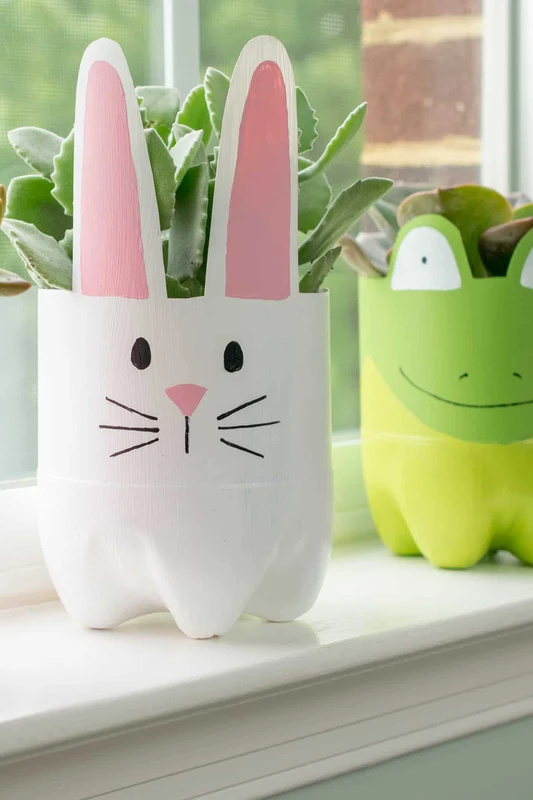
The adoption of eco-friendly pet products leads to measurable reductions in landfill waste, plastic pollution, and chemical contamination. Biodegradable waste bags can reduce plastic bag waste by millions of pounds annually when widely adopted. Toys made from recycled plastics and organic fibers decrease reliance on virgin fossil fuels and diminish greenhouse gas emissions associated with production. Grooming products free from sulfates and parabens improve pet skin health and reduce the release of harmful substances into waterways, protecting aquatic life.
Moreover, sustainable pet products promote safer environments within households by minimizing exposure to synthetic chemicals, which can cause allergies or long-term health issues in pets. Embracing circular economy principles extends product lifespans and encourages recycling, further reducing environmental burdens. These benefits highlight the synergy between pet well-being and ecological stewardship, supporting a future where pet care products contribute positively to planetary health.
FAQ

What materials are best for eco-friendly pet toys?
eco-friendly pet toys commonly use recycled plastics, organic cotton, natural rubber, and plant-based dyes. These materials provide durability, non-toxicity, and biodegradability, making them safe for pets and environmentally sustainable. Brands like Spunky Pup and PAWTY lead in using these materials.
Are biodegradable pet waste bags truly compostable?
Certified biodegradable pet waste bags meeting ASTM D6400 or EN 13432 standards are designed to break down in commercial composting environments within 6 to 12 months. However, they require proper disposal conditions to compost effectively and should not be discarded in regular landfill waste.
How do eco-friendly grooming products benefit pets?
Eco-friendly grooming products avoid harmful chemicals such as sulfates, parabens, and synthetic fragrances, reducing the risk of skin irritation and allergies. Natural ingredients like hemp oil and organic extracts promote healthier skin and coat while minimizing environmental pollution from rinse-off chemicals.
Can I make effective DIY pet toys using recycled materials?
Yes, DIY pet toys made from braided t-shirts, cardboard, and wool scraps offer durable, safe, and zero waste alternatives to commercial products. These projects support sustainability by repurposing household waste and can be customized to pet preferences.
What certifications should I look for to verify sustainable pet products?
Look for certifications such as GOTS for organic textiles, FSC for responsibly sourced packaging materials, and OEKO-TEX for chemical safety in textiles. These certifications indicate compliance with rigorous environmental and social standards.
The expansion of eco-friendly pet products in 2026 reflects an industry-wide commitment to sustainability, animal welfare, and environmental stewardship. Pet owners can now choose from a diverse range of biodegradable waste bags, recycled and organic pet toys, natural grooming supplies, and sustainable accessories that align with circular economy principles. By embracing certified products and engaging in DIY projects, consumers contribute to reducing pollution, conserving resources, and promoting healthier environments for pets and people alike. Looking ahead, continued innovation and transparent manufacturing practices will further solidify the role of sustainable pet care in global ecological resilience.

How Pet Care Responsibilities Teach Children Life Skills
PawVerde.com – Teaching children responsibility through pet care requires a structured approach that integrates age-appropriate tasks, adult supervision, and practical learning tools. Assigning children specific pet care duties such as feeding, grooming, and habitat cleaning, combined with guidance from parents or educators, fosters critical life skills including empathy, patience, and decision-making. This tutorial provides step-by-step instructions to involve children safely and effectively in pet care, highlighting developmental benefits and practical strategies grounded in expert research.
Children’s engagement with pet care creates opportunities for emotional bonding and nurtures responsibility, making it essential to tailor activities to their cognitive and physical abilities. Incorporating routine management tools and supervised learning ensures children develop consistency and accountability while understanding animal welfare.
1. Preparing to Teach Pet Care Responsibility
Before assigning tasks, it is vital to prepare both the child and the environment to support safe and effective learning. Begin by selecting appropriate pets and care tasks aligned with the child’s age and maturity. Consultation with professionals such as veterinarians or animal behaviorists can help identify suitable responsibilities and safety considerations.
This preparation phase sets a foundation for consistent, safe, and educational pet care involvement.
2. Assigning Age-Appropriate Pet Care Tasks
Tailoring pet care responsibilities to a child’s developmental stage maximizes learning and minimizes risks. According to child development experts like Gail F. Melson, Ph.D. from Purdue University, starting with simple tasks builds confidence and gradually introduces more complex duties.
Preschool Children (3-5 Years)
Focus on supervised, simple tasks that promote gentle interaction and basic responsibility.
Early School Age (6-10 Years)
Children can take on more independent roles with some oversight.
Older Children (10+ Years)
Older children can manage complex tasks with minimal supervision and participate in pet health management.
This graduated task assignment ensures children develop skills progressively while respecting their capabilities.
3. Step-by-Step Guide to Core Pet Care Tasks for Children
Providing clear instructions for each pet care task helps children learn through doing, reinforcing responsibility and routine.
Feeding and Watering Pets
Consistency and timing are crucial for pet health and teach children about routine management.
Time Estimate: 10-15 minutes per feeding session.
Grooming Pets
Grooming activities teach patience, cleanliness, and empathy.
Time Estimate: 15-30 minutes depending on pet and grooming needs.
Cleaning Habitats and Waste
Managing less pleasant tasks builds responsibility and respect for the environment.
Time Estimate: 20-40 minutes depending on habitat size.
Training and Play
Training fosters communication skills and cooperation.
Time Estimate: 5-15 minutes per session.
Health Care Involvement
Introducing children to pet health care promotes wellness awareness.
Time Estimate: Variable; vet visits typically require adult coordination.
Budgeting for Pet Expenses
Involving children in budgeting enhances financial literacy and prioritization.
Time Estimate: 30-45 minutes monthly.
4. Ensuring Safety and Effective Supervision
Teaching pet care responsibility necessitates vigilant safety protocols to protect children and pets alike.
By maintaining structured supervision, adults help children learn responsibly while minimizing risks.
5. Enhancing Emotional and Social Development Through Pet Care
Pet care offers a unique avenue for developing empathy, compassion, and patience in children.
These social-emotional benefits contribute to holistic child development and prepare children for responsible adulthood.
6. Tools and Activities to Support Learning and Engagement
Utilizing visual aids and experiential activities enhances children’s understanding and motivation in pet care.
These tools make pet care education interactive and accessible across age groups.
7. Common Challenges and Troubleshooting in Teaching Pet Care

Anticipating obstacles ensures sustained engagement and effective learning.
Addressing these issues promptly supports continuous development of responsibility.
FAQ
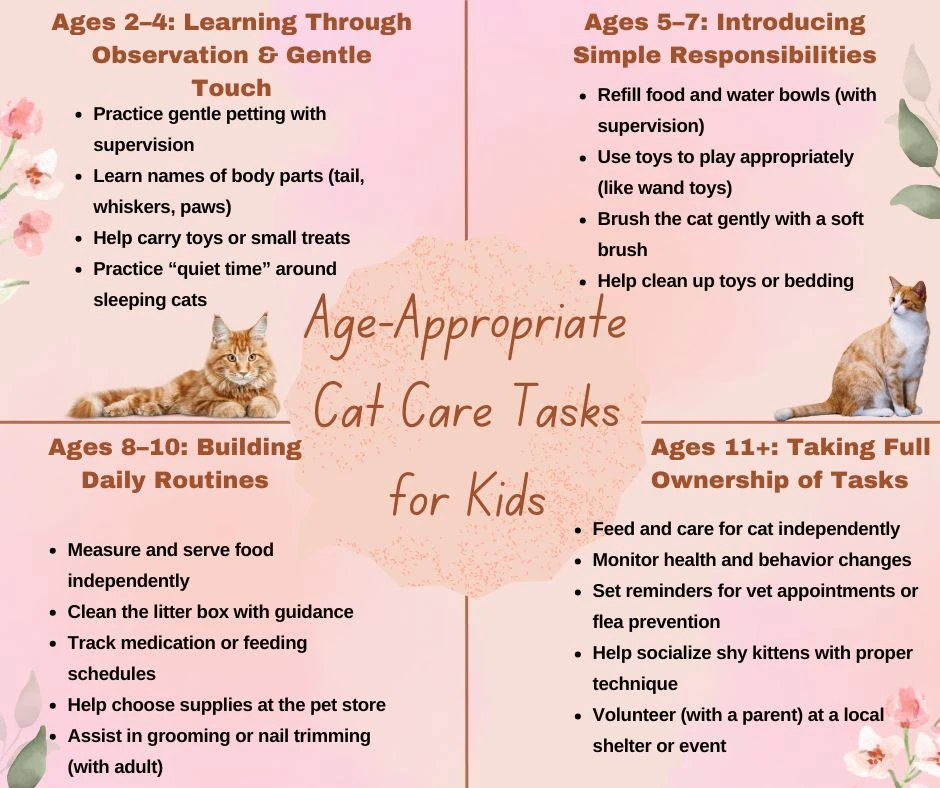
How can I ensure my child is safe while caring for pets?
Supervise all interactions, teach gentle handling, enforce hygiene practices like hand washing, and educate about pet body language to prevent bites or scratches.
What are the best pets for teaching young children responsibility?
Small, low-maintenance pets such as fish, hamsters, or classroom pets are suitable for younger children, while older children can manage dogs or cats with adult guidance.
How do I encourage my child to stay consistent with pet care routines?
Use visual schedules, pet care charts, and set regular reminders. Positive reinforcement through praise and small rewards helps maintain motivation.
Can involving children in pet budgeting really teach financial skills?
Yes, managing pet-related expenses introduces children to budgeting, prioritization, and decision-making, which are transferable financial skills.
What should I do if my child is afraid of pets but wants to learn responsibility?
Start with observing pets from a distance, engage in indirect care tasks like preparing food, and gradually build confidence through supervised interaction.
—
Teaching children responsibility through pet care is a multifaceted process that combines practical tasks, safety education, and emotional development. By assigning age-appropriate duties and providing consistent supervision, adults can guide children to develop empathy, routine management, and decision-making skills. Integrating learning tools and addressing challenges proactively ensures this experience contributes to a child’s growth into a responsible and compassionate individual. Continued involvement and adaptation of tasks as children mature will reinforce these foundational life skills well into adulthood.
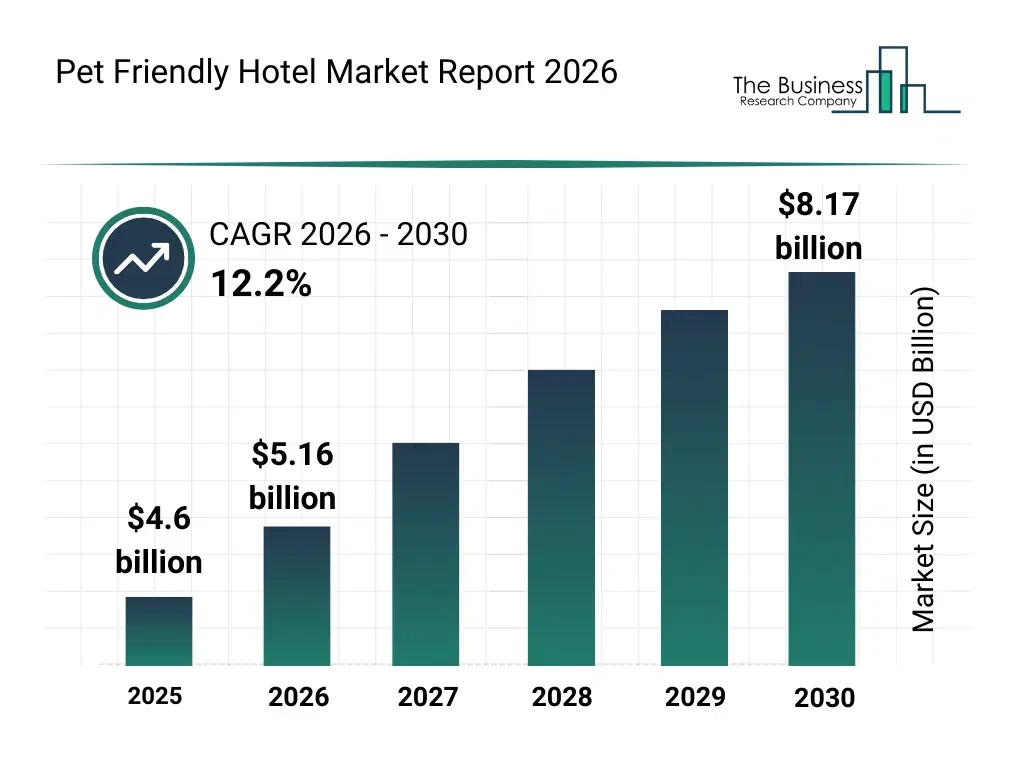
Pet-Friendly Travel vs Traditional Hotels: Trends Shaping 2026
PawVerde.com – pet-friendly travel in 2026 is no longer a niche segment but a mainstream hospitality trend, reshaping how hotels, rentals, and service providers cater to travelers with pets. Around 62% of pet owners prefer hotels, while 61% also opt for holiday rentals, reflecting a balanced market where both accommodation types evolve to meet pet-first mindsets. Key industry players such as Kimpton Hotels, which leads luxury pet-friendly lodging with no pet fees or breed restrictions, alongside Motel 6, Loews Hotels, Sonesta, Hilton, Hyatt, Marriott, Red Roof Inn, and Wyndham, are expanding specialized pet amenities and services. The global pet-friendly hotel market sees the dog segment holding a dominant 50.3% share, with mid-range hotels commanding 46.6% of the market and a compound annual growth rate (CAGR) of 7.9% in pet-oriented offerings.
This article examines how pet-friendly travel options compare to traditional accommodations, detailing market trends, amenities, specialized services, and travel behaviors shaping the pet travel landscape in 2026.
Market Landscape of Pet-Friendly Accommodations
Pet-friendly accommodations have diversified substantially, with hotels and holiday rentals developing distinct strategies to attract pet-owning travelers. Data from Booking.com and AAA indicate that pet owners equally value hotels and rentals, with the former favored for consistency in amenities and services, and the latter for space and flexibility. pet-friendly hotels currently hold a 54% share of the pet travel market in the U.S., while vacation rentals and short-term rentals account for 46%.
Kimpton Hotels, a leader in luxury pet accommodations, emphasizes a pet-first mindset by eliminating pet fees and removing breed restrictions, setting a standard that others follow. Mid-scale chains like Motel 6 and Red Roof Inn have introduced flexible pet policies combined with budget-conscious pricing to capture the growing demand from cost-sensitive travelers. Loews Hotels and Sonesta integrate pet dining menus and welcome kits, enhancing the guest experience with curated pet amenities.
Regionally, the U.S. market is more mature, with 93% of pet travelers preferring flexible road trips, influencing accommodation choices towards properties offering outdoor pet enrichment activities and easy access to pet-friendly beaches and parks. In contrast, India’s pet travel sector is emerging, with urban centers like Mumbai and Bengaluru witnessing a rise in pet-friendly hotels and rentals, although largely focused on dogs. The Indian market is projected to grow rapidly, driven by increasing pet ownership and evolving urban lifestyles demanding pet-centric services.
Specialized Services and Amenities in Pet-Friendly Hotels
The differentiation of pet-friendly hotels lies in their specialized services and amenities designed to enhance pet comfort and wellbeing. Luxury properties, including those under Hilton and Hyatt, offer pet dining menus featuring gourmet options tailored to dietary needs, alongside welcome kits comprising toys, treats, and hygiene products. Such amenities extend to mid-range hotels that provide grooming services, health monitoring, and enrichment activities that encourage mental stimulation and physical exercise for pets.
Staff qualifications have become a significant focus, with many pet-friendly hotels now requiring pet CPR certification and training in emergency response protocols. This professionalization ensures that hotels can manage pet health emergencies effectively, improving both guest and pet safety. Additionally, partnerships with local veterinarians and pet care providers are common, offering on-call support and wellness checks during stays.
Pet care services integrated into accommodations include dog walking, pet sitting, and even spa treatments. These services reflect the broader pet-first mindset, where pets are treated as family members deserving of personalized care. New offerings such as pet-friendly room service and in-room pet beds have become standard in upscale hotels, while budget chains focus on flexible check-in/check-out times to accommodate pet routines.
Comparing Pet-Friendly Hotels and Traditional Boarding Options
Pet-friendly hotels differ fundamentally from traditional boarding or kennel services, both in quality of care and guest experience. Boarding facilities often focus on containment and basic care, whereas pet hotels emphasize enrichment, personalized attention, and integration with the owner’s travel plans. Costs for pet hotels range from $75 to over $200 per night depending on services, often exceeding traditional boarding fees but providing enhanced value through amenities and safety.
Hotels adopt comprehensive emergency protocols, including insurance coverage for pet incidents, which are less common in standard boarding facilities. Pet hotels also require staff with higher qualifications and often provide live monitoring and health updates to owners. This contrasts with traditional boarding, where pets may experience isolation or limited activity.
The choice between pet hotels and boarding depends largely on the pet owner’s priorities, including budget, pet temperament, and travel itinerary. For longer stays or complex care needs, pet hotels offer superior services, while boarding may suffice for short durations or routine care.
Travel Behavior and Preferences of Pet Owners
Pet travelers in 2026 exhibit preferences shaped by a desire for flexible, pet-centric experiences. Road trips dominate, favored by 93% of pet owners who prioritize accommodation access to outdoor activities such as nature hikes, dog-friendly beaches, and urban pet exploration. Cities with established pet-friendly infrastructures, including New York, San Francisco, and Mumbai, see higher bookings in pet-friendly hotels offering proximity to parks and pet services.
Transport preferences show a trend towards private vehicles for convenience and safety, while some airlines and rail services have expanded pet accommodations, though these remain secondary choices for most pet owners. Itinerary planning increasingly factors in pet needs, with travelers selecting destinations and lodging based on pet amenities, veterinary access, and enrichment possibilities.
Pet travel trends also include increased attention to pet safety and health, with owners packing essentials such as pet CPR kits, health records, and emergency contacts. This holistic approach reflects the integration of pet welfare into overall travel planning.
Economic and Industry Impacts
The pet-friendly travel segment presents significant revenue opportunities, with the global market expected to surpass $15 billion in 2026. Mid-range hotels, capturing 46.6% of market share, report a 7.9% CAGR in pet-friendly offerings, underscoring the segment’s rapid growth. Chains like Marriott and Wyndham have launched targeted marketing campaigns and loyalty programs rewarding pet travelers.
Industry shifts show an increasing focus on pet owners and childless travelers, two demographics driving demand for pet-first services. However, challenges persist in balancing pet policies with guest comfort, managing pet-related damages, and training staff adequately. Hotels adopting technology solutions such as pet behavior monitoring apps and automated cleaning systems are addressing operational complexities.
The rise of pet-friendly accommodations has also stimulated ancillary markets, including pet transport services, grooming providers, and pet insurance products tailored for travelers. This ecosystem expansion supports sustainable growth and innovation within hospitality.
Practical Tips for Pet Owners Booking Accommodations
Pet owners seeking accommodations should verify pet policies beyond “pets allowed” statements, focusing on amenities like pet dining, welcome kits, and availability of pet care services. Understanding pet fees is essential, as charges vary widely from no fees at Kimpton Hotels to daily surcharges at budget motels. Owners should inquire about breed restrictions, size limits, and emergency protocols.
Booking platforms such as Booking.com provide filters for pet-friendly lodging, enabling tailored searches. Early reservations are advisable during peak travel seasons due to limited pet-friendly room availability.
Preparation includes packing pet essentials—food, medications, toys, and hygiene products—and ensuring pets have updated identification and health certifications. Owners should also research local pet regulations and available veterinary services at destinations.
FAQ

What distinguishes pet-friendly hotels from traditional boarding facilities?
Pet-friendly hotels offer personalized care, enrichment activities, and integration with owners’ travel plans, often staffed with certified professionals and equipped with emergency protocols. Traditional boarding focuses on basic care and containment, generally at lower costs but with fewer amenities.
Are there breed or size restrictions in pet-friendly accommodations?
Restrictions vary by property; luxury hotels like Kimpton have eliminated breed and size limitations, while budget hotels may impose limits. It is critical to confirm policies during booking to avoid surprises.
How do pet fees vary among pet-friendly hotels?
Pet fees range from no additional charges at some luxury hotels to daily or per-stay fees at mid-range and budget accommodations. Fees typically cover cleaning and extra services, and some hotels offer fee waivers for multiple-night stays or loyalty members.
What are the most popular pet-friendly travel activities?
Nature hikes, visits to pet-friendly beaches, city park explorations, and pet-centric events rank highest among pet travelers. Hotels near such amenities see increased bookings from pet owners.
How should pet owners prepare for traveling with pets?
Owners should pack pet essentials, secure up-to-date health records, verify accommodation policies, and plan for pet safety with emergency contacts and CPR knowledge. Early planning ensures smoother travel experiences.
Pet-friendly travel in 2026 reflects a transformative hospitality landscape where pets receive amenities and care on par with human guests. As market demands evolve, hotels and rentals continue innovating to deliver personalized, safe, and enriching experiences, guiding pet owners toward informed, confident travel decisions.