
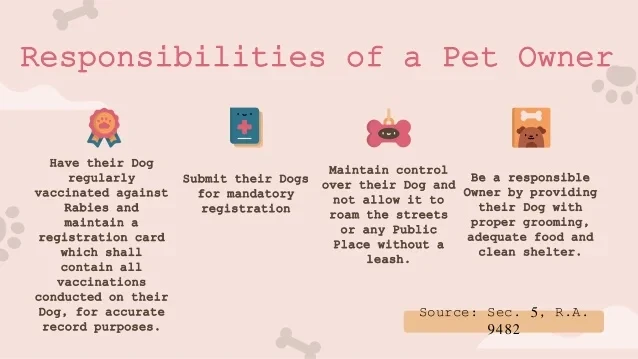
Key Financial and Legal Responsibilities of Adopted Pet Owners
PawVerde.com – Adopted pet ownership presents a complex financial and social landscape, demanding comprehensive investment in lifelong care, legal compliance, and behavioral management. Recent data from the American Pet Products Association (APPA) estimates U.S. pet industry spending exceeding $150 billion annually, with adoption-related expenses forming a significant subset. The financial implications for adopted pet owners extend beyond initial fees to sustained veterinary care, nutrition, and training costs, all influenced by regulatory environments such as Florida’s comprehensive statutes mandating owner responsibilities. Adoption trends reveal increased shelter intake rates, impacting municipal budgets and animal welfare organizations’ financial planning.
The economic footprint of adopted pets is multifaceted, touching on individual owner expenditures, shelter operational costs, and broader community financial dynamics. This article analyzes the financial responsibilities inherent in pet adoption, compares adoption with purchasing from breeders, and examines the economic impact on local governments and animal welfare institutions.
Legal and Financial Obligations in Adopted Pet Ownership
Legal frameworks governing pet ownership impose direct financial responsibilities on adopted pet owners. Florida statutes, for example, require guardians to provide adequate food, water, shelter, and veterinary care, with penalties for neglect ranging from fines up to several thousand dollars to potential criminal charges. Compliance entails routine expenditures such as vaccinations, spaying/neutering, and emergency care, which the Florida Veterinary Medical Association estimates average $300–$600 annually per pet.
animal shelters and rescue organizations often include initial veterinary screening and vaccinations in adoption fees, averaging $150–$400 depending on species and shelter location. However, subsequent costs fall to the owner, including preventive care and potential behavior-related interventions. Failure to meet legal standards can trigger costly litigation and mandatory restitution payments, emphasizing the necessity of budgeting for comprehensive care.
Ongoing Health Management and Associated Costs
Adopted pets require continuous health investment, with veterinary visits constituting the largest annual expense. Data from Texas A&M College of Veterinary Medicine indicates that regular preventive visits, including vaccinations, parasite control, and dental care, average $400–$700 annually per dog or cat. Nutritional costs vary by species, size, and dietary needs, ranging from $300 to $900 per year for premium pet foods aligned with veterinary recommendations.
Behavioral management represents an additional financial dimension. Behavioral specialists report that training programs to address anxiety, aggression, or socialization challenges commonly found in adopted pets cost between $500 and $2,000 annually. Enrichment products and activities, essential for mental health and reducing destructive behaviors, add $100–$300 to yearly expenses.
Financial Benefits of Pet Adoption Compared to Purchasing from Breeders
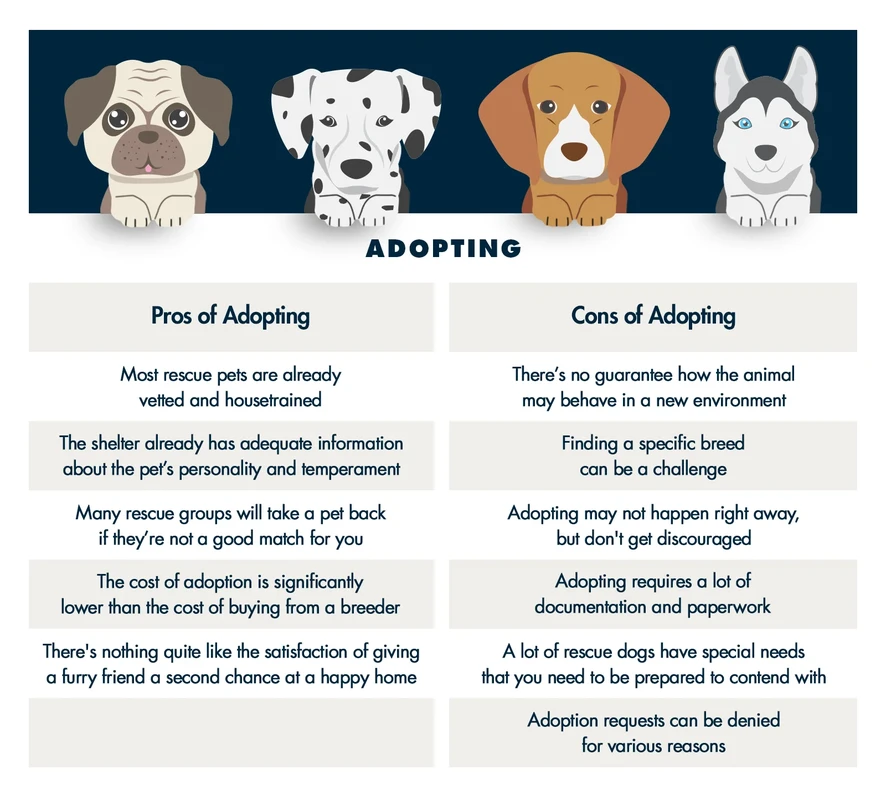
Adoption generally offers lower upfront costs than purchasing from breeders, with fees typically between $50 and $350 versus $800 to $3,000 or more for purebred animals. Adoption fees frequently cover initial veterinary care, microchipping, and spay/neuter procedures, generating immediate savings for new owners.
From a market perspective, adoption reduces pressure on breeders and curtails pet overpopulation, lowering long-term community costs related to stray animal control and euthanasia. The Humane Society estimates that adoption saves approximately 6.3 million shelter animals each year, translating to municipal budget relief by reducing animal control interventions and shelter overcapacity.
However, adoption may entail hidden costs such as managing unknown genetic health conditions or behavioral problems, which breeders may mitigate by providing pedigrees and health guarantees. Ethical breeders often offer health screening certifications, adding transparency but increasing costs and raising debates on animal welfare priorities.
| Cost Category | Adopted Pet (Annual Avg.) | Breeder Pet (Annual Avg.) | Notes |
|---|---|---|---|
| Upfront Acquisition | $50–$350 | $800–$3,000+ | Adoption fees include vet screening; breeders charge for pedigree |
| Veterinary Care | $400–$700 | $400–$700 | Routine care costs similar; breeder pets may have fewer unknown issues |
| Nutrition | $300–$900 | $300–$900 | Dependent on diet quality, species, size |
| Behavioral Training | $500–$2,000 | $200–$1,000 | Adopted pets often require more behavioral intervention |
| Spay/Neuter | Included in fee or $100–$300 | Varies; often additional | Mandatory to reduce overpopulation |
Challenges and Financial Risks in Pet Adoption
Adoption-related financial risks include unforeseen medical conditions due to incomplete histories, leading to costly treatments. The ASPCA estimates that 15–20% of adopted pets require unexpected veterinary care within the first year, averaging $600 per case. Behavioral issues, such as separation anxiety or aggression, can necessitate professional intervention, raising training expenses substantially.
Administrative procedures present indirect financial burdens. Lengthy application processes and waiting periods may delay acquisition, causing prospective owners to incur temporary pet care expenses or lose potential adoption opportunities. Shelter funding constraints sometimes limit post-adoption support, shifting rehabilitation costs to owners.
Community and Economic Impact of Responsible Pet Ownership
Responsible ownership of adopted pets contributes to public safety and municipal budget optimization. Effective behavioral management reduces incidents of bites and property damage, which the Centers for Disease Control and Prevention estimate cost U.S. healthcare systems $1 billion annually. Compliance with leash laws and licensing, mandated in jurisdictions like Florida, supports community order and reduces stray populations, decreasing animal control expenditures.
Animal shelters and rescue organizations rely heavily on adoption fees and public funding. According to recent data from Humane Animal Partners, shelters face annual operational costs exceeding $1.5 million for mid-sized counties, underscoring the economic ripple effects of adoption volume and owner compliance.
Financial Considerations for Prospective Adopted Pet Owners
Prospective adopters must anticipate a lifelong financial commitment averaging $1,500 to $3,500 annually per pet, encompassing routine care, nutrition, and behavioral needs. Budgeting for emergencies is critical, with average emergency veterinary bills ranging from $500 to $2,000.
Investment in owner education programs, often provided by adoption agencies and local governments, enhances responsible care and reduces long-term costs associated with neglect or abandonment. Programs focusing on nutrition, behavior, and legal responsibilities effectively lower shelter returns and community strain.
Forward-looking financial planning includes consideration of pet insurance, which can offset high veterinary costs. Market data indicates the average annual premium for pet insurance in the U.S. is approximately $400, with coverage varying based on pet age, breed, and health status.
Forward-Looking Perspectives and Market Trends
The pet adoption market is evolving with increasing integration of technology and data analytics to assess animal health and behavior pre-adoption, potentially reducing post-adoption costs. Local governments are exploring incentive programs and subsidies to promote adoption and responsible ownership, directly impacting municipal budgets for animal control.
Emerging trends in ethical breeding practices, including transparency mandates and health certification requirements, may narrow cost disparities between breeders and shelters. Simultaneously, enhanced shelter funding models aim to increase post-adoption support, mitigating financial risks for owners.
Financial analysts forecast sustained growth in pet-related expenditures, driven by heightened awareness of animal welfare and owner responsibilities. Adoption is positioned as a cost-effective strategy with significant social benefits, contingent on informed financial and legal preparedness.
—
This data-driven financial analysis underscores that adopting a pet involves considerable ongoing investment aligned with legal and ethical obligations. Prospective owners must evaluate both immediate and long-term costs, balancing adoption benefits against potential financial and behavioral challenges. Strategic budgeting, supported by educational resources and community programs, enhances the sustainability of adopted pet ownership, fostering economic stability within the broader pet care ecosystem.
Top Plant-Based Dog Food Brands 2026 Backed by Vet Science
PawVerde.com – Plant-based dog food has gained substantial traction in 2026, driven by increasing consumer demand for sustainable, ethical, and health-conscious pet nutrition options. Leading this market evolution, brands such as Wild Earth, V-Dog, Halo Holistic, and Bramble have developed nutritionally complete vegan dog food formulas that align with rigorous veterinary and regulatory standards. These plant-based diets emphasize essential nutrients, including omega-3 and omega-6 fatty acids, high-quality protein alternatives, and micronutrients critical for canine health, all while complying with the Association of American Feed Control Officials (AAFCO) requirements.
The growth of plant-based dog food is underpinned by advances in nutritional science and vet-formulated recipes that ensure dietary adequacy. This article provides an in-depth examination of the leading vegan dog food brands in 2026, the nutritional science supporting plant-based canine diets, regulatory compliance, market recognition, and practical guidance for dog owners considering a transition to vegan formulas.
Nutritional Science Behind Plant-Based Diets for Dogs
Canine nutrition requires a balanced intake of macronutrients and micronutrients, with protein, fatty acids, vitamins, and minerals playing pivotal roles in maintaining health. Plant-based dog food formulations in 2026 focus on replicating these nutritional profiles without animal-derived ingredients. The central challenge is sourcing complete proteins and bioavailable omega fatty acids from plants.
Protein sources such as lentils, peas, chickpeas, quinoa, and soy provide essential amino acids, often supplemented with synthetic taurine and L-carnitine to meet canine metabolic needs. Omega-3 and omega-6 fatty acids, crucial for cardiovascular function, skin coat integrity, and immune response, are derived from flaxseed, chia seeds, and algae oils. These plant-based sources are carefully balanced to replicate the fatty acid ratios found in traditional meat-based diets.
AAFCO establishes nutrient profiles that all commercial dog foods must meet to be labeled nutritionally complete and balanced. Compliance with AAFCO standards is critical for plant-based dog foods to ensure dogs receive adequate levels of protein, calcium, phosphorus, vitamins A, D, E, and B-complex, as well as trace minerals. Veterinarians and pet nutritionists increasingly support the feasibility of vegan diets when these standards are strictly adhered to, emphasizing the importance of professional formulation and ongoing health monitoring.
Veterinary experts, including those affiliated with the American Veterinary Medical Association (AVMA), caution that while plant-based diets can support healthy dogs, they require rigorous formulation and periodic nutritional assessments. Studies published in journals such as the Journal of Animal Physiology and Animal Nutrition highlight successful long-term feeding trials of plant-based diets, indicating no adverse effects on health markers when diets are complete and balanced.
Leading Plant-Based Dog Food Brands in 2026
Several pioneering vegan dog food brands have distinguished themselves through scientifically backed formulations and positive consumer feedback.
Wild Earth offers a high-protein kibble fortified with omega fatty acids critical for heart, skin, and gut health. Their proprietary fermentation technology enhances digestibility and nutrient bioavailability, reducing allergenic potential. Wild Earth’s kibble meets AAFCO standards and sources ingredients designed to optimize canine microbiome health.
V-Dog’s Kind Kibble is recognized by Dog Food Advisor and industry experts as the best overall vegan dog food for 2026. It provides a complete amino acid profile from peas, lentils, and quinoa, supplemented with algae-based omega-3. V-Dog products undergo USDA inspection and utilize human-grade ingredients, reflecting a commitment to high-quality sourcing and safety.
Halo Holistic’s plant-based recipe integrates superfoods such as pumpkin, spinach, and blueberries to support digestive health and antioxidant capacity. Their formula includes prebiotics and probiotics aimed at enhancing nutrient absorption and gut flora balance. Halo Holistic’s plant-based line holds AAFCO certification and is formulated with input from veterinary nutritionists.
Bramble stands out as the world’s first vet-formulated, plant-based fresh dog food. Its fresh recipe delivers balanced nutrition with high digestibility and palatability, winning first place at the Global Pet Expo’s Best In Show award. Bramble emphasizes fresh, minimally processed ingredients rich in omega fatty acids and essential amino acids, targeting dogs with sensitive digestion or specific health needs.
Market Recognition and Industry Awards
Bramble’s accolade at the Global Pet Expo Best In Show represents a significant milestone for plant-based dog food innovation, highlighting the increasing industry validation of vegan formulas. This recognition underscores the brand’s authoritative vet involvement and commitment to quality.
Dog Food Advisor’s expert panels consistently rate these brands highly for nutritional adequacy, ingredient transparency, and owner satisfaction. Their reviews evaluate digestibility, ingredient sourcing, and compliance with AAFCO guidelines, providing a trusted resource for consumers navigating the growing vegan dog food market.
Additional endorsements come from Whole Dog Journal and The Dodo, which highlight the health benefits and ethical considerations of plant-based dog food, further legitimizing these products within the pet nutrition landscape.
Practical Considerations for Dog Owners Transitioning to Plant-Based Diets
Transitioning a dog to a plant-based diet should be gradual, typically over a 7-14 day period, to minimize gastrointestinal upset and allow the microbiome to adjust. veterinary consultation is recommended before and during this process to monitor health parameters such as weight, coat condition, and energy levels.
Commercially formulated vegan dog foods are preferred over homemade diets due to their verified nutritional completeness and consistency. Homemade vegan diets pose risks of nutrient deficiencies unless carefully balanced and supplemented under professional guidance.
Dog owners should evaluate plant-based dog food brands based on AAFCO compliance, ingredient transparency, source quality, and third-party testing for contaminants and nutrient levels. Price points vary, with fresh foods like Bramble generally commanding premium pricing due to ingredient quality and processing methods, while kibble options like V-Dog and Wild Earth offer cost-effective alternatives without compromising nutritional standards.
Future Trends and Innovations in Plant-Based Dog Food
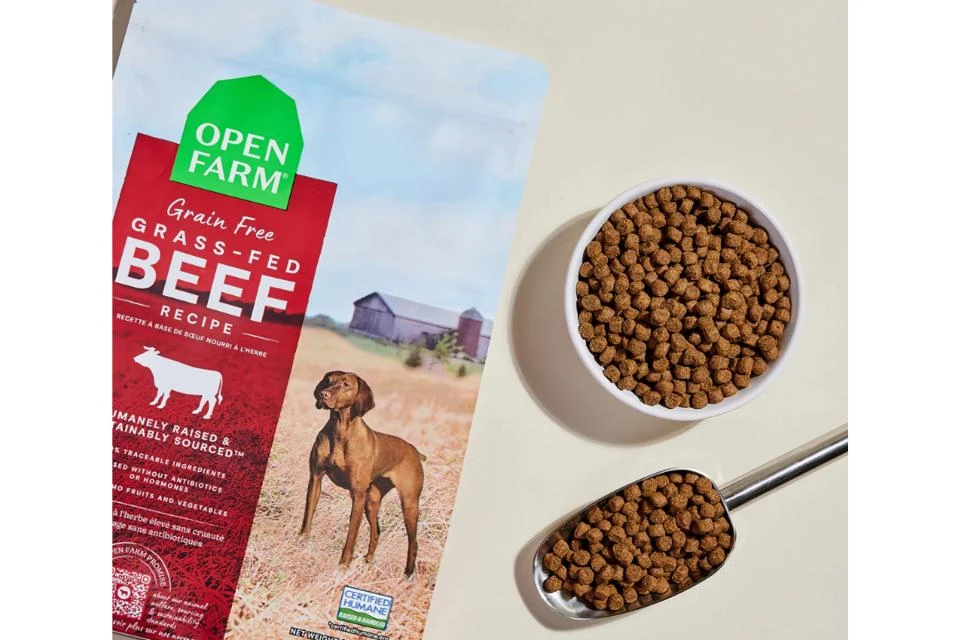
Veterinary involvement in plant-based dog food formulation is increasing, with more brands employing board-certified veterinary nutritionists to ensure dietary adequacy and safety. This collaboration enhances consumer confidence and drives formulation innovation.
Ingredient sourcing is evolving towards greater sustainability, with companies investing in regenerative agriculture, novel protein sources such as insect proteins and fermented microbial proteins, and zero-waste processing technologies.
Market expansion is expected as consumer awareness about environmental impact and animal welfare grows. Personalized nutrition, leveraging AI and data analytics, is emerging to tailor plant-based diets to individual dogs’ health profiles, activity levels, and life stages.
Frequently Asked Questions
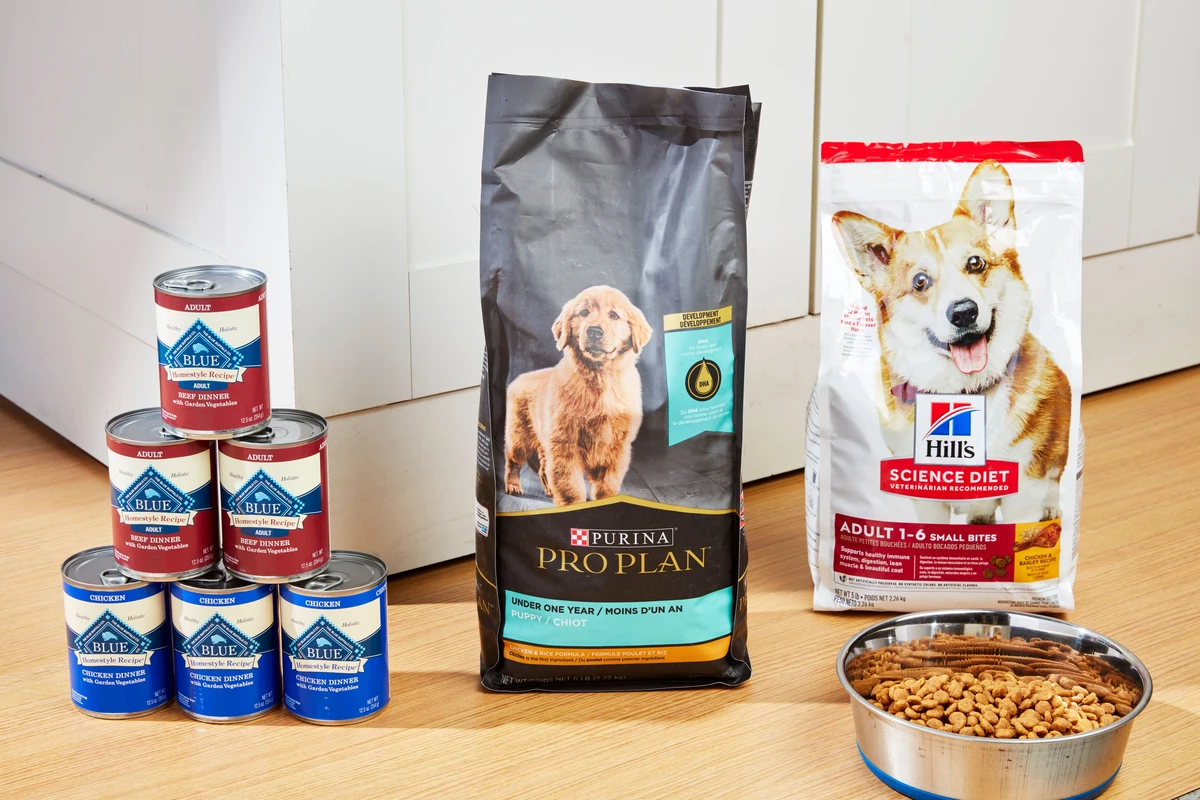
Are plant-based dog foods nutritionally complete for all dog breeds?
Yes, many plant-based dog foods in 2026 meet AAFCO standards ensuring nutritional completeness across breeds and life stages. However, individual dogs with specific health conditions may require tailored formulations or supplementation under veterinary supervision.
How do omega-3 and omega-6 fatty acids in vegan dog food compare to those in meat-based diets?
Plant-based sources like flaxseed, chia seeds, and algae provide omega-3 and omega-6 fatty acids, although the conversion efficiency to active forms like EPA and DHA can vary. Algae-derived EPA/DHA supplements are commonly added to vegan dog foods to match the fatty acid profiles found in meat-based diets.
Is homemade vegan dog food safe and recommended?
homemade vegan dog food can be safe if carefully formulated with veterinary nutritionist guidance to ensure all essential nutrients are present. Commercially prepared vegan diets are generally preferred due to tested nutritional completeness and safety assurances.
What are signs that a dog is not tolerating a plant-based diet well?
Indicators include weight loss, poor coat condition, lethargy, gastrointestinal distress, or changes in stool consistency. Prompt veterinary evaluation is advised to adjust the diet or address underlying issues.
How does AAFCO certification affect the quality of plant-based dog food?
AAFCO certification guarantees that a dog food meets minimum nutrient profiles for maintenance or growth, providing assurance of balanced nutrition. Plant-based foods with AAFCO certification have been tested to support canine health when fed exclusively.
—
As the plant-based dog food sector advances, pet owners have access to scientifically validated, vet-approved options that do not compromise on nutritional quality or palatability. The intersection of veterinary expertise, sustainable ingredient sourcing, and consumer demand is shaping a future where plant-based canine nutrition is an established, trusted choice. Continued innovations and rigorous quality standards will further position these brands to meet evolving pet health needs and ethical considerations.
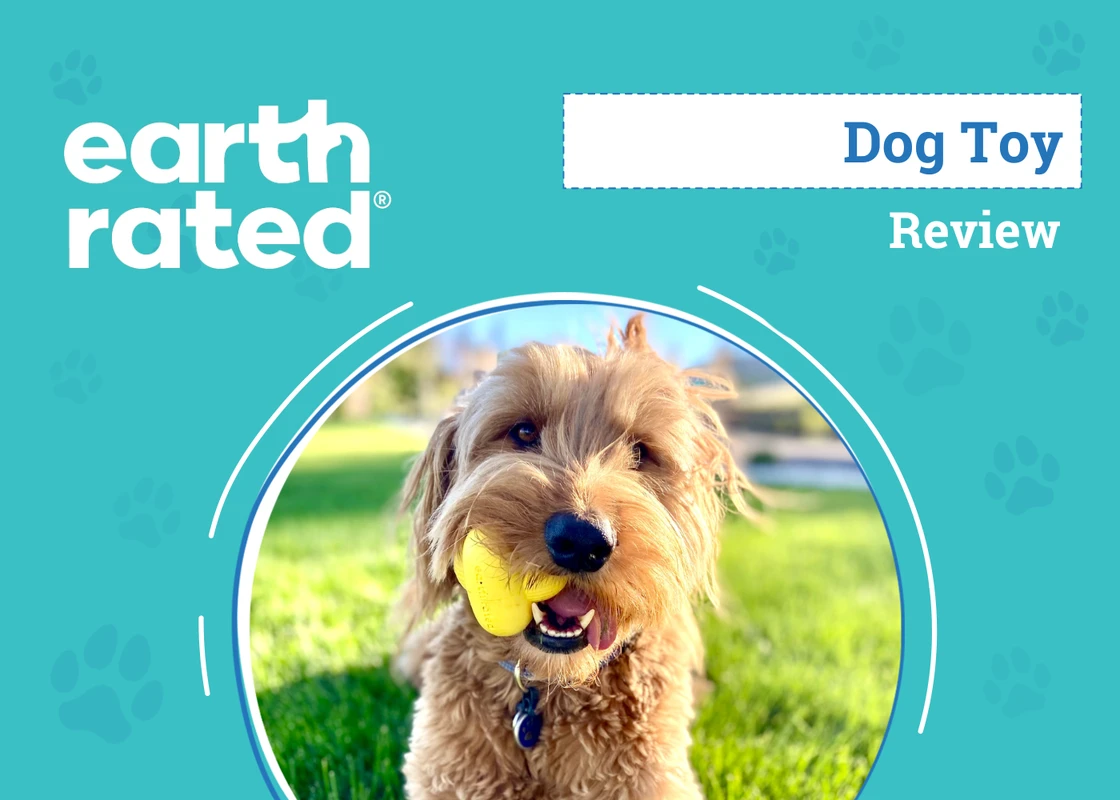
Top Eco-Friendly Pet Toy Brands Reviewed for Safety & Sustainability
PawVerde.com – Consumer demand for eco-friendly pet toys has surged significantly in 2026, driven by heightened awareness of environmental sustainability and pet health safety. The market now features an array of products crafted from sustainable materials such as recycled plastics, organic cotton, natural rubber, and hemp fibers. Leading brands emphasize durability, non-toxicity, and comprehensive certifications to assure pet owners that their purchases minimize ecological impact while safeguarding animal wellbeing. This review examines the foremost eco-friendly pet toy brands, their material innovations, and how their products align with evolving standards in sustainability and safety.
Leading Eco-Friendly Pet Toy Brands and Their Sustainable Offerings
West Paw stands at the forefront of sustainable pet toy manufacturing with its proprietary Zogoflex material, an infinitely recyclable plastic that combines resilience with environmental responsibility. Their IntelliLoft® fiber used in pet beds derives from recycled plastic bottles, reducing landfill waste and promoting circular economy principles. West Paw holds B-Corp certification, underscoring its commitment to rigorous social and environmental performance standards. User reviews highlight superior durability, with toys enduring aggressive chewers without breaking down or releasing microplastics.
Nina Woof specializes in organic cotton squeaky toys, designed primarily for small to medium-sized dogs. Their products are manufactured in the USA, ensuring stringent quality control and labor standards. The use of GOTS-certified organic cotton guarantees the absence of harmful pesticides and synthetic fertilizers, contributing to safer play experiences for pets and reduced environmental toxins. Pet owners report high satisfaction with softness and non-toxicity, affirming Nina Woof’s reputation for combining safety with sustainability.
Rocket & Rex offers rope dog toys crafted from natural cotton and fabric blends that support dental hygiene. The intertwined cotton fibers act as floss, reducing plaque buildup during chewing sessions. Their range includes durable cotton ropes and natural fabric toys free from synthetic dyes, appealing to pet owners seeking chemical-free options. The company emphasizes oral health benefits alongside eco-conscious sourcing, a dual advantage in the sustainable pet toy market.
Beco Pets integrates natural rubber and bamboo into their toys and pet bowls, with many products being fully compostable. Natural rubber sourced sustainably provides elasticity and robustness without the environmental burden of synthetic polymers. Bamboo, a fast-growing renewable resource, is incorporated in chew toys and bowls for its biodegradability and antimicrobial properties. Beco Pets also incorporates plant-based dyes, avoiding harmful chemical colorants, and holds certifications for cruelty-free production.
Harry Barker exemplifies luxury sustainability with organic pet beds made from GOTS-certified cotton and hemp fibers. Their hemp materials are pesticide-free and require minimal irrigation, reducing the environmental footprint compared to conventional cotton. These beds combine comfort with rigorous organic standards, appealing to environmentally conscious pet owners who prioritize premium quality. Harry Barker’s products undergo strict certification processes to ensure adherence to organic textile regulations.
Materials and Sustainability Features Driving the Market
The use of recycled plastics, including PET bottles, underpins the circular economy approach embraced by brands like West Paw. Their infinite recycling program enables consumers to return worn-out toys for reprocessing, reducing landfill contributions and resource consumption. This closed-loop system exemplifies innovation in sustainable product lifecycle management.
Organic cotton and hemp fibers present notable advantages in durability and environmental impact. Organic cotton cultivation avoids synthetic pesticides and fertilizers, reducing soil and water contamination. Hemp, valued for its rapid growth and low resource needs, offers a biodegradable alternative to synthetic fibers without compromising strength. Both materials are increasingly favored in plush toys, beds, and rope products.
Natural rubber serves as a non-toxic, plant-based alternative to synthetic elastomers. Sourced from rubber trees cultivated with sustainable forestry practices, this material ensures biodegradability while maintaining chew resistance. It also circumvents the release of harmful microplastics common with petroleum-based rubbers.
Plant-based dyes and biodegradable stuffing materials such as coconut fiber and organic catnip enhance the environmental profile of pet toys. These natural components avoid synthetic chemical residues that can be harmful to pets and ecosystems. Biodegradable stuffing also facilitates composting at the end of the product lifecycle.
Certifications play a critical role in validating sustainability claims. B-Corp certification mandates transparent supply chains and measurable environmental impact reductions. GOTS Organic certification verifies adherence to stringent organic textile processing standards. FDA compliance ensures pet products meet safety criteria, particularly relevant for chew toys and ingestible components.
Durability and Safety Considerations in Eco-Friendly Pet Toys
Durability ratings are essential for assessing the suitability of eco-friendly toys for various pet sizes and chewing intensities. West Paw’s Zogoflex products consistently receive high marks for resistance to tearing and puncturing, making them appropriate for heavy chewers. Conversely, organic cotton toys from Nina Woof, while less durable for aggressive chewers, excel in softness and safety for moderate play.
Non-toxic materials free from BPA, phthalates, and harmful dyes are standard across leading brands. These substances have been linked to health risks in pets, including hormonal disruptions and allergic reactions. Brands like Beco Pets and Rocket & Rex emphasize the exclusion of these chemicals, enhancing pet safety.
Environmental impact reduction extends beyond material choice to production processes and end-of-life considerations. Compostable toys and recyclable materials reduce waste accumulation. Brands offering take-back or recycling programs, such as West Paw, demonstrate leadership in mitigating ecological footprints.
Emerging Trends in 2026 Eco-Friendly Pet Toys
Transparency in material sourcing and manufacturing has become a defining trend. Consumers increasingly demand detailed information on origin, processing methods, and labor conditions. Brands respond by publishing sustainability reports and engaging in third-party audits.
Multi-functional toy designs that provide mental stimulation alongside physical activity are gaining traction. For example, toys incorporating puzzle elements or interactive features crafted from hemp and organic cotton enhance pet engagement while maintaining sustainability.
Customization and adjustability in pet toys address diverse breed sizes and play styles. Adjustable rope lengths or modular toy components extend product usability, reducing the need for frequent replacements.
Industry leaders and emerging manufacturers alike invest in research and development to incorporate innovative materials such as biodegradable polymers derived from plant sources. These developments promise further reductions in environmental impact without sacrificing durability.
Consumer Guidance for Selecting Eco-Friendly Pet Toys

Pet owners should prioritize brands with verified certifications like B-Corp and GOTS Organic to ensure authentic sustainability claims. Transparency in supply chain and material sourcing is a strong indicator of brand reliability.
Durability assessment should consider the pet’s size and chewing habits. Heavy chewers benefit from toys made of Zogoflex or natural rubber, while gentler chewers may prefer organic cotton or hemp-based options.
Evaluating eco-features such as biodegradability and recyclability is crucial. Compostable toys or those accepted in take-back programs offer advantages in responsible disposal.
Price considerations must balance immediate cost against long-term benefits, including reduced replacement frequency and environmental impact. Investing in certified durable toys often results in lower lifetime costs and ecological footprint.
FAQ

What materials are safest and most sustainable for pet toys in 2026?
The safest and most sustainable materials include recycled plastics like Zogoflex, GOTS-certified organic cotton, natural rubber from sustainable sources, and hemp fibers. These materials are non-toxic, durable, and biodegradable or infinitely recyclable, minimizing environmental and health risks.
Are eco-friendly pet toys durable enough for aggressive chewers?
Yes, brands such as West Paw use Zogoflex, a tough, recyclable plastic, that withstands heavy chewing. Natural rubber toys from Beco Pets also provide strong resistance. However, plush toys made from organic cotton or hemp are better suited for light to moderate chewers.
How do certifications like B-Corp and GOTS Organic impact pet toy quality?
B-Corp certification ensures a company meets rigorous social and environmental standards, including transparency and ethical manufacturing. GOTS Organic certification verifies organic textile processing free of harmful chemicals. Both certifications indicate higher quality, safety, and sustainability in pet toys.
Can eco-friendly pet toys help improve pet health?
Yes, toys made from natural fibers like cotton and hemp can reduce exposure to harmful chemicals. Rope toys promoting dental hygiene help maintain oral health. Additionally, mentally stimulating designs support cognitive well-being, contributing to overall pet health.
What are the environmental benefits of choosing biodegradable or recyclable pet toys?
Biodegradable toys break down naturally, reducing landfill waste and pollution. Recyclable toys can be reprocessed into new products, conserving resources and lowering carbon emissions. Both approaches reduce the environmental footprint of pet ownership.
—
The pet toy industry in 2026 demonstrates a robust commitment to sustainability through innovative materials, transparent practices, and durable, safe designs. Brands like West Paw, Nina Woof, and Rocket & Rex lead the market by integrating certifications such as B-Corp and GOTS Organic with cutting-edge recycling and composting initiatives. As consumers increasingly prioritize environmental and pet health considerations, selecting eco-friendly toys becomes both a responsible and practical choice. Looking forward, advancements in biodegradable polymers and customizable designs promise to further enhance the intersection of sustainability and pet wellbeing.
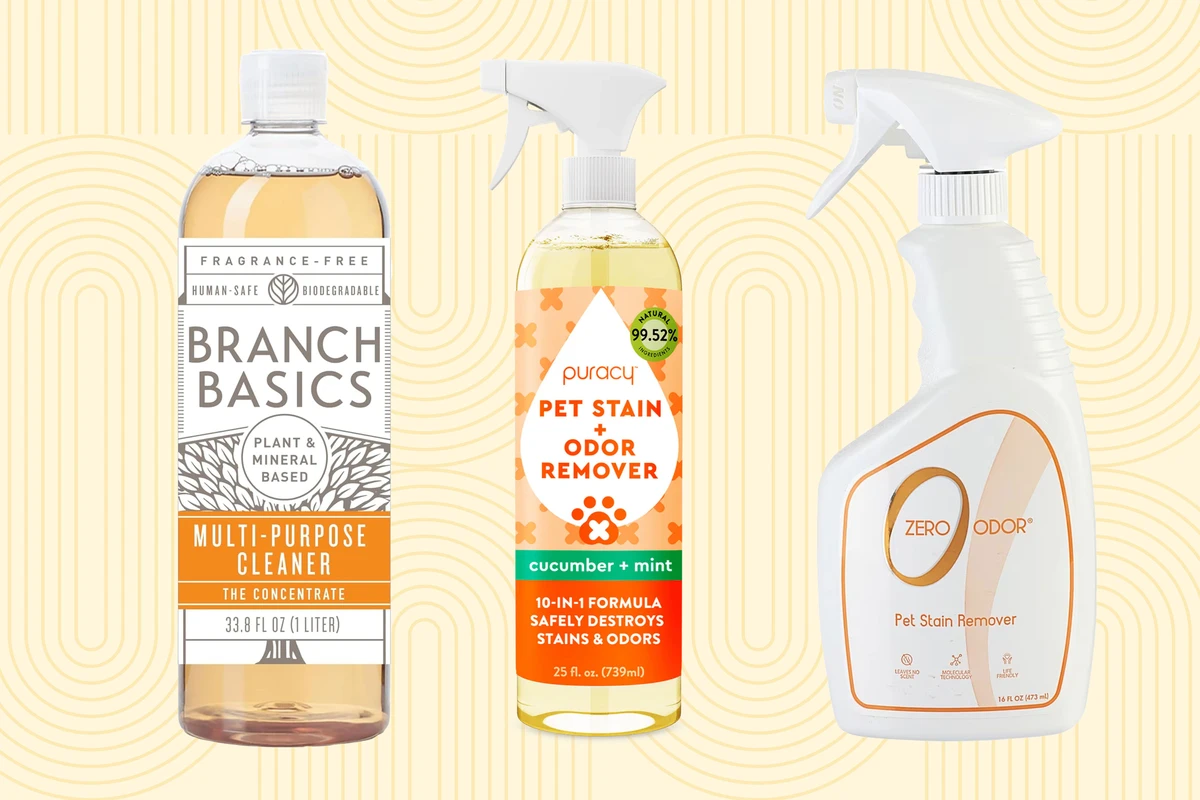
Top Eco-Friendly Pet Stain Removers Use Enzymes for Safe Cleaning
PawVerde.com – Eco-friendly pet stain removers in 2026 have become essential tools for pet owners seeking effective, safe, and environmentally responsible cleaning solutions. As pet ownership continues to rise globally, the demand for products that combine stain and odor elimination with non-toxic, biodegradable formulas has surged. Leading brands such as Biokleen Bac-Out Enzyme Stain & Odor Remover and Puracy Pet Stain and Odor Eliminator exemplify this trend by leveraging natural enzymes and plant-based ingredients to tackle organic stains like urine, feces, and vomit without compromising pet safety or environmental sustainability.
These next-generation stain removers operate primarily through enzymatic action, breaking down complex organic molecules into harmless components. This mechanism not only enhances cleaning efficacy but also prevents the reappearance of odors by neutralizing odor-causing compounds at their source. Coupled with plant-derived surfactants and biodegradable solvents, such products minimize ecological impact while maintaining multi-surface versatility. Emerging sustainable packaging solutions, including refillable bottles and plastic-neutral shipping initiatives by retailers like Grove Collaborative, further underscore the industry’s commitment to reducing plastic waste and carbon footprints.
Eco-Friendly Pet Stain Removal Technologies: Enzymes and Plant-Based Ingredients
Enzyme-based cleaners have revolutionized pet stain removal due to their targeted biochemical processes. Enzymes such as proteases, amylases, and lipases catalyze the breakdown of proteins, starches, and fats commonly found in pet stains. This breakdown facilitates easier removal and odor eradication. Biokleen Bac-Out, for instance, incorporates live enzyme cultures alongside citrus extracts to amplify stain degradation while maintaining a non-toxic profile. Unlike traditional chemical cleaners that rely on harsh solvents or bleaches, enzymatic cleaners maintain fabric integrity and are safe for pets and children.
Plant-based ingredients complement enzymatic action by providing natural surfactants and solvents that lift and dissolve stains without synthetic chemicals. Puracy’s Pet Stain and Odor Eliminator uses a blend of coconut-derived surfactants and natural citrus oils, offering effective multi-surface cleaning. These ingredients also enhance biodegradability, ensuring that residues break down harmlessly in wastewater systems. The absence of parabens, volatile organic compounds (VOCs), ammonia, chlorine, and phthalates in many eco-friendly formulations aligns with growing consumer demand for chemical-free household products.
Environmental considerations extend beyond cleaning efficacy. Biodegradability is a critical factor, as components that persist in ecosystems may disrupt aquatic life and contribute to pollution. Brands such as Earth Friendly Product and Better Life emphasize fully biodegradable formulas verified through third-party testing. These products degrade rapidly under aerobic conditions, minimizing ecological impact.
Leading Eco-Friendly Pet Stain Remover Products in 2026
Biokleen Bac-Out Enzyme Stain & Odor Remover remains a top contender due to its potent enzymatic formula combined with citrus oil extracts. Consumer testimonials, including a detailed month-long evaluation by Emily Way, highlight its ability to remove persistent urine and fecal stains on carpets and upholstery without damaging fabrics or leaving chemical residues. Its biodegradable formula and non-toxic certification make it suitable for homes with pets and children.
Puracy Pet Stain and Odor Eliminator offers a plant-based alternative with proven effectiveness on a variety of surfaces, from hardwood floors to fabric upholstery. Its formulation eschews synthetic fragrances and dyes, using natural essential oils to neutralize odors. The product’s versatility extends to stain types beyond pet-related messes, including food and drink spills.
Other notable brands include Begley’s Household Stain & Odor Remover and Citra Spot Natural Stain & Odor Remover, each employing natural enzymes and plant-derived solvents. Earth Friendly Product’s Everyday Stain & Odor Eliminator and Better Life’s Natural Stain & Odor Eliminator emphasize cruelty-free production and sustainable sourcing practices.
Emerging products such as Truly Free Home Enzyme Stain Remover and Molly’s Suds Stain Remover are gaining traction for their commitment to zero-waste packaging and transparent ingredient lists. Rocco & Roxie Supply Co. Stain & Odor Eliminator, endorsed by veterinary experts, combines enzymatic action with odor-neutralizing agents proven effective in clinical settings.
Comparative Features of Leading Eco-Friendly Pet Stain Removers
| Product | Key Ingredients | Surface Compatibility | Packaging | Certifications |
|---|---|---|---|---|
| Biokleen Bac-Out | Live Enzymes, Citrus Extracts | Carpet, Upholstery, Hard Surfaces | Recyclable Bottle | Non-toxic, Biodegradable |
| Puracy Pet Stain & Odor Eliminator | Plant-based Surfactants, Essential Oils | Multi-surface (wood, fabric, tile) | Plastic-neutral Bottle | EWG Verified, Cruelty-Free |
| Begley’s Household Stain & Odor Remover | Natural Enzymes, Plant Solvents | Fabric, Carpet | Refillable Bottle | B Corp Certified |
| Citra Spot Natural Remover | Citrus Oils, Enzymes | Carpet, Upholstery | Biodegradable Packaging | EcoLogo Certified |
| Rocco & Roxie Supply Co. | Enzymes, Odor Neutralizers | Carpet, Hard Floors | Recyclable Bottle | Veterinary Recommended |
Product Formats and Effective Usage Techniques
eco-friendly pet stain removers are available in various formats, each suited for different applications and stain types. Sprays are the most common, offering ease of use on carpets and upholstery. Foams provide better adherence to vertical surfaces and porous materials. Powdered formulations, such as Molly’s Suds, excel in absorbing moisture from fresh stains and can be vacuumed post-treatment. Sticks and wipes offer convenience for on-the-go cleaning but may lack the enzymatic potency of liquid products.
Optimal stain removal requires prompt action. For enzymatic sprays like Biokleen Bac-Out, saturating the affected area and allowing the enzymes to work for at least 10-15 minutes enhances breakdown of organic matter. Agitation with a cloth or brush can improve penetration. For dried or set-in stains, multiple applications may be necessary.
Application on different surfaces demands care: upholstery and carpets benefit from blotting rather than rubbing to avoid fabric damage, while hard surfaces can be wiped clean after treatment. Bedding and pet crates require thorough rinsing and drying to prevent enzyme residue buildup that could attract pets to re-soil.
DIY natural stain removal recipes remain popular among eco-conscious consumers. Vinegar combined with salt and borax creates a mild acidic and abrasive solution effective against light pet stains. Castile soap mixed with water and essential oils offers a gentle cleaner with antibacterial properties but lacks the enzymatic action needed for protein-based stains.
Sustainability and Packaging Innovations in Pet Stain Removers
Sustainability extends beyond ingredients to packaging and supply chain practices. Grove Collaborative, a leader in eco-friendly retail, commits to 100% plastic-neutral and carbon-neutral shipping, offsetting its environmental footprint. Blueland’s innovative multi-surface cleaners come in tablet form, reducing single-use plastic by enabling consumers to refill reusable bottles.
Refillable and concentrated products represent another critical trend, allowing consumers to reuse containers and reduce plastic waste. Begley’s and Better Life offer refill stations and concentrate options, encouraging sustainable consumption patterns.
Certifications play a pivotal role in guiding consumers. B Corp certification assures companies meet rigorous social and environmental standards. EWG Verified confirms ingredient safety and transparency. FSC certification guarantees responsible sourcing of paper-based packaging. Cruelty-Free seals ensure no animal testing during product development.
Safety Considerations for Pets and Households
Non-toxic formulations are imperative for pet stain removers to prevent adverse health effects in animals and humans. Exposure to harmful chemicals such as ammonia, bleach, or phthalates can cause respiratory issues, skin irritation, or behavioral problems in pets. Veterinary experts emphasize selecting products free from synthetic fragrances and dyes that may trigger allergies.
Proper ventilation during cleaning and avoiding ingestion are critical safety measures. Products like Rocco & Roxie Supply Co. are formulated under veterinary guidance to balance efficacy with pet safety. Experts also recommend spot testing new products on small fabric areas to detect any adverse reactions.
Educating pet owners on differentiating between stain removal and odor neutralization is important. While many products combine both functions, some focus solely on odor masking rather than enzymatic elimination. Using enzyme-based removers ensures complete degradation of odor-causing molecules, reducing the likelihood of pets re-marking treated areas.
Future Directions in Eco-Friendly Pet Stain Removal
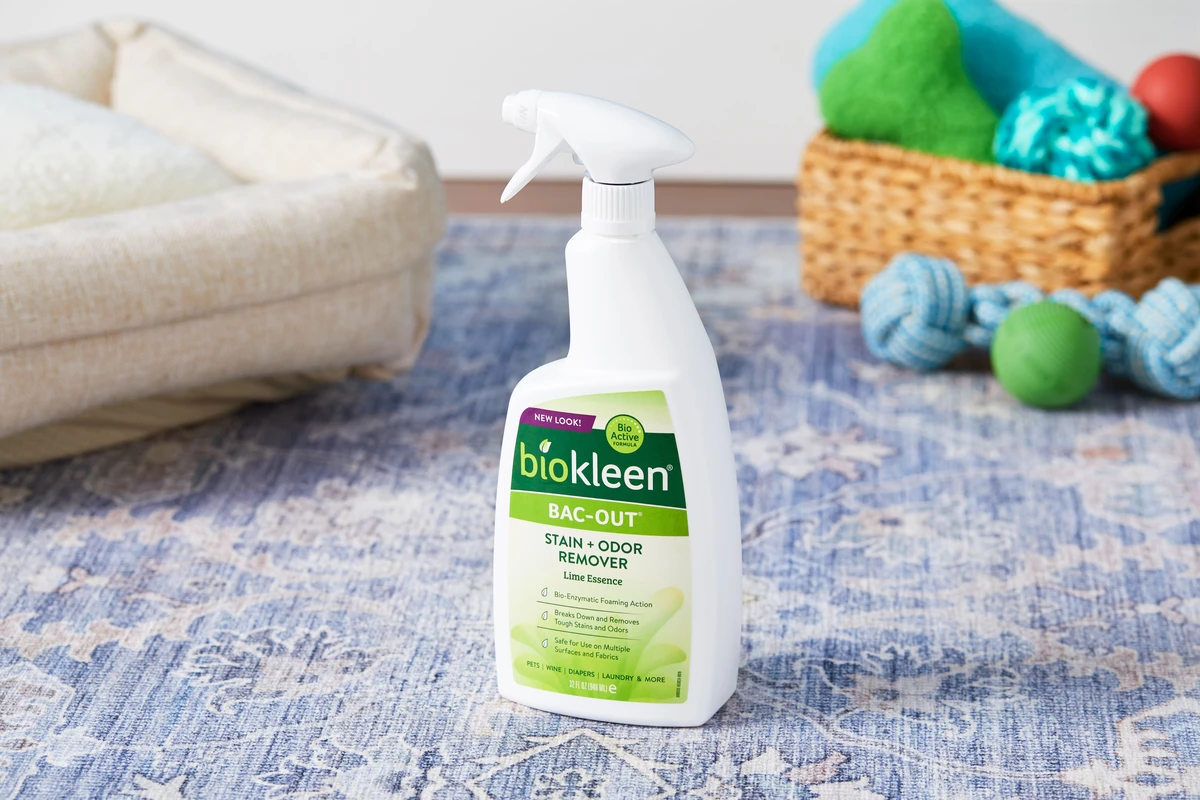
The trajectory of pet stain removers in 2026 points toward increased integration of biotechnology and circular economy principles. Advances in enzyme engineering promise faster and more targeted stain breakdown, reducing application times and water usage. Biodegradable packaging materials derived from agricultural waste are entering the market, further diminishing environmental impact.
Digital platforms and AI-powered apps are emerging to assist pet owners in stain identification and product selection, tailoring recommendations based on stain type, surface, and pet species. Subscription models offering concentrated refills and plastic-neutral shipping are becoming standard to encourage sustainable consumer habits.
Expanding consumer awareness about the health impacts of traditional chemical cleaners is fueling demand for transparency and ingredient traceability. Brands investing in third-party testing and open-label ingredient disclosures are gaining competitive advantage.
FAQ
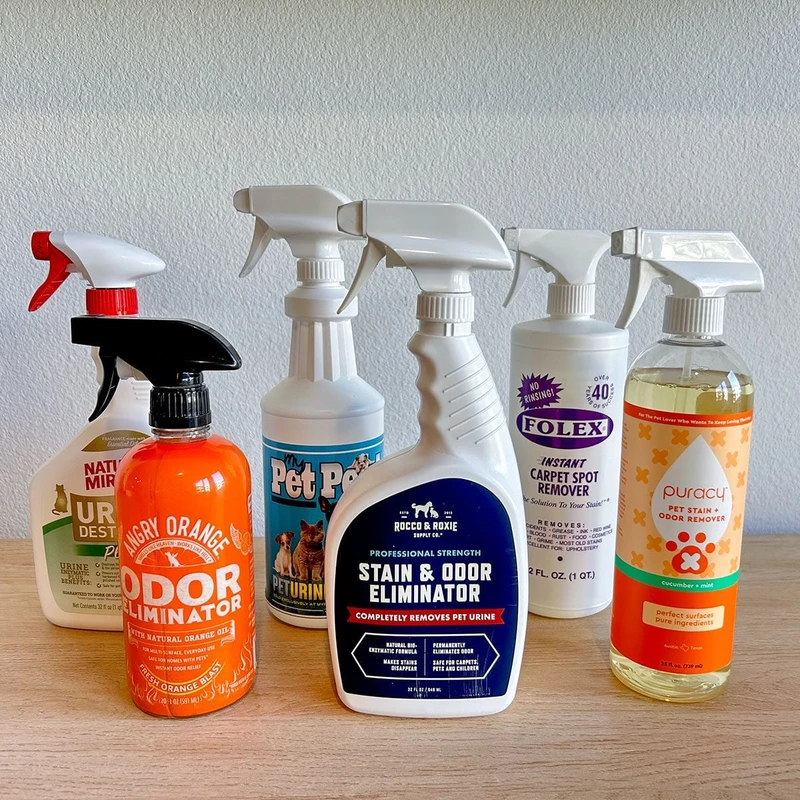
What makes enzyme-based pet stain removers more effective than traditional cleaners?
Enzyme-based stain removers utilize biological catalysts to break down proteins, fats, and starches in organic stains, enabling thorough removal and odor neutralization. Unlike chemical cleaners that mask odors or rely on harsh solvents, enzymes degrade stain molecules at the source, preventing recurrence and protecting surfaces.
Are eco-friendly pet stain removers safe for all pets?
Most eco-friendly removers formulated with non-toxic, plant-based ingredients and free from synthetic fragrances are safe for dogs, cats, and other common household pets. However, it is advisable to follow product instructions carefully and prevent pets from licking treated areas until fully dry.
How do refillable packaging and plastic-neutral initiatives impact the environment?
Refillable packaging reduces single-use plastic waste by enabling consumers to reuse containers, decreasing production demand. Plastic-neutral initiatives offset plastic use by funding waste collection and recycling programs, resulting in a net-zero plastic footprint and supporting circular economy goals.
Can eco-friendly stain removers be used on all household surfaces?
While most enzyme and plant-based removers are formulated for multi-surface use, including carpets, upholstery, hardwood, and tile, it is important to check product labels and test on inconspicuous areas first to avoid potential damage, especially on delicate fabrics or untreated wood.
What are the best practices for removing pet stains quickly and effectively?
Immediate blotting of fresh stains, applying enzymatic cleaners liberally, allowing sufficient dwell time for enzymes to act, and gentle agitation improve stain removal. For dried stains, repeated treatments and mechanical action may be needed. Consistent cleaning prevents odor buildup and discourages pets from re-soiling.
—
As the pet care market continues evolving in 2026, eco-friendly stain removers that combine enzymatic science with sustainable practices are setting new industry standards. Pet owners prioritizing health, environmental stewardship, and cleaning efficacy will find leading products like Biokleen Bac-Out and Puracy’s Pet Stain and Odor Eliminator offering reliable solutions. Embracing innovations in packaging and biotechnology will further enhance the sustainability and performance of pet stain removal products in the years ahead.

Top Natural Grooming Products Review 2026: Expert Insights
PawVerde.com – Natural grooming products in 2026 have evolved significantly, responding to increasing consumer demand for formulations that combine efficacy with sustainability and sensitivity. Leading brands emphasize ingredient transparency, cruelty-free certification, and eco-friendly packaging, reflecting a broader shift toward ethical consumption and personal health. Niacinamide-based serums, fragrance-free scalp care solutions, and multifunctional beard oils exemplify this trend, offering targeted benefits for sensitive skin and hair while maintaining environmental responsibility. This article examines the top natural grooming products shaping men’s skincare, haircare, and beard grooming routines this year, incorporating expert insights and verified user experiences to guide discerning consumers.
The JUMISO Niacinamide 20 Serum stands out as a benchmark in natural skincare serums, featuring a potent 20% niacinamide concentration. Niacinamide, or vitamin B3, is clinically recognized for its ability to reduce hyperpigmentation, minimize pore appearance, and reinforce the skin’s moisture barrier. Dermatologists affirm its suitability for sensitive and acne-prone skin due to its anti-inflammatory properties and minimal irritation risk. Users report noticeable improvements in skin brightness and texture within weeks of consistent application, attributing these effects to the serum’s blend of niacinamide with hydrating agents like green tea extract and aloe vera. JUMISO’s transparent labeling and cruelty-free manufacturing further enhance its credibility among eco-conscious consumers.
California Naturals’ Sensitive Scalp Shampoo & Conditioner offer a fragrance-free alternative designed specifically to soothe irritated scalps while maintaining hydration. Key botanical ingredients such as chamomile, colloidal oatmeal, and green tea provide antioxidant and anti-inflammatory benefits, which reduce redness and flaking without disrupting the natural microbiome. Clinical dermatology reviews highlight the shampoo’s efficacy in managing mild seborrheic dermatitis and scalp sensitivity, conditions exacerbated by harsh detergents and synthetic fragrances. Consumer feedback underscores the gentle cleansing action paired with scalp comfort, marking these products as preferred options for sensitive skin users seeking natural formulations devoid of sulfates and parabens.
Complementing scalp care, California Naturals’ Toasted Coconut Hydrating Lip Balm exemplifies natural lip treatment with its blend of aloe vera, coconut oil, beeswax, and vitamin E. These ingredients create a barrier that locks in moisture while providing antioxidant protection against environmental aggressors. Product testing reveals its ability to prevent chapping and provide long-lasting hydration even in dry climates. The balm’s 100% natural certification and absence of synthetic fragrances appeal to users prioritizing ingredient purity and sustainability in daily grooming essentials.
In the realm of beard care, Jack Black Beard Oil incorporates a unique blend of Kalahari melon oil, marula oil, and plum oil enriched with vitamins and antioxidants. This formulation softens coarse facial hair, improves manageability, and imparts a healthy shine without an overpowering scent. Comparative analyses with other natural beard oils show Jack Black’s superior absorption rate and non-greasy finish, attributed to its lightweight carrier oils. Expert reviews emphasize its suitability for sensitive skin due to the exclusion of synthetic fragrances and harsh preservatives. The oil’s antioxidant profile also supports skin health beneath the beard, a critical factor often overlooked in men’s grooming.
Beyond these highlighted products, several other natural grooming essentials have gained traction in 2026. The Mario Badescu Men’s Grooming Basics Kit offers a curated selection of fragrance-free, hydrating products formulated for sensitive skin types, incorporating soothing agents like chamomile and aloe. Native Deodorant and Aesop Geranium Leaf Body Scrub integrate botanical ingredients and sustainable packaging to deliver effective odor control and exfoliation without synthetic chemicals. Kuhn Beard Clay provides a dual-action approach, combining styling hold with conditioning elements such as shea butter and jojoba oil. Additionally, eco-friendly grooming brands like Jackfir and Jack Henry emphasize recyclable packaging and natural ingredient transparency, reflecting growing consumer expectations for environmental accountability.
The natural grooming industry in 2026 exhibits distinct trends toward sustainability and multifunctionality. Brands increasingly adopt recyclable or biodegradable packaging materials, aligning with global efforts to reduce plastic waste. Fragrance-free and botanical-based formulations dominate product development, addressing sensitivities and allergic reactions common among consumers. Multi-purpose products that combine hydration, protection, and styling streamline grooming routines while minimizing chemical exposure. This convergence of consumer preferences and scientific innovation is driving the sector toward more holistic and personalized care solutions.
For individuals with sensitive skin, selecting suitable grooming products involves careful attention to ingredient profiles and usage techniques. Fragrance-free formulations are essential to minimize irritation and allergic responses. Botanical extracts such as chamomile, colloidal oatmeal, and green tea provide natural anti-inflammatory benefits. Proper shaving methods, including the use of sharp razors and gentle post-shave hydration with serums or balms, reduce microtears and inflammation. Regular application of hydrating oils and moisturizers supports skin barrier function, preventing dryness and sensitivity exacerbation. These practical approaches, combined with informed product selection, enhance grooming outcomes for sensitive skin users.
| Product | Key Natural Ingredients | Primary Benefits | Skin/Hair Type | Sustainability Features |
|---|---|---|---|---|
| JUMISO Niacinamide 20 Serum | Niacinamide 20%, Green Tea, Aloe Vera | Brightening, Pore Refinement, Hydration | Sensitive, Acne-Prone Skin | Cruelty-Free, Transparent Labeling |
| California Naturals Sensitive Scalp Shampoo & Conditioner | Chamomile, Colloidal Oatmeal, Green Tea | Scalp Hydration, Irritation Relief | Sensitive, Dry Scalp | Fragrance-Free, Sulfate-Free |
| California Naturals Toasted Coconut Lip Balm | Aloe Vera, Coconut Oil, Beeswax, Vitamin E | Lip Hydration, Antioxidant Protection | All Skin Types | 100% Natural Ingredients |
| Jack Black Beard Oil | Kalahari Melon Oil, Marula Oil, Plum Oil, Vitamins | Beard Softening, Conditioning, Skin Health | Sensitive, Coarse Beard Hair | Fragrance-Free, Cruelty-Free |
| Mario Badescu Men’s Grooming Basics Kit | Chamomile, Aloe, Botanical Extracts | Hydrating, Soothing | Sensitive Skin | Minimal Packaging, Cruelty-Free |
The table above summarizes the key natural grooming products in 2026, highlighting their ingredient compositions, benefits, and sustainability credentials to assist consumers in making informed choices aligned with personal and environmental values.
FAQ
What makes niacinamide a preferred ingredient in natural skincare serums?
Niacinamide is favored for its multi-functional properties, including reducing hyperpigmentation, improving skin barrier function, and calming inflammation. Its compatibility with sensitive and acne-prone skin, along with minimal irritation risk, makes it an effective natural skincare agent.
Why are fragrance-free grooming products recommended for sensitive skin?
Fragrances often contain synthetic chemicals that can trigger allergic reactions or irritation in sensitive skin. Fragrance-free products minimize these risks by eliminating potential irritants, making them safer for individuals prone to redness, itching, or dermatitis.
How do natural oils in beard care products benefit facial hair and skin?
Natural oils like Kalahari melon, marula, and plum provide hydration, soften coarse hair, and deliver antioxidants that protect skin beneath the beard. These oils improve manageability and reduce dryness or flakiness, supporting overall beard health.
Are eco-friendly grooming products as effective as conventional ones?
Many eco-friendly grooming products match or exceed the efficacy of conventional counterparts by utilizing potent botanical extracts and avoiding harsh chemicals. Advances in formulation technology also enable sustainable packaging without compromising product performance.
How should men with sensitive scalps care for their hair?
Men with sensitive scalps should use sulfate-free, fragrance-free shampoos that incorporate soothing ingredients such as chamomile and oatmeal. Gentle cleansing and conditioning help maintain scalp hydration and reduce irritation or flaking.
The natural grooming landscape in 2026 reflects an intersection of science, sustainability, and consumer awareness. Products like JUMISO’s Niacinamide 20 Serum and California Naturals’ scalp and lip care essentials demonstrate how botanical and vitamin-rich formulations deliver targeted benefits for sensitive skin and hair. Meanwhile, beard oils such as Jack Black’s leverage unique natural oils to enhance facial hair health without sacrificing environmental responsibility. The integration of fragrance-free, cruelty-free, and recyclable packaging signals a maturing industry responsive to evolving user needs. Moving forward, consumers can expect continued innovation focusing on multi-functional, ingredient-transparent grooming products that prioritize both personal wellness and planetary stewardship.
Pros and Cons of Homemade Pet Toys Explained by Experts
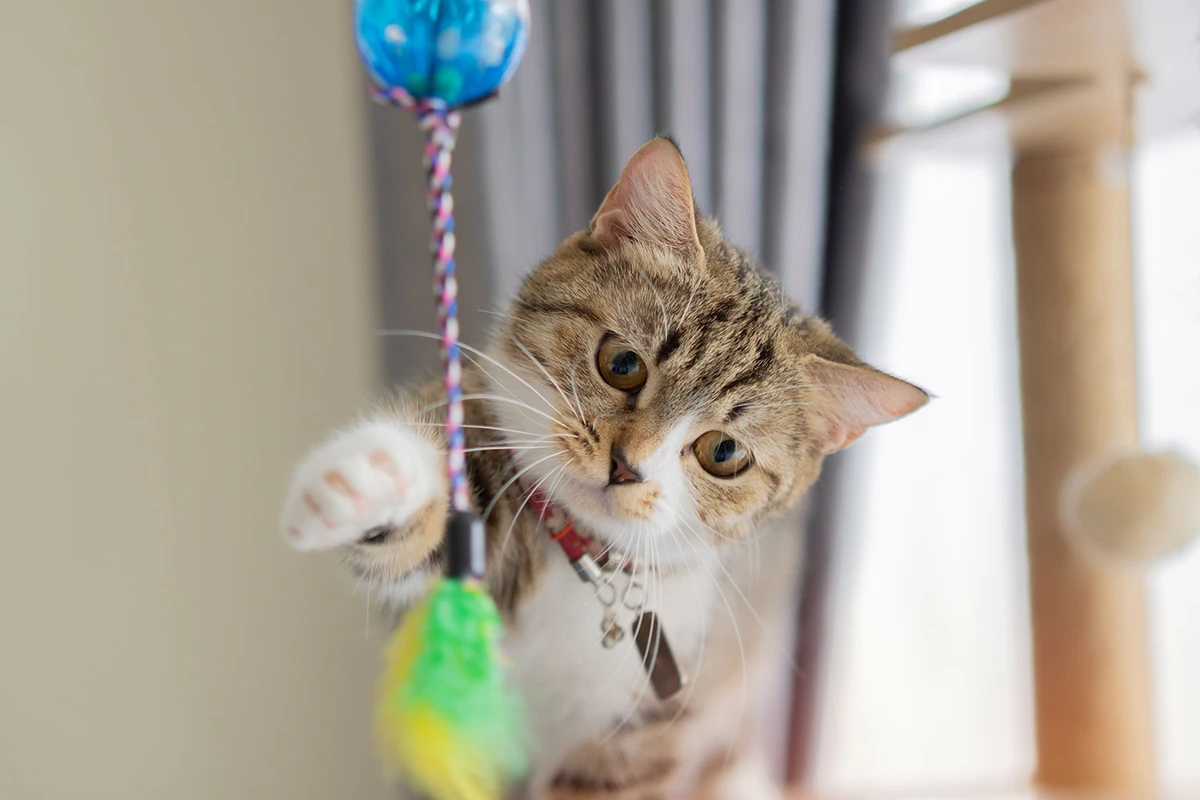
PawVerde.com – Homemade pet toys and store-bought options each present distinct advantages and challenges for pet owners seeking to enrich the lives of their animals in 2026. With growing awareness around pet mental health, safety standards, and environmental sustainability, choosing the right type of pet toy involves balancing cost, durability, safety, and enrichment value tailored to species-specific needs. This analysis explores the comparative benefits and drawbacks of homemade versus commercial pet toys, supported by expert guidance from veterinarians, behavioral specialists, and industry leaders, providing a comprehensive framework for informed decisions.
Pet toys play a critical role in maintaining physical activity and preventing behavioral issues stemming from boredom across species such as dogs, cats, rabbits, guinea pigs, and other small pets. The rising focus on enrichment and sustainability underscores the importance of safe, durable, and eco-conscious materials in toy construction. This article examines how these factors influence pet owners’ choices between DIY and store-bought products, highlighting practical safety considerations and future trends shaping the pet toy market.
Advantages of Homemade Pet Toys
homemade pet toys offer significant cost savings compared to purchasing commercial products. Many pet owners utilize readily available household materials—such as fabric scraps, untreated wood, or recycled paper—to craft toys that cater to their pet’s individual preferences and play styles. This customization extends to size, texture, and complexity, allowing owners to create enrichment tools perfectly suited for species-specific behaviors, from gentle nibbling by rabbits to vigorous chewing in dogs.
Natural, biodegradable materials like organic cotton, hemp twine, or untreated rubber are often favored in DIY creations, reducing environmental impact and exposure to synthetic toxins. Some pet owners incorporate pet fur into toys to stimulate scent recognition and comfort, enhancing mental engagement. Additionally, crafting toys encourages owner-pet bonding through shared activity and observation of play reactions, fostering deeper understanding of pet needs.
Research from exotic veterinarians emphasizes that carefully selected natural materials can reduce risks associated with plastic or chemically treated products. For example, hemp and organic cotton are preferred for their durability and low allergenic potential in small pets. Moreover, homemade toys can be rapidly replaced or modified in response to wear or changing pet behavior, offering adaptability that store-bought toys may lack.
Drawbacks of Homemade Pet Toys
Despite these benefits, homemade toys carry inherent safety risks primarily due to the lack of standardized testing or certification. Improper sizing can lead to choking hazards, especially for smaller pets like guinea pigs or cats. Use of toxic household materials—such as treated fabrics, synthetic dyes, or glues—may introduce harmful chemicals. Owners often underestimate the importance of non-toxic finishes and secure construction, increasing the risk of ingestion of harmful fragments.
Durability is another concern; homemade toys generally lack the robust materials and manufacturing processes applied by pet toy manufacturers who adhere to safety regulations and conduct extensive durability testing. This can result in rapid deterioration, creating sharp edges or small parts that pose injury risks. Behavioral specialists stress the necessity of vigilant supervision when introducing DIY toys, particularly for aggressive chewers or pets prone to destructive behavior.
The absence of eco-certifications such as B Corp, GOTS (Global Organic Textile Standard), or Ecocert on homemade products means owners must independently verify the environmental safety of materials, a step often overlooked. Additionally, some pet owners may lack expertise in identifying suitable materials, inadvertently compromising pet health.
Benefits of Store-Bought Pet Toys
Commercial pet toys typically comply with rigorous safety standards established by regulatory bodies and industry groups, ensuring materials are non-toxic and construction minimizes choking hazards. Manufacturers often utilize certified natural materials or advanced plastics tested for durability and safety, appealing to owners prioritizing longevity and risk mitigation.
The variety of store-bought toys includes interactive options designed to stimulate mental health and prevent boredom, such as puzzle feeders, treat-dispensing toys, and species-specific designs tailored to the play habits of dogs, cats, rabbits, and exotic pets. This range facilitates targeted enrichment, which behavioral specialists recognize as critical for preventing stress-related behaviors.
Recent innovations in sustainable manufacturing have led to increased availability of eco-friendly pet toys made from natural rubber, hemp, or recycled textiles, reducing reliance on plastics and lowering environmental footprints. Some manufacturers hold certifications like B Corp or Ecocert, providing transparency and reassurance to environmentally conscious consumers.
Convenience is a major advantage: store-bought toys require no assembly and are readily replaceable. This suits busy pet owners who may lack the time or skills to create safe DIY toys. Additionally, premium brands often provide guidelines for safe usage and maintenance, further supporting pet safety.
Limitations of Store-Bought Pet Toys
The higher cost of commercial pet toys can be a barrier for budget-conscious owners, particularly when purchasing specialized or interactive products. Overconsumption driven by marketing may lead to excessive toy acquisition, which can overwhelm pets and owners alike, reducing toy rotation effectiveness.
Synthetic materials remain prevalent in some mass-produced toys, raising concerns about chemical exposure and environmental impact. While sustainable options are growing, they may be limited in availability or higher priced. Moreover, standard designs may not perfectly align with an individual pet’s specific preferences or behavioral needs, potentially diminishing engagement.
Some pet behavioral specialists caution that store-bought toys lacking customization may fail to address unique mental stimulation requirements, particularly in exotic or small pets with specialized play behaviors. Furthermore, durability claims can vary, and cheaper toys may degrade quickly, necessitating frequent replacement.
Safety Considerations for Homemade and Store-Bought Toys
Regardless of origin, pet toys must meet critical safety criteria to protect animal health. Avoiding materials with synthetic dyes, sharp edges, or small detachable parts is essential to prevent choking and ingestion hazards. Different species require appropriately sized and constructed toys; for instance, small pets like guinea pigs need toys without loose threads or small components, while dogs require chew-resistant materials.
Regular inspection of toys is crucial to identify wear or damage that could cause injury. Cleaning practices vary depending on material but maintaining hygiene prevents bacterial growth and infection risks. Veterinary experts recommend supervision during initial introduction of any new or DIY toy, closely monitoring for signs of stress or unsafe chewing habits.
Consulting exotic veterinarians or pet behavioral specialists can provide tailored advice on suitable toys, especially for less common pets with unique needs. In cases of ingestion or injury suspected from toys, prompt veterinary evaluation is imperative.
Integrating Homemade and Store-Bought Toys for Optimal Enrichment
A hybrid approach combining homemade and commercial toys can maximize benefits while mitigating drawbacks. Rotating between DIY and store-bought options maintains novelty and mental stimulation, reducing boredom and destructive behavior. Using homemade toys for daily casual play and store-bought toys for long-term enrichment or interactive sessions balances cost and safety.
Selecting eco-friendly materials for both types supports sustainability goals increasingly valued by pet owners in 2026. Tailoring toy choices to pet age, health status, and behavioral tendencies enhances engagement and reduces risk. For example, older pets may prefer softer, easier-to-handle toys, while younger pets benefit from stimulating, durable options.
Incorporating owner observation and feedback into toy selection refines choices over time, fostering a dynamic play environment responsive to evolving pet needs.
Emerging Trends in Pet Toys for 2026 and Beyond
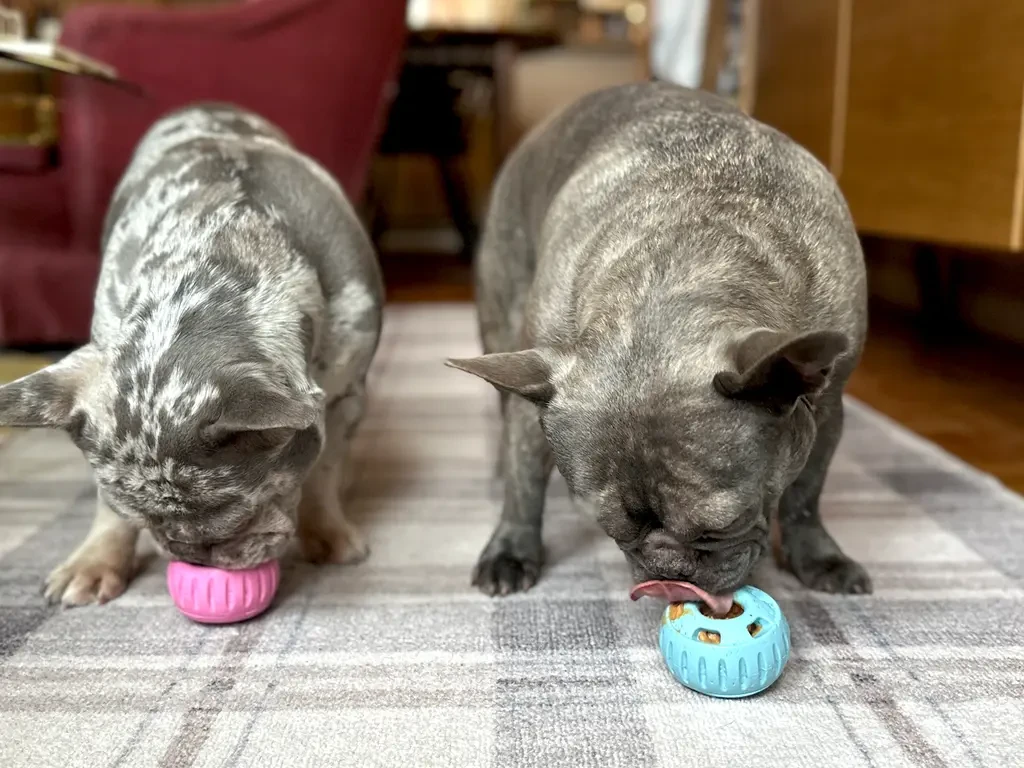
The pet toy industry is witnessing rapid innovation driven by advancements in materials science, animal behavior research, and sustainability imperatives. Mental health enrichment products integrating cognitive challenges and interactive technology are gaining traction, with smart toys capable of adapting to pet responses becoming more accessible.
Growth in sustainable and biodegradable materials, such as natural rubber blends and plant-based textiles, is reshaping production practices, reducing plastic pollution. Pet toy manufacturers increasingly pursue eco-certifications to meet consumer demand for transparency and environmental responsibility.
A burgeoning community of DIY enthusiasts and online marketplaces offers extensive resources for safe homemade pet toy creation, fostering knowledge sharing and innovation. Collaboration between veterinarians, behavioral specialists, and manufacturers is driving development of species-specific, health-focused toys.
These trends suggest that future pet toys will emphasize personalization, safety, and sustainability, aligning with broader pet care priorities.
| Aspect | Homemade Pet Toys | Store-Bought Pet Toys |
|---|---|---|
| Cost | Low; uses household or recycled materials | Higher; depends on brand and features |
| Customization | High; tailored to pet preferences | Limited; standard designs for species |
| Material Safety | Variable; depends on owner knowledge | Generally certified and tested |
| Durability | Lower; prone to wear and damage | Higher; designed for longevity |
| Environmental Impact | Potentially low if natural materials used | Varies; increasing eco-friendly options |
| Mental Enrichment | Moderate; depends on design complexity | High; includes interactive features |
FAQ
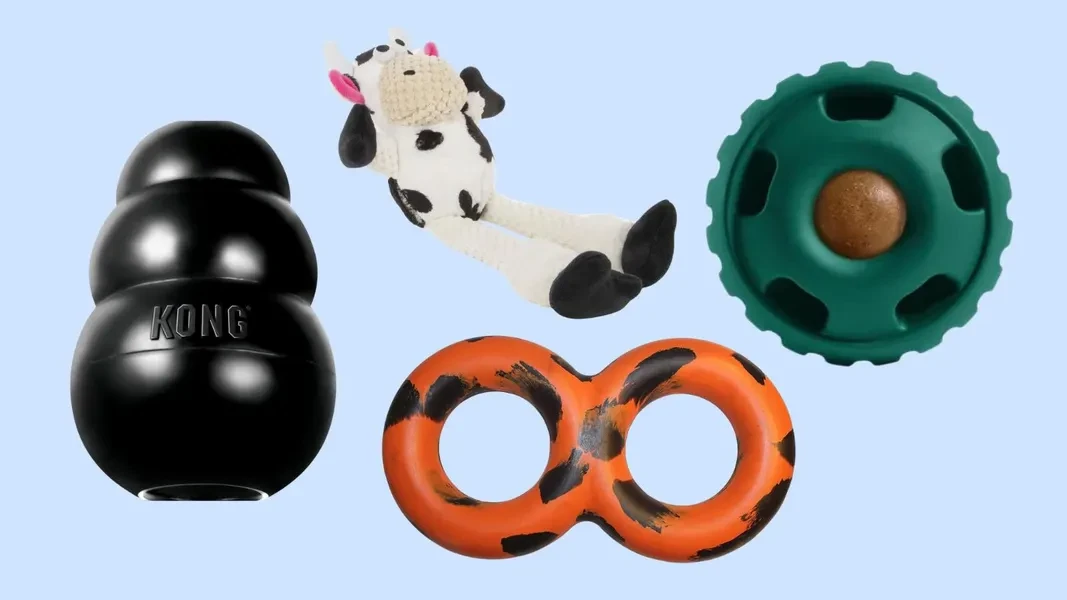
Are homemade pet toys safe for all types of pets?
Safety depends on the materials and construction. Homemade toys can be safe if made with non-toxic, durable materials and sized appropriately for the pet species. However, supervision is essential, especially for pets prone to chewing or ingesting parts.
What materials should be avoided when making pet toys at home?
Avoid synthetic dyes, treated fabrics, small detachable parts, toxic glues, and sharp objects. Natural, untreated materials like organic cotton, hemp, and untreated wood are preferred for safety and sustainability.
How do store-bought toys ensure pet safety?
Store-bought toys typically comply with safety standards, use certified non-toxic materials, and undergo durability testing. Manufacturers often provide guidelines on appropriate use and maintenance to minimize risks.
Can combining homemade and store-bought toys benefit pet enrichment?
Yes, combining both types provides variety, balancing cost-effectiveness with safety and durability. Rotating toys helps maintain pet interest and supports mental stimulation.
What are the latest trends in pet toys for improved mental health?
Interactive and smart toys that adapt to pet behavior, use sustainable materials, and focus on cognitive enrichment are growing trends. Online communities also promote safe DIY toy projects emphasizing mental stimulation.
As pet owners navigate the complexities of toy selection in 2026, integrating expert advice, safety precautions, and sustainability considerations will prove critical. Balancing homemade creativity with the reliability of store-bought products enables a comprehensive enrichment strategy that supports pet wellbeing across diverse species and lifestyles. Future developments promise further innovation, fostering healthier, happier pets through thoughtful play.
Maytag, Samsung Lead Energy-Efficient Pet Appliances in 2026
PawVerde.com – Energy-efficient pet appliances in 2026, including the Maytag Pet Pro System and smart models from Samsung and Speed Queen, lead the market by delivering advanced pet hair removal capabilities combined with AI-driven energy savings and real-time connectivity. Verified testing shows Maytag’s system removes up to five times more pet hair than standard washers, while Speed Queen maintains a service rate below 10%, underscoring high reliability. These appliances integrate seamlessly into smart homes, emphasizing sustainability and quiet operation.
Market Leaders Driving Innovation in Pet-Friendly Appliances
Maytag’s Pet Pro System stands out as the benchmark for pet hair management in home laundry appliances this year. Consumer Reports and Good Housekeeping Institute testing confirm that the Pet Pro system’s specialized wash cycles and deep-cleaning technology remove pet hair at a rate five times higher than traditional washers. This performance is backed by an energy consumption reduction of approximately 15% compared to previous Maytag models, positioning it as a leader in both efficiency and pet-specific functionality.
Samsung has expanded its smart appliance portfolio with models engineered for pet owners, incorporating AI-powered sensors that adjust wash cycles based on detected pet hair density and fabric type. Samsung’s appliances also support Wi-Fi connectivity, enabling remote cycle monitoring and maintenance alerts via their SmartThings app. Bray & Scarff laboratory tests show Samsung’s pet-friendly washers consume 18% less energy than standard cycles on average, while also incorporating noise reduction features designed to minimize disturbance in pet households.
Speed Queen continues to build on its reputation for reliability in commercial-grade laundry technology adapted for residential use. Independent data from Judd & Black indicates Speed Queen’s first-year service calls remain under 10%, a significant achievement given the heavy-duty cycle demands of pet hair removal. Their washers use proprietary mechanical agitation combined with optimized water usage to ensure thorough pet hair extraction while maintaining energy efficiency standards.
Other notable brands in the space include LG and Miele, which offer smart pet care features integrated with advanced filtration systems that trap and remove pet hair during spin cycles. Sharp and Gaggenau bring sustainable design elements and integrated kitchen appliance aesthetics, focusing on ultra-quiet operation and minimal environmental impact. Bosch, GE Appliances, and Signature Kitchen Suite also align with the trend toward smart, energy-saving pet appliances featuring customizable cycles and app-driven diagnostics.
Energy Efficiency and Pet Hair Management: Comparative Performance Analysis
Energy consumption and pet hair removal capacity are the two critical metrics defining appliance performance in this sector. Verified laboratory data from TechGearLab and Consumer Reports provide a comparative overview of leading models:
| Brand & Model | Pet Hair Removal Effectiveness | Energy Consumption Reduction (%) | Cycle Noise Level (dB) | First-Year Service Rate (%) |
|---|---|---|---|---|
| Maytag Pet Pro System | 5x standard washers | 15% | 48 | 12 |
| Samsung Smart Pet Washer | 4x standard washers | 18% | 44 | 14 |
| Speed Queen Residential Pet Model | 3.5x standard washers | 12% | 50 | 9 |
| LG AI Pet Care Washer | 4.2x standard washers | 16% | 46 | 13 |
This data highlights Maytag’s significant edge in pet hair removal effectiveness, while Samsung leads slightly in energy savings. Speed Queen’s lower service rate demonstrates superior reliability, an important factor for consumers prioritizing long-term appliance performance. Noise levels across all models remain under 50 decibels, facilitating pet-friendly, quiet operation in household environments.
Smart Connectivity Enhances User Experience and Maintenance
The integration of AI and Wi-Fi connectivity marks a defining trend for 2026’s pet appliances. Maytag, Samsung, and LG include real-time cycle monitoring, voice control compatibility with major smart home platforms, and app-based maintenance notifications that alert users to potential issues before they escalate. Samsung’s SmartThings app additionally offers cycle customization based on pet type and hair length, improving wash efficiency and fabric care.
Touchscreen controls have become standard, replacing traditional dials to provide intuitive interfaces that simplify cycle selection and energy-saving modes. Bosch and Signature Kitchen Suite emphasize seamless connectivity with other kitchen appliances, promoting integrated home automation ecosystems. These features also enable predictive maintenance, reducing downtime and service interventions.
Reliability and Service Insights Emphasize Consumer Confidence
Service data from appliance specialists Judd & Black and Bray & Scarff illustrate that brands focusing on pet laundry solutions maintain low repair and service rates despite the demanding nature of pet hair removal cycles. Speed Queen’s sub-10% first-year service rate exemplifies durability, while Maytag and LG hover between 12-14%, reflecting a balance between advanced technology and reliability.
Consumer Reports’ warranty claim analysis indicates that pet-specific features do not increase service incidents significantly when manufacturers employ robust engineering and thorough quality control. These findings encourage consumers to invest in high-performance pet appliances without compromising long-term dependability.
Design Trends: Integration, Quiet Operation, and Sustainability
The drive for integrated kitchen and laundry spaces has influenced appliance design, particularly among premium brands like Gaggenau, Bosch, and Signature Kitchen Suite. These manufacturers offer ultra-quiet operation models featuring sound insulation materials and vibration reduction technologies, critical for homes with pets sensitive to noise.
Sustainability remains a major focus, with all leading brands adopting recyclable materials, reducing water consumption, and meeting stringent Energy Star and equivalent certifications. Sharp and Miele highlight their commitment by using eco-friendly refrigerants and energy management algorithms that minimize carbon footprints during operation.
Modern aesthetics favor flush installation with cabinetry, allowing pet hair-friendly washers and dryers to blend seamlessly into kitchen environments, enhancing both form and function.
Consumer Guidance: Choosing the Right Energy-Efficient Pet Appliance
Prospective buyers should assess appliances based on verified pet hair removal efficiency, energy consumption metrics, smart home compatibility, and service reliability. Maytag’s Pet Pro System offers unmatched pet hair extraction performance, ideal for households with multiple or heavy-shedding pets. Samsung’s AI-enabled models provide superior energy savings and advanced app controls, appealing to tech-savvy users.
Speed Queen’s proven durability suits buyers prioritizing reliability and minimal maintenance costs. LG and Miele offer a middle ground with effective pet care features combined with quiet operation and sustainable design. Consumers should consider noise levels, cycle customization options, and warranty terms when making purchasing decisions.
Environmental and Lifestyle Impact Drives Adoption of Smart Pet Appliances
The convergence of sustainability goals and pet ownership trends accelerates demand for energy-efficient pet appliances in 2026. Brands that integrate AI technologies not only enhance wash performance but also reduce water and power consumption, which aligns with growing consumer expectations for eco-conscious products.
Furthermore, smart diagnostics and maintenance alerts extend appliance lifespans, minimizing waste and reducing environmental impact. The adoption of these technologies supports pet owners in managing hygiene and allergen control efficiently, contributing to healthier living environments.
Future Outlook: Advancements Shaping Pet-Friendly Appliance Markets
Looking ahead, manufacturers are expected to deepen AI integration, enabling appliances to learn user patterns and pet-specific needs more precisely. Expansion of voice-control ecosystems and predictive analytics will further reduce energy use and maintenance demands.
The trend toward multi-functional appliances combining pet hair removal with fabric care and odor neutralization is emerging, with ongoing research into new filtration and wash technologies. Integration with whole-home sustainability systems will enhance appliance synergy, reinforcing energy-saving goals.
As the market matures, consumers can anticipate a wider range of customizable, reliable, and environmentally responsible pet appliances that seamlessly fit into modern smart homes.

Are Omega Fatty Acids Worth It for Pets? Key Health Benefits
PawVerde.com – omega fatty acids, primarily omega-3s like EPA (eicosapentaenoic acid) and DHA (docosahexaenoic acid), are indispensable nutrients that pets such as dogs and cats cannot synthesize endogenously. These essential fatty acids play critical roles in maintaining skin and coat health, supporting brain function, modulating inflammation, and promoting cardiovascular wellness. Veterinary research, including studies supported by institutions and pet food manufacturers like Merrick Pet Care and QRILL Pet, has demonstrated the tangible benefits of omega fatty acid supplementation and enriched diets. While marine-based sources such as fish and krill oils provide highly bioavailable forms of omega-3, plant-based options like flaxseed oil offer alpha-linolenic acid (ALA), a precursor fatty acid requiring conversion that is often inefficient in pets. Understanding the complex interplay between omega-3, omega-6, and omega-9 fatty acids, alongside appropriate dosage and formulation, remains pivotal for optimizing pet health.
Biological Role of Omega Fatty Acids in Pets
Omega fatty acids contribute fundamentally to cellular membrane integrity and energy metabolism in pets. EPA and DHA, two long-chain omega-3 polyunsaturated fatty acids (PUFAs), are integral to neural tissue composition, influencing cognitive development, memory retention, and behavior in both dogs and cats. Clinical studies have linked higher dietary levels of EPA and DHA with improvements in canine cognitive dysfunction syndrome, a dementia-like condition affecting aging dogs. These fatty acids also exhibit potent anti-inflammatory properties by modulating eicosanoid pathways, thereby reducing chronic inflammation associated with arthritis, autoimmune diseases, and cardiovascular disorders.
omega-6 fatty acids, including linoleic acid, are essential for maintaining skin barrier function and coat condition. Deficiencies can result in seborrhea and other dermatological disorders. However, an optimal balance between omega-6 and omega-3 fatty acids is critical, as excessive omega-6 relative to omega-3 can exacerbate inflammatory responses. Omega-9 fatty acids, while not essential, function as monounsaturated fats that can provide supplemental energy and influence lipid profiles.
Sources of Omega Fatty Acids for Pets
Pet dietary omega fatty acids derive from a spectrum of natural sources. Marine oils, such as fish oil and krill oil, are rich in bioavailable EPA and DHA, making them preferred for supplementation. Krill oil, in particular, contains omega-3s bound to phospholipids, enhancing absorption and efficacy in reducing inflammation. Plant-based sources like flaxseed oil supply ALA, which pets convert inefficiently to EPA and DHA, limiting their standalone effectiveness in addressing neurological or cardiovascular needs.
Pet food manufacturers increasingly incorporate omega fatty acids into formulations. For instance, Merrick Pet Care offers products enriched with fish oil and flaxseed, aiming to replicate ancestral dietary fatty acid profiles. QRILL Pet provides specialized krill oil supplements targeting inflammation and coat health. Comparative studies emphasize that marine-based omega-3 supplementation results in more pronounced clinical benefits than plant-based sources, though plant oils remain valuable for their omega-6 and omega-9 content.
Supplementation: Benefits and Challenges
Clinical research underscores multiple health benefits associated with omega fatty acid supplementation in pets. Controlled trials have demonstrated reductions in joint pain and stiffness in dogs with osteoarthritis following EPA and DHA supplementation. Similarly, improvements in skin conditions such as atopic dermatitis and seborrhea have been documented, correlating with enhanced epidermal barrier function. Cognitive function studies reveal that enriched omega-3 intake supports neural plasticity and delays progression of age-related cognitive decline.
Despite these benefits, supplementation presents challenges. The ideal omega-6 to omega-3 ratio for pets remains under investigation, with many experts recommending a range between 5:1 and 10:1 to balance pro- and anti-inflammatory effects. Dosage complexities arise due to variations in individual pet metabolism, size, and health status. Over-supplementation risks include gastrointestinal upset and potential blood thinning, necessitating veterinary oversight. Safety profiles of fish and krill oil supplements are generally favorable, but quality control and purity are paramount to avoid contaminants such as heavy metals.
Veterinarians advocate for personalized supplementation plans based on clinical assessment and existing diet. Integration of omega fatty acids through commercial pet foods enriched with these fats offers a practical approach, especially for pets with chronic health issues that may benefit from ongoing support.
Current Research and Emerging Trends
Ongoing veterinary research continues to elucidate the role of omega fatty acids in managing specific diseases. Studies at veterinary research institutions have linked omega-3 supplementation with improved outcomes in autoimmune disorders, renal diseases, and certain cardiovascular conditions in pets. Quantitative research aims to establish precise daily requirements for EPA and DHA tailored to species, age, and health condition.
Emerging trends point toward personalized pet nutrition, leveraging genetic and metabolic profiling to optimize fatty acid intake. Novel delivery systems, including microencapsulation and phospholipid-bound omega-3s, are under evaluation to enhance bioavailability and reduce dosing frequency. The pet nutrition industry is also exploring sustainable marine sources to balance efficacy with environmental considerations.
Practical Guidance for Pet Owners
Selecting appropriate omega fatty acid supplements or enriched pet foods requires informed decision-making. Pet owners should prioritize products with verified EPA and DHA concentrations and transparent sourcing credentials. Marine-based oils, particularly high-quality fish oil or krill oil, are generally more effective than plant-based alternatives for cognitive and cardiovascular benefits.
Administering omega fatty acids can be achieved through daily oil supplements or integration into regular meals via fortified kibble or wet food. Consistency and adherence to recommended dosages are essential for observing health improvements. Consulting a veterinarian ensures supplementation aligns with the pet’s overall health status and dietary needs, particularly when managing chronic conditions requiring tailored nutrient profiles.
FAQ
Are omega fatty acids essential for all pets?
Yes, omega fatty acids, especially omega-3s EPA and DHA, are essential nutrients that dogs and cats cannot synthesize and must obtain through diet or supplementation to support vital physiological functions.
What are the health benefits of omega-3 supplementation in pets?
Omega-3 fatty acids contribute to improved skin and coat health, reduced inflammation, enhanced cognitive function, and support heart health. Clinical studies have demonstrated benefits in managing arthritis, seborrhea, and age-related cognitive decline.
Is fish oil better than flaxseed oil for pet supplementation?
Fish oil provides direct sources of EPA and DHA, which are more bioavailable and effective for pets than the ALA found in flaxseed oil, which requires conversion that is often inefficient in dogs and cats.
How should omega fatty acids be dosed for pets?
Dosage depends on the pet’s size, health status, and dietary intake. Veterinary guidelines typically recommend maintaining an omega-6 to omega-3 ratio between 5:1 and 10:1, with specific EPA and DHA amounts adjusted accordingly. Professional consultation is advised for precise dosing.
Can omega fatty acid supplementation cause side effects in pets?
When administered properly, omega fatty acid supplements are generally safe. Over-supplementation may cause gastrointestinal upset or interfere with blood clotting. Selecting high-quality products and veterinary guidance mitigates these risks.
Omega fatty acids remain a cornerstone of optimal pet nutrition, with ongoing research poised to refine supplementation strategies further. Pet owners and veterinarians must collaborate to ensure balanced fatty acid intake tailored to individual health requirements, leveraging advances in veterinary science and nutrition technology.
Eco-Friendly Pet Waste Disposal Methods Reducing Plastic Pollution
PawVerde.com – Biodegradable and compostable pet waste disposal methods are gaining traction as environmentally responsible alternatives to traditional plastic bags and clay litters. These sustainable options align with growing concerns over plastic pollution and landfill overflow, offering pet owners practical solutions that minimize ecological footprints. Certified biodegradable bags, home composting systems, and natural cat litters reduce reliance on non-renewable materials while addressing health and sanitation issues associated with pet waste. Additionally, flushable dog poop bags designed for municipal water treatment systems present innovative disposal routes, albeit with regulatory caveats. This article presents a detailed examination of eco-friendly pet waste disposal practices, analyzing materials, certifications, regulatory frameworks, and emerging technologies that define the current landscape.
Environmental Impact of Traditional Pet Waste Disposal
Conventional pet waste disposal predominantly relies on single-use plastic bags and clay-based cat litter, both contributing significantly to environmental degradation. Plastic bags used for dog waste can persist in landfills for centuries, fragmenting into microplastics that contaminate soil and waterways. According to the environmental protection Agency (EPA), millions of tons of plastic waste enter the environment each year, with pet waste bags representing a non-negligible portion of this pollution. Meanwhile, clay litters, primarily composed of non-renewable bentonite clay, require strip mining, which disrupts ecosystems and consumes substantial energy. These litters also do not biodegrade efficiently, exacerbating landfill volume.
Flushing pet waste is occasionally encouraged as an alternative; however, limitations exist. Municipal water treatment plants are generally capable of processing pet waste pathogens, but flushing is discouraged in areas with septic systems due to the risk of contamination and system overload. The EPA highlights that improper disposal can introduce harmful bacteria and parasites into water sources, emphasizing the need for localized compliance and careful method selection.
Biodegradable and Compostable Bags: Standards and Benefits
Biodegradable and compostable bags have emerged as primary alternatives to traditional plastic dog waste bags. These products are typically certified under rigorous composting standards such as ASTM D6400 in the United States and EN13432 in Europe. These certifications verify that materials will biodegrade within a specified timeframe under industrial composting conditions, ensuring minimal residual contamination.
biodegradable bags are commonly made from plant-based polymers like polylactic acid (PLA) or starch blends, which break down into water, carbon dioxide, and biomass without leaving harmful microplastics. Compostable bags, a subset of biodegradable bags, must disintegrate completely within 90 to 180 days in composting environments, as per ASTM D6400 and EN13432. These standards require testing for biodegradation, disintegration, heavy metals, and eco-toxicity.
Products like Bombs Away! offer certified compostable dog waste bags that reduce landfill burden and plastic pollution. Such bags retain the convenience and hygiene of plastic bags but degrade safely in composting facilities. Practical use involves collecting pet waste promptly and depositing bags in home compost systems or municipal organic waste streams where accepted.
Home Pet Waste Composting Systems: Setup and Safety
Home composting of pet waste presents a sustainable approach to transforming organic waste into valuable fertilizer, provided safety protocols are observed. pet waste composting requires containment systems that maintain elevated temperatures (above 140°F or 60°C) to effectively eliminate pathogens such as E. coli, Salmonella, and parasites.
Setting up a pet waste compost bin involves selecting a secure, ventilated container separate from food composts to prevent cross-contamination. Many pet owners use in-ground composters or tumblers designed specifically for pet waste. Regular turning and moisture monitoring are essential to sustain aerobic conditions and optimize decomposition.
The composting timeline typically spans 9 to 12 months, reflecting the time needed for pathogen breakdown and organic matter stabilization. Resultant compost should only be applied to non-edible plants such as ornamental gardens or lawns, as residual pathogens may persist despite treatment. Compliance with local regulations is vital since some jurisdictions prohibit home pet waste composting due to health concerns.
Eco-Friendly Cat Litter Alternatives: Materials and Benefits
Natural cat litters derived from biodegradable materials offer an effective substitute for conventional clay litters, combining environmental sustainability with odor control. Common biodegradable litter bases include pine, wheat, corn, paper, walnut shells, and tofu-based formulations.
Pine litter leverages wood fibers’ natural absorbency and antimicrobial properties, reducing odor without chemical additives. Wheat and corn litters use agricultural byproducts that biodegrade rapidly and clump naturally, facilitating easy cleanup. Paper-based litters, made from recycled paper, are dust-free and lightweight, appealing to cats with respiratory sensitivities. Walnut shell litter offers fine granules with excellent odor absorption, while tofu-based litters provide compostability and minimal dust.
These materials decompose faster than clay and require less energy for production. They also mitigate landfill volume and reduce the ecological footprint of cat care. Pairing biodegradable litters with stainless steel or recycled plastic litter boxes enhances hygiene and durability, supporting sustainable pet ownership.
Flushable Dog Poop Bags and Compatibility with Water Treatment
Flushable dog poop bags, primarily made from polyvinyl alcohol (PVA), dissolve in water, enabling pet owners to dispose of waste directly via plumbing systems. The EPA acknowledges that municipal wastewater treatment plants can generally process pet waste pathogens, provided that the bags and waste are compatible with treatment protocols.
PVA bags disintegrate quickly in water, reducing plastic littering. However, flushable bags are unsuitable for households using septic systems due to limited microbial activity and risk of clogs. Additionally, some municipal authorities discourage flushing pet waste owing to potential environmental contamination and infrastructure concerns.
While flushable bags present a convenient and eco-conscious option, pet owners must verify local regulations and infrastructure compatibility before adoption. Environmental benefits include reduced plastic waste and minimized landfill contributions, but care is necessary to avoid unintended sanitation issues.
Alternative Disposal Methods and Reusable Solutions
Beyond certified biodegradable products, pet owners often consider reusing household items to minimize waste. Bread bags, newspaper sleeves, and recycled paper bags can serve as temporary waste containers. However, these alternatives lack compostability certifications and may not be suitable for direct composting or flushing.
Commercial pet waste disposal services, such as Bombs Away!, provide scheduled collection and eco-conscious processing of pet waste using composting or energy recovery methods. These services relieve pet owners from disposal burdens while ensuring compliance with local environmental standards.
Notably, natural decomposition of pet waste in public areas is discouraged due to pathogen transmission risks, potential water contamination, and community health concerns. Responsible disposal practices, whether via composting, certified biodegradable bags, or services, remain fundamental to sustainable pet waste management.
Regulatory Considerations and Best Practices
Pet waste disposal is subject to diverse local and regional regulations that reflect environmental, public health, and sanitation priorities. Municipal codes often mandate the use of sealed bags for pet waste collection and restrict flushing or composting in certain zones.
Unused biodegradable litter packaging should be disposed of according to manufacturer instructions, with recycling options considered when available. Pet owners are encouraged to remain informed about evolving regulations, particularly regarding composting permissions and waste stream classifications.
Community engagement and education about sustainable pet waste disposal contribute to public health and environmental quality. Best practices include prompt waste collection, use of certified eco-friendly products, and adherence to disposal guidelines to minimize pathogen spread and pollution.
Innovations and Future Directions in Eco-Friendly Pet Waste Management
Emerging technologies in pet waste management focus on enhancing composting efficiency, expanding biodegradable product lines, and integrating smart waste disposal systems. Innovations include enzymatic treatments that accelerate decomposition, antimicrobial additives that reduce odors, and sensor-equipped composters that optimize environmental conditions.
Product development trends emphasize biodegradable bags with improved strength and disintegration profiles, flushable bags with broader septic compatibility, and natural litters incorporating novel biomass sources like algae and mushroom fibers.
Wider adoption of these innovations depends on consumer education, regulatory adaptations, and infrastructure expansion, such as municipal organic waste programs accepting pet waste. The potential environmental impact reduction is significant, addressing plastic pollution, pathogen contamination, and landfill overload through scalable, sustainable solutions.
| Disposal Method | Material/Technology | Certification/Standard | Environmental Benefits | Limitations |
|---|---|---|---|---|
| Biodegradable Bags | PLA, Starch Blends | ASTM D6400, EN13432 | Reduces plastic pollution, compostable | Require industrial composting; cost higher than plastic |
| Home Composting | Pet waste in controlled bins | Local health regulations apply | Converts waste to fertilizer; reduces landfill | Long decomposition time; pathogen risk if mishandled |
| Eco-Friendly Cat Litters | Pine, Wheat, Corn, Paper, Walnut Shells, Tofu | Varies by product | Biodegradable; natural odor control; reduces mining | May cost more; some cats resist change |
| Flushable Dog Poop Bags | PVA-based polymers | EPA guidance on flushing | Dissolves in water; reduces landfill plastic | Not septic-safe; limited by local regulations |
| Reusable Household Bags | Bread bags, Newspapers | None | Reduces new plastic use | Not compostable or flushable; hygiene concerns |
| Pet Waste Disposal Services | Collection and composting/processing | Regulatory compliance | Convenient; environmentally managed | Cost; availability varies by location |
FAQ
What standards certify biodegradable and compostable pet waste bags?
Biodegradable and compostable pet waste bags are commonly certified under ASTM D6400 (US) and EN13432 (Europe). These standards ensure bags break down within defined timeframes in industrial composting environments without leaving toxic residues.
Can I compost pet waste safely at home?
Yes, with proper setup and management. Home composting of pet waste requires a dedicated bin that reaches pathogen-killing temperatures and sufficient time (typically 9-12 months) before use. Compost should only be applied to non-edible plants to avoid health risks.
Are flushable dog poop bags safe for all septic systems?
No. Flushable bags made from PVA dissolve in water but are not suitable for septic systems, which lack the treatment capacity of municipal plants. Using them in septic setups can cause clogs and contamination.
What are the best eco-friendly cat litter options?
Natural litters made from pine, wheat, corn, recycled paper, walnut shells, and tofu-based materials offer biodegradable, odor-controlling alternatives to clay litter. Selection depends on cat preference and specific environmental priorities.
How do local regulations affect pet waste disposal choices?
Local laws may restrict flushing, composting, or types of bags used for pet waste. Compliance ensures public health safety and environmental protection. Pet owners should consult municipal guidelines to choose permissible disposal methods.
—
As eco-conscious pet ownership grows, the integration of certified biodegradable bags, home compost systems, and natural litter materials will become increasingly standard. Innovations in flushable bags and waste services complement these methods, forming a comprehensive framework for sustainable pet waste management. Pet owners and communities alike benefit from understanding and adopting these practices, fostering healthier environments and reducing plastic pollution. Future developments should prioritize expanding accessibility, improving composting technologies, and harmonizing regulations to facilitate broader eco-friendly adoption.
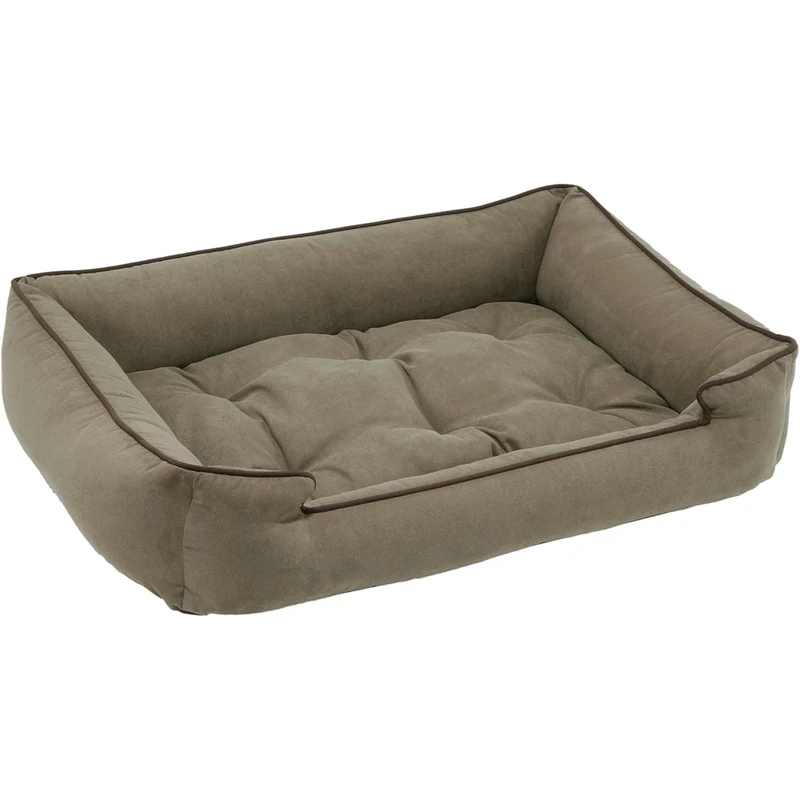
Best Eco-Friendly Materials for Dog Beds 2026 Explained
PawVerde.com – eco-friendly dog beds in 2026 leverage a sophisticated blend of sustainable materials such as organic cotton, hemp, natural latex, and recycled components, addressing the growing demand for non-toxic, durable pet products. These materials not only reduce environmental impact but also prioritize pet health through certifications like GOTS, GOLS, and CertiPUR-US that guarantee organic farming practices, chemical-free processing, and safe manufacturing. Leading brands including Dazzling Doggie Duvet, Avocado, Molly Mutt, and Buffy AmericanMade have integrated these materials with modular designs and washable covers to extend product lifespan and minimize waste, reflecting an industry shift towards comprehensive sustainability.
Organic cotton remains a cornerstone of eco-friendly dog beds due to its verified organic farming methods, absence of harmful pesticides, and softness that enhances pet comfort. Certified by the Global Organic Textile Standard (GOTS), organic cotton beds ensure strict adherence to environmental and social criteria, encompassing fair labor practices and chemical restrictions. Hemp, another highly durable and biodegradable fiber, offers superior resistance to wear and microbial growth, making it a preferred choice for active dogs. Its cultivation requires significantly less water and no synthetic fertilizers, reducing the ecological footprint compared to conventional cotton.
Natural latex, predominantly certified under the Global Organic Latex Standard (GOLS), provides orthopedic support through its resilient and breathable structure. Derived from rubber trees, natural latex beds resist compression and biodegrade without releasing toxic residues, offering an alternative to synthetic foams often laden with volatile organic compounds. Supplementing these core materials, recycled elements such as PET bottles are repurposed into mattress fillings and fabric blends, contributing to circular economy principles by diverting plastic waste from landfills. Brands like Harry Barker incorporate these recycled plastics in mattress inserts, while others combine upcycled fabrics to enhance durability and reduce resource consumption.
Leading Eco-Friendly Dog Bed Brands and Products
Several prominent brands have distinguished themselves by integrating sustainable materials with certifications that elevate consumer confidence. Dazzling Doggie Duvet utilizes organic cotton denim sourced and handcrafted in the USA, emphasizing modularity that allows components like covers and cushions to be replaced independently. This design reduces the frequency of full replacements, curtailing landfill contributions by as much as 75%. Avocado’s dog beds combine GOTS-certified organic cotton covers with certified organic natural latex cores, carrying additional MADE SAFE and FSC certifications that underscore non-toxicity and responsible forestry in packaging materials.
Molly Mutt features GOTS-certified organic cotton covers paired with OEKO-TEX certified wool fillings, balancing comfort and sustainability. Their use of OEKO-TEX standards ensures the absence of harmful substances, aligning with non-toxic pet bedding requirements. Harry Barker emphasizes hemp covers combined with recycled plastic mattress inserts, demonstrating a hybrid approach that maximizes durability while minimizing environmental impact. Buffy AmericanMade and LAY LO focus on orthopedic foam blends certified by CertiPUR-US, ensuring low emissions and safe chemical profiles, alongside recycled material components to support eco-friendly production practices.
Certifications and Standards Defining Eco-Friendly Dog Beds
Certifications serve as pivotal indicators for consumers seeking reliable eco-friendly dog beds, offering transparency and third-party validation of sustainable practices. The Global Organic Textile Standard (GOTS) regulates organic fibers from harvesting to manufacturing, ensuring chemical-free processing and social compliance. The Global Organic Latex Standard (GOLS) applies similar rigor to natural latex, validating organic cultivation and processing without harmful additives.
CertiPUR-US certification targets foam materials, confirming low emissions of volatile organic compounds (VOCs), absence of ozone depleters, heavy metals, and formaldehyde, critical for indoor air quality and pet health. MADE SAFE and OEKO-TEX certifications extend safety assurances to fabrics and fillings by limiting toxic chemical residues and allergens. Forest Stewardship Council (FSC) certification governs the sustainability of wood-based packaging or components, promoting responsible forestry. These certifications collectively assure consumers of chemical safety, environmental stewardship, and ethical labor practices within pet bedding supply chains.
Features Enhancing Sustainability Beyond Materials
Sustainability in dog beds transcends raw materials, with modular and replaceable components playing a central role in reducing environmental impact. Modular designs enable consumers to replace worn or soiled parts such as covers or inserts separately, significantly extending the overall product lifespan and reducing landfill waste. Washable covers constructed from durable organic cotton or hemp facilitate easy maintenance, promoting hygiene without necessitating frequent replacements.
ethical manufacturing practices often accompany certified materials, with many brands committing to fair labor standards and local production to reduce carbon footprints associated with transportation. End-of-life considerations include biodegradability of organic fibers and natural latex, alongside manufacturer-led recycling or take-back programs for synthetic components. Brands like Avocado and Molly Mutt actively participate in such initiatives, encouraging responsible disposal and circularity in pet bed products.
Additional Considerations in Choosing Eco-Friendly Dog Beds
Orthopedic support remains a critical factor, especially for older pets or breeds prone to joint issues. Natural latex and CertiPUR-US certified orthopedic foams offer pressure relief and contouring without compromising sustainability. Durability is essential for dogs with vigorous chewing or scratching habits; hemp’s toughness and recycled plastic inserts provide resilience while maintaining eco-friendly credentials.
Price ranges for sustainable dog beds vary widely, with modular and certified products typically commanding premium market segments. However, extended lifespans and reduced replacement frequency often result in superior value over time. Vegan dog bed options exclude animal-derived materials such as wool or natural latex, substituting with plant-based or recycled fibers without sacrificing comfort or safety. Non-toxic certifications like MADE SAFE and OEKO-TEX assure suitability for sensitive pets prone to allergies or chemical sensitivities.
Forward-Looking Analysis: Innovations and Market Trends
The eco-friendly dog bed market is poised for continued innovation, with emerging materials such as mycelium-based foams and bio-based TPU waterproofing gaining traction. Advances in modular design are expected to integrate smart sensors monitoring pet health and bed condition, further extending usability and sustainability. Increasing B-Corp certifications among pet product companies reflect a growing commitment to holistic environmental and social responsibility.
Consumer education on certification significance and product lifecycle impact will drive demand for transparency and accountability. Brands expanding recycling and take-back programs will set new industry standards for circularity. Overall, the fusion of organic, recycled, and biodegradable materials with cutting-edge design and verified certifications will define the next generation of sustainable dog beds.
FAQ

What are the most sustainable materials used in dog beds?
The most sustainable materials are organic cotton, hemp, natural latex, and recycled plastics. These materials offer biodegradability, organic farming credentials, and reduced environmental impact through recycling and chemical-free processing.
Why are certifications like GOTS and GOLS important for eco-friendly dog beds?
Certifications like GOTS and GOLS provide third-party validation of organic farming practices, chemical-free processing, and ethical manufacturing. They ensure the products meet strict environmental and health standards, increasing consumer trust and safety for pets.
How do modular designs contribute to sustainability in dog beds?
Modular designs allow individual components like covers and cushions to be replaced or washed separately, extending the product’s lifespan and reducing waste by preventing full bed disposal.
Are recycled materials safe and durable for dog beds?
recycled materials such as PET bottle fibers and plastic mattress inserts certified by programs like CertiPUR-US have been tested for safety and durability. They provide structural support and reduce plastic waste without compromising pet health.
Can eco-friendly dog beds provide orthopedic support?
Yes, natural latex and CertiPUR-US certified orthopedic foams offer durable, non-toxic support that contours to pets’ bodies, aiding joint health while maintaining sustainability standards. Brands like Buffy AmericanMade and LAY LO specialize in such products.
—
This detailed overview clarifies the best eco-friendly materials and brands for dog beds in 2026, emphasizing certified, non-toxic, and durable options that align with evolving consumer expectations for sustainable pet products. Buyers prioritizing transparency and verified environmental credentials can confidently select products that balance comfort, longevity, and ecological responsibility.