

Best Fostering Practices for Pets Boost Adoption Rates in 2026
PawVerde.com – Fostering pets has become an increasingly critical component of animal welfare strategies in 2026, with foster-based rescue organizations playing a pivotal role in alleviating shelter overcrowding and improving adoption outcomes. Data from Shelter Animals Count and Foster Forward Challenge reveal that rescues leveraging foster care outperform traditional shelters in save rates by over 15%, reflecting a nationwide shift toward community-supported, temporary pet care. This evolution demands adoption programs and animal welfare agencies to adopt innovative practices such as open adoption policies, dedicated adjustment spaces for foster pets, and comprehensive training for staff and volunteers. Leading organizations including the Best Friends Network, American Pets Alive!, and Humane World for Animals emphasize these strategies as foundational to successful fostering.
Open adoption policies have emerged as a transformative approach in reducing traditional barriers that previously hindered adoption rates. By eliminating landlord verifications and vet record checks, shelters and rescues enable faster, more accessible placements. Pre-adoption during stray hold periods also expedites the process, allowing potential adopters earlier engagement with pets. The American Pets Alive! network reports that facilities implementing open adoption have seen adoption rates increase by up to 20% within the first six months of adoption policy revision. Additionally, volunteer engagement surges when adoption criteria become more inclusive, as foster families feel their contributions lead directly to successful placements without bureaucratic impediments.
Open Adoption Policies: Reducing Barriers
open adoption policies prioritize flexibility and accessibility, allowing potential adopters to focus on pet compatibility rather than exhaustive background checks. This approach addresses common adoption barriers such as landlord restrictions and veterinarian record submissions, which often disproportionately affect renters or low-income families. Organizations adopting these policies report significant decreases in adoption timeframes, with some shelters reducing average adoption processing from weeks to just days.
Moreover, open adoption encourages pre-adoption placements during mandatory stray holding periods, enabling prospective adopters to bond with pets earlier. This method also fosters transparency by involving adopters in the fostering phase, thus increasing retention and reducing returns. The Best Friends Network highlights that shelters practicing open adoption see a measurable rise in volunteer and foster recruitment, as community members feel more empowered to participate in the adoption process without administrative roadblocks.
Creating Dedicated Spaces for Foster Pets
Providing foster pets with dedicated spaces for adjustment is a best practice gaining traction across leading shelter organizations. Separate rooms or designated areas allow foster pets to decompress, acclimate to new surroundings, and reduce stress-induced behaviors. The Fairfax Animal Humane Society (FAHS) recently implemented a protocol requiring initial isolation for foster pets, which resulted in a 30% reduction in behavioral incidents within the first week of fostering.
Gradual introductions between foster pets and resident animals are critical during this adjustment period. Guidelines recommend controlled, supervised meetings with barriers to prevent direct contact until both animals demonstrate calm behavior. Mealtime and sleeping arrangements should also be managed separately initially to prevent resource guarding or anxiety. Pawlytics data underscores that shelters enforcing these protocols experience fewer foster failures and higher adoption success rates, confirming the importance of structured environments for foster pets.
Staff and Volunteer Training for Effective Foster Care
Comprehensive training programs for shelter staff and foster volunteers are essential to the success of foster-based rescue models. Training modules now routinely cover customer service, cultural competency, and specialized handling of pets with behavioral challenges. Humane World for Animals emphasizes that cultural competency training helps staff and volunteers engage effectively with diverse adopter populations, thereby broadening the reach of adoption programs.
Behavioral fostering requires targeted education on recognizing and managing anxiety, aggression, and socialization deficits in foster pets. Ongoing mentorship programs provide fosters with real-time support, improving confidence and retention rates. Maddie’s Fund findings indicate that shelters investing in continuous training and support see a 25% increase in foster volunteer retention over one year, demonstrating the tangible benefits of professional development in foster care.
Piloting New Fostering Practices and Incentives
The Foster Forward Challenge has catalyzed innovation by incentivizing shelters to pilot new foster care models, with grants awarded for programs that increase foster recruitment and retention. Recent pilots include virtual foster onboarding, foster peer networks, and incentive programs offering stipends or pet supplies. These initiatives have shown promising outcomes; for instance, virtual onboarding reduced foster application processing times by 40%, while peer networks enhanced foster satisfaction and communication.
Organizations utilizing pilot programs report improved foster capacity, enabling shelters to serve more pets with fewer resources. The Best Friends Network notes that such innovations also engage younger volunteers accustomed to digital interactions, expanding the demographic profile of foster families. These pilot programs embody a proactive approach to evolving shelter needs and foster care challenges.
Behavioral Fostering: Specialized Care and Marketing
Fostering pets with behavioral challenges remains one of the most demanding yet impactful areas of foster care. Behavioral fostering includes animals with histories of trauma, anxiety, or aggression that require tailored care protocols. Training programs equip fosters with techniques such as desensitization, positive reinforcement, and environmental enrichment to facilitate rehabilitation.
Public recognition of behavioral fosters—through awards, social media highlights, and community events—increases foster participation by acknowledging the specialized skill and commitment required. Shelter Animals Count data shows that rescues with behavioral foster programs have higher adoption rates for challenging animals and report fewer returns. This specialized care also reduces shelter stays, mitigating stress and risk of euthanasia.
Legal and Health Requirements in Fostering
Strict adherence to vaccination verification and health protocols is mandatory to safeguard both foster and resident pets. Vaccination status must be documented before placement, consistent with local and national animal welfare guidelines. Proper cleaning, sanitization, and quarantine practices are vital, especially when fostering cats or dogs susceptible to contagious diseases.
Liability considerations include clear foster agreements detailing responsibilities and emergency protocols. Organizations like Humane World for Animals provide templates aligning with regional regulations to minimize legal risks. These measures protect animal welfare, foster families, and shelter organizations alike, ensuring sustainable and safe foster programs.
Data-Driven Outcomes and Trends in Foster-Based Rescues
National data from Shelter Animals Count and the Foster Forward Challenge demonstrate that foster-based rescues achieve superior outcomes compared to traditional shelters. Foster programs report approximately 85-90% save rates, contrasted with 60-70% in conventional shelter models. The reduction in euthanasia correlates with increased foster placements, which provide individualized care and facilitate successful adoption matches.
Comparative analysis reveals that foster-based rescues also shorten average length of stay by 30%, allowing shelters to cycle through more animals and reduce overcrowding. These data-driven insights underscore the effectiveness of fostering as a humane and efficient shelter alternative, guiding policy and funding decisions.
| Metric | Foster-Based Rescues | Traditional Shelters |
|---|---|---|
| Save Rate (%) | 85-90 | 60-70 |
| Average Length of Stay (Days) | 20-25 | 35-40 |
| Adoption Rate Increase After Open Policies (%) | +20 | +5-10 |
| Foster Volunteer Retention (%) | 75-80 | 50-60 |
| Euthanasia Rate (%) | 5-10 | 25-30 |
The data highlights the multifaceted benefits of fostering, from reducing euthanasia to improving foster volunteer retention and accelerating adoption processes.
Forward-Looking Strategies and Practical Next Steps

Animal welfare agencies and foster families must leverage these best practices to meet the growing demand for humane, efficient pet care in 2026. Emphasizing open adoption policies, investing in dedicated adjustment spaces, and aligning staff and volunteer training with cultural competency and behavioral care are proven strategies to enhance foster success. Organizations should actively participate in pilot programs like the Foster Forward Challenge to innovate and expand foster capacity.
Prospective foster volunteers are encouraged to seek training opportunities and engage with mentorship networks to build confidence in behavioral fostering. Clear communication of legal and health requirements ensures safe environments for all animals involved. Continuous data collection and analysis will remain essential to refining foster models and improving adoption outcomes.
By integrating these evidence-based methods, animal welfare organizations can strengthen community engagement, reduce shelter burdens, and ultimately save more lives.
FAQ
What are the most effective practices for introducing foster pets to resident animals?
Effective introductions involve gradual, supervised meetings using barriers such as baby gates to prevent direct contact initially. Separate feeding and sleeping areas reduce competition and stress. Monitoring body language and allowing incremental interaction over several days helps foster pets adjust safely.
How do open adoption policies impact foster pet placements?
Open adoption policies remove traditional barriers like landlord and vet checks, accelerating adoption timelines and increasing accessibility. This results in higher adoption rates and greater volunteer engagement, as fosters see more successful outcomes from their efforts.
What training do foster volunteers typically receive in 2026?
Training includes customer service, cultural competency, behavioral management of pets, and emergency protocols. Ongoing mentorship supports fosters in managing challenges such as anxiety or aggression in pets, improving retention and care quality.
Are there legal requirements for vaccinations in foster care?
Yes, vaccination verification is mandatory before placing pets in foster homes, following local and national guidelines. Proper medical care, quarantine, and sanitation protocols are required to prevent disease transmission and protect all animals involved.
How do foster-based rescues compare to traditional shelters in adoption success?
Foster-based rescues achieve higher save rates (85-90%), shorter length of stays, and reduced euthanasia compared to traditional shelters. The individualized care and socialization provided in foster homes increase successful adoption outcomes significantly.
—
Fostering pets in 2026 relies on integrating proven best practices, innovative pilot programs, and continuous data analysis to improve animal welfare outcomes. Organizations and volunteers committed to these strategies will strengthen the foster care ecosystem, delivering measurable benefits to pets and communities alike.

Buy Hypoallergenic Dog Food Online 2026 for Allergy Relief
PawVerde.com – hypoallergenic dog food designed with specialized protein sources and probiotics plays a critical role in managing food allergies in dogs, a condition increasingly recognized by veterinarians and pet nutrition experts. Food allergies in dogs primarily involve immune reactions to certain protein sources rather than grains, manifesting as itching, ear infections, digestive disturbances, and skin irritation. veterinary guidance is essential in diagnosing these allergies and selecting appropriate hypoallergenic diets, which often require an 8- to 12-week elimination trial to confirm efficacy. In 2026, a range of vet-recommended hypoallergenic dog food options, including hydrolyzed protein formulas, limited ingredient diets, and novel protein sources, are readily available through trusted online retailers such as Amazon, Kohapet, and Supertails.
The demand for effective hypoallergenic dog food has driven innovation in formulation, with brands like Royal Canin and Earthborn Holistic leading the market. These products focus on reducing allergen exposure while supporting gut health through probiotics and easily digestible carbohydrates. Pet owners increasingly rely on online platforms to purchase these specialized diets, balancing cost, ingredient transparency, and veterinary endorsement to ensure safe allergy management.
Understanding Food Allergies in Dogs
Food allergies in dogs often stem from an adverse immune response to dietary proteins, making proteins the most common allergenic components rather than grains or carbohydrates. The immune system mistakenly identifies certain proteins as harmful, triggering symptoms such as intense itching (pruritus), recurrent ear infections, skin irritation, and gastrointestinal upset including vomiting and diarrhea. These signs overlap with environmental allergies, complicating diagnosis without veterinary intervention.
Common offending proteins include beef, chicken, dairy, and eggs, but dogs may also react to less typical sources like soy or wheat gluten. Veterinary clinics emphasize the importance of distinguishing food allergies from environmental allergens, as treatment approaches differ significantly. Unlike environmental allergies, food allergies require dietary modification rather than solely medical management.
Certain dog breeds, including West Highland White Terriers, Boxers, and Labradors, show higher predisposition to food allergies, though any breed can be affected. Pet nutritionist Laura Ward highlights that chronic skin issues and persistent digestive symptoms should prompt a veterinary evaluation focused on dietary causes.
Types of Hypoallergenic Dog Food
Hypoallergenic dog food formulations fall into three main categories, each addressing allergies via different mechanisms:
Grain-free diets are sometimes marketed as allergy-friendly; however, research shows grains are less often the cause of food allergies in dogs. Veterinary experts stress focusing on protein sources rather than grain elimination unless a specific intolerance is identified. Fresh diets with minimal processing and high digestibility also support dogs with sensitive digestive systems.
Veterinary Recommendations and Allergy Trials
Before initiating any hypoallergenic diet, consultation with a veterinarian is paramount. Accurate diagnosis involves ruling out environmental causes and conducting an elimination diet trial, typically lasting 8 to 12 weeks. During this period, dogs are fed exclusively hypoallergenic food, avoiding treats and supplements that may contain allergens.
Veterinarians monitor clinical signs throughout the trial, assessing reduction in symptoms such as itching and digestive upset. If symptoms improve, a challenge phase reintroduces previous foods to confirm specific allergens. This structured approach ensures precise identification of dietary triggers, enabling targeted long-term management.
Veterinary supervision also helps avoid nutritional imbalances common in homemade or improperly formulated diets. Prescription hypoallergenic diets from brands like Royal Canin come with guaranteed nutrient profiles and clinical evidence supporting their efficacy.
Key Ingredients and Nutritional Components in Hypoallergenic Dog Food
Hypoallergenic dog foods prioritize protein sources less likely to elicit immune responses. Venison, kangaroo, duck, lamb, salmon, and pork are frequently used due to their low prevalence in commercial dog food and distinct protein structures. These proteins reduce cross-reactivity with common allergens such as beef or chicken.
Probiotics play a significant role in maintaining gut health, which is critical in managing food allergies. Strains like Lactobacillus and Bifidobacterium improve digestion and modulate immune responses, potentially reducing inflammation linked to allergic reactions. Easily digestible carbohydrates, such as sweet potatoes or peas, provide energy without aggravating sensitive digestive tracts.
Avoidance of artificial additives, preservatives, and common allergens like soy and wheat gluten further enhances hypoallergenic formulations. Ingredient transparency, facilitated by clear labeling, allows pet owners and veterinarians to assess suitability accurately.
Buying Hypoallergenic Dog Food Online in 2026
The online marketplace offers expanded access to hypoallergenic dog food, with platforms such as Amazon, Kohapet, and Supertails providing extensive selections. These retailers stock both prescription and over-the-counter options, catering to various budgets and dietary needs.
Prescription diets from Royal Canin and other veterinary brands require a veterinary prescription but are increasingly available through verified online veterinary pharmacies and pet specialty sites. Over-the-counter hypoallergenic foods, including Earthborn Holistic’s limited ingredient lines, are accessible without prescription, providing convenience for pet owners managing mild to moderate allergies.
Price ranges vary widely, with veterinary prescription diets typically commanding higher costs due to clinical formulations and quality control standards. Earthborn Holistic’s options offer more affordable alternatives while maintaining ingredient quality.
When purchasing online, verifying product authenticity is crucial. Pet owners should examine seller ratings, look for official brand authorization, and scrutinize ingredient lists on product pages. Online reviews from sources like Dog Food Advisor and expert nutritionists offer additional insights into product performance and suitability.
Brand Spotlights and Product Examples
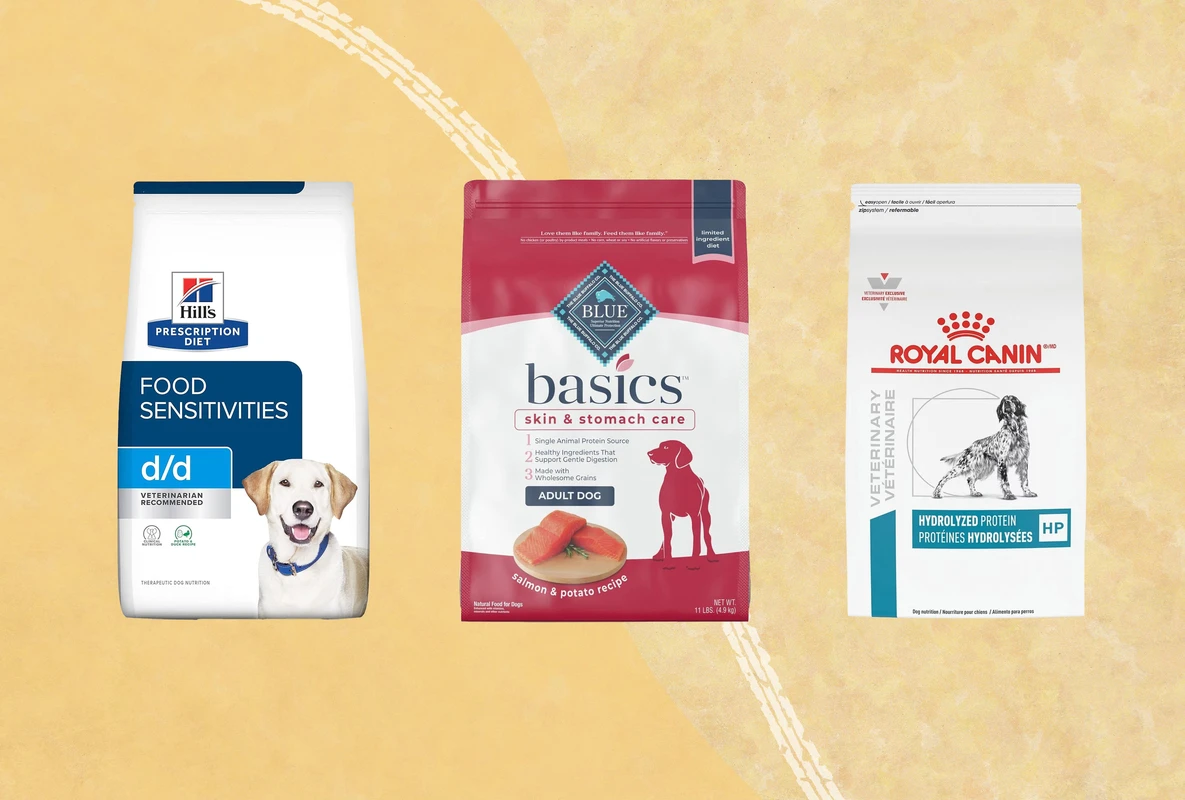
Royal Canin’s veterinary hypoallergenic diets, such as the Hydrolyzed Protein range, are widely recommended by veterinarians for managing food allergies. These diets feature extensively researched formulations with hydrolyzed soy protein or hydrolyzed chicken liver, reducing allergenicity while providing balanced nutrition.
Earthborn Holistic delivers limited ingredient formulas focusing on novel proteins and grain-free carbohydrates, appealing to pet owners seeking natural ingredients and affordability. Their products incorporate probiotics and prebiotics to support digestive health.
Dog Food Advisor ranks these brands highly based on ingredient quality, customer feedback, and nutritional adequacy. Pet nutritionist Laura Ward endorses combining these vetted products with veterinary oversight for optimal allergy management outcomes.
| Brand | Diet Type | Protein Source(s) | Key Features | Price Range (Monthly) |
|---|---|---|---|---|
| Royal Canin Veterinary Hydrolyzed | Hydrolyzed Protein Prescription | Hydrolyzed soy, chicken liver | Clinically tested, vet-prescribed, supports skin & digestion | $70 – $120 |
| Earthborn Holistic Limited Ingredient | Limited Ingredient Diet (Over-the-Counter) | Venison, salmon, duck | Grain-free, probiotics included, affordable | $40 – $70 |
| Natural Balance L.I.D. | Limited Ingredient Diet | Duck, lamb, salmon | Novel proteins, minimal ingredients, widely available | $50 – $80 |
Practical Feeding and Care Tips for Hypoallergenic Diets

Transitioning dogs to hypoallergenic diets requires a gradual introduction over 7 to 10 days, mixing increasing proportions of new food with the old to minimize digestive upset. Consistency is critical; feeding exclusively hypoallergenic food and avoiding treats or table scraps prevents accidental allergen exposure.
For dogs with multiple allergies or sensitivities, combining novel protein diets with hydrolyzed formulas under veterinary supervision can optimize results. Monitoring for symptom recurrence or new reactions is essential, prompting veterinary re-evaluation if necessary.
Regular follow-up appointments allow veterinarians to adjust dietary plans and address emerging issues such as nutrient deficiencies or secondary infections. Pet owners should maintain detailed symptom logs to support these consultations.
FAQ
What is the difference between limited ingredient and hydrolyzed protein dog food?
Limited ingredient diets use a minimal number of whole food ingredients to reduce allergens, while hydrolyzed protein diets break down proteins into small peptides that the immune system does not recognize, making them less likely to cause allergic reactions. Hydrolyzed diets typically require veterinary prescription.
How long should I feed hypoallergenic dog food to see results?
Veterinarians recommend an elimination diet trial lasting 8 to 12 weeks to accurately assess improvements in allergy symptoms. Consistent feeding without other food sources is essential during this period.
Can I buy prescription hypoallergenic dog food online without a vet’s approval?
Prescription hypoallergenic diets generally require a veterinary prescription due to their clinical nature. Some online retailers verify prescriptions before shipping, ensuring safe and appropriate use.
Are grain-free diets effective for managing dog food allergies?
Grains are less commonly responsible for food allergies in dogs; protein sources are typically the main allergens. Grain-free diets may help dogs with specific grain intolerances but are not universally necessary for allergy management.
What role do probiotics play in hypoallergenic dog food?
Probiotics support digestive health by balancing gut microbiota and modulating immune responses, potentially reducing inflammation and improving nutrient absorption in allergic dogs.
Hypoallergenic dog food in 2026 combines veterinary expertise, advanced formulation, and convenient online availability to address the complex challenge of food allergies in dogs. Pet owners should prioritize veterinary consultation, carefully select diets based on ingredient transparency and efficacy, and maintain vigilant monitoring during diet trials. As the market evolves, emerging protein sources and gut health innovations promise further improvements in managing canine food allergies safely and effectively.
Are Biodegradable Grooming Tools Worth It for Pets? Eco Benefits Explained
PawVerde.com – Biodegradable grooming tools for pets have gained momentum as eco-conscious pet owners seek sustainable alternatives to traditional plastic grooming products. Crafted primarily from bamboo, FSC-certified wood, and recycled materials, these tools offer a dual benefit: reducing environmental impact while supporting pet health through natural, chemical-free materials. Their accelerated biodegradability, combined with durability and gentleness on pet skin, positions them as a practical and environmentally responsible choice for modern pet care.
The rising demand for sustainable pet grooming products reflects growing awareness of the environmental toll of plastic waste and the benefits of natural ingredients on sensitive pet skin. Biodegradable grooming tools, including brushes, combs, nail clippers, and gloves, contribute significantly to reducing landfill accumulation while maintaining grooming effectiveness. This shift also aligns with broader zero waste pet care initiatives that promote composting pet waste and minimizing synthetic chemical exposure.
What Are Biodegradable Grooming Tools?
Biodegradable grooming tools are pet care implements designed to decompose naturally within a short timeframe after disposal, unlike conventional plastic tools that persist for decades in landfills. These tools commonly utilize sustainable materials such as bamboo, FSC-certified wood, and certain recycled bioplastics designed for accelerated biodegradation under industrial composting conditions. Bamboo, in particular, is favored for its rapid renewability and antimicrobial properties, making it ideal for brushes and combs.
Typical biodegradable grooming products encompass a range of items:
Such products avoid synthetic additives, harsh plastics, and chemical coatings that hinder decomposition and can irritate pet skin. Their design prioritizes both environmental sustainability and pet comfort.
Environmental Benefits of Biodegradable Pet Grooming Tools
The environmental advantages of biodegradable grooming tools stem primarily from waste reduction and sustainability in sourcing. Plastic pet grooming products contribute substantially to global plastic pollution, with discarded items often ending up in landfills or oceans, where they degrade into microplastics harmful to ecosystems.
Biodegradable alternatives made from bamboo and FSC-certified wood reduce plastic usage dramatically. Bamboo cultivation requires no pesticides or fertilizers, thrives on minimal water, and grows rapidly, making it a low-impact raw material. FSC certification ensures responsible forest management, preserving biodiversity and climate resilience.
These tools decompose significantly faster than plastics. Bamboo brushes, for example, can break down within months in composting environments, whereas plastic brushes may take centuries. Additionally, biodegradable grooming gloves and wipes reduce single-use plastic waste traditionally generated by pet grooming routines.
Ethical production practices also play a role; many sustainable pet grooming brands partner with environmental organizations and sustainable material suppliers to ensure transparency and minimize carbon footprint. This includes recyclable packaging that further lessens environmental impact.
Health and Practical Benefits for Pets
Natural materials used in biodegradable grooming tools offer tangible health benefits for pets. Pets’ skin has a delicate pH balance distinct from humans, typically ranging from 6.2 to 7.4. Synthetic grooming tools and products containing sulfates, parabens, and other chemicals can disrupt this balance, leading to irritation, dryness, or allergic reactions.
Bamboo and wood brushes with natural bristles are less abrasive and reduce static buildup, promoting healthier coats and skin. They also tend to be antimicrobial, which minimizes bacterial growth on grooming surfaces. Anecdotal evidence and user reviews from brands like Kinship indicate reduced incidences of skin irritation and improved coat texture when switching to natural grooming products.
Regarding durability, biodegradable tools often surpass cheap plastic alternatives. Bamboo brushes maintain structural integrity over repeated use, resisting warping and breakage. While they may cost more upfront, their longevity and reduced environmental disposal costs contribute to long-term value.
Accelerated biodegradable nitrile gloves combine hygiene with sustainability, offering protection during grooming without the environmental burden of traditional latex or vinyl gloves. Compostable grooming wipes infused with natural ingredients provide gentle cleaning without synthetic residue.
Additional Sustainable Grooming Practices
Adopting biodegradable grooming tools often complements broader sustainable grooming routines. Natural pet shampoos formulated with plant-based surfactants and free from synthetic fragrances or preservatives reduce chemical runoff into waterways. Vegan dog shampoos, increasingly popular among zero waste advocates, align with this ethos.
Composting pet waste using biodegradable bags addresses another significant source of pet-related plastic pollution. When combined with responsible disposal and home composting setups, these practices can transform pet waste from an environmental liability into a resource for soil enrichment.
Water and energy conservation during grooming also contribute to sustainability. Waterless grooming sprays and dry shampoos minimize water usage, while energy-efficient grooming appliances reduce carbon emissions. Together, these measures create a holistic approach to eco-friendly pet care.
Consumer Considerations: Are Biodegradable Tools Worth It?
Evaluating the worth of biodegradable grooming tools involves weighing cost, durability, availability, and environmental impact. Biodegradable brushes and gloves generally carry a higher price point than mass-produced plastic options, reflecting sustainable material sourcing and ethical manufacturing. However, their longer lifespan often offsets initial expenses.
Accessibility has improved as more pet grooming brands embrace sustainability, with offerings available through online retailers and specialty stores. Consumer demand has encouraged innovation, increasing product variety and competitive pricing.
pet health benefits, including reduced skin irritation and exposure to harmful chemicals, further justify the investment. Moreover, the environmental footprint reduction achieved—through plastic waste minimization and enhanced biodegradability—aligns with responsible pet ownership in an era of heightened ecological awareness.
Brands such as Good Natured Brand and EcoGloves demonstrate that accelerated biodegradable nitrile gloves provide performance parity with conventional gloves while offering significant environmental advantages. This balance of functionality and sustainability is critical to consumer acceptance.
Future Directions and Practical Next Steps

The sustainable pet grooming sector is poised for continued growth, driven by innovation in sustainable materials and increased consumer environmental consciousness. Emerging developments include waterless grooming technologies, fully compostable grooming kits, and expanded recycling programs for pet care accessories.
Pet owners seeking to transition toward eco-friendly grooming can begin by replacing plastic brushes with bamboo or FSC-certified wood alternatives, switching to natural shampoos, and adopting compostable grooming gloves and wipes. Participation in local pet waste composting initiatives complements these efforts.
Industry collaboration between pet health experts, sustainable material suppliers, and environmental organizations will likely accelerate product improvements and education, enhancing adoption rates. As supply chains evolve to reduce carbon emissions and waste, sustainable pet grooming can become standard practice rather than niche.
FAQ
Are biodegradable pet grooming tools as durable as traditional plastic tools?
Biodegradable grooming tools, particularly those made from bamboo and FSC-certified wood, typically demonstrate superior durability compared to cheap plastic alternatives. Their natural fibers resist warping and breakage over repeated use, making them a cost-effective choice despite higher upfront prices. However, durability can vary by brand and product type.
Do natural grooming tools reduce the risk of skin irritation in pets?
Yes, natural grooming tools tend to be gentler on pet skin due to the absence of synthetic chemicals and harsh plastics. Materials like bamboo have antimicrobial properties and help maintain the skin’s natural pH balance, reducing irritation and allergic reactions. Pet health experts recommend natural grooming products for sensitive skin.
How quickly do biodegradable grooming tools decompose?
The decomposition rate depends on material and disposal environment. Bamboo brushes and wooden tools can break down within several months in industrial composting facilities, whereas plastic tools may take hundreds of years. Accelerated biodegradable nitrile gloves typically degrade faster than conventional gloves under proper composting conditions.
Can pet waste be composted safely using biodegradable bags?
Yes, biodegradable pet waste bags paired with appropriate composting methods enable safe decomposition of pet waste. It is essential to follow local regulations and use composting systems designed to handle pet waste to prevent pathogen spread. Composting reduces plastic pollution associated with traditional waste bags.
Are biodegradable grooming tools widely available and affordable?
Availability has increased with growing demand, and many sustainable pet grooming brands offer a range of biodegradable products online and in specialty stores. While prices are generally higher than plastic counterparts, competition and scale economies are driving costs down, making these tools more accessible to average consumers.
—
Transitioning to biodegradable grooming tools represents a practical step toward reducing plastic waste and promoting pet health without sacrificing grooming effectiveness. Continued innovation and consumer education will enhance sustainable pet care practices, ultimately benefiting pets, owners, and the environment alike.

Plant-Based Dog Food: Is It Worth It for Canine Health?
PawVerde.com – Plant-based dog food has gained significant traction among pet owners motivated by ethical concerns, environmental sustainability, and potential health benefits for their dogs. veterinary nutritionists increasingly recognize that when carefully formulated to meet established nutritional standards such as those from the Association of American Feed Control Officials (AAFCO) and the Pet Food Manufacturers Association (PFMA), plant-based diets can provide complete nutrition for adult dogs. Research from institutions like the University of Winchester and surveys by Knight & Satchell underscore that dogs on well-balanced vegan diets maintain normal clinical health markers, with protein digestibility rates exceeding 90% in quality formulations. This growing acceptance reflects a shift in veterinary and consumer perspectives, challenging the long-held assumption that meat-based diets are inherently superior for canine health.
The nutritional adequacy of plant-based dog food relies heavily on expert formulation by veterinary nutritionists to ensure essential amino acids, vitamins, and minerals are present in bioavailable forms. While dogs are omnivores capable of digesting a variety of plant proteins, achieving balanced amino acid profiles—especially for lysine, methionine, and taurine—is critical. AAFCO and PFMA set minimum nutrient requirements that commercial plant-based dog foods must meet to claim completeness. Supplementation of nutrients such as vitamin B12, iodine, and synthetic taurine is often necessary due to their limited availability in plant sources. Protein digestibility, a key factor in ensuring nutrient absorption, can surpass 90% in veterinary-formulated products, matching or exceeding that of some meat-based diets. This contrasts with unregulated home-cooked vegan diets that risk imbalances leading to deficiencies.
Scientific investigations provide robust evidence supporting the safety and efficacy of plant-based diets for dogs. The University of Winchester conducted a controlled feeding trial demonstrating that dogs maintained stable blood chemistry, normal cardiac function, and adequate vitamin concentrations over a six-month period on a plant-based diet formulated to AAFCO standards. Surveys such as the Knight & Satchell 2021 study found that dogs on vegan diets required fewer veterinary interventions and medications compared to those on conventional meat diets. Independent research by Dr. Rebecca Brociek highlights comparable or improved weight management and inflammatory markers in dogs consuming plant-based canine nutrition. These findings collectively indicate that, when properly formulated and supervised, plant-based dog food supports optimal health outcomes comparable to traditional diets.
Dogs transitioned to plant-based diets often exhibit tangible health benefits including improved digestion, enhanced skin and coat condition, increased energy levels, and reduction in food allergies. Anecdotal evidence from pet owners and clinical observations by veterinary professionals note fewer gastrointestinal disturbances and lower incidence of atopic dermatitis symptoms in dogs fed vegan dog food. The higher fiber content and antioxidant-rich ingredients in plant-based formulations contribute to gut health and immune modulation. Additionally, reduced exposure to common animal protein allergens leads to decreased inflammatory responses in susceptible dogs. Weight management is facilitated by lower fat content and controlled caloric density in many plant-based dog foods, mitigating obesity risks prevalent in canine populations.
Environmental and ethical considerations represent a significant impetus behind the rise of plant-based dog food. Meat production for pet diets contributes disproportionately to greenhouse gas emissions, deforestation, and water use. Studies estimate that plant-based pet foods reduce the carbon footprint of dog diets by up to 70% compared to meat-based options. The British Veterinary Association and Pet Food Manufacturers Association acknowledge these sustainability benefits while also emphasizing responsible pet nutrition. Aligning dog diets with owner values of animal welfare and environmental stewardship fosters a holistic approach to pet care that extends beyond individual health to planetary well-being.
Despite these advantages, potential risks and challenges remain when adopting plant-based diets for dogs. Nutritional deficiencies frequently arise in unbalanced homemade or raw vegan diets lacking veterinary oversight, risking taurine deficiency-related cardiac issues, vitamin B12 insufficiency, and iodine inadequacy affecting thyroid function. Veterinary nutritionists caution that switching diets should be conducted gradually with regular clinical monitoring, including blood panels and cardiac assessments. The risk of protein quality shortfalls underscores the importance of commercially formulated products adhering to established standards. Without veterinary guidance, owners may inadvertently compromise their dogs’ health despite good intentions.
Commercially available plant-based dog food brands, such as Wild Earth and Vegdog, have obtained AAFCO certification, ensuring compliance with nutritional guidelines for adult maintenance. These products undergo rigorous testing for nutrient completeness, digestibility, and palatability. The Pet Food Manufacturers Association recommends consumers seek certified vegan or vegetarian options verified by reputable veterinary bodies to avoid substandard formulations. Quality assurance protocols guarantee that these brands include appropriate supplementation of critical nutrients, maintain consistent ingredient quality, and implement traceability throughout production. This contrasts with unregulated alternatives lacking standardization or scientific validation.
Nutritional Adequacy of Plant-Based Diets for Dogs
The ability of plant-based diets to meet all canine nutritional requirements depends primarily on expert formulation by veterinary nutritionists who balance macronutrients and micronutrients. Dogs require essential amino acids such as lysine, methionine, and arginine, which are less abundant or less bioavailable in plant proteins compared to meat. Plant-based dog foods compensate by combining multiple protein sources like peas, lentils, chickpeas, and quinoa to achieve a complete amino acid profile. AAFCO standards mandate minimum nutrient levels that commercial diets must meet or exceed for maintenance feeding.
protein digestibility is a crucial metric; high-quality plant protein blends in veterinary-formulated diets frequently exceed 90% digestibility, rivaling or surpassing some meat-based foods. Fiber content, typically higher in plant-based products, supports gastrointestinal motility and microbiome health but must be balanced to avoid impairing nutrient absorption. Supplementation with synthetic taurine, vitamin B12, and iodine addresses deficiencies inherent in plant-only ingredients. The PFMA also emphasizes strict quality control and ingredient sourcing to maintain nutritional adequacy, ensuring that dogs receive all necessary nutrients without compromise.
Scientific Research and Clinical Findings
Emerging scientific evidence validates the nutritional sufficiency and health effects of plant-based dog food. A landmark study from the University of Winchester monitored dogs fed a commercial plant-based diet formulated to AAFCO standards over six months. Parameters including blood chemistry, cardiac function via echocardiography, and serum vitamin levels remained within normal limits, indicating maintained health. The Knight & Satchell 2021 survey involving over 2,500 dogs found that those on vegan diets had fewer medical visits and lower medication usage than dogs on meat-based diets, suggesting comparable or superior health outcomes.
Rebecca Brociek’s independent research further supports these findings, reporting improvements in markers of inflammation and body condition scores in dogs transitioned to plant-based diets. These studies collectively demonstrate that properly formulated vegan dog food sustains clinical health markers, heart function, and overall wellbeing, dispelling myths about inherent inadequacy. Nonetheless, these results underscore the necessity of veterinary-formulated diets rather than unregulated homemade alternatives to ensure consistent nutrient delivery.
Health Benefits Observed in Dogs on Plant-Based Diets
Practical experience and survey data indicate several positive health outcomes in dogs consuming plant-based diets. Many owners report improved digestion characterized by more regular bowel movements and reduced flatulence, attributed to higher fiber and prebiotic content. Skin and coat conditions often improve, with reductions in itching and dermatitis linked to elimination of animal protein allergens. Enhanced energy levels and vitality are common, likely reflecting balanced nutrient intake and reduced inflammation.
Food allergies, which affect up to 10% of dogs, are often triggered by animal proteins such as beef, chicken, or dairy. Plant-based dog food minimizes exposure to these allergens, lowering inflammatory responses and improving quality of life. Additionally, the lower fat content in many vegan dog foods supports weight management, reducing risks of obesity-related health issues such as diabetes and joint disorders. These benefits contribute to a holistic approach to canine health beyond mere nutrient provision.
Environmental and Ethical Considerations
Environmental sustainability is a critical factor driving interest in plant-based dog diets. Meat production is a major contributor to climate change, accounting for approximately 14.5% of global greenhouse gas emissions. It also requires extensive land, water, and feed resources. In contrast, plant-based dog foods have a markedly smaller ecological footprint, reducing carbon emissions by up to 70% according to life cycle assessments conducted by independent researchers and endorsed by the British Veterinary Association.
Ethically, plant-based diets align with the values of pet owners concerned about animal welfare and factory farming practices. The Pet Food Manufacturers Association encourages the development of sustainable pet nutrition options to address consumer demand without compromising animal health. This shift reflects a broader trend towards environmental responsibility in pet care, with plant-based dog food representing a practical application of these principles.
Potential Risks and Challenges
Despite promising evidence, risks associated with plant-based diets arise primarily when formulations lack veterinary oversight or when owners attempt unbalanced homemade or raw vegan diets. Deficiencies in taurine, vitamin B12, iodine, and certain fatty acids can lead to cardiomyopathy, anemia, and hypothyroidism if not properly supplemented. The British Veterinary Association advises that diet transitions should be conducted gradually with veterinary supervision, including periodic blood tests and cardiac monitoring.
Protein quality is another concern; inadequate amino acid profiles may impair muscle maintenance and immune function. Veterinary nutritionists stress that only commercially formulated plant-based foods adhering to AAFCO and PFMA standards provide reliable nutrition. Unregulated diets increase risks of nutrient imbalances and associated health complications, emphasizing the importance of expert guidance.
Commercial Plant-Based Dog Food Products and Certifications
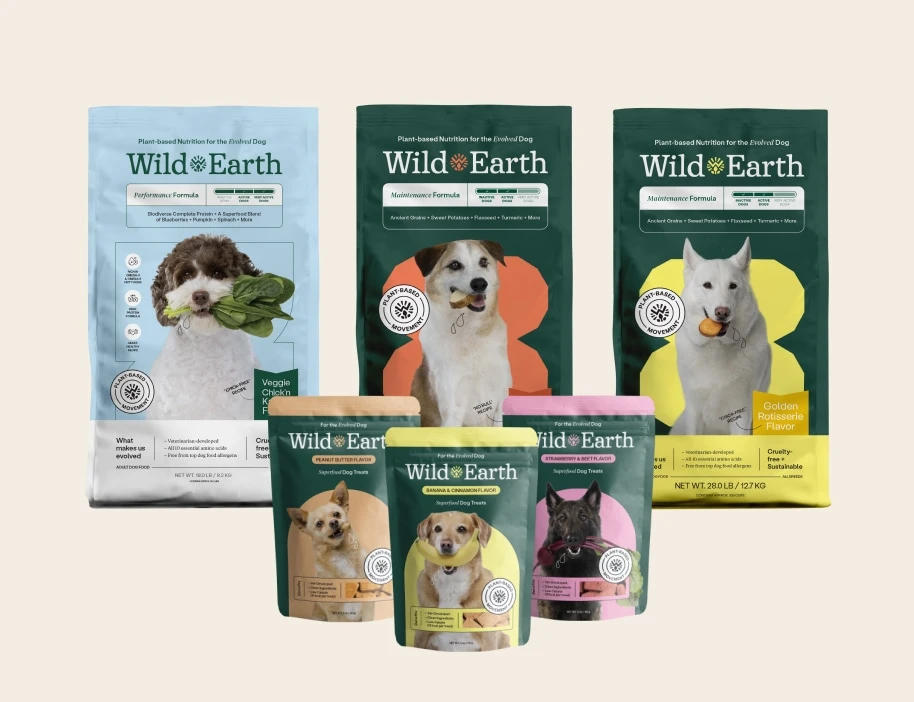
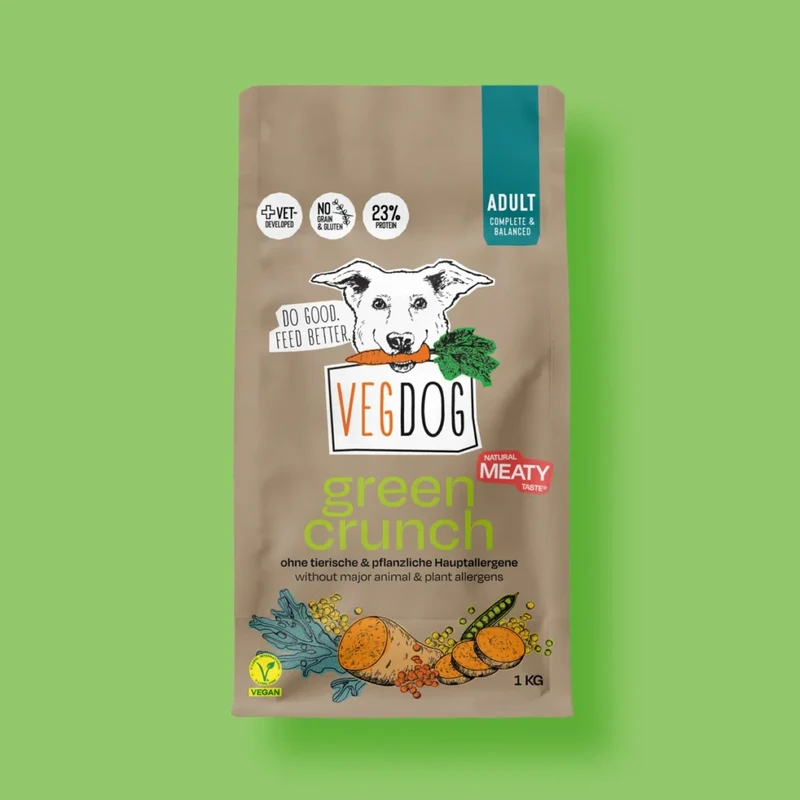
The market offers several AAFCO-approved plant-based dog food brands that meet nutritional completeness standards. Wild Earth, Vegdog, and HungryPaws are prominent examples featuring veterinary-formulated recipes with rigorous quality control. These brands employ ingredient blends designed to optimize protein digestibility and amino acid profiles while incorporating necessary supplementation.
Certifications from AAFCO and endorsement by organizations such as the Pet Food Manufacturers Association provide consumers with assurance of product safety and nutritional adequacy. Quality assurance includes ingredient traceability, batch testing, and compliance with manufacturing best practices. Choosing certified commercial products mitigates the risks associated with unverified homemade diets.
| Brand | AAFCO Certification | Key Ingredients | Supplementation | Notable Features |
|---|---|---|---|---|
| Wild Earth | Yes | Pea protein, yeast, potato starch | Taurine, B12, iodine | High protein digestibility, grain-free |
| Vegdog | Yes | Lentils, chickpeas, quinoa | Taurine, B12, DHA | Antioxidant-rich, balanced amino acids |
| HungryPaws | Yes | Pea protein, brown rice, sweet potato | Taurine, B12, iodine | Low fat, allergen-friendly |
Frequently Asked Questions
Is plant-based dog food nutritionally complete for all life stages?
Plant-based dog food formulated according to AAFCO adult maintenance standards can be nutritionally complete for adult dogs, but formulations for growth, reproduction, or senior life stages require specialized veterinary formulation to meet their distinct nutrient demands.
Can dogs thrive on a vegan diet without supplements?
No, supplementation of critical nutrients such as taurine, vitamin B12, and iodine is essential in vegan diets to prevent deficiencies, as these nutrients are scarce or absent in plant ingredients.
Are there health risks if I prepare homemade plant-based meals for my dog?
Homemade plant-based diets often lack balanced nutrient profiles and pose risks of deficiencies. Veterinary supervision and precise formulation are crucial to avoid health complications.
How does plant-based dog food compare environmentally to meat-based options?
Plant-based dog foods generally have a significantly lower carbon footprint, reducing greenhouse gas emissions by up to 70%, and require fewer natural resources, contributing to environmental sustainability.
Do veterinary associations support feeding dogs plant-based diets?
Organizations such as the British Veterinary Association recognize that plant-based diets can be safe and nutritionally adequate if properly formulated and monitored by veterinary professionals.
—
Increasing scientific evidence and veterinary expertise validate that plant-based dog food, when carefully formulated to meet AAFCO and PFMA standards, can provide complete, balanced nutrition for adult dogs. This dietary approach offers unique health benefits including improved digestion, reduced allergen exposure, and weight management, alongside substantial environmental advantages. Nonetheless, veterinary supervision remains essential to ensure nutrient adequacy and to mitigate risks associated with homemade or unbalanced diets. The trajectory of ongoing research and market innovation suggests that plant-based canine nutrition will continue to evolve, expanding options for health-conscious and environmentally aware pet owners.

Top Green Grooming Brands for Pets Leading in 2026
PawVerde.com – Leading the pet grooming industry in 2026, brands like WildWash, Earthbath, and Burt’s Bees exemplify the convergence of sustainability, ethical certification, and advanced skin-specific care. These companies have elevated eco-friendly pet grooming through products that blend plant-based, cruelty-free ingredients with innovative biodegradable packaging. Their commitment to transparency and efficacy addresses the growing demand for premium pet care that supports both animal wellness and environmental responsibility.
WildWash stands out as a B-Corp Certified brand recognized for its Ethical Innovator status, highlighting rigorous social and environmental standards alongside product performance. Its shampoos and conditioners incorporate soothing aloe vera and evening primrose oil, targeting sensitive and allergy-prone pet skin with pH-balanced, botanical formulations. Earthbath complements this approach with plant-based shampoos enriched with colloidal oatmeal and USDA Organic aloe, specifically recommended by veterinarians for pets suffering from dry, itchy skin and dermatitis. Burt’s Bees further distinguishes itself by offering comprehensive grooming kits that integrate eco-conscious materials and packaging, appealing to pet owners seeking sustainability without compromising convenience or quality.
Leading Green Grooming Brands in 2026
WildWash’s B-Corp certification reflects its dedication to responsible sourcing, cruelty-free testing, and community engagement. The brand’s product line emphasizes skinification—a trend adapted from human skincare that focuses on ingredient-led formulations targeting specific skin concerns in pets. Its use of evening primrose oil and aloe vera delivers anti-inflammatory and moisturizing benefits, making it effective for dogs with eczema or hotspot-prone skin conditions. WildWash also pioneers biodegradable packaging solutions that reduce plastic waste, aligning with industry efforts to curb environmental impact.
Earthbath’s reputation is built on its commitment to plant-based, biodegradable shampoos that avoid harsh sulfates and artificial fragrances. Their colloidal oatmeal formulations soothe irritated skin, while USDA Organic aloe vera enhances skin barrier repair. Veterinarians frequently recommend Earthbath products for sensitive or allergy-prone animals, reflecting strong clinical endorsement. The brand’s packaging utilizes recyclable materials and minimal plastic, supporting sustainable consumption patterns.
Burt’s Bees, a longtime leader in natural personal care, extends its eco-friendly ethos to pet grooming with full kits containing shampoos, conditioners, brushes, and grooming accessories. These kits incorporate renewable resources and post-consumer recycled packaging. Burt’s Bees emphasizes cruelty-free certification and plant-derived ingredients such as shea butter and honey, which nourish coat health while minimizing environmental harm. Its market positioning balances premium quality with accessible pricing, broadening consumer adoption of sustainable pet care.
Other emerging brands like 4-Legger, Puracy, Sunny Side Up, and Stuck Soap contribute to the green grooming landscape by offering specialized natural formulas and biodegradable grooming tools. For instance, 4-Legger focuses on USDA Organic certified products with essential oils and botanical extracts, while Sunny Side Up introduces K-beauty-inspired pet skincare using fermented ingredients. These brands diversify the market by integrating global innovations and ethical certifications into their product development.
Key Product Features Driving Eco-Friendly Grooming
Central to the success of these green grooming brands is their reliance on natural, skin-specific ingredients that promote pet dermatological health. Colloidal oatmeal, aloe vera, botanical oils like evening primrose and chamomile, and plant-derived surfactants create gentle, effective cleansing with anti-inflammatory and moisturizing properties. These ingredients cater to common pet conditions including dry skin, itchiness, and allergies, thereby positioning products within the growing skinification trend.
Cruelty-free and vegan certifications are standard among leading brands, ensuring no animal testing and exclusion of animal-derived components. This ethical stance resonates with environmentally conscious consumers and aligns with global regulatory shifts toward banning animal testing in cosmetics. Brands typically display recognized certification logos from organizations such as Leaping Bunny or PETA to enhance trust.
Packaging innovation plays a critical role in sustainability. Companies increasingly adopt biodegradable, compostable, and recyclable materials to tackle plastic waste generated by pet grooming products. Some brands utilize post-consumer recycled plastics, plant-based bioplastics, or paper-based containers with water-based inks. These measures address environmental impact while maintaining product integrity and shelf life.
USDA Organic certification guarantees that botanical ingredients meet strict agricultural standards free from synthetic pesticides and fertilizers, reinforcing product safety and environmental stewardship. Meanwhile, Ethical Innovator awards recognize brands that demonstrate leadership in social responsibility and sustainable business practices, providing consumers with reliable markers of authenticity.
Emerging Trends Shaping the Market
The skinification trend, originally popularized by human skincare, has transformed pet grooming formulations into targeted, ingredient-focused solutions. This approach emphasizes understanding pet skin biology and tailoring products to address specific dermatological needs rather than generic cleansing. As a result, formulations often include antioxidants, probiotics, and barrier-repair agents to enhance skin resilience and coat condition.
Korean beauty (K-beauty) influences have permeated the pet care industry through the introduction of fermented ingredients and mushroom-derived actives known for their antioxidant and anti-inflammatory properties. Brands like Sunny Side Up incorporate these innovations to deliver advanced benefits such as improved skin microbiome balance and enhanced moisture retention, reflecting a fusion of global beauty science with pet wellness.
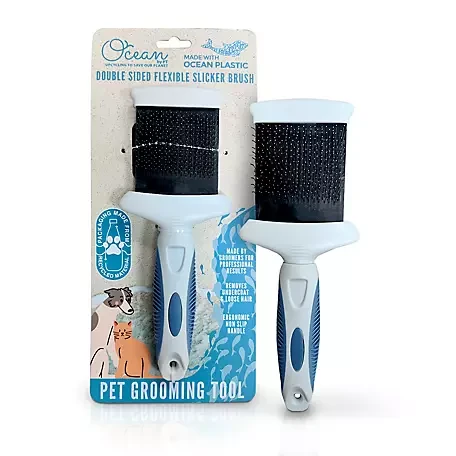
Multi-functional grooming tools are gaining traction, combining sustainability with ease of use. For example, biodegradable brushes made from bamboo or recycled plastics integrate ergonomic design with environmental benefits. Some tools incorporate antimicrobial coatings or skin-soothing materials to complement topical products, fostering comprehensive grooming routines that minimize ecological footprint.
Environmental Impact and Ethical Considerations
The carbon footprint associated with pet grooming products includes factors such as raw material extraction, manufacturing, packaging, and transportation. Brands adopting plant-based ingredients generally achieve lower greenhouse gas emissions compared to petrochemical-derived alternatives. Additionally, biodegradable packaging reduces landfill burden and microplastic pollution in aquatic ecosystems.
Nonetheless, the industry faces challenges related to greenwashing—misleading claims about sustainability or ethical practices. Consumers must scrutinize certification authenticity, ingredient transparency, and supply chain accountability. Genuine eco-friendly brands provide detailed disclosures and third-party validations, distinguishing themselves from opportunistic marketing tactics.
Leading companies support environmental initiatives such as reforestation programs, plastic waste reduction campaigns, and renewable energy adoption in production facilities. These efforts contribute to corporate social responsibility beyond product formulation, signaling holistic commitment to planetary health.
Practical Tips for Choosing Green Pet Grooming Products

Pet owners seeking eco-friendly grooming options should carefully audit ingredient lists to avoid sulfates, parabens, artificial fragrances, and synthetic dyes known to irritate sensitive skin. Prioritizing pH-balanced formulas tailored to species-specific skin physiology ensures optimal safety and efficacy.
Selecting products certified cruelty-free, USDA Organic, or B-Corp provides assurance of ethical and environmental standards. Consumers should favor brands that openly communicate sourcing, manufacturing, and packaging practices.
Matching product choice to pet-specific skin and coat conditions enhances outcomes—oatmeal-based shampoos for itch relief, aloe-enriched conditioners for hydration, or botanical oil formulations for restoring coat shine. Integrating sustainable grooming tools complements topical care and minimizes environmental impact.
Supporting brands with transparent ethical commitments helps drive industry-wide improvements and reinforces consumer influence on corporate behavior.
FAQ

What certifications should I look for in eco-friendly pet grooming products?
Look for B-Corp certification, USDA Organic, cruelty-free (e.g., Leaping Bunny), and Ethical Innovator awards. These certifications indicate verified commitments to sustainability, ethical sourcing, and animal welfare.
How do plant-based ingredients benefit pet skin and coat health?
Plant-based ingredients like aloe vera, colloidal oatmeal, and botanical oils provide natural anti-inflammatory, moisturizing, and protective effects. They reduce irritation and support skin barrier repair without harsh chemicals.
Are biodegradable pet grooming products as effective as conventional ones?
Yes, many biodegradable shampoos and conditioners match or exceed conventional efficacy when formulated with advanced botanical actives and skin-specific ingredients, though natural lather and texture may differ slightly.
What are emerging trends in pet grooming product formulations?
Key trends include skinification with targeted ingredients, K-beauty influences introducing fermented and mushroom-derived actives, and multifunctional grooming tools that combine sustainability with usability.
How can consumers avoid greenwashing in pet grooming products?
Consumers should verify certifications, seek transparent ingredient and packaging disclosures, and research brand environmental initiatives. Avoid vague marketing claims lacking third-party validation.
The future of sustainable pet grooming hinges on continuous innovation integrating ethical standards with effective skin and coat care. As consumer awareness rises, brands that authentically combine natural formulations, certified eco-friendly practices, and transparent sourcing will lead the market. Pet owners adopting such products contribute not only to their animals’ health but also to broader environmental preservation efforts.
Dog Allergy Treatment Alternatives 2026: Advanced & Natural Options
PawVerde.com – Dog allergy treatment alternatives in 2026 encompass a broad spectrum of options ranging from advanced prescription medications like Cytopoint and cyclosporine to natural supplements such as probiotics and omega-3 fatty acids. Emerging therapies including CBD-based products, allergen-specific immunotherapy, and complementary approaches like acupuncture have gained traction under veterinary guidance. These developments reflect a shift toward personalized and multimodal management strategies that address allergic dermatitis and immune modulation with improved safety profiles and efficacy.
Prescription medications remain foundational for managing canine allergies, particularly for moderate to severe cases. Apoquel, a Janus kinase inhibitor, continues to be widely used for rapid relief of itching and inflammation. However, alternatives such as Cytopoint, an injectable monoclonal antibody targeting interleukin-31, offer long-lasting itch control with fewer systemic side effects. Zenrelia, a newer immunomodulator approved recently, provides an oral treatment option targeting specific inflammatory pathways. Cyclosporine, an immunosuppressive agent, is effective in chronic allergic dermatitis by dampening T-cell activity but requires monitoring due to potential adverse effects.
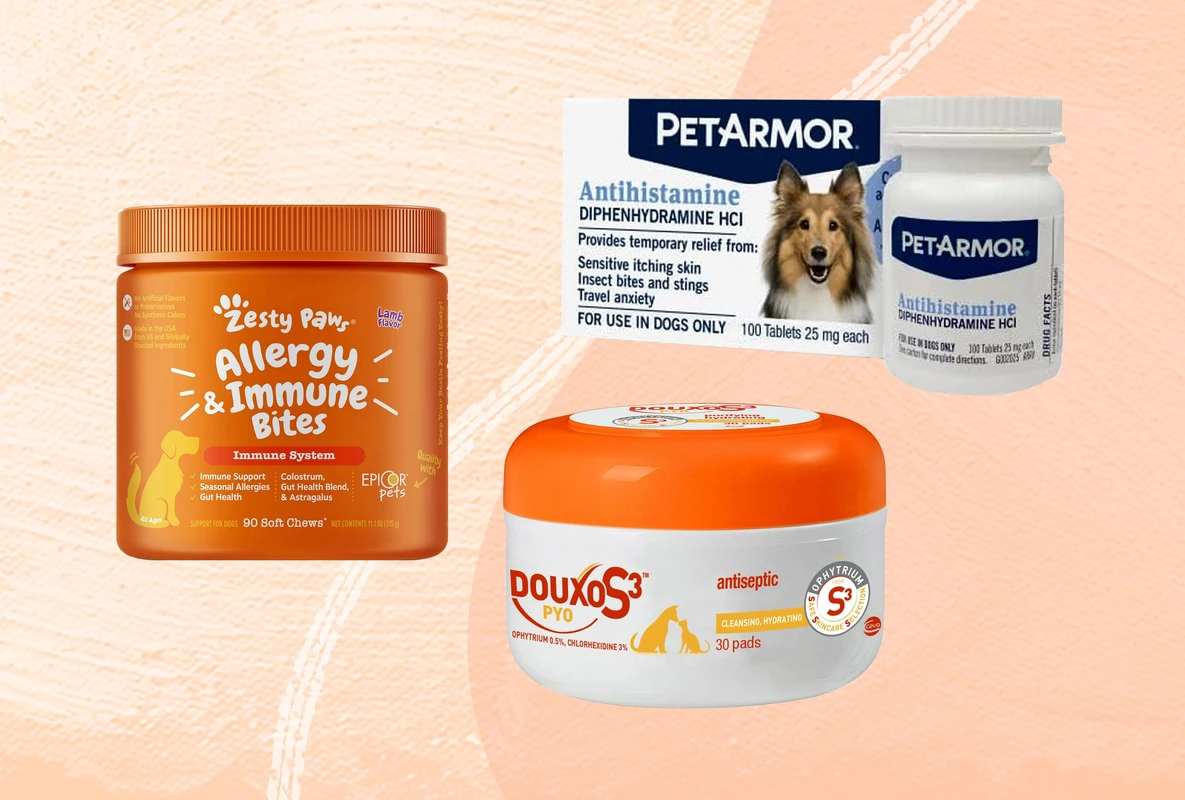
Corticosteroids including prednisone, prednisolone, and dexamethasone still play a role in acute flare management, but their long-term use is limited by side effects like immunosuppression and metabolic disturbances. Antihistamines such as diphenhydramine, cetirizine, and loratadine are generally safe but show variable efficacy, often insufficient alone for severe allergies. These drugs provide supportive relief, particularly in conjunction with other therapies.
Natural and supplement-based treatments have gained prominence as adjuncts or alternatives for dogs with mild to moderate allergies or those intolerant to pharmaceuticals. Probiotics support gut microbiome health, which modulates systemic immune responses, reducing allergic inflammation. Clinical studies demonstrate that supplementation with specific strains of Lactobacillus and Bifidobacterium can improve skin barrier function and decrease pruritus severity. Omega-3 fatty acids, particularly EPA and DHA derived from fish oil, exert potent anti-inflammatory effects by altering eicosanoid synthesis and cytokine production. Their incorporation into canine diets correlates with decreased reliance on corticosteroids and improved clinical scores in atopic dermatitis.
Antioxidants and herbal supplements such as quercetin, turmeric, and colostrum have demonstrated immunomodulatory and anti-inflammatory properties. Quercetin, a bioflavonoid, stabilizes mast cells to prevent histamine release. Turmeric’s active compound curcumin inhibits nuclear factor-kappa B (NF-κB), reducing cytokine-mediated inflammation. Colostrum contains immunoglobulins and growth factors that enhance mucosal immunity and skin repair. These supplements are often integrated into holistic protocols, though evidence varies and quality control remains critical.
CBD (cannabidiol) and hemp-derived products are emerging as potential treatments for canine allergies, offering anti-inflammatory and analgesic effects with minimal adverse reactions. Veterinary clinical observations report improvements in itching and anxiety related to chronic dermatitis. However, standardized dosing and long-term safety data are still developing, necessitating cautious use under veterinary supervision.
Immunotherapy remains a cornerstone for targeted allergy management. Allergen-specific immunotherapy (ASIT) involves administering gradually increasing doses of identified environmental allergens via injections or sublingual drops to induce immune tolerance. This approach addresses the underlying hypersensitivity rather than merely treating symptoms. Veterinary allergy testing panels, including Nutriscan and intradermal skin tests, facilitate personalized immunotherapy formulations. ASIT requires months to years for full benefit but shows sustained remission in many cases, reducing the need for medications.
Complementary and alternative therapies have expanded as pet owners seek integrative care options. Acupuncture, rooted in Traditional Chinese Medicine (TCM), has shown efficacy in reducing pruritus and skin inflammation by stimulating neurovascular points that modulate immune and nervous system responses. Controlled studies indicate decreased cytokine levels and improved clinical signs after multiple sessions. Herbal remedies, such as those containing licorice root and chamomile, are used to soothe irritated skin and support systemic balance, though veterinary expertise is essential to avoid herb-drug interactions.
Managing environmental factors is critical in allergy control. Identifying and minimizing exposure to pollen, mold, dust mites, and other allergens through regular cleaning, air filtration, and hypoallergenic bedding can significantly reduce flare frequency. Medicated shampoos and wipes containing ingredients like chlorhexidine, oatmeal, and aloe vera help remove allergens from the coat and skin while alleviating itching and secondary infections. Dietary management based on food sensitivity testing aids in excluding offending proteins, preventing gastrointestinal and dermatological reactions.
Veterinary consultation is indispensable for accurate diagnosis and individualized treatment planning. Professionals assess clinical history, perform physical exams, and utilize allergy testing to tailor interventions. The rise of online veterinary services, including telemedicine and prescription platforms, offers increased access to expert care, provided a valid veterinary-client-patient relationship exists. Regulatory frameworks in many regions now permit online prescriptions for allergy medications, enhancing convenience while ensuring safety.
Future trends in dog allergy treatments emphasize personalization and natural product integration. The pet wellness market projects substantial growth in supplement sales, with innovation focusing on microbiome-targeted probiotics, novel botanical extracts, and precision immunotherapies leveraging molecular allergen profiling. Advances in genomic and metabolomic technologies promise to refine allergy phenotyping, enabling bespoke treatment regimens that optimize efficacy and minimize adverse effects.
| Treatment Category | Examples | Mechanism/Benefits | Limitations |
|---|---|---|---|
| Prescription Medications | Apoquel, Cytopoint, Zenrelia, Cyclosporine | Immune modulation; rapid itch relief; systemic inflammation control | Potential side effects; cost; requires veterinary oversight |
| Corticosteroids & Antihistamines | Prednisone, Diphenhydramine, Cetirizine | Anti-inflammatory; histamine receptor blockade | Long-term toxicity; variable efficacy; supportive role |
| Supplements | Probiotics, Omega-3 fatty acids, Quercetin, Turmeric, Colostrum, CBD | Immune support; anti-inflammatory; mast cell stabilization | Variable clinical evidence; dosage standardization challenges |
| Immunotherapy | Allergy shots, Sublingual drops | Induces immune tolerance to specific allergens | Requires long-term commitment; not suitable for all dogs |
| Complementary Therapies | Acupuncture, Herbal remedies | Reduces inflammation and itching via neuroimmune pathways | Limited large-scale clinical trials; needs veterinary guidance |
| Environmental & Lifestyle | Medicated shampoos, Allergy testing, Environmental control | Decreases allergen exposure; improves skin barrier health | Requires consistent management; adjunctive support |
Prescription Medications: Advances and Limitations
Cytopoint has revolutionized canine allergy treatment by targeting interleukin-31, a key itch signaling cytokine. Its injectable format provides relief lasting up to eight weeks, reducing the frequency of administration compared to daily oral medications. Veterinary studies report that over 70% of treated dogs experience significant itch reduction within days, improving quality of life. Zenrelia, approved recently, offers an oral immunomodulating mechanism by selectively inhibiting cytokine pathways involved in allergic inflammation, presenting an alternative for dogs intolerant to injectable therapies.
Cyclosporine remains a valuable option for dogs with chronic allergic dermatitis unresponsive to frontline treatments. Its immunosuppressive action inhibits T-cell activation, decreasing inflammatory cascades. Clinical trials indicate a response rate exceeding 60%, though monitoring for nephrotoxicity and gastrointestinal side effects is mandatory. Corticosteroids, while effective in acute episodes, are now reserved for short-term use due to side effects such as polyuria, polydipsia, and immunosuppression. Antihistamines continue to be adjunctive, helping manage mild cases or seasonal allergies but often require combination with other therapies.
Natural and Supplement-Based Treatments: Mechanistic Insights and Usage
Probiotics’ role in modulating the gut-skin axis addresses allergy pathophysiology by enhancing regulatory T-cell responses and restoring microbiota balance. Strains such as Lactobacillus rhamnosus have demonstrated efficacy in reducing clinical signs of atopic dermatitis in dogs. Omega-3 fatty acids, particularly EPA and DHA, inhibit pro-inflammatory eicosanoid synthesis and cytokine release, mitigating skin inflammation. Supplementation studies reveal a reduction in pruritus scores and decreased reliance on steroids over months of use.
Herbal antioxidants like quercetin stabilize mast cells and prevent histamine release, while curcumin from turmeric inhibits key inflammatory transcription factors. Colostrum supplements provide immunoglobulins and growth factors to support mucosal immunity and skin repair. Despite promising mechanisms, variability in product quality and bioavailability necessitates veterinary involvement when integrating these supplements.
CBD’s anti-inflammatory and anxiolytic properties have attracted attention in veterinary dermatology. Preliminary data suggest improvements in pruritus and skin barrier function, with fewer adverse events compared to corticosteroids. However, standardized dosing regimens and long-term safety profiles remain under study, making veterinary oversight essential.
Immunotherapy: Personalized Allergy Management
Allergen-specific immunotherapy (ASIT) remains the only disease-modifying treatment for canine allergies. By introducing controlled doses of allergens, ASIT reprograms the immune system toward tolerance, reducing hypersensitivity reactions. Veterinary allergy panels identify relevant environmental allergens such as pollen, dust mites, and mold spores, enabling formulation of targeted immunotherapy. Treatment duration typically spans 6 to 12 months before clinical improvement is evident, with maintenance therapy often required indefinitely to sustain remission.
Veterinary supervision ensures accurate diagnosis, monitoring for adverse reactions, and adjustment of immunotherapy protocols. ASIT reduces dependence on symptomatic medications and improves long-term outcomes in approximately 60-80% of treated dogs.
Complementary and Alternative Therapies: Integrative Approaches
Acupuncture has gained validation as a complementary treatment for canine allergic dermatitis. By stimulating specific acupoints, it modulates neuroimmune pathways that decrease pro-inflammatory cytokines and histamine levels, resulting in reduced itching and skin inflammation. Veterinary trials report symptomatic relief in 50-70% of cases when combined with conventional therapies.
Herbal treatments derived from Traditional Chinese Medicine and other botanical sources provide symptomatic support and immune regulation. Ingredients like licorice root and chamomile exhibit anti-inflammatory and soothing effects on the skin. Nonetheless, these require professional veterinary guidance to ensure safety, avoid herb-drug interactions, and achieve optimal dosing.
Environmental and Lifestyle Management: Reducing Allergen Exposure
Effective allergy control involves minimizing contact with environmental allergens. Regular cleaning to remove pollen, mold spores, and dust mites from the home environment reduces allergen load. Air purifiers and hypoallergenic bedding further decrease exposure. Medicated shampoos containing chlorhexidine, oatmeal, and aloe vera help cleanse allergens from the coat while soothing irritated skin and preventing secondary infections.
Food sensitivities are addressed through elimination diets guided by veterinary nutritionists and food allergy testing. Identifying and avoiding specific dietary triggers prevents gastrointestinal and dermatologic manifestations of allergy.
Veterinary Consultation and Legal Considerations in 2026
Veterinary professionals remain essential in diagnosing canine allergies and formulating individualized treatment plans integrating pharmaceuticals, supplements, and alternative therapies. The expansion of telemedicine and online veterinary prescription services has improved access to expert care, provided that a valid veterinary-client-patient relationship is established. Regulatory bodies in many jurisdictions now allow online prescribing of allergy medications such as Cytopoint and Apoquel, streamlining treatment initiation and follow-up.
Veterinary oversight ensures the safe use of complex therapies like cyclosporine, immunotherapy, and CBD products, monitoring for adverse effects and therapeutic efficacy. Pet owners are advised to seek professional guidance before starting or combining treatments to avoid ineffective or harmful practices.
Emerging Trends and Future Directions in Dog Allergy Treatments
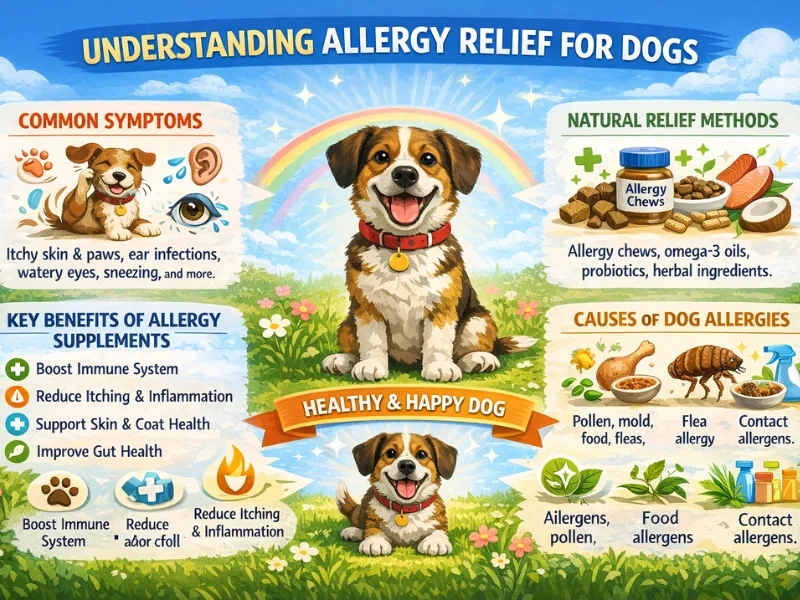
The natural pet wellness market is projected to grow substantially, driven by increased demand for supplements and holistic care. Innovations in probiotic formulations targeting the canine microbiome aim to enhance immune tolerance and skin health. Advances in molecular diagnostics and allergen component-resolved testing facilitate precision immunotherapy tailored to individual profiles.
Integration of nutrigenomics and metabolomics will enable veterinarians to customize dietary and supplement regimens that optimize immune function and minimize allergic responses. Development of novel biologics targeting specific cytokines and immune checkpoints promises more effective and safer long-term allergy control.
Continued research into the safety and efficacy of CBD and other hemp-derived products will clarify their role in veterinary dermatology. The convergence of conventional medicine and alternative therapies under veterinary guidance epitomizes the future of comprehensive canine allergy management, enhancing quality of life for affected dogs.
Frequently Asked Questions
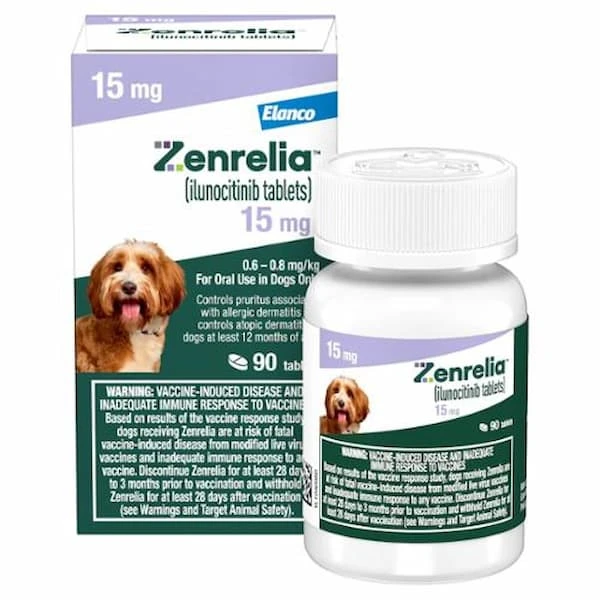
What are the most effective prescription alternatives to Apoquel for dog allergies?
Cytopoint, an injectable monoclonal antibody targeting itch-related cytokines, offers long-lasting relief with fewer side effects compared to Apoquel. Zenrelia, a newer oral immunomodulator, and cyclosporine, an immunosuppressant, are also effective alternatives depending on the severity and chronicity of the allergy.
Can natural supplements like probiotics and omega-3 fatty acids replace conventional allergy medications?
While probiotics and omega-3 fatty acids support immune modulation and reduce inflammation, they are generally adjunctive rather than replacements for prescription medications in moderate to severe cases. These supplements are most effective when integrated into a comprehensive treatment plan under veterinary supervision.
How does allergen-specific immunotherapy work for dogs?
Immunotherapy involves administering gradually increasing doses of identified environmental allergens to retrain the immune system to tolerate them. This disease-modifying approach reduces hypersensitivity reactions over time and can lead to sustained remission, decreasing the need for symptomatic medications.
Is acupuncture a scientifically supported treatment for canine allergies?
Acupuncture has demonstrated efficacy in reducing itching and skin inflammation through neuroimmune modulation. Veterinary studies report symptomatic improvements in many cases, especially when used alongside conventional therapies, though it should be performed by trained veterinary acupuncturists.
Are online veterinary prescriptions for dog allergy medications safe and legal?
Online prescriptions are legal in many regions if a valid veterinary-client-patient relationship exists. They increase access to necessary medications like Cytopoint and Apoquel, but safety depends on accurate diagnosis and ongoing veterinary oversight to monitor treatment response and side effects.
—
The landscape of dog allergy treatments in 2026 reflects an integrative approach combining advanced pharmaceuticals, evidence-based supplements, immunotherapy, and complementary therapies. As knowledge of canine immunology and allergen mechanisms deepens, treatment strategies will increasingly emphasize personalization and holistic care. Pet owners should prioritize veterinary consultation to navigate this evolving field, ensuring safe and effective management of their dogs’ allergic conditions.

Eco-Friendly Dog Toys in 2026: Safe, Sustainable, Durable Options
PawVerde.com – Eco-friendly dog toys in 2026 embody a strategic fusion of sustainability, safety, and durability, reflecting shifting consumer priorities towards environmentally responsible pet care. Leading brands such as West Paw, Pet Life, and Green Toys have innovated with materials like organic plush fabrics, natural rubber, and recycled plastics, offering durable and non-toxic options that fulfill both ecological commitments and pet safety standards. These products are increasingly accessible through specialized online marketplaces, providing consumers with transparent information on certifications and material origins to support informed purchasing decisions.
Consumers seeking eco-conscious dog toys today can expect a range of products made from BPA-free, phthalate-free materials such as West Paw’s Zogoflex and Green Toys’ 100% recycled milk container plastics. Plush toys incorporating natural fibers like jute and wool are gaining traction as biodegradable alternatives to synthetic options. These eco-friendly dog toys not only reduce plastic waste but also promote dogs’ physical and mental well-being by offering safe, lasting play experiences. Expert evaluations and long-term user feedback further establish the reliability of these sustainable pet products.
Key Materials Driving Sustainability in Dog Toys
The foundation of eco-friendly dog toys rests on materials that minimize environmental impact without compromising safety or durability. Organic plush fabrics, often sourced from natural fibers such as jute and wool, provide biodegradable alternatives to traditional synthetic plush toys. Brands like Pet Life have successfully integrated natural jute fibers into their plush collections, appealing to consumers prioritizing organic content.
Natural rubber and recycled rubber serve as critical materials in durable chew toys, addressing concerns over synthetic chemical exposure while ensuring resilience against aggressive chewing. West Paw’s Hurley Dog Bone exemplifies this innovation, utilizing Zogoflex, a proprietary, BPA- and phthalate-free non-toxic material renowned for its durability and safety. This material’s recyclability further extends the product’s life cycle, aligning with circular economy principles.
Recycled plastics, particularly those deriving from post-consumer waste such as milk containers, have transformed traditional plastic dog toys. Green Toys’ EcoSaucer frisbee is a prominent example, manufactured entirely from recycled plastic milk jugs. This approach diverts significant plastic waste from landfills and oceans, contributing to pollution reduction. Certification standards for these materials increasingly emphasize chemical safety, requiring BPA-free and phthalate-free assurances to prevent harmful exposure to pets.
Leading Brands and Their Sustainable Toy Collections
West Paw leads the market with its focus on Zogoflex technology that combines durability and non-toxicity, making the Hurley Dog Bone a benchmark for long-lasting chew toys. This product has undergone extensive testing, demonstrating resistance to punctures and tears, which reduces the frequency of replacement and waste generation. West Paw also provides a recycling program for worn-out toys, reinforcing its commitment to sustainability.
Pet Life emphasizes the use of organic and natural fibers in its plush toy lines, integrating jute to produce soft yet eco-conscious options. These toys appeal to pet owners seeking natural alternatives without sacrificing comfort or engagement.
Diverse collections from P.L.A.Y., Multipet, and Green Toys expand the eco-friendly toy landscape with offerings ranging from biodegradable plush to recycled plastic frisbees and rubber chew toys. P.L.A.Y.’s Recycled Collection utilizes recycled fabrics and stuffing, while Multipet delivers natural rubber bones and jute-based playthings. Smaller niche brands such as Pata Pal and Cycle Dog Toys focus on recycled ocean-bound plastics and natural fibers, combining environmental advocacy with innovative product design. BetterBone targets durable, natural chew toys made from sustainably sourced materials, catering to dogs with high chewing demands.
Environmental and Health Benefits of Eco-Friendly Dog Toys
Eco-friendly dog toys contribute significantly to reducing plastic waste and environmental pollution. By utilizing recycled plastics, organic fibers, and natural rubber, these products lessen the demand for virgin synthetic materials, mitigating resource depletion and greenhouse gas emissions associated with plastic production. The incorporation of biodegradable components further ensures reduced landfill persistence, addressing one of the pet industry’s environmental challenges.
Health-wise, non-toxic materials prevent the leaching of harmful chemicals such as BPA, phthalates, and heavy metals. This is crucial given that dogs often chew and ingest small fragments of toys. Brands adhering to strict safety certifications provide peace of mind to pet owners concerned about chemical exposure. Additionally, durable construction reduces the risk of choking hazards from broken toy pieces, enhancing overall pet safety.
Beyond environmental and health advantages, eco-friendly dog toys support dogs’ mental and physical stimulation. Durable chew toys and interactive plush toys promote healthy chewing behavior and alleviate boredom, which can reduce destructive tendencies. These benefits align with expert recommendations from animal behaviorists like Patricia McConnell, who advocates for safe, varied play options that respect both animal welfare and environmental consciousness.
Where and How to Purchase Eco-Friendly Dog Toys Online in 2026
The availability of eco-friendly dog toys online has expanded significantly, with multiple specialized retailers and marketplaces offering curated selections. Leading online platforms include brand-specific websites such as West Paw and Green Toys, alongside eco-conscious pet product retailers that aggregate sustainable options from various makers.
Price ranges for eco-friendly dog toys vary from approximately $10 for smaller organic plush toys to $40 or more for durable rubber chew toys or frisbees made from recycled plastics. Consumers benefit from bundles and eco-friendly toy sets that provide a mix of materials and play styles, often at discounted rates, promoting sustainable purchasing patterns.
When shopping online, consumers should scrutinize product descriptions for material certifications, such as BPA-free, phthalate-free, and recycled content percentages. Customer reviews often provide insights into real-world durability and safety, helping buyers assess suitability for specific dog breeds and chewing behaviors. Transparency regarding manufacturing processes and environmental commitments further guides informed decisions.
Consumer Experiences and Expert Insights on Sustainable Dog Toys
Long-term user feedback consistently highlights the durability of West Paw’s Hurley Dog Bone, with many pet owners reporting sustained use exceeding several months even under heavy chewing conditions. This durability reduces the environmental burden associated with disposable or short-lived toys.
Patricia McConnell, a recognized expert in animal behavior, endorses selecting toys that align with dogs’ natural instincts while prioritizing safety and environmental responsibility. She recommends varied toy types—plush, chew, and interactive—to meet diverse needs, emphasizing that non-toxic, sustainably sourced products support both animal health and ecological stewardship.
Testimonials from pet owners emphasize the satisfaction derived from contributing to environmental conservation through their purchasing choices. Many report improved pet engagement and reduced waste generation, reinforcing the practical advantages of eco-friendly dog toys.
Emerging Trends and Future Directions in Eco-Friendly Pet Toys

Innovation in biodegradable and recyclable materials continues to accelerate, with research focused on plant-based polymers and enhanced natural fiber composites that offer superior durability and environmental profiles. Brands are increasingly integrating sustainability across broader product lines beyond toys, including collars, bedding, and feeding accessories.
Consumer awareness and environmental advocacy are expected to drive stricter regulatory standards for chemical safety and sustainability claims, promoting transparency and accountability within the pet product industry. Emerging technologies such as blockchain for supply chain transparency may further empower consumers to verify eco-friendly credentials.
The rising demand for eco-conscious pet toys is also fostering collaborations between manufacturers and environmental organizations, facilitating initiatives like ocean plastic recovery programs and circular product life cycles. These efforts signal a future where sustainable pet products become the norm rather than the exception.
| Brand | Material Focus | Notable Products | Sustainability Features | Price Range (USD) |
|---|---|---|---|---|
| West Paw | Zogoflex recycled rubber | Hurley Dog Bone | BPA- and phthalate-free, recyclable, durable | $20 – $40 |
| Pet Life | Natural jute plush | Jute Plush Toys | Organic fibers, biodegradable | $10 – $25 |
| Green Toys | Recycled milk container plastic | EcoSaucer Frisbee | 100% recycled plastic, non-toxic | $15 – $30 |
| P.L.A.Y. | Recycled fabrics and stuffing | Recycled Collection Plush | Recycled materials, eco-friendly packaging | $20 – $35 |
| Multipet | Natural rubber, jute fibers | Natural Rubber Bones | Biodegradable components, durable | $15 – $30 |
| Pata Pal | Recycled ocean-bound plastic | Eco-Friendly Chew Toys | Ocean plastic recovery, non-toxic | $20 – $40 |
Frequently Asked Questions
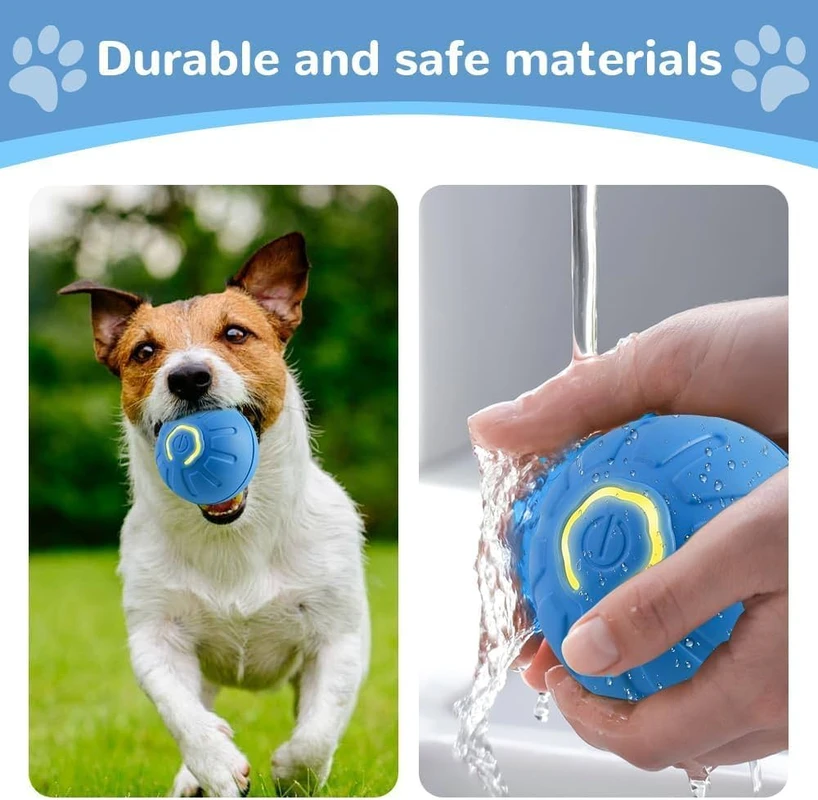
What materials are safest for eco-friendly dog toys?
Eco-friendly dog toys made from BPA-free, phthalate-free natural rubber, organic plush fabrics like jute and wool, and recycled plastics certified safe for pets are considered safest. These materials avoid toxic chemicals and reduce environmental impact.
Are recycled plastic dog toys durable enough for heavy chewers?
Yes, brands like West Paw use durable recycled rubber materials such as Zogoflex designed to withstand heavy chewing. Recycled plastic toys from reputable brands also undergo testing to ensure resilience and safety.
Where can I buy trusted eco-friendly dog toys online?
Trusted eco-friendly dog toys can be purchased directly from brand websites such as West Paw and Green Toys, as well as through specialized eco-conscious pet retailers and marketplaces that verify sustainability claims and customer reviews.
How do eco-friendly dog toys benefit my pet’s health?
They reduce exposure to harmful chemicals commonly found in synthetic toys, lowering risks of toxicity and allergic reactions. Durable, non-toxic toys also prevent choking hazards and support healthy chewing habits.
What should I look for when choosing sustainable dog toys?
Look for clear material disclosures, certifications indicating non-toxicity (BPA-free, phthalate-free), durability claims, customer feedback on longevity, and brand commitments to recycling or biodegradable product design.
As consumer demand for sustainability in pet care grows, eco-friendly dog toys in 2026 represent a convergence of environmental responsibility, pet safety, and product innovation. The expanding availability of durable, non-toxic options from trusted brands empowers pet owners to make purchasing decisions that benefit both their dogs and the planet. Future developments in biodegradable materials and supply chain transparency promise to enhance these benefits, signaling a robust market evolution centered on sustainable pet wellness.

Where to Book Eco-Friendly Pet-Friendly Hotels in 2026
PawVerde.com – Travelers in 2026 seeking accommodations that combine eco-friendly initiatives with pet-friendly policies have an expanding array of options worldwide. Boutique hotels such as the Moonrise Hotel in St. Louis and Hotel June in West Los Angeles exemplify this trend by integrating sustainable practices alongside comprehensive pet amenities. Meanwhile, global networks like Green Pearls® provide certified listings of eco-conscious hotels that welcome pets, facilitating responsible travel choices. Specialized platforms such as petswelcome.com streamline the booking process by allowing users to filter hotels based on pet fees, size limits, and preferred chains, ensuring transparency and convenience.
Major hotel groups have also advanced their offerings to meet this dual demand. Hilton’s portfolio—including Home2 Suites, Embassy Suites, Hampton by Hilton, Tru by Hilton, Hilton Garden Inn, and Spark by Hilton—features pet-friendly suites equipped with in-room pet treats and sustainable amenities. Kimpton Hotels, including the Kimpton La Peer Hotel in Los Angeles, have earned reputations for combining luxury pet services with green certifications. These developments reflect a broader trend in sustainable tourism that prioritizes both environmental responsibility and inclusive pet accommodations.
Leading Eco-Friendly, Pet-Friendly Hotels to Book
The Moonrise Hotel in St. Louis stands out as a boutique destination that marries eco-conscious design with pet-friendly hospitality. This hotel incorporates energy-efficient lighting, water conservation technologies, and locally sourced materials in its construction. Guests traveling with pets benefit from designated pet relief areas, pet menus, and no additional fees for well-behaved animals under a specified weight limit. The hotel requires advance notice for pet stays to ensure proper room preparation and minimize allergen exposure for other guests.
Similarly, Hotel June in West Los Angeles combines a pet-friendly atmosphere with sustainable operational practices. The property uses solar panels to offset energy consumption and employs biodegradable cleaning products to reduce environmental impact. Its pet policies include no-pet fees for animals under 25 pounds, designated pet walking zones on-site, and partnerships with local animal rescue organizations for pet wellness services. This approach aligns with traveler preferences for lodging that supports local communities and environmental stewardship.
Green Pearls® offers an international database of hotels certified for sustainability and pet inclusivity. Their listings encompass properties across Europe, Asia, and the Americas that meet strict criteria for energy efficiency, waste reduction, and ethical animal treatment. This network allows travelers to identify accommodations that uphold rigorous eco-certifications while providing amenities such as pet beds, grooming stations, and safe outdoor spaces.
Major Hotel Chains Offering Pet-Friendly Accommodations with Eco-Conscious Initiatives
Hilton’s diverse brand portfolio addresses the needs of eco-conscious pet owners with a blend of comfort and sustainability. Home2 Suites by Hilton features spacious suites designed with recycled materials and energy-saving appliances, alongside pet-friendly policies including no weight restrictions and complimentary pet treats. Embassy Suites and Hampton by Hilton extend similar pet accommodations, with some locations offering outdoor dog parks and pet daycare services. Tru by Hilton and Spark by Hilton, as newer brands, emphasize eco-friendly building certifications such as LEED while maintaining flexible pet policies.
Kimpton Hotels, recognized for their pet-centric approach, have incorporated sustainable practices into their operations. The Kimpton La Peer Hotel in Los Angeles exemplifies this integration with its use of water-saving fixtures, energy-efficient HVAC systems, and a commitment to zero waste. Pet guests enjoy amenities like in-room pet beds, food and water bowls, and curated pet menus. Kimpton’s pet-friendly reputation is bolstered by no additional pet fees and acceptance of multiple pets per room, encouraging extended stays for travelers with animals.
These chains often require documentation for service and guide dogs, ensuring compliance with ADA regulations while waiving pet fees for certified animals. Policies vary by location but typically include advance notification requirements to secure pet-friendly rooms and minimize guest conflicts.
Booking Platforms and Resources for Pet-Friendly Hotels
Petswelcome.com serves as a comprehensive resource for travelers prioritizing pet accommodations. This platform aggregates listings from national and international hotel chains, allowing users to filter results by pet fee structures (ranging from no fee to $150 per stay), maximum pet weight limits, and specific hotel brands. The site also provides detailed information on pet policies, including restrictions on breeds, number of pets allowed, and requirements for vaccination records.
Mainstream travel booking platforms such as TripAdvisor and Expedia have integrated pet-friendly and eco-friendly filters, enabling users to identify hotels that meet both criteria. These platforms leverage user reviews and verified hotel data to present accurate information about pet amenities and sustainable practices. Some listings highlight hotels with vegan and plant-based dining options or certifications from recognized organizations like Green Pearls®.
Pet Policies and Fees: What Travelers Should Know
Understanding hotel pet policies and associated fees is critical for smooth travel planning. Pet fees in 2026 typically fall into three categories: one-time non-refundable fees averaging $75 to $150 per stay, nightly cleaning fees ranging from $20 to $50, or waived fees for service and guide dogs with valid certification. Many hotels require proof of vaccination and impose weight limits, commonly between 25 to 50 pounds, though some upscale properties accommodate larger breeds.
Advance notice is generally mandatory, with hotels requesting at least 48 to 72 hours prior to arrival to secure pet-friendly rooms and prepare necessary accommodations. Hotels may also enforce restrictions on pet behavior, including leash requirements and noise limitations, to balance pet guest comfort with overall guest satisfaction.
Regional Highlights for Pet-Friendly Eco Hotels
California leads in sustainable, pet-friendly lodging with notable properties such as La Quinta Resort & Club in Palm Springs, which integrates solar power and water recycling systems while offering multiple pet-friendly suites with access to expansive walking trails. Cape Rey Hilton in Carlsbad combines beachfront access with eco-certified landscaping and pet amenities including dog walking services and on-site pet spas. Hotel Nikko in San Francisco provides luxury pet packages alongside green building certifications, appealing to travelers seeking upscale sustainable stays.
In North Carolina, Skyline Lodge offers pet-friendly cabins powered by renewable energy sources, with extensive outdoor pet exercise areas and partnerships with local animal welfare organizations. Virginia’s tourism board promotes several pet-friendly eco lodges that emphasize conservation education and use native plants in landscaping to support local ecosystems.
Sustainable Amenities and Experiences for Guests with Pets

Hotels committed to sustainability increasingly offer vegan and plant-based dining options, appealing to guests seeking to reduce their carbon footprint. Properties within the Green Pearls® network often provide menus free from animal products and source ingredients locally to minimize transportation emissions.
On-site pet activities have expanded to include agility courses, guided nature walks, and pet wellness services such as acupuncture and massage therapy. Some hotels collaborate with organizations like Miami-Dade Animal Rescue and SPCA Zimbabwe to offer guest participation in community animal welfare programs, enhancing the travel experience with purposeful engagement.
FAQ

What are common pet fees at eco-friendly hotels in 2026?
Pet fees typically range from a one-time charge of $75 to $150 per stay or nightly cleaning fees of $20 to $50. Certified service and guide dogs usually stay free of charge, provided proper documentation is submitted in advance.
Are there hotels that accommodate large dogs sustainably?
Yes, several hotels such as Hilton’s Home2 Suites and boutique properties like Moonrise Hotel accept larger breeds and combine pet-friendly policies with eco-conscious operations, including energy-efficient facilities and pet relief areas.
How can travelers verify a hotel’s eco-friendly certification?
Travelers can consult networks like Green Pearls®, which require hotels to meet verified sustainability standards. Additionally, many hotels display certifications from organizations such as LEED or Green Key on their official websites and booking platforms.
Do pet-friendly hotels require advance notice for bringing pets?
Most pet-friendly hotels require at least 48 to 72 hours advance notice to accommodate pets properly, ensure availability of pet-friendly rooms, and prepare amenities like pet beds or food bowls.
Are luxury pet amenities common in eco-friendly hotels?
Increasingly, yes. Upscale hotels like Kimpton La Peer Hotel and Hotel Nikko offer luxury pet services including in-room pet menus, grooming, and wellness treatments, integrated with sustainable practices such as waste reduction and energy conservation.
Travelers aiming to book eco-friendly, pet-friendly hotels in 2026 should leverage specialized platforms like petswelcome.com and networks such as Green Pearls® to access transparent information on policies, fees, and amenities. Combining these resources with direct hotel communications ensures informed choices that align with sustainable tourism goals and enrich travel experiences for both guests and their pets. As the hospitality sector advances toward greener practices and more inclusive pet services, travelers can expect continued innovations that support responsible and enjoyable journeys.
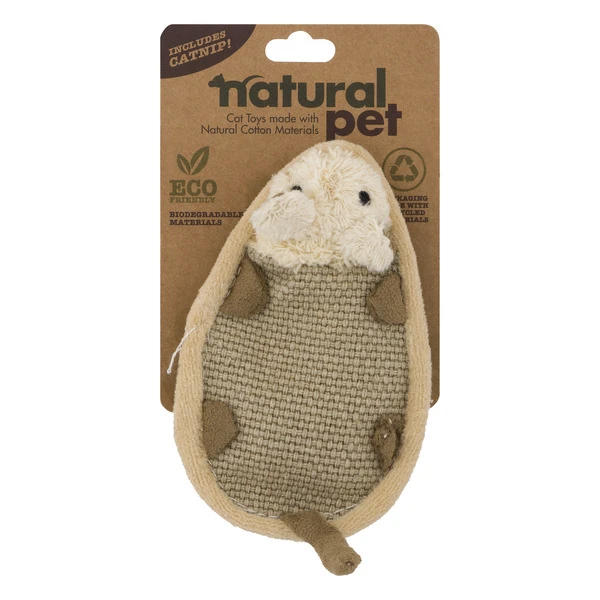
Eco-Friendly Pet Toys Use Natural Materials for Safe Play
PawVerde.com – Eco-friendly pet toys have gained significant traction as consumers increasingly prioritize sustainability, safety, and ethical production in pet care products. Unlike conventional pet toys, which predominantly rely on plastics, nylon, and polyester—materials that contribute substantially to environmental pollution—eco-friendly options utilize natural, biodegradable, and recycled materials. Leading brands such as Only Natural Pet and Awoo Pets have pioneered the market by offering certified, ethically produced toys made from bamboo, organic cotton, recycled fabrics, hemp, wool, and jute fibers. These materials not only reduce the environmental footprint but also ensure non-toxic, safe play experiences for pets. Furthermore, many of these brands implement innovative practices like plastic-free packaging and takeback recycling programs, enhancing their sustainability credentials.
Consumers seeking to purchase eco-friendly pet toys online benefit from the convenience of accessing a broad selection of certified products that meet stringent health and safety standards. Certifications such as the Global Organic Textile Standard (GOTS), Responsible Wool Standard (RWS), and GoodWeave verify ethical sourcing, organic production, and fair labor practices, helping buyers make informed decisions. This article explores the sustainable materials used in pet toys, profiles key brands and retailers, examines the benefits of eco-friendly pet toys, and offers practical insights into DIY options and ethical manufacturing certifications.
Sustainable Materials Used in Eco-Friendly Pet Toys
Bamboo stands out as a highly sustainable raw material in pet toy manufacturing due to its rapid renewability and durability. As a fast-growing grass, bamboo regenerates without the need for pesticides or fertilizers, making it an environmentally superior alternative to conventional timber or synthetic fibers. Bamboo fibers used in pet toys are naturally antimicrobial and resilient, offering chew-resistant properties ideal for dogs. In addition, bamboo’s biodegradability ensures that once discarded, bamboo-based toys decompose without releasing harmful microplastics into ecosystems.
organic cotton and recycled fabrics also play a crucial role in eco-friendly pet toys. Organic cotton is cultivated without synthetic pesticides or genetically modified organisms, reducing soil degradation and water contamination. When combined with recycled fabrics—often sourced from post-consumer plastic bottles or textile waste—these materials diminish landfill accumulation and reduce reliance on virgin resources. Recycled polyester and nylon blends are increasingly used in durable dog toys, especially by brands like Zogoflex, which transform recycled plastics into tough, non-toxic chew toys.
Natural fibers such as hemp, wool, and jute contribute additional sustainability benefits. Hemp requires minimal water and no chemical treatments, and its coarse texture appeals to dogs’ chewing instincts. Wool, particularly certified under the Responsible Wool Standard, ensures animal welfare and environmental stewardship in sheep farming. Jute fibers, derived from plants, offer biodegradability and strength, useful in rope and tug toys. These fibers provide alternatives that balance durability with environmental responsibility.
Leading Brands and Online Retailers Offering Eco-Friendly Pet Toys
Only Natural Pet is a prominent leader in the eco-friendly pet toy market, offering a wide range of products made from organic cotton, recycled fabrics, and natural fibers. Their commitment to sustainability is reflected in their use of GOTS-certified textiles and plastic-free packaging. Only Natural Pet’s product lines include chew toys, fetch toys, and plush options designed to be safe and non-toxic, supporting pet health while minimizing environmental impact.
Awoo Pets further distinguishes itself through its rePAWpose takeback program, which encourages customers to return worn-out toys for recycling and refurbishment. This circular approach aligns with their mission of reducing landfill waste and promoting ethical production. Awoo’s toys are made from natural rubber and recycled materials, certified by various sustainability standards, and packaged using biodegradable materials.
Pata Pal focuses on durable cotton canvas pet toys that avoid synthetic dyes and harmful chemicals. Their products feature reinforced stitching and natural fibers that withstand aggressive play while maintaining biodegradability. Meanwhile, Zogoflex is renowned for producing tough dog toys from 100% recycled plastics, combining durability with sustainability. Other notable brands in this sector include West Paw, RuffWear, Planet Dog, Pets of the Earth, and Jojomodernpets, each integrating recycled or natural materials and ethical manufacturing practices.
Retailers such as Chewy, Amazon, and specialized local boutiques provide broad access to these sustainable pet toys, often featuring filters for certifications and material types. These platforms facilitate consumer choices by offering extensive product information, customer reviews, and transparent sourcing disclosures.
Benefits of Purchasing Eco-Friendly Pet Toys Online
Buying eco-friendly pet toys online offers consumers unparalleled convenience and access to a diverse product range that physical stores may lack. Online platforms curate certified and ethically produced toys, enabling shoppers to verify sustainability credentials such as GOTS, RWS, and GoodWeave certifications directly through brand websites or retailer listings. This transparency supports informed purchasing decisions based on material safety, environmental impact, and social responsibility.
Moreover, many eco-friendly pet toy brands emphasize plastic-free, compostable packaging and partner with logistics providers committed to reducing carbon emissions. These efforts extend the sustainability chain beyond manufacturing to the delivery process, aligning with the values of environmentally conscious consumers. Online retailers often provide educational content on material benefits, cleaning instructions, and product lifecycles, further enhancing user experience and trustworthiness.
DIY Eco-Friendly Pet Toy Materials and Cleaning Tips
For pet owners interested in sustainable alternatives, DIY eco-friendly pet toys present a practical option. Household materials such as untreated cardboard, wool scraps, felt, and natural cotton yarn can be repurposed into safe, biodegradable toys. For example, braided hemp ropes or felted wool balls offer interactive, chewable toys without synthetic additives. These homemade options reduce waste, encourage creativity, and allow for customization based on pet size and preferences.
Maintaining eco-friendly pet toys requires gentle cleaning methods to preserve natural fibers and avoid chemical residues. Hand washing with mild, biodegradable detergents and air drying are recommended to prolong toy lifespan and prevent mold growth. Avoiding bleach or harsh chemicals ensures the non-toxic integrity of materials like organic cotton and bamboo. Regular inspection for wear and tear supports safe play and timely replacement, further contributing to sustainability by preventing ingestion hazards.
Certifications and Ethical Manufacturing in Eco Pet Toys
Certifications play a critical role in validating the sustainability and ethical claims of eco-friendly pet toy brands. The Global Organic Textile Standard (GOTS) certifies that textiles meet rigorous environmental and social criteria throughout the supply chain, including prohibition of toxic chemicals and assurance of fair labor practices. GOTS certification provides consumers with confidence that organic cotton pet toys are genuinely sustainable and ethically produced.
The Responsible Wool Standard (RWS) ensures animal welfare and environmental stewardship in wool production, requiring farms to maintain high standards of sheep care and land management. This certification is essential for wool-based pet toys, guaranteeing that the raw materials do not contribute to animal cruelty or ecological degradation.
GoodWeave certification addresses labor rights, particularly the elimination of child labor in textile supply chains. Brands carrying GoodWeave labels demonstrate commitment to ethical manufacturing and social responsibility. These certifications collectively ensure that eco-friendly pet toys are produced under conditions that respect human and animal welfare while minimizing environmental harm.
Environmental and Health Impact of Choosing Eco-Friendly Pet Toys
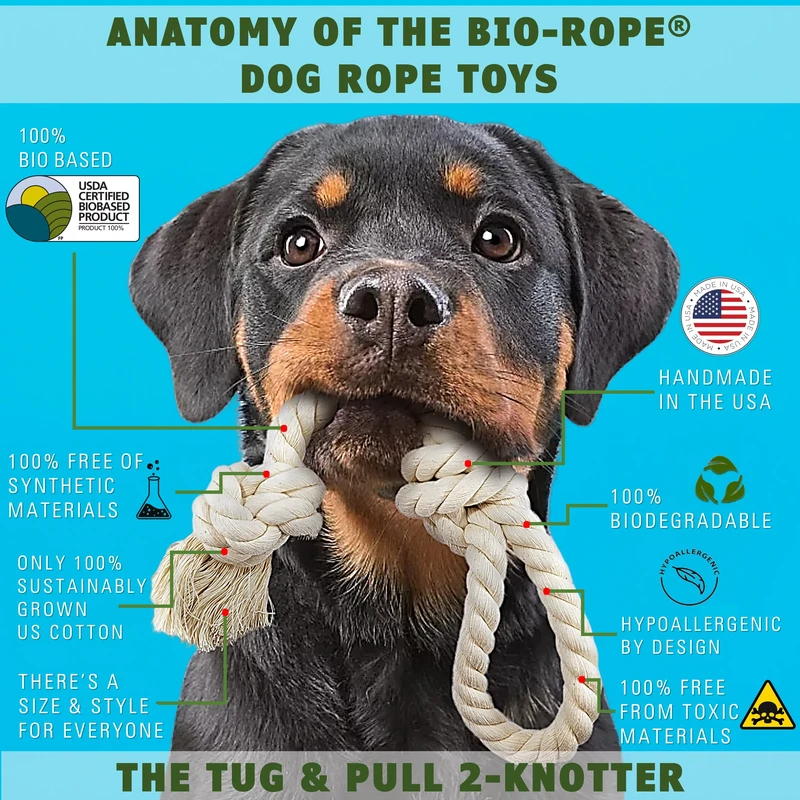
Switching to eco-friendly pet toys significantly reduces landfill waste and environmental pollution associated with conventional plastic toys. Plastics used in typical pet toys often do not biodegrade, fragmenting into microplastics that contaminate soil and waterways. By contrast, biodegradable materials such as bamboo, organic cotton, and natural fibers decompose naturally, closing the loop on product life cycles.
From a health perspective, eco-friendly toys avoid harmful additives like phthalates, lead-based dyes, and synthetic chemicals often present in mass-produced toys. These toxins pose ingestion risks and can trigger allergies or toxicity in pets. Natural and certified materials ensure that toys are safe for chewing, fetching, and interactive play without exposing pets to hazardous substances.
Environmentally conscious consumers also contribute to broader sustainability goals by supporting brands that prioritize renewable resources, ethical labor, and reduced carbon footprints. This alignment fosters a market shift toward responsible pet product manufacturing and encourages innovation in sustainable materials and circular economy initiatives.
FAQ: Eco-Friendly Pet Toys
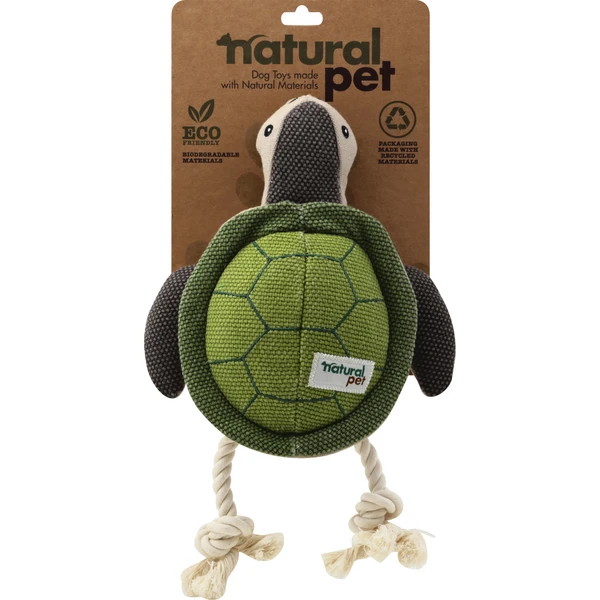
What materials are commonly used in eco-friendly pet toys?
Eco-friendly pet toys typically utilize natural and recycled materials such as bamboo, organic cotton, hemp, wool, jute fibers, and recycled plastics. These materials are biodegradable, non-toxic, and sourced to minimize environmental impact.
Which certifications should I look for when buying sustainable pet toys?
Key certifications include the Global Organic Textile Standard (GOTS) for organic fabrics, the Responsible Wool Standard (RWS) for ethical wool sourcing, and GoodWeave certification for fair labor practices. These validate environmental and social responsibility in production.
Are eco-friendly pet toys safer for my pet compared to conventional toys?
Yes, eco-friendly pet toys avoid harmful chemicals and synthetic additives, reducing risks of toxicity and allergic reactions. Natural materials are generally safer for chewing and prolonged play.
Where can I buy certified eco-friendly pet toys online?
Certified eco-friendly pet toys are available through brand websites such as Only Natural Pet and Awoo Pets, as well as online retailers like Chewy and Amazon that offer detailed product information and sustainability filters.
Can I make my own eco-friendly pet toys at home?
DIY eco-friendly pet toys can be made using household items like untreated cardboard, wool scraps, cotton yarn, and hemp rope. These materials are safe, biodegradable, and customizable to your pet’s needs.
As demand for sustainable pet products grows, consumers can drive positive change by prioritizing eco-friendly pet toys made from renewable, certified materials. Continued innovation in natural fibers and recycled content, paired with ethical manufacturing and transparent certifications, will expand the availability and quality of sustainable pet toys. Pet owners and retailers alike are encouraged to support circular programs and plastic-free initiatives to reduce environmental impact and promote a healthier future for pets and the planet.
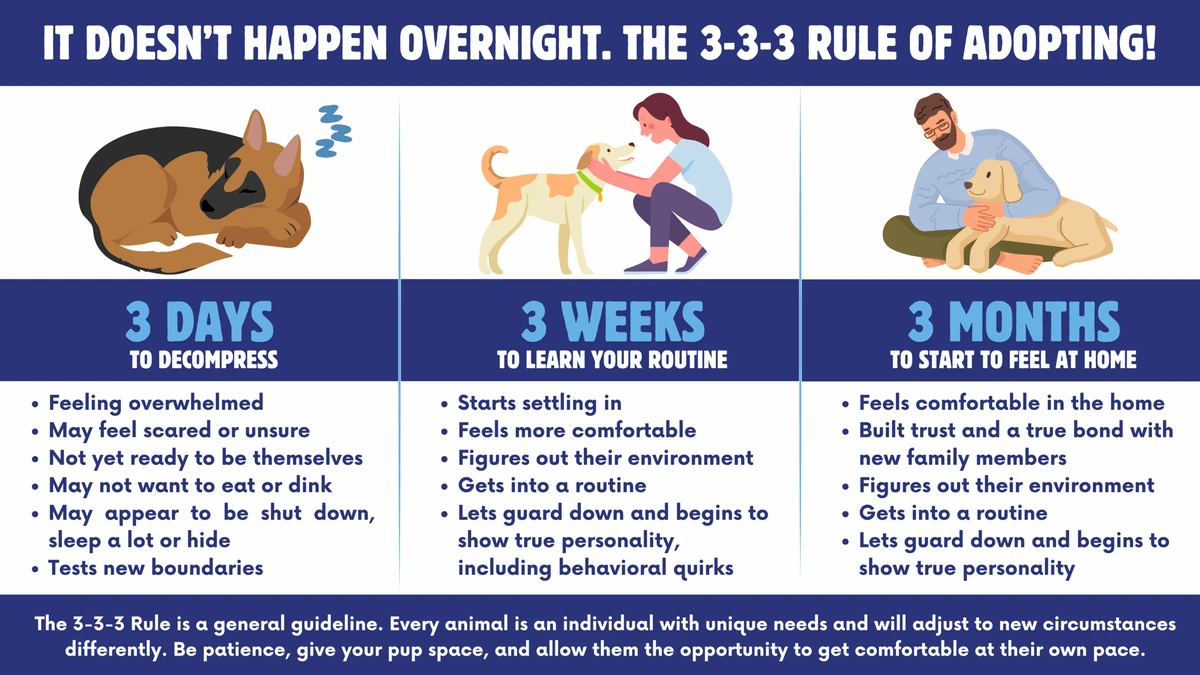
How to Educate Yourself About Pet Adoption Processes Today
PawVerde.com – Understanding the pet adoption process is essential for prospective adopters aiming to provide a loving home while complying with necessary legal and health requirements. This process involves multiple stakeholders, including animal shelters, rescue organizations, foster parents, and adoption counselors, all contributing to a structured approach that ensures pets are matched with suitable families. Key steps encompass researching adoption sources, fulfilling state-mandated documentation, engaging in in-person pet meetings, and preparing one’s home for a new companion. Adoption fees, application procedures, and post-adoption responsibilities further define the journey toward successful pet ownership.
Pet adoption is governed by a framework of legal and health requirements that vary by state but typically mandate valid vaccination records and a Certificate of Veterinary Inspection (CVI) to confirm the animal’s health status. State governments enforce these regulations to prevent disease transmission and ensure the welfare of both adopted pets and the community. Adopters must be prepared to manage transportation logistics, especially when pets are relocated from out-of-state shelters or foster homes, requiring compliance with additional documentation and quarantine rules. Resources such as state animal control websites and national organizations like the ASPCA provide updated information on regional adoption laws, facilitating adherence to these mandates.
Local animal shelters and rescue organizations serve as primary adoption venues, offering direct access to pets in need. Online platforms such as Petfinder and Adopt A Pet™ have revolutionized the search for adoptable animals, aggregating listings from vetted shelters and rescues nationwide. These digital resources enable adopters to filter pets by species, breed, age, and location, streamlining the initial selection process. Trustworthy adoption sources maintain transparency about the animals’ health, behavior, and history, often verified by adoption counselors who guide prospective adopters through the process. Confirming the credibility of these organizations is critical to avoid scams and ensure that adoption supports genuine animal welfare efforts.
The adoption procedure begins with an assessment of adopter readiness, which includes age verification—most shelters require applicants to be at least 18 years old—and presenting valid identification. Adoption applications vary; some shelters employ detailed forms covering lifestyle, home environment, and pet care experience, while others use conversational counseling to tailor recommendations. In-person meetings are fundamental, allowing adopters to observe pet behavior and compatibility without physical barriers. Foster pet meet-and-greet sessions often necessitate scheduling with foster parents to facilitate interaction in a home-like setting. Upon selection, adopters sign legally binding adoption contracts outlining responsibilities and receive adoption packets containing vaccination certificates, health records, and care guidelines. Adoption fees typically range based on the animal’s age and medical needs; however, many shelters offer fee waivers or reductions to increase accessibility, especially during special adoption events or for senior pets.
Preparing a home for a new pet extends beyond physical arrangements to include evaluating compatibility with the adopter’s lifestyle, household members, and existing animals. Space considerations and daily routines influence the choice of pet species and breed, impacting long-term care and behavior management. Renters face additional legal considerations, as landlords may impose pet restrictions or require deposits; obtaining written permission and reviewing lease agreements are critical steps. Introduction protocols recommend gradual familiarization to minimize stress, employing controlled environments and positive reinforcement techniques. Adoption counselors often provide customized advice to facilitate smooth transitions, emphasizing patience and consistent care.
Post-adoption care encompasses ongoing medical attention, including follow-up vaccinations, microchipping, and licensing per local ordinances. Training and enrichment activities are vital for the pet’s behavioral development and socialization, with many shelters and rescue groups offering or recommending professional pet trainers. Access to community resources—such as support groups, veterinary clinics specializing in adopted animals, and behavioral counseling—strengthens the adopter’s capacity to address challenges. Continued communication with the adoption shelter or organization ensures that adopters receive timely guidance and can report concerns, bolstering animal welfare throughout the pet’s lifetime.
To enhance the adoption experience, shelters and rescue organizations increasingly adopt flexible policies aimed at reducing procedural barriers. Adoption counselors play a pivotal role in client engagement by offering personalized support, clarifying expectations, and addressing concerns promptly. Community involvement initiatives—such as educational workshops and volunteer opportunities—build trust and foster long-term relationships between adopters and animal welfare entities. Streamlining application processes with digital platforms and integrating foster care meet-and-greet practices contribute to higher adoption success rates and improved pet placement outcomes.
| Adoption Step | Key Entities Involved | Typical Requirements | Notes |
|---|---|---|---|
| Research Adoption Sources | Animal shelters, rescue organizations, online platforms (Petfinder, Adopt A Pet™) | Verification of source credibility | Use official websites and shelter profiles |
| Legal & Health Documentation | State governments, veterinarians | Vaccination records, Certificate of Veterinary Inspection, valid ID | May vary by state; out-of-state transport requires additional compliance |
| Application & Counseling | Adoption counselors, shelter staff | Application forms or interviews, age verification | Some shelters use conversational approaches to assess fit |
| Meet & Greet | Foster parents, shelter staff | In-person interaction with pets | Critical for assessing pet compatibility |
| Contract & Fees | Shelters, adoption agencies | Signed adoption contract, payment of fees or fee waiver | Contracts outline adopter responsibilities |
| Home Preparation | Adopter, landlords (if renting) | Pet-proofing, landlord approval | Gradual introduction advised |
| Post-Adoption Care | Veterinarians, trainers, adoption organizations | Vaccinations, training, licensing | Ongoing support recommended |
Educating oneself about the pet adoption process requires a comprehensive understanding of legal obligations, shelter procedures, and responsible pet care. Prospective adopters benefit from consulting reputable organizations such as the Best Friends Animal Society, ASPCA, Humane Society of the United States, and local animal services to access accurate information and support. Adoption counselors serve as vital resources, guiding applicants through the nuances of application submission, contract comprehension, and home preparation. Recognizing the importance of meeting pets in person and fostering transparent communication with foster parents enhances the likelihood of successful matches. By integrating these elements, adopters contribute to a sustainable ecosystem of animal welfare and community engagement.
Frequently Asked Questions
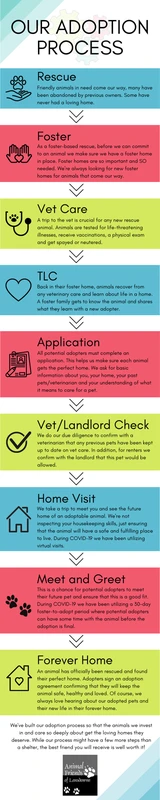
What are the typical legal requirements for adopting a pet?
Legal requirements usually include being at least 18 years old, providing valid photo identification, and submitting vaccination records or health certificates as mandated by state laws. Some states require microchipping and licensing post-adoption. Compliance with these regulations ensures the health and safety of both pets and the community.
How can I find trustworthy adoption sources?
Start by researching local animal shelters and rescue organizations with established reputations. Use verified online platforms like Petfinder and Adopt A Pet™, which aggregate listings from credible shelters. Confirm transparency in pet health disclosures and availability of adoption counseling services before proceeding.
What does the adoption application process involve?
Applications may consist of detailed forms assessing your lifestyle and home environment or conversational interviews conducted by adoption counselors. These processes help shelters determine if you are a suitable match for the pet and inform recommendations based on your capacity to provide proper care.
Can adoption fees be waived or reduced?
Many shelters offer fee waivers or discounts during special events, for senior pets, or to individuals facing financial hardship. It is advisable to inquire directly with the shelter or rescue organization about available programs and eligibility criteria before application.
What should I prepare before bringing a new pet home?
Preparation includes pet-proofing your living space, obtaining landlord approval if renting, and planning introductions with family members and existing pets. Gathering essential supplies—such as food, bedding, and toys—and scheduling initial veterinary appointments are also crucial for a smooth transition.
Understanding these aspects equips potential adopters with the knowledge to navigate the pet adoption process effectively, ensuring a positive outcome for both animals and their new families. Future developments may emphasize further simplification of application methods, expanded community support networks, and enhanced collaboration between shelters and adopters to maximize successful placements.