

How to Make Eco-Friendly Pet Cleaning Products Safely
PawVerde.com – To make eco-friendly pet cleaning products, combine household staples like distilled white vinegar, baking soda, and hydrogen peroxide into targeted recipes. Focus on small-batch production to ensure freshness, use distilled water to prevent mineral buildup, and prioritize mechanical cleaning over essential oils to avoid toxicity in sensitive cats and dogs.
Even “all-natural” products carry risks; for instance, tea tree oil toxicosis accounted for 443 cases in dogs and cats between 2002 and 2012, according to the Merck Veterinary Manual.
The Surface Compatibility Matrix: Where Not to Use DIY Cleaners
Never use vinegar or lemon-based cleaners on marble, granite, limestone, or natural stone, as the acetic acid can permanently etch and damage the surface. Additionally, avoid using hydrogen peroxide on dark carpets without a spot test to prevent bleaching, and never mix hydrogen peroxide with vinegar, which creates dangerous peracetic acid.
Acidic vs. Alkaline surfaces
The 5% acetic acid concentration found in standard distilled white vinegar makes it a powerful cleanser, as noted by the AKC, but this acidity is a double-edged sword. While it excels at cutting through mineral deposits on glass or stainless steel, it will chemically react with calcium carbonate in natural stones. Using an acidic solution on a granite countertop can result in permanent dull spots that require professional resurfacing.
| Cleaning Target | Primary DIY Ingredient | Action/Method | Safety Note |
|---|---|---|---|
| All-Purpose Surfaces | Vinegar & Water | Spray and wipe | Avoid marble/granite |
| Carpet Odors | Baking Soda | Sprinkle and vacuum | Wait 10–20 minutes |
| Bathroom Grime | Hydrogen Peroxide | Apply 3% solution | Test dark carpets |
| Toilet/Drains | Baking Soda & Vinegar | “Volcano” reaction | Use boiling water rinse |
Use the table above to match your 5% acetic acid or 3% hydrogen peroxide solutions to the correct household surfaces to prevent permanent damage.
The Peracetic Acid Danger
A critical safety failure occurs when users attempt to “boost” vinegar by adding hydrogen peroxide directly to the bottle. This combination produces peracetic acid. Exposure to this compound can potentially harm the eyes, skin, nose, throat, and lungs, according to preventivevet.com.
Mastering the Botanical Infusion: Scenting Without Essential Oils
Relying on essential oils for scent introduces significant veterinary risks, particularly for feline households. Because cats are deficient in the enzyme glucuronyl transferase, they cannot process certain compounds like phenols, making them highly susceptible to toxicity. Practitioners at the Pet Poison Helpline note that this metabolic deficiency makes cats far more sensitive to essential oils than dogs.
The Zero-Scent Protocol for Cats
To protect birds and cats, prioritize mechanical cleaning over aromatic additives. Instead of using oils, use absorbent baking soda to physically lift odors from fibers. This approach avoids the metabolic risks associated with essential oil exposure in sensitive species.
How to Cold-Infuse Citrus Peels
Create a natural scent by steeping fruit peels to avoid the volatile compounds found in concentrated oils. This method uses the natural essence of citrus without the risk of toxicity:
- Collect fresh orange or lemon peels.
- Place the peels in a glass jar and cover completely with distilled white vinegar.
- Seal the jar and allow it to sit for a minimum of 24 hours.
- Strain the liquid through a fine mesh sieve or cheesecloth before adding it to your spray bottle.
This infusion method provides a citrus aroma while adhering to safety standards for sensitive respiratory systems. It is a safer alternative to using a diffuser for essential oils.
Essential Supplies and Ingredient Selection
To align with environmentally friendly practices advocated by the David Suzuki Foundation, prioritize biodegradable, non-toxic staples. The specific ingredients you select determine the safety and longevity of your solutions.
When selecting liquids, the choice between tap water and distilled water is vital. While using hard tap water is possible, the AKC suggests that distilled or filtered water is superior because it prevents mineral deposits from forming on surfaces after cleaning. Hard water minerals can leave a cloudy film on glass or shiny countertops, undermining the purpose of the clean.
Gather these specific items for your cleaning pantry:
- Distilled white vinegar (standard 5% acetic acid).
- Baking soda (sodium bicarbonate) for abrasion and odor absorption.
- 3% hydrogen peroxide solution for disinfecting.
- Distilled water to prevent mineral buildup.
- Liquid laundry soap (such as Dr. Bronner’s Sal Suds) for heavy-duty degreasing.
Note that while washing soda is a common ingredient in some recipes, it must be handled with caution; it can irritate skin and lungs if inhaled without proper protection.
Step-by-Step: Creating Your Cleaning Arsenal
Follow these three core methods: 1. For all-purpose cleaning, mix equal parts water and vinegar. 2. For carpet odors, sprinkle baking soda and let sit for 10-20 minutes before vacuuming. 3. For tough bathroom grime, apply vinegar for 5 minutes, then follow with 3% hydrogen peroxide for 10 minutes.
The All-Purpose Spray
Use this mixture for sinks, countertops, and cabinets. To create it, combine equal parts distilled water and distilled white vinegar in a spray bottle. Shake well before each use. If you require a slightly more degreasing version, you can add a small amount of liquid soap, but ensure it is thoroughly rinsed to avoid slippery residue.
Carpet Odor Neutralization
Address lingering scents from pet accidents by using baking soda. To ensure effective absorption, follow these steps:
- Ensure the area is dry.
- Sprinkle a generous layer of baking soda over the affected area.
- Allow the powder to sit for 10 to 20 minutes to ensure it absorbs the odors.
- Vacuum the area thoroughly.
For deeper stains, you may use a combination of vinegar and baking soda, but be prepared for a bubbling reaction as the acid and base interact.
The Bathroom Deep-Clean Method
To tackle grime in bathrooms without harsh commercial chemicals, use a two-stage application. This method uses the acidity of vinegar to break down scale, followed by the oxidative power of peroxide.
- Spray the surface (such as a sink or tub) with vinegar and let it sit for 5 minutes.
- Wipe away the initial residue.
- Respray the area with a 3% hydrogen peroxide solution.
- Let the peroxide sit for 10 minutes to disinfect.
- Wipe clean with a damp cloth.
Shortcut: For a quick carpet stain spot-treatment, add 1 tablespoon of hydrogen peroxide to your all-purpose vinegar spray, apply to the stain, and blot with a clean T-shirt or paper towel.
Preventing Spoilage: The DIY Preservation Guide
Because homemade cleaners lack the synthetic preservatives found in commercial products, they are more susceptible to bacterial growth and ingredient degradation. Water-based solutions, in particular, can become breeding grounds for microbes if left at room temperature for extended periods.
A significant factor in ingredient failure is light exposure. According to the AKC, hydrogen peroxide loses its effectiveness when exposed to light, as it breaks down into water and oxygen. To prevent this, always store peroxide-based cleaners in opaque, dark-colored bottles.
Emergency Protocol: What to do if Ingestion Occurs
Even with non-toxic ingredients, high-concentration exposure or accidental ingestion requires immediate attention. If you suspect a pet has consumed a cleaner, act quickly to mitigate potential harm.
Shortcut: If a pet ingests a cleaner, immediately contact the Pet Poison Helpline or your local emergency veterinarian. Do not induce vomiting unless specifically instructed to do so by a medical professional.
Keep a list of your homemade ingredients and their concentrations (e.g., 5% vinegar, 3% peroxide) ready to provide to veterinary staff. Medical authorities like the Merck Veterinary Manual emphasize that rapid identification of the substance is the most critical factor in successful treatment.
FAQ
Why are cats more sensitive to my cleaning products?
Cats are deficient in the enzyme glucuronyl transferase, which is necessary to process certain compounds like phenols found in many essential oils, making them highly susceptible to toxicity. This metabolic limitation means even small amounts of certain scents can lead to serious health issues.
Can I use tap water in my homemade cleaners?
While possible, using distilled or filtered water is superior because it prevents mineral deposits from forming on surfaces after cleaning. Hard tap water contains minerals that can leave a cloudy residue or buildup on glass and stainless steel surfaces.
How long do homemade cleaners last?
Because they lack commercial preservatives, water-based DIY cleaners should be made in small batches and stored in cool, dark places to prevent bacterial growth. Using opaque containers is especially important for solutions containing hydrogen peroxide to maintain potency.
Eco-Friendly Pet Grooming in Australia: A Green Guide
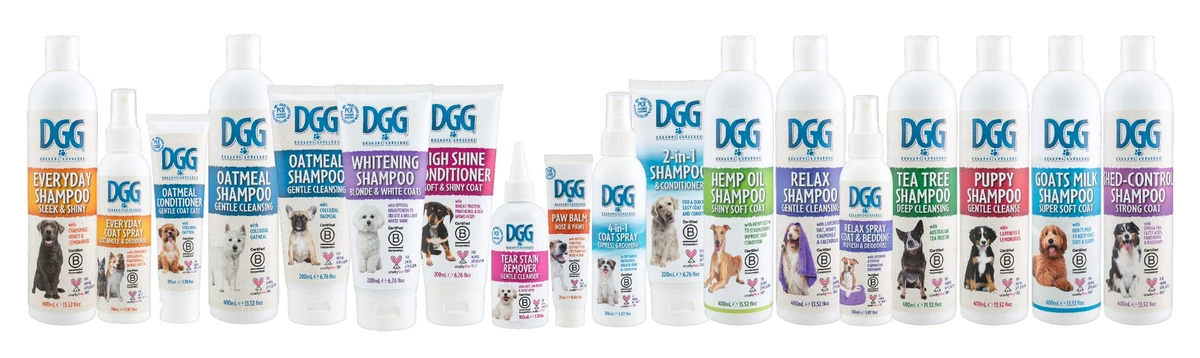
PawVerde.com – eco-friendly pet grooming in Australia focuses on reducing plastic waste through solid shampoo bars, utilizing sustainable materials like bamboo and hemp, and selecting concentrated formulas that lower shipping emissions. For the 29 million pets in Australia, switching to natural extracts and biodegradable ingredients helps protect both their sensitive skin and local ecosystems.
With 29 million pets in Australia, the market is seeing a rise in specialized brands that offer concentrated botanical formulas to meet growing demand.
The Greenwashing Audit: Spotting Fake ‘Natural’ Claims in Australia
To avoid greenwashing, Australian pet owners must look beyond unregulated terms like ‘natural’ or ‘premium.’ Verify products by checking the ingredient weight order, ensuring animal proteins aren’t outweighed by fillers, and seeking brands that provide specific transparency regarding their botanical extracts and manufacturing processes.
The ‘Natural’ Trap
Marketing in the pet industry often relies on terminology that lacks strict legal oversight. According to Nulo, the pet food industry has very loose standards for its marketing terms. A product can be labeled “natural” even if it contains highly processed ingredients. Similarly, the term “premium” has no legal definition, meaning a brand can use the label to justify a higher price point without meeting specific nutritional or ecological benchmarks.
How to Read an Ingredient Label
To identify genuine eco-friendly products, owners should follow specific technical steps during packaging audits:
- Ingredient Order Verification: Check ingredients listed by weight before processing. This ensures that primary components, such as animal proteins, are not outweighed by grains, plants, or synthetic fillers.
- Concentration Check: Look for specific botanical names rather than generic “plant extracts.”
- Packaging Audit: Identify if “biodegradable” claims refer to the formula or the actual vessel.
Environmental impact is often obscured by packaging; for example, a product may claim to be “natural” while still being housed in non-recyclable multi-layer plastics.
Local vs. Imported: The Carbon Footprint Trade-off
The total environmental footprint depends on logistics. While an imported organic shampoo might use high-quality botanicals, the carbon emissions from transoceanic shipping can offset the benefits of its biodegradable formula.
| Brand | Origin/Focus | Primary Eco-Feature |
|---|---|---|
| Anipal | Australian | Recycled plastic bottle collars/leads |
| Mog & Bone | Australian | Hemp-based harnesses and collars |
| Pawfect Pals | Australian | Cruelty-free vegan leather |
| Essencera | Specialized | Concentrated botanical formulas |
Choosing local manufacturers like Anipal or Mog & Bone reduces the logistics-related carbon footprint. While shipping costs for some Australian retailers may include a flat rate of $14.95 or require a $180 order threshold for free shipping at Farmer Pete’s, the reduction in transit emissions is a significant factor in a holistic sustainability strategy.
Top Sustainable Grooming Solutions for Australian Pets
Effective eco-grooming involves three main pillars: solid shampoo bars (like Ethique) to eliminate plastic, bamboo-based tools (like M Pet wipes) for rapid regrowth, and hemp or recycled plastic accessories (like Anipal or Mog & Bone). These alternatives significantly reduce the environmental load of pet maintenance.
Zero-Waste Washing: The Rise of the Bar
Liquid shampoos are often composed largely of water, which adds weight and increases shipping emissions. In contrast, shampoo bars offer a more compact, concentrated alternative. Brands like Ethique provide solid shampoo and conditioner bars that eliminate the need for plastic bottles entirely. For those seeking soap-based options, Troopets manufactures 100% essential oil and natural extract soap bars, providing a direct alternative to synthetic liquid detergents.
Sustainable Hardware: Bamboo, Hemp, and Recycled Plastic
Beyond washing, the physical tools used in grooming can be transitioned to sustainable materials. Bamboo is a standout candidate for hardware because it grows 30 times faster than trees. Furthermore, bamboo produces 30 times the amount of oxygen and absorbs 35 times the amount of carbon dioxide compared to traditional timber. This makes products like M Pet Cleansing Bamboo Wipes a highly renewable choice.
| Product Type | Eco-Benefit | Primary Material/Feature | Best For |
|---|---|---|---|
| Solid Bars | Zero plastic waste | Concentrated soap/shampoo | Frequent bathers |
| Bamboo Tools | Rapidly renewable | Bamboo fibers | Sensitive skin/Wipes |
| Hemp Gear | Low water usage | Hemp fabric | Durability/Leads |
| Recycled Gear | Waste diversion | Recycled plastic bottles | Active pets |
For coat maintenance, a Biosilk brush offers a long-lasting alternative to disposable plastic brushes.
The Transition Protocol: Moving from Chemicals to Botanicals
Biological systems require time to adjust to new ingredients. When moving to botanical formulas, pet owners should monitor for changes in skin texture or moisture levels.
Managing the Two-Week Adaptation Period: Scalp dryness may occur initially as your skin adapts from conventional products, typically resolving within two weeks. This is a biological response to the removal of harsh synthetic surfactants that previously coated the skin.
Step-by-Step Integration:
Shortcut: Start small with one or two products like biodegradable poop bags or natural soap bars, then gradually expand.
To minimize the risk of skin irritation, do not replace every product in a single day. Introduce one botanical element, such as a Troopets bar, and monitor the pet’s skin condition for seven days before introducing the next eco-friendly item.
Cost-Efficiency: Bars and Concentrates vs. Liquid Shampoos
Concentrated options can be more economical over time. For example, Earthbath concentrated formulas can lead to a 90% reduction in greenhouse gas emissions and water usage compared to standard diluted liquids.
| Metric | Liquid Shampoo | Concentrated/Bar |
|---|---|---|
| Packaging Waste | High (Single-use plastic) | Low (Compostable/Zero) |
| Water Content | High (Mostly water) | Minimal to None |
| Emissions | Higher (Heavy shipping) | Lower (Lightweight) |
| Efficiency | Standard | 90% reduction in emissions/water (Earthbath) |
Earthbath concentrated formulas, for instance, can lead to a 90% reduction in greenhouse gas emissions and water usage compared to standard diluted liquids. Additionally, Earthbath has reduced plastic use by 79% by transitioning to soft-pouch packaging for wipes. While the upfront cost of a bar or concentrate might seem higher, the longevity of the product provides better long-term value.
Critical Safety: Avoiding Common Eco-Grooming Pitfalls
Safety is paramount. Certain botanical-based washes are never safe for cats due to their unique sensitivity to specific essential oils.
Warning: Shield Wash is unsafe for cats due to their unique sensitivity to certain botanical oils. Always verify that any botanical-based wash is explicitly labeled as feline-safe.
Species-Specific Toxicity
Many botanical extracts that are safe for dogs can be toxic to cats. Because cats possess different metabolic pathways for processing certain essential oils, a “natural” product can become a chemical hazard. Always cross-reference ingredients with species-specific safety data before application.
Durability Realities
Another pitfall involves the physical reliability of biodegradable items. For example, compostable poop bags, which are made from plant-based materials such as cornstarch to break down into soil, are often not as durable as traditional plastic-based bags. Users should exercise caution when using these in high-moisture environments or for larger waste volumes to avoid breakage.
FAQ
Is organic shampoo safe for all pets?
Not necessarily. Botanical oils used in dog-specific washes can be toxic to cats. Always verify that ingredients are explicitly labeled as feline-safe to accommodate their specific metabolic needs.
Are compostable poop bags actually better?
They are a zero-waste option because they are made from plant-based materials like cornstarch that break down into soil. However, they may lack the durability of plastic in high-moisture environments.
Why does my pet’s skin feel dry after switching to natural shampoo?
This is often a temporary adaptation phase. Skin typically takes about two weeks to adjust from conventional chemical surfactants to natural botanical formulas as the natural lipid barrier stabilizes.

Benefits of Insect Protein for Dogs: A Safe Transition Guide
PawVerde.com – Insect protein offers a hypoallergenic, highly digestible, and sustainable alternative to traditional meats like beef or poultry. It is particularly effective for dogs with food allergies, skin issues, or sensitive stomachs, providing essential nutrients like B12, iron, and zinc while requiring significantly less land and water to produce.
Insect-based foods use only 2% of the land and 4% of the water required for beef per kg of protein.
The Safe Transition Roadmap: Moving Your Dog to Insect Protein
To prevent gastrointestinal upset like diarrhea, transition your dog to insect protein over 7 days. Start by mixing 25% insect meal with 75% old food for days 1-2, increasing the insect ratio by 25% every two days until the diet is 100% insect-based by day 7.
The 7-Day Feeding Schedule
Sudden dietary shifts can trigger diarrhea during the first 3 to 4 days of adaptation. Using the Dietary Substitution technique allows the digestive tract to adjust to new nutrient densities.
- Days 1-2: Mix 25% insect meal with 75% of the current protein source.
- Days 3-4: Increase the ratio to 50% insect meal and 50% old food.
- Days 5-6: Move to 75% insect meal and 25% old food.
- Day 7: Transition to 100% insect-based protein.
Signs of a Failed Transition
Watch for changes in stool consistency. If a dog experiences persistent loose stools or vomiting, the transition may be moving too quickly for their specific microbiome.
Warning: If diarrhea persists beyond 48 hours despite slowing the transition, consult a veterinarian to rule out underlying conditions unrelated to the protein switch.
Decoding the Label: Identifying High-Quality Insect Meals
To ensure safety, manufacturers should utilize strict processing standards. High-quality production requires controlled environments to prevent contaminants from entering the final meal.
Substrate Safety: Organic vs. Industrial Waste
Nutritional profiles are influenced by the larval substrate. While some production uses industrial waste, premium brands prioritize organic vegetable or grain-based inputs to ensure a cleaner nutrient profile.
Avoiding Microplastic Contamination
A significant failure mode in lower-quality insect production involves microplastic ingestion. This occurs if larvae are raised in environments where they might nibble around plastic bits. To ensure safety, verify that the manufacturer follows strict processing standards to filter out non-organic particles.
- Check for “Single-source protein” designations.
- Look for transparency regarding the larval substrate.
- Avoid products that list “unspecified insect meal” without origin details.
Clinical Benefits: Managing Allergies and Gut Health
As a novel protein, insect protein avoids histamine reactions. This characteristic makes it a strategic option for managing conditions like atopic dermatitis.
The Allergy Elimination Protocol
For dogs suffering from chronic itching or skin inflammation, insect protein serves as a primary tool in an Elimination Diet. Because it is a novel protein, the immune system is unlikely to recognize it as a threat, preventing the histamine-driven reactions common with beef or chicken. Anne Carlson, CEO of Jiminy’s, notes that using insect protein helps pet parents overcome personal discomfort regarding their dog’s allergies by providing a scientifically backed alternative.
The Chitin Paradox: Prebiotic vs. Anti-nutrient
Insect protein contains chitin, a natural fiber found in the exoskeletons of insects. This substance presents a dual role in canine nutrition. On one hand, chitin acts as a prebiotic that supports a healthy gut microbiota by promoting beneficial bacteria. On the other hand, if concentrations are excessively high, it can act as an anti-nutrient that interferes with mineral absorption. Most high-quality commercial insect meals, such as those from Josera GmbH & Co. KG, balance this ratio to maximize gut benefits without compromising nutrient uptake.
Skin and Coat Recovery
Clinical observations have shown tangible results for dogs with skin sensitivities. In studies evaluating dogs with atopic dermatitis, researchers reported that dermal lesions improved in 12 of the 20 evaluated dogs when switched to insect-based diets. This recovery is often supported by the presence of essential fatty acids and minerals found naturally within the insect protein matrix.
Nutritional Profile: Comparing Insect Protein to Traditional Meats
Insects provide a dense concentration of energy and structural building blocks. On a dry matter basis, insect protein content ranges from 25% to 70%.
| Nutrient/Metric | Insect Protein | Beef/Poultry (Traditional) |
|---|---|---|
| Protein Content (Dry Matter) | 25% to 70% | Varies (typically high) |
| Lipid Content (Dry Matter) | 10% to 50% | Varies by cut |
| Protein Fraction | 40% to >60% | Variable |
| Land Use Efficiency | Extremely High (2% of beef) | Low |
| Hypoallergenic Status | High (Novel Protein) | Low (Common Allergen) |
The data highlights the efficiency of insect-based proteins. While traditional meats are staples, the protein-to-resource ratio of insects is unmatched.
Amino Acid Density
Insects provide a complete amino acid profile necessary for muscle maintenance and cellular repair. The protein fraction in insect materials can reach more than 60% on a dry matter basis, making it an incredibly efficient source of nitrogen for growing or active dogs.
Essential Minerals and Vitamins
Beyond basic protein, insect-based diets are rich in micronutrients that are often harder to source in synthetic alternatives. These include Vitamin B12, iron, and zinc, which are vital for blood health and immune function. Research indicates that the use of domestic cricket or mulberry silkworm pupae can successfully replace poultry meal in a dog’s diet without showing any negative effects on hematology or blood chemistry.
Environmental Impact: The Sustainability Argument
Insect farming offers a high-efficiency alternative to traditional livestock. For example, 1 tonne of insects can be grown on just 20 sq m of space in only 14 days.
- Land Efficiency: Insect-based foods require only 2% of the land used for beef production per kg of protein.
- Water Conservation: Insect farming uses just 4% of the water required for beef per kg of protein.
- Production Speed: 1 tonne of insects can be grown on just 20 sq m of space in only 14 days.
The necessity of this shift has been emphasized, stating:
“But we have also to feed a growing population in need of protein. We have to do something differently – and insects are “
This efficiency makes insect protein a cornerstone of future sustainable pet nutrition.
Market Trends and Future Outlook
The pet food industry is seeing significant growth in alternative proteins. Demand for insect protein is projected to reach 500,000 metric tons by the year 2030.
Current projections suggest a demand for 500,000 metric tons of insect protein by the year 2030. This growth is fueled by the fact that 50% of all insect production is currently directed toward the pet food sector. Simon Doherty, president of the British Veterinary Association (BVA), has noted the potential of this sector, stating:
“There’s a really exciting future for the use of insect protein for companion animals.”
As production scales, the availability of these hypoallergenic and sustainable ingredients is expected to increase, making them a standard option for health-conscious pet owners.
FAQ
Is insect protein safe for dogs with sensitive stomachs?
Insect protein is highly digestible and hypoallergenic. To prevent diarrhea, owners should implement a 7-day transition period to allow for proper adaptation.
Can insect protein replace chicken or beef in my dog’s diet?
Yes, studies show insect protein, such as cricket or mulberry silkworm, can successfully replace poultry meal in the diet of dogs without showing a negative effect on hematology or blood chemistry.
What are the main environmental benefits of insect pet food?
Insect farming requires only 2% of the land and 4% of the water used for beef production per kilogram of protein produced.
Eco-Friendly Pet Care: Sustainable Tips & Product Guide
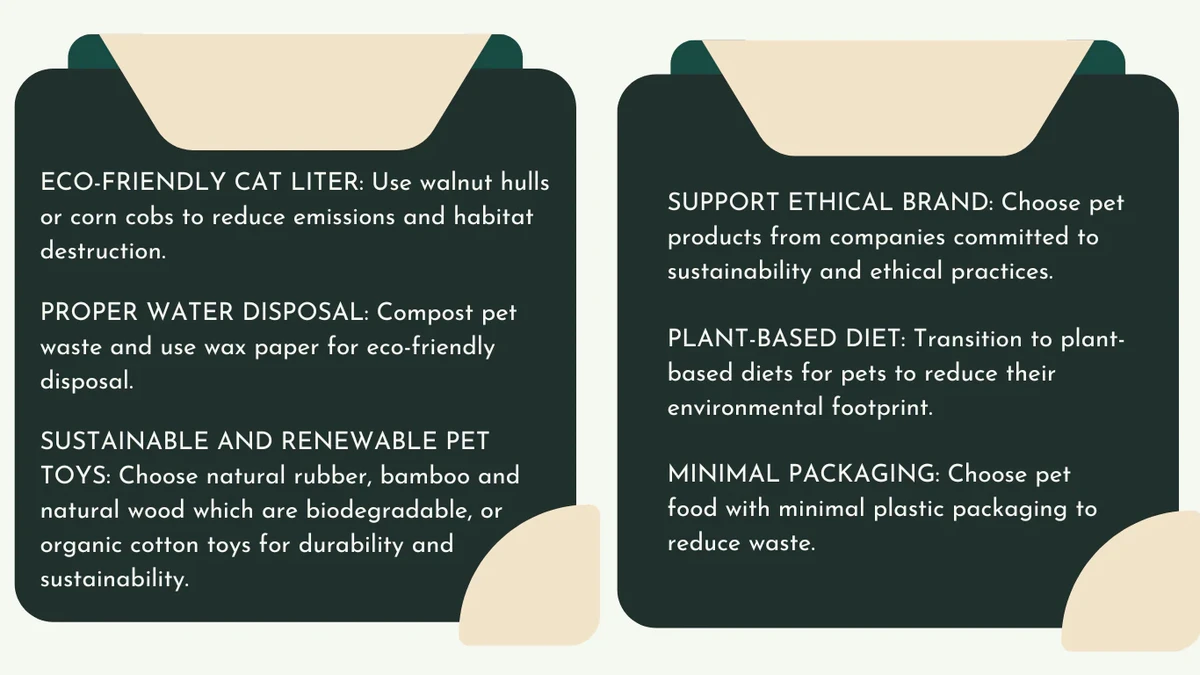
PawVerde.com – Eco-friendly pet care focuses on reducing the environmental footprint of pet ownership through mindful consumption, waste management, and sustainable nutrition. Rather than seeking perfection, it involves making progress via high-quality, durable products, choosing certified compostable waste solutions, and selecting low-carbon protein sources like insect-based diets.
“A sustainable lifestyle is not about perfection—it’s about progress,” according to Caring Hands Vet.
The Greenwashing Audit: How to Spot Fake Eco-Claims
To audit pet brands for greenwashing, look past vague terms like ‘natural’ or ‘biodegradable’ and seek specific certifications. Verify if ‘compostable’ products meet regulated standards rather than unregulated claims, and check for transparent ingredient sourcing or third-party eco-certifications to ensure the brand isn’t just using ‘window dressing.’
Ecofurball notes that sustainability starts with behaviour, not branding. Many owners fall into the trap of purchasing “green” products that offer no measurable environmental benefit because the marketing language lacks scientific rigor. Paul Greenberg, an environmental writer and author of The Climate Diet, suggests that much of the current industry movement toward sustainability may simply be window dressing if the underlying issue of mass breeding for dogs and cats remains unaddressed.
Vague terminology vs. Certified standards
Ecofurball highlights that brands often use biodegradable and compostable language to meet consumer demand rather than delivering actual environmental outcomes. While compostable products undergo strict testing and certification standards, biodegradable products often rely on vague or unregulated claims that do not guarantee a specific decomposition timeline.
The ‘Natural’ marketing trap
Marketing departments frequently utilize the term “natural” to imply environmental friendliness, yet this term is rarely tied to specific ecological performance metrics. To avoid these traps, pet owners should look for the following indicators of genuine sustainability:
- Third-party eco-certifications rather than self-made brand badges.
- Specific material compositions (e.g., “100% post-consumer recycled”).
- Transparent ingredient sourcing documentation.
- Clear instructions on end-of-life disposal for bioplastics.
The Hidden Carbon Footprint of Pet Food
Caring Hands Vet suggests that selecting brands that utilize locally sourced, organic, or insect-based proteins can lower carbon emissions and reduce dependence on intensive livestock farming.
Caring Hands Vet suggests that insect-based proteins can significantly lower carbon emissions. By selecting brands that utilize locally sourced, organic, or insect-based proteins, owners can reduce the ecological strain caused by intensive livestock farming. Furthermore, Adopt a Pet notes that buying pet food in bulk can reduce both packaging waste and the carbon costs associated with frequent shipping and delivery.
| Protein/Sourcing Type | Environmental Impact | Primary Benefit |
|---|---|---|
| Traditional Livestock | High | High protein density |
| Insect-Based | Low | Reduced carbon emissions |
| Locally Sourced | Medium/Low | Lower shipping footprint |
| Bulk/Organic | Low | Reduced packaging waste |
Shifting toward insect-based or local options provides a direct path to lower emissions compared to traditional livestock proteins.
Insect protein vs. Traditional livestock
Insect-based proteins offer a high-efficiency alternative to cattle or poultry, as these sources require significantly fewer resources to produce.
The economic link: Quality food vs. Vet bills
Reports suggest that lower-quality cat food can lead to higher veterinary expenses, with issues such as digestive problems, dull coats, or low energy levels often resulting from poor-quality diets.
Waste Management: Compostable vs. Biodegradable
Compostable bags are the superior choice for pet waste; they break down into nutrient-rich compost within 100-200 years. In contrast, biodegradable bags can take over 500 years to decompose in a landfill and may contribute to microplastic pollution.
Effective waste management is critical, especially considering that Petco reports 25% of the world’s plastic waste is littered or not disposed of properly. When selecting waste solutions, the thickness of the material also matters for durability; Gogostik notes that modern eco-friendly pet waste bags should have a minimum thickness of 15-20 microns to prevent leakage and environmental contamination.
| Feature | Biodegradable Bags | Compostable Bags |
|---|---|---|
| Decomposition Time | 500+ years in landfill | 100-200 years in landfill |
| Environmental Risk | Microplastic pollution | Nutrient-rich breakdown |
| Regulation | Often unregulated/vague | Strict testing standards |
Choosing compostable options ensures a faster, safer decomposition process compared to biodegradable alternatives.
Sustainable Daily Habits and Low-Waste Maintenance
Ecofurball emphasizes that eco-friendly pet care habits prioritize targeted cleaning instead of routine over-washing. For example, owners can spot-clean beds or air out blankets outdoors to reduce water and energy waste.
Instead of washing all pet bedding every week, owners can spot-clean specific areas or air out blankets outdoors to refresh them. This approach extends the life of the fabric and reduces the chemical load from detergents.
The Micro-Habit Matrix: Low to High Effort
Owners can implement various levels of sustainable care:
- Low Effort: Brushing pets regularly to prevent excessive bathing (Low-Waste Grooming); using cold water cycles for laundry.
- Medium Effort: Spot-cleaning beds; using eco-certified detergents; making DIY enrichment toys from cardboard boxes or old socks, as recommended by Honest Pet Products.
- High Effort: Transitioning to a fully insect-based or organic diet; switching to bulk-purchased, zero-waste treats.
Grooming and Laundry hacks
Maintaining hygiene does not require a heavy environmental toll. Following the Low-Waste Grooming technique—which includes brushing regularly to minimize bathing and cleaning brushes instead of replacing them—can significantly reduce water usage. For laundry, Ecofurball recommends using cold water cycles and eco-certified detergents to minimize the ecological impact of cleaning pet fabrics.
Product Lifecycle: Choosing and Disposing of Gear
Ecofurball states that using durable bowls, toys, and grooming tools reduces waste far more than frequently replacing them with new “eco” versions.
When new purchases are necessary, look for brands that prioritize circularity. For example, P.L.A.Y. utilizes 100 percent post-consumer, certified-safe recycled plastic bottles as filler for their dog beds. Other brands, such as Butterfly & Bee, focus on plant-based product lines to avoid synthetic materials entirely.
Understanding the lifecycle of a product—from its manufacturing to its eventual disposal—is essential for true sustainability. A high-quality nylon leash or a rubber toy may have a higher initial footprint, but its durability makes it more sustainable than a series of cheap, disposable “eco” alternatives.
FAQ
Is it better to buy ‘eco’ products or use what I already have?
Ecofurball suggests that using durable existing items like bowls and toys is more effective at reducing waste than frequently replacing them with new “eco” versions.
How can I reduce my pet’s carbon footprint through food?
To lower carbon emissions, look for brands that use locally sourced, organic, or insect-based proteins. Purchasing in bulk can also reduce packaging and shipping costs.
What is the difference between compostable and biodegradable?
Compostable products undergo strict testing and break down into nutrients in 100-200 years, whereas biodegradable products often rely on unregulated claims and can take 500+ years to decompose.
Biodegradable vs Compostable: Key Differences for Pet Owners
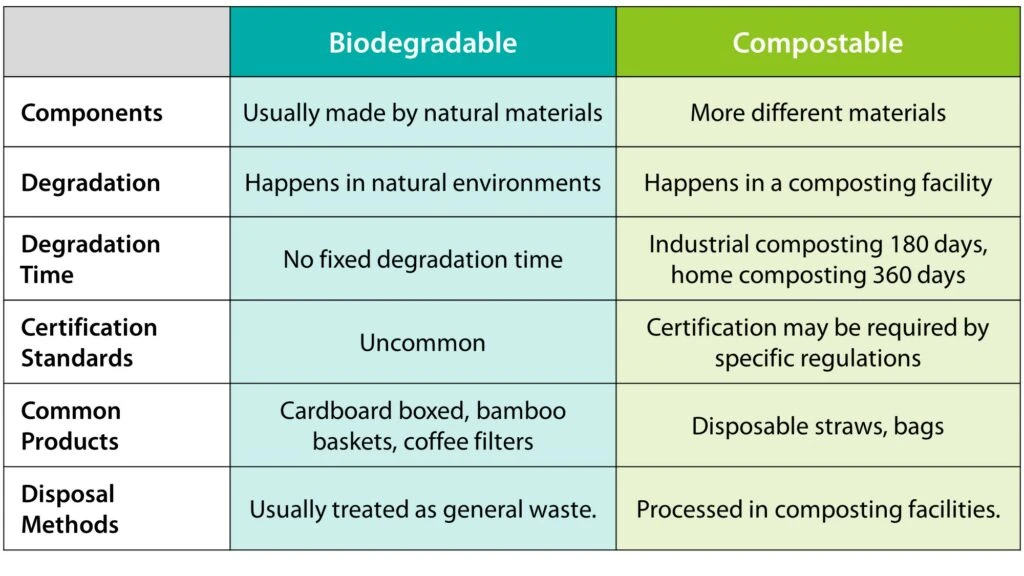
PawVerde.com – While all compostable products are biodegradable, not all biodegradable products are compostable. Compostable bags are highly regulated and break down into nutrient-rich humus within 90-180 days in industrial facilities, whereas biodegradable bags often lack strict regulation and can leave harmful microplastics behind in the environment.
With 500 million plastic poop bags used globally every year, the distinction between “biodegradable” and “compostable” is a critical environmental decision.
The Greenwashing Red Flag: Identifying Vague Marketing Claims
The term “biodegradable” isn’t tightly regulated, so it can be applied to a wide range of products. This lack of oversight allows manufacturers to use environmentally friendly language without meeting specific decomposition benchmarks. According to PoopBags.com, this regulatory gap is a primary reason why consumers struggle to differentiate between truly sustainable options and those that merely change form.
Meaningless vs. Meaningful Terminology
EcoFurball notes that compostable products undergo testing and certification standards, while biodegradable products often rely on vague or unregulated claims. This distinction is vital for ecosystem health.
A common failure mode occurs when a product is labeled as “earth-friendly” but lacks a clear breakdown timeline. To avoid these traps, check for the following indicators:
- Specific certification marks (such as ASTM D6400 or EN 13432).
- A defined decomposition timeframe (e.g., 90-180 days).
- Explicit instructions for disposal (e.g., “Industrial Compost Only”).
How to spot ‘Earth-Friendly’ traps
Consumers often fall into the trap of assuming any bag that mentions “nature” is safe for the soil. However, if a bag is labeled as “biodegradable” without a certification, it might simply be a plastic bag with additives designed to fragment. This process does not result in organic matter but instead creates a persistent environmental presence. Practitioners report that relying on these unregulated claims can lead to unintended pollution in local waste streams.
The Microplastic Leakage: Why ‘Biodegradable’ Can Be Worse for Oceans
biodegradable bags pose a significant risk of ‘leakage’ because they often break down into tiny fragments rather than fully decomposing. In marine or landfill environments, these materials can shed microplastics that persist for decades, whereas certified compostable materials are designed to return to organic matter without leaving synthetic residues.
Oxo-degradable products represent a specific category of concern. These materials are designed to break into tiny fragments—commonly known as microplastics—but they never fully decompose. This fragmentation process is often mistaken for biodegradation, but it actually accelerates the distribution of plastic particles throughout the food chain. ECOLipak research suggests that these materials fail to provide the circularity promised by true composting.
The environmental impact of these fragments is substantial. While a compostable bag aims to become part of the soil, a poorly regulated biodegradable bag may simply become invisible plastic. This creates a deceptive sense of sustainability while the actual material remains in the environment for years. The failure to fully disappear means the “biodegradable” claim functions more as a change in visibility than a true biological reintegration.
Head-to-Head: Environmental Impact Metrics
Compostable bags are the clear winner in resource efficiency, requiring only 0.6L of water and producing 2.0g of CO2e per bag. In comparison, biodegradable bags use 0.8L of water and 4.1g of CO2e, while traditional plastic bags consume 1.2L of water and generate 6.2g of CO2e.
The following table provides a detailed comparison of the environmental footprint associated with each bag type based on production metrics.
| Metric (Per Bag) | Regular Plastic | Biodegradable | Compostable |
|---|---|---|---|
| CO2 equivalent (g) | 6.2g | 4.1g | 2.0g |
| Water consumption (L) | 1.2L | 0.8L | 0.6L |
| Energy consumption (kWh) | 0.05 kWh | 0.04 kWh | 0.03 kWh |
Based on the data, compostable bags require only 0.03 kWh of energy per unit. This makes them more efficient than biodegradable options (0.04 kWh) and regular plastic (0.05 kWh).
The Pathogen Paradox: Can You Actually Compost Pet Waste?
EcoFurball points out that even when pet waste bags claim compostability, the waste inside them often disqualifies the entire item from composting. While compostable products produce humus, upon degradation, which is the richest and most important part of all soils, the presence of biological pathogens in pet waste changes the safety profile of the final compost.
The Backyard Composter’s Risk
Home composting setups often lack the precise thermal control required to neutralize harmful bacteria. As EcoFurball highlights, the waste inside the bag can contaminate the entire batch. If you use a backyard bin, it is safer to use the bag as a liner for a dedicated waste stream rather than mixing it with garden compost intended for food crops.
Industrial vs. Home Composting Realities
Industrial facilities utilize specialized machinery and high-heat aerobic processes to ensure complete breakdown and pathogen destruction. This is where compostable bags are designed to function. In these controlled environments, the bag breaks down within 90 to 180 days, turning into organic matter. Home composting, by contrast, is much more variable and often fails to achieve the necessary biological stability for pet-related waste.
Disposal Decision Tree: Which Bag Fits Your Lifestyle?
Your choice should align with your local waste management infrastructure. The most sustainable option is whichever bag reaches its intended end-of-life destination.
To determine your best option, consider these three primary disposal paths:
- If you have access to a municipal green bin: Certified compostable bags are the superior choice. They are designed to decompose within 90 to 180 days in commercial facilities.
- If you use standard trash collection and a landfill: A recycled plastic bag is likely the more sensible choice. Since neither type of bag will biodegrade effectively in the anaerobic (oxygen-starved) conditions of a landfill, using a bag that minimizes production harm is more practical.
- If you use a home compost bin: Avoid using pet waste in this bin, regardless of the bag type. Instead, use bags that are certified for home use only for yard waste or food scraps.
Note that biodegradable plastics typically require 3 to 6 months to break down, but this timeline is often contingent on environmental conditions that are rarely met in standard trash bags. If you cannot guarantee the bag will reach a composting facility, the environmental benefit of “biodegradable” labels is significantly diminished.
FAQ
Is every biodegradable bag compostable?
No. As stated by Good Start Packaging, while all compostable products are biodegradable, “biodegradable” does not always mean compostable, and these products may leave microplastics behind.
What happens if I put a compostable bag in a landfill?
Compostable bags are designed for aerobic environments like industrial composting facilities. In the anaerobic (oxygen-starved) conditions of a landfill, they fail to decompose as intended.
Can I put dog poop in my backyard compost bin?
Even if the bag is “home compostable,” the pathogens in pet waste often disqualify the entire item from standard composting processes due to health and safety risks.

How to Choose Eco-Friendly Pet Products Without Greenwashing
PawVerde.com – Eco-friendly pet ownership involves transitioning to sustainable materials like bamboo, stainless steel, and organic proteins while avoiding “greenwashing.” By selecting durable, non-toxic products and implementing a phased transition—starting with waste management and moving to nutrition—owners can significantly reduce their pet’s environmental footprint and long-term costs.
Projections suggest that over a fifth of product descriptions in the pet market may contain potentially misleading green claims.
How to Spot Greenwashing: A Red Flag Checklist for Pet Owners
To detect greenwashing, scrutinize vague terminology like “natural” or “sustainable” without specific certifications. Verify ingredient percentages, check for third-party eco-logos, and look beyond visible packaging to investigate actual manufacturing processes and supply chain transparency to ensure environmental claims are genuine.
Businesses use environmental claims as a strategy to appeal to eco-conscious consumers, but not all are genuine, as noted by Danguole Oželienė of Vilnius University. This practice often involves selective disclosure to create misleading impressions. Specifically, those practicing greenwashing concentrate marketing efforts on visible elements like packaging whilst avoiding discussion of ingredient sourcing, manufacturing processes, or supply chain practices.
Vague Terminology vs. Certifications
A primary failure mode for consumers is accepting broad marketing buzzwords as proof of environmental stewardship. Lamancusa observes that “sustainability” can be a catch-all term, which makes it ripe for greenwashing and has led to consumer skepticism. Instead of relying on adjectives, owners should look for specific, verifiable data. For example, a product claiming to be “eco-friendly” is meaningless unless it provides evidence of its lifecycle or certification. If a brand uses a term like “natural” without defining the percentage of organic content, it is a significant red flag.
The Packaging Trap
Greenwashing often involves concentrating marketing efforts on visible elements like packaging to create misleading impressions while avoiding discussion of ingredient sourcing or supply chain practices. To avoid this, use the following checklist when evaluating a new purchase:
- Verify Certifications: Look for recognized third-party eco-logos rather than self-made “green” icons.
- Analyze Ingredients: Scrutinize the actual ingredient percentages and their origins.
- Check the Supply Chain: Investigate whether the manufacturer discusses their production methods.
- Look Beyond the Box: Ensure the product inside is as sustainable as the cardboard it arrives in.
The Lifecycle Guide: Ensuring Your “Eco” Products Don’t End Up in Landfills
A product’s impact is defined by its end-of-life stage. If a product is manufactured using sustainable methods but is not designed for a specific disposal method, it may create unexpected waste. For instance, Smart Bark reports that compostable poop bags are failing to decompose when they are placed in a landfill instead of a proper composter.
A common misconception is that all “compostable” items are inherently better for the planet. However, Smart Bark reports that compostable poop bags are failing to decompose when they are placed in a landfill instead of a proper composter. If these bags do not reach a high-heat industrial composting environment, they may not break down as intended, contributing to long-term waste issues.
The Compostable Bag Reality Check
When deciding between waste management options, consider the disposal infrastructure available to you. Smart Bark notes that if you are able to compost bags at home, as intended, then they are definitely the preferred option. However, if you lack access to home or industrial composting, the carbon footprint of producing these renewable materials might actually be higher than that of recycled plastic alternatives. Recycled plastic has a lower carbon footprint and is easier to dispose of, though it will not decompose.
End-of-Life for Bamboo and Metal
For durable goods like bamboo brushes or stainless steel bowls, the lifecycle is much longer. These items are designed to resist the cracked plastic issues that occur when using low-durability materials. Because they last for years, they prevent the “buy-and-toss” cycle that fuels landfill growth.
Material Deep Dive: Choosing Safe and Sustainable Essentials
For long-lasting and safe pet essentials, prioritize stainless steel for bowls to prevent chemical leaching, bamboo for feeding items due to its rapid regeneration and lack of harmful chemicals, and non-clay litters to avoid sodium bentonite risks.
Selecting the right material requires balancing environmental impact with biological safety. For instance, many conventional pet grooming products contain toxic and potentially harmful chemicals, such as parabens, phthalates, and petroleum, which can cause unwanted side effects or diseases, according to Best Friends Animal Society. Moving toward safer materials is a dual benefit for both the planet and the pet.
| Material/Product | Eco-Benefit | Primary Safety/Usage Advantage | Disposal Note |
|---|---|---|---|
| Bamboo | Rapidly regenerates; reduces deforestation | Does not contain harmful chemicals | Biodegradable/Compostable |
| Stainless Steel | Highly durable; lasts for years | Does not leach chemicals | Fully Recyclable |
| Compostable Bags | Made from renewable resources | Reduces plastic waste | Requires composting facility |
| Recycled Plastic | Lower carbon footprint than compostable | Easy to dispose of in current systems | Recyclable (if infrastructure exists) |
When evaluating products, consider that recycled plastic offers a lower carbon footprint and easier disposal in current systems, whereas compostable options require specific infrastructure to be effective.
Feeding: Bamboo vs. Stainless Steel
When choosing feeding vessels, both bamboo and stainless steel are excellent, but for different reasons. Green Pet states: “Bamboo products don’t contain any harmful chemicals, which is especially important for products that pets use to eat or drink from.” This makes bamboo a safe, natural choice. Conversely, Ecofurball notes that stainless steel is a superior eco-friendly material because it doesn’t leach chemicals and lasts for years, making it a highly durable option for heavy users.
Hygiene: The Safety of Non-Clay Litters
Hygiene products are often overlooked in the sustainability conversation. Best Friends Animal Society points out that eco-friendly cat litters do not contain clay or sodium bentonite. These conventional ingredients can be harmful and potentially sicken or poison pets. Transitioning to non-clay alternatives provides a safer environment for your pet while reducing the mining impact associated with traditional clay litters.
The Economic Argument: Upfront Costs vs. Long-Term Durability
While sustainable products can cost more upfront, Ecofurball explains that they often last longer and save money over time. For example, specialized durable goods like the Cool Pet Pad, priced at $24.99, or the Crazy Warm Pet Bed, priced at $39.99, represent investments in longevity that can offset the frequent replacement of cheaper, low-durability items.
Consider the difference between disposable and durable items. A low-cost pet bed might cost significantly less initially, but if it degrades within months, the replacement cycle becomes expensive. For example, while a standard item might be priced lower, specialized durable goods—such as those seen in collections where items like the Cool Pet Pad are priced at $24.99 or the Crazy Warm Pet Bed is priced at $39.99—represent investments in longevity. By avoiding the constant replacement of cracked or worn-out plastic items, owners realize long-term savings.
A Step-by-Step Transition Roadmap for Eco-Conscious Owners
Caring Hands Vet suggests a phased approach to ensure the transition to a greener lifestyle is manageable. Rather than changing everything at once, owners can move through distinct stages of adoption.
Follow this roadmap to gradually reduce your pet’s environmental footprint:
- Phase 1: Waste Management: Start with the easiest switch. Replace plastic poop bags with recycled plastic or, if you have a composter, compostable versions.
- Phase 2: Durable Essentials: Replace worn-out plastic bowls or toys with stainless steel or bamboo alternatives.
- Phase 3: Sustainable Nutrition Transition: As recommended by Caring Hands Vet, start small by experimenting with eco-conscious brands. Look for food that utilizes locally sourced, organic, or insect-based proteins to lower carbon emissions.
- Phase 4: Lifestyle & Adoption: Consider long-term shifts, such as adopting from a shelter, which Caring Hands Vet notes reduces the demand for resource-heavy mass breeding facilities.
Budget-Friendly Sustainability: DIY and Upcycling
Best Friends Animal Society provides several methods for DIY recycled pet toys that are both economical and eco-friendly. You can utilize household items to create enrichment without purchasing new plastic goods.
- Fabric Rope Toys: Use old fabric strips to braid a sturdy tug toy.
- Treat Puzzles: Repurpose a clean PVC pipe to create a food-dispensing puzzle.
- Water Bottle Toys: Place an old sock over a plastic bottle to create a crinkle toy.
- Cardboard Exploration: Use empty boxes to create hiding spots or enrichment environments.
FAQ
Are compostable poop bags better than recycled plastic ones?
It depends on your disposal method. Recycled plastic has a lower carbon footprint and is easier to dispose of in current systems, while compostable bags are made from renewable resources but require a home or industrial composter to avoid becoming landfill waste.
Why is bamboo considered a sustainable choice for pet bowls?
Bamboo is a highly sustainable resource because it regenerates rapidly compared to trees, which helps reduce deforestation. Additionally, as noted by Green Pet, bamboo products do not contain harmful chemicals, making them safe for pets to eat or drink from.
How can I reduce my pet’s carbon footprint through nutrition?
You can transition to sustainable pet food that utilizes locally sourced, organic, or insect-based proteins. This approach helps lower the overall carbon emissions associated with traditional meat-heavy pet diets.
Sustainable Pet Supplement Manufacturing: Eco-Trends 2026
PawVerde.com – The pet supplement market is undergoing a rapid green transformation, driven by a 9.4% CAGR and increasing consumer demand for eco-friendly labels. Manufacturers are now pivoting from simple FDA compliance toward complex sustainability audits, balancing carbon-neutral ingredient extraction with the technical challenges of biodegradable packaging and shelf-life stability. Pet owners are increasingly voting with their wallets, with 60% identifying ‘recyclable’ as a primary trustworthy label claim in recent surveys.
The Sustainability Paradox: Balancing Eco-Friendly Sourcing with Product Stability
The sustainability paradox in pet supplements involves the technical conflict between using biodegradable packaging and maintaining the nutrient density of sensitive ingredients. While eco-friendly materials reduce waste, they often lack the moisture and oxygen barriers required to prevent the oxidation of critical oils, such as Omega-3s, which can compromise product efficacy and safety.
The Oxidation Risk in Biodegradable Pouches
A pouch does its hardest work after it’s been opened. A pouch does its hardest work after it’s been opened, as a compromised seal allows air to enter, causing food to dry out and leading to product waste. This failure mode is particularly dangerous for lipid-heavy supplements. If a biodegradable material fails to provide a sufficient barrier, oxygen ingress triggers rapid oxidation.
Oxidation alters the chemical structure of the supplement. This degradation impacts the biological value of the product. If the seal is compromised, the contents become ineffective. This creates a waste cycle where eco-friendly packaging actually leads to more discarded product.
Nutrient Density vs. Shelf-Life
The quality of raw materials directly impacts the safety and effectiveness of pet supplements, as noted by Pharmatech Asia Group pet nutrition. Maintaining this quality requires a strict balance between the environmental footprint of the container and the chemical stability of the ingredients. High-performance barriers are often non-recyclable, creating a tension between shelf-life and sustainability.
Beyond Compliance: A Sustainability Audit Checklist for Founders
Founders must look beyond standard regulatory requirements to build a truly sustainable brand. While the FDA oversees pet supplements as animal feed, enforcing safety and labeling rules under the FD&C Act, true sustainability requires a broader scope of inquiry.
A comprehensive audit should include the following pillars:
- Ingredient Sourcing: Prioritize upcycled side-streams from the human food industry and verify carbon footprints of raw materials.
- Manufacturing Standards: Implementing GMP can reduce product contamination risks and ensure consistent efficacy.
- Quality Assurance: The NASC Quality Seal requires manufacturers to maintain a quality control manual and conduct random product testing to detect heavy metals and contaminants.
- Packaging End-of-Life: Evaluate the lifecycle of mono-material pouches versus compostable alternatives.
To maintain integrity, manufacturers must adhere to strict documentation. For example, the NASC Quality Seal Program requires companies to maintain a quality control manual to meet organizational standards.
Green Extraction: Moving Away from Chemical Solvents
The environmental footprint of a supplement is heavily influenced by the extraction process. While traditional methods often rely on hexane, a petroleum-based solvent, newer approaches aim to reduce chemical waste.
Mechanical expeller pressing serves as a highly sustainable alternative to chemical solvent extraction, using higher pressures and temperatures than cold pressing while still avoiding chemical solvents. This allows for high yields without the ecological burden of solvent recovery systems.
| Extraction Method | Environmental Impact | Primary Mechanism |
|---|---|---|
| Hexane Extraction | High (Chemical Waste) | Chemical Solvent Dissolution |
| Expeller Pressing | Low (Mechanical) | High Pressure & Temperature |
| Green Solvent | Low (Eco-friendly) | Aqueous-assisted or Terpene-based |
Selection depends on the target ingredient, as mechanical pressing is a viable method for seed oil extraction, providing a way to manage yields without the ecological burden of traditional solvent systems.
Navigating the Regulatory Landscape: FDA and NASC Standards
Regulatory compliance is the baseline, not the ceiling, for pet supplement manufacturing. The FDA oversees pet supplements as animal feed, enforcing safety and labeling rules under the FD&C Act. This ensures that products are safe for consumption, but it does not inherently mandate environmental sustainability.
NASC certification is a voluntary quality seal that shows a brand meets strict manufacturing and labeling standards, according to Matsun Nutrition. This seal provides a layer of trust for consumers looking for verified quality. However, a common misconception exists regarding the depth of this certification: NASC does not require companies to perform efficacy studies or verify scientific research data for product efficacy.
While the NASC seal confirms that a manufacturer follows Good Manufacturing Practices (GMP), it is not a guarantee of clinical proof. According to research cited in the National Science Foundation (NSF) article, the NASC does not require companies to verify that scientific research data are available to prove product efficacy.

DIY Sustainable Pet Products: Essential Safety Audit Guide
PawVerde.com – As the $150 billion US pet product market shifts toward eco-consciousness, DIY sustainable pet products offer a way to reduce waste. However, experts warn that sustainability does not guarantee safety; homemade items must be vetted for toxic dyes, loose threads, and structural integrity to prevent choking or chemical exposure.
The DIY Safety Audit: Preventing Homemade Hazards
To ensure DIY pet products are safe, perform a three-step audit: first, verify all fabrics are free of toxic dyes and microplastics; second, check for loose threads or small parts that cause intestinal impaction; and third, use the ‘thumbnail test’ to ensure chew toys are neither too hard nor too soft.
Safety remains a critical concern for pet owners attempting to create their own gear. Sustainability claims alone never guarantee safety. A common failure mode occurs when owners assume “natural” means “non-toxic,” yet many materials carry hidden chemical risks that can lead to serious health issues if ingested or handled during play.
The Thread and Dye Trap
Bell Parkway Veterinary Hospital notes that structural integrity is a primary concern for homemade items. Loose threads or small components can lead to intestinal impaction, a life-threatening condition. Furthermore, the chemicals used in the manufacturing process of recycled or upcycled fabrics can be hazardous. If a DIY project uses fabrics with heavy chemical finishes, the pet may be exposed to substances that are not intended for oral contact.
The Thumbnail Hardness Test
Determining the appropriate density for a chew toy is essential to prevent dental damage. Bell Parkway Veterinary Hospital suggests using a specific method to gauge material hardness: attempt to make an indentation on the toy’s surface with your thumbnail. If you cannot create an indentation, the material is likely too hard and poses a risk to the pet’s teeth. Conversely, if the material is too soft, it may be easily shredded into dangerous fragments.
Material Lifecycle: Composting vs. Recycling DIY Supplies
Choosing the right material involves looking beyond the initial assembly to the eventual disposal of the product. LifeSong Milestones identifies hemp as a highly sustainable crop that requires minimal water and no synthetic fertilizers, making it an ideal candidate for compostable pet products. When selecting materials for DIY projects, owners must distinguish between what can return to the earth and what requires specialized processing.
| DIY Material | End-of-Life Action | Safety Risk |
|---|---|---|
| Hemp | Compostable | Low; highly durable and natural |
| Cotton | Compostable | Low; check for synthetic dye content |
| Upcycled Synthetics | Specialized Recycling | Moderate; risk of microplastic shedding |
| Natural Rubber | Landfill/Recycle | Low; durable and flexible |
While natural fibers like hemp and cotton facilitate composting, synthetic materials require different management. For example, manufacturers like West Paw utilize specialized processes to transform 16 million plastic bottles into IntelliLoft® fiber and fill.
How to Upcycle Household Items Safely
Upcycling provides a method to divert waste from landfills by repurposing existing objects. Owners can follow specific techniques, such as those used to create a DIY Crunchy Toy by placing an empty plastic water bottle inside a clean sock and securing the end tightly.
- DIY Crunchy Toy: This method involves placing an empty plastic water bottle inside a clean sock and securing the end tightly to create a textured, auditory-stimulating toy.
- Comfort Toys using Old Fabrics: Owners can repurpose old T-shirts, towels, or fabric scraps to create soft toys or bedding that carry the owner’s scent, providing comfort to the animal.
- Upcycling Household Items: This general approach involves looking for non-toxic, durable items around the home that can be modified into unique playthings.
Durability is vital during assembly. A DIY crunchy toy is only safe if the sock is strong enough to prevent the pet from accessing the plastic bottle inside.
Hidden Toxins in the Upcycling Process
The process of repurposing old items can inadvertently introduce dangerous chemicals to a pet. Bell Parkway Veterinary Hospital highlights that phthalates, which are common in soft vinyl toys, can be linked to endocrine disruption, potentially interfering with a pet’s hormonal systems. This is a significant risk when upcycling items that were originally intended for human use or different types of consumer goods.
WARNING: Always inspect upcycled materials for residues. The FDA provides guidance on potentially dangerous items for pets, noting that the term ‘natural’ is not legally defined. This lack of definition means there is no guarantee regarding the chemical composition of many pet products or upcycled materials.
The Regulatory Landscape and Industry Standards
While DIY enthusiasts operate outside of formal manufacturing oversight, understanding industry standards can provide a roadmap for safe material selection. In 2022, ASTM International’s subcommittee F15.05 was formed specifically to develop international standards for dog toys and pet safety products. These standards provide a benchmark for what constitutes a safe, durable, and non-toxic product.
Market analysts at QIMA note that safety expectations for pet toy brands are constantly evolving. By studying the requirements set by organizations like ASTM International, DIY creators can better understand the structural and chemical benchmarks that professional manufacturers strive to meet, thereby increasing the safety of their homemade alternatives.
Sustainable Pet Cleaning: How to Avoid Greenwashing
PawVerde.com – Sustainable pet cleaning has shifted from simple ‘natural’ labeling to a complex ecosystem of enzymatic breakdown, refillable concentrates, and ingredient transparency. Modern eco-friendly solutions focus on eliminating organic waste at the source while minimizing chemical exposure for pets, who are uniquely vulnerable due to their proximity to floor-level fumes and residues.
Because pets are much lower to the ground, they may face a higher exposure to chemicals and fumes than humans.
Beyond the Label: A Sustainability Audit for Pet Owners
A true sustainability audit for pet cleaning evaluates three pillars: ingredient safety (non-toxic, EWG-rated), packaging lifecycle (refillable vs. single-use), and efficacy (enzymatic vs. conventional). Look for refillable models like neat. to reduce plastic, and prioritize concentrated formulas to lower carbon footprints during shipping.
A common failure mode in eco-conscious households is the assumption that a “green” label guarantees safety. A label advertising “natural” or “green” does not automatically equal a healthier or safer product, as many brands use these terms without verifiable proof, a practice known as greenwashing.
The Refill Economy: Concentrates vs. Ready-to-Use
Reducing plastic waste requires moving away from single-use spray bottles toward refillable systems. For example, the manufacturer neat. provides plant-based, refillable cleaning products designed to be reused. To implement this, consumers can purchase a refill pack, mix it with water, and reuse the existing cleaning bottle.
Concentrated formulas are often more economical. Because they typically possess a higher concentration than other cleaners, they are generally easier on your wallet according to Rover.com.
Decoding Certifications: What the Logos Actually Mean
To avoid deceptive marketing, pet owners should look for third-party validation rather than brand-created icons. Key indicators of quality include:
- Safety Ratings: The Environmental Working Group (EWG) provides safety ratings that help identify non-toxic ingredient profiles.
- Ingredient Sourcing: Companies like Evonik act as suppliers of sustainable cleaning ingredients, ensuring the raw materials meet environmental standards.
- Efficacy Standards: Ensuring the product actually performs its intended function without relying on harsh synthetic surfactants.
Cleaning Method Primary Mechanism Best Surface/Use Sustainability Factor Enzymatic Cleaners Biological breakdown of proteins/lipids Carpets, upholstery, and hard floors High (biodegradable ingredients) BioKore™ Technology Non-enzymatic instant breakdown Multi-surface/General cleaning High (fast-acting, less waiting) DIY Vinegar/Baking Soda Acid-base reaction Light surface cleaning only Medium (low packaging, low efficacy) Refillable Plant-Based Plant-derived surfactants General household surfaces Highest (minimal plastic waste)
| Cleaning Method | Primary Mechanism | Best Surface/Use | Sustainability Factor |
|---|---|---|---|
| Enzymatic Cleaners | Biological breakdown of proteins/lipids | Carpets, upholstery, and hard floors | High (biodegradable ingredients) |
| BioKore™ Technology | Non-enzymatic instant breakdown | Multi-surface/General cleaning | High (fast-acting, less waiting) |
| DIY Vinegar/Baking Soda | Acid-base reaction | Light surface cleaning only | Medium (low packaging, low efficacy) |
| Refillable Plant-Based | Plant-derived surfactants | General household surfaces | Highest (minimal plastic waste) |
The table above illustrates that while enzymatic cleaners are effective, they require time to work. In contrast, Skout’s Honor utilizes non-enzymatic BioKore™ technology, which is designed to offer instant results. This allows pet owners to see and smell the difference immediately, removing the waiting period required by traditional enzymatic alternatives.
Why Enzymes are ‘Gold’ for Organic Waste
Elizabeth Shields, Operations Manager of Super Cleaning, highlights the value of this technology. She stated: “The absolute best tip when dealing with pet stains on any surface is to get an enzymatic cleaner. This really targets the source of the problem, not just the surface. For us in the cleaning industry, that’s gold!”
The Case for Instant Results: BioKore™ Technology
Skout’s Honor claims their products are designed to perform optimally across various environmental conditions, unlike standard enzymatic solutions. This provides more reliable cleaning regardless of the setting.
Material Compatibility Matrix: Protecting Your Home Surfaces
Using the wrong application method can lead to surface damage or ineffective cleaning. For instance, Simple Solution provides specific guidance for different environments. Users should utilize mist or stream settings for carpets and upholstery, but switch to the foam setting for hard surfaces such as bathrooms or pet crates.
Different manufacturers target specific material needs. Biokleen produces a 128 ounce liquid carpet stain and odor remover, while Nature’s Miracle offers specialized stain and odor removers. For heavily soiled areas, Nature’s Miracle suggests a specific technique: cover the soiled area with a damp cloth for 12 hours before giving it any further attention to ensure deep penetration.
| Surface Type | Recommended Setting/Product | Potential Risk |
|---|---|---|
| Hard Floors/Crates | Specific cleaning products (Foam Setting) | Residue buildup |
| Carpets/Upholstery | Specific cleaning products (Mist/Stream) | Over-saturation |
| Set-in Carpet Stains | Nature’s Miracle (Damp Cloth Method) | Extended drying time |
| General Carpet Odors | Biokleen Liquid Remover | Chemical residue if not rinsed |
Critical Pitfalls: When ‘Natural’ Cleaning Fails
Relying on common household items can sometimes exacerbate pet hygiene issues. A significant failure mode occurs with vinegar and baking soda; while these may clean a surface, they fail to neutralize the ammonia crystals found in dog urine, which can lead to repeat accidents.
Furthermore, there are physical risks to pets when using DIY methods. Utilizing abrasive pastes made from baking soda can physically micro-tear the delicate interdigital webbing of a dog’s paws and rapidly strip away natural oils. This can lead to inflammation that may require 1 to 2 full weeks to restore the heavily damaged lipid barrier.
WARNING: Enzymes are cleaners, not disinfectants. While they effectively break down organic stains, they won’t kill off viruses or bacteria.
Market Analysis: Cost-Per-Use and Leading Eco-Brands
The following data shows the price spectrum for various pet cleaning products.
| Brand/Product | Approximate Price | Primary Use Case |
|---|---|---|
| Ecos for Pets! | $4.69 | Stain and odor spray |
| KisClean | $8.40 | Natural pet cleaning |
| Nature’s Miracle | $12.70 | Urine destruction |
| Rocco & Roxie | $19.94 | Stain and odor elimination |
| Biokleen | $28.98 | Carpet stain/odor removal |
When evaluating these costs, pet owners should consider the concentration of the product. As noted by Rover.com, enzymatic cleaners are often more economical in the long run because their higher concentration allows for more uses per bottle compared to diluted, conventional alternatives.
FAQ
Can I use vinegar and baking soda for pet urine?
No. These products cannot cut down the ammonia crystals found in dog urine, which may lead to repeat accidents.
Are enzymatic cleaners safe for all surfaces?
Application methods vary by surface. Simple Solution, for example, recommends foam settings for hard surfaces like pet crates and mist or stream settings for carpets and upholstery.
Do enzymes kill bacteria?
Not necessarily. While they break down organic stains, enzymes alone are cleaners but not disinfectants and won’t kill off viruses or bacteria.
Sustainable Pet Ownership: 4 Pillars to Reduce Footprint
PawVerde.com – To practice sustainable pet ownership, focus on four key pillars: optimizing pet nutrition to reduce meat-heavy footprints, transitioning to biodegradable waste management, selecting long-lasting or natural materials for gear, and adopting pets from shelters to reduce breeding demand. Small, progressive changes in these areas significantly lower your pet’s ecological paw print.
An average-sized dog generates approximately 770 kg of CO2e, while larger dogs can reach up to 2,500 kg of CO2e. This environmental footprint is a direct consequence of the resources required for nutrition, waste, and lifecycle management.
How to Conduct a Sustainable Pet Care Routine Assessment
To assess your pet’s environmental impact, evaluate four specific categories: Food (protein sources and sourcing), Waste (disposal methods and bag biodegradability), Gear (material longevity and plastic use), and Energy (consumption of smart pet tech). Start by auditing your current purchases to identify high-impact areas like beef-based proteins or single-use plastics.
Pet food production alone accounts for an estimated 25 to 30 percent of the environmental impact associated with pet ownership. Because food is the largest single driver of emissions, an audit must prioritize the protein source. A common failure mode in sustainability planning is focusing exclusively on plastic toys while ignoring the massive carbon cost of a beef-heavy diet.
The Four Pillars of the Sustainability Audit
Implementing the sustainable pet care Routine Assessment involves four specific steps: assess your current routine, make gradual changes, educate yourself, and support eco-friendly brands. This systematic review requires categorizing every recurring expenditure for the animal into distinct segments.
- Nutrition: Analyze the primary protein source and the frequency of meat consumption.
- Waste Management: Evaluate the biodegradability of poop bags and the type of cat litter used.
- Gear and Accessories: Audit the materials of bowls, brushes, and beds for longevity and plastic content.
- Hygiene: Review the chemical composition of shampoos and the waste generated by grooming wipes.
Smart pet feeders can inadvertently increase a pet’s footprint through energy consumption and electronic waste. An audit must look beyond the immediate product to the energy required to maintain high-tech pet gadgets.
Tiered Approach: Low-Cost DIY vs. Premium Certified
Owners can manage costs by choosing between two implementation paths. You might opt for DIY methods or invest in certified products.
- Low-Cost DIY: This involves repurposing household items, such as turning old socks into toys or using bamboo brushes instead of plastic ones. It focuses on extending the lifecycle of existing goods.
- Premium Certified: This involves purchasing products with high-level third-party certifications, such as those from the Marine Stewardship Council, to ensure sourcing standards are met.
Spotting Greenwashing in Pet Product Labeling
Companies may use “biodegradable” labels for marketing purposes to entice consumers to purchase products that do not actually break down in standard landfill conditions. This practice, known as greenwashing, makes it difficult for owners to make truly informed decisions.
To avoid being misled, look for specific, verifiable certifications rather than vague adjectives like “natural” or “eco-friendly.” For seafood-based pet foods, the Marine Stewardship Council (MSC) and the Aquaculture Stewardship Council (ASC) provide reliable verification of sustainable sourcing. Without these specific markers, a “green” label may simply be a cosmetic addition to a standard plastic product.
Optimizing Pet Nutrition and Reducing the Carbon Pawprint
Reduce your pet’s carbon footprint by choosing proteins with lower resource requirements, such as poultry or fish, over beef, which requires one order of magnitude more resources. For cats, ensure meat-based proteins are maintained as they are obligate carnivores, while dogs can often thrive on well-balanced plant-based alternatives.
Meat consumption is a primary driver of climate change, with 60% of total food system emissions accounted for by meat consumption alone. In the context of pet care, beef has the largest environmental impact among animal proteins. Choosing alternative proteins can drastically shift a pet’s ecological footprint without compromising health.
The Beef vs. Alternative Protein Impact
The resource intensity of a diet is dictated by the protein choice. Beef requires one order of magnitude more resources than dairy, poultry, pork, or eggs.
| Material/Protein Type | Environmental Impact | Sustainability Winner |
|---|---|---|
| Beef-based Protein | Highest (One order of magnitude more resources) | Alternative Proteins |
| Poultry/Fish Protein | Moderate | Poultry/Fish |
| Clay-based Litter | High (Mining intensive) | Natural Litters (Corn/Wheat) |
| Plastic Grooming Tools | High (Non-biodegradable) | Bamboo Brushes |
| Plastic Pet Bowls | Moderate (Single-use/Low durability) | Stainless Steel/Ceramic |
The table above highlights the critical shifts needed to move from high-impact materials to sustainable alternatives.
Navigating Seafood Certifications (MSC & ASC)
If choosing fish-based proteins, verifying the source is essential to prevent contributing to overfishing. In the US, there has been a 614% increase in pet food products with sustainable seafood verified by the MSC over the last five years. In the UK, this increase stands at 57%. Always check the packaging for the MSC or ASC logos to ensure the seafood is harvested responsibly.
Implementing Eco-Friendly Waste and Hygiene Management
Reduce environmental impact by transitioning from clay litters to biological options. For cat owners, switching to corn, wheat, coconut husk, or recycled paper litter provides a biodegradable alternative.
Sustainable grooming can be achieved through specific product swaps. Practitioners recommend the following:
- Replace plastic brushes with durable bamboo alternatives.
- Switch from chemical-heavy shampoos to those using natural, plant-based ingredients.
- Use biodegradable wipes instead of standard plastic-based wet wipes.
Managing the Lifecycle of Pet Gear and Toys
To avoid the “buy, break, and discard” cycle, owners should prioritize durability and upcycling.
Upcycling: Turning Old Socks into Toys
One of the most effective ways to manage pet gear is through DIY methods. Instead of purchasing new plastic toys, you can repurpose household items. For example, tying old, clean socks into knots or stuffing them into cardboard boxes creates engaging play items that would otherwise end up in the trash.
Durability over Replacement: The Case for Stainless Steel
Material choice determines replacement frequency. While plastic bowls are prone to scratching, stainless steel or ceramic options offer much longer service lives.
Preventing Overpopulation and Habitat Disturbance
sustainable pet ownership extends beyond the home to the broader ecosystem. Managing the population and behavior of domestic animals is critical for protecting local biodiversity.
Key strategies for ecological protection include:
- Spaying and Neutering: This is the number one solution to prevent pet overpopulation, which reduces the strain on local resources and shelters.
- Adoption: Choosing to adopt from a shelter rather than purchasing from a breeder reduces the demand for mass breeding facilities that consume massive amounts of resources.
- Containment: Restricting cats from roaming free outdoors can significantly reduce their predation on small mammals, reptiles, amphibians, and birds.
FAQ
Can I switch my dog to a vegetarian diet?
Dogs can thrive on a well-balanced plant-based diet. However, unlike cats, they are not obligate carnivores. Always consult a vet to ensure all essential nutrients are present to prevent health complications.
Are ‘biodegradable’ poop bags actually eco-friendly?
Not always. Companies may use “biodegradable” labels for greenwashing. For these bags to be effective, they must be disposed of in ways that allow for decomposition rather than in oxygen-deprived landfills.
How much does pet food impact the environment?
Pet food production is estimated to account for 25% to 30% of the total environmental impact associated with pet ownership.