

How to Choose Sustainable Hypoallergenic Pet Toys
PawVerde.com – Choosing sustainable hypoallergenic pet toys requires balancing material safety with environmental impact. Focus on non-toxic, natural materials like organic cotton, hemp, or natural rubber that resist shedding and chemical leaching. Always verify certifications like B Corp and check for “greenwashing” labels that use vague terms like “natural-inspired” without providing technical proof.
The dog toy industry lacks the strict regulation applied to human products, despite there being an estimated 80-90 million pet dogs in the US as of 2020, according to The Roundup.
When natural fibers trigger respiratory issues
For pets with severe respiratory allergies, the particulate matter trapped in organic fibers can be a hidden trigger. In these cases, recycled poly-fill is a hypoallergenic alternative that minimizes the risk of airborne allergens compared to loose natural fibers.
The latex allergy caveat for natural rubber
Natural rubber is non-toxic and highly sustainable, but it carries a specific risk: it may cause issues for those with a latex allergy. While it is a superior environmental choice, owners must verify if their pet shows signs of contact dermatitis before introducing heavy rubber play.
| Material | Hypoallergenic Profile | Environmental Impact | Durability/Safety Note |
|---|---|---|---|
| Organic Cotton | High (chemical-free) | Uses significantly less water | Soft; prone to tearing |
| Natural Rubber | High (non-toxic) | Compostable and biodegradable | Resists cracking/shedding |
| Hemp | Moderate (pest-resistant) | Biodegradable | Very durable; may trap dust |
| Recycled Poly-fill | High (dust-resistant) | Uses recycled content | Soft; best for respiratory issues |
Selecting materials based on these profiles helps align pet biological needs with ecological goals.
Greenwashing Detection: Identifying Vague Environmental Claims
Marketing language often mimics eco-friendly claims without providing verifiable data. Owners must distinguish between genuine sustainability and vague terms to protect both their pet’s health and the environment.
- : Avoid “Natural-Inspired” Labels: This term is often used to mask products that are primarily synthetic but contain a small percentage of natural elements.
- : Verify B Corp Status: Companies like P.L.A.Y. are B Corp certified, meaning they meet high standards of verified social and environmental performance.
- : Look for Brand Specifics: Brands such as Pet Passion focus specifically on organic pet toys, providing a clearer material profile than general retailers.
- : Beware of Mixed Materials: A common greenwashing failure occurs when a product is labeled “eco-friendly” but is actually composed of a blend of plastics and toxic dyes that cannot be separated for recycling.
Material Deep Dive: Durability, Safety, and End-of-Life
Select materials based on your pet’s chewing style: Natural rubber resists cracking and shedding, making it safer than plastic; organic cotton uses less water; and olive wood reduces splinter risks. For end-of-life, prioritize compostable natural rubber over synthetic alternatives that cannot biodegrade.
Material choice determines both longevity and waste. Natural rubber resists cracking and shedding harmful bits, which prevents the ingestion of sharp fragments. In contrast, synthetic rubber is not biodegradable and will persist in landfills.
| Material Type | Resource Impact | Safety Benefit | End-of-Life |
|---|---|---|---|
| Organic Cotton | Low water usage | Chemical-free | Biodegradable |
| Natural Rubber | Renewable source | Resists cracking | Compostable |
| Olive Wood | Natural growth | Reduces splinter risk | Biodegradable |
| Synthetic Rubber | High fossil fuel use | High risk of shedding | Non-biodegradable |
Evaluating these lifecycle differences helps owners make informed decisions about toy longevity and waste.
The splinter-resistance of olive wood
For pets that prefer wood chews, olive wood is a specialized choice. Its exceptional strength ensures safer chewing experiences, considerably reducing the risk of splinters compared to other harder woods.
Why natural rubber beats synthetic in durability
While synthetic plastics may seem durable initially, they tend to crumble under sustained pressure. natural rubber provides a more consistent density that maintains its structural integrity during heavy play sessions.
The Safe Pet Toy Checklist: A Pre-Purchase Protocol
Use the following criteria to evaluate the safety and sustainability of a potential new toy before purchasing.
- : Material Transparency: Does the brand list every single material used in the construction?
- : Dye Safety: Are the dyes used non-toxic or food-grade?
- : Physical Integrity: Does the toy flex under pressure without snapping?
- : Construction Quality: Are the seams securely stitched rather than just glued?
- : Sizing: Is the toy large enough to prevent accidental swallowing?
- : Safety Testing: Does the company explicitly mention third-party safety testing protocols?
Failing to verify these details can result in the ingestion of toxic additives or microplastics, which undermines the goal of finding hypoallergenic products.
Avoiding Common Pitfalls in Sustainable Toy Selection
Certain product designs pose immediate risks to pet health and environmental integrity, even when marketed as sustainable.
: WARNING: Avoid toys that feature glued-on eyes, thin plastic layers stretched over fabric, or materials that crumble easily when chewed. Furthermore, never give puppies rigid toys like wood, antlers, or hard recycled plastics during the teething phase, as this can cause dental damage.
Products labeled “eco-friendly” may actually contain non-recyclable plastics or toxic dyes. If a product cannot be clearly identified as either compostable or fully recyclable, it should be treated with skepticism.
Circular Economy and Brand Transparency
The most sustainable way to shop is to participate in a circular economy where products are returned to the manufacturing loop rather than discarded.
B Corps are important because they inspire all businesses to compete not only to be the best in the world but to be best for the world, according to West Paw. This standard ensures that environmental stewardship is baked into the corporate mission rather than treated as a marketing afterthought.
: Shortcut: To participate in a circular lifecycle, look for programs like West Paw’s “Join the Loop,” which allows you to mail back used Zogoflex or Seaflex toys to be recycled into brand new ones.
FAQ
Are all eco-friendly toys safe for dogs with allergies?
Not necessarily. While toxin-free toys are often hypoallergenic, natural fibers like hemp or jute can carry dust or pollen, potentially triggering respiratory allergies in sensitive pets.
How can I tell if a toy is truly sustainable?
Look for B Corp certification, check for specific material lists (avoiding vague “natural-inspired” terms), and verify if the brand has a recycling program like West Paw’s “Join the Loop.”
Is natural rubber better than plastic for chewing?
Yes, natural rubber is safer because it resists cracking and shedding harmful bits, whereas plastic can crumble and pose a choking hazard.

Recycled Plastic Pet Toys: Safety and Sustainability Guide
PawVerde.com – Recycled plastic pet toys are a sustainable alternative to traditional plastics, but their safety depends on material quality. While brands like West Paw and Cycle Dog offer durable, non-toxic options, owners must distinguish between food-grade recycled materials and low-quality plastics that may leach chemicals or shed harmful microplastics.
An estimated 634 million dog toys end up in U.S. landfills every year, contributing to a massive 40,500-ton plastic waste problem.
The Greenwashing Detection Checklist: Is Your Toy Truly Sustainable?
To avoid greenwashing, check if a toy is ‘made from 100% recycled material’ versus merely ‘containing recycled content.’ Look for food-grade certifications to ensure recycled plastics aren’t industrial waste, and verify if the brand offers a take-back program or uses materials that are actually curbside recyclable.
Consumers must look beyond marketing to find real environmental impact. For example, using recycled materials in pet products can cut manufacturing-related emissions by up to 50%. Evaluate products by checking if a brand relies on a small amount of recycled content or if they utilize significant quantities, such as the 16 million bottles recycled into IntelliLoft® fiber and fill.
- Material Percentage: Distinguish between products made from 100% recycled materials and those that merely incorporate a fraction of recycled content.
- Grade of Plastic: Verify if the manufacturer uses food-grade recycled plastics rather than industrial-grade waste, which may carry higher chemical risks.
- End-of-Life Capability: Determine if the toy uses materials like the No. 7 plastic utilized by Project Hive, which is recyclable, or if it requires specialized disposal.
- Certification and Transparency: Look for brands that provide specific data on their manufacturing-related emission reductions, which can reach up to 50% when using recycled materials.
Food-grade vs. Industrial-grade plastics
The distinction between these two categories is a critical safety factor. Industrial-grade recycled plastics are often sourced from manufacturing scraps and may contain residues from the original production process. Conversely, food-grade plastics are processed to meet strict safety standards, ensuring they are safe for contact with living beings. Using poorly processed recycled plastics can lead to structural failure under heavy chewing, creating immediate choking hazards.
The Bioplastic Trap
Many bioplastic items contain the same harmful chemicals as conventional plastics and require industrial composting to break down. Because most municipal waste systems cannot handle these materials, bioplastic toys often end up in landfills despite their “natural” marketing.
Durability Tier List: Best Recycled Brands for Every Chewer
Selecting a toy requires matching the material’s physical properties to the pet’s chewing habits. Manufacturers like West Paw have demonstrated significant scale in this sector, having recycled 140,000 pounds (about $187.2 thousand) of Zogoflex material as of 2020.
| Brand | Primary Material | Chew Intensity | End-of-Life Path |
|---|---|---|---|
| West Paw | Zogoflex | Heavy Duty | Brand Take-Back (Join the Loop) |
| Cycle Dog | Upcycled Textiles/Bottles | Moderate | Landfill/Recycling Dependent |
| Beco Pets | Bamboo & Recycled Plastic | Light/Moderate | Compostable/Recyclable |
| Project Hive | No. 7 Recyclable Plastic | Moderate | Curbside Recyclable |
The table above compares the primary durability and disposal methods for leading sustainable pet brands.
Heavy Duty: The Zogoflex Advantage
For power chewers, West Paw’s Zogoflex is a leading choice. Each Zogoflex dog toy contains 19% recycled content, providing a balance between environmental responsibility and extreme durability. This material is specifically engineered to withstand intense pressure without the rapid degradation seen in cheaper alternatives.
Moderate Chewers: Upcycled Textiles
Cycle Dog focuses on transforming waste into functional products. Most Cycle Dog toys are filled with upcycled materials, specifically recycled plastic water bottles. These products offer a middle ground for dogs that prefer soft or textured play rather than hard biting. You can see how Cycle Dog transforms waste into fun by visiting their official website.
Light Play: Bamboo and Soft Recycled Fill
Beco Pets utilizes bamboo byproducts alongside recycled plastics to create lighter, more tactile toys. These are ideal for smaller breeds or older dogs. Additionally, manufacturers like Multipet provide various recycled options that cater to a wide range of play styles, from soft squeakers to textured chewers.
Microplastic Risk Assessment: Material Safety Breakdown
Microplastic risk varies by material: Natural rubber is the safest as it is biodegradable. Recycled molded plastics (like Zogoflex) have lower shedding risks than recycled synthetic textiles (polyester/nylon), which can shed microfibers that pets may inhale during play.
A UK study noted that 70% of mass-produced dog toys contain harmful microplastics. This poses a significant health concern, particularly regarding inhalation and ingestion. The risk profile changes depending on whether the toy is a solid molded object or a fabric-based item.
| Material Type | Microplastic Risk | Primary Concern |
|---|---|---|
| Natural Rubber | Very Low | Biodegradable and non-toxic |
| Molded Recycled Plastic | Low | Structural shedding if damaged |
| Recycled Polyester/Nylon | High | Inhalation of microfibers |
| Synthetic Acrylics | High | Fiber shedding and inhalation |
Artificial fibers, including polyester, nylon, and acrylics, pose specific health risks. As these materials wear down, they shed microfibers that pets may inhale. To mitigate this, owners should prioritize natural fibers like cotton, wool, or hemp, which are gentler and avoid the inhalation risks associated with synthetics.
The End-of-Life Plan: Where Does the Toy Go Next?
Sustainability is defined by the ultimate destination of the product. A toy that is “recyclable” but ends up in a landfill because no facility accepts it does little to solve the 40,500-ton waste problem.
To ensure a purchase contributes to a circular economy, owners should select specific disposal pathways. These include participating in brand-led initiatives or using materials compatible with existing infrastructure.
- Closed-Loop Programs: West Paw offers the “Join the Loop” program, where customers can mail back used toys to be recycled into brand new ones.
- Curbside Recyclable: Products like those from Project Hive use No. 7 plastic, which is designed to be compatible with certain recycling streams.
- Industrial Composting: Some bioplastics require specific industrial composting facilities to break down effectively.
- Repurposing (DIY): If a toy is still structurally sound but no longer “fun,” it can be repurposed. For example, you can turn worn-out socks into tug toys, provided they are washed thoroughly first.
Maintenance & Hygiene: Cleaning Your Eco-Friendly Toys
Proper cleaning is essential to prevent material degradation while maintaining hygiene. For example, Honest Pet Products uses azo-free dyes to ensure safety, but the choice of cleaning agent can still impact the longevity of the polymer or fabric.
Warning: Avoid using strong detergents, bleach, or highly acidic cleaners on upcycled or DIY toys. These substances can degrade the material or leave behind chemical residues that are harmful if ingested or inhaled.
For molded plastics, a simple wash with mild, non-toxic soap and warm water is typically sufficient. For textile-based toys, such as those using eco-fiberfill, ensure they are dried completely to prevent mold growth within the recycled stuffing.
FAQ
Are recycled plastic toys safe for heavy chewers?
Safety depends on the polymer. Molded recycled plastics like Zogoflex are designed for durability, but poorly processed recycled plastics can break under heavy chewing, creating choking hazards. Always inspect toys for cracks or small pieces that may have broken off during play.
Can I recycle a recycled pet toy in my home bin?
Not always. While some materials like No. 7 plastic are recyclable, many eco-toys (especially bioplastics) require industrial composting or brand-specific take-back programs like West Paw’s Join the Loop. Check the specific material type before placing it in your curbside bin.
What is the safest material for a teething puppy?
Sustainably harvested rubber offers a durable, non-toxic, and biodegradable alternative to synthetic plastics. This material helps avoid the risks of leaching chemicals like BPA or phthalates.
Conversions use a rate of 1 GBP = $1.34 as of July 9, 2026; rates may change.
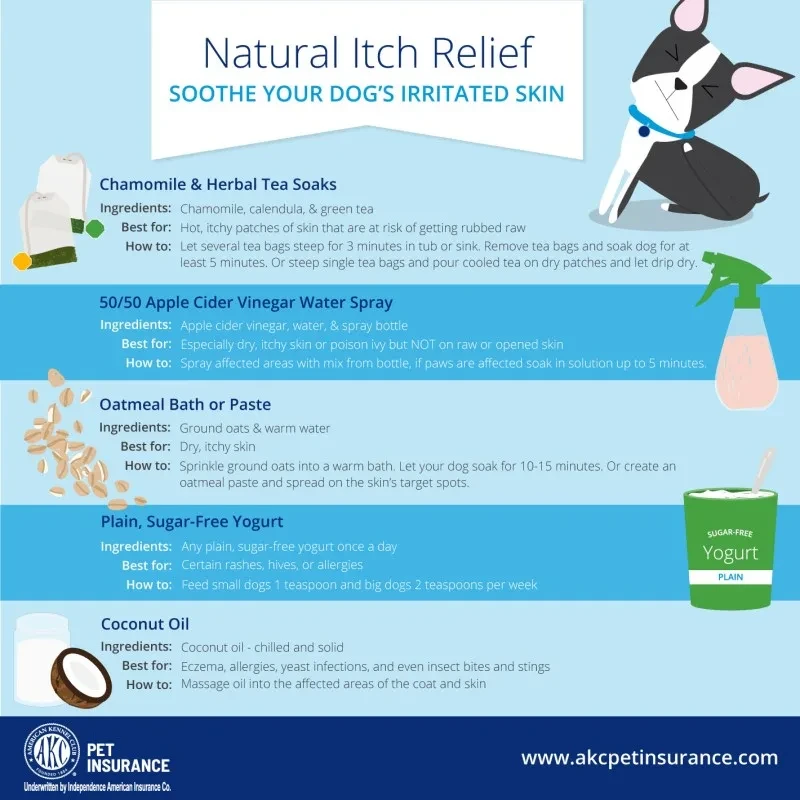
Natural Remedies for Dog Allergies: Effective Holistic Care
PawVerde.com – Natural remedies for dog allergies focus on soothing topical irritation and modulating the immune response through supplements like Quercetin and Colostrum. While effective for mild cases, they serve as supportive care rather than a replacement for traditional medications like Apoquel in moderate to severe clinical scenarios.
Integrative therapy can successfully manage allergy symptoms in 50% to 60% of pets, with another 20% to 30% seeing partial response. This suggests that a holistic approach can be a viable component of a broader management plan.
The Symptom-to-Remedy Decision Tree
To choose the right remedy, first identify the allergy type: use topical treatments like colloidal oatmeal or chamomile compresses for seasonal skin irritation, and dietary interventions like an 8-12 week hypoallergenic food trial for suspected food allergies. Always prioritize safety by avoiding acidic treatments on broken skin.
Seasonal vs. Food Allergy: How to tell the difference
Leigh Burkett, DVM, notes that distinguishing between environmental triggers and dietary sensitivities is the first step in effective management. A common misconception is that blood tests can definitively identify food sensitivities; however, industry practitioners report that blood tests are not reliable for diagnosing food allergies in dogs. Instead, the most accurate diagnostic method is a strict dietary trial.
A successful food allergy diagnosis requires a commitment to a hypoallergenic food protocol for 8 to 12 weeks. During this period, the dog cannot consume any other food items, including treats, human scraps, or even flavored medications. Failure to maintain this strictness often leads to a false negative, where the owner believes the allergy persists simply because the trigger was not fully removed.
Topical vs. Ingestible: Matching the remedy to the symptom
Matching a remedy to a symptom requires distinguishing between localized and systemic issues. For intense itching in specific spots like the paws or belly, topical solutions like chamomile compresses are the priority. If symptoms involve chronic inflammation, ingestible immune modulators may be required.
- Localized Irritation: Use chamomile compresses or oatmeal-based baths for immediate skin soothing.
- Systemic Immune Support: Utilize supplements like Quercetin to address internal histamine responses.
- Dietary Management: Implement a strict 8 to 12 week hypoallergenic diet trial to isolate food triggers.
Natural Remedy Safety Matrix: What to Use and What to Avoid
Applying the wrong substance to a compromised skin barrier can cause significant harm. For example, baking soda is highly alkaline and can disrupt the skin’s pH balance, leading to redness and damage.
| Remedy Type | Action/Status | Primary Risk/Limitation |
|---|---|---|
| Colloidal Oatmeal | Recommended | Over-bathing can cause skin dryness. |
| Apple Cider Vinegar | Caution | Can sting and irritate inflamed or broken skin. |
| Baking Soda | Caution | Highly alkaline; can disrupt the skin’s pH balance. |
| Coconut Oil | Limited Use | Not proven to relieve allergic itch or inflammation. |
Coconut oil has mild moisturizing properties, but it is not proven to relieve allergic itch or inflammation in dogs. Vetster notes that excessive ingestion of coconut oil can also lead to complications regarding digestion and weight management. Similarly, apple cider vinegar’s high acidity makes it a significant risk for dogs with raw or broken skin, as it can cause intense stinging.
Topical Soothing Techniques for Itchy Skin
When skin irritation is visible, owners can use cooling agents to break the “itch-scratch cycle.” These methods target surface discomfort to prevent secondary infections.
The Gold Standard: Colloidal Oatmeal Baths
According to Borash Vet, “Colloidal oatmeal remains the gold standard for relieving itchy skin naturally.” This involves using extremely fine, powder-like oatmeal that can suspend in water to create a soothing film over the skin.
- Grind plain, unsweetened oatmeal into a very fine powder.
- Mix the powder into lukewarm bath water.
- Soak the affected areas for 10-15 minutes.
- Pat the skin dry gently; do not rub vigorously.
A common failure mode in home care is over-bathing. While the oatmeal bath is helpful, bathing a dog too frequently can strip the skin of essential oils, leading to increased dryness and further irritation.
Localized Relief: Chamomile Compresses
For dogs that cannot tolerate a full bath, localized relief via a chamomile tea compress is an effective alternative. This method targets specific “hot spots” or reddened areas without wetting the entire body.
To prepare this, brew a cup of chamomile tea and allow it to cool completely. Soak a clean cloth in the tea and apply it as a compress to the irritated skin. This helps in reducing redness and swelling through its natural calming properties.
Immune-Modulating Supplements and Dosage Frameworks
Managing allergies from within involves using substances that influence inflammatory pathways. These supplements aim to modulate how the body reacts to specific environmental or food triggers.
Quercetin is frequently utilized in holistic protocols. Dogs Naturally reports that “Quercetin, known as “Nature’s Benadryl,” acts as a natural antihistamine and anti-inflammatory, reducing histamine levels that trigger allergic reactions.” This makes it a primary choice for dogs that react strongly to environmental allergens.
Effective ingestible options include:
- Colostrum: This can improve allergy symptoms by modifying the immune response through its unique protein content.
- Nettle Tincture: Practitioners often suggest a dosage of 2 drops per 10 lbs of body weight to support seasonal relief.
- Diphenhydramine: While a pharmaceutical, it is often used in controlled doses, such as 1 mg per pound of body weight, for acute relief.
Strict adherence to dosage is necessary to ensure safety. For example, using 2 drops of nettle tincture per 10 lbs of body weight helps maintain a therapeutic window without overtaxing the animal.
Red Flag Checklist: When to Abandon Home Remedies
Natural remedies are best suited for mild, manageable symptoms. If a dog’s condition progresses beyond simple itching, relying solely on home treatments can be dangerous and delay necessary medical intervention.
Owners should immediately transition to professional veterinary care if any of the following “Red Flags” appear:
- Secondary Infections: Skin that is oozing, has a foul odor, or shows signs of yeast blooms.
- Systemic Symptoms: Lethargy, loss of appetite, or significant changes in behavior.
- Severe Inflammation: Intense redness, swelling, or skin that is hot to the touch.
- Non-Responsiveness: If symptoms do not improve after 2 weeks of consistent natural management.
In moderate to severe cases, veterinarians typically recommend traditional therapies. Medications such as Apoquel or Cytopoint are designed to target the itch signal more aggressively than natural supplements. Furthermore, if a secondary bacterial infection is present, a veterinarian may prescribe Convenia, an antibiotic injection, to clear the infection before continuing with allergy management.
| Treatment Type | Primary Goal | Best Use Case |
|---|---|---|
| Holistic (Natural) | Promote overall health and strengthen the immune system. | Mild, seasonal, or maintenance-level allergies. |
| Target and suppress specific allergic symptoms. | Moderate to severe clinical allergy scenarios. |
The choice between these paths depends on the clinical presentation. If a dog shows signs of severe inflammation or non-responsiveness to natural care, traditional pharmaceutical options are more appropriate.
FAQ
How long should a hypoallergenic food trial last?
A strict dietary trial on hypoallergenic food should last between 8 to 12 weeks to accurately diagnose food allergies. During this window, the dog must not consume any other food, treats, or flavored medicines to ensure the results are not skewed by hidden ingredients.
Can I use apple cider vinegar on my dog’s itchy skin?
Avoid using apple cider vinegar on raw or broken skin. Because it is highly acidic, it can sting and further irritate inflamed areas, potentially worsening the dog’s discomfort.
Is coconut oil effective for dog allergies?
While coconut oil has mild moisturizing properties, it is not proven to relieve allergic itch or inflammation in dogs. Excessive use can also lead to digestive issues or weight gain if ingested in large quantities.
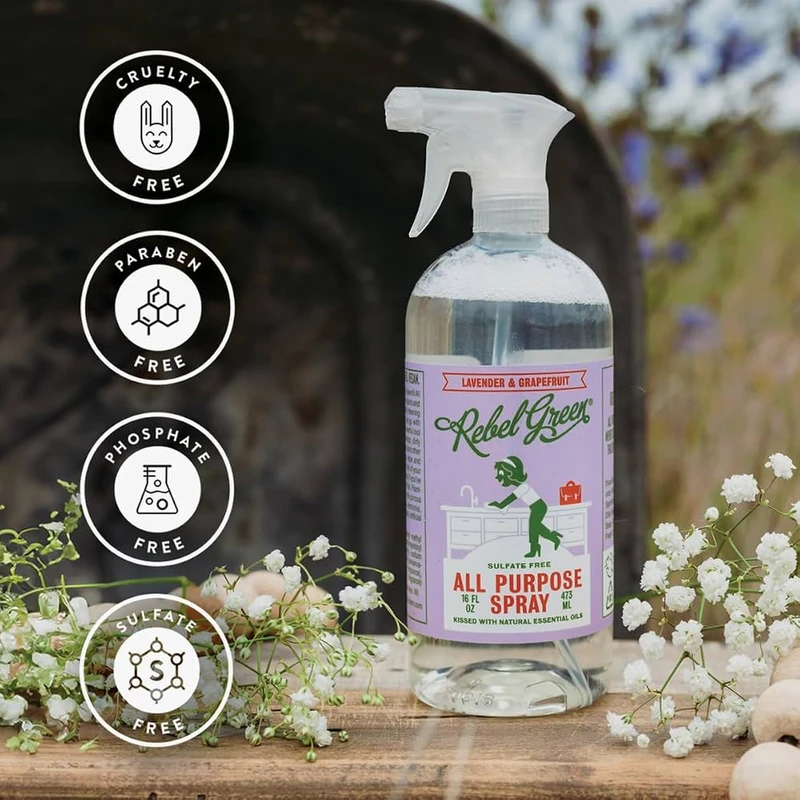
Eco-Friendly Pet-Safe Cleaning: Avoiding Toxic Residues
PawVerde.com – Eco-friendly pet-safe cleaning requires more than just ‘natural’ labels; it demands products free from glycol ethers, ammonia, and bleach. To ensure safety, prioritize brands with third-party certifications (EWG/EPA) and always allow surfaces to dry completely to prevent chemical absorption through a pet’s sensitive paw pads.
The global pet-safe cleaners market is projected to surge from $6,492.1 million in 2025 to $8,310.5 million by 2035. As pet ownership rises, the demand for non-toxic household maintenance grows alongside it.
The Paw-Pad Absorption Guide: Why ‘Natural’ Isn’t Always Safe
Because they walk on cleaned floors, lick their paws, and sleep with their faces on treated surfaces, dogs and cats face higher exposure to cleaning residues than humans. This grooming cycle facilitates the ingestion of substances. Always ensure surfaces are dry to prevent chemical transfer.
The Science of Paw-Pad Absorption
Dogs and cats face higher exposure than humans because of their grooming habits. They walk on cleaned floors, lick their paws, groom themselves, and often sleep with their faces directly on treated surfaces. This creates a continuous cycle of contact and ingestion.
Chemical composition matters immensely. Glycol ethers, such as 2-butoxyethanol and related compounds, are associated with blood disorders, kidney and liver damage, and reproductive toxicity. Even if a product is labeled “natural,” the presence of these specific compounds poses a significant physiological risk.
The ‘Dry-Time’ Checklist for High-Traffic Zones
To mitigate the risk of pets entering freshly treated areas, implement these specific safety protocols:
- Hardwood and Tile: Wait until the surface is completely matte and dry to the touch to prevent residue transfer to paw pads.
- Carpets and Rugs: Ensure deep-seated moisture from enzymatic cleaners has evaporated; residual dampness can facilitate chemical absorption.
- High-Traffic Thresholds: Use physical barriers or baby gates to prevent pets from entering a room during the active drying phase.
Spotting Greenwashing: The Transparency Audit Framework
The term ‘non-toxic’ does not necessarily imply a product is non-irritating to humans. Many products marketed as “green” focus on environmental friendliness but fail to address skin or respiratory irritation. Furthermore, experts note that just because a product says pet-safe or natural doesn’t mean it’s truly pet-safe or poses no risk to pets.
A critical counterintuitive claim is that cleaning products labeled safe for use around infants or children are not automatically safe around pets. Pets have different metabolic pathways and grooming behaviors that can lead to toxicity from substances that might be considered negligible for human toddlers. Always cross-reference ingredients with the Environmental Working Group (EWG) or the EPA to verify safety claims.
Commercial vs. DIY: The Efficacy Battle
While DIY solutions like vinegar and baking soda are excellent for light maintenance, commercial enzymatic cleaners are superior for organic pet messes. Enzymes actively break down urine proteins, whereas natural acids like vinegar may struggle with older, more stubborn stains and odors.
| Cleaning Method | Best Use Case | Efficacy Level | Safety Note |
|---|---|---|---|
| Vinegar & Baking Soda | Light maintenance/Glass | Low to Moderate | Generally safe; avoid mixing in closed containers. |
| Enzymatic Cleaners | Urine and organic stains | High | Ensure full drying to prevent ingestion. |
| Non-Enzymatic Plant-Based | Daily surface wiping | Moderate | Check for essential oil content. |
Use the following comparison to select a cleaning method based on the specific type of organic stain or surface being treated.
When to use Vinegar and Baking Soda
Vinegar and baking soda are highly effective for non-organic messes, such as hard water stains or general surface grime. For example, a mixture of 2 Cups vinegar, 2 Cups lukewarm water, and 4 Tbsp baking soda can serve as a versatile household cleaner. However, these solutions may fail when dealing with the complex proteins found in dried pet urine.
The Power of Plant-Powered Non-Enzymatic Solutions
Some manufacturers have moved away from traditional enzyme-based models. Skout’s Honor, for instance, offers immediate cleanup without the wait or uncertainty of enzymes. These plant-powered solutions target odors through different chemical pathways, providing a faster response for owners who cannot wait for enzymatic breakdown.
Top-Rated Eco-Friendly Pet Cleaners by Market Category
The market is divided among several specialized providers. For instance, The Honest Company, Inc. holds an 18-22% market share, while Seventh Generation, Inc. captures 14-18% of the industry.
| Brand/Company | Primary Specialization | Market Context |
|---|---|---|
| The Honest Company, Inc. | General Pet-Safe Cleaning | 18-22% Market Share |
| Seventh Generation, Inc. | Eco-Conscious Home Care | 14-18% Market Share |
| Puracy | Biodegradable Solutions | 12-16% Market Share |
| ECOS (Earth Friendly Products) | Vegan-Certified Non-Toxic | 10-14% Market Share |
| Nature’s Miracle (Spectrum Brands) | Odor and Stain Removal | 8-12% Market Share |
| Rocco & Roxie Supply Co. | Enzymatic Odor Removal | Specialist |
| Skout’s Honor | Plant-Powered Non-Enzymatic | Specialist |
| Tersano Inc | Stabilized Aqueous Ozone (SAO) | Specialist |
This data highlights a diverse landscape where companies like Puracy (12-16% share) compete alongside specialists like Rocco & Roxie Supply Co.
Market Leaders for General Home Cleaning
For daily household tasks, ECOS (Earth Friendly Products) provides vegan-certified options, with an all-purpose cleaner priced at approximately $7 USD for a 22 oz bottle. Puracy also maintains high standards, with products like their Natural Carpet Spot Remover containing 99.51% natural content. These brands are suitable for routine dusting, floor wiping, and general surface maintenance.
Specialists in Odor and Stain Removal
When dealing with accidents, specialized formulas are required. Nature’s Miracle (Spectrum Brands) is a recognized name in the stain and odor category. For those seeking high-concentration natural ingredients, Puracy offers a Carpet & Upholstery Shampoo with 99.36% natural content. If you require immediate action without the biological delay of enzymes, Skout’s Honor provides a plant-powered alternative.
Safe DIY Recipes for the Eco-Conscious Pet Parent
Homemade solutions can minimize exposure to synthetic fragrances. To maintain efficacy, follow specific ratios, such as using 2 Cups of vinegar and 4 Tbsp of baking soda for general surface cleaning.
The Ultimate Pet Stain Remover Recipe
For targeted stain removal, follow this protocol: Add one tablespoon of hydrogen peroxide to an all-purpose cleaner; spray on the stain; blot with a T-shirt or paper towel. For urine-specific issues, let the solution sit for a few minutes before repeating the process. Once the area is clean, dry it thoroughly and sprinkle with baking soda for 10-20 minutes before vacuuming to absorb any remaining odors.
Another effective combination involves mixing ½ Cup of hydrogen peroxide with ½ Cup of dish soap for heavy-duty spot cleaning.
Scenting Your Home Safely with Citrus
Avoid using concentrated essential oils, which can be problematic for pets. Instead, use a gentle infusion method. Steep orange or lemon peel in vinegar for at least 24 hours, then strain the liquid before adding it to a spray bottle. This provides a natural citrus scent without the risks associated with undiluted essential oils.
- General Surface Mix: 2 Cups vinegar, 2 Cups lukewarm water, and 4 Tbsp baking soda.
- Glass/Mirror Mix: Equal parts water and vinegar or lemon juice.
- Drain Maintenance: Pour ½ Cup baking soda into the drain, follow with 1 Cup vinegar, let sit for 10 minutes, then rinse with boiling water.
FAQ
Are ‘natural’ cleaners always safe for cats?
Not necessarily. Some natural scents like certain essential oils can be neurotoxic to cats, and some ‘natural’ products may still release formaldehyde vapors when combined with ambient air, such as those containing citrus and pine-based ingredients.
How do I know if a cleaner is truly non-toxic?
Look for third-party certifications from the Environmental Working Group (EWG) or the EPA. Avoid products that use “proprietary blends” to hide ingredients like glycol ethers or ammonia, as these can be hazardous to pets.
Can I use hydrogen peroxide on my carpets to clean pet stains?
To avoid fabric damage, always test a small, inconspicuous area first. If you proceed, remember to blot rather than scrub to prevent the stain from spreading deeper into the fibers.
Eco-Friendly Dog Chew Toys: How to Choose Safe Materials
PawVerde.com – Eco-friendly dog chew toys prioritize renewable materials like natural rubber, hemp, and cellulose fiber over traditional petroleum-based plastics. Choosing sustainable options reduces microplastic shedding and chemical leaching, offering a safer, biodegradable alternative that supports both your pet’s dental health and the planet’s long-term ecological stability.
Natural rubber is a renewable, plant-based material sourced by tapping Hevea brasiliensis trees to collect milky latex.
How to Spot Greenwashing in Pet Toy Packaging
To detect greenwashing, look beyond vague ‘natural’ labels. Check for specific certifications regarding BPA-free, latex-free, and phthalate-free status. Verify if materials like ‘natural rubber’ are actually 100% latex or if they contain synthetic fillers, and ensure ‘recyclable’ claims are backed by specific programs like West Paw’s Loop®.
Red Flags: Vague Terminology
Many products use “eco-friendly” or “green” as marketing buzzwords without providing technical substantiation. Industry analysts suggest that a lack of specific chemical disclosures often hides the presence of harmful additives. For instance, while some brands claim sustainability, they may fail to mention if their products contain phthalates. A more reliable standard is found in products from Project Hive, which explicitly states they are BPA-free, latex-free, and phthalates-free.
A common failure mode occurs when a toy is labeled as “natural rubber” but contains significant synthetic fillers to reduce costs. Newtop notes that some rubber toys may claim to be natural, but true 100% natural latex content is a specific distinction that separates high-quality sustainable toys from hybrid synthetics. If a package does not specify the exact percentage of natural latex, proceed with caution.
The Truth About ‘Recyclable’ Labels
The term “recyclable” is often used loosely, leading consumers to believe any plastic-like toy can be processed by standard curbside programs. This is a misconception. True circularity requires specific infrastructure. For example, West Paw offers the Loop® program, which allows owners to join a dedicated recycling initiative for their toys rather than relying on general municipal waste streams.
To ensure genuine sustainability, verify that products meet specific standards, such as Project Hive’s certification of being BPA-free and phthalate-free, or the presence of 100% natural latex in rubber items.
- Explicit certification of being BPA-free and phthalate-free (as seen with Project Hive).
- Verification of 100% natural latex content in rubber-based products.
- Participation in closed-loop recycling programs like West Paw’s Loop®.
- Clear documentation regarding the absence of synthetic dyes in fiber-based toys.
The Durability vs. Sustainability Paradox
A significant tension exists between a toy’s ability to withstand aggressive chewing and its ability to break down in the environment. natural rubber is a primary solution to this paradox, as it provides a tough yet flexible chew that can withstand gnawing without splintering, according to Newtop. However, this durability comes with a biological timeline; natural rubber typically has a biodegradability duration of 1 to 5 years.
While natural rubber is incredibly resilient, it introduces different physical properties compared to synthetic alternatives. For example, Soda Pup natural rubber flying discs are heavier than standard plastic versions. This increased density can affect flight distance during play, a trade-off for choosing a plant-based material over lightweight petroleum plastics. While a plastic disc might fly further, it will persist in the environment for centuries, whereas the natural rubber version will eventually degrade.
Material Tier List: Matching Eco-Toys to Chewing Styles
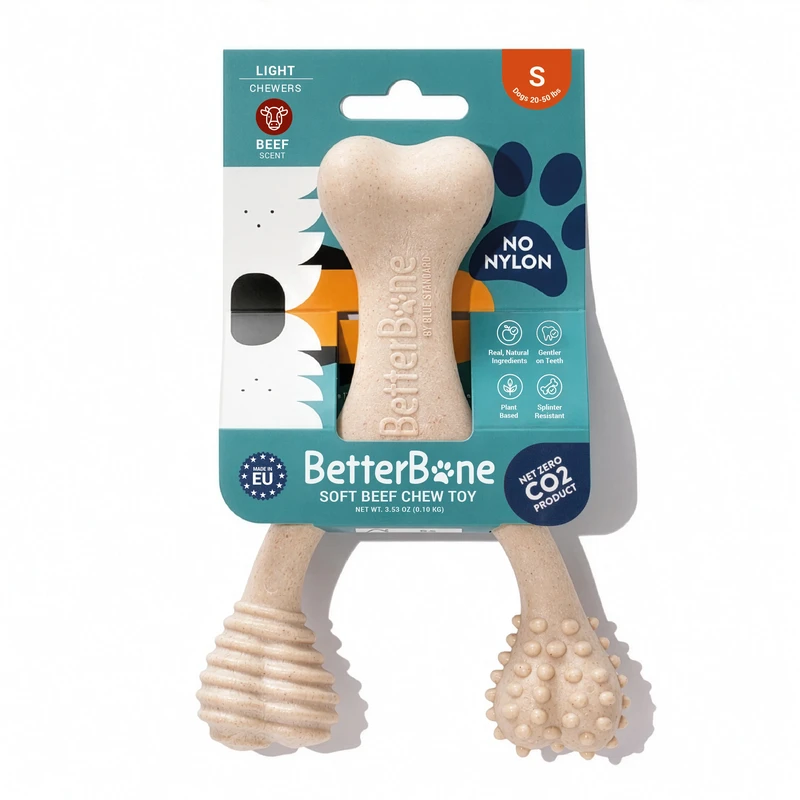
Match your dog’s chewing style to the material: ‘Destroyers’ should opt for natural rubber (like Soda Pup or Newtop) for its toughness without splintering; ‘Nuzzlers’ benefit from hemp or coconut ropes (Freya & Dax) that fray safely; and ‘Gentle Chewers’ can enjoy cellulose fiber (BetterBone) or yak milk (Himalayan) chews.
| Material Type | Best For (Chewing Style) | Sustainability Profile | Primary Safety Benefit |
|---|---|---|---|
| Natural Rubber | Destroyers | Renewable/Biodegradable | Won’t splinter like hard plastic |
| Hemp Rope | Nuzzlers | Low water/pesticide use | Frays instead of breaking |
| Coconut Fiber | Nuzzlers | Highly renewable | Shorter fibers reduce ingestion risk |
| Cellulose Fiber | Gentle Chewers | Plant-based/Biodegradable | Easier on teeth |
| Yak Milk | Gentle/Moderate | Natural/Edible | Non-toxic edible byproduct |
This guide compares materials like Freya & Dax coconut fibers, which are shorter and less likely to cause intestinal issues, against traditional options.
Heavy Duty: The Strength of Natural Rubber
For dogs that treat toys as a job, natural rubber is the superior choice. Newtop distinguishes natural rubber from silicone by noting that rubber is specifically utilized for its strength and toughness. While silicone is often used for design details or safety, natural rubber provides the structural integrity required for heavy gnawing. This makes it a much more viable option for “Destroyer” type dogs than softer, plant-based fibers.
Safe Fraying: Why Hemp and Coconut Beat Cotton
Traditional cotton rope toys can be dangerous if they break into large, swallowable chunks. In contrast, hemp is a highly sustainable crop that requires less water and fewer pesticides than cotton. Sparkly Tails reports that “Hemp rope toy frays instead of breaking, making it a safer choice for your dog.” This fraying mechanism ensures that the toy wears down gradually rather than snapping suddenly. Similarly, Freya & Dax utilizes coconut fibers, which are shorter and significantly less likely to cause intestinal issues than long-strand cotton ropes.
Plant-Based Alternatives: Cellulose and Yak Milk
For dogs that prefer a slower, more methodical chew, cellulose and yak milk offer excellent alternatives. BetterBone produces cellulose fiber chews, which are plant-based materials that are easier on both the dog’s teeth and the environment. For an edible option, Himalayan yak milk chews provide a natural, non-toxic way to satisfy chewing urges. These options avoid the microplastic shedding associated with synthetic chew bones.
Safety Risks: From Intestinal Tangling to Dental Damage
Owners must account for unique physical risks when moving away from plastic, such as the tendency for long rope fibers to tangle in intestines or the potential for hard yak milk chews to damage teeth if used without supervision.
One critical pitfall involves the physical structure of fiber toys. Long rope fibers from traditional or poorly constructed sustainable ropes can tangle in a dog’s intestines. Additionally, while hemp is generally safer because it frays, some dogs may experience allergic reactions to hemp fibers, leading to skin irritation or stomach distress. Owners should monitor for these signs immediately after introducing a new material.
Hardness levels also pose a risk. While natural rubber is flexible, extremely hard products like yak milk chews can potentially damage teeth if a dog chews with excessive force without supervision. Conversely, while avoiding the chemical risks of plastic, owners must remain vigilant that traditional plastic toys do not pose immediate choking hazards if they shatter into sharp pieces.
The Economics of Eco-Friendly Play
While the upfront cost of a $19.99 Project Hive toy is higher than a generic plastic alternative, a durable natural rubber toy may lower the total cost of ownership by replacing multiple cheap versions that break quickly.
Market pricing for these specialized materials includes:
- Soda Pup (Natural Rubber): Starting at $7.50
- Freya & Dax (Coconut Rope): $15.99
- Himalayan (Yak Milk): $16.79
- Project Hive (Recyclable/BPA-free): $19.99
- BetterBone (Cellulose Fiber): $19.99
While the $19.99 price point for a Project Hive toy is higher than a generic plastic toy, the environmental benefits and the reduction in frequent replacements provide a different value proposition for the conscious consumer.
FAQ
Is hemp safer than cotton for dog toys?
Yes, hemp rope is more sustainable as it requires less water and pesticides. Crucially, hemp rope tends to fray instead of breaking, which reduces the risk of a dog swallowing large, dangerous pieces compared to cotton.
Can I compost my dog’s eco-friendly toys?
It depends on the material. While natural fibers like hemp or coconut may be compostable, you must ensure no synthetic dyes or plastic binders are present. Always check if the manufacturer specifies home vs. industrial composting.
Why is natural rubber heavier than plastic toys?
Natural rubber is a dense, plant-based material. This added weight can make flying discs (like those from Soda Pup) fly shorter distances compared to lightweight synthetic alternatives.
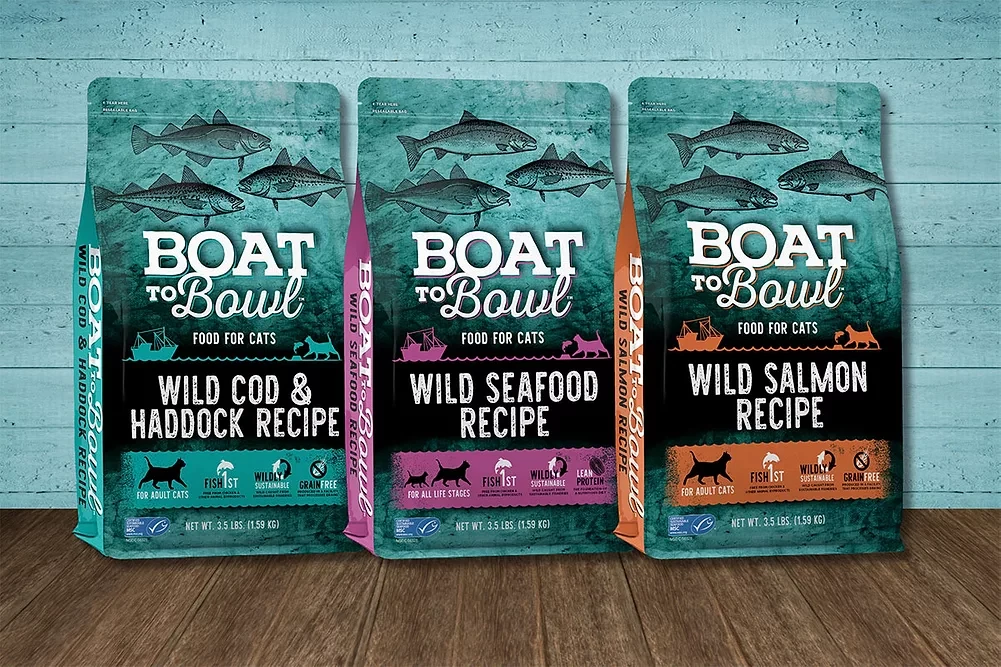
Sustainable Fish for Cat Food: Safe & Eco-Friendly Choices
PawVerde.com – Sustainable fish for cat food involves selecting species that are ecologically resilient—such as Pacific sardines or skipjack tuna—and sourcing them through certified methods like MSC. To ensure both planetary health and feline safety, owners should prioritize low-mercury, certified-sustainable species over high-risk options like bluefin tuna.
The global pet population consumes an estimated 20 million tonnes of food annually, with pet food accounting for 20% of the world’s meat consumption. As this demand scales, the pressure on marine ecosystems intensifies.
The Bioaccumulation Risk in Large Predators
Larger, long-lived predatory fish act as reservoirs for environmental pollutants. Because they consume vast quantities of smaller organisms over many years, they absorb and store significant amounts of lead, cadmium, and mercury. For a cat, consuming these concentrated toxins can lead to long-term health complications.
Why Benthic Feeders Pose a Heavy Metal Threat
The method by which a fish feeds is as critical as the species itself. Benthic feeding—where organisms feed on or near the ocean floor—exposes fish to heavy metals that have settled into the sediments. These pollutants, often originating from industrial discharge or agricultural runoff, are easily ingested by bottom-dwellers, starting a cycle of contamination that eventually reaches the top of the food chain.
| Fish Species | Ecological Sustainability | Heavy Metal Risk | Best Use Case |
|---|---|---|---|
| Skipjack Tuna | High | Low | Daily nutritional base |
| Bluefin Tuna | Low | High | Avoid in frequent feeding |
| Pacific Sardines | High | Very Low | Optimal protein & Omega-3 |
| Alaskan Salmon | High | Moderate | Premium dietary topper |
Small, fast-growing fish like Pacific sardines offer the lowest toxicological risk while maintaining high ecological value.
Greenwashing Decoder: How to Spot Real Sustainability on Labels
Pet food packaging is often saturated with environmental imagery that lacks legal substance. Some industry observations suggest that sustainability can often feel like just another buzzword companies feel obligated to throw around. Distinguishing between genuine commitment and marketing noise requires looking past the photos of blue oceans.
Evaluate your next purchase by looking for specific verification frameworks like the Marine Stewardship Council (MSC) or the Monterey Bay Aquarium Seafood Watch® rather than trusting marketing adjectives.
- Marine Stewardship Council (MSC): Look for the blue MSC label, which indicates the seafood has been caught through methods that ensure the long-term health of fish populations.
- Monterey Bay Aquarium Seafood Watch®: Check if the ingredients align with “Best Choice” or “Good Alternative” ratings provided by this partner program.
- Traceable Sourcing: Avoid the “Ocean Fish” loophole, where manufacturers use vague, unidentifiable fish blends to hide unsustainable sourcing.
- ASC Certification: For farmed options, the Aquaculture Stewardship Council (ASC) provides a benchmark for environmental and social responsibility.
A major pitfall occurs when a brand uses the term “natural” to imply sustainability; in the regulatory landscape of pet food, “natural” refers to the absence of synthetic additives, not the ecological impact of the harvest.
The Fish Meal Trap: Identifying High-Quality Whole Fish Ingredients
Ingredient quality varies significantly between brands. While some products use generic fish meal, high-quality formulations prioritize identifiable cuts, such as Open Farm products that feature 95% fresh Icelandic fish in Fish Toppers or 96% fresh Icelandic fish in Icelandic Fish Toppers.
High-quality formulations prioritize whole fish or identifiable cuts. For example, some premium lines feature 95% fresh Icelandic fish in Fish Toppers, while others achieve 96% fresh Icelandic fish in Icelandic Fish Toppers. These specific, high percentages of whole-muscle fish indicate a level of transparency and nutrient density that generic fish meal cannot match. When reading a label, look for the specific species name (e.g., “Salmon”) rather than a generic “Fish Meal” or “Fish Derivative.”
Top Sustainable Fish Species for Feline Nutrition
The best sustainable fish for cats include Pacific sardines due to their quick reproduction and resilience, skipjack tuna for its lower overfishing pressure compared to bluefin, and wild-caught Alaskan salmon, which is managed under strict, responsible fishing quotas.
To maintain population stability, owners should prioritize species like wild-caught Alaskan salmon, which is managed under strict fishing quotas.
Resilient Small Fish: The Sardine Advantage
Pacific sardines reproduce quickly, making them highly resilient to fishing pressures. For cats, they provide essential fatty acids and minerals without the heavy metal accumulation seen in larger predators.
The Tuna Hierarchy: Skipjack vs. Bluefin
Skipjack tuna is generally more sustainable than larger species like bluefin, which face severe overfishing pressures. When choosing tuna-based products, prioritizing skipjack or looking for pole-and-line caught labels can significantly reduce your cat’s ecological footprint.
| Species | Sustainability Status | Key Benefit |
|---|---|---|
| Pacific Sardine | Very High | Rapid reproduction & low toxins |
| Skipjack Tuna | High | Lower overfishing risk |
| Alaskan Salmon | High | Strictly managed quotas |
| Bluefin Tuna | Low | High risk of overexploitation |
Beyond the Ocean: The Rise of Algae-Based Omega-3s
A significant innovation in sustainable pet nutrition is the move away from fish oil toward plant-based alternatives. Algae-based omega-3 can reduce dependency on fish oil, effectively “taking the middle fish out” of the equation. This means we no longer need to catch massive amounts of small fish just to extract their oil for pet food.
Corbion, a leading producer of AlgaPrime™ DHA, utilizes a proprietary microalgae fermentation process to create high-quality Omega-3 products. This method is highly efficient and avoids the environmental costs of traditional fishing. Beyond sustainability, these algae-derived nutrients are functionally superior for certain health needs; for instance, DHA within omega-3s has been found to help slow the progression of kidney disease, which is especially important for aging cats.
Industry Shifts: Major Brand Pledges and Commitments
In 2020, Mars Petcare pledged to source all fish globally from sustainable sources. Mark Johnson, Mars Petcare’s UK general manager, stated: “We are now the first pet company to make a commitment to sustainable fish, and we hope that will act as a catalyst for the whole industry.”
These commitments extend beyond the ingredients themselves. Mars has also established a commitment for 100% recyclable packaging by 2025, addressing the environmental impact of the waste generated by pet food consumption. While these corporate pledges are a positive step, consumers should continue to verify individual product claims against third-party certifications.
Practical Guide: Transitioning and Storing Sustainable Food
Moving your cat to a more sustainable diet requires a careful approach to prevent digestive upset. If you are transitioning from a high-mercury tuna-based diet to a lower-mercury sardine or salmon-based diet, do so gradually over 7 to 10 days to allow the feline gut microbiome to adjust.
How you store food also impacts its environmental footprint. Using reusable containers like glass or stainless steel is better than plastic, as it reduces single-use waste and helps maintain the freshness of the oils.
Shortcut: To maintain maximum nutrient density, store opened dry food in airtight stainless steel containers in a cool, dark place.
Warning: Avoid storing fish-based wet food in disposable plastic pouches once opened, as this increases environmental waste and can lead to faster oxidation of delicate Omega-3 fatty acids.
FAQ
Is wild-caught fish better than farmed fish for cats?
Wild-caught Alaskan salmon is often highly managed and sustainable, making it an excellent choice. However, the “better” option depends entirely on the specific certification and the management history of the species in question; always look for MSC or ASC labels to be certain.
How can I tell if my cat food is actually sustainable?
Look for the MSC (Marine Stewardship Council) or ASC certification on the packaging. Avoid brands that use vague terms like “ocean fish” without providing traceable sourcing information or specific species names in the ingredient list.
Can algae-based DHA replace fish oil in cat diets?
Yes, microalgae fermentation, such as AlgaPrime™ DHA, provides high-quality Omega-3s. This method provides the necessary DHA and EPA without the need for “middle fish” extraction, making it a more sustainable and efficient way to support feline health.
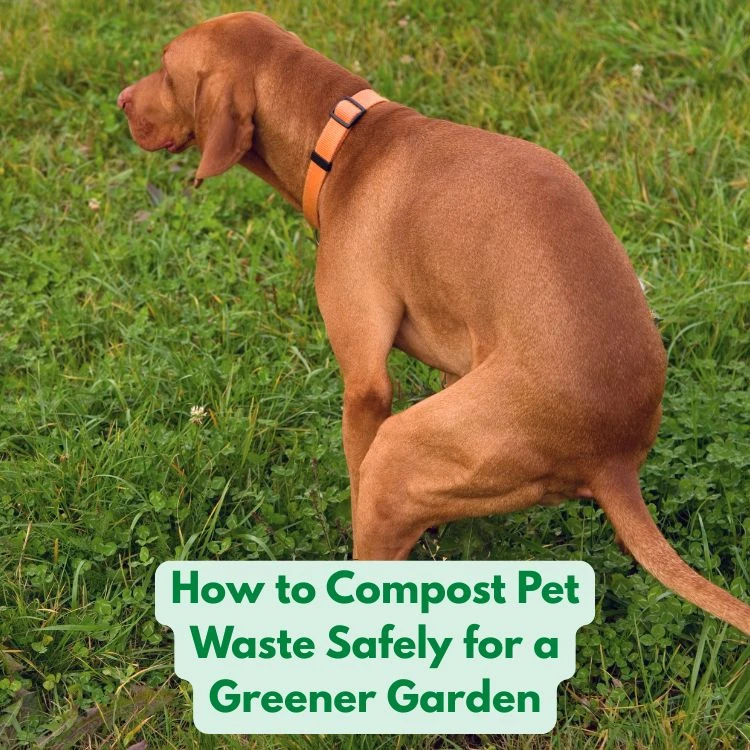
How to Compost Pet Waste Safely: Heat & Trenching Guide
PawVerde.com – To compost pet waste safely, you must use high-heat composting methods that reach at least 140°F to neutralize pathogens, or utilize deep trenching (12-18 inches). Never use dog or cat waste compost on edible food crops, and avoid vermicomposting waste from pets recently treated with de-worming medications.
The US EPA classifies pet waste as a dangerous pollutant, placing it in the same category as toxic chemicals. This classification stems from the ability of pet waste to contaminate water sources; if left on streets, curb strips, or in yards, rainwater can carry it to storm drains and into creeks, lakes, and Puget Sound without treatment, according to Seattle Public Utilities.
Risk-Level Matrix: Choosing Your Disposal Method
Select your method based on the animal type: Herbivore manure (rabbits/guinea pigs) is safe for all garden areas, including veggie patches. Dog and cat waste requires high-heat composting (140°F+) or deep trenching (12-18 inches) and must never be applied to food crops due to pathogen risks.
Herbivore vs. Carnivore: The Safety Divide
A critical distinction exists between the waste of herbivores and carnivores. Herbivore manure, coming from animals that only eat plants like rabbits or guinea pigs, is safe for all garden areas, including your veggie patch. Conversely, waste from omnivores or carnivores presents a different profile. Seattle Public Utilities notes that cat waste is even more toxic than dog waste, necessitating stricter handling protocols to prevent environmental contamination.
Method Comparison: Heat vs. Burial vs. Municipal
Choosing the wrong method can lead to pathogen survival. For instance, backyard composting piles often fail because they do not reach high enough temperatures to fully decompose these materials, as noted by the US EPA. To avoid this, use the following comparison to determine your approach:
| Method | Primary Risk | Ideal For | Safety Level |
|---|---|---|---|
| High-Heat Composting | Pathogen survival if < 140°F | Dog/Cat waste (non-food use) | High (with monitoring) |
| Trenching | Surface runoff/Pests | Small amounts of waste | Moderate |
| Vermicomposting | Worm mortality from meds | Herbivore manure/Food scraps | High (for non-pets) |
| Municipal Disposal | Incompatibility with stream | Standard pet waste bags | High (for sanitation) |
While trenching is a viable option, it requires burying waste at a depth of 12 to 18 inches to prevent attracting pests and to mitigate the risk of surface contamination.
How to Execute High-Heat Dog Waste Composting
To achieve thermal destruction of bacteria, you must follow the Self Contained dog waste composting technique. This method requires maintaining a 2:1 ratio of dog manure to sawdust to ensure the pile reaches the necessary temperatures.
The 2:1 Sawdust Recipe
To begin Self Contained Dog Waste Composting, you must balance the high nitrogen content of the manure with carbon-rich materials. Follow these steps to establish your pile:
- Gather a carbon source, such as sawdust or dry leaves.
- Apply a 2:1 ratio of dog manure to sawdust.
- Ensure the pile is moist but not soaking wet.
- Turn the pile at least once a week to introduce oxygen.
When managed correctly, this process takes between 4 to 8 weeks to produce a crumbly, dirt-like mixture. However, if the pile remains cold, it is a failure mode that indicates the nitrogen-to-carbon balance is off or the pile is too small to retain heat.
Monitoring the ‘Magic Number’ (140°F)
Temperature is the only way to verify that pathogens are being neutralized. UF/IFAS provides a critical warning for home composters: “If you do not reach the ‘magic number’ of 140 degrees F, you may not kill the pathogens present in the dog waste.” To ensure safety, you must use a long-stem compost thermometer to probe the center of the pile. While 140°F is the target for dog waste, some guidelines from the Natural Resources Conservation Service suggest that reaching 131°F for a minimum of 3 days can also be effective for certain pathogens.
DIY Large-Scale Barrel Composter Setup
For households with multiple large dogs, a stationary 55-gallon plastic barrel provides a contained environment for processing waste. This vessel helps manage odors more effectively than an open pile.
Follow these technical requirements to build the unit:
- Obtain a 55-gallon plastic barrel to serve as the main vessel.
- Dig a hole deep enough to partially submerge the barrel.
- Install a 4-inch diameter PVC pipe into the barrel to act as an access port for turning and monitoring.
- Use a rubber cap on the PVC pipe to control odors and prevent pest access.
- Backfill the area with soil to stabilize the barrel.
The insulated barrel structure assists in maintaining the heat necessary to reach the 140°F threshold required to potentially kill pathogens in dog waste.
Troubleshooting: Solving the ‘Stink Factor’ and Pests
Biological imbalances often manifest as odors or pests. If the pile fails to reach the required temperature, it may result in anaerobic conditions.
Correcting Nitrogen Imbalance
If the pile is too “wet” or smells strongly, you have likely added too much manure relative to your carbon source. To fix this, incorporate more sawdust or shredded leaves. The goal is to maintain that 2:1 ratio. Without sufficient carbon, the pile will fail to reach the required temperatures, leaving pathogens active in the material.
Preventing Pest Attraction
Pests are attracted to immature compost or the presence of fats and proteins. According to the Natural Resources Conservation Service, adding meat, dairy, or greasy food scraps to a bin is a primary cause of pest attraction. If you are using trench composting, ensure the waste is buried at least 12 to 18 inches deep to prevent scavengers from uncovering the material.
The ‘Bag’ Problem: Compostable vs. Plastic
A common misconception in pet waste management is that using a compostable bag makes the waste itself compostable. This is false. Seattle Public Utilities states that “pet waste is considered a dangerous pollutant and should always go in the trash regardless of what kind of bag is used.”
While biodegradable or PLA (corn starch) bags are better for reducing long-term plastic pollution, they do not neutralize the biological risks inherent in the waste. If you place a compostable bag into a standard backyard bin, the bag may break down, but the pathogens within the waste will remain a risk if the pile does not hit the required temperature thresholds. Always treat pet waste as a specialized waste stream that requires high-heat processing or dedicated municipal disposal.
Essential Safety Protocols for Households
To prevent environmental contamination, Seattle Public Utilities recommends scooping pet waste from the yard at least every 24 hours. Following these hygiene steps helps mitigate the risk of rainwater carrying pollutants into local storm drains.
- Scoop pet waste from the yard at least every 24 hours to prevent buildup and runoff.
- Never use vermicomposting (worm composting) for pet waste if the animal has recently received de-worming medication. Such medications can kill the earthworms and beneficial microbes in your bin.
- Wear gloves and wash hands thoroughly after handling any pet waste or compost materials.
- Keep compost bins away from areas where children play or where food is prepared.
For those using worm composting for other organic materials, remember that while there are 9,000 earthworm species, only about 7 species are actually suitable for vermicomposting. These worms typically require a starting weight of 1 pound (containing approximately 1,000 individual worms) to establish a healthy, active bin.
FAQ
Can I use dog poop compost in my vegetable garden?
No. Due to the risk of pathogens like E. coli and Salmonella, dog waste compost should only be used for ornamental plants, flowers, or orchards, never food crops. The UF/IFAS explicitly advises against applying compost containing dog waste to food crops.
Will de-worming medication kill my compost worms?
Yes. If your pet has recently been treated with de-worming medication, their waste can kill the earthworms and beneficial microbes in your bin or worm farm. This can cause a total failure of a vermicomposting system.
What temperature is required to kill pet pathogens?
You must reach a ‘magic number’ of at least 140°F to ensure pathogens are destroyed. Some guidelines, such as those from the Natural Resources Conservation Service, suggest that reaching 131°F for a minimum of 3 days is also an effective threshold for pathogen reduction.
Eco-Friendly Pet Supplies: How to Spot Greenwashing
PawVerde.com – Eco-friendly pet supplies prioritize materials like bamboo, hemp, and natural rubber that minimize environmental impact. To shop effectively, look beyond ‘natural’ labels by verifying third-party certifications like Ecogea and distinguishing between ‘biodegradable’—which simply means an item gets smaller—and ‘compostable,’ which ensures the product breaks down into nutrient-rich organic matter.
The shift toward sustainability is no longer a niche preference. According to Faunalytics, 84% of companion animal guardians now hold companies responsible for addressing climate change. This expectation has transformed how brands approach product development and ingredient transparency.
The Greenwashing Red Flag Checklist: Spotting Fake Sustainability
To avoid greenwashing, ignore vague terms like ‘natural’ or ‘organic’ unless they are backed by third-party certifications like Ecogea. Always check the full INCI ingredient list for hidden synthetics and ensure plastic packaging is free of residue, as any contaminated plastic is effectively non-recyclable.
The ‘Natural’ Label Trap
Marketing teams often use “botanical” or “natural” to imply safety, but these terms lack strict legal definitions in many jurisdictions. Doglyway notes that greenwashing is frequently used to attract customers through these misleading terms. A common failure mode occurs when a brand highlights a single plant extract while the majority of the formula consists of synthetic fillers. To verify authenticity, consumers should search for the full INCI (International Nomenclature of Cosmetic Ingredients) list. If a product claims to be organic but lacks a recognized certification such as Ecogea, the “natural” claim should be treated with skepticism.
The Packaging Paradox
A product’s contents may be sustainable, but the container can negate those benefits. Doglyway reports that if a product is packaged in plastic, it is almost certainly not recyclable, regardless of the claims made on the front of the box. This is a critical distinction for eco-conscious shoppers. Even if the product inside is biodegradable, a non-recyclable plastic bottle destined for a landfill creates a net-negative environmental impact. Always look for brands that utilize glass, aluminum, or certified compostable packaging to ensure the entire lifecycle of the purchase aligns with sustainability goals.
- Check for third-party seals like Ecogea rather than relying on text-only “natural” claims.
- Inspect the INCI list for hidden synthetics or unsustainable palm oil.
- Evaluate the packaging material; if it is plastic, confirm its specific recyclability in your local municipality.
- Avoid brands that do not provide transparent sourcing information for their “botanical” ingredients.
Compostability Reality Guide: Home vs. Industrial Breakdown
Understanding the difference between degradation types is essential to prevent accidental pollution. Piggyback Treats explains that seeing the phrase “biodegradable” on a package really doesn’t tell us much other than it will break down over time. This is an ambiguous word that, unless paired with the word compostable, simply means “this item will get smaller.”
When shopping for waste management, the distinction between home and industrial composting is a frequent point of failure. Many “compostable” bags require the high-heat environments found in industrial facilities to actually break down. If these bags end up in a backyard compost bin or a standard landfill, they may persist for years. For high-quality waste management, look for products that meet specific thickness standards; for instance, gogostik.com identifies a 15-20 micron minimum thickness as a benchmark for quality eco-friendly pet waste bags.
Furthermore, Sir Waggingtons highlights that pet waste can introduce harmful bacteria and parasites into ecosystems, pollute waterways, and contribute to the spread of diseases if not managed correctly. Using the wrong type of bag can lead to improper decomposition, which fails to mitigate these biological risks.
Lifecycle Cost Calculator: Upfront Investment vs. Long-Term Value
Sustainable pet ownership requires evaluating the total lifespan of a product. While initial costs vary, durable materials often provide better value over time.
The Pet Sustainability Coalition notes that environmental responsibility has shifted from a niche marketing trend to a structural necessity. This shift is reflected in the move toward durable, long-lasting goods. For example, the Ecofurball.com framework suggests that while a stainless steel bowl might cost more than a plastic one, it can last a lifetime, whereas plastic bowls often require frequent replacement due to cracking or bacterial buildup in scratches.
| Material/Product | Eco-Benefit | Longevity/Durability | Cost Profile |
|---|---|---|---|
| Stainless Steel | Highly recyclable; no microplastics | Extreme; lasts a lifetime | Higher upfront; lowest long-term |
| Bamboo | Rapidly renewable; low water use | Moderate; better than single-use | Mid-range |
| Hemp | Biodegradable; pest-resistant | High; resistant to heavy pulling | Mid-to-high |
| Natural Rubber | Non-toxic; biodegradable | High; tough for heavy chewers | Mid-range |
| Traditional Plastic | High environmental footprint | Low; prone to degradation/cracking | Lowest upfront; high replacement cost |
Choosing materials like hemp or stainless steel minimizes the frequency of replacement. This approach reduces cumulative spending and environmental waste.
Material Deep Dive: Bamboo, Hemp, and Natural Rubber
The Pet Sustainability Coalition defines eco-friendly materials as anything that makes a pet’s life better without making the planet’s future worse. Different materials provide unique functional advantages.
Rapidly Regenerating Bamboo
Bamboo is a highly sustainable resource that can help combat climate change. According to the green pet industry, it reduces deforestation because it regenerates much more rapidly than traditional hardwood trees.
The Strength of Hemp Gear
Hemp is a strong, natural choice for high-stress accessories. It is naturally pest-resistant and biodegradable, making it an ideal material for leashes, collars, and toys that must handle heavy pulling.
Natural Rubber vs. Microplastics
natural rubber serves as a non-toxic and biodegradable alternative to synthetic plastics. It provides a tough, flexible option for heavy chewers that avoids the microplastic problem associated with traditional plastic toys.
Practical Implementation: DIY Composting and Eco-Grooming
Caring Hands Vet provides several strategies for integrating sustainability into daily pet care routines.
One method for managing organic waste is the creation of a DIY poop digester.
Shortcut: To start a DIY poop digester, gather a 20-30 gallon container, a drill, a shovel, gravel, and carbon-rich materials like leaves or sawdust.
Follow these steps for effective decomposition:
- Prepare a 20-30 gallon container by drilling aeration holes.
- Layer gravel at the bottom for drainage.
- Add pet waste separately from carbon-rich materials (leaves, straw, or sawdust).
- Monitor moisture levels and turn the pile regularly to ensure aerobic decomposition.
In addition to waste management, grooming routines can be optimized for lower impact. Caring Hands Vet recommends switching to biodegradable, cruelty-free, and non-toxic shampoos. To further reduce your footprint, consider using concentrated formulas; Essencera notes that by prioritizing concentrated paste formulas, you are actively reducing water waste and carbon emissions. You can also implement low-impact habits like using reusable metal combs or bamboo brushes and simply turning off the tap between rinses to conserve water.
FAQ
Is ‘biodegradable’ the same as ‘compostable’ for dog poop bags?
No. Piggyback Treats explains that “biodegradable” is an ambiguous term that simply means an item will get smaller over time. In contrast, compostable items break down into organic matter.
How can I tell if a pet shampoo is actually eco-friendly?
Prioritize concentrated paste formulas to reduce water waste and verify ingredients with Ecogea certifications. This helps avoid products that hide harsh synthetics behind “botanical” claims.
Are eco-friendly pet products more expensive in the long run?
While items like stainless steel bowls may have a higher upfront cost, they are designed to last a lifetime, offering better value than plastic alternatives.

How to Prepare Your Home for a Rescue Pet Sustainably
PawVerde.com – Preparing your home for a rescue pet sustainably means prioritizing a circular economy approach: sourcing second-hand gear first, upcycling household items into toys, and selecting durable, non-toxic materials like bamboo or stainless steel to minimize long-term waste and environmental impact.
With 6.5 million animals admitted to shelters and rescues in 2023, adopting a pet is a powerful way to reduce the resource-heavy demand of mass breeding facilities.
If you cannot find the perfect second-hand item, look to your recycling bin or closet. Upcycling transforms potential waste into functional pet supplies. For example, you can braid old T-shirts into durable rope tug toys or use empty cardboard tubes to create enrichment activities for cats. This approach prevents textile and paper waste from entering landfills while providing immediate mental stimulation for your new companion.A successful transition for a rescue animal requires a space that minimizes sensory overload. Creating a decompression zone involves more than just a quiet room; it requires an environment that supports the animal’s biological needs without relying on heavy electronic intervention.
Decluttering your living space is a fundamental step in this process. As noted in research regarding shelter pet transitions, decluttering helps create a peaceful atmosphere in your home. This simplicity helps prevent the stress and anxiety often seen in new pets when they move from a shelter or foster environment to a permanent home.
Tri-Valley Animal Rescue notes that pets are amazingly sensitive and read body language. If a new owner appears frazzled or overwhelmed by a disorganized environment, the pet may mirror that tension. A calm, organized space serves as a physical anchor for the animal’s emotional stability.
Managing Pet Sensitivity through Environment
Pawsnickety Pets emphasizes that a safe and happy environment is built on predictability. For a rescue animal, a dedicated “safe zone” should be established. This area should be separate from high-traffic zones of the house. By setting up a separate room or a partitioned corner, you allow the pet to observe the household from a distance before engaging. This gradual introduction is essential for multi-pet households to prevent territorial conflicts.
Natural Temperature Regulation
Rather than relying solely on high-energy electric heaters or air conditioning to manage a pet’s comfort, utilize natural ventilation and sustainable materials. Organic hemp mats or cotton blankets provide breathable insulation that helps regulate body temperature naturally. Using these materials reduces the carbon footprint of your home’s climate control systems while offering a non-toxic resting surface.
Pet-proofing traditionally involves a heavy reliance on synthetic sprays and plastic barriers. The Pet Sustainability Coalition defines eco-friendly pet material as any material that makes a pet’s life better without making the planet’s future worse.
The Pet Sustainability Coalition defines eco-friendly pet material as any material that makes a pet’s life better without making the planet’s future worse. This means looking beyond “natural-looking” products to verify the actual chemical composition of your household items.
| Hazard Category | Traditional Method | Sustainable Alternative | Benefit |
|---|---|---|---|
| Cleaning | Synthetic chemical sprays | Vinegar/Baking soda or biodegradable soaps | Non-toxic for paws and noses |
| Feeding | Disposable plastic bowls | Stainless steel or ceramic | Highly durable and non-leaching |
| Toys | Cheap plastic chew toys | Hemp rope or natural rubber | Biodegradable and safer for teeth |
| Grooming | Plastic brushes/combs | Bamboo or metal tools | Lasts for years; reduces plastic waste |
The table above provides a comparison of common household hazards and eco-friendly, non-toxic alternatives to ensure your pet-proofing efforts do not introduce harmful substances into your home’s ecosystem.
Eliminate single-use plastic packaging by making homemade treats using whole foods like pumpkin and wholemeal flour. Bake at 180ºC (375ºF) for 35-40 minutes with a dough thickness of 0.5 cm to ensure even cooking and zero-waste nutrition.
Sustainable Jungle highlights that homemade treats allow you to control exactly what goes into your pet’s body while completely bypassing the plastic waste generated by commercial treat bags. This method also allows for much more cost-effective nutrition.
To minimize packaging, consider purchasing staple foods in bulk. Using reusable containers to transport food from bulk bins significantly lowers the environmental impact of your pet’s daily nutrition.
Shortcut: To save time, prepare a large batch of treats once a month and store them in airtight glass jars to maintain freshness without using plastic zip-locks.
Creating nutritious treats is straightforward. Follow these specific measurements to ensure a successful bake:- 250g pumpkin (pureed)
- 250g wholemeal flour
- Preheat oven to 180ºC (375ºF)
- Roll dough to exactly 0.5 cm thickness
- Bake for 35 – 40 minutes
A common failure mode in treat making is uneven cooking. If the dough is thicker than 0.5 cm, the center may remain soft while the edges burn, potentially leading to digestive issues if the ingredients are not fully processed by the heat.
Transitioning to sustainable habits in grooming and waste management can reduce your household’s water and waste footprint.
Sustainable grooming begins with the tools you select. Metal combs or bamboo brushes are superior to plastic versions because they offer higher durability and do not contribute to the growing problem of microplastic shedding. Additionally, using biodegradable shampoos prevents harmful surfactants from entering the water system during every bath.
Water conservation is a critical component of eco-friendly pet care. During bathing, avoid leaving the tap running continuously. Instead, use a bucket to hold water or utilize a handheld showerhead. A highly effective technique is to turn off the water entirely while you are lathering the pet’s coat, only turning it back on for the final rinse.Managing pet waste sustainably requires a nuanced approach. While many owners focus on the waste itself, pet hair can also be repurposed. Some organizations collect pet fur for environmental projects, such as oil spill cleanups, where it is used to absorb pollutants. At home, pet hair can be added to a compost pile, provided it is not matted into thick clumps. To prevent a compost pile from retaining extra water, mix the hair and organic waste with bulky wooden materials to ensure proper air flow and moisture balance.Moving toward a zero-waste pet lifestyle is a process of progress rather than perfection. As Caring Hands Vet states, “A sustainable lifestyle is not about perfection—it’s about progress.”
Warning: Ensure your compost is not contaminated. Avoid adding hair collected from a vacuum cleaner that may contain non-compostable materials like synthetic carpet fibers or microplastics.
Moving toward a zero-waste pet lifestyle is a process of progress rather than perfection. As Caring Hands Vet states, “A sustainable lifestyle is not about perfection—it’s about progress.”
Warning: Ensure your compost is not contaminated. Avoid adding hair collected from a vacuum cleaner that may contain non-compostable materials like synthetic carpet fibers or microplastics.
If you encounter issues with your compost pile, such as it retaining too much water, it is likely due to adding hair in large, dense mats. Breaking up the hair before adding it will restore the necessary aeration. Similarly, if you notice your pet is struggling with the new environment, remember that the decompression phase is a biological necessity, not a failure of your preparation.
Is buying second-hand pet gear safe?
Yes, provided you inspect for pests and allergens. Focus on hard goods like crates or stainless steel bowls, which are easily sanitized with hot water and biodegradable soap to ensure they are safe for your new pet.
Why is adoption considered more sustainable?
Adoption reduces the demand for mass breeding facilities that consume significant natural resources. By helping to prevent animal overpopulation, adoption also helps to reduce carbon dioxide emissions associated with large-scale commercial breeding operations.
How can I reduce plastic in pet feeding?
Switch to bulk buying to reduce packaging and consider making homemade treats with whole foods. This eliminates single-use plastics entirely, as the food you prepare goes straight from your kitchen to your pet’s bowl.
Eco-Friendly Pet Conservation: A Guide to Sustainable Care
PawVerde.com – To transition to eco-friendly pet conservation, owners must implement a multi-layered approach: switching to sustainable nutrition (lower-impact meats), adopting responsible waste management (compostable bags and proper disposal), choosing biodegradable grooming products, and auditing pet gear to avoid greenwashed plastics. This reduces your pet’s carbon footprint and protects local water quality.
North America alone generates 300 million pounds of plastic waste from pet products annually. This massive volume of waste contributes to long-term environmental degradation, necessitating a shift in how pet owners select and discard supplies.
Biodegradable vs. Compostable: The Technical Difference
A critical distinction exists between these two terms. According to the David Suzuki Foundation, compostable products must break down within a defined timeframe and under specific conditions, leaving behind non-toxic material. In contrast, biodegradable products often rely on vague or unregulated claims that do not guarantee a specific rate of decomposition. A failure to distinguish between them often leads to “wish-cycling,” where owners attempt to compost items that actually require industrial processing to break down.
Red Flags in Pet Product Labeling
Evaluate labels by looking for specific indicators of deceptive marketing. Use these metrics to determine if a product’s claims are substantiated:
- Vague Terminology: Avoid products that use words like “natural” or “eco-friendly” without supporting third-party certifications.
- Missing Timeframes: If a product claims to be biodegradable but does not state how long it takes to decompose, treat the claim with skepticism.
- Hidden Ingredients: Check for unsustainable components like palm oil in grooming products, which contributes to deforestation.
- Lack of Certification: Look for specific logos from recognized bodies rather than generic leaf icons.
Safety-First Sustainability: Balancing Eco-Materials with Pet Toxicity
While transitioning to sustainable materials can reduce environmental impact, pet safety is the primary priority. For example, topical flea treatments act as pesticides that can leach into water and harm aquatic wildlife if a dog enters a river shortly after application.