
Top 2026 Reviews of Eco-Friendly Pet Cleaning Products
PawVerde.com – Eco-friendly pet cleaning products in 2026 have become essential tools for households aiming to maintain hygienic environments while safeguarding pet health and minimizing environmental impact. These products combine biodegradable formulas, plant-based ingredients, and advanced enzyme technologies, offering effective stain and odor removal without relying on harsh chemicals. Trusted brands such as Blueland, Bio-Home, Earthworm, and Truly Free lead the market with vet-approved, USDA organic, and EPA Safer Choice-certified options that address the unique cleaning challenges posed by pets.
Pets introduce specific cleaning demands, including urine, dander, and various organic stains, which require specialized formulas that do not compromise animal safety. Conventional chemical cleaners often contain volatile organic compounds (VOCs), synthetic fragrances, and harsh disinfectants linked to respiratory issues, skin irritation, and toxic exposure in pets. In contrast, eco-friendly pet cleaning products use biodegradable, non-toxic ingredients like lemongrass, green tea extracts, coconut oil, and rosemary essential oils, which support effective cleaning while reducing chemical risks.
Enzyme-based cleaners represent a significant advancement in pet stain and odor management. These formulations use natural enzymes to break down complex organic molecules at the molecular level, eliminating stains and odors instead of merely masking them. Brands like Earthworm incorporate enzyme technology alongside EPA Safer Choice certification, ensuring safety for pets and children while maintaining environmental responsibility. This enzymatic action is particularly effective against pet urine, feces, and vomit, which are common sources of persistent household odors and stains.
Safety and Effectiveness of Eco-Friendly Pet Cleaning Products
The rising awareness of pet health risks associated with traditional chemical cleaners has driven demand for biodegradable and plant-based alternatives. Conventional products often contain ammonia, bleach, phenols, and quaternary ammonium compounds, which pose toxicological risks to pets, including respiratory distress and dermal sensitivity. Eco-friendly pet cleaning products eliminate these chemicals, instead relying on natural antibacterial agents and enzymatic reactions to provide effective disinfection.
Biodegradable ingredients such as coconut-derived surfactants and olive oil-based emulsifiers offer gentle yet thorough cleaning capabilities, suitable for sensitive surfaces and pet-friendly environments. The use of USDA Organic-certified ingredients further assures consumers of the purity and safety of these formulations. Additionally, fragrance-free options reduce the risk of allergic reactions or irritation that can be triggered by synthetic or natural fragrances.
Enzyme cleaners specifically target organic waste molecules, utilizing proteases, amylases, and lipases to degrade proteins, starches, and fats commonly found in pet stains. This enzymatic degradation prevents re-soiling and neutralizes odors at their source. These products also reduce the need for excessive scrubbing, which can damage flooring or upholstery, preserving household materials over time.
Leading Brands and Product Highlights
Blueland stands out for its innovative concentrate tablets and refillable packaging, reducing plastic waste while delivering efficient cleaning power. Their pet-safe floor cleaner combines plant-based surfactants with a mild lemongrass scent, balancing efficacy with a pleasant but non-overpowering fragrance profile. Blueland’s transparent ingredient sourcing and EPA Safer Choice certification reinforce its commitment to environmental and pet safety.
Bio-Home offers a range of vet-formulated shampoos and multi-purpose cleaners that hold USDA Organic certification. Their pet shampoos incorporate natural oils such as coconut and rosemary, known for their antimicrobial and soothing properties. Bio-Home’s all-purpose cleaners are designed for both stain removal and odor neutralization, minimizing the use of synthetic chemicals while maintaining high cleaning standards.
Earthworm specializes in enzyme-based pet stain removers verified by EPA Safer Choice standards. Their formulations address the toughest pet odors and stains without masking agents, relying on biological degradation for long-lasting results. Earthworm products use sustainable packaging materials and are noted for their non-toxic profiles, making them suitable for households with multiple pets and children.
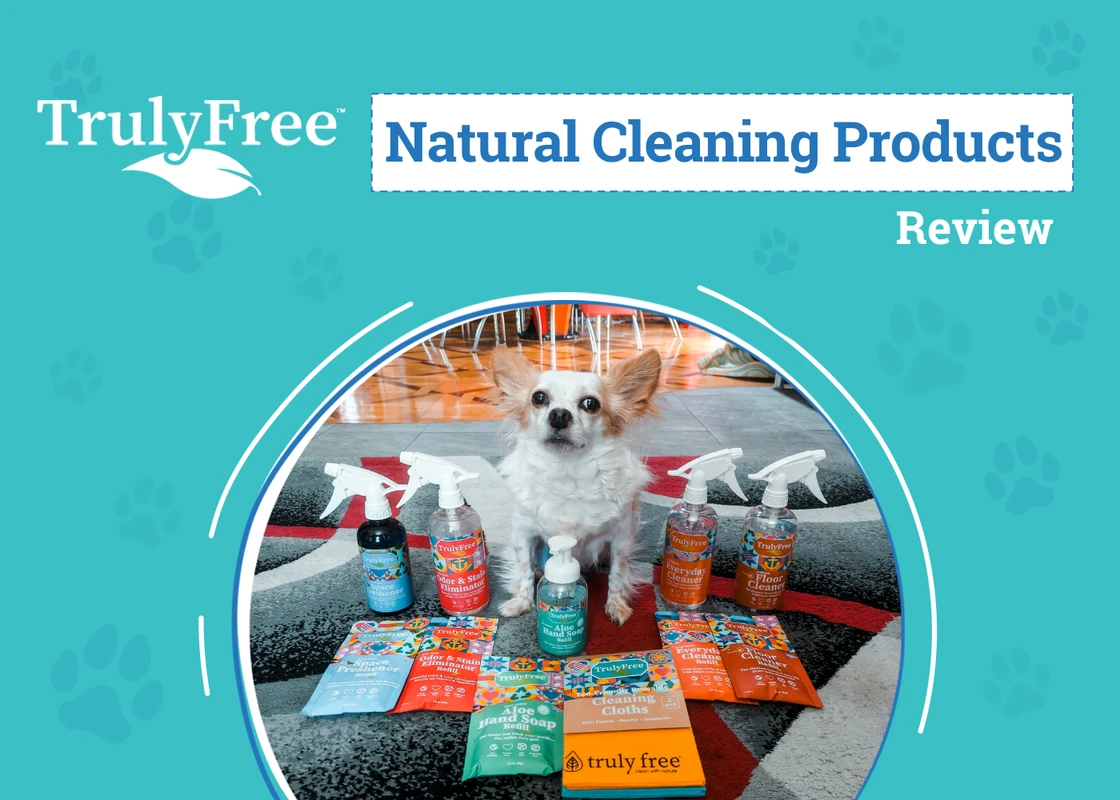
Truly Free offers comprehensive cleaning kits that include reusable microfiber cloths and toxin-free formulations. Their products are fragrance-free and avoid any essential oils known to be harmful to pets, such as tea tree or eucalyptus oils. Truly Free emphasizes sustainable product lifecycle management, encouraging refill and reuse to minimize environmental footprint.
Ingredient Insights and Safety Considerations
Safe natural ingredients favored in eco-friendly pet cleaning products include lemongrass, green tea extract, coconut oil, olive oil, and rosemary essential oil. These components provide antimicrobial, antifungal, and deodorizing effects while maintaining a low irritation potential for pets. Lemongrass and rosemary have been studied for their ability to inhibit bacterial growth, making them valuable in pet cleaning formulations.
Conversely, some natural oils like tea tree, citrus, lavender, and eucalyptus can be toxic to pets if ingested or excessively absorbed through the skin. Veterinary experts caution against their use in pet environments, especially around cats, which are particularly susceptible to essential oil toxicity. Manufacturers of eco-friendly pet products increasingly avoid these ingredients or provide clear warnings to consumers.
Fragrance-free formulations have gained traction due to concerns about synthetic and natural fragrance allergens. Non-GMO ingredients further appeal to environmentally conscious consumers who seek transparency and purity in product sourcing. The combination of these ingredient standards enhances product safety without compromising cleaning performance.
Environmental Impact and Sustainability Features
Eco-friendly pet cleaning products prioritize biodegradable formulas that break down rapidly in aquatic and terrestrial environments, reducing pollution and toxicity. Brands incorporate sustainable manufacturing practices, including renewable energy use and water-efficient processes, to minimize ecological footprints.
Packaging innovations play a critical role in sustainability. Refillable bottles, biodegradable containers, and reusable cleaning cloths reduce single-use plastic waste significantly. For example, Blueland’s tablet-based concentrates come in compostable paperboard boxes, eliminating large plastic containers commonly found in traditional cleaners.
Market research indicates a growing consumer willingness to pay premium prices for sustainable pet products, driven by increased environmental awareness and pet health consciousness. This trend encourages manufacturers to invest in transparent ingredient sourcing, third-party certifications, and circular economy principles.
Practical Use Cases and Consumer Feedback
User reviews highlight the effectiveness of enzyme-based cleaners like Earthworm in removing stubborn pet stains such as urine and feces on carpets and hardwood floors. Consumers report significant odor neutralization without lingering chemical smells or residue, a common complaint with conventional products.
Blueland’s refillable concentrates receive praise for easy dosing, minimal storage space, and a balanced scent profile that does not irritate sensitive pet noses. However, some users note that scent preferences vary, underlining the importance of fragrance-free options.
Multi-surface compatibility is a key feature among these products, with many suitable for upholstery, tile, laminate, and sealed wood floors. Products like Bio-Home’s vet-formulated shampoos demonstrate gentleness on pet fur and skin, reducing allergic reactions and improving coat condition.
Comparison with Conventional and Commercial Cleaning Products
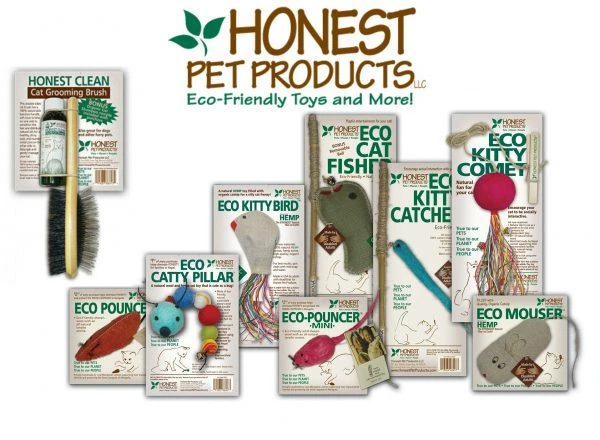
Commercial green cleaning products span various categories, including all-purpose cleaners, bathroom-specific formulations, mold inhibitors, and floor care. While many claim environmental benefits, pet-specific eco-friendly products distinguish themselves through formulation adjustments that prioritize pet health and safety.
For example, enzyme-based pet stain removers differ from general green cleaners by targeting organic pet waste molecules with biological catalysts rather than relying solely on surfactants or disinfectants. Pet-safe floor cleaners avoid ingredients like phenols and quaternary ammonium compounds, which, while effective against bacteria, pose risks to animals.
Biokleen Bac-Out and Simple Green offer broader green cleaning options but may contain components unsuitable for direct pet contact or ingestion. In contrast, specialized brands like Truly Free and Bio-Home focus extensively on toxin-free, pet-compatible formulations backed by veterinary endorsements.
| Brand | Key Features | Certifications | Pet Safety | Packaging |
|---|---|---|---|---|
| Blueland | Concentrated tablets, refillable bottles, lemongrass scent | EPA Safer Choice | Vet-approved, fragrance-free option | Compostable paperboard, reusable bottles |
| Bio-Home | Vet-formulated shampoos, multi-purpose cleaners | USDA Organic | Safe natural oils, non-toxic | Recyclable plastic, refill options |
| Earthworm | Enzyme-based stain removers | EPA Safer Choice | Non-toxic, effective on organic stains | Recyclable containers |
| Truly Free | Toxin-free kits, reusable cloths | None (transparent ingredient list) | Fragrance-free, avoids toxic oils | Minimal plastic, reusable components |
FAQ
Are eco-friendly pet cleaning products as effective as conventional cleaners?
Eco-friendly pet cleaning products use enzyme technology and plant-based surfactants to break down organic stains and neutralize odors effectively. While some may require longer dwell times, many users report equal or superior results compared to conventional chemical cleaners without the associated health risks.
Which natural ingredients should be avoided due to pet toxicity?
Essential oils such as tea tree, citrus, lavender, and eucalyptus are potentially toxic to pets and should be avoided in pet cleaning products. Products emphasizing pet safety typically exclude these oils or provide clear usage instructions.
How do enzyme cleaners work on pet stains?
Enzyme cleaners use biological catalysts like proteases and lipases to break down proteins and fats found in organic stains. This molecular degradation eliminates both visible stains and odor-causing compounds, preventing re-soiling.
Are refillable packaging options widely available for pet cleaning products?
Yes, several leading brands including Blueland and Truly Free offer refillable or concentrate-based packaging to reduce plastic waste. These innovations support sustainable consumption and lower environmental impact.
What certifications indicate a pet-safe and environmentally friendly cleaning product?
USDA Organic and EPA Safer Choice certifications are key indicators of product safety and environmental responsibility. Veterinary endorsements and transparent ingredient disclosures further validate pet safety.
As pet ownership continues to rise, integrating eco-friendly pet cleaning products with proven efficacy and safety is critical for maintaining healthy, sustainable homes. Future developments are expected to emphasize even greater biodegradability, expanded enzyme applications, and zero-waste packaging innovations, aligning consumer preferences with environmental stewardship and pet welfare.
Nestlé Purina & Greiner Lead 2026 Shift to Recyclable Pet Packaging
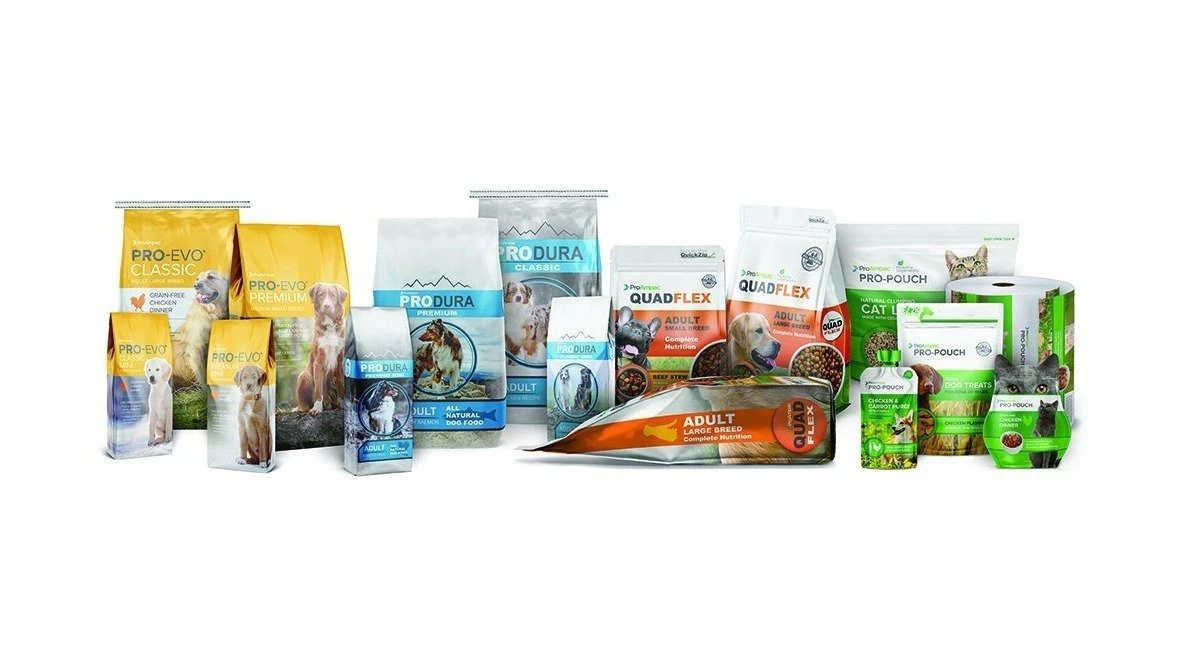
PawVerde.com – Pet product packaging in 2026 is rapidly evolving with a strong shift toward mono-material recyclable solutions, biodegradable and compostable alternatives, and refillable systems. Industry leaders including Nestlé Purina, Greiner Packaging, and Weruva are spearheading innovations that improve recyclability and reduce environmental impact, driven by tighter regulations such as the US Extended Producer Responsibility (EPR) framework and growing consumer demand for sustainable pet care products. Chemical recycling of PET is expanding at an annual growth rate of 8-10%, complementing mechanical recycling to enable food-grade material recovery and circularity.
Mono-material packaging has emerged as the dominant trend in recyclable pet product packaging due to its simplified material composition that facilitates more efficient recycling. Greiner Packaging, for instance, has introduced dry pet food cups and lids made entirely from polypropylene, eliminating multilayer films that complicate sorting and processing. Nestlé Purina’s rollout of recyclable treat packaging and Saga Nutrition’s recyclable dry food bags further demonstrate the industry’s commitment to mono-material formats. Innovations extend to wet food packaging, where rPET trays combined with Coveris’s MonoFlex metallised polyethylene bags offer barrier performance while maintaining recyclability and compliance with emerging PFAS-free mandates. These solutions help brands meet regulatory requirements while responding to consumer preferences for transparency and sustainability.
Biodegradable and compostable packaging alternatives are gaining traction as secondary packaging and pouches for treats. Materials derived from mycelium, bamboo, and plant starches are being applied to create compostable outer cartons and flexible pouches certified under ASTM D6400 standards. These materials break down in industrial composting conditions, offering an end-of-life solution that reduces landfill waste. While still limited in application compared to mono-material packaging, biodegradable options address a niche in sustainable packaging where recyclability alone does not suffice. The American Association of Feed Control Officials (AAFCO) has begun exploring guidelines for such materials in pet food packaging, signaling regulatory interest in expanding sustainable packaging standards.
Advances in PET recycling technologies are critical to closing the loop on pet product packaging. Mechanical recycling, the conventional process, faces challenges with multilayer films and contamination, limiting the percentage of post-consumer recycled (PCR) content in food-grade PET. Chemical recycling is expanding rapidly, growing at 8-10% annually worldwide, as it enables depolymerization of PET waste into monomers that can be repolymerized into virgin-quality PET. Companies like Bobine, a division of Saint-Gobain, are investing in chemical recycling innovations that enhance purity and scalability for packaging applications. This technological progress is essential for meeting ambitious PCR content targets set by packaging manufacturers and brands aiming for carbon footprint reductions and circular economy goals.
The regulatory landscape is a major driver shaping pet product packaging redesigns. The US Extended Producer Responsibility (EPR) laws effective this year impose legal obligations on pet product manufacturers to manage packaging waste, incentivizing the shift to recyclable and reduced-plastic formats. Similarly, the European Packaging and Packaging Waste Regulation (PPWR) mandates higher recyclability thresholds and limits on hazardous substances, impacting design and material choices globally. Industry players such as Printpack have aligned their sustainability targets with the Science Based Targets initiative (SBTi), committing to measurable reductions in carbon emissions and increased use of recycled content. These frameworks compel brands to integrate sustainability into packaging R&D, supply chain practices, and communication strategies.
Circular economy initiatives are becoming embedded in pet product packaging strategies. Weruva’s Werucycle program has recycled nearly 300,000 pieces of pet food packaging into new plastic products, demonstrating effective waste diversion and material reuse. West Paw’s “Join the Loop” program focuses on infinite recyclability for pet toys and beds, offering a closed-loop system that reduces landfill contributions. Additionally, refillable and reusable container systems are gaining attention as zero-waste solutions, allowing consumers to reduce single-use packaging by refilling pet food and treat containers at retail or home. These programs not only contribute to environmental goals but also engage consumers seeking responsible pet care options.
Consumer trends strongly support the shift toward sustainable pet packaging. Surveys indicate that 67% of pet owners aged 18–34 prefer brands with environmentally responsible practices, reflecting the influence of Millennials and Gen Z demographics who prioritize ethical sourcing, transparency, and clear packaging claims. This demand is fueling product launches with explicit sustainability messaging and certifications, driving innovation in packaging design and material sourcing. The rise of eco-conscious consumers is also influencing retailers to stock more sustainable pet care products, creating market incentives for brands to invest in recyclable and biodegradable packaging solutions.
Sustainable packaging also offers tangible environmental and logistical advantages. Lightweight mono-material bags, such as Coveris MonoFlexE Opti, reduce material use and comply with PFAS-free mandates, significantly lowering carbon emissions related to transport and manufacturing. Material reduction not only cuts CO₂ footprints but also optimizes supply chain efficiency by decreasing packaging weight and volume. These benefits translate into cost savings and potential tax advantages under packaging-related environmental policies, reinforcing the business case for sustainable packaging adoption.
| Packaging Type | Material Example | Key Features | Brand/Company | Regulatory Compliance |
|---|---|---|---|---|
| Mono-Material Rigid Packaging | Polypropylene (PP) | Fully recyclable, simplifies sorting | Greiner Packaging (dry food cups) | US EPR, PPWR |
| Mono-Material Flexible Packaging | Metallised PE (MonoFlex) | Lightweight, barrier properties, recyclable | Coveris | PFAS-free mandates, EPR |
| Biodegradable Secondary Packaging | Mycelium, Bamboo-based cartons | Industrial compostable, ASTM D6400 certified | Various emerging suppliers | ASTM D6400, AAFCO guidelines |
| Recycled PET (rPET) Trays | Post-consumer recycled PET | Food-grade, supports circular economy | Bobine (Saint-Gobain) | SBTi targets, EPR |
| Refillable Containers | Durable plastic or glass | Zero waste, reusable | West Paw (“Join the Loop” program) | EPR incentivized |
The pet product packaging sector in 2026 is clearly aligned with broader sustainability and circular economy objectives, blending material innovation, regulatory compliance, and consumer engagement. As chemical recycling technology matures and EPR regulations tighten, brands are expected to accelerate adoption of mono-material and biodegradable packaging formats while expanding circular initiatives such as refillable systems and take-back programs. This trajectory promises to reduce environmental impact significantly and reshape the pet care market landscape toward responsible and transparent packaging solutions.
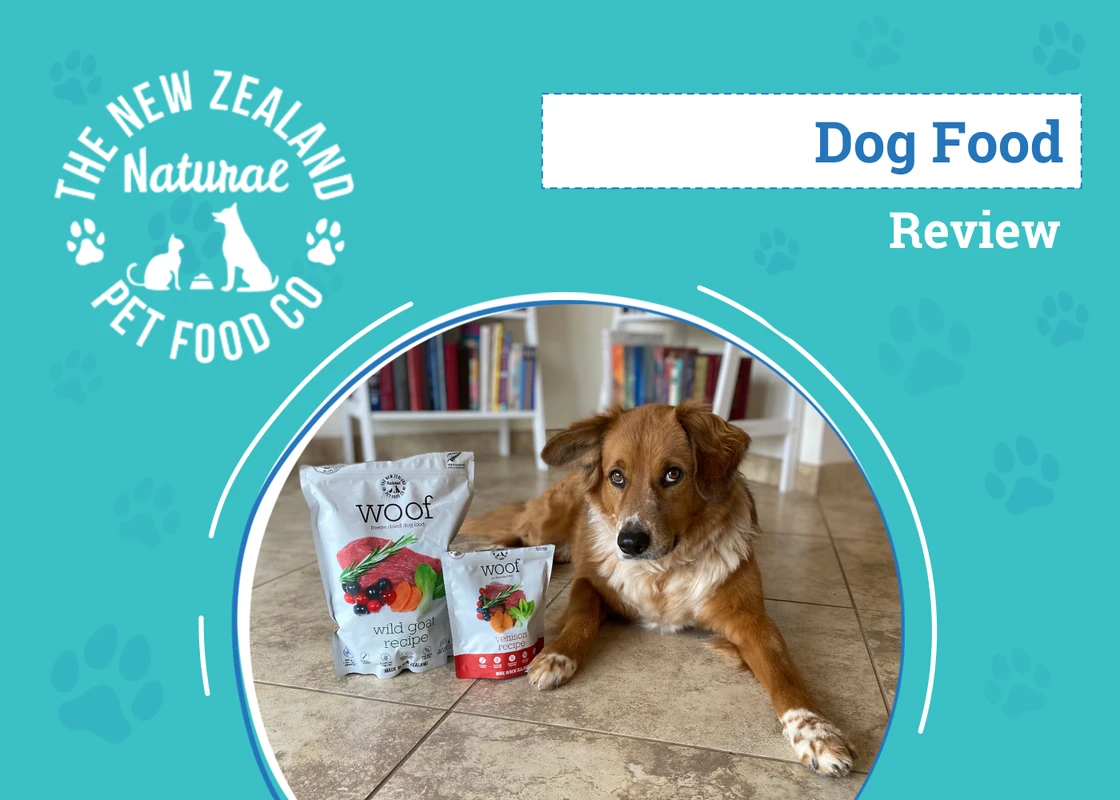
Eco-Friendly Dog Food Review 2026: Top Brands & Benefits
PawVerde.com – eco-friendly dog food in 2026 reflects a confluence of rigorous nutritional science, sustainable sourcing practices, and consumer demand for transparency and environmental responsibility. Leading brands such as Viva Raw, Open Farm, and PawCo exemplify this trend by offering vet-formulated, USDA-inspected recipes that prioritize organic, non-GMO ingredients and ethical animal welfare standards. These companies deliver fresh or dry meals via subscription models, providing convenience alongside measurable health benefits like improved digestion and allergy relief. The integration of certifications from bodies such as the Clean Label Project, LeafScore, and B Corp further reinforces trust and accountability in this evolving market.
Sustainably sourced ingredients form the backbone of the modern eco-friendly dog food landscape. Brands like Open Farm emphasize transparent supply chains with USDA-inspected meat and plant-based proteins cultivated on certified organic farms. Many products exclude growth hormones, glyphosate, and other harmful additives, aligning with the Clean Label Project’s non-toxic criteria. Subscription delivery services dominate, enabling pet owners to customize meal plans and ensure freshness while reducing packaging waste through innovative, recyclable materials. This shift underscores the dual focus on pet health—through nutrient-dense, digestible formulas—and environmental stewardship, including carbon footprint reduction and animal welfare improvements.
Key Criteria Defining Eco-Friendly Dog Food in 2026
The foremost criterion for eco-friendly dog food is the sourcing of organic and sustainably produced ingredients. Certified Organic and Non-GMO labels are crucial markers of ingredient integrity, often validated through USDA inspection or equivalent third-party audits. Many brands emphasize pasture-raised meats, sustainably harvested plant proteins, and superfoods such as kale and blueberries to enhance antioxidant content. This approach minimizes reliance on conventionally farmed ingredients associated with higher pesticide use and environmental degradation.
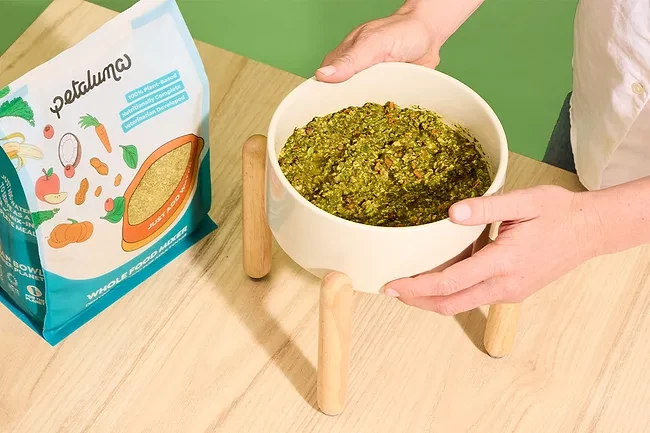
Ethical animal welfare standards are increasingly stringent. Companies like Petaluma, holding B Corp certification and recognized by LeafScore, offset 100% of their greenhouse gas emissions and partner with farms adhering to humane livestock practices. This transparency extends to ingredient traceability, ensuring that animal products derive from farms that avoid confinement and support biodiversity.
The absence of harmful chemicals and artificial additives marks another defining feature. The Clean Label Project’s testing regime targets heavy metals, pesticides, and industrial toxins, setting a high bar for product safety. Brands such as Mamavation and Benevo publicly disclose these test results, fostering consumer confidence.
Nutritional completeness, guided by board-certified animal nutritionists, guarantees balanced macronutrients and essential amino acids, particularly in plant-based or vegan formulas like those from PawCo and Gather Dog Food. These formulations address common concerns such as amino acid bioavailability and digestibility, often enhanced by gentle cooking methods that preserve nutrient integrity.
Sustainability extends beyond ingredients to packaging and delivery. Subscription models facilitate portion control and freshness, reducing food waste. Packaging innovations include compostable bags and minimal plastic use, as seen with companies like Spot & Tango and Doghouse Nordic. These efforts align with broader environmental goals targeting waste reduction and resource conservation.
Profiles of Leading Eco-Friendly Dog Food Brands
Viva Raw distinguishes itself by offering vet-developed, USDA-inspected fresh meals delivered via subscription. Its recipes exclude fillers and artificial preservatives, focusing on nutrient-rich, digestible ingredients that support allergy relief and digestive health. User testimonials highlight improvements in pets’ coat condition and energy levels after transitioning to Viva Raw.
Open Farm combines sustainably sourced fresh and dry foods with superfood blends designed for weight management and cardiovascular support. Its transparent supply chain includes non-GMO vegetables and pasture-raised meats, with all products free from antibiotics and added hormones. Open Farm’s commitment to environmental impact is reflected in its collaboration with 1% For the Planet, contributing a percentage of profits to conservation initiatives.
PawCo offers premium plant-based fresh meals crafted by board-certified animal nutritionists. Its formulas provide complete essential amino acids, ensuring nutritional adequacy for dogs on vegan diets. The brand emphasizes allergen-friendly ingredients and avoids common irritants, making it popular among owners of allergy-prone pets.
Petaluma stands out as a Certified B Corp recognized for its carbon offset initiatives and LeafScore-rated dry kibble. This brand prioritizes environmental impact reductions through local ingredient sourcing and 100% greenhouse gas emission offsets. Petaluma’s dry food recipes incorporate organic grains and vegetables, balancing taste and health with ethical production.
Gather Dog Food specializes in certified organic, vegan dry food formulated to supply all essential nutrients. Its commitment to sustainability extends to ingredient traceability and non-toxic testing, addressing concerns about heavy metals and pesticide residues. Gather’s products appeal to owners seeking plant-based, allergen-sensitive options without compromising nutrient density.
Additional brands contributing to the eco-friendly niche include Mamavation, noted for rigorous non-toxic testing aligned with the Clean Label Project; Doghouse Nordic, which offers Swedish organic dog food options emphasizing natural ingredients and minimal processing; and The Farmer’s Dog, providing customized fresh meals tailored to individual pet health profiles and dietary needs.
Nutritional and Health Benefits of Sustainable Dog Food
Fresh and organic dog foods exhibit improved digestibility compared to conventional kibble, with studies indicating up to 50% greater nutrient absorption. Gentle cooking processes preserve vitamins, minerals, and enzymes that often degrade under high-heat extrusion methods typical of dry foods. This enhanced bioavailability supports optimal digestion and nutrient uptake, reducing gastrointestinal distress.
Eliminating fillers, artificial dyes, and preservatives reduces allergenic potential. Many eco-friendly formulas avoid common allergens such as corn, soy, and gluten, contributing to decreased incidence of skin irritations and food sensitivities. Pet owners report fewer episodes of itching, inflammation, and digestive upset after switching to these diets.
The inclusion of superfoods and balanced amino acid profiles enhances skin and coat health, immune function, and vitality. Ingredients rich in omega fatty acids, antioxidants, and fiber contribute to overall well-being. Plant-based proteins are carefully combined to provide all nine essential amino acids, a critical factor in vegan formulations to maintain muscle mass and metabolic function.
Veterinary nutritionists emphasize monitoring and supplementing micronutrients such as vitamin B12 and taurine in plant-based diets, ensuring comprehensive nutritional coverage. Brands like PawCo and Gather Dog Food collaborate closely with experts to refine their recipes accordingly.
Environmental and Ethical Impact of Eco-Friendly Dog Food
Certifications such as B Corp, USDA Organic, and Clean Label Project testing serve as benchmarks for environmental responsibility. Petaluma’s carbon offset program exemplifies industry leadership, achieving net-zero emissions through investments in renewable energy and reforestation.
Sourcing meat from farms that enforce humane animal welfare practices reduces ecological degradation and supports biodiversity. Open Farm’s partnerships with pasture-raised livestock producers minimize land overuse and chemical inputs, aligning with sustainable agriculture principles.
Packaging innovations address the significant waste footprint associated with pet food. Subscription services enable precise portioning, reducing spoilage and excess consumption. Brands increasingly adopt compostable or recyclable materials, contributing to circular economy efforts.
Animal welfare improvements extend beyond sourcing to include transparency and traceability, allowing consumers to verify ethical claims. This accountability fosters greater industry-wide adoption of best practices and builds consumer trust.
Practical Considerations When Purchasing Eco-Friendly Dog Food
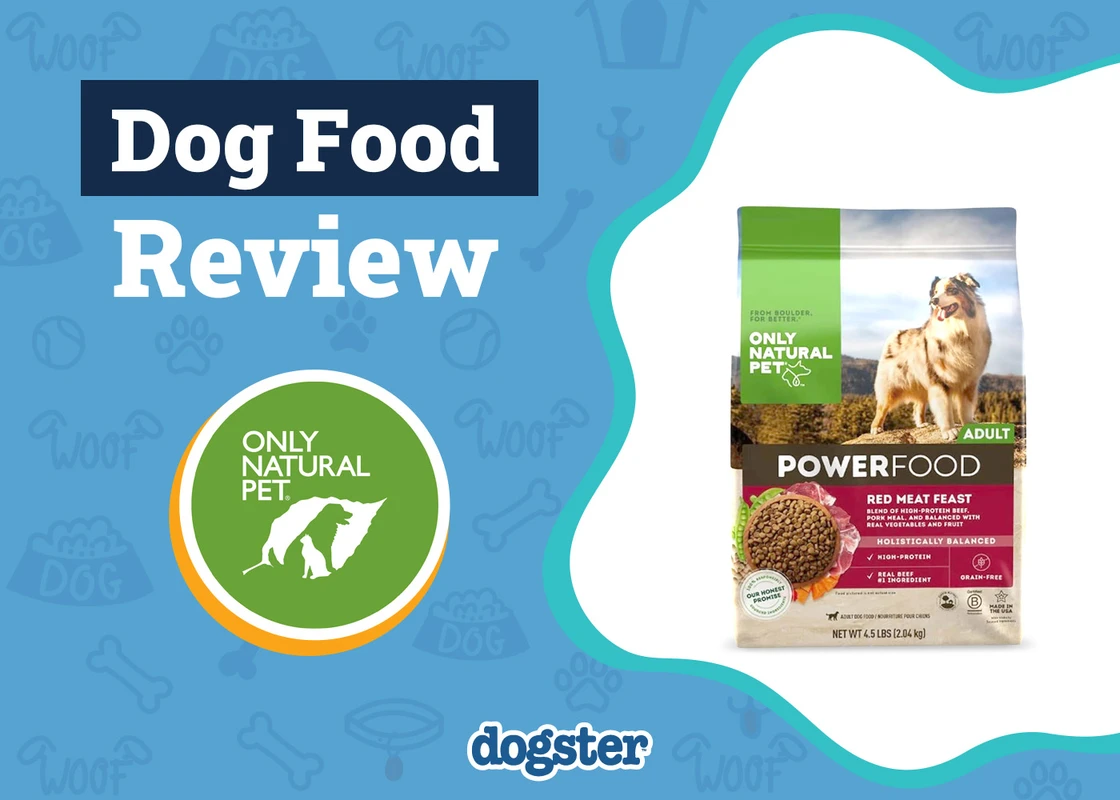
Cost remains a significant factor, with eco-friendly brands generally positioned at a premium price point due to ingredient quality and certification costs. However, many subscription services offer flexible plans and introductory trials to ease consumer commitment. For example, Viva Raw and The Farmer’s Dog provide sample portions and adjustable delivery schedules.
Value propositions emphasize health improvements that may reduce veterinary expenses related to allergies, digestive issues, and chronic conditions. Nutrient-dense diets potentially extend lifespan and quality of life, offering long-term economic benefits.
Consultation with veterinarians is advisable when transitioning to new diets, particularly for pets with pre-existing health conditions or those on plant-based formulations requiring supplementation. Board-certified nutritionists affiliated with brands provide guidance on appropriate feeding protocols and nutrient balance.
Subscription delivery services enhance convenience and allow owners to test multiple formulas, adjusting based on pet response. This model supports continuous optimization of diet and health outcomes.
FAQ
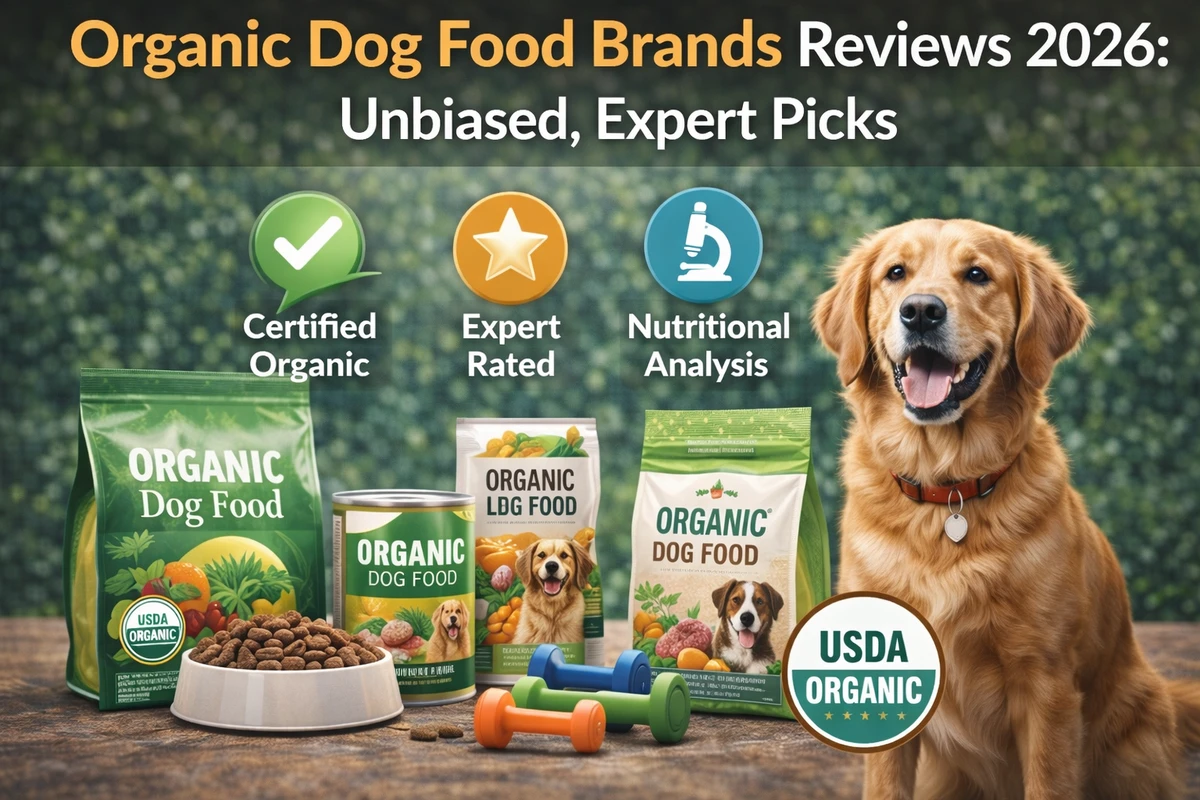
What makes dog food eco-friendly in 2026?
Eco-friendly dog food in 2026 is characterized by organic, sustainably sourced ingredients, ethical animal welfare standards, absence of harmful additives, and environmentally conscious packaging. Certifications such as USDA Organic, B Corp, and Clean Label Project validate these attributes.
Are plant-based dog foods nutritionally complete?
When formulated by board-certified animal nutritionists, plant-based dog foods can provide complete essential amino acids and nutrients. Brands like PawCo ensure bioavailability and supplement micronutrients critical for canine health.
How does fresh dog food compare to dry kibble in digestibility?
Fresh dog food is generally up to 50% more digestible than traditional kibble due to lower heat processing, preserving enzymes and vitamins. This leads to better nutrient absorption and fewer digestive issues.
Can subscription dog food services reduce environmental impact?
Yes, subscription services reduce food waste through precise portioning and enable packaging innovations like compostable materials. They also support sustainable sourcing by facilitating consistent demand for eco-friendly products.
What certifications should I look for in sustainable dog food?
Key certifications include USDA Organic, B Corp for social and environmental performance, Clean Label Project for toxin testing, LeafScore for ingredient quality, and AAFCO standards for nutritional adequacy.
The eco-friendly dog food sector in 2026 offers a sophisticated blend of science-backed nutrition, sustainability, and ethical production. Consumers prioritizing pet health and environmental responsibility will find leading brands like Viva Raw, Open Farm, and Petaluma delivering transparent, high-quality options. Moving forward, advances in ingredient traceability, packaging innovation, and veterinary collaboration promise continual improvements in this dynamic market, empowering owners to make informed, impactful choices for their pets and the planet.
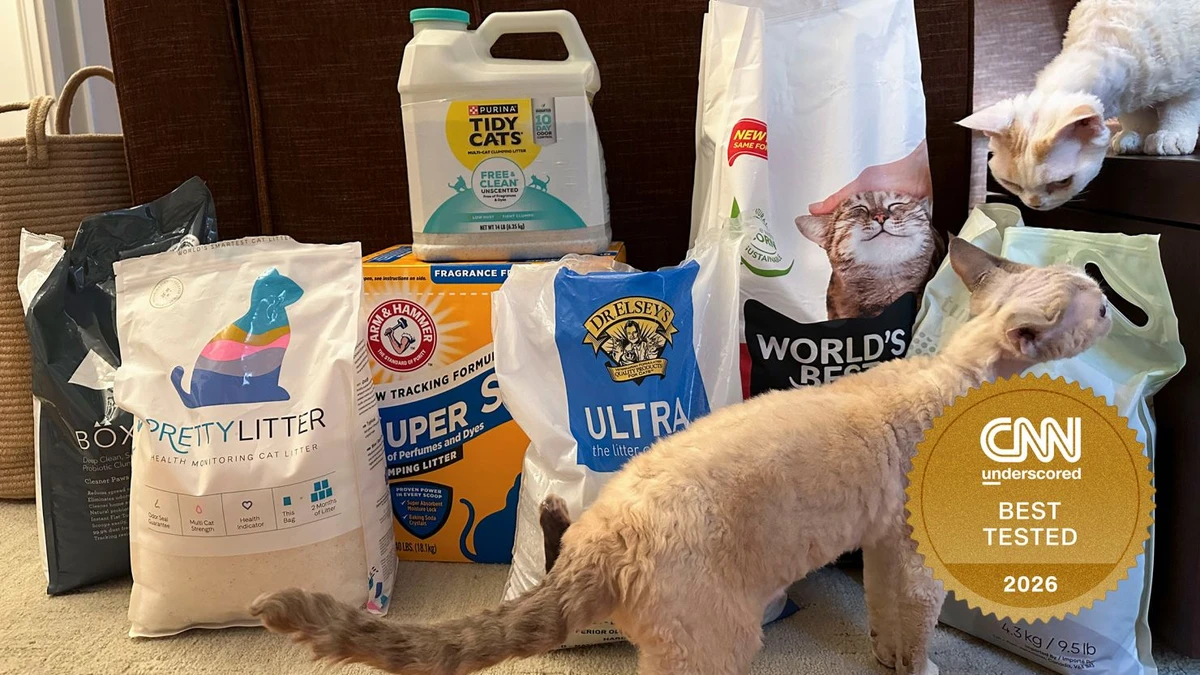
Eco-Friendly Pet Litter Disposal Pros and Cons Explained
PawVerde.com – eco-friendly cat litter options in 2026 present a significant shift in managing pet waste, addressing growing environmental concerns tied to traditional clay litters. The UK alone produces an estimated 500,000 tonnes of pet litter annually, predominantly composed of sodium bentonite clay, which imposes considerable environmental costs through mining and landfill accumulation, according to recent DEFRA assessments. As awareness of sustainability rises, pet owners and local councils increasingly explore biodegradable and plant-based litter alternatives that promise substantial reductions in landfill waste and carbon footprints. Alongside litter material innovations, litter box designs—ranging from disposable to reusable models—also factor into the overall environmental and practical impacts of pet waste management.
Traditional clay litter remains widely used due to its clumping efficiency and odor control, yet its environmental footprint is under scrutiny. Sodium bentonite mining disrupts ecosystems and consumes considerable water and energy resources. Once used, clay litter’s non-biodegradable nature means it typically ends up in landfills, where it contributes to long-term waste accumulation without decomposition. DEFRA’s recent environmental analysis reveals that clay litter contributes disproportionately to pet waste’s carbon footprint, exacerbated by transportation and disposal logistics.
In contrast, eco-friendly litters such as tofu, wood pellet, and other plant-based varieties offer renewable, biodegradable alternatives. Tofu litter, derived from soybean byproducts, is water-soluble and compostable under appropriate conditions, reducing landfill waste by up to 70% compared to clay. Wood pellet litter, produced from reclaimed wood, provides a dust-free, odor-absorbing substrate with rapid biodegradability, suitable for community composting schemes where permitted. Other plant-based litters, including corn, wheat, and grass seed derivatives, offer natural odor control and clumping properties but require careful management to mitigate mold growth under humid conditions. Veterinary experts caution that while plant-based litters are generally safe, owners should observe cats for any allergic reactions or respiratory sensitivities, especially with dusty or fragranced options.
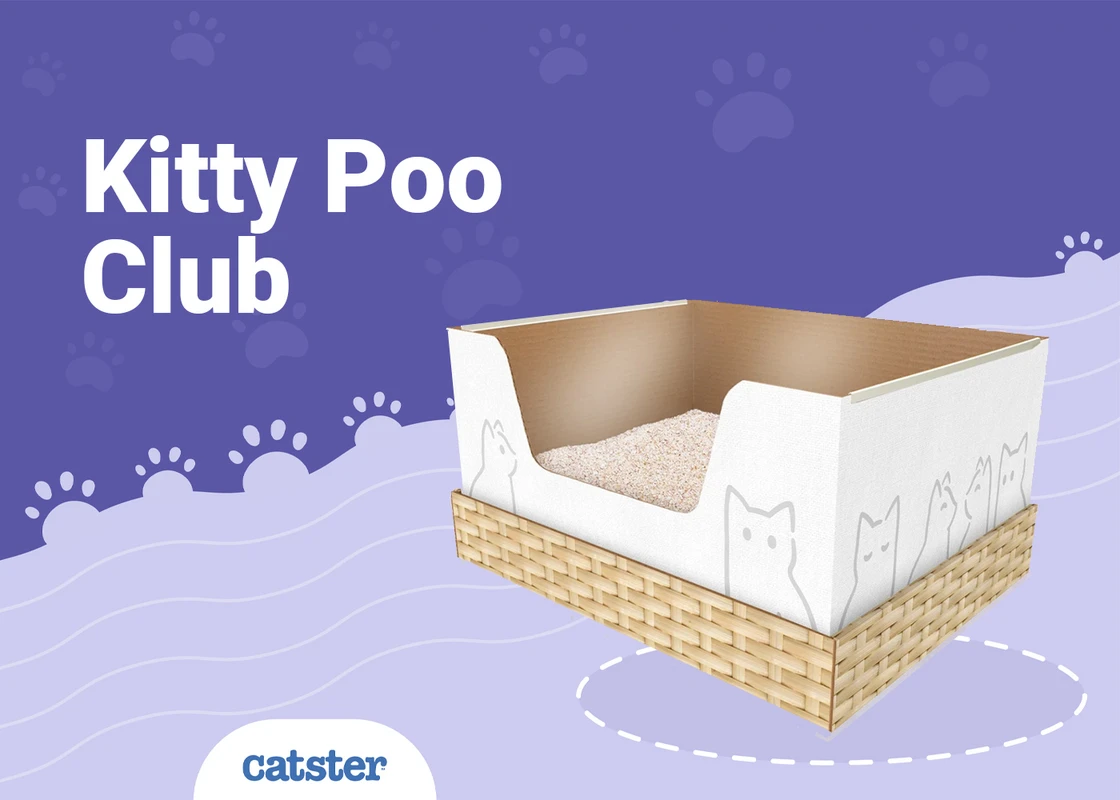
The choice between disposable and reusable litter boxes further influences sustainability and pet hygiene. Disposable litter boxes offer convenience and improved sanitation but generate increased plastic and material waste that challenges waste management systems. Reusable boxes, typically composed of durable plastics or biodegradable composites, reduce waste volume over time but demand consistent, thorough cleaning to prevent odor buildup and bacterial growth. Multi-cat households and traveling pet owners must weigh these factors alongside cat behavior preferences, as some cats show resistance to frequent litter changes or new litter types, impacting acceptance and health.
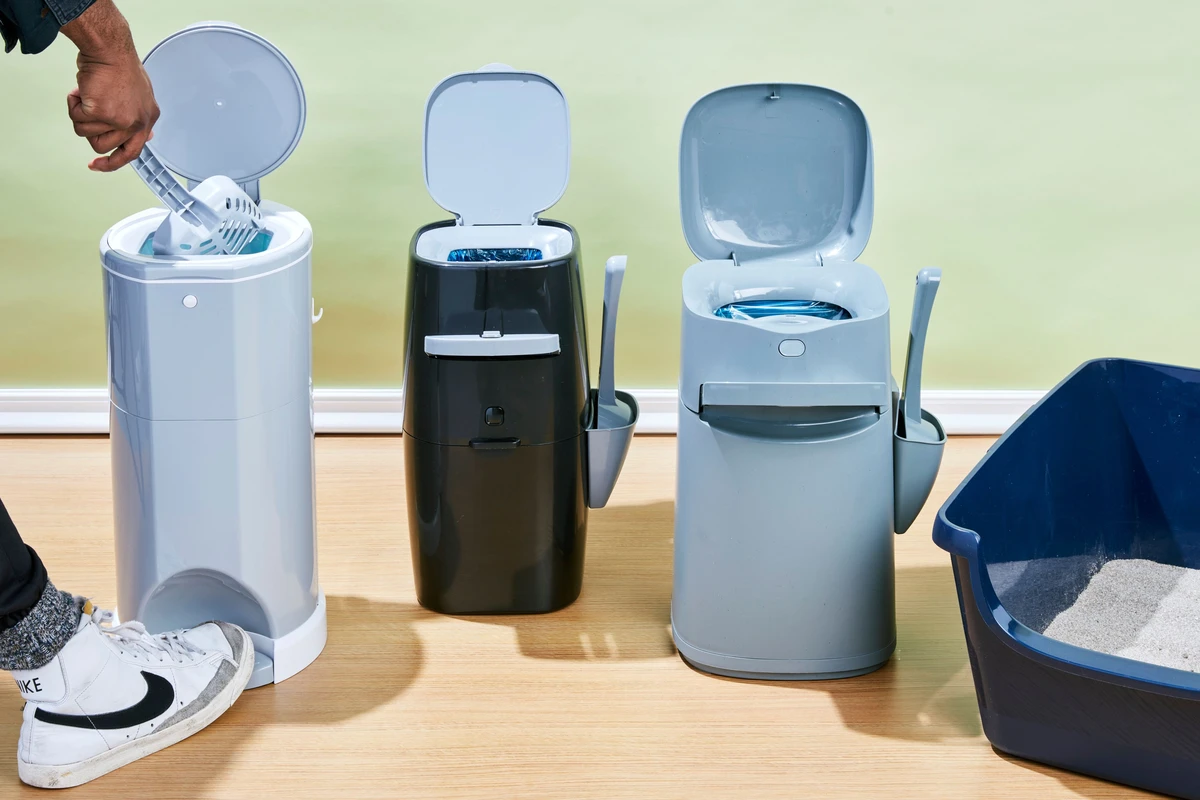
Local composting regulations and green waste management policies shape practical disposal options for biodegradable litters. While many councils encourage composting of plant-based pet waste, restrictions often apply due to pathogen concerns and contamination risks. Pet owners must verify compliance with municipal guidelines and consider specialized pet waste composters or community programs designed for safe organic waste processing. Odor control remains a critical concern across all litter types; innovations in self-cleaning litter boxes, incorporating antimicrobial surfaces and automated scooping mechanisms, aim to alleviate maintenance burdens while minimizing environmental impact.
Looking ahead, the pet care industry is investing in zero-waste strategies and circular economy models, including biodegradable litter packaging, litter box recycling initiatives, and advanced formulations that enhance biodegradability without sacrificing performance. Manufacturers like PetSafe and BoxieCat lead efforts to balance pet health, convenience, and sustainability, integrating expert insights from animal behaviorists and environmental scientists. As consumer demand for eco-friendly pet products grows, collaboration between regulators, manufacturers, and pet owners will be pivotal in advancing sustainable pet litter disposal practices.
Environmental Impact of Traditional vs Eco-Friendly Cat Litters
Traditional clay cat litter, primarily composed of sodium bentonite, constitutes the majority of pet litter used worldwide due to its excellent clumping and odor control properties. However, the environmental footprint of clay litter is considerable. Mining sodium bentonite involves open-pit extraction methods that degrade landscapes and contribute to soil erosion. This process consumes significant water and energy resources, intensifying the carbon footprint associated with litter production. DEFRA’s data from 2025 highlights that disposed clay litter comprises a substantial portion of landfill mass in the UK, with slow degradation rates leading to persistent environmental burdens.
In contrast, eco-friendly litters utilize renewable plant-based materials that biodegrade more efficiently. Tofu litter, made from compressed soybean residue, dissolves in water, enabling flushing in small quantities where local wastewater systems allow. Wood pellet litter, sourced from reclaimed forestry byproducts, offers a renewable, dust-free alternative that composts readily under aerobic conditions. Other plant-based litters, including corn, wheat, and paper-based products, leverage natural absorbent properties to control moisture and odors, although their compostability depends on local regulations.
A comparative analysis of litter waste reveals that switching to plant-based litters can reduce landfill contributions by up to 70%. Furthermore, life cycle assessments indicate that plant-based litters produce 40-60% lower carbon emissions across production, transportation, and disposal stages compared to clay litters. These environmental benefits, however, are moderated by factors such as transportation distances and the energy inputs for processing plant materials into litter granules.
Types of Eco-Friendly Cat Litters and Their Disposal Characteristics
Tofu and soybean-based litters have gained traction for their biodegradability and low dust production. Their water solubility allows for flushing small amounts, though experts advise caution to prevent plumbing blockages and recommend local council approval. These litters compost effectively in controlled environments, breaking down into nutrient-rich material usable in non-edible gardening applications.
Wood pellet litters are favored for their renewable sourcing and excellent odor control through natural lignin content. They absorb moisture by swelling and disintegrate into compostable material. PetSafe’s latest wood pellet litter offers a balance of affordability and sustainability, outperforming clay in dust emission tests and reducing respiratory risks for sensitive cats.
Plant-based litters derived from corn, wheat, and grass seed incorporate natural enzymes that inhibit bacterial growth and odor formation. However, these litters are susceptible to mold development if stored improperly or exposed to excessive humidity. Veterinary advisories note that some cats may experience allergic reactions to certain plant proteins or additives, necessitating gradual introduction and observation.
Biodegradable litters must comply with local composting regulations, which vary widely. DEFRA emphasizes the importance of separating pet waste from food compost streams to mitigate zoonotic disease risks. Community composting programs increasingly accept biodegradable litter under strict guidelines, incentivizing pet owners to adopt sustainable disposal methods.
Reusable vs Disposable Litter Boxes: Pros and Cons
Disposable litter boxes appeal to pet owners prioritizing convenience and hygiene. Pre-filled with litter and designed for single or limited use, they minimize cleaning efforts and odor retention. However, their single-use nature generates substantial plastic and material waste, challenging waste reduction goals. Most disposable boxes are non-biodegradable, exacerbating landfill pressures.
Reusable litter boxes, constructed from durable plastic or biodegradable composites, represent a sustainable alternative by reducing waste generation. Frequent cleaning is essential to maintain hygiene, with recommended use of enzyme-based cleaners to prevent odor and bacterial accumulation. Reusable boxes offer cost savings over time and adaptability for multi-cat households, where larger capacity and customizable litter depth enhance user experience.
For travel and temporary accommodation, disposable boxes provide portability and ease of disposal, but reusable boxes with secure lids and lightweight designs increasingly meet traveler needs without compromising sustainability.
Practical Considerations for Pet Owners
Pet owners must navigate local composting regulations, which influence viable disposal options for biodegradable litters. Many UK councils provide green waste bins but exclude pet waste due to contamination concerns. Specialized pet waste composting facilities or home composters with pathogen-mitigating processes can accommodate biodegradable litter, though accessibility varies regionally.
Odor control remains a primary concern influencing litter and box choices. Eco-friendly litters often incorporate natural odor neutralizers but may require more frequent changing than clay litters. Dust reduction is critical for cat respiratory health; plant-based litters generally emit less dust, benefiting cats with asthma or allergies.
Cat acceptance of new litter types varies, influenced by factors including texture, scent, and litter box cleanliness. Expert advice recommends gradual litter transitions to minimize stress and behavioral issues such as inappropriate elimination.
Cost implications balance upfront litter prices against long-term waste disposal savings. While eco-friendly litters may carry higher per-unit costs, reduced landfill fees and environmental benefits contribute to overall value. Reusable litter boxes demand labor for cleaning but reduce recurring purchases and waste.
Future Trends and Innovations in Pet Litter Disposal
Technological advancements are reshaping pet litter management. Self-cleaning litter boxes integrated with sensors and automated scooping mechanisms reduce maintenance time and improve hygiene, potentially extending litter lifespan and minimizing waste. Emerging products emphasize zero-waste designs, using fully biodegradable components and refillable litter cartridges aligned with circular economy principles.
Industry leaders commit to sustainable pet care by incorporating recycled materials in packaging and collaborating with environmental organizations to establish litter recycling programs. Research into novel biodegradable polymers and enzyme-enhanced litters aims to optimize odor control while accelerating decomposition.
Regulatory frameworks continue evolving, with DEFRA and local councils promoting responsible disposal methods and incentivizing composting infrastructure expansion. Pet owners and manufacturers alike face increasing pressure to align practices with global sustainability goals, balancing convenience, pet health, and ecological stewardship.
Frequently Asked Questions
What are the environmental benefits of switching from clay to plant-based cat litter?
Plant-based cat litters reduce landfill waste by up to 70% and lower carbon emissions by 40-60%, as they are biodegradable and sourced from renewable materials. They support composting and reduce dependence on environmentally damaging sodium bentonite mining associated with clay litters.
Can biodegradable cat litter be composted at home?
Home composting of biodegradable cat litter is possible but depends on local regulations and the composting system’s ability to reach temperatures that neutralize pathogens. Many municipalities restrict pet waste in residential composts, recommending specialized composters or municipal schemes instead.
Are reusable litter boxes more sustainable than disposable ones?
Yes, reusable litter boxes reduce waste volume significantly by eliminating single-use plastics and materials. While they require regular cleaning, they offer long-term environmental and economic benefits compared to disposable options.
How do eco-friendly litters affect cat health and behavior?
Eco-friendly litters tend to produce less dust and fewer chemical irritants, potentially benefiting cats with allergies or respiratory issues. However, some cats may be hesitant to accept new litter textures or scents, so gradual introduction and monitoring for adverse reactions are advisable.
What innovations are expected in pet litter disposal by 2026?
Innovations include self-cleaning litter boxes with automated waste removal, zero-waste biodegradable litter formulations, and expanded circular economy initiatives such as litter recycling and composting infrastructure integration. Manufacturers also focus on sustainable packaging and enhanced odor control technologies.
—
The evolving landscape of pet litter disposal in 2026 highlights a clear trajectory toward sustainability, balancing environmental imperatives with practical pet care needs. Pet owners informed by regulatory guidance, expert recommendations, and emerging product innovations can make choices that reduce ecological impacts while ensuring feline health and household convenience. Continued collaboration among stakeholders and advances in composting infrastructure are essential to mainstreaming eco-friendly pet litter solutions.
Local vs National Pet Adoption Resources: Key Cost & Impact Differences
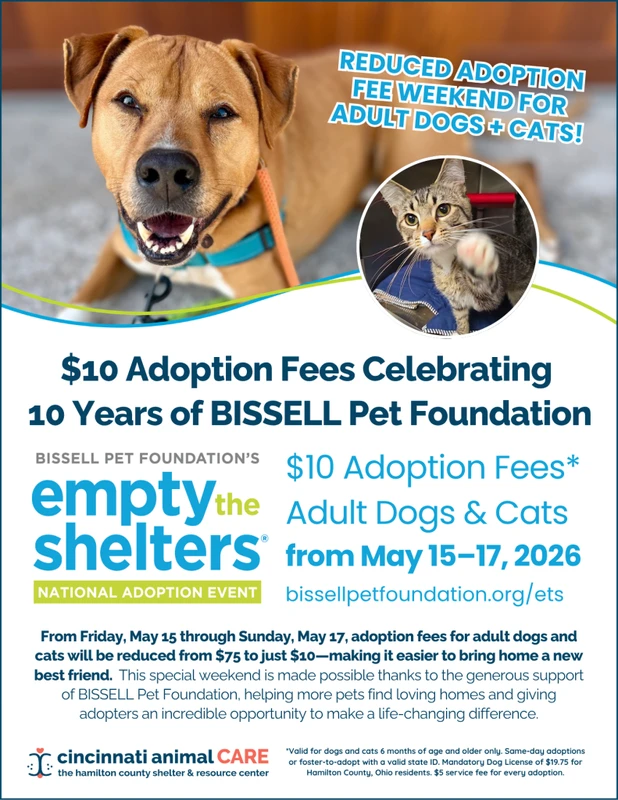
PawVerde.com – Local and national pet adoption resources represent distinct yet complementary segments within the animal welfare ecosystem, each contributing uniquely to market dynamics, community engagement, and financial sustainability. Recent data from Shelter Animals Count and the Bissell Pet Foundation highlight that local shelters typically offer adoption fees averaging between $75 and $150, inclusive of vaccinations, spaying/neutering, and microchipping. In contrast, national organizations such as Best Friends Animal Society report median adoption fees closer to $200, reflecting broader service offerings and sanctuary maintenance costs. These figures underscore significant economic differentiation affecting adopter decisions and shelter funding models.
Financially, local shelters benefit from lower operational costs through community-driven volunteer programs and municipal funding, which often results in reduced adoption fees. National organizations, supported by expansive donor networks and corporate partnerships like Petco Love, allocate substantial budgets toward maintaining no-kill sanctuaries and comprehensive foster programs. According to the latest financial reports, Best Friends Animal Society’s annual budget exceeds $50 million, while Denver Animal Shelter operates on a municipal budget near $3 million annually, reflecting scale and resource diversity.
Availability and Accessibility: Economic Implications of Local vs National Pet Adoption Resources
Local shelters, including Denver Animal Shelter and Humane Animal Partners, primarily serve defined geographic areas, facilitating immediate access to adoptable pets. This localized focus allows for streamlined intake processes and rapid pet turnover, crucial in managing shelter capacity amid ongoing overcrowding issues. Recent statistics reveal that local shelters maintain average occupancy rates exceeding 85%, with peak overcrowding periods driving urgent adoption incentives, such as reduced fees or waived charges.
National organizations like APA Adoption Center and Lucky Dog Animal Rescue operate extensive networks spanning multiple states, capitalizing on rescue transport logistics to redistribute animals from high-intake areas to regions with greater adopter demand. This redistribution mitigates localized overcrowding but introduces higher operational expenses, including transportation, quarantine, and centralized veterinary care. The economic trade-off manifests in elevated adoption fees and longer wait times for adopters seeking specific breeds or animal types.
Cost and Services: Financial Comparison and Value Proposition
A comprehensive analysis of adoption fee structures reveals divergent cost models between local and national adoption agencies. Local shelters generally adopt a fee range of $50 to $150, bundling vaccinations, microchipping, and spay/neuter surgeries within the fee. According to recent data from Shelter Animals Count, approximately 90% of local shelters include these services, optimizing upfront adopter expenditure and reducing post-adoption veterinary costs.
National organizations, while charging higher fees averaging $180 to $250, invest heavily in enhanced medical care, behavioral training, and post-adoption support programs. These services align with the operational mandates of no-kill sanctuaries, which maintain animals for extended periods, thus incurring higher per-animal maintenance costs. The Bissell Pet Foundation’s funding allocations indicate that around 25% of expenditures focus on advanced medical treatment and foster care infrastructure, directly influencing fee structures.
| Adoption Resource Type | Average Adoption Fee (USD) | Included Services | Operational Budget Range (USD Millions) | Average Shelter Capacity Utilization (%) |
|---|---|---|---|---|
| Local Shelters (e.g., Denver Animal Shelter) | $75-$150 | Vaccinations, Spay/Neuter, Microchipping | 1-5 | 85-90 |
| National Organizations (e.g., Best Friends Animal Society) | $180-$250 | Comprehensive Medical, Behavioral Training, Post-Adoption Support | 30-60+ | 70-80 |
Ethical and Welfare Considerations: Economic Impact of No-Kill Sanctuaries and Adoption Policies
No-kill sanctuaries operated by national organizations present a financially intensive model emphasizing animal welfare and longevity of care. These sanctuaries reduce euthanasia rates significantly, with Best Friends Animal Society reporting a no-kill rate exceeding 90% in their facilities. However, sustaining these sanctuaries requires substantial financial inflows, with average annual per-animal costs reaching upwards of $1,200 compared to $400 at local shelters.
From an ethical and economic perspective, adoption fees are calibrated to balance affordability with the necessity of funding spay/neuter programs, vaccination drives, and shelter maintenance. Data-driven analyses by Shelter Animals Count demonstrate that spay/neuter initiatives, heavily subsidized by organizations like People & Animals Community Together (PACT), reduce shelter intake by up to 30%, driving long-term cost efficiencies and alleviating overcrowding pressures.
Community and Support Networks: Financial Contributions and Programmatic Outcomes
Local shelters benefit financially from robust community ties, leveraging volunteer labor, local donations, and municipal support. Volunteer contributions, valued at an estimated $15 per hour, reduce staffing costs, enabling shelters like Denver Animal Shelter to allocate resources toward veterinary care and facility upgrades. Fundraising campaigns at the local level often generate $100,000 to $500,000 annually, depending on community size and engagement.
National organizations command broader fundraising capabilities, with entities like the ASPCA and Bissell Pet Foundation raising tens of millions annually through corporate partnerships, grants, and nationwide campaigns. These funds underpin expansive foster programs, which Shelter Animals Count data indicate can increase adoption rates by 15-20 percentage points. The economic multiplier effect of foster care programs includes reduced shelter overcrowding and lower per-animal care costs.
Challenges and Limitations: Financial Risks and Resource Allocation
Overcrowding persists as a critical challenge at local shelters, with capacity often exceeding sustainable operational limits. This strain inflates variable costs such as food, medical supplies, and emergency care, reducing financial flexibility. For instance, Denver Animal Shelter reported a 12% rise in per-animal costs during peak overcrowding months, primarily due to increased veterinary interventions and staffing overtime.
National organizations face resource allocation risks linked to donor dependence and large-scale operational expenses. Budget volatility can impact no-kill sanctuary maintenance and foster program continuity. Additionally, inconsistent pet-friendly housing policies constrain successful adoption outcomes, indirectly affecting shelter turnover rates and increasing long-term care costs. Research by Shelter Animals Count correlates regions with lenient pet housing policies to a 10% higher adoption rate, underscoring policy-driven economic impacts.
Emerging Trends and Technology: Financial Efficiency through Data and Innovation
Technology-driven solutions are reshaping financial models within the pet adoption sector. Advances in lost pet reunification platforms and adoption matching algorithms reduce shelter intake by facilitating returns to owners and optimizing adopter-pet compatibility. Shelter Animals Count reports a 7% decrease in shelter admissions attributed to such technologies.
Data-driven shelter management enables precise forecasting of intake volumes, resource allocation, and staffing needs, enhancing financial planning and cost control. National databases integrating cross-organizational data sets improve transparency and donor confidence, driving increased funding. Innovative programs incorporating telehealth veterinary services and virtual foster training reduce overhead costs by approximately 10%, as documented by the APA Adoption Center’s recent financial analysis.
Looking ahead, the integration of pet-friendly housing advocacy with spay/neuter subsidization represents a strategic opportunity to reduce shelter intake and improve adoption success rates. Financial models incorporating these elements forecast a potential 15% reduction in shelter-related expenditures over five years, contingent upon policy adoption and stakeholder collaboration.
The economic landscape of pet adoption is thus characterized by a nuanced interplay between localized cost efficiencies and national-scale welfare investments. Prospective adopters and policymakers must weigh immediate accessibility and affordability against comprehensive care and long-term sustainability when engaging with pet adoption resources. Both local and national entities remain indispensable in fostering ethical pet adoption, reducing shelter overcrowding, and promoting animal welfare through financially viable models.
Petfinder and Top Platforms Drive $450M Pet Adoption Boom
PawVerde.com – The pet adoption sector in 2026 demonstrates significant economic activity, driven by a surge in online platform utilization and growing consumer demand for companion animals. Major pet adoption entities such as Petfinder, Adopt a Pet, Petco Love, and Austin Pets Alive report substantial increases in adoption transactions, influencing the broader animal welfare market and allied service industries. Petfinder alone connects prospective adopters with over 14,500 shelters and rescue groups nationwide, facilitating an estimated $450 million in adoption-related economic activity annually, including fees, veterinary services, and ancillary pet supplies—a figure corroborated by recent data from shelter reporting databases.
This expansion aligns with a broader shift toward digital adoption channels, where platforms incorporate advanced filtering tools, health certification details, and post-adoption support services, enhancing adoption success rates by over 20% compared to traditional walk-in shelter adoptions. Adoption fees have seen a moderate increase averaging $150-$250 per pet, reflecting enhanced health protocols such as mandatory vaccinations, heartworm and FeLV testing, and microchipping implemented by leading organizations like Austin Pets Alive. These fees contribute directly to shelter operational funding and veterinary care expenditures, sustaining no-kill policies and foster care programs.
pet adoption platforms and affiliated organizations have also catalyzed growth in pet-related insurance markets, with adoption-linked insurance discounts influencing a 12% rise in new pet insurance policies, according to recent insurer reports. Adoption events hosted by entities such as Operation Kindness and Lucky Dog Animal Rescue generate localized economic impacts exceeding $3 million annually in event-driven spending on supplies and veterinary services. This financial ecosystem underscores the interdependence of pet adoption and ancillary markets, including pet food pantries and veterinary care providers.
Economic Impact of Leading Online Pet Adoption Platforms
The dominant online platforms—Petfinder, Adopt a Pet, Petco Love, and Petango—constitute the backbone of pet adoption’s digital economy. Petfinder’s integration with over 14,500 shelters and rescues enables it to list approximately 300,000 adoptable pets at any given time, facilitating an estimated 1.8 million adoptions per year. Its comprehensive filtering options, which include breed, size, age, and health status, support efficient matching, reducing shelter holding times by 15% on average.
Adopt a Pet operates across more than 17,000 shelters and rescue organizations, reporting a 10% year-over-year increase in user engagement. Its user-friendly interface and accessibility enhancements contribute to increased adoption inquiries, which translates to higher conversion rates. Petco Love’s hybrid model, coupling online listings with physical retail store events, generates cross-channel revenue estimated at $75 million annually, combining adoption fees with pet product sales and adoption-related veterinary service partnerships.
Rehome by Adopt-a-Pet.com represents a niche segment that facilitates pet rehoming outside traditional shelter structures through expert application review and secure meeting facilitation. This platform reduces risks associated with informal pet transfers and contributes to a safer secondary adoption market valued at approximately $12 million in recent financial estimates.
| Platform | Shelters & Rescues | Annual Adoptions | Economic Activity ($M) | Unique Features |
|---|---|---|---|---|
| Petfinder | 14,500+ | 1.8 million | 450 | Extensive filtering, health guarantees |
| Adopt a Pet | 17,000+ | 1.3 million | 320 | User-friendly, accessibility focus |
| Petco Love | 7,000+ | 500,000 | 75 | Retail integration, event-driven |
| Rehome by Adopt-a-Pet.com | N/A (peer-to-peer) | 50,000 | 12 | Expert screening, privacy focus |
Financial Dimensions of Notable Animal Welfare Organizations and Shelters
Organizations such as Best Friends Animal Society, Austin Pets Alive, and ASPCA maintain critical roles in sustaining the pet adoption ecosystem through both direct operations and advocacy. Best Friends Animal Society reported revenues exceeding $150 million this year, largely from donations, grants, and adoption fees. Their national no-kill campaign has elevated shelter operations’ cost structures by 8-12%, primarily due to increased medical care and extended foster programs.
Austin Pets Alive’s health testing protocols enhance pet adoption value by reducing post-adoption veterinary costs; their investment in heartworm and FeLV testing, microchipping, and spay/neuter programs totals over $3 million annually. The shelter’s foster care initiatives reduce in-shelter days by 22%, translating to operational savings approximating $600,000 yearly.
ASPCA’s nationwide shelter database supports a wide range of adoption and pet care resources, with annual expenditures on veterinary testing, adoption counseling, and pet welfare education exceeding $45 million. The organization’s transparency in adoption procedures and fees bolsters public trust, directly impacting adoption rates and donor funding.
Regional entities such as Operation Kindness and Lucky Dog Animal Rescue generate significant local economic activity through recurring adoption events, collectively attracting over 100,000 visitors annually and generating revenues in excess of $5 million. Wake County Animal Center and Houston BARC demonstrate effective integration of foster care programs, reducing shelter overcrowding and associated operational costs by 18%.
| Organization | Annual Revenue ($M) | Medical & Welfare Spending ($M) | Operational Savings from Foster Care ($M) | Adoption Volume |
|---|---|---|---|---|
| Best Friends Animal Society | 150+ | 18 | — | 120,000+ |
| Austin Pets Alive | 45 | 3+ | 0.6 | 15,000+ |
| ASPCA | 130 | 45 | — | 100,000+ |
| Operation Kindness & Lucky Dog Rescue | 5+ | 1.2 | — | 30,000+ |
| Wake County Animal Center & Houston BARC | 8 | 1.5 | 1.4 | 20,000+ |
Adoption Fees, Health Protocols, and Economic Implications
adoption fees have become a vital revenue stream for shelters and rescues, encompassing not only the transfer of pet ownership but also embedded health and welfare services. Current averages range between $150 and $250 per pet, covering vaccinations, heartworm prevention, FeLV testing, spay/neuter surgery, and microchipping. These comprehensive health protocols reduce post-adoption veterinary costs by an estimated 30%, according to shelter veterinary reports.
Pet insurance providers have introduced specialized discounts for adopters who comply with these health standards, contributing to a 12% increase in pet insurance policy uptake among new adopters. This trend reflects a growing market synergy between adoption platforms and pet health insurers, projecting a combined market growth rate of 7% annually over the next five years.
The financial burden of no-kill shelter policies, while increasing short-term operational costs by 10-15%, correlates with higher adoption satisfaction rates and longer pet retention, reducing long-term societal costs related to pet abandonment and shelter overcapacity. Foster care programs further mitigate expenses by decreasing shelter stay durations and improving pet socialization, generating operational savings of up to 20% in participating shelters.
Financial Role of Adoption Events and Community Programs
adoption events remain pivotal in driving local economic inflows, with large-scale events by Operation Kindness, Lucky Dog Animal Rescue, and Petco Love contributing millions through adoption fees, vendor sales, and donations. These events also stimulate demand for veterinary services, pet supplies, and pet insurance policies, reinforcing the pet adoption market’s financial ecosystem.
Pet food pantries and financial assistance programs, often operated by shelters and rescue groups, effectively reduce barriers to adoption by offsetting initial pet care costs. Annual expenditures on such support programs exceed $4 million nationally, funded by charitable contributions and grants, and correlate with a 15% increase in successful pet placements in low-income communities.
Volunteer labor and donations represent a substantial non-cash economic input, with volunteer hours valued at approximately $300 million annually. This support underpins shelter operations, adoption counseling, and community outreach programs, indirectly boosting financial sustainability.
Safety, Privacy, and Ethical Financial Considerations

Financial transparency and ethical adoption practices are critical to maintaining public trust and long-term funding. Leading platforms employ rigorous application screening, secure data handling, and clearly disclosed adoption fees, which average $200 but vary regionally to reflect local shelter costs and services offered.
Secure meet-and-greet procedures reduce liability risks and improve adopter confidence, facilitating smoother transactions and decreasing return rates by 18%. No-kill shelter commitments increase operational costs, but these are offset by enhanced donor engagement and higher adoption fees justified by superior animal welfare standards.
Pet adoption organizations increasingly invest in technology for privacy and safety, including encrypted databases and secure payment systems, with annual IT expenditures exceeding $8 million across major platforms. These investments mitigate fraud risks and protect adopter information, essential for sustaining platform credibility and financial viability.
Forward-Looking Financial Analysis and Market Implications

The pet adoption market is poised for steady growth driven by digital platform enhancements, increased consumer awareness, and expanding support services. Projected annual growth rates of 6-8% in adoption-related economic activity reflect rising adoption volumes and higher average fees linked to comprehensive health protocols.
Integration of adoption platforms with pet insurance, veterinary telehealth, and retail ecosystems will create diversified revenue streams, improving financial resilience. Investment in foster care and no-kill initiatives, while initially capital-intensive, is expected to yield long-term cost savings and increased donor funding.
Continued emphasis on transparency, safety, and ethical standards will be paramount in sustaining adopter trust and market expansion. Adoption platforms that leverage AI-driven matching algorithms and incorporate real-time shelter data updates will gain competitive advantages, increasing adoption efficiency and reducing shelter overcrowding.
The evolving pet adoption financial landscape demands adaptive strategies encompassing technology investment, community engagement, and health service integration to maximize economic impact and animal welfare outcomes.
Where to Buy Plant-Based Dog Food in 2026: Top Brands & Options
PawVerde.com – Plant-based dog food has surged in popularity in 2026, driven by growing consumer demand for ethically sourced, hypoallergenic, and nutritionally complete pet nutrition. Leading brands such as PawCo, Open Farm, Vivus Pets, v-dog, and Rayne Nutrition now dominate the market, offering a range of products formulated through collaborations with veterinary nutritionists and backed by compliance with rigorous standards like those set by the Association of American Feed Control Officials (AAFCO). These brands provide convenient purchasing options, including subscription delivery, catering to pet owners seeking reliable, sustainable alternatives to traditional meat-based diets.
The availability of plant-based dog food has expanded beyond niche outlets into mainstream retail and online marketplaces, supported by transparent ingredient sourcing and third-party nutritional validations. Innovations such as PawCo’s GreenMeat™, a proprietary blend of yeast and pea protein, and Open Farm’s traceable non-GMO kibble highlight the industry’s commitment to quality and sustainability. Customers increasingly prioritize hypoallergenic formulations rich in probiotics, omega-3 fatty acids, and superfoods like sweet potato and fava beans, with many brands emphasizing cruelty-free practices and eco-friendly packaging.
Top Plant-Based Dog Food Brands in 2026
PawCo leads the market with its patented GreenMeat™ technology, combining yeast protein and pea protein to create a sustainable, nutrient-dense base that meets AAFCO standards for complete canine nutrition. Founded by Dr. Vazin, a veterinary expert specializing in hypoallergenic diets, PawCo offers kibble and soft food options designed for dogs with sensitive stomachs and food allergies. Customer reviews highlight notable improvements in coat condition and digestive health, attributed to the inclusion of prebiotics and probiotics in their formulations.
Open Farm distinguishes itself through rigorous supply chain transparency, sourcing all plant-based ingredients from USDA-inspected farms verified to be non-GMO. The brand’s commitment to ethical sourcing is supported by third-party audits and aligns with endorsements from animal welfare organizations such as PETA. Open Farm’s product line includes grain-free kibble and freeze-dried treats enriched with superfoods like kale and quinoa, appealing to environmentally conscious pet owners.
Vivus Pets collaborates closely with veterinary nutritionists to develop formulations that balance plant proteins with essential nutrients such as omega-3 fatty acids derived from algae. Their subscription model offers flexible delivery schedules and customization based on breed size and dietary sensitivities. Vivus Pets integrates superfoods like pumpkin and blueberries, recognized for antioxidant properties, enhancing immune support. Clinical data from their customer base demonstrates reduced incidences of food allergies and improved energy levels in dogs transitioning to their diets.
V-dog, a vegan-owned company, provides a comprehensive product range including kibble, soft food, and treats formulated with nutrient-rich vegan superfoods such as spirulina and flaxseed. Their sustainability initiatives include carbon-neutral manufacturing processes and recyclable packaging. V-dog’s hypoallergenic recipes exclude common allergens like soy and corn, addressing the needs of dogs with dietary restrictions. Their products are widely available through major online retailers and select pet specialty stores.
Rayne Nutrition offers chunky stew-style meals and plant-based treats with an emphasis on palatability and nutrient density. Their subscription service includes autoship discounts and the option to pause or modify orders, enhancing convenience for pet owners. Ingredients such as sweet potato, fava beans, and lentils provide complex carbohydrates and plant protein, while added vitamins and minerals ensure complete nutrition. Rayne’s formulations comply with AAFCO standards and are free from artificial flavors and preservatives.
Dylan’s Pet Food focuses on organic ingredients and sustainable packaging solutions, including compostable pouches that reduce landfill waste. Their fresh food products undergo cold-press processing to preserve nutrient integrity. Dylan’s emphasizes hypoallergenic formulations devoid of common irritants, supported by customer testimonials praising improvements in skin health and allergen management. Their distribution network includes direct-to-consumer sales and partnerships with boutique pet stores.
Wild Earth is recognized for cruelty-free, nutritionally complete dog food formulas free from artificial additives. Their proprietary yeast protein serves as a primary protein source, offering a sustainable alternative to animal-derived ingredients. Wild Earth products undergo third-party nutritional validation and have garnered endorsements from animal welfare advocates. The brand also integrates probiotics and antioxidants to promote digestive and immune health.
Bramble delivers fresh, human-grade plant-based dog food developed in consultation with veterinarians. Their recipes incorporate superfoods such as turmeric and kale and prioritize ingredient freshness and bioavailability. Customer feedback emphasizes enhanced vitality and reduced allergy symptoms in dogs fed Bramble’s food. Bramble’s subscription service includes customizable meal plans and refrigerated delivery to maintain freshness.
Nutritional Standards and Ingredient Transparency
Compliance with AAFCO nutritional standards remains the cornerstone for validating the adequacy of plant-based dog foods. Brands like PawCo, Open Farm, Vivus Pets, and Rayne Nutrition publish detailed nutrient profiles demonstrating balanced levels of essential amino acids, vitamins, and minerals. USDA-inspected sourcing ensures ingredient quality and safety, with frequent laboratory testing for contaminants and nutrient consistency.
Plant-based proteins such as yeast protein, pea protein, and fava beans provide complete amino acid profiles comparable to animal proteins. Inclusion of omega-3 fatty acids, typically sourced from algae, addresses the essential fatty acid requirements critical for skin, coat, and neurological health. Superfoods including sweet potato, quinoa, kale, and blueberries contribute antioxidants, fiber, and micronutrients that support overall wellness.
Hypoallergenic formulations target dogs with food sensitivities by excluding common allergens like dairy, soy, and gluten. These products often incorporate novel protein sources and are fortified with probiotics to enhance gut health. Brands also prioritize digestibility, utilizing enzymatic processing and fermentation techniques to improve nutrient absorption and reduce potential irritants.
Purchasing Options and Convenience
Most leading plant-based dog food brands offer direct-to-consumer sales through their official websites, featuring subscription models that provide scheduled deliveries with autoship discounts. Subscription services typically allow customization based on dog size, age, and dietary needs, improving user experience and adherence to feeding regimens.
Retail availability has expanded to include major online marketplaces and specialty pet stores, increasing accessibility. Cross-channel promotions and referral programs incentivize long-term customer loyalty. Brands like v-dog and Open Farm maintain partnerships with pet retailers to offer in-store trial packs and educational materials, facilitating informed purchasing decisions.
The convenience of shelf-stable kibble and dehydrated options complements fresh and frozen product lines, catering to diverse consumer preferences and storage capabilities. Some companies provide mobile apps for subscription management and customer support, integrating technology to enhance user engagement.
Environmental and Ethical Benefits of Plant-Based Dog Food
Plant-based dog food significantly reduces environmental impact compared to traditional meat-based diets, requiring less water and land resources. Studies indicate that producing one kilogram of plant protein consumes up to 90% less water than equivalent animal protein production. These reductions contribute to lower greenhouse gas emissions and mitigate deforestation related to livestock farming.
Ethical considerations extend to animal welfare, with plant-based diets eliminating reliance on animal agriculture and associated practices. Brands such as Wild Earth and Open Farm emphasize cruelty-free certifications and support for animal rescue organizations like Animal Love Rescue. Collaborations with advocacy groups such as PETA reinforce these commitments.
Sustainability initiatives also include eco-friendly packaging innovations. Dylan’s Pet Food’s compostable pouches and Rayne Nutrition’s recyclable containers exemplify efforts to minimize plastic waste. Such packaging reduces landfill contributions and aligns with consumer expectations for responsible product life cycles.
Consumer Reviews and Expert Endorsements
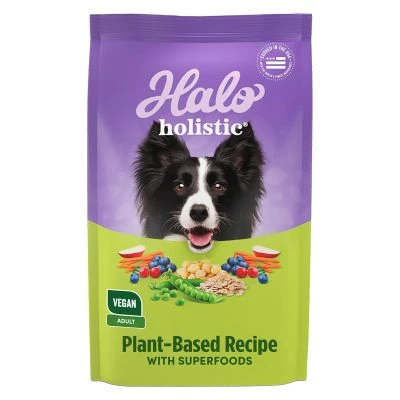
Verified customer testimonials consistently report positive health outcomes such as improved coat condition, reduced allergy symptoms, and enhanced energy levels in dogs transitioned to plant-based diets. Bramble’s fresh food, in particular, receives praise for palatability and digestive benefits.
Veterinary nutritionists play an integral role in product development, ensuring formulations meet the physiological needs of dogs at various life stages. Vivus Pets and PawCo collaborate with accredited veterinarians to validate ingredient selection and nutrient adequacy, lending scientific credibility.
Endorsements from animal welfare organizations and features in documentaries like Netflix’s “You Are What You Eat” elevate public awareness and trust. Transparent ingredient sourcing and third-party lab analyses reinforce brand authority, helping consumers make informed choices.
FAQ
Is plant-based dog food nutritionally complete for all dog breeds?
Yes, leading plant-based dog food brands in 2026 formulate their products to meet or exceed AAFCO nutritional standards, ensuring complete and balanced diets suitable for all breeds and life stages. These formulations incorporate essential amino acids, vitamins, and minerals, often supplemented with omega-3 fatty acids from algae.
Are plant-based dog foods safe for dogs with allergies?
Many plant-based dog foods are specifically designed to be hypoallergenic by excluding common allergens such as dairy, soy, and gluten. They often include novel protein sources like yeast or pea protein and contain probiotics to support digestive health, making them suitable for dogs with food sensitivities.
Where can I purchase plant-based dog food conveniently?
Consumers can buy plant-based dog food directly from brand websites offering subscription delivery services for convenience and cost savings. Additionally, many products are available through online marketplaces and specialty pet stores, with options for in-store trials and educational support.
What are the environmental benefits of feeding dogs a plant-based diet?
Plant-based dog food production requires significantly less water and land resources than meat-based diets, resulting in reduced greenhouse gas emissions and lower ecological footprint. Ethical sourcing also eliminates reliance on animal agriculture, promoting animal welfare and sustainability.
How do brands ensure the quality and safety of plant-based dog food ingredients?
Top brands source ingredients from USDA-inspected farms and adhere to stringent quality controls, including third-party laboratory testing for contaminants and nutrient validation. Compliance with AAFCO standards further ensures the safety and completeness of their products.
—
Looking forward, the plant-based dog food market is expected to continue its growth trajectory, driven by advancements in ingredient technology and rising consumer awareness of sustainability and pet health. Brands focusing on veterinary collaboration, ingredient transparency, and innovative subscription models will likely set the standard for ethical, convenient, and nutritionally optimized pet nutrition in the coming years.

Safe Pet Waste Composting Methods for Healthier Soil
PawVerde.com – Properly composting pet waste remains a critical environmental and public health concern in 2026, especially as urban pet ownership and awareness of sustainable waste management increase. Pet waste, particularly dog and cat feces, contains pathogens such as E. coli, Salmonella, and Toxocara that pose risks to humans and animals if not handled correctly. Composting pet waste offers an eco-friendly alternative to landfill disposal or flushing, reducing organic waste while contributing to soil amendment when done safely. However, pet waste composting requires specific methods distinct from typical food or yard waste composting to mitigate pathogen risks and avoid contamination of edible crops.
Aerobic composting, characterized by controlled oxygen supply and balanced carbon-to-nitrogen ratios, is currently recognized as the safest and most effective method for pet waste. This approach, particularly when using sealed compost bins designed for pet waste, achieves pathogen elimination rates exceeding 98% by maintaining temperatures between 55-65°C (131-149°F) for sufficient durations. Cold composting, which relies on extended decomposition times without active aeration or heating, can also render pet waste safer but demands patience and careful site selection to prevent surface-level contamination.
Understanding Pathogen Risks and Safety Concerns in Pet Waste Composting
Pet waste harbors a spectrum of pathogens including Giardia, Cryptosporidium, and hookworms, which survive in moist environments and can infect humans through soil contact or ingestion. Unlike plant-based compost, pet feces do not break down as readily and require specialized treatment to neutralize these risks. The persistence of pathogens in untreated pet waste underscores why traditional composting methods, such as open piles or mixing with food scraps, are inadequate.
The primary safety concern is the potential contamination of edible plants and water supplies. Applying pet waste compost directly onto vegetables or fruits poses a significant health hazard due to pathogen transfer. Therefore, regulatory guidelines and expert recommendations emphasize restricting pet waste compost use to non-edible ornamental gardens, lawns, or soil remediation projects where food safety is not compromised.
Composting systems dedicated exclusively to pet waste help prevent cross-contamination and allow for optimized conditions tailored to pathogen destruction. Awareness of these risks and adherence to safety protocols are essential for responsible pet waste management in residential settings.
Best Composting Methods for Pet Waste: Aerobic and Cold Composting
aerobic composting remains the benchmark method for pet waste, combining oxygen exposure with thermophilic microbial activity to accelerate organic matter breakdown and pathogen elimination. Maintaining an optimal carbon-to-nitrogen ratio, ideally between 25:1 and 30:1, is crucial. Pet feces are nitrogen-rich; thus, incorporating carbon-rich materials like sawdust, shredded leaves, or straw balances the mix and improves aeration.
Sealed compost bins designed for pet waste enhance the aerobic process by containing odors and preventing pest access. These bins facilitate consistent temperature control, moisture retention, and aeration through vents or manual turning. Research from university extension programs indicates that maintaining temperatures above 55°C for at least three consecutive days effectively destroys most harmful microbes.
Cold composting pet waste, alternatively, involves depositing waste in a secluded area or deep pit and allowing it to decompose naturally over an extended period, often exceeding one year. This method is less labor-intensive but requires strict site management to minimize pathogen leaching and odors. Cold composting is suitable when aerobic composting infrastructure is not feasible but demands patience and caution in application.
Innovative and DIY Composting Techniques for Pet Waste
Homeowners increasingly adopt DIY pet waste composters tailored for backyard use, combining affordability with environmental responsibility. Popular designs include buried composters that leverage soil microbes and earthworm activity, and specialized worm farms (vermicomposting) that use composting worms to break down pet feces safely. Worm farms require careful monitoring of moisture and temperature to prevent pathogen survival and odor issues.
Compost starters, which introduce beneficial microbes, accelerate decomposition and improve compost quality. Layering pet waste with absorbent carbon materials such as sawdust or shredded cardboard not only balances the carbon-to-nitrogen ratio but also reduces moisture and odor problems. Using compostable dog poop bags made from plant-based polymers further supports sustainability by preventing plastic contamination.
Practical construction of these composters involves ensuring aeration, preventing runoff, and situating bins away from water sources or vegetable gardens. Maintenance protocols recommend frequent turning or mixing and monitoring for temperature peaks to confirm pathogen destruction.
Practical Guidance for Safe and Efficient Pet Waste Composting
Handling pet waste safely begins with collection using compostable bags and disposable gloves to minimize direct contact and contamination risk. Prompt transfer to the compost bin prevents prolonged odor generation and fly attraction. To manage odors, incorporating carbon-rich materials like sawdust or dry leaves creates a biofilter effect and enhances microbial activity.
Compost temperature monitoring is vital for confirming pathogen kill-off, with thermometers available for home use. Moisture levels should be kept between 40-60% to support aerobic microbes without fostering anaerobic conditions that cause odors. Pest control measures include securing compost bins with tight lids and avoiding food scraps, which attract rodents.
Regular inspection and turning of compost accelerate decomposition and maintain aerobic conditions, reducing the time required before the compost is safe for use on non-edible plants.
The Environmental and Soil Health Benefits of Pet Waste Compost
Composted pet waste contributes to nutrient recycling by returning nitrogen, phosphorus, and organic matter to the soil. When applied below the surface in ornamental gardens or lawns, it enhances soil structure, improves moisture retention, and fosters beneficial microbial communities that support plant growth.
Studies show that pet waste compost, when processed correctly, can support healthy soil microbiology without introducing harmful pathogens. This contributes to sustainable urban gardening practices by diverting organic waste from landfills, reducing methane emissions, and minimizing water pollution caused by pet waste runoff.
Waste reduction through dedicated pet waste composting aligns with broader environmental goals, promoting closed-loop systems and ecological responsibility among pet owners.
Regulatory and Safety Considerations for Pet Waste Composting
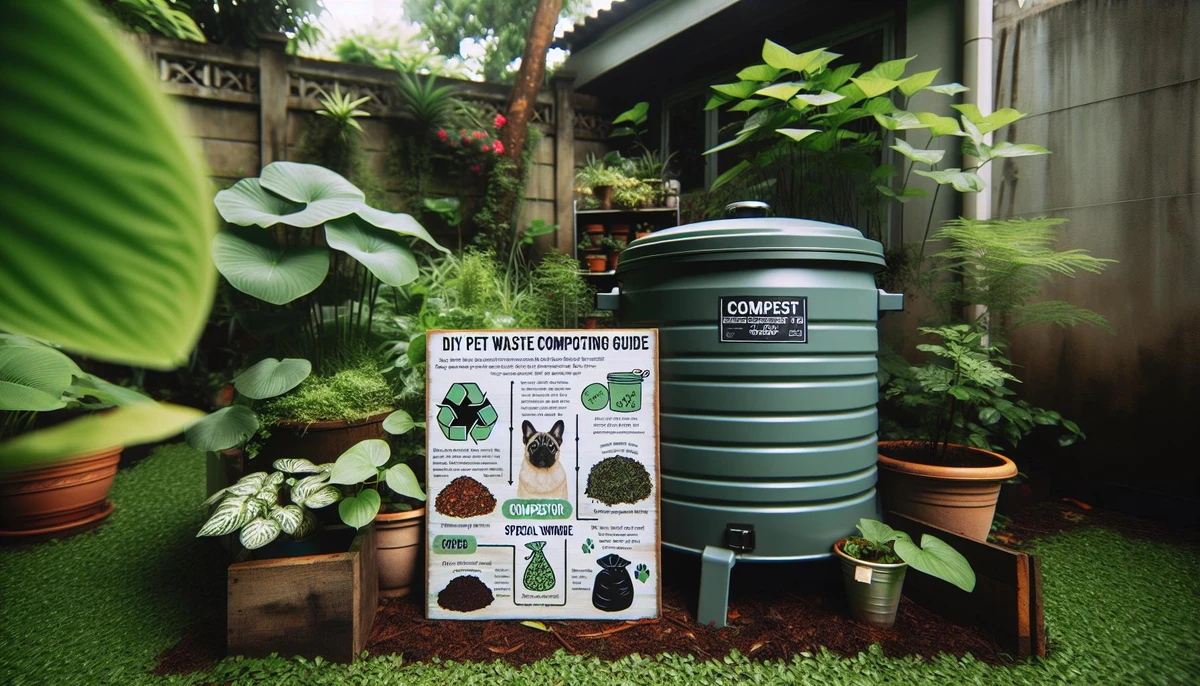
Local regulations vary regarding pet waste composting, with some municipalities permitting it under strict conditions while others restrict or prohibit the practice due to health concerns. It is vital for composters to consult local environmental agencies or extension services to ensure compliance.
Most guidelines emphasize using pet waste compost exclusively on non-food plants and maintaining secure composting setups to prevent pathogen transmission. Public health authorities caution against home use of pet waste compost in vegetable gardens or areas where children and pets play.
Adhering to these regulations and recommendations protects both public health and the environment, reinforcing the credibility and safety of pet waste composting practices.
FAQ: Common Questions on Composting Pet Waste Safely

What is the safest way to compost dog waste at home?
Aerobic composting with a dedicated, sealed bin that maintains a balanced carbon-to-nitrogen ratio and reaches thermophilic temperatures is the safest method. This approach effectively eliminates most pathogens and controls odors.
Can pet waste compost be used in vegetable gardens?
No. Due to pathogen risks, pet waste compost should not be applied to edible plants. It is suitable only for non-food garden areas or ornamental landscaping.
How long does cold composting pet waste take?
Cold composting typically requires at least one year, sometimes longer, to ensure safe decomposition and pathogen reduction without active aeration or heating.
Are compostable dog poop bags better for composting?
Yes. Compostable bags made from plant-based materials break down more readily in compost systems, reducing plastic pollution and supporting sustainable waste management.
How can I control odors when composting pet waste?
Incorporating carbon-rich materials like sawdust, maintaining proper moisture levels, and using sealed bins with ventilation helps control odors. Regular turning of the compost also reduces anaerobic conditions that cause smells.
—
Looking ahead, advancements in home composting technology and increased awareness of pathogen-safe methods will likely enhance the feasibility of pet waste composting in residential settings. Emerging innovations such as smart compost bins with temperature and moisture sensors, combined with community education on carbon-to-nitrogen balancing and proper bin maintenance, promise to make pet waste composting safer and more accessible. Integrating these practices supports a circular economy in organic waste management and fosters healthier, more sustainable urban environments.
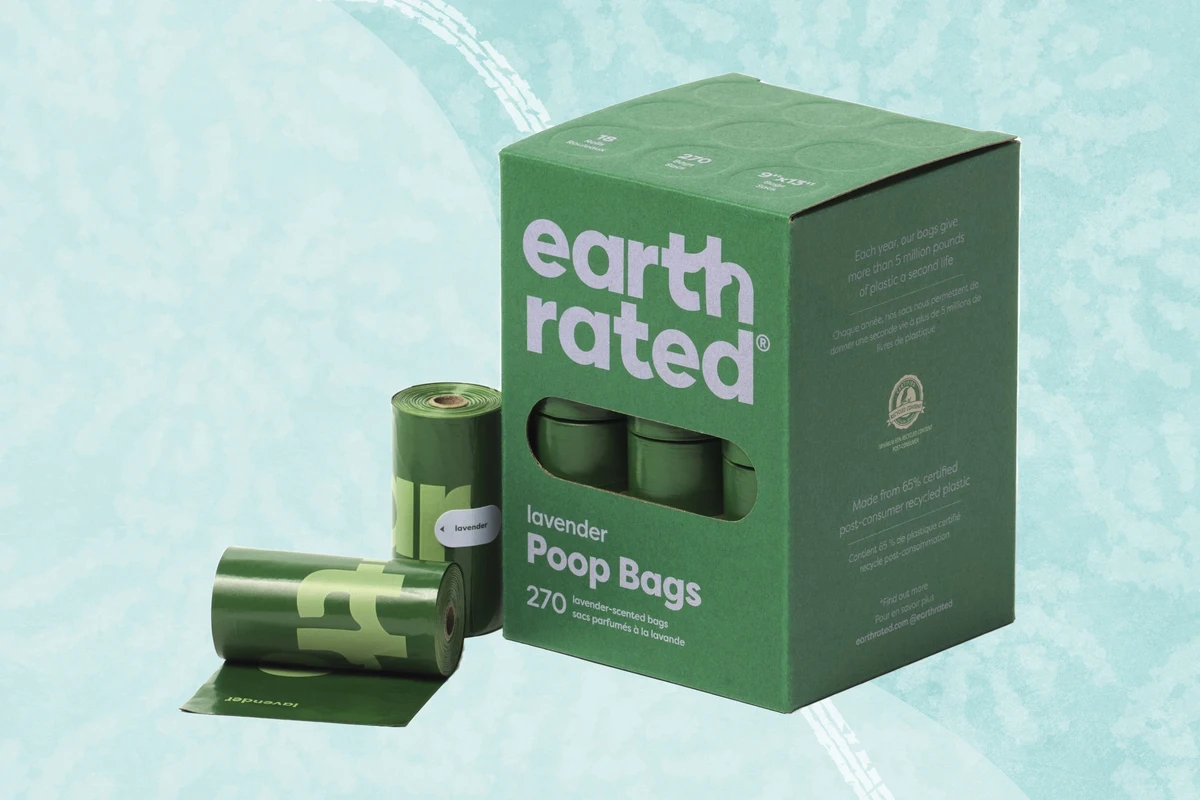
Top Biodegradable Pet Waste Bags Reviewed with Certifications
PawVerde.com – biodegradable pet waste bags in 2026 have evolved into sophisticated eco-friendly solutions that address environmental concerns without compromising performance. Leading brands such as Tuff Pets, ZOMISIA, and Earth Rated now offer bags that combine certified compostable materials with enhanced thickness and odor control, meeting the rising demand for sustainable pet waste disposal. These bags demonstrate significant improvements in durability, leak-proof capability, and cost efficiency, especially when purchased in bulk, making them practical choices for environmentally conscious pet owners.
Certification standards play a crucial role in validating the ecological claims of these products, ensuring compliance with stringent environmental policies and consumer trust. This article provides a detailed, data-backed review of top biodegradable pet waste bags in 2026, comparing their certifications, material composition, usability, pricing, and environmental impact.
Certification Standards and Environmental Impact
The environmental credibility of biodegradable pet waste bags depends heavily on certifications that verify their compostability and biodegradability under specific conditions. The Biodegradable Products Institute (BPI) certification, aligned with ASTM D6400 standards, confirms that bags break down in industrial composting facilities within 90 to 180 days without leaving toxic residues. Meanwhile, AS 5810 certification caters to home composting environments, ensuring bags decompose effectively at lower temperatures over a longer period.
Additional certifications like TÜV OK Compost Home and Industrial, DIN CERTCO, and the USDA BioPreferred Program provide further assurance of biobased content and compostability. These certifications help differentiate compostable bags, which completely degrade into non-toxic components, from biodegradable bags that may fragment but not fully mineralize, potentially contributing to microplastic pollution.
Most leading brands such as ZOMISIA and Earth Rated maintain compliance with BPI (ASTM D6400) and TÜV standards, reinforcing their commitment to environmental responsibility. For example, ZOMISIA’s bags have achieved BPI certification, confirming they decompose within 90 days in industrial composting conditions, while Earth Rated bags combine vegetable starch and PBAT (polybutylene adipate terephthalate) to meet both compostability and leak-proof standards.
The distinction between biodegradable and compostable bags is critical for consumers. Compostable bags meet stricter environmental criteria and support circular waste management by converting organic waste into nutrient-rich compost. Biodegradable bags, including some oxo-biodegradable plastics, may degrade physically but often lack certification and can persist as microplastics, undermining their ecological benefits.
Product Performance and Usability Review
Durability and leak resistance are paramount for pet waste bags, and recent testing methods involve water balloon simulations to assess tear resistance and sealing efficacy. Tuff Pets bags, for instance, exhibit superior thickness at approximately 22 microns, which translates into robust puncture resistance and reduced risk of leaks during usage. In contrast, ZOMISIA bags maintain a thickness near 20 microns, balancing sturdiness with cost-effectiveness.
Earth Rated’s bags stand out with a 100% leak-proof guarantee, achieved through a proprietary blend of vegetable starch and PBAT, which enhances flexibility without compromising compostability. These bags performed reliably in tests simulating waste from various dog breeds, including larger Labradors and smaller Corgis, demonstrating versatility across waste volumes.
Odor control is another critical factor for practical use. Tuff Pets incorporates natural odor-masking scents such as lavender and sandalwood, which significantly reduce unpleasant smells during storage and disposal. User feedback highlights the effectiveness of these scents without overwhelming sensitivity, making them suitable for households with scent sensitivities.
Ease of use involves factors like bag opening, tying off, and dispenser compatibility. UNNI bags, known for their larger size (up to 1.5 liters), feature a smooth, easy-tear perforation and a non-slip texture, facilitating swift waste collection. Most tested brands, including BioBag and Pogi’s, are compatible with standard dispenser rolls and bag holders, although certain thicker bags may require dispensers with wider openings.
Pricing and Bulk Purchase Analysis
Cost efficiency is a decisive factor for many consumers, especially those owning multiple pets or managing commercial pet care facilities. Bulk purchasing offers substantial savings, with ZOMISIA bags priced between $0.05 and $0.06 per bag at the 540-count tier, representing a significant discount compared to retail packs of 60 or 120 bags that often exceed $0.10 per bag.
Storage and shelf life considerations are vital for maintaining bag integrity. Plant-starch-based bags such as those from BioBag have a recommended shelf life of approximately two years when stored in cool, dry conditions to prevent premature degradation. Exposure to heat and humidity accelerates breakdown, potentially causing brittleness or leaks before use.
Earth Rated and Tuff Pets bags, utilizing PBAT blends, generally exhibit longer shelf life and greater resilience under variable storage conditions. However, regardless of brand, users are advised to rotate stock regularly and avoid prolonged storage in direct sunlight or humid environments.
Brand Highlights and Recommendations
Tuff Pets offers a compelling combination of strength and odor control at a slightly lower price point than fully certified compostable bags. Their thicker design reduces tearing risk, though they may not always carry BPI certification, positioning them as a highly functional biodegradable option.
ZOMISIA’s certified compostable bags provide an optimal balance of environmental compliance, thickness, and cost-efficiency. Their 1.5-liter capacity suits larger dogs and multiple waste pickups, making them ideal for households with active breeds like French Bulldogs or Labradors.
Earth Rated distinguishes itself with a 100% leak-proof guarantee, supported by rigorous third-party testing involving diverse dog breeds. Their bags’ vegetable starch and PBAT composition ensure flexibility and compostability, with multiple scent options including apple cinnamon and vanilla.
UNNI’s large-sized bags emphasize ease of use and industrial compostability, decomposing within 90 days under certified conditions. Their smooth texture and reliable sealing make them suitable for commercial pet care and municipal waste programs.
BioBag and Pogi’s focus on eco-conscious consumers with fully compostable materials and smaller packaging options. While their bags may have slightly thinner walls (around 15-18 microns), they cater to pet owners prioritizing certified biodegradability over maximum durability.
Consumer Considerations and Practical Advice
Selecting between biodegradable and compostable bags depends largely on local waste disposal infrastructure. Compostable bags require access to industrial or home composting facilities to fulfill their environmental promise. In regions lacking such options, biodegradable bags may offer limited benefit, as they risk persisting in landfills or contaminating recycling streams.
Scent preferences should factor in potential allergies or sensitivities. Natural essential oil-based scents tend to be less irritating than synthetic fragrances, but consumers should test small quantities before committing to large purchases.
Storage conditions directly affect bag performance. To maximize shelf life, bags should be stored away from heat, moisture, and direct sunlight. Using airtight containers or resealable bags for rolls can prolong usability beyond the average two-year lifespan of plant-starch bags.
Pet size and waste volume also guide product choice. Larger breeds generate more waste requiring bigger capacity bags (1.5 liters or more), while small breeds or frequent short walks may be adequately served by standard 0.75-liter bags. Bulk purchasing is advisable for multi-pet households, offering cost savings and ensuring consistent supply.
FAQ
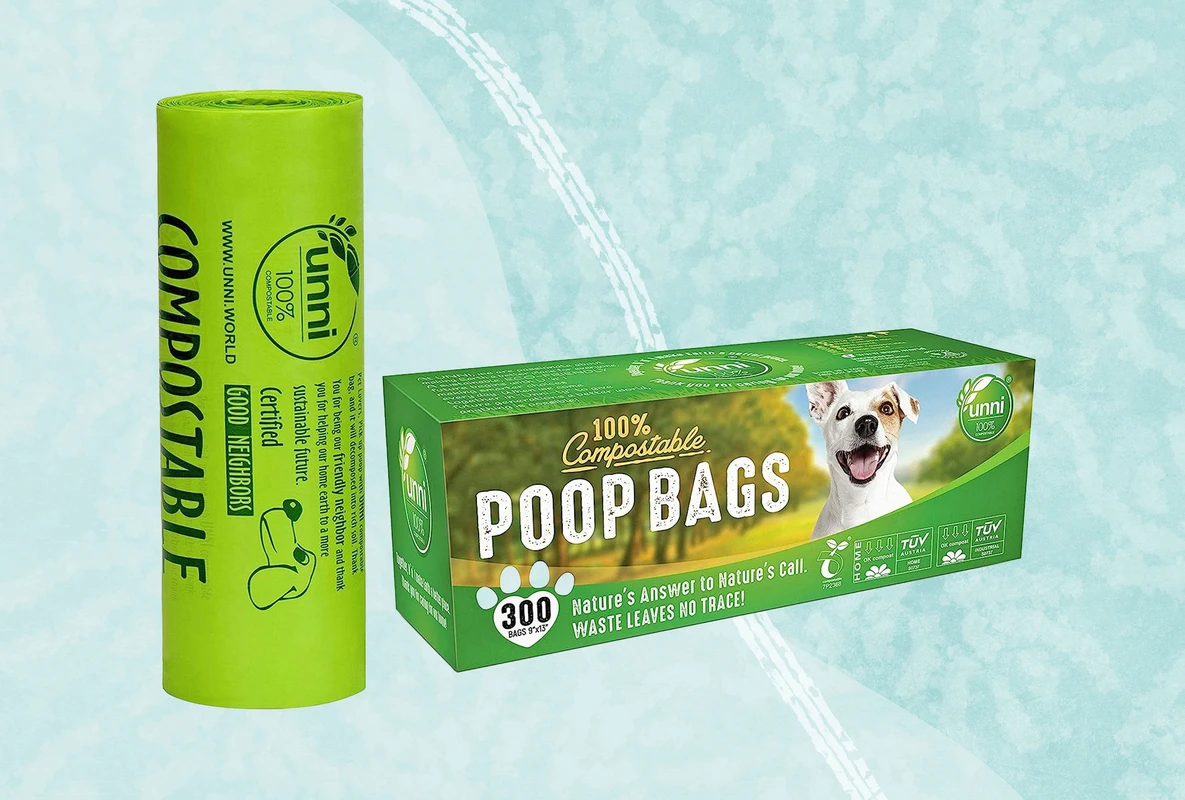
What certifications ensure biodegradable pet waste bags are truly compostable?
Certifications such as BPI (ASTM D6400), AS 5810 for home composting, TÜV OK Compost Home/Industrial, and DIN CERTCO validate that pet waste bags meet strict biodegradability and compostability standards. These certifications guarantee that bags break down within specified time frames without harmful residues.
How do biodegradable pet waste bags differ from compostable bags?
Compostable bags fully degrade into non-toxic components under industrial or home composting conditions, supported by certification. biodegradable bags may break down physically but often lack certification and can leave microplastics, reducing their environmental benefit.
Are scented biodegradable pet waste bags safe for pets and humans?
Most scented bags use natural essential oils like lavender or apple cinnamon, which are generally safe and mask odors effectively. However, individuals with sensitivities should test small amounts first, as reactions vary.
What is the typical shelf life of plant-starch biodegradable pet waste bags?
Plant-starch bags usually maintain optimal performance for up to two years when stored in cool, dry, and dark conditions. Exposure to heat or humidity reduces shelf life by accelerating material degradation.
Can biodegradable pet waste bags be used with standard dispensers?
Most biodegradable bags are designed to fit standard dispensers and bag holders. However, thicker bags might require wider dispenser openings. Checking manufacturer compatibility is recommended before purchase.
This comprehensive analysis underscores the importance of selecting biodegradable pet waste bags that combine environmental certifications, durability, and cost-effectiveness. Brands like Tuff Pets, ZOMISIA, and Earth Rated lead the market in 2026 by offering products that meet rigorous compostability standards while addressing practical usability needs. Pet owners are encouraged to consider local composting options, storage practices, and pet size to optimize their choice of sustainable waste disposal solutions.
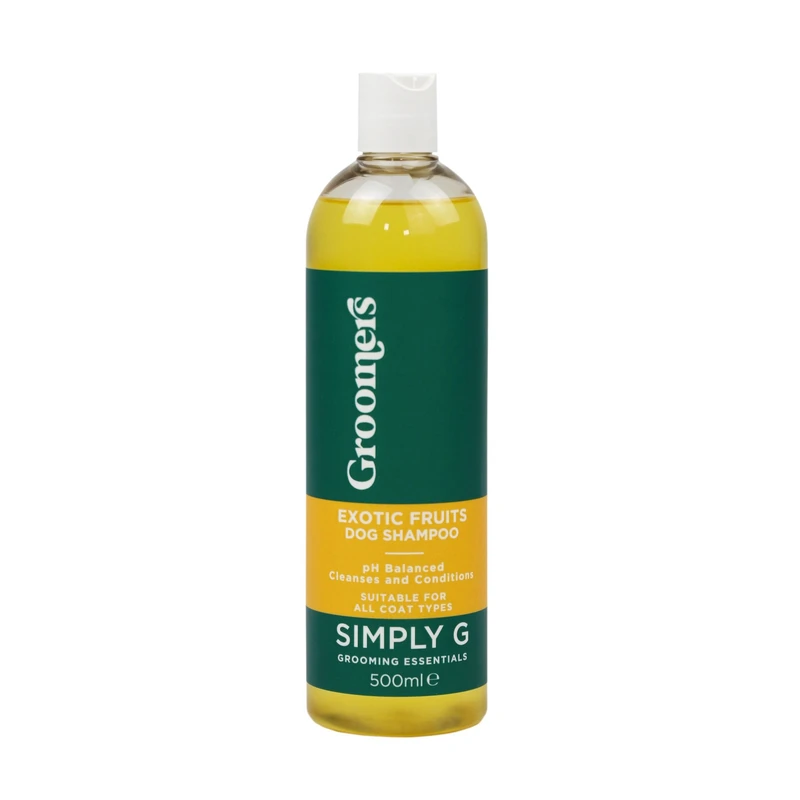
Buy Eco-Friendly Dog Grooming Shampoo Online with Trusted Brands
PawVerde.com – eco-friendly dog grooming shampoos have become a pivotal choice for pet owners prioritizing both their dogs’ health and environmental sustainability. These products typically incorporate organic and cruelty-free ingredients, free from synthetic chemicals and artificial fragrances, ensuring safety for dogs with sensitive skin while minimizing ecological impact. Leading brands such as 4-Legger, Vermont Soap, Only Natural Pet, and Earthbath have emerged as trusted providers, offering a variety of shampoos, conditioners, and grooming bundles widely available through online pet supply retailers. The increasing consumer demand for natural, hypoallergenic pet care products has driven innovation in formulations that emphasize gentle cleansing, moisturizing botanicals, and sustainable sourcing.
Consumers seeking eco-friendly dog shampoos benefit from understanding the specific ingredients and certifications that distinguish these products. Common organic components include neem oil, lavender scent, oatmeal, and aloe vera, each contributing to skin soothing and coat health. These shampoos often carry cruelty-free certifications and employ bulk packaging options, such as Vermont Soap’s 5-gallon refill containers, to reduce plastic waste. Pricing varies, with 4-Legger products ranging approximately from $37 to $66, while bulk refills offer cost efficiencies for frequent users. Verified customer reviews consistently highlight the effectiveness of these shampoos in alleviating skin irritations, improving fur texture, and providing lasting deodorizing effects.
Leading Brands and Their Eco-Friendly Dog Grooming Products
The marketplace for natural dog grooming shampoos is dominated by a few key players recognized for their commitment to sustainability and quality. 4-Legger, Vermont Soap, Only Natural Pet, and Earthbath represent brands with transparent ingredient sourcing and ethical manufacturing practices. 4-Legger specializes in USDA-certified organic shampoos formulated for dogs with sensitive skin, incorporating neem oil and other botanicals known for anti-inflammatory properties. Vermont Soap offers bulk refill options, emphasizing sustainable farming and fair trade ingredients to minimize environmental footprints. Only Natural Pet combines hypoallergenic formulations with cruelty-free practices, while Earthbath focuses on biodegradable ingredients and natural fragrances such as lavender and oatmeal.
These brands provide a range of product types beyond shampoos, including conditioners, dog deodorizing sprays, and grooming bundles designed to simplify pet care routines. For example, Earthbath’s bundles often pair shampoo and conditioner with natural dog grooming accessories, adding value for buyers looking to streamline purchases. The availability of these products through online pet supply stores and direct brand websites enhances convenience, with many retailers offering free shipping thresholds and satisfaction guarantees.
Organic Ingredients and Their Benefits for Sensitive Skin
Key organic ingredients distinguish eco-friendly dog shampoos from conventional alternatives by offering gentle yet effective cleansing suitable for dogs prone to allergies or skin sensitivities. Neem oil, a natural insect repellent with antibacterial properties, is frequently used to soothe irritated skin and reduce inflammation. Lavender scent not only provides a calming fragrance but also possesses antiseptic qualities that support skin health. Oatmeal and aloe vera are renowned for their moisturizing and soothing effects, helping to alleviate dryness and itchiness common in dogs with sensitive skin.
Hypoallergenic formulations exclude harsh detergents, parabens, sulfates, and synthetic dyes, which can exacerbate skin conditions. Instead, they rely on plant-based surfactants and botanical extracts that cleanse without stripping natural oils. The absence of artificial fragrances reduces the risk of allergic reactions, making these shampoos appropriate for dogs with compromised skin barriers. This careful ingredient selection aligns with cruelty-free certifications, ensuring no animal testing occurs during product development.
Sustainable Farming and Ethical Manufacturing Practices
Sustainability is a core principle underlying eco-friendly dog grooming shampoos, extending from ingredient sourcing to packaging and corporate responsibility. Brands like Vermont Soap prioritize sustainable farming, sourcing botanicals from suppliers who adhere to fair trade principles and wildlife protection measures. This approach supports biodiversity and promotes equitable wages for agricultural workers involved in harvesting essential oils and herbal extracts.
Cruelty-free certification guarantees that products are developed without animal testing, reflecting ethical commitments embraced by natural pet care companies. Packaging innovations include bulk refill containers and biodegradable bottles, reducing plastic waste and environmental pollution. For instance, Vermont Soap’s 5-gallon bulk shampoo refill offers an eco-conscious solution for pet owners and professional groomers alike, lowering per-unit packaging consumption. Additionally, some brands implement carbon-neutral shipping and participate in environmental restoration initiatives.
Pricing, Purchase Options, and Online Availability
Prices for eco-friendly dog grooming shampoos vary depending on brand reputation, ingredient quality, and packaging size. 4-Legger shampoos typically retail between $36.97 and $65.98 for standard bottle sizes, reflecting their USDA Organic certification and specialized formulations for sensitive skin. Vermont Soap’s bulk refill options, priced around $189 for 5 gallons, provide cost savings for high-volume users and contribute to waste reduction. Only Natural Pet and Earthbath offer competitively priced products generally ranging from $15 to $40, catering to a wide range of budgets.
Online purchasing is the preferred method for many consumers, with direct brand websites and large pet supply retailers providing extensive product information, customer reviews, and flexible return policies. Many platforms feature bundled deals combining shampoos with conditioners, deodorizing sprays, or grooming accessories, enhancing value for buyers. Shipping options frequently include expedited delivery and free shipping thresholds that vary by retailer, making it convenient to maintain regular grooming routines without in-store visits.
Customer Reviews and Product Effectiveness
Verified customer feedback consistently praises eco-friendly dog shampoos for their gentle cleansing action, effectiveness in relieving skin irritation, and improvement of coat condition. Reviews often mention noticeable reductions in redness and itching after initial use, with longer-term benefits including softer, shinier fur and diminished dog odor. Many users highlight the pleasant yet subtle fragrances derived from natural essential oils, which avoid the overpowering scents typical of synthetic products.
Professional groomers endorse several of these brands, noting their suitability for dogs with compromised skin and recommending them for routine maintenance and post-treatment care. Testimonials underscore ease of use, with shampoos producing rich lather without harsh residues and rinsing cleanly. Some customers report that bundled grooming sets provide comprehensive solutions, reducing the need for multiple product purchases.
Choosing the Right Eco-Friendly Dog Shampoo

Selecting the most appropriate eco-friendly dog shampoo requires consideration of several factors including breed-specific coat type, degree of skin sensitivity, and ingredient preferences. Dogs with dense or curly coats may benefit from formulations with enhanced moisturizing agents like aloe vera, while those prone to allergies often require fragrance-free or hypoallergenic options. Understanding ingredient labels and certifications such as USDA organic, cruelty-free, and biodegradable packaging helps ensure alignment with personal and environmental values.
When shopping online, consumers should compare product sizes, pricing, and shipping policies, and evaluate customer reviews for insights on performance. Many brands offer satisfaction guarantees or return policies that mitigate purchase risk. Additionally, pet owners can consult veterinarians or professional groomers for recommendations tailored to their dog’s unique needs.
FAQ
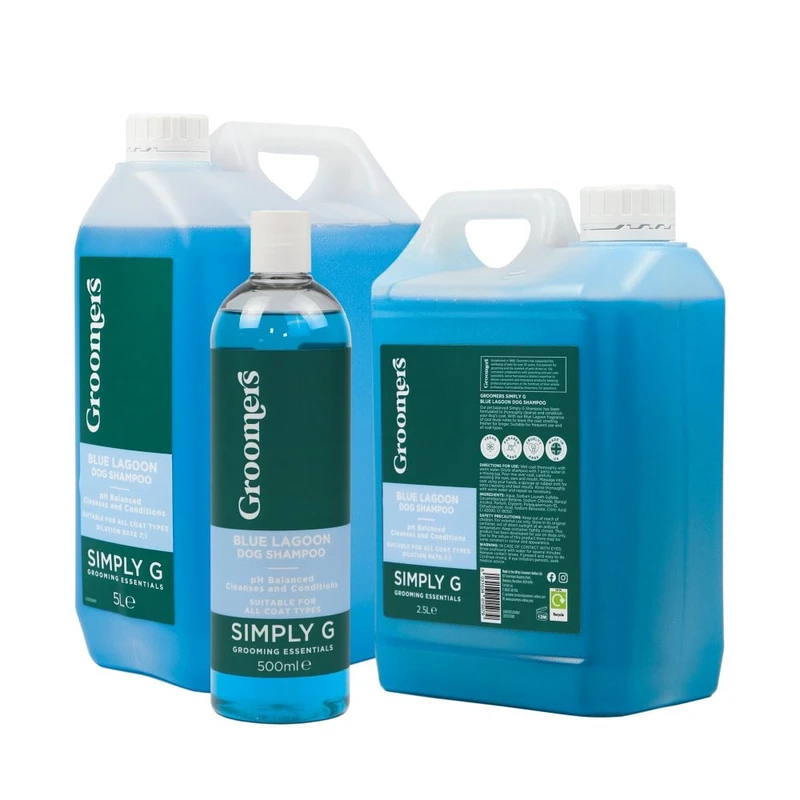
What ingredients should I look for in an eco-friendly dog shampoo for sensitive skin?
Look for organic, plant-based ingredients such as neem oil, lavender, oatmeal, and aloe vera. Avoid shampoos containing sulfates, parabens, artificial fragrances, and synthetic dyes, as these can irritate sensitive skin. Hypoallergenic and cruelty-free certifications further indicate suitability.
Are eco-friendly dog shampoos effective at deodorizing and cleaning?
Yes, many eco-friendly shampoos incorporate natural deodorizing agents like lavender and neem oil, which help neutralize odors while cleansing gently. Verified user reviews confirm that these products maintain coat freshness and cleanliness without harsh chemicals.
Where can I purchase eco-friendly dog grooming shampoos online?
Leading brands such as 4-Legger, Vermont Soap, Only Natural Pet, and Earthbath sell their products through official websites and major online pet supply retailers. These platforms often provide detailed product descriptions, customer ratings, and flexible shipping options.
How do bulk refill options benefit the environment and consumers?
Bulk refills reduce packaging waste by minimizing single-use plastic containers. They also provide cost savings by lowering per-unit prices, making them an eco-conscious and economical choice for frequent users or professional groomers.
What certifications indicate a product is truly eco-friendly and ethical?
Look for USDA Organic certification, cruelty-free logos, biodegradable packaging claims, and fair trade sourcing acknowledgments. These certifications validate product quality and ethical manufacturing practices.
Eco-friendly dog grooming shampoos represent a growing segment of the pet care industry, combining health-conscious formulations with sustainable practices. As consumer awareness of environmental impact and animal welfare increases, brands continue to innovate with botanical ingredients, ethical sourcing, and packaging solutions that support responsible pet grooming. Pet owners can confidently select from market leaders offering transparency, verified effectiveness, and value through online purchasing channels. Moving forward, the integration of refill programs, expanded cruelty-free certifications, and ingredient traceability will further enhance consumer trust and environmental benefits in this sector.