

Where to Buy Organic Dog Food in 2026: Top Brands & Deals
PawVerde.com – Organic dog food purchasing in 2026 centers around transparency, sustainability, and diverse delivery methods that meet evolving consumer demands for quality and convenience. Key brands such as The Honest Kitchen and Open Farm distinguish themselves through human-grade ingredients, animal welfare certifications, and ingredient sourcing transparency, with reported health benefits like improved digestion and energy in dogs. Retail giants like Chewy offer extensive selections of natural dog food with subscription discounts reaching 35%, while local specialty stores such as The Modern Paws in Tampa provide expert guidance and exclusive promotions. Subscription services like Maev cater to fresh and raw diet preferences, delivering flash-frozen meals designed for optimal canine nutrition.
Leading Organic Dog Food Brands and Their Unique Selling Points
The Honest Kitchen remains a frontrunner in the organic dog food sector by offering human-grade meals prepared with free-range chicken and organic quinoa. Their products are shelf-stable and emphasize ingredient transparency, with consumer reports indicating approximately 80% of dogs experience improved digestion after switching. This brand supports subscription savings, enabling buyers to reduce costs while maintaining consistent access to high-quality meals.
Open Farm focuses heavily on sustainable sourcing, utilizing 100% animal welfare-certified beef and wild-caught salmon as core protein sources. Their inclusion of superfoods such as turmeric and kale targets enhanced canine health, providing antioxidants and anti-inflammatory benefits. This brand’s commitment to ethical farming practices and sustainability certifications distinguishes it within a crowded market.
Other notable brands include Stella & Chewy’s, known for freeze-dried raw diets that preserve nutrient integrity; Orijen, which emphasizes biologically appropriate, protein-rich kibble; and Steve’s Real Food, offering fresh, ready-to-serve meals with a strong focus on ingredient traceability. These brands collectively cover a spectrum of pet dietary preferences, from raw and fresh to cooked and freeze-dried options, addressing nutritional needs across different dog breeds and life stages.
Purchasing Channels for Organic Dog Food
Online retail platforms dominate organic dog food sales in 2026, with Chewy leading by offering a comprehensive selection of natural and organic brands. Chewy’s customer review system provides prospective buyers with insights into product efficacy and palatability, while subscription options confer savings of up to 35%, enhancing affordability without compromising quality. Only Natural Pet also competes in this space, emphasizing small-batch and limited ingredient formulas for sensitive dogs, often accompanied by shipping promotions and loyalty rewards.
Local specialty pet stores like The Modern Paws in Tampa complement digital channels by offering personalized service and expert staff consultation. Customers report value in in-person visits for breed-specific recommendations and troubleshooting dietary transitions. The Modern Paws frequently runs promotions on organic dog food brands, providing seasonal discounts and trial-size packages to encourage consumer experimentation with new products.
Subscription services such as Maev specialize in fresh and raw diets, providing flash-frozen meals delivered directly to consumers’ doors. Maev’s pricing averages around $3 per serving, which aligns with premium market expectations while offering customization options for portion size and protein variety. This model appeals to pet owners prioritizing freshness and nutrient preservation and seeking alternatives to traditional kibble.
Types of Organic Dog Food Available in 2026
The organic dog food market in 2026 features several product types designed to meet varied dietary preferences and health requirements. Dry kibble remains popular for convenience and shelf stability, with brands incorporating grain-free recipes and human-grade ingredients to enhance nutritional profiles. Freeze-dried options, such as those by Stella & Chewy’s, offer concentrated nutrients and long shelf life without preservatives, appealing to owners seeking raw diet benefits without refrigeration.
Fresh dog food and raw diets are increasingly delivered through subscription services, preserving nutrient integrity via flash-freezing methods. These diets often emphasize whole-food ingredients and superfoods to support digestion, immune function, and coat health. Cook-at-home meal kits are emerging, providing measured organic ingredients with preparation instructions, allowing owners to tailor diets under veterinary guidance.
Nutritional suitability varies by breed, age, and health status, with many brands offering formulations targeted at puppies, adult dogs, and seniors. Protein sources include free-range chicken, wild-caught fish, and sustainable beef, often supplemented with organic vegetables and fruits to provide fiber and antioxidants. Transparency in ingredient sourcing and nutritional analysis is a hallmark of reputable brands, aiding consumers in making informed choices.
Consumer Experiences and Health Benefits
Pet owner testimonials consistently highlight improvements in digestion, energy levels, and allergy reduction after switching to organic dog food brands such as The Honest Kitchen and Petaluma. Reports indicate that over 70% of consumers observed better stool consistency and increased vitality in their pets within weeks of diet transition. Veterinary endorsements support these findings, emphasizing the role of high-quality proteins and absence of artificial additives in promoting canine health.
FDA regulations continue to influence pet food safety practices, with brands like Petaluma providing detailed compliance statements and ingredient transparency reports. This regulatory oversight enhances consumer trust in organic dog food products. Balanced perspectives acknowledge that while raw diets offer benefits, they require careful handling to avoid bacterial contamination, underscoring the importance of consulting with veterinarians before dietary changes.
Promotions, Discounts, and How to Save on Organic Dog Food
Subscription discounts remain a primary method for consumers to lower costs on premium organic dog food, with platforms like Chewy offering up to 35% off for scheduled deliveries. Seasonal sales at local stores such as The Modern Paws provide additional opportunities for savings, particularly on new product launches and trial packs. Coupon codes, including Open Farm’s “NEWPET,” are actively promoted via brand newsletters and social media channels, enabling first-time buyers to access introductory pricing.
Loyalty programs and referral incentives also contribute to cost efficiency, with several brands rewarding repeat customers through points redeemable against future purchases. Bulk buying options, especially for freeze-dried and dry kibble varieties, further reduce per-serving expenses without compromising freshness or quality.
Making an Informed Choice for Organic Dog Food Purchase in 2026
Selecting the appropriate organic dog food involves balancing budget constraints, specific dietary needs, and ethical considerations regarding ingredient sourcing and animal welfare. Consumers are advised to prioritize brands with transparent supply chains and certifications that validate sustainability claims. Consultation with veterinarians remains essential to tailor diets to individual pet health profiles, particularly when considering raw or fresh meal plans.
The evolving market landscape, characterized by diverse purchasing platforms and product types, empowers pet owners to customize feeding regimens with greater precision. Continued innovation in subscription models and local retail offerings promises enhanced accessibility and cost-effectiveness for organic dog food buyers.
FAQ

Where can I buy organic dog food reliably in 2026?
Organic dog food is widely available through online retailers like Chewy and Only Natural Pet, local specialty stores such as The Modern Paws in Tampa, and subscription services including Maev. These channels offer verified products from reputable brands emphasizing sustainability and ingredient transparency.
What are the benefits of subscription-based organic dog food services?
Subscription services provide convenience, cost savings of up to 35%, and access to fresh or raw diets delivered directly to the consumer. They often allow customization of meal plans based on dog size, dietary restrictions, and preferences, ensuring consistent nutrition.
How do organic dog food brands ensure ingredient quality and safety?
Leading brands maintain stringent sourcing standards, use animal welfare-certified proteins, and provide detailed ingredient transparency. Compliance with FDA regulations and third-party certifications further enhance product safety and consumer confidence.
Are raw and freeze-dried diets better than traditional kibble?
Raw and freeze-dried diets preserve more nutrients and often exclude artificial additives, which can benefit digestion and energy. However, they require careful handling to prevent contamination. Kibble remains convenient and nutritionally balanced when sourced from reputable organic brands.
How can I save money when buying organic dog food?
Utilize subscription discounts, seasonal promotions at local pet stores, and brand coupon codes like Open Farm’s “NEWPET.” Loyalty programs and bulk purchasing options also reduce overall costs while maintaining product quality.
—
As consumer awareness around pet nutrition and sustainability grows, the organic dog food market in 2026 offers a spectrum of reputable brands and purchasing platforms. Pet owners can leverage subscription savings, expert local advice, and diverse product types to optimize their dog’s health while supporting ethical and transparent food systems. Ongoing research and veterinary collaboration will remain critical in adapting to emerging trends and ensuring optimal canine nutrition.
Benefits of Adopting from Local Shelters Drive U.S. Growth
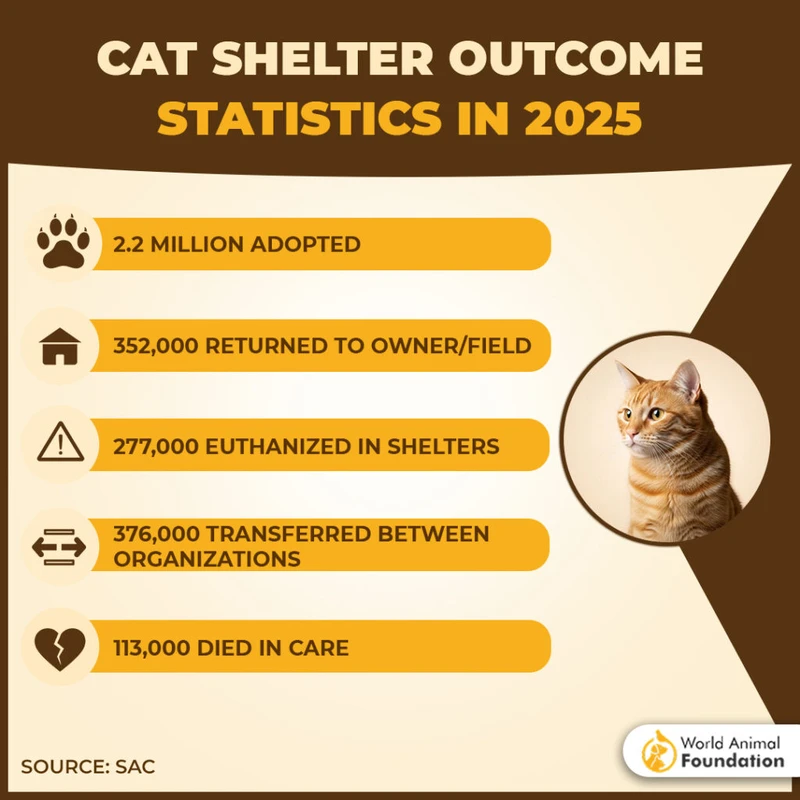
PawVerde.com – Local animal shelters in the United States are experiencing significant market growth, with the U.S. Animal Shelters industry projected to reach $5.3 billion in 2026. Recent data indicates that nearly 4.7 million pets—comprising 2.4 million dogs and 2.3 million cats—entered shelters in 2025, reflecting the scale of animal welfare operations nationwide. This influx underscores ongoing challenges such as shelter overcrowding, yet adoption rates have shown positive momentum, with private shelters reporting a 4.9% increase in adoptions last year. These dynamics position pet adoption as a critical ecosystem affecting community welfare, financial frameworks, and animal health standards.
Adoption from local shelters delivers multifaceted economic benefits, alleviating shelter overcrowding and reducing associated operational costs. adoption fees, which average between $75 and $150 depending on the region and shelter, typically encompass essential veterinary services including vaccinations, spaying/neutering, and microchipping. This bundled healthcare reduces long-term expenses for adopters compared to the initial and ongoing costs of purchasing from breeders, where prices for dogs and cats often exceed $1,000 without guaranteed health coverage. The financial structure of shelter adoption thus represents cost-effective access to companion animals while simultaneously mitigating the fiscal strain on shelter infrastructure.
Saving Lives and Reducing Overcrowding: The Community Impact of Adoption
Shelter overcrowding remains a persistent challenge, with facilities frequently operating at or beyond capacity. According to recent shelter intake and outcome data, approximately 20% of animals entering shelters in 2025 were at risk of euthanasia due to space constraints and resource limitations. Adoption acts as a primary mechanism to reduce overcrowding, enabling shelters to increase live release rates and accommodate more incoming animals. For instance, the Lafayette County Animal Shelter reported a 15% reduction in overcrowding after implementing targeted community adoption drives and foster programs.
Operationally, reducing overcrowding lowers per-animal costs related to food, medical care, and staffing. Shelter staff and volunteers, who constitute a substantial portion of the workforce, benefit from decreased workload intensity, improving overall service quality. The community impact extends beyond immediate shelter conditions; reduced euthanasia rates and healthier shelter environments foster stronger public trust and increase volunteer engagement. animal welfare organizations such as the ASPCA and Maddie’s Fund have emphasized adoption as a strategic priority to support sustainable shelter operations while enhancing animal welfare outcomes.
Financial Advantages of Adopting from Local Shelters
Adoption fees vary but generally remain significantly lower than purchasing pets from breeders or pet stores. The following table compares typical costs associated with adoption versus breeder acquisition, highlighting included veterinary services:
| Cost Component | Shelter Adoption | Breeder Purchase |
|---|---|---|
| Average Fee | $75–$150 (varies by region) | $800–$2,000+ |
| Vaccinations | Included | Often additional, $50–$200 |
| Spaying/Neutering | Included | Additional $200–$500 |
| Microchipping | Included | Additional $25–$50 |
| Initial Veterinary Exam | Included or discounted | Varies, often additional |
Shelters also provide behavioral assessments and basic training for many animals, reducing the need for costly post-adoption interventions. This comprehensive care package supports adopters in minimizing upfront and ongoing expenses. Furthermore, adoption fees contribute directly to shelter funding, sustaining operational viability and community programs. As highlighted by animal welfare professionals like Dr. Cindy Wasserman, DVM, JD, these financial efficiencies support both adopters and shelters, enabling a virtuous cycle of care and resource allocation.
Health and Behavioral Benefits of Shelter Pets
Shelter pets typically receive standardized veterinary care adhering to industry protocols. This includes vaccinations against common infectious diseases, spaying or neutering, and microchipping to facilitate reunification if a pet becomes lost. The importance of microchipping has grown with technological advancements and increased public awareness; shelters report reunification rates of up to 70% for microchipped animals compared to under 20% for non-microchipped pets.
Behavioral assessments conducted by shelter staff identify temperament, socialization level, and training needs. Facilities like the Oxford Animal Resource Center employ certified trainers to provide basic obedience and socialization, enhancing adoption outcomes. Shelter pets often have documented behavior profiles, reducing uncertainty for adopters and lowering the rate of returns or rehoming. This contrasts with pets from informal sources, where unknown health or behavioral issues can incur unforeseen financial and emotional costs.
Emotional and Physical Benefits to Adopters
The emotional benefits of adopting shelter pets are well-documented, with numerous studies associating pet ownership with reduced stress, lower blood pressure, and improved mental health. Adopters often report increased feelings of companionship and purpose, particularly in demographic segments such as college students. For example, students at universities near the Sioux Falls Area Humane Society have participated in shelter pet adoption programs, noting improvements in anxiety and depression symptoms.
Personal testimonials reinforce these findings. A student adopter described how fostering and eventually adopting a rescue dog alleviated feelings of loneliness and enhanced daily motivation. Shelter staff and volunteers witness the positive psychological transformations in adopters, which align with broader research linking pet ownership to enhanced emotional resilience. These benefits extend to physical health, encouraging regular exercise through dog walking and promoting active lifestyles.
Community and Ethical Benefits Beyond Adoption
Adoption supports ethical animal welfare practices by directly reducing euthanasia and combatting the illegal pet trade. Financially, adoption fees and donations fund shelter operations, community outreach, and educational programs promoting responsible pet ownership. The no-kill shelter movement, which aims to save at least 90% of shelter animals, has gained traction, with many shelters adopting policies that prioritize adoption and foster care over euthanasia.
Foster programs, which temporarily house animals in private homes, have demonstrated increased adoption success rates and improved animal well-being. These programs alleviate shelter overcrowding and provide socialization opportunities for animals, helping them transition more effectively into permanent homes. Animal welfare organizations such as Pets Alive and the Animal Human Society actively promote foster care, highlighting its role in community engagement and shelter sustainability.
Trends and Statistics Shaping Adoption in 2026
The U.S. Animal Shelters industry’s projected $5.3 billion market size in 2026 reflects continued expansion driven by rising adoption rates and increased funding. Private shelters reported a 4.9% increase in adoptions in 2025, signaling growing public support. Additionally, technology integration—such as online adoption platforms, digital microchipping registries, and virtual counseling—has enhanced accessibility and streamlined adoption processes.
Live release rates have improved nationally, with many shelters achieving rates above 85%, attributed to adoption campaigns, foster care, and medical intervention programs. The no-kill movement’s influence is evident, with over 70% of shelters reporting policies aligned with no-kill principles as of recent data. Shelter funding dynamics reveal diversification, including grants from foundations like Maddie’s Fund and corporate partnerships, which provide critical financial support beyond traditional donation streams.
| Metric | 2025 Data | 2026 Projections |
|---|---|---|
| Pets Entering Shelters (millions) | 4.7 (2.4 dogs, 2.3 cats) | Stable at ~4.7 million |
| Private Shelter Adoption Increase | 4.9% | 5.2% |
| Live Release Rate | 85% | 87% |
| No-Kill Shelter Adoption | 70% of shelters | 75% of shelters |
| Average Adoption Fee | $100 | $105 |
| Industry Market Size | $5.1 billion | $5.3 billion |
These trends underscore the financial and operational momentum behind shelter adoption, reinforcing its role as a sustainable solution to animal welfare challenges.
Adoption from local shelters in 2026 represents a financially prudent, ethically sound, and community-enhancing choice. It leverages veterinary care efficiencies, supports shelter sustainability, and delivers measurable emotional and physical benefits to adopters. As the industry evolves, continued investment in shelter funding, foster programs, and technology-driven adoption processes will be critical to maximizing these outcomes. Prospective adopters and policymakers alike should consider these dynamics to promote responsible pet ownership and strengthen the animal welfare ecosystem.

Pet-Friendly Outdoor Spaces Blend Safety and Comfort in 2026
PawVerde.com – Pet-friendly outdoor spaces in 2026 emphasize a seamless blend of safety, enrichment, and comfort, responding to a growing trend where 87% of gardeners now consider pets integral family members. These spaces integrate agility courses modeled after dog parks, non-toxic and resilient plants such as rosemary and lavender, ample shaded areas for heat protection, and innovative hydration solutions like pet water fountains and wash stations. Designers focus on durable groundcovers and sustainable materials that withstand pet activity while maintaining garden aesthetics, ensuring environments that benefit both pets and their owners.
Practical installations range from professionally designed agility courses to DIY pet patios, incorporating barkitecture elements such as catios and feeding stations. Landscape architects and garden designers increasingly prioritize climate-adapted plants and zero-waste approaches, aligning pet safety with environmental sustainability. Social media influencers like TheIdeaDad and Nicola_The_Greyhound highlight these trends, promoting pet-centric garden design that balances human usability with pet enrichment.
Key Design Elements for Pet-Centric Gardens
agility courses have become a cornerstone of modern pet-friendly outdoor spaces, offering physical exercise and mental stimulation. These installations vary from simple DIY obstacle paths to professionally engineered dog parks featuring tunnels, weave poles, and jumps. Landscape architect Ollie Dixon notes that agility courses designed with durable, non-slip materials promote safety and longevity. Soft mulch paths, incorporating pet-safe, stain-resistant indoor-outdoor rugs, provide comfortable surfaces for pets while protecting underlying soil.
Shaded areas are essential for pet comfort, especially in warmer climates where heat exposure risks increase. Southern Living Plant Collection emphasizes integrating pergolas, large trees, and retractable awnings to create cool retreats. Poynter Landscape Architecture advocates for multi-functional shade structures that serve pets and humans alike, ensuring outdoor enjoyment during peak sun hours. Weather-resistant shelters, including barkitecture-inspired pet patios and enclosed catios, offer protection from elements while encouraging outdoor exploration.
Plant Selection for Pet Safety and Garden Resilience
Choosing non-toxic, hardy plants is critical to prevent accidental poisoning and maintain garden durability under pet traffic. Recommended species include aromatic herbs like rosemary, sage, basil, and creeping thyme, which are both safe and drought-tolerant. Ornamental grasses and coral bells withstand rough play and add textural variety without compromising pet safety. Mollie Carmichael from design firm Zonda highlights lavender’s dual role as a fragrant, calming plant that deters pests while being safe for dogs and cats.
Climate-adapted landscaping prioritizes drought resistance and minimal maintenance, aligning with sustainability goals. Plants selected for pet gardens must tolerate frequent trampling and variable moisture levels. Heather Wright of Builderonline stresses the importance of native plant species combined with low-water-use cultivars to reduce irrigation needs and create resilient, eco-friendly pet gardens.
Water Features and Hydration Solutions for Pets
Hydration is a top priority in pet-friendly outdoor designs, with water features evolving beyond aesthetic value to functional pet amenities. Outdoor drinking stations equipped with filtered water fountains encourage regular hydration, reducing heat stress. Innovative dog wash stations, inspired by commercial pet grooming setups, provide convenient hygiene options for muddy or sandy pets, enhancing cleanliness and reducing indoor mess.
Cooling features such as shallow streams, splash pads, and sprinkler systems serve dual purposes: play enrichment and temperature regulation. Renee Claremont of Second Nature Designs integrates interactive water elements that stimulate pets while maintaining garden aesthetics. These features often incorporate recirculating systems to conserve water, aligning with zero-waste principles promoted by organizations like the Zero Waste Store.
Barkitecture and Integration of Pet Spaces
Barkitecture—the architectural design of pet-specific outdoor structures—has gained momentum as part of holistic garden planning. Pet patios, catios, and enclosed play areas create secure environments where pets can safely experience fresh air and natural stimuli. Feeding stations designed with weather-resistant materials reduce contamination risks and facilitate outdoor dining routines.
Technology integration is increasingly common, with pet cameras and monitoring devices allowing remote supervision of outdoor pet activities. These tools enhance safety and provide peace of mind for pet owners. Durable, stain-resistant rugs and groundcovers improve usability and maintenance in pet patios and feeding zones, combining comfort with practicality.
Balancing Human and Pet Needs in Outdoor Design
Designing outdoor spaces that accommodate both pets and humans requires a nuanced approach. Small-scale installations suit urban backyards or balconies, featuring compact agility courses and vertical gardens with pet-safe plants. Larger properties can incorporate extensive pet play zones alongside leisure areas for owners, blending functionality with relaxation.
Sustainability remains a critical consideration. Zero-waste landscaping techniques, including composting organic pet waste and using recycled materials for installations, reduce environmental impact. TheIdeaDad, an Instagram influencer, advocates for DIY projects that repurpose household items into pet play features, promoting creativity and eco-consciousness.
Case Examples and Emerging Trends

Several landscape architecture firms and garden designers have pioneered pet-inclusive outdoor spaces reflecting these trends. Poynter Landscape Architecture’s recent projects showcase climate-adapted pet gardens featuring native plants and integrated water stations. Southern Living Plant Collection collaborates with designers to promote pet-safe horticulture tailored to regional climates.
Social media influencers such as Nicola_The_Greyhound highlight real-world applications, showcasing how pet patios and agility courses enhance pet well-being. Mollie Carmichael’s designs for Zonda illustrate how barkitecture elements can be seamlessly incorporated into family gardens without compromising aesthetic appeal. The growing demand for these features reflects a shift toward recognizing pets as central to household outdoor living.
Frequently Asked Questions About Pet-Friendly Outdoor Spaces

What are the safest plants to include in a pet-friendly garden?
non-toxic plants like rosemary, lavender, sage, basil, creeping thyme, coral bells, and ornamental grasses are safe choices. These species tolerate pet activity and are drought-resistant, reducing maintenance and risks of plant poisoning.
How can I create a shaded area that keeps pets comfortable outdoors?
Use pergolas, large native trees, or retractable awnings to provide ample shade. Incorporating weather-resistant pet shelters or enclosed patios offers additional protection during extreme heat or rain.
What are the benefits of including an agility course in a pet garden?
Agility courses promote physical exercise, mental stimulation, and behavioral enrichment. They can be tailored to space availability and made from durable, non-slip materials for safety.
How do outdoor pet wash stations improve hygiene?
Wash stations allow owners to clean pets after outdoor play, reducing indoor dirt and odors. They provide convenient access to water and cleaning supplies, improving pet health and household cleanliness.
What sustainable materials are recommended for pet-friendly landscaping?
recycled rubber mulch, permeable pavers, reclaimed wood, and drought-tolerant native plants support sustainability. Zero-waste principles include composting pet waste and minimizing chemical use for environmental health.
Pet-friendly outdoor spaces in 2026 reflect a comprehensive approach to design that prioritizes pet safety, enrichment, and comfort while integrating sustainable practices and aesthetic appeal. As demand for pet-centric gardens grows, innovative installations combining barkitecture, durable groundcovers, and hydration solutions set new standards for outdoor living environments. Future developments are likely to emphasize technology integration, climate adaptability, and zero-waste landscaping, offering even more sophisticated options for pet owners seeking harmonious, functional gardens.
Economic Benefits and Challenges of Fostering Pets in 2026
PawVerde.com – Fostering pets has emerged as a significant component of the animal welfare ecosystem, with growing adoption of foster care programs by shelters and rescue organizations. Recent data from Maddie’s Fund and the Pedigree Foundation indicate that fostering not only alleviates shelter overcrowding but also improves animal welfare outcomes and supports higher adoption rates. Financially, the foster care model impacts operational costs and resource allocation for shelters, while presenting distinct economic considerations for foster caregivers. This analysis examines the multifaceted economic implications of pet fostering in 2026, quantifying benefits and challenges with an emphasis on shelter sustainability and caregiver investment.
Animal shelters face chronic overcrowding that strains infrastructure and inflates operational expenses. According to the latest figures from Humane World for Animals, shelters in the U.S. are operating at an average of 120% capacity, with some urban centers exceeding 150%. This overcrowding results in increased costs related to veterinary care, sanitation, and staff overtime. Foster programs mitigate these pressures by temporarily relocating animals to private homes, reducing shelter census and associated costs. Maddie’s Fund reports that fostering decreases shelter dog populations by up to 30% during peak periods, enabling shelters to reallocate resources towards intake and care of new arrivals.
Financial analyses show that fostering reduces direct shelter expenses, particularly in medical and behavioral management. Special-needs pets, including those requiring post-surgical recovery or behavioral rehabilitation, typically incur higher costs in shelter settings due to extended stays and intensive care. Foster caregivers absorb a portion of these costs, either personally or facilitated by grants from organizations such as the Pedigree Foundation. This cost-shifting allows shelters to increase turnover rates and improve animal outcomes.
However, fostering introduces financial and logistical commitments for caregivers. Time investment averages 15-25 hours weekly depending on the care complexity, with special-needs animals requiring more intensive supervision. Foster families commonly incur costs for food, supplies, and veterinary co-pays, estimated at $50-$100 monthly per pet. Though some shelters provide stipends or reimbursements, these often do not cover total expenses, creating potential barriers for widespread participation.
Stress reduction in fostered pets translates to measurable welfare improvements that may reduce long-term care costs. Cortisol level measurements from recent veterinary behaviorist studies reveal that dogs in foster homes experience a 40% reduction in stress hormones compared to shelter-housed counterparts. Lower stress correlates with decreased incidences of stress-induced illnesses and behavioral deterioration, which can be costly to treat. Behavioral enrichment in foster settings also enhances socialization, potentially reducing the need for expensive post-adoption behavioral interventions.
The financial impact of fostering extends to adoption rates, a critical revenue and welfare metric for shelters. Data from Humane World for Animals indicate that pets placed in foster care have a 25% higher adoption likelihood within 60 days than those remaining in shelters. Foster care acts as a trial period, allowing potential adopters to assess pet compatibility in home environments, thus reducing return rates and associated readmission costs.
A comparative financial overview of shelter costs with and without fostering illustrates the operational efficiencies foster programs introduce:
| Metric | Shelter-Only Care | With Foster Program | Percent Change |
|---|---|---|---|
| Average Shelter Capacity (%) | 120% | 85% | -29.2% |
| Monthly Veterinary Costs per Animal (USD) | $75 | $55 | -26.7% |
| Average Length of Stay (Days) | 45 | 30 | -33.3% |
| Adoption Rate within 60 Days (%) | 50% | 62.5% | +25% |
| Shelter Staff Overtime Hours per Month | 100 hours | 65 hours | -35% |
Fostering’s influence on shelter finances includes reduced veterinary expenses due to decreased illness from lower stress, shorter average length of stay, and higher adoption rates which accelerate animal turnover. Additionally, shelter staff workload diminishes, lowering overtime pay and burnout risk, which represent significant cost factors.
Despite these benefits, fostering also entails financial risks and management challenges for shelters and caregivers. The unpredictability of foster duration complicates inventory and resource planning, while the necessity of quarantining new foster pets to prevent disease transmission demands dedicated space and protocols. Foster families must manage introductions with resident pets, which can require behavioral expertise and additional veterinary intervention, adding to both time and cost burdens.
The growing community culture around fostering, supported by organizations such as Maddie’s Fund and Humane World for Animals, has spurred innovative short-term foster models including “field trips” and “sleepovers.” These programs offer low-commitment opportunities that expand foster pool participation and increase adoption funnel throughput. Economically, these models reduce shelter demand spikes and distribute care costs more evenly across community members.
Fostering special-needs and medical recovery pets presents distinct financial considerations. These animals often require specialized veterinary treatments, medications, and rehabilitation services unavailable or cost-prohibitive in shelter environments. Foster caregivers act as essential partners in delivering these services, supported by targeted funding from philanthropic entities like the Pedigree Foundation. The economic model for special-needs fostering emphasizes cost-sharing and resource optimization, enhancing overall welfare at reduced systemic expense.
Operational guidance for shelters to optimize foster program financial sustainability includes:
Prospective foster caregivers should evaluate their household readiness, including space and financial capacity, before committing. Time commitments vary widely but average 15-25 hours weekly, with special-needs cases demanding more intensive involvement. Caregivers benefit from partnerships with shelter veterinary staff and behaviorists to manage challenges efficiently, reducing costly trial-and-error approaches.
The following table compares typical financial and time commitments between standard foster pets and special-needs foster pets:
| Foster Type | Average Weekly Time Commitment (hours) | Monthly Cost to Caregiver (USD) | Typical Veterinary Support Provided | Adoption Likelihood within 60 Days (%) |
|---|---|---|---|---|
| Standard Foster Pets | 15-20 | $50-$70 | Routine vaccinations, spay/neuter | 65% |
| Special-Needs Foster Pets | 20-30+ | $80-$150+ | Post-surgical care, medication administration | 55% |
Behavioral enrichment during foster care has a significant impact on reducing shelter readmission costs. Recent studies show that fostered animals exhibit a 30% decrease in behavioral issues post-adoption compared to non-fostered shelter animals. This reduction lowers the incidence of costly behavioral interventions and returns, which average $500-$1,000 per case.
Future financial strategies to enhance fostering’s impact on shelter operations include leveraging technology to monitor foster pet health and behavior remotely, optimizing resource allocations, and expanding funding partnerships for caregiver support. Data analytics can improve matching foster pets with suitable homes, reduce duration unpredictability, and increase adoption success.
In conclusion, fostering pets delivers measurable financial relief to shelters by decreasing overcrowding, lowering medical and behavioral care costs, and accelerating adoption rates. For foster caregivers, the economic impact includes time and expense commitments that vary by pet complexity but yield significant emotional and community benefits. Strategic investment in foster care programs supported by research-driven management and community engagement will be essential to sustaining animal welfare and shelter financial viability in 2026 and beyond.

Nutritional Benefits of Organic Pet Food 2026 Explained
PawVerde.com – organic pet food in 2026 has become a cornerstone of premium pet nutrition, driven by growing consumer demand for natural, sustainable, and health-promoting diets. These formulas emphasize high-quality protein sources such as chicken, fish, and organ meats, which provide essential amino acids critical for muscle maintenance and overall vitality. Omega-3 fatty acids, prominently included from marine oils and flaxseed, support skin integrity, coat shine, and joint mobility, addressing common pet health concerns. Moreover, the integration of probiotics and botanicals targets gut microbiome balance and immune system enhancement, reflecting advances in functional pet food science. These products exclude fillers, animal by-products, and synthetic additives, thereby improving nutrient bioavailability and reducing allergy triggers. Market research from industry leaders like Packaged Facts and Statista confirms a steady increase in organic pet food sales, propelled by the humanization of pets and the premiumization trend.
Core Nutritional Benefits of Organic Pet Food
Organic pet food prioritizes nutrient density through carefully sourced ingredients, aligning with veterinary nutrition guidelines. Protein quality is paramount; sources such as free-range chicken, wild-caught fish, and nutrient-rich organ meats supply complete amino acid profiles essential for tissue repair, immune function, and energy metabolism. Unlike conventional pet foods, organic variants avoid rendered by-products, which can dilute nutritional value and introduce contaminants. Omega-3 fatty acids, particularly EPA and DHA, are critical in these formulations for their anti-inflammatory properties, which support cardiac health, reduce arthritis symptoms, and promote a glossy coat. According to veterinary research, diets enriched with omega-3 significantly improve skin barrier function, reducing pruritus and dermatitis in sensitive pets.
Probiotics, including strains like Lactobacillus acidophilus and Bifidobacterium animalis, have seen increased inclusion in organic pet food to enhance digestive health. By modulating the gut microbiome, these live cultures facilitate nutrient absorption and bolster mucosal immunity, resulting in fewer gastrointestinal disturbances. Botanicals such as turmeric, ginger, and chamomile contribute antioxidant and anti-inflammatory effects, further supporting systemic health. These functional ingredients align with the expanding field of pet nutraceuticals, where diet serves as a therapeutic tool beyond basic sustenance.
Functional Nutrition: Targeted Benefits and Life Stage-Specific Formulations
Organic pet food in 2026 is increasingly formulated with specific health outcomes in mind, transcending traditional nutritional adequacy. Brands like Royal Canin Fresh Health Nutrition and Natural Balance have pioneered life stage-specific diets that address the physiological needs of puppies, adults, and senior pets. Puppy formulas emphasize DHA for neurodevelopment and enhanced protein digestibility, while senior diets incorporate joint-supporting botanicals and antioxidants to mitigate age-related decline.
Functional nutrition advances also include hypoallergenic formulations designed to minimize allergen exposure by excluding common irritants such as corn, wheat, soy, and artificial preservatives. This approach enhances skin and coat health while reducing chronic inflammation associated with allergies. Joint health is supported by the inclusion of omega-3 fatty acids and natural glucosamine sources, while skin health benefits from vitamin E, zinc, and plant-derived antioxidants.
Brands like Open Farm and NutriFusion exemplify this trend by integrating superfoods and botanicals in organic blends, focusing on synergistic effects that promote digestion, immunity, and vitality. These formulations reflect insights from veterinary nutrition experts who advocate for bioavailable micronutrients and targeted ingredient functionality.
Ingredient Quality and Sustainability in Organic Pet Food
A defining characteristic of organic pet food is the exclusion of synthetic additives, fillers, and animal by-products, which often compromise nutrient quality and digestibility. Instead, these products rely on whole food ingredients sourced from certified organic farms adhering to stringent environmental and animal welfare standards. The emphasis on organic certification ensures that crops are grown without synthetic pesticides or fertilizers, reducing chemical residues in pet diets.
Sustainable protein sources are gaining prominence, with innovative options like cricket protein emerging due to their low environmental footprint and high nutrient density. This shift aligns with ethical consumerism trends and the environmental responsibility embraced by brands such as PawCo’s Magic. Organic farming practices contribute to soil health, biodiversity, and reduced greenhouse gas emissions, addressing broader ecological concerns associated with pet food production.
The Canadian Food Inspection Agency (CFIA) and similar regulatory bodies enforce rigorous standards that ensure ingredient transparency, authenticity, and safety. These frameworks enhance consumer trust by verifying organic claims and preventing misleading marketing. The result is a pet food market that balances premium nutritional quality with sustainability imperatives.
Scientific and Regulatory Foundations Supporting Organic Pet Food
The scientific underpinning of organic pet food centers on optimizing vitamin and micronutrient bioavailability to enhance physiological functions. Veterinary nutrition manuals, including the Merck Veterinary Manual, highlight the importance of formulations that deliver stable, bioactive forms of vitamins such as A, D, E, and B-complex, which support immune function, skin health, and metabolic processes. Organic pet foods leverage natural vitamin sources and avoid synthetic analogs, aiming for superior absorption and efficacy.
Probiotic inclusion is supported by studies demonstrating improved gut barrier function and modulation of inflammatory pathways in pets, reducing incidences of diarrhea and food sensitivities. The microbiome-focused approach is increasingly recognized by veterinary professionals as integral to preventive care.
Regulatory agencies like the CFIA mandate ingredient listing transparency and verify organic certification processes, ensuring that products meet defined standards for natural and organic content. These regulations are crucial for maintaining market integrity and consumer confidence amid rising demand.
Challenges and Considerations in Organic Pet Food Adoption
Despite clear nutritional advantages, organic pet food faces challenges related to higher production costs and limited availability. Premium ingredient sourcing, certification expenses, and sustainable farming practices contribute to price points that may be prohibitive for some consumers. Market analysis from IMARC indicates that while willingness to pay a premium is growing, affordability remains a barrier to widespread adoption.
Supply chain complexities, including seasonal variability of organic ingredients, can affect product consistency and availability. Retail distribution is often concentrated in specialty stores and online platforms, limiting access for some pet owners.
Balancing premium pricing with consumer expectations requires transparent communication of health benefits and sustainability credentials. Brands that effectively convey scientific backing and ethical sourcing tend to foster stronger brand loyalty and justify higher costs.
Future Outlook: Innovations and Market Trends in Organic Pet Food

The organic pet food sector is poised for continued growth, driven by innovation in functional ingredients and manufacturing techniques. Fresh-cooked and minimally processed organic pet food lines are expanding, offering enhanced palatability and nutrient retention. Advances in ingredient technologies enable inclusion of stabilized probiotics, plant-derived antioxidants, and novel superfoods tailored to specific health needs such as allergy management, weight control, and oral health.
Emerging trends indicate increased integration of personalized nutrition approaches, leveraging data on pet genetics, microbiome profiles, and life stages to customize organic diets. This precision nutrition aligns with the humanization trend, where pet owners seek tailored solutions akin to human dietary plans.
Sustainability will remain a central theme, with further exploration of alternative proteins, regenerative agriculture sourcing, and biodegradable packaging to reduce environmental impact. Regulatory bodies are expected to refine organic certification standards to address new ingredient categories and processing methods, ensuring continued consumer trust.
—
Frequently Asked Questions

What are the main health benefits of organic pet food?
Organic pet food offers high-quality proteins and omega-3 fatty acids that support muscle maintenance, skin health, and joint function. The inclusion of probiotics enhances gut microbiome balance and immunity, while exclusion of fillers and synthetic additives reduces allergy risks.
How do probiotics in organic pet food improve pet digestion?
Probiotics introduce beneficial bacteria that restore gut flora balance, aiding nutrient absorption and reducing gastrointestinal issues such as diarrhea and inflammation. They also strengthen the intestinal barrier, supporting overall immune health.
Are organic pet foods more sustainable than conventional options?
Yes, organic pet foods utilize ingredients grown without synthetic chemicals and often incorporate sustainable protein sources like cricket protein. Organic farming practices promote soil health and biodiversity, leading to a lower environmental footprint.
What challenges do consumers face when choosing organic pet food?
Higher costs, limited retail availability, and seasonal ingredient variability can restrict access to organic pet food. Consumers must weigh premium pricing against confirmed health and sustainability benefits.
How do regulatory bodies ensure the quality of organic pet food?
Organizations like the Canadian Food Inspection Agency enforce strict certification standards, ingredient transparency, and safety regulations to verify organic claims and maintain product integrity.
—
Organic pet food in 2026 reflects a convergence of nutritional science, consumer values, and environmental responsibility. Its emphasis on bioavailable proteins, omega-3 fatty acids, probiotics, and botanicals provides tangible health benefits validated by veterinary research. While cost and supply challenges persist, ongoing innovations in formulation and sustainability practices are set to make organic pet food a mainstay in premium pet nutrition portfolios. Pet owners and veterinary professionals alike can anticipate a future where organic diets play an integral role in holistic pet wellbeing.
Top Organic Pet Foods for Sensitive Stomachs Offer Digestive Relief
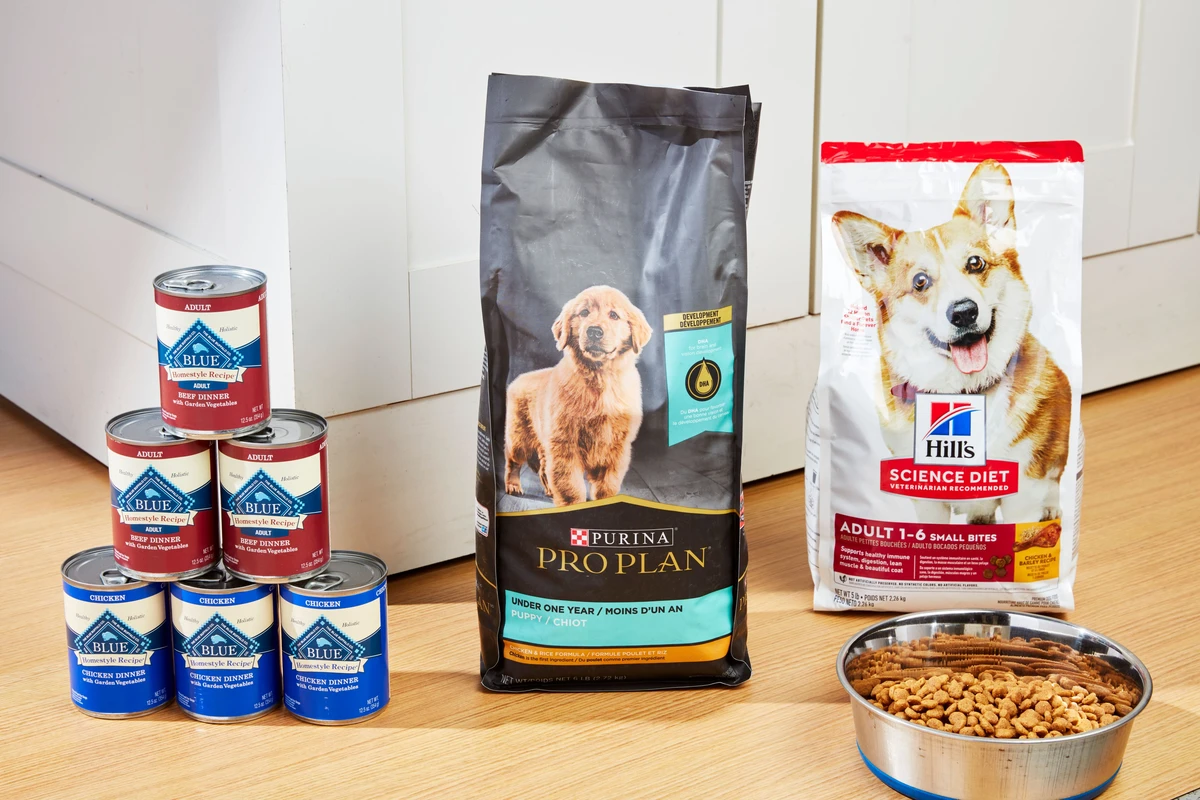
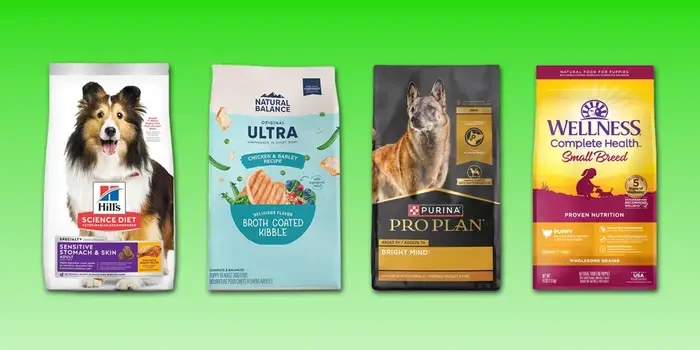
PawVerde.com – Organic pet foods formulated for sensitive stomachs in 2026 prioritize limited ingredient recipes featuring highly digestible proteins such as salmon, turkey, and chicken. These diets exclude common allergens and fillers, instead incorporating gut-supporting fibers like pumpkin and sweet potato. Enhanced with prebiotics and omega-3 fatty acids, these formulas aim to reduce digestive inflammation and promote nutrient absorption. Recognized brands including Nextrition, Dog Child, Weruva, Petcurean Go!, and California Dog Kitchen are leading this trend with vet-formulated, nutrient-retentive options, while established veterinary-recommended lines like Royal Canin and Hill’s Science Diet continue to offer balanced commercial solutions.
The growing prevalence of dietary sensitivities and digestive disorders in pets has driven demand for organic foods free from artificial additives, grains, and excessive fat. Veterinary nutritionists emphasize the importance of nutrient preservation methods such as cold pressing and gentle cooking to protect bioavailability. Novel proteins like deboned salmon and turkey reduce allergic reactions commonly associated with traditional protein sources. Fiber-rich ingredients like pumpkin and sweet potato not only support gut motility but also serve as prebiotics to foster healthy microbiota. This article explores the latest developments in organic pet food for sensitive stomachs, highlights leading products, and offers practical feeding strategies recommended by experts.
Understanding Sensitive Stomachs in Pets
Digestive sensitivity in dogs and cats manifests through symptoms such as chronic diarrhea, vomiting, flatulence, and abdominal discomfort. Common causes include food intolerances, allergies, bacterial imbalances, and underlying gastrointestinal diseases. According to veterinary studies, up to 10-15% of pets suffer from some form of dietary sensitivity, increasing the need for specialized nutrition tailored to reduce allergen exposure and improve gut health.
Diet plays a pivotal role in managing these conditions. Eliminating common allergens such as beef, dairy, and grains while introducing novel or hydrolyzed proteins can significantly reduce immune responses. Furthermore, digestibility is critical; proteins that are easier to break down lessen the digestive burden on compromised systems. veterinary nutritionists advocate for limited ingredient diets that minimize unnecessary additives and fillers, which often exacerbate gastrointestinal distress.
Key Nutritional Components for Sensitive Stomach Pet Foods
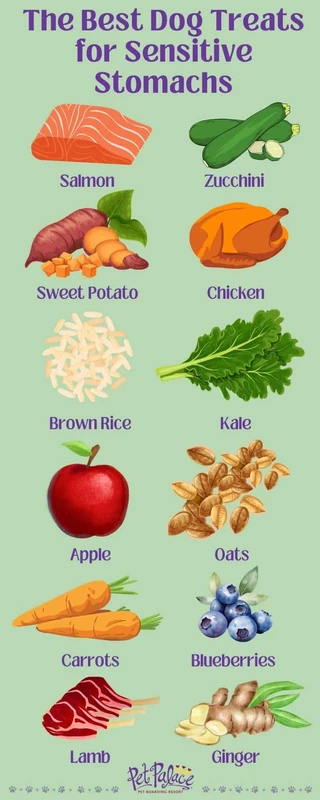
Proteins sourced from salmon, turkey, chicken, and cottage cheese rank highly for sensitive stomach formulas due to their digestibility and low allergenic potential. Deboned salmon is particularly favored for its omega-3 fatty acid content, which has anti-inflammatory properties beneficial for gut lining repair. Turkey and chicken provide lean protein options with minimal fat content, reducing digestive workload.
Fiber inclusion focuses on pumpkin and sweet potato, which not only provide soluble and insoluble fibers to regulate bowel movements but also act as prebiotics that nourish beneficial gut bacteria. Prebiotics such as fructooligosaccharides (FOS) and inulin are increasingly incorporated to promote a balanced microbiome, enhancing digestion and immune function.
Avoiding fillers like corn, wheat, soy, and artificial preservatives remains a priority. High-fat diets can worsen symptoms in sensitive pets by triggering pancreatitis or causing malabsorption. Therefore, formulations emphasize balanced macronutrient profiles with moderate fat levels and the inclusion of digestive enzymes to facilitate nutrient breakdown.
Omega-3 fatty acids from fish oils or flaxseed are standard additions, supporting anti-inflammatory pathways and skin health, which is often compromised in pets with food sensitivities.
Top Organic and Natural Pet Food Brands and Products for Sensitive Stomachs in 2026
Nextrition’s cold-pressed dog food line exemplifies nutrient preservation by using low-heat processing, maintaining the integrity of vitamins, enzymes, and antioxidants. Their formulas center on salmon and pumpkin, ensuring high digestibility and fiber content. Cold pressing reduces Maillard reaction effects, retaining amino acid availability crucial for sensitive pets.
Dog Child offers vet-formulated meal mixes designed for freshness and digestibility, focusing on turkey and chicken proteins with limited ingredient profiles. Their approach includes prebiotic fiber blends and omega-3 enrichment, aligning with veterinary recommendations for digestive health support.
Weruva’s Paw Lickin’ Chicken canned food stands out for minimal ingredients and grain-free composition, using chicken as a novel protein source with added pumpkin for fiber. The brand prioritizes human-grade ingredients and avoids artificial additives, appealing to pet owners seeking transparent sourcing.
Petcurean Go! Limited Ingredient Diet caters to feline sensitivities with turkey-based, grain-free recipes incorporating sweet potato and prebiotics. Veterinary nutritionists involved in formulation ensure balanced amino acid profiles and appropriate nutrient density for cats prone to digestive upset.
California Dog Kitchen emphasizes human-grade, vet-formulated meals that support skin and digestion through lean proteins and fiber-rich vegetables. Their meals often include novel proteins combined with pumpkin and sweet potato, plus digestive enzymes for enhanced nutrient uptake.
Veterinary-recommended commercial diets from Royal Canin and Hill’s Science Diet remain staples for sensitive stomach management. These brands utilize extensive clinical research and veterinary oversight to develop balanced formulas targeting specific digestive issues, including hydrolyzed protein options and fiber blends to reduce gut inflammation.
| Brand | Protein Source | Key Features | Vet Formulated | Digestive Support |
|---|---|---|---|---|
| Nextrition | Deboned Salmon | Cold-pressed, pumpkin fiber, prebiotics | Yes | Omega-3 fatty acids, low-fat |
| Dog Child | Turkey, Chicken | Fresh meal mixes, limited ingredients | Yes | Prebiotic fiber blends, omega-3 |
| Weruva | Chicken | Grain-free, minimal ingredients, canned | No (human-grade) | Pumpkin fiber |
| Petcurean Go! | Turkey | Limited ingredient, grain-free, cat-specific | Yes | Prebiotics, balanced amino acids |
| California Dog Kitchen | Novel Proteins | Human-grade, vet-formulated, skin & digestion focus | Yes | Digestive enzymes, fiber |
| Royal Canin | Hydrolyzed Proteins | Veterinary diets, clinical research | Yes | Fiber blends, gut health formulas |
| Hill’s Science Diet | Chicken, Turkey | Veterinary recommended, balanced nutrition | Yes | Prebiotics, antioxidants |
Homemade Diets for Sensitive Stomachs
Veterinarians recommend homemade diets as an alternative or complement to commercial foods, especially when managing diagnosed food intolerances. Simple recipes often combine lean proteins such as boiled chicken or turkey with easily digestible carbohydrates like white rice or potato, supplemented with fiber sources like pumpkin puree.
A typical vet-prescribed sensitive stomach recipe might include:
veterinary consultation is essential when formulating homemade diets to ensure balanced macronutrients and micronutrients, preventing deficiencies common in unbalanced home cooking. Additionally, elimination diets conducted under vet supervision help identify specific allergens by systematically reintroducing ingredients.
Feeding Tips for Pets with Sensitive Stomachs
Transitioning pets with sensitive digestion to new diets requires a gradual approach over 7-10 days to minimize gastrointestinal upset. Mixing increasing proportions of the new food with the old diet allows adaptation of the gut microbiota.
Low-sodium bone broth is recommended to stimulate appetite and provide hydration without overwhelming sensitive digestive systems. Bone broth also supplies gelatin and amino acids that support gut lining repair.
Close monitoring for changes in stool quality, vomiting frequency, and energy levels guides necessary adjustments. If symptoms persist, veterinary evaluation is critical to rule out underlying illnesses or nutrient absorption issues.
Environmental and Health Benefits of Organic Pet Food
Organic pet foods derive ingredients from farms avoiding synthetic pesticides, herbicides, and genetically modified organisms, reducing environmental toxin load. This approach benefits not only pet health but also promotes sustainable agricultural practices.
Nutrient integrity in organic crops is often higher due to improved soil management, contributing to superior fiber and antioxidant profiles in pet foods. Avoidance of chemical residues aligns with the goal of minimizing immune triggers in sensitive pets.
Moreover, organic pet food production adheres to ethical sourcing standards, supporting animal welfare and biodiversity, which resonates with environmentally conscious consumers.
FAQ
What are the best protein sources for pets with sensitive stomachs?
The most digestible proteins include deboned salmon, turkey, and chicken, which are less likely to trigger allergic reactions. Novel proteins like duck or rabbit may also be recommended by veterinarians to reduce food sensitivities.
How do prebiotics benefit pets with digestive issues?
Prebiotics such as pumpkin fiber and inulin nourish beneficial gut bacteria, improving digestion, enhancing nutrient absorption, and reducing inflammation in the gastrointestinal tract.
Are grain-free diets better for pets with sensitive stomachs?
Grain-free diets can reduce exposure to common allergens but are not universally necessary. The key is limiting ingredients to those the pet tolerates well, whether grain-free or not, under veterinary guidance.
Can homemade diets provide complete nutrition for sensitive pets?
Homemade diets can be balanced if formulated with veterinary input to ensure proper nutrient ratios. Unsupervised homemade feeding risks deficiencies or excesses that can worsen health issues.
What role do omega-3 fatty acids play in sensitive stomach pet foods?
Omega-3 fatty acids have anti-inflammatory effects that support gut lining repair and overall digestive health, making them a valuable addition to sensitive stomach diets.
—
In 2026, owners seeking to optimize digestive health for pets with sensitive stomachs must consider organic, limited ingredient diets emphasizing digestible proteins and gut-friendly fibers. Combining commercial vet-formulated options with tailored feeding practices and, where appropriate, carefully supervised homemade diets, offers the best path to managing food sensitivities and improving quality of life. Continued innovation in nutrient preservation and ingredient transparency further empowers pet owners to make informed, health-promoting choices.
How Top Pet Rescues Streamline Adoption Processes in 2026
PawVerde.com – Pet adoption processes in 2026 exhibit significant variation across leading rescue organizations, with common elements including application submission, home inspections, and meet and greet sessions. Furry Farm Rescue mandates a structured process involving an application, a thorough home check, and an in-person meet and greet. The ASPCA offers a distinctive remote adoption approach, typically completed within one week, accommodating adopters unable to attend in person. Humane Colorado integrates comprehensive medical care and behavioral assessments prior to adoption approval, ensuring animal welfare and compatibility. Foster-based models like Pet Haven Minnesota emphasize home-based care to improve rehabilitation outcomes and adoption success rates.
Furry Farm Rescue employs a multi-step adoption process beginning with an application form that collects detailed information about the prospective adopter’s lifestyle and home environment. This is followed by a mandatory home check conducted by trained adoption counselors to verify that the living conditions meet safety and suitability standards for the animal. The process culminates in a meet and greet session designed to facilitate direct interaction between the adopter and the pet, allowing behavioral evaluators to assess compatibility and address any concerns. According to Furry Farm’s 2025 internal report, this process resulted in a 92% successful placement rate with low return-to-shelter incidents.
The ASPCA’s remote adoption protocol represents an adaptation to broader accessibility needs, especially for adopters in underserved regions or those with mobility constraints. This digital-first process begins with an online adoption interest form and a virtual interview conducted by adoption counselors. The organization uses video calls to perform preliminary meet and greets and schedules a home environment video walkthrough. Medical records and behavioral evaluations are shared digitally, with veterinary care coordinated through affiliated clinics. This streamlined remote model typically completes within seven days, reducing the average adoption timeline by 40% compared to traditional procedures.
Humane Colorado incorporates an extensive pre-adoption evaluation framework that intertwines medical treatment and behavioral assessment. Every animal entering their shelter undergoes a full veterinary examination, including spay/neuter surgery and vaccinations, followed by a behavioral evaluation administered by certified specialists. These assessments inform individualized adoption counseling sessions, ensuring adopters receive tailored guidance on managing pets with specific needs. Humane Colorado reported that their integrated approach decreased post-adoption behavioral issues by 30% over the last two years, contributing to their high retention rates.
Irvine Animal Care Center prioritizes in-person counseling and personalized support throughout the adoption journey. Their model involves adoption counselors conducting face-to-face interviews to understand adopter expectations and readiness. They offer interaction waivers allowing prospective adopters to spend supervised time with animals in the shelter environment, enhancing informed decision-making. Irvine also provides comprehensive post-adoption support, including training resources and a hotline staffed by animal behavior experts. In 2025, Irvine recorded a 95% satisfaction rate among adopters, underscoring the effectiveness of this hands-on approach.
Community engagement and adoption event coordination are key features of organizations such as BARC Houston and Lucky Dog Animal Rescue. These rescues frequently organize public adoption events in partnership with local businesses and municipal agencies, facilitating high-volume adoptions and increasing public awareness. BARC Houston’s monthly “Paws in the Park” events have resulted in more than 1,200 adoptions annually, while Lucky Dog’s mobile adoption units reach underserved neighborhoods, enhancing inclusivity. Both organizations leverage volunteer networks extensively, incorporating foster families and adoption counselors to manage the influx of prospective adopters.
Foster-based rescue models exemplified by Pet Haven Minnesota focus on keeping animals in home environments rather than traditional shelter settings. Foster families provide individualized care, socialization, and behavioral rehabilitation tailored to each pet’s needs. This model not only reduces stress-related health issues but also enables more accurate behavioral evaluations over time. Pet Haven’s data from the past year revealed that animals placed in foster care had a 25% higher adoption success rate than shelter-housed counterparts, with fewer returns and improved long-term welfare.
Adoption support services are a critical component of successful placements. Irvine Animal Care Center and Gals Best Pal Inc. implement structured adoption counseling programs, offering prospective adopters education on pet care, behavioral expectations, and integration strategies. These sessions often include follow-up support calls and access to training workshops. Such services contribute to sustained adoption success, with Irvine reporting a 20% reduction in post-adoption returns since expanding their counseling initiatives.
Technological integration is reshaping adoption management workflows. Shelter software providers like Pet Friend supply platforms that automate application processing, schedule home checks, and track medical and behavioral evaluations. This digital infrastructure enhances staff efficiency by reducing manual errors and generating real-time reporting on adoption metrics. According to Pet Friend’s 2026 impact study, shelters using their software experienced a 35% increase in adoption throughput and a 50% reduction in administrative delays, facilitating faster placements without compromising thoroughness.
Collaboration among no-kill sanctuary networks is advancing coordinated efforts to improve adoption outcomes nationwide. Best Friends Animal Society leads a coalition of more than 3,000 shelters and rescues, sharing best practices and resources. Their network supports volunteer recruitment, foster program expansion, and regional adoption events, creating unified campaigns that amplify reach. This cooperative model fosters resource optimization and knowledge exchange, contributing to a national live-release rate exceeding 90%.
Medical and behavioral standards remain foundational to adoption protocols. All leading rescues enforce mandatory veterinary care, including spay/neuter surgeries, vaccination schedules, and health screenings before finalizing adoptions. Behavioral evaluations conducted by certified professionals assess temperament, socialization levels, and potential triggers, ensuring that pets are matched with adopters capable of meeting their needs. These rigorous requirements are instrumental in minimizing returns and promoting long-term animal welfare.
| Organization | Adoption Process Highlights | Average Adoption Timeline | Support Services | Adoption Success Rate |
|---|---|---|---|---|
| Furry Farm Rescue | Application, home check, meet and greet | 2-3 weeks | In-person counseling, behavioral evaluation | 92% |
| ASPCA | Remote adoption, virtual meet and greet | ~1 week | Virtual counseling, digital medical records | 88% |
| Humane Colorado | Medical & behavioral assessments pre-adoption | 3-4 weeks | Tailored adoption counseling | 90% |
| Irvine Animal Care Center | In-person counseling, supervised animal interactions | 2-3 weeks | Post-adoption training support | 95% |
| Pet Haven Minnesota | Foster-based care, home evaluations | 3-5 weeks | Foster family support, behavioral rehab | 93% |
| BARC Houston | Community adoption events, volunteer engagement | Varies by event | Volunteer foster programs | 85% |
Prospective adopters preparing to engage with these diverse adoption procedures should anticipate varying timelines and requirements, reflecting each organization’s commitment to animal welfare and placement success. Understanding the detailed steps—from application and home checks to behavioral assessments and counseling—can enhance adopter readiness and improve outcomes. The continued integration of technology and collaborative no-kill networks promises to streamline processes and expand adoption accessibility nationwide.

Top Pet Adoption Events in 2026 Boost Shelter Support Nationwide
PawVerde.com – Pet adoption events in 2026 across the United States are expanding accessibility and community engagement through coordinated efforts by animal welfare organizations and retail partners. Major initiatives include the Steps for Shelter Pets fundraiser walk hosted by Charlotte-Mecklenburg Animal Care & Control, waived adoption fees during May at LA Animal Services, and nationwide Adopt Joy events organized by PetSmart Charities on selected Saturdays. These events, along with mobile adoption tours and nonprofit rescue activities, are designed to increase adoption rates while supporting shelter pet welfare and veterinary care.
The Steps for Shelter Pets community walk, organized annually by Charlotte-Mecklenburg Animal Care & Control, serves as a flagship fundraiser and awareness event. This year’s walk aims to draw thousands of participants to raise funds for shelter improvements, medical care, and community outreach programs. The event highlights the critical role local shelters play in reducing animal homelessness by promoting adoption and fostering. Proceeds support expanded veterinary services and shelter upgrades, reflecting Charlotte-Mecklenburg ACC’s commitment to enhancing animal welfare infrastructure.
In Southern California, LA Animal Services is waiving adoption fees throughout May in celebration of National Pet Month. This initiative targets increased adoption volumes by removing financial barriers for prospective pet owners. The waiver applies to all dogs and cats available in LA Animal Services shelters, which collectively process thousands of pet adoptions annually. The fee waiver is coupled with community education campaigns on responsible pet ownership and post-adoption support, including access to discounted veterinary care through partnership programs.
PetSmart Charities continues to facilitate Adopt Joy events at PetSmart retail locations nationwide, scheduled on multiple Saturdays throughout the year. These events bring shelter pets directly into retail environments, making adoption more accessible to urban and suburban populations. Partnering with local shelters and rescue groups such as Lucky Dog Animal Rescue in the Washington, DC metro area, PetSmart Charities deploys mobile adoption buses and staffed adoption centers within stores. These efforts have been credited with significantly boosting adoption rates by leveraging retail foot traffic and providing on-site veterinary consultations and adoption counseling.
Mobile adoption tours, implemented by organizations like Anderson County P.A.W.S., are gaining traction as a flexible approach to bringing adoptable pets to diverse neighborhoods. These tours utilize specially outfitted vehicles to reach underserved areas, increasing community engagement and reducing transportation barriers for potential adopters. Partner shelters collaborate on scheduling and pet selection, ensuring a rotating roster of dogs and cats available for immediate adoption. This model has demonstrated an uptick in adoptions in rural and suburban regions where shelter access is limited.
Lucky Dog Animal Rescue, operating in the DC metropolitan area, maintains a regular calendar of adoption events at PetSmart and Petco locations. These nonprofit rescue organizations focus on rehabilitating and rehoming animals from high-intake shelters. Their events feature pre-screened pets alongside volunteer foster families, facilitating a smoother transition for adopted animals. Lucky Dog’s partnership with retail chains enables continuous visibility and adoption opportunities beyond traditional shelter hours, contributing to sustained adoption momentum.
Ongoing adoption opportunities are also available through the Humane Society of Utah and Maricopa County Animal Care. Both agencies operate shelters with year-round adoption events and fee waiver days aligned with national animal welfare campaigns. The Humane Society of Utah complements its adoption services with community fundraising events and veterinary care support programs, including initiatives modeled after Humane Colorado’s Dr. Apryle Steele Fund. This fund provides financial assistance for veterinary treatments of shelter pets, ensuring healthier outcomes for animals post-adoption.
These adoption events collectively support shelter pets by combining fundraising, education, and veterinary care initiatives. Fundraising walks like Steps for Shelter Pets generate essential revenue for shelter operations and medical services, while waived fee programs directly reduce financial barriers for adopters. Veterinary care support embedded in many adoption events addresses common health challenges faced by shelter animals, promoting long-term success in adoption placements. Volunteer recruitment and pet supply donation drives are often integrated with these events, strengthening community involvement.
Participants preparing for these adoption events are advised to research adoptable pets through online shelter databases and event announcements. Early arrival is recommended for popular events like Adopt Joy and mobile tours to maximize opportunities to meet and interact with animals. Adoption processes typically include application screening, home visits or interviews, and orientation on pet care requirements. Many events offer on-site veterinary consultations and starter kits with pet supplies to support new adopters.
The cumulative impact of 2026’s pet adoption events points to increased community awareness, higher adoption rates, and enhanced support systems for shelter pets. Trends indicate a growing preference for mobile and retail-based adoption models, which improve accessibility and convenience for prospective pet owners. Nonprofit rescue organizations and retail partners play a pivotal role by augmenting shelter capacity and providing resources beyond traditional adoption frameworks. These coordinated efforts contribute to reduced shelter overcrowding and more sustainable adoption outcomes.
As the year progresses, animal welfare organizations are expected to expand these initiatives, incorporating data-driven strategies to target underserved populations and improve animal care standards. Partnerships with veterinary providers and pet nutrition companies like Hill’s Pet Nutrition further enhance the quality of life for shelter pets before and after adoption. The integration of community fundraising, education, and mobile outreach exemplifies a holistic approach to animal welfare poised to influence adoption practices nationwide in 2026 and beyond.
How Responsible Pet Ownership Boosts Community Health in 2026
PawVerde.com – responsible pet ownership in 2026 plays a critical role in enhancing community well-being by reducing zoonotic disease transmission, lowering incidents of pet-related crime, supporting local economies, and fostering social cohesion through ethical care and compliance with updated legislation. New mandates require pet owners to ensure microchipping, vaccination, and behavioral training, contributing to safer interactions between animals and humans. Adoption and spay/neuter initiatives continue to alleviate shelter overcrowding, with over 70% of municipal shelters reporting decreased intake rates this year, according to the American Veterinary Medical Association (AVMA).
Public Health Impact of Responsible Pet Ownership
Public health agencies report a significant decline in zoonotic diseases linked to pets in communities with high compliance rates to vaccination and parasite control protocols. The Centers for Disease Control and Prevention (CDC) data reveal a 15% reduction in reported cases of pet-transmitted infections such as toxocariasis and leptospirosis compared to three years prior. This improvement correlates with widespread adherence to updated pet vaccination schedules and preventive parasite treatments mandated under new local ordinances enacted this year.
Veterinarians underscore the importance of responsible ownership practices including regular health check-ups and maintaining hygienic environments for pets to curb disease reservoirs. Public health collaborations with animal shelters and rescue groups have accelerated community outreach programs emphasizing early detection and control of zoonotic pathogens. These efforts are particularly vital in densely populated urban areas where human-animal interfaces are frequent.
Social and Community Benefits
Community programs integrating pet ownership with social activities have demonstrated measurable benefits in social cohesion and mental health. Municipalities that have supported dog parks, pet therapy sessions, and community-based adoption events report increased neighborhood interaction and lower social isolation rates. Research published in the Journal of Community Health indicates that 62% of pet owners experienced reduced stress and improved mood, attributable to regular companionship and outdoor activities involving their pets.
Educational initiatives targeting youth have been instrumental in fostering empathy and civic responsibility. Schools collaborating with animal welfare organizations and local governments have introduced curricula centered on ethical pet care and animal welfare, reaching over 500,000 children nationwide this year. These programs have shown promise in long-term community health by encouraging responsible behavior from an early age.
Economic Contributions of Responsible Pet Ownership
Despite broader economic caution, pet-related spending continues to bolster local economies. The pet care sector contributed an estimated $120 billion to the U.S. economy in the first quarter of this year alone, with expenditures spanning veterinary services, pet supplies, grooming, and training. Animal welfare jobs, including shelter staff, veterinary technicians, and behavior specialists, have grown by 8% year-over-year, reflecting increased demand driven by responsible ownership trends.
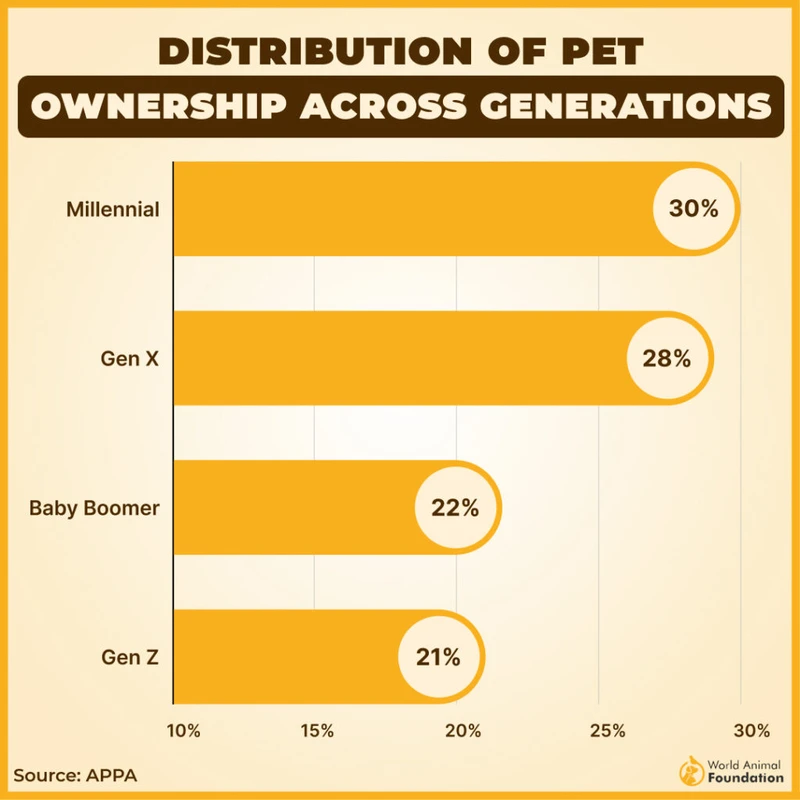
Demographic shifts, notably among millennials and Generation Z, show a preference for adopting pets and investing in ethical care practices, influencing market dynamics. Small businesses such as pet boutiques and local trainers benefit from this shift, while rescue groups report higher adoption rates and volunteer engagement. Local governments have leveraged these economic contributions by incorporating pet-friendly policies into urban planning, further stimulating community commerce.
Legal and Ethical Frameworks in 2026
The 2026 pet legislation landscape mandates comprehensive measures including microchipping, mandatory vaccinations, and behavior management certifications for dog owners. These laws aim to enhance public safety and animal welfare by reducing stray populations and preventing dog bite incidents. Compliance rates have reached approximately 85% in jurisdictions enforcing these regulations, according to the FACE Foundation’s latest enforcement report.
Breeders and pet stores face stricter licensing requirements to ensure ethical acquisition practices, reducing the prevalence of unregulated breeding and illegal sales. Veterinarians play a pivotal role in certifying compliance and educating owners on legal obligations. Enforcement mechanisms now involve coordinated efforts between local governments, animal control units, and public health agencies, leading to a 20% decrease in pet-related complaints and violations in urban centers.
Animal Welfare and Shelter Support
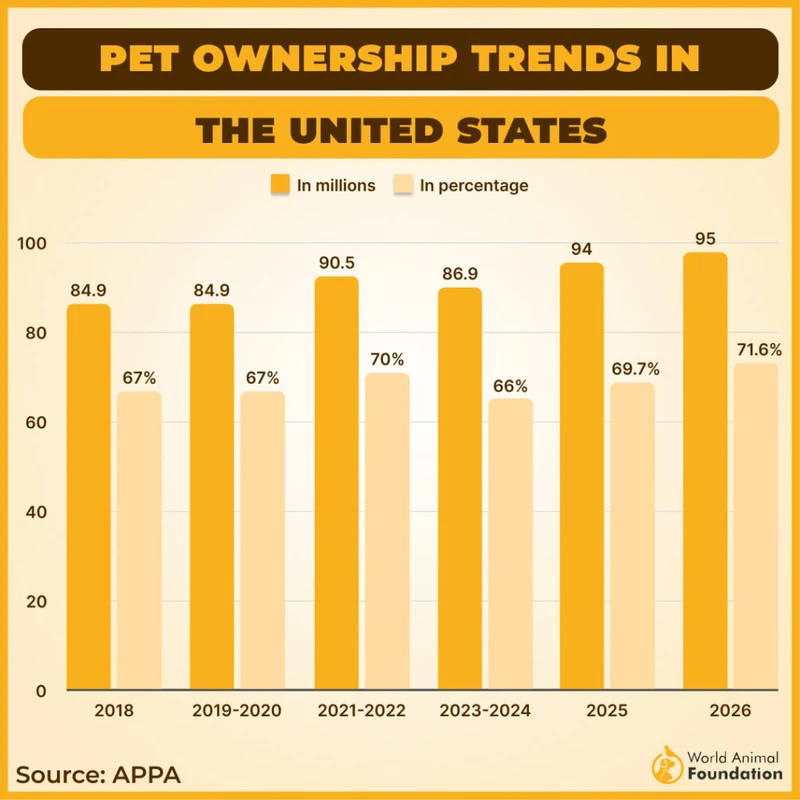
Adoption and spay/neuter programs remain central to reducing shelter overcrowding and improving animal welfare outcomes. National figures indicate a 25% increase in spay/neuter surgeries performed this year, facilitated by partnerships between animal shelters and nonprofit organizations such as the AVMA and local rescue groups. These programs have contributed to a 30% decrease in shelter euthanasia rates compared to data from five years ago.
Volunteerism in animal shelters has surged, with community members engaging in foster care, behavioral training, and fundraising activities. This grassroots support enhances shelter capacity and animal rehabilitation, enabling more successful rehoming efforts. Shelter directors report that responsible ownership education integrated into adoption procedures significantly lowers return rates, promoting long-term animal stability within communities.
Challenges and Emerging Trends
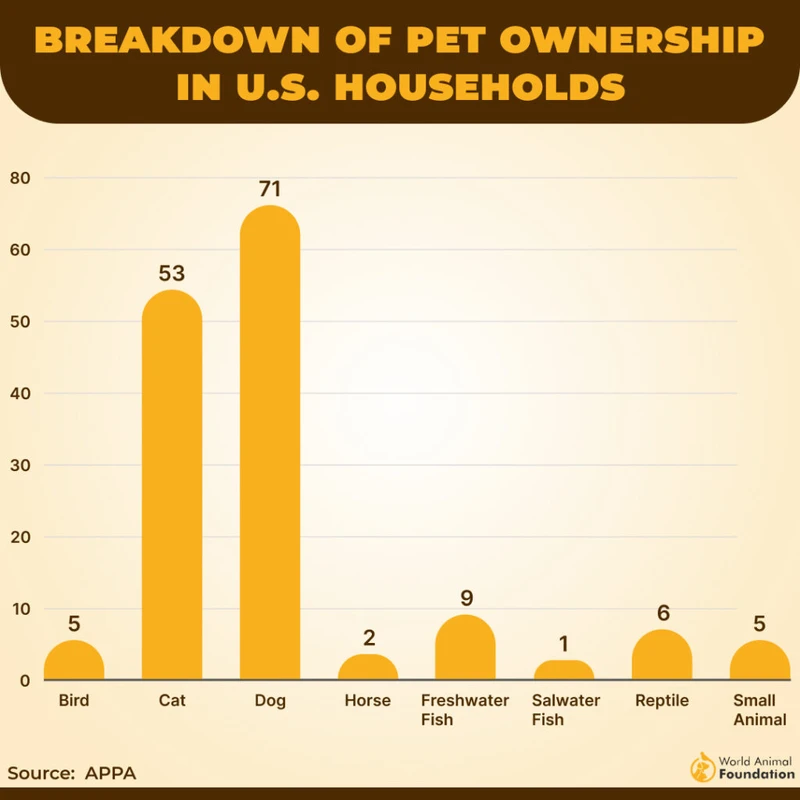
Despite progress, challenges persist in addressing misconceptions about pet care, particularly in underserved communities where access to veterinary services and education remains limited. Common mistakes such as neglecting microchipping or behavioral training contribute to increased risks of pet abandonment and public safety incidents. Experts emphasize the need for ongoing community outreach and resource allocation to bridge these gaps.
Emerging trends in ethical and environmental responsibility are gaining traction among pet owners, including sustainable pet product choices and waste management practices that minimize ecological impact. Innovative programs promoting green pet care solutions are under evaluation in several pilot cities, with preliminary data suggesting positive community reception and environmental benefits.
Looking forward, integrating technology such as digital health records and AI-driven behavior monitoring offers potential to enhance responsible pet ownership further. Public health agencies and animal welfare organizations advocate for continued legislative refinement and multi-sector collaboration to sustain and amplify the benefits observed in 2026.
Responsible pet ownership today is foundational not only to animal welfare but also to public health, economic vitality, and social harmony. The interplay of updated legislation, community engagement, and ethical practices sets a precedent for future advancements that will shape healthier, safer, and more connected communities.
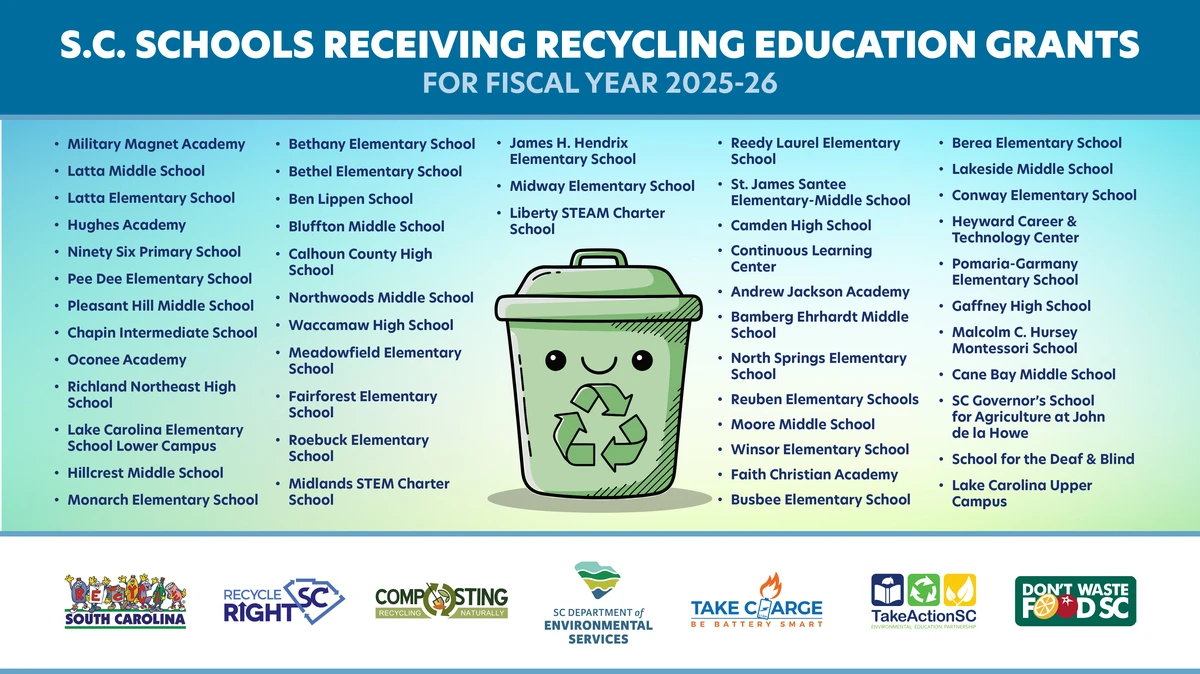
Top Community Pet Waste Recycling Programs and Composting Success
PawVerde.com – Community pet waste recycling programs have gained substantial momentum in 2026, with several urban areas implementing innovative composting and packaging recycling initiatives. Boulder, Colorado, leads with its dog waste composting program active at 20 trailheads, processing thousands of pounds of pet waste annually since its inception in 2014. New York City’s Battery Park City Authority recently upgraded its composting facility to handle up to 200 pounds of animal waste daily, significantly expanding local capacity. Complementing these municipal efforts, DMV Poop Patrol offers professional eco-friendly pet waste removal services across Maryland, Washington, DC, and Virginia, emphasizing maintenance and community engagement. TerraCycle’s Earthborn Holistic® program has introduced free pet food packaging recycling with multiple community drop-off points and prepaid shipping options, increasing accessibility for pet owners nationwide.
Expanding Urban Composting Programs for Pet Waste
Boulder’s dog waste composting initiative exemplifies long-term success in integrating pet waste management into urban green spaces. Operating since 2014, the program now services 20 trailheads, providing strategically placed compost bins that encourage responsible disposal. The city reports thousands of pounds of dog waste diverted annually from landfills, contributing to soil enrichment projects and reducing methane emissions. The program’s effectiveness relies on carefully coordinated station placement, regular maintenance, and community education campaigns that stress the environmental benefits of composting pet waste.
In New York City, the Battery Park City Authority has invested in upgrading its composting infrastructure to address rising demand for animal waste processing. The new composter now manages 200 pounds of pet waste daily, a substantial increase over previous capacity. This facility supports the city’s broader sustainability goals by converting pet waste into nutrient-rich compost used in local landscaping. The upgrade includes state-of-the-art odor control and pathogen reduction technology, ensuring safe and hygienic processing. The initiative reflects growing municipal recognition of pet waste as a valuable resource rather than a nuisance.
Professional Waste Removal Services and Packaging Recycling
The DMV Poop Patrol distinguishes itself by offering eco-friendly pet waste removal services across the Maryland, DC, and Virginia metropolitan area. Its model combines regular waste collection with the provision and maintenance of composting stations in community parks and residential complexes. By focusing on convenience and hygiene, the service has increased participation rates and reduced improper disposal incidents. Maintenance protocols include frequent bin emptying, station sanitization, and replenishment of compostable bags, ensuring consistent user experience.
TerraCycle’s Earthborn Holistic® program addresses the often-overlooked challenge of pet food packaging waste. The program provides free recycling for pet food packaging, including flexible pouches and bags, through a network of community drop-off points and prepaid shipping labels. This initiative targets the significant volume of polyethylene terephthalate (PET) and other plastics used in pet food packaging, which are typically difficult to recycle through municipal programs. By facilitating consumer participation and collaborating with retailers, TerraCycle expands circular economy practices within the pet industry.
Recycling Infrastructure Investments and Market Challenges
Despite advances in composting and packaging recycling, challenges persist in PET recycling markets. National PET bale prices have dropped sharply to approximately 1.74 cents per pound, reflecting oversupply and contamination issues. This decline impacts the economic viability of recycling programs and creates pressure on material recovery facilities (MRFs) to improve sorting technologies.
Mecklenburg County, North Carolina, has responded with a $25.7 million retrofit of its MRF to enhance PET thermoform sorting capabilities. The investment includes optical sorting upgrades and enhanced conveyor systems designed to reduce contamination rates and increase the quality of recycled PET bales. This retrofit aligns with broader industry efforts to stabilize recycling markets and support circularity in plastic packaging.
Extended Producer Responsibility (EPR) laws, now adopted by seven US states as of late 2025, are reshaping packaging waste management. These policies require producers to finance the collection, recycling, and disposal of packaging materials, incentivizing design for recyclability and increased recycling infrastructure funding. The legislation’s impact is expected to accelerate improvements in collection systems and bolster demand for recycled content, particularly for PET packaging in the pet food sector.
Community Engagement and Effective Program Implementation
Effective pet waste recycling programs emphasize accessible infrastructure and public participation. Lafayette Great Bark Dog Park has responded to high community demand by increasing the number of compost bins, resulting in measurable increases in pet waste diversion. Public education campaigns at this park focus on the environmental impacts of pet waste and proper use of composting stations, supported by signage and outreach events.
Best practices in station placement highlight the importance of locating bins at high-traffic areas, such as park entrances, trail intersections, and near water sources, to maximize use and minimize contamination. Regular maintenance, including bin emptying and supply replenishment, is critical to sustaining user compliance and program credibility. The DMV Poop Patrol’s operational model underscores the value of professional service providers in managing these logistical challenges.
Circular Economy Innovations in the Pet Industry
Several pet product brands have embraced circular economy principles by adopting sustainable packaging and closed-loop recycling programs. West Paw, a manufacturer of pet toys, incorporates recycled materials into product lines and offers take-back programs for end-of-life toys, reducing landfill contributions. Similarly, Chewy has introduced initiatives to recycle packaging materials and promote biodegradable alternatives.
These efforts complement municipal and nonprofit recycling programs by addressing the full lifecycle of pet products. Sustainable packaging initiatives focus on reducing reliance on single-use plastics and increasing the use of recyclable or compostable materials. Collaboration between manufacturers, retailers, and recycling organizations is vital to scaling these circular economy models.
Policy Impact and Future Prospects for Pet Waste Recycling
The adoption of Extended Producer Responsibility laws and bottle deposit programs continues to influence plastic waste reduction strategies. These policies enhance funding and accountability mechanisms, enabling municipalities and private entities to expand recycling infrastructure and educational outreach.
Looking ahead, the integration of pet waste composting and packaging recycling is poised to grow through technological innovation and community-driven participation. Advances in urban composting technology, combined with increased public awareness, will facilitate further diversion of pet waste from landfills. Simultaneously, improvements in PET recycling markets and packaging design will support more effective material recovery.
Municipalities and private organizations planning new programs can draw on examples from Boulder, Battery Park City, and the DMV region to develop scalable, user-friendly models. As the pet industry increasingly aligns with circular economy principles, the synergy between waste management and sustainable product design will deepen, fostering environmental benefits and community engagement nationwide.