
How to Remove Tough Pet Stains Eco-Friendly with Natural Cleaners
PawVerde.com – Using eco-friendly, non-toxic products to remove tough pet stains requires understanding both the natural ingredients’ chemistry and practical application techniques. This guide delivers step-by-step instructions for effective stain removal using household staples like baking soda, hydrogen peroxide, vinegar, and specialized enzymatic cleaners. It also highlights trusted green brands and maintenance tips that align with safe pet care and environmental responsibility.
eco-conscious pet owners face challenges when addressing common stains such as urine, feces, vomit, and muddy paw prints on carpets or fabrics. These organic residues often cause persistent odors and discoloration. Conventional chemical cleaners may contain ammonia, bleach, or phthalates, which pose health risks to pets and contribute to indoor pollution. Natural alternatives provide stain-fighting power while minimizing harm, leveraging biodegradable compounds and green-certified formulas.
Basic Natural Ingredients and Their Roles in Pet Stain Removal
Effective eco-friendly cleaning starts with selecting natural components that target both stain residues and odors without toxic side effects.
Combining these ingredients leverages their complementary mechanisms, enhancing stain removal efficacy while respecting environmental and pet safety standards.
Step-by-Step DIY Recipes for Tough Pet Stains
The following recipes use household ingredients to create powerful, non-toxic cleaners suitable for carpets, upholstery, and washable fabrics.
1. Baking Soda, Hydrogen Peroxide, and Eco Dish Soap Mixture
This formula targets deep-set stains and neutralizes odors simultaneously.
- Ingredients:
- 1 cup hydrogen peroxide (3% solution)
- 2 tablespoons baking soda
- 1 teaspoon eco-friendly liquid dish soap
- Instructions:
- In a spray bottle, combine hydrogen peroxide and baking soda.
- Add dish soap and gently swirl to mix without excessive foam.
- Spray the solution generously on the stained area.
- Let it sit for 10-15 minutes to break down stain molecules.
- Blot with a clean microfiber cloth to lift residue.
- Rinse with cool water and blot dry.
- Repeat if necessary for stubborn stains.
2. Vinegar and Warm Water Spray for General Stain Treatment
Ideal for recent, less severe stains and odor control.
- Ingredients:
- 1 cup distilled white vinegar
- 1 cup warm water
- Instructions:
- Mix vinegar and warm water in a spray bottle.
- Apply directly to the stain area.
- Allow to sit for 10 minutes.
- Blot with a clean cloth to absorb moisture.
- Air dry or use a fan to expedite drying.
3. Heavy-Duty Paste with Vinegar, Salt, and Borax for Set-In Stains
This abrasive yet safe paste helps lift tough, older stains.
- Ingredients:
- ½ cup white vinegar
- ½ cup salt
- ¼ cup borax powder
- Instructions:
- Combine vinegar and salt until salt dissolves.
- Mix in borax to form a thick paste.
- Apply paste directly to the stain using a spatula or old toothbrush.
- Let it dry completely, usually 30-60 minutes.
- Vacuum residue and repeat if necessary.
Application Tips
Specialized Eco-Friendly Cleaners for Pet Stains and Odors
Some eco-conscious pet owners prefer commercially formulated products that combine natural ingredients with advanced enzymatic action.
Vodka-Based Cleaner
Vodka’s alcohol content acts as an effective disinfectant and deodorizer, breaking down oils and neutralizing odors. Simply spray undiluted vodka on the stain, let sit 10 minutes, then blot dry. Its volatile nature ensures quick evaporation without residue.
Enzymatic Removers with Essential Oils
Enzymatic cleaners biologically degrade organic matter in pet stains, targeting proteins and fats that conventional detergents miss. When combined with essential oils like lavender or eucalyptus, they also provide natural antimicrobial and scent benefits.
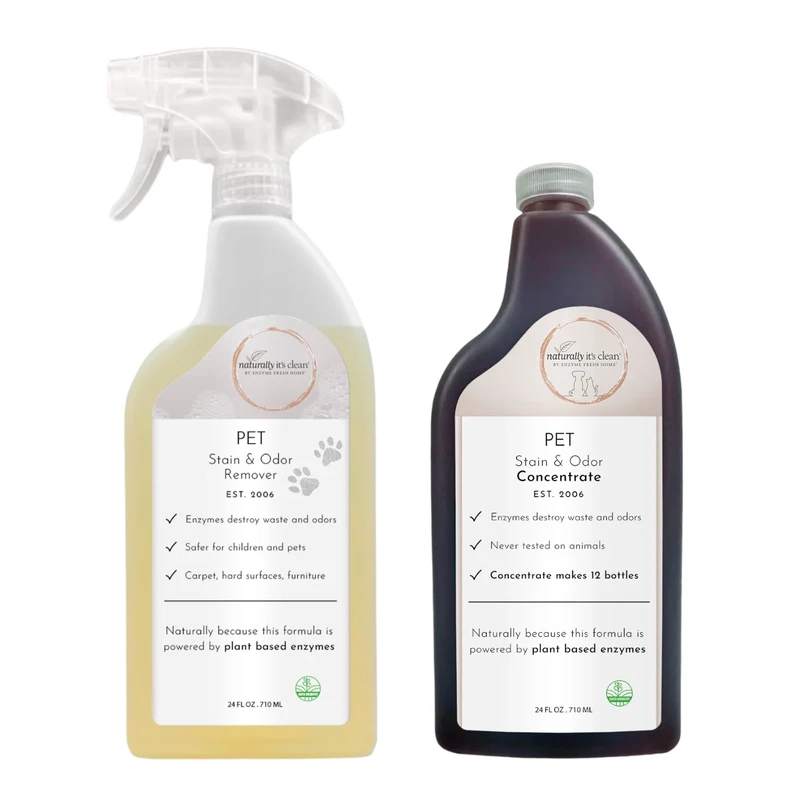
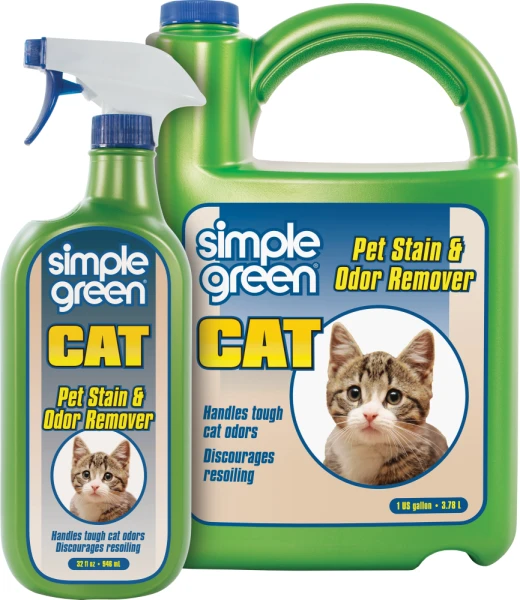
Popular brands offering certified green enzymatic products include:
These brands emphasize avoiding ammonia, bleach, phthalates, and formaldehyde, ensuring pet safety and environmental stewardship.
Best Practices for Pet Stain Maintenance
Proactive measures significantly reduce stain buildup and odor persistence.
Environmental and Health Benefits of Eco-Friendly Pet Stain Removal
Choosing natural and green cleaning solutions delivers multiple advantages beyond stain removal:
These benefits align with broader environmental goals and support responsible pet ownership.
Troubleshooting Common Issues in Eco-Friendly Pet Stain Removal
Pet stain removal can present challenges even with natural methods. Consider these solutions:
Alternative Methods for Specific Pet Stains
FAQ
Can I use baking soda and vinegar together to remove pet stains?
While baking soda and vinegar react chemically, creating fizzing that helps lift residues, it’s best to apply them sequentially rather than mixing. First, sprinkle baking soda on the stain, spray vinegar solution over it, let fizz for 5-10 minutes, then blot and rinse.
Are enzymatic cleaners safe for all pets?
Yes, enzymatic cleaners formulated for pet stain removal are generally safe for dogs and cats when used as directed. Choose products free from harmful chemicals and synthetic fragrances to avoid irritation.
How long should I let natural cleaners sit on stains?
Most natural stain removers require 10-15 minutes of contact time to break down organic material effectively. More stubborn stains may need repeated treatments or longer dwell times.
Can vodka be used on all fabric types?
Vodka is safe for many fabrics due to its fast evaporation and lack of dyes, but always test on a hidden area first to check for colorfastness and avoid damage.
What makes enzymatic cleaners more effective than traditional detergents?
Enzymatic cleaners contain specific enzymes that biologically digest proteins, fats, and carbohydrates found in pet stains. This targeted action breaks down stain molecules and odors at their source, unlike detergents that mainly lift surface residue.
—
Forward-looking, integrating these eco-friendly cleaning protocols can improve pet stain management while advancing sustainable household practices. Experimenting with homemade recipes alongside certified green products ensures flexible, safe, and effective stain removal tailored to various pet-related messes and home environments.
Eco-Friendly Pet Cleaning Routine: Step-by-Step Guide to Green Grooming
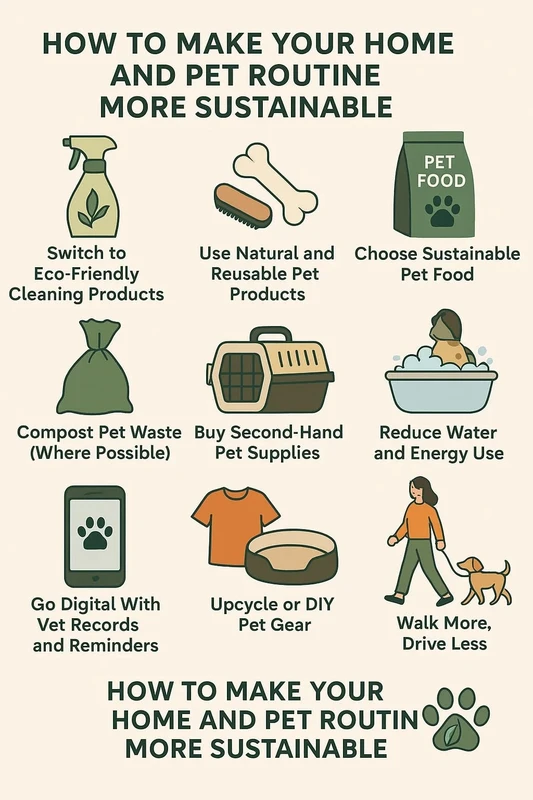
PawVerde.com – An eco-friendly pet cleaning routine prioritizes biodegradable shampoos, reusable grooming tools like bamboo brushes, and natural cleaning products to minimize environmental impact while ensuring pet health. This tutorial outlines actionable steps to establish a sustainable grooming and cleaning regimen, covering pet bathing, bedding care, stain removal, and odor control using non-toxic ingredients and waste-reducing practices. By integrating certified organic and cruelty-free products, conserving water, and adopting proper disposal methods, pet owners can protect their animals and contribute to environmental sustainability.
Step 1: Minimizing Waste and Selecting Sustainable Pet Cleaning Products
Choosing eco-friendly pet cleaning products begins with avoiding single-use disposables and plastic-packaged items. Opt for grooming tools crafted from sustainable materials such as bamboo brushes or combs made of recycled stainless steel, which reduce plastic waste and offer durability. Biodegradable pet shampoos certified organic by USDA or bearing cruelty-free labels ensure transparency and safety. Avoid shampoos containing sulfates, parabens, synthetic fragrances, or undisclosed chemicals, which can harm pets and ecosystems.
To identify genuine eco-friendly products, scrutinize ingredient lists and certifications. Products like Seventh Generation natural detergents and Kids ‘N’ Pets enzyme-based stain removers exemplify transparency and effectiveness. Beware of greenwashing tactics, where vague claims like “natural” or “eco-friendly” lack substantiation. Prioritize brands with clear labeling and third-party verification to align with sustainable pet care goals.
Step 2: Sustainable Grooming Techniques for Your Pet
Bathing frequency significantly influences environmental impact. Veterinarians recommend bathing pets every two to four weeks unless medically necessary, reducing water and energy use. When bathing, use natural shampoos containing ingredients like oatmeal, aloe vera, or castile soap, which soothe skin without harsh chemicals. Avoid over-bathing to maintain natural oils essential for pet coat health.
Nail trimming should employ sustainable grooming scissors made from recycled materials or bamboo handles. These tools maintain sharpness while minimizing ecological footprint. For ear and eye care, use natural products like EcoEars, formulated with plant-based ingredients that prevent irritation and infections without chemical residues.
Regular brushing with bamboo or recycled metal brushes reduces shedding and controls odors naturally, decreasing reliance on deodorizing sprays containing synthetic compounds. This routine also minimizes pet dander accumulation, improving indoor air quality for household members.
Step 3: Cleaning Pet Bedding and Toys Naturally
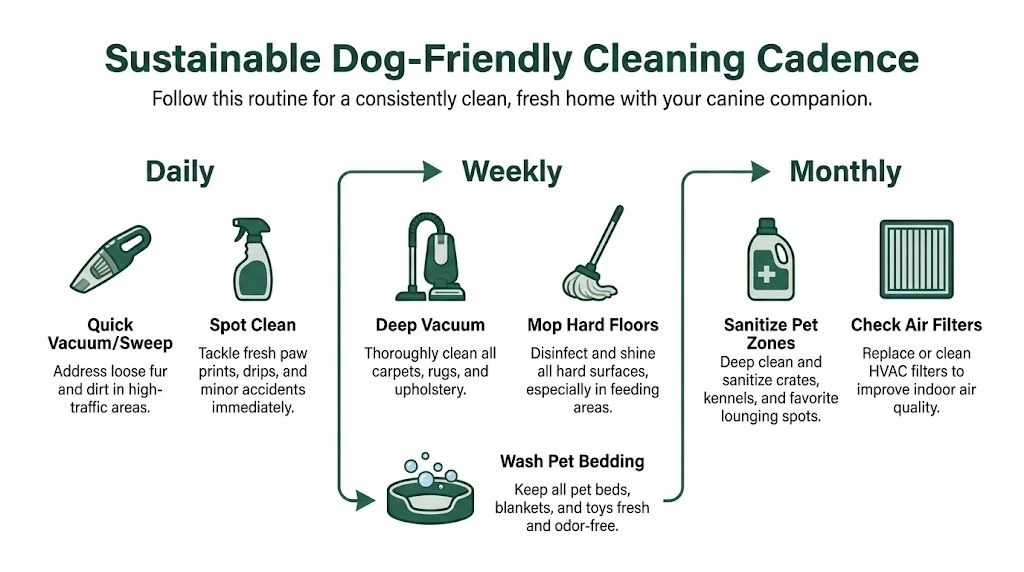
Maintaining clean pet bedding is crucial for hygiene and odor control. Begin by removing hair and dander using lint rollers or vacuum cleaners with HEPA filters to capture allergens effectively. Wash bedding in cold or warm water with unscented, eco-friendly detergents like Seventh Generation’s natural formula. Adding a white vinegar rinse neutralizes odors and softens fabrics without synthetic fabric softeners.
For non-washable items such as certain toys or cushions, sprinkling baking soda absorbs odors. Let items sit for 15-30 minutes before vacuuming thoroughly. Wash pet toys regularly using pet-safe detergents to avoid chemical residues that could harm pets upon chewing or licking. Choosing toys made from natural or recycled materials further supports sustainability.
Step 4: Managing Stains and Odors with Natural Solutions
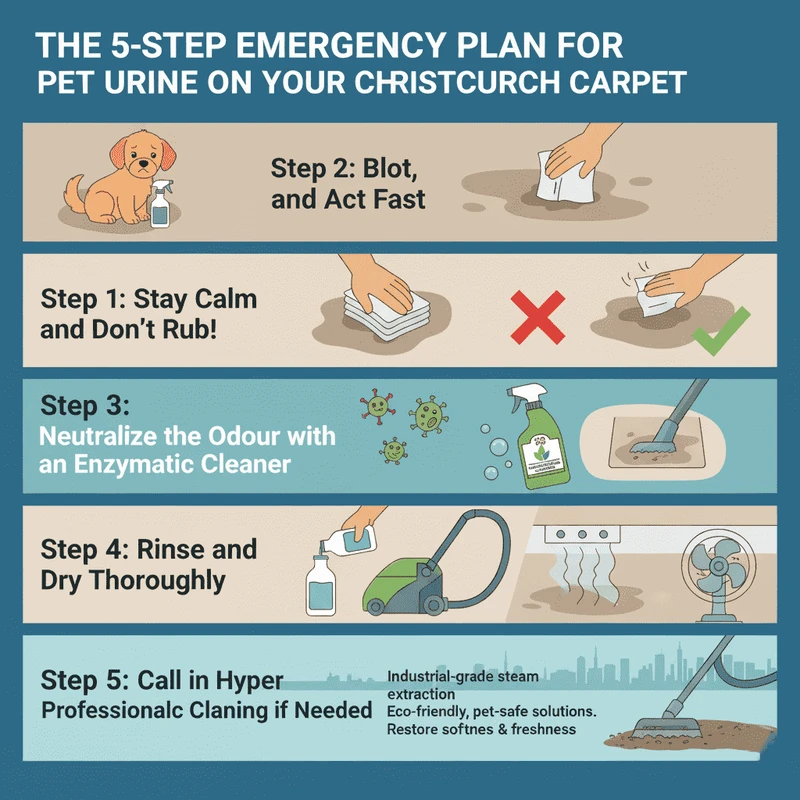
Pet stains and odors require targeted treatments that avoid toxic chemicals. Enzyme-based stain removers like Kids ‘N’ Pets break down organic matter effectively without harsh solvents. For homemade cleaners, combine baking soda, hydrogen peroxide, and castile soap to create a powerful stain remover safe for pets and fabrics. Apply this mixture on stains, let it sit for 10-15 minutes, then blot with a clean cloth.
Odor neutralization can be achieved using diluted vinegar sprays or natural deodorizing sprays infused with essential oils such as lavender or eucalyptus, which also have antimicrobial properties. Avoid synthetic fragrances that can trigger allergies or respiratory issues in pets. Regular cleaning of areas prone to accidents reduces buildup and maintains a fresh environment.
Step 5: Maintaining an Eco-Friendly Home Environment for Pet Care
Ensuring a sustainable pet cleaning routine extends to the home environment. Proper ventilation during cleaning minimizes inhalation of any residual odors or airborne particles. Store all cleaning products securely and out of pets’ reach to prevent accidental ingestion.
Composting organic pet waste, such as hair or untreated bedding materials, reduces landfill contributions. Recycle or donate old pet supplies whenever possible to extend product life cycles. Supporting green businesses that utilize bulk packaging or refill stations helps lower plastic consumption and packaging waste.
Installing water-efficient shower heads for pet baths can further reduce water usage without compromising cleanliness. Combining these practices cultivates an eco-conscious lifestyle that benefits pets, owners, and the planet.
Troubleshooting Common Issues in Eco-Friendly Pet Cleaning
- Solution: Increase frequency of washing pet bedding and toys; use enzyme-based cleaners to break down odor-causing residues thoroughly. Ensure proper drying to prevent mold growth.
- Solution: Test a small patch of skin before full bath; select hypoallergenic formulas free from essential oils that may cause sensitivity; consult veterinarian if irritation persists.
- Solution: Apply DIY enzyme-based cleaner multiple times with blotting; avoid scrubbing which can embed stains deeper; consider professional eco-friendly upholstery cleaning if necessary.
- Solution: Maintain tools by cleaning after use and drying completely; replace when bristles or handles degrade; purchase high-quality bamboo products certified for durability.
Alternative Methods for Eco-Friendly Pet Cleaning
FAQ
How often should I bathe my pet using natural shampoos?
Bathing every two to four weeks is generally sufficient for most pets, balancing cleanliness and skin health while conserving water and energy. Over-bathing can strip natural oils, so adjust frequency based on your pet’s coat type and activity level.
Are biodegradable pet shampoos as effective as conventional ones?
Yes, biodegradable shampoos with plant-based ingredients effectively clean without harsh chemicals. They maintain pet skin integrity and reduce environmental harm, though choosing certified organic and cruelty-free brands ensures quality.
Can I use household vinegar and baking soda directly on pet stains?
Diluted vinegar and baking soda can safely neutralize odors and clean minor stains. However, for heavy or protein-based stains, enzyme-based removers like Kids ‘N’ Pets provide more thorough cleaning without harming fabrics or pets.
What grooming tools are best for eco-conscious pet owners?
Tools made from bamboo, recycled stainless steel, or other sustainable materials are durable and reduce plastic waste. Bamboo brushes and combs also have natural antimicrobial properties, enhancing hygiene.
How can I reduce plastic waste in my pet cleaning routine?
Purchase products in bulk or refillable containers, choose packaging made from recycled materials, and reuse or recycle grooming tools and containers. Supporting companies with green business practices helps minimize plastic pollution.
Adopting a comprehensive eco-friendly pet cleaning routine offers measurable benefits in health, cost savings, and environmental impact. By integrating certified natural products, sustainable grooming tools, and mindful cleaning practices, pet owners create a safer, greener home. Continuing to explore innovative green pet care solutions and supporting eco-conscious brands will further advance sustainable pet lifestyles in the years ahead.
What Causes Allergic Reactions in Pets? Key Triggers Explained
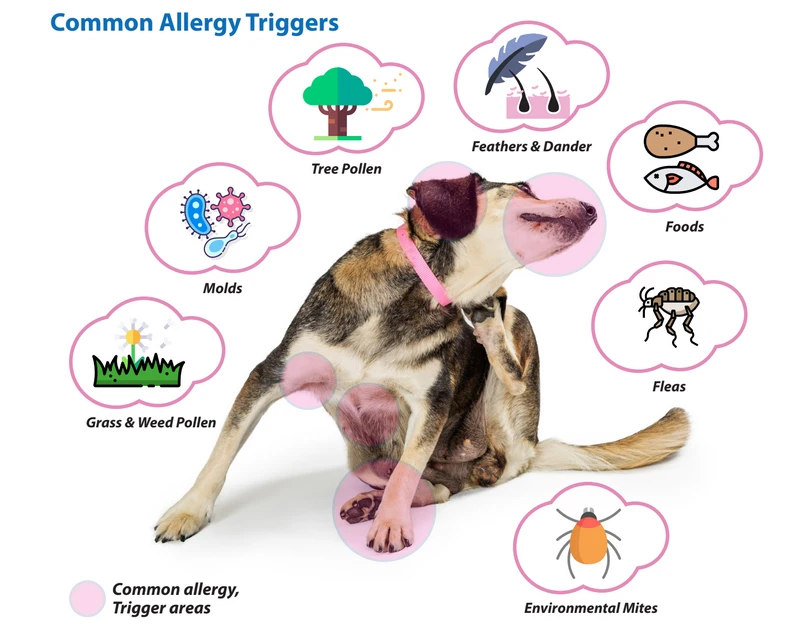
PawVerde.com – allergic reactions in pets arise primarily from proteins present in their skin cells, saliva, and urine, as well as environmental elements such as pollen and flea bites. These allergens provoke the pet’s immune system, triggering symptoms like itching, sneezing, and skin irritation. Understanding the diverse causes, immune mechanisms, and management strategies is essential for pet owners and veterinarians to mitigate these reactions effectively and ensure animal welfare.
Primary Causes of Allergic Reactions in Pets
Proteins embedded in pet dander, saliva, and urine are the chief sources of allergic triggers. These proteins act as antigens, stimulating an immune response. For example, proteins in dog and cat dander are well-documented allergens that provoke reactions in sensitive animals. While pet hair itself is not allergenic, it can carry dander and other allergens, intensifying exposure.
Environmental allergens contribute significantly to pet allergies. Common triggers include pollen from grasses and trees, dust mites, mold spores, and household chemicals such as cleaning agents and detergents. These allergens can be seasonal, like pollen which spikes during spring and summer, or perennial, such as dust mites and mold spores that persist year-round within indoor environments.
Insect bites represent a critical cause of allergic reactions in pets, especially flea saliva. flea allergy dermatitis (FAD), a hypersensitivity to flea saliva, is one of the most frequent and severe allergic conditions in dogs and cats. Other insect-induced allergies can result from bee and wasp stings or mosquito bites, though these are less common.
Food allergens in pets typically originate from specific proteins or carbohydrates found in ingredients like beef, dairy, chicken, wheat, and soy. Food allergies often manifest as chronic gastrointestinal issues or skin problems. Unlike food intolerances, these allergic reactions involve the immune system, leading to symptom onset within hours or days after exposure.
Detailed Examination of Key Allergen Types
Flea Allergy Dermatitis (FAD) is characterized by intense itching, redness, and hair loss localized primarily around the base of the tail, abdomen, and neck. The immunological reaction to flea saliva involves the production of immunoglobulin E (IgE) antibodies, which trigger the release of inflammatory mediators such as histamine. Effective prevention requires rigorous flea control, including environmental treatment and topical or oral flea preventatives.
Environmental allergies in pets can be categorized into seasonal and year-round allergens. Seasonal allergies typically involve airborne pollen and mold spores, with symptom flare-ups during specific months. Year-round environmental allergens include dust mites and indoor molds, which continuously expose pets, particularly in poorly ventilated or humid homes. Clinical signs range from recurrent sneezing and nasal discharge to chronic skin inflammation.
Contact allergies result from direct exposure to irritants like household chemicals, fabrics, or cleaning products. Though less common, these allergies cause localized reactions such as dermatitis with redness, swelling, and crusting at contact sites. Veterinary assessment often includes patch testing to identify specific contact allergens.
Medication-related allergies in pets are rare but can involve severe hypersensitivity reactions. Drugs such as antibiotics, vaccines, or nonsteroidal anti-inflammatory agents may provoke immune-mediated responses, requiring immediate veterinary intervention.
Immune Mechanisms Behind Pet Allergies
The immune response in pet allergies is predominantly mediated by immunoglobulin E (IgE) antibodies, which bind to allergens and sensitize mast cells and basophils. Upon subsequent allergen exposure, these cells release inflammatory mediators including histamine, prostaglandins, and leukotrienes. This cascade results in vasodilation, increased vascular permeability, and recruitment of immune cells, manifesting as itching, swelling, and redness.
The severity of allergic reactions varies widely. Mild reactions may cause intermittent itching and sneezing, whereas severe reactions can escalate to anaphylaxis or chronic respiratory conditions such as asthma. The differentiation is critical for treatment planning, as severe cases necessitate urgent medical care and long-term management.
Recognition and Diagnosis of Allergic Reactions in Pets
Symptoms of pet allergies depend on the allergen type but commonly include itching (pruritus), sneezing, coughing, skin irritation, redness, and hair loss. Flea allergy dermatitis typically presents with localized hair thinning and excoriations, while environmental allergies often cause generalized itching and recurrent ear infections.
Veterinary diagnosis involves a thorough history taking to identify potential allergen exposures, physical examination, and diagnostic tests. Intradermal skin testing and serum allergen-specific IgE assays help pinpoint allergens. Food trials are conducted to diagnose food allergies, involving elimination diets to observe symptom resolution.
Managing and Preventing Allergic Reactions in Pets
Minimizing allergen exposure is the cornerstone of managing pet allergies. For environmental allergens, this includes maintaining clean indoor air through air purifiers, reducing humidity to control mold growth, and frequent cleaning to eliminate dust mites. Seasonal allergens can be reduced by limiting outdoor exposure during peak pollen times.
Flea prevention strategies involve regular use of veterinary-approved topical or oral flea control products. Environmental flea eradication requires treating the pet’s living environment, including carpets, bedding, and outdoor areas.
Dietary management is essential for pets with food allergies. Elimination diets using novel protein or hydrolyzed protein formulas are effective in identifying and controlling food allergens. Careful monitoring and gradual reintroduction of ingredients under veterinary supervision are recommended.
Medications such as antihistamines, corticosteroids, and immunotherapy can be prescribed to control symptoms and modulate the immune response. Immunotherapy, or allergy shots, involves administering gradually increasing doses of identified allergens to induce tolerance, with evidence supporting long-term symptom reduction.
Implications for Pet Owners and Public Health
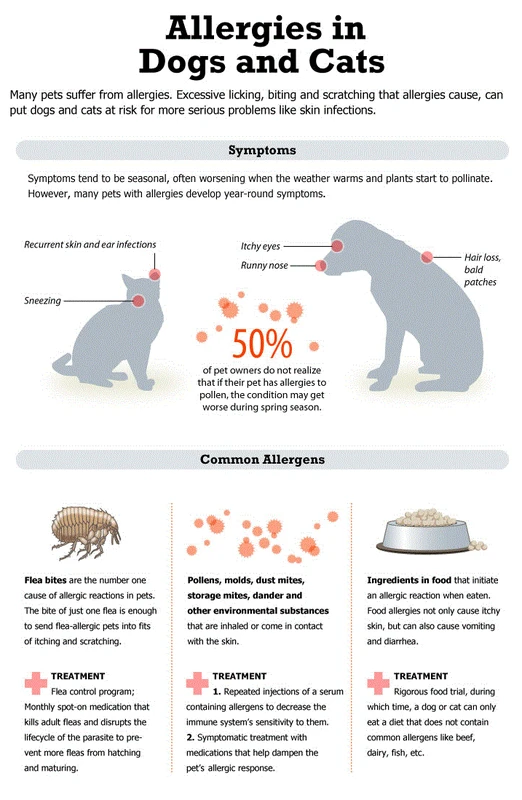
Pet allergies significantly impact animal well-being, causing discomfort, behavioral changes, and secondary infections due to persistent scratching. Owners may face lifestyle adjustments, including environmental modifications and increased veterinary care costs.
Public health considerations include awareness of zoonotic allergen transmission, particularly in multi-pet households and environments with immunocompromised individuals. Good hygiene practices, such as regular handwashing and cleaning pet bedding, reduce allergen spread.
Forward-looking approaches emphasize integrated allergy management combining environmental control, dietary strategies, and personalized veterinary care. Advances in molecular allergology and immunotherapy hold promise for improved diagnostic precision and treatment efficacy in managing pet allergies.
FAQ
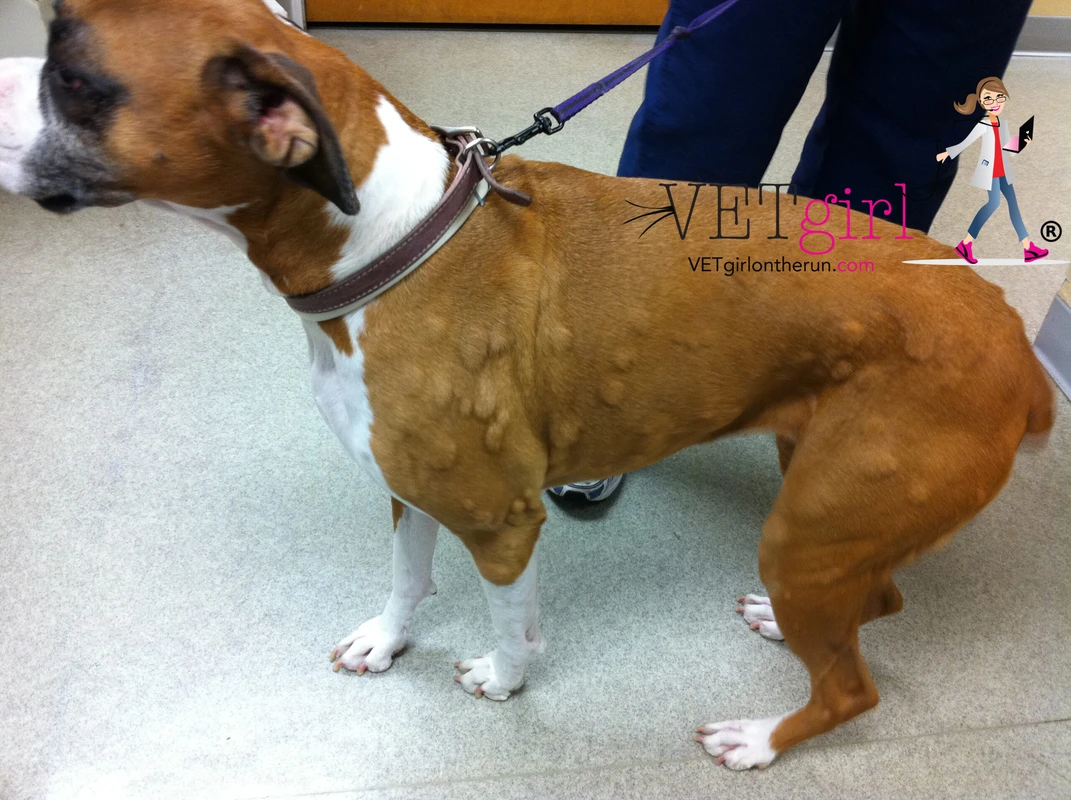
What are the most common causes of allergic reactions in pets?
Allergic reactions in pets commonly stem from proteins in skin cells, saliva, and urine, environmental allergens like pollen and dust mites, flea saliva causing flea allergy dermatitis, and food ingredients such as beef and dairy proteins.
How can flea allergy dermatitis be prevented in pets?
Prevention of flea allergy dermatitis involves consistent use of flea control products, environmental treatment to eliminate fleas, and regular grooming to reduce flea exposure. Prompt veterinary care is essential if symptoms develop.
Can food allergies in pets be cured?
Food allergies cannot be cured but managed effectively through elimination diets and avoidance of identified allergens. hydrolyzed protein diets and novel protein sources help reduce immune reactions.
How do veterinarians diagnose pet allergies?
Diagnosis involves clinical history assessment, physical examinations, intradermal skin tests, serum IgE testing, and elimination diets to identify specific allergens responsible for reactions.
Are pet allergies hereditary?
Certain breeds are predisposed to allergies due to genetic factors, but environmental exposure and immune system interactions primarily determine allergy development. Breeding practices and early allergen exposure influence susceptibility.
—
This comprehensive analysis of pet allergic reactions integrates current veterinary knowledge and immunological insights to equip pet owners and professionals with detailed understanding and practical strategies for allergy management. Continued research and clinical advancements will enhance diagnostic accuracy and therapeutic options, benefiting pet health and quality of life.
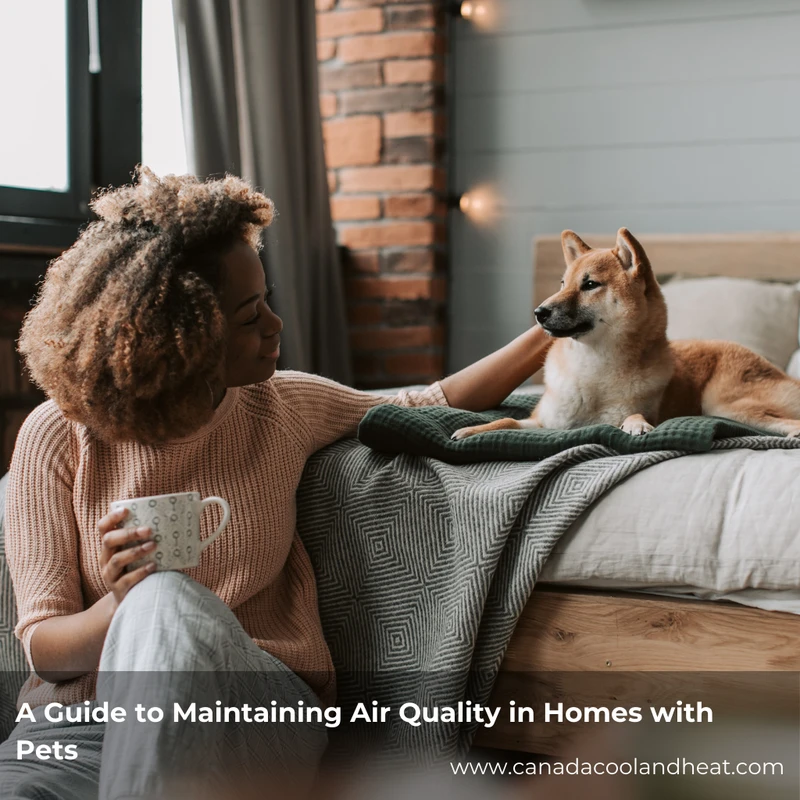
How Air Quality Impacts Pet Health and Home Safety
PawVerde.com – Maintaining optimal indoor air quality is critical for safeguarding the respiratory and immune health of pets, including dogs, cats, and birds. Scientific data links poor air quality in homes to a range of health issues in pets, from chronic respiratory diseases to immune system impairment and even cancer. Airborne pollutants such as particulate matter (PM2.5), volatile organic compounds (VOCs), and pet dander create a hazardous environment in enclosed spaces where pets spend most of their time. Veterinary professionals and environmental health experts emphasize the importance of active air quality management—including the use of HEPA-filter air purifiers, regular HVAC system maintenance, and vigilant monitoring of air pollution levels—to minimize pets’ exposure to harmful contaminants and allergens.
Pets are particularly vulnerable to indoor pollution due to their breathing zones being closer to the floor, where particulate matter and pet dander accumulate. Research from veterinary clinics such as Everhart Veterinary Medicine reveals that pets exposed to elevated levels of PM2.5 and VOCs exhibit higher incidences of respiratory issues like asthma, bronchitis, and chronic obstructive pulmonary disease. Young animals, seniors, and pets with pre-existing conditions such as heart disease or allergies are at heightened risk. The environmental protection Agency (EPA) Air Quality Index (AQI) serves as a valuable reference for pet owners to gauge outdoor air safety and take preventive measures when pollution levels reach hazardous thresholds.
Health Risks of Poor Air Quality for Pets
Scientific studies demonstrate that exposure to indoor pollutants exacerbates respiratory and immune system disorders in pets. Dogs and cats inhaling particulate matter and airborne allergens face increased risks of chronic bronchitis, allergic rhinitis, and even lung cancer. Birds, with their highly sensitive respiratory systems, are susceptible to toxin-induced respiratory distress and immune suppression. Veterinary research highlights that persistent inhalation of VOCs—common in household cleaners, paints, and scented products—can lead to systemic toxicity and chronic inflammation in pets.
Certain populations are especially vulnerable. Puppies and kittens, whose developing immune and respiratory systems cannot efficiently filter pollutants, suffer from increased susceptibility to infections and asthma-like symptoms. Senior pets experience diminished respiratory capacity and weakened immune defenses, compounding the effects of poor air quality. Additionally, pets with pre-existing conditions such as asthma, heart disease, or chronic allergies require heightened vigilance, as air pollutants can trigger severe exacerbations.
Signs indicating poor indoor air quality affecting pets include persistent coughing, sneezing, nasal discharge, lethargy, wheezing, and difficulty breathing. Behavioral changes such as reduced activity or decreased appetite may also signal respiratory distress related to environmental factors. Veterinary professionals recommend prompt evaluation when these symptoms arise, especially in homes with known air quality challenges.
Sources of Indoor Air Pollution in Pet Homes
Indoor air quality degradation in pet homes results from a complex interplay of natural and anthropogenic sources. Pet dander and hair are primary contributors to airborne allergens, often exacerbated by tracked-in dirt, pollen, and dust. These particulate allergens accumulate in carpets, upholstery, and HVAC ducts, circulating continuously in the breathing zones of pets.
Household chemicals including cleaning agents, air fresheners, and paints release VOCs that contribute to indoor pollution. Combustion byproducts from smoking, cooking, and heating appliances add particulate matter and toxic gases to the indoor environment. Wildfire smoke, increasingly frequent in many regions, introduces high concentrations of PM2.5 that infiltrate homes, posing acute risks to pet respiratory health.
HVAC systems, while essential in climate control, can inadvertently circulate pollutants if filters are not properly maintained. Dirty or low-quality HVAC filters fail to capture pet dander, dust mites, and particulate matter, allowing contaminants to recirculate. Furthermore, poorly maintained ductwork harbors allergens and microbial growth, further degrading air quality.
Monitoring and Assessing Air Quality in Homes with Pets
Accurate monitoring of indoor air quality is crucial for timely identification and mitigation of pollution sources affecting pet health. Modern air quality monitoring devices capable of detecting PM2.5 and VOC concentrations provide valuable data within the specific breathing zones of pets. These portable or fixed sensors enable pet owners to assess pollutant levels in real-time and correlate symptoms with environmental factors.
The EPA’s Air Quality Index (AQI) offers standardized metrics to understand outdoor air pollution severity. AQI values above 100 indicate unhealthy air conditions, triggering recommendations to limit outdoor activity for pets. During wildfire events or pollution spikes, adhering to AQI advisories is essential to reduce pets’ exposure to hazardous particulates.
Combining indoor sensors with AQI data empowers pet owners to create safer environments by adjusting ventilation, limiting outdoor exposure, and deploying air purification technologies proactively.
Effective Strategies to Improve Air Quality for Pets
Utilizing air purifiers equipped with High-Efficiency Particulate Air (HEPA) filters is among the most effective interventions to reduce airborne pet allergens and harmful particulates. HEPA filters capture at least 99.97% of particles as small as 0.3 microns, including PM2.5, pet dander, and dust mites. Placement of air purifiers in common pet areas—living rooms, bedrooms, and near sleeping quarters—maximizes pollutant removal within pets’ breathing zones.
Complementing air purifiers, HVAC systems fitted with Minimum Efficiency Reporting Value (MERV) rated filters—preferably MERV 11 or higher—significantly reduce circulating allergens and particulate matter. Veterinary and environmental health guidelines recommend replacing HVAC filters every one to three months in homes with pets to maintain filtration efficacy. Neglecting timely filter changes leads to filter clogging and decreased air circulation, compounding indoor pollution problems.
Regular professional duct cleaning every 12 to 18 months further diminishes allergen buildup within HVAC systems, preventing redistribution of dust, pet hair, and microbial contaminants. Combining these measures creates a layered defense against airborne pollutants in pet environments.
Managing Outdoor Air Quality Risks
During periods of elevated outdoor pollution—such as wildfire smoke events or urban smog episodes—protective measures for pets are imperative. Keeping pets indoors with windows and doors securely closed limits infiltration of hazardous particulates. Using air conditioning in recirculation mode and deploying portable air cleaners indoors further improves air safety.
Limiting outdoor exercise and avoiding high-traffic or industrial areas during high AQI days reduces pets’ exposure to toxic particulates and gases. Veterinary experts advise monitoring AQI reports daily and adjusting pet activity accordingly to prevent respiratory distress and exacerbation of chronic conditions.
In regions prone to wildfire smoke, installing air purification systems capable of filtering ultrafine particles and VOCs becomes a vital component of pet health management.
Veterinary Perspectives and Recommendations
Veterinary professionals increasingly recognize indoor air quality as a critical factor in pet health. Insights from veterinary clinics, including Everhart Veterinary Medicine, highlight that environmental management—alongside nutrition and preventive care—is essential in mitigating respiratory and allergic diseases in pets. Veterinarians recommend routine screening for respiratory symptoms during wellness visits, especially in pets living in high-pollution areas or exposed to smoke events.
Prompt veterinary consultation is advised when pets exhibit persistent coughing, wheezing, nasal discharge, or lethargy that may relate to air pollution exposure. Diagnostic tools such as chest radiographs, bronchial cytology, and allergy testing assist in identifying pollutant-induced conditions. Treatment plans frequently incorporate environmental modifications alongside pharmacological interventions.
Veterinarians also emphasize the importance of educating pet owners on pollutant sources and mitigation strategies to foster healthier indoor environments.
Forward-Looking Analysis: Enhancing Pet Health Through Air Quality Innovation
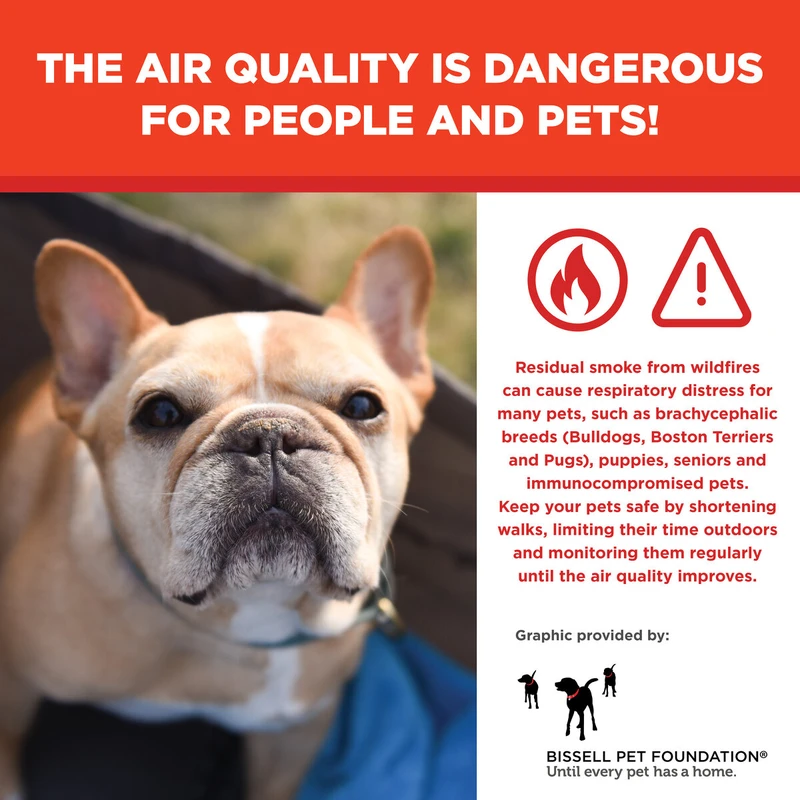
Emerging technologies in air quality monitoring and purification promise to revolutionize pet health management. Integration of smart sensors with HVAC and air purifier systems enables automated pollutant detection and responsive filtration adjustments tailored to pet activity and environmental conditions. Advances in filter media targeting VOCs and ultrafine particles offer enhanced protection against chemical pollutants.
Environmental health research continues to refine AQI guidelines specific to vulnerable populations, including pets, facilitating more precise risk communication. Collaborative efforts across veterinary medicine, environmental science, and technology sectors will drive development of comprehensive air quality solutions for pet owners.
Proactive adoption of these innovations, combined with established best practices, will be instrumental in reducing the burden of air pollution-related diseases in pets, ultimately improving their quality of life and longevity.
| Air Quality Measure | Recommended Action | Relevance to Pets |
|---|---|---|
| HEPA Air Purifiers | Use in main living areas and pet sleeping zones | Removes 99.97% of PM2.5, pet dander, and allergens |
| MERV 11+ HVAC Filters | Replace every 1-3 months in pet homes | Reduces circulating pet hair, dust, and allergens |
| Air Quality Index (AQI) | Monitor daily; restrict outdoor activity when AQI > 100 | Prevents exposure to hazardous outdoor pollutants |
| Air Quality Monitors | Use indoor sensors to track PM2.5 and VOC levels | Enables early detection of poor indoor air quality |
| Ventilation & Duct Cleaning | Professional duct cleaning every 12-18 months | Reduces allergen buildup and microbial contaminants |
FAQ

Why is indoor air quality particularly important for pets?
Indoor air quality directly affects pets’ respiratory and immune health because pets inhale pollutants concentrated near the floor, including pet dander, dust, and particulate matter. Poor air quality increases risks of asthma, allergies, and chronic respiratory diseases in pets.
How often should HVAC filters be replaced in homes with pets?
HVAC filters in pet homes should be replaced every one to three months to ensure effective removal of pet hair, dander, dust, and other airborne allergens, maintaining optimal air circulation and filtration.
What types of air purifiers are most effective for pet homes?
Air purifiers equipped with HEPA filters are the most effective, capturing 99.97% of particles as small as 0.3 microns, including PM2.5, pet dander, and allergens. Selecting units sized appropriately for room dimensions and placing them near pet areas enhances effectiveness.
How can pet owners protect their animals during wildfire smoke events?
Pet owners should keep pets indoors with windows and doors closed, use air conditioning in recirculation mode, deploy portable air purifiers indoors, and limit outdoor exercise during periods of poor outdoor air quality indicated by high AQI values.
When should I consult a veterinarian regarding air quality-related symptoms in my pet?
Consult a veterinarian if your pet exhibits persistent coughing, wheezing, nasal discharge, lethargy, or breathing difficulties, especially if symptoms correlate with exposure to smoke, dust, or household pollutants.
—
Addressing the multifaceted challenge of indoor air pollution in pet environments requires informed, proactive strategies combining technology, veterinary insight, and environmental awareness. As air quality monitoring and filtration technologies evolve, pet owners are better equipped to create safe, healthy living spaces that support the long-term respiratory and immune health of their companion animals.
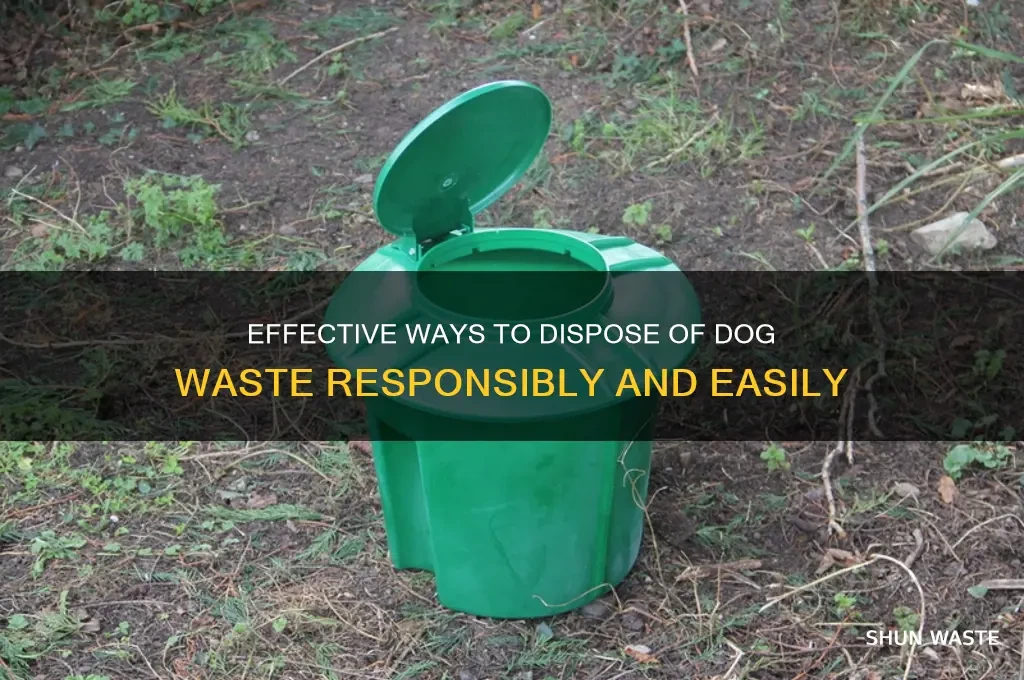
How to Dispose of Pet Waste Responsibly for Health & Environment
PawVerde.com – Pet owners face increasing responsibility to manage pet waste in ways that protect public health and the environment. Improper disposal of dog poop and cat litter contributes to plastic pollution, water contamination, and public nuisance complaints. This tutorial provides detailed, actionable steps for disposing of pet waste responsibly, integrating municipal ordinance compliance, eco-friendly product recommendations, and composting methods designed to mitigate environmental impact.
Following these guidelines will help pet owners minimize pollution risks, adhere to local laws, and support sustainable pet care practices.
1. Understanding Pet Waste Disposal Responsibilities
Pet waste contains pathogens and nutrients that can harm ecosystems and human health if not handled properly. Dog feces can introduce bacteria such as E. coli and parasites into soil and waterways, contributing to stormwater pollution. Cat litter, often made from clay or silica, adds to landfill volume and may contain chemicals harmful to the environment. Municipalities such as New York City and Sacramento County mandate pet owners to clean up after their animals with enforceable fines.
Responsible disposal requires immediate waste collection, secure containment, and safe final disposal. Pet owners should be aware of local laws that often require carrying waste bags when walking pets and prohibit leaving waste in public spaces or natural areas.
2. Complying with Legal and Community Requirements
Municipal ordinances typically mandate that pet owners clean up waste in public areas and dispose of it in designated receptacles or household trash. For example, NYC’s Department of Sanitation requires dog owners to carry waste bags and clean up immediately, with fines exceeding $250 for non-compliance. Sacramento County similarly enforces pet waste laws to protect water quality.
Community education programs often promote awareness through signage, workshops, and pet owner outreach. Reporting violations to local authorities helps maintain compliance and public health. Pet owners should familiarize themselves with specific local regulations, including restrictions on flushing pet waste or disposing of it in storm drains.
3. Step-by-Step Guide to Disposing of Dog Waste Safely
Proper dog waste disposal involves secure collection, containment, and disposal to prevent environmental contamination and pathogen spread.
Time estimate: This process takes approximately 1-2 minutes per incident but significantly reduces health risks and environmental harm.
4. Eco-Friendly Options for Cat Waste Disposal
Cat waste requires different management due to litter materials and the presence of cat urine, which can produce strong odors.
These measures reduce landfill volume and plastic pollution while maintaining hygienic conditions indoors.
5. Composting Pet Waste: Guidelines and Precautions
Composting dog waste is possible but requires careful management to neutralize pathogens and prevent environmental contamination.
composting pet waste can reduce landfill burden and create useful soil amendments but demands strict adherence to safety protocols.
6. Environmental Impact Considerations and Data
pet waste management significantly influences plastic pollution and water quality.
Municipal programs that encourage responsible disposal have demonstrated effectiveness in improving community health and reducing litter.
7. Engaging Communities and Utilizing Professional Services
Community involvement enhances compliance and environmental outcomes.
Combining individual responsibility with community support creates sustainable pet waste management systems.
Troubleshooting Common Issues
Solution: Use thicker, double-layer biodegradable bags and double-wrap to contain liquids and odors.
Solution: Ensure proper carbon-to-nitrogen ratio by adding sawdust or straw, maintain adequate aeration, and monitor moisture levels.
Solution: Adhere strictly to bagging and trash disposal methods and seek municipal pet waste bins when available.
Solution: Increase frequency of litter changes, clean boxes with natural deodorizers, and consider litter additives designed to neutralize ammonia.
Common Mistakes to Avoid in Pet Waste Management
Alternative Methods for Pet Waste Disposal
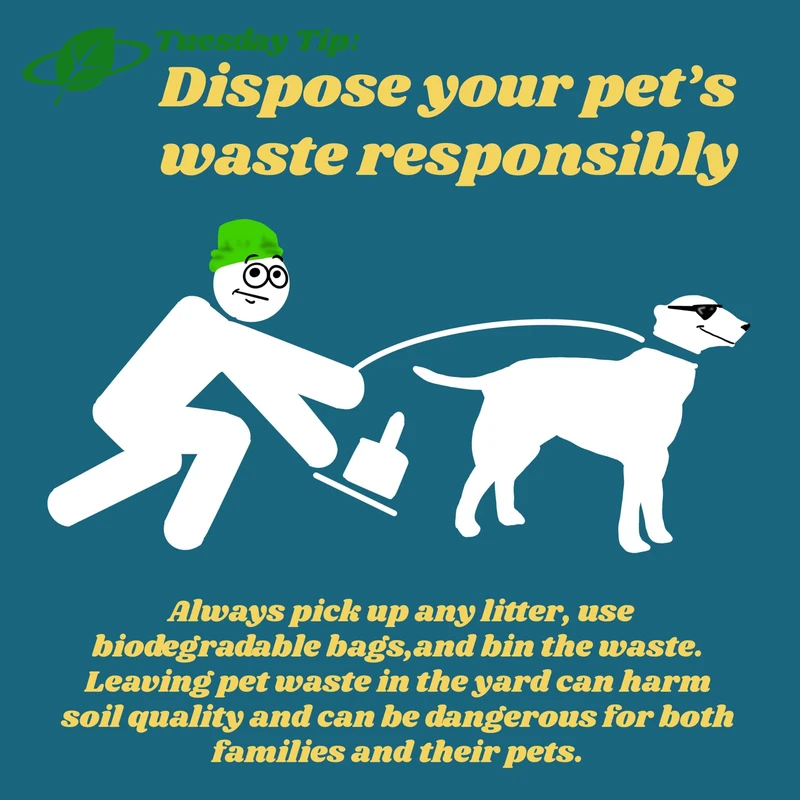
Each method has benefits and limitations depending on local infrastructure and pet owner preferences.
FAQ
What is the safest way to dispose of dog poop?
The safest method is to scoop pet waste promptly, double-bag it using biodegradable bags, and place it in household trash or designated municipal pet waste bins. Avoid flushing unless your septic system and local regulations allow.
Can I compost cat litter at home?
Composting cat litter is generally not recommended at home due to the risk of toxoplasmosis parasites and chemical additives. Use biodegradable litter and dispose of it in trash unless a specialized municipal composting program accepts it.
Are biodegradable pet waste bags truly environmentally friendly?
Biodegradable bags break down faster than conventional plastic bags but require proper composting or industrial facilities. Using these bags reduces plastic pollution but should be combined with responsible disposal practices.
How do local laws affect pet waste disposal?
Local ordinances often require pet owners to clean up waste in public spaces and dispose of it properly, with fines for non-compliance. Regulations may also restrict flushing or composting pet waste, so it is important to check municipal rules.
What products help reduce the environmental impact of cat litter?
Biodegradable litters made from wood pellets, corn, wheat, or paper, paired with compostable liners like Petmate and PetFusion products, reduce landfill waste. Natural cleaning agents further support sustainable maintenance.
—
Responsible pet waste management is evolving with new municipal policies, eco-friendly products, and community programs. Pet owners should stay informed of local regulations, adopt best practices like double-bagging and proper composting, and support sustainable pet care innovations. These combined efforts will reduce environmental contamination, enhance public health, and foster more responsible pet ownership in communities worldwide.

How Pet Adoption Supports Responsible Communities and Saves Lives
PawVerde.com – Pet adoption stands as a pivotal practice that directly supports responsible communities by reducing euthanasia rates, enforcing essential health protocols such as spaying/neutering and vaccinations, and fostering stronger social connections among residents. This multifaceted approach not only saves countless animal lives but also enhances community welfare, promotes ethical pet ownership, and drives economic benefits through sustainable pet care practices.
Adoption initiatives orchestrated by animal shelters and rescue organizations, including the Longmont Humane Society and Best Friends Animal Society, exemplify the integration of animal welfare principles with community development. These programs emphasize comprehensive veterinary care, rehabilitation, and educational outreach, thereby aligning pet ownership with public health and social responsibility goals.
Reducing Euthanasia and Saving Lives Through Adoption
animal shelters across the United States face persistent challenges with overcrowding, leading to high euthanasia rates, particularly among unadopted stray and surrendered animals. Pet adoption plays a critical role in mitigating this issue by freeing shelter capacity and providing rescued pets with permanent homes. According to data from Best Friends Animal Society, communities with robust adoption programs have witnessed euthanasia reductions exceeding 50% in recent years, illustrating the direct impact of adoption on saving animal lives.
Shelters implement strict health protocols requiring all adopted pets to undergo spaying or neutering and receive up-to-date vaccinations before transitioning to new owners. These measures serve as preventive strategies that curb pet overpopulation and reduce the spread of infectious diseases within both animal and human populations. For example, the Longmont Humane Society mandates spay/neuter surgeries and rabies vaccinations as part of its adoption agreement, ensuring that new pet owners contribute to community health standards.
Collaboration between shelters and local rescue groups enhances these efforts by facilitating transfers of animals from high-intake facilities to organizations with greater capacity or specialized rehabilitation programs. This networked approach optimizes resource allocation, reduces shelter burden, and increases the likelihood of successful adoptions.
Promoting Responsible Pet Ownership Through Adoption Processes
The adoption process itself is designed to cultivate responsible ownership by incorporating rigorous application procedures, home environment assessments, and suitability evaluations. Animal welfare organizations prioritize matching pets with owners whose lifestyles and capabilities align with the animal’s needs, thereby reducing risks of future abandonment or neglect.
Health protocols extend beyond spaying/neutering and vaccinations to include microchipping, behavioral evaluations, and veterinary wellness checks. These protocols set a standard of care that adopted pet owners are expected to maintain, supported by educational resources provided by shelters and rescue groups. For instance, foster programs often serve as transitional phases where pets receive behavioral training and medical care, while prospective owners receive guidance on long-term pet management.
Shelters actively engage adopters through post-adoption support services such as veterinary referral networks, training workshops, and community pet welfare programs. These initiatives help sustain responsible ownership, ensuring pets remain healthy and integrated within their communities.
Social and Community Benefits of Pet Adoption
Beyond the direct welfare of animals, pet adoption fosters significant social and community advantages. Companion animals act as catalysts for social interaction, encouraging neighborhood cohesion and mutual support networks. Studies have demonstrated that pet owners experience increased opportunities for socialization, which can reduce feelings of isolation and improve mental health outcomes.
Rescued pets often bring unique stories that inspire community advocacy and volunteerism. Adoption narratives shared by organizations like Best Friends Animal Society highlight how individuals and families become more engaged in local animal welfare efforts, promoting a culture of compassion and civic responsibility.
Moreover, companion animals contribute positively to mental health, providing emotional support and reducing stress levels. This aspect is particularly evident in vulnerable populations such as the elderly or individuals experiencing social anxiety, where pet adoption serves as a therapeutic intervention.
Economic and Ethical Impacts of Supporting Animal Welfare Through Adoption
Redirecting consumer focus from commercial breeders and pet stores to animal shelters shifts economic resources toward ethical and sustainable pet care models. Adoption alleviates demand for puppy mills and unethical breeding operations by offering viable alternatives that prioritize animal health and welfare.
Non-profit animal welfare organizations rely on community support and adoption fees to fund shelter operations, veterinary care, and outreach programs. This economic cycle reinforces local job creation in veterinary services, pet care industries, and shelter staffing, contributing to broader community growth.
Ethically, adoption embodies a responsible choice that aligns with societal values of animal rights and humane treatment. By choosing adoption, pet owners participate in a system that upholds transparency, accountability, and care standards, fostering trust within the community.
The Role of Fostering and Rehabilitation in Enhancing Adoption Outcomes
Fostering programs serve as critical pathways that prepare rescued animals for permanent adoption. Temporary homes offer a controlled environment for behavioral assessment, socialization, and medical rehabilitation, increasing the adoptability of shelter pets.
Rehabilitation efforts address issues such as trauma, aggression, or health complications, which might otherwise limit a pet’s chances of adoption. Animal welfare organizations deploy professional trainers, veterinary specialists, and volunteers to implement individualized care plans that maximize recovery outcomes.
Fostering also engages community members directly, creating networks of advocates and educators who promote responsible pet ownership. This involvement often leads to higher adoption rates, reduced shelter overcrowding, and stronger community ties centered around animal welfare.
FAQ

How does pet adoption reduce euthanasia rates in shelters?
Adoption decreases euthanasia by creating permanent homes for sheltered animals, freeing shelter space for new intakes, and reducing overcrowding. Shelters with active adoption programs report significant declines in euthanasia, supported by spaying/neutering requirements that prevent further overpopulation.
What responsibilities do adopters have regarding pet health and care?
Adopters are required to ensure pets receive vaccinations, spaying/neutering, microchipping, and regular veterinary care. Shelters provide education and support to help owners maintain these responsibilities, promoting long-term animal health and community safety.
In what ways does adopting a pet benefit community social dynamics?
Pets encourage social interaction among neighbors, reduce social isolation, and promote community engagement through advocacy and volunteerism. These social benefits extend to improved mental health and stronger neighborhood bonds.
Why is fostering important in the pet adoption process?
Fostering provides temporary care that allows pets to recover from medical or behavioral issues, prepares them for permanent homes, and reduces shelter overcrowding. It also educates foster families and communities about responsible pet care.
How does pet adoption impact the local economy and ethical standards?
Adoption supports ethical pet care by directing funds to shelters and rescue organizations rather than commercial breeders. This sustains local jobs in veterinary and animal welfare sectors and promotes humane treatment standards.
Pet adoption remains a cornerstone of responsible community development by integrating animal welfare with public health, ethical standards, and social cohesion. As adoption programs continue to evolve, fostering and rehabilitation efforts will play increasingly vital roles in enhancing outcomes for rescued pets and their new families. Communities benefit not only from the preservation of animal lives but also from the strengthened social fabric and economic vitality generated through compassionate pet ownership. Prospective adopters are encouraged to engage with local shelters and rescue groups to contribute meaningfully to this transformative process.
Why Consult a Vet Before Pet Supplementation Matters
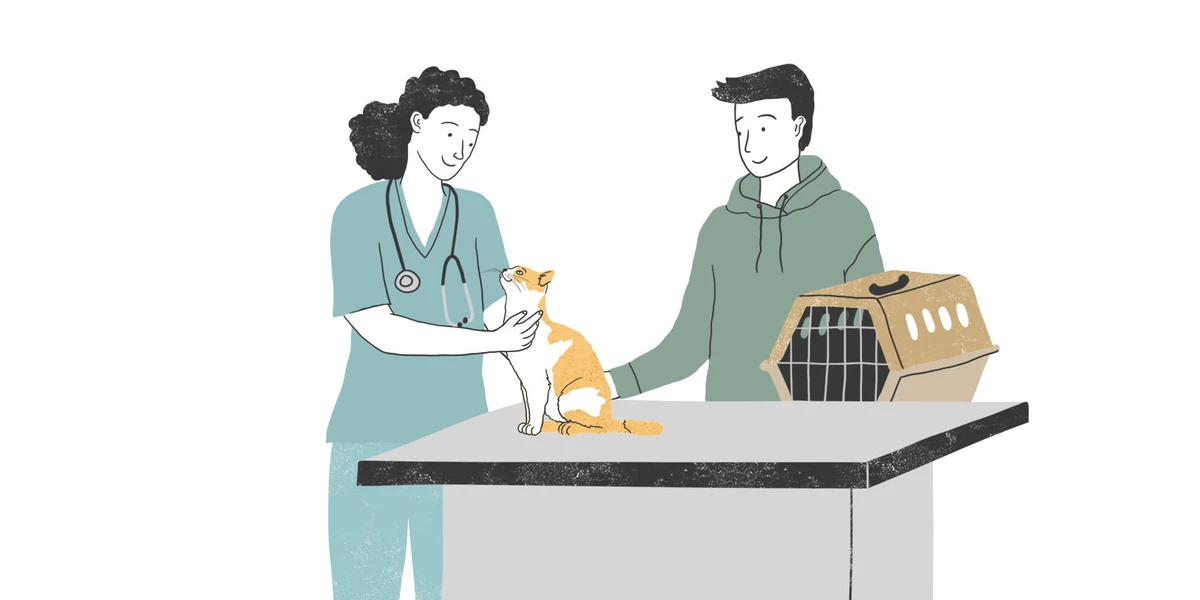
PawVerde.com – veterinary consultation is crucial before administering supplements to pets, ensuring safe, effective, and tailored nutritional support that aligns with each animal’s health needs. Unsupervised supplementation can lead to severe toxicity, nutrient imbalances, or adverse interactions with existing medications, undermining pet health. The pet supplement industry’s expanding market, driven by growing pet-owner interest in wellness, often lacks stringent regulatory oversight, resulting in variable product quality and potential safety risks. Veterinarians provide indispensable expertise by assessing individual pet conditions, recommending evidence-based supplements, and monitoring dosage to prevent complications.
Pet supplements, including vitamins like A, D, E, and B-complex, omega-3 fatty acids, glucosamine, and fish oil, are widely used to support various health conditions in dogs and cats. However, the absence of comprehensive regulation allows inconsistent labeling and unverified claims, raising concerns about safety and efficacy. Notably, some human supplements contain ingredients toxic to pets, such as xylitol, which can cause life-threatening hypoglycemia in dogs. Moreover, excessive intake of fat-soluble vitamins, particularly vitamin D and calcium, can induce toxicity manifesting as kidney failure, hypercalcemia, or cardiac complications. These risks underscore the necessity of veterinary guidance to optimize supplementation protocols and safeguard pet health.
Regulatory and Safety Concerns in the Pet Supplement Industry
The pet supplement market operates with significantly less regulatory oversight compared to human pharmaceuticals, leading to inconsistencies in product safety and quality. Regulatory bodies like the National Animal Supplement Council (NASC) work toward voluntary standards and certification programs to enhance product transparency and quality assurance. Despite such efforts, many supplements remain unverified for potency and purity, potentially containing contaminants or inaccurate ingredient concentrations. This regulatory gap complicates vet assessments and increases risks for pet owners relying on over-the-counter supplements without professional consultation.
Pet supplement manufacturers often market products with broad claims of health benefits, lacking robust clinical evidence or peer-reviewed studies to substantiate efficacy. The American Veterinary Medical Association (AVMA) emphasizes the importance of evidence-based usage and discourages supplementation without veterinary evaluation. Moreover, the chemical complexity of some supplements can lead to unpredictable pharmacokinetic interactions, especially when pets are concurrently receiving prescription medications. These factors necessitate discerning veterinary oversight to navigate safety concerns inherent in the industry.
Potential Risks of Giving Supplements Without Veterinary Guidance
Administering supplements without veterinary advice exposes pets to risks including toxicity, adverse drug interactions, and exacerbation of underlying medical conditions. For example, hypervitaminosis D caused by excessive vitamin D supplementation can result in calcium deposits in soft tissues, renal failure, and gastrointestinal distress. Similarly, excessive calcium supplementation may lead to skeletal abnormalities in growing animals or promote urolithiasis in adults.
Human supplements pose additional hazards; xylitol, a common artificial sweetener in human products, induces rapid insulin release in dogs, causing severe hypoglycemia and potential liver failure. Other human-focused formulations may contain ingredients or excipients harmful to pets due to species-specific metabolic differences. Unmonitored supplementation can also interfere with prescribed veterinary treatments, reducing drug efficacy or increasing toxicity risk. Case studies from Saratoga Veterinary Hospital illustrate instances where pets developed severe symptoms following unsupervised supplement use, necessitating emergency intervention and highlighting the critical role of veterinary consultation.
Role of Veterinarians in Safe Pet Supplementation
Veterinarians perform comprehensive health and nutrition assessments before recommending supplements, integrating clinical findings with dietary analysis to identify nutrient deficiencies or condition-specific needs. This individualized approach optimizes therapeutic outcomes and minimizes risks. For example, glucosamine and chondroitin are often prescribed for canine osteoarthritis, but dosing must be carefully calibrated to avoid gastrointestinal side effects. Omega-3 fatty acids sourced from fish oil are recommended for anti-inflammatory benefits in dermatologic and cardiac conditions, with veterinary guidance ensuring appropriate product selection and dosing.
Veterinarians also monitor pets for adverse effects and adjust supplementation protocols accordingly. This dynamic management is essential to avoid cumulative toxicity or nutrient imbalances, especially in older animals or those with comorbidities such as kidney or liver disease. Legally, veterinarians bear responsibility for recommending safe supplements, complying with regulatory standards while prioritizing animal welfare. Veterinary nutritional counseling supports pet owners in understanding supplement roles, integrating them within balanced diets, and recognizing signs of intolerance or overdose.
When Are Supplements Necessary?
Supplementation is generally indicated when pets exhibit diagnosed deficiencies or specific health conditions requiring nutritional support beyond standard diets. Digestive disorders such as exocrine pancreatic insufficiency may necessitate enzyme supplementation, while skin and coat issues often respond to omega-3 fatty acid therapy. Joint health concerns, particularly in aging dogs, commonly benefit from glucosamine and chondroitin to support cartilage repair.
Vitamins A, D, and E are critical antioxidants and metabolic cofactors but are prescribed selectively based on laboratory evaluations or clinical signs. Targeted supplementation differs markedly from routine, indiscriminate use, which can cause nutrient excess or mask underlying illnesses. Veterinary expertise ensures that supplements address validated needs and contribute to holistic pet health management rather than serving as indiscriminate wellness boosters.
Best Practices for Pet Owners Considering Supplements
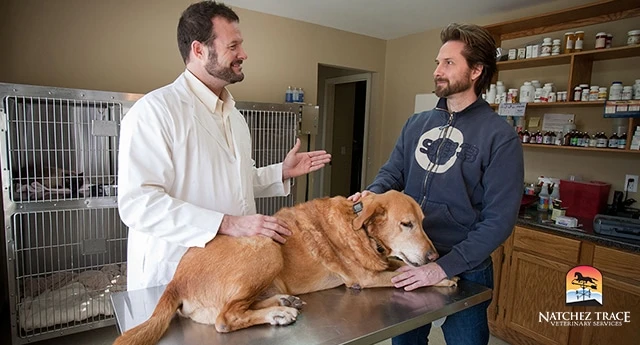
Pet owners should always seek veterinary advice prior to initiating any supplement regimen. Veterinarians provide guidance on safe products, appropriate dosages, and potential interactions with existing medications or health conditions. Self-prescribing human supplements is strongly discouraged due to species-specific toxicity risks and formulation differences.
Routine veterinary visits provide opportunities to discuss dietary changes and assess the necessity of supplementation within a broader nutritional context. Engaging in veterinary nutritional counseling can further enhance understanding of balanced diets and safe supplement integration. Pet owners are encouraged to report any unusual symptoms promptly to veterinarians to facilitate early detection and management of adverse effects related to supplementation.
| Supplement | Common Use in Pets | Potential Risks Without Vet Guidance | Veterinary Role |
|---|---|---|---|
| Glucosamine | Joint support in arthritis | Gastrointestinal upset; inadequate dosing reduces benefits | Assess need; recommend formulation and dosage; monitor response |
| Omega-3 Fatty Acids (Fish Oil) | Anti-inflammatory for skin and heart health | Bleeding risk at high doses; inconsistent product quality | Determine safe dose; select vet-approved products; monitor side effects |
| Vitamin D | Bone metabolism support | Hypercalcemia, renal failure with overdose | Evaluate blood levels; adjust dosage cautiously; monitor calcium |
| Human Supplements Containing Xylitol | Not recommended | Severe hypoglycemia, liver failure in dogs | Educate owners about risks; advise against use |
FAQ
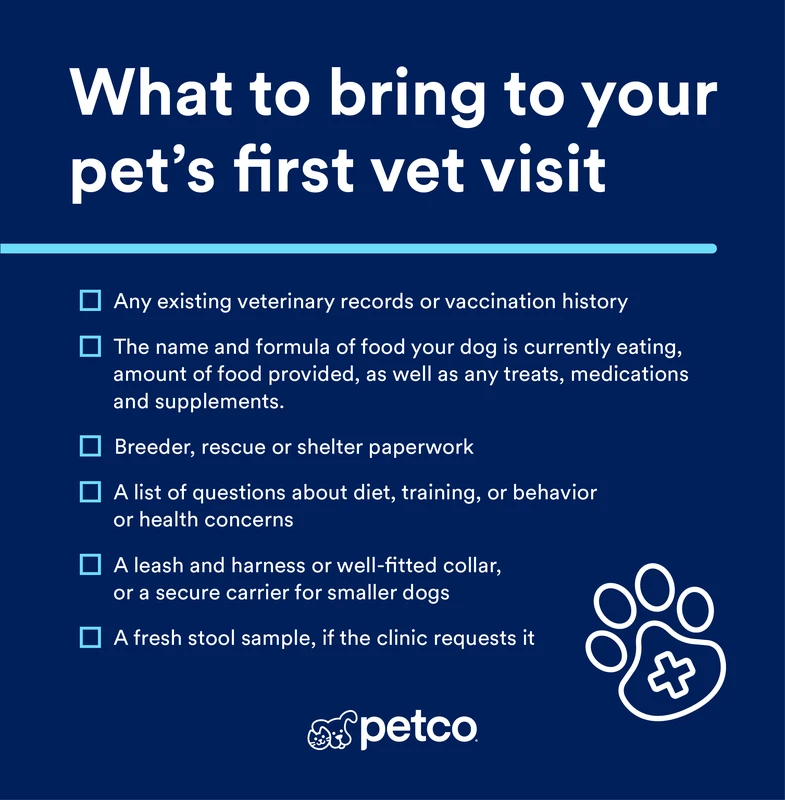
Why should I consult a veterinarian before giving my pet supplements?
Veterinarians assess your pet’s specific health status, prescribe appropriate supplements in safe doses, and monitor for adverse effects or interactions with medications, reducing risks of toxicity or ineffective treatment.
Are human vitamin supplements safe for pets?
No, many human supplements contain ingredients toxic to pets, such as xylitol, artificial sweeteners, or inappropriate vitamin concentrations, which can cause severe health issues or death in animals.
What are common signs of supplement toxicity in pets?
Symptoms vary but may include vomiting, diarrhea, lethargy, seizures, kidney failure, or cardiac abnormalities. Prompt veterinary evaluation is critical if toxicity is suspected.
Can supplements replace a balanced pet diet?
Supplements are meant to complement—not replace—a complete, balanced diet. They address specific deficiencies or health conditions and should only be used under veterinary guidance.
How can I ensure the supplements I buy for my pet are safe?
Purchase vet-approved supplements, preferably those certified by organizations like the NASC, and always discuss new supplements with your veterinarian before use.
Veterinary oversight remains the cornerstone of safe and effective pet supplementation, balancing therapeutic benefits with potential risks. As the pet supplement industry evolves, integration of rigorous regulatory standards and evidence-based veterinary guidance will be paramount in safeguarding pet health. Pet owners are encouraged to prioritize professional consultation to navigate the complex landscape of supplements, ensuring interventions that truly enhance their pets’ quality of life.
How to Source Sustainable Grooming Supplies with Ethical Standards
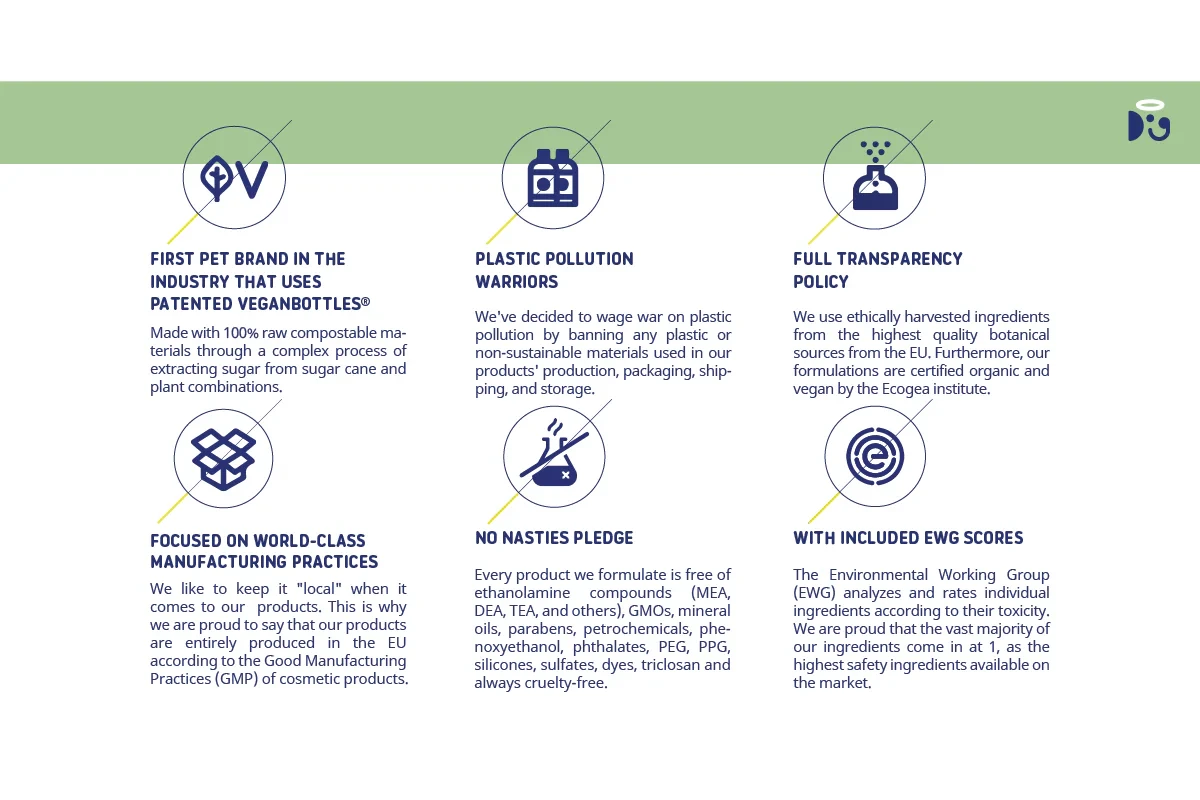
PawVerde.com – Sourcing sustainable grooming supplies involves selecting products from brands committed to ethical ingredient sourcing, transparent supply chains, and eco-conscious materials. Certifications such as FSC (Forest Stewardship Council), GOTS (Global Organic Textile Standard), and USDA Organic serve as reliable indicators of responsible practices. Incorporating blockchain technology further enhances supply chain transparency, enabling consumers and businesses to verify product origins and manufacturing processes. Durable grooming tools made from bamboo and stainless steel reduce plastic waste by extending product lifespan, while biodegradable shampoos and conditioners formulated with natural botanicals minimize environmental impact through concentrated, plastic-free packaging.
Ethical Ingredient Sourcing and Certification Standards
Effective sourcing begins with understanding the ethical frameworks that govern ingredient procurement. Fair trade practices ensure that suppliers receive equitable compensation and operate under humane labor conditions, preventing exploitation in raw material harvesting. Certifications like FSC guarantee that wood and paper products, including grooming tools and packaging, originate from responsibly managed forests. GOTS certification applies primarily to textiles derived from organic fibers, ensuring no harmful chemicals are used during production. USDA Organic certification verifies that agricultural ingredients, such as natural botanicals and organic hemp, meet stringent cultivation standards free from synthetic pesticides or fertilizers.
ingredient transparency is critical for ethical sourcing; detailed labeling informs consumers about the origin and processing of each component. Brands that disclose their supply chain partners and ingredient sources enable buyers to make informed decisions aligned with their sustainability values. For example, grooming products featuring essential oils or plant extracts sourced through fair trade channels demonstrate a commitment to environmental stewardship and social responsibility.
Blockchain Technology Advancing Supply Chain Transparency
Blockchain technology is revolutionizing supply chain transparency by providing immutable records of product journeys from raw material to retail shelf. In the grooming industry, this innovation allows brands to trace the provenance of ingredients, verify certification claims, and monitor fair trade compliance in real time. Consumers gain access to detailed information about sourcing practices, production methods, and environmental impact through QR codes or digital platforms linked to blockchain ledgers.
This level of transparency fosters accountability among suppliers and manufacturers, reducing risks of greenwashing and unethical practices. Leading pet grooming brands such as The Bearded Coast and King Kanine have integrated blockchain systems to authenticate organic hemp sourcing and certify cruelty-free production processes. By doing so, these companies build consumer trust and differentiate themselves in a competitive market increasingly demanding sustainability.
Durable and Eco-Friendly Grooming Tools
Investing in grooming tools made from sustainable materials like bamboo and stainless steel significantly reduces environmental footprint. Bamboo, a rapidly renewable resource, offers strength and biodegradability, making it ideal for brushes, combs, and handles. Stainless steel components add durability and resistance to corrosion, extending product lifespan and minimizing the need for frequent replacements.
Many grooming tools traditionally rely on plastic, contributing to mounting plastic waste. Brands such as Moorland Paws and Collar Club have pioneered biodegradable alternatives that decompose naturally without releasing toxins. These tools also support circular economy principles by facilitating repair, reuse, and recycling. Durable grooming equipment not only benefits the environment but also offers cost efficiency over time due to reduced replacement frequency.
Biodegradable Grooming Products with Natural Botanicals
Biodegradable shampoos and conditioners formulated with natural botanicals represent a significant advancement in sustainable pet care. Organic hemp, chamomile, calendula, and tea tree oils are common ingredients known for their skin-soothing and antimicrobial properties. These formulations avoid synthetic fragrances, sulfates, and parabens, reducing the risk of allergic reactions and environmental contamination.
Concentrated formulas further enhance sustainability by minimizing packaging volume and waste. Smaller, refillable containers or solid shampoo bars packaged in recyclable materials like glass or cardboard reduce single-use plastic reliance. Brands like Nonipup and Waggz offer biodegradable grooming products that balance efficacy with eco-friendliness, catering to environmentally conscious pet owners seeking cruelty-free alternatives.
Profiles of Leading Sustainable Grooming Brands
Several pet grooming brands have emerged as leaders in sustainability through innovative product lines and transparent business practices. The Bearded Coast specializes in organic hemp-based grooming oils and balms, emphasizing FSC-certified packaging and fair trade ingredients. King Kanine focuses on all-natural shampoos and conditioners verified by USDA Organic certification, integrated with blockchain technology to track supply chains.
Moorland Paws offers biodegradable brushes and combs crafted from bamboo and stainless steel, coupled with cruelty-free grooming products free from harmful chemicals. Collar Club provides subscription boxes that combine sustainable grooming essentials with eco-packaging, supporting plastic waste reduction initiatives. Nonipup’s product range highlights natural botanicals and concentrated formulas, while Waggz leads in sustainable logistics by implementing carbon-neutral distribution and recyclable packaging.
| Brand | Key Sustainable Features | Certifications | Product Types |
|---|---|---|---|
| The Bearded Coast | Organic hemp, FSC packaging, fair trade sourcing | FSC, Fair Trade | Oils, balms |
| King Kanine | USDA Organic shampoos, blockchain transparency | USDA Organic | Shampoos, conditioners |
| Moorland Paws | Bamboo/stainless steel tools, cruelty-free | Crucial certifications pending | Brushes, combs, grooming products |
| Collar Club | Eco-packaging, subscription model, plastic waste reduction | Various eco-certifications | Subscription boxes, grooming essentials |
| Nonipup | Natural botanicals, concentrated formulas, biodegradable | GOTS, Cruelty-Free | Shampoos, conditioners |
| Waggz | Carbon-neutral logistics, recyclable packaging | Environmental certifications | Grooming supplies |
Sustainable Packaging and Disposal Practices
eco-friendly grooming brands prioritize packaging that reduces environmental harm through recyclable, biodegradable, or compostable materials. Glass containers, paper-based boxes, and plant-based plastics are common alternatives to conventional plastic. Such packaging supports circularity by facilitating recycling and reducing landfill accumulation.
Proper disposal and repurposing of grooming tools are also essential. Bamboo brushes can be composted at end-of-life, while stainless steel components are recyclable. Brands often provide take-back programs or incentives to encourage consumers to return used products for recycling or refurbishment. These initiatives collectively minimize waste and contribute to sustainable consumption cycles.
Innovations in Supply Chain and Logistics Sustainability
Sustainable grooming brands are adopting carbon-neutral shipping and optimizing logistics to reduce their environmental footprint. Strategies include consolidating shipments, using electric or low-emission vehicles, and selecting distribution centers near consumer bases to shorten delivery distances. These measures lower greenhouse gas emissions and align with global climate goals.
Supply chain innovations also involve supplier audits and continuous improvement programs to ensure adherence to ethical sourcing and environmental standards. Data analytics and AI tools enable real-time monitoring of supply chain risks, enabling proactive responses to disruptions or compliance issues. Although these practices may increase operational costs, many brands view them as investments in long-term sustainability and consumer trust.
Best Practices for Sourcing Sustainable Grooming Supplies
Consumers and businesses seeking sustainable grooming products should evaluate several criteria:
Future developments in the grooming industry are likely to include enhanced digital transparency, expanded use of circular economy principles, and broader adoption of renewable materials. As consumer demand for sustainable pet care grows, brands integrating these practices will set new standards for environmental stewardship and product excellence.
FAQ

What certifications should I look for when sourcing sustainable grooming supplies?
Look for FSC certification for responsibly sourced wood and paper products, GOTS for organic textiles, and USDA Organic for agricultural ingredients. These certifications ensure ethical sourcing and reduced environmental impact.
How does blockchain technology improve supply chain transparency in grooming products?
Blockchain creates an immutable digital ledger of product origins and manufacturing steps, allowing consumers and businesses to verify ingredient provenance, fair trade compliance, and ethical production practices in real time.
Why are bamboo and stainless steel preferred materials for sustainable grooming tools?
Bamboo is rapidly renewable and biodegradable, while stainless steel offers durability and corrosion resistance. Together, they reduce plastic waste by extending product lifespan and enabling recycling or composting.
What are the environmental benefits of biodegradable grooming shampoos?
Biodegradable shampoos formulated with natural botanicals break down naturally without polluting waterways. Concentrated formulas reduce packaging waste and avoid harmful synthetic chemicals, supporting pet wellness and ecosystem health.
How can I ensure the grooming brand I choose practices sustainable logistics?
Research whether the brand uses carbon-neutral shipping, optimizes delivery routes, and partners with eco-conscious distributors. Brands often disclose logistics practices in sustainability reports or on their websites.
—
Sustainable grooming supplies are transforming pet care by integrating ethical sourcing, cutting-edge technology, and eco-friendly materials. By selecting certified products, embracing transparency tools like blockchain, and supporting brands committed to reducing environmental impact, consumers and businesses can contribute meaningfully to a greener grooming industry. Continued innovation in materials, supply chains, and packaging will further advance sustainability goals, ensuring pet wellness aligns with planetary health.
How to Monitor Pet Allergies Over Time for Lasting Relief
PawVerde.com – Pet allergies present a significant challenge for pet owners and veterinarians alike, requiring diligent monitoring and multifaceted management strategies to ensure animal comfort and minimize allergic reactions. Effective long-term control hinges on a combination of veterinary diagnostics, environmental interventions, symptom tracking, and immunological treatments. Immunotherapy, supported by clinical research, demonstrates a success rate of 60% to 80% in reducing allergic symptoms, underscoring the importance of integrating professional care with consistent home management routines.
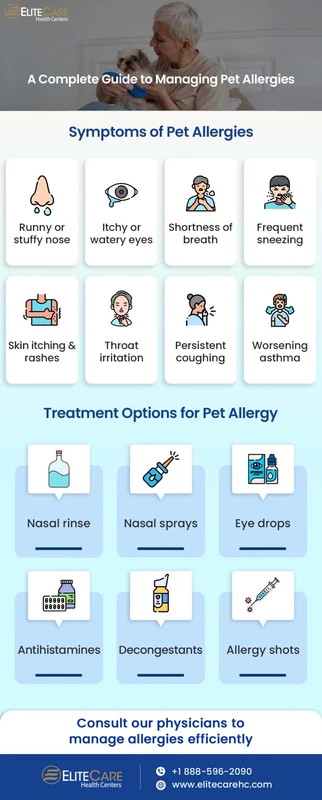
Recognizing allergic reactions early in pets is crucial, as symptoms can range broadly from mild to severe. Common indicators include persistent scratching, redness and inflammation of the skin, recurrent ear infections, and respiratory signs such as sneezing or coughing. These manifestations are often triggered by exposure to allergens including pollen, pet dander, fleas, and mold spores. Seasonal fluctuations in symptom intensity necessitate vigilant observation and prompt veterinary consultation to adjust treatment plans accordingly.
Veterinary diagnostic protocols for pet allergies primarily involve skin testing and blood assays to detect specific IgE antibodies against suspected allergens. Skin testing remains a frontline diagnostic tool, providing direct allergen exposure results, while blood tests offer a less invasive alternative that quantifies circulating allergen-specific IgE levels. Both methods enable tailored immunotherapy regimens targeting the precise allergens responsible, optimizing treatment efficacy and reducing unnecessary medication use.
Environmental control represents a foundational pillar in managing pet allergies. Implementing rigorous cleaning protocols such as daily vacuuming with HEPA-filtered vacuums and frequent laundering of pet bedding reduces allergen reservoirs within the home. Flea prevention is paramount, utilizing approved topical or oral products on a regular schedule to interrupt flea life cycles and mitigate flea bite hypersensitivity. Additionally, deploying air purifiers equipped with HEPA filters can significantly lower airborne allergen concentrations, improving respiratory health for both pets and owners.
Home care practices complement environmental controls and veterinary interventions. Regular bathing with mild, hypoallergenic shampoos removes surface allergens like pollen and dander, while paw wiping after outdoor exposure prevents allergen transfer into the household environment. Dietary management, including feeding limited-ingredient pet food formulated to avoid common allergenic components, can alleviate food-related allergy triggers. Supplementation with omega-3 fatty acids supports skin barrier integrity and modulates inflammatory responses, further enhancing symptom control.
Routine veterinary checkups play a critical role in long-term allergy management. These visits facilitate monitoring of skin and coat condition, early detection of flare-ups, and timely adjustments to treatment protocols based on seasonal allergen variations or evolving symptomatology. Skin health assessments may involve visual examination, cytology, and skin scrapings to exclude secondary infections that can exacerbate allergic dermatitis. Collaboration between pet owners and veterinarians ensures dynamic, responsive care tailored to the pet’s changing needs.
Immunotherapy remains the only disease-modifying treatment for pet allergies, aiming to desensitize the immune system through controlled allergen exposure. Typically administered via subcutaneous injections or sublingual drops, immunotherapy protocols span several months to years, requiring consistent adherence. Clinical trials show that 60% to 80% of treated pets experience substantial symptom reduction, decreased reliance on symptomatic medications, and improved quality of life. Commitment to the full course is essential to achieve and maintain therapeutic benefits.
Regional and seasonal allergy variations significantly impact symptom patterns, necessitating adaptive management strategies. Urban environments, characterized by higher pollution levels and concentrated allergen sources, often exacerbate respiratory symptoms in sensitive pets. Climatic factors such as humidity and temperature influence mold growth and pollen production, altering allergen exposure intensity. Pet owners must collaborate with veterinarians to modify care routines, including environmental controls and medication regimens, according to local allergen calendars and weather conditions.
Symptomatic relief medications provide critical support during acute allergy episodes or when immunotherapy is pending full effect. Antihistamines such as cetirizine and loratadine are commonly prescribed to mitigate itching and inflammation, although their efficacy varies among individual pets. Nasal corticosteroids may be indicated for respiratory symptoms, reducing mucosal swelling and congestion. Prescription allergy medications including corticosteroids and cyclosporine are reserved for moderate to severe cases, balancing symptom control with potential side effects through veterinary oversight.
Recognizing Signs and Symptoms Indicative of Allergic Reactions in Pets
Identifying allergic reactions promptly allows for early intervention, minimizing prolonged discomfort. Pets with allergies frequently exhibit signs such as pruritus, erythema, and recurrent otitis externa. Scratching and biting at affected areas lead to secondary infections and skin thickening if untreated. Respiratory symptoms include sneezing, nasal discharge, and wheezing, often mimicking infectious diseases but unresponsive to antibiotics. Behavioral changes like restlessness and decreased activity may also be observed, reflecting systemic discomfort.
Diagnostic Tools: Allergy Testing and Blood Tests to Identify Specific Allergens
Allergy testing involves intradermal skin tests where small quantities of allergens are introduced to the skin surface to observe localized reactions. This method provides results within 15 to 30 minutes, offering rapid identification of offending allergens. Serum tests measure allergen-specific IgE antibodies, facilitating diagnosis when skin testing is contraindicated due to skin conditions or medication interference. These diagnostics inform personalized immunotherapy formulations and environmental management plans, optimizing outcomes.
Preventive Measures in the Pet’s Environment
Maintaining a low-allergen environment significantly reduces symptom frequency and severity. Regular vacuuming with HEPA filters traps microscopic allergens, while washing pet bedding weekly removes dander accumulation. Flea control schedules typically involve monthly administration of topical agents such as fipronil or oral isoxazolines, disrupting flea reproduction cycles. Air purifiers with activated carbon filters complement HEPA systems by adsorbing volatile organic compounds contributing to airway irritation. Additionally, minimizing outdoor exposure during peak pollen times mitigates allergen contact.
Home Care Practices for Symptom Management
Gentle bathing with non-irritant shampoos twice to thrice weekly removes surface allergens without stripping natural oils critical for skin barrier function. Paw wiping after walks with damp cloths or pet-safe wipes reduces allergen transfer indoors. Nutritional adjustments involving limited-ingredient diets exclude common allergenic proteins like beef, chicken, or dairy, decreasing immune sensitization. Omega-3 fatty acid supplementation derived from fish oil or flaxseed supports anti-inflammatory pathways and enhances coat quality, reducing pruritus intensity.
Veterinary Involvement and Routine Checkups
Scheduled veterinary evaluations every three to six months enable monitoring of allergy progression and treatment efficacy. Dermatologic examinations assess lesion development, while cytology detects bacterial or yeast overgrowth complicating allergic dermatitis. Respiratory assessments including auscultation and imaging exclude differential diagnoses. Treatment adjustments may involve modifying immunotherapy doses or introducing adjunct medications based on clinical response and seasonal exposure trends.
Immunotherapy: Long-Term Desensitization Treatment
Allergen-specific immunotherapy (ASIT) administers incremental allergen doses to recalibrate immune tolerance. Initiation phases involve weekly injections or daily sublingual drops, transitioning to maintenance doses monthly. The immunologic mechanism involves shifting from IgE-mediated hypersensitivity toward regulatory T-cell induction, reducing inflammatory mediator release. Success rates of 60% to 80% reported in peer-reviewed studies validate ASIT as the cornerstone of long-term allergy control, markedly decreasing reliance on corticosteroids and antihistamines.
Managing Regional and Seasonal Allergy Variations
Environmental allergens vary significantly by geography and season. In temperate zones, spring and fall pollen peaks coincide with exacerbated symptoms, while humid regions observe year-round mold spore presence. Urban pollution exacerbates airway inflammation, compounding allergic responses. Tailoring management includes monitoring local pollen counts, adjusting medication timing, and reinforcing environmental controls during high-risk periods. Awareness of these factors allows proactive symptom mitigation and reduces emergency interventions.
Medication Options for Symptom Relief
Antihistamines such as cetirizine and loratadine offer mild to moderate itch relief; however, efficacy depends on individual pet response and allergen type. Nasal corticosteroids reduce mucosal congestion in allergic rhinitis but require veterinary prescription and monitoring for side effects. Immunomodulatory drugs like cyclosporine suppress exaggerated immune responses in severe cases, while short-term corticosteroid courses rapidly manage flares but carry risks of adverse effects. Medication regimens must be individualized and periodically reviewed to balance symptom control with safety.
FAQ
How often should I have my pet tested for allergies?
Allergy testing is generally recommended when pets first exhibit symptoms or if symptoms worsen despite treatment. Retesting may be necessary every few years or when new symptoms emerge, particularly if environmental factors change.
Can immunotherapy cure my pet’s allergies?
Immunotherapy does not cure allergies but significantly reduces symptom severity and medication dependency in 60% to 80% of cases. It requires long-term commitment and veterinary supervision to achieve optimal results.
What environmental changes can I make to help my allergic pet?
Key changes include regular cleaning with HEPA vacuums, frequent washing of pet bedding, strict flea prevention, use of air purifiers, and minimizing outdoor exposure during high pollen seasons to reduce allergen contact.
Are antihistamines safe for pets to use regularly?
Certain antihistamines like cetirizine and loratadine are safe under veterinary guidance. However, their effectiveness varies, and prolonged use should be supervised to monitor for side effects or diminishing benefits.
How does diet influence pet allergies?
Dietary allergens can exacerbate symptoms; feeding limited-ingredient or hypoallergenic foods helps identify and eliminate triggers. Omega-3 supplements support skin health and reduce inflammation, complementing overall allergy management.
Pet allergy management in 2026 demands an integrated approach combining precise diagnostics, environmental control, home care, veterinary partnership, and advanced immunotherapy. By adapting strategies to individual pet needs and regional allergen profiles, owners and veterinarians can collaboratively reduce allergic burden, enhance well-being, and improve long-term quality of life for affected pets.
Pet Ownership Costs Breakdown: What Owners Should Expect
PawVerde.com – Responsible pet ownership demands a substantial and ongoing financial commitment, extending well beyond the initial adoption fees. Recent data from the American Veterinary Medical Association (AVMA) and leading pet insurance providers indicate that annual expenses for cats typically range from $300 to $1,000, while dog owners face higher costs averaging between $1,000 and $2,500. These costs encompass routine veterinary care, quality nutrition, and essential supplies, with emergency veterinary visits potentially adding thousands of dollars. Lifetime ownership expenses escalate accordingly, reaching $9,000 to $18,000 for cats and $12,000 to $25,000 or more for dogs, influenced significantly by breed size and health predispositions.
Routine veterinary care represents one of the most consistent expenditures, with annual check-ups, vaccinations, dental cleanings, and parasite prevention accounting for $200 to $600 per pet. The AVMA recommends at least one to two veterinary visits annually to maintain optimal health and early detection of breed-specific conditions, which can mitigate costly emergency interventions. Quality pet food costs vary widely, with cats typically incurring $200 to $500 annually, whereas dogs, depending on size, require $300 to $1,000 or more. Additional expenses include grooming, toys, bedding, cat litter, and other supplies that contribute an estimated $150 to $400 annually.
Emergency veterinary care imposes significant variability on pet ownership costs. Common emergencies include foreign object ingestion, trauma from accidents, and acute illnesses requiring surgery or intensive treatment. Financial data show average emergency vet bills reaching approximately $1,850 for cats and ranging between $2,000 and $5,000 for dogs. These unplanned expenses underscore the financial risk inherent in pet ownership and highlight the importance of maintaining emergency savings or investing in comprehensive pet insurance plans. Pet insurance premiums average $250 to $600 annually, depending on coverage levels and pet demographics, offering a risk mitigation strategy that spreads financial burdens over time.
The long-term financial outlook for pet owners must consider the pet’s lifespan and breed-specific health issues. Cats live on average 12 to 15 years, accumulating lifetime costs between $9,000 and $18,000. Dog lifespans vary more widely, from 8 to 13 years depending on breed, with lifetime costs often reaching $12,000 to $25,000 or higher for larger breeds with greater health care needs. Conditions such as hip dysplasia in large dogs and chronic kidney disease in certain cat breeds necessitate targeted preventive care, which, while increasing routine costs, reduces the likelihood of expensive emergency treatments.
Pet insurance plays a critical role in managing the financial risks of emergency care and chronic conditions. Coverage options typically include wellness plans covering routine exams and vaccinations, alongside accident and illness policies. Recent market trends show an increase in adoption of comprehensive plans, with premiums adjusted based on pet age, breed, and health status. Analytical models indicate that insured pets receive more timely veterinary care, reducing mortality rates and long-term health costs. However, pet owners must carefully evaluate policy terms, including deductibles, reimbursement rates, and exclusions, to maximize value.
Additional ownership costs extend beyond medical care and nutrition. Training fees average $150 to $500 annually, essential for behavioral health and socialization, particularly in dogs. Grooming expenses vary widely, with routine maintenance costing between $30 and $90 per session. Pet sitting and boarding services contribute $25 to $50 per day during owner absences. Household damages, such as furniture replacement or dog-proofing modifications, add unpredictable costs that can reach several hundred dollars annually. End-of-life care, encompassing euthanasia and cremation, incurs costs typically ranging from $200 to $800, an often overlooked but financially significant consideration.
| Expense Category | Cats (Annual Cost Range) | Dogs (Annual Cost Range) |
|---|---|---|
| Routine Veterinary Care | $200 – $500 | $300 – $600 |
| Quality Food & Nutrition | $200 – $500 | $300 – $1,000 |
| Supplies (Toys, Bedding, Grooming) | $150 – $300 | $200 – $400 |
| Pet Insurance Premiums | $200 – $400 | $250 – $600 |
| Emergency Veterinary Visits | $500 – $1,850 | $1,000 – $5,000 |
| Training & Behavioral Costs | Minimal / Rare | $150 – $500 |
| Grooming Services | $100 – $300 | $360 – $1,080 (monthly to quarterly) |
| Pet Sitting / Boarding | $25 – $50 per day | $25 – $50 per day |
| End-of-Life Care | $200 – $600 | $200 – $800 |
Preventive healthcare investments have demonstrated a tangible reduction in overall pet ownership costs. Regular dental cleanings, parasite prevention, and breed-specific screenings decrease the incidence of chronic illnesses requiring hospitalization. Data from veterinary clinics show that pets receiving consistent preventive care incur 30% fewer emergency visits, translating to savings of up to $1,000 annually per pet. This preventive approach aligns with recommendations from the AVMA and other veterinary bodies to optimize pet longevity and reduce financial strain for owners.
Market analysis reveals a steady increase in pet ownership costs influenced by inflation in veterinary services and premium pet foods. Veterinary care inflation has averaged 4.5% annually over the past five years, outpacing general consumer inflation rates. The premium pet food segment, driven by consumer demand for organic and specialized diets, has seen price increases of 6% annually. These trends suggest that pet owners should anticipate gradual cost rises and incorporate inflation adjustments into long-term budgeting models.
Breed-specific health conditions markedly influence expenditure patterns. Large dog breeds such as German Shepherds and Golden Retrievers face higher incidences of hip dysplasia and certain cancers, incurring treatment costs exceeding $3,000 per incident. Cats predisposed to hypertrophic cardiomyopathy or chronic kidney disease require ongoing monitoring and medication, with annual costs possibly exceeding $1,200. These data underscore the importance of breed-informed financial planning and preventive care strategies.
Pet insurance providers have responded to these dynamics by expanding coverage options and introducing tiered plans tailored to breed risk profiles and pet age. Recent data show that 40% of dog owners and 25% of cat owners have enrolled in some form of pet insurance, a figure projected to rise as awareness of emergency costs grows. The insurance market growth correlates with increased veterinary expenditures and consumer preference for risk mitigation, reflecting a maturing pet care ecosystem.
The financial implications of responsible pet ownership extend to indirect costs such as time investment and lifestyle adjustments. Owners often face opportunity costs related to caregiving time and potential income loss during pet emergencies. Additionally, pet-related travel restrictions and housing considerations can impose further financial burdens. Integrating these factors into comprehensive budgeting frameworks enhances financial preparedness and owner satisfaction.
Looking ahead, prospective pet owners should adopt a data-driven approach to financial planning that incorporates routine, emergency, and long-term costs. Utilizing tools such as pet expense calculators, consulting veterinary professionals on breed-specific risks, and critically evaluating pet insurance policies can optimize budget allocation. As inflationary pressures persist, a strategic emphasis on preventive care and insurance coverage will be essential to managing pet health expenditures effectively.
In summary, responsible pet ownership encompasses a broad spectrum of predictable and unpredictable costs that require meticulous financial planning. With annual expenses ranging from $300 to $2,500 and emergency bills potentially adding thousands, pet insurance emerges as a pivotal financial tool. Incorporating breed-specific health considerations, preventive care investments, and lifestyle-related costs ensures a holistic understanding of the economic impact of pet ownership. Owners equipped with detailed cost insights are better positioned to provide quality care while maintaining fiscal stability in a dynamic pet care market.