

Sustainable vs Conventional Pet Furniture: Key Differences Explained
PawVerde.com – Sustainable pet furniture is redefining the pet accessory market by prioritizing eco-friendly materials, ethical manufacturing, and pet health, contrasting sharply with conventional pet furniture made from synthetic, chemically treated components. Unlike traditional pieces that often contain virgin plastics, petroleum-based textiles, and harmful chemical additives such as flame retardants, formaldehyde, and volatile organic compounds (VOCs), sustainable options utilize renewable resources like bamboo, organic cotton, hemp, and recycled plastics. These materials not only reduce environmental impact but also promote better indoor air quality and minimize health risks for pets.
In addition to material differences, sustainable pet furniture emphasizes longevity and circular economy principles, leading to extended product life cycles typically ranging from five to eight years—significantly longer than the average 18 months lifespan of conventional furniture. Brands like Blue Toby exemplify this model by repurposing textile scraps and memory foam offcuts into new products, minimizing waste and reducing resource consumption. This article explores the distinctions between sustainable and conventional pet furniture across materials, manufacturing ethics, durability, health benefits, design trends, and disposal practices, equipping pet owners with the knowledge to make informed, eco-conscious choices.
Materials Comparison: Eco-Friendly vs. Conventional Components
sustainable pet furniture predominantly incorporates renewable and recycled materials, each selected for their reduced environmental footprint and pet safety profile. Bamboo stands out as a fast-growing, biodegradable alternative to conventional wood or plastic frames. Its rapid regeneration cycle—often within three to five years—makes it far more sustainable than hardwoods, which can take decades to mature. Organic cotton and hemp are favored for upholstery and bedding due to their natural resistance to pests and reduced need for pesticides during cultivation, as documented in studies by environmental textile experts.
Recycled plastics, including those derived from ocean plastics, are increasingly utilized in pet beds and accessories, transforming waste into durable products while diverting debris from landfills and marine ecosystems. For instance, American Wood Fibers and Doggy Eco have integrated these materials into their product lines, combining sustainability with robustness. In contrast, conventional pet furniture frequently uses virgin plastics and petroleum-based textiles, which are energy-intensive to produce and contribute significantly to carbon emissions.
These conventional materials are often treated with chemical finishes to enhance durability or aesthetics but can harbor toxic substances. Flame retardants, formaldehyde-based adhesives, and VOC-releasing coatings prevalent in conventional furniture pose risks to indoor air quality and can exacerbate allergies or respiratory issues in pets. A 2023 environmental health report highlighted that VOC levels in homes with synthetic pet furniture were measurably higher compared to those using natural fiber furnishings. This disparity underscores the material-driven environmental and health implications between sustainable and conventional pet furniture.
Manufacturing and Ethical Considerations in Sustainable Pet Furniture
ethical manufacturing practices distinguish sustainable pet furniture by emphasizing transparency, local production, and waste reduction. Blue Toby’s circular manufacturing model exemplifies this approach; their process involves collecting offcuts of textiles and memory foam from other industries, repurposing these materials into new pet beds and accessories. This method not only curtails raw material demand but extends product life cycles through careful design for repairability.
Brands such as Purrniture Cat Furniture and GreenDog incorporate certifications verifying sustainable sourcing and labor conditions. These companies disclose supply chain details, ensuring that workers receive fair wages and work under safe conditions—a stark contrast to some conventional manufacturers where labor abuses and opaque processes are documented concerns.
Conventional pet furniture manufacturing often relies on chemical-intensive treatments to achieve water resistance, stain protection, or fire retardancy, many of which involve hazardous substances like chlorinated flame retardants and formaldehyde resins. These chemicals can off-gas over time, degrading indoor air quality and posing long-term health risks to pets and owners. Furthermore, labor practices in some conventional production hubs lack transparency, raising ethical questions about the human cost of low-priced pet furniture.
The circular economy is gaining traction within the sustainable pet furniture industry. Blue Toby’s model of reclaiming and reprocessing materials not only reduces landfill contributions but also fosters consumer engagement in sustainability by offering repair services and take-back programs. This contrasts with conventional models that typically emphasize disposable, short-lived products.
Durability and Longevity as Sustainability Metrics
Longevity represents a critical metric for sustainability in pet furniture, with durable products reducing the frequency of replacement and the subsequent environmental burden of manufacturing and disposal. Research indicates sustainable pet furniture constructed from bamboo, natural latex, and high-grade recycled plastics can last five to eight years or more under typical use conditions. These materials maintain structural integrity and comfort over time, enabling pet owners to defer purchasing cycles and reduce waste.
Conversely, conventional pet furniture commonly exhibits a lifespan closer to 18 months due to cheaper materials prone to wear, tear, and chemical degradation. For example, petroleum-based foams and low-quality synthetic fabrics degrade faster under pet use, often necessitating premature disposal and replacement.
The extended durability of sustainable pet furniture contributes significantly to waste reduction. Textile waste from pet accessories comprises a growing portion of landfill content, where synthetic fibers can take upwards of 40 to 1,000 years to decompose. By contrast, natural materials such as bamboo and organic cotton biodegrade within months to years if composted appropriately.
From a financial perspective, investing in sustainable pet furniture may entail higher upfront costs but yields long-term savings by reducing replacement frequency. Additionally, many brands provide warranties or repair services, further extending product life and reinforcing sustainability through consumer support.
Health and Comfort Benefits of Sustainable Pet Furniture
Sustainable pet furniture prioritizes pet health by eliminating exposure to harmful chemicals commonly found in conventional products. Flame retardants, formaldehyde, and VOCs found in many traditional pet beds can aggravate respiratory conditions or cause allergic reactions in sensitive animals. Studies led by Linda Brent, PhD, a recognized expert in environmental toxicology, demonstrate that pets exposed to these chemicals face increased risks of chronic illnesses, emphasizing the importance of chemical-free furniture.
eco-friendly pet beds often incorporate orthopedic supports such as natural latex and memory foam made without chemical additives. These materials provide superior pressure relief and spinal alignment, benefiting aging or arthritic pets by reducing joint pain and improving sleep quality. Brands like Sabai utilize natural latex sourced from sustainable rubber plantations, ensuring both environmental responsibility and enhanced comfort.
Hypoallergenic properties of natural textiles like organic cotton and hemp further reduce the likelihood of skin irritation or allergic responses. These fabrics are breathable, moisture-wicking, and resistant to dust mites, contributing to improved indoor air quality and overall pet well-being.
Design and Aesthetics: Modern Sustainable Pet Furniture
Modern sustainable pet furniture overcomes the outdated notion that eco-friendly products lack style or sophistication. Leading brands such as Purrniture Cat Furniture and Weruva have developed sleek, studio-quality designs that integrate seamlessly into contemporary home décor. These products balance functionality with aesthetics, offering clean lines, minimalist profiles, and color options that complement a range of interior styles.
Size and scale considerations reflect current urban living trends, with compact, multi-functional pieces designed for smaller spaces. Sustainable pet furniture often features modular components or dual-purpose designs, such as beds that convert into storage units, optimizing space while maintaining eco-conscious principles.
The stigma around “ugly” pet furniture is further challenged by customization options offered by some sustainable brands, allowing pet owners to select materials and finishes that match personal tastes without compromising environmental values.
Disposal and End-of-Life Management of Pet Furniture
Sustainable pet furniture incorporates end-of-life strategies that minimize environmental impact through donation, repair, or recycling. Many manufacturers encourage customers to return worn items for refurbishment or repurposing, extending the product lifecycle and diverting waste from landfills. Repair kits and modular design facilitate maintenance, allowing minor damages to be fixed instead of discarding entire pieces.
In contrast, conventional pet furniture typically lacks these provisions, with most discarded items ending up in landfills where synthetic textiles persist for centuries. The environmental toll of textile waste is exacerbated by the slow biodegradation of petroleum-based fibers and the leaching of residual chemicals into soil and groundwater.
Some industry initiatives have emerged to address packaging waste associated with pet products. Brands like Doggy Eco have adopted biodegradable or recyclable packaging materials, aligning with broader sustainability goals.
Broader Trends in Sustainable Pet Ownership
Sustainable pet furniture is part of a wider movement toward eco-conscious pet ownership that includes food, grooming, and accessories. Carbon-neutral pet products and green grooming practices reflect growing consumer awareness of the environmental impact of pet care routines. Companies such as Weruva have pioneered sustainably sourced pet food lines, while grooming brands increasingly utilize biodegradable shampoos and energy-efficient tools.
Consumer demand drives industry innovation, with pet owners seeking transparency and accountability in product sourcing and manufacturing. This shift influences market offerings, encouraging more companies to adopt circular economy principles, ethical labor standards, and eco-certifications.
The integration of sustainability into pet ownership extends beyond individual products to encompass lifestyle choices that reduce carbon footprints and support biodiversity, reflecting a holistic approach to environmental stewardship.
FAQ
What materials are typically used in sustainable pet furniture?
Sustainable pet furniture commonly uses bamboo, organic cotton, hemp, natural latex, and recycled plastics. These materials are renewable, biodegradable, or repurposed, reducing environmental impact and avoiding chemical additives found in conventional materials such as virgin plastics and petroleum-based textiles.
How does sustainable pet furniture benefit pet health?
By avoiding harmful chemicals like flame retardants, formaldehyde, and VOCs, sustainable furniture minimizes indoor air pollution and allergic reactions. Additionally, natural orthopedic supports like latex and memory foam improve comfort and joint support, enhancing overall pet well-being.
Why is durability important in sustainable pet furniture?
Durability extends the usable life of pet furniture, reducing the need for frequent replacement. Sustainable products typically last five to eight years compared to 18 months for conventional pieces, thereby decreasing waste, conserving resources, and providing cost savings over time.
Are sustainable pet furniture designs compatible with modern home décor?
Yes, many sustainable pet furniture brands offer sleek, minimalist designs that blend with contemporary interiors. Customization options and modular designs accommodate various space constraints and aesthetic preferences.
What happens to sustainable pet furniture at the end of its life?
Manufacturers often facilitate donation, repair, or recycling of old furniture to prevent landfill waste. Some brands operate take-back programs and design products for easy refurbishment, ensuring materials are reused or responsibly disposed of.
Sustainable pet furniture represents a significant advancement in the pet accessory market by merging environmental responsibility with pet health and design sophistication. The transition from conventional, chemically laden materials to renewable, recycled, and natural components reflects broader shifts toward ethical manufacturing and circular economy principles. As consumer awareness grows, pet owners are empowered to select furniture that not only enhances their pets’ comfort but also contributes meaningfully to sustainability goals. Continued innovation in materials science and manufacturing transparency will likely drive further adoption, setting new standards for durability, safety, and environmental stewardship in the pet industry.
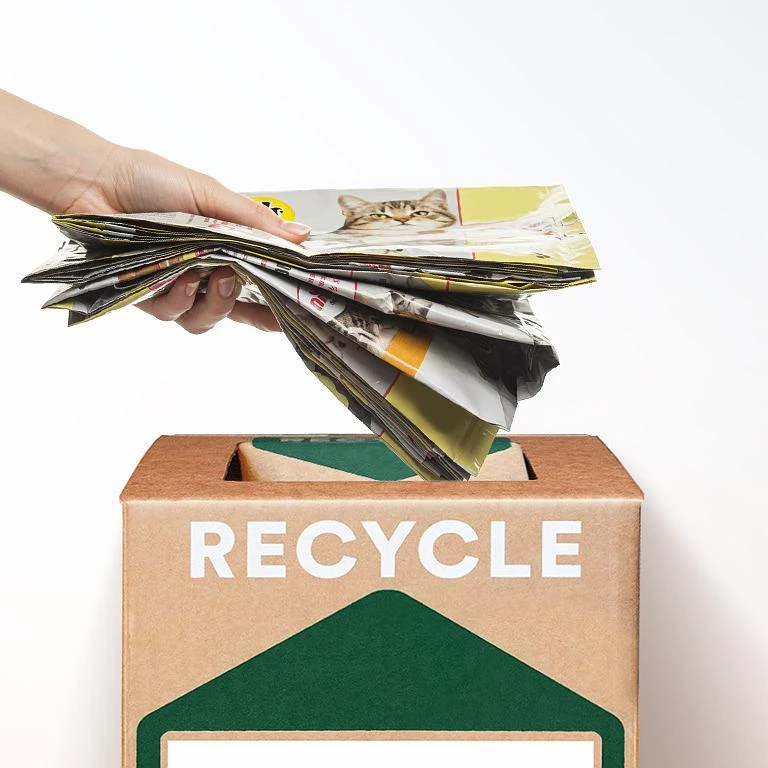
How to Recycle Pet Food Packaging Properly: Materials & Programs
PawVerde.com – Properly recycling pet food packaging requires understanding the materials used, preparing packaging correctly, and utilizing available recycling programs. Many pet food bags are composed of flexible plastics such as #4 LDPE (low-density polyethylene), which can be recycled through specific drop-off points, while multilayer packaging with aluminum foil layers presents challenges due to limited recyclability. Brand-led initiatives like TerraCycle and programs by Steve’s Real Food and Wellness® offer tailored recycling solutions. Following local recycling guidelines and participating in zero waste initiatives further enhances responsible disposal and waste reduction in the pet food sector.
Understanding Pet Food Packaging Materials and Their Recyclability
Pet food packaging primarily consists of flexible plastic films designed to protect product freshness and extend shelf life. The most common material is #4 LDPE plastic, known for its lightweight and flexible properties. This material is widely accepted at flexible plastic drop-off bins located at grocery and retail stores, making it one of the more recyclable pet food packaging materials.
However, many pet food brands incorporate multilayer packaging combining plastic with aluminum foil to create moisture and oxygen barriers. These multilayer bags, while effective for preservation, are generally not recyclable in municipal programs due to the difficulty of separating layers during processing. This type of packaging often lacks a straightforward recycling pathway, leading to disposal in landfill or incineration.
To address these challenges, packaging manufacturers and pet food companies are innovating with monomaterial designs—packaging made from a single type of recyclable plastic. Brands like Steve’s Real Food and Wellness® have introduced monomaterial pouches that simplify recycling and increase recovery rates. Monomaterial packaging aligns with the APR Design Guide principles and leverages testing protocols such as PET-CG-01 and PET-EE-02 to ensure recyclability compliance.
Step-by-Step Guide to Preparing Pet Food Packaging for Recycling
Proper preparation of pet food packaging is crucial to ensure it enters the recycling stream without contamination. Follow these steps to prepare your packaging correctly:
Time estimate: These steps typically take 2-3 minutes per package, but thorough cleaning is essential for recycling success.
Using Store Drop-Off Bins and Brand-Specific Recycling Programs
Many grocery and retail stores participate in flexible plastic recycling programs, accepting #4 LDPE bags and pouches through dedicated drop-off bins. Pet owners should locate these bins at stores such as Pet Supplies Plus or Wag N’ Wash, which often collaborate with recycling organizations.
For packaging that cannot be recycled locally, TerraCycle offers free drop-off programs specifically for pet food packaging. TerraCycle’s Zero Waste Box program collects flexible plastics, including multilayer pouches, and processes them into new products, closing the recycling loop. Brands like Steve’s Real Food and Wellness® partner with TerraCycle to provide consumers with branded recycling options, increasing convenience and participation rates.
When using these programs:
These programs significantly reduce landfill waste and promote circular economy principles within the pet food packaging sector.
Local Recycling Infrastructure and Guidelines
Recycling capabilities vary widely depending on regional infrastructure and regulations. In the UK, the On-Pack Recycling Label (OPRL) system helps consumers identify packaging recyclability, with specific symbols clarifying whether LDPE or PET materials are recyclable locally.
Platforms such as Recycle Check enable pet owners to verify which pet food packaging materials are accepted in their municipality. The Pet Sustainability Coalition and CEFLEX project also provide resources and advocacy for improving local recycling infrastructure and standardizing recycling protocols for flexible plastic packaging.
When assessing local recycling options, consider:
Understanding these variables helps pet owners select the best disposal method and avoid contaminating recycling streams.
Innovations and Future Trends in Sustainable Pet Food Packaging
The pet food industry is advancing toward sustainable packaging solutions to reduce environmental impact. Key trends include:
These efforts aim to increase circularity, reduce landfill reliance, and make pet food packaging more environmentally responsible.
Troubleshooting Common Issues in Recycling Pet Food Packaging
Despite best efforts, some pet owners encounter obstacles when recycling pet food packaging. Common issues and solutions include:
Adhering to preparation and disposal best practices minimizes rejection and maximizes recycling effectiveness.
Common Mistakes to Avoid When Recycling Pet Food Packaging
Pet owners should avoid these mistakes to ensure proper recycling:
Awareness of these pitfalls improves recycling outcomes and supports sustainability goals.
Alternative Disposal and Reuse Methods
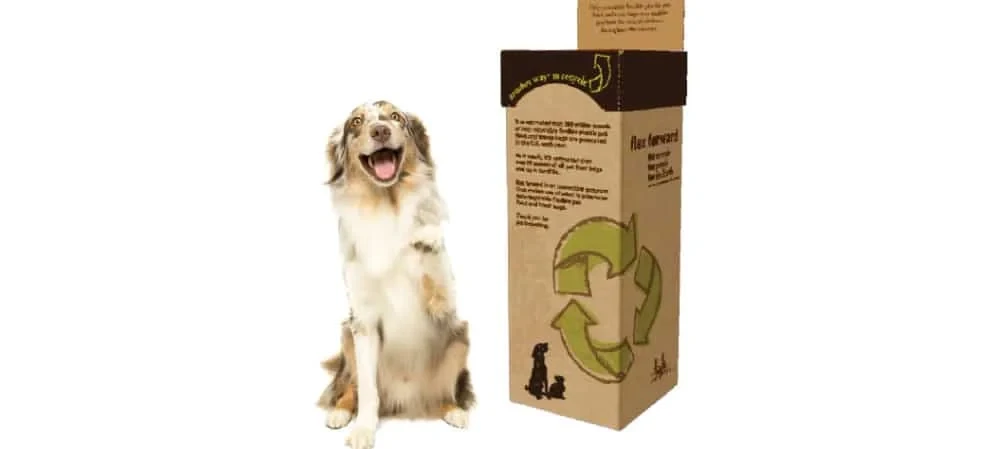
When recycling is not available, consider these alternatives:
These alternatives contribute to reducing environmental impact beyond recycling alone.
Frequently Asked Questions About Recycling Pet Food Packaging
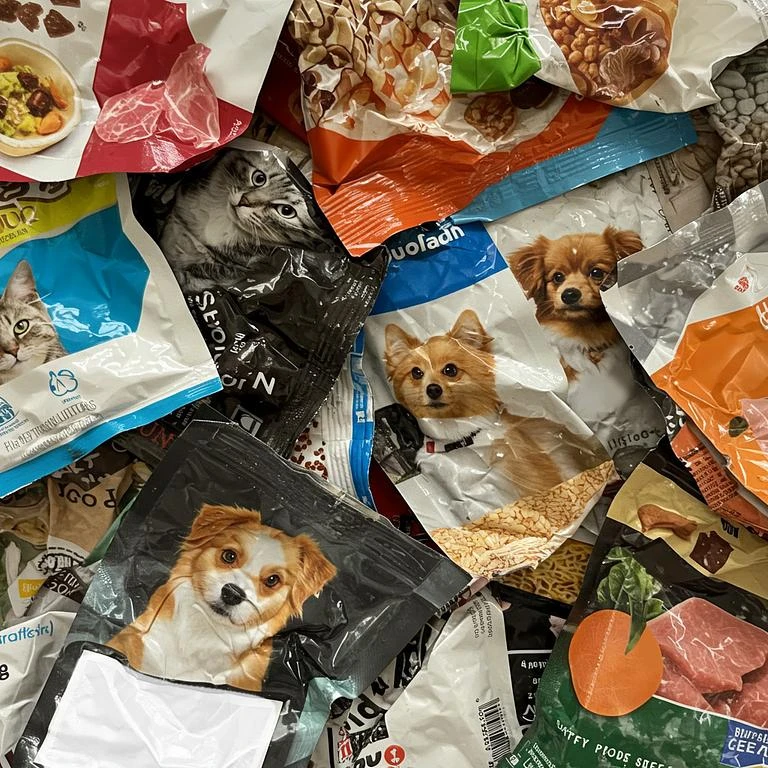
Can I recycle all pet food bags in my curbside bin?
Most curbside programs do not accept flexible plastic bags like #4 LDPE due to sorting limitations. Instead, use designated flexible plastic drop-off bins at stores or brand-specific recycling programs such as TerraCycle.
How do I know if my pet food packaging is recyclable?
Check for recycling symbols like #4 LDPE or PET resin codes on the packaging and refer to local recycling guidelines or platforms such as Recycle Check. Packaging with multilayer films or aluminum layers is often non-recyclable locally.
What should I do if my local area does not accept flexible plastic recycling?
Participate in TerraCycle’s free pet food packaging recycling programs or use brand-specific drop-offs provided by companies like Wellness® or Steve’s Real Food. These programs collect and process packaging that local facilities cannot handle.
Why is it important to clean and dry pet food packaging before recycling?
Residual food and moisture contaminate recycling streams, causing materials to be rejected or downgraded, which impedes recycling efficiency and increases landfill waste.
Are monomaterial pet food bags better for the environment?
Yes, monomaterial packaging is easier to recycle because it consists of a single plastic type, reducing sorting complexity and increasing recycling rates compared to multilayer composites.
—
Pet owners seeking to recycle pet food packaging effectively should prioritize cleaning and drying bags, identify recyclable materials, and leverage store drop-offs and TerraCycle programs. Staying informed about local recycling infrastructures and supporting sustainable packaging innovations will further contribute to reducing plastic waste in the pet food industry. Continued participation and advocacy for improved recycling systems are critical next steps for responsible pet food packaging disposal.
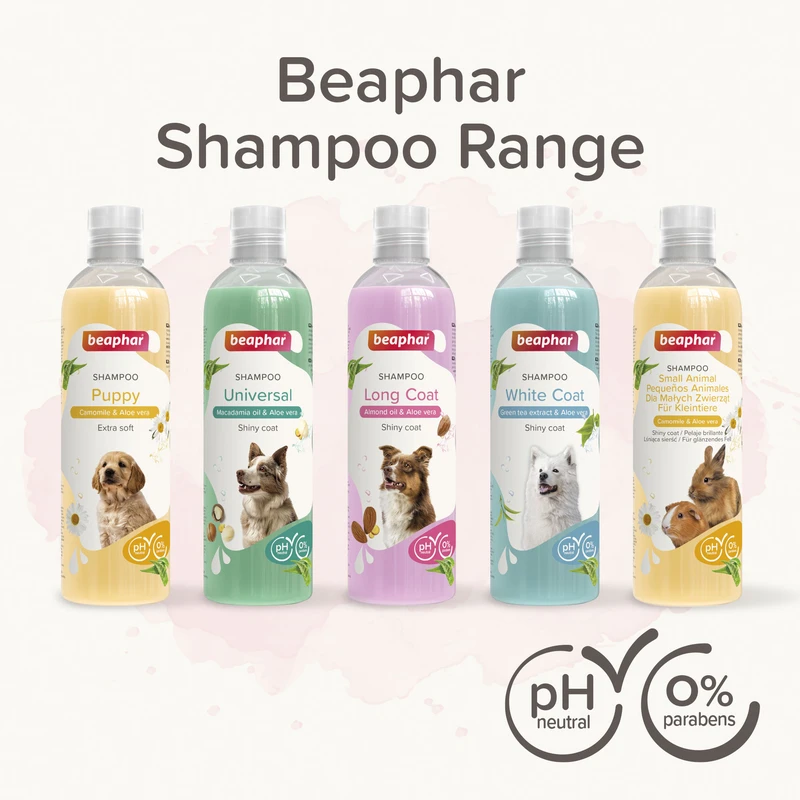
Differences Between Conventional and Natural Pet Shampoos Explained
PawVerde.com – Conventional pet shampoos frequently incorporate synthetic chemicals such as sulfates, formaldehyde-based preservatives, and artificial fragrances that have been linked to skin irritation, allergic reactions, and respiratory issues in pets. In contrast, natural pet shampoos utilize plant-derived ingredients like aloe vera, shea butter, and essential oils, which provide gentle cleansing and moisturizing benefits while minimizing chemical exposure. Brands like Shampoochie® exemplify this shift by offering sulfate-free, fragrance-free formulations aimed at pets with sensitive skin or allergies, emphasizing both health and environmental safety.
The chemical composition of pet shampoos directly influences pet skin health and environmental impact. Conventional shampoos typically rely on detergents such as sodium lauryl sulfate (SLS) and sodium laureth sulfate (SLES), which aggressively strip oils and can disrupt the skin barrier, leading to dryness and increased susceptibility to allergens. These shampoos often contain formaldehyde-releasing preservatives and synthetic fragrances, which are documented irritants that may provoke contact dermatitis and respiratory distress in sensitive animals. Conversely, natural pet shampoos favor plant-based surfactants and avoid harsh chemicals, instead incorporating moisturizing agents like aloe vera and shea butter to maintain skin hydration. Essential oils such as tea tree oil are included for their antimicrobial and insect-repellent properties, though their concentration must be carefully balanced to prevent potential toxicity or irritation.
Pet skin sensitivity varies widely, with many animals exhibiting allergic reactions to common shampoo additives found in conventional products. Studies in veterinary dermatology have noted increased incidences of contact dermatitis and pruritus linked to sulfates and artificial fragrance compounds. Natural shampoos reduce these risks by eliminating synthetic chemicals, offering hypoallergenic alternatives particularly beneficial for allergy-prone or sensitive pets. However, essential oils, while natural, require cautious use; tea tree oil, for instance, can cause adverse reactions if used in excessive concentrations or on compromised skin. Therefore, natural shampoos must balance efficacy with safety, often avoiding artificial insect repellents like permethrin in favor of gentle botanical extracts.
Environmental considerations also differentiate conventional and natural pet shampoos. Chemical residues from sulfates, formaldehyde releasers, and synthetic fragrances contribute to aquatic toxicity and bioaccumulation, posing risks to ecosystems when shampoo runoff enters waterways. Natural shampoos, especially those that are USDA organic certified, minimize environmental impact by utilizing biodegradable ingredients sourced from sustainable agriculture. The use of plant-based surfactants and moisturizers reduces chemical pollution, aligning with eco-conscious pet care trends. Moreover, organic certification entails rigorous standards ensuring that no synthetic pesticides or fertilizers are involved in ingredient cultivation, enhancing overall environmental safety.
Understanding the distinction between natural and organic pet shampoos requires attention to certification and ingredient sourcing. Natural shampoos generally avoid synthetic chemicals but may not undergo formal certification processes. Organic pet shampoos, in contrast, must meet USDA organic standards, verifying that at least 95% of ingredients are organically produced without synthetic additives or genetically modified organisms. This certification guarantees higher ingredient quality control and environmental stewardship. Consumers seeking the highest assurance of product purity and sustainability should prioritize USDA organic labeled products, which are subject to regular audits and testing.
Shampoochie® Natural Dog Soap exemplifies the natural pet shampoo category with a formulation free from sulfates, artificial fragrances, and chemical preservatives. Its ingredients include aloe vera for skin soothing, shea butter for moisturizing, and a precise blend of essential oils providing mild insect-repellent effects without harsh chemical irritants. The brand emphasizes environmentally responsible sourcing and packaging, appealing to pet owners who prioritize both animal health and ecological impact. User testimonials highlight improvements in pets’ skin condition, particularly in allergy-prone subjects, supporting the clinical rationale for natural formulations. Shampoochie® also addresses the need for transparency by listing all ingredients and adhering to strict quality controls.
The ongoing shift towards natural pet shampoos reflects growing awareness of chemical toxicity risks and environmental sustainability among pet owners. As research continues to elucidate the adverse effects of conventional shampoo ingredients on pet health, demand for plant-based, sulfate-free, and organic-certified products is anticipated to rise. Manufacturers are increasingly investing in formulations that leverage botanical extracts and essential oils while maintaining safety profiles verified by veterinary dermatologists. Future developments may include enhanced natural insect repellents and synergistic moisturizing complexes to further support pet skin health without compromising environmental integrity.
Ingredient Composition: Conventional vs Natural Pet Shampoos
Conventional pet shampoos often contain detergents like sodium lauryl sulfate (SLS) and sodium laureth sulfate (SLES) that create rich lather but are known for their skin-stripping properties. These sulfates disrupt the lipid barrier of pet skin, causing dryness and making the skin more vulnerable to allergens and irritants. Additional chemicals such as formaldehyde-releasing preservatives are employed to extend shelf life but have been linked to allergic reactions and respiratory irritation in both pets and humans exposed during grooming. Artificial fragrances mask chemical odors but frequently act as sensitizers, triggering contact dermatitis.
Natural pet shampoos replace these harsh ingredients with plant-derived surfactants that cleanse without excessive stripping. Aloe vera and shea butter are common moisturizers included to replenish skin lipids and support barrier function. Essential oils, particularly tea tree oil, offer antimicrobial and insect-repellent properties, although their use requires precise formulation to avoid irritation or toxicity. Unlike synthetic fragrances, natural pet shampoos avoid artificial scents, relying on the subtle aroma of botanical extracts. This approach reduces the risk of allergic reactions and promotes healthier skin microbiomes.
Health Impacts on Pets: Skin Sensitivity and Allergies
Veterinary dermatology research has identified sulfates and formaldehyde-based preservatives in conventional shampoos as common culprits in contact dermatitis and allergic responses. Pets with pre-existing conditions such as atopic dermatitis or sensitive skin are especially prone to flare-ups triggered by these chemicals. Symptoms include redness, itching, hair loss, and secondary infections. Artificial fragrances further exacerbate these issues by acting as allergens.
Natural shampoos mitigate these risks by excluding synthetic irritants and incorporating soothing agents like aloe vera, which has anti-inflammatory properties, and shea butter, which restores moisture. For pets with allergies or sensitive skin, natural formulas minimize exposure to chemical triggers. Nonetheless, essential oils require cautious application—tea tree oil, while effective against parasites, can cause adverse reactions if overused or applied to broken skin. Pet owners should select natural shampoos with balanced essential oil concentrations and consult veterinarians when introducing new products.
Environmental and Safety Considerations
Chemical runoff from conventional pet shampoos contributes to environmental pollution, affecting aquatic life due to the persistence and toxicity of sulfates and synthetic preservatives. These compounds can bioaccumulate, disrupting ecosystems and water quality. In contrast, natural pet shampoos employ biodegradable ingredients that break down more readily, reducing ecological footprint. Brands focusing on sustainability also choose packaging materials with lower environmental impact.
USDA Organic certification further ensures that natural pet shampoos meet stringent environmental criteria, including sustainable farming practices free from synthetic pesticides and fertilizers. This certification supports soil health and biodiversity, reinforcing the environmental benefits of organic pet care products. Consumers increasingly value these attributes, driving market growth for eco-friendly pet shampoos.
Differentiating Natural and Organic Pet Shampoos
Natural pet shampoos avoid harsh synthetic chemicals but lack standardized certification, leading to variability in ingredient sourcing and quality. Organic pet shampoos certified by USDA must contain a minimum of 95% organic ingredients, excluding synthetic pesticides, fertilizers, and genetically modified materials. This certification guarantees stringent quality control, traceability, and adherence to environmental sustainability.
ingredient transparency distinguishes organic products; labels disclose sourcing and certifications, enabling informed consumer choices. Natural shampoos may rely on plant-based components but do not guarantee organic cultivation or manufacturing standards. For pet owners prioritizing purity and eco-consciousness, organic shampoos offer verified assurances that natural products alone may not provide.
Case Example: Shampoochie® Natural Dog Soap
Shampoochie® Natural Dog Soap exemplifies the natural pet shampoo movement with a formulation free from sulfates, artificial fragrances, and chemical preservatives. Key ingredients include aloe vera for soothing inflamed skin, shea butter for deep moisturizing, and essential oils selected for their antimicrobial and insect-repellent properties. The product avoids formaldehyde releasers and synthetic fragrances, reducing allergic risks.
User reports indicate improvements in skin texture and reduced itching, especially in dogs with sensitive or allergy-prone skin. Shampoochie® emphasizes sustainable sourcing and biodegradable packaging, aligning product benefits with environmental responsibility. This brand highlights the growing consumer demand for chemical-free, eco-friendly pet grooming solutions that prioritize both animal health and ecological stewardship.
FAQ
What are the main chemical risks associated with conventional pet shampoos?
Conventional pet shampoos commonly contain sulfates like sodium lauryl sulfate, formaldehyde-based preservatives, and artificial fragrances. These chemicals can disrupt the skin barrier, cause dryness, trigger allergic reactions such as contact dermatitis, and even provoke respiratory irritation in sensitive pets.
How do natural pet shampoos benefit pets with sensitive skin?
Natural pet shampoos use plant-based ingredients such as aloe vera and shea butter that soothe and moisturize the skin, reducing irritation. They avoid synthetic chemicals and artificial fragrances, lowering the risk of allergic reactions. However, essential oils included must be used carefully due to potential sensitivity.
Are all natural pet shampoos USDA organic certified?
No, natural pet shampoos are not necessarily USDA organic certified. Organic certification requires at least 95% organic ingredients and adherence to strict cultivation and manufacturing standards. Many natural shampoos do not undergo this certification, making organic products a higher standard for purity and environmental sustainability.
Can essential oils in pet shampoos be harmful?
Essential oils like tea tree oil provide antimicrobial and insect-repellent benefits but can cause irritation or toxicity if used at high concentrations or on damaged skin. Formulations must balance efficacy with safety, and pet owners should monitor for adverse reactions.
How do natural pet shampoos impact the environment compared to conventional ones?
Natural pet shampoos typically use biodegradable, plant-based ingredients that reduce water pollution and ecological toxicity. Conventional shampoos often contain persistent synthetic chemicals that can bioaccumulate and harm aquatic ecosystems. Organic certifications further ensure environmentally responsible ingredient sourcing and production.
The evolving landscape of pet grooming products reflects increasing prioritization of pet health and environmental sustainability. As awareness grows regarding the hazards posed by synthetic chemicals in conventional shampoos, natural and organic alternatives are positioned to dominate the market. Pet owners seeking to protect sensitive skin and reduce ecological impact should evaluate ingredient composition carefully and consider USDA organic-certified products when possible. Emerging research and product innovation will likely enhance the safety and efficacy of natural pet shampoos, providing more effective and environmentally sound options for pet care in the coming years.

How to Source Materials Sustainably for Pet Projects
PawVerde.com – Sourcing materials sustainably for pet projects means prioritizing eco-friendly pet food made from organic or insect-based proteins, selecting toys and bedding crafted from natural, biodegradable materials like hemp and organic cotton, choosing brands with transparent sustainable supply chains, and opting for recyclable or compostable packaging to minimize environmental impact. Consumer demand for sustainability in the pet industry has surged, with over half of pet owners seeking products that reduce plastic waste and carbon footprints. Leading organizations such as the Pet Sustainability Coalition and brands like Healthy Pet and Project Sudz exemplify current best practices in sustainable sourcing, product design, and packaging innovation.
Environmental Impact and Consumer Demand in Sustainable Pet Care
Conventional pet products contribute significantly to environmental degradation through plastic waste, high water usage, and carbon emissions. For instance, plastic packaging in pet food and accessories accounts for a large share of non-recyclable waste in landfills. The World Pet Association reports that pet product packaging contributes to an estimated 1.5 million tons of plastic waste annually in the United States alone. This environmental cost has propelled consumers toward eco-conscious alternatives, with surveys indicating that more than 50% of pet owners now prioritize sustainability in their purchasing decisions.
Pet owners increasingly seek products verified by certifications such as B Corp, GOTS (Global Organic Textile Standard), and Ecocert, which validate transparent supply chains and environmental stewardship. The Pet Sustainability Coalition advocates for comprehensive sustainability standards, including ethical ingredient sourcing, water conservation, and waste reduction, shaping industry-wide shifts toward greener pet care.
Ethically Sourced Sustainable Pet Food
sustainable pet food sourcing hinges on selecting ingredients that reduce ecological footprints while supporting animal welfare. Organic pet food, produced without synthetic pesticides and fertilizers, reduces soil and water contamination. Local sourcing decreases transportation emissions and supports regional economies. Additionally, insect-based proteins such as black soldier fly larvae and mealworms have emerged as viable alternatives to traditional meat, offering high nutritional value with substantially lower greenhouse gas emissions and water use.
Brands like Healthy Pet integrate these sustainable ingredients into their formulations, coupling them with minimalistic, recyclable packaging to reduce waste. Project Sudz innovates further by creating waterless pet care products that significantly cut down packaging volume and pollution. Transitioning pets to greener diets requires gradual adaptation to prevent digestive issues, with many experts recommending incremental introduction of sustainable ingredients alongside conventional options.
Natural and Biodegradable Materials for Pet Toys and Bedding
sustainable pet toys and bedding prioritize materials that biodegrade naturally without releasing toxins. Common eco-friendly fibers include hemp, organic cotton, wool, and bamboo, all renewable and cultivated with minimal pesticide use. Hemp stands out for its durability and low water requirements during cultivation. Recycled fabrics, including repurposed polyester and nylon, contribute to circular material flows, reducing reliance on virgin resources.
Durability is a critical sustainability factor. Long-lasting toys reduce the frequency of replacement, lowering resource consumption and waste. Brands such as Critters Cat Toys and Good Dog Company exemplify this approach by offering products made from organic fibers and natural dyes, tested for longevity and safety.
Avoiding greenwashing requires scrutiny of claims and certifications. Genuine sustainable brands provide transparent sourcing information and third-party certifications. Consumers are also encouraged to explore DIY and repurposing options, such as making pet toys from scrap fabrics or old garments, contributing to zero-waste pet care practices.
Innovations in Sustainable Packaging and Waste Reduction
Packaging remains a major environmental challenge in pet care. Compostable alternatives to plastic packaging include cardboard boxes, paper pouches, and cornstarch-based films, all capable of biodegrading under industrial composting conditions. Several brands have adopted compostable packaging to meet consumer demand and regulatory pressures.
Recyclability is equally important. Clear labeling on packaging guides consumers to proper disposal methods, enhancing recycling rates. The AWPOO Dog Bag Holder, for example, utilizes recycled plastics and compostable waste bags to mitigate landfill contributions.
Waterless pet care products and concentrated sprays represent cutting-edge innovations that reduce packaging volume and resource use. By eliminating water as a carrier, these products lower transportation emissions and extend shelf life without preservatives. Project Sudz’s waterless shampoo bars demonstrate the viability of this approach, combining solid formulations with minimal, recyclable packaging.
Sustainable Materials for Pet Accessories and Gear
Pet accessories such as collars, leashes, and feeding bowls benefit from sustainable material choices that enhance product longevity and reduce environmental impact. Recycled fabrics and fibers—sourced from post-consumer waste—are increasingly popular for fabric-based accessories. Bamboo offers a rapidly renewable alternative for items like feeding mats and bedding bases due to its fast growth cycle and minimal chemical requirements.
Stainless steel remains a preferred material for pet bowls and feeders because of its durability, recyclability, and resistance to corrosion. Investing in washable, long-lasting gear reduces disposable consumption and landfill waste. Brands emphasizing durability and sustainability often provide repair or recycling programs, further extending product lifecycle.
Water and Resource Conservation in Pet Care Practices
Water conservation extends beyond product formulation to grooming and waste management. Water-saving grooming methods, such as dry shampoos, waterless sprays, and grooming wipes, reduce water consumption and wastewater production. Project Sudz’s waterless pet care line exemplifies this trend, enabling effective cleaning while conserving water resources.
Innovative reuse of pet fur also contributes to sustainability. Organizations repurpose shed fur into insulation materials or oil spill remediation products, transforming pet waste into valuable resources. These initiatives underscore the potential for circular economy models within the pet care sector.
Transparency and Certification in Supporting Sustainable Pet Brands
Consumers seeking sustainable pet products must navigate a complex marketplace rife with unverified claims. Transparency reports and third-party certifications provide reliable indicators of environmental responsibility. B Corp certification assesses companies on social and environmental performance, accountability, and transparency, while GOTS and Ecocert focus on organic and ecological textile standards.
Brands leading sustainability innovation include Healthy Pet, Project Sudz, Good Dog Company, and Critters Cat Toys. These companies publicly disclose sourcing origins, manufacturing processes, and environmental impact data, fostering consumer trust. The David Suzuki Foundation and Pet Sustainability Coalition support these efforts by providing guidelines and advocating for industry-wide adoption of sustainable practices.
Marketing strategies increasingly emphasize sustainability narratives, encouraging consumers to prioritize eco-conscious purchasing decisions. Consumer advocacy amplifies demand for sustainable products, pressuring manufacturers to adopt greener supply chains and material selections.
Integrating Sustainable Practices into Pet Projects: Practical Steps
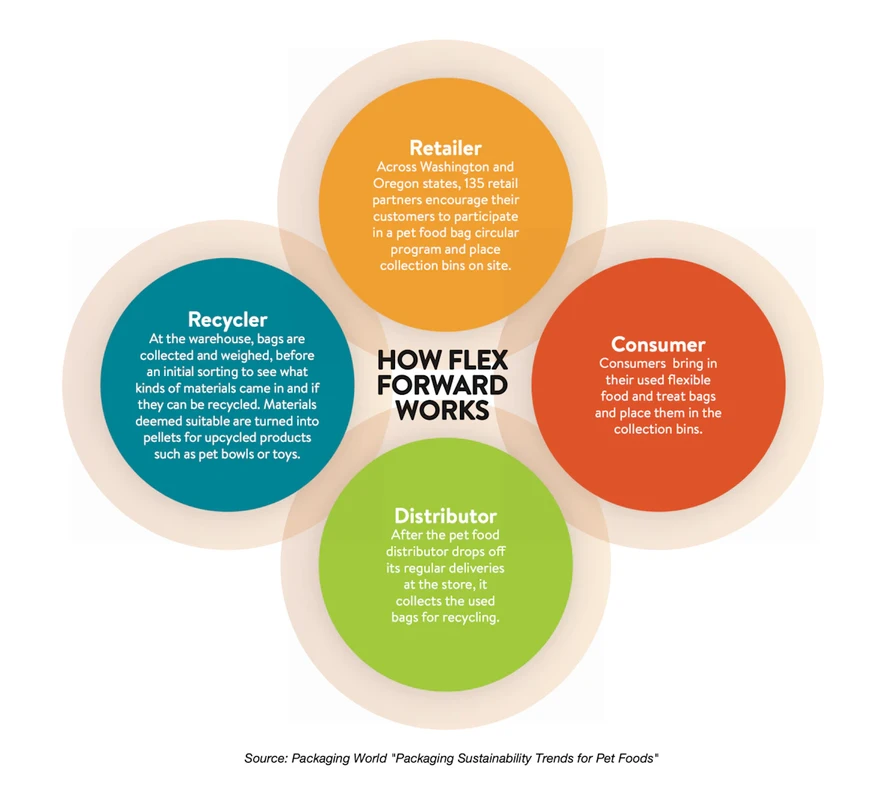
Pet owners and project developers can adopt multiple strategies to source materials sustainably. First, prioritize purchasing pet food with organic, local, or insect-based ingredients certified by recognized bodies. Second, select toys and bedding made from natural fibers such as hemp and organic cotton, verifying brand transparency and durability. Third, opt for products packaged in compostable or recyclable materials, disposing of packaging responsibly.
Additionally, embracing DIY approaches by repurposing household textiles into pet toys aligns with zero-waste principles. Incorporating water-saving grooming techniques and supporting brands with waterless care products contributes to resource conservation.
Long-term benefits of sustainable sourcing include reduced environmental impact, potential cost savings through durable product use, and fostering a healthier ecosystem for pets and their owners. As the pet industry continues evolving, integrating sustainability at every stage—from ingredient sourcing to packaging—will become a defining standard of responsible pet care.
| Sustainable Pet Material | Environmental Benefit | Example Brands/Products | Certification/Standard |
|---|---|---|---|
| Organic, Locally Sourced Pet Food | Reduces pesticide use, lowers carbon footprint | Healthy Pet, Local Farms | B Corp, USDA Organic |
| Insect-Based Proteins | Low greenhouse gas emissions, minimal water use | Protix, Ynsect | Novel Food Approvals |
| Hemp and Organic Cotton Toys | Biodegradable, renewable cultivation | Good Dog Company, Critters Cat Toys | GOTS, Ecocert |
| Compostable Packaging | Decomposes in industrial composting, reduces landfill waste | Project Sudz, AWPOO Dog Bag Holder | Certified Compostable (ASTM D6400) |
| Recycled Fabric Accessories | Reduces virgin resource extraction | Patagonia Pet Gear | Recycled Content Certification |
FAQ
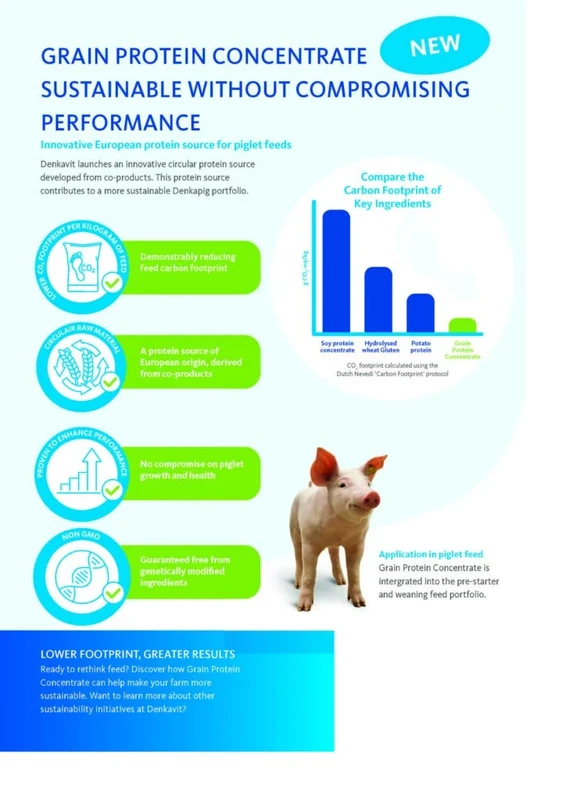
What are the most sustainable materials for pet toys?
Sustainable pet toys are typically made from natural, biodegradable fibers such as hemp, organic cotton, wool, and bamboo. These materials are renewable, require fewer pesticides, and decompose naturally without releasing harmful substances. Toys made from recycled fabrics also contribute to sustainability by repurposing waste.
How can I identify truly eco-friendly pet food?
Look for pet food brands that use organic and locally sourced ingredients or incorporate insect-based proteins, which have lower environmental footprints. Certifications like USDA Organic, B Corp, and third-party ingredient audits provide additional assurance. Minimal and recyclable packaging is also a key indicator of eco-conscious production.
Are compostable pet product packaging options reliable?
Yes, compostable packaging made from cardboard, paper pouches, or cornstarch-based materials effectively biodegrades under industrial composting conditions. Certified compostable packaging (e.g., ASTM D6400) ensures the material meets standards for decomposition, reducing landfill waste when properly disposed of.
What water-saving pet care products are available?
Waterless pet shampoos, grooming wipes, and concentrated sprays reduce water use during pet grooming. Brands like Project Sudz offer solid shampoo bars and waterless formulas that clean effectively without requiring rinsing, lowering water consumption and packaging needs.
How do sustainable pet brands ensure transparency?
Sustainable pet brands provide detailed sourcing information, publish sustainability reports, and obtain certifications such as B Corp, GOTS, and Ecocert. These measures verify ethical ingredient sourcing, environmental impact reduction, and social responsibility, helping consumers make informed choices.
—
Continued innovation in sustainable pet materials and supply chains is critical as consumer awareness grows. Pet owners can drive change by prioritizing eco-friendly products, supporting brands with transparent practices, and adopting resource-conserving pet care habits. The integration of sustainable sourcing into pet projects not only mitigates environmental harm but also fosters resilient, ethical pet care ecosystems poised for future advancements.
Private vs Public Pet Adoption: Key Pros and Cons Explained
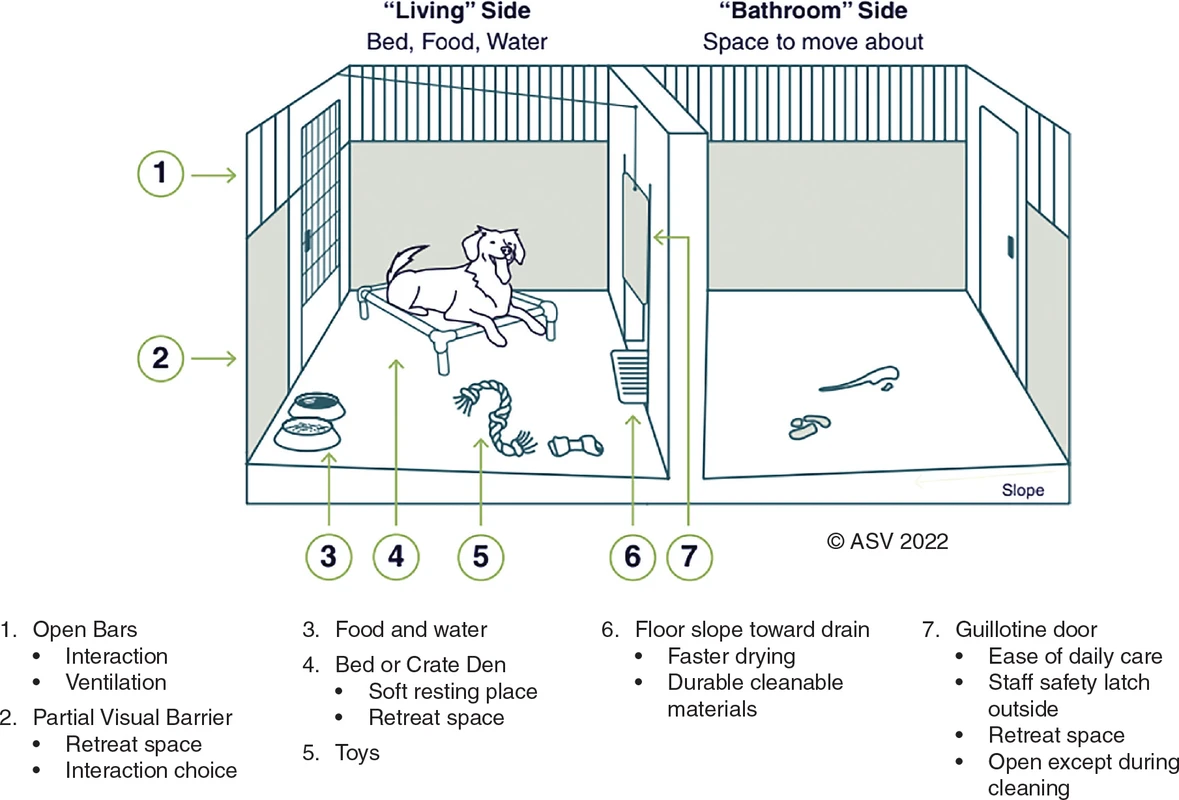
PawVerde.com – Private and public pet adoption represent two primary avenues for acquiring companion animals, each with distinct benefits and challenges. Understanding these differences is essential for prospective adopters aiming to make informed, ethical decisions that align with their lifestyle, budget, and values. public animal shelters often operate at larger scales, housing diverse populations of pets ranging from mixed breeds to animals with special needs, typically offering lower adoption fees inclusive of veterinary services such as vaccinations, microchipping, and spay/neuter procedures. In contrast, private rescue organizations tend to work with smaller groups, providing personalized care, in-depth knowledge of each pet’s behavioral and medical history, and more rigorous screening processes for adopters.
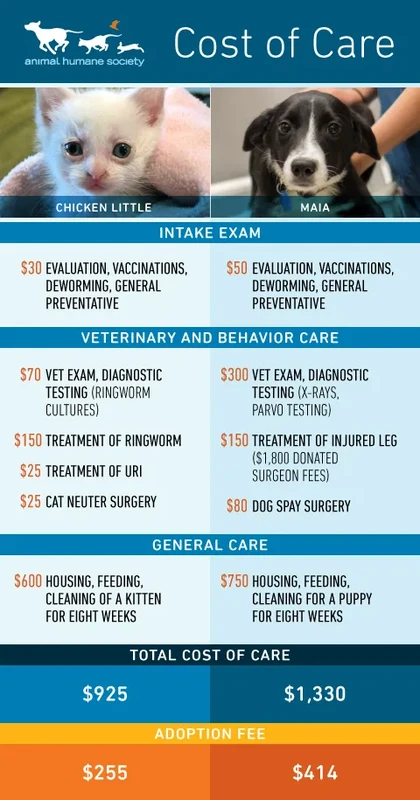
Choosing between private and public pet adoption involves weighing cost, health history, and ethical factors: private rescues often provide personalized care, vetting, and return flexibility, while public shelters offer lower fees and help reduce overpopulation but may have less detailed pet backgrounds. These options differ significantly in terms of pet selection, health guarantees, and adoption policies, making it crucial to evaluate individual priorities before committing.
Benefits of Public (Shelter) Pet Adoption
Public shelters and municipal animal control facilities play a critical role in managing pet overpopulation and providing refuge for surrendered, stray, or abused animals. One of the most significant impacts of public shelter adoption is the direct contribution to reducing shelter overcrowding and euthanasia rates. According to national animal welfare statistics, shelters in the United States collectively save millions of animals annually, with adoption fees frequently covering essential veterinary care that lowers upfront costs for adopters.
Adoption fees at public shelters typically include vaccinations, spaying or neutering, and microchipping, which are essential for preventing disease spread and unwanted litters. This bundled veterinary care lowers the financial barrier to pet ownership and ensures that adopted animals enter homes with baseline health protections. Moreover, shelters offer pets of all ages and sizes, including adult and senior animals, which often have lower adoption fees than puppies or kittens.
Mixed breed dogs, commonly found in shelters, tend to exhibit greater genetic diversity, which can reduce the likelihood of inherited health problems compared to purebred animals. This genetic advantage often translates into fewer veterinary expenses over the pet’s lifetime. Public shelters also implement community-focused policies that support rehoming efforts and provide ongoing resources to adopters, such as behavioral training referrals and low-cost veterinary clinics, enhancing the long-term success of adoptions.
Benefits of Private Rescue Pet Adoption
Private rescue organizations and breed-specific rescues operate on a smaller scale but offer highly individualized care and attention to each animal. These groups often have fewer pets available at any given time, allowing for thorough medical evaluations and detailed documentation of each animal’s personality, behavioral history, and special needs. This level of detail enables prospective adopters to match with pets that fit their lifestyles more precisely.
Adoption screening processes in private rescues tend to be more rigorous, involving home visits, interviews, and follow-ups, which can improve adoption outcomes by ensuring compatibility and preparedness. Furthermore, many private rescues offer flexible return policies, recognizing that adopter circumstances may change and providing a safety net that protects both the pet and the adopter.
Breed-specific rescues, such as those affiliated with the Bernese Mountain Dog Club of America or the Bulldog Club of America, specialize in purebred animals and often collaborate with certified breeders who adhere to stringent health and ethical standards. These partnerships facilitate access to well-vetted pets with documented pedigrees and health guarantees, appealing to adopters seeking specific breeds without supporting puppy mills.
Challenges and Limitations of Public Shelter Adoption
While public shelters provide critical services, they face challenges that can affect adopters’ experiences. Overcrowding is a persistent issue, with many shelters operating at or beyond capacity. This strain can limit the time and resources available for individualized pet care, leading to less comprehensive behavioral assessments or incomplete medical histories.
Shelters often accept all animals regardless of health or behavior, which means some pets may require significant post-adoption training, socialization, or medical treatment. Limited staff and volunteer resources can result in faster adoption processes, sometimes at the expense of thorough adopter screening or matching.
Additionally, adopters may encounter a narrower selection of purebred pets or pets with specific traits, as shelters predominantly house mixed-breed or stray animals. The lack of detailed behavioral and medical backgrounds can introduce uncertainty, requiring adopters to invest time and effort in ongoing training and veterinary care.
Challenges and Limitations of Private Rescue Adoption
Private rescues, despite their advantages, face distinct operational constraints. Due to smaller intake capacities and reliance on donations and volunteer labor, these organizations may have limited availability of pets, creating longer wait times for prospective adopters. The intensive screening and matching process, while beneficial for adoption success, can be perceived as cumbersome or restrictive.
Resource limitations may impact the extent of veterinary care or rehabilitation provided prior to adoption, particularly for rescues without stable funding. Private rescues may also lack the infrastructural support of larger shelters, making them vulnerable to fluctuations in volunteer engagement or donation levels, which can affect adoption services and follow-up support.
Comparison with Buying from Breeders
Purchasing pets from breeders offers advantages such as breed predictability, controlled genetics, and health guarantees backed by certifications. Certified breeders, adhering to standards set by organizations like the Bernese Mountain Dog Club of America or the Bulldog Club of America, often provide detailed pedigrees and vetting procedures, including genetic testing to minimize hereditary disorders.
However, buying from breeders typically involves significantly higher costs, including purchase prices and ongoing care for breed-specific health issues. Ethical considerations also arise, as some breeders contribute to pet overpopulation or prioritize profit over animal welfare, exacerbating shelter overcrowding.
In contrast, adopting from shelters or rescues supports animal welfare initiatives and reduces the demand for commercial breeding operations. Mixed breed pets from adoption sources tend to have fewer inherited health problems and often display more varied temperaments, which can be advantageous for certain owners.
| Aspect | Public Shelter Adoption | Private Rescue Adoption | Buying from Breeders |
|---|---|---|---|
| Cost | Lower adoption fees, inclusive of basic vet care | Moderate fees, sometimes higher due to specialized care | High purchase price plus additional health costs |
| Pet Selection | Wide variety, mostly mixed breed, all ages | Smaller pool, often breed-specific or special needs | Purebred with pedigree and health guarantees |
| Health & Vetting | Basic vetting included; histories may be incomplete | Comprehensive vetting, detailed medical histories | Extensive health screening, genetic testing |
| Adoption Process | Generally quicker, less rigorous screening | Lengthier, strict screening and matching | Direct sale, minimal screening |
| Ethical Considerations | Supports reducing overpopulation, euthanasia prevention | Supports specialized care and rescue efforts | Risk of contributing to overpopulation if unethical |
| Return Policy | Varies, often limited | More flexible, with adopter support | Usually no returns or exchanges |
Ethical and Practical Considerations in Choosing a Pet
Supporting animal welfare through adoption addresses the critical issue of pet overpopulation, which results in millions of animals being euthanized annually. Choosing adoption over purchasing from commercial breeders reduces demand for unethical breeding practices and promotes responsible pet ownership.
Matching a pet’s temperament, energy level, and care requirements with the adopter’s lifestyle is essential for long-term success. Private rescues’ detailed behavioral profiles facilitate this alignment, while public shelters may require adopters to invest more effort in understanding their new pet’s needs.
Commitment to lifelong care, including veterinary maintenance, training, and socialization, is a non-negotiable aspect of ethical pet acquisition. Adopters must evaluate their capacity to provide stable, loving homes regardless of the source.
FAQ
What are the main differences between private and public pet adoption?
Private pet adoption involves smaller rescue groups with personalized care, detailed pet histories, and stricter adopter screening. Public pet adoption occurs through animal shelters with larger pet populations, generally lower fees, and broader availability but sometimes less detailed information on each animal.
Are adoption fees from shelters cheaper than private rescues?
Yes, public shelter adoption fees are typically lower and often include vaccinations, spay/neuter, and microchipping. Private rescues may charge higher fees reflecting the additional care, medical treatment, and screening they provide.
Do private rescues offer better behavioral matching than shelters?
Generally, yes. Private rescues usually have detailed knowledge of a pet’s personality and conduct thorough screening to match adopters, which can lead to better behavioral outcomes post-adoption.
Is adopting a mixed breed healthier than buying a purebred dog?
Mixed breed pets often benefit from greater genetic diversity, which can reduce the risk of inherited health problems common in some purebred lines. However, health also depends on the individual animal’s history and care.
Can I return a pet if adoption doesn’t work out?
Return policies vary; private rescues tend to offer more flexible return or exchange options to support adopters, whereas public shelters may have more limited or strict return policies.
As the pet adoption landscape continues to evolve, prospective owners are encouraged to assess their priorities critically, considering health, ethical implications, and long-term commitment. Both private rescue and public shelter adoption offer viable pathways to providing loving homes for animals in need, with each option carrying distinct practical and moral considerations. Future trends indicate increasing collaboration between breeders, rescues, and shelters to promote responsible pet acquisition and enhance animal welfare standards nationwide.

Petco Love and Abby’s Angels Lead 2026’s Top Adopted Pets Success
PawVerde.com – In 2026, a wave of successful pet adoptions across the United States has highlighted the crucial role of animal welfare organizations in transforming lives for both pets and families. This year alone, groups such as Abby’s Angels Animal Haven, Petco Love, and Operation Kindness have facilitated thousands of adoptions, bringing pets like Demon, Anna, Yuki, and Sparta into loving homes. Petco Love’s database has surpassed 25,000 documented adoption stories, underlining the emotional and social benefits adoption brings. Specialized support for senior dogs, often facing adoption rates near 25%, has been bolstered by initiatives from the PEDIGREE Foundation and Muttville, reflecting a growing commitment to these vulnerable animals.
Demon, Plum, and Freckles, young dogs rescued from a neglected environment by Abby’s Angels Animal Haven, exemplify the comprehensive rehabilitation process that leads to successful adoption. After rescue, each underwent veterinary treatment, spay/neuter surgeries, and weeks of socialization in foster homes designed to prepare them for integration into family life. Their story culminated in adoption events held in collaboration with local partners, securing permanent homes for all three. Freckles, noted for overcoming initial behavioral anxiety, now thrives in a suburban household, demonstrating the efficacy of targeted behavioral support programs.
Similarly, Anna and Yuki’s adoption journey, documented through Petco Love Stories, showcases the profound impact pets have on family dynamics. Adopted from a Petco Love-supported shelter, these two dogs were integrated into a family with children, where they serve as emotional anchors and contribute positively to mental well-being. Their adopters credit the shelter’s thorough pre-adoption counseling and post-adoption behavioral guidance for smoothing the transition. This case is among the many that illustrate how well-managed adoption programs extend benefits beyond the animals to adopters themselves.
Operation Kindness, a Texas-based organization, has reported a significant increase in successful cat adoptions this year, with 33 cats rehomed in January alone. Sparta, a once-feral cat, became a symbol of the organization’s dedication to socializing and rehabilitating shelter cats. After receiving treatment for feline upper respiratory infections and participating in Operation Kindness’ behavioral foster program, Sparta was adopted into a home that continues to support her ongoing medical needs. The organization’s community outreach, including free vaccination and spay/neuter clinics, has been instrumental in reducing shelter overcrowding and improving pet health outcomes.
Senior dog adoption remains a challenging yet increasingly prioritized area in animal welfare. Organizations like the PEDIGREE Foundation have intensified efforts to raise awareness and provide resources tailored to older animals, whose adoption rate remains around 25%, significantly lower than that of younger pets. Muttville, a San Francisco-based senior dog rescue, has expanded its enrichment programs, including cognitive stimulation and mobility support, to improve quality of life and adoption appeal. These initiatives have contributed to a 15% increase in senior dog adoption rates nationwide compared to previous years, according to data compiled from multiple humane societies including the Humane Society of Northeast Georgia and Saving Grace NC.
Animal welfare organizations are not only facilitating adoptions but also implementing comprehensive community engagement strategies. Abby’s Angels Animal Haven and Family Dog Rescue have hosted multiple adoption events this year that include veterinary checkups, behavioral assessments, and educational workshops for prospective adopters. These events aim to reduce return rates by equipping new owners with knowledge and support. The Behavioral Foster Team program, active in several states, provides temporary foster care focused on behavioral rehabilitation, enabling pets with anxiety or trauma to adjust before adoption.
The emotional and psychological benefits of pet adoption have been repeatedly emphasized by adopters and supported by empirical observations. Many families report enhanced emotional resilience, reduced stress, and improved social interaction as direct outcomes of adopting shelter pets. This phenomenon is particularly noted in cases involving senior pets and animals rescued from traumatic circumstances. The Humane Society of North Myrtle Beach and Cat Town Oakland have documented numerous instances where adopted pets like Colby, a cat recovering from hepatic lipidosis, have contributed to the mental and emotional well-being of their adopters.
Despite these successes, challenges persist in the pet adoption landscape. Senior pets continue to face lower adoption rates due to misconceptions about their health and adaptability. Medical issues and behavioral challenges remain barriers, requiring shelters to invest in veterinary care and specialized training programs. Education efforts at community levels and conferences such as the Texas Unites for Animals Conference play a pivotal role in addressing these obstacles by sharing best practices and fostering collaboration among rescue organizations.
Looking ahead, the animal welfare sector anticipates continued growth in adoption rates fueled by ongoing advocacy, fundraising, and community partnerships. Planned events throughout 2026 aim to increase public awareness and facilitate connections between pets and prospective owners. Organizations like Petco Love and Operation Kindness are expanding their programs to include pet food pantries and senior adoption support, reflecting a holistic approach to animal welfare that extends beyond adoption. The integration of behavioral and medical support services remains a cornerstone of these efforts, ensuring that more pets not only find homes but thrive within them.
| Organization | Key Program | Impact Metric | Notable Pet |
|---|---|---|---|
| Abby’s Angels Animal Haven | Rescue & Behavioral Rehabilitation | 100+ pets adopted; 3-week socialization program | Demon, Freckles |
| Petco Love | Adoption Story Archive & Counseling | 25,000+ Love Stories; Family integration support | Anna and Yuki |
| Operation Kindness | Cat Socialization & Community Clinics | 33 cat adoptions in January; Free spay/neuter clinics | Sparta (cat) |
| PEDIGREE Foundation / Muttville | Senior Dog Adoption & Enrichment | 15% increase in senior dog adoptions nationally | Multiple senior dogs supported |
The comprehensive approaches adopted by these organizations demonstrate how targeted interventions—ranging from foster care and behavioral training to community health initiatives—can significantly improve adoption outcomes. With continued innovation and collaboration, the animal welfare community aims to sustain this momentum, addressing remaining challenges and expanding the transformative impact of pet adoption nationwide.
How Pet Waste Recycling Programs Cut Pollution and Boost Sustainability
PawVerde.com – Pet waste recycling programs and PET plastic recycling initiatives are transforming environmental management within the pet care industry by reducing landfill burden and promoting circular economy practices. Pet waste disposal systems employ enzyme- and bacteria-driven technologies to safely break down animal waste into odorless, harmless liquids that enrich soil, while PET recycling involves collecting, sorting, cleaning, and reprocessing polyethylene terephthalate (PET) plastics into new consumer products. Industry coalitions, such as the PET Recycling Coalition and Pet Sustainability Coalition (PSC), alongside major corporations and retailers including Hill’s pet nutrition, PetSmart, and Petco, are driving innovation and expanding recycling acceptance for flexible pet food packaging, which traditionally faces recycling challenges. These efforts contribute to measurable reductions in plastic pollution and resource consumption, aligning pet product packaging with broader sustainability and circular economy goals.
Mechanisms of Pet Waste Recycling Systems
pet waste recycling systems utilize biological processes based on bacteria and enzymes to decompose animal waste into environmentally safe substances. These systems, often embedded in-ground or installed in parks and residential areas, convert pet waste into odorless liquids absorbed by surrounding soil, preventing contamination of waterways. Richland County in South Carolina operates one of the earliest municipal programs incorporating in-ground enzymatic disposal units in public dog parks, supported by technical guidance from USDA Natural Resources Conservation Service (NRCS). These systems mitigate environmental hazards associated with traditional pet waste disposal, such as pathogen spread and nutrient runoff, by maintaining aerobic conditions that accelerate biodegradation.
Safety is paramount in pet waste recycling. Studies indicate that enzyme-based systems effectively neutralize harmful bacteria, including E. coli and parasites, when maintained at optimal moisture and temperature levels. This biological treatment prevents the accumulation of ammonia and methane gases commonly generated in landfill-bound pet waste. Furthermore, these systems align with environmental stewardship protocols by reducing plastic bag waste traditionally used for pet waste collection, thereby lowering plastic pollution.
The PET Recycling Process: Technologies and Innovations
Polyethylene terephthalate (PET) is a widely recyclable plastic, constituting a significant portion of post-consumer packaging in the pet food and products sector. The PET recycling process begins with collection through curbside or store drop-off programs, followed by sorting using advanced near-infrared (NIR) optical sorting technologies that separate PET from other plastics and contaminants. Cleaning processes remove labels, adhesives, and residual food, ensuring high-purity recycled PET (rPET). Subsequent mechanical recycling melts and reforms PET into pellets for manufacturing new bottles, textiles, or packaging materials.
Innovations such as chemical recycling, also known as depolymerization, are gaining traction in the industry. This technology breaks PET down into its monomer components, enabling purification from contaminants and enabling bottle-to-bottle recycling with minimal degradation. Companies like Peel Plastics and Morris Packaging are pioneering chemical recycling applications tailored for flexible pet food packaging, which historically faced limitations in mechanical recycling due to multilayer films and adhesives.
The integration of AI-enhanced sorting systems, developed through partnerships with entities such as Closed Loop Partners and the Association of Plastic Recyclers, further improves sorting accuracy and throughput, reducing contamination rates and expanding recycling capacity. These technological advances support the circular economy by increasing rPET quality and market demand, enabling pet product manufacturers to incorporate higher recycled content sustainably.
Industry-Led Initiatives Advancing Pet Packaging Recycling
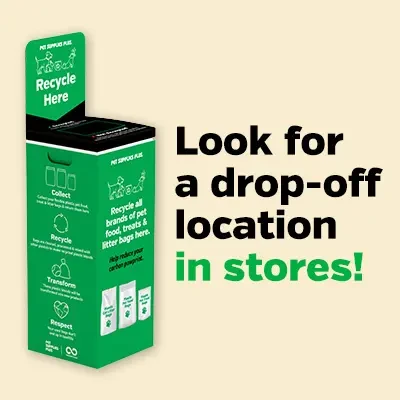
The PET Recycling Coalition, a collaborative industry alliance, spearheads efforts to enhance recycling of non-bottle PET thermoforms used in pet food packaging, such as clamshells and trays. The coalition’s goal is to standardize collection methods, improve sorting technologies, and expand end markets for recycled materials. Concurrently, the Pet Specialty Store-Drop-Off (SDO) Action Collaborative, including retailers like PetSmart and Petco, pilots in-store collection bins for flexible pet food packaging. These initiatives address the historically low recycling rates of flexible packaging by providing convenient consumer drop-off options and developing robust supply chains for recycled materials.
Major corporations including The Coca-Cola Company and Danone have committed to increasing recycled content in pet product packaging as part of broader sustainability agendas. Collaborative efforts with packaging innovators and recyclers aim to design packaging for recyclability, reduce multilayer film usage, and optimize material recovery. For example, West Paw and Chewy have adopted packaging redesigns emphasizing monomaterial films to facilitate mechanical recycling compatibility.
This industry collaboration extends to consumer education campaigns promoting proper recycling behaviors, contamination reduction, and participation in store drop-off programs. The collective impact of these initiatives contributes to measurable increases in PET recycling rates within the pet care sector, reducing plastic waste leakage into the environment.
Circular Economy and Sustainability Practices in Pet Care
Sustainability in the pet industry increasingly emphasizes circular economy principles, where materials remain in continuous use, and waste is minimized. Brands like Patagonia and Adidas extend circularity to pet product lines by incorporating recycled materials and designing for product longevity. Patagonia’s pet accessories utilize recycled PET fabrics, while Adidas explores bio-based and recycled polymers in pet product packaging.
Consumer participation is critical in closing the loop. Store-based collection systems simplify recycling access, while eco-friendly veterinarians and sustainable pet sitters promote responsible waste disposal practices, including pet waste composting and use of biodegradable bags. Richland County’s pilot composting programs enable pet owners to deposit waste into community composting bins designed for pathogen control, offering a model for scalable sustainable pet waste management.
Moreover, eco-conscious consumers increasingly demand transparency in packaging sustainability credentials, prompting companies to certify packaging recyclability and integrate environmental impact disclosures. These market dynamics drive innovation in materials science and supply chain transparency, fostering a culture of sustainability that aligns pet care with global environmental goals.
Environmental and Economic Impacts of PET and Pet Waste Recycling
PET recycling significantly reduces the environmental footprint of pet product packaging by diverting plastics from landfills and marine environments. Data from the American Beverage Association indicate that PET recycling conserves up to 75% of the energy required to produce virgin PET resin, translating to lower greenhouse gas emissions. By incorporating recycled PET, companies reduce reliance on fossil fuels and decrease plastic pollution, contributing to healthier ecosystems.
Pet waste recycling mitigates nutrient runoff, protects water quality, and reduces pathogen exposure in urban and suburban environments, enhancing community health outcomes. composting pet waste in controlled environments decreases methane emissions compared to landfill disposal, contributing to climate change mitigation efforts.
Economically, the recycling industry generates substantial employment opportunities across collection, sorting, processing, and manufacturing sectors. Closed Loop Partners reports that investments in recycling infrastructure and advanced technologies stimulate job creation and economic growth, particularly in regions with established recycling value chains. For example, partnerships involving Atlantic Packaging and Valemi Inc. leverage local resources to scale recycling capacity in North America, benefiting communities through circular economy development.
Best Practices and Safety in Pet Waste Composting
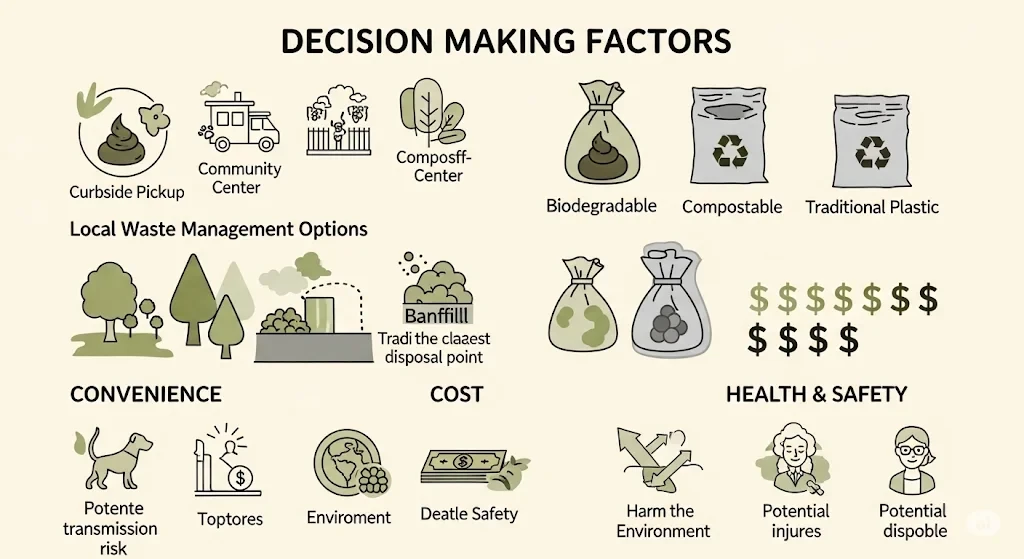
Composting pet waste requires stringent management to eliminate pathogens such as roundworms and parvovirus. Successful composting involves maintaining thermophilic conditions above 55°C (131°F) for several days to ensure microbial kill rates. Commercial composting bins designed specifically for pet waste incorporate aeration, temperature monitoring, and moisture control features to facilitate safe decomposition.
Community-based composting programs, such as those supported by the Foodservice Packaging Institute and RRS, provide localized solutions for pet owners, although scalability and contamination risk remain challenges. Proper segregation of pet waste from food and garden waste is essential to prevent cross-contamination and ensure compost quality.
Educational outreach on composting safety, regulatory compliance, and environmental benefits is vital to encourage adoption. Innovative approaches, including enzyme additives and biochar incorporation, enhance composting efficacy and odor control, promoting broader acceptance of pet waste composting as a sustainable disposal method.
FAQ
How do pet waste recycling systems safely break down animal waste?
Pet waste recycling systems use bacteria and enzyme-based processes to convert pet waste into odorless, harmless liquids absorbed by soil. These systems maintain aerobic conditions that neutralize pathogens and prevent environmental contamination.
What is the role of the PET Recycling Coalition in pet packaging recycling?
The PET Recycling Coalition coordinates industry efforts to improve recycling of non-bottle PET packaging, such as clamshells and trays used in pet food. It focuses on enhancing collection, sorting technologies, and developing markets for recycled PET materials.
Can flexible pet food packaging be recycled effectively?
Flexible pet food packaging has traditionally been challenging to recycle due to multilayer materials. However, store drop-off collection programs and innovations in chemical recycling and monomaterial film design are increasing recycling rates and material recovery.
What are the environmental benefits of recycling PET plastics used in pet products?
Recycling PET plastics reduces landfill waste, conserves energy by up to 75% compared to virgin resin production, lowers greenhouse gas emissions, and decreases plastic pollution in ecosystems.
Is composting pet waste safe and how is it done?
Composting pet waste is safe when conducted under high-temperature conditions (above 55°C) that eliminate pathogens. Specialized composting bins with aeration and moisture control facilitate safe decomposition, minimizing health risks.
—
Advancements in pet waste recycling and PET packaging recycling demonstrate the pet industry’s commitment to environmental stewardship by integrating cutting-edge technologies, collaborative initiatives, and consumer engagement. Continued expansion of store-based collection systems and innovations such as chemical recycling are poised to enhance recycling rates and circularity. Future efforts should focus on scaling community composting infrastructure, improving recycling end markets, and fostering cross-sector partnerships to accelerate sustainability in pet care packaging and waste management.

How to Keep Pets Safe During Travel: Essential 2026 Tips
PawVerde.com – Traveling with pets in 2026 demands heightened attention to safety, legal compliance, and stress reduction, as pet ownership and mobility continue to rise globally. Ensuring pets are properly identified with updated microchips and ID tags, adhering to vaccination and health certificate mandates from agencies like the CDC and USDA, and utilizing secure travel equipment such as USDA-approved crates or crash-tested harnesses underpin safe journeys by car or air. Additionally, managing travel-related anxiety through acclimation and comfort items, preparing emergency kits, and understanding airline policies are critical components for responsible pet owners navigating complex travel environments.
Pet identification is central to travel safety, with microchipping now a near-universal recommendation supported by veterinary clinics such as Cornell Vet. Updated microchips linked to current owner information reduce the risk of permanent loss during transit. Complementary ID tags on collars are essential for immediate visual identification. The CDC mandates current rabies vaccinations and health certificates for dogs entering the U.S., while USDA-accredited veterinarians provide endorsed travel health certificates for both domestic and international trips. Pet owners must ensure vaccination records and certificates comply with destination-specific regulations, which vary significantly between airlines and countries, often requiring up-to-date documentation prepared weeks in advance.
Preparing pets for travel involves progressive acclimation techniques to reduce stress and anxiety. Experts from Mills River Animal Clinic advise starting with short car rides to accustom pets to movement and confinement in carriers or harnesses. Behavioral signs of anxiety such as panting, drooling, or vocalization should be monitored, with comfort items like favorite blankets or toys introduced to create familiarity. Veterinary consultation is recommended before administering anti-anxiety medications, which should be used judiciously and only under professional guidance. Comprehensive emergency kits tailored for pets—including items such as bottled water, non-perishable food, basic first aid supplies, and copies of health documentation—are vital for unforeseen delays or incidents.
Car travel safety prioritizes the use of secure containment systems. Crash-tested harnesses and USDA-approved carriers designed to fit the pet comfortably prevent injury during sudden stops or accidents. Positioning animals in the vehicle’s rear seat, away from airbags, significantly reduces risk. Frequent stops for hydration and bathroom breaks are crucial, especially during long trips or extreme weather conditions. The ASPCA strongly advises never leaving pets unattended inside vehicles, as temperatures can rapidly reach dangerous levels, leading to heatstroke or hypothermia depending on climate. These precautions safeguard pet welfare while conforming to evolving best practices endorsed by animal welfare organizations.
Air travel presents unique challenges, with airline pet policies varying widely. Virgin Australia’s recent trial allowing pets in the cabin reflects a broader industry trend toward accommodating small animals on board. However, many U.S. airlines maintain strict limitations on in-cabin pets, often relegating them to cargo holds with specific crate requirements. USDA-approved crates must be spacious enough for pets to stand, turn, and lie down comfortably, equipped with absorbent bedding and provisions for food and water. Brachycephalic breeds such as bulldogs and pugs face heightened risks due to their compromised respiratory anatomy, with veterinary authorities advising against cargo travel for these animals. Booking direct flights minimizes the risk of pet separation and delays, which can exacerbate stress and health risks.
Stress management remains a pivotal aspect of traveling with pets. Recognizing behavioral cues indicative of distress enables owners to intervene early through calming strategies such as gentle petting, quiet environments, and familiar scents. Veterinary behaviorists emphasize gradual exposure to travel-related stimuli ahead of trips to build tolerance. Upon arrival, maintaining routines and allowing pets to explore new environments incrementally supports adjustment. Such approaches reduce the incidence of anxiety-driven behaviors, which can compromise safety and well-being during travel.
Emergency preparedness extends beyond packing supplies to include contingency planning for scenarios like vehicle breakdowns or lost pets. Pet owners should carry muzzles or safety equipment to control frightened animals safely. Establishing contact with veterinary clinics and emergency services along travel routes ensures prompt medical attention when necessary. GPS-enabled smart tags and collars provide real-time tracking capabilities, enhancing the likelihood of recovering lost pets quickly. Airports increasingly offer designated pet relief areas to facilitate comfort and hygiene during layovers, reflecting growing awareness of pet welfare in transit hubs.
Additional considerations for pet travel encompass researching pet-friendly accommodations and local regulations at destinations. Many hotels impose extra fees or house rules governing pet stays, which owners must verify beforehand to avoid disruptions. Understanding the availability of pet relief areas at airports and along highways supports planning for necessary breaks. Comprehensive knowledge of airline policies, including size restrictions and documentation requirements, prevents last-minute complications.
| Aspect | Recommendations | Regulatory/Expert Source |
|---|---|---|
| Pet Identification | Update microchips and ID tags; maintain current contact info | CDC, Cornell Vet, ASPCA |
| Vaccination & Health Certificates | Rabies vaccine mandatory; obtain USDA-endorsed certificates | CDC, USDA |
| Travel Equipment | Use USDA-approved crates; crash-tested car harnesses; bedding and water | USDA, ASPCA |
| Airline Policies | Book direct flights; check cabin vs cargo rules; special care for brachycephalic breeds | Virgin Australia, U.S. Airlines |
| Stress Management | Gradual acclimation; comfort items; vet-prescribed anxiety meds if needed | Mills River Animal Clinic, Veterinary Behaviorists |
| Emergency Preparedness | Emergency kits; muzzles; GPS smart tags; vet contacts en route | ASPCA, Veterinary Clinics |
The evolving landscape of pet travel regulations and safety protocols in 2026 underscores the necessity for pet owners to stay informed about the latest requirements and best practices. Compliance with legal documentation, proactive health maintenance, and use of advanced identification and travel gear collectively reduce risks associated with pet transport. Equally important is the attention to pets’ psychological well-being through stress reduction methods and emergency preparedness, which enhance the overall safety and comfort of animal companions during journeys.
Frequently Asked Questions

What vaccinations are required for pets traveling internationally in 2026?
International pet travel generally requires current rabies vaccinations and health certificates endorsed by USDA-accredited veterinarians. Additional vaccines may be mandated depending on destination countries, so owners must verify specific requirements well in advance.
How can I reduce my pet’s anxiety during travel?
Gradual acclimation to carriers and vehicles, use of familiar comfort items like blankets or toys, and consulting a veterinarian about safe anxiety medications are effective strategies. Maintaining a calm demeanor and consistent routines also support stress reduction.
Are there specific airline restrictions for transporting brachycephalic breeds?
Yes, many airlines restrict or prohibit brachycephalic breeds from traveling in cargo due to respiratory risks. Some allow these breeds in the cabin under strict conditions, but owners should consult airline policies and veterinary advice before booking.
What should be included in a pet travel emergency kit?
A comprehensive kit includes bottled water, non-perishable pet food, basic first aid supplies, waste bags, copies of vaccination and health certificates, a leash, and contact information for veterinary clinics along the route.
How can GPS smart tags help during pet travel?
GPS-enabled smart tags attached to collars provide real-time location tracking, which is invaluable if a pet escapes or becomes lost during travel. They enhance recovery chances and provide peace of mind for pet owners.
As pet travel continues to expand in scope and complexity, owners who integrate these multi-faceted safety measures and expert recommendations will better protect their pets’ health and well-being throughout every stage of their journey. Continuous education on emerging travel policies and advancements in pet identification and safety equipment will remain essential for responsible pet ownership in the dynamic travel environment of 2026 and beyond.

What Is Hypoallergenic Food for Pets? Key Benefits Explained
PawVerde.com – hypoallergenic pet food is formulated specifically to reduce the incidence of allergic reactions in pets by excluding common allergens such as chicken, beef, dairy, wheat, and corn. These diets rely on novel protein sources unfamiliar to the pet’s immune system or utilize hydrolyzed proteins broken down into tiny fragments that are less likely to trigger immune responses. The goal is to manage food allergies and sensitivities effectively through careful ingredient selection and simplified formulations, often excluding preservatives and artificial additives that can exacerbate irritation. Veterinary guidance is critical for accurate diagnosis and selecting an appropriate hypoallergenic diet tailored to the individual pet’s needs.
Common Allergens in Pet Food and Their Impact
Proteins such as chicken, beef, dairy, and eggs are among the most frequent causes of food allergies in dogs and cats. These animal-based proteins contain allergenic molecules that some pets’ immune systems mistakenly identify as threats, provoking allergic reactions. Grains like wheat, corn, and soy also contribute to allergic responses and food sensitivities, though less commonly than protein sources. Additionally, preservatives, artificial colors, and chemical additives in commercial pet foods can irritate sensitive pets and worsen allergic symptoms.
Recent veterinary research highlights that food allergies in pets often manifest as dermatological issues, including persistent itching, redness, and recurrent ear infections, or gastrointestinal distress such as vomiting and diarrhea. The distinction between food allergy and food intolerance is critical; allergies involve an immune-mediated response, whereas intolerances typically cause digestive upset without immune activation. Identifying the specific allergens triggering symptoms is essential for effective dietary management.
Hypoallergenic Diet Types: Novel Proteins, Hydrolyzed Proteins, and Limited Ingredients
Hypoallergenic pet foods primarily fall into three categories: novel protein diets, hydrolyzed protein diets, and limited ingredient diets.
Novel protein diets incorporate protein sources that the pet’s immune system has not previously encountered, such as venison, duck, kangaroo, or fish. By introducing unique proteins, these diets aim to bypass the immune sensitization common with standard proteins like chicken or beef. For example, venison-based diets have gained popularity due to their low cross-reactivity with common allergens.
Hydrolyzed protein diets take a different approach by enzymatically breaking down protein molecules into smaller peptides, too minute to be recognized by immune cells. This process reduces the likelihood of an allergic reaction and is particularly useful for pets with severe or multiple protein allergies. Hill’s Prescription Diet and other veterinary brands often formulate hydrolyzed protein diets targeting these complex cases.
Limited ingredient diets focus on minimizing the number of protein and carbohydrate sources to reduce allergen exposure. Typically, these diets contain a single protein source paired with one carbohydrate, such as lamb and rice or salmon and sweet potato. This simplification aids in identifying offending ingredients and reduces the total allergen load.
How Hypoallergenic Pet Food Mitigates Allergic Reactions
Food allergies in pets arise from an abnormal immune response to specific dietary proteins. When the immune system encounters these proteins, it produces antibodies that trigger inflammation, leading to skin and gastrointestinal symptoms. Hypoallergenic diets work by either avoiding these recognized proteins or altering them chemically to prevent immune recognition.
The immune system’s role in food allergies involves sensitization to particular protein epitopes. Novel proteins, being previously unencountered, do not trigger this sensitization. Hydrolyzed proteins, on the other hand, have their epitopes broken down, rendering them invisible to immune cells. Simplified ingredient lists further reduce the risk of cross-reactions and inadvertent allergen exposure.
Beyond immune modulation, hypoallergenic foods often incorporate digestive aids such as pumpkin and beet pulp to support gut health, which is crucial since gastrointestinal integrity influences immune tolerance. omega fatty acids, particularly EPA and DHA, are frequently included to bolster skin barrier function and decrease inflammatory responses, enhancing overall symptom management.
Recognizing When Your Pet Needs Hypoallergenic Food
Signs that a pet may benefit from hypoallergenic food include chronic itching, recurrent ear infections, persistent redness or rash, hair loss, and gastrointestinal issues like vomiting or diarrhea. Distinguishing food allergy symptoms from other causes such as environmental allergies or parasites requires veterinary expertise.
Veterinary diagnosis typically involves elimination diet trials under controlled conditions, often lasting 8 to 12 weeks, to observe symptom resolution. Allergy testing, including serum or intradermal tests, can aid but often lacks the specificity required for food allergens. Therefore, dietary trials remain the gold standard.
Pets with confirmed food allergies generally require lifelong dietary management to maintain quality of life. Trialing hypoallergenic diets under veterinary supervision ensures proper nutritional balance and avoids exacerbating underlying conditions.
Choosing the Right Hypoallergenic Pet Food
Selecting an appropriate hypoallergenic diet involves careful evaluation of ingredient quality, protein source, and the pet’s clinical history. Veterinary consultation is paramount to tailor diet choices, considering factors such as age, breed, health status, and allergy severity.
Pet owners should scrutinize ingredient labels for allergenic components and additive content. Foods free from artificial preservatives, colors, and chemicals reduce the risk of additional irritation. Grain-free options may benefit pets sensitive to carbohydrates, though grain allergies are less common than protein allergies.
Transitioning to hypoallergenic diets requires gradual introduction over 7–10 days to minimize digestive upset. Monitoring for adverse reactions or symptom improvement during this period is essential.
Quality, Nutritional Considerations, and Ingredient Integrity
High-quality hypoallergenic pet foods prioritize digestibility, nutrient balance, and natural ingredient preservation. Avoiding synthetic preservatives like BHA, BHT, and ethoxyquin decreases potential allergenicity and supports sensitive digestive systems.
Inclusion of omega fatty acids from fish oil or flaxseed enhances skin and coat health while exerting anti-inflammatory effects. Fiber sources such as beet pulp and pumpkin contribute to stable gut microbiota and improve stool quality.
Cooking methods impact protein digestibility and allergenicity. Hydrolyzed protein diets are typically produced using enzymatic processes under stringent quality controls. Novel protein diets rely on fresh, minimally processed ingredients to preserve bioavailability.
Leading Veterinary-Recommended Hypoallergenic Pet Food Brands
Several brands have established reputations for hypoallergenic formulations backed by veterinary research and clinical trials. Hill’s Prescription Diet offers both hydrolyzed protein and novel protein options, tailored for pets with diagnosed food allergies. These products undergo rigorous testing to ensure efficacy and safety.
Freshpet provides fresh, preservative-free hypoallergenic foods using limited ingredient recipes with novel proteins, appealing to owners seeking natural alternatives. Lyka, a subscription-based brand, emphasizes personalized formulations incorporating novel proteins and digestive support, guided by veterinary nutritionists.
Such brands balance ingredient innovation with clinical validation, providing effective management tools for pets with food allergies or sensitivities.
| Brand | Diet Type | Protein Source | Key Features | Veterinary Recommendation |
|---|---|---|---|---|
| Hill’s Prescription Diet | Hydrolyzed & Novel Protein | Chicken, lamb, venison (hydrolyzed) | Clinically tested, supports skin & digestion | Widely recommended for diagnosed allergies |
| Freshpet | Limited Ingredient, Novel Protein | Duck, salmon, lamb | Fresh, preservative-free, natural ingredients | Popular for natural diet approach |
| Lyka | Personalized, Novel Protein | Kangaroo, rabbit, fish | Custom formulations, omega fatty acids included | Consults veterinary nutritionists for plans |
Future Directions and Practical Recommendations
Advancements in veterinary nutrition and immunology continue to refine hypoallergenic pet food formulations. Emerging research on the gut microbiome’s role in allergy development suggests potential integration of probiotics and prebiotics in future diets. Precision nutrition, leveraging genetic and immunological profiling, may enable highly individualized dietary plans.
Pet owners should prioritize early recognition of allergy symptoms and seek veterinary evaluation for accurate diagnosis. Implementing hypoallergenic diets under professional supervision maximizes the likelihood of symptom resolution while maintaining nutritional adequacy.
Ongoing monitoring and periodic reassessment help adjust dietary plans as pets age or develop new sensitivities. Collaboration between pet owners, veterinarians, and nutritionists remains foundational to managing food allergies effectively.
FAQ
What is the difference between food allergies and food sensitivities in pets?
Food allergies involve an immune system response to specific proteins, causing symptoms like itching and inflammation. Food sensitivities do not trigger immune responses but may cause digestive upset such as diarrhea or vomiting. Accurate diagnosis often requires veterinary evaluation, including elimination diets.
How do hydrolyzed protein diets reduce allergic reactions?
Hydrolyzed protein diets enzymatically break down proteins into smaller peptides, too small for the immune system to recognize as allergens. This reduces the likelihood of triggering an allergic response, making these diets suitable for pets with multiple or severe protein allergies.
Are grain-free diets always better for pets with allergies?
Not necessarily. While some pets may benefit from grain-free diets, most food allergies in pets are caused by animal proteins rather than grains. Grain-free diets exclude wheat, corn, and soy but do not address protein allergens. veterinary guidance is essential to determine the best diet.
Can homemade diets be effective for pets with food allergies?
Homemade diets can be tailored to avoid allergens but require meticulous formulation to ensure balanced nutrition and hypoallergenic status. Consulting a veterinary nutritionist is crucial to develop safe, effective homemade diets for allergic pets.
How long does it take to see improvement after switching to hypoallergenic pet food?
Improvement typically occurs within 8 to 12 weeks of a strict elimination diet. Immediate reactions may be visible sooner, but full resolution of symptoms requires sustained feeding of the hypoallergenic diet and avoidance of previous allergens.
—
Hypoallergenic pet food represents a critical tool in managing food allergies and sensitivities in dogs and cats. Its strategic use of novel or hydrolyzed proteins, limited ingredients, and preservative-free formulations aims to minimize allergenic exposure and support immune tolerance. Integrating veterinary diagnosis, ongoing monitoring, and nutritional expertise ensures pets receive optimal care tailored to their unique needs, enhancing their health and quality of life.

How to Navigate Pet Adoption Paperwork for a Smooth 2026 Process
PawVerde.com – Navigating pet adoption paperwork in 2026 requires precise preparation, accurate documentation, and adherence to shelter protocols to ensure a smooth and successful adoption experience. Pet adopters must complete detailed applications covering lifestyle and household information, provide valid identification and proof of residence, participate in family and pet meet-and-greets, undergo screening processes including background checks and home visits, and finalize legal contracts while managing adoption fees and deposits. Early pet insurance signup and post-adoption care considerations are integral to responsible pet ownership.
This tutorial offers a comprehensive step-by-step guide to navigating the pet adoption paperwork process, incorporating best practices from animal shelters, rescue organizations, and veterinary experts to empower adopters with authoritative knowledge and practical instructions.
1. Preparing to Apply for Pet Adoption
Before beginning the adoption application, gather all required documentation and information to avoid delays. Identification and proof of residence are universally mandatory across shelters such as ASPCA, LifeLine Animal Center, and county animal services like King County and DeKalb-Fulton County.
Investing time in preparation ensures you can complete the adoption application accurately and expedites the approval process.
2. Completing the Adoption Application
The adoption application serves as a foundational tool for shelters and rescue organizations to assess the suitability of prospective adopters. Applications typically include:
Complete the application truthfully and thoroughly to facilitate a good pet-to-adopter match. Many organizations, including Zoetis Petcare-affiliated clinics and SPCA of Luzerne County, offer secure online forms that auto-save progress. Paper forms remain an option at some shelters.
Applications also help adoption counselors identify pets that best fit your lifestyle and schedule an appropriate meet-and-greet.
3. Screening and Verification Process
After submitting your application, expect a screening process designed to protect animal welfare and ensure adopter readiness.
Transparency and responsiveness during this phase are crucial to securing approval.
4. Family and Pet Meet-and-Greet Requirements
Meeting the pet before adoption is a vital step to ensure compatibility and successful integration into your home.
Scheduling this meeting promptly after application approval expedites the process and sets clear expectations for pet behavior and care needs.
5. Adoption Fees, Deposits, and Documentation
Understanding fee structures and required documentation prevents surprises during finalization.
Shelters like SPCA of Luzerne County and LifeLine Animal Center emphasize transparency by providing detailed receipts and clear refund policies.
6. Finalizing the Adoption
The final step involves legal and logistical formalities.
Completing these steps solidifies ownership and lays the groundwork for a healthy pet-owner relationship.
7. Post-Adoption Paperwork and Care Recommendations
Post-adoption responsibilities include registering your pet and monitoring adjustment.
Adopters who remain proactive with paperwork and pet care create stable environments that reduce return rates.
Troubleshooting Common Issues During Adoption Paperwork
Adopters occasionally encounter challenges that can delay or complicate the process. Common issues include incomplete applications, delayed background checks, and scheduling conflicts for meet-and-greets.
Proactive communication with shelter staff is essential for resolving issues promptly.
Common Mistakes to Avoid in Pet Adoption Paperwork
Awareness of these pitfalls helps adopters navigate the process confidently.
Alternative Adoption Methods
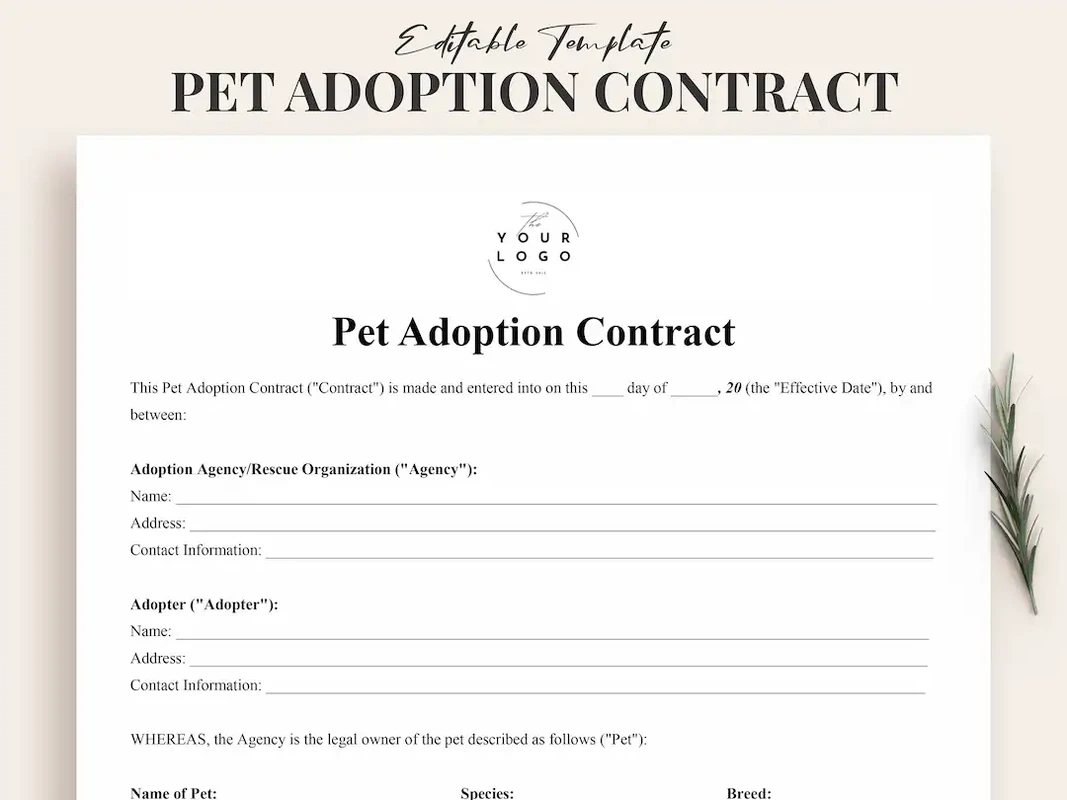
Some shelters and rescue organizations offer alternative adoption pathways to accommodate diverse adopter needs:
These alternatives provide flexibility while maintaining rigorous screening standards.
FAQ
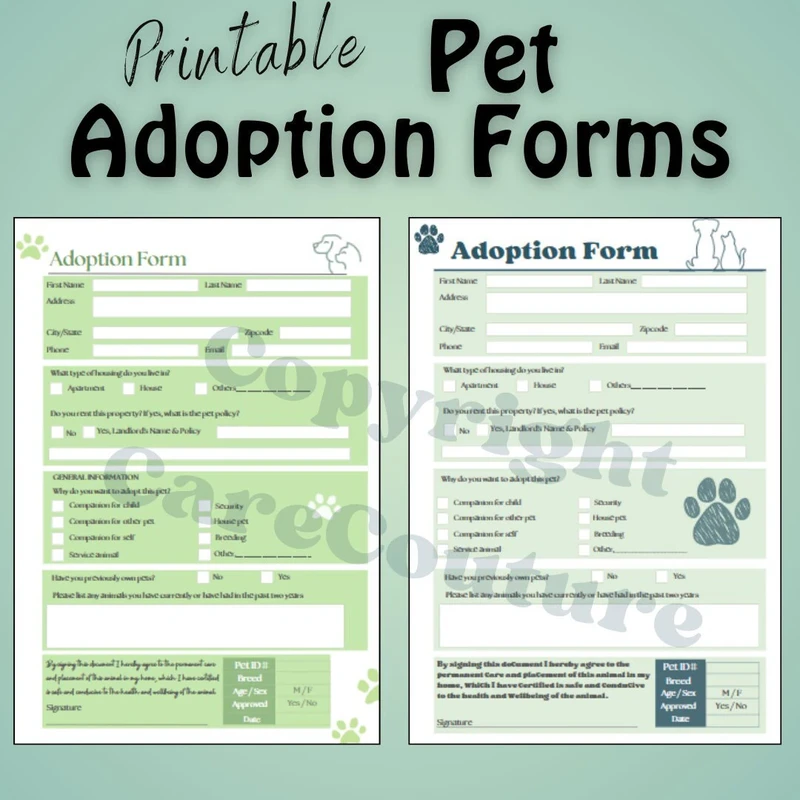
What documents are required to apply for pet adoption?
You typically need a government-issued photo ID and proof of residence, such as a utility bill or lease agreement. Some shelters may request veterinary records for existing pets and personal references.
How long does the pet adoption paperwork process usually take?
The process varies by organization but generally takes 1-3 weeks. This includes application review, background checks, meet-and-greet scheduling, and final contract signing.
Are adoption fees refundable if I change my mind?
Adoption fees are usually non-refundable as they cover medical care and administrative costs. However, refundable spay/neuter deposits may apply if sterilization occurs after adoption.
Can I adopt a pet remotely without visiting the shelter?
Many shelters offer virtual meet-and-greet options and online applications, enabling remote adoption. However, some require in-person visits before finalizing adoption.
Is pet insurance necessary before adopting a pet?
While not mandatory, signing up for pet insurance early is highly recommended to protect against unexpected medical expenses and ensure timely veterinary care.
—
Navigating pet adoption paperwork in 2026 demands attention to detail, thorough preparation, and active engagement with shelter personnel and foster parents. By following this structured guide, prospective adopters can streamline their application process, meet legal and procedural requirements, and establish a solid foundation for a lasting relationship with their new pet. Future adopters should remain informed about evolving shelter policies and leverage virtual adoption tools to enhance accessibility and convenience.