
Regenerative Agriculture in Pet Nutrition: Trends & Truths
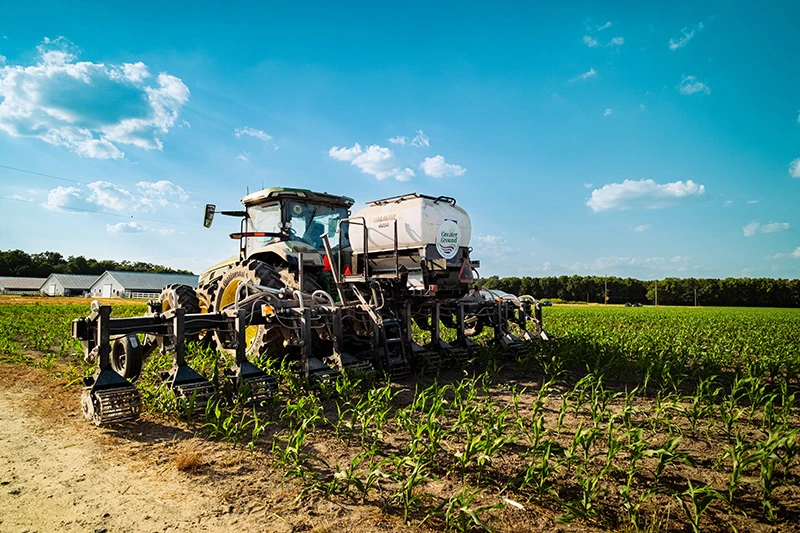
PawVerde.com – Major pet food manufacturers are shifting toward regenerative agriculture to secure supply chains and improve ingredient nutrient density. By prioritizing soil health through practices like cover cropping and reduced tillage, brands like Mars and Purina aim to sequester carbon and meet growing consumer demand for sustainable, high-quality pet nutrition. Mars Pet Nutrition North America has already committed $5 million through 2027 to assist with regenerative farming adoption.
Beyond ‘Sustainable’: Navigating the Regenerative Certification Maze
To distinguish genuine regenerative pet food from greenwashing, look for specific certifications like Regenerative Organic Certified (ROC) rather than vague “sustainable” claims. Legitimate regenerative agriculture focuses on five key pillars: soil health, carbon sequestration, water management, minimizing chemical inputs, and enhancing biodiversity, often verified by third-party measurement partners.
Greenwashing vs. High-Resolution Trust
Verifying environmental claims is a significant challenge for the pet food industry. While many brands use “sustainable” as a marketing label, specialized measurement partners like Regrow and Scoular are working to provide high-resolution data that tracks actual ecological improvements. This data-driven approach provides verifiable proof of carbon sequestration and soil health improvements.
The Role of Third-Party Verification
True regenerative practices require rigorous auditing to ensure they meet strict environmental standards. The industry is seeing a shift toward frameworks that prioritize:
- Soil health and organic matter accumulation
- Carbon sequestration monitoring
- Water management efficiency
- Minimization of synthetic chemical inputs
- Biodiversity enhancement
The Nutrient Density Argument: Soil Health and Ingredient Bioavailability
Regenerative agriculture aims to enhance nutrient density by restoring soil microbial life. Techniques such as diverse crop rotations and integrated livestock grazing can help revive the natural environment, improve biodiversity, and enhance the nutrient density of food, according to Anne Malleau, vice president of Agriculture and animal welfare Programs at Open Farm.
Adam Hardie, climate and sustainable sourcing lead at Mars Pet Nutrition North America, states, “It all starts with healthy soil. Soil is the foundation for growing high-quality ingredients for pet food.” This focus on the soil microbiome is intended to create a direct link between land management and the nutritional profile of the final pet product. Anne Malleau, vice president of Agriculture and Animal Welfare Programs at Open Farm, notes that by focusing on practices that restore ecological function, regenerative farming can help revive the natural environment, improve biodiversity and enhance the nutrient density of food.
This approach addresses the counterintuitive reality that higher yields in conventional farming do not necessarily equate to higher nutrient content. Instead, the focus shifts toward the quality of the soil’s biological activity. For brands like Loyal Saints, this means ensuring that the ingredients used in premium nutrition are grown in ways that support both the planet and the pet’s metabolic needs.
Industry Giants and the Race for Supply Chain Resilience
Major players in the pet nutrition sector are increasingly viewing regenerative agriculture as a tool for long-term supply chain stability. By investing in the land where their ingredients originate, these companies aim to mitigate the risks associated with soil degradation and climate volatility.
Purina has set a specific target to source 50% of its cereals and vegetable proteins from regenerative agriculture by 2030. This move is part of a broader industry trend where large-scale manufacturers are partnering with agribusiness leaders to scale these practices.
| Manufacturer | Strategic Focus | Key Partner/Context |
|---|---|---|
| Mars Pet Nutrition North America | Regenerative adoption funding | $5 million through 2027 |
| Purina | Cereal and vegetable protein sourcing | 50% target by 2030 |
| Open Farm | Regenerative certification focus | Direct sourcing models |
| Canidae | Sustainable ingredient sourcing | Regenerative transitions |
The transition involves complex partnerships across the supply chain. Agribusinesses such as ADM, The Andersons, Riceland Foods, Healthy Food Ingredients, and Anchor Ingredients play critical roles in managing the logistics and verification of these new ingredient streams. These collaborations are essential to move regenerative ingredients from the farm to the manufacturing facility at scale.
The Economic Reality: Price vs. Nutritional ROI
The market for regenerative pet food is experiencing rapid expansion. The market size was valued at 349.3 million USD in 2024 and is projected to reach 3,451.1 million USD by 2034, representing a compound annual growth rate (CAGR) of 25.7% during the forecast period.
Despite this growth, consumers face a significant price premium. The higher cost of regenerative pet food is driven by several economic factors:
- The high cost of transitioning from conventional to regenerative farming.
- Lower initial crop yields during the first years of soil restoration.
- The complexity and expense of third-party verification and auditing.
For many pet owners, the decision involves weighing the higher upfront cost against the potential nutritional ROI. While the premium is notable, proponents argue that the long-term benefits—including improved ingredient bioavailability and greater supply chain resilience—justify the investment in high-quality pet nutrition.
Transition Risks and the Cost of Conventional Farming
Conventional farming models, while highly productive, carry inherent risks that regenerative agriculture seeks to mitigate. Decades of intensive tillage and the heavy use of synthetic inputs have led to significant soil health reduction and nutrient depletion.
The scale of industrial protein production has grown dramatically, which places immense pressure on land and resources. For example, between 1980 and 2018, there was a 128.05% increase in broiler production and a 44.03% increase in turkey production. This rapid expansion has often occurred alongside declining soil organic matter, creating a cycle of dependency on synthetic fertilizers to maintain yields.
Warning: Relying on conventional intensive farming increases vulnerability to supply chain disruptions. Dependency on foreign vitamin imports and port disruptions can create significant instability in the pet food market. Furthermore, the reduction in soil health can lead to a direct decrease in the natural nutrient density of staple ingredients.
The shift toward regenerative practices aims to replace this dependency with a self-sustaining biological system. This transition is a critical component for companies aiming for net-zero emissions by 2050.
FAQ
How does regenerative agriculture affect my pet’s food?
Regenerative farming can help revive the natural environment, improve biodiversity, and enhance the nutrient density of food.
Why is regenerative pet food more expensive?
The premium is driven by higher costs of transition, lower yields during the initial years, and the complex verification required to prove regenerative practices.
What is the difference between ”sustainable’ and ”regenerative’?
While sustainability aims to maintain current levels, regenerative agriculture actively works to restore and improve soil health, biodiversity, and carbon sequestration.
Eco-Friendly Pet Tech: Sustainability vs. E-Waste Paradox
PawVerde.com – The global eco-friendly pet products market is surging toward a projected $34.6 billion valuation by 2034, driven by a 9.9% CAGR. As consumers pivot toward sustainability, the industry is seeing a massive shift from traditional clay and plastic toward smart, automated, and biodegradable solutions. The global eco-friendly pet products market is expected to reach $34.6 billion by 2034, growing from $14.8 billion in 2025.
The E-Waste Paradox: Weighing Smart Tech Benefits Against Electronic Waste
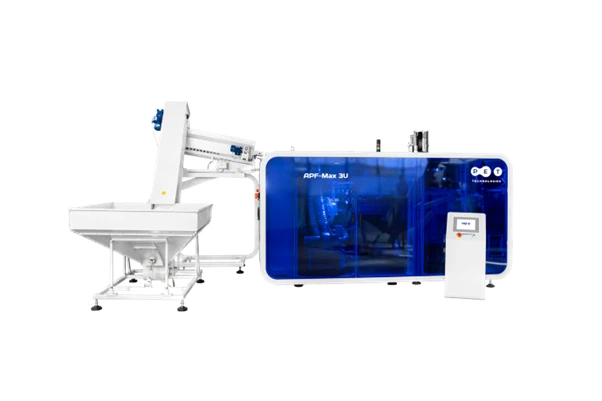
The ‘Energy-to-Sustainability Paradox’ in pet tech involves weighing the environmental benefits of waste reduction (e.g., 30% less litter via sifting) against the carbon footprint of manufacturing and the growing problem of e-waste from sensors and circuit boards.
E-waste currently represents the fastest-growing solid-waste stream in the world. While automated devices offer efficiency, they introduce complex disposal challenges. For instance, in the United States, only 25% of electronic waste is recycled. This creates a potential failure mode where the environmental cost of discarded sensors and circuit boards outweighs the benefits of the technology itself.
Innovative sifting systems can provide a 30% waste reduction, yet manufacturing these high-tech units requires significant resource extraction. Users should manage personal data security before reselling any electronic device. High-power modes should be avoided to optimize efficiency.
Market Momentum: The Rise of the $34B Sustainable Pet Economy
The economic trajectory for sustainable pet care is accelerating. The global eco-friendly pet products market value stood at 14.8 billion USD in 2025, and it is projected to reach 34.6 billion USD by 2034. This growth is fueled by a 9.9% CAGR across the sector. DataIntelo reports that the convergence of pet humanization, sustainability consciousness, and rapid innovation in biodegradable and recycled materials is reshaping the entire pet care value chain.
Online channels are driving this expansion, showing an 18% annual growth rate. Within this market, the Dogs segment maintains a significant presence, accounting for a 52.7% revenue share in 2025. In urban tier-one and tier-two cities in China, the premium sustainable segment is seeing a 15% CAGR, indicating a global shift toward high-end, environmentally conscious pet ownership.
Automated Hygiene: How Smart Litter Systems Reduce Waste
Smart litter boxes reduce environmental impact by using sifting mechanisms to separate waste from clean litter, minimizing replacement frequency. Technologies like CatGenie’s flushing system or Litter-Robot’s sensor-based cleaning optimize litter usage and reduce the volume of waste sent to landfills.
Automated systems offer a significant advantage in resource management. By utilizing sifting, these devices ensure that only actual waste is removed, preventing the premature disposal of large quantities of clean substrate. For example, the Litter-Robot utilizes a sensor-based cleaning method to maintain hygiene. Users can monitor litter levels and cleaning cycles through the dedicated Mobile app to ensure optimal performance.
| Technology Type | Sustainability Mechanism | Key Benefit |
|---|---|---|
| CatGenie | Flushing Waste | Uses permanent, washable granules |
| Litter-Robot | Sensor-based cleaning | Optimizes litter usage via sifting |
| PetKit | IoT integration | Remote monitoring and usage analytics |
| Biodegradable Substrate | Compostable materials | Reduces landfill burden |
| Clay Substrate | Traditional disposal | High landfill volume |
The table above compares how different technologies approach waste management and sustainability.
The following brands are leading different segments of the automated and sustainable hygiene market:
- Litter-Robot: High-end, sensor-based automatic litter boxes.
- CatGenie: Fully automated, washable, and eco-friendly solutions.
- PetSafe: A manufacturer of automated and semi-automatic self cleaning units.
- PetKit: Technology-driven integration of IoT features and app control.
- VEKEN Pet Supply: Automated litter boxes utilizing textile innovation.
The Sifting Advantage
Sifting litter boxes separate waste from clean litter to minimize how often users need to replace them. This process is essential for maintaining hygiene while reducing the total volume of waste sent to landfills. According to Furrbby, “Switching to eco-friendly sifting litter boxes can significantly reduce environmental waste while improving your cat’s health and hygiene.”
IoT and Remote Monitoring
Internet-connected litter boxes allow for remote monitoring, usage analytics, and maintenance alerts via smartphone apps. This technology enhances convenience and enables data-driven pet care management. For instance, users can check cleaning status and odor levels remotely through an app, ensuring the device operates efficiently without constant manual intervention.
Beyond the Litter Box: Sustainable Materials and Protein Innovation
Sustainability in the pet industry extends to nutrition. Ingredient innovation includes insect-based proteins, particularly black soldier fly larvae, which dramatically reduce land, water, and carbon footprints compared to traditional livestock. This shift is part of a broader movement toward sustainable sourcing to reduce the environmental impact of the human and animal food supply chains.
Material science is also transforming pet accessories. Companies are increasingly commercializing products made from recycled ocean plastics and other sustainable materials. Brands such as Earth Rated, West Paw, Wild One, and Planet Dog are active in the premium sustainable pet product segment, addressing the growing consumer demand for durable, environmentally responsible goods.
Circular Economy in Pet Manufacturing: Solving the Waste Gap
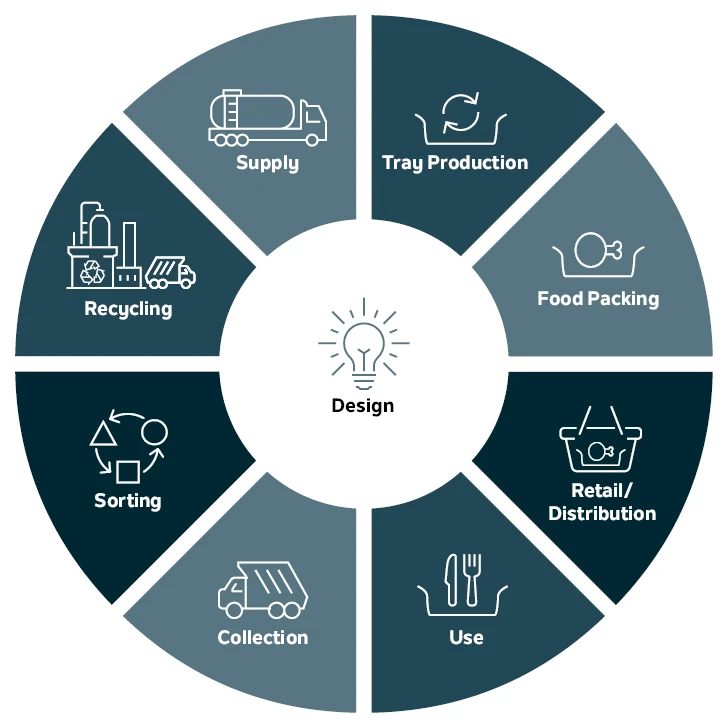
PawVerde.com – Circular economy in pet product manufacturing shifts from a ‘take-make-waste’ model to a closed-loop system. This involves repurposing human food industry byproducts into pet nutrition, utilizing rPET to reduce greenhouse emissions by 79%, and engineering packaging for high-performance recyclability rather than simple material substitution.
The pet food industry produces 300 million pounds of plastic every single year.
The Circular Manufacturing Failure Mode: Why Sustainability Efforts Often Break
Circular attempts in pet manufacturing fail when technical functionality is sacrificed for sustainability. Common failure modes include compostable packaging degrading due to high moisture/saliva, ‘downcycling’ PET into fibers that cannot be recycled again, and greenwashing when eco-labeled products contain toxic dyes or non-recyclable mixed plastics.
A critical technical oversight occurs when manufacturers prioritize material substitution over functional engineering. If a package loses its ability to protect food from oxidation or moisture, the resulting food spoilage creates a larger environmental footprint than the original plastic would have. This creates a counterintuitive reality: a “sustainable” package that causes 10% of its contents to rot is objectively worse for the planet than a recyclable plastic bag.
The Fiber Trap: When Recycling Ends the Loop
One of the most significant technical failures is the “downcycling” of PET. If PET bottles are turned into fibers, carpets, and other applications, the material can no longer be recycled easily. This effectively breaks the circular loop. Instead of a continuous cycle where a bottle becomes a bottle, the material moves into a terminal state where it eventually reaches a landfill.
The Moisture & Saliva Challenge in Compostables
Biological contaminants present a specific technical hurdle in the pet sector. Without advanced barrier technologies, compostable substrates risk premature degradation when exposed to high-moisture environments.
A Technical Blueprint for Reverse Logistics and Product Take-Back
Managing the entire lifecycle of hard goods requires structured frameworks to ensure materials return to the production cycle. This moves the focus from the point of sale to long-term material recovery.
- Accessory Repurposing: Brands like Betty & Butch utilize recycled PET to create high-value items. For example, their Sea Turtle Puppy Toy saves 4 to 7 plastic bottles from landfills, while their dog beds repurpose as many as 52 bottles.
- Hard Goods Collection: Companies such as Petmate are exploring ways to integrate recycled content into durable pet products, necessitating a closed-loop system for end-of-life items.
- Material Tracking: Implementing systems to identify and sort specific polymer types during the take-back process to ensure high-purity feedstock for new manufacturing runs.
Closing the Loop in Pet Nutrition: From Food Waste to High-Density Diets
Manufacturers minimize waste by utilizing human food industry byproducts through methods like anaerobic digestion or composting. These processes help transform organic waste into usable resources.
Case Study: 100% Landfill Diversion at IPN
In 2024, Waste Mission worked with Inspired Pet Nutrition (IPN) to achieve a massive milestone: diverting 100% of food waste from landfills. This was accomplished through specialized processes like recycling meat and fish juice, ensuring that what was once considered waste became a resource within the production cycle.
Nutritional Density as an Environmental Lever
According to the Royal Canin Academy, there is a direct link between diet formulation and environmental impact. High-energy-dense diets contribute to lower greenhouse gas emissions per calorie consumed because they require less total food volume to be produced, transported, and processed. This technical approach uses nutritional science as a tool for environmental mitigation.
Engineering-Led Packaging: Beyond Simple Material Substitution
Redesigning packaging for circularity must be approached from an engineering perspective rather than as a simple material substitution. This means analyzing how a package interacts with its environment, its contents, and the recycling infrastructure.
The Plastek Group notes that “circularity in packaging has become one of the central pillars of the pet food industry’s sustainability agenda.” Success requires integrating oxygen and moisture protection into recyclable or compostable substrates without relying on multi-material laminates that are impossible to separate.
| Packaging Strategy | Technical Focus | Primary Benefit | Risk Factor |
|---|---|---|---|
| Mono-material Design | Single polymer construction | High recyclability | Reduced barrier properties |
| Advanced Barriers | Integrated coatings | Longer shelf life | Complex sorting requirements |
| Engineering Redesign | Function-first approach | Optimized resource use | Higher initial R&D cost |
By focusing on engineering-led redesign, companies aim to ensure that circularity does not compromise the performance required to keep pet food fresh and safe.
The Polymer Decision Matrix: rPET vs. Bio-PET vs. Virgin Plastic
The selection of a polymer involves weighing carbon footprints against mechanical requirements. Manufacturers must decide between utilizing existing recycling streams for rPET or introducing renewable feedstocks like Bio-PET.
| Material Type | Carbon Footprint Impact | Recyclability Potential | Best Use Case |
|---|---|---|---|
| rPET (Recycled) | 79% lower emissions | High (if mono-material) | Bottles and rigid containers |
| Bio-PET (e.g., Eastlon) | Renewable feedstock | Drop-in (recycles with PET) | High-volume consumer goods |
| Virgin PET | Highest emissions | High | High-precision medical/food |
PET produces lower greenhouse gas emissions and consumes less energy than many alternatives. Specifically, rPET offers a 79% reduction in greenhouse emissions compared to virgin PET. Furthermore, a single PET plastic bottle can be recycled a minimum of 7 times, making it a cornerstone of the circular economy.
SME Transition Roadmap: Low-CAPEX Wins for Small Manufacturers
Small and medium-sized enterprises (SMEs) can initiate circularity through incremental, high-impact changes to existing workflows rather than massive capital expenditure.
Shortcut: Start with waste-stream repurposing. Before investing in new machinery, audit your current production waste to identify materials that can be diverted via composting or anaerobic digestion.
Ecofurball suggests that SMEs can participate in circularity without a total factory overhaul. Practical steps include switching to mono-material packaging or sourcing rPET for accessories.
FAQ
How much carbon can rPET actually save?
rPET offers a 79% reduction in greenhouse gas emissions compared to virgin PET, making it a primary driver for circularity in the pet product manufacturing sector.
Can pet food packaging be compostable?
While possible, compostable substrates must be engineered with advanced barrier technologies to prevent degradation from moisture and biological contaminants common in pet environments.
What is Bio-PET in the context of pet products?
Bio-PET, such as the Eastlon produced by FKuR, is a ‘drop-in’ bioplastic made from renewable materials that can be processed and recycled in the same way as standard fossil-PET.
Eco-Friendly Dog Waste Bags: How to Choose the Right Type
PawVerde.com – Eco-friendly dog waste bags are sustainable alternatives to traditional plastic, primarily made from plant-based materials like cornstarch, PLA, and PBAT. They are designed to decompose into non-toxic compounds, significantly reducing the 415 billion bags used annually that would otherwise take up to 500 years to break down in landfills.
According to the Poop Bags Guide, a single-use plastic poop bag can outlive you, your dog, and many generations to come.
The Disposal Decision Tree: Choosing the Right Bag for Your Infrastructure
To choose the right bag, match the product to your local waste system: use ‘Home Compostable’ certified bags for backyard bins, ‘Industrial Compostable’ (EN13432) for municipal green bins, and ‘Landfill-friendly’ bags (using additives like Plasgreen) if you only have access to standard trash disposal.
Effective disposal requires matching the material to the environment. Most compostable bags require specific conditions to break down efficiently: high temperatures, plenty of oxygen, and microbial activity. Without these specific environmental triggers, a bag intended for the earth may simply sit unchanged for years.
Backyard Composting: The Home Setup
Only a small fraction of users actually compost at home. Data indicates that only 5% of owners use compostable poo bags in a backyard setting, while only 10% of people can effectively manage home composting. If you do manage a backyard pile, you must ensure it reaches the necessary thermal levels to process plant-based polymers.
Municipal Green Bins: Industrial Standards
Most “compostable” labels refer to industrial-grade processing. These facilities utilize controlled heat and aeration to ensure bags turn into humus. If your city provides a green bin service, look for bags specifically designed for these high-heat environments.
The Trash Reality: Landfill-Friendly Alternatives
A common misconception is that all eco-friendly bags are suitable for the trash. In reality, if you throw a compostable bag into regular trash, it will end up trapped in a landfill where those ideal conditions are absent. For those without access to composting, specialized options like those from Doggy Do Good® use organic additives like Plasgreen to attract microbes, allowing the plastic to be consumed much faster than conventional bags—potentially decomposing in 5 years rather than 500 years.
- Backyard Bin: Requires “Home Compostable” certification.
- Municipal Green Bin: Requires “Industrial Compostable” certification.
- Standard Trash: Requires “Landfill-friendly” technology.
The Certification Decoder: What EN13432 and Other Labels Actually Mean
Certification is the only way to verify that a product will not leave behind microplastics or toxic chemical residues. The EN13432 standard is a critical benchmark in the industry. According to Torise Biomaterials, this certification helps ensure the product will break down safely without leaving harmful residues in the soil.
The “biodegradable” label often lacks the strict requirements of the EN13432 standard. While EN13432 mandates the production of non-toxic humus, generic biodegradable claims may result in the material fragmenting into smaller particles. Without these specific standards, a bag might technically “disappear” from sight while actually polluting the ecosystem with microplastics.
Material Integrity: PBAT, Cornstarch, and PLA Breakdown
Most eco-friendly bags rely on a blend of materials: typically 60-80% PBAT for flexibility, 15-30% cornstarch for structure, and 5-10% PLA. This specific ratio ensures the bag is strong enough for use while remaining capable of decomposing into non-toxic humus.
The bag’s performance relies on its 60-80% PBAT content for elasticity and 15-30% cornstarch for rigidity. If the cornstarch content is too high, the bag becomes brittle and prone to tearing. Conversely, insufficient PBAT makes the bag lose the stretch required to hold waste securely.
| Material Component | Typical Percentage | Primary Function |
|---|---|---|
| PBAT | 60-80% | Flexibility and strength |
| Cornstarch | 15-30% | Structural rigidity |
| PLA | 5-10% | Shape retention and barrier |
This material blend allows the bag to function like a traditional plastic bag during use but behave like organic matter during disposal. The breakdown process is a chemical transition where the plant-based polymers are metabolized by microorganisms.
The Role of PBAT in Bag Strength
Polybutylene Adipate Terephthalate (PBAT) provides the “stretch” that prevents a bag from snapping under the weight of pet waste. It acts as the primary carrier for the other organic materials, ensuring the bag remains intact even in varying weather conditions.
Cornstarch and PLA: The Plant-Based Foundation
As Pet Impact notes, “The plants have been polymerised (i.e. chemically changed) to become plastic, and in many cases the final product is functionally and chemically the same as plastic.” Cornstarch provides the bulk, while polylactic acid (PLA) helps the bag maintain its form, preventing it from becoming a shapeless mass before it is even used.
The Buyer’s Troubleshooting Guide: Avoiding Premature Degradation
Plant-based polymers are more sensitive to environmental factors than petroleum-based plastics. Improper storage can trigger the decomposition process before the bag is even used.
High-heat or high-moisture environments are primary causes of failure. For example, leaving a roll of bags in a hot car trunk during summer months can trigger the breakdown of the polymers, leading to bags that are thin or sticky. Similarly, storing bags in a damp garage can introduce enough moisture to initiate degradation prematurely.
Warning: To maintain integrity, store bags in a cool, dry place. Avoid direct sunlight or containers that trap moisture, as these conditions can compromise the bag’s structure before use.
Contamination Alert: The High Cost of ‘Wish-Cycling’
A critical error made by many environmentally conscious pet owners is “wish-cycling”—the act of placing compostable bags into standard plastic recycling bins in the hope that they will be recycled. This is a mistake that can compromise entire recycling streams. Because compostable bags are designed to break down, they act as contaminants in a plastic recycling facility, potentially ruining batches of high-quality recycled polyethylene.
Furthermore, while many consumers believe compostable bags prevent plastic from ending up in landfills, Pet Impact points out that this depends entirely on the end-user’s behavior and available disposal routes. If a bag is labeled compostable but the user lacks access to an industrial composting facility, the bag ends up in a landfill where it may not decompose as intended. The environmental benefit is only realized when the disposal route matches the material’s certification.
Market Leaders and Product Profiles
The global market for compostable and biodegradable dog poop bags is expanding rapidly. Valued at $1.8 billion in 2025, the market is projected to reach $3.9 billion by 2034, growing at a compound annual growth rate (CAGR) of 8.9% between 2026 and 2034. This growth is driven by a global dog population that surpassed 470 million in 2025.
| Brand | Primary Focus | Notable Feature |
|---|---|---|
| Doggy Do Good® | Landfill-friendly | Uses Plasgreen technology |
| Earth Rated | Compostable | Widely available consumer brand |
| OrangeBio | Compostable | Specialized pet waste solutions |
| Unni Pet Waste Bags | Compostable | Plant-based material focus |
The market is divided between brands focusing on high-performance composting and those addressing the reality of landfill disposal.
Specialized Compostable Brands
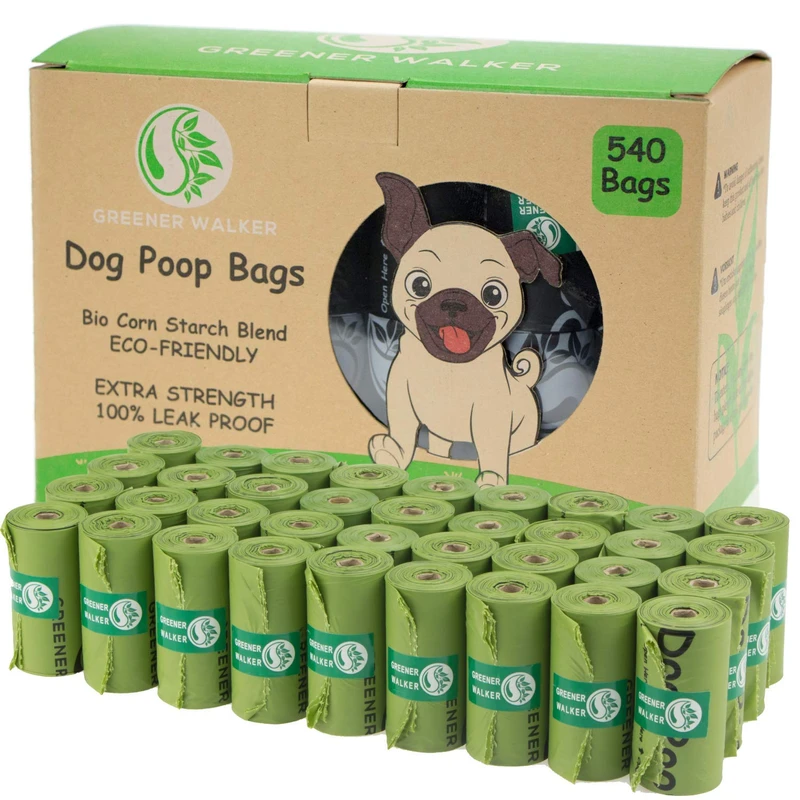
Companies like Greener Walker, Unni pet waste bags, Zola Zola, and Moonygreen focus heavily on the compostable segment. These products are ideal for owners who have access to municipal green bins or managed home compost systems. Brands like OrangeBio also provide specialized solutions for those seeking strict adherence to plant-based material standards.
The Landfill-Friendly Niche
Recognizing that many owners only have access to standard trash disposal, brands like Doggy Do Good® have carved out a niche. Their products are designed to decompose much faster in a landfill environment than traditional plastic, offering a middle ground for those who cannot access specialized composting infrastructure.
FAQ
Can I put compostable poop bags in my regular recycling bin?
No. Compostable bags act as contaminants in plastic recycling streams. To prevent ruining the recycling process for other plastics, send them to organic waste/green bins or trash, depending on their specific certification.
Why won’t my compostable bag break down in my backyard bin?
Backyard piles often lack the necessary industrial conditions: high temperatures, high oxygen, and specific microbial activity. Without these environmental triggers, the decomposition process will be significantly delayed or may not happen at all.
Are scented eco-friendly bags safe for soil?
While many are plant-based, users should check for EN13432 certification to ensure chemical additives or scents do not leave harmful residues in the resulting humus. This certification guarantees that the final decomposed material is safe for use in gardens.
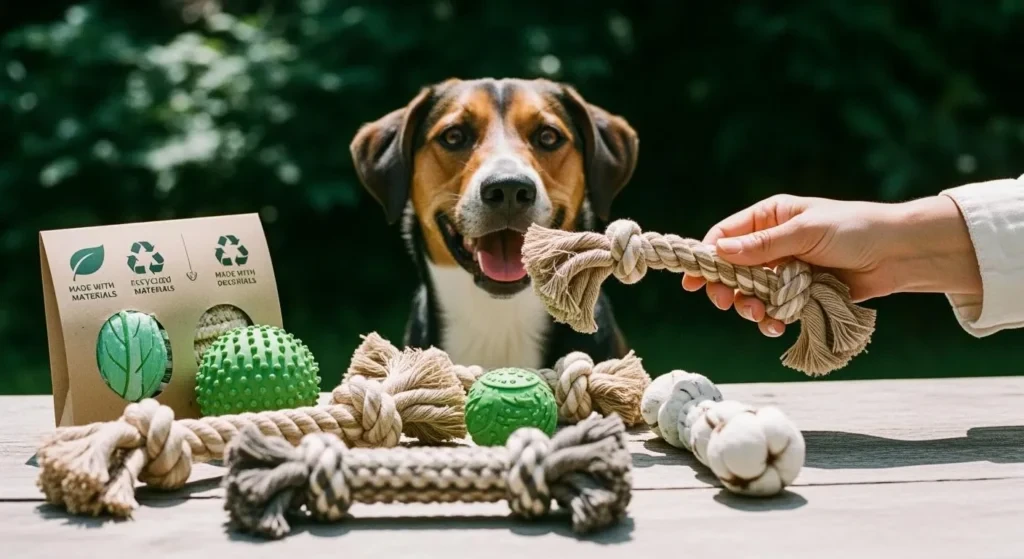
Eco-Friendly Pet Toy Manufacturing: Materials & Greenwashing
PawVerde.com – Eco-friendly pet toy manufacturing focuses on utilizing natural, biodegradable, or recycled materials like natural rubber, hemp, and organic cotton to reduce environmental impact. True sustainability in this sector requires a balance of non-toxic material safety, high durability to prevent frequent replacement, and circular manufacturing processes like recycling programs.
The production model diverts 7 Up bottles from landfills for every pound of high-loft fiber produced. This approach highlights how manufacturing can transition from a linear “take-make-waste” model to a circular system.
The Greenwashing Red Flag Checklist for Pet Parents
To spot greenwashing, avoid brands using vague terms like ‘eco-plastic’ or ‘green polymer’ without certification. Check if ‘plant-based’ products are actually biodegradable or just mixed with conventional plastics. Always verify if ‘ecycled’ claims are backed by specific programs, such as West Paw’s Join the Loop® system.
A 2024-05-27 MirrorMePR article on spotting sustainable pet brands warns that marketing often outpaces actual ecological performance. Consumers frequently encounter products labeled as “green” that still rely on toxic dyes or non-recyclable composites. This creates a significant failure mode where a pet owner believes they are reducing their carbon footprint while actually increasing microplastic exposure.
Decoding ‘Plant-Based’ vs. Bio-plastic
A common misconception is that “plant-based” automatically implies “biodegradable.” While some manufacturers use plant-derived polymers, they may be blended with conventional plastics to maintain structural integrity, which can prevent effective recycling.
The Danger of Mixed-Material Labels
EcoFurball warns that sustainability fails if a product is impossible to disassemble. When a toy combines natural hemp with synthetic polyester threads, it cannot be composted or recycled. This creates a paradox where the “natural” component is rendered useless by the “synthetic” reinforcement.
| Material Type | Sustainability Profile | Durability Factor | Key Example |
|---|---|---|---|
| Natural Rubber | High (Biodegradable) | High (Resists Cracking) | Kong Classic |
| Hemp | High (Natural/No Pesticides) | High (Resists Fraying) | The Good Dog Company |
| Recycled Plastic (TPR) | Medium (Recycled Content) | Medium (Synthetic) | West Paw |
| Organic Cotton | High (Biodegradable) | Low (High Fraying) | Lil’ Archies |
Material selection impacts a toy’s lifecycle, as seen in the varying chemical compositions and physical resilience of the options listed above.
Material Science: Natural Rubber vs. Synthetic Alternatives
natural rubber is a popular choice because it is non-toxic, biodegradable, and resists cracking better than synthetic TPR. While Thermoplastic Rubber (TPR) is widely used, it is a synthetic material that lacks the same level of environmental friendliness as natural rubber.
Newtop identifies that natural rubber is safe, non-toxic, and biodegradable, making it a preferred choice for heavy chewers. Unlike synthetic alternatives, natural rubber resists cracking and does not shed harmful bits during intense play. This physical resilience prevents the ingestion of microplastic fragments by the pet.
Why Natural Rubber Resists Cracking
Synthetic materials often rely on chemical additives to achieve flexibility. Over time, these additives can leach or cause the material to become brittle. Natural rubber, as noted by Newtop, maintains a more consistent molecular structure, which reduces the risk of sudden structural failure during play.
The TPR Sustainability Gap
Thermoplastic Rubber (TPR) remains a dominant material in the industry due to its low cost and ease of molding. However, it is a synthetic material that lacks the same level of environmental friendliness as natural rubber. While it can be recycled, it does not offer the same end-of-life biodegradability.
Durability vs. Degradation: The Sustainability Paradox
Sustainability rewards durability. EcoFurball states that if a product breaks easily, it fails the test of what makes a pet product sustainable, regardless of how green it appears.
A major pitfall in eco-friendly toy production is the trade-off between environmental impact and longevity. If a consumer replaces a “green” hemp rope every two weeks due to fraying, the total carbon footprint of those replacements exceeds that of a single, long-lasting synthetic toy. This creates a counterintuitive result where the most “eco-friendly” choice is actually the one that lasts the longest, even if it is not 100% natural.
The Cost of Low-Durability ‘Green’ Toys
Low-durability toys lead to increased landfill waste, even if the material is organic. When a toy loses its structural integrity, it becomes a choking hazard. This failure mode is particularly common in plush toys made with 100% organic cotton stuffing if the outer shell is not sufficiently reinforced.
Saliva and Moisture: How Natural Fibers Degrade
natural fibers like hemp and cotton are highly absorbent. While this provides a satisfying texture for many dogs, constant exposure to saliva and moisture can accelerate the breakdown of the fibers. This degradation is a natural process, but it requires owners to monitor toys closely for fraying.
Circular Manufacturing and End-of-Life Strategies
Modern manufacturers are moving away from linear production toward circular models. This involves designing products that can be returned, remolded, or composted at the end of their life.
The West Paw Join the Loop® program is a primary example of this strategy. Consumers send in or drop off chewed up, loved-to-near-death dog toys to be washed, chipped into little bits, and remolded into new products. This process achieves 100% recyclability for West Paw products through this dedicated system.
How the Join the Loop® Program Works
The mechanism follows a specific cycle:
- Collection: Used toys are gathered via the Join the Loop® program.
- Processing: Toys are cleaned and chipped into small granules.
- Remolding: The granules are used as raw material for new products.
Localizing the Supply Chain
Reducing the distance between manufacturing and the consumer is another way to lower the carbon footprint. Blue Toby sustainable pet products operates within a 100-mile manufacturing and shipping radius. This localization minimizes the emissions associated with long-haul logistics and supports local economies.
Leading Manufacturers in the Sustainable Pet Space
Several companies have established themselves as leaders by prioritizing material integrity and circularity. These brands focus on specific niches, from recycled plastics to natural rubber.
West Paw has been a significant player in the space since its founding in 1996 in Montana. Their focus on plastic-free, chemical-free designs has set a standard for the industry. Similarly, brands like Cycle Dog and Planet Dog specialize in utilizing recycled materials to give waste a second life.
| Brand | Specialization | Sustainability Focus |
|---|---|---|
| West Paw | Recycled Gear | Join the Loop® Program |
| Kong | Natural Rubber | Non-toxic durability |
| BetterBone | Chew Toys | Carbon-neutral production |
| Lil’ Archies | Accessories | Organic cotton & recycled fiber |
| ModernBeast | Circular Economy | Waste diversion & animal welfare |
Choosing between these brands often depends on whether the pet requires high-durability rubber or soft, organic textures.
Consumer Guide: Choosing the Right Eco-Toy
When selecting a toy, prioritize materials like hemp for durability and natural rubber for safety. For soft toys, look for 100% organic cotton stuffing. Always check for specific recycling programs to ensure the toy does not end up in a landfill after its use.
FAQ
Is hemp better than cotton for dog toys?
Yes, hemp fibers generally last longer and resist fraying better than cotton. Additionally, VEKEN notes that hemp naturally repels insects and grows without pesticides, making it a smart choice for dog toys.
How can I tell if a pet toy is truly non-toxic?
Look for food-grade certifications and materials like natural rubber or BPA-free plastics. Avoid toys that smell strongly of chemicals or use non-food-grade synthetic dyes.
What should I do with a worn-out eco-friendly toy?
Check if the brand has a take-back program like West Paw’s Join the Loop®. If not, natural rubber and hemp may be compostable, but you must check for synthetic blends first to avoid contamination.
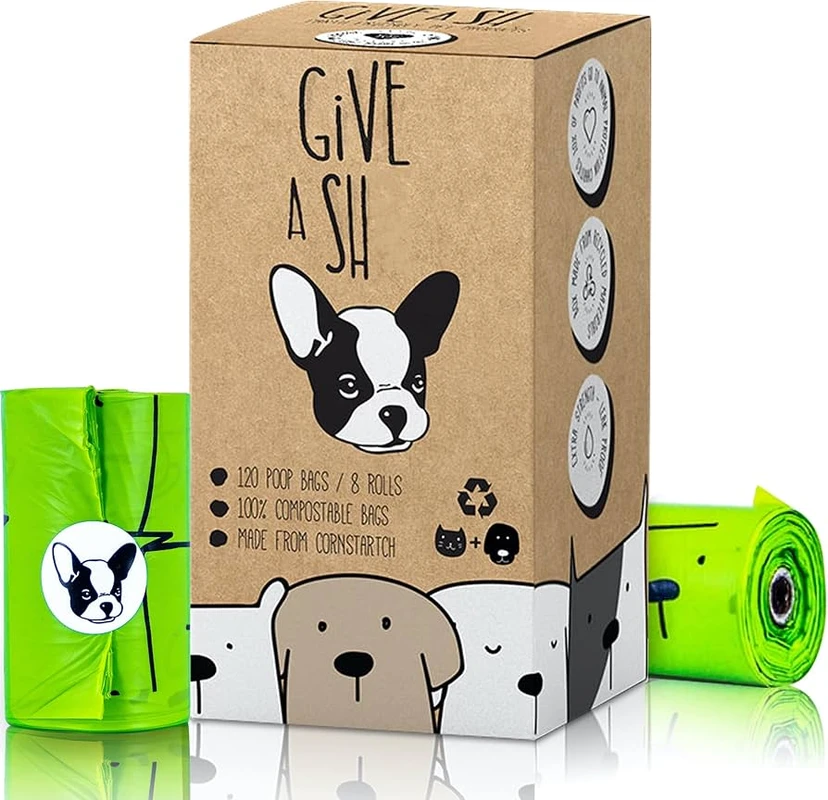
Compostable Dog Poop Bags Review: Durability & Disposal Guide
PawVerde.com – The best compostable dog poop bags are those that balance material durability with verified end-of-life disposal options. While brands like Moonygreen offer home-compostable solutions, many ‘compostable’ bags require industrial facilities (55-60°C) to break down, making PCR (post-consumer recycled) plastic a more practical alternative for most urban pet owners.
compostable bags in a landfill may take nearly as long to degrade as traditional polyethylene bags, potentially releasing methane in the process.
The Real-World Failure Modes: Beyond the ‘Compostable’ Label
Compostable bags often fail in two specific ways: they can become brittle and crack in freezing temperatures or turn gummy in high humidity. Furthermore, if they end up in a landfill rather than a managed composting facility, they may not degrade at all or could release harmful methane gas.
The Temperature Trap: Brittleness vs. Stickiness
Material performance shifts drastically depending on the weather. Emily Bryson, an associate lecturer at Central Queensland University, has noted that even certified home compostable bags don’t always behave as consumers expect. In cold climates, the polymers used in many compostable varieties can lose elasticity, leading to cracks during use. Conversely, in high-humidity environments, these materials may begin to lose structural integrity prematurely, becoming gummy or difficult to tie.
The Landfill Methane Risk
A common misconception is that compostable materials are inherently better for landfills. However, landfills are often inert environments where compostable bags likely won’t degrade. If they do manage to break down under these anaerobic conditions, they can release methane, a potent greenhouse gas, into the atmosphere. Furthermore, most sorting machines and human operators at recycling or composting facilities find it difficult to differentiate between compostable plastics and traditional plastics, which can lead to contamination in recycling streams.
Material Science Cheat Sheet: PLA, PBAT, and Cornstarch
Compostable plastics are designed to look and feel like regular plastics, but their chemical composition is fundamentally different. Remmington Belford has stated that “Compostable plastics are designed to look and feel like regular plastics.” However, the underlying science reveals a complex mix of substances.
Understanding the Polymer Mix
It is a mistake to assume all eco-friendly bags are made of a single plant-based substance. In reality, compostable bags may contain both biobased and fossil-based materials. The specific blend determines how the bag stretches and holds weight. Key components often include:
- PLA (Polylactic Acid): Often derived from cornstarch, providing structure but sometimes lacking flexibility.
- PBAT: A fossil-based polymer that is fully biodegradable, often added to improve the stretch and toughness of the bag.
- Cornstarch blends: Used to increase the bio-based content of the final product.
Why Disintegration $neq$ Compostability
A critical distinction exists between a material falling apart and a material truly composting. As noted by research from Michigan State University, the item must physically fragment, but disintegration alone is not compostability. True compostability is a property of a material-plus-environment system, never of the material alone. For a bag to be considered compostable, it must break down into humus within a specific timeframe without leaving behind microplastics.
Top Rated Compostable & Eco-Friendly Brands
Top eco-friendly brands include Moonygreen for home composting (90-day breakdown), Give A Shit for premium compostable options, and Earth Rated for practical PCR (post-consumer recycled) plastic which uses 88% less energy than virgin plastic.
| Brand | Primary Material | Best Use Case | Key Spec |
|---|---|---|---|
| Moonygreen | Home Compostable | Home Gardeners | 90-day breakdown |
| Give A Shit | Compostable | Premium Eco-conscious | Certified Compostable |
| Earth Rated | PCR Plastic | Urban/Municipal | 65% PCR Content |
| Zola Zola | Compostable | Eco-friendly walking | Compostable |
| PoopShark | Paper | Non-plastic preference | Paper-based |
The table above compares the primary material and ideal use case for leading brands in the pet waste industry.
Home Compostable Winners
For owners with active backyard composting setups, Moonygreen stands out because it is designed for home-composting conditions, achieving breakdown in approximately 90 days. This is a significant advantage over industrial-grade bags that require much harsher conditions to disappear.
The PCR Practicality Choice
For many urban dwellers, PCR (post-consumer recycled) plastic is the more realistic environmental choice. Earth Rated utilizes 65% PCR plastic, a method that delivers environmental benefits during the manufacturing stage. Specifically, PCR plastic uses up to 88% less energy and results in a 70% reduction in emissions compared to producing virgin plastic.
Durability and Performance: The Miso Paste Test
Durability is the most frequent point of failure for eco-friendly bags. A common method used to evaluate this is the Miso paste test, which involves scraping up watered-down miso paste from a surface to check for leakage and structural integrity during a simulated “cleanup.”
Thickness Matters: Microns vs. Mess
The thickness of a bag, measured in microns, directly correlates to its ability to prevent accidents. For example, Bark & Hound bags feature a thickness of 25 microns, providing a sturdier feel. In contrast, Earth Rated bags are thinner at 15 microns, relying on the properties of the PCR material to maintain strength. Using a bag that is too thin significantly increases the risk of a puncture during a walk.
Leak-Proofing Realities
While thicker bags like the 25-micron Bark & Hound models offer more peace of mind, compostable materials can sometimes struggle with the “gummy” texture mentioned earlier. If a bag is too thin and the material begins to degrade due to heat or moisture, the risk of a leak becomes much higher than with traditional polyethylene.
The Disposal Logistics Checklist
Before purchasing a large bulk order of compostable bags, owners must verify how they will actually be discarded. Environmental benefits are lost if the disposal method is incompatible with the material.
- Check Municipal Rules: Most municipal composting programs in the US don’t accept pet waste because it can contain pathogens.
- Verify Temperature Requirements: Many industrial-grade PLA bags require sustained temperatures of 55-60°C to break down effectively.
- Identify Certification: Look for “Home Compostable” labels if you do not have access to industrial facilities.
Total Cost of Ownership: Premium vs. Practical
Switching to premium compostable options often comes with a higher price tag. For instance, using Give A Shit bags can result in an estimated annual cost of approximately $80 per dog. While this is a higher upfront investment compared to standard plastic, the cost must be weighed against the availability of local composting infrastructure and the specific environmental goals of the owner.
FAQ
Can I put compostable poop bags in my home compost bin?
Only if they are specifically certified “Home Compostable.” Brands like Moonygreen are designed for this, typically breaking down in about 90 days, whereas industrial-grade PLA bags require 55-60°C to break down effectively.
Is PCR plastic better than compostable plastic?
For many, yes. PCR (Post-Consumer Recycled) plastic is more practical because municipal composting often rejects pet waste, and PCR uses up to 88% less energy than virgin plastic during the manufacturing process.
What is the difference between biodegradable and compostable?
Compostability is a specific standard requiring material to break down into humus within a set timeframe (e.g., 180 days) without leaving microplastics, whereas “biodegradable” is a broader, less regulated term.
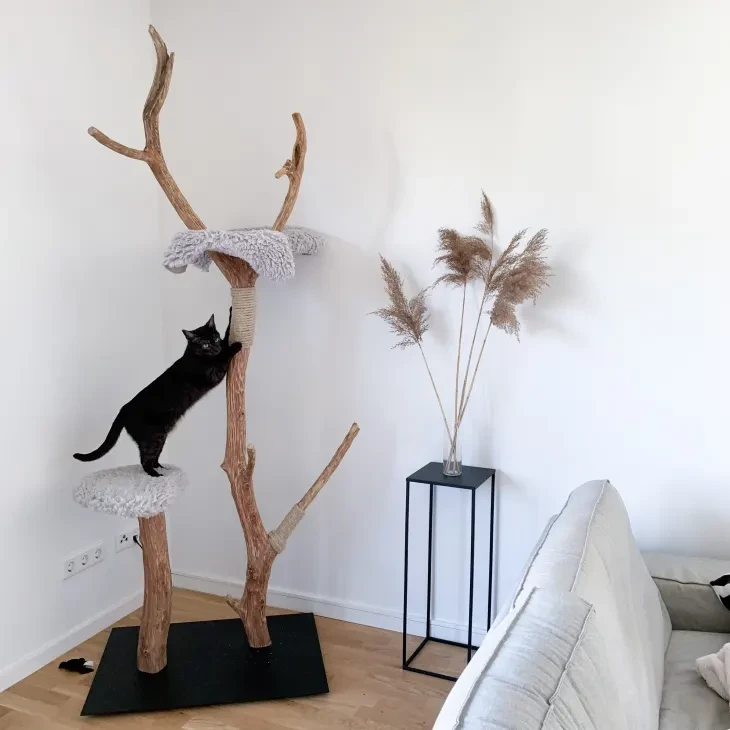
DIY Upcycled Wooden Cat Tree: Build a Safe, Custom Climber
PawVerde.com – Building an upcycled wooden cat tree involves repurposing reclaimed lumber or natural branches to create a custom, stable climbing structure. By combining heavy bases, sisal-wrapped scratching posts, and breed-specific level spacing, you can build a piece of furniture that is often more durable and aesthetically superior to mass-produced commercial models. A custom homemade cat tree made from scrap lumber can be far superior in quality to a $20 retail kitty condo.
The Upcycler’s Pet-Safe Material Audit
Using cheap or indoor-grade materials can seriously compromise your catio’s safety and longevity. When exposed to rain, sun, and snow, low-quality wood can warp, rot, or split in a matter of months.
Testing Reclaimed Wood for Pesticides and Rot
Before assembly, inspect every piece of lumber for signs of structural compromise. Even wood that appears solid may contain hidden rot or chemical treatments. Follow these inspection steps:
- Check for soft spots or moisture using a screwdriver to test for rot.
- Examine surfaces for discoloration that suggests chemical treatment.
- Verify that no wood is splitting or warping beyond a 2-degree angle.
Selecting Non-Toxic Adhesives and Finishes
The choice of sealant is critical because cats often chew on the edges of their furniture. To maintain safety, builders recommend finishing the wood with natural beeswax and orange paste. This ensures the wood remains non-toxic if your cat nibbles on the edges. Avoid high-VOC (Volatile Organic Compounds) stains or industrial-grade glues that do not meet pet-safety standards.
Breed-Specific Ergonomics: Sizing for Every Life Stage
To ensure accessibility, adjust level spacing based on your cat’s profile: use 6–8 inches of spacing for senior cats to assist mobility, 10–12 inches for beginners or kittens, and 14–18 inches for athletic adult cats. For large breeds like Maine Coons, ensure the structure can support up to 25 pounds (about $34).
| Cat Profile | Recommended Level Spacing | Climbing Difficulty |
|---|---|---|
| Kittens/Beginners | 10–12 inches | Low |
| Athletic Adults | 14–18 inches | Medium |
| Senior Cats | 6–8 inches | Minimal (Assisted) |
Select a vertical layout that matches the physical requirements of your specific pet.
Dimensions for Large Breeds vs. Kittens
Weight capacity must scale with the breed. While a standard cat might weigh 15 pounds (about $20), large breeds such as Maine Coons can reach 25 pounds (about $34). For these heavier cats, the foundation must be significantly more substantial to prevent the structure from tipping during a jump. A common mistake is building a tree for a kitten that cannot support the weight of an adult.
Vertical Spacing Guidelines
Spacing dictates how much energy a cat spends moving between levels. For senior cats, tighter spacing of 6–8 inches reduces the vertical leap required, supporting mobility and preventing joint strain. Conversely, athletic cats benefit from 14–18 inches of clearance, allowing them to utilize their natural jumping ability.
Branch Selection and Bark Removal Masterclass
Natural branches provide a unique aesthetic that commercial models cannot replicate. Natural branches provide a unique aesthetic that commercial models cannot replicate, as the specific wood pieces found can make each structure so unique. However, using raw branches requires specific preparation to ensure they are safe and clean for your home.
- Identify sturdy, thick branches that show no signs of fungal growth.
- Use a bark stripping tool and/or a chisel and hammer to remove the bark.
- Sand all surfaces with 100-grit sandpaper, followed by a 150-grit finish.
Identifying Structural Integrity in Natural Wood
Vertical supports require high-density wood. Avoid branches with excessive knots or cracks that run vertically along the grain. To maintain stability, select branches thick enough to hold screws or bolts without splitting. If you are using large logs, remember that the logs need to be heavy to balance the tree.
Step-by-Step Bark Stripping
To prevent insects from living in the wood, use a chisel and hammer to gently pry the bark away from the cambium layer. A dedicated bark stripping tool is more efficient for tougher wood. After the bark is removed, sand the surface thoroughly to ensure no splinters remain. This process is vital because bark can flake off, creating a mess or a choking hazard.
Step-by-Step Construction Guide
Begin by constructing a substantial base using double-thick plywood (at least 1 inch total thickness) to prevent toppling. Secure vertical supports—either wooden dowels or natural branches—to the base, then add platforms using 3/4-inch plywood. Finally, wrap scratching areas in sisal rope and apply carpet to platforms for traction.
Shortcut: For a quick, stable base, cut two 1/2-inch plywood pieces, apply wood glue between them, and press together. This creates a 1-inch thick slab that provides the necessary weight.
Building the Foundation
The foundation is the most critical component. Use 3/4-inch plywood for the individual platforms to prevent sagging. For the main base, the double-thick method mentioned above is ideal. If you are using wooden dowels as supports, select a 2-inch width for stability. For taller structures, a 48-inch length of wooden dowel can serve as a primary vertical axis.
Installing Scratching Posts and Ladders
To create scratching surfaces, use a wooden dowel, stain or finish the wood, and then glue sisal rope around the post. Secure the rope by wrapping it tightly and using staples to fix the ends. For ladder elements, cut identical strips of wood, make oblique cuts, and secure the rods with screws and half-holes. This creates a stable incline for the cat to climb.
Upholstering Platforms for Comfort
Traction is essential to prevent cats from slipping. To upholster a platform:
- Cut carpet slightly larger than the base.
- Flip the carpet upside down over the plywood.
- Apply glue to the edges of the plywood.
- Wrap the carpet tightly around the edges and trim the excess.
Staple the straight sides, then pull the angles and staple them too. This ensures the carpet stays taut and does not peel over time.
Stability Physics: Preventing the Topple
The logs need to be heavy to balance the tree. If they do not have enough weight, they will topple. A weak base or long, unsupported posts cause wobbling, which can lead to injury or a lack of use by the cat.
Calculating the Center of Gravity
To prevent tipping, use a heavy, wide base to keep the center of gravity low. If you are building a tall tree, the weight of the base must significantly exceed the weight of the highest platform. If the tree feels unstable during construction, increase the thickness of the base or add weight to the bottom level.
Anchoring to Walls for Tall Trees
For tall, vertical trees, even a heavy base may not be enough to prevent toppling during an intense play session. In these cases, use L-brackets to anchor the structure to a wall stud. When mounting to a wall, use 2.5–3 inches long wood screws. Ensure the screws penetrate at least 1.5 inches into the stud to provide a secure hold. This prevents the tree from pulling away from the wall if the cat jumps forcefully.
FAQ
How can I prevent my DIY cat tree from wobbling?
Use a substantial, heavy base, such as double-thick plywood, and avoid long, unsupported posts. For tall structures, anchor the unit to a wall stud using L-brackets.
What is the best material for scratching surfaces?
Sisal is an excellent choice for scratching surfaces because it is a durable natural fiber that is highly attractive to cats.
How do I finish upcycled wood safely?
Apply natural finishes like beeswax and orange paste to ensure the wood remains non-toxic if your cat nibbles on the edges.
Conversions use a rate of 1 GBP = $1.35 as of August 31, 2026; rates may change.
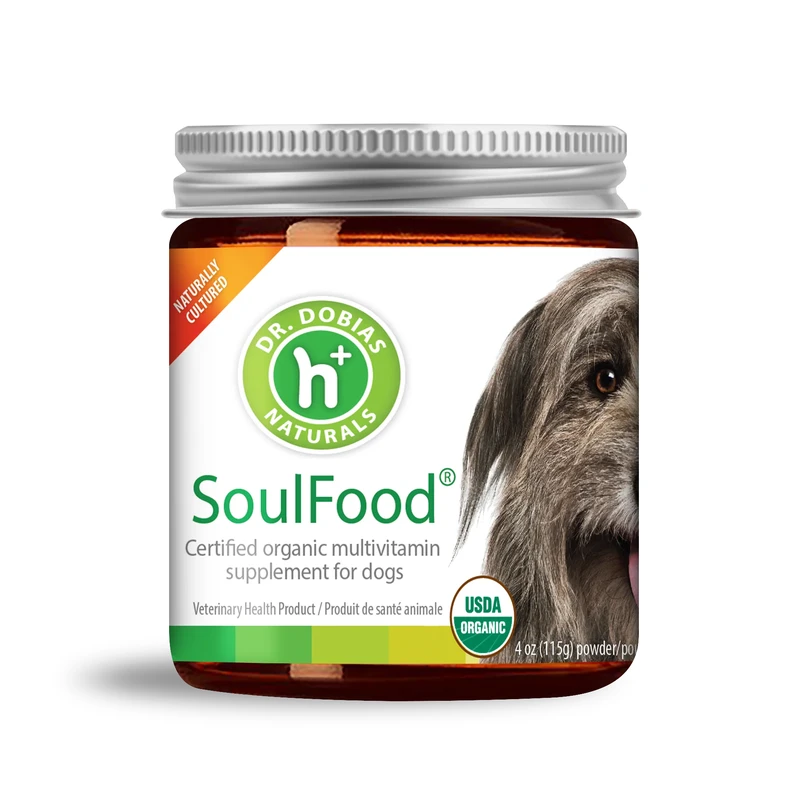
Eco-Friendly Pet Supplements: Sustainable & Easy to Digest
PawVerde.com – eco-friendly pet supplements prioritize sustainable ingredients like insect proteins and microalgae, which offer high digestibility and low environmental impact. To ensure they are easy on a sensitive stomach, look for low-temperature processed formulas, avoid synthetic binders like magnesium stearate, and prioritize high-moisture or whole-food delivery methods.
Cricket protein is claimed to be more easily digestible than meat and is rich in amino acids, vitamin B 12, iron, and fiber. This makes insect-based options a primary target for owners seeking to reduce their carbon footprint without sacrificing nutritional density.
The Sustainability-Digestibility Matrix: Comparing Eco-Friendly Proteins
Selecting sustainable options requires balancing environmental impact with gastrointestinal ease. While insect proteins like crickets offer high digestibility and low carbon footprints, microalgae and macroalgae provide stability for the gut microbiome. For those opting for plant-based proteins like pea or faba bean, pairing them with prebiotics like inulin helps ensure optimal digestion.
The nutritional landscape for pets is shifting away from traditional livestock. Edible insects serve as a novel protein source that can prevent food allergic reactions in dogs because most dogs have not developed sensitivities to them.
Insect Protein vs. Microalgae
Microalgae and macroalgae are emerging as powerhouse sources for pet supplementation. Research suggests these sources offer palatability, digestibility, and gut microbiome stability. Spirulina powder, for example, can contain up to 70% protein. While highly sustainable, these aquatic sources function differently in the gut than insect proteins, which provide essential fiber alongside amino acids.
The Role of Plant-Based Proteins
Plant-based proteins, often provided by companies like BENEO, offer a low-impact alternative to animal fats. However, a common misconception is that plant proteins are inherently easier to digest. In reality, they often require specific pairings to be effective. For instance, pairing pea or faba bean proteins with prebiotics like inulin ensures that the digestive system can process the nutrients without causing gas or bloating.
| Protein Source | Environmental Impact | Digestibility Score | Key Nutrient Benefit |
|---|---|---|---|
| Cricket/Insect | Very Low | High | B12, Iron, Fiber |
| Microalgae | Low | Moderate/High | Microbiome Stability |
| Plant-Based (Pea/Faba) | Very Low | Moderate | Prebiotic Support |
| Traditional Meat | High | High | Complete Amino Acids |
Traditional meat provides high digestibility but carries a significantly higher environmental cost than algae-based alternatives. For pets with allergies, the “novel” nature of insect protein provides a unique advantage that traditional proteins cannot match.
The Hidden Filler Audit: Protecting Nutrient Absorption
Even the most sustainable protein source can be undermined by poor formulation. Owners should examine inactive ingredients used for shape or shelf life.
The Magnesium Stearate Problem
One of the most significant pitfalls in supplement manufacturing is the use of magnesium stearate. While used to prevent machines from sticking during production, this substance can create a water-repelling effect around active ingredients. This coating may compromise the body’s ability to absorb essential nutrients. It is noted that our bodies will always react to foreign, non-biological substances.
Identifying Non-Biological Binders
To protect your pet’s gut health, check the ingredient list for synthetic binders. Avoid products that rely heavily on these common red flags:
- Magnesium stearate
- Silicon dioxide
- Artificial coloring agents
- Synthetic coatings on hard tablets
Hard tablets are notoriously difficult for the digestive tract to break down compared to powders or capsules. If a supplement is intended for a pet with a sensitive stomach, the presence of these non-biological binders can lead to poor nutrient extraction and gastrointestinal discomfort.
Optimizing Bioavailability through Gentle Processing and Moisture
To maximize digestibility, choose supplements prepared via gentle, low-temperature cooking, which preserves nutrients and kills bacteria without destroying enzymes. Additionally, increasing moisture content through wet carriers like pumpkin puree supports GI motility and hydration, preventing the constipation often associated with dry tablets or powders.
Why Temperature Matters
High-heat processing can denature proteins and destroy delicate vitamins. Conversely, gentle, low-temperature cooking kills bacteria found in raw meats while maintaining the structural integrity of the nutrients. For example, Shanghai Peitong Technology Co., Ltd. has developed formulas that utilize yeast probiotics and seaweed powder to enhance nutritional value through more controlled methods.
The Moisture Gap
Dry supplements, such as powders or hard tablets, can contribute to dehydration if not managed correctly. Higher moisture content provides a direct digestive benefit by supporting hydration and ensuring smoother GI motility. Integrating supplements with moisture-rich whole foods can mitigate the risks of constipation.
A 7-Day Transition Protocol for Sensitive Stomachs
Introducing a new eco-friendly supplement should be done gradually. A sudden change in protein or fiber sources can trigger diarrhea or gas. Follow this structured approach to ensure a smooth transition.
Monitoring Stool Consistency
Before starting, use the “Tracking Dietary Patterns” method. This involves recording your pet’s current stool consistency, appetite, and behavior. This baseline is essential for determining if the new supplement is actually helping or causing issues.
The Reintroduction Phase
- Days 1-2: Administer only 25% of the recommended dose mixed thoroughly with their existing food.
- Days 3-4: Increase the dose to 50% if stool consistency remains stable.
- Days 5-6: Move to 75% of the daily requirement.
- Day 7: Transition to the full recommended dosage.
Shortcut: If you notice sudden changes in appetite or significant gas, immediately revert to the previous dose and consult a professional.
Managing Metabolic Health with Eco-Friendly Carbohydrates
Not all carbohydrates are created equal when it comes to blood sugar stability. For pets requiring metabolic support, the type of sugar or starch used in a supplement can dictate how the body responds.
Isomaltulose vs. Sucrose
Research indicates that isomaltulose can be a superior choice for metabolic health. In studies involving dogs, isomaltulose significantly lowered blood glucose and insulin responses when compared to maltodextrin or sucrose. This makes it an ideal ingredient for weight management and glucose stability.
Prebiotics and Blood Sugar
Non-digestible carbohydrates, such as inulin and oligofructose, serve as vital prebiotics. Because these fibers are not fully broken down by the small intestine, they do not trigger a rise in postprandial blood glucose or insulin concentrations. This allows for gut microbiome support without the metabolic spikes associated with traditional starches.
Safety Thresholds and Avoiding Toxicity
While supplements are intended to support health, exceeding certain thresholds can lead to toxicity. Even “natural” minerals must be consumed within specific limits.
The Magnesium Ceiling
Magnesium is essential for many bodily functions, but it follows a strict safety curve. While the maximum recommended daily intake for adults to avoid side effects is roughly 350 mg, exceeding 5,000 mg per day poses a direct risk of toxicity.
Common Questions on Eco-Friendly Pet Nutrition
Are insect proteins actually easier to digest than meat?
Yes, insect protein like cricket is highly digestible and serves as a novel protein source to prevent food allergic reactions. It is also rich in essential nutrients like vitamin B12 and iron.
How can I tell if a supplement is ‘greenwashed’?
Watch for high-processing methods that destroy prebiotics and check for non-organic binders like silicon dioxide or magnesium stearate that may impede nutrient absorption.
Can I feed my dog silkworm pupae protein?
Yes, silkworm pupae can be used, but they should only be introduced once a dog reaches a minimum of four months of age.
Sustainable Pet Food Packaging: Market Trends & Growth
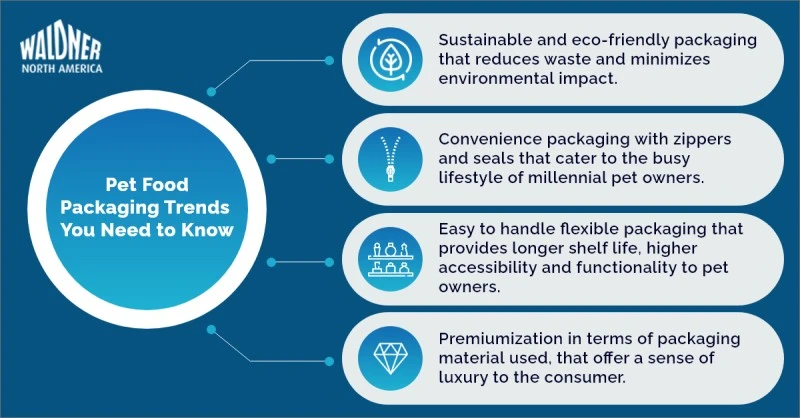
PawVerde.com – The global pet food paper-based packaging market is undergoing a massive shift, projected to grow from $4.65 billion in 2025 to $7.43 billion by 2034. This acceleration is driven by a 132% surge in direct-to-consumer subscription services and a growing consumer demand for eco-friendly materials.
The Decision Matrix: Matching Product Formats to Sustainable Materials
Selecting the right packaging depends on the food type: high-fat kibble requires high-barrier mono-materials (PE/PP) to prevent spoilage, while treats with shorter shelf lives are ideal candidates for compostable transitions. Wet foods benefit most from infinitely recyclable aluminum or steel cans.
Dry Kibble vs. Wet Pâté Requirements
Product safety remains the primary constraint in material selection. While sustainable packaging often compromises barrier properties compared to conventional plastics, manufacturers must prevent moisture ingress that leads to microbial growth. High-fat kibble requires rigorous protection to avoid rancidity. Consequently, aluminum and steel cans are currently among the most sustainable packaging formats in the category from a lifecycle perspective, as both are infinitely recyclable with well-established collection infrastructure.
The Treat Segment Opportunity
Treat and snack packaging has the most flexibility for compostable material transitions. This flexibility exists because treat shelf life requirements are typically shorter than primary meal components. Industry analysts note that while compostable options are growing, they may not be the most sustainable choice for all eCommerce brands if reliable composting infrastructure is absent. In contrast, recyclable packaging made with high post-consumer waste often offers a clearer and more reliable sustainability benefit when it performs better across lifecycle metrics.
Critical Failure Modes: When Sustainable Packaging Risks Product Safety
Transitioning to eco-friendly materials introduces specific technical risks that can impact both product integrity and corporate profitability. Insufficient packaging protection can lead to critical failures in food stability.
One primary failure mode involves compromised barrier properties. When sustainable materials fail to block moisture or oxygen, the resulting rise in water activity can trigger microbial growth. Furthermore, over-packaging—the practice of choosing packaging with unnecessarily low water vapor transmission rates (WVTR)—is an expensive error that can erode profits. Manufacturers must balance environmental goals with the necessity of maintaining a 12 to 24 month shelf life for dry kibble to prevent mass product recalls.
The Rise of Mono-Materials and Advanced Barrier Science
To replace traditional multi-layer laminates, manufacturers are adopting mono-material all-PE or all-PP structures. These use EVOH-free barrier technology to maintain oxygen transmission rates below 2, ensuring a 12 to 24 month shelf life for dry kibble while remaining fully recyclable.
Nanocomposite and Active Packaging Innovations
The industry is increasingly moving toward mono-material all-PE or all-PP bags with post-consumer resin (PCR) content. These advanced structures are now commercially available and aim to solve the historical trade-off between recyclability and protection. Innovation in material science is driving several key developments:
- Nanocomposite films: Incorporating nanofillers like nanoclay, cellulose nanocrystals, or chitosan nanoparticles to enhance barrier, mechanical, and antimicrobial properties.
- Active Packaging: Using oxygen scavengers or moisture absorbers to interact with the food’s internal environment to extend shelf life.
- Intelligent Packaging: Utilizing time-temperature indicators or freshness indicators to monitor product condition in real-time.
These technologies allow for higher levels of recycled content, such as 90% post-consumer content in recycled HDPE, without sacrificing the structural integrity required for heavy kibble bags.
Market Dynamics: DTC Subscriptions and Consumer Willingness to Pay
The landscape of pet food retail is shifting toward digital channels, which presents unique packaging requirements. Online sales currently capture 48% of the total pet food market volume as of 2025.
Consumer sentiment is heavily weighted toward environmental responsibility. According to McKinsey & Co., “most consumers are highly concerned about packaging sustainability and are willing to pay more for sustainable packaging.” This is reflected in the fact that one in three consumers globally is willing to pay more for these eco-friendly solutions. Furthermore, 67% of premium pet food buyers actively prefer eco-friendly packaging, a significant increase from 52% in 2022.
The Subscription Box Logistics Challenge
The rise of direct-to-consumer (DTC) subscription services has introduced a 132% growth in customer bases between 2022 and 2025. This rapid expansion, seen in brands like Ollie, The Farmer’s Dog, and Sundays, creates a high-frequency shipping environment. Packaging for these services must withstand the rigors of the “last mile” while remaining lightweight to manage logistics costs. For these brands, the packaging must be durable enough for repeated transit but sustainable enough to satisfy the 78% of consumers who consider living a healthy and sustainable lifestyle to be important.
Industry Leaders and Global Manufacturing Shifts
Major global manufacturers are aggressively expanding their sustainable flexible and rigid packaging portfolios to meet these evolving demands.
| Manufacturer | Specialization | Key Sustainable Focus |
|---|---|---|
| Amcor | Flexible Packaging | Recyclable mono-material structures |
| Tetra Pak | Carton Formats | Sustainable liquid and wet food cartons |
| Sonoco Asia | Rigid Containers | Eco-friendly solutions in emerging markets |
| ProAmpac LLC | Flexible Packaging | Sustainable flexible packaging capabilities |
| Huhtamaki Oyj | Flexible Packaging | Sustainable flexible packaging expansion |
These industry leaders are focused on transitioning from complex multi-layer laminates to high-performance, single-polymer structures that fit into existing recycling streams.

Best Plastic-Free Pet Grooming Tools: A Sustainability Guide
PawVerde.com – The best plastic-free pet grooming tools prioritize high-quality materials like stainless steel for infinite recyclability and bamboo for lightweight durability. To achieve a truly zero-waste routine, transition from liquid shampoos to vegan shampoo bars and swap disposable wipes for washable cloths to eliminate microplastic shedding and single-use waste.
Searches for “eco-friendly pet products” have grown by 30% in the last two years, signaling a massive shift in pet care priorities.
The Sustainability Audit: Identifying Hidden Plastics in Your Grooming Kit
To identify hidden plastics, inspect your “eco-friendly” tools for synthetic bristles (nylon/polyester) on bamboo handles, plastic components inside nail grinders, and toxic dyes in “natural” products. A truly plastic-free tool should consist of metal, wood, bamboo, or natural rubber without synthetic adhesives or composite parts.
Greenwashing occurs when products are labeled “eco-friendly” or “natural” but contain hidden synthetic materials or toxic dyes. A common failure mode involves bamboo handles that are bonded to plastic bases using non-recyclable adhesives. If a tool cannot be separated into pure material streams, it fails the sustainability audit.
The Bristle Trap
Many brushes marketed as sustainable feature bamboo or wood handles but utilize nylon or polyester bristles. These synthetic filaments shed microplastics during use. Practitioners recommend checking the bristle composition before purchase. True zero-waste alternatives rely on natural fibers or high-grade metal pins.
The Glue and Dye Dilemma
Even if the primary material is bamboo or hemp, manufacturers often use synthetic glues to secure metal components. Bamboo and hemp are chemical-free alternatives to plastics, but only if the entire assembly avoids composite parts. Additionally, ensure that “natural” products do not rely on synthetic dyes that can leach into a pet’s coat.
Material Durability vs. Eco-Impact Matrix
Selecting tools requires weighing longevity against immediate environmental footprint. While bamboo offers immediate renewability, stainless steel provides a lifecycle that spans decades through infinite recyclability.
| Material | Durability | Recyclability | Best For |
|---|---|---|---|
| Stainless Steel | High | Infinite | Dematting, Combs, Professional tools |
| Bamboo | Moderate | Compostable* | Lightweight brushes, Handles |
| Plastic | Low | Limited | Not recommended for zero-waste |
Stainless steel stands as the gold standard for sustainable grooming tools due to its exceptional durability, resistance to rust and corrosion, and infinite recyclability.
Stainless Steel: The Infinite Recyclable
Stainless steel is an ideal choice for high-friction tools like combs and deshedding implements. Unlike plastic, which degrades and becomes ineffective quickly, metal maintains its structural integrity over years of use. This longevity prevents the constant replacement cycle that drives landfill waste.
Bamboo: The Lightweight Renewable
Bamboo brushes are a fantastic alternative to plastic because bamboo is a renewable resource that is both durable and lightweight. It provides a tactile, natural feel that avoids the static electricity common with synthetic handles. However, users must ensure the brush is 100% bamboo to ensure it is truly compostable at end-of-life.
Top Sustainable Grooming Tools by Category
Matching material properties to specific grooming needs is essential for reducing environmental impact while maintaining professional results.
Professional-Grade Metal Tools
- Mars Coat King: This dematting undercoat rake is a heavy-duty metal option. It is highly efficient, removing 90% of loose hair with each grooming motion.
- Andis Deshedding Tool: Featuring a head width of 4.5 inches, this tool is a staple for managing thick coats. It is priced at approximately $26 at Chewy.
- Safari Self-Cleaning Slicker Brush: A reliable metal and wood option for daily maintenance, available for about $18 at Chewy.
Zero-Waste Bathing Essentials
- Stuck Soap Vegan Shampoo Bars: These bars are a high-impact change for zero-waste routines. One bar replaces multiple plastic bottles and lasts for months.
- Washable Cloths: Instead of using Earthbath or other disposable wipes, use old towels cut into small squares for paw cleaning.
Sustainable Brushes and Combs
- Uproot Pet Grooming Kit: This kit contains 7 different tools, providing a comprehensive solution for various coat types.
- FOUR PAWS Curry Brush: A durable option for skin stimulation and hair removal.
Coat-Specific Material Guide: Matching Tool to Texture
The texture of a pet’s coat dictates whether a tool should be heavy-duty metal or a lighter natural material. Using the wrong tool can lead to breakage or ineffective grooming.
Double-Coated Breeds
For breeds with dense undercoats, metal combs and deshedding tools are long-lasting options. These tools must be sturdy enough to penetrate the coat without bending. Stainless steel is essential here to withstand the pressure required to reach the undercoat.
Short and Smooth Coats
Short-haired pets benefit from tools that minimize static. Wooden handles are naturally less static-inducing than plastic, which is a big win for long-haired breeds or pets sensitive to electrical discharge. For smooth coats, a simple metal comb is often sufficient and will last a lifetime.
Maintenance and Disposal: The End-of-Life Roadmap
Even the most durable tools require upkeep to ensure they remain effective and safe for the pet.
Extending Tool Lifespan
To maintain metal combs, use DIY Comb Maintenance techniques. You can lightly run a piece of very fine-grit sandpaper or an emery board over the tips of the teeth to smooth them out. This prevents the metal from scratching the pet’s skin.
Warning: Stainless steel tines can break if the brush is dropped. Handle metal tools with care to prevent bending or snapping the teeth.
Composting and Recycling Guide
- Compostable: 100% bamboo handles or wooden handles (without synthetic glues) can be composted.
- Recyclable: Stainless steel tools and metal pins should be separated from handles and sent to metal recycling.
- Repurposing: Instead of tossing shed fur in the trash, add it to your compost bin. Dog hair is rich in nitrogen and breaks down naturally, contributing valuable nutrients to your garden soil.
Common Misconceptions About Eco-Friendly Pet Care
While “natural” does not always guarantee sustainability, vegan dog shampoos offer environmental benefits. According to Stuck Soap, vegan shampoos avoid animal-derived ingredients, reducing demand on animal agriculture—a major contributor to greenhouse gas emissions, land use, and water consumption.
FAQ
Can I compost a bamboo brush?
Only if it is 100% bamboo without metal pins or plastic glues. If it contains metal tines, you must separate the metal for recycling and compost the handle separately.
Are vegan shampoos actually better for my pet?
Yes, vegan shampoos avoid animal-derived ingredients and reduce the environmental footprint of animal agriculture, which is a major contributor to greenhouse gas emissions, land use, and water consumption.
How do I prevent rust on metal grooming tools?
Always dry stainless steel tools thoroughly after use. While stainless steel is highly resistant to corrosion, leaving them damp in a humid bathroom can eventually lead to oxidation.