
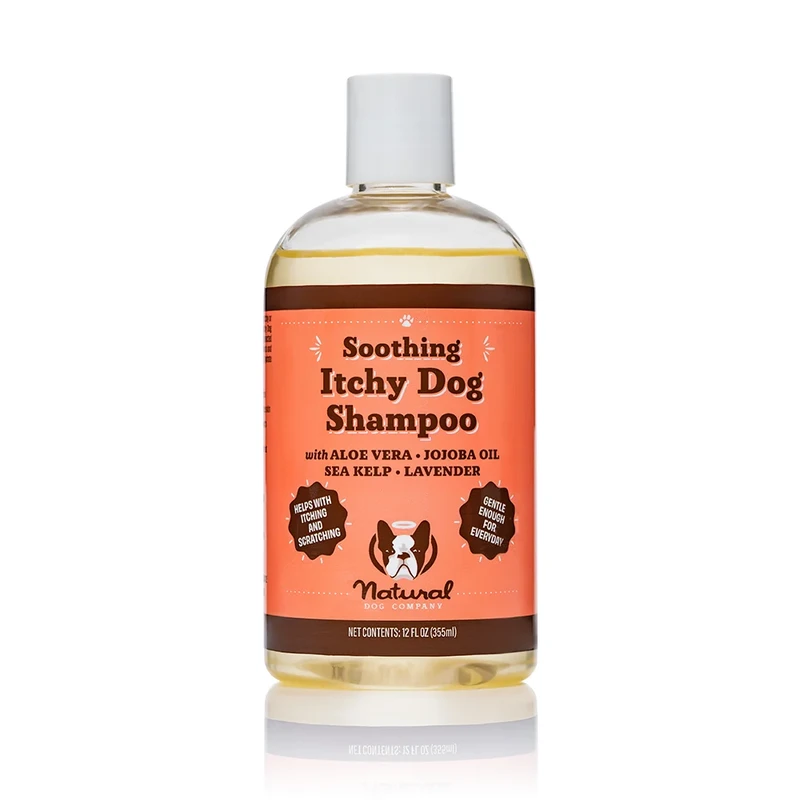
Best Organic Pet Shampoos for Itchy Skin: 2026 Guide
PawVerde.com – The best organic pet shampoos for itchy skin prioritize ingredients like colloidal oatmeal, aloe vera, and neem to soothe irritation without disrupting the skin’s natural pH. For maximum efficacy, look for USDA Certified Organic labels to avoid ‘greenwashed’ products containing hidden sulfates, artificial fragrances, or harsh alcohols.
Colloidal oatmeal was officially approved by the FDA as a skin protectant agent in 2003, making it a clinically recognized gold standard for soothing irritation. This recognition stems from its ability to form a protective moisture barrier on the skin, which helps lock in hydration and prevent water loss.
The Organic Label Decoder: Spotting Greenwashing in Pet Care
To verify if a pet shampoo is truly organic, look for ‘USDA Certified Organic’ seals rather than vague terms like ‘natural-inspired’ or ‘botanical extracts.’ True organic products must meet strict regulatory standards, whereas ‘natural’ labels often hide synthetic sulfates, artificial fragrances, and alcohols that can disrupt a dog’s skin pH.
The ‘Natural’ vs. ‘Certified Organic’ distinction
Many manufacturers use “greenwashing” tactics to imply a product is safer than it actually is. A common failure mode occurs when owners purchase products labeled “botanical” or “natural” only to find that the formula contains harsh surfactants. In 2003, Vermont Soap introduced the first USDA Certified Organic Pet Shampoo, setting a benchmark for what true organic certification requires. Unlike generic “natural” claims, USDA certification ensures that ingredients are grown and processed without synthetic pesticides or prohibited substances.
Red-flag ingredients to avoid
To protect the skin barrier, avoid shampoos made for people or those containing fragrances, alcohol, or essential oils. According to Vetster, these specific ingredients can disrupt a dog’s natural skin pH and worsen existing irritation.
- Sulfates: These create a rich lather but strip the skin of its natural protective oils.
- Artificial Fragrances: Often the primary cause of contact dermatitis in sensitive pets.
- Harsh Alcohols: These can lead to excessive dryness and flakiness.
Symptom-to-Ingredient Matrix: Matching Botanicals to Itch Types
Effective treatment requires matching the ingredient to the specific biological cause of the irritation. For example, using an antimicrobial agent for simple dryness may result in ineffective relief.
| Skin Condition | Primary Biological Cause | Target Ingredient | Action |
|---|---|---|---|
| Bacterial Overgrowth | Staphylococcus pseudintermedius | Antimicrobial agents | Reduces bacterial load |
| Yeast Infection | Malassezia yeast | Antifungal agents | Controls yeast proliferation |
| Inflammatory Redness | Skin inflammation | Hydrocortisone | Reduces localized swelling |
| Acute Itching | Nerve irritation | Pramoxine | Topical anesthetic effect |
| Dryness/Flakiness | Moisture loss | Colloidal Oatmeal | Forms protective barrier |
The table above compares how different organic and medicated components address specific dermatological needs. For example, while antimicrobial shampoos are useful for allergies that lead to bacterial overgrowth, they serve a different purpose than antifungal agents, which help control yeast overgrowth in allergic dogs.
Yeast and Bacterial Overgrowth
When skin irritation leads to secondary infections, specialized agents are required. Antifungal agents like miconazole or ketoconazole are helpful in controlling yeast (Malassezia) overgrowth that can intensify itching, odor, and inflammation in allergic dogs. If the irritation is bacterial, antimicrobial shampoos can help manage the situation.
Dryness and Flakiness
For dogs suffering from simple dryness, moisture retention is the priority. Colloidal oatmeal remains a leading choice because it forms a protective barrier on the skin. Clinical studies show that colloidal oatmeal can improve itch scores by 40% within one week by forming a protective moisture barrier.
Inflammatory Redness
To address red and swollen skin, use ingredients like hydrocortisone to control inflammation. Alternatively, pramoxine can be used as a topical anesthetic to reduce the sensation of itching during acute flare-ups.
Top Organic Recommendations for Itchy Skin
Product selection should consider both the severity of the symptoms and the required frequency of use. Availability and ingredient profiles vary across different brands.
Best for Daily Soothing: Earthbath Oatmeal & Aloe
Earthbath Oatmeal & Aloe Itch Relief is a reliable option for routine maintenance. This formula utilizes oatmeal to soothe the skin and aloe vera to provide hydration. It is particularly effective for dogs that need consistent moisture without heavy medicinal intervention.
Best for Intensive Itch Relief: 4-Legger REVITALIZE (Neem-based)
For dogs facing significant irritation, the 4-Legger REVITALIZE organic neem dog shampoo is a high-potency option. Priced at $23.50, this formula leverages the properties of neem to target persistent issues. It is a more intensive treatment compared to standard oatmeal washes.
Best for Budget Organic Option: 4-Legger Organic Oatmeal
If you require a regular, cost-effective solution for mild dryness, the 4-Legger Organic Oatmeal Dog Shampoo is an excellent choice. At a price of $5.25, it provides an organic baseline for maintaining skin health without a high per-wash cost.
Best for Certified Purity: Vermont Soap
For owners who prioritize strict regulatory compliance, Vermont Soap offers a high standard of purity. They were pioneers in the industry, having introduced the first USDA Certified Organic Pet Shampoo in 2003.
The Bath-Time Protocol: Maximizing Botanical Contact Time
To allow organic botanicals to penetrate the epidermal barrier, the shampoo must remain in contact with the skin. Immediate rinsing prevents these ingredients from working effectively.
Shortcut: To maximize ingredient absorption, always allow the shampoo to sit on the dog for 10-15 minutes before rinsing.
The Importance of the 10-Minute Soak
The efficacy of organic ingredients like colloidal oatmeal depends on contact time. For maximum benefit, soak the affected areas for 10-15 minutes. This allows the oatmeal to form its protective moisture barrier and absorb into the skin layers.
DIY Rinse: The Apple Cider Vinegar Method
For a natural post-bath rinse that helps balance pH, you can use apple cider vinegar. This method helps maintain a healthy skin environment after the shampooing process is complete.
- Mix one part vinegar with three parts water.
- Apply the mixture gently over the coat after rinsing out the shampoo.
- Let it sit briefly before a final light rinse if necessary.
Safety Precautions and Treatment Compatibility
While organic ingredients are generally safer, owners must monitor for individual sensitivities. Always watch for allergic reactions when introducing new organic components.
Warning: Always monitor your pet for allergic reactions to new organic ingredients. Additionally, avoid using colloidal oatmeal if the individual has an oat allergy or celiac disease due to the presence of avenin protein.
Layering Organic Shampoos with Medicated Creams
When managing severe dermatological issues, you may need to use organic shampoos alongside vet-prescribed treatments. It is important to note that baths are great for larger areas, while creams and lotions are perfect for targeted relief. Always ensure the skin is completely dry before applying medicated creams to prevent trapping moisture in a way that could encourage fungal growth.
The Risk of Essential Oil Toxicity
Be cautious with products containing essential oils, as Vetster notes these can be toxic to certain breeds if used in high concentrations. Additionally, avoid over-bathing; most itchy dogs benefit from a bathing frequency of every 3-4 weeks to avoid stripping natural oils.
FAQ
How often should I bathe an itchy dog?
Most itchy dogs benefit from a bathing frequency of every 3-4 weeks to avoid stripping natural oils while managing irritants.
Can I use human oatmeal shampoo on my dog?
No, human shampoos often contain fragrances, alcohols, or pH levels that can disrupt a dog’s natural skin barrier and worsen irritation.
Does colloidal oatmeal actually work?
Yes, clinical studies show colloidal oatmeal can improve itch scores by 40% within one week by forming a protective moisture barrier.

Breeder vs. Shelter Adoption: How to Choose Your Pet
PawVerde.com – The choice between breeder and shelter is not a binary of ‘good vs. bad,’ but a balance of urgency and predictability. While adoption addresses the crisis of 6.5 million animals entering U.S. shelters annually, ethical breeding provides the long-term genetic stability and trait predictability required for specific lifestyle needs.
6.5 million companion animals enter U.S. animal shelters annually, contributing to a cycle where approximately 700,000 animals are euthanized each year due to overcrowding.
Beyond the Binary: A Decision Matrix for New Owners
To choose between a breeder and a shelter, evaluate your constraints. Prioritize adoption to help mitigate the 700,000 animals euthanized annually in overcrowded shelters. Alternatively, choose an ethical breeder if you require high predictability in size, coat, or temperament.
Deciding how to acquire a pet requires analyzing specific lifestyle variables rather than following emotional impulses alone. While 47% of people in a 2016 study by Bir, Widmar and Croney reported they adopted because “it was the right thing to do,” other owners prioritize different metrics.
The Budget-First Path
Barkio notes that adopting a dog from a shelter is a compassionate, cost-effective, and ethical way to bring a new pet into your life. Financial constraints often dictate the acquisition method, as shelter fees are significantly lower than the thousands of dollars typically required for a puppy from a commercial source.
The Predictability-First Path
For owners who cannot afford the “trial and error” of a mixed-breed’s temperament, Barkio reports that buying from a breeder offers predictability in traits and health. This is particularly relevant for those who require a specific size or energy level to match their living situation.
The Allergy and Lifestyle Constraint
Research from Bir, Widmar and Croney indicates that 33% of owners express a preference for a specific breed or type of dog. This preference often stems from physiological needs, such as hypoallergenic coats, or specific behavioral requirements that a shelter’s mixed-breed population may not meet.
| Criterion | Shelter/Rescue Adoption | Ethical Breeder |
|---|---|---|
| Cost | Typically much lower | Can cost thousands of dollars |
| Predictability | Low (often mixed breeds) | High (known genetics/traits) |
| Ethical Impact | Reduces euthanasia/demand | Supports genetic sustainability |
| Behavioral Certainty | Variable/Unknown history | High (based on parentage) |
Owners must decide between immediate social impact and long-term biological certainty. This choice is shaped by whether one prioritizes reducing the 6.5 million annual shelter intakes or securing specific genetic traits.
Vetting the Source: Red Flags vs. Green Flags
The most critical step is identifying the difference between a responsible provider and an exploitative one. Failing to vet a source can result in the accidental support of puppy mills that prioritize profit over animal welfare.
How to Spot a Puppy Mill
Luckydog Animal Rescue warns that puppy mills prioritize profit over animal welfare. These facilities often keep dogs in inhumane, overcrowded, and unsanitary conditions, frequently separating puppies from their mothers too early to maximize turnover. If a seller cannot show you where the animals live or refuses to let you meet the mother, it is a major failure mode.
The Ethical Breeder’s Checklist
Ethical breeding involves more than just producing puppies; it requires a commitment to the entire lifecycle of the animal. According to Paws and Reflect, ethical breeding involves thoughtful pairing and rehoming contracts. A legitimate breeder should provide:
- Comprehensive health and temperament evaluations.
- Detailed genetic history of the parents.
- A signed contract that includes a requirement to return the dog to them if the owner can no longer care for it.
Evaluating Shelter Intake and Rehoming Ratios
Humane Animal Partners suggests that adopting helps combat unethical breeding practices like backyard breeders. When evaluating a rescue, look for transparency regarding their ability to provide permanent homes and their management of intake numbers.
The Shelter Crisis and the Ethics of Euthanasia
The ethical weight of adoption is driven by the sheer scale of the animal homelessness crisis in the United States. Data from The Ohio State University shows that 3.3 million dogs enter U.S. shelters annually.
The consequence of this massive influx is a tragic reality of resource scarcity. Luckydog Animal Rescue reports that 700,000 animals are euthanized each year due to overcrowded shelters. This creates a moral imperative for many; as Bir, Widmar and Croney documented, nearly half of adopters (47%) chose their method specifically because they felt it was the right thing to do to prevent such outcomes.
The Genetic Dilemma: Breed Labels and Misidentification
The Ohio State University notes that shelter dogs are often mislabeled compared to the results of actual genetic analysis. Because many shelter dogs are multi-breed mixes, visual perception often fails to identify the true genetic makeup of the animal.
The Ohio State University has documented that shelter dogs are often mislabeled compared to the results of actual genetic analysis. This is a significant pitfall for owners who may be seeking a specific temperament or hypoallergenic trait only to find the dog’s biology is entirely different.
Warning: Relying on visual “breed” labels can lead to unexpected medical costs or behavioral challenges if the dog’s true genetic makeup is unknown.
This misidentification has broader social implications. The Ohio State University notes that breed labels can negatively impact adoption decisions because of certain stereotypes and existing legislation. Furthermore, Bir, Widmar and Croney found that one-third of owners believe dogs from shelters often have behavior problems—a perception that may be exacerbated by the lack of predictable genetic history in these animals.
The Middle Ground: Breed-Specific Rescues and Sustainability
Owners can navigate the choice between commercial breeders and municipal shelters by exploring specialized options. These alternatives attempt to balance the need for specific traits with the goal of adoption.
Bridging the Gap with Breed-Specific Rescues
Breed-specific rescues cater to the 33% of owners who express a preference for a specific breed or type of dog. This allows for the acquisition of dogs with known characteristics while still addressing the urgency of animal placement.
The Sustainability Argument: Why Breeding Still Matters
While adoption is a vital tool for crisis management, the long-term health of the canine species relies on controlled, ethical reproduction. As stated by the Paws and Reflect Blog,
“Ethical breeding is not a spigot which can simply be turned off today and turned back on when there are zero homeless animals.”
Adoption addresses the immediate urgency of the 700,000 animals at risk of euthanasia, but ethical breeding sets the standard for future sustainability by ensuring that new generations of dogs are born with health, temperament, and genetic stability as their primary objectives.
FAQ
Is it more ethical to adopt or buy from a breeder?
Adoption is widely considered more compassionate due to the high number of animals in shelters (6.5 million annually), but ethical breeding is necessary for long-term species health and predictability.
How can I tell if a breeder is ethical?
Look for health and temperament evaluations, rehoming contracts, and transparency regarding genetic history, rather than just “health checks.” Ethical breeders should also allow you to see the living conditions of the animals.
Are shelter dogs more prone to behavior problems?
While one-third of owners believe this, many issues stem from breed mislabeling and the lack of predictable genetic history in mixed-breed shelter dogs, rather than an inherent flaw in shelter animals.
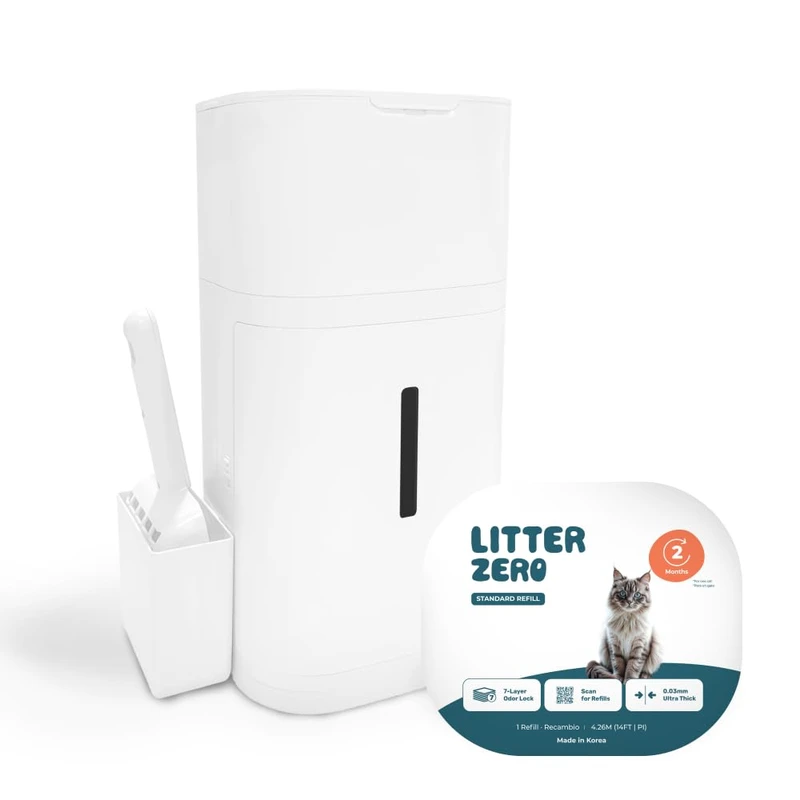
Best Zero Waste Cat Litter: Eco-Friendly Substrate Guide
PawVerde.com – The best zero-waste cat litter options prioritize biodegradable materials like pine, corn, or walnut shells that decompose in months rather than the 500+ years required by traditional clay. To achieve true zero-waste, pair these substrates with stainless steel litter boxes and compostable disposal methods to minimize plastic and carbon footprints.
Clay litter generates 3x more emissions than biodegradable alternatives according to a 2022 study. While traditional clay remains a market staple, its environmental footprint is massive due to mining requirements and the 500+ years it takes for these materials to decompose in a landfill.
The Zero-Waste Lifecycle Audit: Beyond Just Biodegradability
A true zero-waste litter strategy evaluates the entire lifecycle: from the packaging (paper vs. plastic) to the substrate (biodegradable vs. clay) and the final disposal (compost vs. landfill). To minimize waste, choose paper-packaged litters and use compostable bags for disposal to avoid the microplastics often found in ‘compostable’ additives.
Achieving sustainability requires looking past the “natural” label on the front of a bag. A common failure mode occurs when a consumer buys a biodegradable corn-based litter but stores it in a single-use plastic bin and disposes of it in a standard plastic trash bag. This creates a cycle where the substrate is eco-friendly, but the secondary waste remains permanent.
The Packaging Trap
Many brands market themselves as eco-friendly while still utilizing heavy-duty plastic multi-layer bags that are non-recyclable. To move toward a zero-waste goal, prioritize brands that utilize paper-based packaging or offer bulk refill options. If a brand uses plastic, consider a Zero-Waste Organization method, such as using cotton canvas bag holders to store compostable litter bags for easier handling.
The Disposal Reality Check
- Substrate Type: Ensure the material is truly plant-based (pine, corn, wheat, walnut, or tofu).
- Packaging: Opt for paper over plastic.
- Disposal Method: Match the material to a composting or deep-burial protocol.
- Hardware: Use non-plastic containers to prevent microplastic shedding.
Top-Rated Eco-Friendly Litter Options by Material Type
The best eco-friendly litters include pine pellets (2-3 month decomposition), corn-based (3-4 months), and walnut shells (6-12 months). Selection depends on your cat’s needs: corn offers superior clumping, while pine is ideal for seniors with arthritis due to its firm, easy-to-navigate texture.
| Material Type | Decomposition Time | Best For | Est. Monthly Cost |
|---|---|---|---|
| Pine Pellets | 2-3 months | Seniors / Arthritis | $18-$25 |
| Corn-Based | 3-4 months | Superior Clumping | $15-$22 |
| Wheat-Based | Variable | Multi-cat Households | $20-$30 |
| Walnut Shells | 6-12 months | pH Balancing | $25-$35 |
| Tofu | Variable | Lightweight Use | $22-$32 |
This data highlights the monthly price range for biodegradable substrates, such as corn litter at $15-$22 and walnut shells at $25-$35. Choosing a material requires balancing decomposition speed with your specific household budget.
Wood & Pine: The Durable Choice
Feline Pine is a prominent example of wood-based litter that utilizes natural wood fibers. These fibers are biodegradable and naturally fresh, which helps keep the smell of ammonia and cat urine at bay. A specific advantage of pine pellets is their texture; seniors often prefer pine pellets’ firm texture that’s easier on arthritic paws. For maintenance, a Sifting Method works best here, as pellets maintain their shape until they become fully saturated.
Grain-Based: Clumping & Odor Control
Corn-based litter stands out for its superior clumping ability and natural odor control. The starches in corn create tight clumps that make scooping easier. However, a notable pitfall is that some cats may attempt eating the litter due to its food-like origin. Wheat-based litter is another grain alternative, and it is particularly effective for multi-cat households where odor control is a top priority.
Walnut & Specialty: The pH Balancers
Walnut shell litter offers unique pH-balancing properties that help control odors naturally. While it has a longer decomposition window of 6-12 months, it is often at the higher end of the price spectrum. Other specialty options include tofu litter, which serves as an ultra-lightweight option for owners who struggle with heavy bags.
Paper: The Allergy-Friendly Alternative
Recycled paper litter is an ideal choice for households with allergy sufferers because it produces zero dust. While it is highly biodegradable, with a decomposition time of 1-2 months, it typically lacks the clumping strength of corn or walnut varieties. This can lead to a failure mode where the litter sticks to the bottom of the box if not scooped frequently.
The ‘Flushable’ Myth and Plumbing Safety
Many consumers assume that because a litter is plant-based, it is safe to flush down the toilet. This is a dangerous misconception. Even though recycled paper litter has a 1-2 month decomposition time, the fibers can swell and cause significant blockages in both septic systems and municipal sewage lines.
WARNING: Never flush any form of cat litter, regardless of its “biodegradable” or “flushable” label. The risk of plumbing failure and expensive repairs far outweighs the convenience of disposal. Always use a designated disposal method such as a compost bin or a trash receptacle.
Pathogen-Safe Composting: Avoiding the Food Garden Risk
The Sustainable Disposal technique involves composting plant-based substrates in yard compost piles. However, this must be done with extreme caution to prevent the spread of pathogens.
WARNING: Do not use cat waste in compost piles intended for edible food gardens. Pathogens like Toxoplasma gondii can persist in the soil and contaminate crops.
To manage waste safely, follow these guidelines:
- Deep Burial: Bury waste deep in non-edible garden areas to ensure complete breakdown.
- Municipal Green Bins: Use city-provided organic waste services if they accept pet waste.
- Separation: Keep cat-related compost strictly separate from vegetable and fruit compost.
The True Cost: Monthly Expense vs. Environmental Impact
Selecting an eco-friendly option often involves a shift in how you view your budget. While the upfront price per bag might seem higher than a standard clay option, the “true cost” is found in the monthly usage and the reduction in environmental damage.
| Litter Type | Estimated Monthly Cost (USD) |
|---|---|
| Pine Pellets | $18-$25 |
| Corn Litter | $15-$22 |
| Wheat-Based | $20-$30 |
| Walnut Shells | $25-$35 |
| Tofu Litter | $22-$32 |
As shown in the data, corn litter is often the most cost-effective biodegradable option at $15-$22 per month, whereas walnut shells represent a premium investment at $25-$35 per month. When calculating your budget, consider that some litters may require more frequent full-box changes than others.
Hardware Compatibility: Automatic Boxes and Stainless Steel
Transitioning to a stainless steel box can change your maintenance routine entirely. These containers resist bacteria and odors 10x better than plastic alternatives.
| Hardware Type | Key Advantage | Maintenance Note |
|---|---|---|
| Stainless Steel Box | Resists bacteria 10x better | Easy to sanitize |
| CATLINK (Automatic) | High-tech automation | Requires specific litter types |
| Furrbby (Eco-friendly) | Sustainable design | Compatible with natural litters |
Stainless steel boxes resist bacteria and odors 10x better than plastic. This durability means you won’t need to replace the box as often, reducing long-term plastic waste. Additionally, certain materials like pine pellets allow for a 3-second cleanout when used with a stainless steel sifter, making daily maintenance significantly faster.
For owners of high-tech automatic boxes like CATLINK, be aware that certain eco-litters can cause sensor errors or mechanical jams if they do not clump predictably. Always check the manufacturer’s compatibility list before switching to a new substrate.
FAQ
Can I compost my cat litter in my backyard?
Only if you follow strict protocols to avoid contaminating food gardens with pathogens like Toxoplasma gondii. It is safer to use municipal green bins or deep burial methods in areas where you do not grow food.
Is eco-friendly litter actually more expensive?
While the price per bag may be higher, calculating the “true cost” involves looking at monthly usage. For example, corn litter ($15-$22/mo) may be more cost-effective than walnut shells ($25-$35/mo).
Will my cat refuse to use biodegradable litter?
Yes, cats are creatures of habit. Use a “Gradual Transition” technique by mixing a small amount of new litter with the old to prevent behavioral issues and ensure they accept the new texture.

Safe DIY Natural Pet Deterrents for Gardens in 2026
PawVerde.com – To create effective natural pet deterrents, you must balance plant protection with pet safety. Use scent-based barriers like garlic/chili sprays for pests, physical barriers like coffee grounds for slugs, and companion plants like marigolds to create a living shield, ensuring all ingredients are non-toxic to your specific pet type.
The bite of just one infected mosquito is enough to spread disease, according to the Animal Humane Society.
The Safety Compatibility Matrix: Matching Deterrents to Your Pet
Before applying any DIY deterrent, cross-reference ingredients with your pet’s biology. While neem oil is safe for dogs, cats are highly sensitive to essential oils, which can cause liver damage. Always prioritize ‘non-contact’ methods like planting marigolds or using coffee grounds in areas where pets cannot lick or graze.
Safety requirements depend on the species. Neem oil is safe to use around pets, birds, fish, bees, and other insects, but other common garden scents can be hazardous. A single mistake in ingredient selection can lead to severe physiological distress.
| Deterrent Type | Primary Target | Pet Safety Level | Application Method |
|---|---|---|---|
| Garlic/Chili Spray | General Pests | Moderate (Avoid ingestion) | Foliar Spray |
| Neem Oil | Soft-bodied Insects | High (Safe for dogs/birds) | Foliar Spray |
| Coffee Grounds | Slugs & Snails | Moderate (Avoid large amounts) | Soil Surface |
| Citronella | Mosquitoes | Low (Toxic if applied to dogs) | Candles/Incense |
Refer to the table above for the safety profiles of these DIY solutions based on exposure methods.
Creating a garlic and chili pepper infusion provides a powerful scent-based deterrent that discourages pests without using synthetic toxins. This method relies on the irritating properties of capsaicin and sulfur to make the garden environment unappealing to unwanted visitors.
According to Homegrown Garden, “This spray doesn’t typically kill pests but makes your plants so unappealing that they are forced to look elsewhere for a meal.”
- Blend garlic and hot peppers with 2 cups water in a blender until smooth.
- Pour the mixture into a container and let it steep for 12+ hours.
- Strain the liquid through a cheesecloth to remove all solid particles.
- Add a small amount of dish soap to the strained liquid to act as a surfactant.
- Transfer the mixture to a spray bottle and apply to the garden.
Warning: Use protective gloves when handling hot peppers to avoid skin irritation and ensure you do not make contact with your eyes.
Timing is critical to prevent plant damage. To avoid leaf scorch caused by the sun’s rays reacting with the liquid, apply the spray during the early morning or late evening when temperatures are lower and the sun is not at its peak intensity.
For effective mosquito deterrence, use a combination of planting and scent. Marigolds act as living repellents, while a 5% fennel oil spray can reach 84% effectiveness within 90 minutes. Note that citronella candles only provide a partial reduction in bites (approx. 24-42%) and should not be used as a standalone solution.
Implement these specific strategies to build a multi-layered shield:
- Incorporate Marigolds (Tagetes species) as companion plants throughout your garden beds to act as a living pest repellent.
- Use a 5% fennel oil concentration spray for high-activity areas, noting its 84% effectiveness after 90 minutes of application.
- Avoid relying solely on citronella; research shows a 42.3% reduction in bites near 3% citronella candles and only a 24.2% reduction in bites near 5% citronella incense.
Using plants like Marigolds provides a continuous, low-maintenance barrier. While essential oils like fennel offer higher immediate efficacy, they require more frequent reapplication compared to the permanent presence of companion plants.
Warning: Never apply vinegar directly to your plants. While it works well as a deterrent on the border of your garden, it will burn your plants and cause them to die if applied to the foliage.
Monitor soil chemistry when using amendments. For instance, baking soda (sodium bicarbonate) acts as a fungicide by creating a highly alkaline environment to prevent fungal spores from germinating.
Warning: Be mindful of the cumulative effects of mineral-based deterrents. While baking soda alters pH to prevent fungal spores, its long-term impact on soil structure should be monitored to avoid permanent alkalinity.
Cats are highly sensitive to essential oils, which can cause liver damage or CNS depression. To avoid risk, use non-contact methods around feline pets.
For garlic and chili pepper infusions, reapplication is typically required every 7-10 days to maintain effectiveness. Because these are natural organic compounds, they do not persist in the environment as long as synthetic chemicals.

Recycled Materials for Pet Toys: A Guide to Eco-Friendly Safety
PawVerde.com – recycled pet toys utilize post-consumer waste—like ocean plastics, bicycle inner tubes, or recycled PET bottles—to create durable enrichment tools. While they significantly reduce carbon pawprints, choosing them requires verifying non-toxic certifications to avoid chemical leaching from phthalates or BPA, especially in heavy chewers.
Market shifts are accelerating as 67% of millennial and Gen Z pet owners in North America and Western Europe actively seek eco-certified or sustainably packaged products.
The Greenwashing Detection Guide: Verifying Recycled Claims
To avoid greenwashing, look for specific third-party certifications like the Global Recycled Standard (GRS) or OEKO-TEX. Avoid brands that claim to be ‘eco-friendly’ without specifying the exact percentage of recycled content or the source of the material (e.g., post-consumer vs. post-industrial waste).
Deceptive labeling occurs when “eco-friendly” products are blended with virgin polymers or toxic dyes. For example, a brand might claim a toy is “made with recycled materials” while providing no specific percentage of actual waste content.
Red Flags in Product Labeling
- Vague Terminology: Using terms like “earth-friendly” or “natural” without providing a breakdown of material composition.
- Lack of Percentage Data: Failing to state whether a product contains 10%, 50%, or 100% recycled content.
- Undefined Sources: Not distinguishing between post-consumer waste (items used by consumers and then recycled) and post-industrial waste (factory scraps).
Certifications to Trust
Reliable manufacturers provide documentation that transcends marketing slogans. When browsing an online shop, users should check the “Product Details” or “Sustainability” tab—often found via Product Page > Specifications > Certifications—to verify third-party validation. Ecoternatives, for example, offers 100% recycled dog plush toys, providing a clear benchmark for total material repurposing. A single 100% recycled plush toy is priced at 11.35 USD, demonstrating that high-recycled content can remain accessible.
Material Durability Matrix: Comparing Recycled Textures
Selecting the correct material requires balancing environmental impact against the specific chewing habits of a pet. A mismatch can lead to rapid degradation or, more dangerously, the ingestion of shredded fragments.
| Material Type | Chew Strength | Environmental Benefit | Cleaning Ease |
|---|---|---|---|
| Hemp | High | Very High (Renewable) | Moderate (Machine Wash) |
| Cotton | Moderate | High (Biodegradable) | Easy (Machine Wash) |
| Natural Rubber | Very High | High (Renewable) | Easy (Hand Wash) |
| TPR (Synthetic) | High | Moderate (Recyclable) | Easy (Wipe Clean) |
Material selection determines both the toy’s lifespan and its ecological footprint. While manufacturers like West Paw utilize Zogoflex® and recycled fiber stuffing to achieve 90-100% recycled content, natural fibers often provide a different structural advantage.
Natural Fibers vs. Synthetics
Hemp dog toys tend to last longer, resist fraying better, and create fewer long-term waste issues than cotton alternatives. While cotton is highly biodegradable, its tendency to fray under heavy tension can lead to faster disposal cycles. For owners prioritizing longevity, hemp offers a structural advantage that reduces the frequency of replacement.
Rubber Alternatives for Heavy Chewers
natural rubber is more eco-friendly than synthetic counterparts. Thermoplastic Rubber (TPR) is a synthetic alternative that offers a similar feel for moderate chewers but lacks the renewable origin of natural latex. For pets with extreme jaw pressure, natural rubber remains the preferred choice for durability.
Microplastic Safety and Chemical Risks
Recycled plastic toys can expose pets to microplastics and chemicals like phthalates or BPA. To minimize risk, prioritize silicone over plastic for durability and less leaching, or choose non-synthetic recycled materials like hemp and wool which are gentler on a pet’s mouth and stomach.
Recent independent research published in the Pets vs. Plastics report by EarthDay.org explores how plastic toys—even recycled ones—can expose pets to harmful chemicals like phthalates and BPA, as well as microplastics. This risk is heightened in toys that undergo significant mechanical wear during play.
To mitigate these risks, consider the biological impact of material choice. As EcoFurball notes:
Recycled doesn’t always mean synthetic. You can find recycled cotton, wool, or hemp toys, which tend to be gentler on your pet’s mouth and stomach.
This highlights a critical distinction: recycling a natural fiber is fundamentally different from recycling a polymer. Silicone serves as a safer alternative to many plastics because it is more durable and less prone to degradation and leaching.
Commercial Leaders in Circular Manufacturing
Industry leaders are currently scaling the use of second- and third-generation recycled polymers to create high-performance pet products.
The Rise of Post-Consumer Plastics
Companies are increasingly moving away from virgin plastics to meet sustainability goals. Petmate, for instance, has incorporated recycled ocean plastics and post-industrial waste into its manufacturing lines. Similarly, Betty & Butch utilizes recycled PET fabric and stuffing, repurposing 4 to 7 plastic bottles for their Sea Turtle Puppy Toy, while their dog beds can utilize up to 52 bottles.
Closed-Loop Manufacturing Examples
Moderna has demonstrated a significant commitment to this transition. Their data shows a steady increase in the use of recycled content: from 5.4% in 2020 to 10% in 2021, reaching 20% in 2022. Currently, Moderna’s annual raw material volume from recycled materials stands at 38%. West Paw also leads the sector by manufacturing Zogoflex® toys and utilizing recycled fiber stuffing, proving that 90-100% recycled content can be achieved without compromising the structural integrity required for performance-grade chew toys.
DIY Sustainability: Upcycling Household Waste
Customizing toys from existing household items provides a cost-effective way to prevent functional materials from entering landfills.
Fabric Upcycling
One of the simplest methods is the Braided T-Shirt Rope Toy. To make this, cut old t-shirts into 2-inch strips, tie a knot at one end, braid the strips tightly, and tie another knot at the opposite end to secure the structure.
Edible and Puzzle Alternatives
- Sweet Potato Chew Toy: Wash and peel a sweet potato, slice it into 0.5-inch sections, remove the centers with a cookie cutter, and bake at 250 degrees for 2.5 hours.
- PVC Pipe Treat Puzzle: Drill 8-10 holes in a PVC pipe, ensuring there are at least 5 holes per inch, to allow treats to roll out during play.
Safety is paramount during DIY projects. For instance, using plastic bottles carries the risk of the pet ingesting sharp fragments if the material cracks during use.
The Lifecycle Audit: From Ocean Plastic to Landfill
Sustainability requires evaluating the end-of-life potential for every product purchased.
When a toy from a brand like Petmate—which uses recycled ocean plastics—eventually reaches the end of its functional life, its ability to be repurposed depends on its material purity. If a toy is a “mono-material” (made of only one substance), it is much easier to reintegrate into the circular economy. However, most consumer toys are blends, which complicates the recycling process and often results in the product being sent to a landfill regardless of its origin.
FAQ
Are recycled plastic toys safe for heavy chewers?
Reputable brands can manufacture safe options using tested, non-toxic materials. However, owners must monitor for microplastic shedding and chemical leaching from phthalates or BPA as the toy wears down.
How many plastic bottles are saved by buying recycled toys?
The impact varies by product. For example, the Betty & Butch Sea Turtle Puppy Toy repurposes 4 to 7 plastic bottles, whereas their larger dog beds can utilize up to 52 bottles to create the necessary stuffing and fabric.
Can I recycle a pet toy once it is destroyed?
Recyclability depends on the material. Composite items, such as those combining recycled fabric with plastic stuffing, are often difficult to process, whereas mono-materials are better suited for recycling programs.
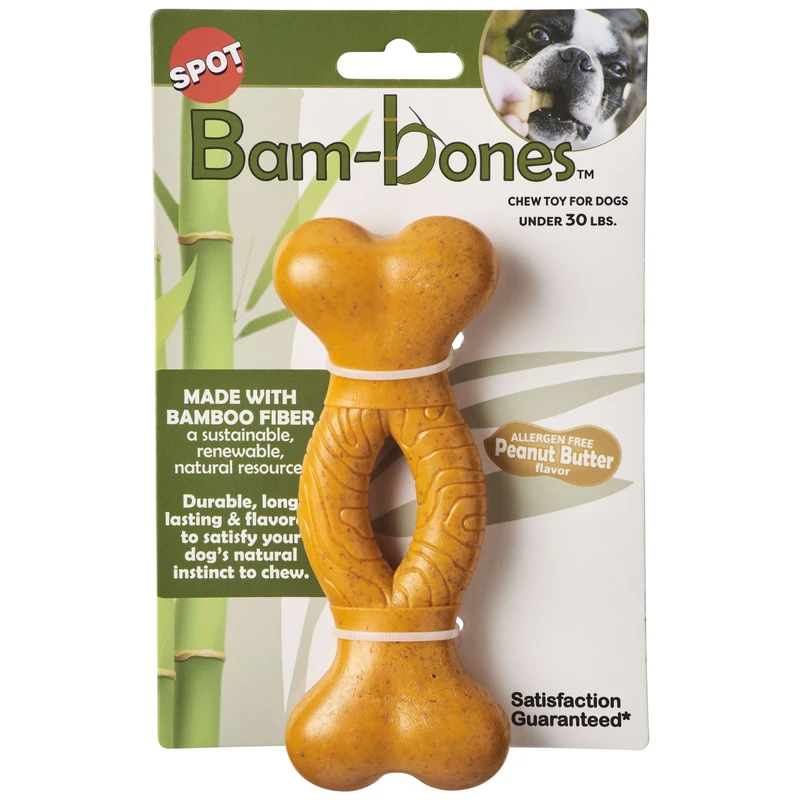
Sustainable Bamboo Pet Toys: How to Avoid Greenwashing
PawVerde.com – Sustainable bamboo pet toys offer a highly renewable, biodegradable alternative to plastic, providing natural antibacterial properties and dental health benefits. However, the best choice depends on whether you are buying solid bamboo or bamboo-fiber composites, as the latter may contain non-biodegradable binders that negate the eco-friendly benefits.
Bamboo can grow up to 91 centimeters in a single day, making it one of the fastest-growing renewable resources on Earth, according to agood company.
The Material Integrity Guide: Solid Bamboo vs. Bamboo Composites
To ensure true sustainability, distinguish between solid bamboo (fully biodegradable) and bamboo-fiber composites. While bamboo fiber is renewable, many composites use synthetic binders or resins that prevent the toy from being compostable. Always check labels for ‘100% natural’ or ‘BPA-free’ to avoid bamboo-reinforced plastics that contribute to landfill waste.
PetAssure notes that consumers should review product labels specifically for material types to avoid “greenwashing.” A common failure mode occurs when a product is marketed as “bamboo” but is actually a bamboo-plastic composite. These hybrid materials often use synthetic resins that make the item impossible to compost, effectively turning a sustainable choice into a long-term landfill resident.
Identifying ‘Fake’ Bamboo-Plastic Composites
EcoFurball reports that low-quality bamboo products, such as bowls, can sometimes contain harmful binders that compromise safety. When shopping, practitioners recommend looking for specific certifications. If a product label does not explicitly state “100% natural” or “BPA-free,” it may contain the very synthetic additives that negate the environmental benefits of the bamboo fiber itself.
The Role of PF Adhesive in Bamboo Fiber Manufacturing
The industrial production of bamboo composites involves complex chemical processes. According to manufacturing data, bamboo fiber mats are often steeped in a PF adhesive solution with a 10% solid content for 3 minutes. This is followed by drying to a 9% moisture level and hot pressing at 20 MPa of pressure at temperatures ranging from 150-200 °C. While this creates a durable product, the presence of these adhesives is what prevents the material from being truly biodegradable.
Splinter & Safety Risk Matrix for Different Chewers
Safety profiles vary significantly based on how the bamboo is processed. While agood company states that “Bamboo has no grain, which means it can be easily cut and shaped without the risk of splitting or cracking,” this advantage primarily applies to high-quality, solid bamboo. Low-quality bamboo can still crack, according to EcoFurball, potentially creating sharp edges.
| Chewer Type | Recommended Material | Risk Level | Safety Note |
|---|---|---|---|
| Light Chewer | Solid Bamboo | Low | Minimal risk of structural failure. |
| Aggressive Chewer | Hardened Bamboo/Nylon Hybrid | Medium | Watch for wear and tear that affects efficacy, as noted by Mars Build. |
| Teething Puppy | Soft Bamboo Fiber | Medium | Monitor for small pieces of resin-bound fiber. |
| Power Chewer | Traditional Rubber | Low | Bamboo may crack under extreme pressure if low-quality. |
Mars Build indicates that ongoing wear and tear can eventually affect the efficacy and safety of the material. Periodic replacement is necessary to prevent structural issues like splintering.
Why Bamboo Wins: Environmental and Health Benefits
Bamboo provides a biological advantage that traditional plastics cannot match. Ever Bamboo reports that bamboo actually absorbs twice as much carbon dioxide as trees, making it a superior carbon sink. This rapid growth cycle, often reaching full size in under 4 months, allows for frequent harvesting without destroying ecosystems.
The Carbon Sink Advantage
Magic Bambu notes that bamboo plants can thrive in a variety of climates without the need for pesticides or chemical fertilizers. This minimizes chemical dependency and helps preserve local soil and water health.
Natural Antibacterial and Hypoallergenic Properties
Beyond the planet, bamboo offers direct health benefits to pets. Mars Build states that “Bamboo is known for its antibacterial properties, which can reduce the risk of infections.” Furthermore, the material is naturally hypoallergenic, providing a safer alternative to synthetic materials for pets with sensitive skin. PetAssure adds that bamboo chew toys can specifically help clean and strengthen a pet’s teeth and gums through the natural texture of the plant.
Top Sustainable Manufacturers to Watch
Select brands that demonstrate commitment to eco-friendly standards, such as VEKEN, a prominent sustainable dog toy manufacturer.
- VEKEN: Recognized as a prominent sustainable dog toy manufacturer.
- BetterBone: Distinguishes itself by using food-grade ingredients and maintaining carbon-neutral production processes.
- Petique: A leader in the green revolution, focusing on highly sustainable pet product lifecycles.
While prices vary, even specialized sustainable items remain accessible. For example, KwikPets lists various pet products, such as the JW Pet Good Cuz Dog Toy Assorted Medium at $8.38, or the Petsport USA Giant Tuff Ball Dog Toy at $6.57, allowing consumers to balance budget with environmental goals.
The Deep-Clean Protocol: Maintaining Bamboo Integrity
Natural organic materials like bamboo react differently to moisture than plastic or silicone. To maintain structural integrity, users should follow specific hygiene steps.
Shortcut: Use hot, soapy water for cleaning and dry the item immediately to prevent moisture absorption.
To sanitize, use hot, soapy water after each use and ensure the item is thoroughly dried. You may periodically use a diluted vinegar solution for surface sanitization, but avoid harsh chemical cleaners that can penetrate the plant fibers.
Warning: Never soak bamboo items in water for extended periods. As documented by bamboowood.art, soaking can cause significant swelling and warping, which can permanently ruin the toy’s shape and safety.
Lifecycle Reality Check: Is it Truly Carbon Neutral?
The true environmental value of bamboo is found in its ability to mitigate emissions. Research published in ScienceDirect analyzed 60 bamboo products from cradle to grave, finding a carbon footprint range of -0.55 to 4.02 kg CO 2 e/kg. While the production process does require energy, the net benefit is substantial.
Data shows that between 2007 and 2022, bamboo products mitigated 280 Mt. CO 2 e emissions by serving as substitutes for carbon-intensive materials like plastic and steel. In fact, the ratio of climate benefits to operational emissions stands at 3.9 times. This suggests that while the manufacturing “hotspots” exist, the massive carbon sequestration capacity of the plant ensures a net-positive environmental impact.
FAQ
Are bamboo pet toys safe for teething puppies?
To minimize splintering risks, prioritize solid bamboo over composites to prevent puppies from ingesting small pieces of resin-bound fiber.
How can I tell if a bamboo toy is actually compostable?
To confirm compostability, check for the absence of metal squeakers, synthetic dyes, and non-organic glues. A truly compostable toy should be 100% natural bamboo without the chemical binders found in bamboo-fiber composites.
Can I put bamboo pet bowls in the dishwasher?
Avoid dishwasher cycles and soaking, as these can cause the bamboo to swell, warp, or crack. Instead, hand-wash items with hot, soapy water and dry them immediately.
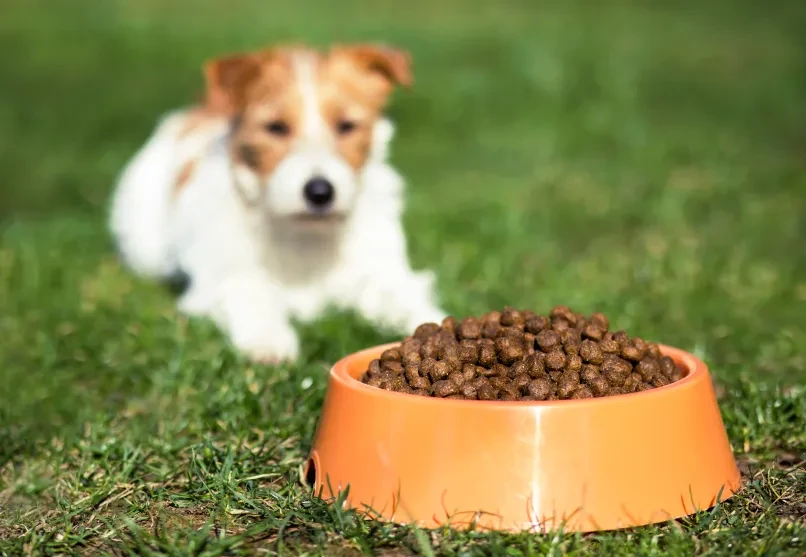
Low Carbon Dog Diets: How to Switch to Sustainable Protein
PawVerde.com – Reducing a dog’s carbon footprint involves transitioning from high-impact proteins like beef to lower-emission alternatives like pea protein, insect-based ingredients, or plant-based formulas. While beef produces 35.0 kg CO2eq per 100g, pea protein produces just 0.4 kg, offering a massive reduction in environmental pressure.
A global shift to vegan dog food alone could eliminate more greenhouse gas emissions than the total annual emissions from the United Kingdom and New Zealand combined, according to industry reports.
A successful transition relies on a controlled ratio increase. Practitioners suggest the following schedule to mitigate the risk of digestive upset:- 75% current diet + 25% new low-carbon protein.
- 50% current diet + 50% new low-carbon protein.
- 25% current diet + 75% new low-carbon protein.
- 100% new low-carbon protein.
When implementing Alternative Protein Integration, owners should monitor stool consistency daily. If a dog shows signs of sensitivity, the transition should be paused at the current ratio before proceeding. Sustainable Ingredient Selection also involves looking for non-synthetic, GMO-free, and locally sourced components, a practice recommended by Nature’s Logic to reduce individual environmental footprints.
While daily meals receive the most attention, the carbon cost of high-protein treats is disproportionately high. A single 100g portion of beef protein generates 35.0 kg CO2eq, whereas 100g of pea protein generates only 0.4 kg CO2eq. This massive discrepancy means that replacing a beef-based jerky treat with a vegetable or pea-based alternative can slash the “pawprint” of a single snack session by nearly 90%.
Small, frequent rewards can accumulate a significant environmental debt. To perform a treat audit, check ingredient labels for beef, lamb, or venison and swap them for plant-based or insect-derived options.
Plant-based diets are significantly more efficient than meat-based diets. For every 1,000 kcal, plant-based diets require only 2.73 square meters of land, whereas beef-based diets require 102.15 square meters and lamb-based diets require 111.47 square meters.
Resource requirements vary widely by protein source. The following data illustrates the divergence in land use and emissions between common dietary archetypes.
| Diet Type | Land Use (m² / 1,000 kcal) | GHG Emissions (kg CO2eq / 1,000 kcal) |
|---|---|---|
| Plant-based | 2.73 | 2.82 |
| Poultry-based | Not specified | 4.68 |
| Beef-based | 102.15 | 31.47 |
| Lamb-based | 111.47 | 12.85 |
This comparison highlights why moving away from ruminant animals is the most effective lever for pet owners. The data shows that a beef-based diet requires over 37 times more land than a plant-based diet to provide the same caloric energy.
The physical form of pet food significantly influences its total carbon impact. Research indicates that dry pet foods generally have a lower environmental impact per 1,000 kcal compared to their wet counterparts. Specifically, wet food can reach emission rates of 33.56 kg CO2eq/1,000 kcal, while dry food sits much lower at 4.25 kg CO2eq/1,000 kcal.
Wet food emissions are significantly higher than dry food, which sits at 4.25 kg CO2eq/1,000 kcal. This gap exists because wet food reaches rates as high as 33.56 kg CO2eq/1,000 kcal.
Nutritional balance is the primary concern for long-term health. While shifting to lower-impact proteins is beneficial, biological requirements must be met.
WARNING: Transitioning to a vegan or highly alternative diet without professional guidance can lead to nutritional imbalances. Always consult a veterinarian before making radical dietary changes, especially for dogs with existing medical conditions.
For dogs managing chronic conditions like kidney disease, protein quality and phosphorus levels are critical. While meat-based diets are traditional, the focus should be on highly digestible proteins that minimize metabolic waste. In these cases, the goal is not just “low carbon” but “low metabolic stress.”
Insects can serve as a sustainable novel protein source. To ensure a low-carbon profile, these ingredients should be raised on waste-based or low-impact organic matter rather than conventional grain.Reducing waste is a core pillar of a circular economy in pet nutrition. The “Whole-Animal Feeding” method involves incorporating bones, connective tissue, and organs—often referred to as companion-grade ingredients—to maximize the utility of each animal. This approach mirrors natural prey models and reduces the waste associated with only using muscle meat.
Manufacturers can utilize animal by-products (ABP) to create more sustainable foods. Using by-products that lack other alternative uses helps maximize the utility of each animal.
FAQ
While plant-based diets can be nutritious, they must be specifically formulated to avoid nutritional imbalances. Some research has highlighted the importance of using veterinarian-formulated products like Petaluma to prevent health disorders.
Insects are a sustainable novel protein source. Their impact is optimized when they are raised on waste-based or low-impact organic matter rather than conventional grain.
Yes. Larger breeds require more calories to maintain weight, leading to higher total emissions. Owners of large dogs can mitigate this by focusing on high-calorie density, low-impact foods and strict portion control.
Sustainable Pet Travel: Essential Eco-Friendly Tips
PawVerde.com – Sustainable pet travel requires a dual focus on animal safety and environmental impact. To travel responsibly, owners should prioritize compostable waste bags over biodegradable ones, utilize recycled materials like RPET for gear, and ensure strict adherence to vehicle safety to prevent fatal heatstroke within just 15 minutes.
A single dog can generate 270 non-biodegradable waste bags annually using conventional plastic.
The Sustainable Gear Checklist: Beyond Just Waste Bags
A sustainable pet travel kit should prioritize high-durability, low-impact materials. Key items include gear made from RPET (recycled PET bottles), hemp leashes, and bamboo accessories. For feeding, use collapsible silicone bowls and reusable containers to avoid the single-use plastic waste common in travel-sized pet food pouches.
The Rise of RPET in Travel Gear
Modern pet equipment is shifting toward circular economy models to reduce landfill contributions. CarbonLITE Industries specializes in the recycling of PET bottles, providing the raw material necessary for sustainable textile production. This process allows manufacturers like Nomipets to transform plastic waste into high-performance travel gear, including harnesses and leashes. While Nomipets maintains a Minimum Order Quantity (MOQ) of 20-50 sets for B2B transactions, the availability of RPET for consumer-grade goods is expanding rapidly.
One common failure mode in eco-friendly gear is the sacrifice of durability for sustainability. However, RPET is specifically engineered to withstand the rigors of outdoor travel. A counterintuitive reality is that recycled polyester can often outperform virgin plastic in tensile strength, making it a reliable choice for high-stress items like leashes.
Zero-Waste Feeding Strategies
Reducing the environmental footprint of pet nutrition during transit requires moving away from convenience-based packaging. Instead of relying on single-use plastic food pouches, travelers can utilize the following:
- Reusable airtight containers for bulk dry food.
- Collapsible silicone bowls to reduce luggage volume and eliminate plastic waste.
- Bamboo-based accessories for lightweight, biodegradable utility.
When selecting gear, check for specific material certifications to ensure you are not inadvertently purchasing products that will fail during high-intensity use. For instance, ensuring a leash has a high micron-thickness rating prevents the tearing common in lower-quality eco-alternatives.
Navigating the Compostable Bag Paradox
The distinction between “biodegradable” and “compostable” is often blurred by marketing, but the environmental implications are significant. While many products claim to be eco-friendly, they may actually contribute to long-term ecological damage through microplastic accumulation.
Why ‘Biodegradable’ Can Be a Greenwashing Trap
A significant risk in the pet industry is the prevalence of oxo-degradable or EPI-technology bags. According to information from Beco Pets and Pawtria, these bags are often just conventional plastics with additives that cause them to fragment into microplastics more quickly. This does not eliminate the plastic; it simply makes it invisible to the naked eye while leaving toxins in the soil. Pawtria emphasizes that true compostable bags contain absolutely no plastics and do not break down into these harmful particles.
Furthermore, Anipro notes that while biodegradable options exist, they often lack the structural integrity required for heavy-duty use. For effective waste management, bags should meet specific thickness thresholds: 15 microns to prevent easy tearing, and 20 microns for handling large or soft waste without leaking.
Technical Standards: EN13432 vs. ASTM D6400
To avoid greenwashing, owners must look for verified certification marks such as those provided by TÜV AUSTRIA. These certifications ensure that a product will actually break down in a controlled environment. The following table compares the primary waste management options available to pet owners:
| Bag Type | Environmental Impact | Degradation Timeline | Key Risk |
|---|---|---|---|
| Compostable | Low (No microplastics) | 3-12 months | Requires specific composting infrastructure |
| Biodegradable | Moderate to High | Variable | May leave microplastics and toxins |
| Conventional Plastic | High | Hundreds of years | Permanent environmental pollution |
Pooch Paper offers an alternative in the form of paper waste sheets, with 50 small sheets priced at $13 and 50 large sheets at $13.50. While paper breaks down faster than plastic, it must still be managed according to local disposal regulations.
Critical Safety Protocols for Road Travel
Safe pet travel demands constant vigilance regarding temperature and restraint. Pets must always be restrained during car transit to prevent injury. Most importantly, never leave a pet alone in a vehicle; on a hot day, fatal heatstroke can occur in as little as 15 minutes, even with windows cracked.
The American Kennel Club emphasizes that restraint is not optional. Pets riding loose in a vehicle are at extreme risk during sudden stops or collisions. Bernal highlights the extreme speed of thermal injury in animals:
“On a hot summer’s day, it can take just 15 minutes for a dog to suffer from potentially fatal heat stroke in a hot car, as they can overheat very quickly and struggle to cool themselves down, even when a window has been left open or water has been left in the car.”
Safety also involves psychological preparation. Brandi Hunter Munden, VP of PR and communications at the American Kennel Club, notes that sudden changes in environment can cause significant stress:
“they may throw a full-fledged tantrum because they don’t understand that the crate is a safe space”
. This highlights the necessity of gradual acclimation rather than using a crate for the first time on the day of departure.
Logistics and Compliance: Preparing for the Journey
Successful travel requires strict adherence to administrative and health protocols to avoid delays at borders or veterinary checkpoints. The American Veterinary Medical Association provides guidelines for ensuring all medical requirements are met before departure.
Health Certificate Validity
When traveling, especially for military moves or interstate transit, documentation is paramount. According to data from navyfederal.org, health certificates often have a strict validity period, sometimes as short as 10-30 days. Failure to verify these dates can result in being denied boarding or entry into new territories. Additionally, for small pets traveling in a cabin, there is often a weight threshold, such as 20 pounds (about $27), that must be strictly observed.
Crate Acclimation Techniques
To prevent travel anxiety, owners should utilize the Crate Acclimation technique. This involves a gradual introduction process:
- Introduce the crate in the home environment weeks before travel.
- Use positive reinforcement by feeding meals inside the crate.
- Allow the pet to sleep in the crate to establish it as a “safe space.”
As Walther observes, maintaining continuity is key:
“The familiar smells from the items will help your pet feel secure both on the road and at your destination.”
Using familiar blankets or toys can mitigate the stress of new environments.
Waste Disposal: Urban vs. Wilderness Ethics
The method of waste disposal must change depending on whether you are in a municipal area or a natural ecosystem. Improper disposal in either setting carries significant ecological risks.
In urban environments, the primary concern is infrastructure. While compostable bags are ideal, they should only be disposed of in facilities capable of processing them. As noted by smartbark.co.uk, it is not permitted to flush dog feces down the toilet because water treatment processes are often unable to eradicate the high levels of bacteria found in dog waste. This can lead to contamination of local water supplies.
When hiking or in wilderness areas, if you lack proper waste bags, emergency alternatives can be used. According to woofpanion.com, large fallen leaves, newspapers, or even junk mail can serve as temporary, biodegradable substitutes. However, the most sustainable practice remains carrying out all waste in a sealed, high-integrity bag to prevent any contact with the local environment.
FAQ
Is it okay to flush dog poop down the toilet?
No, it is not permitted because water treatment processes cannot eradicate the high levels of bacteria found in dog waste, which can lead to environmental contamination.
How long do compostable poop bags take to break down?
A realistic timeframe for the complete degradation of certified compostable bags is between 3 and 12 months, depending on the composting environment.
What is the difference between compostable and biodegradable bags?
Compostable bags are preferred because they contain no plastics and do not break down into harmful microplastics, unlike many biodegradable or oxo-degradable options that leave residues in the soil.
Conversions use a rate of 1 GBP = $1.33 as of July 26, 2026; rates may change.

Eco-Friendly Pet Dental Care: Sustainable Oral Health Tips
PawVerde.com – Eco-friendly pet dental care focuses on reducing environmental impact through biodegradable tools, sustainable packaging, and non-toxic ingredients while maintaining clinical efficacy. To achieve a truly green routine, owners should transition from disposable plastic wipes to reusable silicone brushes and bamboo tools, ensuring products are free from harmful synthetics and greenwashed marketing. Over 80% of dogs over age 3 suffer from active dental disease, making effective oral hygiene a critical health necessity.
How to Spot Greenwashing in Pet Dental Products
To avoid greenwashing, look beyond vague ‘natural’ or ‘plant-based’ labels. Check for specific certifications like Leaping Bunny or USDA Organic, and scrutinize ingredient lists for hidden petrochemicals. A truly eco-friendly product will clearly list its biodegradable components rather than using ‘green’ imagery to mask synthetic ingredients.
The ‘Natural’ Label Trap
It is easy to fall for greenwashed marketing. 4-Legger notes that when only two or three natural ingredients are featured, but the rest are petrochemical-based, it is not truly green. It is simply deceptive marketing.
Red Flag Ingredients to Avoid
True sustainability requires looking past the front of the packaging and into the chemical composition. When auditing a product, watch for these specific failure modes:
- Vague “plant-based” claims that do not specify the source or percentage of botanical content.
- The presence of hidden petrochemicals used as binders or surfactants in toothpaste.
- Excessive use of single-use plastics in secondary packaging, even if the primary product is “natural.”
- Products that claim to be “eco-friendly” but lack third-party certifications to verify their claims.
The Zero-Waste Dental Routine: From Plastic to Circular
Moving toward a sustainable routine involves replacing single-use items with durable alternatives. A circular approach prioritizes tools that can be reused, composted, or recycled indefinitely.
Replacing Disposable Wipes
Dental wipes are not eco-friendly because they are disposable. It has been noted that “While any dental care is better than no dental care, it’s best to use wipes as a supplement to brushing.” These single-use items should not replace more robust cleaning methods.
The Lifecycle of Bamboo Brushes
Bamboo has become a staple in sustainable oral care due to its rapid regrowth and biodegradability. Unlike plastic toothbrushes that persist in landfills for centuries, bamboo handles can often be composted. However, users must ensure the bristles are removable or made of bio-based materials to avoid leaving nylon behind.
Compostable vs. Recyclable Options
When evaluating waste management, consider these specific tool types:
- Silicone Finger Brushes: These are highly reusable and dishwasher safe, making them a superior earth-friendly alternative to disposable wipes.
- Water Additives: These provide a low-waste way to supplement cleaning without the need for constant plastic tube replenishment.
- Certified Packaging: Brands with certified eco-friendly packaging have seen 12% higher repeat purchase rates, indicating a growing consumer preference for responsible waste management.
Clinical Efficacy vs. Environmental Impact
Mechanical brushing remains the primary method for effective hygiene. While bamboo brushes and water additives reduce waste, cleaning must reach the subgingival space—the area beneath the gumline—to be effective.
The Subgingival Gap Problem
Hard kibble or certain chew toys are insufficient for comprehensive hygiene. While certain textures can provide mild mechanical scraping, they rarely reach the subgingival space where the most destructive bacteria reside.
Mechanical Scraping vs. Chemical Cleaning
The following table compares the most common dental care methods used by pet owners today.
| Method | Environmental Impact | Cleaning Efficacy | Best Use Case |
|---|---|---|---|
| Dental Wipes | High (Single-use plastic) | Low (Surface only) | Quick touch-ups |
| Silicone Finger Brush | Low (Reusable) | Moderate (Good tactile control) | Daily maintenance |
| Traditional Toothbrush | Moderate (Plastic waste) | High (Mechanical precision) | Deep cleaning |
| Water Additives | Low (Concentrated) | Low to Moderate (Chemical/Enzymatic) | Supplementing brushing |
The environmental impact of pet dental care depends heavily on whether the chosen tool is a single-use disposable or a reusable device.
The Science of the Oral Microbiome: Probiotics and Prebiotics
Modern dental science focuses on managing the oral microbiome rather than simply eliminating all bacteria. This approach aims to support a resilient environment within the mouth.
Nourishing Good Bacteria
Prebiotics act as a food source for existing beneficial bacteria. Strengthening these levels of good bacteria makes it harder for cavity-causing bacteria to thrive.
Adding Probiotic Solutions
Probiotics introduce beneficial bacterial strains directly into the oral cavity to balance the microbiome. While prebiotics provide the “fuel,” probiotics add the “workers,” such as those found in certain probiotic solutions.
- Probiotics: Introduce beneficial live bacteria.
- Prebiotics: Provide nourishment for existing good bacteria (e.g., Revitin).
Practical Application: The 5-Second Tooth Cleaning Technique
Efficient dental care can be achieved through specific, timed techniques. Proper application ensures biofilm removal without unnecessary stress.
Shortcut: For a quick and effective application, use the “pea-sized” rule. Squeeze an amount of toothpaste the size of a pea (adjusting slightly for larger pets) directly onto a silicone finger brush or a soft toothbrush.
Step-by-Step Brushing Guide
- Apply a pea-sized amount of pet-safe, fluoride-free toothpaste to your tool.
- Gently lift the lip to expose the teeth and gums.
- Clean each tooth and the gumline using small, circular motions.
- Spend approximately 5-10 seconds scrubbing each individual tooth to ensure biofilm removal.
- Allow the pet to lick off any remaining paste once finished.
The Systemic Connection: Why Dental Care Matters for Longevity
Oral health is a gateway to overall systemic health. Because the gums are highly vascularized, bacteria from the mouth can enter the bloodstream. This can lead to the seeding of bacteria in critical organs, including the liver, kidneys, or heart valves. Following the guidelines and product standards set by organizations like the Veterinary Oral Health Council (VOHC) can help ensure that the products you choose are clinically effective at reducing plaque and tartar.
Future Trends: AI and Digital Dental Monitoring
The landscape of pet healthcare is rapidly digitizing. As of May 2025, advancements in AI-powered health tracking are becoming more accessible to the average consumer. For example, Mars, Incorporated has developed suites of AI-powered digital solutions to help pet owners monitor various aspects of pet health, including dental hygiene. One emerging trend involves using smartphone-based applications to take photographs of a pet’s teeth and gums. These images can then be processed by AI models—trained on datasets containing upwards of 53,000 photographs—to provide a preliminary dental assessment, allowing owners to catch issues before they require invasive veterinary intervention.
FAQ
Are dental wipes eco-friendly?
No. Oxyfresh notes that because they are disposable, they contribute to single-use plastic waste. Reusable silicone finger brushes are a more sustainable alternative.
Can I just use hard kibble for dental cleaning?
Kibble provides only mild mechanical scraping. It rarely reaches the subgingival space—the area beneath the gumline where the most destructive bacteria reside.
What is the difference between oral probiotics and prebiotics?
Probiotics introduce beneficial bacteria directly to the mouth. Prebiotics provide the nourishment needed for existing good bacteria to thrive.
Eco Friendly Pet Shop Guide: Spotting Greenwashing in 2026
PawVerde.com – An eco-friendly pet shop focuses on providing sustainable, non-toxic, and low-impact supplies that reduce the 300 million pounds of pet product plastic waste generated annually. These retailers prioritize renewable materials like bamboo, recycled fabrics, and organic food to ensure both planetary health and pet safety.
The Greenwashing Red Flag Guide: Spotting Fake Eco-Claims
To spot greenwashing in pet products, look past vague labels like ‘natural’ or ‘green.’ Check for specific certifications (like PETA-approved vegan), verify if materials are truly renewable (like bamboo) rather than just recycled-looking plastics, and ensure the brand addresses end-of-life disposal rather than just using recyclable packaging.
The ‘Natural’ Trap
Marketing-led materials often masquerade as sustainable under vague descriptors. EcoFurball notes that when plastics or blended fibers appear under these ambiguous labels, it represents a significant failure in transparency. Consumers should avoid products that claim to be “green” without providing verifiable data or third-party certifications to back the assertion.
A common failure mode occurs when brands use “natural” to describe products that still contain synthetic binders or harmful additives. For instance, a toy might be marketed as natural but actually contain non-biodegradable glues. Always verify the specific material composition before purchasing.
Packaging vs. Product Longevity
EcoFurball identifies a “packaging distraction” where brands emphasize recyclable cardboard boxes to mask a short product lifespan or the use of toxic materials. True sustainability requires looking at the entire lifecycle, as minimal packaging often represents the most sustainable option.
A Lifecycle Guide: From Purchase to Compost
According to EcoFurball, “Sustainable pet products prioritise materials that regenerate, recycle, or biodegrade without releasing harmful residues.” Understanding this movement from retail shelf to final destination is essential for minimizing environmental impact.
Compostable vs. Recyclable Materials
The distinction between material types is critical to prevent waste stream contamination. While some items are designed for industrial recycling, others are intended for home composting.
- Compostable: Materials like organic hemp or bamboo that can return nutrients to the soil.
- Recyclable: Items like rPET (recycled polyethylene terephthalate) that require industrial processing.
- Upcycled: Materials repurposed from existing waste to extend their utility.
Circular Economy: The rePAWpose Model
The circular economy aims to eliminate waste by keeping materials in use for as long as possible. Awoo Pets facilitates this through their “rePAWpose” program. This initiative allows customers to send in pre-loved items to be repurposed, providing a $5 credit per product to the owner. This model reduces the need for new raw materials and prevents functional items from entering landfills.
High-Impact Swaps: A Budget-Friendly Transition Roadmap
Start your eco-transition with high-impact, low-cost swaps: replace traditional clay litter with plant-based alternatives to avoid sodium bentonite, switch to biodegradable poop bags, and move toward non-toxic, botanical-based grooming products. These changes address immediate waste and toxicity issues before investing in premium sustainable accessories.
Phase 1: Waste & Hygiene
The most immediate impact on a household’s carbon footprint often comes from daily waste management. Best Friends Animal Society suggests that switching to biodegradable or compostable poop bags made from recycled paper or plants is a primary step in reducing plastic in landfills. Additionally, replacing traditional clay cat litters is vital. These clay litters are resource-intensive because they are mined from the earth and are slow to biodegrade. Furthermore, eco-friendly alternatives can be safer for pets by avoiding sodium bentonite, which can potentially sicken or poison animals.
Phase 2: Nutrition & Grooming
Once waste management is addressed, owners can shift focus to chemical exposure. Conventional grooming products may contain harmful chemicals like parabens, phthalates, and petroleum. Best Friends Animal Society recommends using nontoxic and eco-friendly grooming and cleaning products to improve pet health. Fetch The Sun also notes that using natural cleaners may help reduce asthma and allergy symptoms in people with sensitive respiratory systems.
The Science of Sustainable Materials
Selecting materials based on their regenerative capacity and durability ensures that “green” choices are not just ethical, but functional.
Why Bamboo Wins
The Green Pet Shop notes that bamboo is a highly sustainable resource that helps combat climate change by reducing deforestation. It regenerates much more rapidly than traditional trees, making it an ideal feedstock for pet products.
The Durability Advantage
Pet Magasin highlights that eco-friendly supplies are often designed for increased durability compared to conventional options. Many standard products are optimized for lower price points and shorter lifespans, leading to increased waste.
| Criterion | Eco-Friendly Supplies | Conventional Supplies |
|---|---|---|
| Material Source | Renewable (bamboo, hemp), recycled (rPET), or upcycled. | Virgin, petroleum-based plastics and synthetic fabrics. |
| Pet Safety | Non-toxic; free of BPA and phthalates. | May contain questionable dyes or plastics. |
| Durability | Designed for longevity and repeated use. | Often designed for lower price and shorter lifespan. |
The table above illustrates the fundamental differences in how materials are sourced and managed between sustainable and standard pet supplies.
Top Eco-Friendly Retailers and Brands to Watch
As the market evolves, several key players have emerged to cater to the growing demand for planet-conscious pet care. In 2025, global eco-pet revenues from online stores reached $7.18 billion, representing 42.7% of the total market.
Online Giants
For those seeking a wide variety of vetted goods, EarthHero is a prominent retailer specializing in sustainable pet supplies. They offer various incentives, such as a 20% discount using the code PFJ20 and free carbon-neutral shipping on orders over $75. This makes large-scale sustainable shopping more accessible to a broader demographic.
Specialized Sustainable Brands
Niche brands currently lead several specific categories of the eco-pet market:
- Nina Woof: A PETA-approved vegan and cruelty-free brand focusing on dog accessories.
- Awoo Pets: Known for using eco-friendly materials and circular economy programs.
- WildOne: A direct-to-consumer brand specializing in modern, eco-conscious pet accessories.
Local vs. Online: Minimizing Your Carbon Pawprint
The method of delivery impacts the total environmental cost of pet care. While online stores are the fastest-growing distribution channel for eco-friendly pet products, choosing between local and digital options involves different ecological trade-offs.
The Case for Local Shops
Sourcing supplies from local retailers can significantly reduce the “last mile” delivery emissions. In regions like San Diego, specialized local shops provide holistic and natural options. Examples include Howlistic, which focuses on holistic care, Earthwise Pet, a family-owned shop, and Noah’s Natural Pet Market, which specializes in raw food. Shopping locally often supports the community and reduces the carbon footprint associated with long-distance shipping.
Optimizing Online Shipping
To minimize the environmental impact of digital shopping, consumers can adopt several strategies:
- Bulk Ordering: Reducing the frequency of shipments lowers the cumulative transportation energy.
- Consolidated Shipping: Choosing options that group items together rather than shipping them individually.
- Carbon-Neutral Options: Utilizing retailers that offer carbon-neutral shipping services.
DIY Sustainable Pet Care at Home
Repurposing existing household items is often the most eco-friendly way to care for pets, as it directly reduces waste and saves money.
Upcycled Toys
Best Friends Animal Society suggests several creative ways to make toys from household items:
- Rope Toys: Use old fabric strips braided together.
- Treat Puzzles: Repurpose PVC pipes to create interactive feeding games.
- Water Bottle Toys: Use old socks to encase a plastic bottle for a crinkle effect.
Zero-Electricity Cooling
During warm seasons, pet comfort can be maintained without increasing electricity consumption. The Green Pet Shop offers pressure-activated cooling mats. These mats require no refrigeration or electricity; instead, they activate via pressure to provide a cooling effect that can last for up to 3 hours after a 15-minute recharge period. This technology provides a sustainable way to manage pet heat stress.
FAQ
Is bamboo safe for pet feeding products?
Experts confirm bamboo is a sustainable resource, but owners should ensure feeding products are not combined with unsafe materials during manufacturing to avoid toxicity.
How can I tell if a pet toy is non-toxic?
According to EcoFurball, sustainable pet toys are safer if chewed because they contain no toxic dyes or plastics.
Why is clay cat litter considered less eco-friendly?
EcoFurball states that traditional clay cat litters are resource-intensive because they are mined from the earth and are slow to biodegrade.