
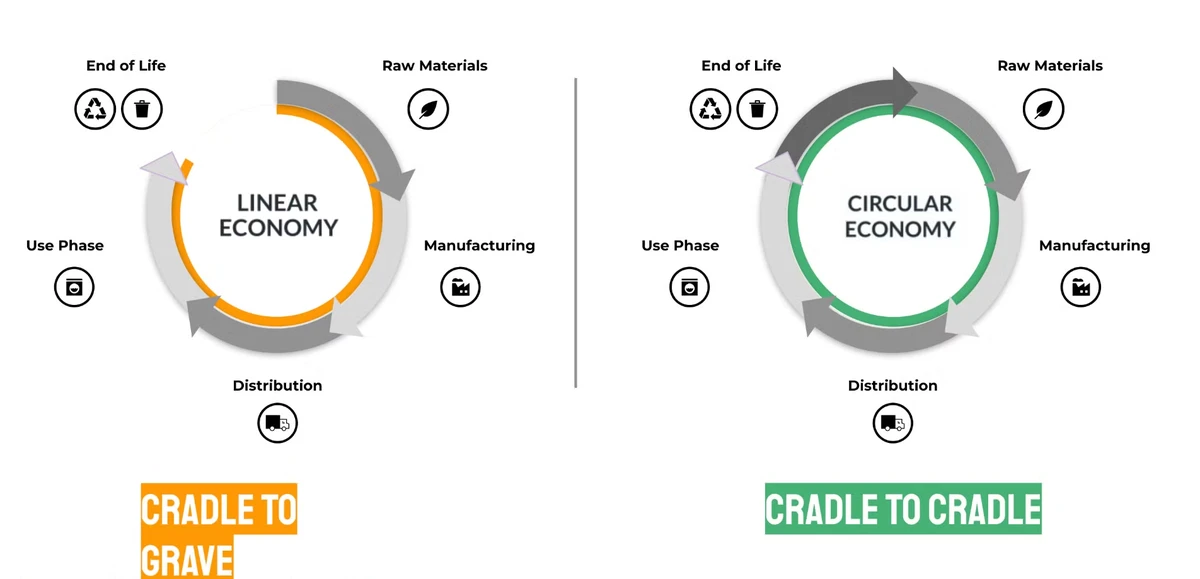
Sustainable Pet Product Lifecycle: Circular Economy Guide
PawVerde.com – A sustainable pet product lifecycle shifts from a ‘take-make-waste’ model to a circular economy where materials like PET are continuously repurposed. This approach minimizes environmental harm by prioritizing product durability, mono-material construction, and closed-loop recycling systems to reduce the 300 million pounds of plastic waste generated annually by the U.S. pet food industry.
The environmental impact is immense. In the U.S., 91% of the 300 million pounds of plastic waste generated annually by the pet food industry ends up in nature, oceans, or disposal areas.
The Sustainability Paradox: Durability vs. Biodegradability
The sustainability paradox in pet products involves balancing a toy’s durability for heavy chewers against its end-of-life biodegradability. While biodegradable materials reduce landfill waste, they may lack the toughness required to prevent microplastic shedding, whereas durable recycled plastics like PET offer longevity but require robust recycling infrastructure to remain truly circular.
Sustainability rewards durability. According to ecofurball.com, if a product breaks easily, it fails the test of what makes a pet product sustainable, regardless of how green it appears. This creates a counterintuitive reality where a “less eco-friendly” material like high-density plastic may actually be more sustainable than a biodegradable alternative if the latter requires replacement every few weeks.
The Carbon Cost of Frequent Replacement
A common failure mode in sustainable pet ownership is the assumption that “natural” always equals “better.” However, the Pet Sustainability Coalition notes that what makes a pet product sustainable is its ability to minimise environmental harm across its entire lifecycle. If a consumer replaces a soft, biodegradable toy every month due to rapid wear, the cumulative carbon footprint of manufacturing, shipping, and disposing of those items often exceeds the footprint of a single, long-lasting recycled plastic toy.
Sustainable products can cost more upfront, but according to ecofurball.com, they often last longer and save money over time. This longevity is a critical component of reducing the total volume of waste entering the ecosystem.
The Microplastic Dilemma in Biodegradable Toys
A hidden risk exists when materials marketed as biodegradable lack the structural integrity to withstand heavy chewing. If these materials fragment, they can lead to the ingestion of microplastics by pets or the leakage of synthetic residues into the soil, complicating the lifecycle benefits they were intended to provide.
Material Safety vs. Circularity: A Decision Matrix
Choosing the right material requires weighing environmental cultivation costs against physical safety. As reported by growthmarketreports.com, the pet toys segment is experiencing rapid growth, driven by consumer concerns over plastic waste and chemical leaching from conventional toys.
| Material | Energy Intensity | Primary Circular Benefit | Main Sustainability Trade-off |
|---|---|---|---|
| PET (Recycled) | Low (70% reduction) | Closed-loop recycling | Requires specific recycling streams |
| Aluminum | High | Infinite recyclability | High initial energy cost |
| Glass | Very High | Non-toxic/Inert | Heavy weight/High breakage risk |
| Hemp | Low | Low water/High durability | Limited material versatility |
| Cotton | Medium | Biodegradable | High water use/Lower durability |
Deciding between fibers requires looking at resource use. While cotton is widely available, hemp often presents a more sustainable profile in terms of resource consumption and long-term toughness.
The PET Advantage in Circular Packaging
PET is a cornerstone of the circular economy because recycling it uses up to 70% less energy than producing virgin PET. Furthermore, recycling PET can save 6 tons of oil resources for every 1 ton processed, making it more environmentally efficient than glass, aluminum, or carton alternatives in many lifecycle assessments.
Husky Injection Molding Systems reports that PET produces lower greenhouse gas emissions, consumes less energy, and generates less waste compared to commonly used alternatives. These efficiency metrics are significant:
- The recycling of PET bottles helps divert 138 million bags of trash from landfills in the United States.
- PET-related water savings account for 4.4 billion litres annually in the U.S.
- These water savings are equivalent to the reduction in emissions from 688,000 gas-powered cars.
Closed-loop ‘bottle-to-bottle’ mechanics
A true circular economy relies on closed-loop “bottle-to-bottle” recycling. This process, as detailed by Aceretech, involves transforming used PET bottles into new, food-grade bottles through a systematic cycle of shredding, washing, and pelletizing. This ensures that the material does not degrade in quality but remains a high-value resource within the supply chain.
Solid State Polymerization (SSP) for food-grade safety
To maintain safety standards, particularly for pet food packaging, manufacturers utilize Solid State Polymerization (SSP). This technical process is essential to ensure that recycled PET (rPET) meets strict standards for food-grade use, stripping away impurities and restoring the polymer’s molecular weight so it is safe for contact with nutrition products.
Closing the Loop: Technical Strategies for Manufacturers
For manufacturers to move beyond simple recycling and toward a truly circular model, specific design choices must be implemented at the production stage. One of the most effective methods is mono-material construction, which uses a single polymer type throughout the entire package. As noted by plastekgroup.com, mono-material designs simplify the recycling process and increase the likelihood that local recycling facilities will accept the packaging.
Effective technical strategies include:
- Implementing Mono-Material Construction to avoid the complexities of separating multi-layer plastics.
- Adopting Closed-loop ‘bottle-to-bottle’ systems to keep high-quality PET in the production cycle.
- Designing for disassembly in durable goods like pet beds or crates.
A significant failure mode in manufacturing occurs when companies use multi-material laminates (such as plastic bonded to foil). While these may provide excellent moisture barriers for pet food, they are notoriously difficult to recycle and often end up in landfills, breaking the circular loop.
Market Dynamics and the Rise of the Eco-Conscious Pet Owner
The economic landscape is shifting rapidly to accommodate these sustainable practices. In 2024, the sustainable pet products market value reached USD 35,045 million. This sector is projected to grow at a CAGR of 7.4% during its forecast period, according to credenceresearch.com.
This growth is fueled by a massive influx of new consumers. Data from dataintelo.com indicates that 3.4 million new pet-owning households were formed across North America and Western Europe in 2024. As these new owners enter the market, there is an increasing demand for products that align with environmental values, driving investment in both compliance and innovation.
Avoiding the Greenwashing Trap
As sustainability becomes a primary marketing driver, the risk of “greenwashing” increases. Consumers must remain vigilant against products that use misleading environmental claims. According to ecofurball.com, sustainability marketing spin is a major pitfall when companies fail to provide verifiable data to back up their “eco-friendly” labels.
Systemic risks include non-compliance with global legislative efforts and a lack of source-level traceability to the waste-picker level.
To accurately judge a product, consumers can look toward Life Cycle Assessments (LCA). As noted by Uekert et al 2022, no LCA is perfect the first time, as reviewing results may require shifting the scope to fully capture all important environmental impacts.
FAQ
How can I ensure my pet’s recycled plastic toys don’t contaminate the recycling stream?
Focus on cleaning food residue and saliva from hard plastics like bowls or heavy-duty toys before disposal to prevent batch contamination. Ensuring materials are free of organic matter helps maintain the integrity of the recycling process.
What is the benefit of mono-material packaging for pet food?
Mono-material construction uses a single polymer type, which simplifies the recycling process and increases the likelihood that local facilities will accept the packaging. This reduces the chance of the material being diverted to a landfill.
Is it better to buy durable plastic or biodegradable pet products?
Durability prevents frequent replacement and waste. For items that cannot be easily recovered, biodegradability is an option, provided the material does not fragment into microplastics.

Eco-Friendly Pet Products for Dogs: A Sustainable Guide
PawVerde.com – Eco-friendly pet products are items designed to minimize environmental impact through sustainable materials like hemp, bamboo, and natural rubber, while ensuring non-toxic safety for your dog. True sustainability means choosing products that improve your pet’s life without making the planet’s future worse. The global market for sustainable pet products has reached an estimated $35 billion.
How to Spot Greenwashing in Pet Marketing
To detect greenwashing, look beyond ‘earth-inspired’ marketing. Verify claims by checking for specific certifications like GOTS for textiles, FSC for wood, or TÜV OK Compost for waste bags. Avoid products that use recyclable packaging to mask poor materials, short lifespans, or unethical production methods.
A common failure mode in pet shopping is the confusion between bio-based and truly compostable materials. Bio-based plastics can be non-compostable, such as bio-PET (polyethylene terephthalate), which is derived from biological sources but behaves like traditional plastic in the environment. In contrast, materials like PLA (polylactic acid) and PHA (polyhydroxyalkanoates) are designed to be compostable. Relying on the term “bio-based” without verifying the specific polymer type can lead to accidental plastic accumulation.
The Lifecycle Comparison: Standard Plastic vs. Sustainable Materials
The environmental footprint of pet ownership is heavily influenced by the sheer volume of single-use items. In the United States alone, an estimated 5 billion plastic dog waste bags are used annually. These traditional plastics can leach toxins into the soil and are notorious for their longevity, often sticking around for centuries in landfills.
Sustainable alternatives, such as those produced by Hevea, offer a different trajectory. Hevea products are 100% biodegradable, meaning they return to the earth rather than persisting as microplastics. The difference begins at the extraction phase and ends with the biological breakdown of the material.
| Material | Sustainability Benefit | Durability Score | End-of-Life |
|---|---|---|---|
| Hemp | Low water usage; renewable | High | Biodegradable |
| Cotton (Organic) | Reduced chemical pesticides | Medium | Biodegradable |
| Natural Rubber | Non-toxic; renewable source | Very High | Biodegradable |
| Bamboo | Rapidly renewable; lightweight | Medium | Compostable |
| Stainless Steel | Zero leaching; extremely long-lived | Extreme | Infinitely Recyclable |
Material selection dictates whether waste is avoided through longevity or managed through biological breakdown. For example, stainless steel offers extreme durability to prevent waste, while hemp and natural rubber are designed to return to the earth.
Top Sustainable Materials for Dog Gear
Selecting materials like natural rubber for toys, hemp for textiles, or stainless steel for feeding stations helps reduce a pet’s chemical load. These options aim to minimize long-term environmental waste.
“These things are nearly indestructible… These immediately became my dogs favorite and after several months the pups remain as happy and interested as when the toys first came out of the…” Such durability is essential to prevent the waste generated by broken, cheap plastic toys.
Stainless steel is a highly sustainable choice for feeding stations because it does not leach chemicals and can last for years. This durability effectively removes the item from the waste stream for a long duration.
The Reality of Compostable Poo Bags
The effectiveness of “green” waste management depends heavily on disposal methods. Many products marketed as eco-friendly fail to meet their potential if they are not processed correctly.
Warning: Research indicates that compostable poo bags must reach the correct environment to be effective. If these bags end up in a standard landfill, they may not break down as intended.
The Landfill Problem: Why ‘compostable’ isn’t enough
A significant gap exists between product design and consumer behavior. Research indicates that only 5% of dog owners compost their compostable poo bags at home. Furthermore, it is estimated that only 3% of compostable plastic is actually fully composted. When these bags are sent to a landfill, the lack of oxygen prevents the biological breakdown required for them to be truly sustainable.
Industrial vs. Home Composting
Many bags require the high-heat conditions of an industrial composting facility to degrade. Without access to these facilities, a “compostable” bag functions similarly to a traditional plastic bag in a landfill setting. Owners should check for specific certifications, such as those distinguishing between “Home Compostable” and “Industrial Compostable,” to ensure the product matches their local waste management capabilities.
Budget-Friendly Eco-Swaps and DIY Solutions
sustainable pet care can be achieved through mindful habits. Many owners find success by prioritizing durability and reducing the frequency of new purchases.
- Walk Smart: Carry a reusable water bottle and use biodegradable waste bags to reduce single-use plastic waste during daily outings.
- Prioritize Durability: Choose high-quality gear over “fast-fashion” pet accessories. Investing in one durable item is more cost-effective and sustainable than buying multiple cheap replacements.
- Upcycle and Reuse: Instead of discarding old items, find ways to repurpose them.
Upcycling: Turning old T-shirts into tug toys
One of the simplest DIY solutions is upcycling old cotton clothing. Strips of durable T-shirt fabric can be braided tightly to create effective tug toys for dogs. This method diverts textile waste from landfills and provides a zero-cost toy for your pet.
The Cost-Per-Use Advantage: Investing in durability
While some eco-friendly products have a higher initial price, long-lasting gear reduces the need for frequent replacements. For example, investing in a durable toy can be more economical over the pet’s lifetime than repeatedly buying low-quality alternatives.
FAQ
Are compostable poo bags actually better for the environment?
Only if they are sent to an industrial composting facility. If they end up in a landfill, they may not break down as intended and can still contribute to environmental issues, effectively negating their intended benefits.
Is ‘BPA-free’ the same as eco-friendly?
No. While BPA-free means the product lacks a specific harmful chemical, it does not guarantee the material is sustainable or biodegradable. Always check the base material, such as comparing bamboo to traditional plastic, to understand the full environmental impact.
How can I tell if a pet brand is truly sustainable?
Look for specific certifications like GOTS, FSC, or B-Corp. Additionally, check if the brand offers recycling programs for old products, such as the recycling initiative offered by West Paw, to ensure a circular product lifecycle.
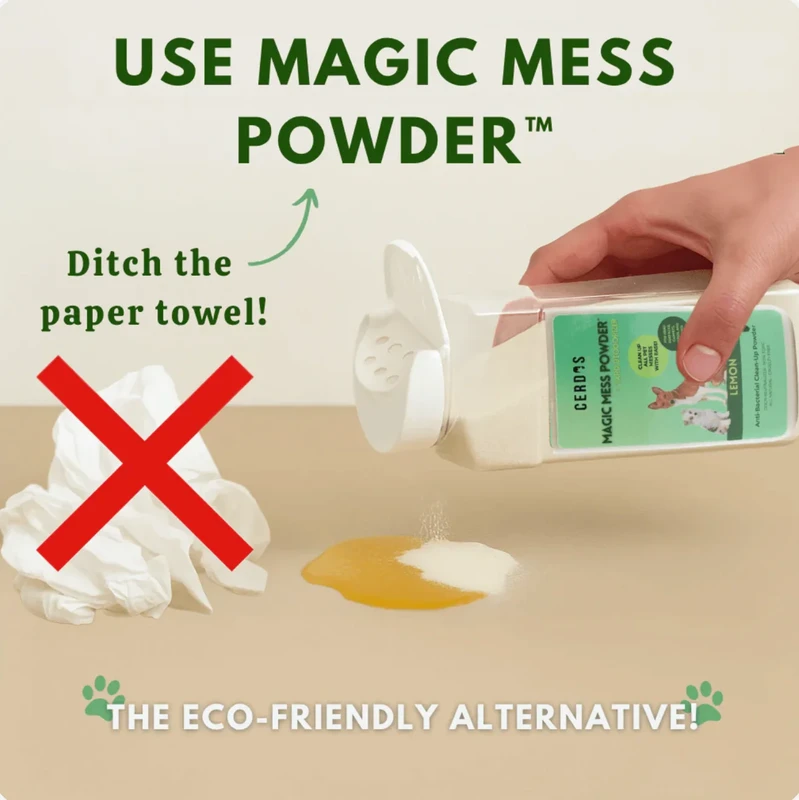
Safe Eco-Friendly Pet Cleaning: Best Alternatives & Tips
PawVerde.com – Switching to eco-friendly pet cleaning alternatives involves replacing harsh chemicals like bleach and phenols with enzymatic cleaners, plant-based surfactants, and steam cleaning. For maximum safety, prioritize products that explicitly list pet-safe certifications and use biodegradable ingredients to prevent respiratory issues and gastrointestinal distress in your animals. The global pet-safe cleaners market is projected to reach $8,310.5 million by 2035, reflecting a massive shift toward sustainable pet care.
The Greenwashing Decoder: Spotting Deceptive ‘Pet-Safe’ Claims
To identify greenwashing, look beyond vague marketing. As Petdirect advises: “If it doesn’t clearly list pet safety, it’s best to opt out.” Always verify that a product’s ingredient transparency matches its safety claims to avoid hidden toxins.
Market leaders like The Honest Company, Inc. have established a standard for transparency, yet many smaller brands use ambiguous marketing to inflate perceived safety. A common failure mode occurs when a consumer assumes a “botanical” label implies non-toxicity, only to find concentrated essential oils that are dangerous for animals. Industry analysts note that 64% of consumers are willing to pay premium prices for eco-friendly products, which incentivizes some manufacturers to use deceptive labeling.
Red flags in labeling
- Vague descriptors such as “earth-friendly” or “nature-inspired” without ingredient breakdowns.
- The absence of a full ingredient list on the physical packaging or digital product pages.
- Claims of being “chemical-free,” which is scientifically impossible as all matter is chemical.
Certifications to look for
Instead of relying on marketing adjectives, look for third-party verified standards. As Petdirect notes: “If it doesn’t clearly list pet safety, it’s best to opt out.” Reliable indicators include vegan certifications or specific biodegradable ratings that confirm the product will not persist in the environment or harm the pets interacting with the residue.
Surface-Specific Safety Matrix: Matching Cleaners to Your Home
Choosing an inappropriate cleaner can lead to material damage. For example, using a DIY vinegar spray on natural stone like marble or granite causes immediate chemical etching and permanent dulling.
| Surface Type | Recommended Eco-Alternative | Avoid This Method | Primary Risk |
|---|---|---|---|
| Natural Stone (Marble/Granite) | Steam Cleaning | DIY Vinegar Spray | Etching and permanent dulling |
| Hardwood Floors | Microfiber + Water | Excessive Vinegar/Acid | Finish stripping and warping |
| Carpets/Upholstery | Enzymatic Cleaners | Bleach-based cleaners | Fiber degradation and toxicity |
| Laminate | Mild Plant-based Surfactants | Heavy saturation | Delamination of layers |
A significant pitfall involves the DIY All-purpose Spray, typically made by mixing one part distilled white vinegar with two parts water. While this is effective for windows and standard tiles, using vinegar on natural stone like marble or granite is a mistake that causes immediate chemical etching. For high-traffic pet areas, steam cleaning remains a superior choice because it utilizes only water and heat to sanitize, requiring no detergents to achieve a hygienic result.
Why Enzymatic Cleaners are Non-Negotiable for Organic Stains
enzymatic cleaners are the only effective solution for pet accidents because they chemically break down organic matter—such as urea, uric acid, and proteins—at the molecular source. Unlike traditional cleaners that merely mask odors, enzymes eliminate the biological cause of the smell, preventing ‘rebound odors.’
Standard household cleaners often rely on fragrance to cover the scent of pet waste. However, only enzyme cleaners can remove bodily stains and odors 100 percent by targeting the biological components of the mess. This process involves enzymes breaking down molecules into smaller, odorless particles that can be easily wiped away. As Rover documentation points out, “Enzymatic pet cleaners are also biodegradable, so they’re better for the planet.”
The Science of Protein Breakdown
When a pet has an accident, the waste penetrates deep into carpet fibers or floor cracks. Enzymatic cleaning follows a specific mechanism:
- Targeting: Enzymes identify specific proteins, fats, or starches.
- Hydrolysis: The enzymes break the chemical bonds of the organic matter.
- Elimination: The broken-down particles lose their odor-causing properties and are removed during wiping.
Commercial vs. Homemade Enzyme Solutions
While some enthusiasts attempt to create homemade enzyme solutions, these often lack the stability and concentration required for deep cleaning. Commercially produced options offer controlled, reliable results. For instance, Rocco & Roxie Supply Co. Stain and Odor Eliminator is priced at $19.94, while Biokleen Bac Out Natural Stain Remover retails at $28.98. These products are formulated to ensure the enzymes remain active long enough to complete the breakdown process.
Toxic Offenders: Chemicals to Purge from Your Cleaning Cabinet
Traditional cleaning products frequently contain substances that pose acute risks to animals. Because pets reside close to the floor and engage in frequent grooming, they are highly susceptible to chemical residues.
WARNING: Certain common household chemicals present acute risks to pet health. Avoid products containing these substances to prevent serious medical emergencies.
- Bleach: This can cause respiratory and gastrointestinal issues in pets if inhaled or ingested.
- Phenols: These compounds are known to be toxic to both cats and dogs.
- Essential Oils: Highly concentrated oils like eucalyptus or tea tree can trigger neurological or digestive symptoms in pets if not properly diluted or if inhaled in enclosed spaces.
Replacing these with safer alternatives, such as mold inhibitors like SafeChoice X-158 or Moldex products, can prevent future growth while offering safer environments for humans and animals alike. Transitioning to non-toxic options is a proactive step in reducing the chemical load in your living space.
The Economics of Eco-Cleaning: Cost-Per-Use Analysis
Long-term savings often outweigh higher upfront costs. For example, while specialized products may seem expensive, utilizing the 20% savings found on Delphis Eco bundles can reduce overall spending.
| Product/Method | Typical Unit Price | Waste Profile | Economic Advantage |
|---|---|---|---|
| Ecos For Pets! Spray | $4.69 | Low (Refillable) | High affordability |
| KisClean Natural Cleaner | $8.40 | Low | Concentrated use |
| Delphis Eco Bundles | Varies | Very Low | 20% savings on bundles |
| Disposable Wipes | Variable | High (Single-use) | Low upfront, high recurring cost |
| Reusable Cloths | One-time cost | Minimal | Highest long-term savings |
When comparing reusable cloths to disposable wipes, the waste reduction is significant. While wipes offer convenience, they contribute to landfill mass and represent a continuous recurring expense. By investing in high-quality microfiber cloths or utilizing the 20% savings found on Delphis Eco bundles, pet owners can significantly lower their annual cleaning expenditures.
Age-Based Cleaning Protocols: Puppies vs. Seniors
Cleaning requirements vary by life stage. A routine safe for an adult may not account for the specific vulnerabilities of younger or older animals.
High-Activity Puppy Environments
Puppies require rapid, enzymatic elimination of waste to prevent habituated “potty spots.” However, owners must be careful with cleaning wipes; these can be a choking hazard or cause an intestinal obstruction if swallowed.
Sensitive Senior Respiratory Care
Senior pets may suffer from respiratory issues like asthma. For these animals, strong-smelling cleaners can trigger breathing difficulties. Steam cleaning is a safer choice because it sanitizes using only water and heat, avoiding scented detergents that could compromise respiratory health.
FAQ
Can I use vinegar to clean my pet’s accidents?
Vinegar works for windows and standard floors, but it cannot replace enzymatic cleaners for urine. Enzymes are necessary to break down the proteins in organic stains.
Are essential oils safe in pet-friendly cleaners?
No. Highly concentrated oils like tea tree or eucalyptus can trigger neurological or digestive symptoms if not properly diluted or if inhaled in high concentrations.
Is steam cleaning a safe alternative?
Yes. Steam cleaning tools require no detergents, using only water and heat to sanitize floors and furniture safely.
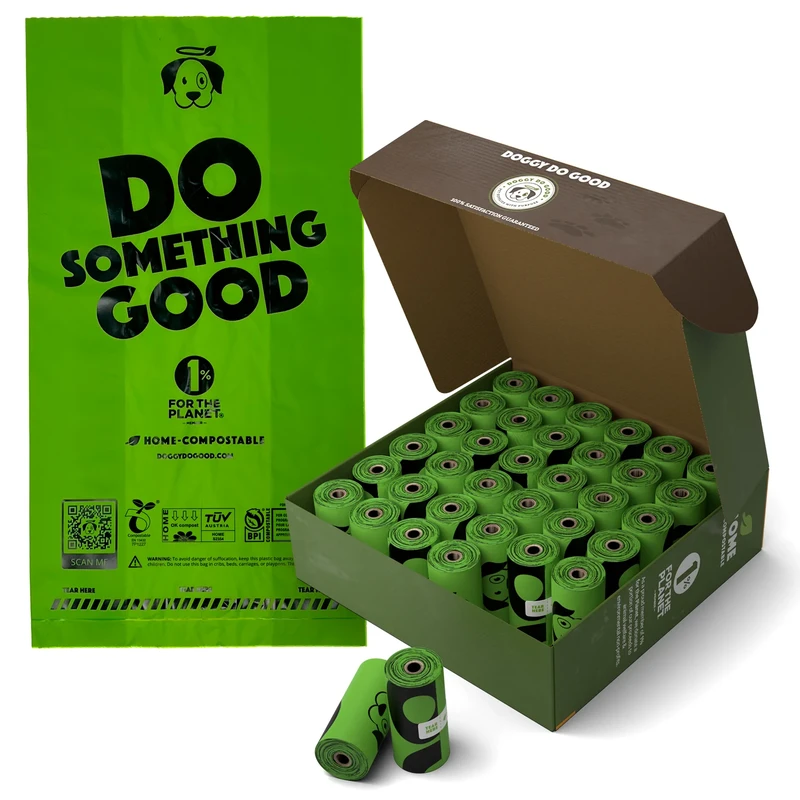
Are Compostable Dog Poop Bags Truly Eco-Friendly?
PawVerde.com – compostable dog poop bags are plant-derived alternatives to plastic that break down into organic matter under specific conditions. However, their environmental benefit depends entirely on your local waste infrastructure; in a landfill, they may take up to 400 years to decompose and can even release methane.
When disposed of in a landfill, these bags can take between 75 to 400 years to decompose. This process often results in the release of methane.
The Compostability Reality Check: Is Your Bag Truly Eco-Friendly?
To avoid greenwashing, audit your packaging for the exact percentage of plant-based content. Many ‘compostable’ bags are only partially vegetable-based (some as low as 38%), while the remainder may consist of fossil-fuel-based materials that can break down into microplastics.
Environmental benefits are often obscured by complex manufacturing processes. For instance, Doggy Do Good bags contain only 38% vegetable-based content. The remaining 62% of the material consists of other components that do not share the same plant-derived properties.
The Microplastic Paradox
The term “compostable” does not always guarantee a return to nature without trace. Many compostable bags are made from fossil fuels treated with chemicals designed to help them biodegrade more quickly—and potentially break down into microplastics. This creates a scenario where the bag disappears from sight but leaves behind microscopic plastic fragments in the soil or water.
Decoding ‘Biodegradable’ vs. ‘Compostable'”
Consumers often confuse these two terms. Compostable dog poop bags are a specific subset of biodegradable bags, typically made from plant-derived materials that can break down completely into natural substances under the right conditions. In contrast, the term “biodegradable” is not tightly regulated, meaning it can be applied to a wide range of products that may not meet strict composting standards. According to the Biodegradable Products Institute (BPI), which sets and certifies composability standards for North America, the distinction is critical for effective waste management.
Infrastructure Compatibility: Should You Buy Compostable or Recycled Plastic?
If your waste is destined for a landfill or incineration, a recycled plastic bag is likely the more sensible choice. This selection minimizes new petroleum use.
In the United States, industrial composting facilities often refuse to accept dog waste. This is because municipal facilities typically reject pet waste due to biohazard concerns and the presence of potential pathogens.
| Disposal Method | Best Bag Type | Environmental Impact |
|---|---|---|
| Landfill | Recycled Plastic | Minimizes new petroleum use; avoids methane release. |
| Industrial Compost | Certified Compostable | Converts waste to organic matter (if permitted). |
| Home Compost | Certified Compostable | Highest efficiency for local nutrient cycling. |
The final destination of your waste dictates the best product. Use compostable bags if you have access to a specialized composting system; otherwise, recycled plastic serves as a practical landfill option.
Top Compostable Bag Brands for 2025
Leading compostable brands for 2025 include Earth Rated, Unni, Moonygreen, Zola Zola, and Greener Walker. When choosing, consider specific needs like Moonygreen’s 9″ x 13″ size or the durability requirements of your specific dog breed.
- Earth Rated: A widely recognized brand in the pet industry.
- Unni Pet Waste Bags: A specialized manufacturer of compostable options.
- Greener Walker: Focuses on eco-friendly waste solutions.
- Zola Zola: Offers compostable alternatives for pet owners.
- Moonygreen: Provides various sizes, including a 9″ x 13″ option.
Durability vs. Degradability: A Stress Test
The trade-off between how fast a bag breaks down and how strong it is can be significant. While degradability is the goal, some users report that the Moonygreen bags tear easily. This physical failure can lead to messy cleanup and unintended environmental exposure if the bag breaks before the waste is properly disposed of.
Size and Utility Comparison
Different breeds require different bag dimensions. While a standard bag might suffice for a small dog, larger breeds may require the 9″ x 13″ size offered by Moonygreen to ensure secure containment. Selecting the wrong size can lead to bag failure, which is a common frustration for owners of large-breed dogs.
How to Compost Dog Waste Safely at Home
To manage pet waste via a DIY Poop Digester, you must establish a controlled environment. This method allows for the decomposition of organic matter in a home setting.
To build a DIY Poop Digester, gather these materials:
- A 20-30 gallon container
- A drill
- A shovel
- Gravel
- Carbon-rich materials
- An enzyme solution
Building a DIY Poop Digester
The process begins by preparing a 20-30 gallon container. You must use a drill to create aeration holes, ensuring the waste does not become an anaerobic mess. This setup allows for a controlled decomposition process that is safer than standard garden composting.
The Importance of Carbon-Rich Materials
Successful composting requires a balance of nitrogen (from the waste) and carbon. You must add carbon-rich materials, such as wood chips or shredded paper, to the container. This prevents the mixture from becoming overly wet or smelling unpleasant, ensuring the decomposition process remains stable.
Common Pitfalls and Storage Protocols
Warning: In landfills, where waste is densely compacted and lacks oxygen, compostable bags decompose anaerobically and release methane.
When waste is densely compacted and lacks oxygen or microorganisms, compostable bags decompose anaerobically. This process releases methane, a potent greenhouse gas.
The Humidity Hazard: Protecting Your Rolls
Compostable materials are sensitive to their environment. If rolls are stored in high-humidity areas, such as a damp garage or a car during summer, the bags can become sticky or lose their structural integrity. This environmental sensitivity can cause the bags to degrade prematurely before they are even used.
Avoiding the Methane Release
To ensure a positive environmental outcome, match your bag choice to your local waste infrastructure. If your waste is destined for a landfill, the “compostable” label may not prevent methane production.
FAQ
Why don’t industrial composters accept dog waste?
Municipal facilities often reject pet waste due to biohazard concerns and the presence of pathogens like E. coli or Salmonella.
Is ‘biodegradable’ the same as ‘compostable’?
No. Compostable bags are a specific subset of biodegradable bags that must break down into non-toxic organic matter under specific conditions.
What happens to compostable bags in a landfill?
In a landfill, they decompose anaerobically (without oxygen), which can lead to the release of methane, a potent greenhouse gas.
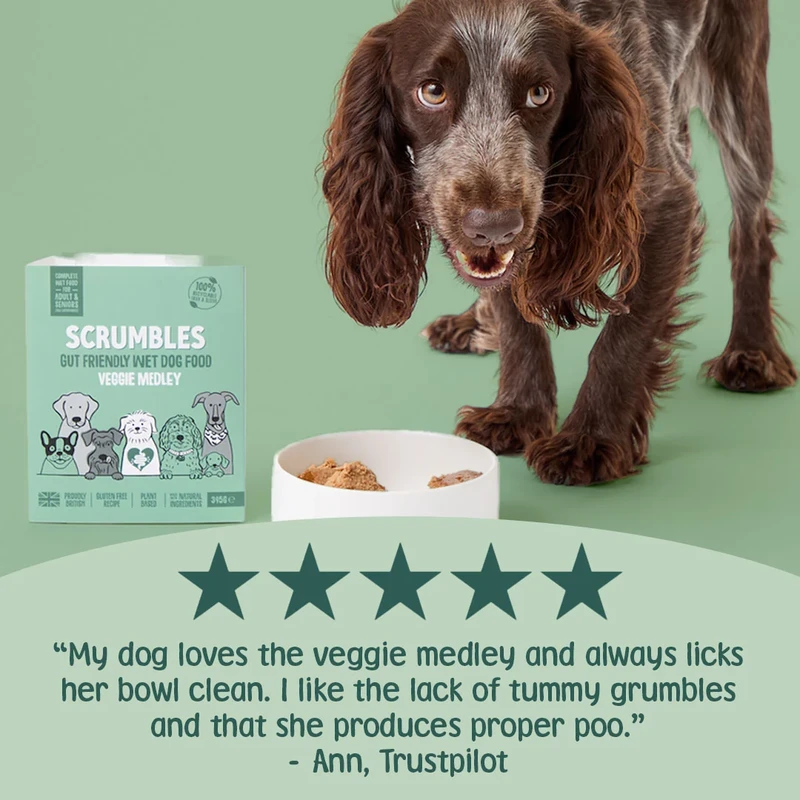
Sustainable Pet Food: How to Identify Real Eco-Friendly Brands
PawVerde.com – Sustainable pet food focuses on three pillars: ethically sourced ingredients (like MSC-certified seafood or insect protein), regenerative agriculture, and low-impact packaging. While the market is growing—with a 57% increase in MSC-certified products in the UK—consumers must distinguish between genuine certifications and vague ‘greenwashing’ marketing terms.
The UK has seen a 57% growth in pet food products containing MSC-certified sustainable seafood over the last five years. This shift reflects a growing awareness among pet owners regarding the environmental footprint of their animals’ diets.
The Sustainability Scorecard: How to Grade Your Pet Food
To grade pet food sustainability, evaluate three criteria: 1) Certifications (look for MSC for seafood or Land to Market for regenerative farming); 2) Ingredient Source (prioritize insect protein or regenerative agriculture); and 3) Packaging (prefer mono-material construction over multilayer plastics). Avoid brands using unverified terms like ‘natural’ or ‘eco-friendly’ without third-party proof.
Evaluating a product requires looking beyond the front of the bag. Industry specialists at the Pet Sustainability Coalition (PSC) emphasize that many brands use deceptive marketing to imply environmental stewardship without actual proof. A common failure mode occurs when a brand highlights a single “green” ingredient while ignoring the massive carbon footprint of its primary protein source or its non-recyclable packaging.
The Red Flag Directory: Terms to Avoid
Consumers should remain skeptical of labels that lack standardized definitions. According to the pet sustainability Coalition (PSC), the following terms are often used as greenwashing tactics:
- “Eco-friendly”
- “Green”
- “Natural”
- “Environmentally conscious”
These terms are intentionally vague. Without a third-party verification process, such as an audit by the PSC or a specific certification, these claims do not provide actionable data for the consumer. To verify a claim, one should look for the specific accreditation details often found in the fine print or via a brand’s transparency report.
The Green Flag Directory: Certifications to Trust
Reliable sustainability is backed by rigorous, third-party oversight. When reviewing pet food, prioritize these specific markers of integrity:
- Marine Stewardship Council (MSC): Verifies that seafood ingredients are sourced from healthy, well-managed fisheries.
- Land to Market: Provides verification for regenerative farming practices that actively improve soil health.
- PSC Accreditation: Indicates that a company has met specific sustainability standards set by the Pet Sustainability Coalition.
While 77 members have achieved accreditation, many brands still rely on unverified claims. Always check for the actual logo and the certifying body’s name.
Ingredient Deep-Dive: Insect Protein vs. Regenerative Sourcing
The debate over sustainable protein often centers on the trade-off between novel sources like insects and traditional livestock managed through regenerative methods. While insect protein is frequently marketed as the ultimate solution for low-impact feeding, regenerative agriculture attempts to fix the existing livestock system by focusing on the health of the ecosystem.
Insect protein has emerged as a significant disruptor. As of 2023, there are 43 brands active globally that utilize insect-based ingredients. This sector is projected to see a massive scale-up, with an expected global volume of 500,000 MT of insect ingredients incorporated into feed and pet food by 2030. This scaling is driven by the high nutrient density of these proteins.
| Protein Source | Sustainability Driver | Key Benefit | Potential Drawback |
|---|---|---|---|
| Insect Protein | Low land/water use | 40% to 60%+ protein content | Limited long-term availability |
| Regenerative Beef/Grain | Soil carbon sequestration | Improves ecosystem health | Difficult to scale globally |
| MSC-Certified Seafood | Fishery management | Lower carbon than land meat | Risk of overfishing if unmonitored |
The table above illustrates the diverse approaches to sustainable protein. It is a common misconception that insect protein is “weak” protein; in reality, insect materials provide 40% to more than 60% protein on a dry matter basis, which meets standard nutritional requirements for most pets.
The Rise of Insect Protein (43+ Global Brands)
The shift toward insect-based diets is not merely a trend but a response to resource scarcity. Large-scale players like Mars pet nutrition are observing the industry’s movement toward diverse protein streams. Insect protein serves as a tool for lowering the carbon footprint of pet food while maintaining high palatability for dogs and cats.
Regenerative Agriculture and Soil Health
Regenerative agriculture focuses on the “foundation” of the food chain. Adam Hardie, climate and sustainable sourcing lead at Mars Pet Nutrition North America, notes: “It all starts with healthy soil. Soil is the foundation for growing high-quality ingredients for pet food.” This method involves minimal tilling and diverse crop rotations to sequester carbon.
However, a critical counterintuitive reality exists: research has indicated that regenerative agriculture practices alone cannot keep up with the massive scale of industrialized animal farming to fully offset all industry emissions. While essential, it is one part of a much larger systemic challenge.
Navigating the Packaging Paradox
The United States pet food industry produces approximately 300 million pounds of plastic every year. This massive volume of waste creates a paradox: a brand may use highly sustainable, organic ingredients, but if that food is delivered in a non-recyclable, multilayered plastic bag, the net environmental benefit is significantly diminished.
Why Mono-Material Wins Over Multilayer
Traditional pet food bags often use multilayered construction—combining different types of plastics and foils to keep food fresh. While effective for shelf life, these materials are nearly impossible to recycle. Mono-material construction solves this issue by using a single polymer type, such as polyethylene, throughout the entire package. This design simplifies the recycling process and increases the likelihood that local recycling facilities will accept the packaging.
The Reality of Compostable vs. Recyclable
For many owners, the choice between “recyclable” and “compostable” is confusing. In 2024, 56% of United States owners indicated a willingness to switch brands specifically for sustainable packaging. Companies have responded to this demand by launching recyclable packaging and upgrading their organic recipes as of October 2024. The goal is to move toward a circular economy where the packaging is as carefully managed as the ingredients inside.
Brand Spotlight: Real-World Sustainability Leaders
Identifying leaders in the space requires looking at how companies integrate sustainability into their core business model rather than treating it as a marketing add-on. Current market trends show that 27% of pet parents are actively seeking out these specific innovations.
Retail Accessibility (Aldi & Woofs)
Sustainability is becoming more accessible through mainstream retail. For example, Aldi has entered the space by offering products like Cornish sardines pet food, providing a more sustainable seafood option at a lower price point. Similarly, brands like Woofs have introduced products such as golden red fish, making specialized diets more available to the general public.
DTC and B-Corp Pioneers (Open Farm)
Direct-to-consumer (DTC) brands often lead the way in radical transparency. Open Farm Pet Food Company Inc. is a notable example, having achieved B Corp certification as of July 2024. They utilize regenerative agriculture and have implemented plastic-neutral packaging initiatives to address the waste crisis directly. Unlike massive conglomerates, these pioneers often build their entire supply chain around specific environmental metrics.
While large manufacturers are also making moves—such as their USD 30 million regenerative agriculture initiative for organic grain sourcing launched in April 2024—the scale of these operations means their impact is often spread across a much wider, more complex supply chain.
The Transition Protocol: Moving to Novel Proteins
Switching a pet to a sustainable alternative, such as insect protein, requires a methodical approach to avoid gastrointestinal distress. While insect meals are highly nutritious, the sudden change in protein structure can affect a pet’s digestion.
Shortcut: To prevent digestive upset, always use the “7-Day Gradual Mix” method. Start with 25% novel protein and 75% old food, increasing the ratio by 25% every two days until the transition is complete.
The primary concern for many owners during this transition is palatability. Fortunately, research into insect protein suggests that it maintains high palatability levels, making it an easier switch for picky eaters than many plant-based alternatives. By monitoring stool consistency and energy levels during the first 14 days, owners can ensure the new, eco-friendly diet is being well-received by their pet’s unique biology.
FAQ
Is insect-based pet food as nutritious as meat?
Insect materials provide 40% to over 60% protein on a dry matter basis. This meets standard nutritional requirements for pets while offering a significantly lower carbon footprint than traditional livestock proteins.
What is the difference between ‘eco-friendly’ and ‘certified sustainable’?
‘Eco-friendly’ is often a vague greenwashing term that lacks legal standard definitions. ‘Certified sustainable’ relies on third-party bodies like the MSC or PSC to verify specific environmental claims through rigorous auditing.
Why is mono-material packaging better for the environment?
Mono-material construction uses a single polymer type, making it significantly easier for local recycling facilities to process compared to complex multilayered plastics, which are typically destined for landfills.
Sustainable Pet Travel Gear Checklist: Eco-Friendly Essentials
PawVerde.com – To pack a sustainable pet travel kit, prioritize high-durability items like stainless steel bowls and recycled plastic crates, use compostable waste bags, and select gear made from organic hemp or recycled synthetics. This approach minimizes the 300 million pounds of pet supplies that enter landfills annually while ensuring your pet’s comfort.
Pet meat consumption alone is responsible for up to 64 million tons of CO2 release annually. Reducing the environmental footprint of your travels requires a shift from disposable, low-quality goods toward a curated selection of long-lasting, ethically manufactured gear.
How to Verify Sustainable Gear: Avoiding the Greenwashing Trap
To avoid greenwashing, verify if ‘biodegradable’ bags are home or industrial compostable by checking packaging labels. For gear, look for specific certifications like B Corp (e.g., West Paw) or high recycled content (e.g., 90% in Petmate crates) rather than vague ‘eco-friendly’ claims.
Home vs. Industrial Compostability
Many travelers fall into the trap of purchasing “biodegradable” waste bags that only break down in high-heat industrial facilities. If your eco-lodging does not provide industrial composting access, these bags may still persist in landfills. Practitioners suggest verifying if a product is specifically labeled “home compostable” to ensure it can be processed in standard backyard bins. A common failure mode occurs when users assume a “green” bag will vanish in a standard trash receptacle, which is rarely the case.
Decoding Recycled Content Percentages
Vague marketing terms often mask low-impact products. Instead of trusting the term “eco-friendly,” look for specific numeric data. For example, Petmate manufactures dog and cat crates using 90% recycled plastic. Similarly, identifying a certified B Corp, such as West Paw, provides a higher level of assurance regarding the company’s social and environmental performance. Relying on specific percentages rather than adjectives prevents the purchase of “greenwashed” items that contain only a negligible amount of recycled material.
The Weight vs. Impact Matrix: Choosing Your Travel Materials
Material selection involves balancing pack weight against long-term impact. While heavier materials like 18/8 stainless steel offer extreme durability, lightweight synthetics or bamboo are often necessary for trekking.
| Material Type | Sustainability Benefit | Weight Profile | Durability |
|---|---|---|---|
| Stainless Steel | Infinite recyclability; extremely long lifespan | Heavy | Very High |
| Bamboo | Rapidly renewable resource | Medium | Medium |
| Recycled Plastic | Diverts waste from landfills | Light to Medium | High |
| Hemp/Organic Cotton | Low pesticide use; biodegradable | Light | Medium |
The material choices in the table above impact both mobility and ecological footprint.
Heavy-Duty Durability: Stainless Steel & Wood
For travelers prioritizing longevity, stainless steel is the gold standard. Yeti produces dog bowls using 18/8 stainless steel, a grade known for its resistance to rust and extreme durability. While this adds significant weight to a travel bag, the lifetime utility reduces the need for frequent replacements. Tall Tails offers an alternative by manufacturing wooden dog bowls that feature stainless steel inserts, combining natural aesthetics with the hygienic benefits of metal.
Ultra-Lightweight: Recycled Synthetics & Bamboo
If weight is your primary constraint, look toward bamboo or recycled synthetics. Beco manufactures bamboo bowls that are lighter than metal alternatives, making them ideal for hiking. For hydration on the move, Mighty Paw offers collapsible travel dog bowl sets that minimize bulk. However, travelers should note that ultra-lightweight items can sometimes lack the ruggedness required for high-impact play, potentially leading to more frequent replacements if not handled carefully.
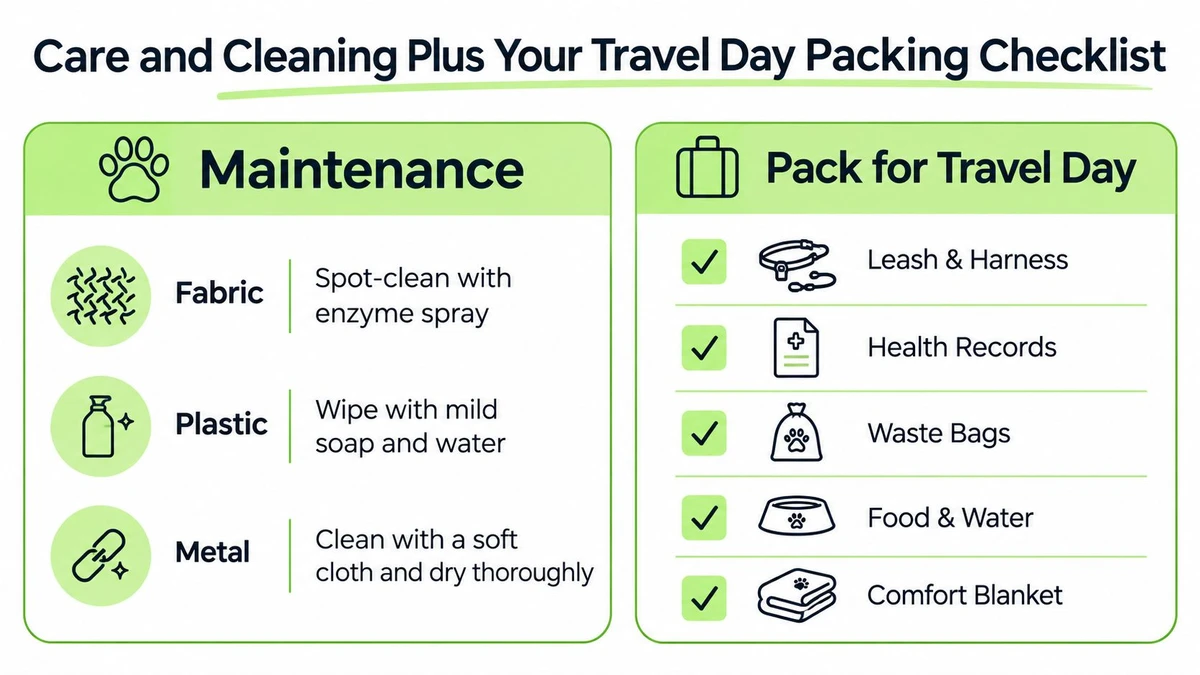
Essential Sustainable Travel Gear Checklist
A complete sustainable pet travel kit includes: 1. Reusable stainless steel or bamboo bowls (e.g., Yeti or Beco); 2. Recycled plastic crates (e.g., Petmate); 3. Organic hemp/cotton collars (e.g., The Good Dog Company); 4. compostable waste bags; and 5. Durable, recycled toys (e.g., West Paw).
Feeding & Hydration
- Reusable Bowls: Avoid single-use plastic containers for snacks or water. Opt for Yeti’s 18/8 stainless steel or Beco’s bamboo options.
- Refillable Systems: Use refillable bowls, such as those made from sugarcane fiber, to eliminate the need for disposable service ware.
- On-the-go Hydration: Mighty Paw collapsible bowls are effective for reducing the weight of your gear while maintaining utility.
Containment & Safety
- Sustainable Crates: When traveling by car, use Petmate crates, which utilize 90% recycled plastic.
- Eco-Friendly Collars: The Good Dog Company provides collars, leashes, and harnesses made from organic cotton and hemp.
- Secure Carriers: For cats or small dogs, Petique manufactures pet carriers designed to keep animals stable and safe during transit.
Walking & Waste Management
- Recycled Leashes: United by Blue produces leashes made from recycled plastic, helping to divert ocean waste.
- Waste Bag Dispensers: Use a dispenser from United by Blue to keep compostable bags organized and accessible.
- Durable Toys: Instead of cheap squeaky toys that break quickly and end up in landfills, choose West Paw toys made from recycled materials. Timberdog notes that “Comfort + durability = fewer replacements over your dog’s lifetime, which means fewer harnesses end up in landfills.”
Zero-Waste Cleanup: Managing Messes in Eco-Lodgings
To maintain a clean environment in eco-lodgings, use targeted solutions rather than harsh chemicals. Kinn Inc. promotes a philosophy of “Travel Light. Travel Clean. Travel Klean.” to assist travelers in staying sustainable.
When managing pet accidents, avoid single-use plastic containers. Instead, utilize refillable systems like Kinn Inc. Kleanbowl refills, which allow for serving food or water without the waste associated with traditional single-use methods.
Eco-Friendly Enzyme Cleaners
When accidents occur, enzyme-based cleaners are the most effective way to break down organic matter without heavy synthetic scents. Retailers like Tomlinson’s emphasize the importance of sustainable practices, suggesting that pet parents prioritize products that do not contribute to the 300 million pounds of pet supplies entering landfills annually.
The Refillable Advantage
Carry concentrated refills to reduce your kit’s weight and plastic packaging. Using reusable cloths instead of paper towels significantly decreases your trip’s total waste output.
Mitigating Travel Stress and Environmental Footprint
Sustainability involves both your gear and your preparation. As recommended by SPCA BC, using the Pet Carrier Acclimation technique—using short trips and positive reinforcement—can prevent accidents and reduce the need for emergency supplies.
Transportation Choices
The method of transport impacts your carbon footprint. Using an EV or hybrid car can significantly cut emissions. If you are driving, remember that most pets will likely need a stop every 6 hours to maintain comfort and health.
For those purchasing new travel gear, Eagle Creek offers a 60-Day return period, allowing you to ensure the equipment meets your pet’s specific needs before committing to it long-term. This prevents the waste caused by returning items after they have been used or damaged.
FAQ
How do I know if a pet toy is truly sustainable?
Look for B Corp certification or materials like natural rubber or recycled fabric. Avoid cheap squeaky toys that break quickly, as they contribute to landfill waste. Durable, eco-friendly toys hold up better and reduce the overall frequency of replacements.
Is it better to drive or take a train with my pet?
Public transport and trains are generally more efficient and have a lower carbon footprint than driving. Even when considering the emissions from pet-related meat consumption, rail travel remains a more environmentally conscious choice for many travelers.
Can I recycle my old pet gear?
Yes, some retailers offer recycling programs. For instance, Wagging Green Pet Shop provides a recycling program for collars and leashes that can offer a discount of up to 25% for reusing hardware from your old equipment.
How to Audit Eco-Friendly Pet Supplies & Avoid Greenwashing
PawVerde.com – eco-friendly pet supplies focus on reducing the environmental footprint of pet ownership through sustainable materials like bamboo and natural rubber, ethically sourced nutrition, and waste reduction. While the global market is projected to reach $34.6 billion by 2034, true sustainability requires looking beyond labels to avoid greenwashing and ensure product end-of-life circularity.
Consumer expectations are shifting rapidly. According to Faunalytics, 84% of companion animal guardians now hold companies responsible for addressing climate change.
The Greenwashing Decoder: How to Audit Your Pet Product Labels
To audit a pet product, look for specific certifications rather than vague buzzwords. Avoid products claiming to be ”recyclable’ if they use multi-layer films, and be wary of ‘eco-friendly’ waste bags that lack industrial compostability proof. Always check if the brand provides transparent sourcing data to back up their environmental assertions.
The pet care industry faces significant scrutiny regarding deceptive marketing. Reports from Doglyness highlight widespread greenwashing in the pet care sector, where brands often use misleading imagery to imply sustainability. This skepticism is shared by a large portion of the population; Woola notes that 52% of people globally have encountered false or misleading information regarding a brand’s sustainability actions. In Europe, data indicates that 42% of green claims were found to be exaggerated, false, or deceptive in 2021.
Red Flags: Vague Buzzwords vs. Certifications
When auditing a product, distinguish between marketing fluff and verifiable standards. The following list identifies common pitfalls for pet owners:
The Multi-Layer Film Trap
A critical misconception involves the ease of recycling pet food packaging. Many bags utilize a combination of plastic and foil to maintain freshness. However, these composite materials are rarely accepted by municipal recycling streams. This creates a significant volume of non-recyclable waste, despite the “recyclable” label appearing on the back of the bag.
The Lifecycle Audit: Biodegradable vs. Compostable vs. Recyclable
Understanding the end-of-life stage of pet products is essential to prevent unintended environmental harm. While “biodegradable” sounds inherently positive, the term is often used loosely in the pet industry.
The reality of waste management is that many “biodegradable” products fail to break down effectively in standard landfills. Without specific oxygen and microbial conditions, these items may sit for decades. Furthermore, Clarkston Consulting reports that incorrect labeling has already led to significant legal consequences, noting $1.7 million in filings involving incorrect labeling of pet waste bags as “eco-friendly” in early 2021.
To ensure a product truly follows a circular lifecycle, verify if the packaging is certified for industrial composting. This distinction is vital for reducing the volume of pet-related waste that ends up in landfills, where it can contribute to greenhouse gas emissions.
Material Safety & Toxicity Matrix for Eco-Materials
When choosing eco-materials, balance sustainability with pet safety. Bamboo is a highly sustainable carbon absorber, but ensure it is processed without toxic glues. Natural rubber is excellent for durability without deforestation, while hemp and organic cotton offer low-impact alternatives for bedding and toys that minimize skin irritation.
Sustainability must never compromise the biological safety of the animal. For example, the Best Friends Animal Society warns that eco-friendly cat litters should avoid containing clay or sodium bentonite, as these ingredients can potentially sicken or poison pets. Instead, look for plant-based alternatives that offer safety and performance.
| Material | Sustainability Benefit | Pet Safety Consideration | Best Use Case |
|---|---|---|---|
| Bamboo | High CO2 absorption; prevents deforestation | Check for non-toxic resins/glues | Bedding, toys, and bowls |
| Natural Rubber | No deforestation in production | Ensure no synthetic additives | Durable chew toys |
| Hemp | Low water usage; high durability | Generally hypoallergenic | Bedding and rope toys |
| Recycled Plastic | Reduces landfill volume | Check for microplastic shedding | Heavy-duty crates or bowls |
The selection of materials often involves a trade-off between durability and impact. For instance, Clarkston Consulting notes that natural rubber is highly sustainable because production relies on rubber tree sap rather than deforestation. However, for bedding, organic cotton or hemp remains the gold standard for minimizing skin irritation in sensitive animals.
A Tiered Roadmap for a Budget-Friendly Eco-Transition
Transitioning to a sustainable pet lifestyle does not require an immediate, total overhaul. Caring Hands Vet suggests that sustainability is about progress, not perfection. Consumers can approach the change through a tiered strategy to manage costs effectively.
Faunalytics research indicates that 62% of companion animal guardians bought an environmentally friendly product in the past month. Sustainability becomes a decisive factor for consumers once their price expectations are met.
By following this roadmap, owners can avoid the “all-or-nothing” trap. Even small changes, like choosing products from vetted brands on EarthHero or Green Pet, contribute to a larger shift in the industry.
The Hidden Cost of Microplastics and Shipping
Even when products are made from sustainable materials, the logistics and maintenance of those products can introduce new environmental costs.
One significant concern is the shedding of microplastics from synthetic or recycled polyester pet bedding. When these items are washed, they release tiny plastic fibers into the water system. To mitigate this, owners can use specialized washing bags designed to catch microfibers. Additionally, consider the carbon footprint of the delivery itself. For example, EarthHero offers free carbon-neutral shipping on orders over $75. This is a crucial consideration because a “sustainable” product shipped halfway across the world may have a higher carbon footprint than a conventional product manufactured locally.
The manufacturing of plastic packaging also carries a heavy environmental weight. As noted by Doglyness, the process of creating plastic packaging is devastating to the environment, regardless of how “recyclable” the final product claims to be.
FAQ
Is bamboo safe for dogs and cats?
Bamboo is a highly sustainable resource that acts as a carbon absorber. To ensure safety, verify that products are processed without toxic resins or glues.
How can I tell if pet waste bags are actually eco-friendly?
Avoid bags that only claim to be ‘biodegradable.’ Look for certified compostable labels and check if they meet state regulations to avoid the $1.7 million greenwashing trend in waste bags.
Can I make my own eco-friendly pet toys?
Yes, you can upcycle old t-shirts, towels, or cardboard boxes into enrichment items. Using old socks with water bottles is a simple, zero-waste way to create a puzzle toy.
Eco-Friendly Dog Food: How to Spot Greenwashing in 2026
PawVerde.com – eco-friendly dog food minimizes environmental, animal, and human impact by utilizing sustainable protein sources like insects or algae, reducing livestock-related carbon emissions, and prioritizing ethical sourcing and recyclable packaging. It moves away from carbon-intensive meat-based diets toward alternatives that require significantly less land, water, and feed.
The global pet food market is projected to reach $160.8 billion by 2032, making the shift toward sustainability a massive economic and environmental necessity.
How to Spot Greenwashing: A Red Flag Guide for Pet Food Labels
Greenwashing occurs when sustainability claims are marketing-driven rather than factual. Brands may use aesthetic cues to imply stewardship without providing the verifiable data necessary to establish environmental credentials.
Vague terminology vs. Certified standards
Consumers often encounter terms that lack legal definitions in the pet food industry. To avoid being misled, distinguish between these categories:
- Marketing Buzzwords: Terms like “eco-conscious,” “green,” or “earth-friendly” are frequently used without any underlying metric or regulatory oversight.
- Vague Sourcing: Claims of “sustainably sourced” may sound impressive but often lack specific details regarding the Life Cycle Assessment (LCA) used to verify the claim.
- Certified Standards: Look for specific, verifiable designations. While “organic” carries weight, it is a much higher bar than simply being “natural.”
The ‘Natural’ trap
A product can be labeled as natural while still relying on carbon-intensive ingredients. Because meat-based pet food is especially carbon-intensive due to emissions linked to livestock farming, a “natural” beef-based kibble may have a higher carbon footprint than an insect-based alternative.
The Carbon Footprint Comparison: Protein Source vs. Processing Method
The true environmental winner is insect-based protein, which requires significantly less land, feed, and water than livestock. While meat-based food is highly carbon-intensive due to livestock emissions, insect protein offers a high-protein alternative (35-60% dry weight) with a much lower ecological footprint.
Meat-based pet food is especially carbon-intensive because of the emissions linked to livestock farming. In contrast, insects are being touted as an environmentally friendly solution for dog and cat food due to their efficiency. The protein density of edible insects is remarkably high, ranging from 35% to 60% on a dry weight basis, whereas fresh weight yields between 10% and 25%.
| Protein Source | Environmental Impact | Protein Density | Primary Benefit |
|---|---|---|---|
| Insect Protein | Low (Minimal land/water) | 35% – 60% (Dry) | High efficiency & low emissions |
| Livestock (Beef/Chicken) | High (High GHG emissions) | Variable | Traditional familiarity |
| Plant-based | Moderate | Lower than insects | Low direct animal impact |
Insects offer a high-efficiency alternative to traditional livestock. They provide a higher protein content than many plant sources like cereal grains or soybeans.
Why insects outperform beef and soy
Insects require less land, feed, and water than traditional livestock breeding. This efficiency makes them a cornerstone of sustainable pet nutrition. Furthermore, insects often provide a higher protein content than many plant sources like cereal grains or soybeans, making them a nutrient-dense choice for growing dogs.
The energy cost of freeze-drying vs. extrusion
The method of processing also dictates the ecological footprint. While extrusion is a standard for kibble, specialized methods like freeze-drying or high-pressure processing can change the energy profile of the food. It is a common misconception that all “natural” foods are low-impact; a freeze-dried insect meal might require more energy during production than an extruded plant-based kibble, though the protein efficiency of the insect often offsets this in a full Life Cycle Assessment.
The Insect Revolution: Nutritional Benefits and the Allergy Paradox
Insect-based diets can reduce harmful bacteria in the canine’s gut, such as Turicibacter. Additionally, insect protein can serve as a hypoallergenic protein source, providing a novel alternative for dogs that react to common proteins like beef or chicken.
This is particularly relevant given that 3% to 15% of dogs are affected by atopic dermatitis. For these animals, traditional protein sources can trigger inflammatory responses. Insect protein offers a way to maintain high nutritional standards without the typical allergenic load.
Using insects as a protein source must be undertaken with caution. There is a risk of cross-reactivity for dogs with existing environmental allergies, particularly those sensitive to arthropods such as dust mites.
Gut health and Turicibacter reduction
Research indicates that insect-based diets can positively influence the microbiome. Specifically, these diets can reduce the amounts of bacteria that are harmful to the canine’s gut, such as Turicibacter. Furthermore, additives like spirulina algae powder—which can contain up to 70% protein—can serve as a functional additive that supports intestinal health in dogs.
The risk of cross-reactivity with dust mites
While insect protein is often considered hypoallergenic, it is not a universal solution. Because insects are arthropods, dogs with severe atopic dermatitis may experience cross-reactivity. To mitigate this, manufacturers may use thermal and high pressure processing or hydrolysis to reduce allergenicity and cross-reactivity in the protein molecules.
Beyond the Bowl: Packaging Reality and Waste Management
sustainable pet food must address the lifecycle of its container. For example, Inspired Pet Nutrition has achieved 98% recyclable packaging.
Avoid “wish cycling.” This occurs when owners recycle items incorrectly, such as placing multi-layer pouches into bins that cannot process them. If a package is not clean and dry, or if it belongs in a specialized facility, it often ends up in a landfill regardless of the “recyclable” label.
Recyclable vs. Widely Recycled
A material may be technically “recyclable,” but it is not necessarily “widely recycled.” If your local municipal facility lacks the infrastructure to handle specific pet food bags, the material becomes waste.
How to handle multi-layer pouches
Many premium pet foods use multi-layer pouches to maintain freshness. These are notoriously difficult to recycle because they combine different materials (like plastic and foil). Unless the brand specifically provides a take-back program or the packaging is certified for curbside recycling, these items often require specialized disposal to avoid environmental contamination.
The Eco-Transition Protocol: Switching Diets Safely
Transitioning a dog from a meat-heavy diet to insect-based or plant-based options requires a structured approach. Sudden changes in protein structure or fiber content can lead to gastrointestinal upset.
Owners should follow a gradual integration process to prevent the digestive system from being overwhelmed by new nutrient profiles.
- Days 1-2: Mix 75% old food with 25% new eco-friendly food.
- Days 3-4: Mix 50% old food with 50% new food.
- Days 5-6: Mix 25% old food with 75% new food.
- Day 7: Transition to 100% new food.
Shortcut: If your dog has a sensitive stomach, use the “Small Batch Method”—adding only one tablespoon of the new food per meal to monitor for immediate reactions.
Monitoring for digestive upset
During the transition, watch for changes in stool consistency or energy levels. While insect protein is generally well-tolerated, the introduction of new fibers or microalgae (often included at levels of 0.5% to 4%) may cause temporary changes. If vomiting or severe diarrhea occurs, revert to the previous diet and consult a veterinarian.
Leading Sustainable Brands to Watch
Several companies prioritize different aspects of sustainability, ranging from ethical sourcing to novel protein innovation. The following table compares notable brands and their primary focuses.
| Brand | Primary Sustainability Focus |
|---|---|
| Insect-based protein | Insect-based protein with no palm oil policy |
| Ethically sourced ingredients | Ethically raised and transparently sourced ingredients |
| Benevo | Vegan and organic formulations |
| Newman’s Own | Sustainability with 100% of profits donated to charity |
| Chippin | Sustainable sourcing and eco-conscious operations |
| Mars, Incorporated | Large-scale manufacturer of insect-based lines |
| Natural ingredient profiles | Natural ingredient profiles |
| Orijen | Natural, high-protein formulations |
| Conscientiously sourced ingredients | Conscientiously sourced ingredients |
Prioritize your choice based on specific goals, such as carbon reduction via insect protein, ethical transparency, or social impact through profit donation.
FAQ
Is insect-based dog food actually hypoallergenic?
Insect protein is often used as a hypoallergenic alternative. However, caution is needed for dogs with existing atopic dermatitis due to potential cross-reactivity with arthropods like dust mites. Always monitor for skin irritation during the transition.
Why is organic fish not always the most sustainable choice?
Organic fish can be resource-intensive. According to the Ethical Consumer Guide, “Organic fish has to be fed with sustainably caught, non-organic fish. Around 3-4 kg of sustainable fish is needed to raise 1 kg of organic fish.”
What is Life Cycle Assessment (LCA) in pet food?
LCA is a scientific method used to examine ingredients by considering their total carbon cost, energy demand, land use, and freshwater consumption from the initial production stage through to final disposal.
Regenerative Agriculture in Pet Nutrition: Trends & Truths
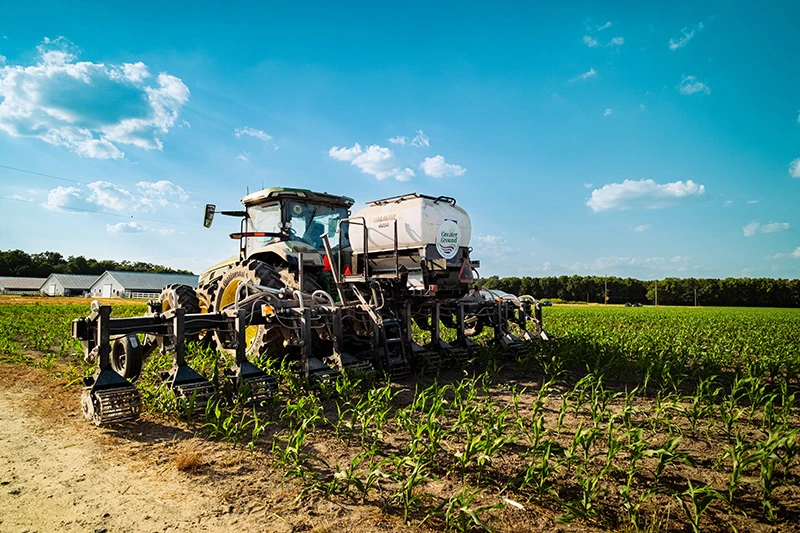
PawVerde.com – Major pet food manufacturers are shifting toward regenerative agriculture to secure supply chains and improve ingredient nutrient density. By prioritizing soil health through practices like cover cropping and reduced tillage, brands like Mars and Purina aim to sequester carbon and meet growing consumer demand for sustainable, high-quality pet nutrition. Mars Pet Nutrition North America has already committed $5 million through 2027 to assist with regenerative farming adoption.
Beyond ‘Sustainable’: Navigating the Regenerative Certification Maze
To distinguish genuine regenerative pet food from greenwashing, look for specific certifications like Regenerative Organic Certified (ROC) rather than vague “sustainable” claims. Legitimate regenerative agriculture focuses on five key pillars: soil health, carbon sequestration, water management, minimizing chemical inputs, and enhancing biodiversity, often verified by third-party measurement partners.
Greenwashing vs. High-Resolution Trust
Verifying environmental claims is a significant challenge for the pet food industry. While many brands use “sustainable” as a marketing label, specialized measurement partners like Regrow and Scoular are working to provide high-resolution data that tracks actual ecological improvements. This data-driven approach provides verifiable proof of carbon sequestration and soil health improvements.
The Role of Third-Party Verification
True regenerative practices require rigorous auditing to ensure they meet strict environmental standards. The industry is seeing a shift toward frameworks that prioritize:
- Soil health and organic matter accumulation
- Carbon sequestration monitoring
- Water management efficiency
- Minimization of synthetic chemical inputs
- Biodiversity enhancement
The Nutrient Density Argument: Soil Health and Ingredient Bioavailability
Regenerative agriculture aims to enhance nutrient density by restoring soil microbial life. Techniques such as diverse crop rotations and integrated livestock grazing can help revive the natural environment, improve biodiversity, and enhance the nutrient density of food, according to Anne Malleau, vice president of Agriculture and animal welfare Programs at Open Farm.
Adam Hardie, climate and sustainable sourcing lead at Mars Pet Nutrition North America, states, “It all starts with healthy soil. Soil is the foundation for growing high-quality ingredients for pet food.” This focus on the soil microbiome is intended to create a direct link between land management and the nutritional profile of the final pet product. Anne Malleau, vice president of Agriculture and Animal Welfare Programs at Open Farm, notes that by focusing on practices that restore ecological function, regenerative farming can help revive the natural environment, improve biodiversity and enhance the nutrient density of food.
This approach addresses the counterintuitive reality that higher yields in conventional farming do not necessarily equate to higher nutrient content. Instead, the focus shifts toward the quality of the soil’s biological activity. For brands like Loyal Saints, this means ensuring that the ingredients used in premium nutrition are grown in ways that support both the planet and the pet’s metabolic needs.
Industry Giants and the Race for Supply Chain Resilience
Major players in the pet nutrition sector are increasingly viewing regenerative agriculture as a tool for long-term supply chain stability. By investing in the land where their ingredients originate, these companies aim to mitigate the risks associated with soil degradation and climate volatility.
Purina has set a specific target to source 50% of its cereals and vegetable proteins from regenerative agriculture by 2030. This move is part of a broader industry trend where large-scale manufacturers are partnering with agribusiness leaders to scale these practices.
| Manufacturer | Strategic Focus | Key Partner/Context |
|---|---|---|
| Mars Pet Nutrition North America | Regenerative adoption funding | $5 million through 2027 |
| Purina | Cereal and vegetable protein sourcing | 50% target by 2030 |
| Open Farm | Regenerative certification focus | Direct sourcing models |
| Canidae | Sustainable ingredient sourcing | Regenerative transitions |
The transition involves complex partnerships across the supply chain. Agribusinesses such as ADM, The Andersons, Riceland Foods, Healthy Food Ingredients, and Anchor Ingredients play critical roles in managing the logistics and verification of these new ingredient streams. These collaborations are essential to move regenerative ingredients from the farm to the manufacturing facility at scale.
The Economic Reality: Price vs. Nutritional ROI
The market for regenerative pet food is experiencing rapid expansion. The market size was valued at 349.3 million USD in 2024 and is projected to reach 3,451.1 million USD by 2034, representing a compound annual growth rate (CAGR) of 25.7% during the forecast period.
Despite this growth, consumers face a significant price premium. The higher cost of regenerative pet food is driven by several economic factors:
- The high cost of transitioning from conventional to regenerative farming.
- Lower initial crop yields during the first years of soil restoration.
- The complexity and expense of third-party verification and auditing.
For many pet owners, the decision involves weighing the higher upfront cost against the potential nutritional ROI. While the premium is notable, proponents argue that the long-term benefits—including improved ingredient bioavailability and greater supply chain resilience—justify the investment in high-quality pet nutrition.
Transition Risks and the Cost of Conventional Farming
Conventional farming models, while highly productive, carry inherent risks that regenerative agriculture seeks to mitigate. Decades of intensive tillage and the heavy use of synthetic inputs have led to significant soil health reduction and nutrient depletion.
The scale of industrial protein production has grown dramatically, which places immense pressure on land and resources. For example, between 1980 and 2018, there was a 128.05% increase in broiler production and a 44.03% increase in turkey production. This rapid expansion has often occurred alongside declining soil organic matter, creating a cycle of dependency on synthetic fertilizers to maintain yields.
Warning: Relying on conventional intensive farming increases vulnerability to supply chain disruptions. Dependency on foreign vitamin imports and port disruptions can create significant instability in the pet food market. Furthermore, the reduction in soil health can lead to a direct decrease in the natural nutrient density of staple ingredients.
The shift toward regenerative practices aims to replace this dependency with a self-sustaining biological system. This transition is a critical component for companies aiming for net-zero emissions by 2050.
FAQ
How does regenerative agriculture affect my pet’s food?
Regenerative farming can help revive the natural environment, improve biodiversity, and enhance the nutrient density of food.
Why is regenerative pet food more expensive?
The premium is driven by higher costs of transition, lower yields during the initial years, and the complex verification required to prove regenerative practices.
What is the difference between ”sustainable’ and ”regenerative’?
While sustainability aims to maintain current levels, regenerative agriculture actively works to restore and improve soil health, biodiversity, and carbon sequestration.
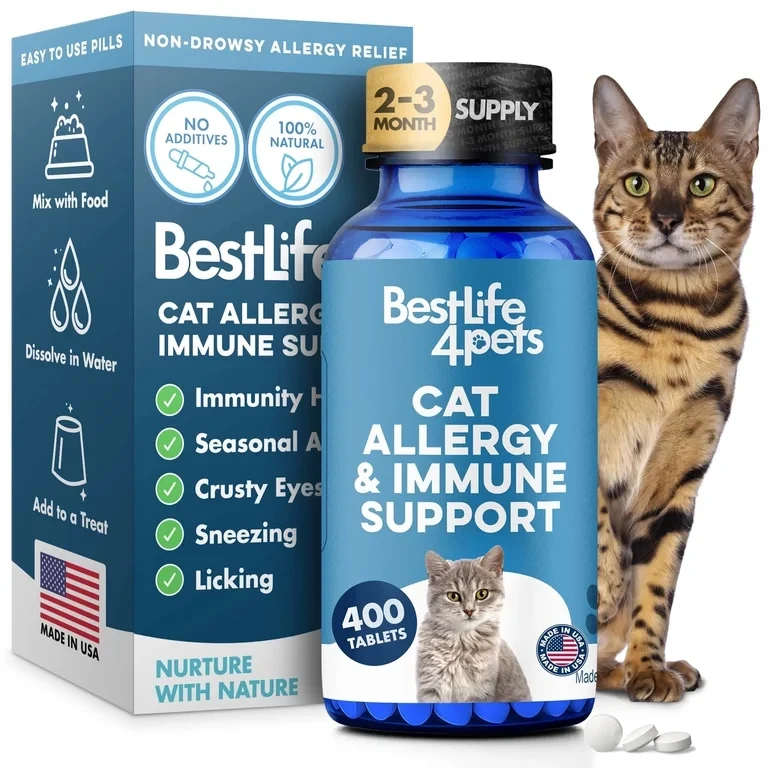
Natural Cat Allergy Relief: A Dual-Action Protocol
PawVerde.com – Natural cat allergy relief requires a dual-action approach: reducing the production of the Fel d 1 protein in the cat while simultaneously managing the human immune response through natural antihistamines like Quercetin and environmental controls like HEPA filtration and non-dusty litter.
Weekly bathing can significantly reduce allergen exposure.
The Dual-Action Protocol: Managing Both Human and Feline Triggers
A successful dual-action protocol synchronizes human symptom management with feline allergen reduction. For humans, this involves natural antihistamines like Quercetin and saline rinses. For cats, it focuses on dietary changes to lower Fel d 1 production and regular grooming to remove dander before it becomes airborne.
Addressing the “Double-Sided Allergy” dilemma requires recognizing that cleaning a house is insufficient if the biological source remains unchanged. Most allergy sufferers fail because they focus exclusively on one side of the equation—either treating their own symptoms or cleaning their environment—while ignoring the feline’s internal protein production. This creates a cycle of recurring symptoms despite high cleaning standards.
Human Support: Natural Immune Modulation
Managing the human response involves stabilizing the immune system to prevent the overproduction of histamines. This can be achieved through:
- Daily saline nasal rinses to physically flush microscopic Fel d 1 particles from sinus cavities.
- Consistent use of natural mast-cell stabilizers.
- Maintaining high-efficiency air filtration in sleeping quarters.
Feline Support: Reducing Fel d 1 at the Source
True relief comes from targeting the cat’s biology. While many believe that “hypoallergenic” breeds exist, no cat is truly allergen-free. Instead, focus on:
- Dietary interventions designed to neutralize the Fel d 1 protein in saliva.
- Regular grooming schedules to capture dander before it enters the air.
- Reducing the frequency of self-grooming through specialized feline nutrition.
A common failure mode occurs when owners attempt to manage allergies solely through increased vacuuming. Because Fel d 1 is microscopic and highly adhesive, standard cleaning often merely redistributes the protein rather than removing it.
The Science of Fel d 1: Why Traditional Cleaning Often Fails
The primary culprit in feline allergies is not the hair itself, but a specific protein known as Fel d 1. This protein is produced in the cat’s sebaceous glands and salivary glands. When a cat grooms itself, it spreads this protein across its fur. As the saliva dries, the protein becomes part of the dander that eventually sheds into the environment.
Traditional cleaning methods often fail because Fel d 1 is exceptionally small and lightweight. It behaves more like a gas than a solid particle, allowing it to linger in the air for extended periods and penetrate deep into upholstery and carpets. Furthermore, the concentration of Fel d 1 varies significantly between individual cats; one cat may produce negligible amounts, while another may produce levels that trigger severe reactions in even seasoned allergy sufferers.
Counterintuitively, many people believe that removing all hair from the home will solve the problem. However, a hair-free home can still be highly allergenic if the Fel d 1 protein remains embedded in the dust and fabric fibers. Effective management must target the protein’s presence, not just the visible hair.
Natural Supplement Deep-Dive: Quercetin, Nettle, and Butterbur
Natural antihistamine alternatives include Quercetin, which stabilizes mast cells to prevent histamine release; Stinging Nettle, which provides anti-inflammatory support; and Butterbur, used for seasonal relief. Unlike pharmaceutical antihistamines, these often require consistent daily use to build efficacy, typically showing results over several days or weeks.
| Supplement | Primary Mechanism | Expected Onset | Best For |
|---|---|---|---|
| Quercetin | Mast cell stabilization | Several days to weeks | Chronic, daily management |
| Stinging Nettle | Anti-inflammatory support | Variable | Acute inflammatory symptoms |
| Butterbur | Histamine modulation | Days of consistent use | Seasonal or periodic spikes |
Selecting the right supplement depends on the specific nature of the allergic response. Quercetin is often prioritized for those seeking long-term stability, whereas Stinging Nettle is utilized more for its direct anti-inflammatory properties during flare-ups.
Environmental Control: Beyond Basic Vacuuming
Effective environmental management requires moving away from traditional “dry” cleaning methods. Using a broom or a standard vacuum without specific filtration can actually worsen symptoms by kicking microscopic Fel d 1 particles back into the breathing zone.
Warning: Avoid using dry sweeping or unrated vacuum cleaners. These methods redistribute allergens throughout the room rather than capturing them.
The Litter Box Factor: Neutralizing Airborne Dust
The litter box is a major source of airborne particles that can carry Fel d 1 into the air. To mitigate this, implement the following:
- Switch to non-dusty, natural litter options such as corn or wood-based products.
- Use a covered litter box to contain dust during use.
- Clean the area around the box daily using damp cloths rather than dry dusters.
Advanced Eradication: Steam and UV-C
To reach deep-seated allergens, advanced technologies are necessary. Steam cleaning uses high-temperature moisture to break down the protein structure of Fel d 1 on hard surfaces and certain fabrics. UV-C light technology is increasingly used in air purifiers to assist in neutralizing biological particles, though its primary benefit remains the filtration of the protein itself via HEPA-grade systems.
The Travel & Guest Protocol for Allergy Management
Managing allergies while traveling or hosting guests requires a structured approach to prevent “allergy spikes” caused by unexpected exposure. Implementing a protocol can significantly reduce the risk of a reaction when visiting homes with cats or traveling to pet-friendly locations.
- Decontamination: When visiting a home with cats, change your clothing immediately upon arrival and use a damp cloth to wipe exposed skin.
- Airflow Management: If staying in a guest room, request that the room be equipped with a HEPA air purifier and kept “cat-free” for at least 24 hours prior to arrival.
- Personal Barriers: Use saline nasal sprays before and after travel to clear any inhaled particles from the nasal passages.
Failure to follow a decontamination protocol often leads to “delayed reactions,” where symptoms intensify several hours after the initial exposure due to the time required for the immune system to respond to the inhaled protein.
FAQ
Does bathing a cat actually work for allergy relief?
Yes, weekly bathing can reduce allergen levels by approximately 84% by physically removing dander and Fel d 1 from the fur.
Can I just keep my cat out of my bedroom?
While helpful, restricting a cat to one room does not fully limit allergens, as Fel d 1 is microscopic and travels easily through air currents and on clothing.
Why do kittens seem to cause fewer allergies?
Kittens often trigger fewer reactions because they engage in less self-grooming and have not yet developed the same high concentrations of Fel d 1 found in adult cats.